When you purchase through links on our site, we may earn a commission at no extra cost to you. Learn more.
Your dog usually meets you at the door, follows you into the kitchen, or perks up the moment you mention a walk. But today, they barely lift their head, and you cannot shake the feeling that something is off.
Table of Contents
A suddenly quiet dog may just be tired after a busy or stressful day; however, an unexplained change can also be an early sign of fear, pain, digestive trouble, illness, or another problem that is not immediately visible.
The important question is not whether your dog seems quieter than other dogs but whether they seem unusually quiet compared to their normal personality and routine. Let’s explore how to distinguish an ordinary quiet day from a meaningful behavior change, what might be causing it, and when your dog should see a veterinarian.
Quick Answer: Why Is My Dog Suddenly Quiet?
A dog may temporarily become quiet after strenuous exercise, an overstimulating day, poor sleep, travel, or a stressful experience. They should remain alert and responsive and begin acting like themselves again after adequate rest.
Sudden quietness is more concerning when there is no obvious explanation or it occurs with reduced appetite, vomiting, diarrhea, unusual breathing, weakness, pain, hiding, confusion, or reluctance to move. Contact your veterinarian if the change persists, worsens, or is accompanied by other symptoms.
Is My Dog Quiet, Withdrawn, Or Lethargic?
People often use “quiet,” “withdrawn,” and “lethargic” interchangeably, but they’re not the same behavior. Recognizing the difference can help you determine your level of concern.
Want our human-written content to rank above AI-generated garbage? Help us out by clicking this button!
Quiet
A quiet dog may bark less, seek less attention, or spend more time resting while remaining aware of what is happening around them. They may still look toward you when you speak, get up for dinner, accept a treat, and show interest in a walk.
Some dogs also become temporarily quiet after an exciting outing, a busy day with visitors, or another physically or mentally tiring experience.
Withdrawn
A withdrawn dog is not merely resting. They are interacting less with people, animals, or activities they would usually enjoy.
They may stop greeting you, leave the room when someone approaches, hide in an unusual place, turn away from affection, or refuse an invitation to play. Withdrawal can occur with fear, stress, grief, pain, and physical illness.
Lethargic
A lethargic dog has a noticeable reduction in their normal energy and ability or willingness to participate in everyday activities. They may sleep excessively, move slowly, remain lying down when called, or show little interest in food, walks, toys, and attention.
Lethargy is a symptom rather than a diagnosis. It can accompany something relatively minor, such as a temporary digestive upset, but it can also occur with infection, pain, toxin exposure, organ disease, and other serious medical problems.
Try The Favorite-Thing Test
Offer something your dog usually finds difficult to resist: a favorite treat, their leash, a beloved toy, or an invitation to go outside.
A tired but otherwise well dog will often show their normal interest, even if they settle down again afterward. A dog who barely responds — or tries to engage but appears weak, painful, or physically unable — deserves closer attention.
What Does “Suddenly Quiet” Look Like In A Dog?
Quietness does not look the same in every dog. A normally vocal dog may stop barking, while an affectionate dog may stop following family members from room to room.
You may notice that your dog:
- Does not greet you at the door
- Barks, whines, or “talks” less than usual
- Stops bringing you toys
- Refuses or quickly loses interest in play
- Spends more time alone
- Hides under furniture or in another room
- Sleeps or rests more than usual
- Does not follow you around the house
- Appears less excited about walks, meals, or visitors
- Moves more slowly or hesitates before getting up
- Avoids being touched or handled
- Stares into space or seems less aware of their surroundings
- Responds more slowly when you call their name
Any one of these behaviors can happen temporarily without indicating a serious problem. The concern rises when the behavior is clearly unusual for your dog, appears suddenly, continues without explanation, or occurs with physical symptoms.
Is My Dog Just Tired, Or Is Something Wrong?
The clearest clue is usually not the quiet behavior itself but whether your dog otherwise appears comfortable, responsive, and physically normal.
| More Likely A Normal Quiet Period | More Concerning Behavior Change |
|---|---|
| Recently exercised, traveled, attended daycare, trained, or had visitors | No clear reason for the sudden change |
| Wakes easily and responds normally to you | Difficult to engage or unusually slow to respond |
| Still interested in food, treats, walks, or toys | Refuses favorite foods, walks, play, or attention |
| Walks and changes positions comfortably | Moves stiffly, limps, trembles, or avoids getting up |
| Eats, drinks, urinates, and defecates normally | Appetite, thirst, urination, or bowel habits change |
| Relaxed posture and normal breathing | Hunched posture, tense body, panting, or unusual breathing |
| Returns to normal after adequate rest | Remains quiet, worsens, or develops other symptoms |
This comparison cannot tell you exactly why your dog is quiet, but it can help you decide whether careful observation is reasonable or veterinary advice is warranted.
When in doubt, trust your knowledge of your dog. Owners often notice subtle changes before an obvious physical symptom develops. “They just aren’t acting like themselves” is useful information to share with a veterinarian.
Look At What Changed Alongside The Quietness
Before settlingon a behavioral explanation, take a few minutes to observe your dog from head to tail. A second change may provide the clue that quietness alone cannot.
Are They Eating & Drinking Normally?
A dog who is quieter after a tiring day but eagerly eats dinner is generally less concerning than one who suddenly refuses food and water. Appetite loss can accompany pain, nausea, infection, dental problems, stress, and numerous other conditions.
Eating normally does not completely rule out a problem. Some dogs keep eating during the early stages of an illness, while others refuse regular food but still take high-value treats.
Will They Get Up & Move Normally?
Watch how your dog rises, walks, turns, climbs stairs, and settles back down. Hesitation, stiffness, limping, trembling, a hunched back, or repeatedly changing positions can point toward pain or discomfort.
A dog may also become quiet because moving hurts. Instead of whining, they may simply stop following you, decline a walk, or remain in one place longer than usual.
Are They Hiding Or Seeking More Attention?
Hiding can happen when dogs are frightened, overwhelmed, in pain, or sick. An unusually clingy dog may also be looking for reassurance because they feel anxious or physically unwell.
Consider the behavior in context. Retreating to a quiet bedroom during a crowded gathering has an obvious explanation. Hiding under the bed during an otherwise ordinary day deserves more attention.
Have Their Bathroom Habits Changed?
Check for diarrhea, constipation, straining, accidents, increased urination, reduced urination, or repeated attempts to go outside. These changes can help distinguish emotional withdrawal from digestive, urinary, or other physical problems.
Repeated straining, inability to urinate, blood, or significant abdominal discomfort warrants prompt veterinary attention.
Do They Have Other Physical Symptoms?
Look and listen for:
- Vomiting or diarrhea
- Coughing, sneezing, or nasal discharge
- Panting without an obvious reason
- Labored, rapid, or noisy breathing
- Limping or stiffness
- Shaking or trembling
- Drooling or repeated lip licking
- A swollen or painful abdomen
- Pale, blue, gray, yellow, or unusually red gums
- Loss of balance or confusion
- Weakness or collapse
A quiet dog with none of these signs may need rest and observation. A dog who is quiet and physically unwell should not be treated as though they are merely tired or moody.
Did Something Recently Change?
Think back over the hours and days before your dog became quiet:
- Did they exercise more than usual?
- Did they attend daycare, boarding, training, or grooming?
- Was there a storm, fireworks display, argument, or frightening encounter?
- Did someone move into or out of the home?
- Has your work schedule changed?
- Was a new baby or pet introduced?
- Did your dog start a new medication?
- Could they have eaten unfamiliar food or accessed a toxin?
- Did they fall, jump awkwardly, or play roughly?
- Has an animal or person they were close to recently died or left?
The answer may explain the change immediately. If it does not, the way your dog is acting can help narrow down the possible causes.
8 Reasons Your Dog May Suddenly Be So Quiet
Some causes have an obvious trigger, such as a long hike or a house full of visitors. Others are easier to miss because the first sign may be nothing more specific than a dog who seems unusually subdued.
Use the accompanying behavior — not quietness alone — to determine which explanation best resembles your dog.
1. They Are Simply Tired
Sometimes, the least alarming explanation is the correct one. Dogs can become physically and mentally tired after:
- A long walk, hike, or run
- Swimming or vigorous play
- Daycare or boarding
- Training classes
- A trip or unfamiliar outing
- A busy day with visitors
- Excitement around another dog
- An overstimulating environment
- A night of interrupted sleep
Mental stimulation can be tiring even when a dog has not exercised heavily. Processing unfamiliar people, smells, sounds, and surroundings may leave them ready for a long nap afterward.
A tired dog should still be alert and responsive when awake. They will usually eat and drink normally, move comfortably, and show at least some interest in a favorite activity.
Their energy should also begin returning after adequate rest. If your dog remains unusually quiet the next day, refuses normal activities, or develops other symptoms, tiredness may not be the full explanation.
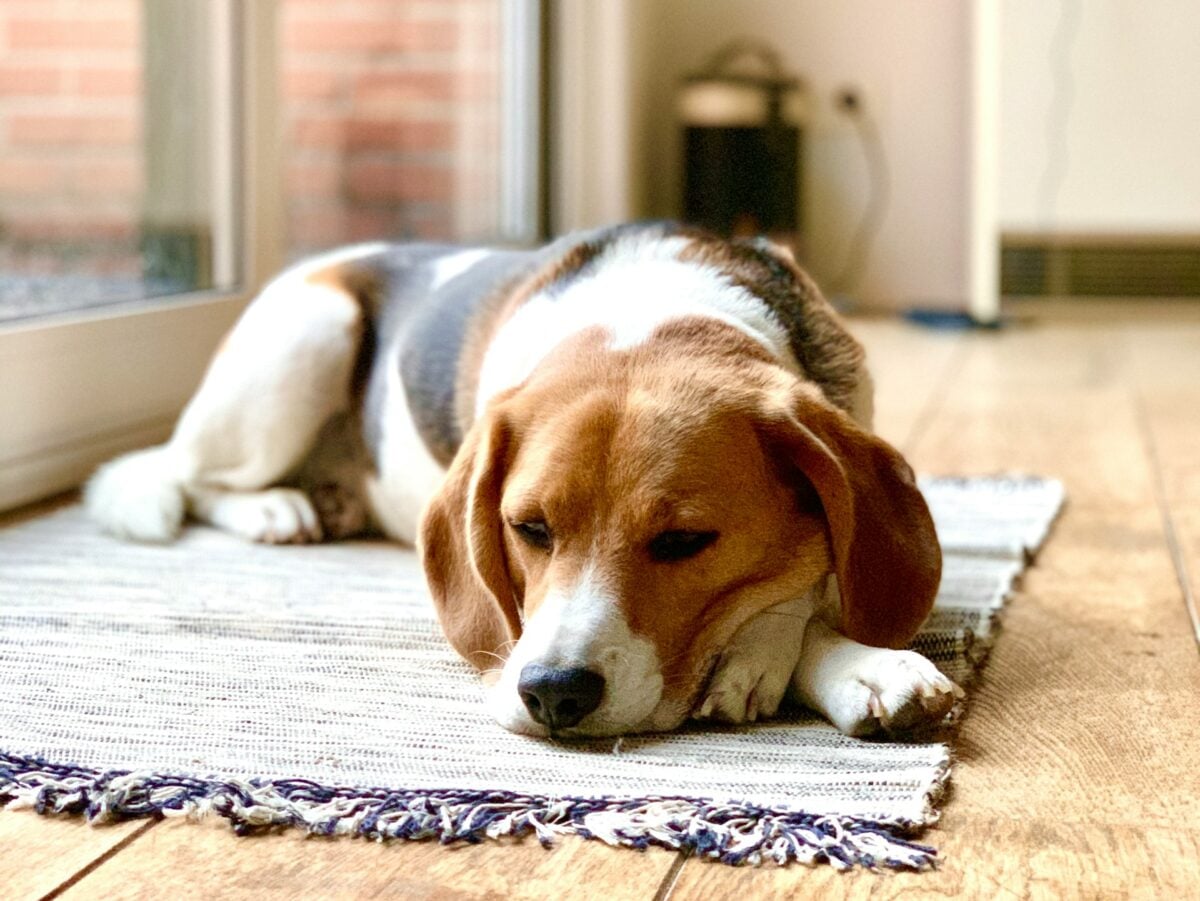
Can Dogs Be Tired The Day After Daycare?
Yes. Daycare combines physical exercise with prolonged social and sensory stimulation. Some dogs sleep more or act subdued for the rest of the day and possibly into the next.
Your dog should still be easy to wake, interested in food and water, and physically comfortable. Persistent exhaustion, limping, vomiting, diarrhea, coughing, or visible discomfort should not be dismissed as a daycare “hangover.”
2. Something Frightened Or Stressed Them
Not every frightened dog barks, paces, or tries to escape. Some respond to fear by becoming very still, quiet, or withdrawn.
Common triggers include:
- Thunderstorms and fireworks
- Construction or unfamiliar noises
- Arguments or tension in the home
- Grooming or veterinary visits
- Boarding or travel
- New people or animals
- Being scolded or startled
- An upsetting encounter with another dog
- Unfamiliar places or surfaces
- Changes that disrupt the dog’s sense of safety
A stressed dog may retreat to another room, avoid eye contact, refuse play, or remain close to a trusted person. They may also stop barking or interacting because they are monitoring the perceived threat.
Look for subtler signs such as:
- Ears held back
- A lowered head or body
- Tail tucked or held unusually low
- Lip licking
- Yawning when not tired
- Panting without heat or exercise
- Trembling
- Refusing treats
- Showing the whites of the eyes
- Turning away
- Freezing when approached
Whenever possible, identify and reduce the trigger. Give your dog access to a familiar, quiet resting place and allow them to approachon their own rather than forcing interaction.
Avoid scolding fearful behavior or repeatedly pulling your dog out of hiding. This can intensify their fear and make the safe space feel less secure.
Most dogs gradually relax once the threat has passed. Contact your veterinarian if the fear appears suddenly without an identifiable trigger, causes your dog to stop eating or drinking, or persists after the environment is calm.

3. Their Routine Or Environment Changed
Dogs notice changes that people may consider insignificant. A shifted work schedule, rearranged room, visiting relative, or change in walking time can alter familiar patterns.
Possible disruptions include:
- Moving to a new home
- A family member leaving or returning
- A new baby, roommate, or partner
- A new pet
- Construction or remodeling
- Different feeding or walking times
- An owner returning to the office
- Less exercise or attention
- Children returning to school
- A familiar dog leaving the household
- New noises, smells, or furniture
A dog adjusting to change may sleep more, follow you less, stay in a quiet room, or become unusually clingy. They may look normal physically while acting differently socially.
Try to keep essential parts of the day predictable. Feed, walk, and settle your dog at familiar times when possible. Continue offering exercise, enrichment, and gentle interaction without overwhelming them.
Some dogs adjust within a few days, while major changes may require longer. Progress should be gradual but noticeable.
Do not automatically blame a new routine if your dog’s behavior changed suddenly. Medical problems can emerge at the same time as a household disruption, and the timing may be coincidental.

4. They Are In Pain
Dogs do not always cry, whine, or limp when something hurts. One of the earliest clues may be that they quietly stop doing things they normally enjoy.
Pain may come from:
- An injury or muscle strain
- Arthritis or joint disease
- Back or neck problems
- Dental disease
- Ear inflammation or infection
- Skin irritation
- Abdominal discomfort
- Urinary problems
- An infected wound or abscess
- A broken nail or injured paw
- Recent surgery or another medical procedure
A painful dog may stop jumping onto furniture, hesitate at stairs, refuse a walk, or remain lying down when you enter the room. They might avoid being touched or become irritable when someone approaches a sensitive area.
Other dogs seek more contact. An unusually clingy dog may be looking for comfort because something feels wrong.
Watch for:
- Difficulty standing or lying down
- Limping, stiffness, or shortened steps
- A hunched or guarded posture
- Trembling
- Panting while resting
- Repeatedly changing positions
- Reluctance to turn the head
- Licking or chewing one area
- Flinching when touched
- Changes in appetite or sleep
- Growling or snapping unexpectedly
Do not repeatedly press or manipulate a painful area to find the source. A frightened or hurting dog may bite even if they have never bitten before.
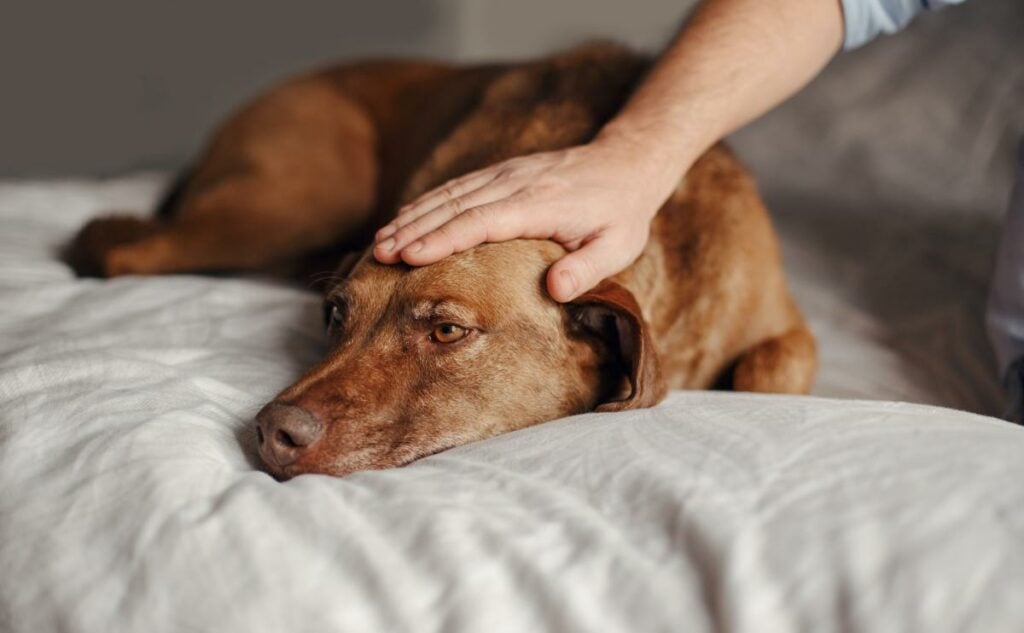
Never Give Human Pain Medication
Ibuprofen, naproxen, acetaminophen, and other medications intended for people can seriously harm dogs. Do not give your dog anything from your medicine cabinet unless a veterinarian has specifically instructed you to use that medication and dose.
Contact your veterinarian if you suspect pain, even if your dog is still eating. Pain rarely resolves through reassurance alone, and delaying treatment can allow an injury or underlying condition to worsen.
5. They Feel Sick
Quietness can be an early and nonspecific sign of illness. Your dog may conserve energy and participate less because their body is dealing with pain, nausea, fever, inflammation, or weakness.
Possible causes range from a mild digestive upset to more serious conditions involving the heart, lungs, kidneys, liver, nervous system, or other organs. Infections, parasites, medication side effects, and toxin exposure can also reduce a dog’s usual energy and engagement.
Rather than trying to diagnose a disease from quiet behavior, look for additional changes:
- Reduced appetite
- Drinking substantially more or less
- Vomiting or diarrhea
- Drooling, lip licking, or repeated swallowing
- Coughing or nasal discharge
- Panting or unusual breathing
- Weight loss
- Fever or shivering
- Bathroom accidents
- Changes in urination
- Weakness or poor balance
- Pale or discolored gums
Digestive discomfort does not always begin with dramatic vomiting or diarrhea. A nauseated dog may become quiet, turn away from food, lick their lips, swallow repeatedly, drool, eat grass, or struggle to get comfortable.
A dog who ate something unfamiliar may also seem subdued before more recognizable digestive symptoms appear.
Could A New Medication Make My Dog Quiet?
Yes. Sedation or reduced energy can occur with certain medications, including some prescribed for pain, anxiety, allergies, or seizures.
Ask your veterinarian what side effects to expect whenever your dog begins a new medication or their dose changes. Contact the prescribing clinic if the quietness is pronounced, unexpected, or accompanied by vomiting, weakness, agitation, poor coordination, or breathing changes.
Do not stop a prescription suddenly unless your veterinarian tells you to do so. Some medications must be tapered or replaced safely.

Could My Dog Have Eaten Something Toxic?
Sudden quietness or weakness can sometimes follow exposure to a toxin. Potential hazards include human medications, chocolate, macadamia nuts, xylitol, grapes or raisins, cannabis products, rodenticides, certain plants, and household cleaners.
Do not wait for additional symptoms if you know or strongly suspect your dog consumed something toxic. Contact your veterinarian, an emergency veterinary hospital, or an animal poison-control service immediately.
6. They Are Grieving Or Emotionally Withdrawn
Dogs can develop noticeable behavioral changes after losing a person or animal companion. They may also struggle when someone moves away, another pet is rehomed, or a familiar relationship suddenly disappears from daily life.
Possible grief-related changes include:
- Sleeping more
- Eating less
- Searching the house
- Waiting near a door
- Losing interest in play
- Becoming quieter or less social
- Seeking additional reassurance
- Spending time in the lost companion’s usual places
- Vocalizing more, or becoming unusually silent
Dogs also respond to changes in the surviving family. If people are sad, sleeping differently, staying home more, or following a disrupted routine, the dog’s environment has changed in several ways at once.
Maintain familiar meals, walks, bedtime rituals, and one-on-one attention. Gentle exercise and enrichment can give the day structure without demanding that your dog act cheerful.
Avoid rushing to replace a lost pet solely to improve your dog’s mood. Some dogs welcome another companion, but others find an immediate introduction stressful.
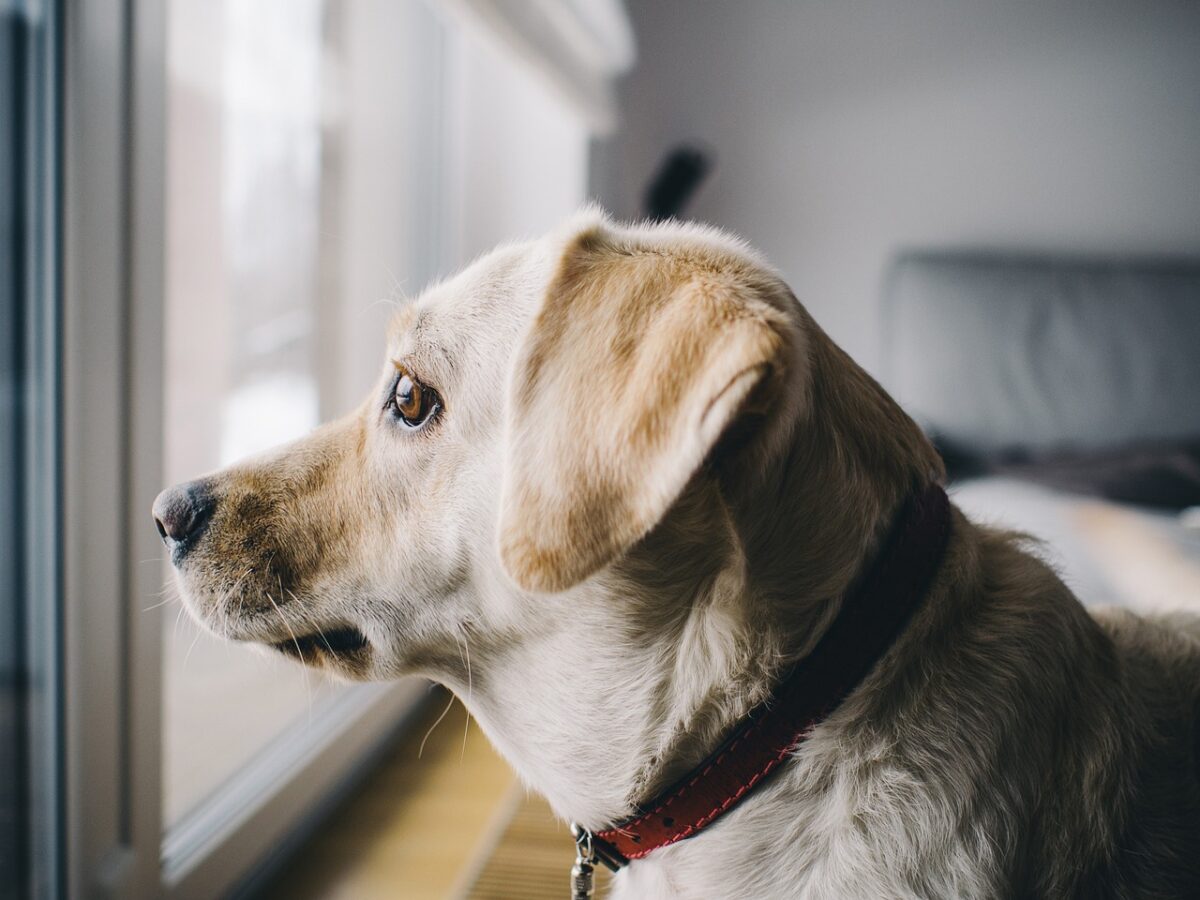
Is My Dog Depressed?
Dogs can show depression-like changes, including withdrawal, reduced interest, altered sleep, and appetite loss. However, these behaviors can also result from pain or illness.
If the change is pronounced, persists, or affects eating and normal activity, have your veterinarian rule out a medical cause before assuming your dog is grieving or depressed.
7. They Are Growing Up Or Adjusting To A New Home
A high-energy puppy may naturally become calmer as they mature. Adult dogs generally develop better impulse control, require less constant activity, and settle more readily than puppies or adolescents.
This change is usually gradual. Your dog should still show their familiar personality, respond enthusiastically to favorite things, and participate comfortably in daily life.
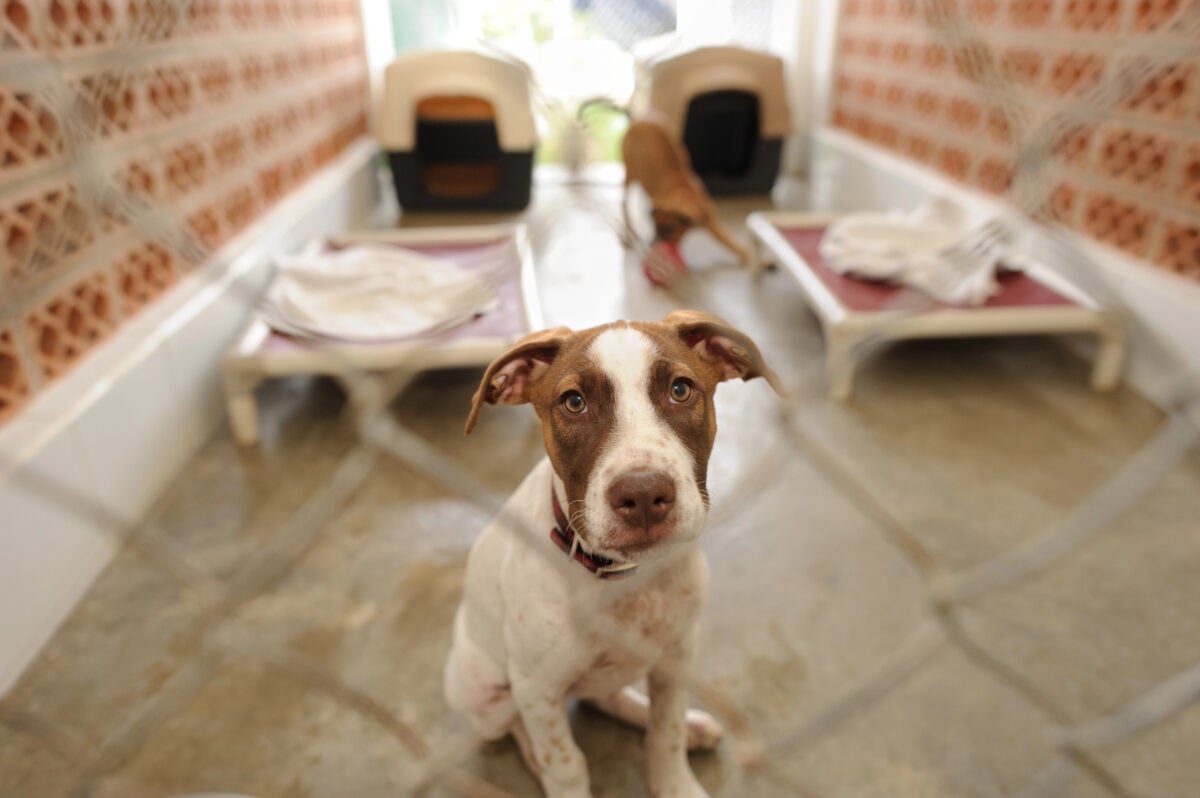
A newly adopted dog may also seem unusually quiet during the first days or weeks in a home. They are processing unfamiliar people, smells, expectations, sounds, and routines.
Some newly adopted dogs:
- Sleep frequently
- Avoid exploring
- Eat cautiously
- Remain in one preferred spot
- Rarely bark or vocalize
- Hesitate to initiate affection
- Observe family members from a distance
- Seem exceptionally calm before becoming more playful later
This reserved behavior does not necessarily represent the dog’s permanent personality. As they feel safer, they may begin seeking attention, exploring, playing, barking, or testing boundaries.
Give a new dog predictable routines, a private resting area, and time to approach at their own pace. Avoid overwhelming them with visitors, outings, or constant physical attention.
However, do not attribute every symptom to adjustment. A newly adopted dog can still have an infection, parasites, digestive illness, pain, or another condition requiring veterinary care.
8. Aging Is Changing Their Behavior
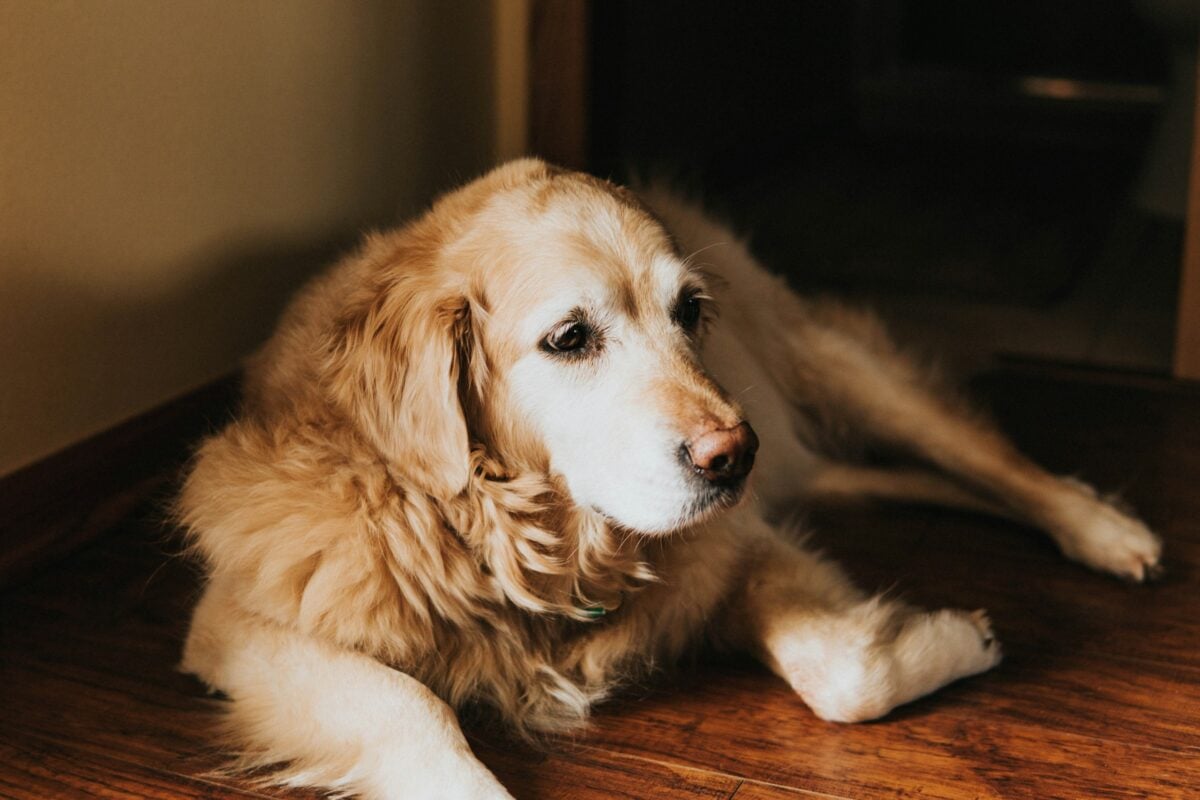
Many dogs gradually slow down as they age. They may sleep more deeply, play for shorter periods, move less quickly, and become less reactive to sounds or activity around the home.
Normal aging can therefore make a dog quieter over time. A sudden or substantial behavior change should not be dismissed simply because a dog is older.
An older dog may become quiet due to:
- Arthritis or other chronic pain
- Dental disease
- Reduced hearing or vision
- Lower stamina
- Heart or respiratory disease
- Kidney, liver, or hormonal conditions
- Medication side effects
- Canine cognitive dysfunction
Hearing loss can make a dog appear less responsive because they no longer hear the door, their name, or familiar household sounds. Vision loss may make them hesitant to move through dim rooms, unfamiliar environments, or areas with stairs.
Pain may cause a senior dog to stop following family members or greeting them at the door. Cognitive changes can alter sleep, awareness, social interaction, and normal household routines.
Watch for:
- Getting lost in familiar areas
- Staring at walls or into corners
- Becoming stuck behind furniture
- Sleeping more during the day
- Restlessness or vocalization at night
- Forgetting familiar routines
- New house-training accidents
- Changes in interaction with family
- Increased anxiety or clinginess
- Reduced interest in play or walks
Some age-related changes can be managed, and many medical conditions respond better when identified early. Mention any new behavioral change at your senior dog’s veterinary visit rather than accepting it as an unavoidable part of getting older.
Gradual Matters
A dog slowly becoming calmer with maturity or age is different from a playful dog becoming withdrawn overnight. The faster and more dramatic the change, the more important it is to look for pain, illness, fear, injury, or another specific cause.
What Your Dog’s Quiet Behavior May Be Telling You
Two dogs can become quiet for completely different reasons. One may be peacefully recovering from a busy weekend, while the other may be limiting movement because their abdomen hurts.
The following scenarios cannot diagnose the cause, but they can help you recognize which accompanying changes deserve closer attention.
My Dog Is Suddenly Quiet But Still Eating
A normal appetite is reassuring, but it does not completely rule out pain, stress, or illness. Some dogs continue eating during the early stages of a problem, and highly food-motivated dogs may accept treats despite feeling unwell.
Look beyond whether your dog finishes dinner. Ask:
- Are they drinking normally?
- Do they get up eagerly when food appears?
- Are they walking and changing positions comfortably?
- Will they engage with a favorite toy or activity?
- Are their bathroom habits normal?
- Do they seem alert once awake?
A dog who is eating, drinking, moving, and toileting normally may need rest after an unusually active or stimulating day. Continue monitoring them for new symptoms or a return to their usual personality.
Contact your veterinarian if the quietness persists, your dog seems painful, or their interest in normal activities continues to decline.
My Dog Is Quiet & Sleeping More Than Usual
Consider what happened before the increased sleep. Extra rest may be expected after hiking, swimming, daycare, travel, visitors, or a stressful event.
Weather can also affect activity. Some dogs rest more during periods of extreme heat, especially if outdoor exercise has been reduced. They should still be alert when awake and interested in food, water, bathroom breaks, and normal interaction.
Sleeping more becomes concerning when your dog:
- Is difficult to wake
- Immediately lies back down
- Refuses to get up for favorite activities
- Moves weakly or unsteadily
- Has appetite or bathroom changes
- Appears confused
- Develops vomiting, diarrhea, coughing, or unusual breathing
- Continues sleeping excessively without an obvious explanation
When in doubt, it’s always best to contact your veterinarian.
My Dog Is Quiet & Clingy
An unusually quiet dog who will not leave your side may be seeking safety or reassurance. This can occur after a frightening experience, during a storm, following a household change, or when a dog feels physically unwell.
Observe their body language. A fearful dog may tremble, pant, hold their ears back, tuck their tail, scan the room, or startle easily. A dog in pain may press close while avoiding movement or touch around a sensitive area.
You can offer calm companionship without constantly petting, restraining, or hovering over your dog. Give them the option to settle nearby and watch for physical symptoms.
Clinginess alone is not an emergency. However, an abrupt personality change with weakness, pain, panting, digestive symptoms, or inability to settle warrants veterinary advice.
My Dog Is Quiet & Hiding
Some dogs naturally retreat when the home becomes noisy or busy. Hiding becomes more significant when a social dog suddenly disappears during an ordinary day or refuses to emerge for something they usually enjoy.
Fear, pain, illness, and nausea can all lead a dog to seek isolation. Check whether your dog responds to your voice and whether they can walk out comfortablyon their own.
Do not drag or corner them. A dog who feels frightened or in pain may defend themselves when approached, even if they are normally gentle.
Seek veterinary guidance if the hiding is unexplained, persists after a stressor has passed, or occurs with:
- Appetite loss
- Vomiting or diarrhea
- Trembling or panting
- Limping or stiffness
- A hunched posture
- Difficulty breathing
- Weakness or poor balance
- Growling when approached or touched
My Dog Is Quiet After Daycare, Boarding, Or Travel
A stimulating day can leave a dog physically and mentally exhausted. Boarding and travel may also interrupt sleep, expose dogs to unfamiliar sounds, and require them to remain alert for long periods.
Mild tiredness should improve with calm surroundings, water, normal meals, and uninterrupted rest. Your dog should still wake normally and move comfortably.
After daycare or boarding, check for coughing, nasal discharge, vomiting, diarrhea, limping, wounds, or unusual thirst. Contact the facility and your veterinarian if symptoms develop or your dog doesn’t start returning to normal.
My Dog Became Quiet After Grooming Or A Vet Visit
Grooming and veterinary appointments can be tiring or stressful, especially for dogs who dislike handling, unfamiliar animals, noisy equipment, car rides, or slippery surfaces.
Your dog may want to sleep or spend time alone afterward. If sedation or medication was used, follow the clinic’s recovery instructions and ask how long the effects should last.
Check for skin irritation, sore paws, limping, coughing, vomiting, diarrhea, or pain when handled. Call the groomer or veterinary clinic if your dog’s reaction seems excessive or you notice an injury or unexpected symptom.
My Dog Is Quiet After Another Pet Or Person Left
A dog may become subdued after a companion dies, moves away, or abruptly disappears from their routine. They may search familiar rooms, wait near doors, sleep in the absent companion’s spot, or seek more reassurance from remaining family members.
Try to preserve predictable meals, walks, and bedtime routines. Encourage gentle activity without forcing play or social interaction.
Because grief-like behavior overlaps with signs of illness, contact your veterinarian if your dog stops eating, becomes lethargic, develops physical symptoms, or does not gradually begin adjusting.
My Senior Dog Is Suddenly Much Quieter
Gradual slowing can accompany age, but a sudden change deserves attention. Arthritis, dental pain, sensory loss, infection, organ disease, cognitive changes, and medication effects can all alter a senior dog’s behavior.
Pay particular attention to mobility. A dog who no longer greets you may still want to — they may be avoiding a slippery floor, painful stairs, or the effort required to stand.
Do not assume a new behavior is “just old age.” Schedule a veterinary evaluation for a substantial or persistent change, even if your dog is still eating.
My Puppy Is Suddenly Quiet
Puppies often fall asleep abruptly after intense play or exploration. A tired puppy should awaken normally, eat with enthusiasm, and quickly regain their usual curiosity.
A puppy who becomes suddenly quiet, weak, difficult to wake, or uninterested in food requires more caution. Young puppies can deteriorate quickly when they are sick, dehydrated, injured, or have swallowed something unsafe.
Contact your veterinarian promptly if your puppy’s quietness is unexplained or accompanied by vomiting, diarrhea, coughing, nasal discharge, trembling, pale gums, weakness, or possible toxin exposure.
What Should I Do If My Dog Is Suddenly Quiet?
If your dog is alert, comfortable, and free of urgent symptoms, a short period of careful observation may help you determine what changed.
1. Check Their Responsiveness
Speak to your dog normally and offer a familiar activity. Notice whether they look toward you, rise comfortably, and show recognizable interest.
Do not repeatedly provoke or overstimulate them to test their energy. One calm check is more useful than continually calling, touching, or tempting a dog who clearly wants to rest.
2. Watch Them Move
Watch your dog get up, walk, turn, and lie down. Look for stiffness, limping, trembling, hesitation, or an unusual posture.
Do not force a walk, climb stairs, or manipulate their joints if movement appears painful.
3. Check Food, Water, And Bathroom Habits
Note whether your dog eats their normal meal, drinks an ordinary amount, urinates without difficulty, and has a normal bowel movement.
One skipped meal may have many explanations, but appetite loss becomes more concerning when combined with quietness, pain, vomiting, diarrhea, weakness, or other symptoms.
4. Look For A Recent Trigger
Review the previous day or two. Consider increased exercise, daycare, boarding, visitors, frightening noises, household changes, new medications, unusual food, possible toxin exposure, or an unnoticed injury.
An identifiable trigger can make the behavior easier to interpret. Do not use it to dismiss symptoms that do not fit.
5. Let Them Rest Somewhere Calm
Provide fresh water and a comfortable, familiar place away from noise and household activity. Allow your dog to choose whether they want company or space.
Do not force affection or play. Rest is appropriate for ordinary fatigue and can also reduce stimulation while you continue observing a stressed or uncomfortable dog.
6. Record What You Notice
Write down when the behavior began, what occurred beforehand, and whether any other symptoms appeared. A short video of unusual posture, movement, breathing, or behavior can be helpful because dogs do not always display the same signs at the veterinary clinic.
7. Contact Your Veterinarian If You Are Unsure
You do not need to identify the cause before calling. Tell the clinic that your dog has developed a noticeable behavior change and describe what “quiet” means in their case.
Details such as refusing a walk, hiding, moving stiffly, or not greeting family are more useful than saying only that the dog seems sad.
Do Not Try To “Cheer Them Up” With Rich Food
Offering bacon, fatty meat, table scraps, or numerous new treats can aggravate digestive trouble and make it harder to tell whether your dog’s appetite is truly normal.
Offer their usual food unless your veterinarian recommends something different.
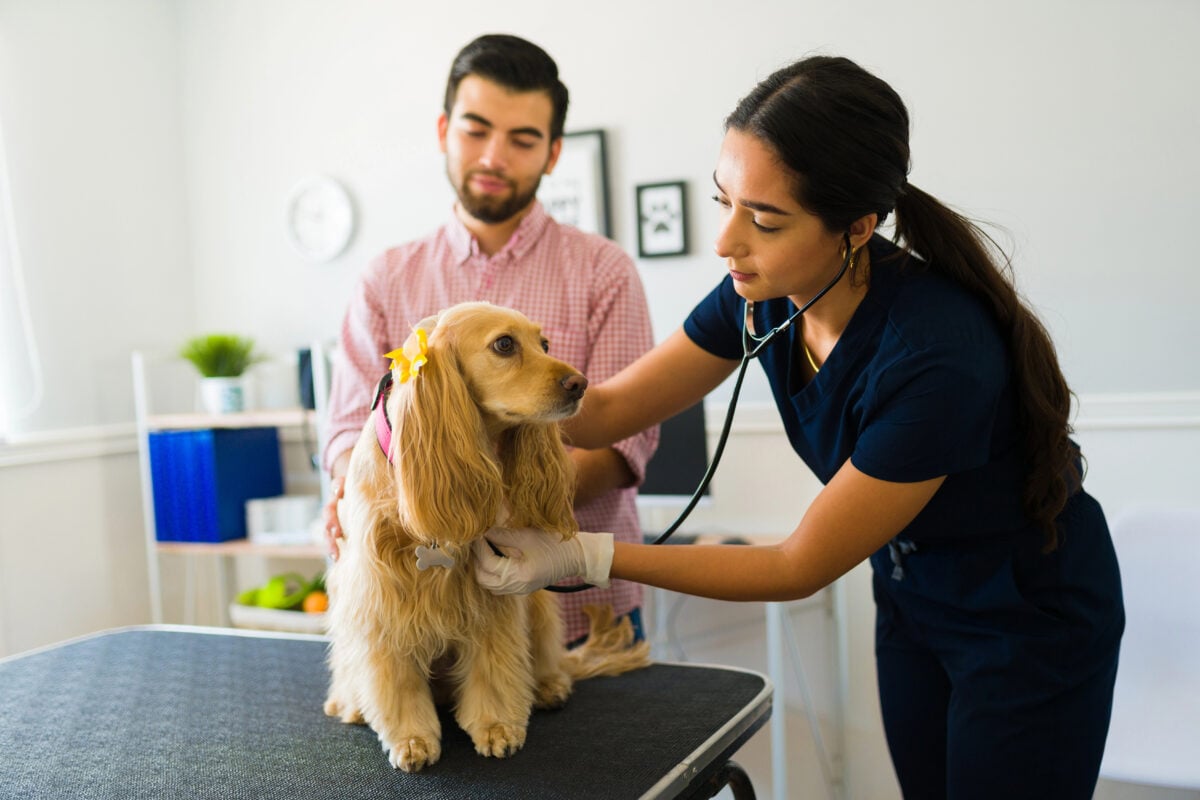
When Should A Quiet Dog See The Vet?
How quickly your dog needs care depends on how dramatically their behavior changed, how long it lasts, and whether other symptoms are present.
A quiet dog who enjoyed a strenuous outing and otherwise appears normal can often be allowed to rest and monitored. A dog who is weak, painful, unresponsive, or physically ill needs veterinary care.
Contact Your Veterinarian Promptly If
- The quietness has no obvious explanation
- Your dog does not return to normal after resting
- The behavior persists into the next day
- They repeatedly become quiet or withdrawn
- They eat or drink substantially less
- They hide or avoid normal interaction
- They refuse walks, play, stairs, or jumping
- They appear stiff, sore, or sensitive to touch
- Vomiting, diarrhea, coughing, or bathroom changes develop
- They recently started a medication
- A puppy or senior dog shows a meaningful behavior change
- Your instincts tell you something is wrong
Your veterinarian may recommend continued monitoring, schedule an examination, or advise immediate care based on your dog’s age, health history, and accompanying symptoms.
Seek Urgent Or Emergency Care If Your Dog Has
- Difficulty breathing
- Collapse or inability to stand
- Severe weakness or minimal responsiveness
- Pale, blue, gray, or unusually red gums
- A swollen, tight, or painful abdomen
- Repeated vomiting
- Repeated retching without producing vomit
- Severe or bloody diarrhea
- A seizure
- Sudden disorientation or loss of balance
- Significant trauma
- Inability to urinate
- Known or suspected toxin exposure
- Rapidly worsening symptoms
Do not wait for a complete list of symptoms to appear. Sudden quietness accompanied by one serious physical sign may be enough to warrant emergency care.
What Should I Track Before Calling The Vet?
A concise history can help your veterinarian assess urgency and decide what testing may be appropriate.
Record:
- When the behavior change began
- Whether it appeared suddenly or gradually
- What your dog was doing beforehand
- Food and water intake
- Urination and bowel movements
- Vomiting, diarrhea, coughing, or sneezing
- Changes in walking, stairs, or jumping
- Changes in sleep or social interaction
- Recent travel, daycare, boarding, or grooming
- Household or schedule changes
- New medications or supplements
- Possible access to unsafe food, medication, plants, or chemicals
- Any video showing the unusual behavior
You don’t need to delay calling to collect every detail. If your dog appears seriously unwell, contact a veterinary professional first.
Frequently Asked Questions
A dog’s sudden quietness often raises more questions when it appears with another change, such as sleeping more, refusing food, becoming distant, or no longer barking. Here are answers to some of the most common questions owners ask when their dog doesn’t seem like themselves.
Don’t see your question? Respond in the comments, and we’ll get back to you.
Why Is My Dog Suddenly Quiet & Not Barking?
Some dogs bark less when they are tired, frightened, stressed, or adjusting to a change. A normally vocal dog may also become quieter when barking, moving, or interacting feels uncomfortable.
Look for other changes in your dog’s appetite, breathing, posture, mobility, and interest in normal activities. If they have also developed coughing, gagging, a hoarse bark, difficulty breathing, or trouble swallowing, contact your veterinarian.
Why Is My Dog Suddenly Distant?
A dog may avoid attention because they feel overwhelmed, frightened, painful, nauseated, or generally unwell. They may also withdraw after a household change, an upsetting experience, or the loss of a companion.
Give your dog space, but do not assume they are angry with you or simply being moody. A sudden personality change without an obvious explanation deserves closer observation and may warrant a veterinary examination.
Why Is My Dog Quiet & Not Eating?
A dog who is both quiet and refusing food may be experiencing nausea, pain, stress, dental trouble, infection, or another medical problem. Check for vomiting, diarrhea, drooling, repeated swallowing, abdominal discomfort, weakness, and changes in drinking or bathroom habits.
Contact your veterinarian if your dog refuses food and is not acting like themselves. Puppies, senior dogs, dogs with chronic medical conditions, and dogs with additional symptoms may need attention sooner.
Can Dogs Become Quiet When They Are In Pain?
Yes. Many dogs hide pain rather than crying or whining. They may rest more, stop greeting people, avoid play, refuse stairs, move stiffly, or withdraw from touch.
A dog who is still eating can nevertheless be in pain. Contact your veterinarian if your dog’s quiet behavior is accompanied by mobility changes, panting at rest, trembling, a guarded posture, sensitivity to touch, or a loss of interest in normal activities.
Can Anxiety Make A Dog Very Quiet?
Fear and anxiety can cause a dog to freeze, hide, avoid interaction, or become unusually subdued. Some stressed dogs bark or pace, while others attempt to make themselves inconspicuous.
Look for pinned-back ears, a tucked tail, lip licking, yawning, trembling, panting, turning away, or refusing treats. Reduce the trigger when possible and give your dog a safe place to rest.
Why Is My Dog Quiet During The Day But Normal At Night?
Consider what changes throughout the day. Construction, traffic, nearby animals, household activity, heat, or being left alone may affect your dog while you are away or occupied.
A dog with pain may also become more active after resting, while a dog with cognitive changes may sleep during the day and become restless at night. Track the timing and surrounding circumstances so you can share a clear pattern with your veterinarian.
How Long Should I Monitor A Quiet Dog?
If your dog has an obvious reason to be tired, remains comfortable and responsive, and has no other symptoms, you can often let them rest while you monitor them closely. You should see a gradual return to their normal behavior.
Contact your veterinarian if there is no clear explanation, your dog does not improve after adequate rest, the quietness continues into the next day, or additional symptoms develop. Seek immediate help for breathing difficulty, collapse, severe weakness, a swollen abdomen, repeated retching, toxin exposure, or other emergency signs.
Should I Be Concerned If My Senior Dog Is Getting Quieter?
A gradual reduction in energy can occur as dogs age, but new behavior should not automatically be attributed to old age. Pain, dental disease, hearing or vision loss, organ disease, and canine cognitive dysfunction can all make a senior dog quieter.
Schedule a veterinary visit if you notice a noticeable or persistent change. Treating an underlying condition may improve your dog’s comfort, mobility, sleep, and interest in family activities.
Will My Dog Return To Normal After A Stressful Event?
Many dogs begin returning to their usual behavior once the stressor has passed and they have had time to rest in a familiar environment. Recovery may take a few hours after a minor disruption or longer after boarding, moving, a frightening encounter, or a major household change.
You should see gradual improvement. Seek professional help if your dog remains withdrawn, stops eating, cannot settle, becomes aggressive, or continues struggling with ordinary activities.
You Know Your Dog’s Normal
A quiet afternoon after a long adventure is usually nothing to fear. But when the dog who normally meets you at the door, brings you a toy, or follows you through the house suddenly stops participating, that change deserves attention.
Look at the whole pattern: appetite, movement, posture, bathroom habits, responsiveness, and any recent physical or emotional stressors. If your dog continues seeming “off” or develops another symptom, contact your veterinarian rather than waiting for the behavior to become more obvious.
Behavior changes can take many forms. Learn what it may mean when your dog is suddenly acting strange, shaking or trembling, or following you everywhere.