When you purchase through links on our site, we may earn a commission at no extra cost to you. Learn more.
You say “W-A-L-K,” pick up the leash, and wait for your dog to appear. Instead, they stay curled up on the couch.
Table of Contents
Maybe your dog is also napping through the usual commotion at home, skipping playtime, or greeting you with a tail thump instead of a full-body celebration. When they suddenly sleep through things that usually get their attention, it’s reasonable to wonder whether it’s ordinary tiredness or if something else has changed.
An extra nap after daycare or a busy weekend may be no big deal. But if your dog is also less interested in food, play, or greeting you, or has trouble getting up, a visit to the veterinarian is likely in order.
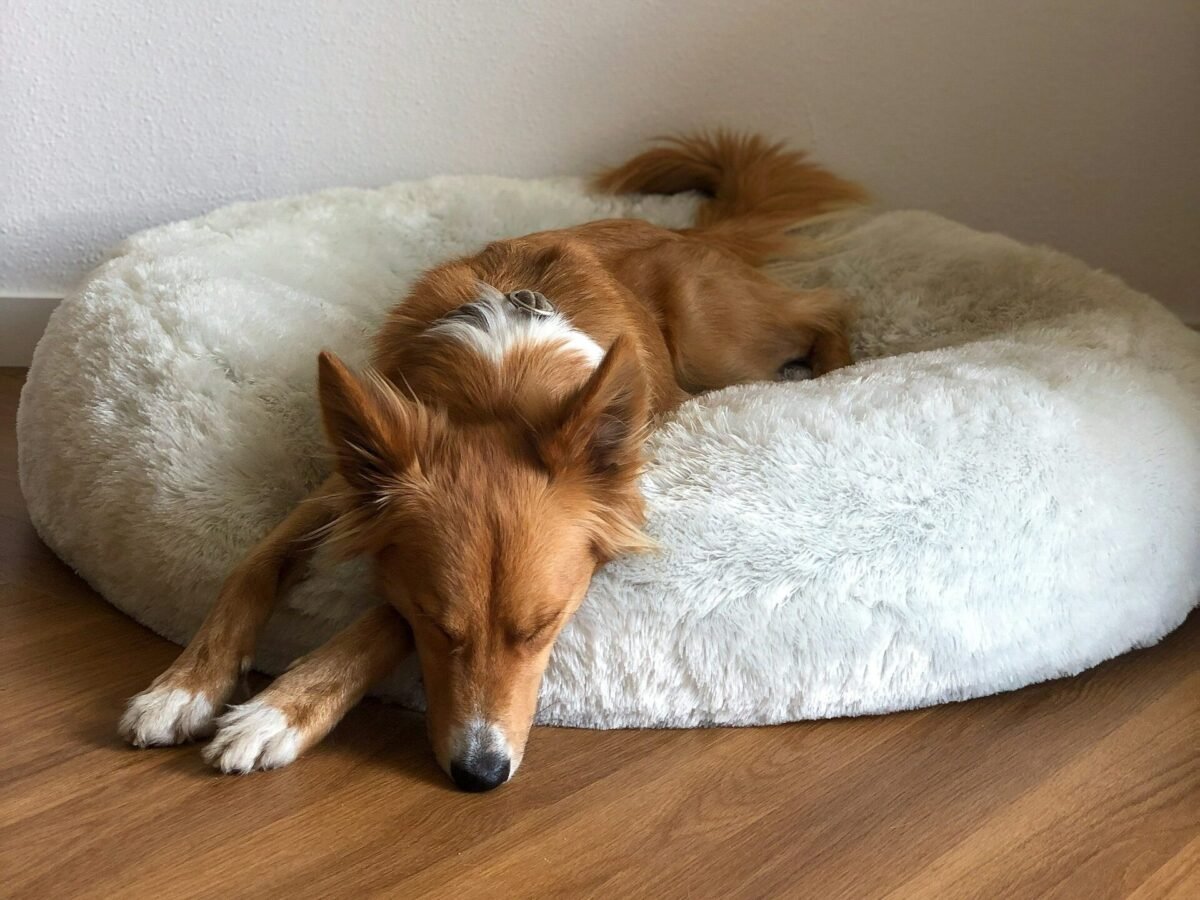
Start Here: Is Your Dog Resting Or Acting Lethargic?
Think about how your dog acts when awake. If they’re alert, eating normally, moving comfortably, and still interested in favorite activities, an extra nap is likely okay, especially following a busy day, warm weather, or a change in routine.
A lethargic dog seems unusually low on energy even after waking. They may be reluctant to get up, seem weak, or show little interest in things they normally enjoy.
Call your veterinarian if that sounds like your dog. If they’re difficult to wake or cannot get up, seek emergency care.
How Much Sleep Do Dogs Need?
When I adopted Rio, my first dog as an adult, I briefly wondered how I was supposed to entertain him all day. I’d come from a cat-only household, and this 3-year-old Golden Retriever seemed to have endless energy. He’d sit in front of me wagging his tail like Dug from Pixar’s Up, ready for whatever came next.
Want our human-written content to rank above AI-generated garbage? Help us out by clicking this button!
It took me a while to realize that dogs also spend a surprising amount of time asleep when given the chance to rest. Rio could be enthusiastically up for anything one moment and, a second later, be zonked out for an hours-long nap.
Young dogs can be even more confusing: An overtired puppy may get wound up and act hyper instead of looking sleepy.
How Much Do Dogs Sleep At Each Age?
These ranges are guides, not daily targets. Count daytime naps and overnight sleep, and watch for energy, appetite, and comfort when your dog is awake.
| Life stage | General sleep pattern | What to watch |
|---|---|---|
| Puppy | Young puppies may sleep about 18 to 20 hours a day, often in frequent naps. | They should still have periods of normal interest and activity when awake. |
| Adult dog | Around 12 to 14 hours a day is a commonly cited average. | Compare today’s sleep and activity with your dog’s usual routine. |
| Senior dog | Many older dogs need more rest; about 12 to 15 hours is a general estimate for geriatric dogs. | A gradual shift can happen with age, but a marked change deserves attention. |
4 Dog Sleep & Activity Stats That Put Those Naps In Perspective
Sleep hours tell only part of the story. Activity changes with age, routine, and health, which is why it helps to know what’s typical for your dog.
- Dogs tend to move less as they age. In a Dog Aging Project analysis, the estimated daily activity was slightly over 3.5 hours at age 1 and about 2.3 hours at age 17. Those are patterns across dogs, not a timetable for a sudden change in one dog.
- Puppies can be busy and still need plenty of downtime. FitBark’s activity tracker data shows substantially more activity in dogs ages 3 to 6 months than in dogs around age 3. That helps explain why the puppy sleep range can look so surprising beside all those bursts of play.
- Joint trouble can drastically change activity. In FitBark’s comparison, dogs with osteoarthritis recorded about one-third less activity than other adult and senior dogs.
- Dogs’ routines often follow ours. In FitBark’s data, activity peaked around 6 p.m., and Saturday and Sunday were the most active days. Think about whether a recent change in your schedule has also changed your dog’s opportunities to move.
Curious where your dog falls among the couch loungers and the Bark-athloners? Explore our full look at dog activity statistics.
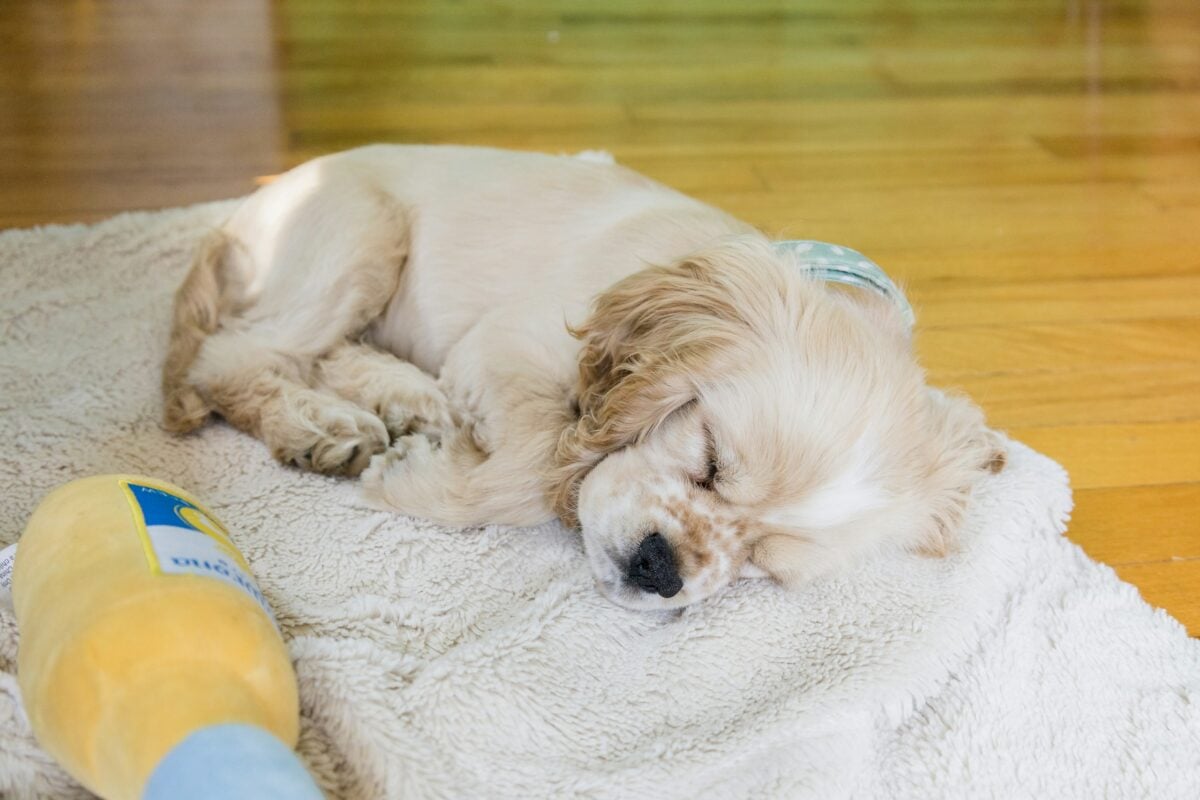
Does Breed Affect How Much A Dog Sleeps?
Breed can shape the rhythm of a dog’s day.
A Vizsla may be ready for another activity while a Basset Hound is already angling for the couch. Greyhounds add a fun twist: They can sprint at astonishing speed, then spend a good part of the day lounging.
You can explore more examples in our guides to high-energy dog breeds and low-energy dog breeds.
The puppy-to-adult shift can also look different by breed. A Shih Tzu may be surprisingly busy as a puppy, then settle into a more leisurely adult routine. Alternatively, an English Springer Spaniel may keep asking for plenty of activity well beyond puppyhood.
A gradual increase in naps may fit one breed’s normal development better than another’s.
Breed tendencies can help you understand your dog’s baseline, but they can’t explain an abrupt departure from it. A dog who has always enjoyed a long afternoon nap is telling you something different from one who suddenly chooses sleep over their favorite part of the day.
9 Reasons Your Dog May Be Sleeping More
Sometimes the explanation is sitting right there on the calendar: Your dog went to daycare yesterday, and today they’re catching up on rest.
Other times, the clue is in what happens when they wake up. Are they still eager for dinner and a walk, or do those things suddenly seem like too much effort?
1. They Had A Busier Day Than Usual
A trip, a longer hike, daycare, or a weekend full of visitors can wear your dog down more than their regular routine. They may spend the following day sleeping through household noise that usually sends them to investigate.
Think back over the past day or two. If your dog wakes easily, eats normally, and perks up for favorite activities, give them time to rest and see whether their usual energy returns. If the tiredness seems out of proportion to the activity, or they’re still acting unlike themselves after recovering, call your veterinarian.
Did You Know? A new place can be tiring even when your dog hasn’t run a marathon. There are unfamiliar smells to investigate, people to watch, and a different routine to figure out.
2. The Weather Is Wearing Them Out
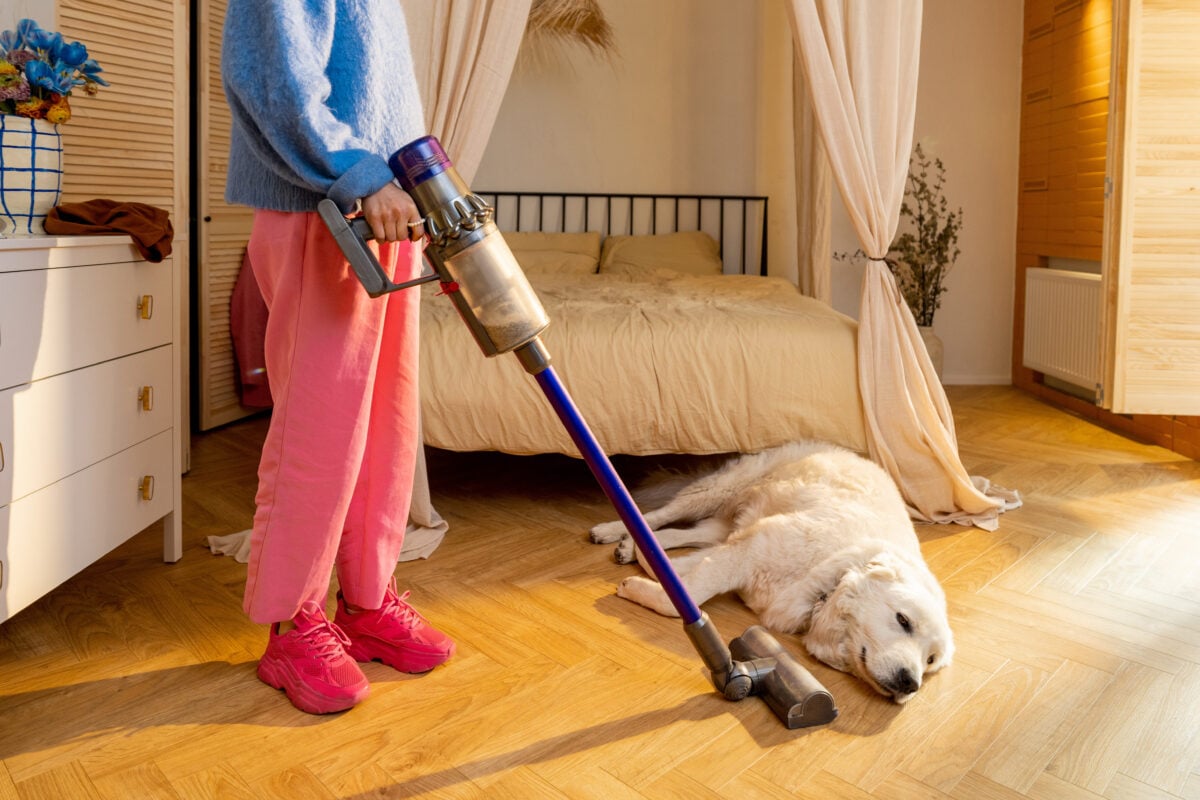
On a hot afternoon, your dog may abandon their usual sunny spot for the bathroom floor and sleep through the hours they’d normally spend watching the yard. Warm, humid weather can make a familiar walk feel like much more work, especially for older dogs, dogs carrying extra weight, and short-nosed breeds.
Notice how your dog acts once they’re somewhere cool. If they wake easily, drink, and return to their usual self, they may simply need a slower day.
Watch for signs of overheating: If your dog has been in the heat and seems unusually tired, look for:
- Heavy panting that doesn’t ease with rest
- Excessive drooling
- Weakness, stumbling, or confusion
- Vomiting or diarrhea
Seek emergency veterinary care if these signs appear. Our guide to heat stroke in dogs explains what to do while you get help.
3. Their Sleep Needs Are Changing With Age
A growing puppy can have a burst of play, fall asleep in an unlikely position, and wake up ready to do it all again. At the other end of life, a senior dog may need more time to recover after activities they once handled easily.
These changes usually make more sense when you look at the pattern over weeks or months. If your older dog suddenly begins sleeping through meals, struggling to stand, or refusing a familiar walk, don’t assume age is the whole explanation. Our senior dog care guide covers other changes that are useful to discuss with your veterinarian.
4. Pain Or Mobility Problems Are Making Activity Harder
Your dog hears the leash and lifts their head, but stays on the bed. When they finally stand, the first few steps look stiff, or their back legs seem unsteady. You might notice them pausing at the stairs, avoiding the couch, or lying down again sooner than usual.
Several problems can change how readily a dog gets up and moves. For example:
- Arthritis may cause stiffness after rest, difficulty rising, and reluctance to climb stairs or jump.
- Hip dysplasia can make rising, running, or climbing uncomfortable, particularly when arthritis develops in the affected joint.
- Luxating patella may cause your dog to briefly skip, hop, or hold up a back leg, then walk normally again. If episodes become more frequent or the knee becomes painful, they may be less eager to move.
- Degenerative myelopathy can cause gradually worsening hind-leg weakness, swaying, or dragging of the back feet. It generally isn’t painful, but walking and getting up become harder as it progresses.
- An injury or strain may follow a fall, a hard landing, or unusually vigorous play.
Look Closely: When you invite your dog for a walk, do they seem uninterested, or do they seem interested but reluctant to stand? That small distinction is worth sharing with your veterinarian.
5. They’re Feeling Sick
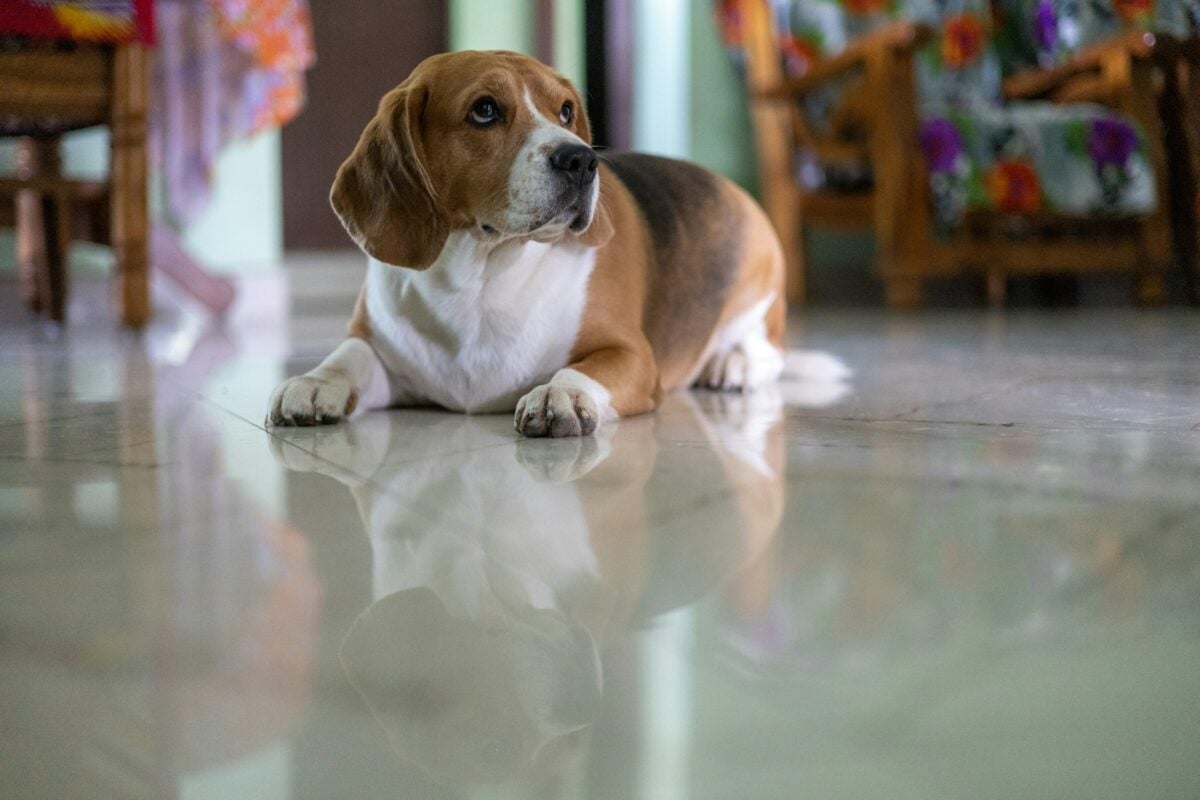
An upset stomach, infection, or another illness can leave a dog with little interest in their usual activities. Instead of appearing when you open the treat cupboard, they may stay put, eat only part of dinner, or go outside and head straight back to bed.
Watch for symptoms that arrived with the extra sleep, including:
- Eating or drinking less than usual
- Vomiting or diarrhea
- Coughing or other breathing changes
- A change in urination or bowel movements
- Less interest in people, play, or walks
A stomach upset or infection is one possibility, but those signs can have many causes. Our guide to sick dog symptoms can help you notice what to report.
Call your veterinarian when extra sleep comes with signs of illness, especially if your dog seems weak, has repeated vomiting or diarrhea, or cannot keep water down.
6. A Medication Is Making Them Drowsy
Did the extra napping start soon after a new medication or a dose change? Some medicines can affect a dog’s energy, and the timing gives your veterinarian an important clue. Pain, illness, or the condition being treated could also be contributing.
Pro Tip: Keep the medication package or a photo of its label handy when you call. Tell the veterinarian when your dog started taking it, the dose, and when you first noticed the change. Ask for advice before stopping or adjusting a prescribed medicine.
7. Another Health Condition Is Affecting Their Energy Or Sleep
Your dog may be sleeping through the afternoon because they were up half the night. Or they may be awake at the usual times but no longer have the energy for a walk. Those details can point your veterinarian in very different directions.
A few patterns worth mentioning to your veterinarian include:
- More drinking and bathroom trips: Increased thirst and urination alongside lower energy can occur with conditions such as Cushing’s disease.
- Weight gain and coat changes: Low energy, unexplained weight gain, and hair or skin changes can be clues to hypothyroidism.
- Noisy, disrupted sleep: New or worsening snoring, gasping, breathing pauses, or frequent waking may point to a breathing problem, including sleep apnea.
- Restless nights and daytime naps in a senior dog: Pacing after dark, confusion in familiar rooms, or changes in house training can occur with canine cognitive dysfunction.
These are clues, not a way to diagnose your dog at home. Track what changed and when, and schedule a veterinary visit if your dog’s sleep or energy has shifted without a clear explanation. If their breathing is labored or they’re difficult to wake, seek urgent care.
8. Something At Home Has Changed
Your dog’s day may look different because yours does.
Maybe you’ve started leaving for work earlier, someone new has moved in, or the companion who used to share the couch is no longer there. Changes in sleep can be part of how your dog responds.
Consider what happened around the time the extra naps began:
- More time alone: A new work schedule may leave your dog with fewer interactions during the day. Watch whether they still seem engaged when you’re together, and read more about signs a dog may be lonely.
- A change in the household: Your dog may sleep more after an exhausting weekend of guests. A move, a new baby, or another pet can disrupt their routine for longer, changing where they rest and how settled they feel.
- The loss of a companion: Some dogs change how they eat, sleep, and interact after a person or animal they know is gone. Our guide to how dogs respond to loss explores those changes.
A household change gives you context, but it doesn’t settle the cause. If your dog is unusually weak, stops eating, develops physical symptoms, or remains withdrawn, call your veterinarian. Stress and illness can look similar from the couch.
9. Their Days Have Become Less Interesting
Perhaps the weather shortened your walks, your work schedule changed, or your dog’s favorite playmate hasn’t visited lately. With fewer invitations to move, sniff, and play, some dogs may spend more of the day dozing.
Try offering something your dog normally enjoys. Do they brighten at the leash, follow a scent trail, or come over for a short game? That response helps you understand whether they’ve had fewer opportunities to engage.
If they remain unusually subdued even when offered a favorite activity, contact your veterinarian before chalking it up to boredom.
Vet Or Chill? When Your Dog’s Extra Sleep Needs Attention
You know what a tired dog looks like. The harder call is deciding whether this particular stretch of extra sleep can wait, needs a conversation with your vet, or calls for help right now.
Let Them Rest
Your dog had a busy day or another clear reason to need extra sleep. They wake easily, eat and drink normally, move comfortably, and still perk up for the things they love.
Let them rest, and watch for their usual energy to return.
Call Your Vet
Call if the extra sleep has no clear explanation, doesn’t improve, or comes with another change, such as:
- Skipping meals or losing interest in walks, play, or people
- Stiffness, limping, or difficulty getting up or climbing stairs
- Vomiting, diarrhea, coughing, or a behavior change
- Drinking or urinating more than usual
- Weight changes or breathing that looks different while resting
- Unusual drowsiness after starting a medication or changing its dose
Tell the clinic when you first noticed the change and how your dog acts when awake. They can help determine how soon your dog should be seen.
Seek Emergency Care
Go to an emergency veterinary hospital if your dog is difficult to wake, cannot stand or walk when prompted, collapses, or struggles to breathe. Seek emergency help for concerning signs after heat exposure, such as heavy panting that won’t ease, weakness, confusion, or vomiting.
Important: Note any recent activity, heat exposure, medication changes, and differences in eating, drinking, or bathroom habits. A short video of unusual movement or breathing may also help the veterinarian see what you’re seeing.
What About Pet Insurance?
If your dog needs an exam or testing to find out why their energy has changed, an existing policy may help with eligible costs. Coverage depends on the plan, waiting periods, and whether the condition was considered pre-existing. Our guide to what pet insurance covers explains those details.
If you’re planning for future needs, you can compare pet insurance options and get a free quote using the form below.

How To Help A Dog Who Is Sleeping More
The right way to help depends on why your dog’s routine changed. Once you know what’s going on, you can make their days more comfortable without asking a tired dog to simply “get more exercise.”
If Heat Is Draining Their Energy
Move walks and active games to cooler hours, and give your dog access to water, shade, and a cool indoor place to rest. On a muggy day, an indoor sniffing game may be more appealing than a long outing.
Our guide to cooling down your dog has more ways to make warm days comfortable.
If your dog has heavy panting that won’t ease, weakness, confusion, or vomiting after heat exposure, use the emergency guidance above. Comfort measures for an ordinary hot day are no substitute for veterinary care when heat illness is possible.
Coat-Care Note: Talk with a groomer or veterinarian before shaving your dog to help them cope with summer. Coat type and grooming needs vary, and removing the coat is not a universal way to keep a dog comfortable.
If They Have Joint Pain Or Trouble Moving
A dog with sore joints may still want to follow you into the kitchen, then think twice about getting off their bed. Tell your veterinarian which movements have changed, such as rising after a nap, climbing stairs, or finishing a walk. Together, you can build a plan around their diagnosis, weight, pain level, and the activities they still enjoy.
- Pain control: Our guides to pain medications for dogs and natural pain relief approaches explain the questions to bring to the appointment. Never give a human pain reliever without veterinary direction.
- Food and weight: If your dog is carrying extra weight, even ordinary movement can put more strain on sore joints. Ask whether a food formulated for joint health or weight loss makes sense alongside their medical care. Keeping dogs lean is a major part of osteoarthritis management.
- Supplements: You can compare arthritis supplements and broader joint supplements, then ask your vet whether any ingredient is appropriate with your dog’s medications and health history.
- Rehabilitation: Depending on the condition, your veterinarian may suggest physical therapy, supervised hydrotherapy, or other exercises that build strength without overwhelming painful joints. You can also explore laser therapy and dog massage as parts of a broader comfort plan.
At home, make the routes your dog uses every day easier to navigate. Put a comfortable bed somewhere accessible, keep water nearby, and look for slippery floors or jumps they now hesitate to make.
Follow your veterinarian’s guidance on activity, especially after an injury or if your dog’s back legs seem weak.
If Age Has Changed Their Stamina
An older dog may enjoy the same familiar walk at a slower pace, with more time to sniff and a nap afterward. Adjust the route to what they can comfortably do today, and keep track of whether that ability is changing. A steady routine can help you notice a new problem instead of losing it in the broad category of “getting older.”
If eating has changed along with energy, tell your veterinarian before switching diets. You can review our senior dog food guide, but food choice should reflect your dog’s weight, medical conditions, and appetite rather than age alone.
If Weight Is Making Movement Harder
If your veterinarian recommends weight loss, ask for a target and a plan suited to your dog’s mobility. A dog with sore joints may need a different activity plan from one who can comfortably take longer walks.
Our guides to helping a dog lose weight and weight-loss dog foods can help you consider food and movement together.
Avoid abruptly increasing exercise for a dog who is already sore or unusually tired. Ask your veterinarian how to measure progress beyond the scale, including whether your dog is getting up more easily or enjoying their usual activities again.
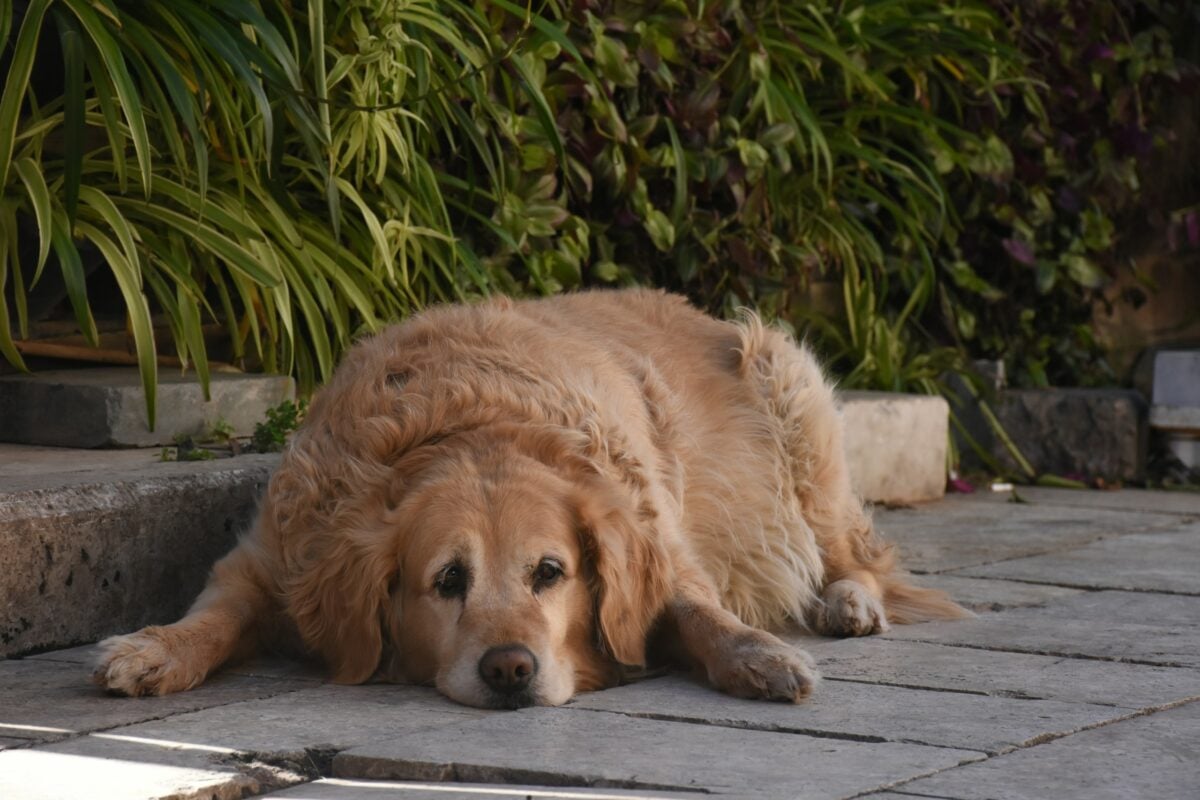
If A Household Change Has Disrupted Their Routine
After a move, a new work schedule, or the loss of a companion, keep familiar meal times, walks, and resting places where possible. Your dog may appreciate a quiet place away from the busiest part of the home, as well as time with you doing something they already enjoy.
Notice whether they gradually return to their usual interests as the household settles. If they remain withdrawn, stop eating normally, or their energy continues to change, bring that pattern to your veterinarian. A change at home can be part of the story without explaining every symptom.
If They Need More To Do
If your veterinarian has ruled out a health problem and your dog perks up when something interesting happens, add variety in small doses. You’re looking for activities they enjoy, whether that means five minutes of sniffing or a game that gets them moving.
1. Let Them Lead A Sniff Walk
Give your dog time to investigate instead of trying to cover a certain distance. A longer leash can offer more room to explore where it’s safe and permitted; our dog leash guide can help you choose one.
If you’re adjusting the overall routine, see how often to walk a dog.
2. Turn A Meal Into An Activity
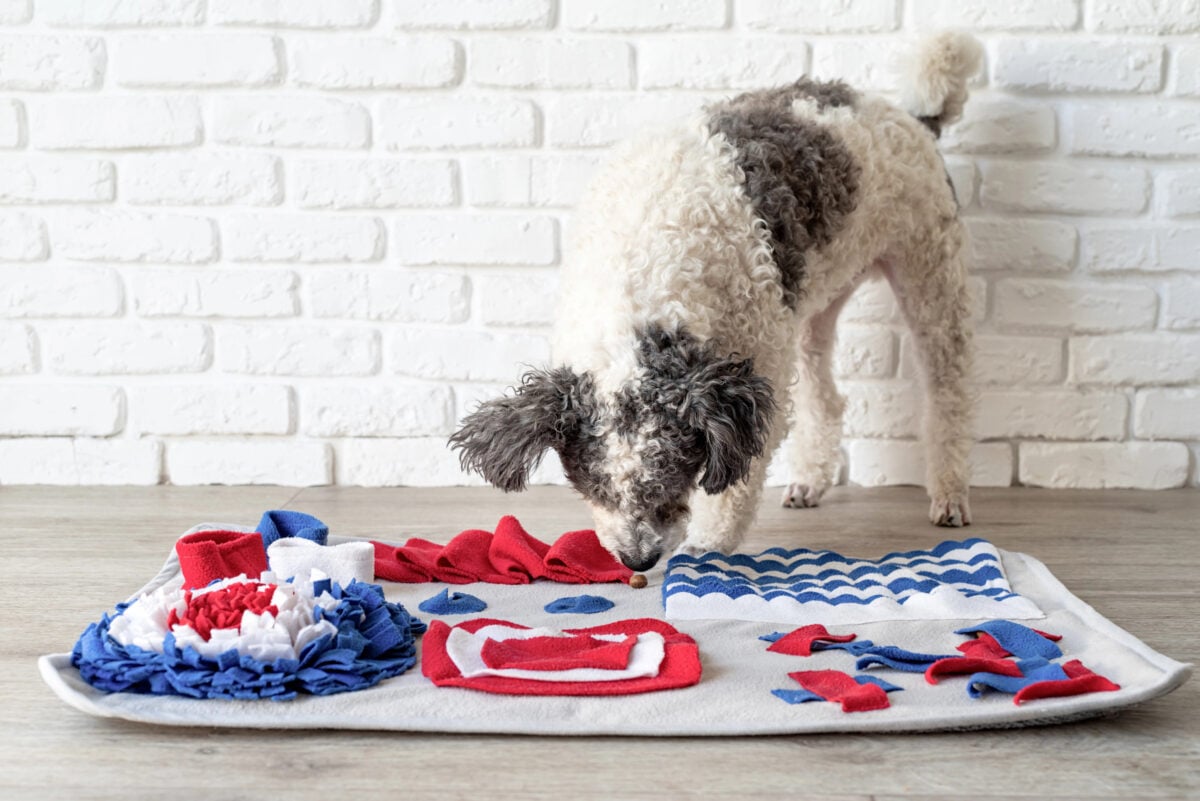
Scatter some of their regular food in a snuffle mat, spread suitable food on a lick mat, or try a slow-feeder bowl. Start simply so the activity feels rewarding, not frustrating.
Rotate a puzzle from our interactive dog toys guide, or try one of our brain games for dogs. Hiding a favorite toy or a few pieces of kibble can be enough to get a dog interested.
3. Play Together
Fetch, a short training session, or another activity from our dog games guide gives your dog a reason to interact with you. If they enjoy a quiet chewing session afterward, look through our rawhide alternatives and choose an option suited to their chewing style, with supervision.
4. Add More Movement
Our ideas for exercising with your dog range beyond the usual walk. Dogs who love to chase may enjoy a ball launcher, while some herding dogs relish pushing a herding ball around the yard.
Build up gradually, and skip strenuous games if your dog is sore, unusually tired, or recovering from an injury.
Keep A Simple Record
Note when your dog sleeps, what they did beforehand, and how they act when awake. Appetite, water intake, bathroom habits, mobility, and any nighttime restlessness belong in the same notes.
An activity monitor is a useful tool to keep track of your pup’s activity.
Can A Tracker Tell You If Your Dog Is Sleeping Too Much?
An activity tracker can show whether your dog’s activity or rest has shifted from their own usual pattern, especially during the hours you’re away. Different devices offer different insights:
- Activity and rest: FitBark records movement and rest trends. A change in those patterns can give you something specific to discuss with your veterinarian.
- Location plus activity: Tractive and the Petcube combine location features with activity information. Check the individual model’s features if health tracking is your main reason for buying one.
- Health and behavior trends: Queva reports activity, sleep, and behavior insights. PetPace offers more detailed health monitoring, including pulse and respiratory rate, alongside alerts intended to flag possible changes such as pain.
Frequently Asked Questions
A few situations don’t fit neatly into the nine reasons above. Here’s what to consider when the timing of your dog’s extra sleep offers another clue.
Don’t see your question? Ask us in the comments, and we’ll get back to you.
Can Dogs Sleep More In The Winter?
Some dogs become less active when cold weather shortens walks or keeps the household indoors. A dog with sore joints may also be less eager to move when it’s chilly.
Notice whether they’re still alert and interested in their usual activities once they’re comfortable inside; a pronounced or sudden change deserves a veterinary call.
Is It Normal For My Dog To Sleep More After Vaccines?
A dog may be less lively or eat a little less for a day or two after vaccination. That should improve within about 24 to 48 hours.
Call your veterinarian if the tiredness persists or seems more than mild; seek immediate help for breathing difficulty or other signs of a serious reaction.
Should I Worry If My Dog Sleeps More But Still Eats Normally?
Normal eating is reassuring, but it’s only one part of the picture.
Check whether your dog still wakes readily, moves comfortably, drinks and uses the bathroom as usual, and responds to favorite activities. If the extra sleep is a clear, unexplained change or they seem weak or unusually withdrawn while awake, call your veterinarian even if they finish dinner.
Is Your Dog A Natural Nap Enthusiast?
Once you’ve ruled out a concerning change, it can be fun to look at the habits that make your dog your dog. Some breeds are famously content with a short walk and a long snooze; others are wide awake but need a more interesting way to spend the afternoon.
Meet the lazy dog breeds that have lounging down to an art, look for signs your dog is bored, or find out what’s behind that surprisingly loud dog snoring.