When you purchase through links on our site, we may earn a commission at no extra cost to you. Learn more.
Yesterday, your dog trotted up the stairs without a second thought. Today? They’re staring at them like a serial killer moved in upstairs.
Table of Contents
Or maybe they suddenly refuse to get in the car, won’t enter a familiar room, or bark at an appliance they’ve ignored for years. What changed?
When a dog suddenly becomes afraid of something they’ve encountered hundreds of times, it can be confusing. Especially when nothing seems different to you.
But there’s usually more to the story. From an experience you never witnessed to subtle changes in their health, your dog’s sudden fear could be telling you something important.
First, Look For These Clues Behind Your Dog’s Sudden Fear
Before trying to figure out why your dog is suddenly afraid, play detective for a moment. The circumstances surrounding their reaction may reveal a pattern you haven’t noticed.
Ask yourself these six questions:
- When did it start? Did the fear appear overnight, or has your dog been growing more hesitant?
- Is it one specific trigger? A dog suddenly afraid of one person gives you a different clue than one that becomes nervous around everyone.
- Does timing matter? Are they only frightened after dark, during walks, around other dogs, or when certain sounds occur?
- Does movement seem involved? Refusing stairs, jumping, car rides, or certain activities may point toward physical discomfort.
- Has something changed around them? New people, unfamiliar animals, construction noise, altered routines, or changes in their usual surroundings can matter.
- Are there other changes? Watch for unusual sleep habits, reduced activity, appetite changes, or differences in how your dog interacts with you.
Pay attention to what happens just before your dog reacts, including where they are, who’s nearby, and what they’re doing. The pattern may tell you more than the object, person, or situation they’re avoiding.
9 Reasons Your Dog Is Suddenly Afraid Of Familiar Things
What makes sudden fear so puzzling is that your dog knows this person, place, sound, or situation. They’ve encountered it countless times without a problem. So why the sudden change?
The answer isn’t always what you’d expect. These nine explanations may help you uncover what’s really behind their sudden fear.
1. A Bad Past Experience Changed How They Feel About Something Familiar
Sometimes, one frightening experience is all it takes to change how your dog feels about something they’ve encountered hundreds of times.
And here’s the surprising part: You might have been right there when it happened without realizing how much it affected them.
Think about what your dog may have experienced recently:
- A frightening encounter: Another dog lunged at them during a walk, and now they’re reluctant to approach other dogs.
- An unpleasant car ride: They became carsick or frightened during a trip and now resist getting into the vehicle.
- A startling interaction: Someone accidentally steps on your dog’s paw or grabs their collar unexpectedly, and now they’re wary when people reach toward them.
- An unexpected scare: A cyclist nearly collided with them, and now they become nervous whenever bicycles approach.
You might have forgotten about the incident five minutes later. Your dog, unfortunately, may have filed it away under “Things We Are Never Doing Again.“
Dogs can form lasting associations between unpleasant experiences and the circumstances surrounding them.
And they don’t always connect the fear to the actual cause. A dog startled by fireworks at a park might later become reluctant to visit that park, even on a perfectly peaceful afternoon.
Think back to the last few times your dog encountered whatever they’re now avoiding. An experience that seemed insignificant to you may have left a much bigger impression on them.
Did You Know? One Fear Can Spread To Related Things
A dog frightened by fireworks may eventually become nervous around car backfires, thunder, or other sudden noises. This is called fear generalization, when a fear response extends to other sounds, situations, or experiences that remind a dog of the original threat.
The new triggers don’t have to be dangerous. They just need to share something the dog has learned to associate with fear.
2. Something Familiar Looks, Sounds, Or Smells Different
Your dog has greeted the same neighbor for years. But today, that neighbor walks up wearing a motorcycle helmet, and suddenly your dog acts like they’ve never met.
Sometimes, your dog isn’t reacting to something from the past. They’re reacting to something different right now.
Dogs rely on familiar sights, sounds, and smells to recognize people, places, and everyday situations. When those details change, something they’ve encountered countless times may suddenly seem unfamiliar.
Consider what your dog might be noticing:
- Changes in appearance: A familiar person wearing a hat, carrying an umbrella, or moving differently than usual.
- Unfamiliar sounds: Construction vibrations, a new mechanical hum, or electronic beeping that wasn’t there before.
- Different smells: A new cleaning product, an unfamiliar animal’s scent, or changes along their regular walking route.
- Unexpected movement: Inflatable holiday decorations, a flag flapping in the wind, or a robotic lawn mower crossing the yard.
- Changes in surroundings: Rearranged furniture, new outdoor structures, or unfamiliar objects appearing in familiar places.
Dogs don’t necessarily recognize things the same way we do. A person you identify instantly by their face may look quite different to your dog when their usual outline, movements, or other identifying cues change.
Before assuming your dog has developed a lasting fear, check whether something about the situation is different today. If the trigger is temporary, their reaction may disappear once things return to normal.
3. Your Dog’s Stress Level Has Increased
Your dog has never been particularly bothered by thunderstorms. But lately, even distant thunder sends them searching for a hiding spot. The storms haven’t necessarily gotten worse. Your dog’s ability to cope with them may have changed.
Dogs have limits to how much stress they can handle. When several stressful experiences happen close together, their reactions can build on one another. Behavior professionals sometimes call this trigger stacking.
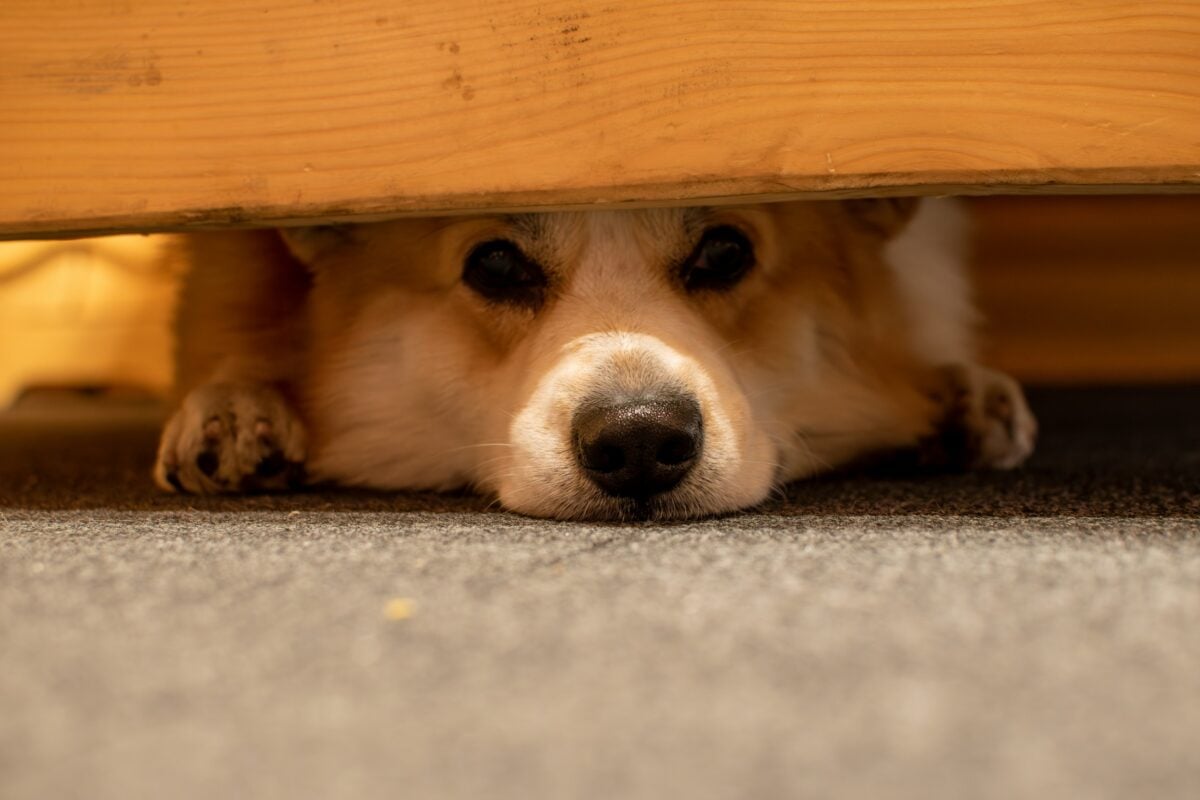
Think about a dog who’s had an unusually busy day. The neighbors are having noisy renovations, visitors keep coming and going, and they haven’t had much time to rest. By evening, a sound they’d normally ignore suddenly makes them bark or run for cover.
It’s a little like having a terrible day at work, getting stuck in traffic, and then coming home to find someone ate your leftovers. The leftovers aren’t the whole problem. They’re just the final straw.
Several things can contribute to this buildup:
- Changes in routine: Different work schedules, disrupted sleep, or less predictable daily activities.
- Household changes: A new baby, visiting relatives, or another pet adjusting to the family.
- Overstimulating environments: Frequent visitors, neighborhood activity, or constant interruptions.
- Not enough downtime: Too little opportunity to relax and recover between stressful experiences.
- Existing anxiety: A dog already struggling with separation anxiety or noise sensitivity may have a harder time coping with additional stress.
This also helps explain why some dogs seem perfectly comfortable with something one day but react strongly to it the next.
Look at what happened before the fearful reaction, not just what triggered it. A series of small stressors may explain why your dog’s tolerance was lower than usual.
4. A Small Fear Has Gradually Become A Bigger One
Your dog used to hang back a little when strangers approached. Then they started avoiding unfamiliar people altogether. Now, they bark the moment someone tries to say hello. What seems like a sudden new fear may actually have been building for months.
Dogs don’t always become accustomed to something simply because they experience it repeatedly. Sometimes, repeated exposure makes them more sensitive, not less afraid. This process is called sensitization.
The warning signs can be surprisingly easy to miss:
- Loud noises: A dog who once glanced up at fireworks now trembles or hides whenever they hear a sudden bang.
- Unfamiliar people: A dog who previously kept their distance from strangers now barks or growls when someone approaches.
- Other dogs: A dog who once hesitated during greetings now pulls away or reacts defensively when another dog gets close.
- Busy environments: A dog who seemed slightly uncomfortable in crowded places now refuses to enter them.
One important distinction: Tolerating something isn’t the same as feeling comfortable with it.

A dog who stands perfectly still while strangers pet them isn’t necessarily enjoying the attention. Sometimes, what looks like exceptionally good manners is actually a dog who doesn’t know how to get out of the situation.
Because early warning signs can be subtle, owners may not recognize growing fear until the reaction becomes impossible to ignore.
If your dog’s reactions are becoming stronger or starting earlier, don’t assume more exposure will help. Increasing distance from the trigger and seeking guidance from a qualified reward-based behavior professional can help prevent further escalation.
5. Pain Is Making Something They Used To Do Uncomfortable
Your dog used to leap into the car before you could even open the door all the way. Now, they hang back, lower their head, or refuse to get in. It looks like they’re suddenly afraid of car rides, but the real problem might have nothing to do with the car itself.
Pain can make once-enjoyable activities uncomfortable. And because dogs can’t tell us exactly what hurts, their reluctance to do something may look more like fear than a physical problem.
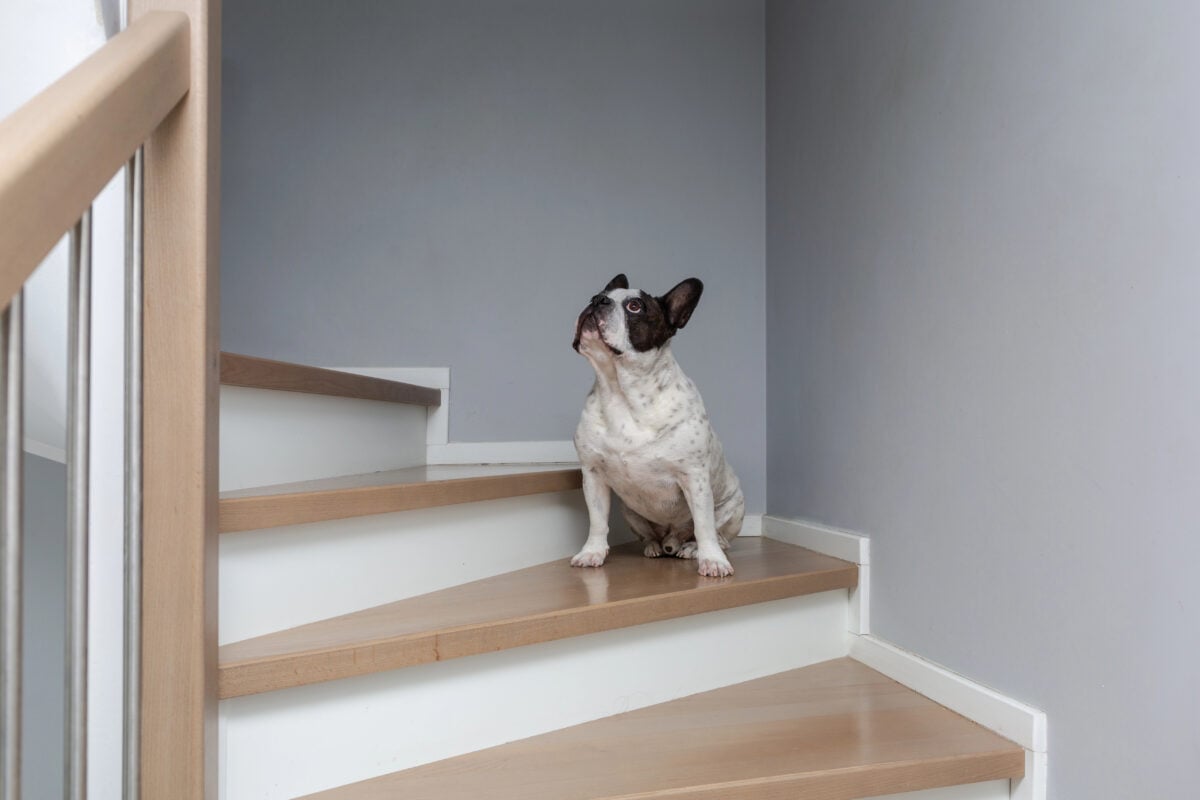
Watch for changes like these:
- Refusing stairs or jumping: Arthritis, joint pain, or back problems may make certain movements uncomfortable.
- Avoiding walks or playtime: Sore paws, muscle injuries, or other painful conditions can make physical activity less appealing.
- Pulling away from familiar people: A dog experiencing pain may become wary of being picked up, petted, or handled in certain ways.
- Hesitating on slippery surfaces: Pain, weakness, or instability can make smooth floors especially difficult to navigate.
One of the hardest things about recognizing pain in dogs is how much of their usual personality can remain unchanged.
Your dog might still wag their tail when you get home, follow you around the house, and happily accept a treat. But that jump into the car they used to love? Suddenly, they’d rather stay on the ground.
You might also notice smaller changes: taking longer to stand up, shifting their weight, moving more slowly after resting, or choosing to lie down instead of joining the family.
If your dog’s sudden fear involves movement, physical contact, or activities they once enjoyed, schedule a veterinary examination before trying to train them through it.
6. Changes In Vision Or Hearing Are Making Familiar Things Scary
Imagine recognizing someone across the street, then suddenly realizing you can’t quite make out their face. You might hesitate, too. For dogs experiencing hearing or vision loss, familiar situations can become harder to interpret.
Dogs rely on their senses to recognize people, navigate familiar places, and understand what’s happening around them. When their vision or hearing begins to decline, the world can become less predictable, even when nothing around them has changed.

You might notice your dog:
- Becoming nervous after dark: Reduced vision can make familiar paths, objects, and people harder to recognize in low light.
- Startling when approached: A dog with hearing loss may not realize someone is nearby until they’re suddenly standing beside them.
- Barking at familiar people from a distance: Blurry vision can make it harder to recognize someone until they get closer.
- Reacting differently to everyday sounds: Partial hearing loss may make certain sounds harder to detect or identify, even when your dog still responds to others.
Sensory changes don’t always happen overnight. Your dog may gradually become more cautious, startle more easily, or rely more heavily on other senses before you realize anything has changed.
Watch what happens when your dog gets closer to something, hears your voice, or moves into better lighting. Those differences can give your veterinarian valuable clues when evaluating a sudden behavior change.
7. Your Puppy Or Adolescent Dog Is Going Through A Fear Period
Your puppy has spent weeks greeting strangers, exploring new places, and investigating everything within nose range. Then one morning, they encounter a perfectly ordinary trash can and react like it’s been plotting against them.
Welcome to a possible developmental fear period, a stage when puppies become more sensitive or cautious about their surroundings.
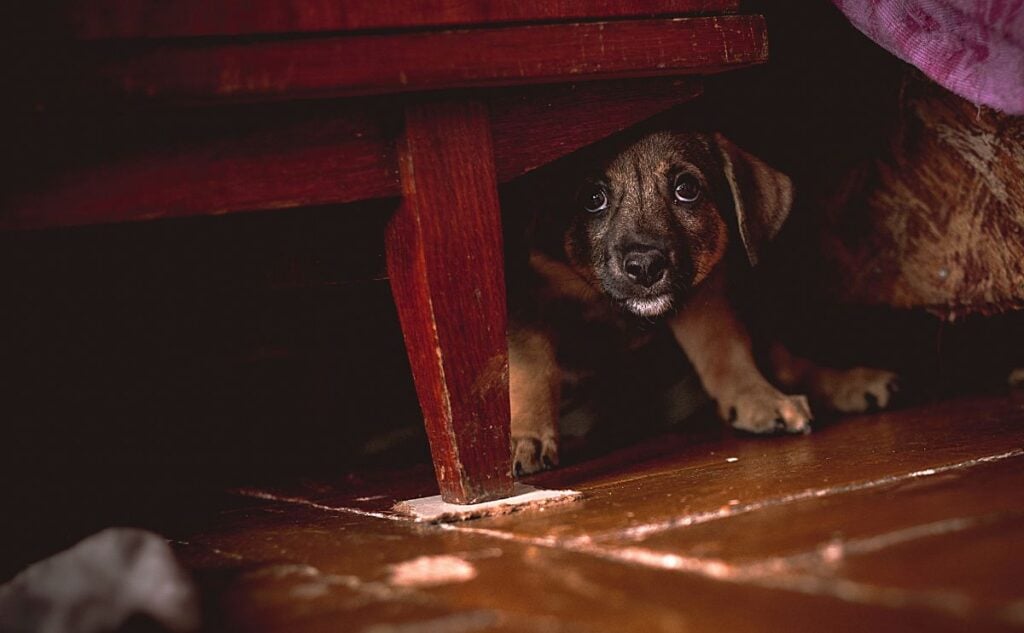
Two age ranges are commonly associated with increased fearfulness:
- First fear period (around 8–11 weeks): This often coincides with puppies joining their new families. New people, unfamiliar environments, and everyday experiences may suddenly seem intimidating.
- Adolescent fear period (roughly 6–14 months): Some young dogs become more cautious again as they mature. A previously confident puppy might suddenly hesitate around strangers, react to unfamiliar dogs, or become suspicious of ordinary objects.
These are approximate windows, not strict developmental deadlines. Not every dog experiences a noticeable fear period, and some may show increased caution outside these age ranges.
Unlike a fear that develops after a particular frightening event, developmental fearfulness may appear without an obvious bad experience. Your puppy’s changing response to the world can make previously ordinary situations seem more intimidating.
If the fear is severe, persistent, or getting worse, don’t automatically attribute it to a developmental stage. Other behavioral or medical causes may need investigation.
8. Cognitive Decline Can Make Your Senior Dog Fearful Or Confused
It’s unsettling watching a dog who’s spent years knowing exactly where they belong suddenly seem unsure of themselves. The dog who could find their favorite sleeping spot in complete darkness now seems confused in a familiar room.
Or maybe they’re pacing at night, becoming nervous when left alone, or reacting fearfully to situations they’ve always handled comfortably.

Sometimes, these changes are connected to how an aging dog’s brain processes information.
One possible explanation is canine cognitive dysfunction (CCD), a condition linked to age-related brain changes that affect memory, awareness, sleep, and behavior. It’s sometimes compared to dementia in people.
Fearfulness alone doesn’t mean your dog has CCD. But it’s worth paying closer attention if you’re noticing other changes, such as:
- Disorientation: Getting lost in familiar surroundings, staring into corners, or appearing confused.
- Sleep disruptions: Pacing, whining, or wandering at night when they used to sleep soundly.
- Changes in social behavior: Becoming unusually clingy, withdrawn, or less interested in familiar interactions.
- House-training accidents: Having accidents indoors despite years of reliable house training.
- Unexplained anxiety: Becoming distressed when separated from you or appearing unsettled without an obvious trigger.
Unlike vision or hearing loss, which can make something harder to recognize, cognitive decline can affect how your dog understands and responds to their surroundings, even when they can still see and hear what’s happening.
Don’t automatically dismiss these changes as normal aging. If your senior dog develops new fears alongside confusion, disrupted sleep, or changes in everyday behavior, schedule a veterinary examination to investigate cognitive dysfunction and other possible medical causes.
9. An Illness Or Medication Is Changing Your Dog’s Behavior
Your dog has always been fairly easygoing, but lately they’re unusually jumpy, restless, or frightened by things they once ignored. Nothing obvious has changed in their surroundings, and they don’t seem to be in pain.
Sometimes, the change isn’t what’s happening around your dog. It’s what’s happening inside their body.
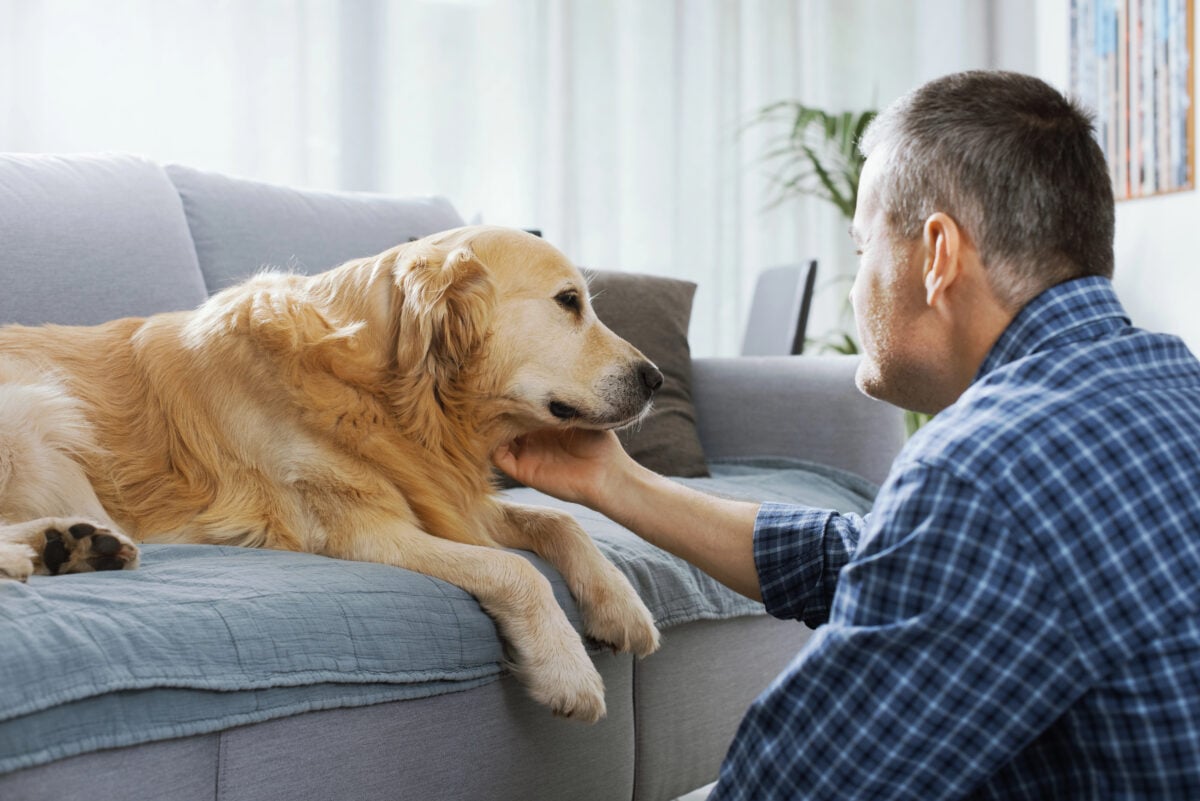
Certain illnesses can affect a dog’s behavior, including how they respond to everyday situations. Some medications can also cause side effects that make dogs more restless, nervous, or sensitive to their surroundings.
Possible clues include:
- Recent medication changes: Some medications, including corticosteroids such as prednisone, can cause behavioral side effects in certain dogs.
- Hormonal or metabolic disorders: Conditions such as hypothyroidism (low thyroid hormone levels) or low blood sugar can affect a dog’s energy, alertness, and behavior.
- Neurological problems: Focal seizures, brain tumors, or encephalitis (brain inflammation) can sometimes cause sudden fearfulness, confusion, or unusual reactions to familiar situations.
- Other signs of illness: Changes in appetite, thirst, sleep, energy, or bathroom habits alongside new fears may suggest a broader health problem.
The difficulty is that these changes don’t always come with obvious physical symptoms. A dog may seem generally healthy while acting noticeably different from their usual self.
If the fear appeared around the time your dog started a new medication, had a dosage adjustment, or developed other unexplained symptoms, tell your veterinarian. Don’t stop prescribed medication without veterinary guidance.
Why Forcing Your Dog To Face Their Fear Can Make Things Worse
When your dog suddenly becomes afraid of something they’ve done a hundred times, your first instinct might be to show them there’s nothing to worry about. After all, you’ve walked past that same barking dog for years. Surely one more trip will convince them everything’s fine?
Unfortunately, forcing a frightened dog to confront something doesn’t necessarily teach them it’s safe. It can make the experience even more upsetting.
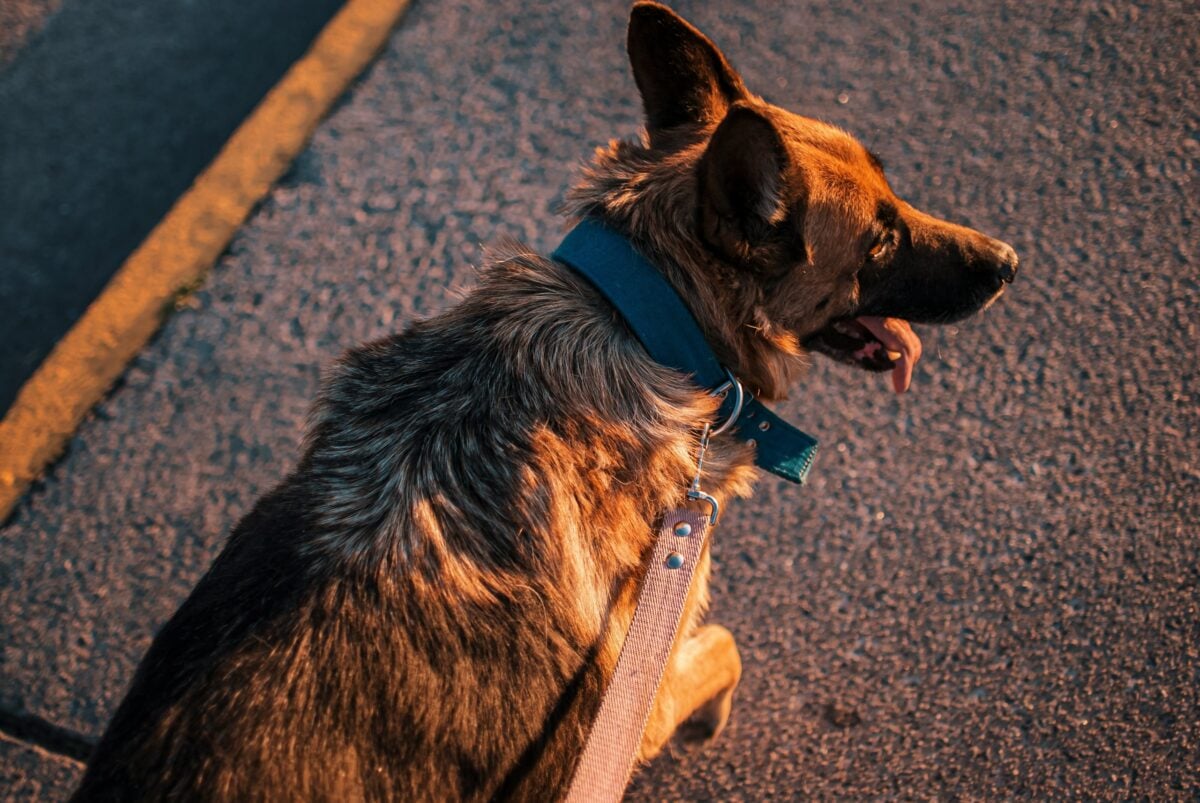
Some well-intentioned approaches can backfire:
- Pulling them toward a trigger: Dragging a reluctant dog past an unfamiliar person, animal, or object can intensify their fear.
- Forcing interactions: Making a nervous dog greet visitors or other dogs removes their ability to keep a comfortable distance.
- Repeatedly exposing them to something frightening: Continuing an overwhelming experience until the dog stops reacting may increase fear rather than reduce it.
- Luring them closer with treats: A dog may follow food into a situation they’re not comfortable with, only to panic when they realize how close they are.
This kind of overwhelming exposure is known as flooding. Rather than gradually helping a dog feel safe, it exposes them to a level of fear they may be unable to manage.
And here’s an important distinction: A dog who stops struggling hasn’t necessarily stopped being afraid. Freezing, becoming unusually still, or shutting down can signal significant distress, not successful training.
How To Help Your Dog Overcome A Sudden Fear
Helping a frightened dog regain confidence takes patience, but the goal isn’t to make them confront something scary. It’s to gradually change how they feel about it.
These five steps can help with mild, specific fears once you’ve considered medical causes.
1. Start At A Comfortable Distance
Begin somewhere your dog can notice the trigger without becoming overwhelmed. If they’ve become nervous around bicycles, for example, let them watch cyclists pass from far enough away that they can remain relaxed.
Let your dog decide whether to investigate or move away. Don’t pull them closer or block their escape. If they’re trembling, freezing, or desperately trying to leave, increase the distance or end the exposure.
2. Create Positive Associations
One useful technique is counterconditioning, which involves pairing something frightening with something your dog enjoys to help change their emotional response.

For example:
- Afraid of unfamiliar people? Offer high-value treats when someone appears at a comfortable distance.
- Nervous about traffic sounds? Pair low-intensity exposure with treats or a favorite activity.
- Wary of a particular object? Reward voluntary investigation without encouraging your dog to move closer than they’re comfortable with.
The timing matters. Offer something enjoyable when your dog notices the trigger but is still comfortable enough to participate. If they’re too frightened to eat or engage with you, make the situation easier.
3. Make The Environment Easier
Sometimes, small adjustments can reduce fear without requiring formal training.
- Slippery floors: Add non-slip rugs or runners to improve traction.
- Evening walks: Go out earlier when visibility is better and surroundings are more predictable.
- Household noises: Provide a comfortable retreat away from the sound.
- Getting into the car: Consider a stable ramp or steps if your veterinarian confirms they’re appropriate.
Not every fear needs to be overcome through repeated exposure. Sometimes, changing the environment is the most practical solution.
4. Practice In Short, Manageable Sessions
Several brief, comfortable experiences are generally more productive than one long session. Watch for relaxed body language, willingness to take treats, and the ability to look away from the trigger.
End the session while your dog is still comfortable, rather than waiting until they become distressed.
As they gain confidence, you can gradually adjust the distance or intensity, as long as they keep responding comfortably.
5. Track Their Reactions And Progress
If the fear continues, keep a simple record of what happens. Note:
- Trigger: What frightened your dog?
- Setting: Where and when did it happen?
- Reaction: Did they freeze, bark, hide, tremble, or retreat?
- Intensity: How strongly did they react, and how long did recovery take?
- Other changes: Any differences in appetite, movement, sleep, or everyday behavior?
Short videos can also help your veterinarian or a qualified behavior professional evaluate the problem, as long as you can record naturally without deliberately frightening your dog.
If the fear persists, worsens, or involves possible pain or illness, seek veterinary guidance rather than continuing exposure exercises on your own.
When Should You Worry About Your Dog’s Sudden Fear?
Not every new fear is a medical emergency. But sudden, unexplained behavior changes deserve attention, especially if they’re persistent, worsening, or accompanied by other symptoms.
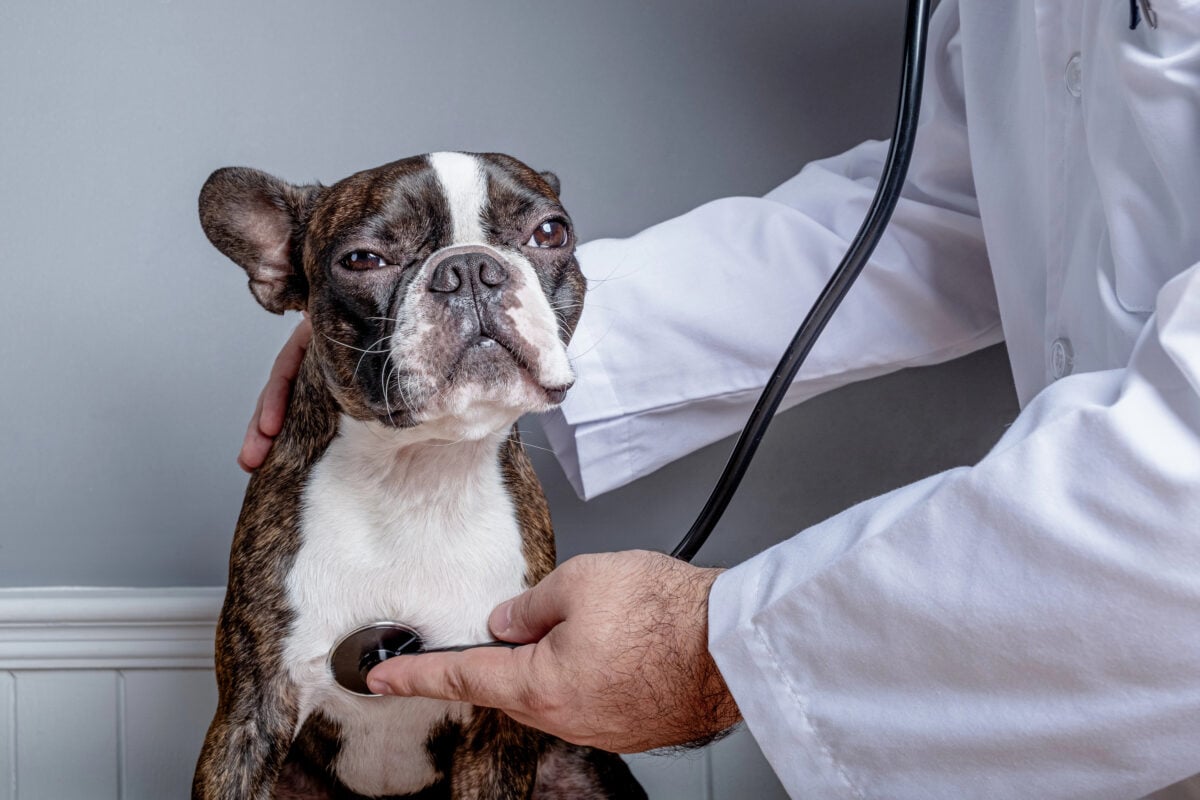
Schedule A Vet Appointment If:
- The fear appears without an obvious explanation, especially in an adult or senior dog.
- Your dog is becoming afraid of multiple things, or their reactions are growing more intense.
- They avoid physical activities such as jumping, climbing, playing, or walking.
- Their behavior or personality changes, including unusual clinginess, withdrawal, irritability, or reluctance to be touched.
- You notice changes in appetite, thirst, sleep, or bathroom habits alongside the new fear.
- They seem more easily startled or have difficulty recognizing familiar people.
- The fear began after a medication change, including a new prescription or dosage adjustment.
When To Seek Urgent Veterinary Care
Seek immediate veterinary attention if your dog’s sudden fear or behavioral change occurs alongside:
- Sudden vision loss: Bumping into objects or appearing unable to see.
- Neurological symptoms: Seizures, loss of balance, head tilting, circling, or difficulty walking.
- Severe pain or distress: Crying out, trembling with obvious discomfort, or being unable to move normally.
- Collapse or extreme weakness: Fainting, inability to stand, or marked unresponsiveness.
- Sudden, severe confusion: Abrupt disorientation or unusual behavior accompanied by other concerning symptoms.
Your veterinarian can determine whether a physical examination, bloodwork, or additional testing is needed to investigate the change.
Pet Insurance Can Help With Unexpected Veterinary Costs
When a sudden behavior change leads to a veterinary visit, the cost of figuring out what’s wrong can add up. Depending on your dog’s symptoms, diagnosis may involve bloodwork, imaging, or other tests, followed by treatment if an underlying medical problem is found.
Pet insurance can help cover eligible veterinary expenses for unexpected illnesses and accidents, making it easier to manage diagnosis and treatment costs. Keep in mind that policies generally exclude pre-existing conditions, so coverage is most useful when it’s already in place before symptoms develop.
If you’re considering coverage, check out our guide to the best pet insurance to compare your options.
Should You Hire A Dog Trainer Or A Behaviorist?
If your dog’s fear is getting worse, interfering with everyday activities, or proving difficult to manage, professional guidance can help you develop a plan tailored to their needs.
The right professional depends on the severity and complexity of the problem.
- Your veterinarian: The first stop for sudden, unexplained fears. They can investigate medical causes and recommend appropriate behavioral support.
- A qualified, reward-based dog trainer: Best suited to mild, specific fears that can be addressed through structured confidence-building exercises.
- A certified behavior consultant: Can help with more complicated fears, anxiety, and behavioral reactions requiring an individualized behavior modification plan.
- A board-certified veterinary behaviorist: A veterinarian with advanced behavioral training who can evaluate complex or severe cases, diagnose behavioral disorders, and prescribe medication when appropriate.
Qualifications matter. Dog training is an unregulated profession in many places, so look for someone with recognized credentials, experience working with fearful dogs, and humane, reward-based methods.
For severe fear, panic, or fear-related aggression, ask your veterinarian for a referral to a qualified behavior professional rather than attempting to manage the problem alone.
Frequently Asked Questions
When your dog suddenly starts acting afraid, you may have questions that go beyond figuring out the cause. Here are a few common concerns. Have a question we haven’t covered? Ask us in the comments below.
Should I Comfort My Dog When They’re Scared?
Yes. Comforting a frightened dog doesn’t automatically reinforce their fear. Fear is an emotional response, not a behavior your dog chooses to earn attention.
If your dog seeks reassurance, gentle petting, a calm voice, or simply staying nearby may help. Just respect their preferences. Some frightened dogs want physical contact, while others need space.
How Long Does It Take For A Dog To Get Over A Sudden Fear?
There’s no universal timeline. Some dogs recover quickly from a temporary scare, while others develop fears that persist for weeks or longer.
The cause, intensity, and opportunities for positive experiences all influence recovery. If the fear continues, worsens, or interferes with daily activities, don’t simply wait for your dog to grow out of it.
Why Is My Dog Only Afraid Of Something When I’m Not Around?
Your presence may help your dog feel more secure in certain situations. Without you nearby, they might react differently to unfamiliar sounds, visitors, or other triggers.
However, fear that occurs specifically when a dog is left alone can also suggest separation-related distress, especially if accompanied by pacing, vocalizing, or destructive behavior.
Why Is My Dog Suddenly More Fearful When They’re On A Leash?
A leash can limit your dog’s ability to move away from something uncomfortable. A dog who feels relaxed around other animals or people when they have plenty of space may become nervous when they can’t retreat freely. Watch whether their reaction changes with distance, and avoid forcing close encounters during walks.
Can Sudden Fear Make A Normally Friendly Dog Aggressive?
Yes. A frightened dog may growl, snap, or bite if they feel threatened or unable to escape, even if they’ve never behaved aggressively before. Growling is an important warning signal, not something to punish. Give your dog space, avoid situations that could lead to another confrontation, and seek professional guidance if aggression appears unexpectedly.
Understanding Your Dog’s Fears Is Just The Beginning
Dogs have plenty of ways to tell us when something doesn’t feel right. The challenge is figuring out what they’re trying to communicate, especially when their behavior seems to change overnight.
If you’re trying to make sense of your dog’s reactions, these guides can help you recognize the signs and decide what to do next.
- What Are Dogs Scared Of? — Explore common fears, unexpected triggers, and why some dogs react so strongly to seemingly harmless things.
- Dog Body Language Explained — Learn to recognize subtle signals that your dog is uncomfortable before their fear becomes obvious.
- Signs Your Dog Is Secretly Stressed — Discover the easy-to-miss behaviors that can reveal when your dog is struggling.
- How To Calm A Dog Down — Find practical ways to help your dog settle when anxiety or fear takes over.
Has your dog ever suddenly become afraid of something they’d never had a problem with before? Tell us what happened in the comments. We’d love to hear what surprised you and whether you ever figured out the cause.