When you purchase through links on our site, we may earn a commission at no extra cost to you. Learn more.
That unmistakable scritch-scritch-scritch coming from the other room can make any dog owner cringe, especially when your pup is digging their nails into hardwood, carpet, or a rug you’d rather not replace. So why do dogs scratch the floor, and more importantly, how do you get them to stop?
Table of Contents
Most floor scratching is normal dog behavior, but the reason behind it matters. Figuring out whether your dog is getting comfortable, bored, anxious, seeking attention, or trying to tell you something is the first step toward protecting your floors and knowing when the behavior deserves a closer look.

Top 7 Reasons Dogs Scratch The Floor
Figuring out why your dog is scratching is the first step toward getting them to stop. Pay attention to when it happens, what surface they target, and what your dog does immediately before and afterward.
A few scratches at a blanket before bed are very different from digging repeatedly at your carpet or clawing at the hardwood whenever they get excited. These clues can help narrow down what’s driving the behavior.
Want our human-written content to rank above AI-generated garbage? Help us out by clicking this button!
1. Boredom Or Seeking Attention
Sometimes dogs scratch because they need something to do. A dog who hasn’t had enough exercise, mental stimulation, or interaction may dig at the carpet, paw at a rug, or scrape the floor as an outlet for pent-up energy.
Timing can offer a clue. You might notice the scratching after dinner when everyone settles down, after a burst of excitement, or when you’ve been busy and your dog wants your attention. If it tends to happen during these predictable downtime periods, boredom may be playing a role.
Dogs can also learn quickly which behaviors get a reaction. If scratching your hardwood makes you immediately jump up, say their name, or rush over to stop them, your dog may learn that scratching is a very effective way to get your attention.
Look for other signs of boredom, such as restlessness, chewing, getting into things they normally leave alone, repeatedly bringing you toys, or struggling to settle.
Is Your Dog Bored? Floor scratching may not be the only clue. From stealing socks to pacing the house, see the other surprising things dogs do when they’re bored and what can help keep them happily occupied.
2. Nail Filing Or Paw Discomfort
If your dog repeatedly scrapes their nails across a hard floor, check their paws before assuming it’s purely behavioral. Overgrown nails can be uncomfortable, and scratching against a firm surface may help wear them down.
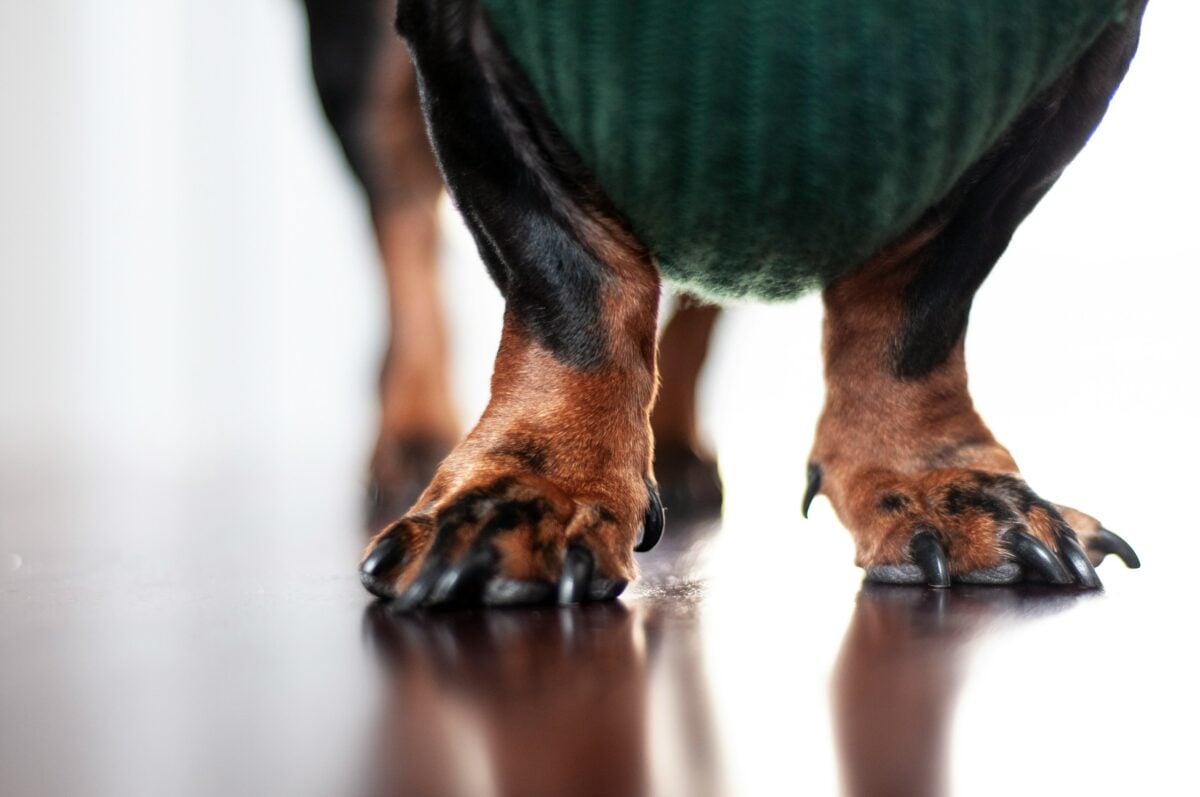
Inspect their paws for long or broken nails, irritated paw pads, or grass, debris, or another object caught between the toes. Some dogs also lick their paws or bite their nails when something is bothering them.
If your dog suddenly starts scratching hardwood or tile when they never did before, repeatedly focuses on one paw, limps, or seems uncomfortable when you inspect their feet, paw pain or irritation may be behind the new behavior. Consult with your vet and view our guide to natural pain relief for dogs.
3. Anxiety & Stress
Scratching can also be an outlet when a dog feels anxious, frightened, frustrated, or unable to settle. Loud noises, changes in routine, unfamiliar visitors, a new pet, or being left alone can all trigger stress-related scratching.
Where the damage happens can provide an important clue. A dog who digs at the carpet or their bedding during a thunderstorm may be trying to cope with fear. A dog who claws at flooring around doors or windows while home alone may be trying to escape and could be showing signs of separation anxiety.
Other signs of anxiety include:
- Pacing or difficulty settling
- Whining or barking
- Panting when they aren’t hot
- Trembling or shaking
- Excessive licking
- Hiding or avoiding interaction
- Following you constantly
- Destructive chewing or digging
- Attempts to escape through doors or windows
A few scratches without other signs of distress are less concerning. Frantic or destructive scratching is different, particularly when your dog damages flooring, doors, or walls or risks injuring their paws while trying to escape.
Personal Experience
Identifying the triggers of your pup’s stress and anxiety is essential.
For example, my dog Daisy is about 11 years old. She’s very sensitive to the sound of power tools. She will often paw the floors or door if she hears power tools being used outside.
This happens a lot in the springtime when people use their lawnmowers. When I notice her starting to scratch, I immediately check to see if anyone is using power tools or something that sounds similar, as I know this is an anxiety trigger for her. I do my best to reduce the noise and often put on music for her to cover the sounds, which she finds soothing.
Danielle DeGroot, Pet Parent & Writer For Canine Journal
4. Instinct
Sometimes scratching has nothing to do with boredom, anxiety, or your dog’s nails. For many dogs, digging and scratching are simply instinctive behaviors.

Some breeds have an especially strong urge to dig because of what they were originally bred to do. Jack Russell Terriers and Dachshunds, for example, were developed to pursue animals underground, while breeds like Siberian Huskies and Alaskan Malamutes may dig to create cool resting spots.
Of course, your dog doesn’t necessarily understand that your hardwood floor isn’t diggable terrain. Those natural instincts can still show up indoors as scratching at carpet, rugs, flooring, beds, and blankets.
If the behavior is occasional and relaxed, it’s generally normal. Rather than trying to eliminate the instinct entirely, redirecting your dog to a surface they’re allowed to dig or scratch can help protect your floors.
5. Investigating An Interesting Smell
Your dog’s nose may know something about your floor that you don’t. Dogs have an incredibly powerful sense of smell, and scratching can be their way of investigating an interesting scent and trying to get closer to its source.
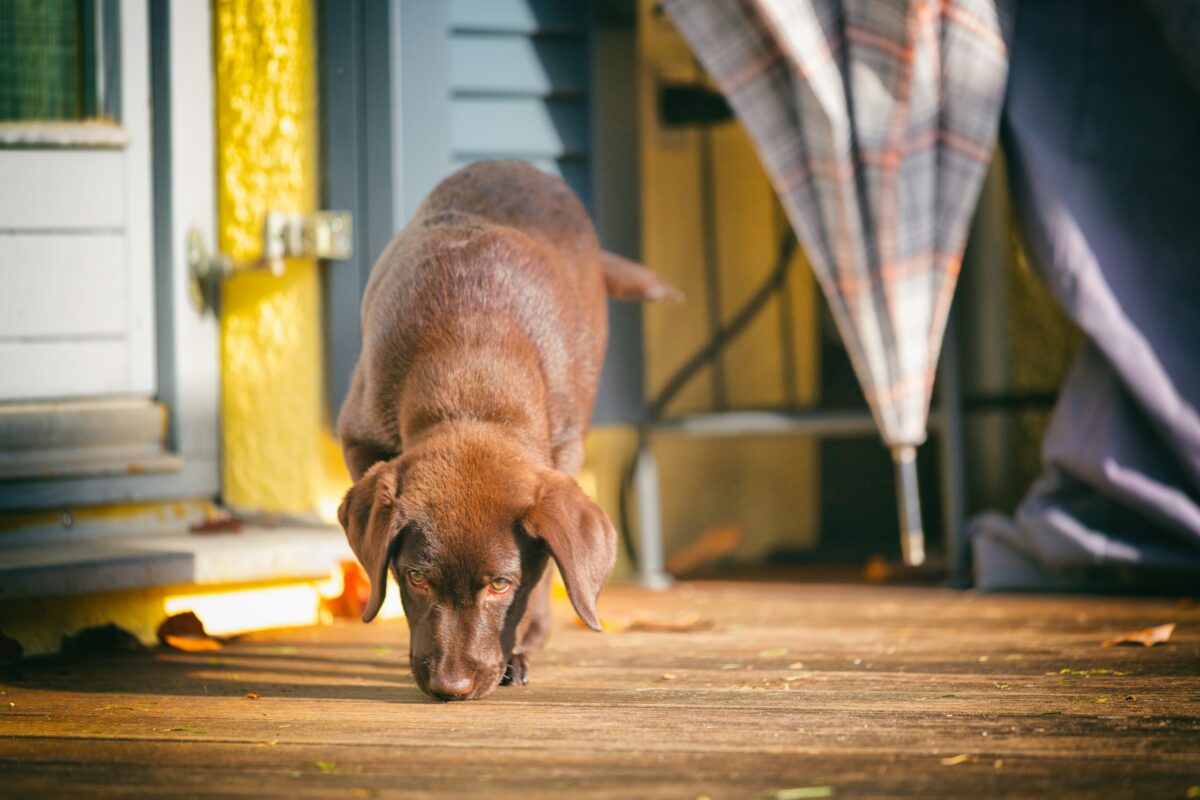
This can be especially noticeable on carpet or around areas where food is prepared or eaten. A dropped crumb, an old food smell, something tracked in from outside, or even the scent of a rodent or insect beneath the floor can capture your dog’s attention.
Watch where the scratching happens. Repeatedly targeting one very specific spot may suggest there’s a smell attracting your dog rather than a general urge to dig.
Cleaning the area thoroughly may solve the mystery and save your carpet. If your dog remains intensely focused on the same location, however, it may be worth investigating what could be attracting them.
6. Scent Marking
Dogs don’t only investigate scents; they leave their own behind, too. Dogs have scent glands in their paws, so scratching can help deposit their individual scent on a surface.
This is one reason some dogs scratch the ground after going to the bathroom, but scent-related scratching can happen indoors as well. Your dog may scrape at carpet, bedding, or another familiar resting area as part of marking a space they use frequently.
You may also notice scratching after a meal, play session, or burst of excitement, when your dog is already active and stimulated. In an otherwise relaxed dog, a few scratches followed by moving on with their day usually aren’t concerning.
If scent marking is leaving scratches on your flooring, calmly redirect your dog to a rug, mat, bed, or another surface where a little pawing won’t cause damage.
7. Comfort & Nesting
Does your dog dig furiously at their bed, bunch up the blankets, circle around, and then collapse into the exact spot they just rearranged? They’re probably trying to make themselves comfortable.
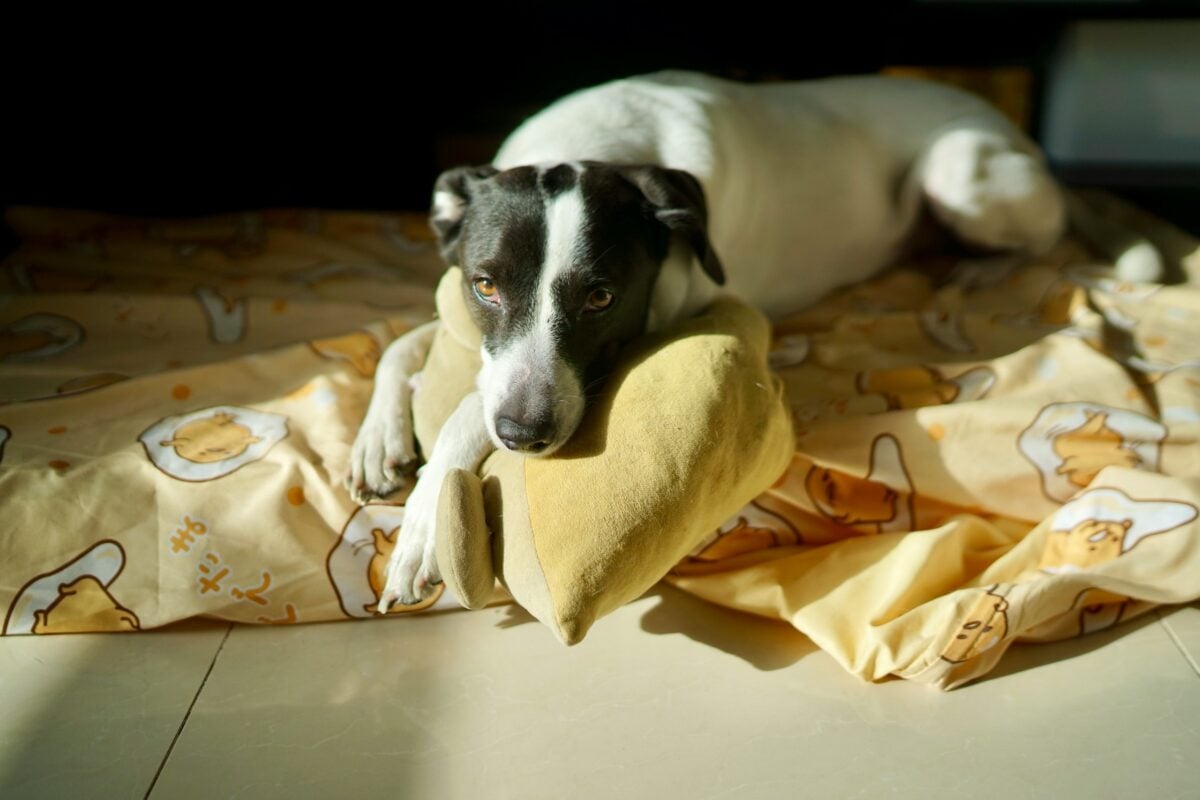
Dogs may paw, dig, circle, and rearrange their sleeping area before settling, much like we might fluff a pillow or adjust the blankets before bed.
Unfortunately, dogs aren’t always particular about what they’re nesting in. Carpet, rugs, hardwood floors, dog beds, couches, and blankets can all become targets when they’re preparing to rest.
This behavior is generally normal when it’s brief, and your dog settles comfortably afterward. If they’re damaging the floor, try putting a bed, blanket, or washable rug over their favorite settling spot so they can continue the ritual without scraping the surface underneath.
If your dog scratches repeatedly but can’t seem to get comfortable, keeps getting back up, or begins doing this suddenly, particularly at night or as an older dog, discomfort rather than simple nesting may be responsible.
Is Floor Scratching Normal Or A Problem?
Seeing your dog dig their nails into your hardwood or carpet can make the behavior seem like an immediate problem. But from your dog’s perspective, some scratching is completely normal, even if your flooring doesn’t appreciate it.
The key is looking at how often it happens, how intense it is, and how your dog behaves while doing it.
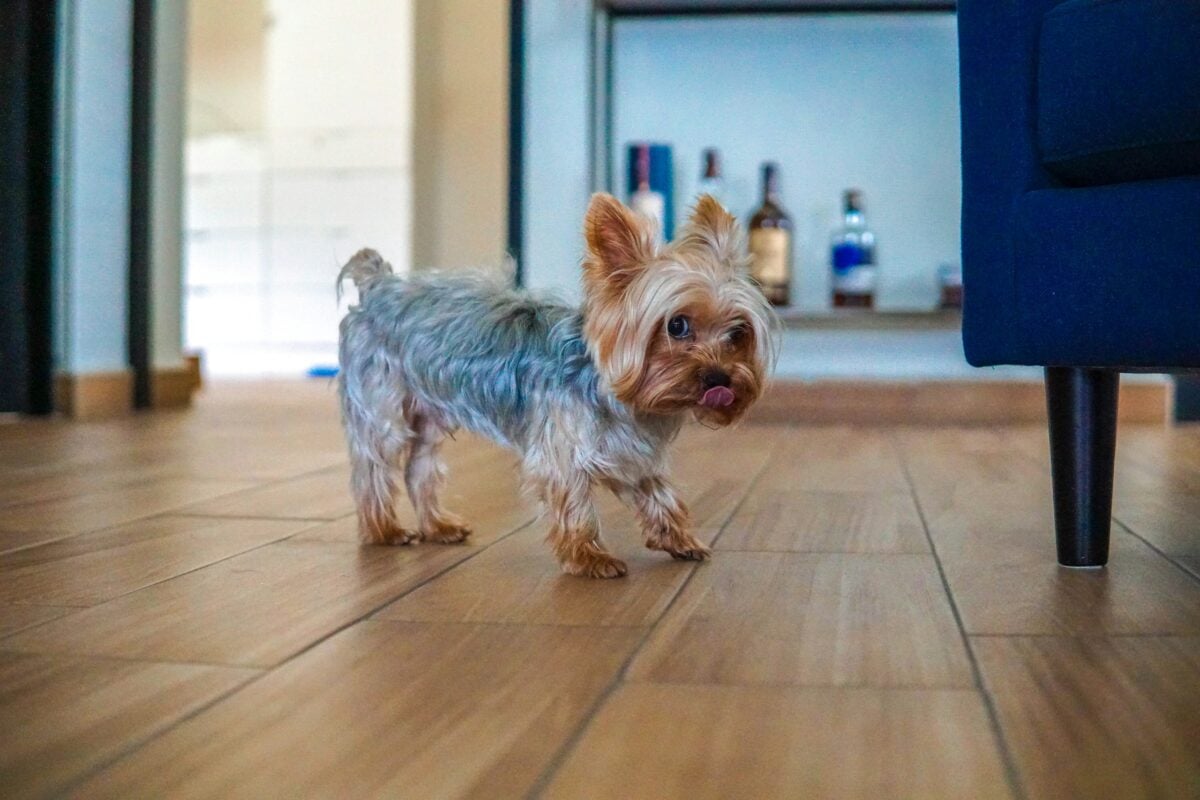
The Quick Answer: Occasional, brief floor scratching from a relaxed dog is usually normal. Scratching deserves a closer look when it becomes repetitive, destructive, difficult to interrupt, or happens alongside signs of anxiety or discomfort.
Floor scratching is more likely to be normal when your dog:
- Scratches briefly before lying down
- Digs at their bed or blanket to get comfortable
- Occasionally scratches after excitement and then settles
- Stops easily or can be redirected
- Seems relaxed before and after the behavior
Pay closer attention if your dog:
- Scratches obsessively or for long periods
- Seems unable to stop or settle afterward
- Paces, whines, pants, trembles, or appears distressed
- Repeatedly damages carpet, flooring, doors, or walls
- Scratches frantically at doors or windows
- Tries to escape when left alone
- Injures their paws or nails while scratching
- Suddenly develops the behavior, particularly as an older dog
Even normal scratching doesn’t mean you have to sacrifice your floors. If your dog is simply following an instinctive habit, you can often redirect that behavior to a bed, blanket, rug, or other surface they’re allowed to scratch.
A sudden change is different. New or dramatically increased scratching can sometimes be related to pain, anxiety, physical discomfort, or age-related cognitive changes and deserves a closer look.
What Does Your Dog Scratch? The Location Can Be A Clue
Sometimes where your dog scratches is just as revealing as when they do it. A dog digging at their bed before a nap may be getting comfortable, while one clawing at the front door every time you leave could be anxious or trying to follow you.
Use the location as a clue to narrow down the most likely reason:
| Your Dog Scratches… | Possible Reasons |
|---|---|
| Hardwood or tile | Long nails or paw discomfort, attention-seeking, excess energy, or nesting |
| Carpet or rugs | Boredom, nesting, an interesting smell, or anxiety |
| Beds or blankets | Comfort and nesting, instinct, or scent marking |
| Doors or windows | Wanting to go somewhere, seeking attention, reacting to something outside, or anxiety and escape behavior |
Hardwood Or Tile
Hard flooring makes scratching especially noticeable, both because of the sound and the marks those nails can leave behind. Check your dog’s nails and paws first, particularly if the behavior is new or they’re repeatedly scraping the same paw.
If their paws look fine, consider the timing. Scratching before lying down may be nesting, while scratching when they’re bored or excited may be an outlet for energy or a way to get your attention.
Carpet Or Rugs
Carpet gives dogs something they can actually dig their nails into, which can make it especially tempting. Your dog may be nesting, burning off excess energy, investigating a smell, or simply enjoying the digging sensation.
Repeatedly attacking one particular patch of carpet can be a clue that something smells interesting there. Scratching that happens alongside pacing, panting, whining, or other signs of distress points more toward anxiety.
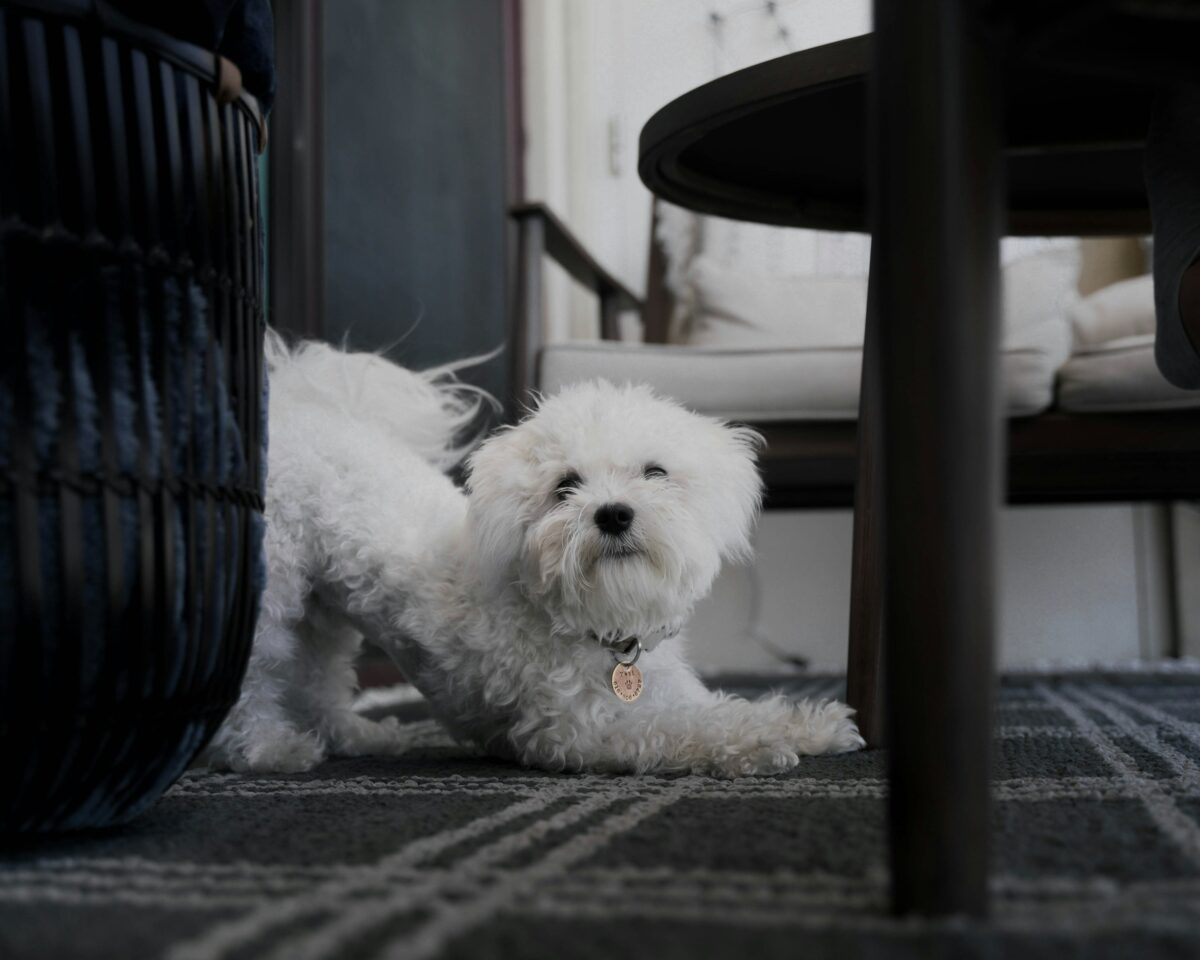
Beds Or Blankets
This is one of the most likely places to see normal nesting behavior. Dogs commonly paw, dig, circle, and rearrange bedding before settling down.
If your dog loves this ritual, giving them a blanket they’re allowed to bunch up and dig at can also help redirect those busy paws away from your carpet or hardwood.
Doors Or Windows
A dog scratching at a door may simply be asking to go outside, trying to reach you, or reacting to something they hear or smell on the other side.
The bigger concern is frantic or destructive scratching around doors and windows when your dog is alone. If it happens alongside barking, pacing, panting, house soiling, destruction, or escape attempts, separation-related anxiety may be responsible.
How To Stop Your Dog From Scratching The Floor
If your dog’s nails are leaving marks on the hardwood or they’re slowly excavating a hole in your carpet, you don’t have to simply live with it because scratching is “natural.” The goal is to figure out what your dog gets from the behavior and give them a better way to meet that need.
Not every scratch needs correcting. A dog who paws at their blanket for a few seconds before settling may simply need a scratch-friendly place to perform that normal behavior.
Try these approaches:
- Trim their nails and check their paws. Keep nails at a comfortable length and look for broken nails, irritated pads, or anything caught between the toes. Shorter nails can also mean less damage when scratching does happen.
- Give them somewhere they’re allowed to scratch. A comfortable dog bed, inexpensive washable rug, or blanket can give enthusiastic “nesters” somewhere to dig and rearrange without hitting the hardwood or carpet underneath.
- Add physical and mental enrichment. Walks, brain games, interactive toys, snuffle mats, play, and short training sessions can help dogs who scratch because they’re bored or restless.
- Redirect calmly and consistently. When scratching starts, guide your dog toward their bed, blanket, toy, chew, or another appropriate activity. Rewarding the alternative behavior helps teach them what you’d rather they do.
- Don’t turn scratching into an attention jackpot. Yelling, chasing your dog away, or rushing over every time they scratch can give an attention-seeking dog exactly what they wanted. Keep your response calm and redirect them instead.
- Protect high-risk areas. Place rugs or washable mats over favorite scratching spots, particularly on hardwood or near doors. This protects the surface while you work on changing the behavior.
- Address anxiety at the source. If your dog scratches primarily when alone or frightened, protecting the floor won’t solve the underlying problem. Anxiety and separation-related distress need to be addressed directly.
The best solution protects your floors without punishing your dog for a behavior that may be instinctive. Redirect harmless scratching to an appropriate surface, while treating persistent, anxious, or destructive scratching as a clue that something else needs attention.

Quick Takeaway: Match the solution to the cause, whether that’s trimming long nails, providing a scratch-safe resting spot, adding enrichment, or addressing anxiety.
When To Call A Vet Or Trainer
Most floor scratching is a behavior issue rather than a medical emergency, but sudden change, signs of pain, or frantic scratching can mean your dog needs more than a new rug or extra playtime.
Call your veterinarian if the scratching starts suddenly, your dog limps or seems to have paw or nail pain, they repeatedly lick or chew their feet, the behavior becomes obsessive, or an older dog develops new scratching or nighttime restlessness.
If scratching happens mainly when your dog is alone and comes with pacing, barking, panting, destruction, house soiling, or escape attempts, talk to your vet and consider working with a qualified behavior professional. Destructive scratching around doors and windows is especially important to address because dogs can injure themselves while trying to escape.
Frequently Asked Questions
Dogs can scratch the same surface for very different reasons, so timing, location, and your dog’s body language all matter. These common questions can help you tell an everyday scratching habit from behavior that deserves a closer look.
Don’t see your question? Respond in the comments, and we’ll get back to you!
Why Does My Dog Scratch The Floor Before Lying Down?
Scratching before lying down is usually a normal comfort and nesting behavior. Your dog may paw at the floor, carpet, bed, or blankets, circle a few times, and then settle into their preferred spot.
You don’t necessarily need to stop the behavior. If it’s damaging your floors, redirect your dog to a bed, blanket, or rug where they’re allowed to dig. If they repeatedly scratch but can’t get comfortable or keep getting back up, pain or another source of discomfort may be involved.
Why Does My Dog Scratch The Carpet At Night?
Brief carpet scratching before bed may simply be part of your dog’s normal settling routine. Giving them a bed or blanket over their favorite spot can protect the carpet while still allowing them to perform the behavior.
Repeated nighttime scratching is different, especially if your dog can’t settle. They may need to go outside, have excess energy, feel anxious, or be physically uncomfortable.
New nighttime scratching, pacing, or restlessness in an older dog is worth discussing with your veterinarian. Pain, changes in vision or hearing, and canine cognitive dysfunction can all affect nighttime behavior.
Is Floor Scratching A Sign Of Anxiety?
It can be, but not all floor scratching is anxiety-related. A relaxed dog scratching their blanket before a nap is probably nesting, not anxious.
Anxiety becomes more likely when scratching happens alongside pacing, panting, whining, trembling, hiding, destruction, or escape attempts. Pay particular attention to frantic scratching around doors or windows when your dog is home alone.
How Do I Stop My Dog From Scratching Hardwood Floors?
First, figure out why your dog is scratching. Keep their nails trimmed, check their paws for pain or irritation, provide an appropriate bed or blanket to scratch, and make sure they’re getting enough physical exercise and mental stimulation.
You can also place a rug or washable mat over favorite scratching areas to protect the hardwood while you redirect the behavior. If scratching is sudden, obsessive, or associated with pain or anxiety, contact your veterinarian.
Why Does My Dog Scratch The Floor After Eating?
Some dogs become energized or excited after a meal and may scratch, paw, or dig as part of that burst of activity. Scratching may also help dogs leave their scent behind through scent glands in their paws.
If it’s brief and your dog otherwise seems relaxed, it’s generally not concerning. Redirect them to a rug, mat, or another appropriate activity if those post-dinner scratches are damaging your floor.
Could Separation Anxiety Be Behind The Scratching?
If your dog saves their most destructive scratching for when you leave the house, pay attention. Clawing at floors, doors, or windows alongside pacing, barking, panting, destruction, or escape attempts can be a sign of separation anxiety rather than simple boredom.
Separation-related distress can be difficult for dogs and may lead to injuries when they try to escape. Our dog anxiety guide covers other common anxiety triggers and ways to help, and if the behavior is severe or persistent, learn when it may be time to work with a dog behaviorist.