10 Common Cocker Spaniel Health Problems: What Every Owner Should Know Before Issues Start

When you purchase through links on our site, we may earn a commission. Here’s how it works.
Cocker Spaniels are affectionate, gentle dogs with expressive eyes and endlessly wagging tails, but behind that sweet temperament is a breed with a complex health profile. Both American and English Cocker Spaniels are prone to several inherited and chronic medical conditions that can impact comfort, mobility, and quality of life over time.
Table of Contents
Understanding which health problems are most common in Cocker Spaniels can help you recognize early warning signs, work proactively with your veterinarian, and make informed decisions throughout your dog’s life. Early detection often imakes a meaningful difference.

Planning Ahead For Vet Bills
Cocker Spaniels are deeply loved family dogs, which makes health concerns hard to ignore. This breed is more likely to need ongoing care rather than one-time treatment, and costs can add up quickly between vet visits, diagnostics, medications, and procedures.
Pet insurance can help offset the financial burden of breed-related health issues, allowing you to focus on care decisions more than your budget. Coverage may help with everything from allergy testing and ear infection treatment to orthopedic surgery and long-term disease management.
Learn more about the best pet insurance options for Cocker Spaniels and request a free quote using the form below.

American vs English Cocker Spaniel: Health Differences
American and English Cocker Spaniels are closely related, so they share many of the same health risks. Differences between the two varieties are more pronounced in size, coat, energy level, and lifespan than in disease risk.
That said, certain conditions may be seen more frequently in one variety than the other. These differences are influenced by genetics, breeding history, and individual lines rather than variety alone. In both types, regular veterinary monitoring and preventive care play the biggest role in protecting long-term health.
10 Common Cocker Spaniel Health Problems
Cocker Spaniels have been beloved companion dogs in the U.S. and U.K. for generations, and their long history has made certain health patterns well known. Like many purebred breeds, Cockers are prone to inherited conditions — most commonly affecting the skin, ears, eyes, immune system, and liver.
Not every Cocker will develop these issues, but knowing what’s most common can help you spot concerns earlier and act before minor problems become serious ones.
A Veterinarian’s Perspective On Cocker Spaniel Health Problems
To better understand how these conditions manifest in real-world practice, I spoke with Dr. Rebecca MacMillan, BVetMed, BSAVA, PGCertSAM, MRCVS, a veterinarian and surgeon at a small-animal clinic in the United Kingdom.
“Cocker Spaniels are lovely dogs that I regularly see in practice,” Dr. MacMillan explains. “However, as with most pedigrees, they are prone to a few health issues.”
Based on Dr. MacMillan’s clinical experience and current veterinary research, this guide walks through the 10 most common Cocker Spaniel health problems, what symptoms to watch for, and how each condition is diagnosed and treated.
1. Allergies & Skin Problems
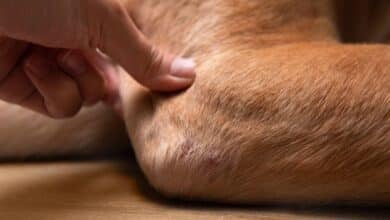
Skin issues are one of the most common — and frustrating — health challenges Cocker Spaniel owners face. This breed has a strong genetic tendency toward allergies, whether triggered by food ingredients, environmental factors, or both. Instead of sneezing or watery eyes, allergies in dogs usually show up through the skin.
For Cockers, that often means persistent itching, redness, and recurring skin infections that don’t fully resolve without ongoing management.
Many Cocker Spaniels are also prone to seborrhea, a skin condition that disrupts the normal balance of skin oils. This can lead to greasy or very dry skin, flaking, dandruff, and a noticeable odor — sometimes beginning at a young age. Seborrhea may occur on its own or develop secondary to allergies, infections, or hormonal disease.
Dr. Rebecca MacMillan notes that structural features can add to the problem. “Lip fold dermatitis is also common in Cocker Spaniels, due to their tendency for droopy lips and facial skin folds,” she explains. Moisture and trapped saliva create an ideal environment for yeast and bacteria. “I have had patients require surgery to correct these ongoing skin infection issues.”
Allergy & Skin Symptoms
Allergy symptoms in dogs are most often skin-related and may include:
- Persistent scratching, licking, or chewing
- Red, inflamed, or thickened skin
- Flaky, greasy, or foul-smelling coat
- Small bumps, pustules, or scabbed areas
- Patchy hair loss
- Swelling around the face, lips, or paws
Diagnosis & Treatment
Identifying the exact cause of allergies can take time. Veterinarians often rely on a step-by-step process that may include diet trials, environmental management, skin testing, or blood work to narrow down triggers.
Treatment depends on the underlying cause and severity, but may involve prescription diets, allergy medications, medicated shampoos, or long-term maintenance plans. Because many Cockers require ongoing management rather than short-term treatment, costs can increase over time.
Consider An At-Home Dog Allergy Test
For owners struggling to identify possible triggers, at-home allergy tests may offer helpful insight into potential food sensitivities or environmental factors.
While these tests don’t replace veterinary diagnostics, sharing the results with your vet can sometimes help guide next steps and support a more targeted treatment plan.

2. Recurring Ear Infections
“Ear infections are common in Cockers,” says Dr. Rebecca MacMillan. “Their pendulous ears trap warm air and moisture, which provides the perfect environment for yeast and bacteria to thrive.” She also notes that underlying allergies frequently play a role, making infections more likely to return if the root cause isn’t addressed.
Left untreated, ear infections can become very painful and may lead to chronic inflammation, thickened ear canals, hearing loss, or permanent ear damage. Repeated infections can also make future flare-ups harder to treat.
Ear Infection Symptoms
- Scratching the ear or areas around the ears
- Redness or swelling
- Ear odor
- Yellow, brown, or bloody discharge
- Fur loss around the ear
- Scabs or crusted skin near the ear flaps
- Rubbing the ear on the floor or furniture
Diagnosis & Treatment
Ear infections require veterinary diagnosis. Your vet will examine the ear canal and typically test a sample of ear debris to determine whether yeast, bacteria, or both are present.
Treatment usually includes thorough ear cleaning along with topical or oral medications such as antifungals, antibiotics, or anti-inflammatory drugs. Because Cocker Spaniels are prone to recurrence, follow-up exams are important to confirm the infection has fully cleared and to reduce the risk of chronic damage.
For many Cockers, long-term ear health also depends on managing underlying allergies, maintaining routine ear care, and seeking early treatment at the first sign of irritation.
3. Patellar Luxation
Patellar luxation is one of the more common orthopedic issues seen in Cocker Spaniels. It occurs when the kneecap (patella) moves out of its normal position, disrupting the smooth function of the knee joint.
In a moderately active breed like the Cocker Spaniel, this instability can lead to intermittent pain, changes in gait, and gradual joint wear. The condition often affects both hind legs, even if symptoms appear more noticeable on one side at first.
Early on, the kneecap may slip out of place and return on its own, which can make the problem seem minor or inconsistent. Over time, repeated slipping can damage the joint, increasing discomfort and raising the risk of arthritis if left untreated.
Luxating Patella Symptoms
- Limping or favoring one back leg
- Intermittent hopping or skipping while walking
- Sudden lifting of a rear leg during movement
- Stiffness, reluctance to jump, or abnormal gait
Diagnosis & Treatment
Patellar luxation is usually diagnosed during a hands-on veterinary exam, where knee stability is assessed. X-rays may be recommended to evaluate joint alignment and look for arthritis or secondary damage.
Treatment depends on severity:
- Mild cases may be managed with weight control, activity modification, joint supplements, and pain medications.
- Moderate to severe cases often require surgical correction to realign the kneecap and stabilize the joint, especially if mobility or quality of life is affected.
Early diagnosis makes a difference. Addressing patellar luxation sooner can help reduce joint damage and preserve long-term comfort and mobility in Cocker Spaniels.

4. Chronic Inflammatory Hepatic Disease (Chronic Hepatitis)
Chronic inflammatory hepatic disease, often referred to as chronic hepatitis, is one of the more serious inherited health concerns in Cocker Spaniels. This condition causes ongoing inflammation of the liver, which can gradually lead to scarring (fibrosis) and, in advanced cases, cirrhosis.
Unlike many age-related illnesses, chronic hepatitis in Cockers often develops in relatively young dogs, sometimes before five years of age. Early signs are often subtle and easy to miss, so the disease may progress quietly before it’s diagnosed.
As liver function declines, the body becomes less efficient at filtering toxins, producing essential proteins, and regulating metabolism. Without treatment, the condition can eventually affect multiple organ systems.
Symptoms of Liver Disease
Early symptoms are often vague and may come and go. As the disease progresses, signs may become more noticeable. Possible symptoms include:
- Decreased appetite or picky eating
- Lethargy or reduced stamina
- Weight loss
- Increased thirst or urination
- Vomiting or diarrhea
- Yellowing of the gums, eyes, or skin (jaundice)
- Abdominal swelling caused by fluid buildup (ascites)
Diagnosis & Treatment
Because these signs can overlap with many other conditions, liver disease is rarely diagnosed solely on symptoms.
Diagnosis typically begins with blood work, which may reveal elevated liver enzymes or abnormal liver function values. If liver disease is suspected, your veterinarian may recommend additional testing such as bile acid tests, ultrasound imaging, or a liver biopsy to confirm the diagnosis and determine severity.
Treatment depends on the stage of the disease at the time of diagnosis. While chronic hepatitis cannot be cured, it can often be managed for years with early intervention.
Management may include:
- Prescription liver-support diets
- Medications to reduce inflammation and protect liver cells
- Supplements such as SAMe or milk thistle
- Ongoing monitoring through regular blood tests
Early detection is critical. When caught before significant scarring occurs, treatment can slow disease progression and significantly improve quality of life.
5. Hypothyroidism
Hypothyroidism is a common hormonal disorder in Cocker Spaniels, particularly in middle-aged dogs. It occurs when the thyroid gland doesn’t produce enough hormones to regulate metabolism, leading to many body systems slowing down over time.
Because symptoms often develop gradually, hypothyroidism can be mistaken for normal aging at first. Subtle changes in energy, weight, or coat quality may be easy to overlook, but untreated thyroid disease can contribute to broader health problems and reduced quality of life.
Hypothyroidism Symptoms
Signs of hypothyroidism may include:
- Unexplained weight gain despite normal feeding
- Lethargy or reduced stamina
- Decreased interest in exercise or play
- Hair loss that isn’t associated with itching
- Dry, dull, or brittle coat
- Darkened or thickened skin
- Recurrent ear or skin infections
- Sensitivity to cold
- Slower heart rate
Diagnosis & Treatment
Vets diagnose hypothyroidism through blood testing to measure thyroid hormone levels.
While hypothyroidism cannot be cured, it is usually very manageable. Treatment involves lifelong oral thyroid hormone replacement, with regular monitoring to ensure proper dosing. Once stabilized, most Cocker Spaniels show noticeable improvement in energy, weight control, and skin and coat health.
6. Autoimmune Diseases
Cocker Spaniels are more prone than many breeds to certain autoimmune diseases, where the immune system mistakenly attacks the body’s own cells. Two of the most concerning autoimmune disorders seen in Cockers affect the blood:
- Immune-mediated hemolytic anemia (IMHA), where red blood cells are destroyed
- Immune-mediated thrombocytopenia (IMT), which reduces the number of platelets needed for normal blood clotting
These conditions can develop suddenly and may become life-threatening without treatment.
Immune-Mediated Hemolytic Anemia (IMHA)
IMHA affects red blood cells, which carry oxygen throughout the body. When those cells are destroyed, signs often indicate poor oxygen delivery and toxin buildup.
Common signs may include:
- Pale or white gums
- Yellowing of the gums, eyes, or skin (jaundice)
- Weakness or sudden fatigue
- Rapid breathing or heart rate
- Dark orange or brown urine
- Collapse in severe cases
These signs can progress quickly and should be treated as urgent.
Immune-Mediated Thrombocytopenia (IMT)
IMT affects platelets, which are essential for normal blood clotting. When platelet levels drop, abnormal bleeding becomes the primary concern.
Common signs may include:
- Small red or purple dots on the skin or gums (petechiae)
- Unexplained bruising
- Nosebleeds or bleeding from the gums
- Blood in urine or stool, or black, tarry stool
- Prolonged bleeding from minor cuts
Because bleeding may not always be obvious at first, any unexplained bruising or spotting warrants immediate veterinary attention.
Some Cockers can have both at once (often called Evans syndrome: IMHA + IMT), which can blur the symptom lines. But when owners see yellowing/dark urine, think IMHA; when they see bruising/petechiae/bleeding, think IMT.
Diagnosis & Treatment
Autoimmune blood disorders require immediate veterinary diagnosis. Blood tests are used to evaluate red blood cell counts, platelet levels, and markers of immune activity. Additional testing may be needed to rule out infections, toxins, or underlying triggers.
Treatment typically involves immunosuppressive medications to stop the immune system from attacking healthy cells. Some dogs may also require blood transfusions, hospitalization, or supportive care during the initial crisis.
While these conditions can be frightening, many Cocker Spaniels respond well to treatment, especially when diagnosed early. Long-term management may involve medication tapering, ongoing monitoring, and regular blood work to prevent relapse.
7. Multiple Eye Disorders
Cocker Spaniels are prone to several inherited and structural eye conditions, many of which can worsen quickly without treatment. Because dogs instinctively hide discomfort, eye problems are often more advanced by the time owners notice something is wrong.
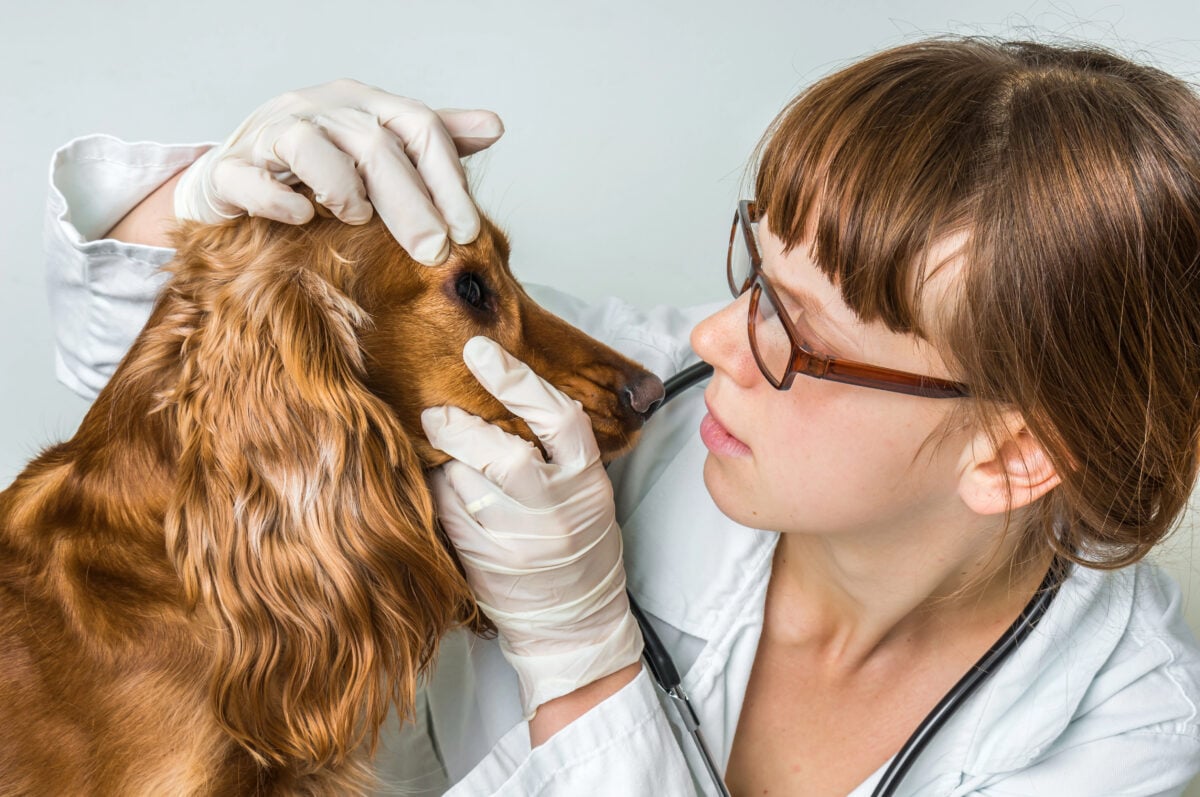
Some eye disorders primarily affect vision, while others cause pain, inflammation, or long-term damage to the eye itself. Early recognition and prompt veterinary care are especially important for preserving comfort and sight.
Common Eye Disorders in Cockers
Chis are most commonly affected by the following eye conditions:
- Cataracts: Clouding of the eye’s lens that gradually reduces vision and may lead to blindness. Surgery is the only effective treatment once vision is significantly affected.
- Glaucoma: Increased pressure inside the eye that causes pain and can lead to rapid, irreversible vision loss without prompt treatment.
- Dry eye (keratoconjunctivitis sicca): Inadequate tear production that results in chronic irritation, inflammation, and a higher risk of infection or corneal damage.
- Entropion: Inward rolling of the eyelids that causes eyelashes to rub against the eye, leading to irritation, squinting, and tearing. Surgical correction is usually required.
- Cherry eye: Prolapse of the tear gland in the third eyelid, often requiring surgery to restore normal tear function and prevent complications.
- Progressive retinal atrophy (PRA): An inherited condition that causes gradual retinal degeneration and permanent vision loss over time, with no current cure.
Eye Disorder Symptoms
Many eye conditions share similar warning signs, including:
- Squinting or excessive blinking
- Redness, inflammation, or cloudiness
- Sensitivity to light
- Yellow or green discharge
- Pawing at the face or rubbing the eyes
Diagnosis & Treatment
Eye problems should always be treated as time-sensitive. Veterinarians diagnose eye disorders using a combination of detailed eye exams, tear production testing, corneal staining, and intraocular pressure measurements.
Treatment depends on the condition and severity and may include prescription eye drops, lubricants, antibiotics, anti-inflammatory medications, or surgery. In many cases, early intervention can prevent permanent vision loss or long-term discomfort.
8. Intervertebral Disc Disease
Intervertebral disc disease (IVDD) affects the discs that cushion the bones of the spine. When one of these discs bulges or ruptures, it can press on the spinal cord and nearby nerves, causing pain and neurological problems.
While IVDD is most commonly associated with short-legged, long-backed breeds, Cocker Spaniels can still be affected, particularly as they age or if disc degeneration develops over time. In Cockers, IVDD is more often linked to wear-and-tear changes rather than extreme spinal conformation.
IVDD Symptoms
Symptoms may appear gradually or suddenly, depending on the amount of pressure on the spinal cord.
- Unsteady or wobbly walking
- Stiffness or reluctance to move
- Hunched back or neck with tense muscles
- Crying out when moving or being touched
- Weakness in the hind legs
- Loss of bladder or bowel control
- Paralysis in severe cases
Diagnosis & Treatment
Diagnosis begins with a physical and neurological exam, where your veterinarian evaluates pain response, reflexes, and coordination. X-rays may help rule out other causes, but advanced imaging such as CT scans or MRI is often needed to confirm IVDD and assess spinal cord compression.
Treatment depends on severity:
- Mild cases may be managed with strict rest, pain medications, anti-inflammatories, and physical rehabilitation.
- Severe cases or dogs with neurological deficits may require surgery to relieve pressure on the spinal cord.
Early diagnosis greatly improves outcomes. Prompt treatment can reduce pain, limit nerve damage, and improve the chances of recovery.
9. Cancer
Cancer is one of the more serious health concerns seen in Cocker Spaniels, particularly as they age. While not every Cocker will develop cancer, certain types occur more frequently in this breed and deserve close attention from owners and veterinarians alike.
Some of the cancers more commonly diagnosed in Cocker Spaniels include:
- Lymphoma, which affects the lymphatic system
- Melanoma, often involving the skin or mouth
- Anal sac adenocarcinoma, a rare but aggressive cancer seen at higher rates in English Cocker Spaniels
- Mammary tumors, which primarily affect unspayed females and may be malignant in a significant number of cases
Cancer can develop quietly at first, with symptoms that are easy to dismiss as normal aging or minor digestive or behavioral changes.
Dr. Rebecca MacMillan shared one case that highlights how subtle early signs can be:
“One memorable case I had was a sweet older female Cocker that I diagnosed with an anal gland tumour. Her owners brought her to the practice because she was having episodes of constipation and was passing stools that were much thinner and flatter than usual.
Sadly, the tumour was aggressive and had already spread to her lymph nodes. Rather than try anything radical, her owners elected to keep her comfortable with laxatives and pain relief until the time came for her to be euthanised. I was able to give her a peaceful passing, in her garden at home, with her family surrounding her.
While cancer is a problem for Cockers, early detection and intervention can help greatly. If you notice anything unusual with your pet, such as a new lump, altered appetite or thirst, weight changes, or toileting issues, contact your vet for an appointment.”
– Dr. Rebecca MacMillan
Possible Warning Signs of Cancer
Signs vary depending on the type and location of cancer, but may include:
- New or growing lumps or swellings
- Changes in appetite, thirst, or weight
- Persistent digestive issues or changes in stool
- Difficulty defecating or urinating
- Lethargy or reduced stamina
- Non-healing sores or bleeding
Diagnosis & Treatment
Cancer is diagnosed through a combination of physical exams, imaging, blood work, and biopsy or tissue sampling. Treatment options depend on the cancer type, stage, and your dog’s overall health and may include surgery, chemotherapy, radiation, palliative care, or a combination of approaches.
While not all cancers can be cured, early diagnosis can significantly improve treatment options, comfort, and quality of life. In some cases, supportive care focused on comfort may be the most compassionate choice.
10. Heart Disease
Heart disease is a significant health concern in Cocker Spaniels, particularly as they enter middle and senior age. This breed is affected by multiple cardiac conditions, and the severity can vary widely depending on the disease and the timing of detection.

Two heart conditions are most commonly seen in Cocker Spaniels:
- Dilated cardiomyopathy (DCM)
- Mitral valve disease (MVD)
Dilated Cardiomyopathy (DCM)
Dilated cardiomyopathy is one of the most serious heart conditions affecting Cocker Spaniels. It causes the heart muscle to become thin, weak, and enlarged, reducing its ability to pump blood effectively. Over time, this can lead to heart failure and life-threatening complications.
DCM may progress quietly at first, with mild symptoms that worsen as the heart’s function declines.
Mitral Valve Disease (MVD)
Mitral valve disease is more commonly diagnosed in older Cocker Spaniels. It occurs when the mitral valve between the heart’s chambers doesn’t close properly, allowing blood to leak backward with each heartbeat.
As the condition progresses, the heart works harder to compensate, which can eventually lead to heart enlargement, fluid buildup in the lungs, and congestive heart failure.
Heart Disease Symptoms
Heart disease symptoms often develop gradually and may include:
- Persistent coughing
- Labored or rapid breathing
- Fatigue or reduced stamina
- Decreased tolerance for exercise
- Weight loss or muscle wasting
- Blue or gray gums
- Collapse or fainting episodes
Because early signs can be subtle, routine cardiac screening becomes increasingly important as Cocker Spaniels age.
Diagnosis & Treatment
Heart disease is typically diagnosed using an echocardiogram (heart ultrasound), which allows veterinarians to evaluate heart structure and function. Chest X-rays may also be used to assess heart size and check for fluid in the lungs if heart failure is suspected.
Treatment depends on the type and stage of disease:
- Early-stage disease may require monitoring without medication
- Heart enlargement may be managed with medications such as pimobendan to support heart function
- Congestive heart failure often requires a combination of medications, including diuretics and rhythm-supporting drugs
While most forms of heart disease cannot be cured, early diagnosis and appropriate treatment can slow progression, improve comfort, and extend quality of life.
Other Cocker Spaniel Health Disorders
While the conditions above are among the most common and impactful, Cocker Spaniels may also be affected by other medical issues throughout their lives. Some are inherited, while others develop with age or lifestyle factors.

- Obesity: Cocker Spaniels are prone to weight gain, particularly if exercise levels drop or portions aren’t closely monitored. Excess weight can worsen joint disease, heart problems, and metabolic conditions.
- Exercise-induced collapse (EIC): A condition that can cause weakness or collapse after intense activity. Episodes are often brief but should always be evaluated by a veterinarian.
- Periodontal disease: Dental disease is common in Cockers and can lead to pain, tooth loss, and systemic health issues if untreated.
- Hip dysplasia & elbow dysplasia: Abnormal joint development that can cause pain, lameness, and arthritis over time.
- Epilepsy: A neurological condition that causes recurrent seizures, often beginning in young adulthood.
- Cushing’s disease (hyperadrenocorticism): Occurs when the body produces excess cortisol, leading to symptoms such as increased thirst and appetite, panting, and hair loss.
- Familial nephropathy: An inherited kidney disease that can lead to progressive kidney failure, particularly in younger dogs.
- Chronic pancreatitis: Seen more frequently in English Cocker Spaniels, this condition involves recurrent inflammation of the pancreas and may cause vomiting, abdominal pain, and changes in appetite.
- Adult-onset neuropathy (AN): A progressive neurological disorder most commonly reported in English Cocker Spaniels, leading to weakness, coordination issues, and mobility decline later in life.
Average Costs For Several Common Cocker Spaniel Health Issues
Below are estimated treatment costs from Embrace Pet Insurance based on claims submitted for insured Cocker Spaniels. These figures represent average ranges and can vary depending on severity, location, and treatment approach.
- Patellar luxation: $1,500-$3,000
- Mitral valve disease: $500-$2,000
- Chronic inflammatory hepatic disease: $500-$5,000
- Cataracts: $1,500-$5,000
- Entropion: $300-$1,500
According to data reported by Fetch Pet Insurance, the following ranges reflect average costs for similar conditions they commonly cover:
- Vision disorder: $4,400-$5,700
- Walking abnormality: $2,200-$3,400
- Ear inflammation: $600-$1,000
Frequently Asked Questions
Here are some of the most common questions readers ask about Cocker Spaniel health. If you don’t see your question answered here, feel free to ask in the comments.

What’s The Average Cocker Spaniel Lifespan?
American Cocker Spaniels typically live 10 to 14 years, while English Cocker Spaniels average 12 to 14 years. Genetics, preventive care, diet, exercise, and early detection of health issues all play a major role in a dog’s overall lifespan.
What Do Cocker Spaniels Usually Die From?
Cancer is one of the leading causes of death in Cocker Spaniels, particularly in older dogs. Heart disease is another common cause, especially as Cockers age. Early screening, regular veterinary care, and prompt attention to new symptoms can improve outcomes and quality of life.
Why Are Cockers Predisposed To So Many Health Issues?
Cocker Spaniels have a long breeding history, which has led to genetic predispositions for certain conditions. Their anatomy, including long ears, skin folds, and expressive eyes, also increases the risk of ear infections, skin disease, and eye disorders. Like many purebred dogs, health risks can vary significantly between individual lines and breeders.
Are Cocker Spaniels High-Maintenance Dogs Health-Wise?
Cocker Spaniels can be moderate to high maintenance when it comes to health care. Many require ongoing management for allergies, ear infections, or chronic conditions. Regular grooming, preventive vet visits, and early treatment of minor issues can help reduce long-term complications.
Can You Prevent Health Problems In Cocker Spaniels?
Not all health issues can be prevented, but early detection and routine care make a big difference. Maintaining a healthy weight, managing allergies, keeping ears clean and dry, feeding a balanced diet, and scheduling regular veterinary exams can help reduce the severity of many conditions.
What’s The Best Diet For Cocker Spaniels?
A well-balanced, high-quality diet plays an important role in supporting a Cocker Spaniel’s long-term health. Proper nutrition can help manage common concerns like skin and ear issues, weight gain, joint stress, and immune function, while also supporting energy levels and overall vitality.
You can explore our top picks for the best dog food for Cocker Spaniels, with recommendations tailored to different life stages and health needs.
Other dog food guides for specific health concerns:
Caring for a Cocker Spaniel often comes with questions and learning curves. If you’ve faced any of these health concerns, we’d love to hear about your experience in our comments — your story could help another owner who’s navigating the same thing.