When you purchase through links on our site, we may earn a commission at no extra cost to you. Learn more.
Dogs are remarkably good at figuring out which buttons to push when they want our attention.
Table of Contents
Not in the drive-you-up-the-wall sense. But they learn what makes their particular human look up, talk to them, reach down for a scratch, or finally throw the ball.
Maybe your dog starts with a stare. If that gets nowhere, they try a paw. Then a grumble. Then the tennis ball lands in your lap. And if all reasonable requests fail, there’s always the sock.
Before long, you’ve looked, spoken, moved, or started a game.
Your dog wanted a response. And you’ve just taught them which button works.
Let’s look at the surprisingly clever ways dogs get our attention, how they learn which tactics work on you, and what to do when their favorite button is one you’d rather they stop pushing.

Your Dog Is Always Running Tiny Experimentson You
Dogs are excellent students of cause and effect, especially when we’re the cause-and-effect machine they’re studying.
They don’t arrive in our homes knowing the precise procedure for getting this particular human to abandon an email and pay attention. They have to figure us out.
And that happens through thousands of ordinary interactions.
Your dog does something. You respond. Or you don’t.
Some attempts go nowhere. Others produce an interesting result. And over time, behaviors that have worked before may become worth trying again.
This doesn’t require your dog to sit in the hallway developing a behavioral research proposal. They’re learning from experience, including experiences we probably didn’t realize were teaching them anything.
That’s what makes attention-seeking so interesting. What looks to us like a collection of random, occasionally ridiculous habits can have a history behind it.
Your dog has been gathering information. And unfortunately for us, we’ve been providing an enormous amount of data.
10 Ways Dogs Learn To Push Our Buttons
Most dogs don’t begin by launching a full-scale campaign for your attention.
They start with remarkably economical strategies: a look, a sound, a well-placed paw. Why expend unnecessary energy when one tiny gesture can make a fully grown human stop what they’re doing?
And if that works, why change a perfectly good system?
1. The Stare: Start With The Cheapest Option
Some dogs begin with the most energy-efficient strategy available: they look at you.
Not a passing glance. The kind of sustained observation you eventually feel from across the room. You look up, and there they are—sitting perfectly still, watching you as though you’ve forgotten an appointment neither of you remembers making.
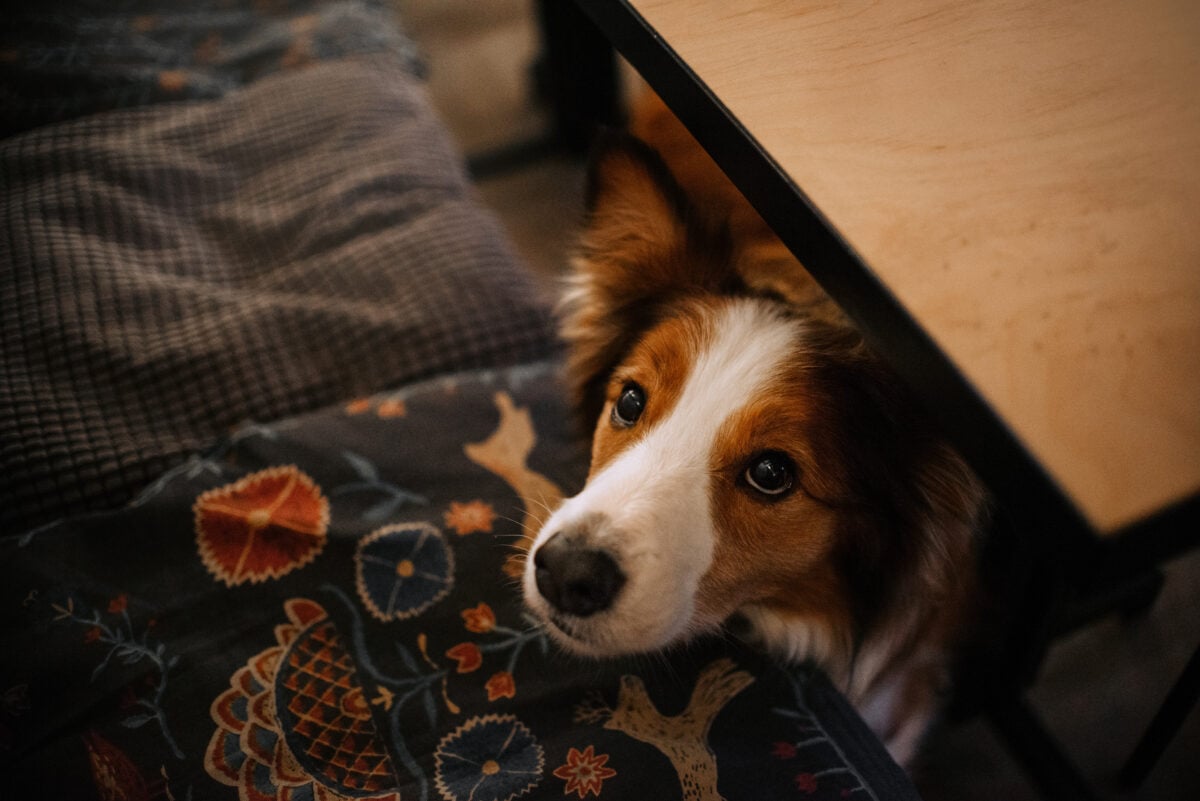
If you don’t respond, the operation may gradually relocate. Across the room becomes beside the couch. Beside the couch becomes directly in your sightline. Eventually, you may find yourself looking into a pair of eyes approximately six inches from your own.
Dogs pay close attention to our faces, gaze, gestures, and responses, so eye contact can be an effective way to start an interaction. The better clue comes when you finally look back:
- Eyes flick toward the door? They may want to go outside.
- They grab a toy? Your presence has been requested for recreational purposes.
- They head toward the kitchen? You may be expected to follow.
- They move closer or nudge your hand? Affection was likely the destination.
What happens next often tells you what the stare was trying to accomplish.
One important exception: a relaxed face and soft eyes during a social stare are very different from a hard, fixed stare paired with a stiff or tense body, which can signal discomfort or a warning rather than a request for attention.
2. The Paw: Apparently, Looking Wasn’t Enough
Staring has one obvious weakness: you have to be looking at your dog. Pawing neatly solves that problem.
A paw can interrupt you while you’re typing, scrolling, watching TV, or otherwise committing your attention elsewhere. And because physical contact is difficult to ignore, dogs may discover that pawing gets a faster response than simply waiting to be noticed.
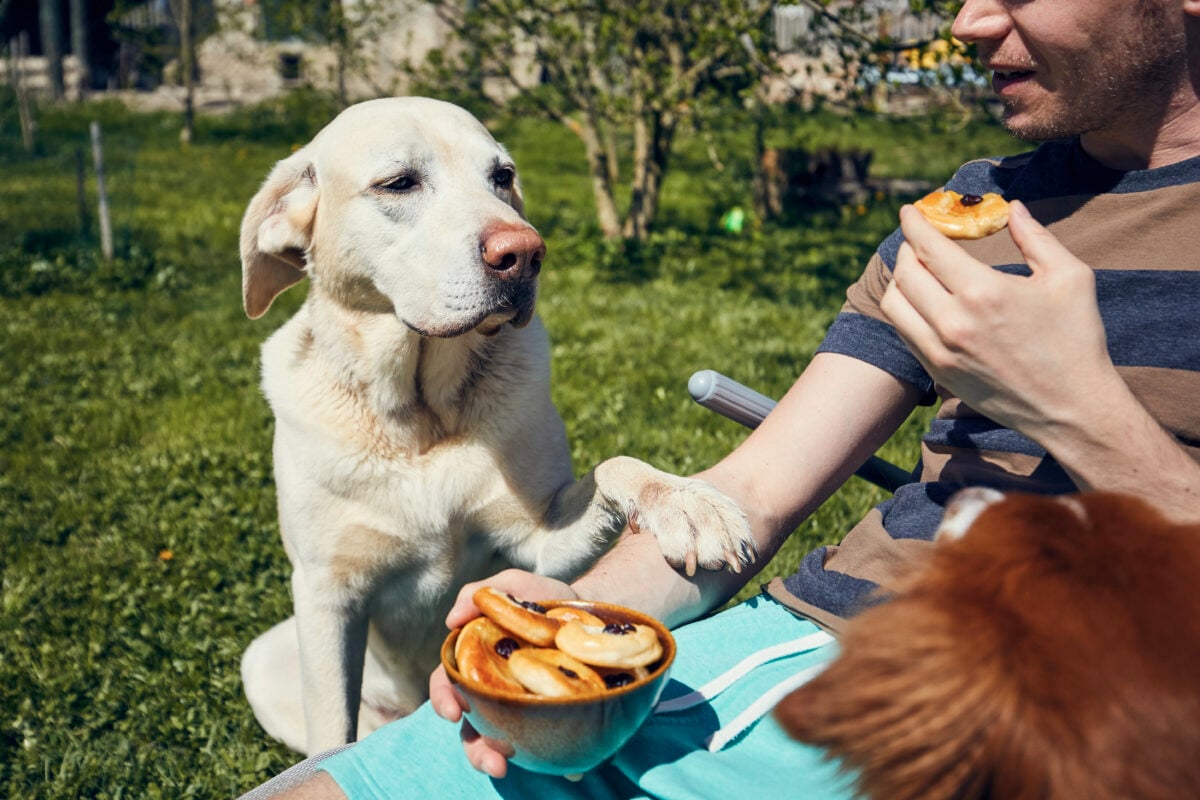
The progression can become impressively efficient:
- The gentle placement: One paw rests politelyon your knee.
- The follow-up: Apparently you failed to process the first notification.
- The persistent paw: It remains on your arm until somebody acknowledges receipt.
- The tap: A small increase in urgency.
- The TAP: Customer service has now been escalated.
What makes pawing so effective is that touching you often makes you respond automatically. You look down. You speak. You move the paw. Maybe you start scratching behind their ears without even realizing you’ve done it.
The exact request depends on context. Your dog might want affection, play, food, access to something, or help. But if putting a paw on you repeatedly makes your attention shift from whatever you were doing to them, they’ve discovered a very useful button.
And conveniently, you carry it everywhere.
3. The Weird Noise Your Dog Seems To Make Only At You
Somewhere between barking and silence, many dogs develop an entire collection of noises that don’t appear to have official names.
There’s the whine, obviously. But also the grumble, the groan, the tiny boof, and that strange conversational sound your dog makes while looking directly at you as though you’re expected to understand every syllable.
And the alarming thing is, you probably do.
Dogs can learn that different sounds get different responses, while we get very good at recognizing the noises that matter in our own homes:
- The potty whine: Please open the door.
- The play bark: Your participation is required.
- The impatient grumble: You have stopped petting me prematurely.
- The dinner commentary: According to internal records, this meal is now six minutes overdue.
- The mystery noise: You know exactly what it means. You could not explain it to another person if your life depended on it.
This is where attention-seeking can start developing a household vocabulary. Your dog has discovered not only that making a sound gets you talking, but that certain sounds can produce remarkably specific results.
4. The Toy That Keeps Getting Progressively Closer
Bringing you a toy is already a fairly clear proposal: I have the equipment. You have the thumbs. Let’s make something happen.
But the really interesting part is what some dogs do when the initial delivery doesn’t produce results. They don’t necessarily abandon the idea. They improve the delivery system.
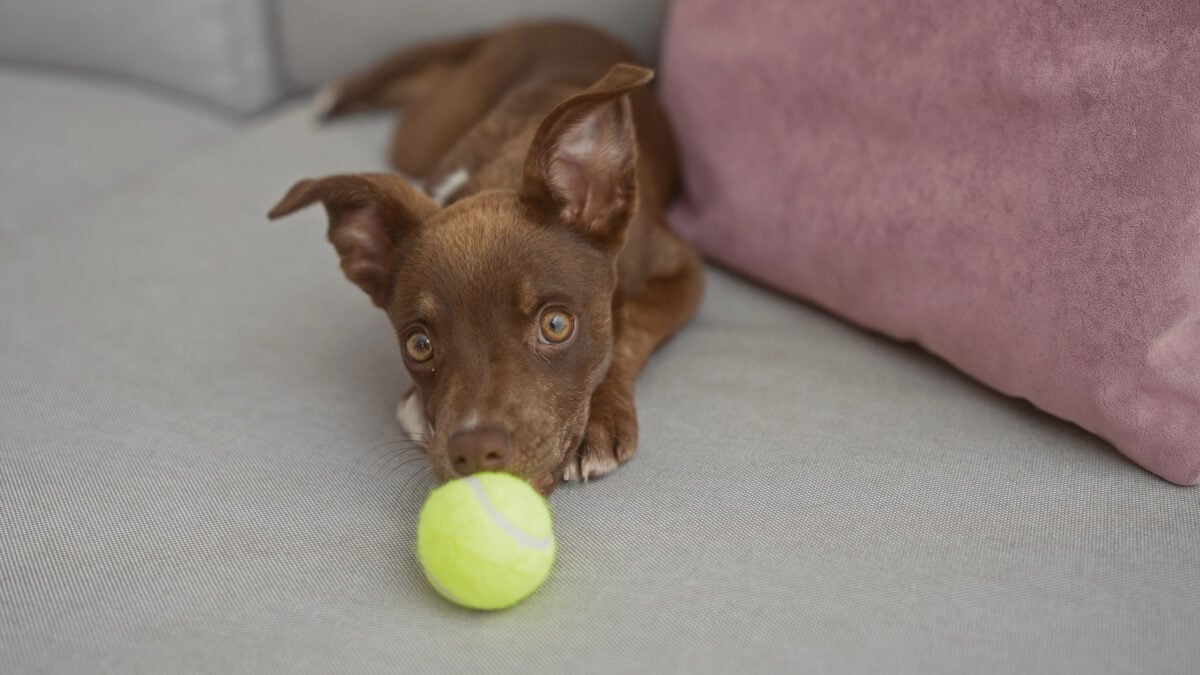
You may recognize the process:
- Toy on the floor: A polite opening offer.
- Toy beside you: Perhaps you didn’t notice.
- Toy in your lap: Visibility should no longer be an issue.
- Toy pressed against your hand: We’ve removed several unnecessary steps.
- Toy on the keyboard: Your previous activity has now been suspended.
This is a great example of strategy refinement. A dog who wants to play can adjust where they bring the toy, how close they put it, or how insistently they present it based on what has gotten you to respond before.
And sometimes the toy itself becomes part of the conversation. A ball can mean fetch. A tug toy can request an entirely different game. Your dog isn’t simply getting your attention; they’re arriving with a suggested agenda.
If dropping the ball three feet away gets ignored but depositing it directly onto your body gets a throw, the logistics department has learned something useful.
5. They Insert Themselves Into Whatever Has Your Attention
Eventually, some dogs discover an important shortcut: they don’t always have to convince you to pay attention to them. They can simply interfere with whatever you’re paying attention to instead.
This is how a dog who has an entire couch available ends up occupying the 14 inches directly between you and your laptop.

The possibilities are extensive:
- Laptop open? A head appears over the keyboard.
- Reading a book? Apparently that’s where we’re sitting now.
- Watching TV? Someone develops an urgent need to stand directly in front of it.
- Talking to another person? There’s room for one more participant in this conversation.
- Get up from your chair? Thank you. Your dog will take it from here.
- Looking at your phone? A nose may enter the frame at extremely close range.
It’s tempting to interpret these interruptions as jealousy, but that’s not necessarily what’s happening. Your dog doesn’t need to understand why the laptop, book, or other person has your attention to notice that inserting themselves into the situation sometimes redirects it.
And that’s the clever part. They haven’t made you start doing something. They’ve made you stop doing something else.
Your dog has essentially invented an ad blocker that replaces the existing content with dog.
6. They Learn Exactly When You’re Most Interruptible
Once your dog has figured out which buttons work, there’s another useful piece of information to collect: when to push them.
Dogs are excellent at learning routines, including the tiny signals we barely notice ourselves. Picking up certain shoes might predict a walk. Closing the laptop may mean you’re finally available.
Sitting on the couch can apparently announce that all previous obligations have been canceled and Dog Time has begun.
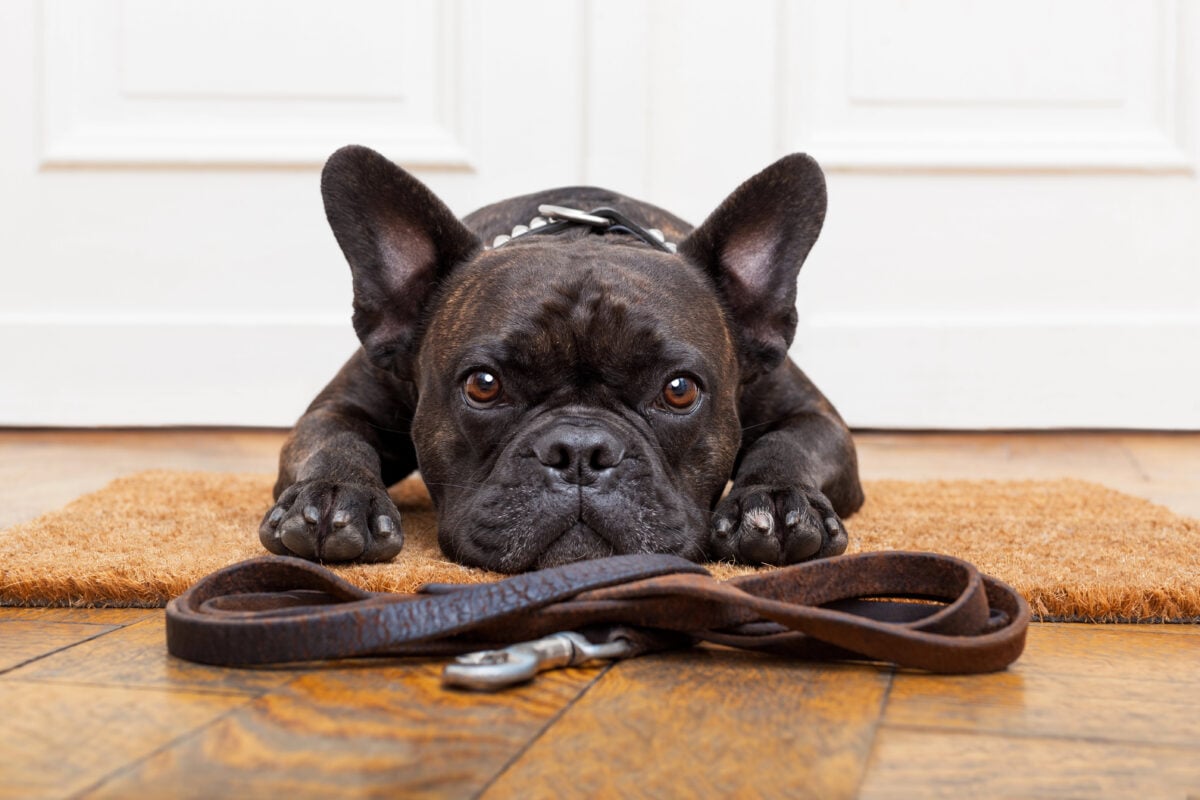
Some attention bids become almost suspiciously well-timed:
- You sit down: The toy arrives before you’ve fully reached the cushion.
- You puton certain shoes: Your dog has already reached the front door.
- You answer the phone: Suddenly, someone has several urgent announcements.
- Walk time approaches: Your dog begins reminding you while clocks remain technically unnecessary.
- You start cooking: A new supervisor reports for duty.
- You stop petting them: Your hand receives immediate notice that its break request has been denied.
Dogs aren’t only learning which behaviors get results. They can also learn the moments when you’re most likely to respond.
That makes routine part of the communication system — and explains why your dog can appear to know what’s about to happen before you’ve consciously decided you’re doing it.
7. The Performance Gets Increasingly Dramatic
Some attention bids are difficult to describe without making your dog sound like they’ve taken several semesters of experimental theater.
There may be a sigh. A groan. A slow collapse onto the floor. Perhaps a belly is presented. A chin lands heavily on your knee. None of this necessarily means your dog is consciously putting on a performance, but behaviors that reliably get a response can become part of their interaction repertoire.
The useful clue is often the sequence, not any single dramatic moment:
- Sigh: Could simply mean your dog is settling down.
- Sigh + look at you: Now there’s an audience check.
- Look + move closer: The production has changed venues.
- Chin on knee: Subtlety is beginning to leave the building.
- Paw added: We appear to have reached the interactive portion of the program.
Dogs sigh, stretch, roll over, and reposition themselves for plenty of reasons, including ordinary relaxation. One behavior in isolation doesn’t tell you much.
But when several behaviors arrive in a familiar order and culminate in your dog waiting for a response, the context changes.
Sometimes the whole sequence tells you more than the sigh ever could.
8. They Discover That Forbidden Objects Have Incredible Powers
At some point, certain dogs make a discovery that changes the attention-seeking game entirely: ordinary dog possessions are fine, but human possessions have incredible powers.
While a tennis ball might get you to look up, a stolen sock can get you out of the chair.
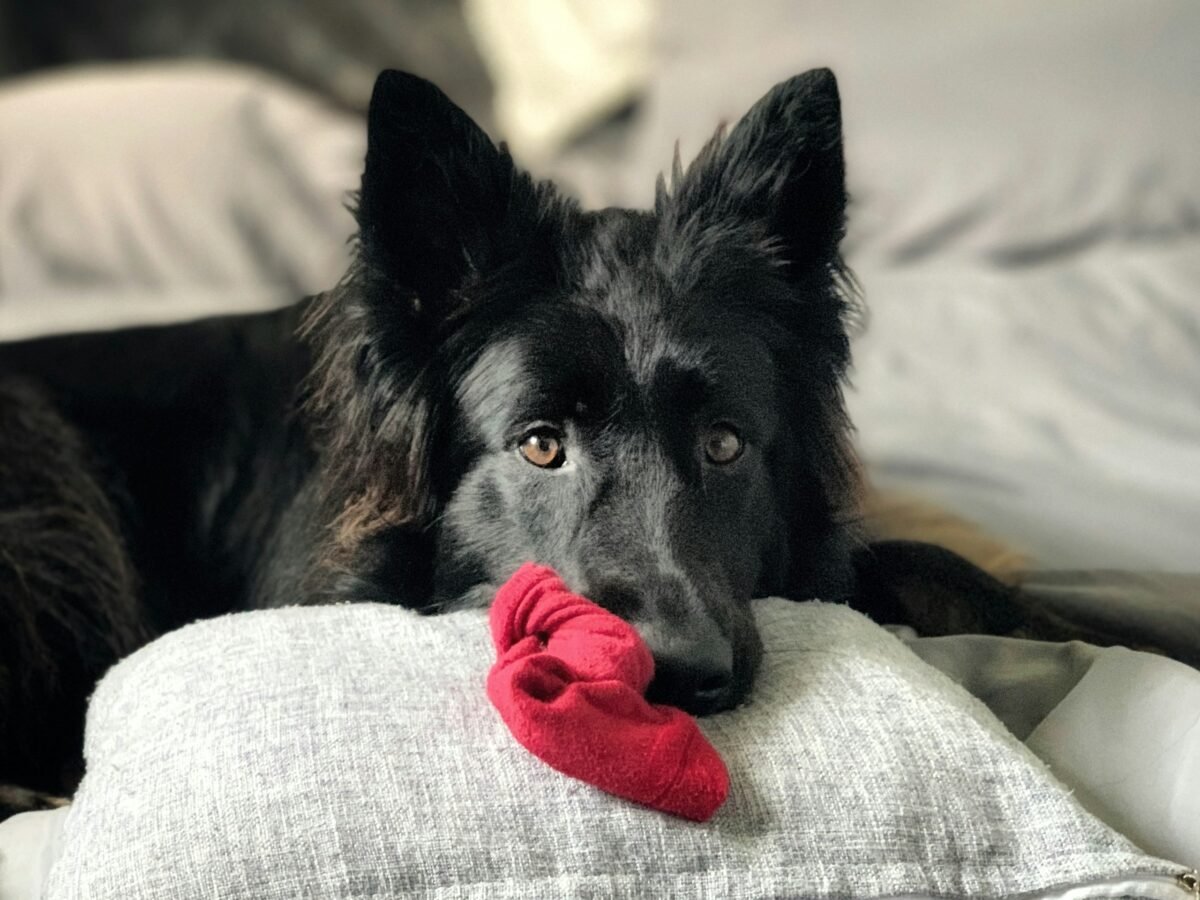
The potential loot is extensive:
- Socks and underwear: Portable, plentiful, spectacularly effective.
- Shoes: Particularly useful if you’re trying to leave the house.
- Tissues and dish towels: Excellent choices for dogs interested in immediate pursuit.
- The remote: Suddenly, everyone cares.
- Children’s toys: Technically toys, which seems like an administrative distinction.
- That one forbidden object: Your reaction has already confirmed its extraordinary value.
Sometimes the object itself is rewarding to chew, carry, or investigate. But for dogs who’ve discovered the attention potential, what happens next can be just as interesting.
You look. You say their name. You stand. You approach. Maybe you chase.
One sock has just activated an entire human.
That’s why automatically pursuing a dog every time they grab contraband can accidentally turn theft into a very successful game. For safe objects, trading for something worthwhile and teaching a reliable “drop it” can make giving things up more rewarding than starting the household’s least dignified pursuit.
And with anything dangerous or potentially swallowable, skip the comedy and get the item away safely.
9. When A Button Stops Working, Some Dogs Push Harder
Here’s where the experiment gets especially interesting. What happens when your dog pushes a button that has always worked — and suddenly nothing happens?
Suppose one paw on your leg has reliably earned petting. You decide you’re done rewarding the pawing, so this time you don’t respond.
Your dog may not immediately conclude, Well, that policy has clearly changed.
Instead, you might get:
- Paw: The usual request.
- Paw again: Perhaps there was a technical issue.
- Harder paw: Let’s resubmit.
- Whine: Trying another communication channel.
- Bark: This matter has been escalated.
- Half the dog climbs onto you: We are no longer accepting unanswered correspondence.
Behaviorists sometimes call a temporary increase in a previously reinforced behavior an extinction burst. When something that used to produce a result suddenly stops working, an animal may try it more often, more intensely, or in different ways before eventually changing strategies.
That helps explain one of the most frustrating experiences owners have when changing an attention habit: “I tried ignoring it, and it got worse.”
Sometimes, at least temporarily, it can.
Your dog hasn’t necessarily become more demanding overnight. The old button stopped working, and they’re checking whether perhaps it just needs to be pushed harder.
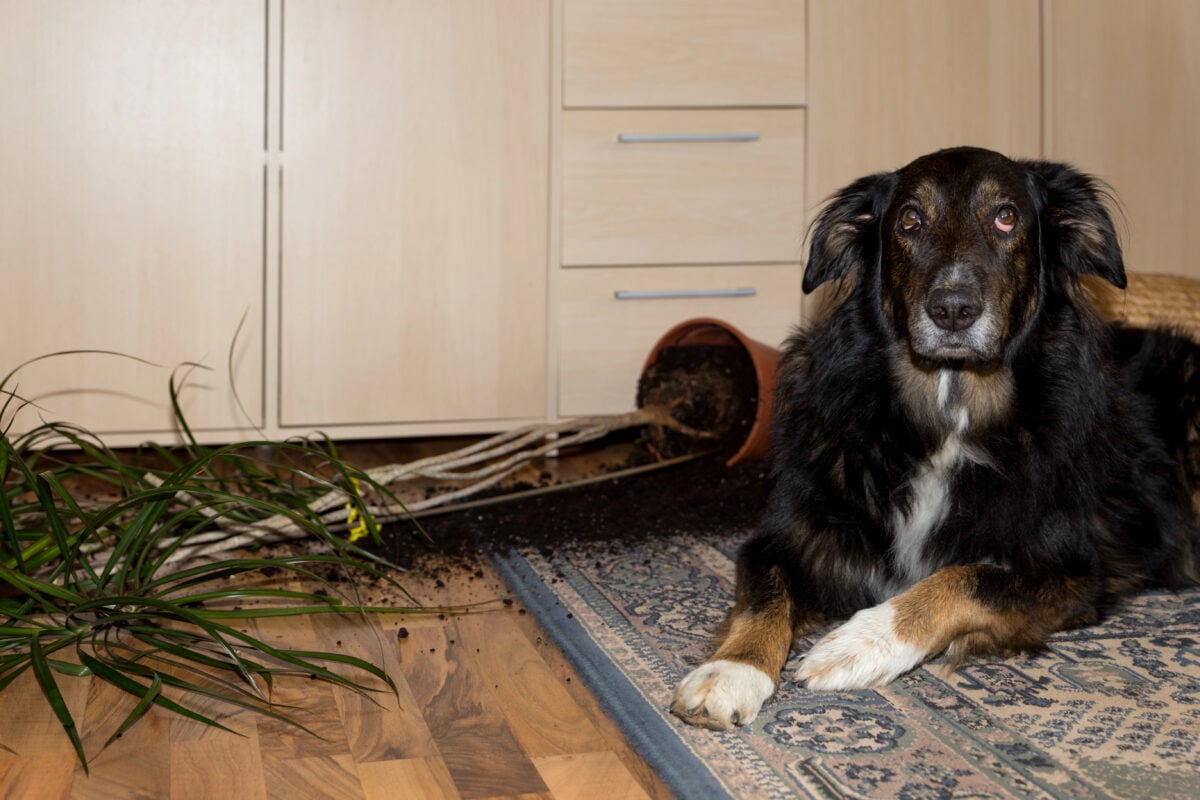
10. Fine. I’ll Create A Situation.
Then there are dogs who discover that nothing captures human attention quite like a developing situation.
Subtlety has left the premises. Now something is happening, and you are almost certainly going to notice.
That might look like:
- Barking or jumping: Difficult to placeon the mental “deal with later” pile.
- Counter surfing: Few things mobilize a household faster than a dog investigating dinner.
- Launching an unauthorized couch excavation: The furniture has now become involved.
- Pestering another pet: Suddenly, multiple departments are involved.
- Scratching or knocking things around: The environment itself has joined the negotiations.
- Racing through the house: Whatever you were doing is now competing with a live sporting event.
Some dogs can learn that disruptive behavior produces a fast, reliable response. But this is also where we need to be careful about calling everything attention-seeking.
A dog who seems determined to create chaos may instead be bored, frustrated, over-aroused, under-exercised, stressed, or trying to meet another need. And sometimes behavior that looks like a demand for attention is really an attempt to tell you something more important.
So when your dog’s strategy reaches “Fine, I’ll create a situation,” the better question isn’t simply How do I make this stop? It’s what are they actually trying to make happen?
Apparently, Every Dog Has A Technique
Some dogs stare. Some paw. Others apparently decide the situation requires considerably more creativity. This compilation of dogs finding increasingly ridiculous ways to get their humans’ attention may look familiar to anyone who’s ever tried to accomplish something while owning a dog.
Your Dog Isn’t Just Learning What Works. They’re Learning What Works On You.
Here’s where all that observation gets more impressive: your dog may not use the same buttons on everyone.
Dogs live among humans who are wildly inconsistent creatures. One person responds to a stare. Another needs a paw. Someone else will throw a tennis ball almost automatically if it appears within a six-foot radius.
Over time, your dog can learn who responds to what and adjust accordingly.
In a multi-human household, the operating instructions might look something like this:
- Mom: Stand near the pantry and stare. Maintain eye contact.
- Dad: Deliver tennis ball directly to feet. Repeat as necessary.
- Grandma: Deploy sad eyes. Snack probability extremely high.
- Teenager: Initial attempts unlikely to succeed. Physical contact approaching defibrillator levels may be required.
- Person on a Zoom call: Excellent prospect. Historically unwilling to negotiate.
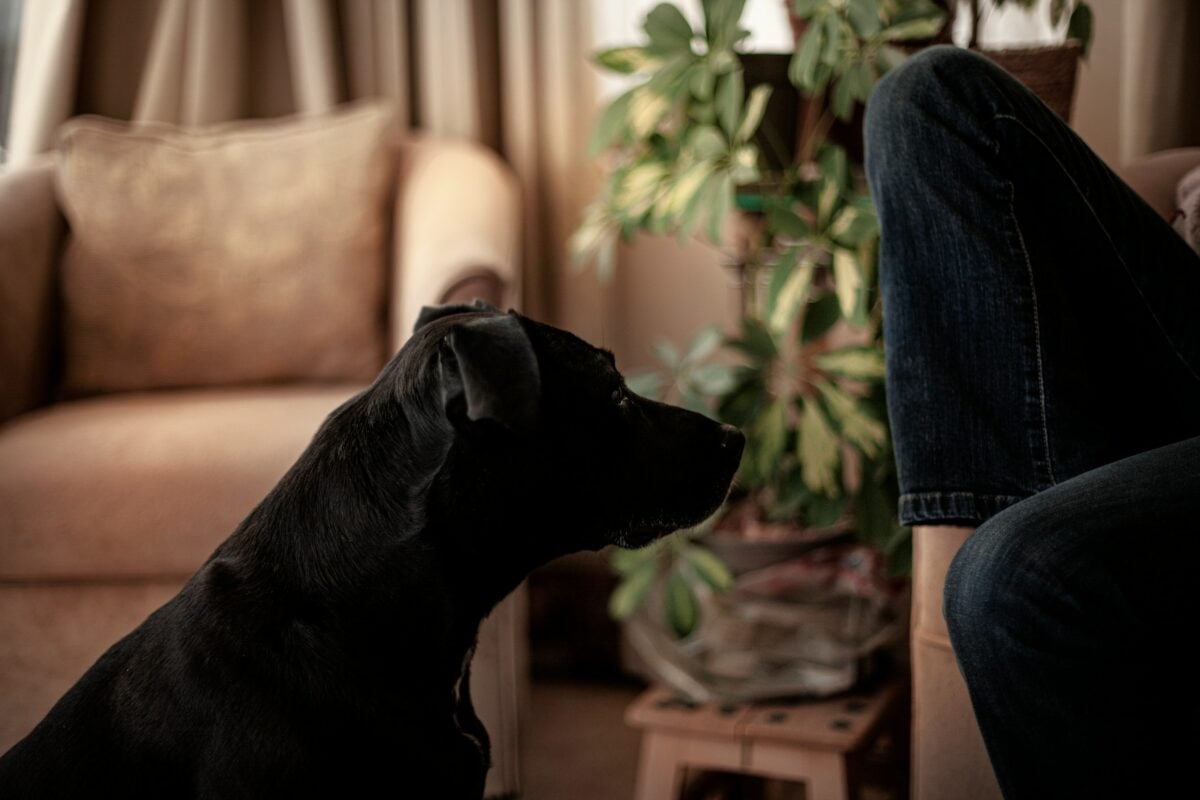
Consistency matters here, too. If one person occasionally gives in after the fifth whine while another never does, those are two very different humans from your dog’s perspective.
This can explain why a behavior that seems relentless around you mysteriously disappears when someone else takes over. Your dog hasn’t forgotten how to paw, whine, stare, or deliver a toy.
They may simply know that particular button isn’t connected to anything.
Which raises a slightly uncomfortable possibility: if your dog has an especially elaborate strategy for getting your attention, you may have been a very rewarding research subject.
Your Dog Found Your Button. Which One Is It?
- The Look — You make eye contact.
- The Paw — You touch.
- The Noise — You answer.
- The Toy — You play.
- The Roadblock — You stop what you’re doing.
- The Performance — You react.
- The Sock — You get up.
- The Chaos — Everybody gets involved.
Which one works embarrassingly well on you? Share yours in the comments.
Some Dogs Are Better At Training Humans Than Others
Put two dogs in the same house, with the same people and roughly the same routine, and they may develop completely different methods of getting what they want. One delivers a tennis ball with quiet professionalism. The other has apparently concluded that all requests should involve vocals and sustained physical contact.
That’s not simply a matter of one dog being “smarter.” Attention-seeking styles develop from a mix of temperament, experience, and opportunity.
Several things can shape the strategy:
- Personality: Bold, social dogs may be more willing to initiate interaction.
- Persistence: Some dogs give up after one attempt. Others appear committed to seeing the project through.
- Energy and working history: Dogs bred for close cooperation with people may naturally spend more time watching us for cues and interaction.
- Past success: A behavior with an impressive track record is worth trying again.
- Household routines: Predictable days create predictable opportunities.
- Human consistency: If barking works every third Tuesday, some dogs are perfectly willing to keep checking.
- Social appetite: Some dogs simply seek more interaction than others.
Put those ingredients together, and two dogs living under the same roof can arrive at completely different solutions to the same problem.
One may become a patient negotiator who waits beside you with a tennis ball. Another develops the communication style of an emergency broadcast system with fur.
But What Is Your Dog Actually Asking For?
Here’s the catch: getting your attention isn’t always the final objective.
Sometimes your dog genuinely wants you. They want to play, get scratched, climb onto the couch beside you, or receive your professional opinion on the tennis ball they’ve been carrying around for 20 minutes.
Other times, your attention is simply step one. They need a human because humans control an inconvenient number of important resources.
Your dog might be asking for:
- Play or affection
- A walk or more activity
- Food or fresh water
- A trip outside
- Mental stimulation
- Help reaching, opening, or retrieving something
- Relief from pain or discomfort
- Distance from something that’s making them uneasy
That’s why the behavior itself only tells you so much. Look at when it happens, what your dog does next, and what makes it stop.
| What You Notice | What It Might Mean |
|---|---|
| Starts when you stop interacting | More social time or play |
| Happens around the same time daily | A learned routine or predictable need |
| Toy arrives | Play or activity |
| Door checking + restlessness | Outside or bathroom need |
| Stops after brief interaction | Attention itself may have been enough |
| Continues despite your attention | Look beyond simple attention-seeking |
| Sudden, significant change | Health, discomfort, stress, or environmental change |
Think back to that stare from earlier. The look got your attention, but the glance toward the back door told you what your dog actually wanted.
That’s the distinction worth watching for: attention may be the communication channel, not the need itself.
Sometimes your dog isn’t saying Pay attention to me. They’re saying, I need you for the next part.
Attention-Seeking Or Stress? The Difference Is What Happens Next
A dog who wants your attention can certainly be persistent. They may paw harder, whine, follow you around, or stare at you with the intensity of someone waiting for you to remember the extremely important thing you apparently forgot.
But persistence alone doesn’t mean your dog is anxious.
One useful clue is what happens when the interaction doesn’t go the way they hoped. An attention-seeking dog may eventually:
- Switch strategies: The paw failed, so perhaps the ball deserves another chance.
- Give up: Apparently you’re unavailable for consultation.
- Find something else to do: Chew a toy, investigate the yard, or bother someone with better customer service.
- Settle: They can relax even though they didn’t get what they wanted.
- Try again later: Your buttons aren’t going anywhere.
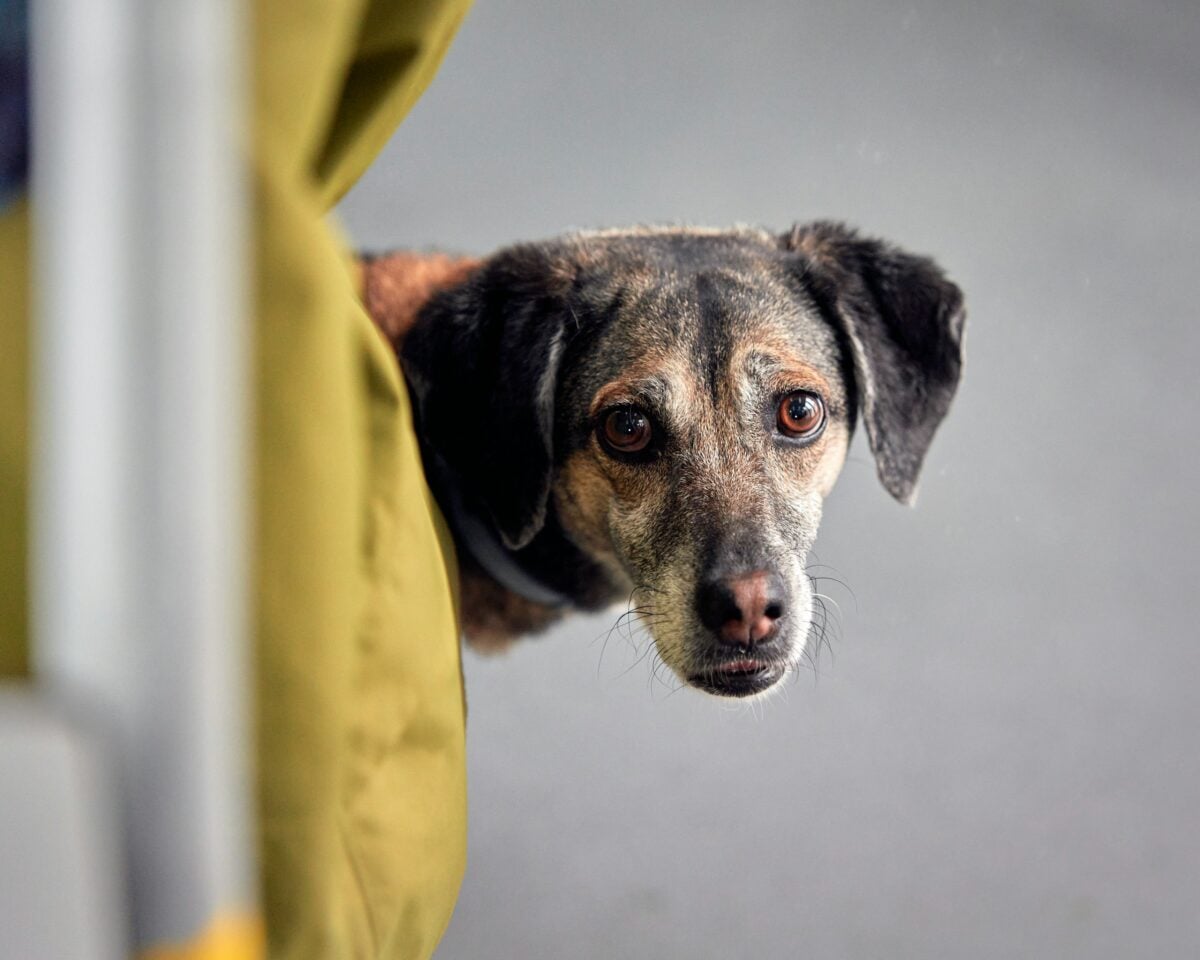
A dog experiencing significant stress or anxiety may have much more difficulty returning to a settled state. You might see persistent pacing or vocalizing, panting when they’re not hot, trembling, hypervigilance, repetitive behaviors, escape attempts, or an inability to relax even after you engage with them.
That’s an important distinction: frustration because you didn’t respond isn’t the same as distress.
Also pay attention to what’s normal for your dog. A sudden increase in clinginess, vocalizing, restlessness, or other attention-getting behavior deserves a closer look, particularly if you also notice pain, appetite changes, bathroom changes, confusion, or other physical or behavioral symptoms.
When A Behavior Change Leads To A Vet Visit
A sudden change in your dog’s behavior can sometimes lead to an exam, blood work, imaging, or other diagnostic testing to figure out what’s going on. Pet insurance can help cover eligible costs when an unexpected illness or injury needs investigating and treatment. See our guide to the best pet insurance providers to learn more.
How To Stop Rewarding The Wrong Button
Once you’ve identified your dog’s favorite buttons, the solution isn’t to become an emotionless statue who never acknowledges the dog again. Attention-seeking is communication, and plenty of it is perfectly reasonable.
The goal is to make the behaviors you like more effective than the ones you don’t.
1. Meet The Need Before You Train The Request
Before treating a behavior as pushy, deal with any legitimate need first. A dog asking to go outside, refill an empty water bowl, or get help isn’t presenting you with a training problem.
2. Decide Which Requests You’re Happy To Live With
You get to choose what acceptable communication looks like in your house.
Chinon knee? Fine.
Bringing a toy? Great.
Repeated shrieking? Perhaps the customer-service portal needs redesigning.
3. Make The Polite Button Work Better
This is the big one. Reward the request you’d like your dog to use again.
If sitting beside you gets attention while barking doesn’t, sitting becomes more useful. If bringing an approved toy starts a game while stealing socks doesn’t, the ball becomes better currency than your laundry.
4. Watch Your Own Reaction
Talking, laughing, looking, touching, getting up, and chasing can all keep an interaction going.
Before blaming the dog, consider whether you’re the part of the training plan nobody evaluated.
5. Expect Some Testing When The Rules Change
If barking worked for two years and suddenly doesn’t, your dog may not immediately accept the revised terms. Consistency matters while an old strategy loses its usefulness.
6. Don’t Make Your Dog File A Formal Complaint
A dog whose predictable needs are met has fewer reasons to launch an attention campaign. Build regular opportunities for:
- Exercise and sniffing
- Play and training
- Mental enrichment
- Rest
- Social time with you
7. Make Doing Nothing Worthwhile, Too
Notice your dog when they’re settled, relaxed, chewing an appropriate toy, or happily occupying themselves. Calm behavior can earn attention and good things, too.
Otherwise, your dog may reach a perfectly logical conclusion: all the interesting stuff happens when I interrupt somebody.
Frequently Asked Questions
Still wondering why your dog has become so skilled at interrupting your day? These quick answers tackle a few attention-seeking quirks we haven’t covered yet. If you don’t see your question here, ask us in the comments!
Why Does My Dog Want More Attention At Night?
Evenings can be prime attention-seeking hours. Your dog may have leftover energy, expect a familiar walk or play session, or simply know this is when you’re finally available.
If nighttime clinginess or restlessness is new or unusually intense, especially with pacing, panting, confusion, or difficulty settling, consider whether discomfort, stress, or age-related changes could be involved.
Why Does My Dog Always Bother Me When I’m On My Phone?
Your phone competes for your eyes, hands, and attention — three resources your dog has considerable interest in. Dogs can also learn the routine surrounding phone use.
If nudging your hand or appearing directly between your face and the screen has repeatedly made you look up, they’ve found a reliable interruption point.
Why Does My Dog Follow Me Around But Not Want Anything?
Sometimes being near you is the point. Dogs are social animals, and following you from room to room doesn’t necessarily mean there’s a request coming.
Your dog may simply enjoy your company, be curious about what you’re doing, or have learned that wherever you go, something interesting tends to happen.
Can Dogs Tell When You’re Deliberately Ignoring Them?
Your dog probably doesn’t understand I’m deliberately withholding attention as part of a behavior plan the way another person would. But they can notice that you’re behaving differently and that a response they expected isn’t happening.
That’s why changing a familiar interaction pattern can get their attention even when you’re deliberately trying not to give them yours.
Why Has My Dog Suddenly Started Demanding More Attention?
A sudden change deserves more curiosity than annoyance. Changes in routine, exercise, household activity, stress, or access to you can all affect attention-seeking.
But new clinginess, vocalizing, restlessness, or inability to settle can also accompany pain, illness, sensory changes, or cognitive changes in older dogs. If the change is significant or comes with physical symptoms, appetite or bathroom changes, confusion, or unusual behavior, contact your veterinarian.
While You’ve Been Studying Your Dog, They’ve Been Studying You
We spend years learning our dogs’ quirks, signals, routines, and suspiciously specific opinions about dinner time. They’re doing the same thing to us.
Want to keep decoding the relationship? See why your dog keeps checking on you, explore how much dogs actually understand about humans, or look for the signs your dog has chosen you as their person.
And now we’re curious: what’s the one ridiculous thing your dog has learned will get a reaction from you every single time? Share in our comments!