When you purchase through links on our site, we may earn a commission at no extra cost to you. Learn more.
If your dog seems to stare at you all the time, you’re probably wondering what that look means. Most dog staring is completely normal, but the reason can vary from affection and curiosity to begging, stress, guarding, pain, or confusion.
Table of Contents
The key is to look beyond your dog’s eyes. Body language, facial expression, posture, and the situation around the stare can tell you what your dog is trying to communicate. A relaxed dog with soft eyes and a loose body is likely checking in or showing affection. A stiff posture, hard stare, tucked tail, or signs of discomfort mean you should pay closer attention.
So, why does your dog stare at you? Here are the most common reasons and how to tell which one fits your dog.
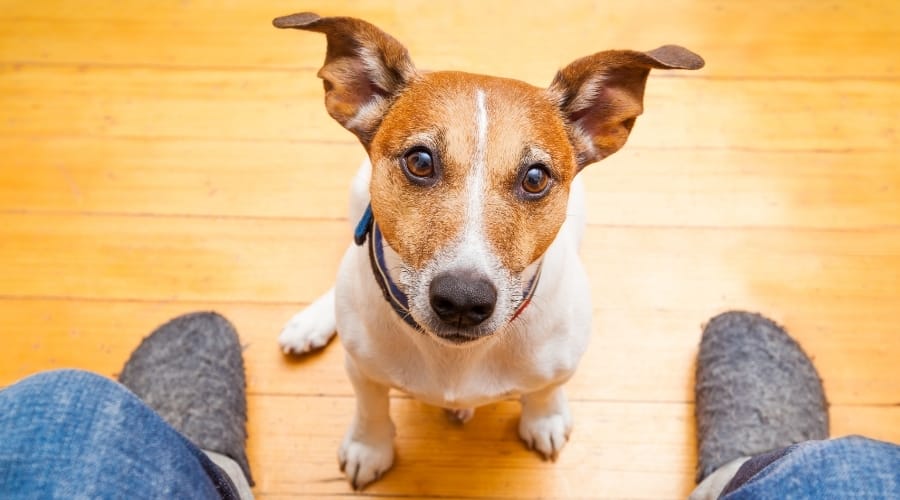
Start Here: What Does Your Dog’s Stare Mean?
Before you worry about why your dog is staring, look at the rest of their body and what’s happening around them. These quick clues can help you narrow it down:
Want our human-written content to rank above AI-generated garbage? Help us out by clicking this button!
- Soft eyes + loose body: Your dog is likely showing affection, curiosity, or simply checking in with you.
- Staring near food, their leash, or the door: They may be asking for something they want or have learned that staring gets a response.
- Stiff body + hard eyes: Your dog may feel threatened, uncomfortable, or protective. Give them space and avoid forcing interaction.
- Blank stare or staring at walls: In an older dog, unusual staring or disorientation can sometimes signal a health or cognitive concern and is worth discussing with your veterinarian.
The situation matters, too. A dog staring at you while you prepare dinner means something very different from a dog staring intensely while standing stiffly. Pay attention to your dog’s posture, ears, tail, facial expression, and what happened immediately before the stare.
This article helps you figure out which stare you’re seeing and what to do next.
A Brief History Of The Dog-Human Gaze
Long before dogs became our alarm clocks and dinner witnesses, their ancestors were watching us from a distance and silently learning.
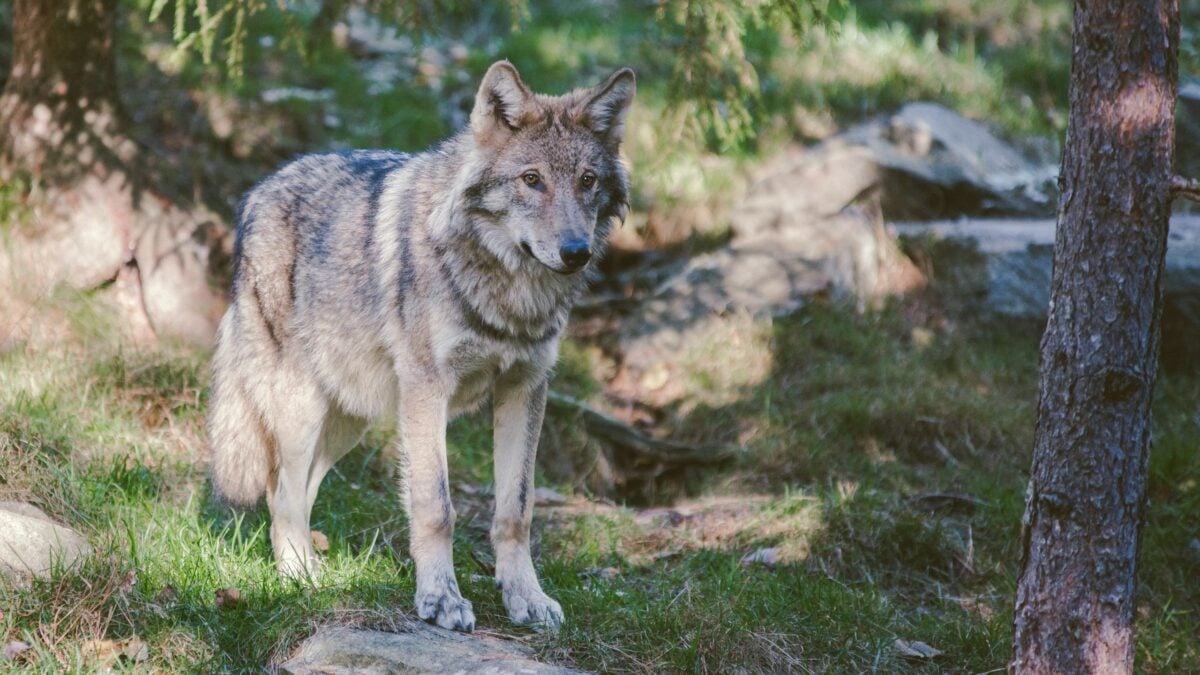
Early wolves that lingered near human campsites discovered a survival advantage: those who paid attention to human movements found more food and faced less conflict. Over generations, the boldest watchers evolved into our first domesticated dogs — animals uniquely tuned to human behavior.
Centuries later, that same behavior still drives your dog’s habit of staring at you across the living room.
Modern science helps explain how deep this bond runs. Researchers at the Yale Canine Cognition Center found that dogs naturally follow human eye direction to locate hidden food, a skill even human-raised wolves struggle to master.
In essence, eye contact became a kind of shared language. What once signaled danger between predator and prey turned into a cooperative signal — a way to coordinate, anticipate, and connect.
Did You Know? Dogs are one of the few species that voluntarily maintain prolonged eye contact with humans. Even wolves raised by people tend to avoid it.
Why Does My Dog Always Stare At Me?
A dog’s stare is a surprisingly nuanced thing. It can feel like affection, interrogation, or something in between. To dogs, it’s a flexible communication tool. Below are the most common reasons dogs stare and what each one actually means.
1. They’re Showing Affection
Dogs often stare at the people they love, and in many cases, that gaze is simply their way of connecting with you. If your dog has soft eyes, a relaxed body, and a calm expression while looking at you, they may be showing affection or checking in with their favorite person.
Sometimes your dog stares at you for the same reason you can’t stop looking at them: love, plain and simple, just with much less subtlety.
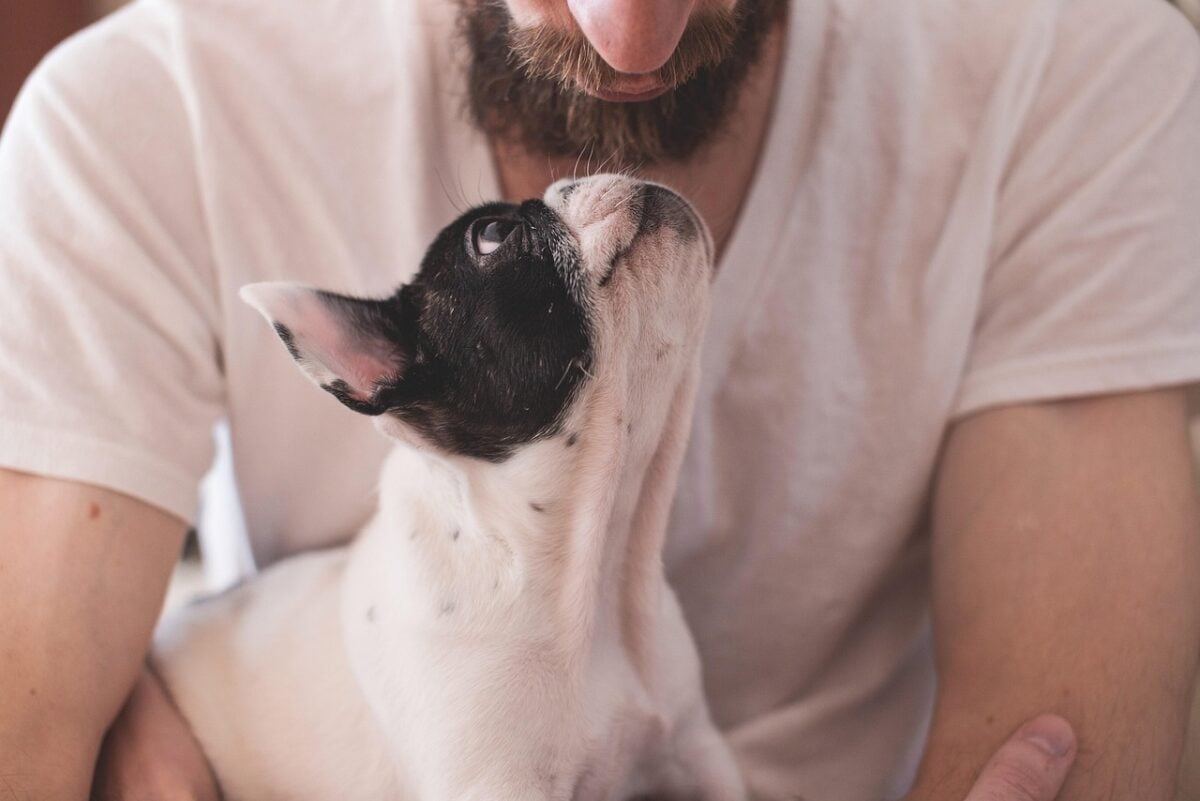
When dogs and humans lock eyes, both experience a rise in oxytocin, the hormone linked to bonding and trust. A 2015 study showed this mutual gaze strengthens emotional attachment, similar to parent-child bonding.
A loving stare looks relaxed. Soft eyelids, loose posture, calm breathing. No tension. No demand.
This is connection, not manipulation.
2. They’re Reading Your Emotions
Dogs are remarkably good at picking up on changes in our expressions, voices, and body language. If your dog stares at you when you’re upset, excited, or unusually quiet, they may be watching closely to figure out how you’re feeling.
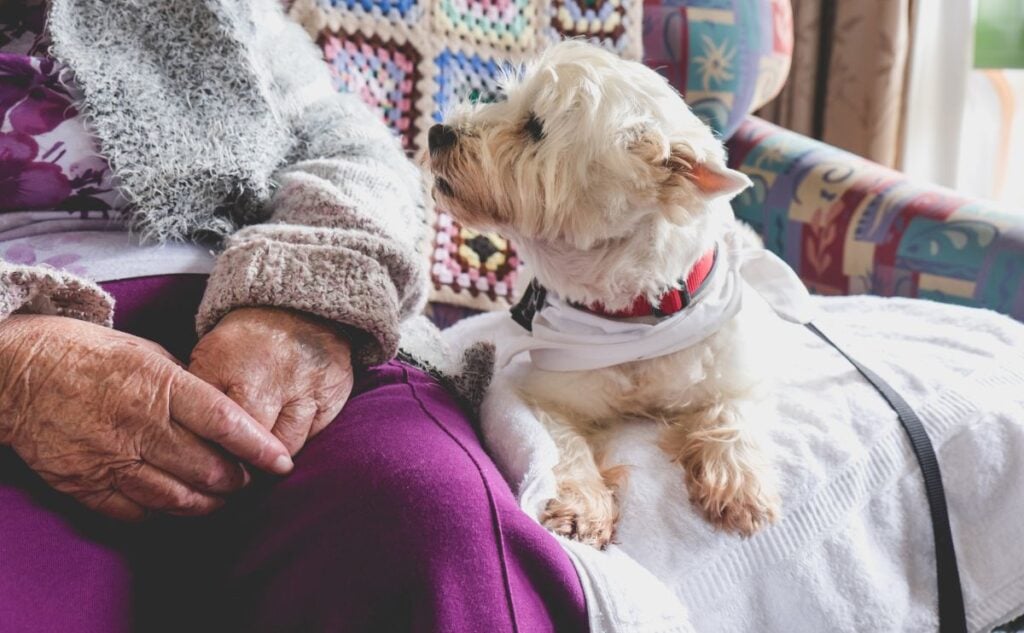
Research published in The Royal Society’s Biology Letters journal found that dogs can combine visual and auditory cues to recognize human emotions. In other words, they don’t just see your frown — they match it to your tone of voice and body tension to figure out how you feel.
If you’re stressed, they watch more closely. If you’re calm, they relax.
This isn’t judgment. It’s social referencing, a survival skill turned emotional intelligence.
They’re not staring at you. They’re checking in.
3. Curiosity: The Canine Way Of Saying “What Are You Doing?”
Dogs are, at heart, professional observers. They watch everything: your routine, your tone, the way you reach for your shoes versus your car keys. To them, you’re the most interesting thing in the house.
Sometimes, your dog is staring simply because you’re doing something interesting. Dogs are naturally curious, so a new activity, unusual sound, or change in your routine can prompt that familiar look of “What are you doing?”
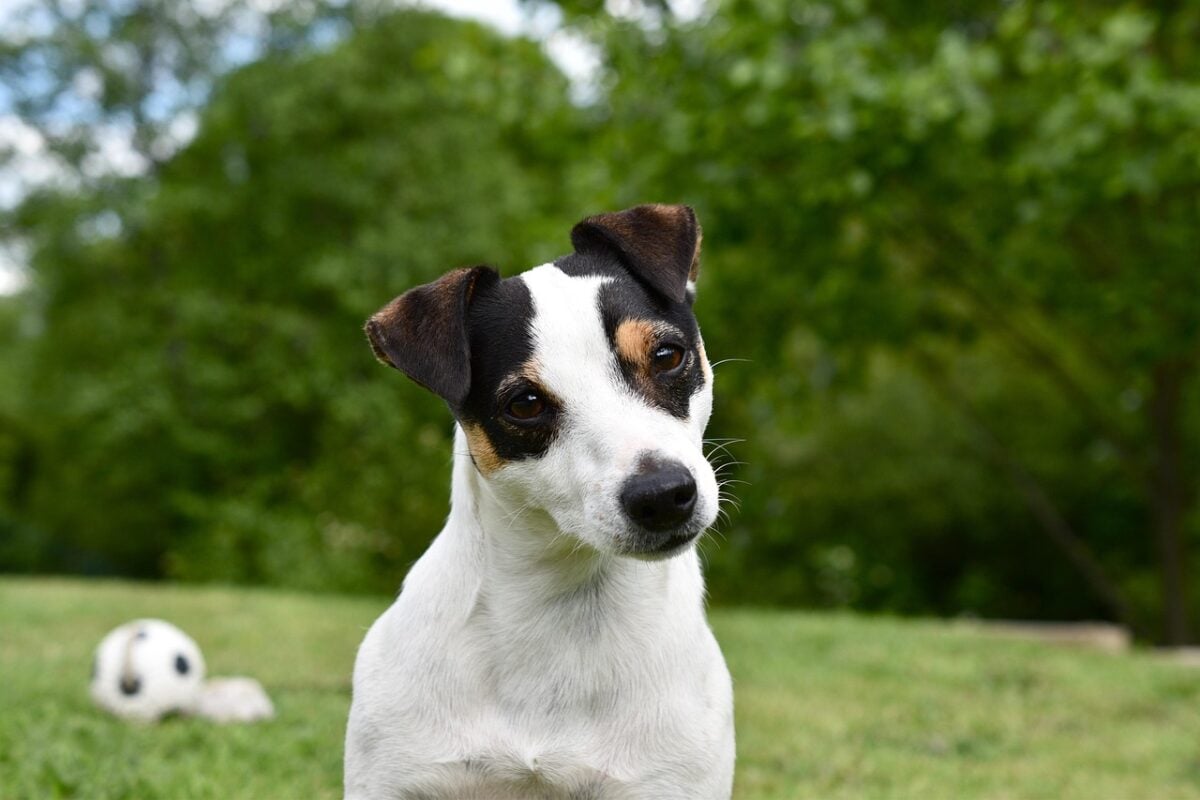
Dogs are wired to notice patterns and movement. A curious stare often comes with perked ears or a slight head tilt.
If it becomes intense, offer direction. A cue, a toy, or a task gives that curiosity somewhere productive to go.
Fun Fact: To your dog, you’re the world’s longest-running reality show. Studies show dogs track our micro-movements and even subtle shifts in body position to predict what happens next.
4. Communicating Wants Or Needs
If your dog suddenly locks eyes with you while you’re eating, there’s a good chance they’re hoping you’ll share. If they have a toy in their mouth, there’s a good chance they want to play with you. That intense stare can be surprisingly effective—and your dog knows it.
This is intentional, learned communication. Dogs quickly learn that staring works better than barking. It’s quiet, effective, and usually successful.
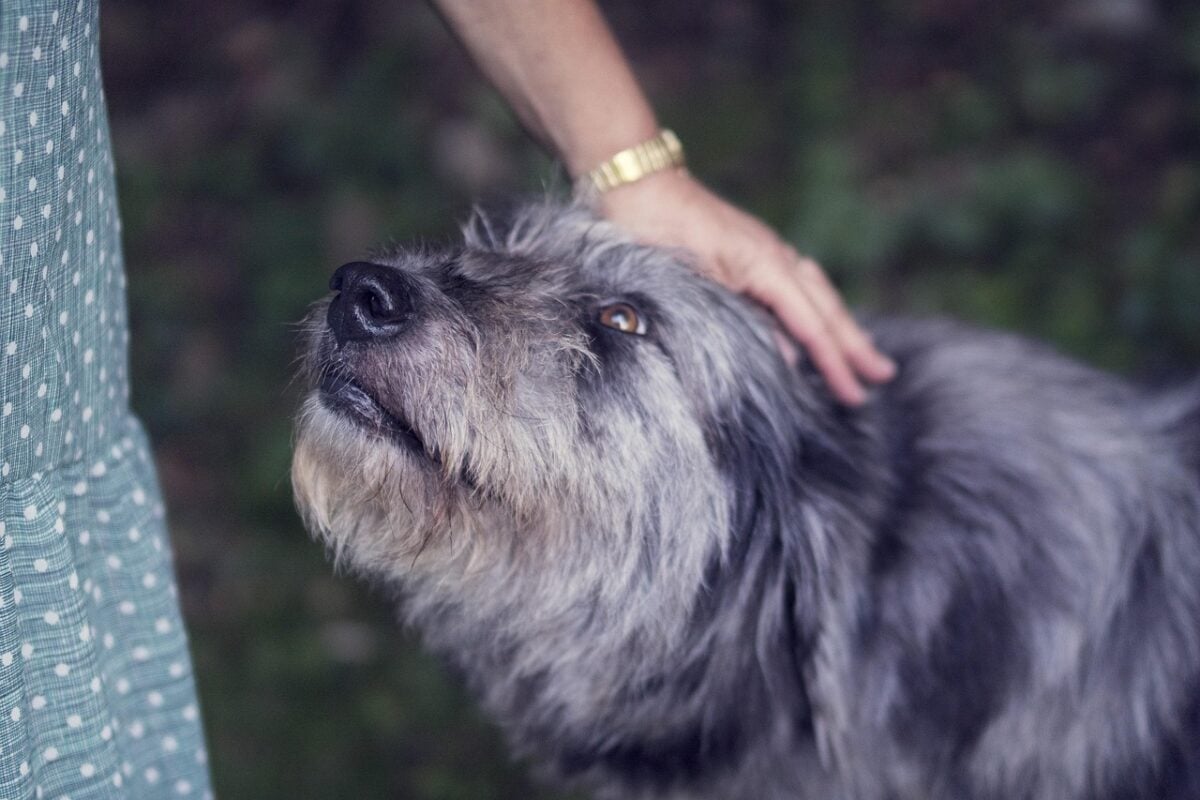
Common variations include:
- The Food Stare: pupils slightly wider, posture alert. You’re preparing food, and they’re studying every wrist movement like a surgeon.
- The Play Stare: ears forward, tail sweeping the floor, a play bow. “You seem under-stimulated. I can fix that.”
- The Need To Go Potty Stare: intense and brief. The message is urgent and non-negotiable.
Many dogs pair eye contact with directional glances toward a door, leash, or bowl. It’s a sophisticated request system. Ignoring it confuses. Misreading it causes disappointment.
They will clarify. Usually by staring harder.
More on the Food Stare:
Dogs quickly learn which behaviors get results. If you’ve ever slipped your dog a bite from the table, offered a treat to quiet them, or rewarded that pleading look, they may have learned that staring gets food. Even occasional rewards can reinforce the behavior because your dog keeps trying, thinking the next stare might pay off.
Instead, teach your dog what to do when people are eating:
- Use a “place” cue: Send your dog to their bed or mat while you eat and reward them for staying there.
- Skip table scraps: Feeding from the table teaches your dog that begging can work.
- Reward calm behavior: Give your dog a treat or praise when they settle quietly rather than when they stare, whine, or paw at you.
- Be consistent: Everyone in the household should follow the same rules. If one person gives in, your dog has a reason to keep trying.
5. The Pooping Stare
It’s the moment every dog owner knows: your pet locks eyes with you mid-squat; it may feel a little awkward, but it’s as if it’s seeking moral support during a private ordeal. Yes, there is a reason for this.
Dogs are vulnerable while eliminating, so they may look to you for reassurance or keep an eye on their surroundings while they do their business. Maintaining eye contact ensures someone is on lookout duty.

Research even shows dogs often align themselves with Earth’s magnetic field while pooping. So yes, that stare is both emotional and planetary.
6. Anxiety Or Discomfort
Not every stare is a sign of affection or curiosity. If your dog is staring while licking their lips, yawning, pacing, hiding, or holding their body tensely, they may be feeling anxious, stressed, or uncomfortable.
This stare asks for guidance.
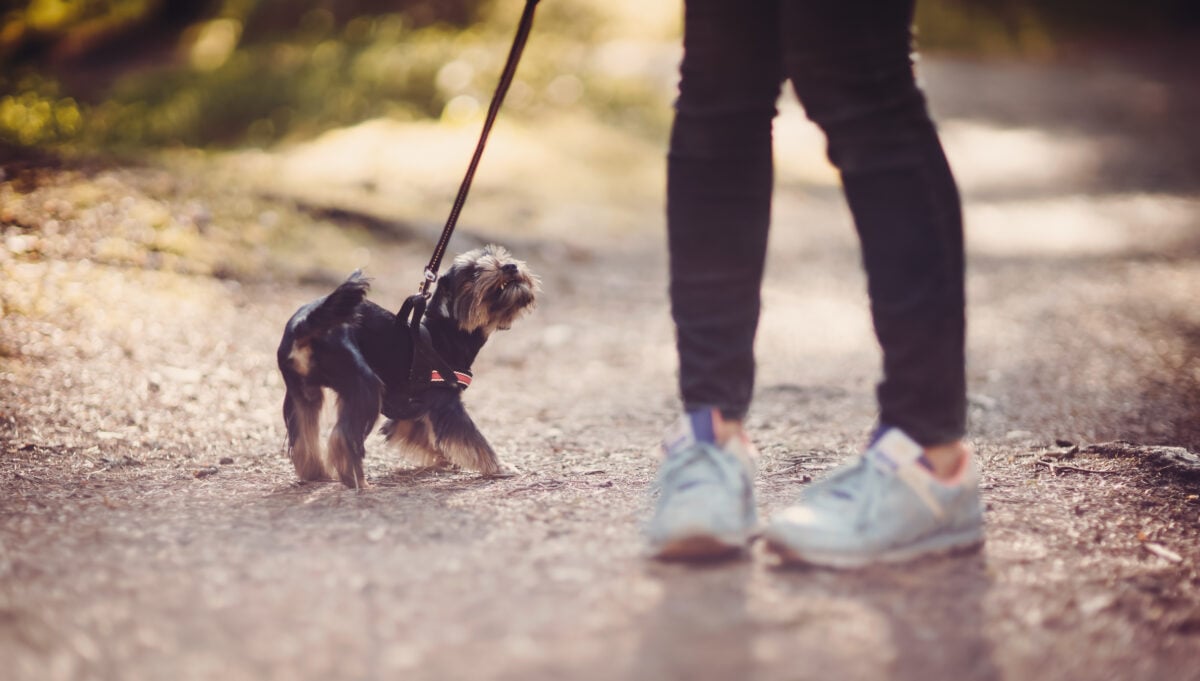
When dogs feel unsure, they look to their owner before reacting. This stare is often paired with lip licking, lowered posture, or a tucked tail.
When to pause and reassess:
- New environments
- Loud noise
- Unfamiliar people
- Sudden routine changes
Your calm response teaches them how to feel about the situation.
Note: If anxiety-driven staring becomes constant, it may signal chronic stress or underlying discomfort from an underlying medical problem. , from joint pain to separation anxiety. A veterinary checkup and consistent routine often help more than verbal comfort alone.
7. Aggression
The “hard stare” is the one every owner needs to recognize. Unlike the soft, loving gaze that melts your heart, this look is rigid, still, and loaded with intent.
A hard, intense stare can mean something very different from the soft gaze of an affectionate dog. If your dog’s body is stiff, their eyes are fixed, and they’re showing other signs of defensiveness or aggression, take the behavior seriously and give them plenty of space.
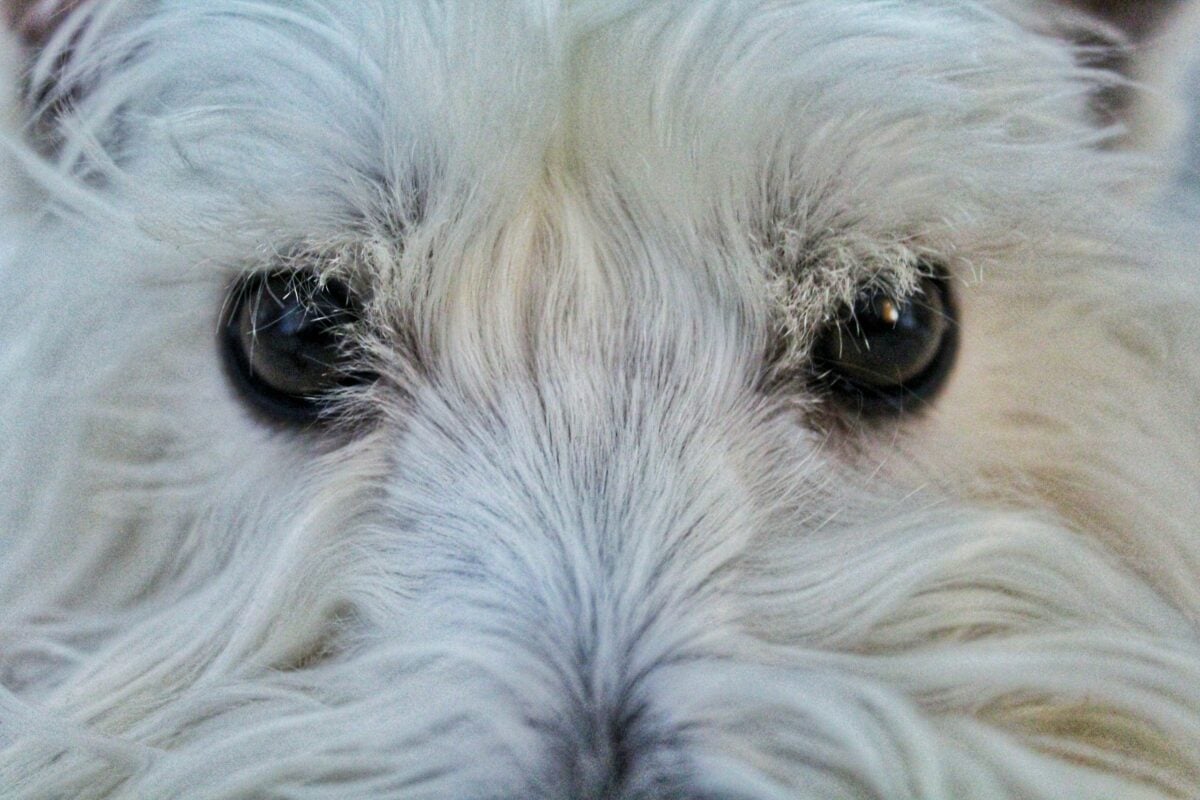
Dogs use prolonged, unblinking eye contact as a warning signal — a clear message to back off. The body tells the rest of the story: stiff posture, forward weight, lips tight or slightly curled.
The ASPCA and other experts stress that this is not “bad behavior,” but communication, the canine equivalent of “Don’t push it.” The right move is to de-escalate by creating space, avoiding direct eye contact, and letting the dog reset.
If it happens often, consult a certified behaviorist to help identify what’s provoking the aggressive response.
8. Cognitive Dysfunction
In senior dogs, unusual staring at you (or at walls, doors, or nothing at all) can sometimes be more than a quirky behavior. A blank gaze, staring at walls or into space, getting stuck in corners, or seeming confused can be signs of canine cognitive dysfunction and should be discussed with your veterinarian.
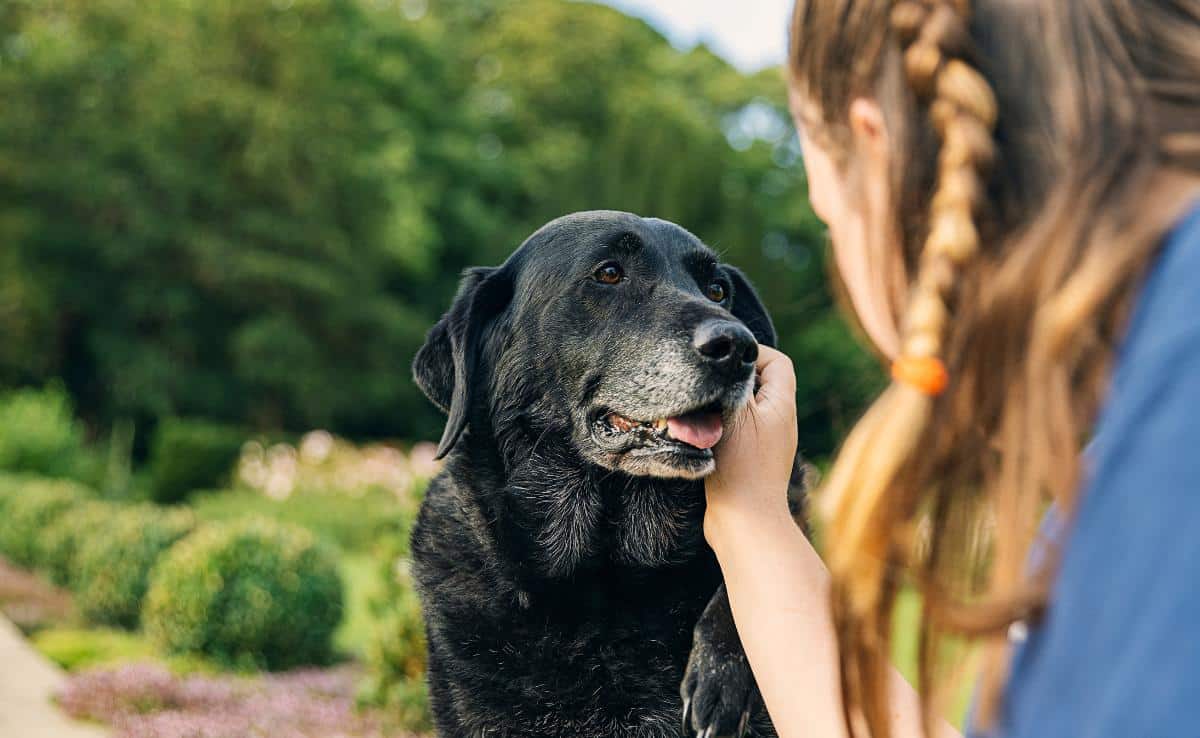
Canine cognitive dysfunction (CCD) is similar to dementia in humans. It affects memory, perception, and sleep-wake cycles.
When to pause and reassess:
- Staring into space
- Pacing or circling
- Nighttime restlessness
- Disorientation in familiar places
A veterinary exam can rule out pain, vision issues, or neurological disease. If CCD is the cause, a change in diet to a high-quality senior dog food, supplements like omega-3s, environmental enrichment, mental games, and structured routines can help slow progression and improve comfort.
How To Figure Out Why Your Dog Is Staring At You
Dogs rarely do anything without a reason. The trick is understanding what kind of stare you’re getting and what it means in context. Here’s how to read the room.
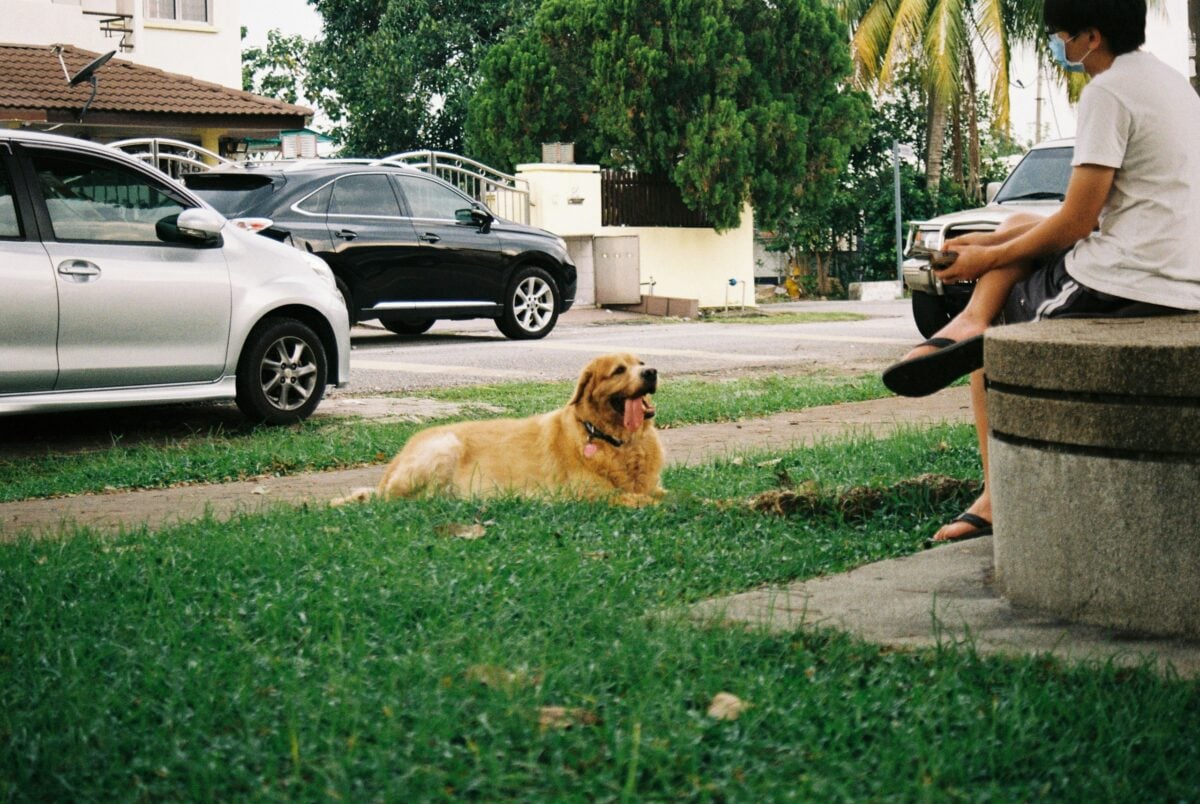
1. Notice When It Happens
Keeping a small mental log of when and how it occurs can turn mystery into routine.
- Before meals
- During stress
- At rest
- During transitions
Patterns reveal purpose.
2. Read The Rest Of The Dog
Eyes tell half the story. The rest lies in your pup’s posture, ears, and tail.
- Soft body, wagging tail, relaxed face: affection or curiosity.
- Stiff body, forward stance, still tail: tension or guarding.
- Low body, tucked tail, avoiding contact: stress or discomfort.
Be sure to check out our comprehensive guide on dog body language to learn how to decipher your dog’s communication cues.
3. Check Your Own Energy
Dogs mirror us more than we realize. Your mood, tone, and posture often determine how they behave.
If you’re tense, they’ll look for clues; if you’re calm, they’ll relax. In a way, that stare is feedback — a silent audit of your emotional leadership.
What Your Dog Might Be Asking For
Sometimes your dog’s stare is simply a request. They may be asking for food, a walk, a potty break, playtime, attention, or access to something they want. Look for what happens immediately after the stare—your dog’s actions can provide a big clue about what they’re trying to tell you.
What to Look At Besides Your Dog’s Eyes
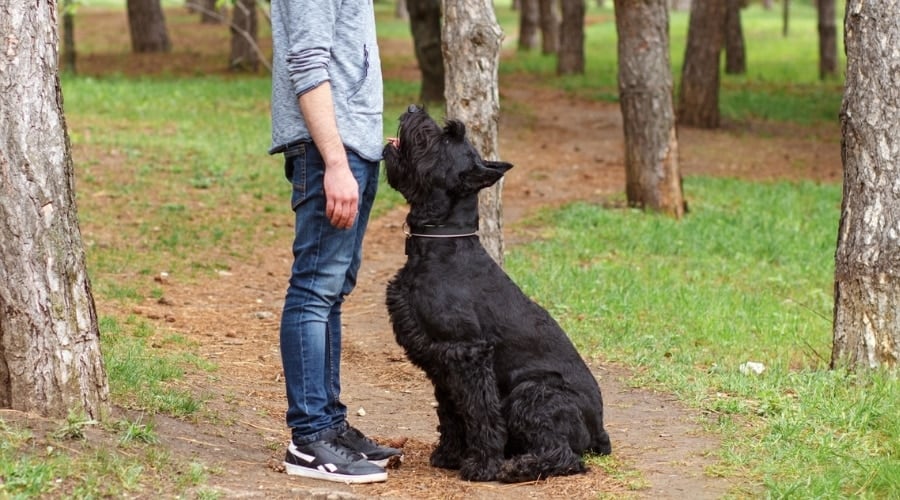
Your dog’s eyes are only part of the message. Look at their whole body and the situation around the stare:
- Ears: Relaxed ears often signal calmness, while pinned-back or sharply forward ears can indicate fear, uncertainty, or alertness.
- Tail: A loose, natural tail generally suggests relaxation. A tucked, stiff, or rapidly moving tail can tell you your dog is feeling something more intense.
- Body stiffness: A loose, wiggly body is usually reassuring. A stiff or frozen posture is a reason to give your dog space.
- Mouth: Lip licking, yawning, or repeated swallowing can signal stress or discomfort, especially when they occur with other changes in body language.
- Timing: Notice when the staring happens. Is it before meals, walks, bedtime, or during stressful situations? Patterns can reveal what your dog is trying to communicate.
When you consider these clues together, your dog’s stare becomes much easier to understand.
Our Personal Experience With A Starer
Once you start paying attention, you realize how consistent these cues are. As my colleague Danielle shares…
I often feel like I am being watched, because I am.
My dog Falkor, a 4-year-old Poodle-Beagle mix with the soul of a philosopher and the focus of a stalker, spends most of his day staring at me. He doesn’t just glance my way; he studies me like I’m a live-action nature documentary titled “Human at Work: The Snack Dispenser Chronicles.”
If he’s on my lap, he tilts his head and gazes up like he’s decoding the mysteries of the universe (or possibly debating if sitting closer might yield more belly rubs). Even when he’s across the room, cozied up with my daughter on the couch, his eyes stay locked on me, wide, unblinking, devoted.
And when our eyes finally meet, it feels almost spiritual, like he’s peering straight into my soul… and silently whispering, “You know what would make this connection even deeper? A treat.”
– Danielle DeGroot, Rescue Dog Mom, Writer For Canine Journal
I can’t say I mind my devoted little shadow. Honestly, being stared at like I’m the sun and he’s a planet in perfect orbit? It’s kind of flattering. Who wouldn’t love that kind of unconditional adoration?
Types Of Stares
Dogs have an impressive range of looks, from “I adore you” to “Step away from my chew toy.” Learning to tell them apart is part science, part intuition, and a lot of paying attention.
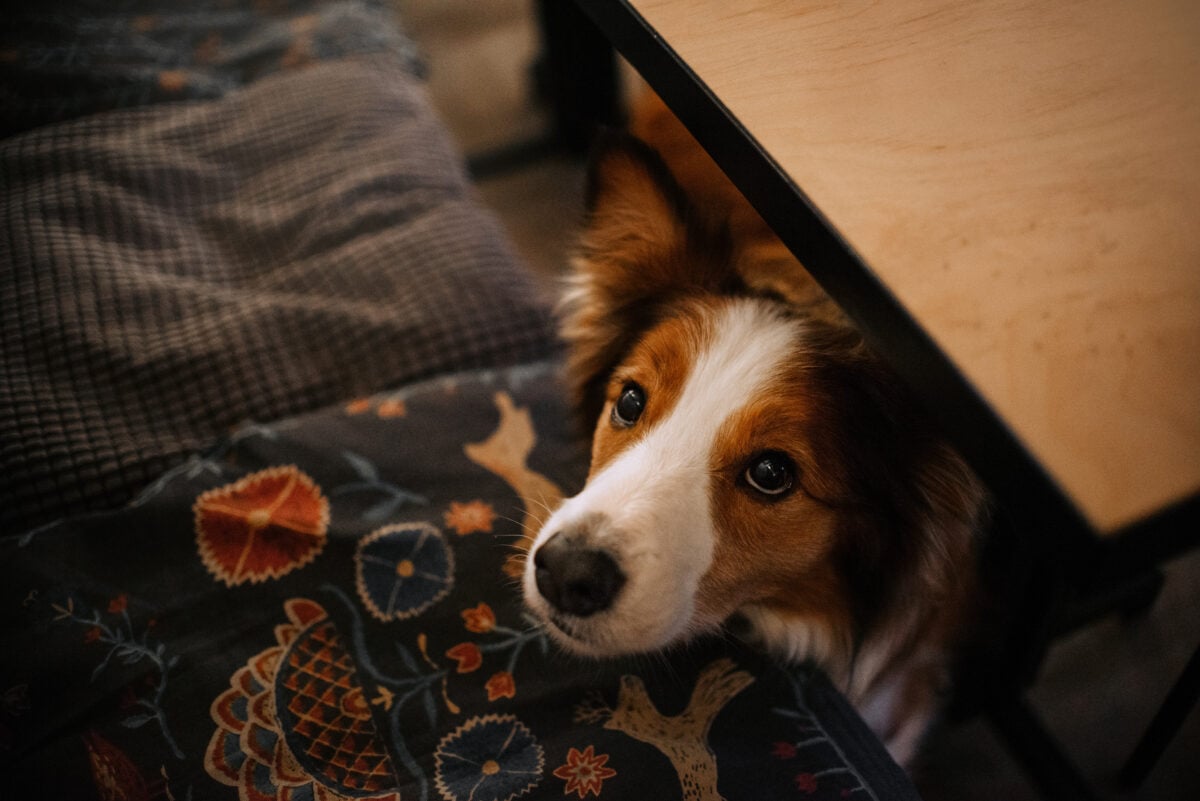
The Soft Stare
Gentle, steady, and often paired with relaxed ears and a loose mouth. This is the canine version of eye contact over coffee — intimate but comfortable.
It usually signals affection, calm attention, or simple curiosity. The gaze lingers, but never feels tense.
Translation: “I like being near you, and I’m checking in.”
The Expectant Stare
Slightly more alert, sometimes with raised brows or a quick glance toward the treat jar, leash, or door. The eyes are bright, the energy focused.
This stare says your dog is ready for action — or at least hoping for snacks.
Translation: “I know that sound. It usually ends well for me.”
The Hard Stare
Rigid, unblinking, and accompanied by a still body or forward stance. This one is about control or protection, not affection.
It’s often seen when a dog feels cornered, uncertain, or guarding something of value.
Translation: “I need space — right now.”
The Searching Stare
Common in senior dogs or those with anxiety. The eyes wander or fixate vaguely on you, a wall, or an empty space. It’s not focus; it’s disorientation.
Often linked to aging or stress, it can signal cognitive decline or sensory loss.
Translation: “I’m trying to remember what I came in here for.”
What Your Dog’s Stare Says About You
Dogs adapt to their people.
- Predictable owners get fewer stares
- Multitaskers get constant monitoring
- Empathetic owners raise sensitive observers
Your dog’s stare is feedback on your communication clarity.
How To Respond To A Staring Dog
How you respond to a dog’s stare matters as much as why they’re doing it. Eye contact is a dialogue — one that can build trust or, occasionally, misfire entirely.
The goal isn’t to avoid their gaze, but to meet it with the right kind of energy.
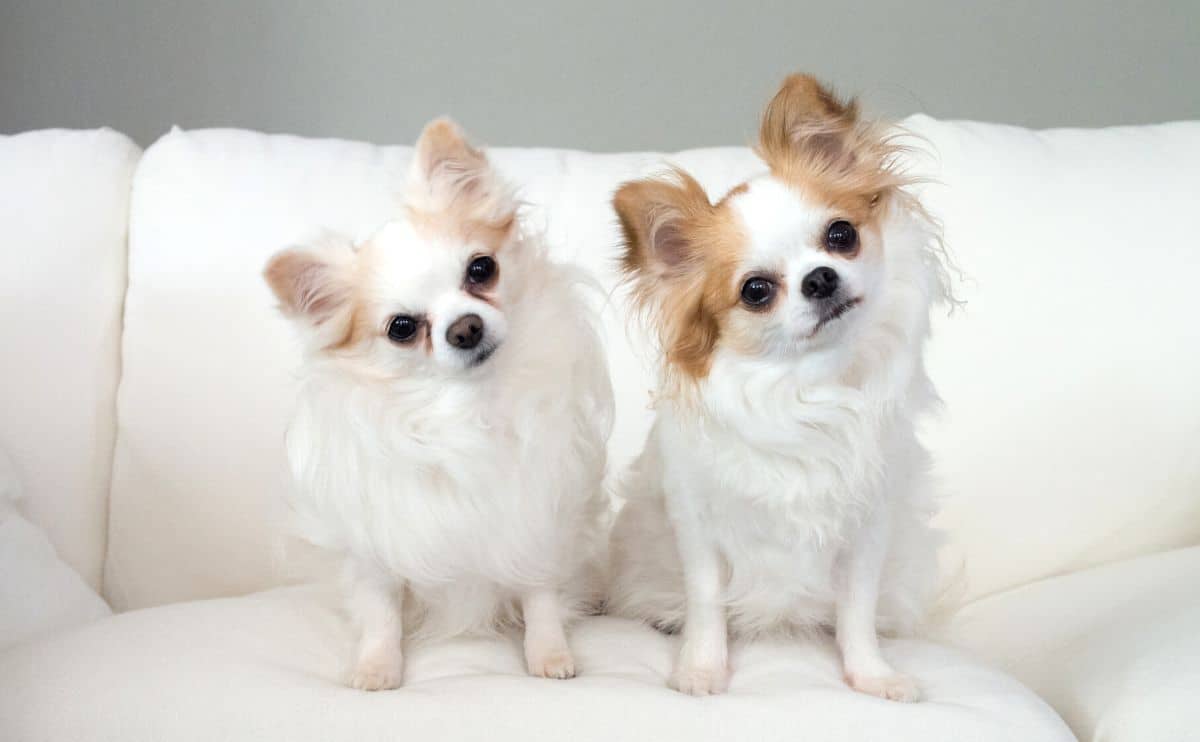
If It’s Affectionate
Enjoy it. Soft, relaxed eye contact strengthens your bond and actually releases oxytocin for both of you.
A gentle look back, a calm tone, or a scratch behind the ears is all that’s needed. You don’t have to say “I love you.” Your eyes already did.
If It’s Expectant
Acknowledge the communication, then decide what it deserves. If your dog stares before every treat or meal, establish boundaries.
Feed or play on schedule rather than on demand — it reinforces structure instead of begging. A predictable routine keeps affection from turning into manipulation (and prevents canine lobbyists from learning how to control you).
If It’s Anxious
Soften your gaze, speak slowly, and avoid sudden movements. Your calm energy becomes their anchor.
If the anxious staring happens often, consider environmental triggers, such as new people, noises, or inconsistencies in routine. Tools like calming treats, pheromone calming collars, or professional behavioral therapy can help both of you breathe easier.
If It’s Aggressive
Don’t match intensity. Staring back or raising your voice confirms the tension. Instead, create space and calmly redirect your pup’s focus. If this becomes a pattern, bring in a certified trainer or veterinary behaviorist.
If It’s Confused Or Disoriented
Comfort matters more than correction for senior dogs or those showing signs of cognitive dysfunction. Keep eye contact soft and brief, speak gently, and maintain predictable routines.
Sometimes that blank look isn’t directed at you; it’s simply looking through you. Meet it with patience.
Can You Train Eye Contact?
Yes, and you should. Intentional eye contact training teaches dogs to focus calmly, not just stare hopefully. It’s one of the simplest ways to improve communication and reduce anxiety during walks, greetings, or distractions.

Trainers often use a “watch me” cue: hold a treat near your eyes, reward the glance, repeat. Over time, your dog learns that looking at you brings clarity and comfort.
This technique works especially well for reactive or nervous dogs. Redirecting their focus replaces uncertainty with connection — a kind of behavioral reset button.
Trainer’s Tip: The 3-Second Rule
When teaching eye contact, the goal is brief and rewarding, rather than a staring contest.
Hold your dog’s gaze for no more than three seconds, then praise or treat. That short window keeps the interaction positive and prevents it from turning into a challenge.
Over time, those calm three-second check-ins become your dog’s favorite way of saying, “I’m listening.”
When Should You Worry About Your Dog Staring?
Most staring is harmless, especially when your dog otherwise seems relaxed, comfortable, and like themselves. Still, a change in staring behavior can sometimes be a useful clue that something is wrong.
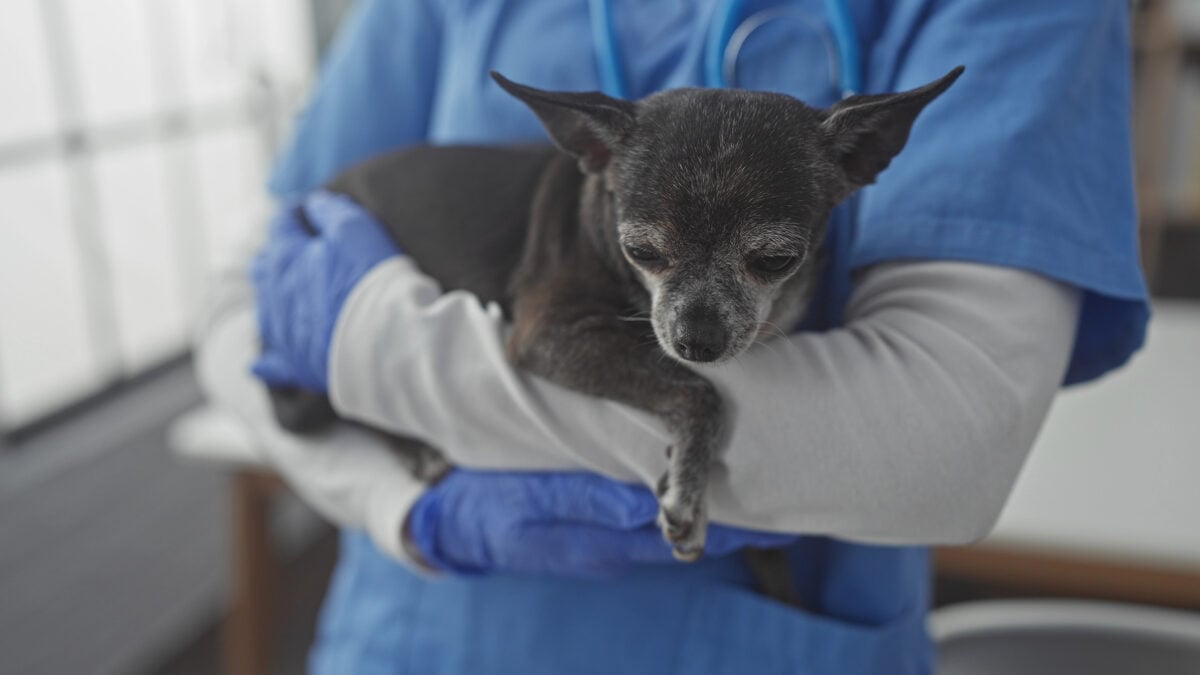
Pay closer attention if you notice:
1. The Stare Feels “Off”
If your dog’s gaze seems unfocused, confused, or paired with pacing, circling, or “zoning out,” it may indicate cognitive decline, vision loss, or a neurological issue.
Senior dogs, in particular, are prone to canine cognitive dysfunction (CCD) — a condition similar to dementia in humans. A vet exam and bloodwork can help rule out other causes like thyroid imbalance or pain.
2. The Stare Comes With Aggression
A fixed, rigid stare combined with stiffness, growling, or lip curling means your dog feels threatened or protective. Don’t correct or challenge it; de-escalate and call a professional.
Certified trainers or veterinary behaviorists can help you identify triggers and prevent escalation before it becomes a safety issue.
3. The Stare Signals Discomfort Or Pain
If your dog suddenly starts watching you more intensely, especially when touched or after activity, it may be a pain cue rather than a behavioral one. If your dog suddenly stares, flinches, tenses up, moves away, or reacts when you touch a particular area, pain or discomfort could be contributing.
Dogs often seek guidance or reassurance when something hurts. A quick vet visit is always safer than waiting it out.
4. Staring After Exercise
If staring starts after physical activity and is accompanied by heavy or unusual breathing, weakness, disorientation, or difficulty settling down, give your dog time to rest and consider contacting your veterinarian if it continues or seems unusual.
5. Other Behaviors Change
Staring combined with whining, pacing, hiding, trembling, growling, or changes in appetite may indicate stress, discomfort, or another underlying problem.
Rule of Thumb: If the stare is new, longer, or paired with behavior changes, call your vet.
- Feels “off”
- Paired with aggression
- Linked to pain or confusion
You don’t need to panic over an occasional unusual look. The biggest clue is a change from your dog’s normal behavior, especially when the staring happens alongside other physical or behavioral changes.
When in doubt, don’t overanalyze. Observe and ask a professional.
Frequently Asked Questions
Here are some of the most common questions we see from owners about their dogs’ staring. If you don’t see yours here, respond in the comments!
Why Does My Dog Stare At Me While I Eat?
They’re optimists. Centuries of evolution taught dogs that food sometimes falls, and humans are easily manipulated by soulful eyes.
This is learned opportunism, not hunger — a polite form of begging dressed up as affection.
Why Does My Dog Stare At Me From Across The Room?
It depends on the context.
A soft, relaxed gaze likely means “I’m content.” A fixed, still stare may suggest guarding or unease. Or they may simply be lost in thought — the canine version of staring into space.
My Senior Dog Stares At Walls. Should I Worry?
Probably. “Wall-staring” can indicate cognitive dysfunction, sensory decline, or neurological issues.
It’s worth a vet visit, especially if it’s new or accompanied by pacing, circling, or nighttime restlessness.
Should I Stare Back At My Dog?
If the look feels soft and friendly, yes. A gentle gaze can strengthen your bond.
But never force eye contact with a nervous or reactive dog. Mutual trust can’t be commanded; it’s earned over a thousand small, quiet looks.
Curious About Other Quirky Canine Behavior?
Our pups are fascinating creatures with some very odd, albeit normal, behaviors. If you’ve always wondered what makes them tick, check out our guides on quirky dog behavior:
The better you understand your dog’s quirks, the easier it is to see the world through their eyes—and build an even stronger connection along the way.
Why Does Your Dog Stare At You?
Does your dog have a signature stare? We’d love to hear about it! Share your pup’s staring habits in the comments below, including when they do it and what you think they’re trying to tell you.