When you purchase through links on our site, we may earn a commission at no extra cost to you. Learn more.
Being busy doesn’t mean you shouldn’t have a dog, but it does mean you need the right kind of dog.
Table of Contents
Some breeds need hours of stimulation, enrichment puzzles, and what feels like a full-time internship in advanced obedience. Others are perfectly content with a solid routine, a daily walk, and a quiet place to recharge while you tackle your to-do list.
This guide looks at the best dogs for busy people — not because they need less love, but because they’re wired for balance. We’ll break down what actually makes a breed “busy-compatible,” how long dogs can realistically be alone, and which breeds tend to thrive in busy households without turning your absence into a personal crisis.
What Makes A Dog Ideal For Busy Households?
Not all “low-maintenance” dogs are actually low-maintenance. Some just look small. Others seem calm — until they’re under-stimulated.
Want our human-written content to rank above AI-generated garbage? Help us out by clicking this button!
If you work full-time or manage a packed household, the goal isn’t finding a dog that needs nothing. It’s choosing one whose baseline temperament supports your pace.
Here’s what actually matters.
1. Low To Moderate Energy
High-energy dogs can thrive in active homes, but they often struggle when stimulation isn’t consistent.
Busy-compatible dogs typically:
- Are satisfied with 30–60 minutes of daily exercise
- Are not prone to pacing or demanding behaviors
- Don’t require advanced daily training to stay balanced
An energy mismatch is one of the fastest ways to create frustrationon both sides.
2. Independence & Alone-Time Tolerance
Some dogs shadow you constantly. Others are affectionate but capable of space.
Breeds that adapt more easily to full away-from-home schedules often:
- Tolerate reasonable alone time without distress
- Are less likely to become destructive when needs are met
- Treat downtime as neutral rather than alarming
This isn’t about emotional distance. It’s about nervous system stability. can tolerate space.
3. Trainability & Routine Adaptability
Smart isn’t the same as manageable. The best dogs for busy people tend to:
- Learn household rules efficiently
- Respond well to clear expectations
- Settle without constant novelty
When your schedule is full, you want cooperation — not constant negotiation.
4. Grooming & Maintenance Reality
Coat care adds up. Daily brushing, frequent professional trims, or high-maintenance styling can become a time commitment of its own.
Busy households often lean toward breeds that:
- Have shorter or simpler coats
- Require fewer professional appointments
- Don’t demand frequent brush-outs
5. Health Considerations
Some breeds carry higher risks of chronic or complex medical issues, which can increase both time and financial strain.
The American Veterinary Medical Association (AVMA) also notes that selecting a dog whose temperament and care needs match your household lifestyle is one of the most important long-term decisions an owner can make. And just as important as what works… is knowing what doesn’t.
Signs A Breed May Not Be Right For A Busy Household
Sometimes the fastest way to find the right fit is to eliminate the wrong ones.
If your schedule is packed — long workdays, constant school runs, or a home that rarely slows down — certain traits can create friction quickly.
Here are temperaments that often signal a tougher match:
Requires Constant Engagement
Some breeds were developed to think, move, and work for hours at a time. Without meaningful outlets, they’ll invent their own.
Examples include:
- Border Collie – Exceptionally intelligent and needs daily mental work
- Australian Shepherd – High energy with strong herding instincts
- Belgian Malinois – Intense drive and task-focused
These dogs excel with purpose, but can overwhelm homes short on bandwidth.
Prone To Separation Anxiety
Highly attachment-oriented breeds may struggle with extended or unpredictable absences.
Examples include:
- Vizla – Often described as true “velcro dogs”
- Toy Poodle – Sensitive and deeply bonded
- Labrador Retriever – Extremely social and people-driven
Left without enough interaction, stress behaviors can surface.
High Exercise Requirements
Some breeds simply require more daily output than busy schedules realistically allow.
Examples include:
- Siberian Husky – High stamina and escape-artist tendencies
- German Shorthaired Pointer – Bred for endurance in the field
- Jack Russell Terrier – Compact but intensely energetic
When physical needs aren’t met, frustration tends to surface elsewhere.
None of these breeds is “bad.” In the right environment, they’re exceptional. But if your calendar is already stretched thin, selecting a dog with a more manageable temperament makes daily life noticeably smoother.
With that in mind, let’s look at the breeds that tend to handle busy households best.
20 Best Dogs For Busy People
If you want a dog but your schedule is full, the goal is finding one whose natural temperament fits a structured, high-activity household.

And busy doesn’t just mean working outside the home. It can mean Zoom meetings, school drop-offs, sports practices, managing multiple kids’ schedules, or simply running a household that rarely sits still. The common thread isn’t a job title — it’s limited bandwidth.
The breeds below tend to share a few key traits:
- Moderate or manageable exercise needs
- Ability to self-settle without constant stimulation
- Predictable coat care
- Temperaments that don’t demand nonstop engagement
They aren’t effortless. But their default wiring makes them more workable in full households.
There’s no such thing as a perfect dog. There’s only the dog that fits your pace.
Before you start scanning breeds, quick gut check:
- Are you the spreadsheet-and-schedule type?
- The organized chaos parent juggling practices?
- The long-workday professional who values quiet evenings?
Keep that version of yourself in mind as you read.
Small Breeds That Thrive In Busy Households
Smaller dogs often integrate well into busy schedules, especially in apartments or homes with limited space. Many have manageable daily exercise needs, and their size can make day-to-day logistics easier.
But size alone doesn’t determine ease. Temperament and energy level still matter more than square footage.
1. French Bulldog
French Bulldogs are affectionate without being frantic. They form close bonds but don’t typically demand nonstop activity. Their temperament leans toward steady companionship rather than high stimulation.
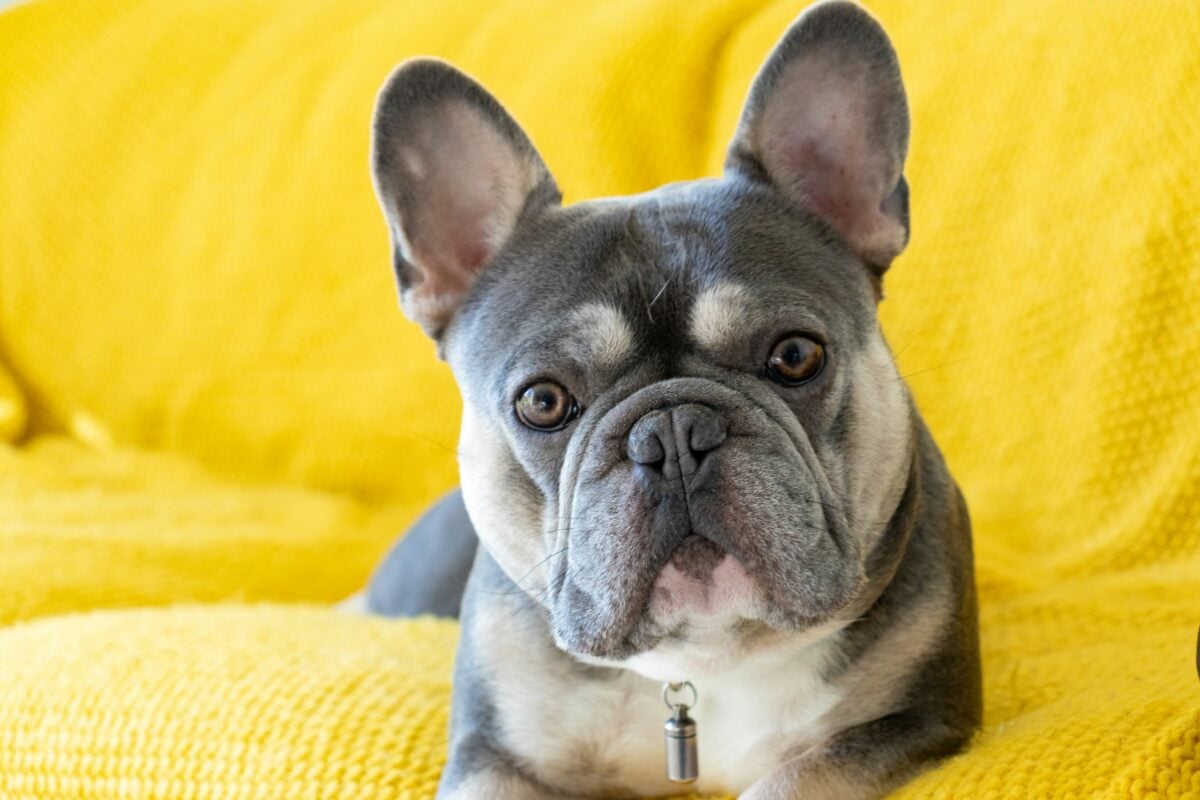
For busy owners, that relaxed baseline is a major advantage. Once their needs are met, they’re generally comfortable with downtime while you move through your day.
- Energy level: Low to moderate
- Independence tolerance: Moderate
- Grooming commitment: Minimal
- Why they work for busy people: Short walks usually suffice, and they’re not prone to pacing or constant demands.
- Watch out for: Heat sensitivity and respiratory concerns require environmental awareness.
Best match for: Apartment professionals or families who want closeness without high daily activity demands.
2. Cavalier King Charles Spaniel
Cavalier King Charles Spaniels are gentle, affectionate, and highly attuned to their people. They often mirror the home’s emotional tone — playful when things are lively, calm when the house winds down.
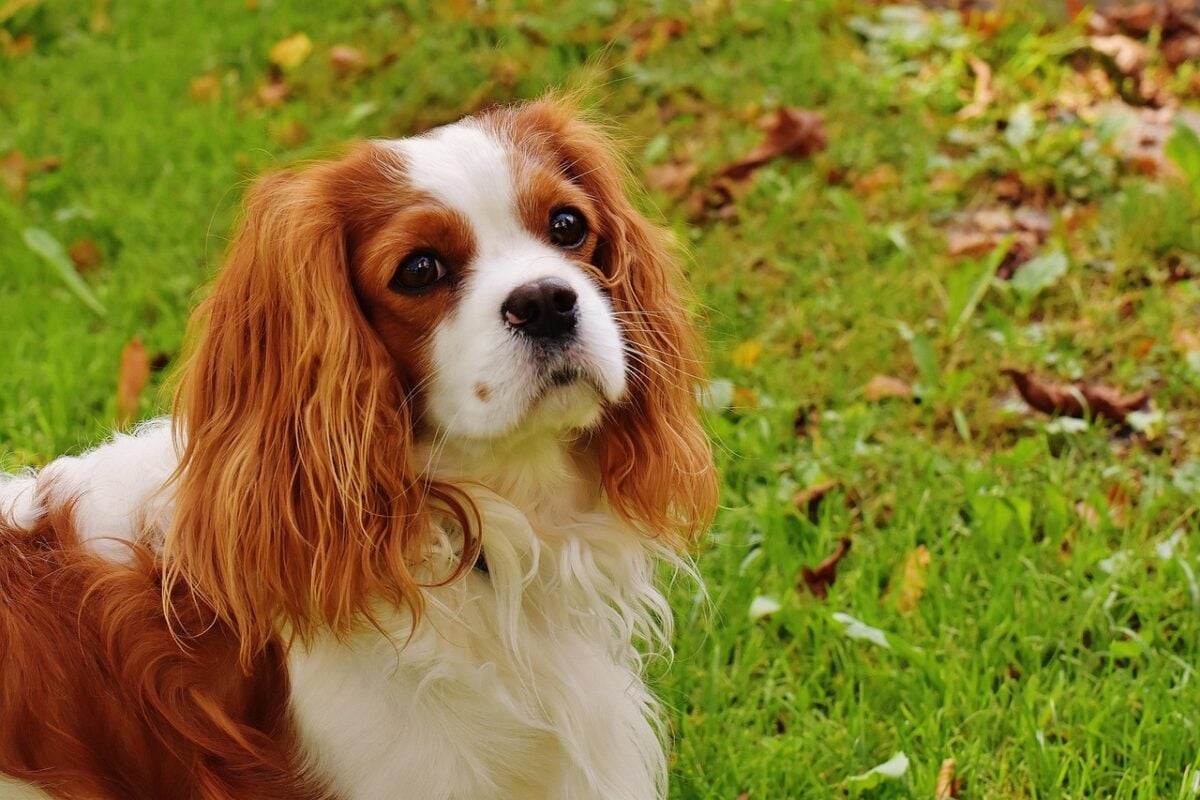
Their flexibility is what makes them workable for busy households. While they value companionship, they typically don’t require intense daily output to feel content.
- Energy level: Low to moderate
- Independence tolerance: Moderate
- Grooming commitment: Moderate (regular brushing recommended)
- Why they work for busy people: Adaptable temperament and manageable activity needs make them easier to integrate into full schedules.
- Watch out for: May struggle with long, unpredictable absences; notable breed-related heart health risks.
Best match for: Families or professionals who want a warm, people-oriented companion without marathon exercise requirements.
3. Shih Tzu
Shih Tzus were bred first and foremost as companions. They’re typically confident, affectionate, and comfortable spending extended time indoors. While they enjoy attention, they’re not wired for constant motion.
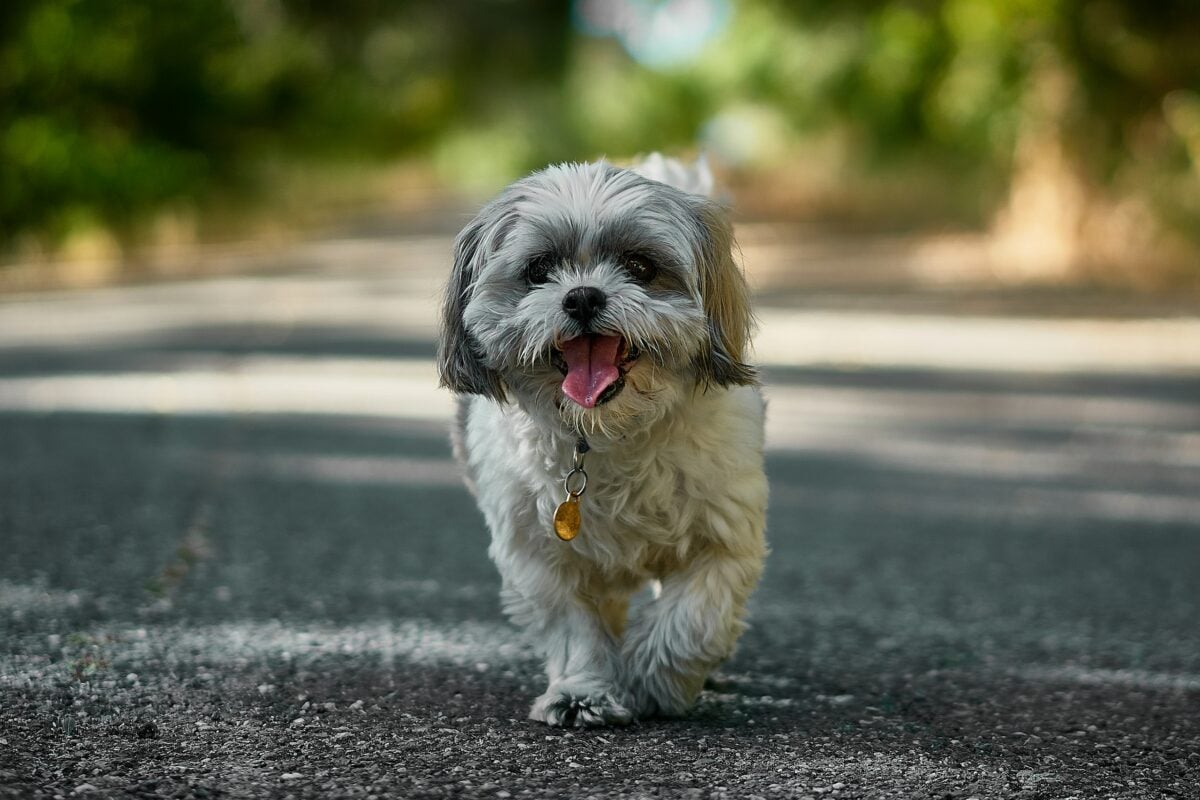
In busy homes, that naturally unhurried temperament works well. Their physical needs are modest, and they tend to be comfortable with defined boundaries and clear expectations.
- Energy level: Low to moderate
- Independence tolerance: Good
- Grooming commitment: Moderate to high (can be reduced with shorter trims)
- Why they work for busy people: Lower daily exercise demands and a calm baseline temperament.
- Watch out for: Coat care adds time unless maintained in a shorter style.
Best match for: Households that want a steady, companion-focused dog and don’t mind scheduling grooming.
4. Pug
Pugs are charming, people-oriented, and unapologetically fond of comfort. They enjoy being included in household life but don’t require constant activity to feel secure. Their energy tends to come in short, playful bursts followed by long stretches of stillness.

For busy homes, that start-and-stop rhythm works well. Once their daily movement is covered, they’re generally content being nearby without demanding nonstop engagement.
- Energy level: Low to moderate
- Independence tolerance: Moderate
- Grooming commitment: Minimal (regular shedding management needed)
- Why they work for busy people: Moderate activity needs and a naturally relaxed baseline.
- Watch out for: Heat sensitivity, respiratory concerns, and weight gain require proactive oversight.
Best match for: Households that want personality and warmth without marathon exercise sessions.
5. Boston Terrier
Boston Terriers are alert and social, but not typically high-strung. They enjoy playtime and interaction, yet many can settle once their needs are met. Their temperament strikes a balance between lively and manageable.

In busy households, that balance matters. They don’t require extended daily workouts, and they’re often able to relax when stimulation pauses.
- Energy level: Moderate
- Independence tolerance: Moderate
- Grooming commitment: Minimal
- Why they work for busy people: Moderate exercise needs and the ability to shift between activity and rest.
- Watch out for: Heat sensitivity and occasional stubbornness during training.
Best match for: Active but packed households that want a social companion without relentless demands.
6. Dachshund
Dachshunds are bold, observant, and surprisingly confident for their size. They bond closely with their families and often develop strong loyalty to one primary person. While playful and curious, many are comfortable spending extended time indoors once their needs are met.

For busy owners, their compact build and moderate activity level can make daily care more manageable. They don’t require long-distance exercise, but they do benefit from clear boundaries.
- Energy level: Low to moderate
- Independence tolerance: Moderate
- Grooming commitment: Minimal (varies by coat type)
- Why they work for busy people: Smaller size and manageable activity needs.
- Watch out for: Can be vocal and strong-willed; back health requires mindful handling.
Best match for: Owners who appreciate personality and confidence in a compact dog — and are willing to provide consistent guidance.
7. Chihuahua
Chihuahuas are alert, loyal, and far more self-assured than their size suggests. While they often bond closely with their people, many can occupy themselves in familiar surroundings. They’re compact in build but confident in presence.
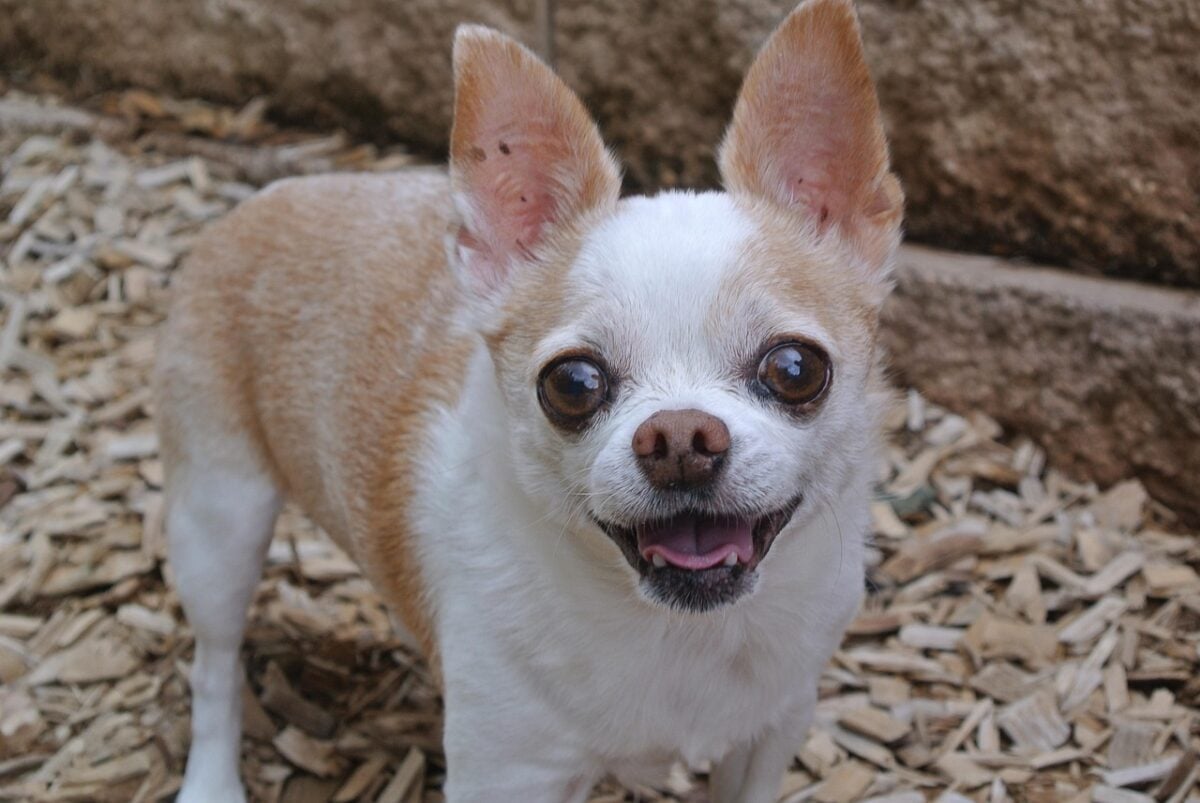
For busy households, their smaller footprint and modest activity needs can make daily logistics simpler. Brief walks and short play sessions typically meet their physical requirements.
- Energy level: Low to moderate
- Independence tolerance: Moderate
- Grooming commitment: Minimal
- Why they work for busy people: Limited daily exercise demands and easy space requirements.
- Watch out for: Can be vocal and reserved with strangers without early socialization.
Best match for: Apartment dwellers or busy adults who want a small companion with manageable physical needs.
8. Maltese
Maltese dogs are affectionate, gentle, and strongly companion-oriented. They prefer being near their people but generally maintain a calm baseline rather than a high-strung one.
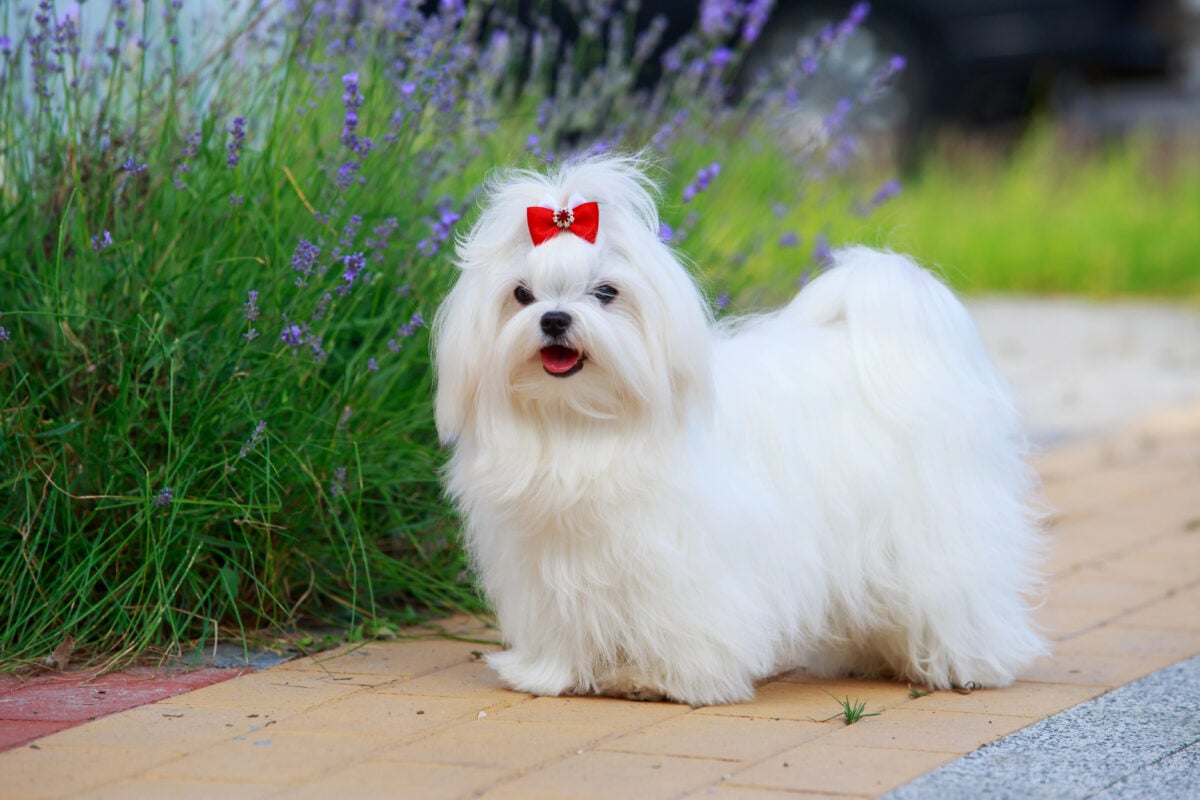
In busy homes, their physical needs are relatively modest. They don’t require intense daily output, and many are comfortable resting for extended periods once engaged.
- Energy level: Low to moderate
- Independence tolerance: Moderate
- Grooming commitment: Moderate to high (reduced with shorter trims)
- Why they work for busy people: Lower physical demands paired with a steady temperament.
- Watch out for: Coat care adds time; may struggle with long, unpredictable absences.
Best match for: Households that want a gentle, companion-focused dog and are comfortable maintaining grooming needs.
Medium Breeds That Balance Energy & Independence
Medium-sized dogs can offer a sweet spot for busy households — often sturdy enough for active families but manageable in day-to-day care. As always, energy and temperament matter more than size alone.
9. Greyhound
Greyhounds are built for speed, but at home, many are surprisingly low-key. They’re often gentle, quiet, and comfortable spending extended time resting between activity periods.
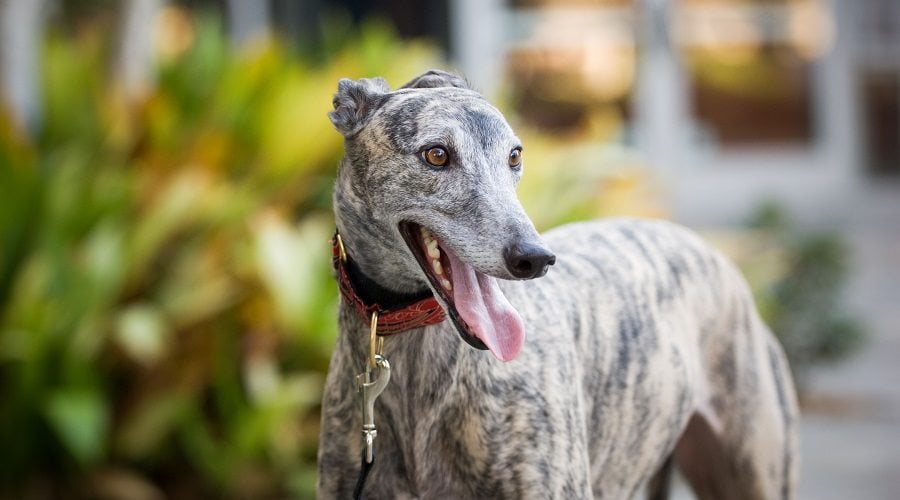
For busy households, that contrast is the appeal. A purposeful walk or short run typically meets their physical needs, after which many prefer extended downtime rather than constant interaction.
- Energy level: Moderate outdoors, low indoors
- Independence tolerance: Good
- Grooming commitment: Minimal
- Why they work for busy people: Daily movement needs are concentrated, followed by long periods of rest.
- Watch out for: Strong prey drive; may not suit homes with small pets.
Best match for: Professionals or families who want a larger dog with a calm home presence.
10. Whippet
Whippets share the Greyhound’s athletic build but are often more compact and deeply affectionate. They enjoy short bursts of activity, yet many are happiest curled up once their exercise is complete.
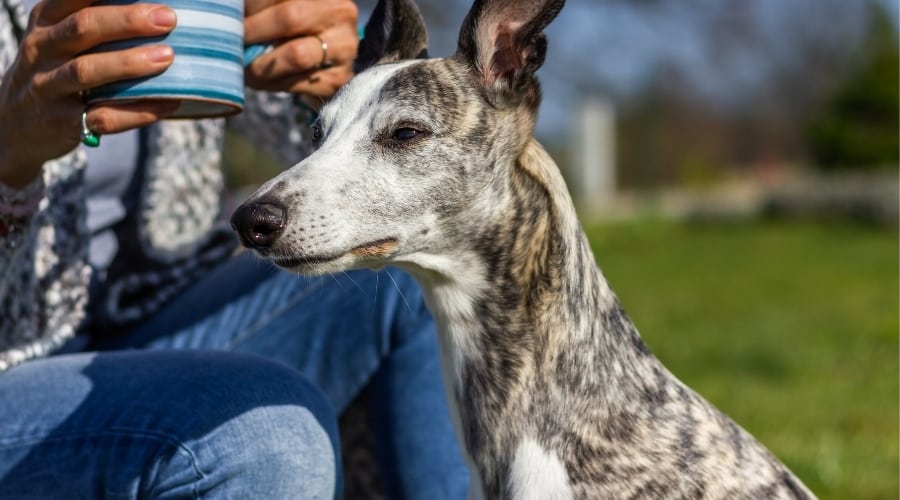
For busy owners, that clear on/off pattern works well. After a brisk walk or short play session, most are content to rest rather than seek additional stimulation.
- Energy level: Moderate outdoors, low indoors
- Independence tolerance: Good
- Grooming commitment: Minimal
- Why they work for busy people: Activity needs are defined and relatively brief.
- Watch out for: Sensitive to cold weather; strong prey drive.
Best match for: Owners who want an affectionate, but relatively quiet, companion with minimal grooming requirements.
11. Basset Hound
Basset Hounds are steady, laid-back, and famously unhurried. While they enjoy sniffing and exploring outdoors, they’re typically content to relax indoors once their basic needs are met. Their temperament tends toward calm rather than high energy.
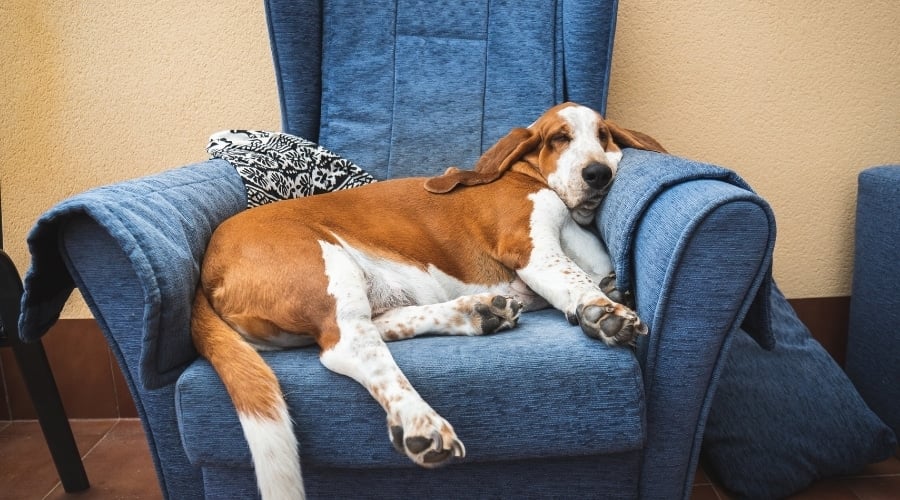
For busy families, that slower tempo can be helpful. Their daily movement needs are moderate rather than intense, and they’re typically comfortable with downtime.
- Energy level: Low to moderate
- Independence tolerance: Good
- Grooming commitment: Moderate (shedding and ear care)
- Why they work for busy people: Lower physical output and an easygoing temperament.
- Watch out for: Stubborn streak during training; prone to weight gain if under-exercised.
Best match for: Households that appreciate a calm, steady presence and don’t mind a bit of extra patience during training.
12. Poodle (Miniature or Standard)
Poodles are intelligent, responsive, and highly adaptable. Their ability to learn quickly makes them easier to integrate into busy homes. While active, they’re typically receptive to direction and clear communication.
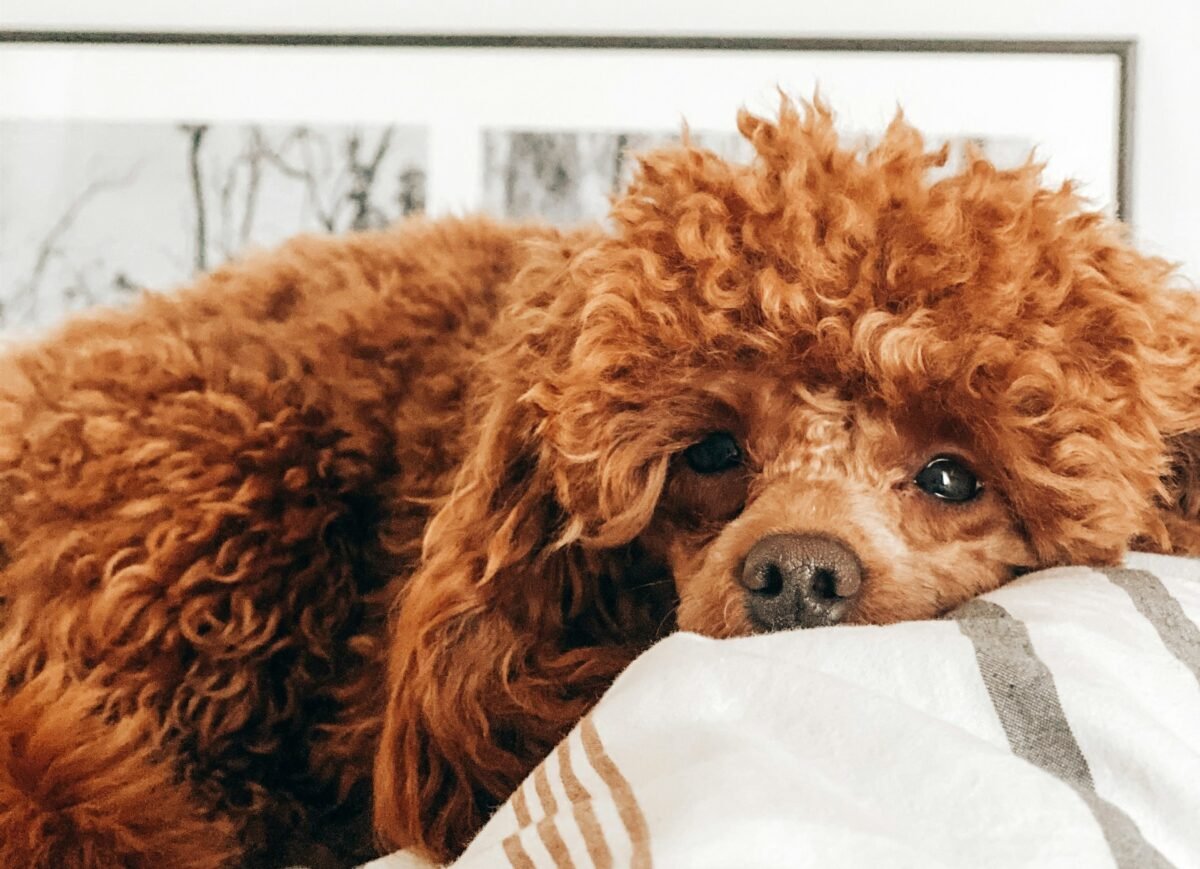
For full schedules, that responsiveness is the advantage. They often benefit from structured mental challenges, and focused engagement can help offset longer physical sessions.
- Energy level: Moderate
- Independence tolerance: Moderate
- Grooming commitment: High (professional grooming required)
- Why they work for busy people: Quick learners who respond well to defined expectations.
- Watch out for: Coat care requires regular professional upkeep.
Best match for: Households that value trainability and don’t mind maintaining grooming appointments.
13. English Bulldog
English Bulldogs are typically calm, sturdy, and home-oriented. Their energy level is often lower than that of many medium breeds, and they’re usually content with moderate daily movement rather than long workouts.

For busy households, that slower tempo can be helpful. They generally prefer proximity over prolonged activity.
- Energy level: Low
- Independence tolerance: Moderate
- Grooming commitment: Minimal (skin fold care required)
- Why they work for busy people: Lower daily activity demands and a calm baseline temperament.
- Watch out for: Heat sensitivity and breed-related health concerns that may require proactive oversight.
Best match for: Families seeking a solid, affectionate companion with limited exercise demands.
14. Beagle
Beagles are social, curious, and scent-driven. They enjoy companionship and outdoor time, and their temperament is generally friendly and even-keeled.
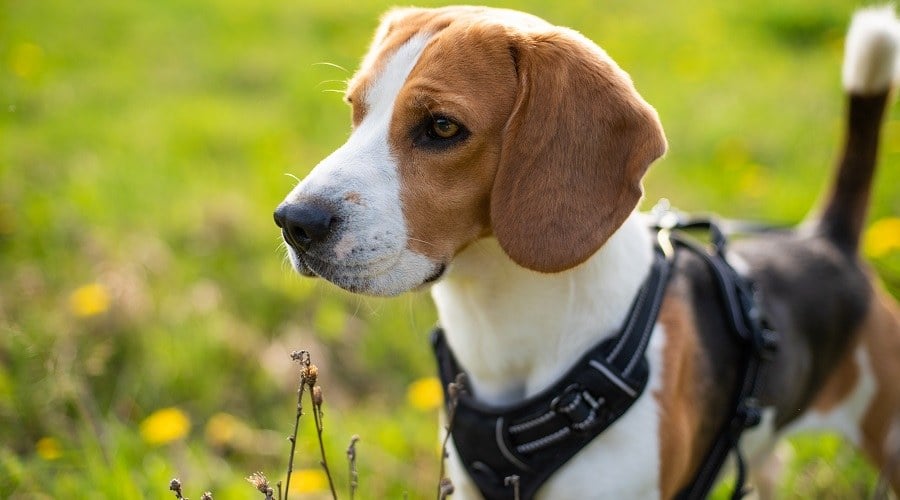
In busy homes, they can be workable when daily movement is consistent. Secure spaces and purposeful walks help channel their natural curiosity.
- Energy level: Moderate
- Independence tolerance: Moderate
- Grooming commitment: Minimal
- Why they work for busy people: Manageable coat care and a family-friendly temperament.
- Watch out for: Vocal tendencies and strong scent drive; may test boundaries if under-exercised.
Best match for: Active families who can provide steady daily activity.
15. Corgi
Corgis are intelligent, confident, and expressive. Originally bred for herding, they’re alert and quick to respond, often forming strong attachments to their people.

For busy owners, they can adapt well when given consistent outlets and clear leadership. Their size is manageable, but their mental sharpness means they benefit from engagement.
- Energy level: Moderate to high
- Independence tolerance: Moderate
- Grooming commitment: Moderate (seasonal shedding)
- Why they work for busy people: Highly responsive and capable of adjusting when expectations are defined.
- Watch out for: Herding instincts and higher energy may require more activity than anticipated.
Best match for: Busy but active households willing to provide steady engagement.
Large Breeds That Are Surprisingly Low-Key
Large dogs don’t automatically mean high maintenance. In fact, some giant breeds are calmer indoors than many smaller, high-drive dogs. What matters most is energy level, temperament, and how well they settle when the day slows down.
16. Great Dane
Great Danes are imposing in size but often remarkably even-tempered at home. While they benefit from daily walks, many conserve their energy rather than seeking constant activity.

For busy households, that composed presence is the appeal. After focused movement, they typically prefer rest over stimulation.
- Energy level: Moderate outdoors, low indoors
- Independence tolerance: Moderate
- Grooming commitment: Minimal
- Why they work for busy people: Concentrated exercise needs followed by extended downtime.
- Watch out for: Large size increases food costs, requires more space, and poses risks like bloat
Best match for: Owners who want a large, affectionate dog without relentless activity demands.
17. Bullmastiff
Bullmastiffs are calm, confident, and generally home-oriented. While powerful in build, many are naturally low-key indoors and don’t require extensive daily exercise to remain balanced.
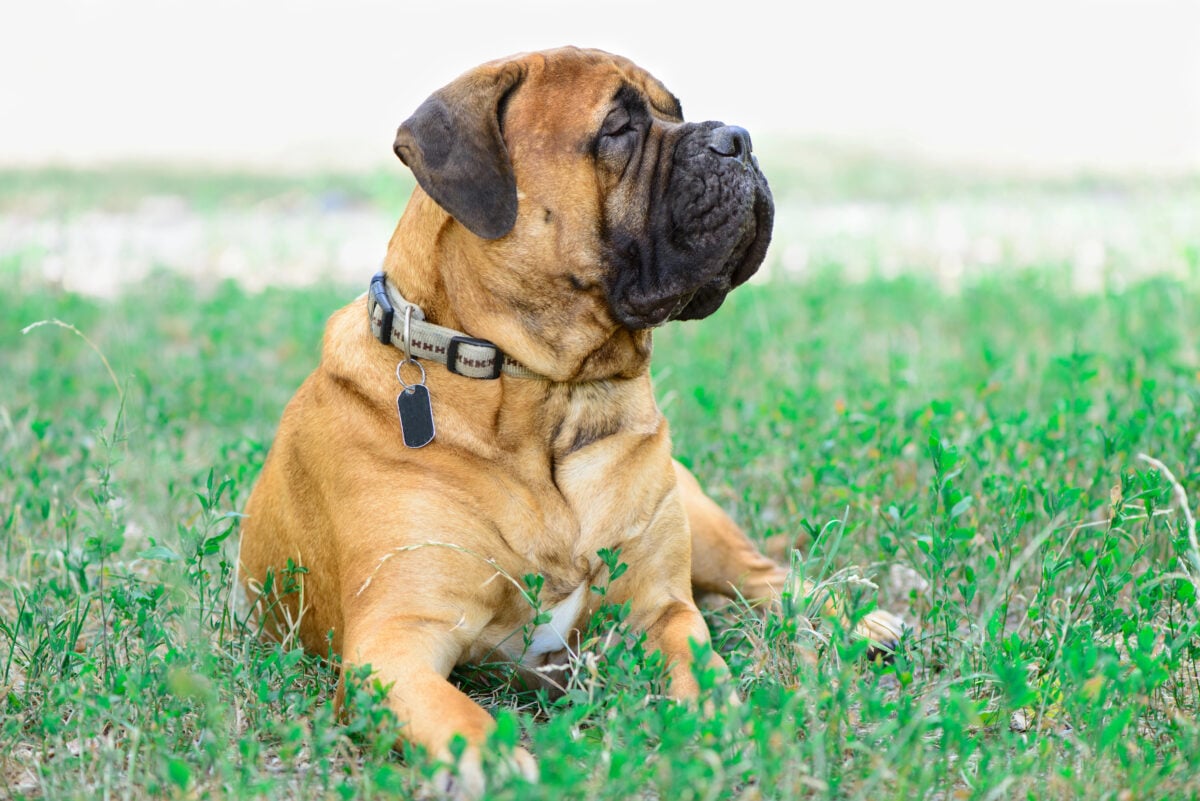
For full schedules, that grounded temperament works well. They don’t require extensive daily output, but they do benefit from firm guidance.
- Energy level: Low to moderate
- Independence tolerance: Good
- Grooming commitment: Minimal
- Why they work for busy people: Lower activity demands paired with a composed demeanor.
- Watch out for: Size logistics, drooling, and the need for early training to manage strength appropriately.
Best match for: Households comfortable handling a powerful but generally unhurried companion.
18. Mastiff
Mastiffs are deliberate, observant, and famously slow-paced. Many prefer proximity to prolonged activity and are comfortable spending much of the day resting.
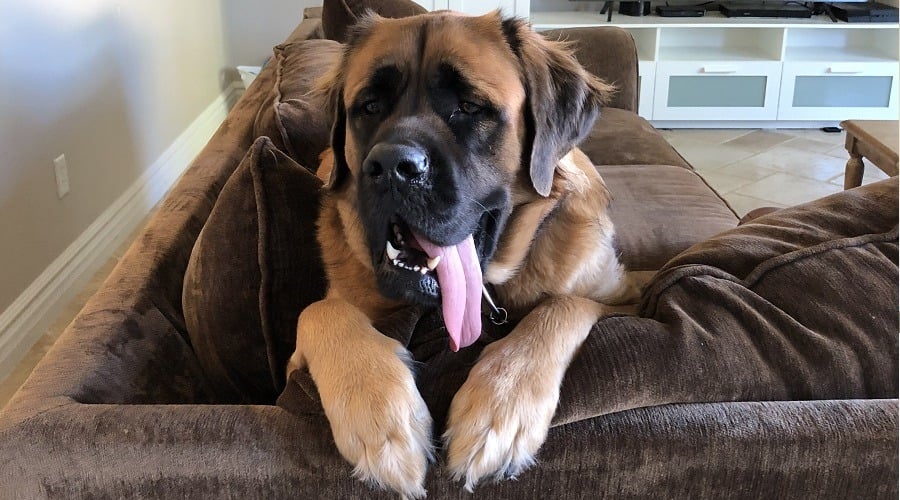
In busy homes, that measured tempo can make daily life easier. They’re often affectionate without being overly insistent.
- Energy level: Low
- Independence tolerance: Moderate
- Grooming commitment: Minimal
- Why they work for busy people: Modest movement requirements and a naturally slow rhythm.
- Watch out for: Drool, size-related expenses, and the need for consistent early socialization.
Best match for: Families wanting a protective presence without high physical output demands.
19. Great Pyrenees
Great Pyrenees are independent, watchful, and accustomed to making decisions on their own. Bred as livestock guardians, they’re often comfortable managing space quietly rather than seeking constant interaction.
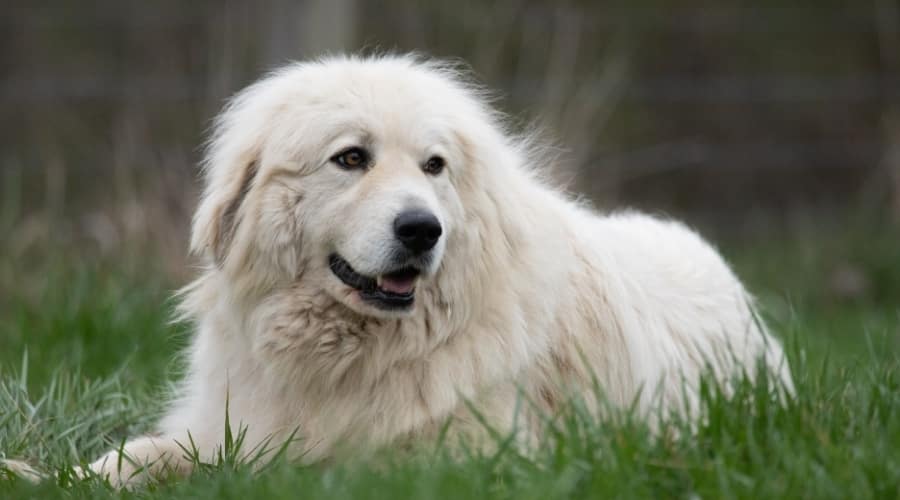
For busy homes, that self-sufficiency can be an advantage. They’re not typically attention-seekers, though they do require space and clear leadership.
- Energy level: Moderate
- Independence tolerance: Good
- Grooming commitment: High (heavy seasonal shedding)
- Why they work for busy people: Strong independent streak and low need for constant engagement.
- Watch out for: Barking tendencies, guarding instincts, and significant shedding.
Best match for: Homes with room to accommodate their size and temperament.
20. Akita
Akitas are dignified, loyal, and often reserved. They form strong bonds with their families but typically aren’t hyperactive or constantly seeking stimulation.
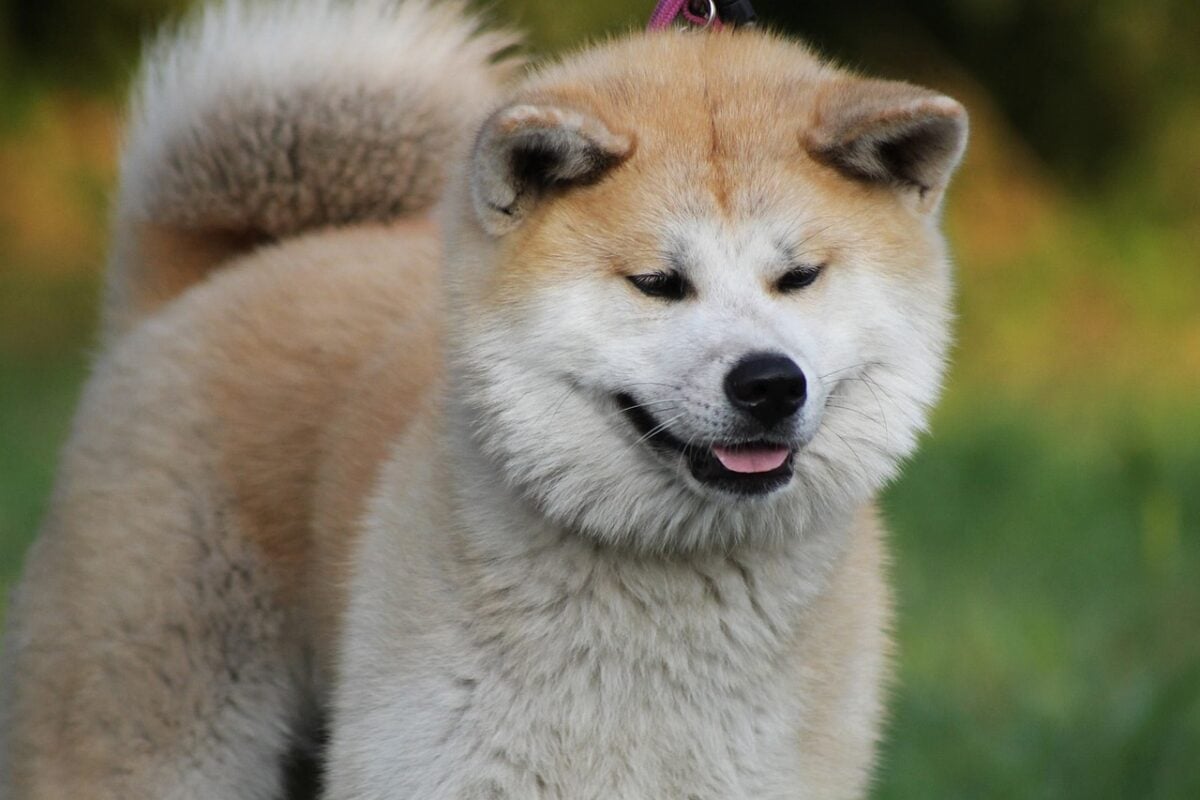
In experienced hands, many adapt well to defined expectations and daily walks without requiring excessive stimulation.
- Energy level: Moderate
- Independence tolerance: Good
- Grooming commitment: Moderate (seasonal shedding)
- Why they work for busy people: Independent temperament and manageable activity needs.
- Watch out for: Strong-willed personality; requires experienced handling and early socialization.
Best match for: Experienced owners who value loyalty and independence.
In A Hurry? Start Here
Not every “busy-compatible” dog fits every lifestyle. If you’re scanning for a match, these groupings highlight where certain breeds tend to do especially well.
Best Low-Energy Dogs
These breeds are more likely to settle than schedule their own cardio session.
- Basset Hound – Slow-moving, steady, and unbothered by urgency
- English Bulldog – Low stamina, high commitment to comfort
- Mastiff – Built like a tank, lives like a couch
- Great Dane – Giant body, surprisingly modest daily agenda
- Pug – Will absolutely vote for nap time
Best For Apartments
These apartment-approved pups tend to adapt well to smaller spaces when their exercise needs are met.
- French Bulldog – Compact, calm, and city-friendly
- Boston Terrier – Social, adaptable, and manageable in motion
- Greyhound – Built for speed, but happiest horizontal
- Whippet – Quiet, sleek, and deeply into blankets
- Chihuahua – Small footprint, big personality
Best For Families With Packed Schedules
These breeds often handle structured chaos — school drop-offs, sports practices, and rotating routines — without unraveling.
- Shih Tzu – Steady companion with manageable exercise needs
- Cavalier King Charles Spaniel – Flexible, affectionate, and routine-friendly
- Great Dane – Gentle presence with lower indoor energy
- Bullmastiff – Calm, confident, and home-oriented
- Pug – Playful in bursts, relaxed the rest of the time
Best For First-Time Busy Dog Owners
Generally, more forgiving temperaments and easier day-to-day management.
- Boston Terrier – Friendly, adaptable, and cooperative
- Pug – Predictable personality with moderate needs
- Shih Tzu – Companion-focused and steady indoors
- Greyhound – Polite, calm, and surprisingly simple at home
- Mastiff – Low daily activity requirements
Better For Experienced Owners
These breeds can thrive in busy homes — but benefit from confident handling and consistent structure.
- Akita – Loyal, independent, and strong-willed
- Great Pyrenees – Watchful, vocal, and self-directed
- Corgi – Intelligent and energetic, requires engagement
- Beagle – Social but scent-driven and vocal
- Dachshund – Bold personality with a stubborn streak
How Long Can You Leave A Dog Alone?
There isn’t a universal number that works for every dog.
Age, temperament, and training matter more than a rigid hourly rule. A well-adjusted adult may handle a standard workday comfortably. A young puppy or a highly attachment-oriented breed likely won’t.
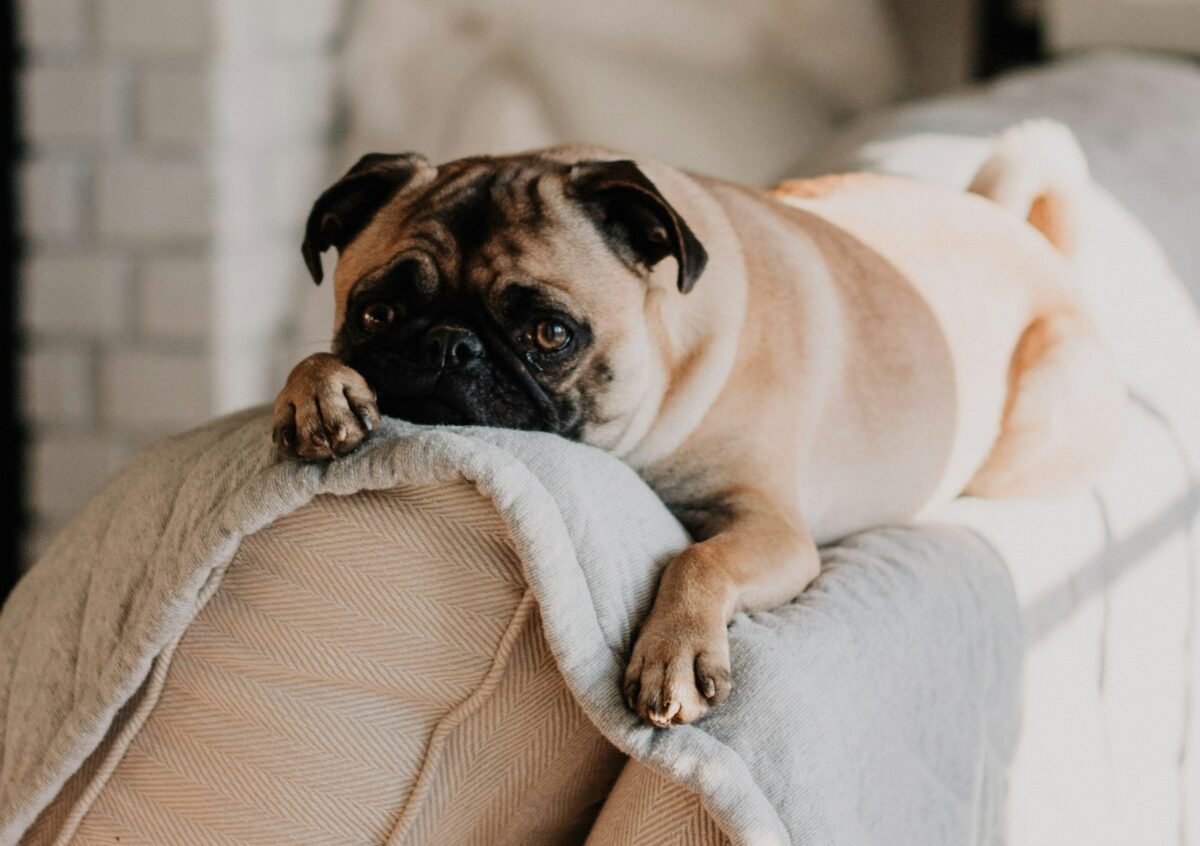
As a general guideline:
- Puppies need frequent potty breaks and supervision — often every 2–4 hours.
- Adult dogs can usually manage 6–8 hours if properly exercised and mentally satisfied.
- Senior dogs may need more bathroom breaks depending on their health.
The American Society for the Prevention of Cruelty to Animals (ASPCA) notes that once a dog can tolerate being alone calmly, many can build up to a standard workday.
But duration is only part of the equation. What matters just as much is what happens before and after that time apart.
A dog who receives focused exercise, mental engagement, and clear expectations is far more likely to rest during the day than one whose needs feel rushed.
It’s also helpful to separate two ideas:
- Being alone
- Being under-stimulated
Some dogs don’t mind solitude. What they struggle with is boredom without an outlet.
If your schedule regularly exceeds 8–9 hours, consider adding support:
- A midday dog walker
- Dog daycare once or twice a week
- A trusted neighbor check-in
- Strategic work-from-home days
The Animal Humane Society notes that many adult dogs can handle a typical workday alone when their physical and emotional needs are met before and after — a reassurance that often gets lost in blanket “never leave your dog” advice.
Choosing realistically, both in breed and in daily setup, is what makes long-term success possible.
Curious What Happens After You Leave?
If you’ve ever wondered whether your dog naps peacefully or stages a solo Olympics event while you’re out, a pet camera can give you clarity. We’ve compared the top options, including which features actually matter for busy households, in our guide to the best dog cameras.
Tips For Making Dog Parenting Easier With A Busy Schedule
Choosing the right breed is step one. Building the right systems is what makes it sustainable. Busy households don’t succeed with dogs by accident; they succeed by preparation.
Here’s what makes the biggest difference:
1. Create Clear Daily Anchors
Dogs adjust faster when the day has dependable touchpoints.
- Feed at consistent times
- Keep walks within a general time window
- Avoid dramatic exits and entrances
It’s not about perfection. It’s about reducing unnecessary uncertainty.
2. Prioritize Quality Over Quantity
You don’t need hours of engagement every day. You need focused, intentional interaction.
- A purposeful 20-minute walk
- Short, structured play sessions
- Brief training refreshers
Consistency matters more than marathon sessions.
3. Use “Set-It-And-Forget-It” Enrichment
Strategic enrichment prevents boredom from escalating.
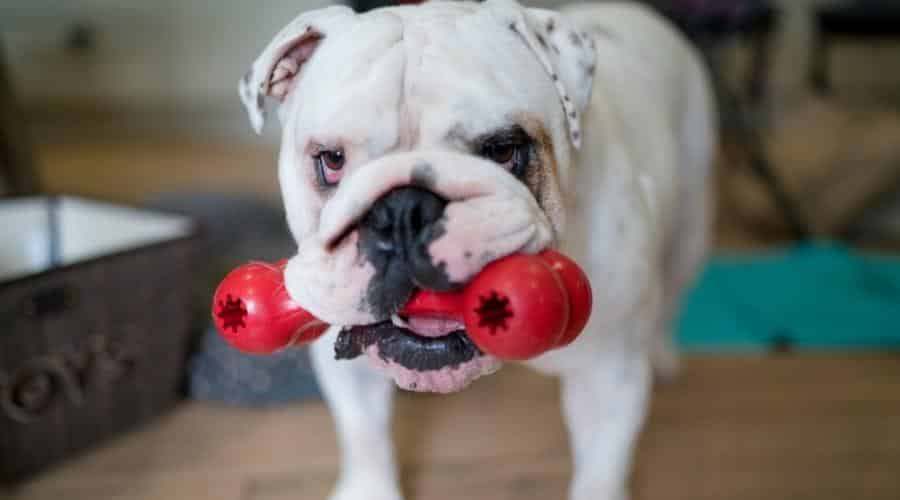
- Stuffed food toys
- Puzzle feeders
- Safe chew options
- Rotating enrichment toys
The goal isn’t constant entertainment. It’s reducing idle frustration.
Veterinary organizations like the American Animal Hospital Association (AAHA) emphasize that structured enrichment helps prevent boredom-related behavior problems in dogs left alone.
4. Plan Ahead For Your Busiest Days
The hardest days aren’t average days; they’re the unpredictable ones.
Have a backup system ready:
- A dog walker contact saved
- Daycare option researched
- Neighbor on standby
- Flexible work-from-home days identified
Planning ahead prevents stressful decisions later.
5. Consider Age Carefully
If time is limited, skip the puppy phase. Adult dogs (often 3–7 years old) typically:
- Require fewer potty breaks
- Have established temperaments
- Adapt more easily to structure
Maturity alone can dramatically simplify daily management.
The takeaway isn’t that busy people need “easy” dogs. It’s that busy people need alignment between lifestyle, expectations, and a dog’s natural rhythm.
Frequently Asked Questions
Choosing the right dog when your schedule is full can feel overwhelming. If you don’t see your specific situation covered below, drop your question in the comments — we read them, and real-life scenarios help other families, too.
What Is The Lowest-Maintenance Dog Breed Overall?
There isn’t a single “lowest-maintenance” breed, but dogs with lower exercise needs, minimal grooming, and steady temperaments tend to be easier for busy households. Breeds like Greyhounds, Pugs, Boston Terriers, and Great Danes often rank high for manageable day-to-day care.
That said, individual personality matters just as much as breed tendencies.
Is It Cruel To Have A Dog If I Work Full Time?
Not automatically.
Many adult dogs adjust well to predictable 6 to 8-hour workdays if their exercise, enrichment, and companionship needs are met before and after work. The bigger issue isn’t employment; it’s the mismatch between a dog’s energy level and the household routine.
If your schedule regularly exceeds 8–9 hours away, adding midday support can make a significant difference.
What Age Dog Is Best For Busy People?
Adult dogs, especially those aged 3 to 7, are often the best fit for busy schedules.
Puppies require frequent potty breaks, structured training, and near-constant supervision. Seniors can also be a good match, depending on health and mobility needs.
If you’re short on time, skipping the puppy stage is usually wise.
Are There Dogs That Don’t Mind Being Alone?
Some breeds are naturally more independent and tolerate routine alone time better than others. Greyhounds, Bullmastiffs, and Great Pyrenees, for example, often cope well with structured downtime.
However, no dog truly “prefers” isolation. The goal is choosing one whose temperament can handle predictable solitude without stress.
Do Small Dogs Handle Busy Households Better Than Large Dogs?
Size doesn’t determine manageability — energy level does.
Some small breeds are highly reactive or vocal, while some giant breeds are remarkably calm indoors. Matching temperament to lifestyle is far more important than matching square footage to body weight.
Make Busy Life Work For Your Pup
Once you’ve chosen a pup that fits your schedule, the next step is building systems that make daily life smoother.
The right tools can reduce stress, prevent boredom, and keep routines consistent, even on your busiest weeks. If you’re ready to make things easier, start here:
- Best Interactive Dog Toys – Smart ways to keep your dog mentally engaged
- Best Automatic Dog Feeders – Consistent meals without rushing home
- Best Dog Walking Apps – Find reliable backup when your day runs long
Busy doesn’t have to mean chaotic. With the right setup, it can simply mean structured.
Does your dog calmly roll with your packed schedule like it’s no big deal? Supervise school drop-offs from the couch? Or act personally betrayed every time you grab your keys?
We want to hear it. Drop your most relatable “busy household” dog moments in the comments, especially if your dog has perfected the art of looking exhausted from doing absolutely nothing all day.