
When you purchase through links on our site, we may earn a commission at no extra cost to you. Learn more.
Mini Goldendoodles have exploded in popularity over the last decade, and it’s easy to see why. They’re fluffy, affectionate, highly social, and often marketed as the perfect family dog. Many owners also assume that because they’re a mix, they automatically inherit “the best of both breeds” health-wise.
Table of Contents
Unfortunately, that’s not always how genetics work.
Mini Goldendoodles can inherit health risks from both the Golden Retriever and the Poodle, and some problems are surprisingly common in mini lines. From allergies and painful joint disease to heart problems and cancer risk, several conditions can quietly affect a Mini Goldendoodle’s comfort, mobility, and lifespan.

Start Here: Are Mini Goldendoodles Actually Healthier?
One of the biggest myths surrounding doodle breeds is that mixed dogs are automatically healthier than purebreds.
Sometimes, crossbreeding can reduce the likelihood of inheriting certain genetic conditions. Other times, however, a dog inherits risks from both sides of the family tree. Mini Goldendoodles are a perfect example of why “hybrid vigor” is not a guarantee.
Golden Retrievers are prone to conditions like cancer, hip dysplasia, allergies, and heart disease. Poodles have their own inherited risks, including eye disorders, orthopedic disease, Addison’s disease, and certain autoimmune problems. Mini Goldendoodles can inherit any combination of these issues.
Mini lines may also face additional concerns because smaller doodles are often produced through repeated downsizing. Some breeders achieve the “mini” size responsibly by using smaller Poodles. Others prioritize tiny size over long-term health and structural soundness.
That unpredictability is one reason Mini Goldendoodles vary so much in:
- Lifespan
- Coat quality
- Temperament
- Allergy tendencies
- Orthopedic health
- Long-term medical risk
The good news is that informed ownership matters. Preventive care, healthy weight management, proper breeding, and early veterinary intervention can significantly improve quality of life.
Planning Ahead For Vet Bills
Many owners are surprised by how expensive ongoing medical care can become.
Chronic allergies alone can lead to years of recurring vet visits, prescription diets, medicated shampoos, ear medications, and allergy injections. Orthopedic problems such as hip dysplasia or a luxating patella may eventually require surgery. Heart disease, cancer, and eye disorders can become especially costly later in life.
Pet insurance can help offset some of these expenses, especially for conditions that require long-term treatment or specialist care. Because many Mini Goldendoodle health issues are inherited or progressive, enrolling early, before symptoms develop, usually provides the best coverage options.

10 Common Mini Goldendoodle Health Problems
Mini Goldendoodles are generally energetic, social dogs, but several health conditions appear more frequently in this mix than many owners realize. Some are relatively manageable with early treatment. Others can significantly affect mobility, comfort, or lifespan if left untreated.
Below are the most common Mini Goldendoodle health issues owners should know about.
1. Allergies & Chronic Skin Problems
If there’s one issue many Mini Goldendoodle owners become very familiar with, it’s allergies.
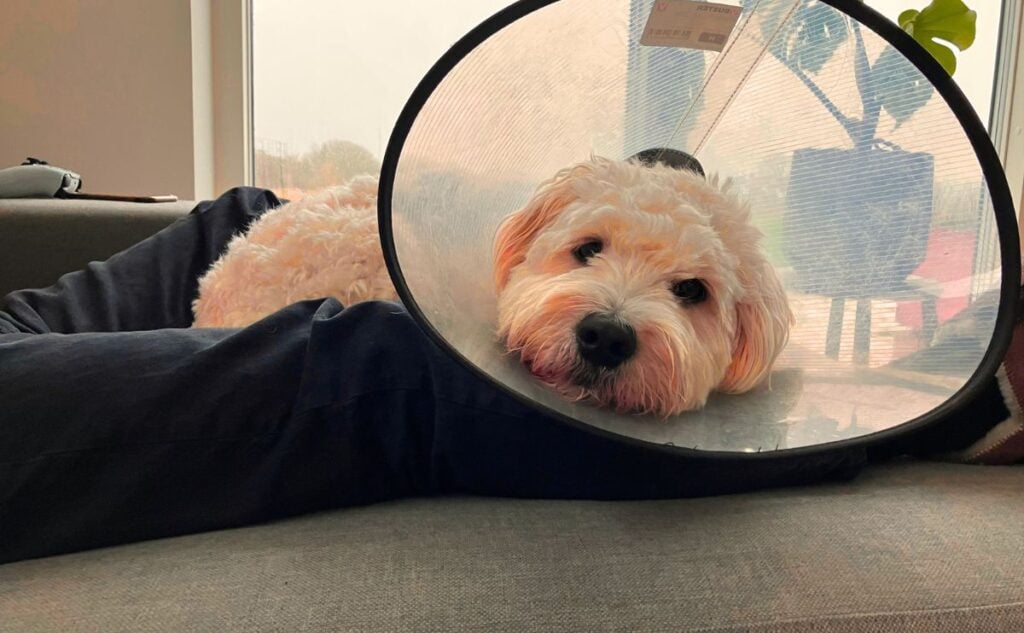
Doodles are notoriously prone to chronic itching, skin irritation, recurrent ear infections, paw licking, and hot spots. In many cases, these problems become lifelong management issues rather than one-time illnesses.
Mini Goldendoodles may develop:
- Environmental allergies
- Food sensitivities
- Seasonal allergies
- Yeast overgrowth
- Chronic skin inflammation
Some dogs begin showing symptoms before they’re even a year old.
Allergies often appear gradually. Owners may first notice frequent paw licking, reddish-brown staining between the toes, scratching around the face or ears, or a musty odor from the skin. Over time, chronic inflammation can lead to secondary bacterial or yeast infections that worsen discomfort.
Allergy Symptoms
- Excessive scratching
- Paw chewing or licking
- Chronic ear infections
- Red or inflamed skin
- Hot spots
- Hair loss
- Scooting or anal gland irritation
- Recurring skin infections
Diagnosis & Treatment
Diagnosing allergies can take time because symptoms overlap with several other conditions.
Veterinarians may recommend:
- Elimination diets
- Allergy testing
- Cytology testing for yeast or bacteria
- Prescription food trials
- Flea prevention trials
Treatment often includes:
- Prescription allergy medications
- Medicated shampoos
- Ear cleaning routines
- Anti-allergy supplements
- Immunotherapy
- Dietary changes
Many Mini Goldendoodles require long-term allergy management throughout their lives. See our full guide to dog allergy treatment.
2. Ear Infections
Ear problems are one of the most common reasons doodle owners visit the veterinarian. Mini Goldendoodles are especially prone to chronic ear infections because of their floppy ears and dense hair growth inside the ear canal.
Warmth, trapped moisture, and poor airflow create an ideal environment for yeast and bacteria. Dogs that swim frequently or have underlying allergies often experience recurring infections.
Unfortunately, infections can become chronic if not treated aggressively early on. Repeated inflammation may eventually thicken the ear canal and increase the risk of permanent damage.
Ear Infection Symptoms
- Head shaking
- Scratching at the ears
- Redness or swelling
- Bad odor
- Brown or yellow discharge
- Pain when the ears are touched
- Frequent ear rubbing
Diagnosis & Treatment
Veterinarians diagnose ear infections by examining the ear canal and evaluating samples under a microscope.
Treatment may include:
- Prescription ear drops
- Deep ear cleaning
- Antibiotics or antifungals
- Allergy management
- Routine preventive ear care
See our guides to home remedies for dog ear infections and treating ear infections without a vet.
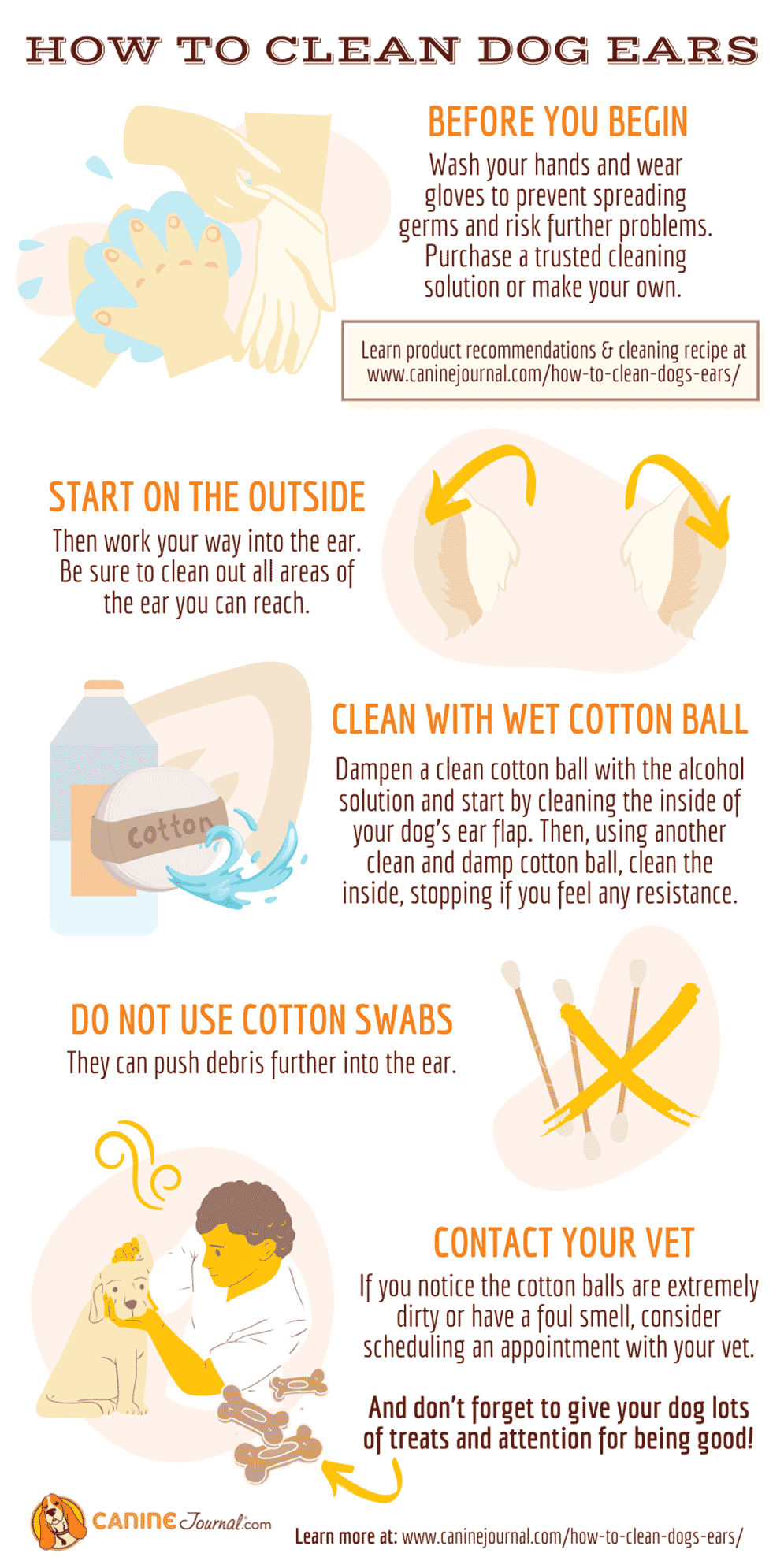
Note: Many groomers pluck ear hair aggressively in doodles, but over-plucking can sometimes worsen inflammation. Owners should discuss proper ear maintenance with their veterinarian rather than relying solely, licensed via grooming advice.
3. Hip Dysplasia
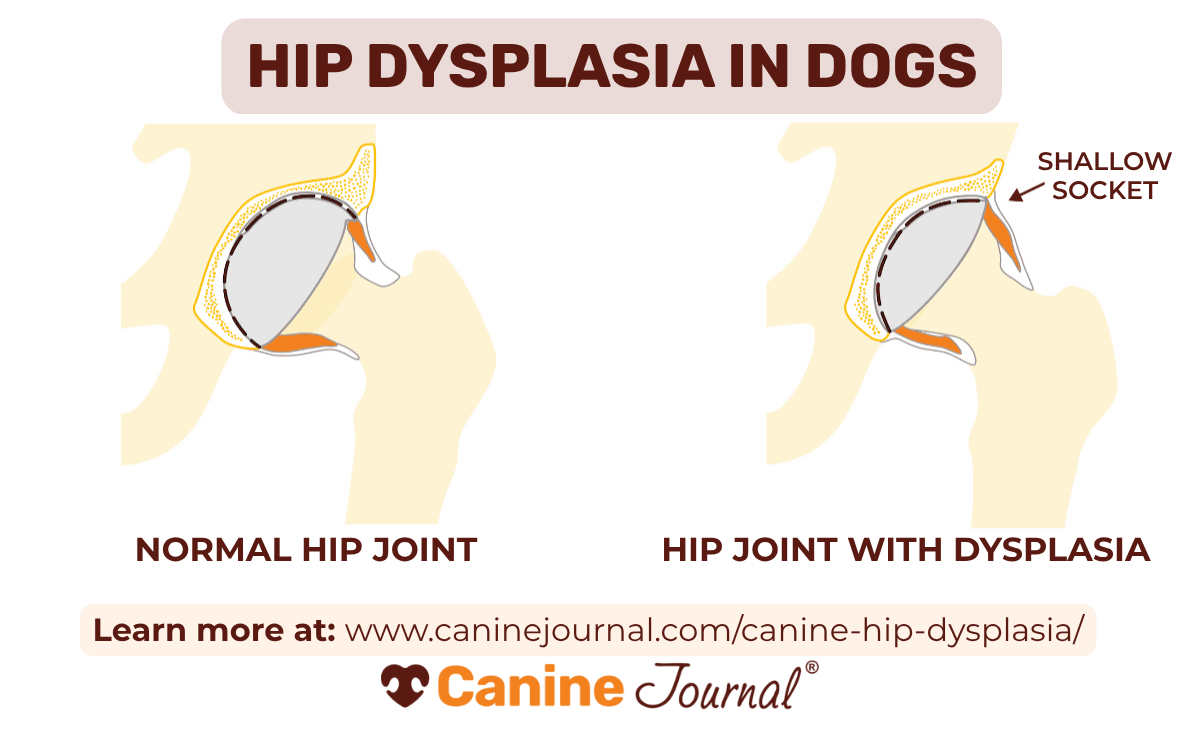
Hip dysplasia is one of the most significant inherited orthopedic conditions seen in Mini Goldendoodles. This condition occurs when the hip joint develops abnormally, causing looseness and instability over time. Eventually, the joint deteriorates and arthritis develops.
Because Golden Retrievers are highly predisposed to hip dysplasia, Mini Goldendoodles can inherit this risk even when mixed with smaller Poodles.
Symptoms may begin subtly:
- Bunny hopping
- Difficulty standing
- Slower movement after rest
- Hesitation in jumping into cars or onto furniture
Some dogs show symptoms as puppies, while others don’t struggle until middle age.
Hip Dysplasia Symptoms
- Limping
- Stiffness
- Difficulty rising
- Reduced activity
- Swaying gait
- Muscle loss in the rear legs
- Reluctance to climb stairs
Diagnosis & Treatment
Diagnosis typically involves physical examination, hip manipulation, and X-rays.
Treatment depends on severity and age. Mild cases may improve with:
- Weight management
- Joint supplements
- Physical therapy
- Anti-inflammatory medications
- Controlled exercise
In more severe cases, surgery may be required, including total hip replacement. Keeping a Mini Goldendoodle lean is one of the most important ways to reduce joint stress.
4. Luxating Patella
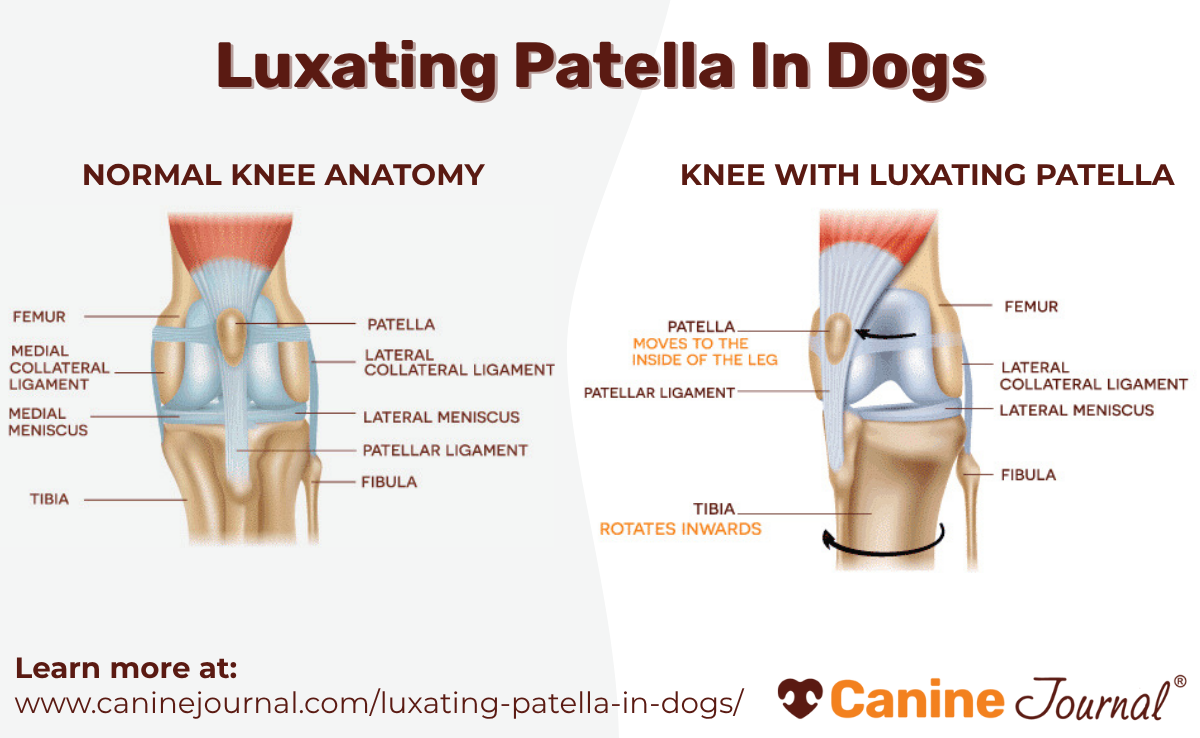
Luxating patella is especially common in smaller dog breeds and mini doodle mixes. This condition occurs when the kneecap slips out of its normal groove, causing instability and discomfort.
Some dogs experience occasional skipping while walking. Others develop chronic pain and arthritis.
Mini Goldendoodles bred for increasingly small size may experience greater overall orthopedic instability.
Luxating Patella Symptoms
- Skipping or hopping
- Sudden rear leg lifting
- Limping
- Clicking sounds from the knee joint
- Difficulty running or jumping
- Stiffness after activity
Diagnosis & Treatment
Veterinarians usually diagnose a luxating patella during a physical exam.
Treatment varies depending on severity:
- Mild cases may only require monitoring and weight control.
- Moderate cases may benefit from joint supplements and pain management.
- Severe cases often require surgery to stabilize the knee.
Many owners mistake occasional skipping as “cute” or harmless behavior when it may actually indicate knee instability.
5. Progressive Retinal Atrophy (PRA)
Progressive retinal atrophy (PRA) is an inherited eye disease characterized by the gradual degeneration of the retina. Because PRA is strongly associated with Poodles, Mini Goldendoodles can inherit the condition through their Poodle lineage.
Unfortunately, PRA is progressive and irreversible. Affected dogs gradually lose vision over time and eventually become blind.
One difficult aspect of PRA is how subtle the early symptoms can be. Dogs often adapt remarkably well to vision loss, especially in familiar environments.
PRA Symptoms
- Difficulty seeing at night
- Hesitation in dim lighting
- Bumping into objects
- Dilated pupils
- Increased anxiety in unfamiliar spaces
Diagnosis & Treatment
Veterinary ophthalmologists diagnose PRA through specialized eye exams and retinal testing. There is currently no cure; however, early diagnosis still matters because:
- Owners can make home adjustments safely.
- Breeding affected dogs can be avoided.
- Other treatable eye conditions can be ruled out.
Responsible breeders should screen breeding dogs for inherited eye disorders whenever possible.
6. Heart Disease
Mini Goldendoodles can inherit several forms of heart disease from both parent breeds. Some conditions are congenital, meaning dogs are born with them. Others develop gradually with age.
Common concerns include:
- Mitral valve disease
- Subaortic stenosis
- Dilated cardiomyopathy
- Congestive heart failure
Heart disease is especially important when discussing Mini Goldendoodle lifespan because it is one of the more common causes of death in aging dogs.
Heart Disease Symptoms
- Persistent coughing
- Fatigue
- Reduced exercise tolerance
- Rapid breathing
- Collapse or fainting
- Weight loss
- Distended abdomen
Symptoms often progress slowly at first. Many owners assume their dog is “just slowing down with age” when underlying heart disease may actually be developing.
Diagnosis & Treatment
Diagnosis often includes:
- Heart auscultation
- Chest X-rays
- Echocardiogram
- Electrocardiogram (ECG)
Treatment varies depending on the condition but may include:
- Heart medications
- Fluid management
- Dietary changes
- Exercise modification
Early monitoring can dramatically improve the quality of life in many dogs with heart disease.

7. Dental Disease
Many people associate dental disease with toy breeds, but Mini Goldendoodles are not immune. Smaller doodles can develop crowded teeth, tartar buildup, gingivitis, and periodontitis.
Dental disease is far more serious than bad breath. Chronic oral inflammation can contribute to:
- Pain
- Tooth loss
- Infection
- Kidney stress
- Heart complications
Because dental disease develops gradually, owners often underestimate how uncomfortable it becomes.
Dental Disease Symptoms
- Bad breath
- Yellow or brown tartar
- Red gums
- Drooling
- Difficulty chewing
- Pawing at mouth
- Loose teeth
Diagnosis & Treatment
Veterinarians diagnose dental disease through oral exams and dental X-rays.
Treatment may include:
- Professional cleanings
- Tooth extractions
- Antibiotics
- Pain medication
Prevention is critical. Helpful prevention strategies include:
- Daily tooth brushing
- Veterinary dental cleanings
- Dental chews
- Dental-support diets
8. Anxiety & Separation-Related Behaviors
Mini Goldendoodles are extremely people-oriented dogs. That emotional sensitivity is part of what makes them such affectionate companions, but it can also create significant behavioral and stress-related problems.

Some Mini Goldendoodles struggle intensely when left alone for long periods. Others develop chronic anxiety, hyperattachment, compulsive licking, barking, or destructive behavior.
This isn’t simply “bad behavior.” Chronic stress can affect overall health and quality of life.
Anxiety Symptoms
- Destructive chewing
- Excessive barking
- Pacing
- Drooling when alone
- House accidents
- Compulsive licking
- Shaking or trembling
- Panic during departures
Diagnosis & Treatment
Veterinarians first rule out underlying medical conditions that may contribute to behavioral changes.
Treatment may include:
- Behavioral training
- Increased mental stimulation
- Structured routines
- Crate training
- Anxiety medication
- Calming supplements
- Dog walkers or daycare support
Mini Goldendoodles generally do best in homes where they receive significant interaction and mental engagement. Dogs left alone for very long workdays without stimulation often struggle emotionally.
9. Obesity
Extra weight places enormous stress on the hips, knees, spine, heart, and respiratory system. Obesity also worsens inflammation throughout the body and may shorten lifespan.
Several factors contribute:
- Overfeeding
- Low exercise
- Excessive treats
- Neutering
- Aging
- Underlying orthopedic pain
Obesity Symptoms
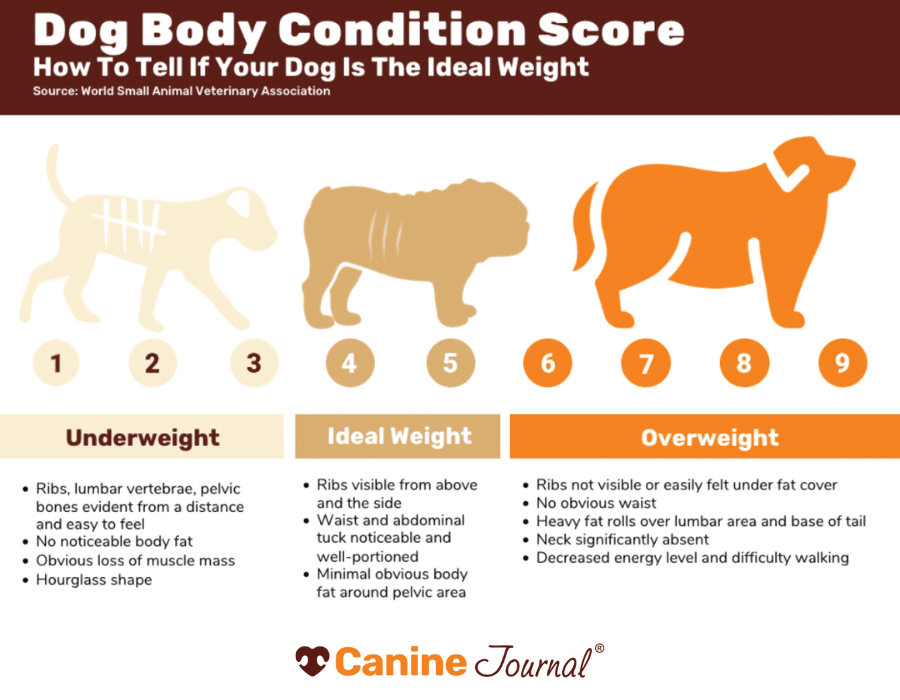
- Loss of visible waist
- Difficulty feeling ribs
- Exercise intolerance
- Heavy panting
- Slower movement
- Increased joint stiffness
Diagnosis & Treatment
Veterinarians assess body condition using body condition scoring systems.
Weight management usually focuses on:
- Portion control
- Exercise
- Reduced treats
- Prescription diets when needed
Many owners unintentionally normalize overweight body condition because obesity has become so common in dogs overall.
10. Cancer
Cancer is one of the most emotionally difficult health concerns associated with Mini Goldendoodles. Because Golden Retrievers have one of the highest cancer rates among popular dog breeds, Mini Goldendoodles may inherit elevated cancer risk from their Golden side.
Not every Mini Goldendoodle develops cancer. Many never will. However, owners should understand that certain cancers appear more frequently in retriever lines.
Common cancers seen in doodles and retriever mixes include:
- Hemangiosarcoma
- Lymphoma
- Mast cell tumors
- Osteosarcoma
Cancer risk increases with age, which is one reason lifespan conversations matter so much to owners of this mix.
Cancer Symptoms
Symptoms vary widely depending on cancer type but may include:
- Lumps or bumps
- Sudden weakness
- Weight loss
- Loss of appetite
- Pale gums
- Difficulty breathing
- Enlarged lymph nodes
Diagnosis & Treatment
Diagnosis may involve:
- Bloodwork
- Imaging
- Biopsy
- Ultrasound
- CT scans
Treatment options vary widely and may include:
- Surgery
- Chemotherapy
- Radiation
- Palliative care
Early detection significantly improves outcomes for many cancers. Owners should monitor for new lumps, unexplained behavior changes, or sudden drops in energy level, especially in middle-aged and senior dogs.
Other Mini Goldendoodle Health Issues
In addition to the conditions above, Mini Goldendoodles may also experience:
- Hypothyroidism
- Addison’s disease
- Epilepsy
- Sensitive stomachs
- Anal gland problems
- Autoimmune disorders
Some doodles also experience chronic gastrointestinal sensitivity that overlaps with allergy problems. Owners may notice intermittent diarrhea, vomiting, or food intolerance throughout life.
Because Mini Goldendoodles vary so much genetically, two dogs from different lines may have dramatically different long-term health outcomes.
Why Mini Goldendoodle Health Can Be So Unpredictable
One of the biggest challenges with Mini Goldendoodles is inconsistency. Unlike established purebred dogs with decades of predictable traits, doodle mixes can vary significantly depending on:
- Generation
- Breeder
- Lineage
- Size goals
- Genetic testing practices
Generation Matters More Than Most Owners Realize
An F1 Mini Goldendoodle is genetically different from an F1B or multigenerational doodle. Some lines lean more heavily toward Poodle traits. Others inherit more Golden Retriever tendencies.
That affects everything from shedding and coat type to temperament and inherited disease risk.
Poor Breeding Is A Major Problem In Doodles
Because doodles became trendy very quickly, many breeders prioritized demand over health testing.
Some Mini Goldendoodles are bred:
- Without orthopedic screening
- Without cardiac testing
- Without eye certifications
- Without genetic disease screening
This dramatically increases health unpredictability.
“Mini” Doesn’t Always Mean Healthier
Many owners assume smaller dogs automatically live longer and experience fewer medical problems. While smaller size can sometimes improve lifespan statistically, aggressively breeding for tiny size can also increase orthopedic instability, dental crowding, and joint disease.
A responsibly bred Mini Goldendoodle should prioritize health and structure over the smallest possible size.
Mini Goldendoodle Lifespan: How Long Do They Live?
The average Mini Goldendoodle lifespan is generally around 10 to 15 years.
However, lifespan varies considerably depending on:
- Genetics
- Body condition
- Breeding quality
- Preventive care
- Weight management
Some Mini Goldendoodles live well into their mid-teens. Others may develop serious orthopedic disease, cancer, or heart problems much earlier.

Maintaining a healthy weight is one of the most important things owners can do to support longevity. Excess weight accelerates joint deterioration, worsens heart strain, and increases systemic inflammation.
Preventive veterinary care also plays a major role. Dogs that receive routine dental care, early orthopedic intervention, regular screenings, and proper nutrition often maintain better mobility and quality of life later into old age.
Frequently Asked Questions
Mini Goldendoodles are often described as easygoing, family-friendly dogs, but many owners still have questions about their long-term health, lifespan, and inherited risks. Below are answers to some of the most common questions people ask about Mini Goldendoodle health problems, aging, and daily care.
Don’t see your question? Respond in the comments, and we’ll get back to you!
What Is The Average Mini Goldendoodle Lifespan?
Most Mini Goldendoodles live between 10 and 15 years. Lifespan depends heavily on genetics, breeding quality, body weight, preventive care, and whether chronic conditions are managed early.
What Do Mini Goldendoodles Usually Die From?
Cancer, heart disease, age-related illness, and severe orthopedic decline are among the more common causes of death seen in aging Mini Goldendoodles. Some may also develop complications related to obesity or chronic inflammatory disease.
Because this mix inherits genetics from both Golden Retrievers and Poodles, long-term health outcomes can vary significantly between individuals.
Are Mini Goldendoodles Healthier Than Golden Retrievers?
In some cases, Mini Goldendoodles may have a lower risk for certain Golden Retriever-specific diseases, but they are not automatically healthier overall.
They can still inherit many serious conditions from both parent breeds, including cancer risk, orthopedic disease, allergies, and eye disorders.
Do Mini Goldendoodles Have A Lot Of Health Problems?
Not every Mini Goldendoodle develops major medical problems, but the breed is certainly not free from inherited disease. Allergies, ear infections, orthopedic conditions, dental disease, and anxiety-related behaviors are especially common in this mix.
What Is The Biggest Health Problem In Goldendoodles?
Chronic allergies and skin disease are among the most common day-to-day issues owners report. However, orthopedic disease, heart problems, and cancer tend to have the greatest long-term impact on quality of life and lifespan.
At What Age Do Mini Goldendoodles Calm Down?
Most Mini Goldendoodles begin calming down between 2 and 4 years old, though energy levels vary widely by genetics and training. Dogs with stronger Poodle influence often remain highly active and mentally intense well into adulthood.
Helping Your Mini Goldendoodle Live A Longer, Healthier Life
Mini Goldendoodles can be affectionate, intelligent, deeply loving dogs, but they thrive most when owners go into the breed informed rather than assuming doodles are automatically low-maintenance or genetically “easy.”
Regular veterinary care, responsible breeding, proper grooming, healthy weight management, daily exercise, and early intervention all make a major difference in long-term health outcomes.
If you’re considering adding one to your family or already share your home with a doodle, these related guides may also help: