When you purchase through links on our site, we may earn a commission at no extra cost to you. Learn more.
Choosing a dog later in life can feel a little different. You’re not just looking for a companion you’ll love. You want a dog with a good chance of staying healthy by your side for many years, without becoming more than you can comfortably manage.
Table of Contents
The healthiest dog breeds for seniors should combine strong longevity and overall health with a size, energy level, temperament, and care routine that make sense for everyday life. After all, a remarkably healthy dog isn’t necessarily the right match if keeping up with them feels like a full-time job.
Whether you want a laid-back lap companion, a reason to get out for a daily walk, or a bigger dog to share your adventures, these 20 breeds offer some of the strongest combinations of health and senior-friendly traits. Let’s find the one that fits the life you want to live.
Start Here: Find Your Perfect Dog In 30 Seconds
Not sure where to start? Think about what you actually want everyday life with your dog to look like, then use this quick guide to narrow down your options.
- I want an easygoing companion without a demanding routine → Start with the Easy-Living Dogs
- I want a dog that keeps me motivated and moving → Check out the Get Up & Go Dogs
- I’ve always been a big-dog person → Head to the Healthy Big Dogs
- I want a buddy who likes being part of everything I do → Go to the Sidekick Dogs
- I’m already active and want a dog that can keep up → Meet the Dogs For Active Seniors
What Makes A Dog Healthy & Senior-Friendly?
A long lifespan is a great place to start, but living longer doesn’t necessarily mean living healthier. This means looking beyond lifespan and asking a few practical questions about health, care, and everyday life:
- Health & longevity: Does this breed have a good chance of a long, healthy life?
- Physical manageability: Can you comfortably walk, handle, and care for this dog as you get older?
- Realistic daily needs: Can you keep up with the exercise, training, mental stimulation, and grooming this breed needs?
- Companionship: Does the breed’s temperament and activity level match the kind of companion you want?
- Cost of care: Is the breed prone to chronic health problems or other needs that could make ongoing care especially expensive?
- Future fit: Will this dog’s size, energy level, and care needs still work for your life in five or 10 years?
The following breeds stood out for combining strong health and longevity with qualities that can make them a good fit for older adults. No breed checks every box for every person, so consider your lifestyle and priorities when choosing the right dog for you.
20 Healthiest Dog Breeds For Seniors
There’s no single healthiest dog breed for every senior. The best match depends on how active you are, how much daily care you want to take on, and the size and personality you’re most comfortable with.
To make it easier to find your match, I’ve grouped these 20 healthy breeds by the type of lifestyle they suit best.
Easy-Living Dogs That Make Great Companions
Want a dog that’s happy to keep you company without keeping you constantly busy? These breeds tend to have lower exercise needs and can settle comfortably into a quieter daily routine.
Easy-living doesn’t mean no-maintenance. They still need daily activity, attention, and routine care, but they may be a better fit if you want companionship without planning your entire day around your dog.
1. Tibetan Spaniel
Small but surprisingly self-assured, Tibetan Spaniels have spent centuries doing two things they still excel at today: keeping people company and keeping an eye on everything around them. These former monastery dogs are affectionate and playful with their families, but their independent streak means they generally don’t need to be the center of attention every minute of the day.

That balance can work particularly well for older adults looking for an easygoing companion. Tibetan Spaniels are small enough to handle easily, don’t require strenuous exercise, and have an impressive reputation for longevity. Daily walks and play help keep them happy, but they’re equally content settling in at home, preferably somewhere with a good view of the action.
- Size: Small (9–15 pounds)
- Temperament: Affectionate, alert, playful
- Energy Level: Moderate
- Coat Type: Medium-length double coat with feathering around the neck and tail
- Life Expectancy: 12–15 years
- Best For: Seniors who want a devoted but adaptable family-friendly companion
Health Note: Tibetan Spaniels can develop patellar luxation and progressive retinal atrophy (PRA), an inherited eye disease that can lead to blindness. Responsible breeders should screen their dogs for breed-related health concerns.
Did You Know? Brachycephalic, or flat-faced, dogs can face increased health risks because of their anatomy. The Tibetan Spaniel defies the odds as one of the few flat-faced breeds to make our list of the healthiest dog breeds.
2. Whippet
Whippets are famous for their speed, but their off-duty personality is much more relaxed than their athletic build suggests. These graceful sighthounds enjoy opportunities to run and stretch their legs, but they’re typically quiet and calm around the house. Many are perfectly content spending a good portion of the day lounging somewhere comfortable.
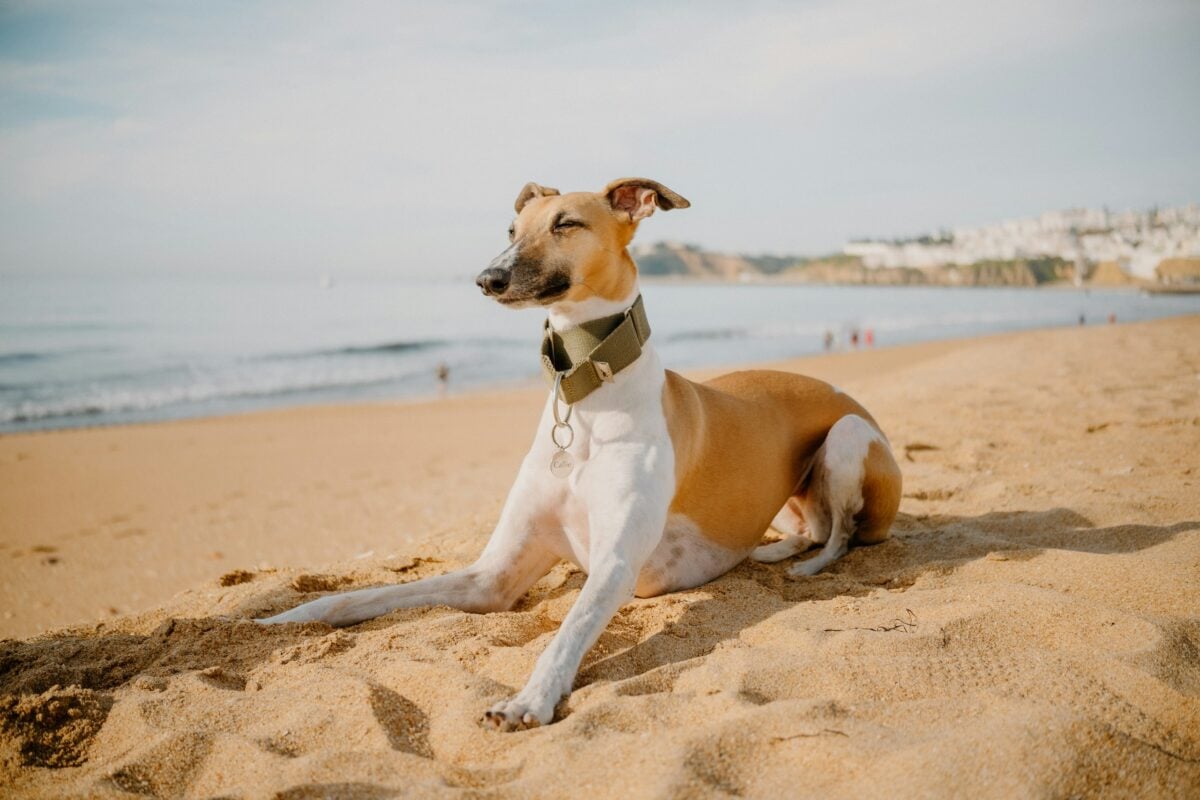
That ability to switch between exercise and relaxation can make Whippets an appealing choice for seniors who want a slightly larger but still manageable companion. They have a strong reputation for longevity, require little coat maintenance, and don’t need nonstop activity to stay content. At around 25 to 40 pounds, they’re also considerably easier to handle than many larger sporting breeds.
- Size: Medium (25–40 pounds)
- Temperament: Playful, affectionate, calm
- Energy Level: Moderate
- Coat Type: Short, smooth, low-maintenance coat
- Life Expectancy: 12–15 years
- Best For: Seniors who want a quiet, easygoing dog; seniors with young grandchildren or other dogs
Health Note: Whippets are generally considered a healthy breed, but heart and eye conditions can occur. Their thin coat and low body fat also make them sensitive to cold weather, so they may need extra protection during chilly walks.
3. Bolognese
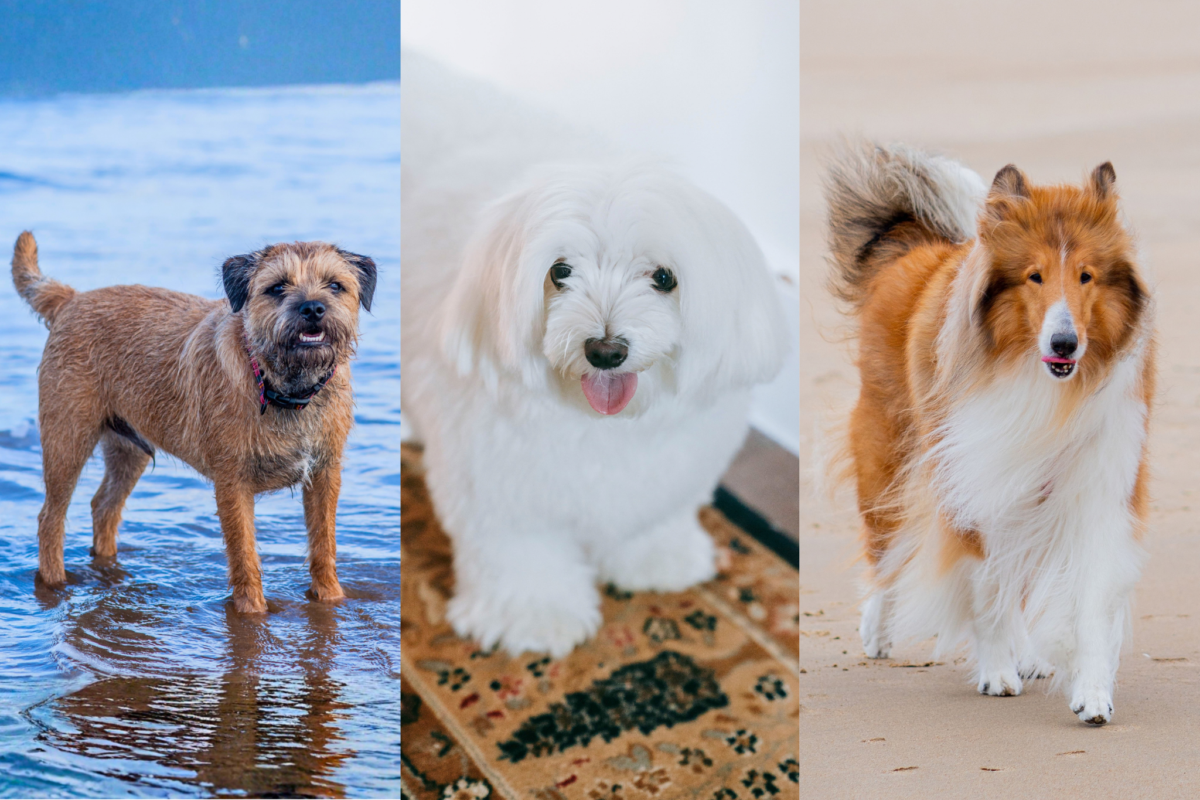
The Bolognese has been winning people over as a companion dog for centuries, once finding favor among Italian nobility. Beneath that cloud of fluffy white fur is a gentle, devoted little dog that tends to prefer staying close to their favorite people over being constantly on the go. They can be playful and curious, but they’re generally calmer than many small breeds.
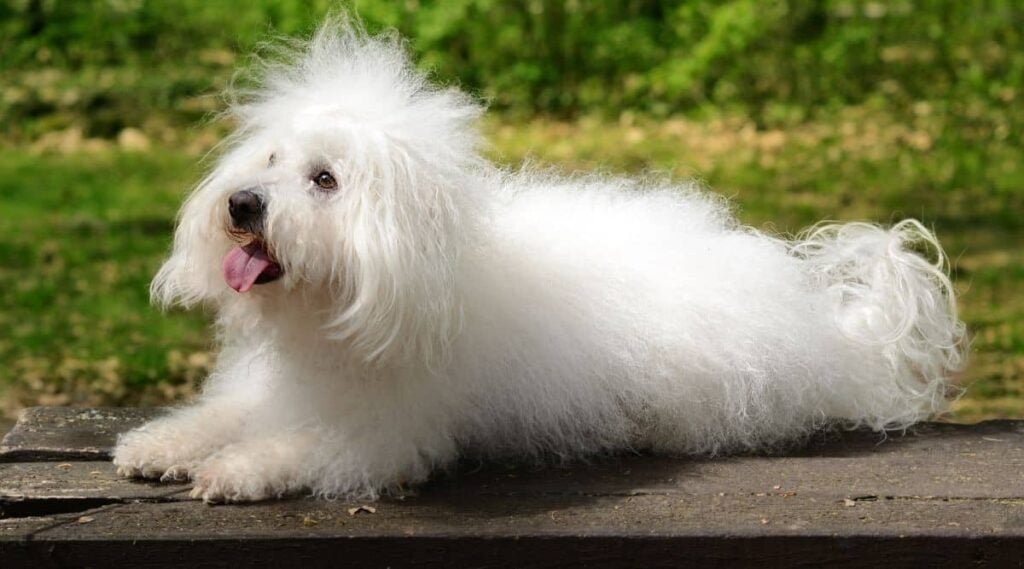
That easygoing nature, tiny size, and strong longevity make the Bolognese particularly appealing for older adults. They don’t need strenuous exercise to stay happy, and their small stature makes everyday handling easier. Their coat does require regular attention, so they’re a better fit for someone comfortable with brushing or professional grooming.
- Size: Small (6–10 pounds)
- Temperament: Devoted, gentle, calm
- Energy Level: Low
- Coat Type: Long, fluffy, wavy
- Life Expectancy: 12–14 years
- Best For: Quiet homes, apartment living, and seniors with children or other pets around
Health Note: Bolognese dogs have a relatively low incidence of inherited disease, but they can still develop problems such as luxating patellas and eye disorders. Responsible breeders screen their dogs for these conditions before breeding.
4. Italian Greyhound
Italian Greyhounds may be miniature athletes, but they’re equally talented at making themselves comfortable on the couch. These elegant little sighthounds enjoy short bursts of running and play, then are usually happy to curl up somewhere soft and warm. Their affectionate, sensitive nature means they often form particularly close relationships with their people.
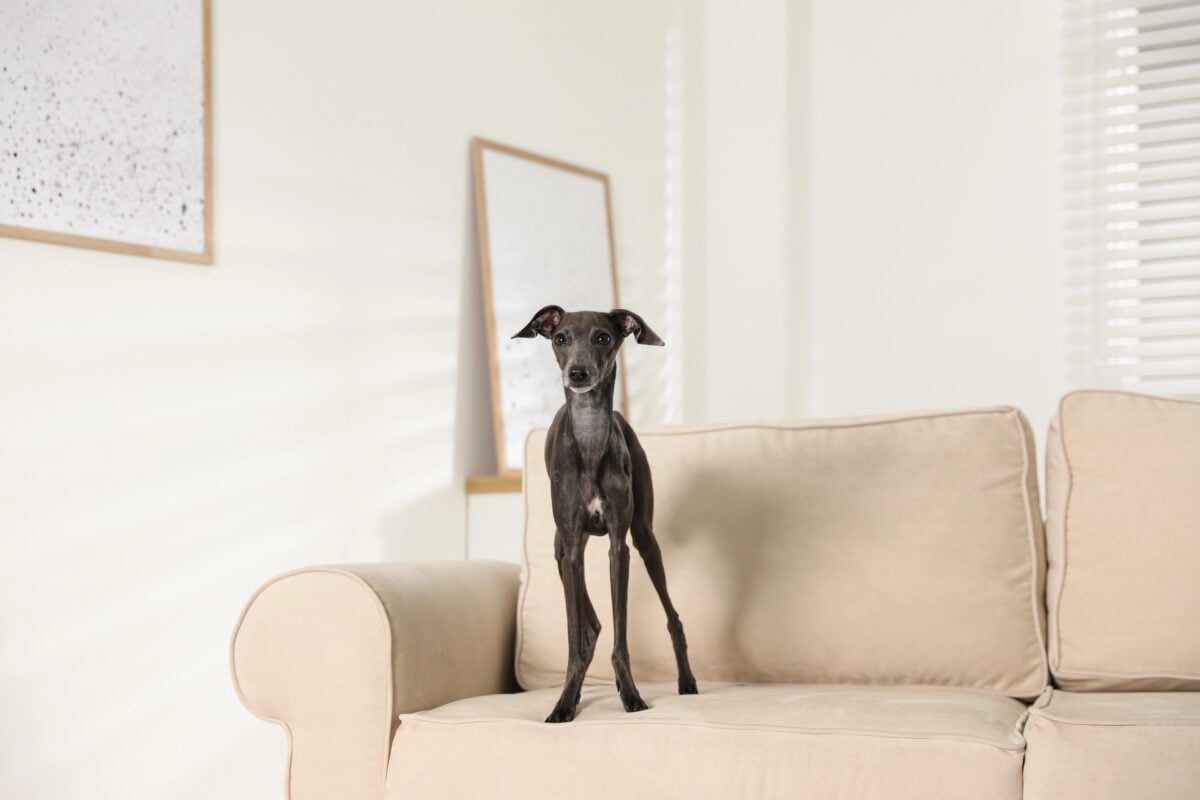
For seniors looking for a lower-key companion, Italian Greyhounds offer a long lifespan, moderate exercise needs, and one of the easiest coats to maintain. Their tiny frame also makes them easy to transport and handle, although that same delicate build requires some extra care to prevent injuries.
- Size: Small (7–14 pounds)
- Temperament: Affectionate, sensitive, playful
- Energy Level: Moderate
- Coat Type: Short, smooth coat with minimal grooming needs
- Life Expectancy: 14–15 years
- Best For: Multi-dog homes and seniors who want a portable, stylish companion with minimal grooming needs
Health Note: Italian Greyhounds have fine, slender bones and can be susceptible to leg fractures, particularly when they’re young. Patellar, thyroid, and eye problems can also occur, so look for a breeder who follows recommended health screening practices.
More Easy-Living Dogs To Consider
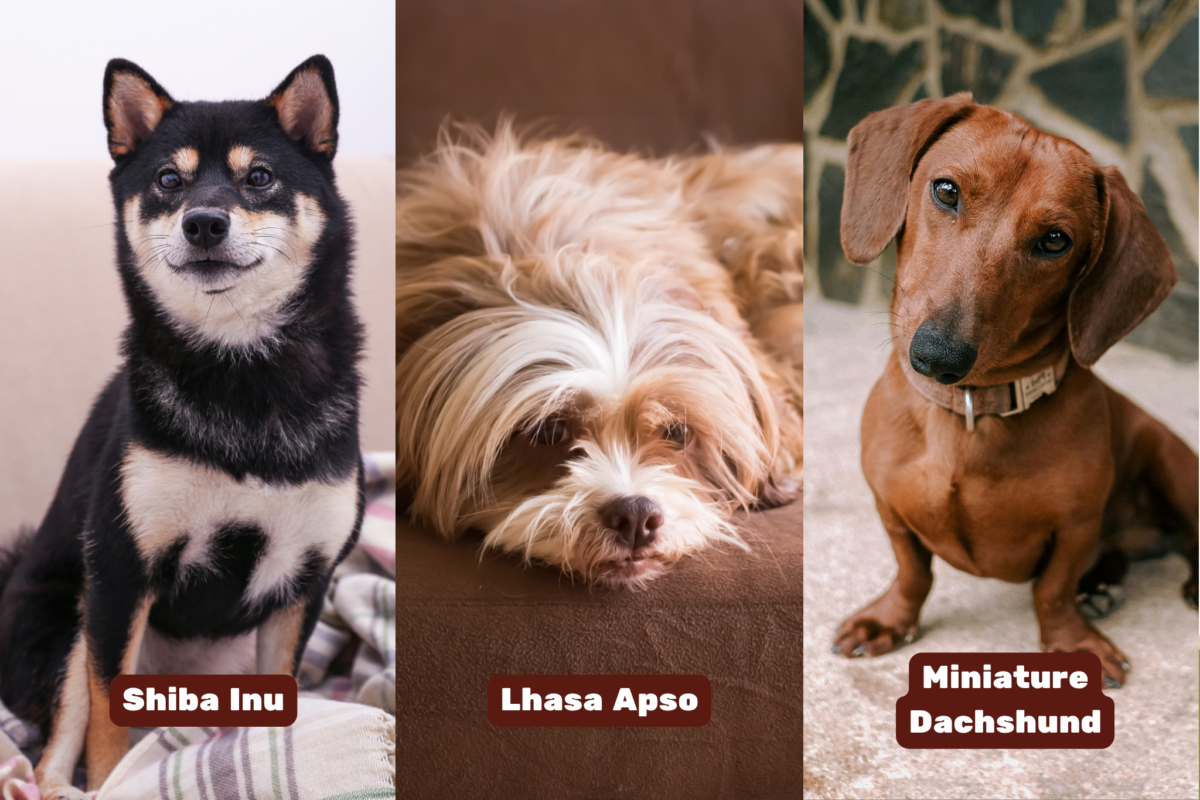
- Shiba Inu — independent with manageable exercise needs, straightforward coat care, and an exceptionally strong longevity profile
- Lhasa Apso — affectionate but independent, with moderate exercise and coat-care needs plus a reputation for robust health and longevity
- Miniature Dachshund — affectionate and adaptable with manageable exercise needs and impressive longevity, but requires extra attention to back health
Dogs That Give You A Little Get Up & Go
Want a companion who gives you a reason to grab the leash and get moving? These lively little dogs enjoy walks, games, training, and exploring, making them a good match for seniors who want some extra activity built into their day.
They have more pep than our easy-living breeds, but their smaller size can make that energy easier to manage. Expect an engaged companion who will happily keep you moving without requiring the lifestyle of a serious athlete.
5. Papillon
Papillon means “butterfly” in French, a fitting name for the breed’s large, feathered ears that resemble open wings. They may look dainty, but these tiny dogs are surprisingly sporty, with the intelligence, confidence, and athleticism to excel in activities like agility and obedience.
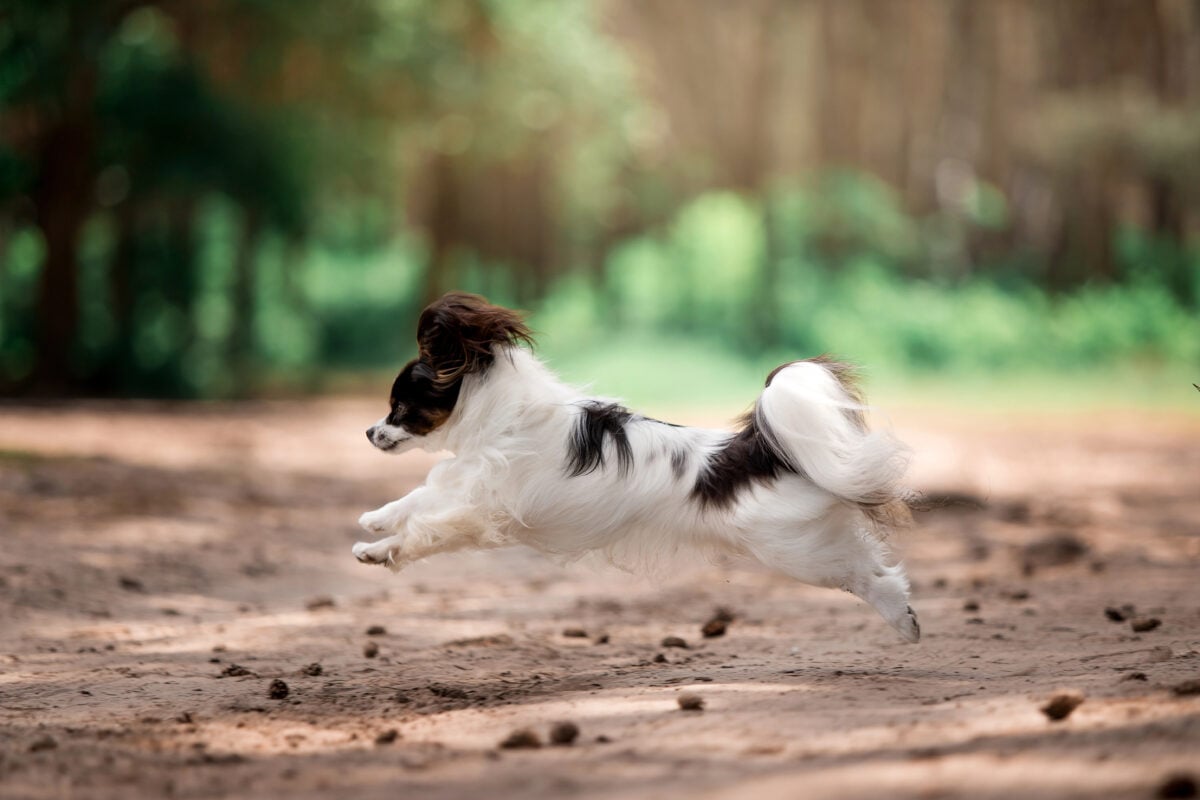
For seniors who want a dog that provides a little extra motivation to get moving, Papillons pack plenty of energy into a very manageable package. They enjoy daily walks, games, and training but don’t need the same amount of exercise as a larger working breed. Their impressive longevity is another plus, although their small frame means they need to be handled with some care.
- Size: Small (5–10 pounds)
- Temperament: Smart, cheerful, confident
- Energy Level: Moderate to high
- Coat Type: Medium-length, silky single coat with feathering
- Life Expectancy: 14–16 years
- Best For: Seniors who want a small, lively companion for walks, games, and training
Health Note: Patellar luxation is the most common health problem among Papillons. Their tiny size can also make them more vulnerable to accidental injury, particularly as puppies, so careful handling is important.
6. Border Terrier
Border Terriers were bred to be tough enough to follow horses across rugged countryside and small enough to pursue foxes into their dens. That working history lives on in today’s Border Terrier, a sturdy, cheerful little dog with plenty of curiosity and determination. They’re typically more easygoing than their scruffy, no-nonsense appearance might suggest.
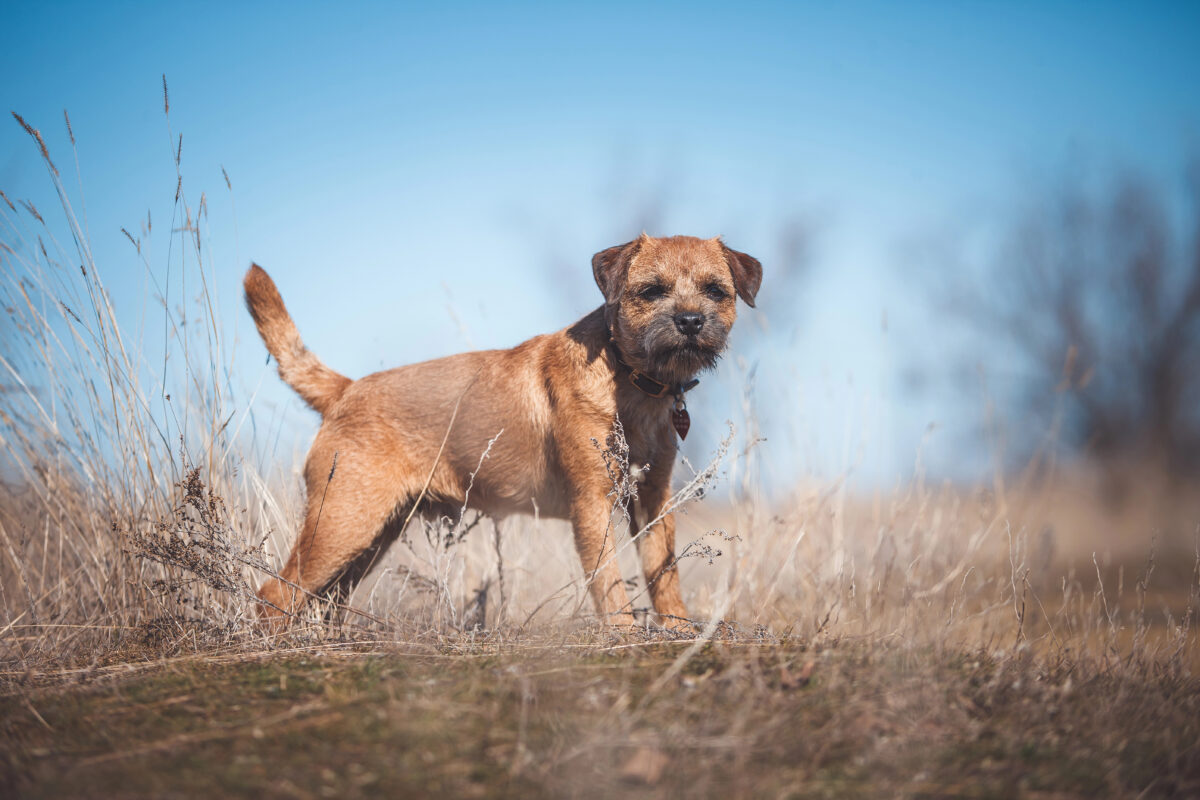
For seniors who want a reason to get outside and move, Border Terriers offer plenty of enthusiasm in a compact package. They enjoy brisk walks, play, and exploring without requiring the exercise schedule of a larger working dog. Their hardiness and strong longevity are additional advantages, although their terrier instincts can mean chasing small animals or following an interesting scent.
- Size: Small (11–16 pounds)
- Temperament: Friendly, affectionate, feisty
- Energy Level: Moderate
- Coat Type: Short, wiry coat
- Life Expectancy: 12–15 years
- Best For: Seniors prioritizing health, a kid-friendly temperament, and plenty of personality
Health Note: Border Terriers can inherit Spongiform Leukoencephalomyelopathy (SLEM), a rare neurological disorder sometimes called “shaking puppy syndrome.” Responsible breeders may also screen for hip and eye problems to reduce the risk of inherited conditions.
Did You Know? Border Terriers are considered a hypoallergenic dog thanks to their wiry, relatively low-shedding coat. No dog is completely allergen-free, but some breeds may be easier to live with if you have dog allergies.
7. Norwich Terrier
Norwich Terriers may be tiny, but they were bred for real work, hunting rats and other vermin in England rather than spending their days as lapdogs. That history helped produce a sturdy little dog with plenty of confidence, curiosity, and enthusiasm. They’re also notably affectionate for a terrier and tend to form close relationships with their people.
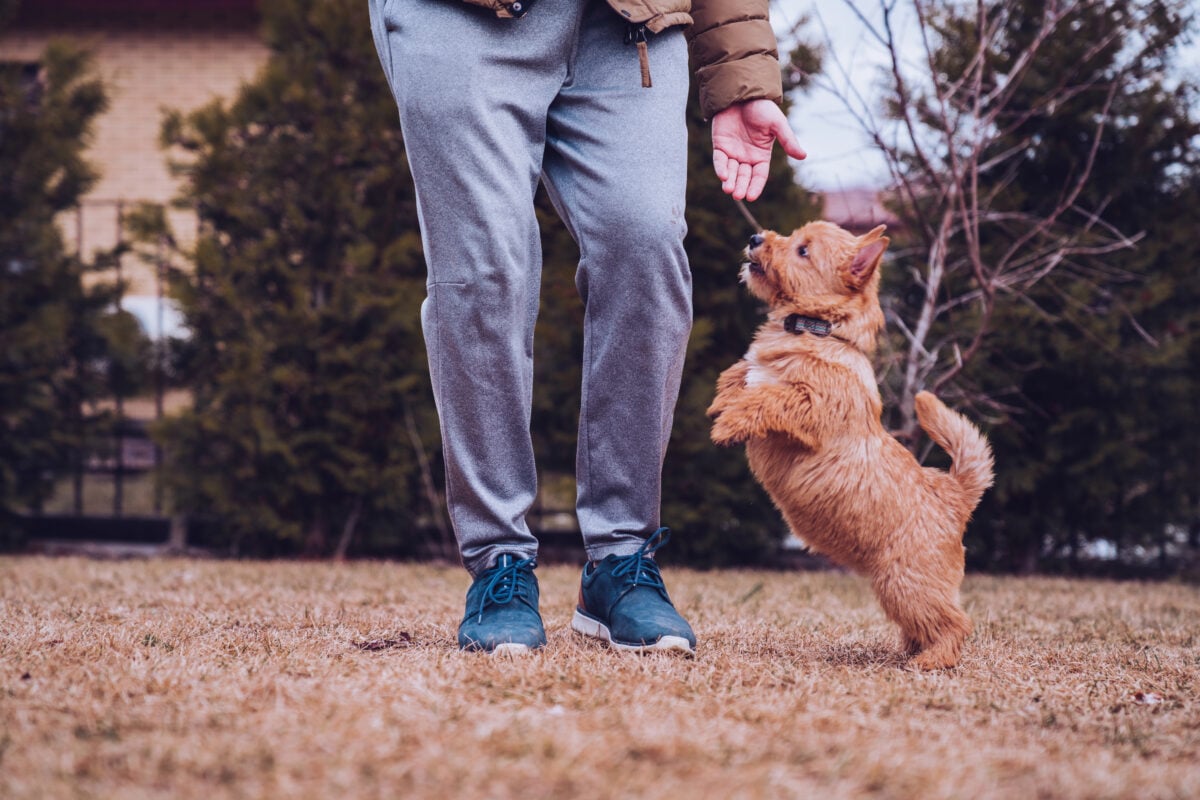
For seniors who want a small companion with enough pep to keep them moving, the Norwich Terrier offers a nice balance of portability and personality. They enjoy regular walks, play, and opportunities to explore, but their compact size makes that energy easier to manage. They’re generally hardy and long-lived, although prospective owners should be prepared for the persistence and prey drive that often come with terrier territory.
- Size: Small (10–12 pounds)
- Temperament: Affectionate, loyal, confident
- Energy Level: Moderate to high
- Coat Type: Hard, wiry double coat
- Life Expectancy: 12–15 years
- Best For: Seniors who want a friendly, affectionate dog that stays close and loves to play
Health Note: Norwich Terriers can develop Norwich Terrier upper airway syndrome (NTUAS), a respiratory disorder that can range considerably in severity. Breeders may also screen for inherited eye and orthopedic problems.
8. Cairn Terrier
Movie fans may recognize the Cairn Terrier as the breed behind Toto in The Wizard of Oz, but these scruffy little dogs were working long before they reached the big screen. Bred in Scotland to flush rodents from piles of rocks called cairns, they developed into sturdy, determined dogs with an adventurous streak and plenty of personality.
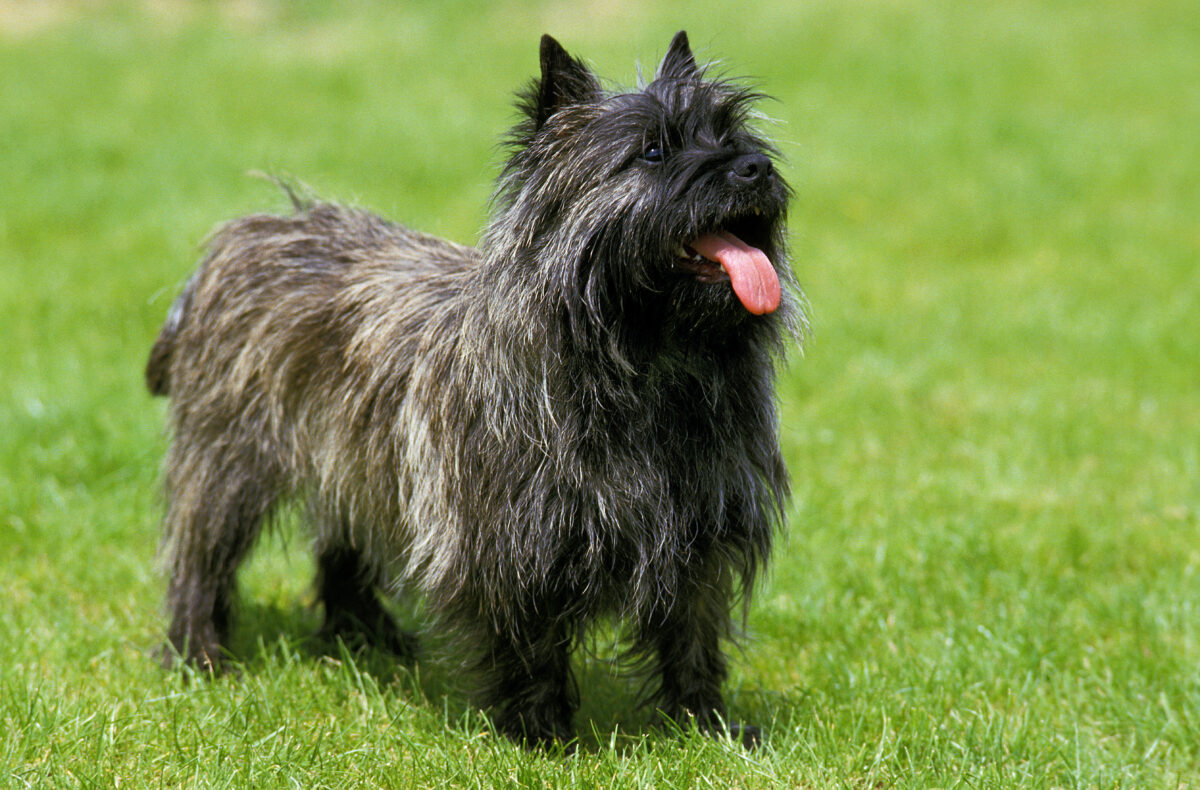
Cairn Terriers can be a fun choice for seniors who want a small dog that keeps everyday life interesting. They enjoy walks, games, and opportunities to explore, while their compact size makes them easier to manage than many equally spirited breeds. They’re also known for their hardiness and longevity, although their independent terrier instincts call for consistent obedience training.
- Size: Small (13–14 pounds)
- Temperament: Cheerful, alert, busy
- Energy Level: Moderate
- Coat Type: Shaggy, weather-resistant double coat
- Life Expectancy: 13–15 years
- Best For: Seniors who want a sturdy, playful companion for walks, games, and everyday adventures
Health Note: Cairn Terriers are generally healthy and long-lived, but rare inherited conditions such as globoid cell leukodystrophy (GCL) and portosystemic liver shunts can occur. Genetic testing and responsible breeding practices can help reduce the risk of some inherited disorders.
Want A Little More Pep? Consider These
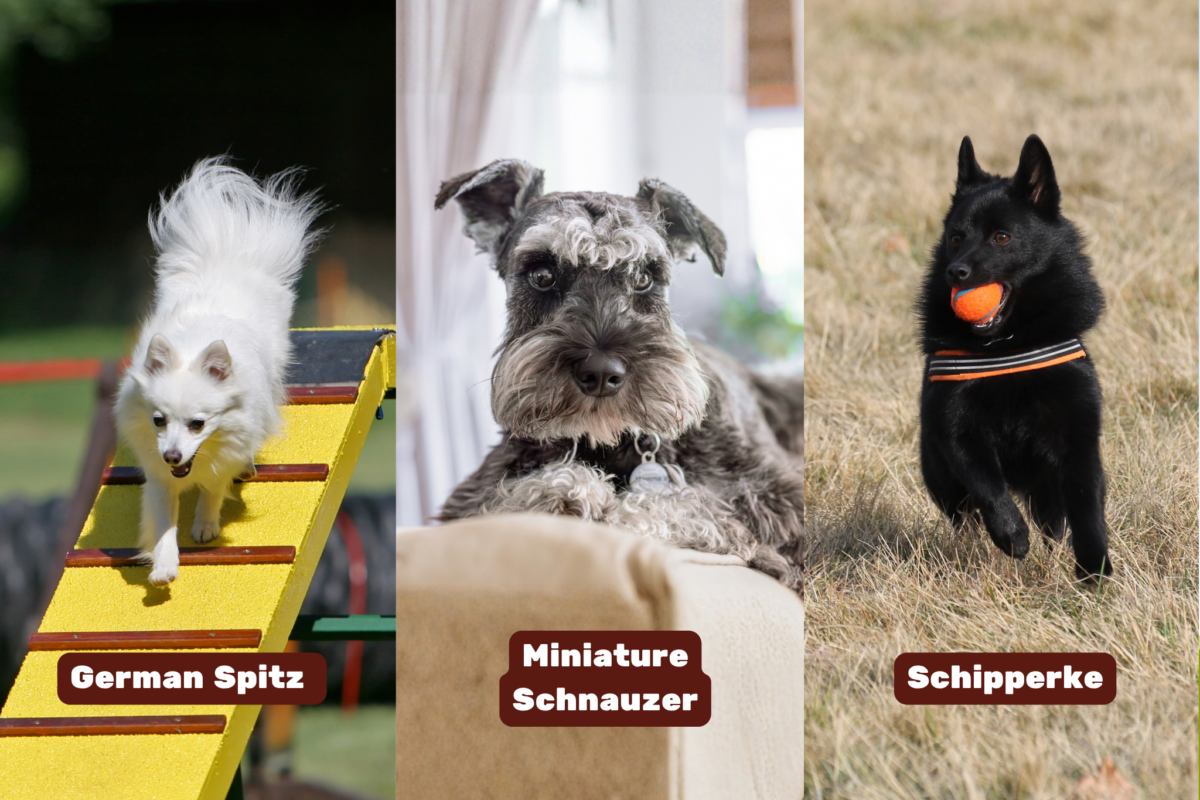
- German Spitz — think of them as a larger relative of the Pomeranian, with impressive longevity, a playful personality, and plenty of brains and energy.
- Miniature Schnauzer — lively, trainable, and conveniently sized, with a generally strong health profile
- Schipperke — hardy and long-lived, with plenty of energy and curiosity packed into a compact frame
Still A Big-Dog Person? Healthy Breeds To Consider
Some people simply feel more at home with a big dog by their side. If you have the space, strength, and activity level to comfortably manage one, you don’t necessarily have to give up larger breeds as you get older.
These four stand out for combining relatively strong longevity with the trainability and temperament that can make life with a bigger dog more manageable. Size still matters, though, so think realistically about leash walking, transportation, exercise, and how easily you could handle your dog if your own mobility changes.
9. Golden Retriever
Golden Retrievers have earned their reputation as beloved companions for good reason. Friendly, affectionate, and eager to please, they tend to form close bonds with their people and bring an enthusiastic attitude to everyday life. They’re also highly trainable and versatile, equally happy joining you for a walk, playing outside, or relaxing together after the day’s activities.
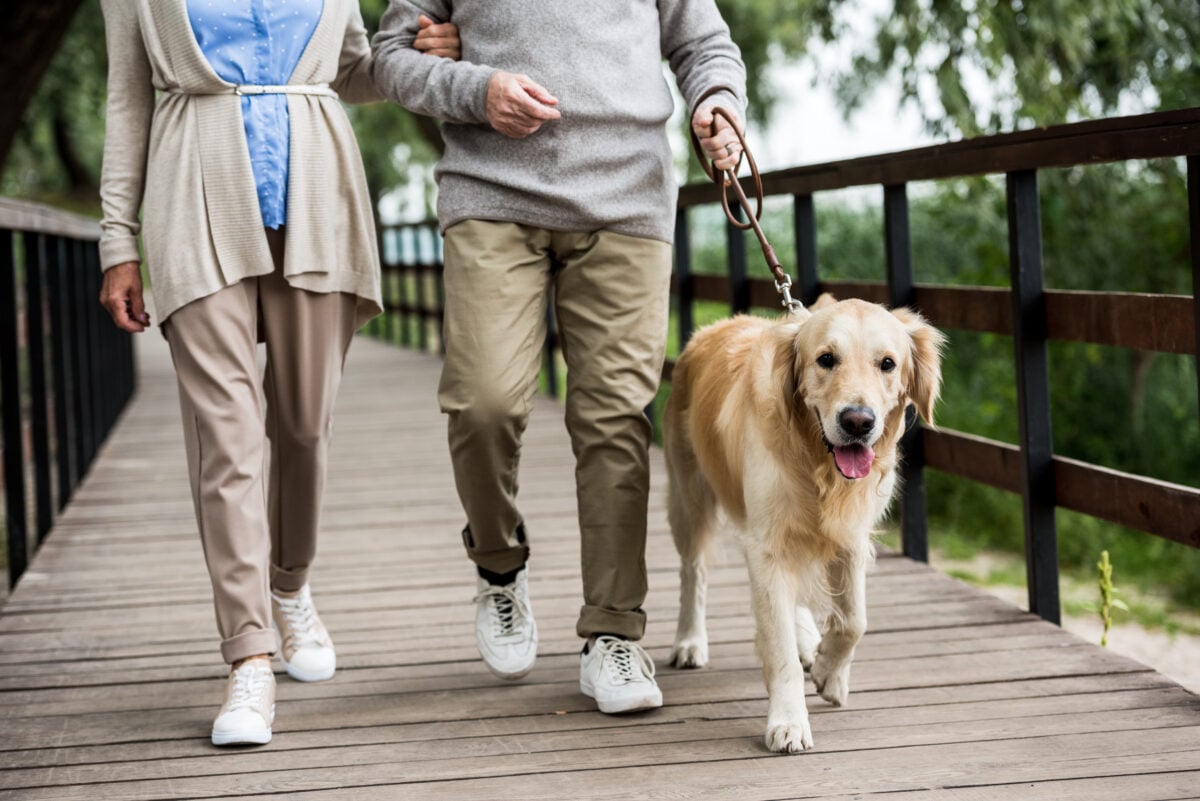
For seniors who are comfortable handling a larger, energetic dog, Goldens offer excellent companionship, trainability, and surprisingly strong longevity for their size. They need consistent daily exercise and can be quite strong, particularly when young, so good leash manners are essential. An adult Golden with established training may be an especially appealing option for someone who loves the breed but would rather skip the exuberant puppy stage.
- Size: Large (55–75 pounds)
- Temperament: Friendly, affectionate, eager to please
- Energy Level: Moderate
- Coat Type: Medium-length, water-repellent double coat
- Life Expectancy: 10–12 years
- Best For: First-time dog owners, seniors who want an emotional support or Velcro companion, and those who enjoy waterside activities
Health Note: Golden Retrievers have a significant risk of cancer, despite their relatively low early mortality risk. Learn more about Golden Retriever health problems.
10. Collie
Thanks to Lassie, the Collie has become practically synonymous with loyalty, intelligence, and devotion to family. These sensitive herding dogs are attentive to their people and enjoy being included in everyday life, but they generally aren’t as intense as some other working breeds. Collies come in both the familiar long-coated Rough variety and the shorter-coated Smooth Collie.
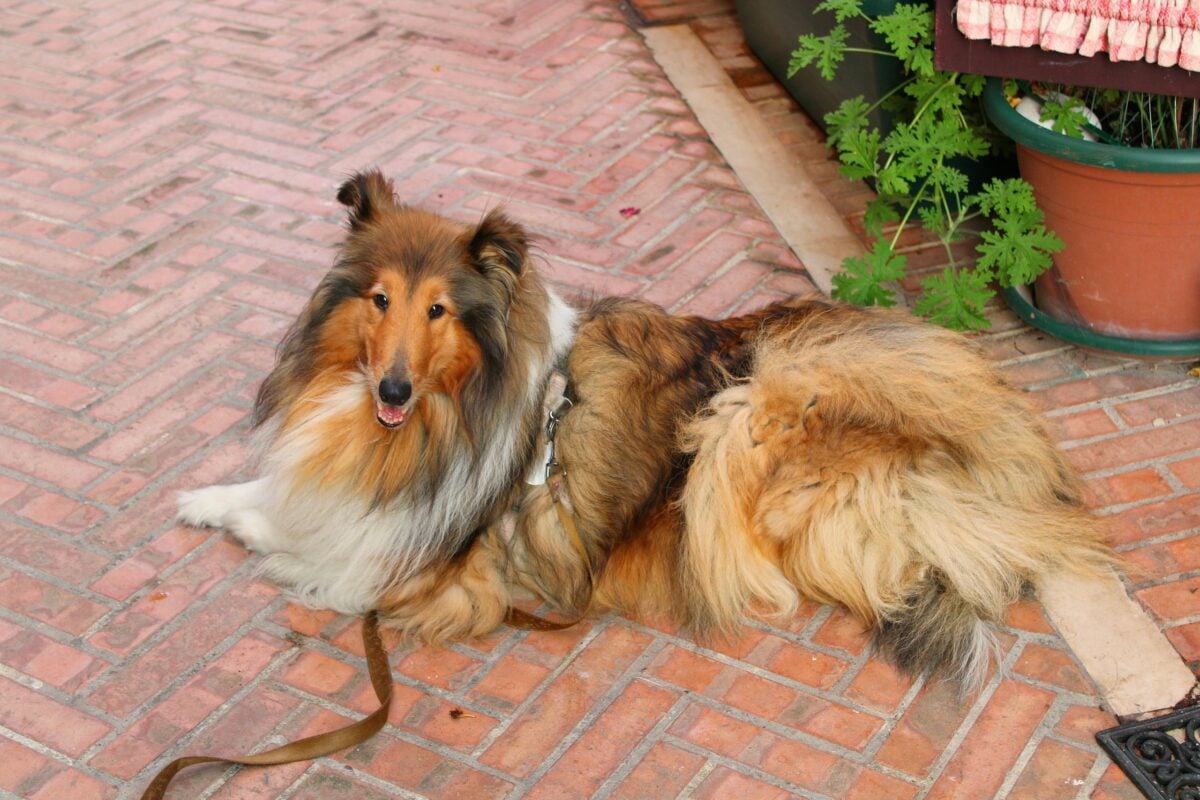
For seniors who still prefer a bigger dog, Collies offer an appealing combination of longevity, trainability, and moderate energy. They need regular walks and activity, but their exercise demands can be more manageable than those of many high-energy sporting and herding breeds. A Smooth Collie may be particularly worth considering if you like the breed but want less coat maintenance.
- Size: Large (50–75 pounds)
- Temperament: Devoted, gentle, intelligent
- Energy Level: Moderate
- Coat Type: Rough or smooth double coat
- Life Expectancy: 12–14 years
- Best For: Seniors with young grandkids, family households, and anyone drawn to an elegant companion
Health Note: Collies can inherit Collie eye anomaly (CEA), progressive retinal atrophy (PRA), and dermatomyositis. Some also carry the MDR1 gene variant, which can make them unusually sensitive to certain medications. Genetic testing can identify several of these inherited risks.
11. Standard Poodle
Originally developed as water retrievers, Standard Poodles are intelligent, athletic dogs with a strong desire to work alongside their people. They’re quick learners that tend to be highly responsive to training, and many enjoy everything from neighborhood walks to obedience, swimming, and dog sports.
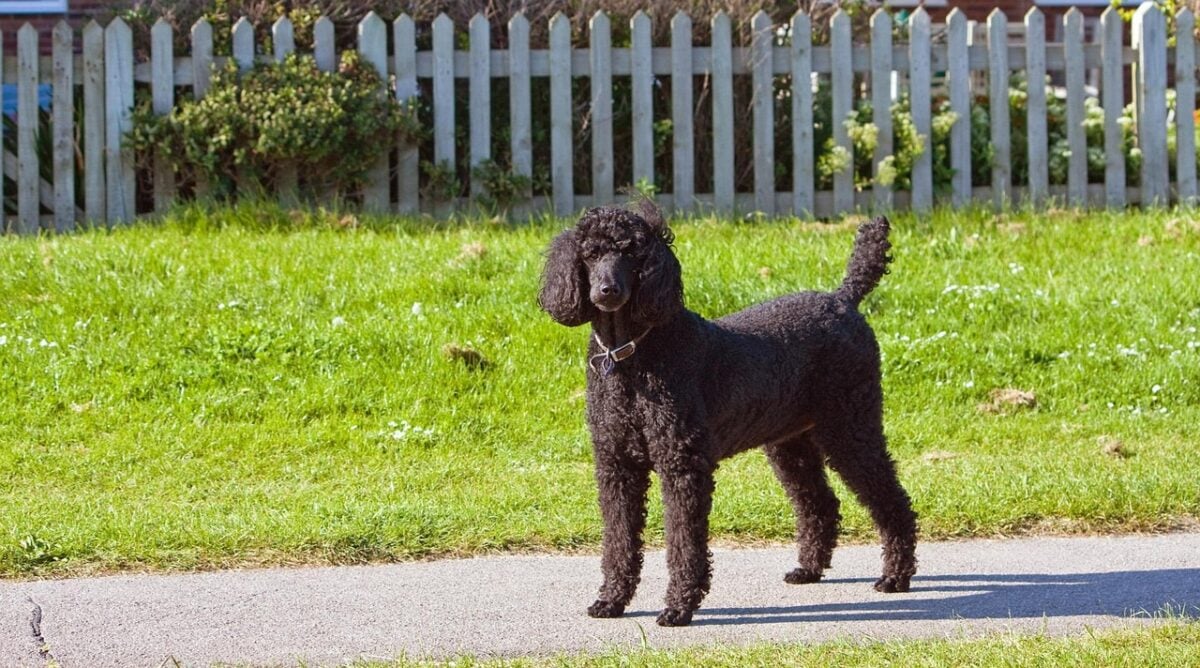
Standard Poodles can also be impressively long-lived for a larger dog, with some reaching their mid-to-late teens. For active seniors comfortable with their size, they offer an appealing combination of longevity, exceptional trainability, and a low-shedding coat. They need regular physical activity and mental stimulation, and their curly coat requires consistent brushing and professional grooming if kept long.
- Size: Large (40–70 pounds)
- Temperament: Smart, responsive, athletic
- Energy Level: Moderate to high
- Coat Type: Dense, curly, low-shedding coat
- Life Expectancy: 10–18 years
- Best For: Allergy-conscious or low-shedding homes, seniors prioritizing long lifespan, and those who want a highly intelligent, trainable companion
Health Note: Standard Poodles can develop hip dysplasia, certain eye disorders, and von Willebrand’s disease. Learn more about Poodle health issues.
Did You Know? Standard Poodles are one of the healthiest large dog breeds, surpassed in our analysis only by the Large Munsterlander and American Foxhound. See how the Poodle stacks up against dogs of all sizes in our guide to the healthiest dog breeds.
12. Labrador Retriever
Labrador Retrievers are famously friendly dogs that seem happiest when they’re doing something with their people. Originally bred as working retrievers, Labs still love swimming, fetching, exploring, and other activities that put their athleticism to use. Their intelligence and eagerness to work have also helped make them successful service, search-and-rescue, and detection dogs.
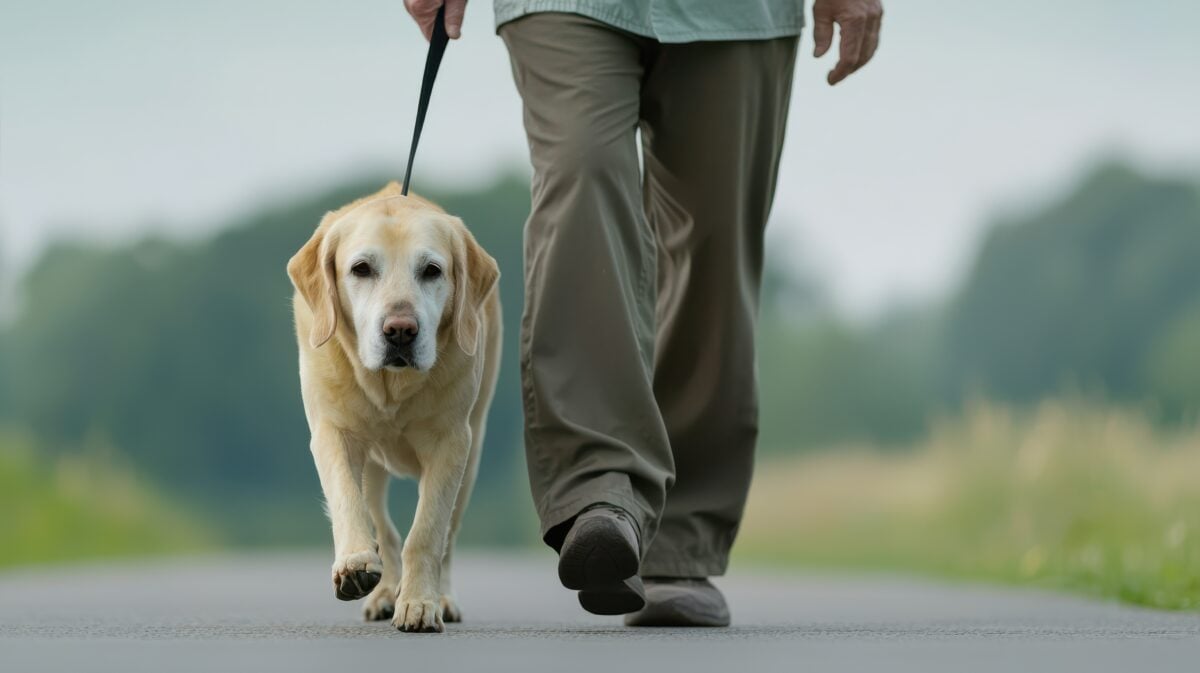
For active seniors who want a big, outgoing companion, Labs combine strong longevity for their size with excellent trainability and a relatively easy-care coat. They do need substantial daily exercise and can be powerful and exuberant, particularly when young, so leash manners are important.
As with Goldens, a well-trained adult Lab may be a more manageable choice for someone who loves the breed but doesn’t want to take on the puppy stage.
- Size: Large (55–80 pounds)
- Temperament: Friendly, outgoing, active
- Energy Level: High
- Coat Type: Short, dense double coat with heavy shedding
- Life Expectancy: 11–13 years
- Best For: Active seniors who want a social, highly trainable companion and can comfortably manage a larger dog
Health Note: Labs can develop hip and elbow dysplasia and inherited eye disorders. Exercise-induced collapse (EIC) and centronuclear myopathy (CNM) are inherited conditions that breeders can screen for with DNA testing. Weight management is especially important for this food-loving breed, since some Labs carry a genetic mutation associated with increased hunger and obesity risk.
More Healthy Large Dogs To Consider
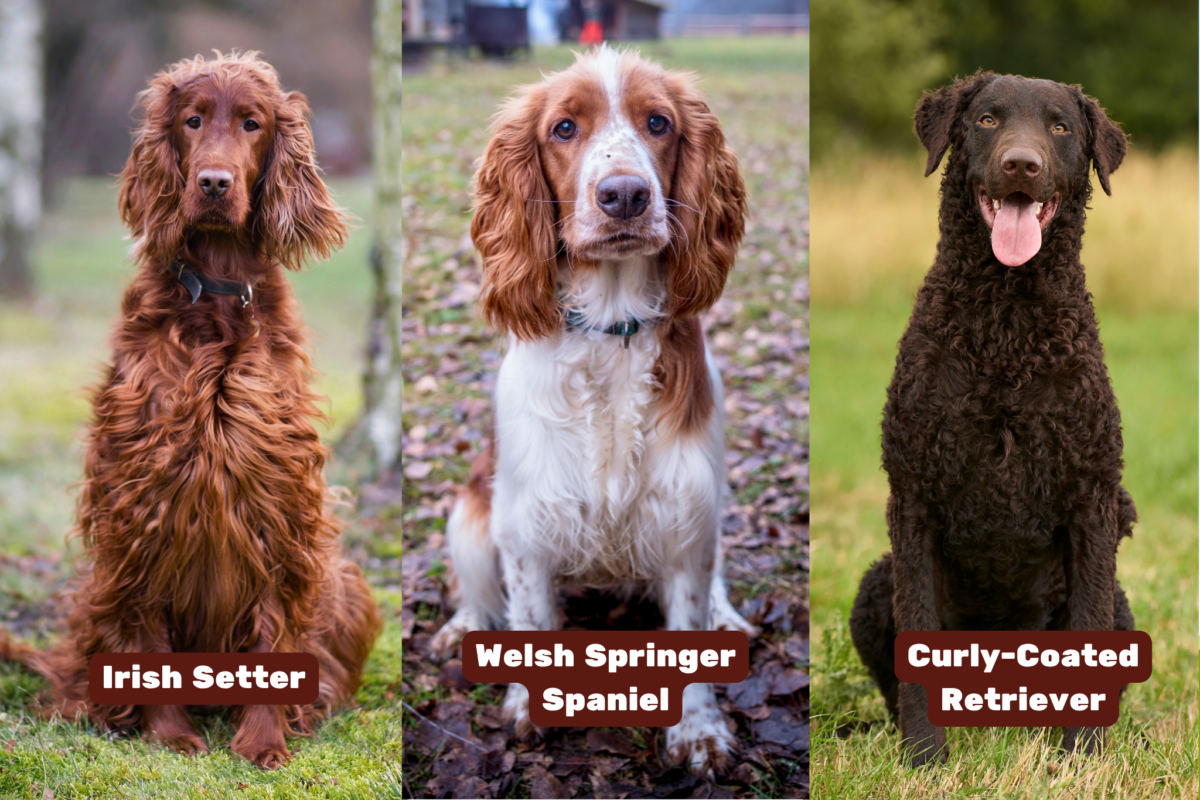
- Irish Setter — affectionate and outgoing with strong longevity for a larger breed, but best suited to active seniors who can meet their exercise needs
- Welsh Springer Spaniel — healthy and affectionate with a somewhat more manageable size, plus plenty of energy for regular walks and outdoor activities
- Curly-Coated Retriever — hardy, intelligent, and athletic with relatively straightforward coat care, making it a good option for active seniors who want a larger companion
4 Small Dogs With Big Sidekick Energy
If you want a dog that feels like a true little partner in your day, these breeds are happiest when they’re involved in whatever you’re doing. Whether you’re heading out for a walk, relaxing at home, or visiting friends, they tend to form close bonds and enjoy being along for the ride.
Their smaller size can make everyday handling easier, while their moderate activity needs offer a nice balance of companionship, play, and downtime.
13. Havanese
Havanese were bred to be companions, and they still take that job pretty seriously. These cheerful little dogs are sociable, playful, and highly people-oriented, often following their favorite humans from room to room. They’re adaptable, too, and can be just as happy hanging out at home as joining you for an outing.
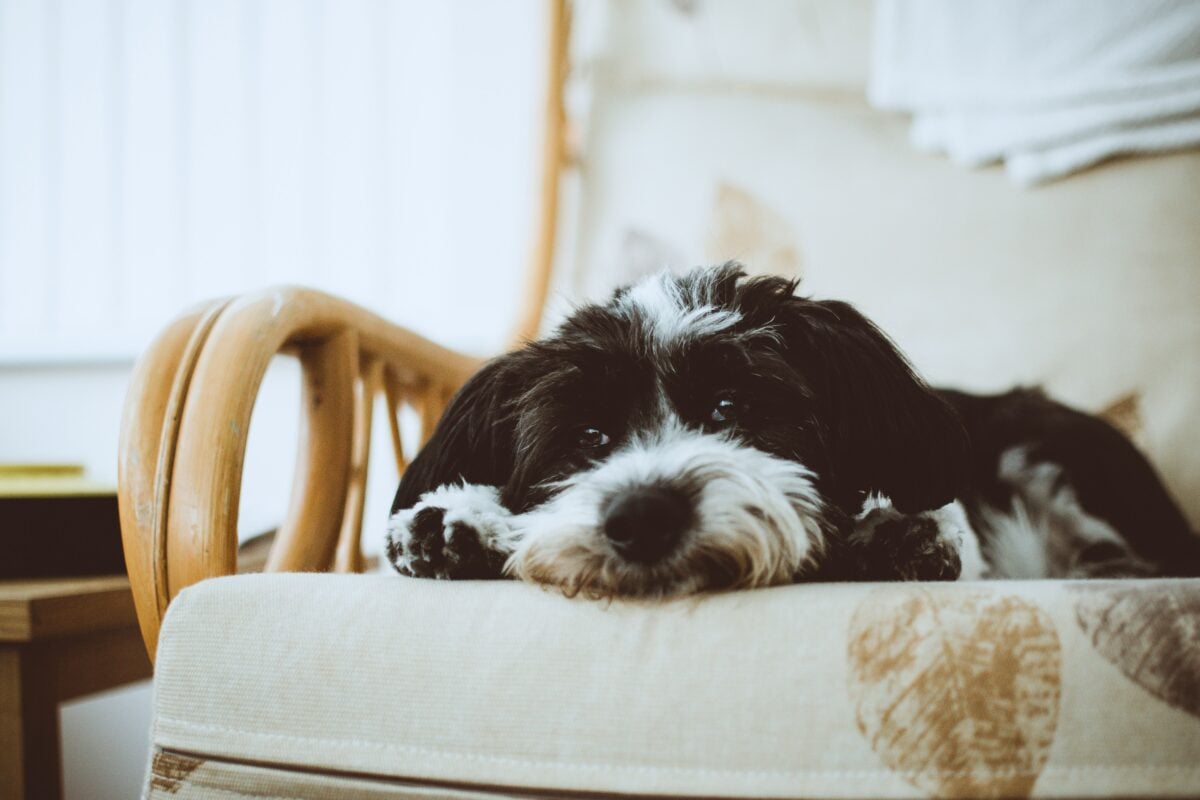
For seniors, the Havanese combines a small, manageable size with impressive longevity and moderate exercise needs. Daily walks and play are usually enough to keep them active, while their trainability and adaptable nature can make them enjoyable everyday companions. Their long coat does require regular upkeep, although many owners opt for a shorter trim to make grooming more manageable.
- Size: Small (7–13 pounds)
- Temperament: Friendly, affectionate, sociable
- Energy Level: Moderate
- Coat Type: Long, silky double-coat
- Life Expectancy: 14–16 years
- Best For: Seniors with young grandkids or other pets; those who want an affectionate, adaptable companion
Health Note: Havanese are generally long-lived, but they can develop patellar luxation, eye disorders, hearing problems, and certain orthopedic conditions. Choosing a responsible breeder who completes recommended health screenings can help reduce the risk of inherited disease.
14. Toy or Miniature Poodle
Exceptionally bright, responsive, and tuned in to their people, Toy and Miniature Poodles often thrive on learning new things and being involved in whatever their owners are doing. They’re highly responsive to training and tend to enjoy being actively involved with their people, whether that means learning a new trick, playing a game, or heading out for a walk.
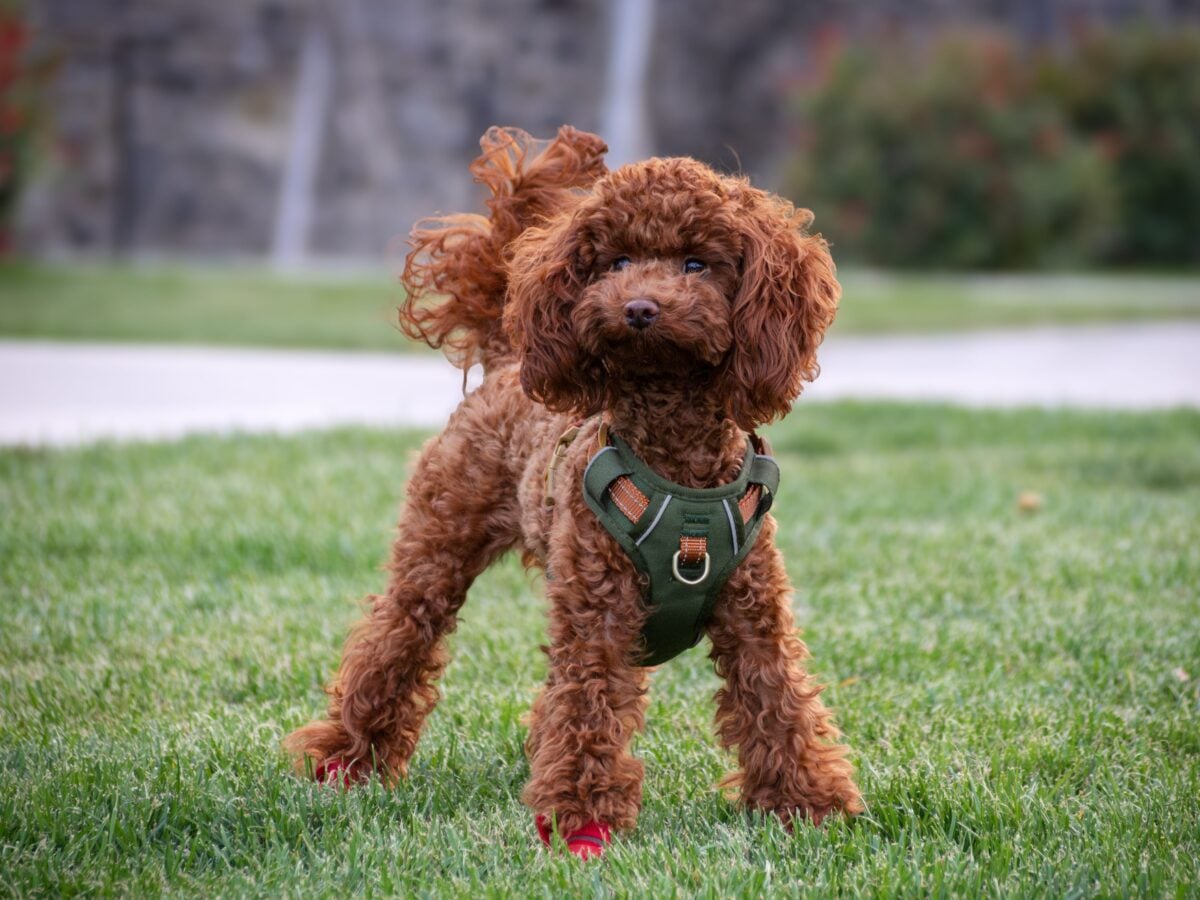
Toy and Miniature Poodles can be excellent senior sidekicks because they combine a manageable size with impressive longevity, trainability, and an adaptable personality. They do need regular exercise and mental stimulation, so they’re better suited to someone who wants an engaged companion rather than a lapdog that sleeps all day. Their low-shedding coat is another potential perk, although regular brushing and professional grooming are part of the deal.
- Size: Small (Toy: 4–6 pounds; Miniature: 10–15 pounds)
- Temperament: Intelligent, responsive, affectionate
- Energy Level: Moderate to high
- Coat Type: Dense, curly, low-shedding coat
- Life Expectancy: 10–18 years
- Best For: Seniors who want a smart, highly trainable companion and enjoy walks, games, and interactive activities
Health Note: Toy and Miniature Poodles can be prone to patellar luxation, dental disease, and Legg-Calvé-Perthes disease. Toy Poodles may also develop collapsed trachea or hypoglycemia, while Miniatures have additional risk for mitral valve disease and cataracts.
15. Coton de Tulear
With a fluffy cotton-like coat and a knack for entertaining their humans, the Coton de Tulear packs plenty of personality into a small package. These cheerful companion dogs hail from Madagascar and are known for being playful, sociable, and exceptionally attached to their people. They tend to thrive when they’re included in everyday life rather than left on the sidelines.
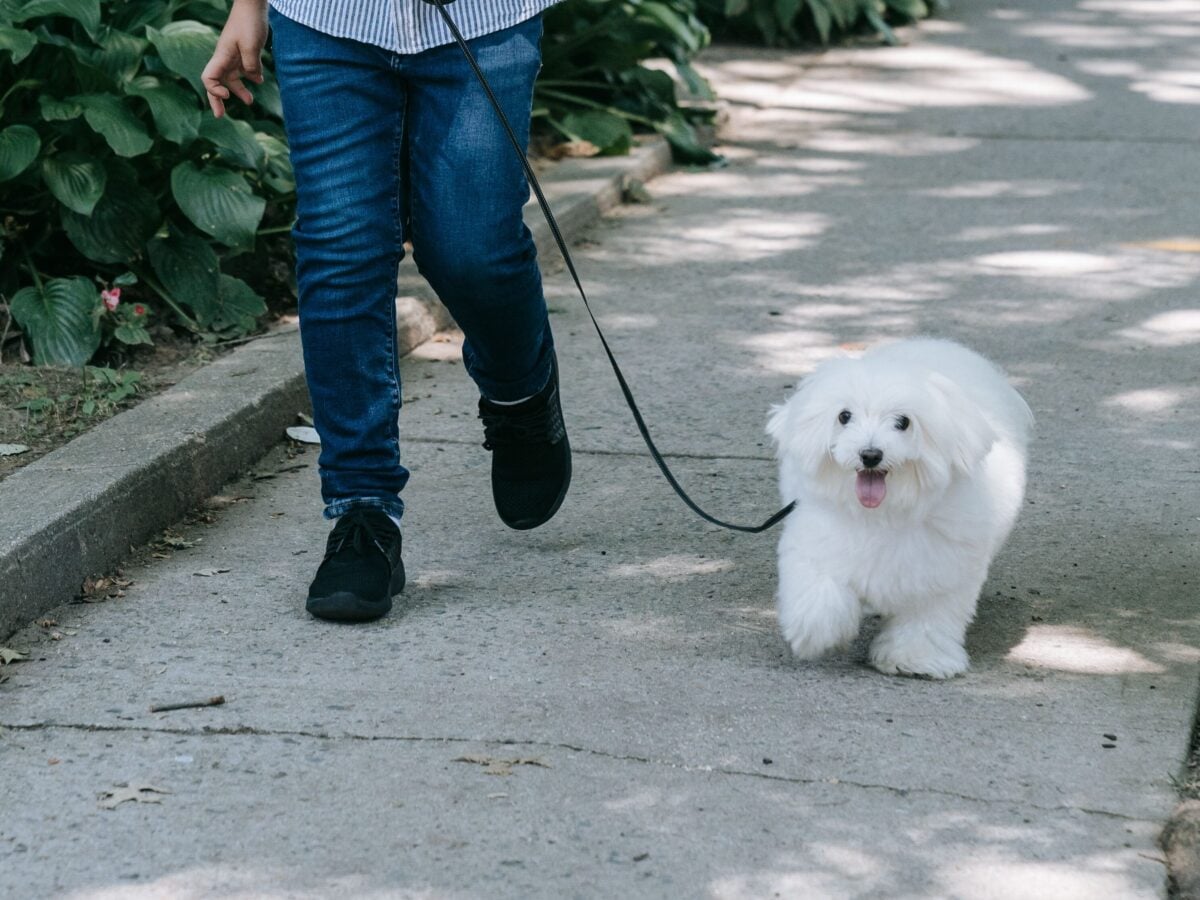
For seniors, Cotons offer an appealing mix of longevity, manageable size, and moderate activity needs. They’re sturdy for their small stature and enjoy walks and games without requiring hours of strenuous exercise. Their biggest day-to-day commitment is that beautiful coat, which needs regular brushing and grooming to prevent mats and tangles.
- Size: Small (8–15 pounds)
- Temperament: Bright, happy-go-lucky, charming
- Energy Level: Moderate
- Coat Type: Long, soft, cotton-like coat
- Life Expectancy: 15–19 years
- Best For: Apartment living, homes with children or other pets, and seniors who want a soft, low-shedding social butterfly
Health Note: Cotons have a relatively low incidence of inherited disease, although hip dysplasia, patellar luxation, and certain eye disorders can occur.
Did You Know? Coton de Tulears are sometimes called “Velcro dogs” because they form exceptionally close bonds with their people. They’re happiest when they can be involved in everyday life rather than spending long stretches alone.
16. Tibetan Terrier
Despite the name, Tibetan Terriers aren’t true terriers at all. These shaggy dogs developed in Tibet as companions and watchdogs, forming close relationships with the people they lived alongside. They’re known for being intelligent, sensitive, and devoted, with enough independence to give them a personality all their own.
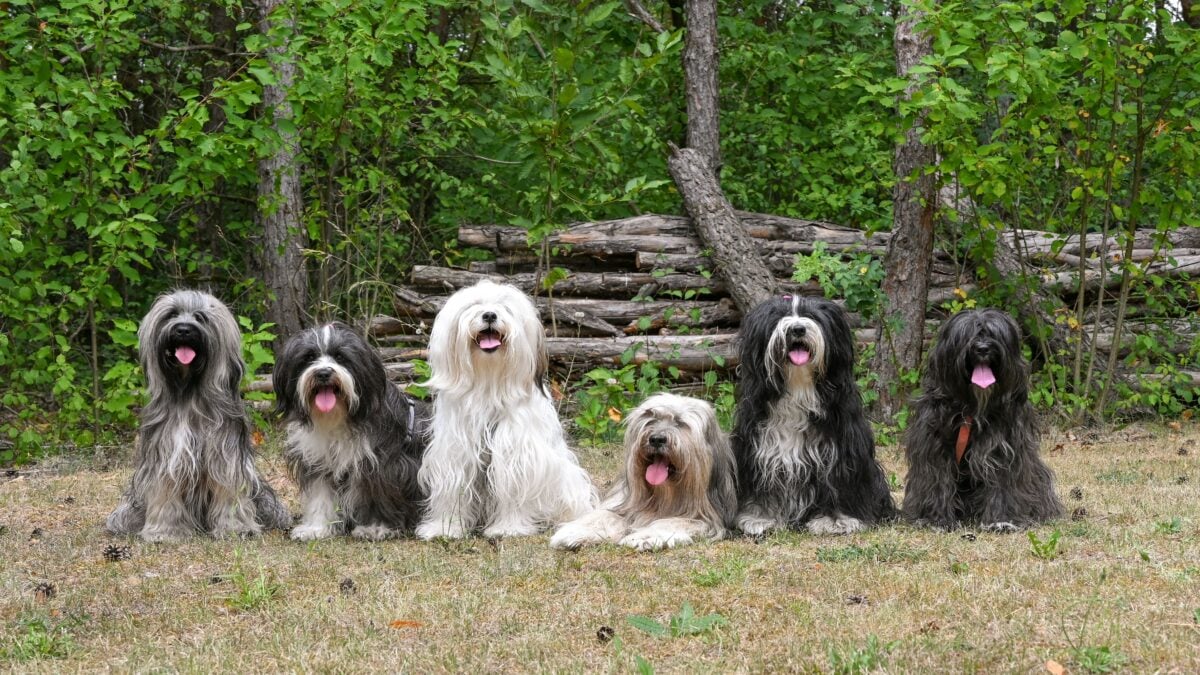
For seniors, Tibetan Terriers offer a nice middle ground between a tiny companion breed and a much larger dog. At 18 to 30 pounds, they’re relatively manageable while still feeling sturdy, and their moderate activity needs can suit someone who enjoys regular walks and play. Their impressive longevity is another advantage, although that beautiful double coat requires a meaningful grooming commitment.
- Size: Small to medium (18–30 pounds)
- Temperament: Affectionate, loyal, sensitive
- Energy Level: Moderate
- Coat Type: Long, dense double coat that requires regular grooming
- Life Expectancy: 15–16 years
- Best For: Seniors who want a devoted, moderately active companion and don’t mind regular coat care
Health Note: Tibetan Terriers can inherit several eye disorders, including progressive retinal atrophy (PRA) and primary lens luxation (PLL). Responsible breeders also screen for neuronal ceroid lipofuscinosis (NCL) and orthopedic problems affecting the hips and patellas.
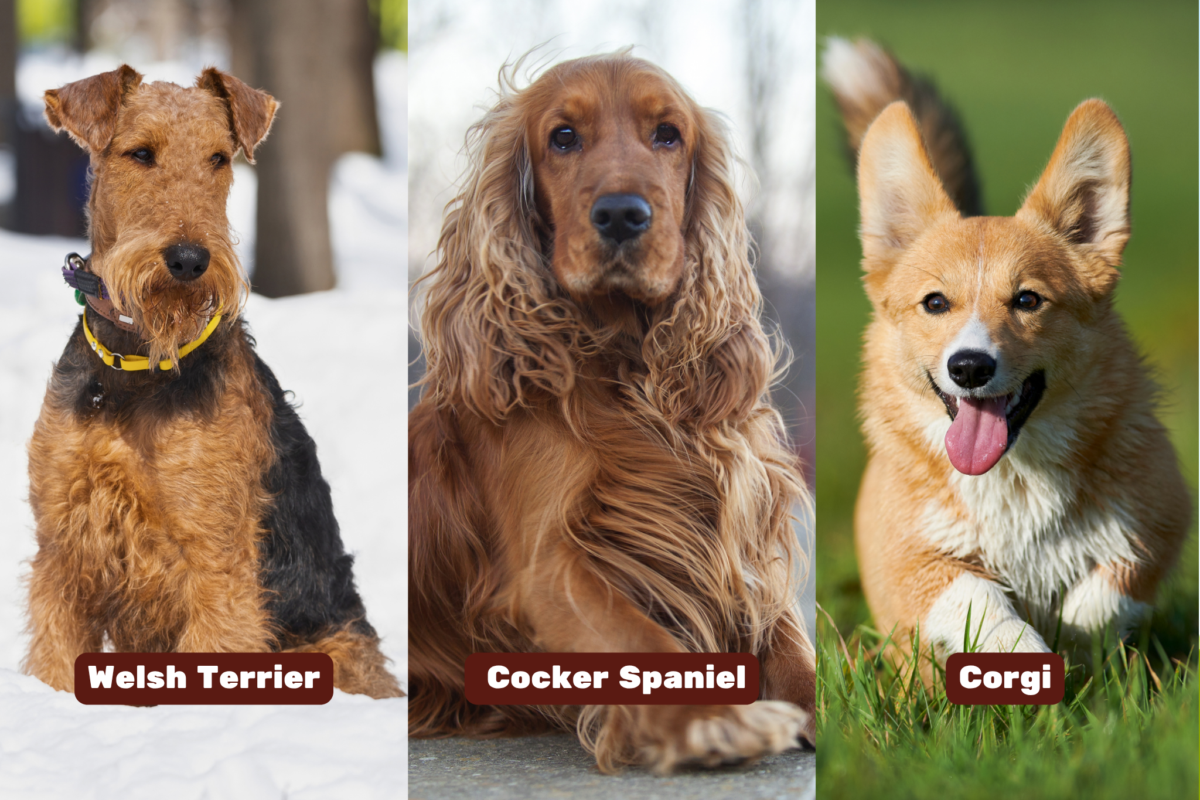
Have Grandkids Who Visit?
- Welsh Terrier — healthy and long-lived, with a sturdy build and playful personality that can make it a fun companion when grandkids visit
- Cocker Spaniels —affectionate, trainable family dogs that tend to do well with children, though they are prone to several breed-specific health and genetic conditions
- Corgis — sturdy, affectionate, and playful dogs that can enjoy spending time with children, though their long backs and short legs put them at risk for IVDD
Athletic Dogs For Active Seniors
Already enjoy long walks, hiking, outdoor adventures, or other activities that keep you moving? These breeds are for seniors who already lead an active lifestyle and want a dog capable of keeping up. They’re energetic, athletic, and happiest when they have regular opportunities to exercise both their bodies and minds.
These dogs require more activity than the breeds in our other groups, so they’re best suited to someone whose current routine already matches their needs. In return, you’ll get an enthusiastic partner who’s ready to join you for whatever the day has in store.
17. English Setter
English Setters combine the athleticism of a sporting dog with a particularly gentle, affectionate personality. Developed to locate game birds, these graceful dogs have the stamina to spend hours outdoors but tend to be sensitive and devoted at home. Once they’ve had enough activity, many are perfectly happy settling down with their people.
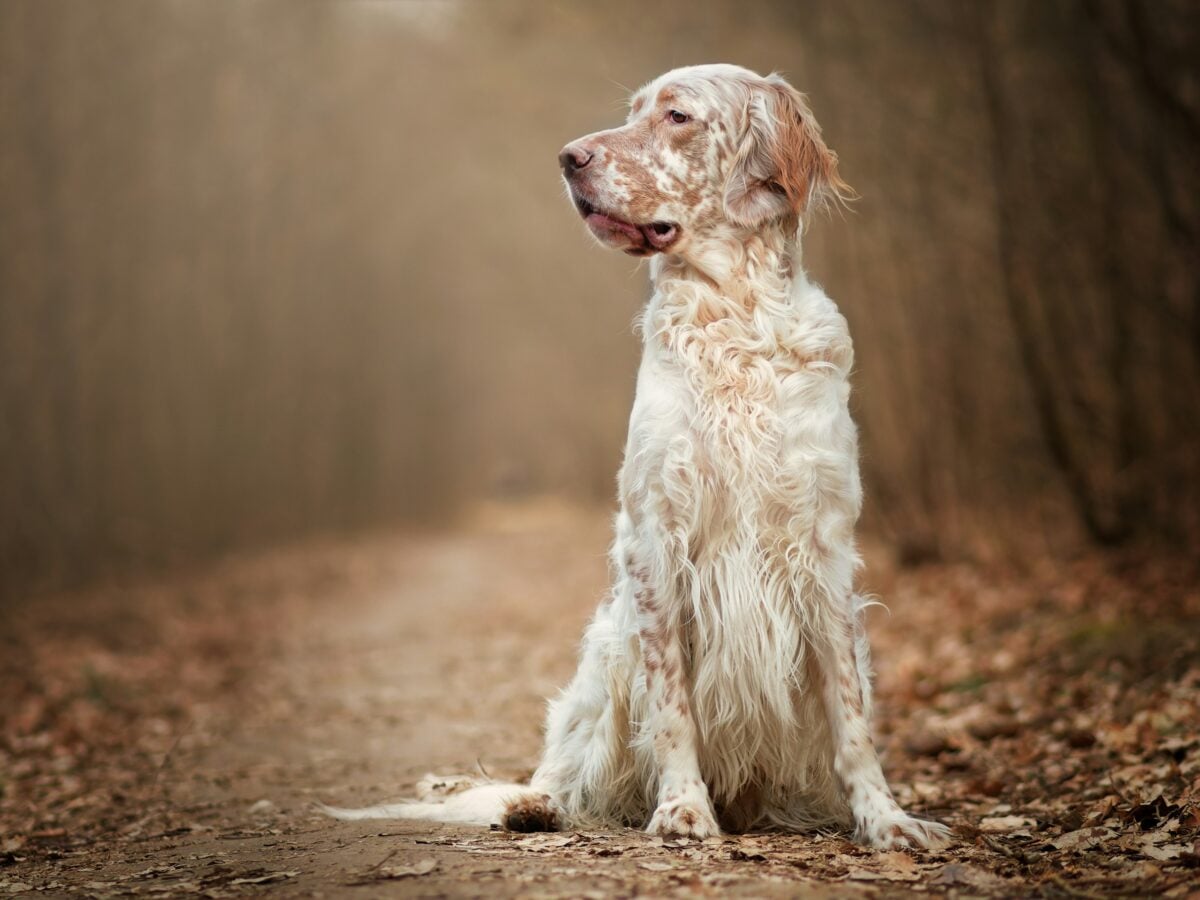
That combination can make the English Setter an appealing partner for active seniors who want a substantial dog without nonstop intensity. They need regular opportunities for long walks, hikes, or running in a secure area, but they’re typically calmer at home once those needs are met. Their affectionate nature and strong longevity for a dog of their size add to their appeal, although their feathered coat requires regular upkeep.
- Size: Medium to large (45–80 pounds)
- Temperament: Calm, friendly, good-natured
- Energy Level: Moderate
- Coat Type: Long, silky coat with feathering
- Life Expectancy: About 12 years
- Best For: Active seniors who want an affectionate sporting dog for long walks and outdoor adventures
Health Note: English Setters can develop hip and elbow dysplasia, thyroid problems, and congenital deafness. Responsible breeders may use BAER testing to screen hearing, along with recommended orthopedic and other health evaluations. Their deep chest also puts them at risk for bloat.
18. Lancashire Heeler
Don’t let those short legs fool you. The Lancashire Heeler is a pint-sized working dog with the confidence and enthusiasm of a much bigger breed. Developed in England to drive cattle and hunt vermin, these clever little dogs are alert, curious, and happiest when they have something interesting to do.
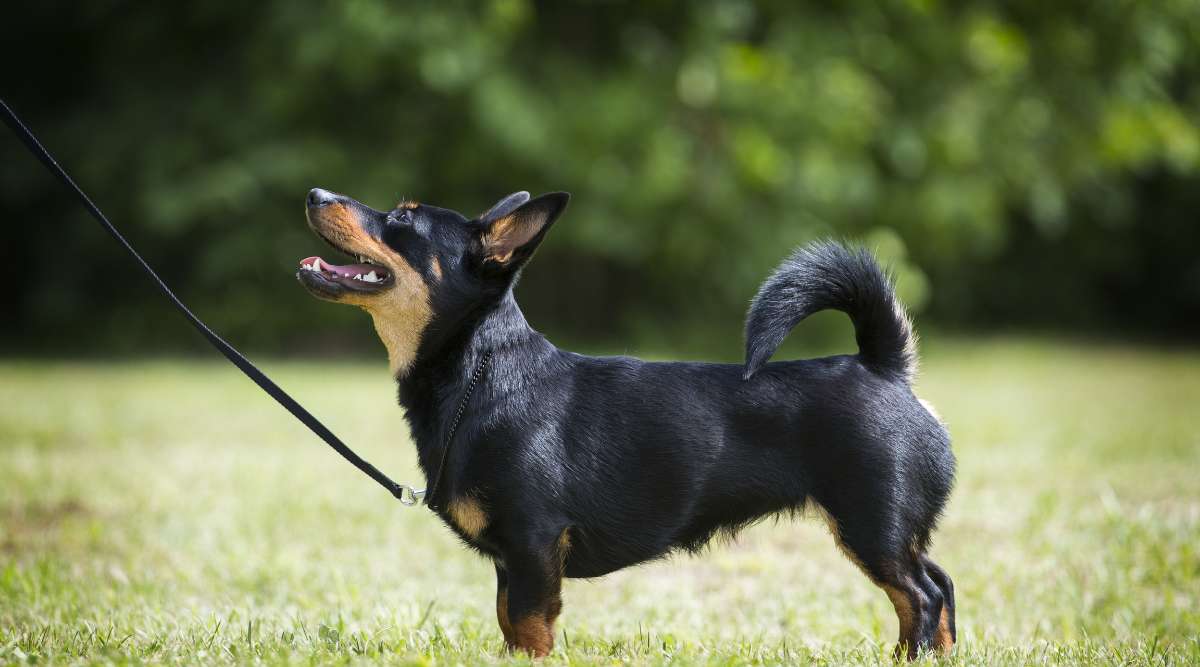
For active seniors, Lancashire Heelers offer an unusual combination of athleticism, impressive longevity, and a compact, manageable size. They enjoy brisk walks, games, training, and other activities that give their bodies and brains something to do. Their working-dog background means they need more engagement than a typical companion breed, making them a better match for someone who already enjoys an active daily routine.
- Size: Small (9–17 pounds)
- Temperament: Intelligent, alert, loyal
- Energy Level: Moderate to high
- Coat Type: Short, dense, weather-resistant coat
- Life Expectancy: 12–15 years
- Best For: Active seniors who want a small, athletic dog for walks, training, and other interactive activities
Health Note: Lancashire Heelers can inherit primary lens luxation (PLL), an eye condition in which the lens shifts from its normal position. Responsible breeding and genetic testing have helped reduce the incidence of PLL within the breed.
Did You Know? In a massive 2024 study of more than half a million dogs across 155 breeds, the Lancashire Heeler came out on top for longevity, with a median lifespan of 15.4 years. See why it also earned a spot among our healthiest dog breeds.
19. Bearded Collie
Bearded Collies were developed to herd livestock across the rugged terrain and unpredictable weather of Scotland. That demanding job called for an athletic, hardworking dog with plenty of stamina. Today, Beardies are known for their cheerful personalities, intelligence, and enthusiasm, often retaining a playful streak well into adulthood.
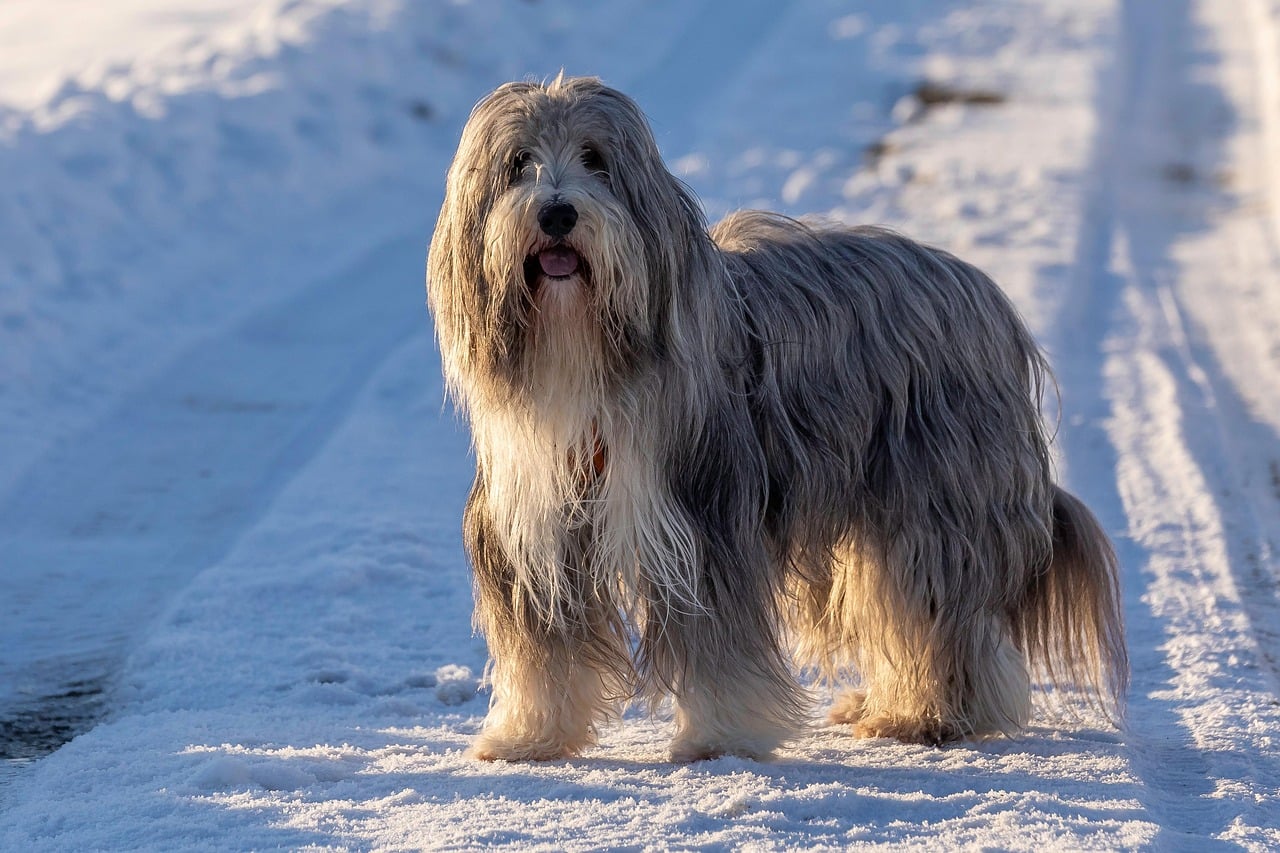
For active seniors who want a larger dog to share their adventures, Bearded Collies offer impressive longevity along with plenty of energy for walks and outdoor activities. They thrive with regular exercise and interaction, so they’re best suited to someone whose daily routine already includes plenty of activity. Their biggest practical consideration is that abundant coat, which requires a substantial grooming commitment.
- Size: Medium to large (45–55 pounds)
- Temperament: Charismatic, smart, energetic
- Energy Level: High
- Coat Type: Long, shaggy double coat
- Life Expectancy: 12–14 years
- Best For: Active seniors who want an energetic, affectionate partner for walks and outdoor activities
Health Note: Bearded Collies are generally hardy, but inherited health problems can still occur. Hip dysplasia, eye disorders, and autoimmune conditions are among the concerns prospective owners should discuss with a breeder.
20. Lakeland Terrier
Lakeland Terriers were developed to chase foxes across the rugged terrain of England’s Lake District, and that working history produced a small dog with impressive stamina. Bold, curious, and confident, they’re energetic dogs that enjoy exploring and tend to approach life with plenty of classic terrier determination.
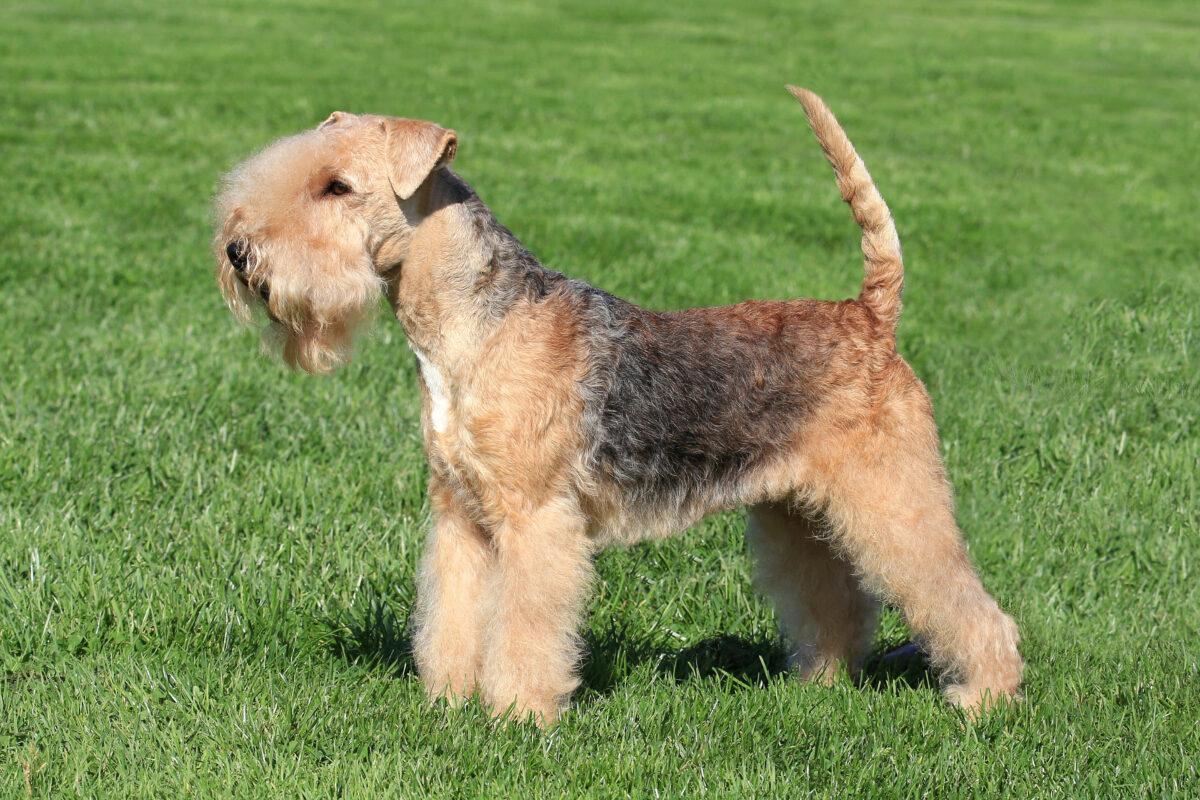
For active seniors, Lakelands offer the athleticism of a working terrier in a compact, manageable package. They’re well suited to regular walks, outdoor adventures, games, and other activities that keep them physically and mentally engaged. Their hardiness and strong longevity add to their appeal, but their energy and independent streak make them a better fit for someone who enjoys an active, involved relationship with their dog.
- Size: Small (15–17 pounds)
- Temperament: Bold, energetic, curious
- Energy Level: Moderate
- Coat Type: Wiry, weather-resistant coat
- Life Expectancy: 12–15 years
- Best For: Active seniors who want a small, athletic dog for walks, outdoor activities, and play
Health Note: Lakeland Terriers have relatively few breed-specific health problems reported and are generally considered a hardy breed. Routine preventive care, including dental care and regular ear checks, remains important throughout their lives.
Compare All 20 Healthy Dog Breeds At A Glance
| Breed | Size | Lifespan | Energy | Grooming |
|---|---|---|---|---|
| Tibetan Spaniel | Small | 12–15 years | Moderate | Moderate |
| Whippet | Medium | 12–15 years | Moderate | Low |
| Bolognese | Small | 12–14 years | Low | Moderate |
| Italian Greyhound | Small | 14–15 years | Moderate | Low |
| Papillon | Small | 14–16 years | Moderate to high | Moderate |
| Border Terrier | Small | 12–15 years | Moderate | Low to moderate |
| Norwich Terrier | Small | 12–15 years | Moderate to high | Moderate |
| Cairn Terrier | Small | 13–15 years | Moderate | Moderate |
| Golden Retriever | Large | 10–12 years | Moderate | Moderate |
| Collie | Large | 12–14 years | Moderate | Moderate to high |
| Standard Poodle | Large | 12–15 years | Moderate to high | High |
| Labrador Retriever | Large | 11–13 years | High | Low to moderate |
| Havanese | Small | 14–16 years | Moderate | Moderate |
| Toy/Miniature Poodle | Small | 12–18 years | Moderate | High |
| Coton de Tulear | Small | 14–16 years | Moderate | Moderate to high |
| Tibetan Terrier | Small to medium | 15–16 years | Moderate | Moderate |
| English Setter | Large | 11–15 years | Moderate | Moderate |
| Lancashire Heeler | Small | 12–15 years | Moderate to high | Low |
| Bearded Collie | Medium to large | 12–14 years | Moderate to high | High |
| Lakeland Terrier | Small | 12–15 years | Moderate | Low to moderate |
Before You Choose: Will This Dog Still Fit Your Life In 5 Years?
It’s easy to choose a dog based on the life you have today. But a dog you bring home now could still be by your side in five, 10, or even 15 years. Thinking ahead can help you choose a companion whose needs remain manageable if your health, mobility, housing, or daily routine changes.
Before falling in love with a breed, ask yourself:
- Could I safely handle this dog if my strength or balance changes? A 70-pound dog that’s easy to walk today could become much harder to manage later.
- Who could exercise my dog if I couldn’t? Consider whether a family member, neighbor, dog walker, or other backup could step in temporarily.
- Could I get my dog into a car or to the vet? This is especially important with large breeds that can’t be lifted easily.
- Can I keep up with grooming? A high-maintenance coat may mean budgeting for professional grooming if doing it yourself becomes difficult.
- Am I prepared for ongoing veterinary costs? Even healthy breeds need preventative care, dental work, medications, and treatment for illnesses or injuries as they age.
- What happens if my living situation changes? Downsizing, moving closer to family, or transitioning to senior living can affect which dog sizes and types are practical.
You don’t need to predict exactly what your life will look like years from now. The goal is to choose a dog with needs you’re confident you can keep meeting, even if life changes a little along the way.
Puppy Or Adult Dog? Why Age Matters More Than You Might Think
Breed matters, but the age of the dog you bring home can make just as much difference to your daily life. Puppies are adorable, but they also come with house training, chewing, nighttime wake-ups, frequent potty breaks, socialization, and months of training.
That’s especially true with larger breeds. A calm, trained 5-year-old Labrador can be a completely different experience from a 10-week-old Lab that will soon become a powerful adolescent. Even breeds known for being gentle and easy to train can be rambunctious when they’re young.
An adult dog can offer some practical advantages:
- Their full size is already known.
- Their personality and energy level are easier to evaluate.
- Many are already house-trained.
- You may be able to see how they behave on a leash, around visitors, and in the home.
- A foster-based rescue may be able to tell you how the dog actually behaves in everyday life.
That doesn’t mean seniors shouldn’t get puppies. If you want the puppy experience and are prepared for the work, a puppy can be a wonderful choice. But don’t overlook an adult or even senior dog simply because you assumed starting with a puppy would be easier.
Reality Check: Popular Dogs That Aren’t Always The Easiest Choice
Some of America’s most beloved dogs can make wonderful companions as you get older, but popularity doesn’t necessarily mean easy to manage. A breed’s size, strength, youthful energy, grooming requirements, or health concerns can make day-to-day care more demanding than expected.
Sometimes the best match isn’t the breed you originally pictured. It’s the dog whose everyday needs fit comfortably into the life you actually want to live.
Frequently Asked Questions
Still narrowing down your options? These common questions can help you weigh health, size, care needs, and age before choosing the right dog for your lifestyle.
Don’t see your question? Respond in the comments, and we’ll get back to you.
What Is The Healthiest Dog Breed For Seniors?
There isn’t one healthiest breed for every senior, but Tibetan Spaniels are one of the strongest all-around options on our list. They combine exceptional longevity with a small, manageable size, moderate exercise needs, and an affectionate but relatively independent personality.
The best choice for you may be different. An active senior might prefer a Papillon or Border Terrier, while someone looking for a quieter companion may be happier with a Whippet or Bolognese.
What Are The Healthiest Small Dogs For Seniors?
Tibetan Spaniels, Bolognese, Papillons, Havanese, Coton de Tulears, and Poodles are among the healthy small breeds worth considering. Many combine long expected lifespans with a size that’s easier to walk, transport, and handle.
Don’t assume every small dog is automatically easy to care for, though. Energy level, grooming needs, barking, and temperament can vary considerably between small breeds.
What Are The Healthiest Low-Maintenance Dogs For Seniors?
Whippets and Italian Greyhounds stand out for relatively simple coat care, while Tibetan Spaniels offer a nice balance of manageable exercise and grooming needs. Border Terriers are another option for more active owners who don’t mind maintaining a wiry coat.
“Low-maintenance” is relative. Even an easy-care breed still needs daily exercise, training, preventative veterinary care, dental care, and plenty of companionship.
What Are The Healthiest Large Dogs For Seniors?
Collies, Standard Poodles, Golden Retrievers, and Labrador Retrievers are the larger breeds featured on our list. They have relatively favorable longevity compared with many dogs of similar size, but each comes with different exercise, grooming, and health considerations.
Size is especially important as you get older. Before choosing a large dog, consider whether you could safely walk, transport, and physically assist them if either of you develops mobility problems.
Is A Puppy Or Adult Dog Better For Seniors?
For many seniors, an adult dog can be easier because its size, temperament, and energy level are already more apparent. An adult may also be house-trained and past the chewing, frequent potty breaks, and rambunctious adolescent stage.
A puppy can still be a great choice if you want the experience and are prepared for the extra work. Age matters alongside breed, so consider the individual dog rather than assuming a puppy is automatically the better starting point.
Are Mixed-Breed Dogs Healthier Than Purebred Dogs?
Not necessarily. Mixed ancestry can reduce the likelihood of some inherited disorders, but mixed-breed dogs can still inherit genetic health problems from their parent breeds.
The longevity research used in this article also doesn’t support a simple “mixed breeds live longer” conclusion. Several purebred breeds had significantly lower mortality hazards than the crossbreed reference group, while others had substantially higher hazards.
Still Searching For Your Perfect Companion?
Finding the right dog means balancing health with personality, activity level, and the kind of relationship you want. Keep exploring with these guides:
- Looking for a devoted sidekick? Meet the most affectionate dogs for seniors
- Compare even more breeds in our complete guide to the best dogs for seniors
- If health and longevity are your top priorities, explore our guide to the healthiest dog breeds