
When you purchase through links on our site, we may earn a commission at no extra cost to you. Learn more.
Dog vomit is unpleasant, but its color can offer important clues about what’s going on. Yellow or green vomit may come from bile or grass, while red, black, or coffee-ground vomit can signal bleeding or another serious emergency. Before you clean it up, check the color, texture, and whether your dog is acting normally.
Table of Contents
Use this dog vomit color chart to see what your dog’s vomit may mean and when it’s time to call your vet.
Dog Vomit Color Chart: What Your Dog’s Vomit Really Means
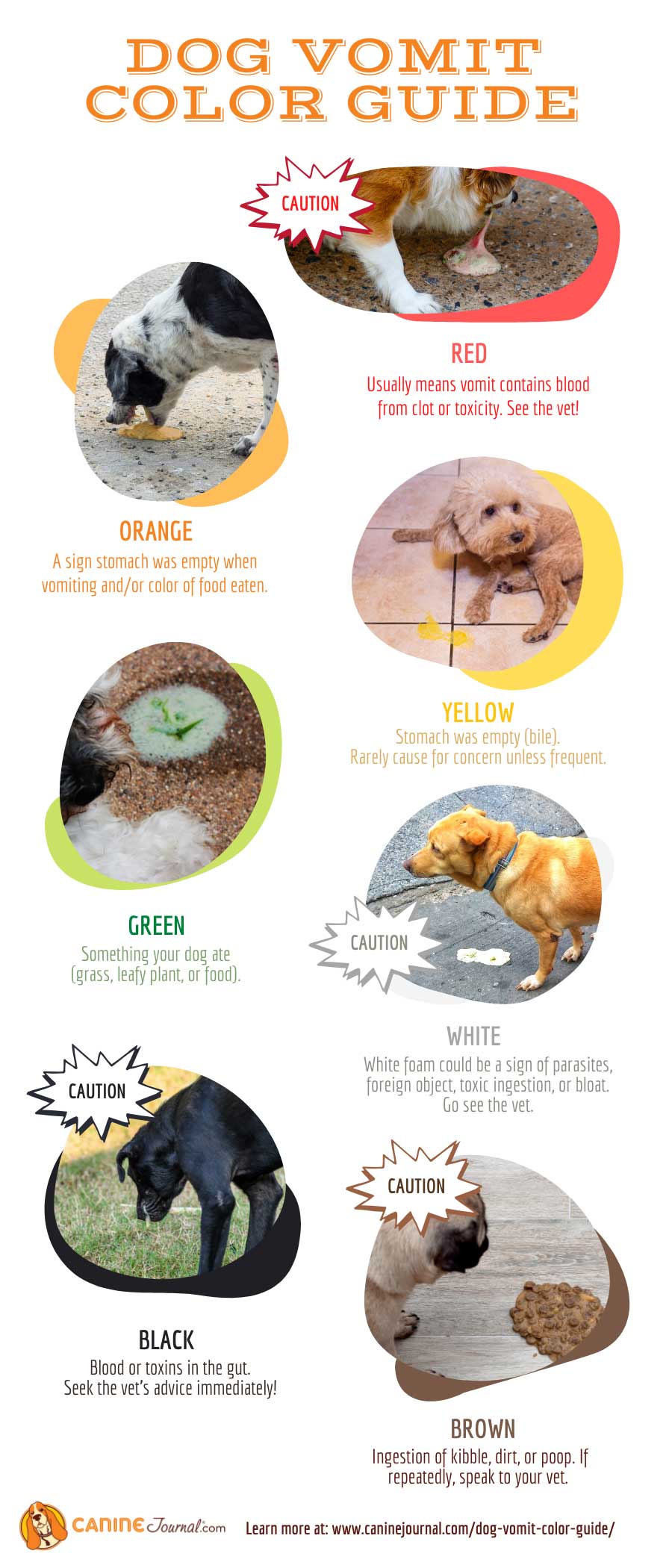
Here’s the quick chart every dog parent needs. Save it, screenshot it, whatever keeps it handy, because when your pup gets sick, time matters.
| Color | What It Usually Means | When to Worry |
|---|---|---|
| 🟡 Yellow Vomit | Bile from an empty stomach — common in the morning or after skipping meals (bilious vomiting syndrome in dogs) | If it happens daily or with loss of appetite, see your vet. |
| 🟢 Green Vomit | Often from grass-eating or extra bile. A single episode is normal. | Repeated green vomit can signal reflux or diet issues. |
| ⚪ White Vomit / Foam | Saliva + stomach acid; sometimes mild acid reflux or kennel cough. White vomit can also mean parasites, foreign objects, toxic ingestion, or bloat. | If it keeps happening or your dog seems weak, get a vet check. |
| 🟠 Orange Vomit | Bile mixed with partially digested food can appear orange due to stomach acid or certain foods. | If frequent or streaked with red, see your vet. |
| 🟤 Brown Vomit | Could be food — or poop (coprophagia). Smells like coffee grounds? That’s digested blood. | Vet ASAP if dark or gritty. |
| 🔴 Red Vomit | Fresh blood → irritation, ulcers, or toxin ingestion. | Emergency: call your vet immediately. |
| ⚫ Black Vomit | Digested blood from the stomach or intestines. | True emergency — go to an ER clinic now. |
Quick Takeaway: Red or Black vomit = emergency. Everything else? Watch, note the color, and read the next sections for context.
What To Do Before You Clean It Up
Before you grab the paper towels, take a quick look at your dog’s vomit. Gross as it sounds, these details can help your vet understand what may be going on.
- Take a photo in case your vet needs to see the color or texture.
- Note the color and consistency, such as yellow foam, white foam, brown liquid, or red streaks.
- Look for unusual material, including grass, toy pieces, fabric, bones, food wrappers, or blood.
- Watch for repeat vomiting, especially if your dog vomits more than once in a few hours.
- Call your vet right away if the vomit is red, black, coffee-ground-like, repeated, or paired with lethargy, bloating, collapse, or refusal to eat.
Vomiting vs. Regurgitation: Why It Matters
Before you can decode what the colors mean, you need to know what kind of mess you’re looking at.
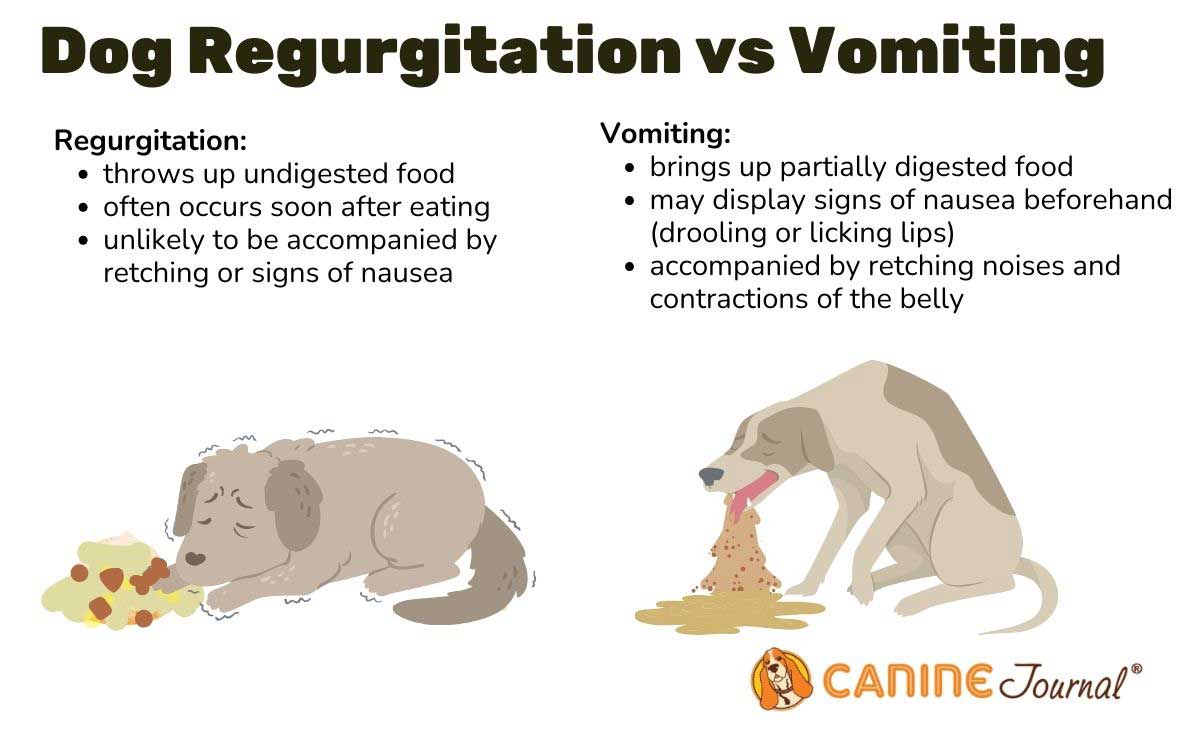
“Vomit” and “regurgitation” sound the same, but they’re two totally different body moves, and knowing which one your dog’s doing can save you guessing (and a vet bill).
What Is Vomiting?
- Comes from the stomach.
- Usually noisy — you’ll hear heaving, see belly contractions, and smell bile.
- What you’ll notice: partially digested food, yellow or green liquid, maybe drooling or foam.
- Common causes: diet change, eating something gross, toxins, or stomach bugs.
So, what color should dog vomit be? Well, the color of dog vomit will be similar to what they’ve eaten, but will appear digested (think along the lines of adding water to their meal and putting it in a food processor).
There are many possible colors for vomit, from a dog throwing up yellow foam to a green or white appearance. Of course, how well-digested the food appears depends on how long ago they ate.
What Is Regurgitation?
- Comes from the esophagus, not the stomach.
- Happens quietly, often soon after eating — no retching, no drama.
- What you’ll notice: whole pieces of kibble or food shaped like a tube of mush.
- Possible causes: eating too fast, swallowing issues, or certain esophageal disorders.
In contrast, regurgitation occurs when a dog throws up undigested food. Regurgitated food will look very similar in texture and color to what your dog has just eaten, or may take on the form of the stomach or esophagus and appear like a compacted cylinder of food.
Yellow, Green & Orange Dog Vomit: Often Less Concerning Colors
Not every puddle of puke means panic. Some colors are gross but harmless, especially when they happen just once. Here’s how to read the less-scary shades.
1. Yellow Dog Vomit
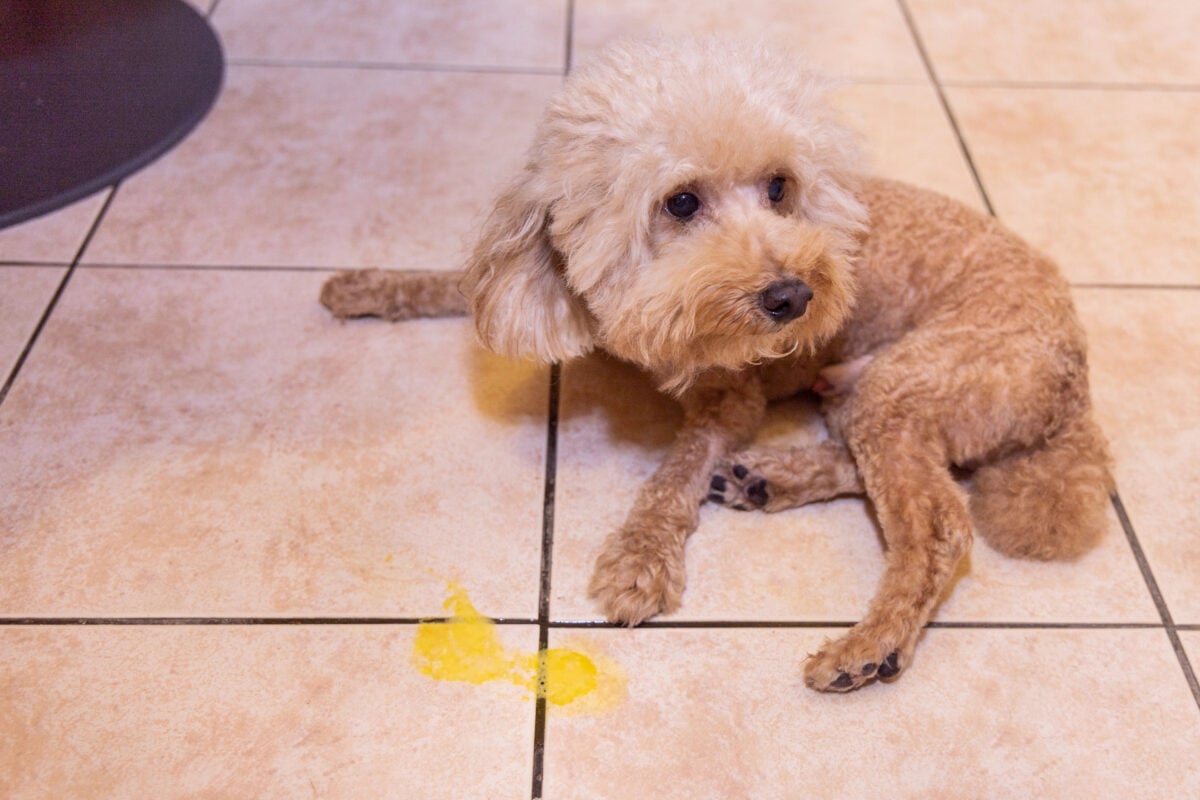
This one’s the classic dog throwing up yellow bile moment. It usually happens on an empty stomach, either first thing in the morning or after your dog skips a meal.
That foamy yellow tint comes from bile, the fluid that digests fat. Too much bile sitting in the stomach irritates the lining, leading to what vets call bilious vomiting syndrome.
Here’s what Dr. Baldwin has to say on yellow dog vomit:
Rest assured that this is a ‘normal’ vomit color. Yellow dog vomit normally contains bile, a substance produced by the liver and stored in the gallbladder. A dog throwing up yellow bile typically occurs when their stomach is empty.
Larger amounts of bile in vomit may have a yellow-green appearance. Yellow dog vomit is rarely a cause for concern unless it frequently occurs, although you should consider your dog’s overall health and other symptoms.
A dog frequently throwing up yellow bile is a condition referred to as bilious vomiting syndrome (BVS). This is not a life-threatening condition, but you should speak with your vet. Often, treatment involves giving pups smaller, more frequent meals or a late-night snack.
– Dr. Katherine Baldwin, Veterinarian Contributor to Canine Journal
Quick Tip: Feed smaller, more frequent meals or a late-night snack to keep bile in check.
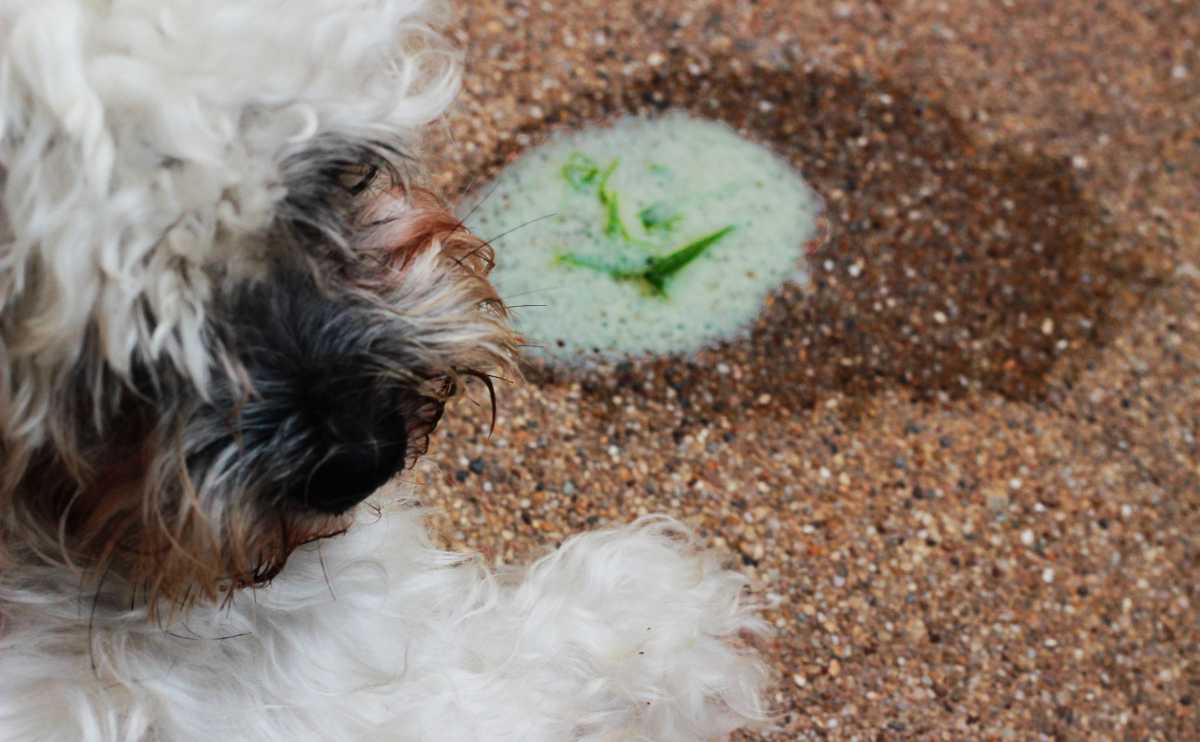
2. Green Dog Vomit
A green splash often means your dog just ate grass. Many pups nibble grass to trigger vomiting and settle their stomachs. It’s basically canine self-care.
If the vomit looks slimy green without bits of grass, it could be excess bile or reflux instead.
Dr. Baldwin states that:
When it comes to the dog vomit color scale, green isn’t usually a cause for concern. However, if your dog is vomiting excessively or for a prolonged period, then seek veterinary advice.
3. Orange Dog Vomit
This happens when bile mixes with partially digested food, giving an orange tint. A one-off orange vomit isn’t alarming; it’s usually just stomach acid doing its job.
Dr. Baldwin adds:
If your dog’s vomit is an orange color, it could be for a few reasons. While bile is usually a yellow liquid, it can be tinted orange. Orange vomit may be a sign that your dog’s stomach was empty when they were vomiting.
Vomit can also take on the color of food or food coloring that a dog eats. Look at your dog’s food and what they’ve recently eaten to determine if your dog’s vomit is an orange color because of food dye.
See your vet if it keeps happening or if you notice red streaks (possible blood).
Quick Takeaway Box
🟡 Yellow = bile / empty stomach
🟢 Green = grass or reflux
🟠 Orange = bile + food
Occasional is normal. Frequent means it’s time to check with your vet.
White, Brown, Red & Black Dog Vomit: More Concerning Colors
These shades deserve extra attention. Brown and white can be normal or, in certain cases, point to something more serious than a stomach upset. Especially if the color is dark, persistent, or has a foul smell. Red and black? Immediate vet territory. Let’s take a look:
1. White or Pale Vomit
White or pale vomit may include partially digested food, especially if your dog hasn’t eaten for several hours. But white foam—saliva and stomach liquid only—can signal more serious issues, such as:
- Gastrointestinal infection or parasite
- Foreign object ingestion
- Pancreatitis
- Exposure to a toxin or chemical
Dr. Baldwin warns:
If your dog is trying to vomit but cannot, or they’re repeatedly bringing up small amounts of white foam, this could indicate bloat or more severe gut problems. This could be an emergency, and you should call the nearest open veterinary clinic immediately.
2. Brown Dog Vomit
Brown vomit can be harmless or serious, and it is a common color for dog vomit. If your dog just ate kibble or treats, the color may simply match their food.
As much as we love our furry friends, we must admit some have less than choosy dining habits. Brown vomit might mean your dog has scavenged something unsavory or eaten poo. Eating poo has a name – coprophagia. The clue might be in the smell of the vomit.
Dr. Baldwin explains when brown dog vomit needs more attention:
Dark brown vomit is more concerning. Digested blood may appear dark brown or have the appearance of coffee granules mixed in with the vomit. This could indicate bleeding within your dog’s intestines. If your dog is throwing up brown stuff repeatedly, you should contact your veterinarian.
3. Red Dog Vomit
Red vomit signals fresh blood. A few streaks after heavy retching can come from burst vessels, but any steady or large amount of red indicates a serious problem, such as an ulcer, toxin ingestion, or internal injury.
Dr. Baldwin states:
Red vomit is of concern as it usually means the vomit contains blood. This could be due to bleeding within your dog’s intestines, toxin ingestion, or a problem with your dog’s blood clotting.
If your dog has been vomiting excessively for a short period, the vomit may be streaked with red blood. This could be because small blood vessels in the stomach or esophagus have burst due to the force of vomiting.
Red vomit should be seen as severe on the dog vomit color chart. Contact your veterinarian for urgent advice.
4. Black Dog Vomit
Black or very dark brown vomit can mean digested blood from deeper inside the stomach or intestines.
It often looks like coffee grounds or tar.
Dr. Baldwin advises:
Black vomit can be due to your dog ingesting something of a similar color (such as farm animal poo or mud/dirt). However, black vomit can also indicate digested blood caused by eating toxins or bleeding within the gut. Black vomit shouldn’t be considered normal, and urgent veterinary advice should be sought.
If you’re unsure whether it’s dark food or blood, take a photo and contact your vet or the nearest emergency clinic.
Quick Takeaway Box
⚪ White = possible infection, blockage, or bloat; treat as emergency if repeated
🟤 Brown = food or feces; dark/coffee-ground look = digested blood
🔴 Red = fresh blood; urgent vet visit
⚫ Black = digested blood; internal bleeding
When any vomit looks dark, bloody, or foamy-white, contact a vet immediately. Black and red vomit should always be considered an emergency. Seek in-person veterinary care as soon as possible for your pup if you see black or red vomit.
Dog Vomit Texture: Chunky, Liquid, Or Foamy?
Sometimes it’s not just the color that matters; the consistency of your dog’s vomit can reveal what’s going on inside their stomach.
No one wants to hang around for long examining their dog’s vomit, but before cleaning up after your canine friend, it’s worth looking at what they’ve vomited.
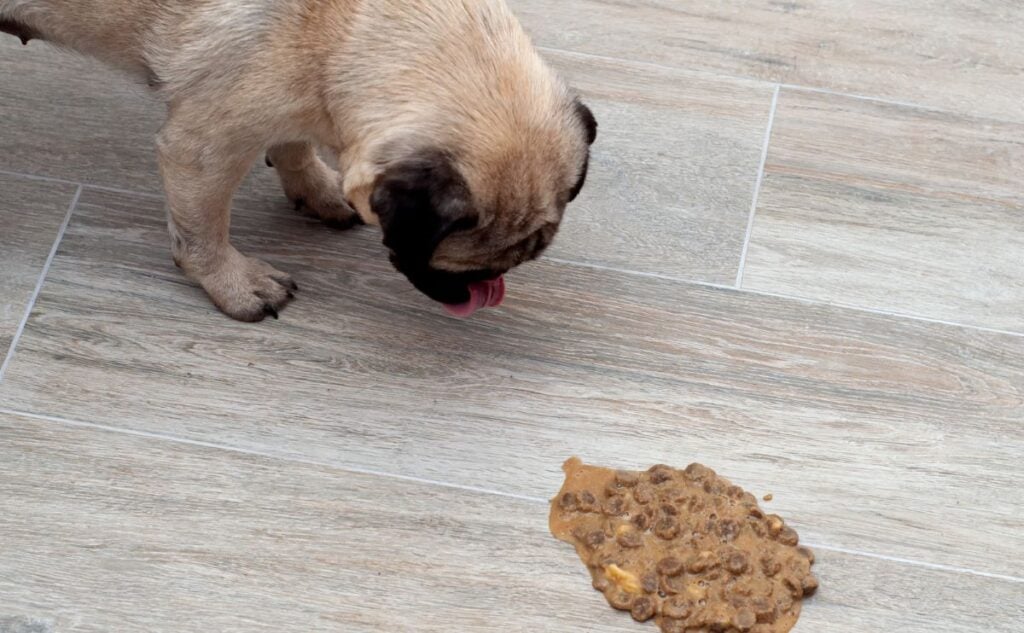
Here’s what different types of dog vomit tell you about timing and possible causes.
Chunky Vomit
If you can still see chunks of food, your dog probably vomited soon after eating. The food hasn’t had time to digest, so the stomach is reacting to something it didn’t like.
This can happen after eating too quickly, swallowing air, or reacting to a new treat or diet change.
When to worry: if chunky vomit happens often or includes unusual items like fabric, toy parts, or grass clumps — your dog might have ingested something foreign that could cause an intestinal blockage.
Liquid Vomit
Watery vomit or clear liquid often happens when your dog’s stomach is already empty. It can also show up when your dog drinks too much water at once or can’t keep fluids down.
Clear or yellow liquid may be bile or stomach acid.
Watch for: repeated liquid vomiting or signs of dehydration (sunken eyes, dry gums, lethargy). Those are reasons to call your vet.
Foamy Vomit
Foamy vomit looks like bubbly spit or light white froth — it’s saliva and stomach acid mixed together.
This can appear when a dog’s stomach is irritated but empty, such as in mild reflux or an early upset stomach.
However, frequent white foam vomiting can also point to pancreatitis, ingestion of something toxic, or bloat (when the stomach twists and traps gas).
Emergency rule: if your dog is retching or trying to vomit but nothing comes out, or only small amounts of foam appear, go to the nearest open veterinary clinic immediately.
Quick Takeaway Box
- Chunky = food not digested yet; could be mild irritation or blockage
- Liquid = empty stomach or dehydration risk
- Foamy = stomach acid reflux or possible bloat; emergency if persistent
The texture can tell as much as the color — note both before cleaning up.
Common Causes Behind Dog Vomit Colors
Dog vomit color can offer clues, but the cause often depends on your dog’s recent behavior, diet, and symptoms. Some of the most common reasons dogs throw up include:
- An empty stomach or bile, often linked to yellow vomit
- Grass eating, which may lead to green or grassy vomit
- Eating too fast, especially if food comes back up soon after meals
- Sudden diet changes, treats, or table scraps
- Foreign objects, such as toys, fabric, bones, or trash
- Toxins, including unsafe foods, chemicals, or plants
- Pancreatitis, especially with repeated vomiting, belly pain, or loss of appetite
- Bloat, especially if your dog is retching, drooling, restless, or has a swollen belly
Quick Severity Check: Monitor, Call Your Vet, Or Go Now
🟢 Monitor At Home
Your dog may be okay to monitor if they vomited once, are acting normal, have no blood in the vomit, and are still drinking small amounts of water.
🟡 Call Your Vet Soon
Call your vet if your dog vomits more than once, refuses food, has diarrhea, seems uncomfortable, or has a history of health problems.
🔴 Emergency Vet Now
Go to an emergency vet if your dog has red, black, or coffee-ground vomit, repeated vomiting, a swollen belly, unproductive retching, collapse, pale gums, severe lethargy, or possible toxin exposure.
When To Call The Vet: 5 Dog Vomiting Warning Signs
Most of the time, a single round of dog vomit isn’t a big deal. But there are moments when “wait and see” turns into “call your vet now.” Here are five clear warning signs every dog parent should know.

1. The Vomiting Doesn’t Stop
If your dog keeps throwing up more than twice in a day or can’t hold down water, that’s a red flag. Repeated vomiting can cause dehydration quickly and often means something deeper than a simple upset stomach.
2. There’s Blood or Coffee-Ground Material
Red or black specks in vomit point to blood somewhere in the digestive tract. Coffee-ground texture means the blood has been partially digested. Either way, it’s time for an urgent vet visit.
3. Your Dog Is Lethargic or Refuses Food
A dog that vomits once but then acts normal is usually fine. But a dog that’s weak, tired, or not eating may be fighting infection, inflammation, or something more serious like pancreatitis.
4. Their Belly Looks Bloated, or They’re Trying to Vomit But Can’t
Emergency warning: If your dog is retching or trying to vomit but little or nothing comes up, especially with a swollen belly, drooling, pacing, or distress, go to an emergency vet now. This can be a sign of bloat.
Bloat (gastric dilatation-volvulus) is a life-threatening emergency where the stomach twists and traps air. If you see this, a distended belly, pacing, whining, or retching without results, go to an emergency vet clinic immediately.
5. You Spot Foreign Objects or Toxins
If you find pieces of toys, fabric, rocks, or plastic in the vomit, or suspect your dog may have eaten medication, xylitol, chocolate, grapes, raisins, chemicals, rodent bait, toxic plants, or another unsafe item, call your vet, an emergency clinic, or pet poison control right away.
Dr. Baldwin has this to say about foreign bodies in dog vomit:
Foreign objects being thrown up, such as toys, rocks, or fabric material, is a way for your dog’s body to get rid of items that aren’t meant for digestion. Ingestion of foreign objects is nearly always of concern as it may mean your dog has eaten or chewed things that are dangerous to them.
There is a risk that they can’t vomit all of the foreign material they’ve ingested. If any gets stuck, it can cause an obstruction. This could result in a severe medical emergency.
Call Your Vet If:
• Vomiting happens repeatedly or lasts over 24 hours
• There’s blood or dark material in the vomit
• Your dog is weak, refusing food, or seems in pain
• The belly looks swollen or hard
• You see evidence of something toxic or indigestible
When in doubt, take a photo of the vomit and call your vet, as a description helps them triage faster.
What To Tell Your Vet
When you call your vet, be ready to share:
- What color was the vomit
- Whether it was foamy, chunky, watery, bloody, or coffee-ground-like
- How many times has your dog vomited
- When your dog last ate
- Whether your dog may have eaten grass, trash, toys, fabric, bones, medication, or toxins
- Whether your dog has diarrhea, lethargy, bloating, pale gums, weakness, or pain
A Veterinarian’s Take On Dog Vomit Colors
I also spoke with veterinarian Dr. Rebecca MacMillan, BVetMed, BSAVA, PGCertSAM, MRCVS, a companion animal veterinarian in Gloucester, United Kingdom, who offers more guidance on dog vomit color and when to be worried.
“The color of a dog’s vomit can sometimes be an indication of the severity of their condition. One of the main things to look out for is whether there is any blood present. In my experience, hemorrhagic (bloody) vomit can be pretty serious and requires immediate medical intervention.
Dr. MacMillan also addresses clear vomit, “Another vomit color to look out for is clear fluid, which may mean your dog is unable to hold water down. This could put them at risk of dehydration. I have seen this in dogs with severe nausea, but also foreign body obstructions, which are an emergency.
“If your dog is suffering from a mild stomach upset and is still bright, with no evidence of any blood, then bland food for a few days should help things resolve.
However, if your dog is lethargic, struggling to hold down fluids, or they are bringing up blood, you should always seek veterinary help sooner rather than later,” says Dr. MacMillan.
Can Pet Insurance Cover Vomiting-Related Vet Bills?
Vomiting can sometimes be a simple stomach upset, but it may also lead to unexpected veterinary costs. Depending on your dog’s symptoms, your vet may recommend bloodwork, X-rays, ultrasound, fluids, anti-nausea medication, emergency monitoring, or surgery if a blockage or bloat is suspected. Pet insurance may help cover eligible illness-related costs, depending on your policy and whether the condition is pre-existing.
Our pet insurance reviews can help you learn the basics and see the key features of popular providers, or you can use our free quote form below.

FAQs About Dog Vomit Colors And Warning Signs
Have more questions about dog vomit colors, textures, or warning signs? These are some of the most common questions dog parents ask, especially when they’re trying to decide whether to monitor at home or call the vet.
If you don’t see your question here, drop it in the comments below, and we’ll help find an answer.
What Color Dog Vomit Is An Emergency?
Red, black, or coffee-ground vomit is the most concerning because it can point to fresh or digested blood. Very dark brown vomit may also be serious, especially if it smells foul or your dog seems weak, bloated, or lethargic.
White foam can also be urgent if your dog is repeatedly vomiting, retching without bringing anything up, drooling, pacing, or has a swollen belly.
Call your vet or an emergency clinic right away if the vomit contains blood, looks black or coffee-ground-like, happens repeatedly, or comes with weakness, collapse, bloating, or possible toxin exposure.
Is Yellow Foam Normal In Dogs?
Yellow foam is often bile, which can happen when a dog’s stomach is empty, such as early in the morning or after skipping a meal. A single episode may not be serious if your dog acts normally afterward.
However, frequent yellow vomiting, loss of appetite, diarrhea, belly pain, or lethargy can point to reflux, digestive irritation, pancreatitis, or another health issue. Call your vet if it keeps happening.
What Does Coffee-Ground Vomit Mean In Dogs?
Coffee-ground vomit can mean that digested blood is present. It may look dark brown, black, or gritty, similar to coffee grounds.
This can be a sign of internal bleeding, ulcers, poisoning, obstruction, or another serious condition. Treat coffee-ground vomit as urgent and call your vet or an emergency clinic.
What Does It Mean If My Dog Throws Up White Foam?
White foamy vomit is usually saliva mixed with stomach acid. It can happen with mild stomach irritation, acid buildup, or an empty stomach.
However, repeated white foam vomiting can also be linked to pancreatitis, toxin ingestion, kennel cough-related gagging, or bloat. If your dog is trying to vomit but little or nothing comes up, has a swollen belly, seems restless, or is drooling heavily, go to an emergency vet right away.
Should I Feed My Dog After Vomiting?
If your dog vomits once but is acting normal, your vet may recommend waiting a short period before offering a small amount of bland food. However, this depends on your dog’s age, size, health history, and symptoms.
Do not withhold food or try home treatment without veterinary guidance if your dog is a puppy, senior, diabetic, very small, repeatedly vomiting, or acting sick. Call your vet if you’re unsure.
When Is Vomiting A Sign Of Bloat?
Vomiting can be a sign of bloat if your dog is retching or trying to vomit, but little or nothing comes out. Other warning signs include a swollen or hard belly, pacing, drooling, panting, restlessness, weakness, or collapse.
Bloat is a life-threatening emergency. If you suspect it, go to an emergency vet immediately.
How Do I Know If My Dog Is Vomiting Or Regurgitating?
Vomiting is active. You’ll usually see heaving, retching, drooling, or abdominal effort before partially digested food or liquid comes up.
Regurgitation is passive. Food or liquid may come out suddenly with little effort, often looking undigested or tube-shaped.
Vomiting usually points to stomach or intestinal issues, while regurgitation involves the esophagus. Your vet can help determine which one is happening.
Keeping Your Pup Healthy
A lot of effort goes into keeping your pup healthy. Regular exercise, mental interaction, and plenty of love are all part of what they need. Along with that, dogs need a healthy diet suitable for their particular life stage. A healthy diet is the cornerstone of good canine health.
Regular veterinary care is also a pivotal part of the equation. You can discuss concerns like recurrent vomiting and proper diet with your veterinarian, as well as take steps for preventive care and possibly treat issues before they become serious.
Have you ever dealt with a mysterious puddle of dog vomit? What color was it, and what did your vet say? Share your experience in the comments, as your story could help another dog parent recognize a serious symptom faster (and feel a little less grossed out in the process).