When you purchase through links on our site, we may earn a commission at no extra cost to you. Learn more.
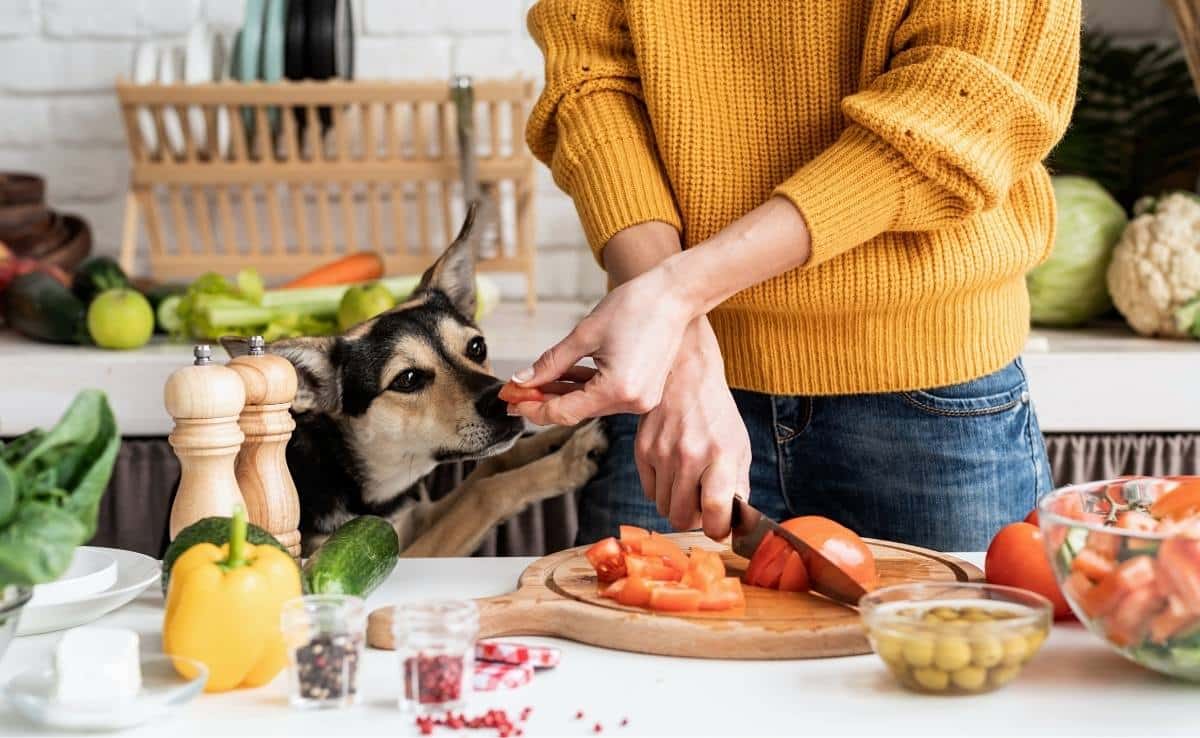
You’re staring at an empty dog food bag, your dog is staring at you, and dinner time is already here. Before you toss random leftovers into the bowl, pause: some everyday foods are safe for a one-night emergency meal, while others can make your dog seriously sick.
Table of Contents
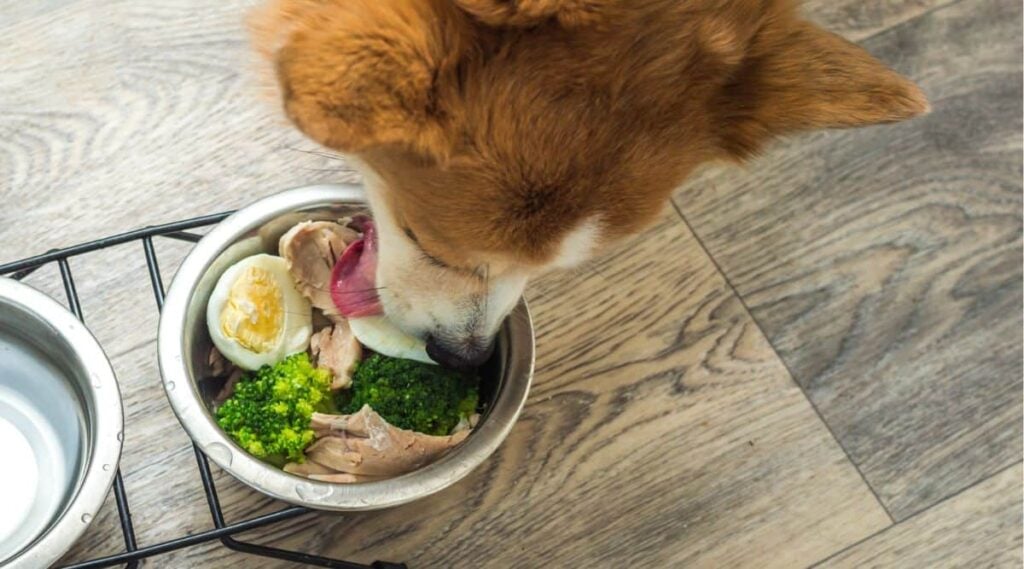
The good news? If your dog is a healthy adult, you probably have a few safe options in your kitchen right now: plain cooked chicken, rice, eggs, oatmeal, potatoes, carrots, or green beans can work in a pinch. The key is to keep the meal bland, low-fat, and free of salt, spices, and other human foods that may not be safe for dogs.
This article includes emergency feeding guidance from Dr. Korinn Saker, DVM, PhD, DACVN, a board-certified veterinary nutritionist and published researcher whose work has appeared in peer-reviewed veterinary nutrition literature.
Here’s what’s safe, what to avoid, how long emergency meals are okay, and when you should call your vet before opening the fridge.
Want our human-written content to rank above AI-generated garbage? Help us out by clicking this button!
What Can I Feed My Dog If I Ran Out Of Dog Food?
Ran out of dog food? For a healthy adult dog, a simple homemade meal can work for a short-term emergency. The safest option is usually a bland mix of plain cooked protein, plain cooked carbohydrates, and a small amount of dog-safe vegetables.
A good emergency bowl might include:
| Food Type | Safe Options |
|---|---|
| Lean protein | Plain cooked chicken, turkey, lean beef, eggs, or white fish |
| Carbohydrates | Plain white rice, brown rice, oatmeal, pasta, potatoes, or sweet potatoes |
| Vegetables | Carrots, green beans, peas, pumpkin, cucumber, or zucchini |
| Fruit, in small amounts | Apple slices without seeds, blueberries, banana, or watermelon without rind/seeds |
Keep the meal plain, cooked, low-fat, and unseasoned. Avoid butter, oil, salt, sauces, garlic powder, onion powder, gravy, and spicy seasonings. These emergency meals are not meant to replace complete-and-balanced dog food long term.
Commercial dog foods labeled “complete and balanced” are formulated to meet nutritional requirements, while most homemade meals are not nutritionally complete without veterinary formulation.
A simple formula for one emergency meal is:
2 parts plain cooked carbohydrate + 1 part plain cooked lean protein + a small spoonful of dog-safe vegetables
For example, you could serve plain cooked chicken with rice and carrots, scrambled egg with oatmeal, or lean beef with sweet potato and green beans.
Before feeding anything from your kitchen, check that it does not contain toxic ingredients. Dogs should not eat foods such as chocolate, xylitol, alcohol, grapes, raisins, onions, garlic, caffeine, or highly fatty foods. ASPCA recommends contacting your veterinarian or poison control if your pet eats a potentially toxic food.

Quick Safety Checklist Before Feeding Your Dog
Before you make an emergency meal, run through this quick checklist:
- Is the food plain and unseasoned?
- Is it free of onion, garlic, grapes, raisins, chocolate, xylitol, alcohol, and caffeine?
- Is the protein fully cooked, boneless, and skinless?
- Is the meal low in fat, salt, butter, oil, and sauces?
- Does your dog have pancreatitis, kidney disease, diabetes, food allergies, or another medical condition?
- Are you planning to use this for one meal or a few days only?
If you answered no to any of these, choose a simpler food or call your veterinarian before feeding it.
Avoid Fast Food
Fast food may seem convenient, but burgers, fries, nuggets, and breakfast sandwiches are usually too salty, fatty, seasoned, or saucy to be a safe emergency meal for dogs.
How Long Can Dogs Eat Homemade Emergency Meals?
Homemade emergency dog meals should only be used for a short period, ideally one meal to a few days, until you can get your dog’s regular food or another complete and balanced dog food.
For most healthy adult dogs, a bland emergency meal is fine for a temporary gap. But it should not become your dog’s regular diet unless it has been formulated by a veterinarian or board-certified veterinary nutritionist.
Homemade diets can easily become deficient or unbalanced when used long-term, even when they include healthy ingredients. AAHA notes that homemade pet diets need veterinary guidance to avoid nutrient deficiencies or excesses.
If you need to feed emergency meals for more than a couple of days, call your veterinarian for guidance. This is especially important if your dog is young, elderly, pregnant, underweight, overweight, highly active, or has a medical condition.
As soon as you have dog food again, transition your dog back gradually if possible:
| Day | Feeding Mix |
|---|---|
| Day 1 | 75% emergency meal + 25% regular dog food |
| Day 2 | 50% emergency meal + 50% regular dog food |
| Day 3 | 25% emergency meal + 75% regular dog food |
| Day 4 | 100% regular dog food |
For dogs with sensitive stomachs, extend the transition over 5–7 days. If your dog develops vomiting, diarrhea, loss of appetite, bloating, weakness, or unusual behavior, stop the new food and contact your veterinarian.
Call Your Vet First If Your Dog Has Special Diet Needs
Emergency homemade meals can be helpful in a pinch, but they are not the right choice for every dog. Some dogs have medical, nutritional, or life-stage needs that make even “safe” human foods risky.
Call your veterinarian before feeding a homemade substitute if your dog is:
- A puppy: Growing dogs need precise levels of calories, protein, fat, calcium, phosphorus, and other nutrients to support healthy development.
- Pregnant or nursing: These dogs have higher calorie and nutrient needs, and an unbalanced meal may not give them enough support.
- A senior dog: Older dogs may have underlying kidney, liver, heart, dental, or digestive issues that affect what they should eat.
- Diagnosed with pancreatitis or prone to pancreatitis: Fatty foods can trigger digestive problems and may worsen pancreatitis symptoms.
- Living with kidney disease: Protein, phosphorus, sodium, and hydration levels may need to be carefully managed.
- Living with liver disease: Protein type, fat content, calories, and copper levels may matter depending on the condition.
- Diabetic: Sudden changes in carbohydrates can affect blood sugar and insulin needs.
- Prone to food allergies or sensitivities: Common emergency foods like chicken, beef, eggs, dairy, or grains may trigger symptoms in some dogs.
- Diagnosed with heart disease: Sodium intake and fluid balance may need to be limited or monitored.
- Prone to chronic stomach issues: Dogs with inflammatory bowel disease, recurring vomiting, diarrhea, constipation, or sensitive stomachs may not handle a sudden diet change well.
You should also contact your veterinarian or pet poison control right away if your dog ate leftovers containing possible toxic or dangerous ingredients.
For healthy adult dogs, a plain emergency meal can usually fill a short gap. But dogs with medical conditions or special nutritional needs should get personalized guidance before you start cooking.
Why Emergency Meals Should Only Be Temporary
Good-quality commercial dog foods labeled complete and balanced are designed to provide the right mix of protein, fat, carbohydrates, vitamins, and minerals your dog needs every day.
The homemade options in this article are intended for short-term emergencies only. They can help you get through a temporary gap, but they should not replace your dog’s regular food long term unless your veterinarian or a board-certified veterinary nutritionist has formulated the diet.
Puppies have different nutritional needs than adult dogs, so call your veterinarian before relying on homemade emergency meals for more than one missed feeding.
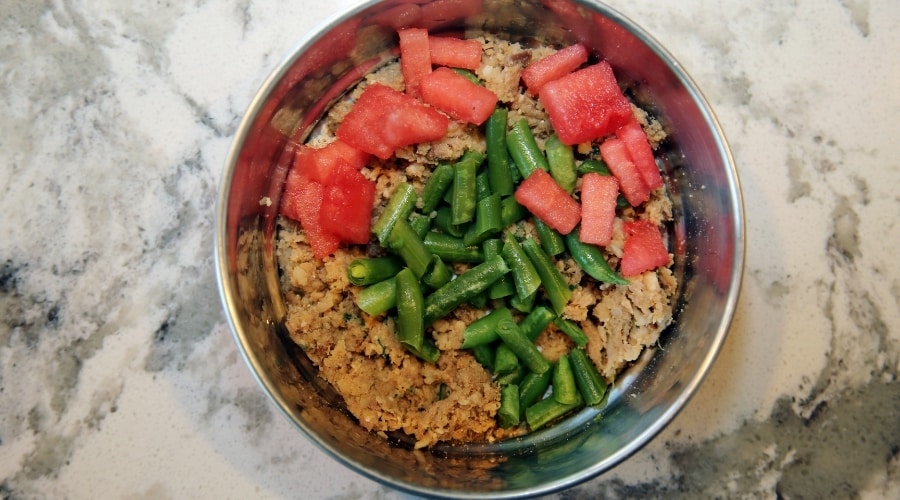
How To Make A Safe Emergency Meal For Your Dog
Life happens. And if you have a pup, chances are you’ll be stuck without dog food at least once in their lifetime. On those (hopefully rare) occasions, you can hit the pantry and freezer for kitchen staples to make healthy, temporary meals (and avoid starving-puppy eyes).
- Offer a balance of lean protein and complex carbohydrates. A day without dog food isn’t an excuse to pig out on people’s food.
- Avoid giving dogs too much fat or sodium, which can trigger vomiting, diarrhea, or constipation.
- Consider your pet’s food allergies or chronic conditions, such as renal, liver, and heart disease, or pancreatitis, which demand special low-fat diets

Best Proteins To Use In Emergency Dog Meals
- Poultry – cooked, skinless and boneless
- Beef (such as chop meat or beef cubes) – at least 80% lean and cooked
- Canned meats and veggies – well-rinsed and drained to remove excess sodium
- Keep it simple and lay off the salt and spices. Bland is better. You’re preparing food for a dog, not Gordon Ramsay. Your four-legged friend will not fling a frying pan at your head.
What If I Don’t Have Any Meat?
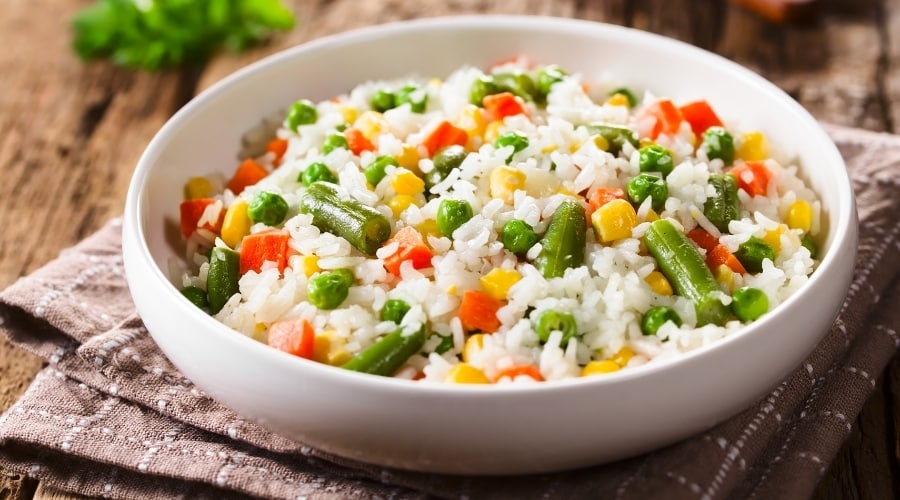
If you don’t have chicken, turkey, beef, fish, or eggs, you may still be able to make a short-term emergency meal with plain carbohydrates and dog-safe vegetables. Try a simple bowl of cooked rice, oatmeal, pasta, potato, or sweet potato with carrots, peas, green beans, or pumpkin.
This kind of meat-free meal is not ideal for long-term feeding, but it can help get a healthy adult dog through one missed meal or a short gap until you can buy dog food. Avoid relying on vegetarian emergency meals for puppies, pregnant dogs, highly active dogs, underweight dogs, or dogs with medical conditions unless your vet says it’s okay.
Safe Pantry Staples Dogs Can Eat
- Canned vegetables like corn, beans, peas, and carrots – well-rinsed and drained
- Plain pasta – cooked
- Plain, cooked rice, couscous, or quinoa – avoid the flavored varieties, which are loaded with sodium and spices that may upset your dog’s tummy
- Plain, cooked oatmeal – not the sugary-flavored packets, but the plain boring stuff we should all be eating
- Canned chicken and fish packed in water – well-rinsed and drained
- Cooked farina
- High-fiber or multigrain healthy cereals – avoid cereals with raisins or magically delicious kids cereals
- Low-sodium vegetable, beef, or chicken broth for flavor or to tempt a picky eater
- Low-sodium, plain tomato sauce (no garlic or onions)
- Honey – just a bit to tempt a picky eater
Safe Fridge & Freezer Foods Dogs Can Eat
- Cooked eggs (egg whites only for dogs with renal disease, please)
- Boiled, baked, or simply prepared poultry – skinless and boneless. Rotisserie chicken is fine, just remove skin and bones.
- Cooked beef, at least 80% lean or trimmed of excess fat
- Mild cheeses such as American or Colby
Dog-Safe Fruits And Vegetables To Add
- Apples and pears – sliced
- Bananas, peeled
- Blueberries and strawberries
- Cooked potatoes (any kind)
- Cooked or raw carrots,
- Cooked beans, peas, broccoli, corn
Safety Note
Fruits and vegetables can be a great way to add fiber, nutrients, and variety to your dog’s emergency meal, but not all produce is safe for pups. Before adding anything new to your dog’s bowl, check out our guides to vegetables dogs can eat, fruits dogs can eat, and fruits and vegetables dogs can’t eat, so you know what’s safe, what to skip, and how to serve produce properly.
Foods You Should Never Feed Your Dog
Definitely avoid these foods and ingredients (check labels and packaging):
Definitely avoid these foods and ingredients. Always check labels, packaging, sauces, spice blends, and leftovers before feeding them to your dog.
- Chocolate
- Xylitol, sometimes listed as birch sugar
- Grapes and raisins
- Onions, garlic, chives, and leeks
- Alcohol
- Caffeine
- Macadamia nuts
- Cooked bones
- Breaded, fried, greasy, or high-fat foods
- Bacon, cold cuts, sausage, and deli meats
- Spicy foods or foods prepared in spicy sauces
- Very salty foods
- Spoiled or moldy food
- Milk or rich dairy products, especially for dogs with sensitive stomachs
When in doubt, skip it. A plain meal is safer than a flavorful one.
Can I Feed My Dog Another Dog’s Food?
Is it safe to borrow a cup or two of dog food from your neighbor? For a generally healthy adult dog, a temporary food substitution is fine, but…
- Consider your dog’s allergies or any chronic health conditions being managed by diet.
- If the other dog is on a higher-fat food, cut the amount you’d normally feed in half, then fill the rest of the bowl with a carbohydrate such as cooked pasta or rice for bulk.
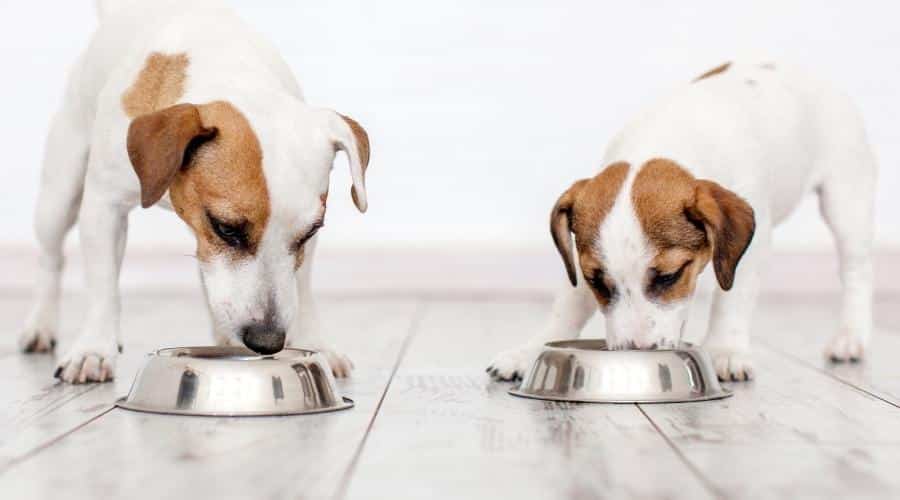
Signs Your Dog Isn’t Handling The Food Change Well
Sudden changes in any pet’s diet can cause gastrointestinal distress.
Watch for:
- Vomiting
- Diarrhea
- Constipation
- Lethargy immediately after eating
If they’re not feeling well, switch to a very basic diet of boiled chicken and rice or oatmeal.
If your dog’s stomach seems sensitive after the sudden diet change, our guide on how to switch your dog’s food safely can help you transition back to their regular meals with less digestive upset.
Easy Emergency Dog Food Recipes From A Vet Nutritionist
Here are a few tasty recipes from Dr. Saker’s canine kitchen. All recipes below will yield enough food for one day and are based on the daily nutritional requirements of a healthy, 40-pound adult dog. Adjust portions for smaller or larger dogs.

Always consult with your vet if you have any questions. Just don’t feed these substitute meals for longer than 1 week.
| Dog Size | Starting Point For One Emergency Meal |
|---|---|
| Small dog, 5–20 lb | ¼ to ¾ cup bland cooked food |
| Medium dog, 21–50 lb | ¾ to 1½ cups |
| Large dog, 51–90 lb | 1½ to 3 cups |
| Giant dog, 90+ lb | 3+ cups, divided into meals |
Chicken & Rice Bowl Recipe
- 65 grams of cooked, white meat chicken
- 1 large cooked egg
- 2 cups of white rice
- 1 cup high fiber cereal
- 2-3 teaspoons canola oil, which provides essential omega-3 and omega-6 fatty acids
Serving size: Approx 6 cups (or 48 oz)
Beef & Rice Bowl Recipe
- 94 grams of ground beef or cubed beef – at least 80% lean or more
- 2-2.5 cups cooked rice
- ½ cup of high fiber cereal
- 2-3 teaspoons canola oil, which provides omega-3 and omega-6 fatty acids
Serving size: Approx 6 cups (or 48 oz)
Turkey & Potato Breakfast Bowl Recipe
- 7 ounces sausage – not spicy – sweet sausage – turkey sausage is a good choice
- 2 large cooked eggs
- 1 teaspoon butter
- 4 slices of bread (white, wheat, grain, etc.)
- 2 cups of chopped cooked potatoes
Serving size: Approx 6 cups (or 56 oz)
Peanut Butter & Egg Breakfast Scramble Recipe
- ¾ large egg cooked
- 4 cooked egg whites
- 2.5 ounces of peanut butter
- 6 slices of bread
- 3 cups of vegetables
Serving size: Approx 6 cups (or 56 oz)
Dog-Friendly Recipes Beyond Emergency Meals
Once your dog is back on their regular complete-and-balanced food, you may still want to treat them to something homemade once in a while.

Homemade dog recipes can be a fun way to celebrate special occasions, cool your pup down on a hot day, or add variety as an occasional snack. Just remember that treats and extras should not replace your dog’s regular diet.
Looking for more dog-friendly recipes? Try our guides to homemade dog food recipes, dog birthday cake, dog ice cream, frozen dog treats, sweet potato dog treats, and Christmas cookies for dogs.
Frequently Asked Questions
Still have questions about what to do when the dog food bag is empty? These quick answers cover common “can I feed my dog…” situations that come up in real life.
Have another emergency feeding question we didn’t get to? Share it in the comments, especially if your dog has allergies, a sensitive stomach, or a medical condition.
Can I feed my dog human food if I run out of dog food?
Yes, but only certain human foods are safe for dogs. Stick with simple, plain options like cooked lean meat, eggs, rice, oatmeal, potatoes, pumpkin, carrots, peas, green beans, apples without seeds, or blueberries.
The biggest rule is to keep it boring. Skip anything seasoned, saucy, greasy, fried, spicy, or made with questionable ingredients.
What is the easiest emergency meal for dogs?
A basic bowl of plain chicken and rice is often the easiest choice if you have both ingredients. Use cooked, boneless, skinless chicken and plain cooked rice with no salt, butter, oil, broth, or seasonings.
If you do not have chicken, another plain protein and a bland carbohydrate can work for a short-term meal.
Can dogs eat scrambled eggs if I’m out of dog food?
Yes, plain scrambled eggs can work for many healthy adult dogs. Cook them fully and serve them without butter, oil, milk, cheese, salt, onions, garlic, or seasonings.
Eggs are usually best paired with a bland carbohydrate, such as rice, oatmeal, or potato, rather than served as the entire meal.
Is rice enough for a dog meal?
Rice alone can help in a pinch, but it is not very filling or nutritionally complete by itself. When possible, add a plain protein, such as chicken, turkey, lean beef, fish, or egg.
If rice is all you have, it is better as a very short-term option than feeding your dog unsafe leftovers.
Can I feed my dog canned tuna?
Plain canned tuna packed in water may be okay occasionally for a healthy adult dog. Drain it first and offer a small amount with rice, oatmeal, potato, or vegetables.
Avoid tuna packed in oil or mixed with salt, sauces, spices, onion, garlic, or flavorings. Because tuna is not ideal as a regular protein source, use it only as an occasional backup.
Can I feed my dog cat food if I run out of dog food?
A small amount of cat food probably will not hurt most healthy adult dogs, but it is not a good substitute for dog food. Cat food is usually higher in protein and fat than dog food, which can upset your dog’s stomach or trigger problems for dogs prone to pancreatitis.
If cat food is your only option, offer a very small amount for one meal only, and avoid making it a habit. Do not feed cat food to dogs with pancreatitis, kidney disease, liver disease, obesity, sensitive stomachs, or diet-managed health conditions unless your veterinarian says it is safe.
Can my dog skip one meal instead?
For many healthy adult dogs, skipping one meal is usually safer than eating something risky. This may be the better choice if your only options are greasy leftovers, spicy food, or anything that may contain toxic ingredients.
Puppies, toy breeds, diabetic dogs, pregnant or nursing dogs, underweight dogs, and dogs with medical conditions may not tolerate skipped meals as well, so ask your vet for guidance.
What can I feed my dog if I have no meat?
Try a simple meat-free bowl with plain cooked rice, oatmeal, pasta, potato, or sweet potato plus a small amount of dog-safe vegetables, such as pumpkin, carrots, peas, green beans, or zucchini.
This is only a short-term backup for a healthy adult dog. It should not become a regular meat-free diet without veterinary guidance.
How much homemade food should I feed my dog in an emergency?
Use your dog’s size and normal appetite as a guide, and start with a modest portion. A sudden oversized meal can upset your dog’s stomach, especially if they are not used to homemade food.
If you already included a portion chart earlier in the article, this FAQ can point readers back to that chart rather than repeating the amounts.
How long can I feed my dog homemade emergency meals?
Keep homemade emergency meals short-term: one meal, one day, or a few days at most, while you restock. If the gap lasts longer, contact your veterinarian for help choosing a safer plan.
This is especially important for dogs with medical conditions, puppies, seniors, and pregnant or nursing dogs.
When should I call the vet?
Call your vet if your dog seems seriously uncomfortable or their symptoms are not improving after the food change. Red flags include repeated vomiting, ongoing diarrhea, refusal to eat, bloating, weakness, shaking, obvious pain, extreme tiredness, or any behavior that feels unusual for your dog.
Contact your vet or pet poison control immediately if your dog may have eaten a toxic food or unsafe ingredient.
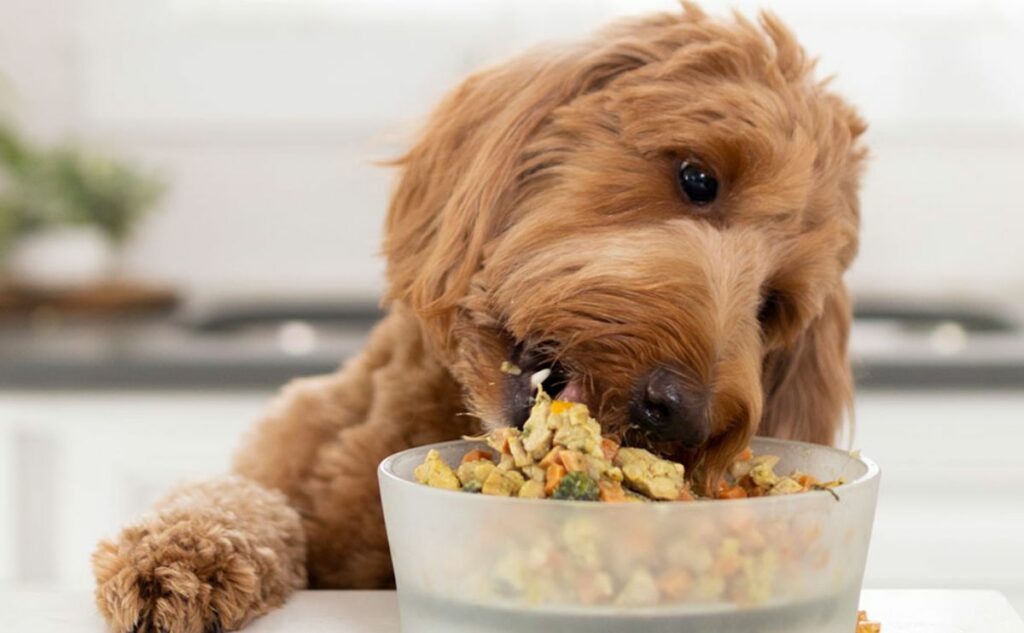
Keep Emergency Meals Temporary
Remember, no matter how much your dog may dig this culinary adventure, don’t let them get used to it. (No matter how much they compliment your new recipes with kisses and wiggles!) Switch back to their nutritionally complete dog food as soon as you’re able for a happy, healthy pup with a full tummy!
If running out of kibble has you rethinking your dog’s regular meals, you may want to explore fresh dog food delivery services or a recurring dog food delivery subscription so your pup’s food arrives before the bag is empty. Some owners also prefer human-grade dog food or carefully planned homemade dog food recipes, but any long-term diet should be complete and balanced for your dog’s needs.
What’s Your Emergency Dog Dinner Story?
Have you ever run out of dog food and had to get creative with a last-minute meal? Share your safest emergency feeding tips, funny hungry-pup stories, or lessons learned in the comments below. Your experience may help another dog parent facing an empty food bag at dinner time.
Special thanks to Dr. Korinn Saker, DVM, PhD, DACVN, for contributing veterinary nutrition guidance to this article.
*Diplomate of the American College of Veterinary Nutrition