When you purchase through links on our site, we may earn a commission. Here’s how it works.
They’re two of the most popular dogs on the planet, friendly, loyal, impossible not to love. But if you think Golden Retrievers and Labradors are basically the same, think again.
Table of Contents
Sure, they share a lot: big hearts, wagging tails, a deep need to be near their people. But what does it feel like to live with each one? That’s where things get interesting.
One breed might thrive in your busy, high-energy household. The other could be your perfect calm companion after a long day. From grooming habits and health quirks to the way they handle chaos (or cause it), the differences run deeper than you’d expect.

This isn’t just a breed comparison. It’s a look at what it’s really like to raise, train, and live with a Golden or a Lab, because choosing the right one isn’t about what looks good on paper. It’s about what fits your life.
Let’s break it down.
Breed Comparison
- Height21-24 Inches
- Height21-25 Inches
- Weight55-75 Pounds
- Weight55-80 Pounds
- TemperamentGentle, Intelligent, Loving
- TemperamentEnergetic, Intelligent, Friendly
- EnergyVery High
- EnergyHigh
- HealthAbove Average
- HealthAverage
- Lifespan10-12 Years
- Lifespan10-12 Years
- Price$1,000-$1,300
- Price$1,000-$2,500
The Story Behind America’s Two Favorite Dogs
Before they became couch cuddlers and backyard companions, both the Golden and the Lab had jobs to do, and those roots still shape who they are today.
These aren’t just friendly faces. Each breed was built for a purpose. And if you’ve ever wondered why one melts into a hug while the other practically vibrates with energy, it starts here.
Golden Retriever: The Empathetic Healer With a Gentle Heart
The Golden Retriever wasn’t just bred to retrieve; he was designed to connect. In the 1800s, a Scottish nobleman named Lord Tweedmouth set out to create the ultimate field companion: a dog who could work hard in the Highlands by day, then curl up beside the hearth at night.
His secret weapon? The now-extinct Tweed Water Spaniel, a gentle, intelligent breed known for loyalty and a soft mouth. Mixed with Irish Setter and Bloodhound, the result was a graceful, emotionally attuned dog with a heart as golden as his coat.

The Golden was made to be soft-mouthed, people-focused, and incredibly responsive. He’s still that dog today, playful and energetic, but always tuned in to the people around him.
Golden Retrievers are far from lazy. They thrive on movement and purpose. But there’s a certain softness to how they move through the world, an eagerness to connect, to please, to be part of every moment. It’s no accident they’re one of the most trusted breeds for therapy and emotional support work.
Labrador Retriever: The Joy-Charged Athlete With Endless Loyalty
While Goldens may read the room, Labs charge into it with full-body enthusiasm. The Labrador Retriever was made to move, bred in 19th-century Newfoundland to dive into freezing waters, haul nets, and retrieve whatever their human needed.
They were built tough: dense double coats, powerful legs, and that thick otter-like tail that helped steer them through icy surf. But what really set them apart was their drive. Labs didn’t just work hard, they worked with heart.

That same energy shows up in today’s family Labs. They thrive on action, praise, and being part of everything. A Labrador doesn’t sit back and observe; he leaps into the moment, toy in mouth, eyes locked on yours, ready for whatever comes next.
For active households, they’re a dream. For sedentary ones? Be ready to keep up. Underneath all that motion, though, is a dog wired for connection, one who adores their humans with joyful, tail-thumping loyalty.
Quick History Recap: From Field to Family Couch
- Golden Retrievers were bred for sensitivity and precision — a hunting companion with emotional awareness and a deep desire to stay connected. Their legacy as attentive, people-oriented dogs lives on in how they bond with families today.
- Labrador Retrievers were bred for endurance and grit — tireless workers who braved cold waters and never backed down from a task. That same enthusiasm and need for action make them a perfect match for high-energy households.
Both breeds were created to serve, not just as working dogs, but as loyal partners. Today, they’ve traded in the field for the family room, but their purpose-driven personalities still shape every wag, every fetch, every look in your direction.
Golden Retriever vs Labrador Appearance: What You See Is What You Get… Almost
At first glance, Golden Retrievers and Labrador Retrievers might look like two versions of the same sweet, outdoorsy family dog. But when it comes to their coats, colors, build, and grooming needs, the differences start to stack up fast, especially if you’re picturing hair on your floors and hours with a brush in hand.

Side-by-Side in the Park, Not So Identical
Goldens tend to carry a little more elegance, longer lines, feathered tails, and that flowing, slightly wavy coat that makes them look like they belong in a greeting card. Their coat color ranges from pale cream to a deep reddish gold, and they often lighten a bit as they age.
Labs are all utility. With a shorter, denser coat built for cold water and dirty play, they’re easy to wipe down but hard to keep hair off your couch. They’re more muscular in build, with a broader chest and a thick tail that wags like a motor every time they see you.
About That Shedding…
You might assume Labs are lower-maintenance because their coat is shorter, but spoiler: they shed just as much, if not more, and it’s year-round. Goldens, on the other hand, shed in big seasonal bursts, and their longer fur tends to clump into corners like tumbleweeds.
So yes, both breeds are furry. The question is whether you’d rather brush longer hair less often or short hair all the time.
Color, Texture, and Touch
Labs come in three main colors: black, yellow (from pale cream to fox red), and chocolate. Goldens stick to their namesake color but with beautiful variation, from icy champagne tones to burnished copper.
Golden coats tend to feel silkier and softer, while Lab coats are more coarse and practical, built to dry fast and repel water.
Appearance Recap: Golden Retriever vs Labrador
- Build: Goldens are slightly more slender and graceful; Labs are stockier and more muscular.
- Coat type: Goldens have long, wavy double coats; Labs have short, dense, water-resistant fur.
- Colors: Labs come in black, yellow, and chocolate; Goldens range from pale cream to deep red.
- Tail style: Goldens have long, feathered tails; Labs have strong, otter-like tails.
- Shedding: Both shed heavily; Goldens shed seasonally, Labs shed consistently year-round.
- Grooming: Goldens need regular brushing and trimming; Labs need frequent brushing but no trimming.
- Overall vibe: Golden = windswept and elegant. Lab = athletic and rugged.
Golden Retriever vs Labrador Temperament: Love You Forever, Just in Different Ways
Both the Golden Retriever and Labrador Retriever are famously friendly, loyal, and people-obsessed, and they’re regularly ranked among the top three most popular dogs in America. But under all that wagging and snuggling are subtle (and not-so-subtle) personality traits that make each breed a better fit for different lifestyles.

Golden Retriever: Emotionally Attuned and Soft in Spirit
Goldens are often described as sweet, sensitive, and deeply in tune with their humans. They’re the kind of dog who follows your mood as much as your movements, always nearby, always checking in.
While they’re active and playful, they also know when to dial it down. After a good walk or a play session, most Goldens are content to curl up and just be near you.
They don’t just want to please; they need to. This makes them excellent with children, seniors, and first-time dog owners, especially those looking for a calm, intuitive presence in the home. Their emotional intelligence is one of their most underrated strengths.
Labrador Retriever: Joy in Motion, Love in Overdrive
Labs are the definition of happy-go-lucky. They love hard, play hard, and crash (eventually) even harder. If there’s activity, they’re in. If there’s food, they’re definitely in.
Labs tend to be more excitable and impulsive than Goldens, especially in their younger years, and without enough mental or physical stimulation, that enthusiasm can spill into mischief.
They bond deeply with their humans but show it through action; they want to play, retrieve, explore, and do things with you. Labs are ideal for active families, outdoor enthusiasts, and homes where someone’s always on the go.
Family Fit and Social Style
Both breeds are excellent with children and get along well with other pets. The main difference? Labs may be too much for very young kids during their rowdiest years, simply because of their energy and size. Goldens are more naturally gentle and tend to self-regulate indoors a little earlier.
Goldens tend to be more reserved with strangers (but still friendly), while Labs treat everyone like an old friend from day one.
Temperament Recap: Golden Retriever vs Labrador
- Golden personality: Emotionally intuitive, gentle, affectionate, and eager to please.
- Labrador personality: High-energy, outgoing, playful, and always up for action.
- With family: Both are loyal and loving; Goldens may be calmer indoors, Labs more rambunctious.
- With kids: Both are kid-friendly; Goldens are often more gentle with toddlers.
- With strangers, Labs are immediately social; Goldens warm up more slowly.
- Best fit: Goldens thrive in relaxed, emotionally connected homes. Labs excel in active, high-energy households.
Watch: Golden Retriever vs Labrador: See the Differences in Action
Words are great, but tail wags don’t lie. Watch these two in action and see which pup steals your heart. Sometimes you’ve got to see the wiggles, zoomies, and fluff to know which dog is your vibe.
Golden Retriever vs Labrador Energy: Who’s Zooming Who?
These two breeds weren’t bred to be couch potatoes. They’re working dogs at heart, designed to move, carry, retrieve, and stay mentally engaged. But that doesn’t mean their energy feels the same.
One offers steady bursts of play, followed by mellow downtime. The other? Think all-day action hero, especially during the early years.
Golden Retriever: Purposeful Play, Then Let’s Chill
Goldens require regular exercise, at least an hour a day, but they’re surprisingly adept at pacing themselves. A long walk, a game of fetch, and a few mental challenges (like puzzle toys or training refreshers) will usually leave them satisfied.
They’re the type to go hard at the dog park… then nap like a professional. Goldens are more balanced in how they burn energy, and they’re often content to hang out quietly after they’ve gotten their fill.
That said, under-exercised Goldens can get bored, and bored Goldens may get destructive (think: digging, chewing, or shredding a paper towel roll into confetti).

Labrador Retriever: Built for Motion, Powered by Joy
Labs don’t just need activity — they crave it. Daily exercise is a must (60–90 minutes minimum), and mental stimulation is just as important. Without it, they’ll invent their own games, which might involve your shoes, your garbage can, or the neighbor’s sprinkler system.
Younger Labs, in particular, are known for their endless enthusiasm and slow-to-mature mindset. It can take two to three years before most Labs fully “settle down.”
Swimming, running, hiking, nose work, agility, dock diving… if it involves motion and praise, a Lab will thrive. And the more you give them to do, the better they behave indoors.
The Burnout Factor: Know Your Lifestyle
Neither breed is “low-maintenance” when it comes to energy. But Goldens are typically easier to satisfy with structured daily routines. Labs often need more variety, more engagement, and more creative ways to burn steam, especially if you’re out of the house for long stretches.
If your idea of a perfect afternoon is a walk followed by a cuddle, a Golden might fit better. If you’re down for miles of fetch, mud, and an evening swim, the Lab’s your adventure buddy.
Energy & Exercise Recap: Golden Retriever vs Labrador
- Daily exercise needs: Both need 60+ minutes; Labs often do best with 90+ minutes of activity.
- Golden energy: Balanced, predictable, easier to manage indoors.
- Labrador energy: High-drive, intense, and sometimes relentless in the early years.
- Mental stimulation: Crucial for both; Labs often need more puzzle toys, training, or jobs.
- Best match: Goldens fit well with moderately active families. Labs are ideal for high-energy homes that love the outdoors.
Golden Retriever vs Labrador: Who Trains Faster, and Who Tests You More?
Golden Retrievers and Labradors are two of the most trainable breeds on the planet. But “smart” doesn’t always mean “easy,” and their learning styles can be surprisingly different.
One is sensitive and eager to please. The other is wildly food-motivated but might try to outsmart you in the process.

Golden Retriever: Sensitive Student, Slow and Steady
Golden Retrievers approach training with focus and heart. They live to make their humans happy, which makes them incredibly responsive to positive reinforcement and consistency. They’re not just listening — they’re trying to understand you.
That emotional depth, though, can be a double-edged sword. Goldens are more sensitive than Labs and may shut down if they’re scolded or corrected harshly. They do best with calm guidance, clear expectations, and lots of encouragement.
They’re not stubborn, just thoughtful. And that makes them ideal for people who prefer a slower, more deliberate training process.
Labrador Retriever: Smart, Driven… and a Little Bit Wild
Labs are fast learners. Give them a treat and a task, and they’re all in. They love structure, repetition, and praise, especially if there’s food involved. That’s why they make amazing guide dogs, scent workers, and service animals.
But Labs can also be impulsive. Their excitement sometimes overrides their focus, especially when they’re young. And if they get bored, they’ll find their own way to stay busy (translation: chewing something you didn’t want chewed).
Labs thrive with clear boundaries, regular mental challenges, and a bit of patience, especially in the first two years.

Which Dog Fits Your Training Style?
If you enjoy calm, focused training with a sensitive companion who tries to read your mind, the Golden Retriever will feel like a dream. If you want a bold, energetic learner who’s eager to please but easily distracted, the Lab will keep you on your toes (and maybe laughing along the way).
Training Recap: Golden Retriever vs Labrador
- Golden learning style: Emotionally attuned, thoughtful, and responsive to calm, consistent training.
- Labrador learning style: Fast, enthusiastic, food-driven, and sometimes impulsive.
- Trainability: Both are highly trainable; Labs often learn faster but require more energy management.
- Common challenges: Goldens may be sensitive to tone, while Labs may be overly excitable or prone to chewing.
- Best fit: Goldens are great for calm, steady trainers; Labs suit hands-on, energetic households ready to keep them engaged.
Golden Retriever vs Labrador Health: What Every Dog Owner Should Know
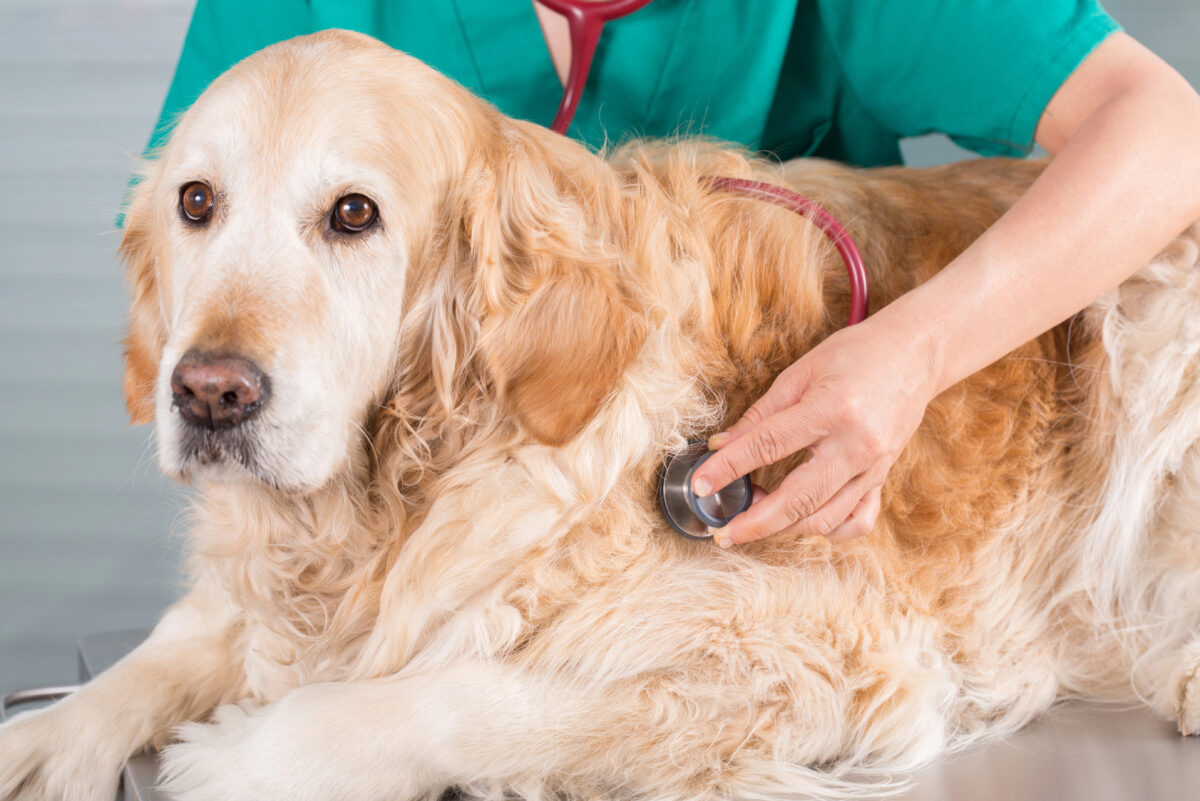
Goldens and Labs are both generally healthy, resilient dogs, but they each come with their own genetic baggage. And when you’re bringing home a dog that may be with your family for over a decade, those risks matter.

From joint issues to serious disease, here’s what to know about each breed’s health profile, plus how to plan ahead for the road (and vet bills), ahead.
Golden Retriever: A Heart of Gold, A Risk of Cancer
Golden Retrievers are known for their sweetness, but sadly, they’re also known for something else: an unusually high cancer rate.
Studies show that over 60% of American Golden Retrievers die from cancer, primarily hemangiosarcoma or lymphoma. European Goldens tend to have lower rates, which suggests the issue is partly linked to breeding lines.
While this doesn’t mean every Golden will develop cancer, it’s a serious risk to consider, especially if you’re not working with a health-focused breeder.
Aside from that, Goldens are prone to hip and elbow dysplasia, eye conditions like progressive retinal atrophy (PRA), and skin allergies. Regular vet visits and preventative screening are essential, and some owners opt for pet insurance early on.
Labrador Retriever: Tough on the Outside, Prone to Weight Gain
Labs are often seen as sturdy, athletic dogs, and for the most part, they are. But they have their own weak spots.
Labradors are genetically prone to obesity, and it doesn’t take much overfeeding to set them down a slippery slope. This puts added stress on their joints, increasing the risk of arthritis, hip dysplasia, and other mobility issues.
Like Goldens, Labs are also at risk for PRA, joint dysplasia, and a condition called exercise-induced collapse (EIC), where the dog temporarily loses muscle control after strenuous activity. It’s rare, but it can be scary if you’re not aware of it.
The good news? Most of these issues can be screened for in responsible breeding programs, and managed with an active, balanced lifestyle.
Long-Term Considerations: Planning for the Years Ahead
Both dogs can live 10 to 12 years on average, but the final years can vary depending on how proactive you are with healthcare.
Goldens may face more emotionally and financially intense health journeys later in life. Labs may experience a longer period of physical wear and tear, especially if their weight isn’t managed early on.
Choosing a reputable breeder, prioritizing preventive care, and being honest about your budget and available time will make a significant difference, not just in longevity but also in the quality of life.
Health Recap: Golden Retriever vs Labrador
- Golden health risks: High cancer rate, joint dysplasia, skin allergies, eye issues
- Labrador health risks: Obesity, joint dysplasia, PRA, and rare exercise-induced collapse
- Lifespan: Both average 10–12 years with proper care
- Cost factors: Goldens may have higher vet costs later in life; Labs may rack up more early on from joint or weight-related issues
- Best prevention: Choose health-tested breeders, manage weight, screen early, and consider pet insurance

Planning for Health Costs: Is Pet Insurance Worth It for Goldens & Labs?
Golden Retrievers and Labrador Retrievers are generally healthy dogs, but both breeds are prone to expensive, long-term medical conditions that can add up quickly over a lifetime.
Goldens are at higher risk for cancer, joint disease, skin allergies, and eye conditions, many of which require ongoing diagnostics, medication, or treatment. Labs, while often physically tough, are prone to obesity-related joint issues, hip dysplasia, and conditions like exercise-induced collapse, which can lead to unexpected emergency visits.
Pet insurance can help cover:
- Emergency vet visits and hospitalizations
- Diagnostic testing like X-rays, ultrasounds, and bloodwork
- Chronic conditions that require ongoing treatment
- Breed-specific health issues that may develop later in life
Because both breeds typically live 10–12 years, many owners choose to enroll in pet insurance early, before any conditions are considered pre-existing. Coverage won’t prevent health problems, but it can make it easier to focus on care decisions instead of financial stress when something goes wrong.
If you’re weighing the long-term cost of owning a Golden or a Lab, it’s worth learning how pet insurance works, what it covers, and which providers tend to offer the best value for large, active breeds. Our guide to pet insurance breaks down the options so you can decide whether coverage makes sense for your family and your future dog.
Golden Retriever vs Labrador Nutrition: Food-Loving Breeds With Very Different Needs
Let’s get this out of the way: both Goldens and Labs love food. But how that plays out in their health, weight, and energy levels is very different. Labs are prone to overeating and packing on pounds fast. Goldens? They’re less impulsive eaters, but still need tailored nutrition for their skin, joints, and coat.

Whether you’re filling a puppy bowl for the first time or managing a picky senior’s palate, feeding these breeds isn’t one-size-fits-all.
Golden Retriever: Shine From the Inside Out
Golden Retrievers benefit from high-quality food that supports joint health and keeps their luxurious coat in top shape. Omega-3 fatty acids (like fish oil or flaxseed) help with skin inflammation and shedding. And since Goldens are prone to hip and elbow dysplasia, many owners choose food with added glucosamine.
Want tailored picks? Here’s a breakdown of the best dog food for Golden Retrievers, along with a helpful Golden Retriever feeding chart to make portioning easier.
Labrador Retriever: Portion Control or Bust
Labs have a reputation for being, well… vacuum cleaners. They’re prone to obesity, especially if you “free feed” or forget to cut back on calories during slower seasons. Their food should be protein-rich and fiber-filled to keep them satisfied without going overboard on calories.
Portion control is essential. For detailed recommendations, check out the best dog food for Labs, which is focused on their high energy needs while also keeping their weight in check. If your Lab is already tipping the scales, this guide to obese dogs is a must-read.
Puppy Nutrition: Start Off Right
Both breeds are large-breed puppies, which means they need slower-growth formulas to avoid joint damage. Avoid overfeeding during the puppy stage: extra weight now can lead to skeletal issues later.

Get started with this curated list of the best puppy food for growing bodies and developing minds.
Choosing the Right Format: Kibble, Wet, Fresh, or Freeze-Dried?
- Dry dog food is convenient and great for dental health.
- Wet food can be more palatable for picky eaters or seniors.
- Fresh food delivers premium ingredients and fewer fillers.
- Freeze-dried food is shelf-stable and nutrient-dense — a favorite among raw feeders.
For broader options, explore our roundup of the best overall dog foods to compare brands and benefits by life stage and health focus.
Nutrition Recap: Golden Retriever vs Labrador
- Golden needs: Omega-3s for coat health, joint support, portioned meals
- Labrador needs: Calorie-conscious food, higher fiber to aid satiety, strict portion control
- Puppy feeding: Use large-breed puppy formulas to prevent joint issues
- Feeding formats: Both breeds thrive on dry, wet, fresh, or freeze-dried — choose based on lifestyle and budget
- Watchouts: Goldens may develop food sensitivities; Labs are prone to rapid weight gain if overfed
Golden Retriever vs Labrador Grooming: Shedding, Brushing, and Bathtime Basics
If you’re hoping for a low-shed, low-effort dog, neither of these breeds is it. Both Goldens and Labs are double-coated, and both leave a generous trail of fur in their wake, especially in spring and fall.

Golden Retriever: Gorgeous, but High-Maintenance
With their long, feathery coats, Goldens require brushing at least twice a week (daily during heavy shedding). Their fur also requires trimming every couple of months to prevent matting, especially around the ears, tail, and paws.
They’re also more prone to odor, so many owners bathe them every 4–6 weeks to keep that signature fluff fresh.
Labrador Retriever: Easier Coat, Just as Much Hair
Labs may look simpler to manage, but their short, dense coats shed like crazy year-round. Weekly brushing (more during coat blowouts) is a must.
They don’t need trimming, and a bath every 6–8 weeks is usually enough unless they get into something gross.
Grooming Recap: Golden Retriever vs Labrador
- Shedding level: Both shed heavily, especially in spring and fall
- Golden coat: Long, feathered, needs brushing 2–4x/week and trimming every 6–8 weeks
- Lab coat: Short but dense, sheds more than most expect, needs regular brushing
- Bathing needs: Goldens every 4–6 weeks; Labs every 6–8 weeks
- Ease of grooming: Labs require less trimming; Goldens need more hands-on upkeep
- Bottom line: Neither is low-maintenance — but with the right routine, both are manageable (and worth it)
Golden Retriever vs Labrador Cost: What’s the Real Price of Puppy Love?
Bringing home a puppy is exciting and expensive. And while the price tag at the breeder might make your eyes water, that’s just the beginning.
Goldens and Labs are fairly equal when it comes to most expenses, but there are key differences in grooming costs, food needs, and long-term healthcare that could tip the scales over time.

Initial Puppy Price
Both breeds can be found in the $1,000–$2,500 range, depending on the breeder’s quality, bloodline, and location. Labs from hunting or show lines may be more expensive. Goldens from cancer-tested lines also fetch a premium (for good reason).
- Golden Retriever: $1,000–$1,300 average
- Labrador Retriever: $1,000–$2,500 depending on pedigree
Always choose a reputable breeder who performs health testing. Cheaper puppies from backyard breeders or puppy mills often come with hidden health risks (and heartbreaking bills later on).
First-Year Costs: Setup + Medical
The first year is the most expensive. Between vaccines, spay/neuter, food, crates, grooming tools, and all the adorable chaos, most new dog owners spend $2,000–$3,000 in year one — regardless of breed.
- Vaccines & vet visits: ~$500–$700
- Spay/neuter: $150–$400
- Starter gear: ~$300 (bed, bowls, toys, leash, crate)
- Insurance (optional but wise): ~$40/month
Ongoing Costs: Food, Grooming, and Vet Bills
Goldens and Labs eat about the same (roughly 2.5–3.5 cups of food daily), so expect $50–$90/month or more depending on food quality. Labs may cost more in the long run due to weight-related vet bills, while Goldens may cost more later in life if cancer arises.
- Food: $600–$1,000 per year
- Vet care: $300–$600/year (more with age)
- Grooming: Goldens require more frequent brushing and professional trimming
Labs are easier in the grooming department, but if they pack on pounds, you’ll pay more in vet visits down the road. Goldens may cost more in late-life care, especially if cancer becomes a concern.
Lifetime Cost Estimate
Assuming a 10–12 year lifespan, here’s the estimated lifetime cost for each breed:
- Golden Retriever: $20,000–$25,000+ (higher if cancer treatment is needed)
- Labrador Retriever: $18,000–$24,000+ (more if obesity-related health issues occur)
Both breeds are worth every penny — but it’s smart to be prepared. Consider pet insurance early, and always budget for unexpected expenses (hello, sock removal surgery).
Cost Recap: Golden Retriever vs Labrador
- Puppy price: Goldens $1,000–$1,300; Labs $1,000–$2,500
- First-year cost: Around $2,500–$3,000 for setup, medical, and supplies
- Food: ~$50–$90/month for both breeds
- Grooming: Goldens cost more due to coat maintenance
- Healthcare curve: Labs may cost more early (weight-related); Goldens may cost more later (cancer risk)
- Lifetime cost: $18,000–$25,000+, depending on health, lifestyle, and your treat budget
Golden Retriever vs Labrador: Frequently Asked Questions
Still feeling stuck between the two? These deeper insights should help you feel more confident about selecting the breed that best suits your home, lifestyle, and heart. If you don’t see your question here, drop it below in the comments.

Which breed is better for first-time dog owners?
Both Goldens and Labs are among the top recommendations for new dog owners; they’re friendly, eager to please, and relatively easy to train. That said, Labs tend to be more high-octane in their puppy phase, so they may require a bit more patience and structured playtime early on. Goldens, while still energetic, often settle faster and may feel more intuitive inside the home.
Which breed is more adaptable to apartment living?
Technically, either breed can adapt to apartment life, but only with regular daily exercise. Labs tend to need more intense physical activity and mental stimulation, making them a better match for homes with easy access to parks or trails. Goldens can handle a bit more downtime, but neither breed is ideal for a sedentary lifestyle.
What about mixed breeds — can I get both?
Yes! A Goldador (Golden Retriever x Labrador mix) is a real breed combo, often used as guide or service dogs, thanks to their trainability and temperament. You’ll usually get the best of both worlds — affection, energy, and loyalty — but coat type, energy levels, and health risks can still vary depending on the genetic blend.
Do Goldens or Labs bark more?
Neither breed is overly barky, but Labs tend to be more alert and vocal, especially in new environments. Goldens will bark when excited or if something’s truly off, but they’re generally quieter unless understimulated. In both cases, training plays a big role in barking behavior.
From a Dog Mom Who’s Had Both
I’ve been lucky enough to share my life with both Labradors and Golden Retrievers, and each one left a paw print on my heart in a different way.
I grew up with a Golden Retriever who was more than just a family pet — she was a quiet, comforting presence during some of the hardest times in our lives. We also had a Golden who became a loyal companion to a disabled family member, offering the kind of steady, intuitive support you just can’t teach. Goldens have this way of tuning in emotionally, as if they know exactly what you need before you do.

Later in life, my own kids grew up surrounded by Labradors, and I can’t imagine a better dog to grow up with. Our Labs have been goofy, dependable, and always ready to play fetch or snuggle up after a long day. They’re the dogs who come crashing into the room like a party you didn’t know you needed. From muddy pawprints to loyal companionship, they’ve brought so much joy and laughter into our home.
Between the two breeds, I can’t pick a favorite, and honestly, you don’t have to either. Each one has been perfect for a different season of life. If you’re choosing between a Golden or a Lab, trust that you’re picking from the best of the best. The right one will feel like family the moment they walk through your door.
Golden Retriever vs Labrador Retriever: Which Is Right for You?
Both the Golden Retriever and the Labrador Retriever are top-tier family dogs, known for their loyalty, playfulness, intelligence, and endless love. Goldens often bring a calmer, emotionally tuned-in presence, while Labs come with boundless energy and a joyful, action-ready vibe. The best choice? It depends on your lifestyle, pace, and preferences.
Still deciding? Make sure you’re truly ready for a dog, understand the true cost of ownership, and explore whether a rescue or breeder makes the most sense for your family. If kids are in the mix, our guide on age-appropriate dog duties can help get everyone involved. And when you’re ready to bond, check out how to show your dog you love them.
Whichever path you choose, Golden or Lab, being informed, prepared, and present is what truly makes a great dog parent.
Golden Retriever vs Labrador Retriever: Which Do You Prefer?
Now that you know how these two friendly breeds stack up, which one tugs at your heartstrings? Are you drawn to the sunshine soul of the Golden, or does the Lab’s boundless enthusiasm win you over?
👉 Tell us in the comments: Are you team Golden or team Lab?