When you purchase through links on our site, we may earn a commission. Here’s how it works.
We consider our dogs family members, so it’s a natural instinct to turn to your medicine cabinet to relieve your dog’s mild ailments. Many human meds are safe for dogs — but not all. Before popping any pills into your pup, make sure you follow these tips on over-the-counter (OTC) medicine for dogs.
Table of Contents
Human OTC Medications That May Be Safe For Dogs
Not all OTC meds are created equal, and what’s harmless for you can be risky for your dog. While some human medications can be used safely in the right dose, others can cause serious side effects even in small amounts. Here’s a quick guide to the human over-the-counter medications that vets sometimes use for dogs (and the ones you should avoid without explicit veterinary approval).
Always consult your veterinarian before giving your pup any medicine. Even OTC meds that are generally considered safe for dogs may be potentially dangerous for certain breeds or dogs with underlying conditions.
1. Pain Relievers
Any over-the-counter pain medicine containing acetaminophen (Tylenol) or ibuprofen (Advil, Motrin, etc.) is not safe for dogs. Acetaminophen and ibuprofen can cause serious gastrointestinal problems in dogs, including abdominal pain and bloody feces, along with other symptoms. These medicines can even be fatal in dogs.
Buffered aspirin isn’t quite as risky, but most vets recommend avoiding most aspirins as unsafe over-the-counter pain medicine for dogs.
For more information on OTC pain meds for dogs, be sure to read our guidelines on the best pain meds for dogs.
2. Allergy Medications
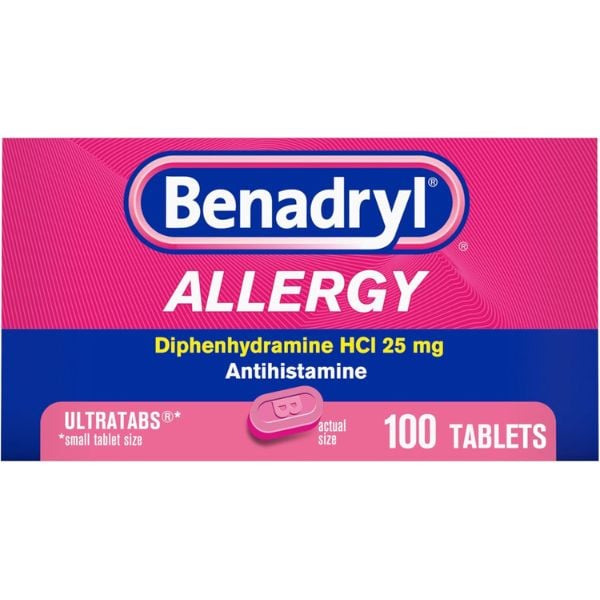
Common antihistamines like Benadryl (diphenhydramine), Claritin (loratadine), and Zyrtec (cetirizine) relieve allergy symptoms and allergic reactions. These medications are usually safe for dogs, but they can cause drowsiness or hyperactivity.
Tip: Make sure your OTC allergy medicine contains only an antihistamine. Some may contain other ingredients, such as decongestants, which aren’t safe for dogs.
Dosage:
- <Benadryl: 1 milligram/pound of body weight, given twice daily
- Claritin: approximately 0.1 to 0.5 milligram/pound of body weight given once to twice daily
- Zyrtec: approximately 0.5 mg/pound of body weight given once to twice daily
Read More About The Best Allergy Medicine For Dogs
3. Gastrointestinal Medications
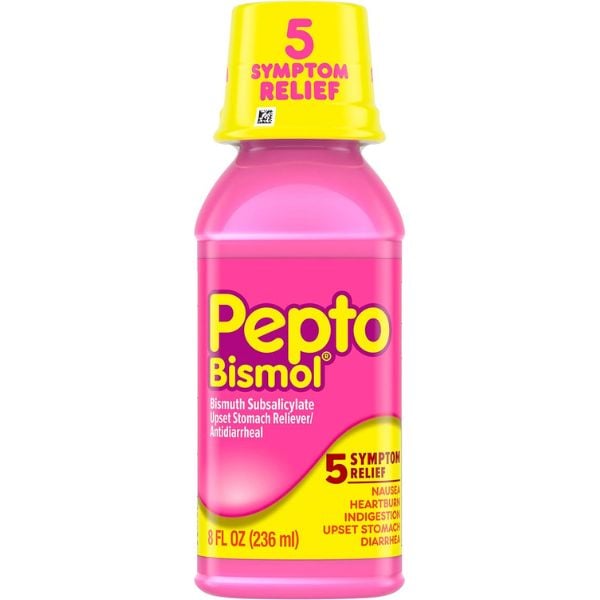
Pepto-Bismol
A staple in many medicine cabinets, Pepto-Bismol (bismuth subsalicylate) may be safe for some dogs (but not for cats). It’s used to treat diarrhea, vomiting, and an upset stomach. A word of caution, though: the salicylate in Pepto-Bismol can cause gastrointestinal upset and lead to gastric bleeding. Dogs with bleeding disorders or those taking blood-thinning medications should never take Pepto-Bismol.
Do not use “Ultra” versions — they’re twice as concentrated and unsafe for dogs at these amounts. Even in otherwise healthy dogs, you should restrict regular Pepto to a few doses and ONLY with your vet’s approval. If your dog still isn’t better after those few doses, you should consult further with your veterinarian.
Dosage: 1 teaspoon per 10 pounds of weight, every 6-8 hours for 24 hours
Learn more about Pepto Bismol for dogs.
Imodium
Imodium (loperamide) is safe for most dogs and cats to relieve diarrhea. If the diarrhea doesn’t improve after 24 hours, contact your vet promptly because diarrhea can quickly lead to potentially dangerous levels of dehydration.
Dosage: 1 milligram per 20 pounds of weight, every 4-6 hours.
WARNING: Dogs with the MDR1 gene mutation (common in Collies, Australian Shepherds, Shetland Sheepdogs, German Shepherds, and other herding breeds) cannot properly metabolize loperamide, which can lead to neurological toxicity, severe sedation, and potentially coma or death.
We recommend several at-home dog DNA test kits that can identify if your dog has the MDR1 mutation, including Embark and Wisdom Panel. Then, you can share your results with your veterinarian to determine a health plan for your pup.
Pepcid-AC, Tagamet, and Zantac
Pepcid-AC (famotidine), Tagamet (cimetidine), and Zantac (ranitidine) are common OTC medications to treat or prevent heartburn and stomach ulcer-related symptoms. They’re generally effective and safe for dogs (and cats). You can administer the correct dosage once or twice a day.
It’s okay to use them for periodic dietary indiscretions, such as if your dog gets into a bag of chips or slurps up the rest of your salsa. See your vet to rule out other problems if your dog’s stomach woes persist.
Dosage: Tablet dosages vary for each of these OTC meds, so consult with your vet to know how much to give your dog.>
4. Dramamine

An antihistamine that helps prevent motion sickness in dogs (and cats), Dramamine is safe for most dogs and works best if given at least ½ hour before travel.
Note: There are canine-specific medications that work faster and last longer than Dramamine.
Dosage:
- 2 to 4 milligrams/pound of body weight, every 8 hours
5. Cold And Cough Medicine
Most OTC cold medications contain decongestants that are not safe for dogs, so steer clear. And most cough suppressants contain a sweetener called xylitol, which is highly toxic to dogs. While regular Robitussin DM may be safe in some situations, it’s crucial to check with your vet before administering a cough medicine.
WARNING: If your dog is coughing, it could be a sign of a more severe problem like respiratory infection, heartworms, or cardiac disease, so we advise that you have your pup examined by a vet before giving them human meds for coughing.
6. CBD Oil & Treats
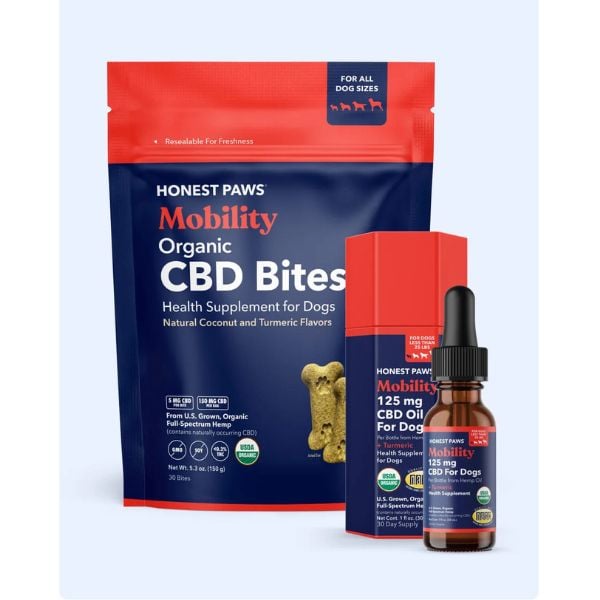
CBD drops (formulated specifically for dogs) and CBD dog treats can ease several conditions your pup may suffer from occasionally or chronically, including:
- Anxiety and stress
- Moderate to severe pain
- Chronic inflammation
- Arthritis & joint pain
- Digestion problems (also see information about dog probiotics and tips to cure a dog’s upset stomach)
- Nausea
- Health concerns from cancer
Be sure to check with your vet before administering any product containing CBD.
Dosage: Varies depending on the product and your dog’s size and symptoms.
7. Hydrogen Peroxide
You can use hydrogen peroxide topically to clean your dog’s superficial skin wounds, but it’s not as effective as soap and water — and it has the potential to damage tissue and delay healing. If your dog ingests something toxic, you may be able to give them a small oral dose of hydrogen peroxide to induce vomiting.
WARNING:
Never induce vomiting unless your vet first approves it (and gives you a dosage). If you think your dog may have ingested a toxic substance, call the Animal Poison Control Center at 888-426-4435. If you are unsure, consult these symptoms to identify poisoning in your pet.
8. Antibiotic Ointments & Other Topical Creams
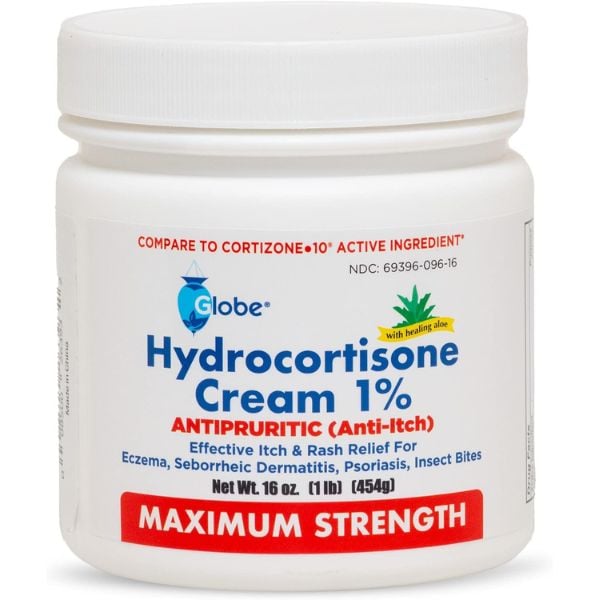
Can you use over-the-counter antibiotics and other topical creams for dogs? You have a couple of options here. Antibiotic creams, such as Neosporin, are common topical antibiotic creams used to treat minor cuts and scrapes. They’re safe for dogs, as long as they don’t contain steroids.
Be sure to clean your dog’s wound before applying any antibiotic ointment. Also, cover the wound, so your dog doesn’t lick off the ointment. Learn more about antibiotics for dogs.
A 1% hydrocortisone cream, another popular OTC topical cream, is also safe for dogs to relieve itchy, raw, or irritated skin. You can apply a small amount up to two times daily.
9. Joint Relief
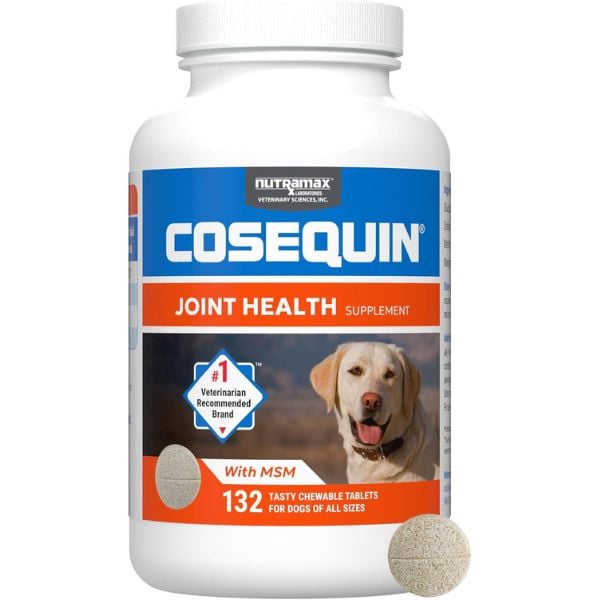
A good choice for over-the-counter arthritis medicine for dogs isglucosamine (and glucosamine in combination with chondroitin sulfate). Glucosamine, which supports joint health and reduces inflammation, is a long-term treatment option for joint pain associated with arthritis. Read our article on glucosamine for dogs to learn more.
10. Eye Drops
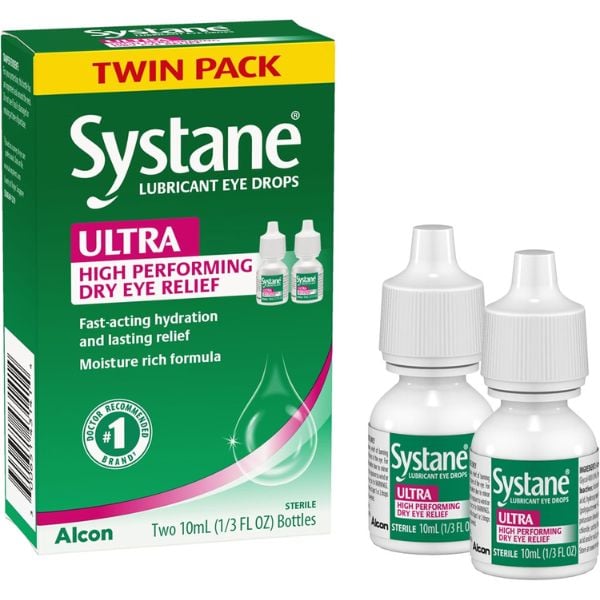
Is your dog blinking or squinting a lot? These symptoms could be caused by dry eyes, allergies, or debris. You can apply a bit of OTC lubricating eye drops, like Systane, to ease their irritation. Just make sure the drops are lubricating only — no Visine or other medicated eye drops.
If these drops don’t do the trick, however, go to the vet right away (especially if your dog’s eyes are red, swollen, or have a discharge). Serious eye problems like an eye infection, a foreign body that needs removal, or a scratch on the cornea all need immediate professional attention. Not treating these problems promptly may lead to other more serious eye ailments.
Lots of blinking and squinting may also be early signs of cataracts, which require medical treatment.
11. Nasal Sprays
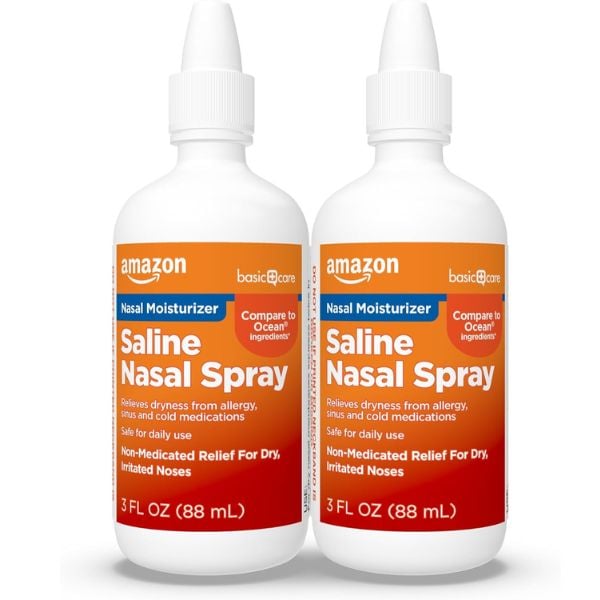
If your dog is congested or has a dry nose from a cold, you can give them pediatric or saline nasal sprays. Don’t use any other type of OTC nasal medication unless prescribed by your veterinarian.
Which Over-The-Counter Medications Are Safe For Dogs Infographic
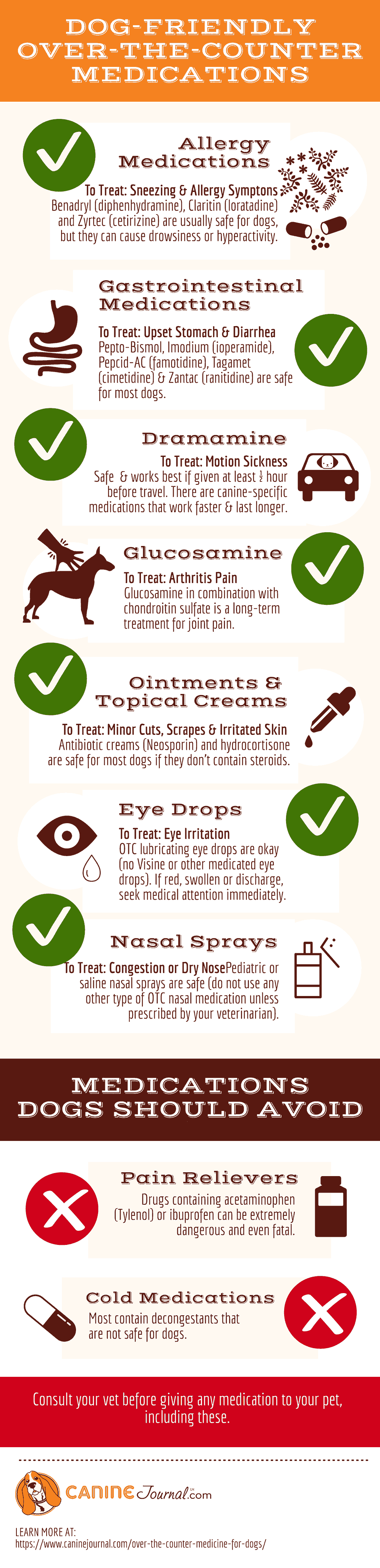
How Do OTC Pain Meds Affect Your Dog?
We’ve given you a long list of dog-friendly over-the-counter medications, but want to make sure you know the detrimental effects that OTC pain relievers can have on dogs. Be sure to read our guidelines on pain meds for dogs to understand the dangers they can pose. Don’t forget to talk to your vet before treating your dog with any unprescribed medications to make sure they are safe for your pet, even these common OTC products.
Has your pup ever had a negative reaction to any over-the-counter medications? Share your story in our comments to help other pup parents.