When you purchase through links on our site, we may earn a commission. Here’s how it works.
Picture this: one dog waits behind a shelter gate, hoping today is the day someone chooses him. Another is born into a carefully planned litter, with generations of health testing behind her.
Table of Contents
Behind every wagging tail is a story, and your next dog’s story depends on the decision you make right now. Shelters are overflowing. Puppy mills are booming. And reputable breeders are working harder than ever to protect the integrity and health of beloved breeds.
In the middle of it all sits one big question: Should you rescue or buy from a breeder?

Both could be the perfect dog for you, yet the path you choose will shape their future and yours. This article walks you through the facts, ethics, and realities behind adoption and breeders, helping you make the decision that feels right for your heart and your home.
Rescue vs Shelter: What’s the Difference?
Before you decide where to find your new dog, it helps to understand the world they’re coming from. Some dogs wait behind the chain-link doors of a busy municipal shelter, surrounded by constant activity and the hope that today will be their day. Others are curled up on a couch in a foster home, cared for by a volunteer who’s learning their quirks, habits, and favorite spots to nap.
Although people often use “rescue” and “shelter” interchangeably, they operate in very different ways, and those differences can shape your adoption experience.
Shelters
Shelters are typically run and funded by local governments or animal control agencies. They take in any dog who arrives, strays, abandoned pets, owner surrenders, or animals removed from unsafe situations.
Because they handle high intake with limited space and staff, they may have less time to provide individualized training or behavioral assessment. However, shelters often offer lower fees and faster access to adoption.

Rescues
Rescues are nonprofit organizations supported by donations and staffed primarily by volunteers. Instead of housing dogs in a large facility, most rely on foster homes.
This home-based care gives rescues deeper insight into each dog’s personality—how they behave around children, other animals, or daily household routines. Rescues often provide detailed behavioral notes, but their adoption process may include more rigorous screening.
What This Means for You
- Shelters are ideal if you prefer quick access, same-day adoption, or a wide variety of dogs.
- Rescues may be better if you want more behavior information or prefer to meet a dog in a calmer, home-like environment.
Both share the same mission: helping dogs find safe, loving, permanent homes; their route is just different.
See Shelter Dog Adoption Joy in Real Life
Below is a heartwarming video sharing the joy shelter dogs have when they finally get to go to a fur-ever home.
Adopting a Dog: Pros, Cons & What to Expect
Adopting a dog from a shelter or rescue can be one of the most rewarding decisions you ever make. Beyond the emotional impact, adoption also offers practical benefits, but like any significant commitment, it comes with challenges to consider.
Understanding both sides will help you decide whether adoption aligns with your lifestyle, expectations, and experience level.
The Pros of Adopting a Dog
Before looking at the challenges, it helps to understand why so many people choose adoption in the first place. Adopting a dog comes with meaningful advantages that can benefit both you and the animal, and these benefits often play a significant role in a new owner’s decision.

1. You’re saving a life and making space for another.
Shelters and rescues operate at or near capacity year-round. When you adopt, you not only save the dog you bring home, but you also free up space for another dog in need. It’s a direct, meaningful contribution to reducing overcrowding.
2. Adoption is more affordable.
Most adoption fees include:
- Spay or neuter surgery
- Vaccinations
- Microchipping
- Initial veterinary check
- Starter supplies or training vouchers
This can save hundreds of dollars compared to buying a puppy and covering all medical expenses separately.
3. Many rescue dogs are already trained.
Adult dogs in foster homes often come:
- House-trained
- Crate-trained
- Socialized
- Accustomed to home routines
This can make the transition much smoother for first-time dog owners.
4. Behavior insights are often more detailed.
Foster-based rescues observe dogs in real home environments, giving you reliable notes on:
- Temperament
- Energy level
- Compatibility with kids, cats, or other dogs
- Fears or behavioral quirks
This level of insight is rarely available when buying a young puppy.
5. Mixed-breed dogs often have fewer inherited health issues.
Research suggests genetic diversity can reduce the risk of conditions common in tightly bred purebreds.
6. You support animal welfare organizations.
Your adoption fee directly helps fund medical care, transports, and rehabilitation efforts for other animals.
The growing visibility of the adopt don’t shop movement has also encouraged many people to consider shelters and rescues first. Beyond supporting this effort, adoption offers a wide range of meaningful benefits for both dogs and their new families.
The Cons of Adopting a Dog
While adoption offers many positives, it is not the right fit for every situation. To make a fully informed decision, it’s equally important to consider the potential challenges that may come with adopting a dog, especially if you have specific needs or expectations.
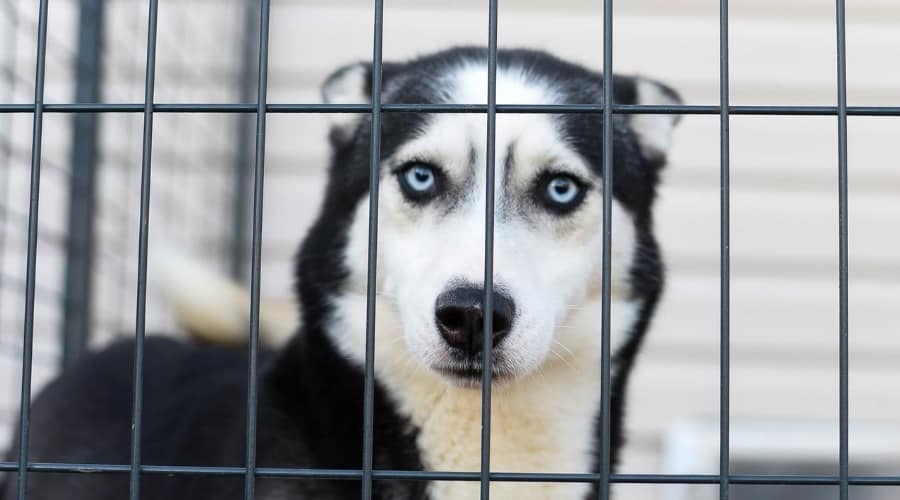
1. Puppies may be limited or adopted quickly.
Most shelters and rescues see puppies disappear within hours or days. If raising a puppy from day one is a priority, adoption may require patience or a wider search radius.
2. You may not find a specific breed immediately.
If you’re set on a particular breed, you may need to:
- Work with a breed-specific rescue
- Join waiting lists
- Expand your search across multiple cities or states
3. The application process can be more detailed.
Some rescues require:
- Home checks
- Interviews
- Vet or landlord references
- Demonstration of lifestyle compatibility
These policies exist to ensure dogs are matched responsibly, but they can feel time-consuming.
4. Some dogs need retraining or decompression time.
Even well-adjusted rescue dogs may need:
- Confidence-building
- Leash training
- Socialization
- Routine and structure
Time, patience, and consistency are key.
5. Full history isn’t always available.
Many rescue dogs arrive with unknown backgrounds. This can include:
- Past trauma
- Incomplete vaccination history
- Unidentified allergies or sensitivities
Adopters must be comfortable with uncertainty and willing to learn as they go.
Bottom Line: What to Expect When Adopting
Adoption is ideal if you want:
- An affordable option
- A dog with some training or behavior notes
- The emotional reward of giving a second chance
- A wide range of ages and personalities
It may not be the best fit if you need very specific breed traits, want a puppy with predictable lineage, or require a detailed genetic history.
What Is a Reputable Breeder? (And How to Spot a Puppy Mill)
Choosing a breeder is far more critical than many new dog owners realize. Behind every adorable puppy photo is a story, and understanding where that puppy comes from can shape their health, behavior, and well-being for years to come.
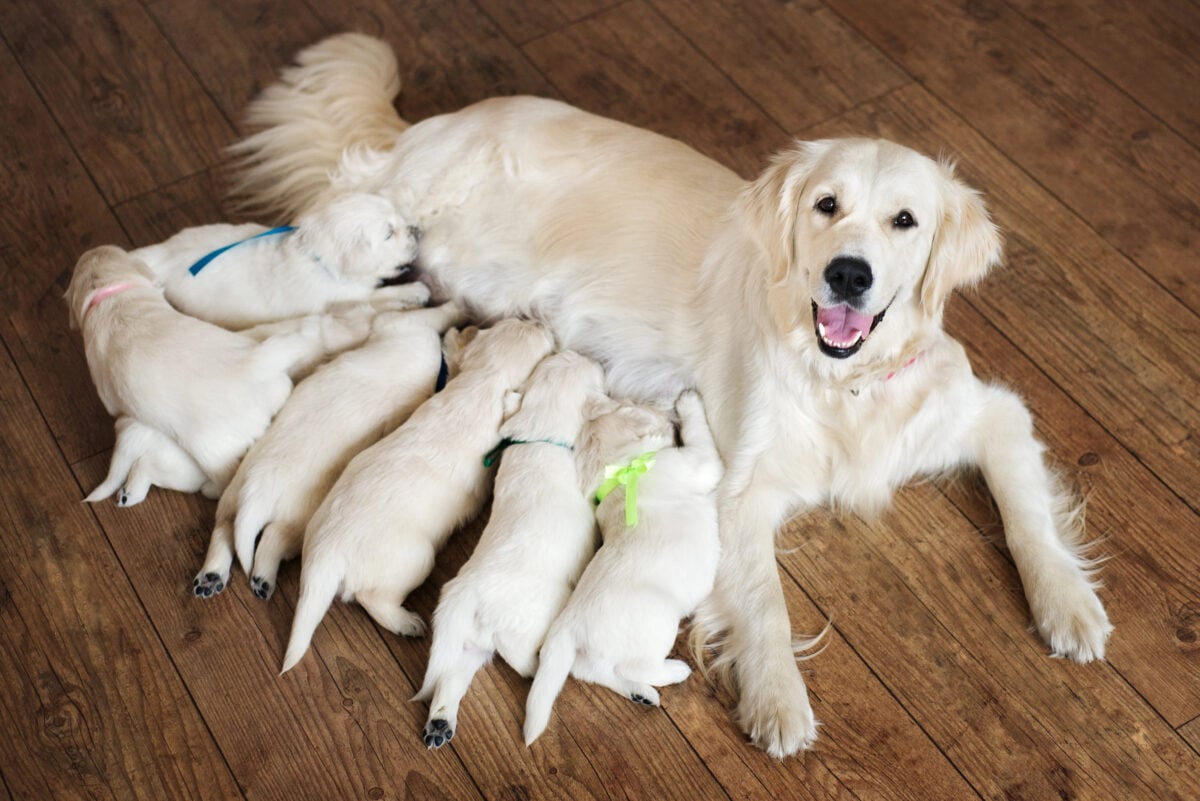
Some breeders dedicate their lives to raising healthy, well-tempered dogs and preserving breed standards. Others operate very differently, producing litter after litter with little regard for the dogs involved. These large-scale operations, often called puppy mills, prioritize profit over welfare and can create serious long-term health and behavioral issues.
Knowing how to distinguish a reputable breeder from an irresponsible or high-volume operation protects both you and your future dog.
- A responsible breeder welcomes transparency, prioritizes ethical care, and treats every puppy like an individual.
- A puppy mill typically hides behind closed doors, avoids questions, and focuses on producing as many puppies as possible, regardless of the consequences.
Understanding these differences is the first step toward making a confident, ethical, and informed decision about where your next dog should come from.
Reputable Breeder: 6 Key Signs to Look For
A responsible breeder is committed to the long-term health and well-being of their dogs. Look for these indicators when evaluating any breeder.
- Breeds intentionally and produces a limited number of litters
- Puts health and temperament first and raises puppies in clean, social environments
- Provides complete transparency for OFA results, DNA testing, and veterinary records
- Allows you to visit and meet the mother and see where the puppies are raised
- Offers clear contracts, health guarantees, vaccination records, and lifetime support
- Places puppies directly with families and never sells through pet stores or brokers
These signs show that a breeder operates ethically and prioritizes the quality of each litter over quantity.
Puppy Mill: 6 Warning Signs to Avoid
Before committing to a breeder, watch for these common red flags that often signal an irresponsible or high-volume operation.
- High-volume breeding with multiple litters available at all times
- Refusal to allow visits or show where the dogs are kept
- Little to no health testing, vaccination records, or veterinary documentation
- Puppies are sold through pet stores, brokers, or classified listings
- Pressure to buy quickly or sight-unseen
- No contract, no health guarantee, and no option to return the dog
These signs usually indicate a breeder who prioritizes profit over their dogs’ well-being and should be avoided.
The video below shares more on the very real and very serious issue of puppy mills:
How to Verify a Breeder’s Credibility
If you choose to buy from a breeder, use the steps below to confirm their legitimacy:
- Check AKC or breed club listings for breeder certifications
- Request OFA results, DNA testing reports, and veterinary records, and verify them online
- Ask for references from previous puppy buyers and veterinarians
- Research reviews and feedback from past clients
- Visit the breeder’s home or facility in person whenever possible
- Avoid breeders who always have puppies available or who breed multiple, unrelated breeds at once
Ethical breeders are open, communicative, and committed to placing puppies in the right homes. If anything feels wrong or overly secretive, trust your instincts and look elsewhere.
Buying From a Breeder: Pros, Cons & Key Considerations
Buying a dog from a breeder can be the right choice for some owners, especially when specific traits, predictable temperament, or genetic history are priorities. However, it also requires careful research and a willingness to vet the breeder you choose thoroughly.
Below is a balanced overview of the main advantages and drawbacks to help you evaluate whether this path aligns with your needs.

Pros
There are several reasons why people choose to work with a reputable breeder, particularly when they want predictable traits or a puppy they can raise from day one.
- Predictable breed traits: You can reliably anticipate size, coat type, exercise needs, and general temperament, which helps match a dog to your lifestyle.
- Early training and socialization: Starting with a young puppy lets you shape behaviors, routines, and social habits from the start.
- Documented health and genetic screening: Ethical breeders provide records of OFA testing, DNA screening, and veterinary exams for both parents and puppies.
- Ongoing breeder guidance: Many reputable breeders offer support on training, nutrition, grooming, and breed-specific concerns throughout the dog’s life.
- Eligibility for shows or performance events: Purebred dogs from responsible breeders can participate in conformation shows, agility, obedience, and other AKC events.
Cons
While buying from a breeder has its advantages, it also involves significant responsibilities and potential challenges that should be considered before making a commitment.
- Higher upfront cost: Purebred puppies can be expensive, reflecting the breeder’s investment in testing, care, and responsible breeding practices.
- Breed-specific health risks: Even with testing, purebred dogs may be prone to inherited conditions associated with their breed.
- Additional early veterinary expenses: You may need to pay for vaccinations, microchipping, spay or neuter surgery, and early wellness visits separately.
- Risk of unethical breeders: Without careful research, it can be challenging to distinguish responsible breeders from backyard breeders or high-volume operations.
- Limited availability or long waitlists: Reputable breeders often plan litters in advance, so you may need to reserve a spot and wait for a puppy.
Buying from a breeder can be a rewarding choice when done responsibly, but it requires careful vetting and a clear understanding of the costs, responsibilities, and breed-specific needs involved.
Adoption vs Breeder Statistics
Understanding current adoption and breeding statistics can provide important context for your decision. These numbers highlight the scale of shelter intake in the United States and the continued demand for puppies from breeders.
Shelter and Rescue Statistics
Recent nationwide data from 2022 to 2024 shows the following trends:
- More than 6 million dogs and cats enter U.S. shelters yearly. Intake has increased slightly in many regions since 2021, according to the Shelter Animals Count national database.
- Dog adoptions remain strong. Approximately 2 million dogs are adopted every year, with total dog and cat adoptions exceeding 4 million.
- Return-to-owner rates for dogs average around 17 percent. Cats have significantly lower reunification rates.
- Euthanasia numbers remain a concern. Roughly 900,000 dogs and cats are euthanized annually, although long-term trends continue to improve.
- Shelters report more owner surrenders. Common reasons include housing challenges, financial strain, and limited access to veterinary care.
- Puppies are adopted quickly. Adult dogs and large-breed dogs often have longer shelter stays.
Breeder and Puppy Mill Statistics
- There are more than 10,000 commercial breeding operations in the United States.
Only a portion of these facilities are USDA licensed. - An estimated 2 to 2.6 million puppies are sold annually. This includes puppies from reputable breeders, pet stores, and online sellers.
- Puppy mills contribute significantly to the supply. Roughly 500,000 adult dogs are kept solely for breeding in large-scale operations.
- Licensed breeders represent a small minority. Many states lack consistent oversight or reporting requirements.
- Demand for designer and specialty breeds remains high. This increases wait times for reputable breeders and fuels activity among unethical breeders.
Why These Numbers Matter
These statistics highlight two crucial realities. Shelters and rescues continue to manage high intake, especially for adult and large-breed dogs.
At the same time, public demand for purebred and designer puppies keeps both responsible breeders and unethical operations active. Understanding this landscape can help you choose the path that best fits your values, lifestyle, and expectations.
5 Things to Consider When Deciding Between Adoption and a Breeder
Choosing between adoption and buying from a breeder does not have to be overwhelming. The most effective way to make the right decision is to look at your lifestyle, needs, expectations, and values. This framework outlines the key factors that can help you determine which option is the best fit for your home and long-term goals as a pet owner.

1. Lifestyle Factors
Start by assessing how a dog will fit into your daily routine:
- Activity level, such as wanting a running partner or a more relaxed companion
- Household environment, including children, seniors, or other pets
- Living space and whether it suits certain breeds or energy levels
- Experience level as a dog owner and the amount of guidance you may want
Your lifestyle can help determine whether predictability from a breeder or flexibility from adoption makes more sense.
2. Budget
The total cost of dog ownership varies depending on your choice:
- Adoption fees are generally lower and often include vaccinations, spaying or neutering surgery, and microchipping
- Breeders usually have higher upfront costs, and early veterinary expenses may be separate
- Long-term expenses can vary based on breed traits and health needs
Consider both the initial investment and the ongoing financial commitment.
3. Time for Training
Different options come with varying requirements of training:
- Puppies from breeders usually need significant time for house training and socialization
- Rescue dogs may already know basic commands or be house-trained, especially if they lived in a foster home
- Some rescue dogs may need confidence-building or behavior adjustment
Think realistically about how much time you can dedicate to training each day.
4. Breed Specificity
Your preferences for breed traits can influence your decision:
- Reputable breeders or breed-specific rescues can match you with a dog that has a predictable size, coat type, and temperament
- If you are flexible, shelters and rescues offer a wide range of mixed and purebred options
Decide how important predictability is for your needs and lifestyle.
5. Ethical Considerations
Your personal values may play an essential role in your decision:
- Adopting supports shelters, reduces overcrowding, and gives a dog a second chance
- Buying from a reputable breeder supports ethical breeding practices and healthy breed preservation
- Avoiding puppy mills and irresponsible breeders is essential, regardless of your choice
Reflect on which option aligns best with your views on animal welfare.
There is no single right answer for everyone. The best choice is the one that balances your lifestyle, priorities, and values with the needs of the dog you hope to bring home. By honestly evaluating these factors, you can make a confident, informed decision.
A Heartwarming Rescue Story
This two-minute video from CBS Evening News tells the story of Sadie, a rescue pup, and how she saved the life of the man who rescued her.
Why I Support Adoption — But Still Chose a Breeder for a Critical Need
I have raised dogs for more than 30 years, and most of them have come from shelters or rescues. I adore those dogs, but many arrived with unknown histories, unpredictable temperaments, and health issues we didn’t expect. We managed through every challenge, but it taught me something important: sometimes love alone isn’t enough when the stakes are high.
More than twenty years ago, a family member with a disability needed a companion dog to help them live safely and independently. This wasn’t just about finding a pet. It was about finding the right partner, a dog with steady behavior, a reliable temperament, and a clear genetic history. We knew this was not a situation where we could take chances.
So we turned to reputable, carefully vetted breeders. The process took months of interviews, temperament evaluations, meeting parent dogs, and reviewing medical records. Eventually, we welcomed two remarkable dogs into our lives: a purebred Golden Retriever and, later, a purebred Rottweiler. Both were exactly what our family member needed: calm, steady, intuitive companions.
And even still, I have had health issues with dogs from both breeders and shelters. That experience showed me that no path is perfect. But in certain circumstances, especially when a dog becomes part of someone’s support system, choosing a responsible breeder can be the most reliable and compassionate choice.
Read more about our personal adoption stories here.

How To Start Bonding With Your New Dog
Bringing home a new dog, whether from a shelter, rescue, or reputable breeder, is the beginning of a relationship that develops through patience, routine, and gentle guidance. The first days and weeks are especially important, and creating predictable schedules, calm introductions, and positive experiences can help your dog feel safe and ready to bond.
For simple steps to get started, explore this guide on how to bond with your rescue dog or new puppy. Understanding how dogs express love and receive affection also plays a major role in forming a strong connection. Learning their cues can help you show love in ways they understand and recognize when they are bonding with you.
Finally, make health part of the bonding process. Regular veterinary visits build trust and help your dog feel secure in their new environment. If you are unsure about your dog’s vaccination history, this guide to unvaccinated dogs explains what steps to take next. With time, patience, and consistent care, your bond will grow into a lasting partnership.
Share Your Adoption or Breeder Journey
We would love to hear your experience. Did you adopt, choose a breeder, or explore both paths? Share with us in the comments and help other readers learn from your journey.