
When you purchase through links on our site, we may earn a commission at no extra cost to you. Learn more.
Golden Retrievers are famously cheerful and affectionate, yet they’re also prone to hidden health problems that can quietly chip away at their comfort, mobility, and lifespan.
Table of Contents
If one of these lovable dogs calls your couch home, here are six health issues every Golden parent should keep on their radar — plus the warning signs to watch for, when to call the vet, what testing may be recommended, and how to prepare for potential treatment costs.

What Golden Retriever Owners Should Watch For First
Golden Retrievers can remain cheerful even when something is wrong, so subtle changes in their appearance, movement, or usual behavior are worth noticing. Watch for these potential warning signs:
- New, unexplained, or rapidly changing lumps
- Limping, stiffness, or reluctance to stand, jump, or climb stairs
- Persistent scratching, hot spots, or recurring ear infections
- Frequent paw licking and nail biting
- Cloudy eyes, squinting, discharge, or changes in vision
- Coughing, fainting, difficulty breathing, or tiring more easily than usual
- Unexplained weight gain, low energy, or changes in coat quality
These symptoms do not automatically mean your Golden has a serious health condition, but persistent, worsening, or sudden changes warrant a call to your veterinarian. Tracking when a symptom began and how it has changed can also help your vet determine what may be causing it.
6 Common Golden Retriever Health Issues
Overall, the Golden Retriever is considered a healthy breed; however, there are certain health problems that these lovable dogs are prone to develop. Here are six common health issues for Golden Retrievers.
1. Cancer
Cancer is one of the most serious health concerns for Golden Retrievers. In one study of 652 deceased Golden Retrievers from a veterinary referral population, 65% were determined to have died from cancer.
While any dog can develop cancer, Goldens are predisposed to several aggressive forms that often appear in middle age or later. Some cancers cause noticeable lumps or swelling, while others can develop internally with few obvious warning signs.
Four cancers of particular concern in Golden Retrievers are:
- Hemangiosarcoma: An aggressive cancer of the cells that line blood vessels. Tumors commonly develop in the spleen, heart, or liver and may remain hidden until they rupture and cause internal bleeding.
- Lymphoma: A cancer of lymphocytes, the white blood cells involved in immune defense. It frequently causes enlarged lymph nodes but can also affect internal organs, the skin, or the digestive system.
- Mast cell tumors: Tumors that commonly develop in or beneath the skin. They can resemble harmless bumps, insect bites, or irritated patches and may change in size or appearance.
- Osteosarcoma: An aggressive bone cancer that commonly affects the limbs. Persistent limping, localized pain, or swelling near a bone may be the first noticeable sign.
Symptoms
Cancer symptoms vary depending on the type and location. Schedule a vet visit if you notice:
- A new lump or an existing lump that changes in size, shape, color, or texture
- Enlarged lymph nodes, particularly under the jaw, in front of the shoulders, or behind the knees
- Persistent limping, bone pain, or localized swelling
- A wound or skin lesion that does not heal
- Unexplained bruising or bleeding
- Ongoing coughing or difficulty breathing
- Changes in appetite, bathroom habits, or body weight
- Persistent lethargy, weakness, or reduced stamina
Not every lump is cancerous, and many of these symptoms have less serious causes. However, you cannot determine whether a lump is harmless simply by looking at or feeling it, so new or changing growths should be examined by your veterinarian.
Seek emergency veterinary care if your Golden:
- Suddenly collapses or becomes severely weak
- Has pale gums
- Develops a swollen or distended abdomen
- Has difficulty breathing
- Experiences unexplained bleeding
These can be signs of internal bleeding from a ruptured hemangiosarcoma or another life-threatening emergency.
Diagnosis & Treatment
If your veterinarian suspects cancer, testing may include bloodwork, X-rays, ultrasound, or other imaging. A fine-needle aspirate or biopsy is often needed to identify the type of cancer and determine the most appropriate treatment.
Treatment depends on the cancer’s type, location, stage, and whether it has spread. Options may include surgery, chemotherapy, radiation therapy, immunotherapy, or targeted medications. Your veterinarian may refer you to a veterinary oncologist to discuss treatment, prognosis, and supportive care.
Supportive care, including pain management, anti-nausea medication, and nutritional support, can help protect your Golden’s comfort and quality of life during treatment.

Early Detection & Risk Reduction
There is no guaranteed way to prevent cancer in Golden Retrievers, but you can support their overall health and watch for problems that warrant testing:
- Perform a monthly lump check. Photograph or measure new bumps so you can track changes.
- Maintain a healthy weight through regular exercise and a complete and balanced diet.
- Choose treats carefully. Offer dog-safe fruits and vegetables in moderation instead of routinely feeding cured or highly processed meats.
- Reduce avoidable chemical exposure. Keep your Golden away from secondhand smoke and recently treated grass, and follow safety instructions for lawn and garden products.
- Consider supplements. Antioxidants, medicinal mushrooms, and other supplements may support immune function, but always check with your veterinarian before giving your dog a new supplement.
Does Spaying Or Neutering Affect Cancer Risk?
The best age to spay or neuter a Golden Retriever is not one-size-fits-all. Research based on veterinary records has found associations between the timing of the procedure and certain cancers or joint disorders in Goldens. One breed-specific guideline based on these findings suggests waiting until at least 12 months for males and considering leaving females intact.
There is no one-size-fits-all age for spaying or neutering a Golden Retriever. Research examining veterinary records has linked the timing of the procedure to certain cancer and joint risks, with one breed-specific guideline recommending that males wait until at least 12 months and that owners consider leaving females intact.
Keep in mind, that remaining intact brings other health, pregnancy, and management considerations. Discuss the potential benefits and risks with your veterinarian before deciding whether or when to spay or neuter your Golden. Your dog’s sex, age, health history, lifestyle, and ability to prevent an unintended pregnancy should all factor into the decision.
Our Experience With Golden Retriever Health Problems
My Golden Retriever, Indiana, struggled with allergies that affected his skin and paws. His licking and biting eventually caused a secondary infection, limping, and pain. After treating the infection, we worked with his veterinarian to identify a food allergy, although pollen and other environmental triggers continued to cause occasional flare-ups.
Sadly, Indiana also developed hemangiosarcoma later in life. His illness appeared suddenly and was already advanced by the time it was diagnosed — an experience many Golden Retriever families unfortunately share with this difficult-to-detect cancer.
– Danielle DeGroot, Golden Retriever Parent, Canine Journal Research & Writing
2. Allergies & Skin Conditions
Golden Retrievers are known for their beautiful coats, but that thick fur can hide uncomfortable skin problems. This breed is especially prone to atopic dermatitis, an allergic condition that commonly affects the skin, paws, and ears.
Possible triggers include pollen, mold, dust mites, fleas, and certain foods. Goldens can also inherit congenital ichthyosis, a scaling disorder that causes dandruff-like flakes, dry skin, and sometimes a greasy coat.

Other problems that can cause or complicate skin symptoms include:
- Contact dermatitis: Irritation caused by contact with substances such as shampoos, cleaning products, or plants
- Flea allergy dermatitis: An allergic reaction that can cause intense itching after only a few flea bites
- Demodectic mange: A mite infestation that may cause patchy hair loss and inflamed skin
- Hot spots: Painful, moist sores caused or worsened by persistent licking, scratching, trapped moisture, allergies, or infection
- External ear infections: Inflammation or infection frequently associated with allergies and moisture trapped in the ear canal
Symptoms
Allergies often appear as skin, paw, or ear problems rather than respiratory symptoms. Watch for:
- Persistent itching, licking, rubbing, or chewing
- Frequent paw licking or nail biting
- Red, inflamed, flaky, or thickened skin
- Hair loss, scabs, sores, or hot spots
- Greasy skin or an unusual odor
- Head shaking or ear scratching
- Red, painful, or foul-smelling ears with wax or discharge
Schedule a vet visit if the itching is persistent, your Golden damages their skin, or ear and skin problems keep returning. Facial swelling, widespread hives, difficulty breathing, vomiting, weakness, or collapse can indicate a severe allergic reaction and require urgent veterinary care.
Diagnosis & Treatment
Because allergies, parasites, infections, and inherited skin disorders can look similar, diagnosis usually begins with a physical exam. Your veterinarian may perform skin scrapings, ear or skin cytology, cultures, bloodwork, or other tests to identify parasites and secondary infections.
Treatment depends on the underlying cause and may include:
- Prescription medications to control itching and inflammation
- Allergy shots or oral immunotherapy for certain environmental allergies
- A veterinarian-supervised elimination diet or an appropriate limited-ingredient diet after food triggers are identified
- Supplements that support allergy relief and skin health as part of a veterinarian-approved management plan
- Antibiotics for bacterial infections
- Antifungal medication or medicated wipes for yeast infections
- Topical or oral treatment for hot spots, depending on their severity
Allergies often require long-term management rather than a one-time cure. Treating secondary infections may relieve the immediate discomfort, but controlling the underlying allergy helps reduce repeated flare-ups.
Skin & Ear Care Tips
- Check your Golden’s skin, paws, and ears regularly for redness, odor, discharge, flakes, or sores.
- Keep the coat brushed and free of mats so moisture does not remain trapped against the skin.
- Wipe your Golden’s paws and underside after outdoor time to remove pollen, grass residue, and other potential allergens.
- Dry your Golden thoroughly after swimming or bathing, paying particular attention to the ears and dense undercoat.
- Use consistent flea and tick prevention, even if you have never seen fleas.
- Bathe your Golden with a gentle, breed-safe shampoo as often as your veterinarian recommends.
- Ask your veterinarian about preventive ear care. Goldens prone to ear infections may benefit from a veterinarian-recommended ear cleaner or drying solution.
3. Hip & Elbow Dysplasia
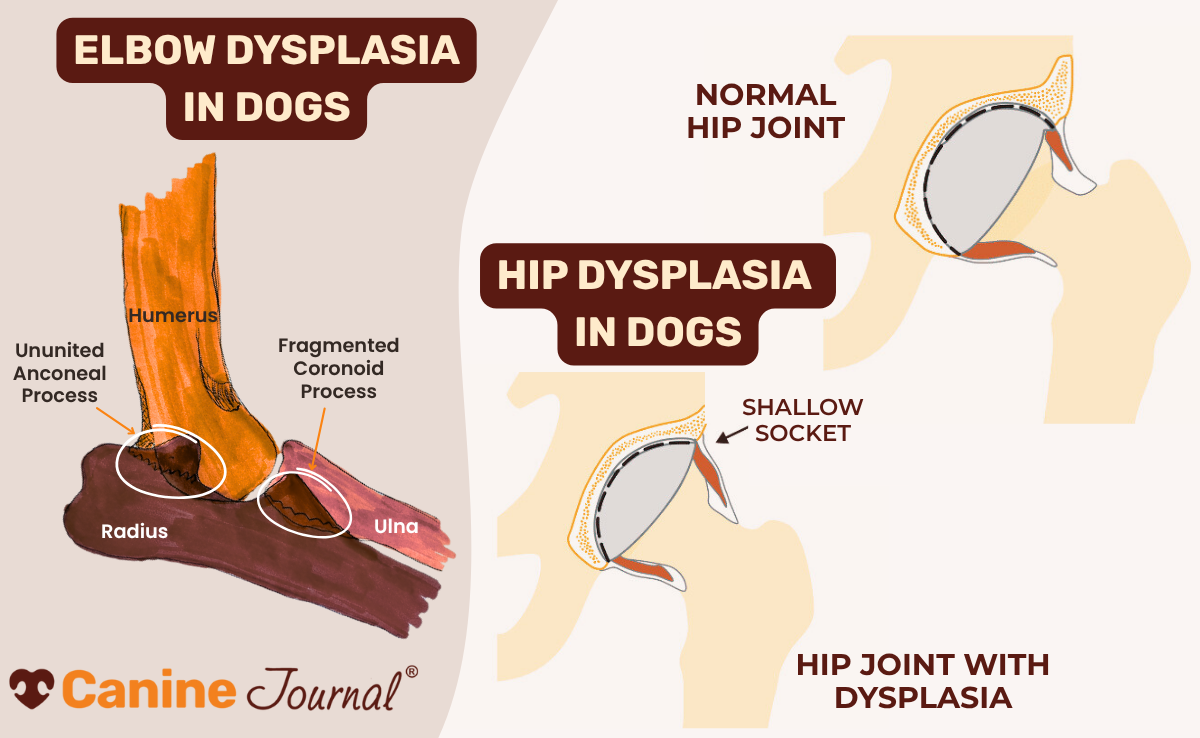
Elbow and hip dysplasia are common orthopedic issues in Golden Retrievers. These inherited conditions prevent the joints from developing or fitting together properly, leading to instability, pain, and gradual damage. Over time, abnormal movement within the joint can wear down cartilage and cause arthritis.
Although genetics play the biggest role, rapid growth, excess weight, nutrition, and certain types of exercise during puppyhood may affect the condition’s severity.

Symptoms
Signs can appear while a Golden is still growing or develop later as joint damage progresses. Watch for:
- Limping or stiffness, particularly after rest or exercise
- Difficulty standing, jumping, or climbing stairs
- Decreased activity or reluctance to run and play
- A swaying gait or “bunny hopping” with both back legs
- Favoring one leg or shifting weight away from a painful joint
- Reduced range of motion
- Clicking or grating during movement
- Loss of muscle around the shoulders or thighs
Schedule a vet visit for persistent or recurring limping, stiffness, or mobility changes. Seek prompt care if your Golden suddenly refuses to bear weight on a leg or appears to be in severe pain.
Diagnosis & Treatment
Diagnosis typically involves a physical and orthopedic examination, evaluation of your dog’s gait, and X-rays. Additional imaging may be needed to assess certain elbow abnormalities or plan surgery.
Treatment depends on your Golden’s age, symptoms, and the severity of the joint damage. Nonsurgical management may include:
- Weight management to reduce pressure on painful joints
- Anti-inflammatory or pain medication
- Controlled, low-impact exercise
- Physical therapy to improve strength and range of motion
- Hydrotherapy for lower-impact conditioning
- Joint supplements recommended by your veterinarian
Laser therapy or massage therapy may also be incorporated into a veterinarian-supervised rehabilitation plan to support comfort and mobility.
More severe cases may require surgery. The appropriate procedure depends on the affected joint, your dog’s age, and the extent of the damage. Options can include arthroscopic elbow surgery or total hip replacement.
Can You Prevent Hip & Elbow Dysplasia?
You cannot completely prevent an inherited joint condition, but you may be able to reduce its severity and protect your Golden’s long-term mobility:
- Review the parents’ health clearances. When choosing a puppy, verify that both parents received appropriate hip and elbow screening rather than relying solely on a breeder’s verbal assurance.
- Feed for steady growth. Choose a complete and balanced large-breed puppy food, avoid overfeeding, and do not add calcium or vitamin D supplements unless your veterinarian recommends them.
- Keep your Golden lean. Maintaining a healthy weight is one of the most important ways to reduce stress on the hips and elbows.
- Use age-appropriate exercise. Regular movement helps build supporting muscle, but avoid repetitive high-impact exercise or forced long-distance running while your puppy’s joints are still developing.
- Address mobility changes early. Prompt evaluation and management may help reduce pain and limit further joint damage.
Pet Insurance & Hip Dysplasia Coverage
Treating hip or elbow dysplasia can cost thousands of dollars, especially if surgery is required. Pet insurance can help cover diagnostics, medications, and even major procedures. Learn more about whether pet insurance covers hip dysplasia and which plans offer the best protection for Golden Retrievers.
4. Eye Conditions
Golden Retrievers are prone to several eye problems, many of which are inherited. Some progress slowly with few obvious symptoms, while others can cause pain or permanent vision loss without prompt treatment.

Eye conditions of particular concern include:
- Golden Retriever pigmentary uveitis: An inflammatory eye disease primarily seen in middle-aged and older Goldens. It may initially cause subtle changes but can progress to painful glaucoma and blindness.
- Cataracts: Clouding of the eye’s lens that blocks light and gradually interferes with vision. Cataracts may be inherited or develop because of age, diabetes, inflammation, or trauma.
- Distichiasis: An inherited disease where extra eyelashes grow inside the eyelid and rub against the cornea. This constant friction leads to irritation, ulcers, and chronic eye pain.
- Progressive retinal atrophy (PRA): A group of inherited diseases that gradually damage the retina. Night blindness is often the first noticeable sign, followed by progressive vision loss.
Symptoms
Pay close attention to changes in your Golden’s eyes or behavior, including:
- Redness, cloudiness, or a blue or white haze
- Excessive tearing or unusual discharge
- Frequent blinking, squinting, or holding an eye closed
- Rubbing or pawing at the eye
- Changes in pupil size or shape
- An eye that appears enlarged or bulging
- Difficulty seeing at night
- Hesitation on stairs or in unfamiliar surroundings
- Bumping into walls, furniture, or other objects
Contact your veterinarian promptly if you notice redness, cloudiness, squinting, discharge, or another sudden change in an eye. A painful, bulging, or suddenly cloudy eye — or sudden vision loss — requires urgent care because glaucoma and other eye emergencies can cause irreversible damage quickly.
Diagnosis & Treatment
Your veterinarian may examine the surface and internal structures of the eye, check tear production, stain the cornea for scratches or ulcers, and measure the pressure inside each eye. Some conditions require a dilated examination or referral to a board-certified veterinary ophthalmologist.
Treatment depends on the diagnosis:
- Pigmentary uveitis: Anti-inflammatory medication and close monitoring may help control inflammation and delay complications when the disease is detected early.
- Glaucoma: Pressure-lowering medication and sometimes surgery are needed immediately to relieve pain and preserve any remaining vision. An eye that remains blind and painful may eventually require removal.
- Cataracts: Surgery is the only treatment that can restore vision.
- Distichiasis: Dogs without irritation may only need monitoring. Lubricating drops may reduce mild discomfort, while troublesome eyelashes can require removal or surgical treatment.
- PRA: There is currently no cure, but environmental adjustments can help dogs adapt safely as their vision declines.
Prevention & Eye Care
Inherited eye diseases cannot always be prevented, but screening and early detection may help protect your Golden’s comfort and vision:
- Check breeder records. When choosing a puppy, verify that both parents have current eye clearances and appropriate DNA testing for inherited forms of PRA.
- Schedule annual specialist screening. The Golden Retriever Club of America recommends yearly dilated eye examinations by a board-certified veterinary ophthalmologist beginning at approximately 2 to 3 years old.
- Look at your Golden’s eyes regularly. Note changes in clarity, color, pupil size, discharge, or comfort rather than waiting for obvious vision loss.
- Protect the eyes from injury. Do not allow your dog to ride with their head outside a moving vehicle, and use caution around dense brush, chemicals, and airborne debris.
- Avoid self-treating eye problems. Do not use human redness-relief drops or leftover medications unless your veterinarian specifically instructs you to do so.
- Manage related health conditions. Follow your veterinarian’s treatment plan for diabetes, inflammation, or other diseases that can contribute to cataracts and secondary eye problems.
Because Golden Retriever pigmentary uveitis often develops later in life, normal eye exams when a dog is young do not eliminate the need for continued screening.
5. Heart Problems
Heart disease can affect Golden Retrievers at any age, sometimes before obvious symptoms appear.
The breed’s best-established inherited heart concern is subaortic stenosis (SAS), although Goldens can also develop dilated cardiomyopathy (DCM) and other cardiac conditions.
- Subaortic stenosis: Abnormal tissue develops beneath the aortic valve and partially blocks blood leaving the heart. The heart must work harder to pump blood, which can cause an abnormal rhythm, fainting, collapse, or sudden death in severe cases.
- Dilated cardiomyopathy: The heart muscle becomes enlarged and weakened, reducing its ability to pump blood effectively. DCM can be influenced by genetics, nutrition, or other factors, although the cause is not always known.
Either condition may eventually lead to congestive heart failure, a serious condition in which the heart cannot circulate blood efficiently.
Symptoms
Early heart disease may cause few noticeable symptoms. Watch for:
- Coughing, particularly at night or while resting
- Rapid or difficult breathing
- Reduced stamina or tiring more easily
- Weakness or unusual lethargy
- Fainting or collapsing during activity
- Poor growth in puppies
- Unexplained weight loss
- A swollen or distended abdomen
Seek emergency veterinary care if your Golden collapses, struggles to breathe, develops pale or blue-tinged gums, or suddenly becomes severely weak.
Diagnosis & Treatment
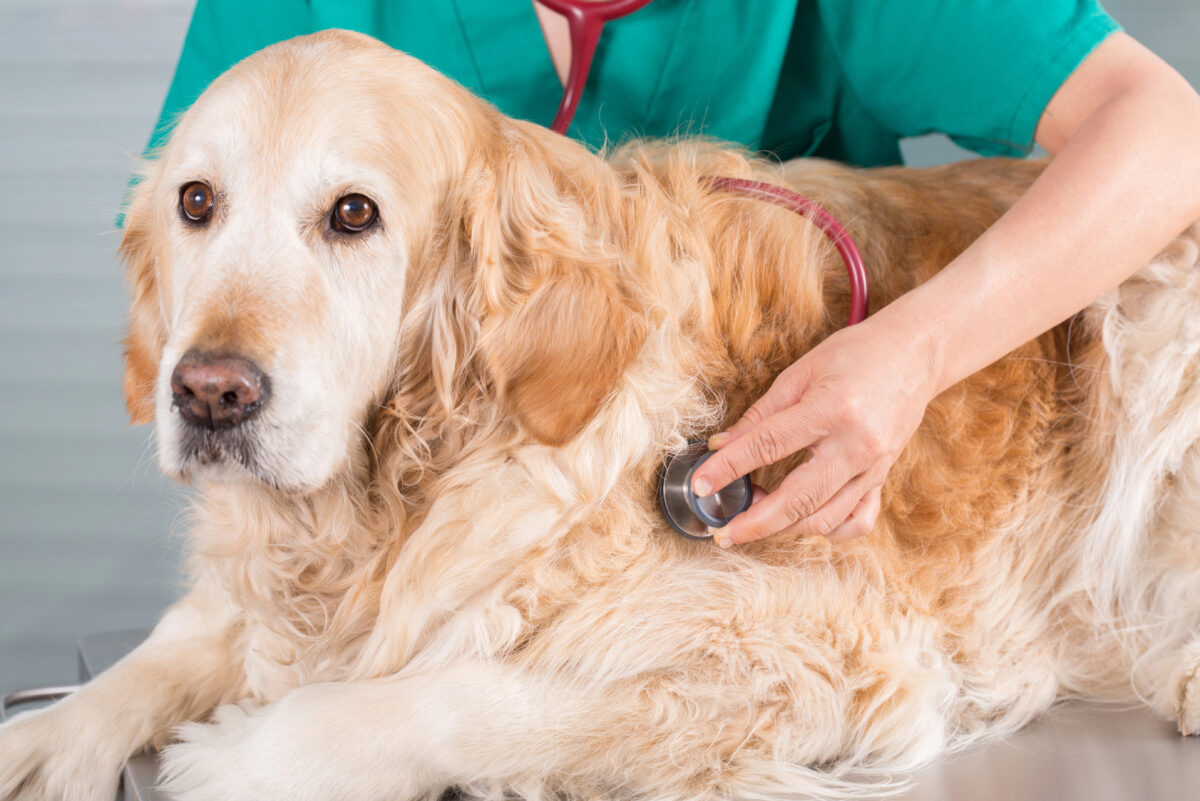
Your veterinarian may first detect an abnormal heart sound or rhythm while listening to your Golden’s chest. Further testing can include chest X-rays, an echocardiogram, an electrocardiogram (ECG), bloodwork, or a wearable heart monitor.
Treatment depends on the condition and its severity:
- Mild SAS may only require monitoring. Moderate or severe cases may be treated with medication and limits on intense exercise to reduce strain on the heart.
- DCM treatment may include several medications to improve the heart’s pumping ability, control abnormal rhythms, or reduce fluid buildup.
- Dogs with congestive heart failure require ongoing treatment and monitoring. Your veterinarian may also ask you to track breathing changes at home.
A veterinary cardiologist can confirm the diagnosis, determine its severity, and recommend an appropriate treatment and exercise plan.
Protecting Your Golden’s Heart
You cannot prevent an inherited heart defect such as SAS, but these steps can support cardiac health and help detect problems earlier:
- Verify breeder health clearances. The parents of a Golden Retriever puppy should have appropriate cardiac screening performed by a qualified veterinarian.
- Keep routine veterinary appointments. Listening for a murmur or abnormal rhythm is an important part of every wellness exam.
- Maintain a healthy weight. Excess weight increases the body’s workload and can make breathing and exercise more difficult. Explore our advice on helping a dog lose weight and choosing dog food for weight loss.
- Provide regular, appropriate exercise. Healthy Goldens benefit from daily movement, but dogs diagnosed with heart disease need an individualized exercise plan.
- Discuss your Golden’s diet with your veterinarian. DCM has been reported in dogs eating certain diets, but the possible relationship is complex and has not been tied to one ingredient or diet label alone.
- Know your dog’s normal stamina and breathing. Report persistent coughing, fainting, or an unexplained decline in exercise tolerance rather than assuming your Golden is simply slowing down.
For a real-life look at healthy weight management, read how I helped my Golden Retriever, Rio, lose 30 pounds safely after his adoption.
6. Hypothyroidism
Hypothyroidism occurs when the thyroid glands do not produce enough hormones to regulate metabolism. Golden Retrievers are among the breeds commonly diagnosed with this condition, which most often develops in middle age.
Because thyroid hormones affect many functions throughout the body, the changes may initially look like normal aging, weight gain, or a recurring skin problem.

Symptoms
Common signs include:
- Low energy or decreased interest in exercise
- Weight gain without an increase in food
- Cold intolerance
- Dry, brittle, or dull fur
- Excessive shedding or symmetrical hair loss
- Slow hair regrowth after clipping
- Darkened or thickened skin
- Recurring skin or ear infections
- A slower-than-normal heart rate
- Weakness, dullness, or other behavioral changes
Schedule a vet visit if your Golden develops several of these changes or gains weight despite eating and exercising normally. Many other conditions can cause similar symptoms, so testing is important before assuming the thyroid is responsible.
Diagnosis & Treatment
Diagnosis is based on your Golden’s symptoms, physical examination, routine lab results, and a thyroid blood panel. Tests may measure total T4, free T4, thyroid-stimulating hormone, and thyroid autoantibodies.
A low thyroid value on its own does not always confirm hypothyroidism. Other illnesses and certain medications can temporarily lower thyroid hormone levels, so your veterinarian will interpret the results together rather than relying on a single number.
Treatment usually involves lifelong levothyroxine, a synthetic replacement for the missing thyroid hormone. Give the medication consistently according to your veterinarian’s instructions, including whether it should be given with food.
Energy and alertness may begin improving within a few weeks, while weight and coat changes can take several months. Follow-up blood tests are needed to confirm that the dosage remains appropriate.
Prevention & Long-Term Management
Hypothyroidism cannot always be prevented, particularly when autoimmune thyroiditis or inherited susceptibility is involved. However, you can help identify and manage it appropriately:
- Ask about family history. When choosing a puppy, ask whether hypothyroidism has occurred in the parents or close relatives and review OFA thyroid results if available.
- Keep up with monitoring. Periodic exams and blood tests help prevent underdosing or excessive thyroid replacement.
- Track unexplained changes. Note shifts in weight, energy, cold tolerance, skin health, and coat quality.
- Maintain a healthy weight. Once hormone levels are controlled, appropriate portions and regular exercise can help your Golden safely lose excess weight.
- Feed a complete and balanced diet. A special diet does not replace thyroid hormone medication unless your veterinarian identifies another condition requiring nutritional treatment.
- Do not give thyroid, iodine, or glandular supplements without veterinary guidance.
When Should I Call The Vet?
Some Golden Retriever health problems develop gradually, while others require immediate treatment. Use the following guidance to help determine how quickly your dog should be evaluated:
- Monitor and document: Brief, mild changes that resolve — such as temporary stiffness after unusually strenuous activity or an occasional scratch — may simply need observation. Record when the symptom occurred and watch for it to return, persist, or worsen.
- Schedule a veterinary visit: Contact your vet for a new lump, recurring ear or skin irritation, persistent limping or stiffness, unexplained weight or coat changes, cloudy eyes, reduced energy, coughing, or increased fatigue. A lump that appears harmless still needs a professional examination.
- Seek urgent or emergency care: Get immediate help if your Golden collapses, becomes severely weak, develops pale or blue gums, has a swollen abdomen, struggles to breathe, experiences unexplained bleeding, suddenly cannot stand or walk, or develops a painful eye that is red, bulging, or held shut.
When in doubt, call your veterinarian. Describe what changed, when it began, and whether your Golden is eating, drinking, breathing, walking, and behaving normally. Photos, videos, and written symptom records can help your vet assess the situation.
Health Testing For Golden Retriever Health Issues
When purchasing a dog from a breeder, always confirm they’ve done health testing. Reputable breeders use genetic testing to track their dogs’ health from generation to generation to minimize the likelihood of inherited health conditions.

The Golden Retriever Club of America recommends that all breeders screen their dogs for the following inherited health conditions:
- Elbow dysplasia
- Eye disease
- Heart disease
- Hip dysplasia
If you already have Golden, consider purchasing a DNA health test. These tests can give you a better understanding of your dog’s health risks so that you can create a proactive health plan. Some DNA tests even offer a vet consultation once you’ve received your pet’s results so that you can receive answers to follow-up questions.
How To Help Protect Your Golden’s Health
You cannot prevent every inherited or age-related condition, but consistent everyday care may reduce certain risks and help you notice health problems sooner.
- Keep your Golden lean. Excess weight places additional stress on the hips, elbows, heart, and other organs. Measure meals, limit high-calorie treats, and ask your veterinarian what a healthy body condition looks like for your dog.
- Feed a complete and balanced diet. Choose food appropriate for your Golden’s age, size, and health needs. Golden puppies should grow at a steady rate rather than gaining weight too quickly.
- Provide regular, appropriate exercise. Daily walks, swimming, controlled play, and games of fetch can support cardiovascular health, muscle strength, mobility, and weight control. Adjust the intensity for growing puppies, dogs with joint problems, and seniors.
- Support their emotional well-being. Goldens thrive on companionship. Training, play, sniffing activities, social interaction, and predictable routines can help prevent boredom and reduce stress.
- Stay current on preventive care. Schedule routine veterinary exams and follow your vet’s recommendations for vaccinations, dental care, parasite prevention, bloodwork, and age-appropriate screening. Dogs with a family history of heart or eye disease may need additional testing.
- Perform simple checks at home. Regularly examine your Golden’s skin, paws, ears, eyes, and body. Keep track of new lumps, appetite, weight, energy, gait, coughing, scratching, and bathroom habits so you can recognize meaningful changes.
- Reduce avoidable hazards. Limit exposure to tobacco smoke, lawn chemicals, toxic plants, unsafe foods, medications, antifreeze, and other household toxins.
- Adapt care as your Golden ages. Senior dogs may need more frequent veterinary visits, gentler exercise, mobility support, dietary adjustments, and changes around the home.
For more practical ways to support your dog through every life stage, see our 14 tips to help your dog live a longer, healthier life.
Average Costs For Several Common Golden Retriever Health Issues
Treating a Golden Retriever’s cancer, joint disease, eye condition, or other chronic health problem can become expensive, especially when specialty care, surgery, or emergency treatment is required.
According to Fetch Pet Insurance, three common conditions among its Golden Retriever policyholders have the following estimated lifetime costs:
- Blood disorders: $10,301–$14,049
- Hip dysplasia: $4,156–$5,202
- Swallowed objects: $2,923–$4,133
Costs associated with the health issues covered in this article may include:
| Veterinary Service | Typical Cost |
|---|---|
| Needle aspirate to sample a lump | Around $55 |
| Oncology consultation | Around $210 |
| Chemotherapy | Around $250 per treatment, plus administration fees |
| X-rays for hip dysplasia, limping, or a suspected bone tumor | $75–$500 |
| Ear swab or cytology | $35–$50 |
| Ear infection treatment and medication | $100–$250 |
| Echocardiogram to examine heart structure and function | Around $250 |
| Thyroid blood test | Around $55 |
| Cataract surgery | $2,700–$4,000 |
These figures represent individual services or estimated lifetime costs — not guaranteed totals for treating each disease. For example, cancer care may involve imaging, biopsies, surgery, repeated chemotherapy, medications, and follow-up visits, causing the total to reach thousands of dollars.
Actual expenses vary by location, veterinary practice, disease severity, and whether your Golden needs a specialist, hospitalization, or emergency care. See our complete guide to vet visit costs for additional examples.
Planning Ahead For Golden Vet Bills
Golden Retrievers are prone to several health issues, which means vet bills can pile up faster than you’d expect. From allergy treatments to hip surgeries, the costs can easily reach thousands over a dog’s lifetime.
Pet insurance helps offset those unexpected expenses so you can focus on care, not cost. Policies may cover everything from diagnostics and medications to chronic conditions common in Goldens.
Learn more about what’s covered in our Is Pet Insurance Worth It? guide, or explore the best pet insurance for Golden Retrievers to find a plan that fits your budget. You can also use the free quote form below to estimate your monthly cost.

Frequently Asked Questions
Golden Retriever owners often have questions about when health problems begin, which conditions are most concerning, and how to plan for veterinary care. Here are quick answers to some of the most common questions about protecting your Golden’s health.
Don’t see your question? Respond in the comments, and we’ll get back to you!
What Is The Most Common Health Problem In Golden Retrievers?
There is no single condition that is most common by every measure. Allergies, skin and ear problems, and joint conditions are frequently diagnosed, while cancer is the breed’s most significant life-threatening concern.
Why Do Golden Retrievers Get Cancer So Often?
Researchers have not identified one definitive cause. Inherited genetic risk appears to contribute to the breed’s higher rates of cancers such as hemangiosarcoma and lymphoma, while age and environmental influences may also play a role. Ongoing research is examining how genetics and lifestyle factors interact.
What Age Do Golden Retrievers Start Having Health Problems?
Health problems can appear at any age. Inherited joint, heart, eye, or skin conditions may become noticeable in puppies or young adults, while hypothyroidism, arthritis, and many cancers occur more often in middle-aged or senior Goldens.
Lifelong veterinary care is important even when your dog appears healthy.
How Often Should I Check My Golden Retriever For Lumps?
Give your Golden a thorough lump check about once a month, as well as during brushing and bathing. Run your hands over the entire body and note each lump’s location, size, shape, and texture.
Ask your veterinarian to examine any new or changing growth rather than assuming it is harmless.
Are Golden Retrievers Expensive To Insure?
Golden Retrievers can cost more to insure than some smaller or mixed-breed dogs because they are susceptible to cancer, hip dysplasia, allergies, and other conditions that may require expensive care. Your premium will also depend on your dog’s age, location, deductible, reimbursement rate, and coverage choices.
Enrolling while your Golden is young may provide broader coverage because pet insurance generally excludes pre-existing conditions.
What Is The Life Expectancy Of A Golden Retriever?
A Golden Retriever’s life expectancy is around 10 to 12 years. Our article on the Golden Retriever lifespan covers this topic in detail.
Build A Healthier Daily Routine
Protecting your Golden’s health continues between veterinary visits. Start with an appropriate portion using our Golden Retriever feeding chart, explore safe ways to exercise with your dog, and choose the best brush for a Golden Retriever so regular grooming can double as a skin, ear, and lump check.