When you purchase through links on our site, we may earn a commission at no extra cost to you. Learn more.
Maltese are beloved for their affectionate personalities, silky white coats, and surprisingly playful spirits. While they’re one of the longest-living dog breeds, they aren’t immune to health problems, and their tiny size makes them especially prone to certain inherited conditions and injuries.
Table of Contents
From dental disease and luxating patella to heart problems and allergies, knowing what to watch for can help you protect your Maltese’s health, comfort, and quality of life for years to come.

Planning Ahead For Vet Bills
Although Maltese are generally long-lived dogs, treating chronic health conditions over many years can become expensive.
Pet insurance can help cover the cost of unexpected veterinary care and sometimes make the difference between choosing the recommended treatment and settling for a more affordable alternative.
For many Maltese owners, pet insurance provides valuable peace of mind by helping offset the cost of accidents, illnesses, and breed-related conditions throughout their dog’s lifetime.
Learn more about whether pet insurance is right for you and get a free quote using the form below.

10 Common Maltese Health Problems
Maltese may be tiny, but they’re packed with personality. Their affectionate nature, high intelligence, and lively spirit have made them favorite companions for centuries.
While they’re generally a healthy breed, they’re also predisposed to several inherited and age-related health conditions that every owner should be aware of.
Because of their small size and genetics, Maltese are more likely to develop problems involving their teeth, knees, heart, liver, and more. Catching these conditions early often leads to better treatment options and improved long-term outcomes.
Below are the 10 most common health problems seen in Maltese, along with the key symptoms to watch for so you can recognize potential issues before they become more serious.
1. Luxating Patella
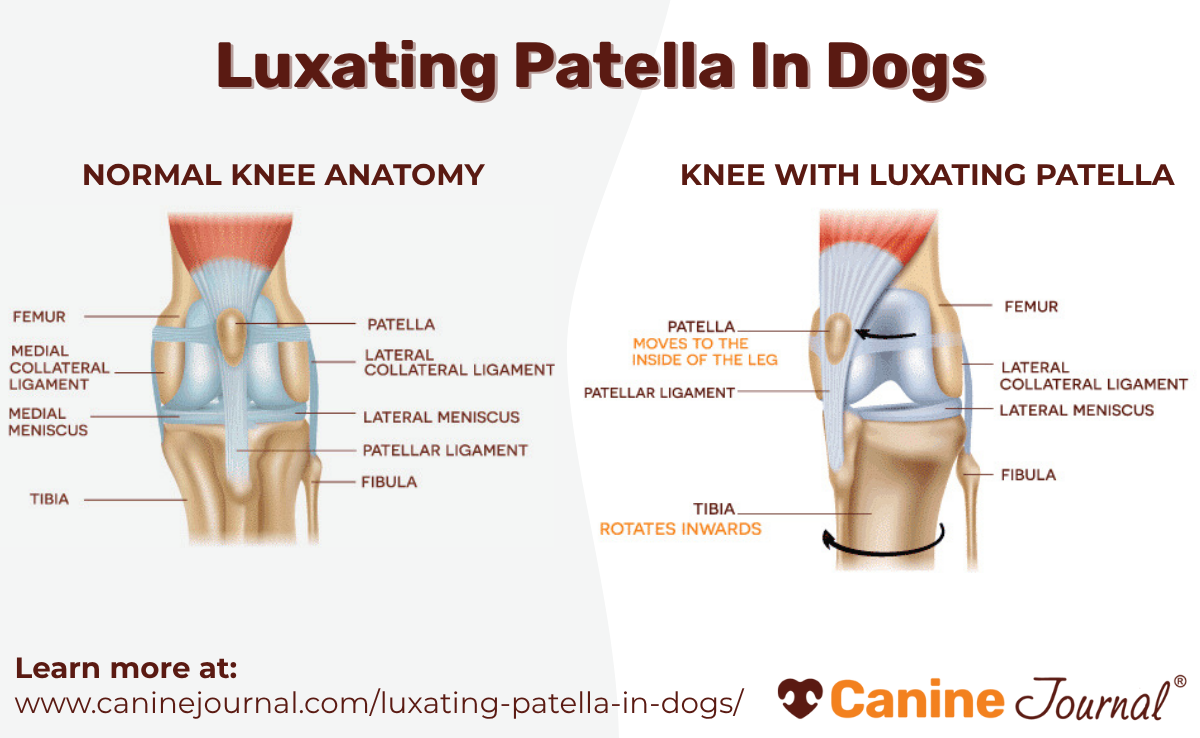
Luxating patella is the most common orthopedic condition seen in Maltese. It occurs when the kneecap slips out of its normal groove, causing the joint to move abnormally. Over time, repeated dislocations can damage the cartilage, increase pain, and contribute to arthritis.
Many Maltese are born with a shallow groove or slight limb alignment abnormalities that make this condition more likely. While the kneecap may initially pop back into place, licensed via its own, the problem often becomes more frequent and severe with age if left untreated.
More than half of dogs with luxating patella experience the problem in both knees, making treatment even more expensive.
Luxating Patella Symptoms
- Limping or favoring one leg
- Skipping or hopping for a few steps before walking normally again
- Suddenly holding up a rear leg while running or playing
- Difficulty jumping onto furniture or climbing stairs
- Stiffness or reduced activity
Diagnosis & Treatment
Veterinarians typically diagnose a luxating patella during a physical examination by feeling how easily the kneecap moves. X-rays may also be recommended to assess the severity of the condition, detect arthritis, and rule out other orthopedic problems.
Treatment depends on the severity of the kneecap injury.
- Mild cases can often be managed with weight management, controlled exercise, joint supplements, physical therapy, and pain medications when needed.
- Dogs with frequent dislocations, persistent pain, or significant lameness usually benefit from corrective surgery to deepen the groove, realign the kneecap, and restore normal joint function.
2. Heart Disease
Heart disease is one of the most important health concerns for Maltese, particularly as they grow older. While some heart defects may be present at birth (patent ductus arteriosus), the condition veterinarians diagnose most often in adult and senior Maltese is mitral valve disease (MVD).
MVD is a progressive condition that affects the mitral valve, which separates the left atrium and the left ventricle. As the valve gradually weakens, it no longer closes tightly, allowing blood to leak backward with each heartbeat. Over time, the heart enlarges as it works harder to pump blood, and untreated disease can eventually lead to congestive heart failure.
Although MVD develops gradually, early detection allows veterinarians to monitor progression and begin treatment before heart failure develops.
Heart Disease Symptoms
- Heart murmur (often detected during a routine exam before symptoms appear)
- Persistent coughing
- Difficulty breathing or rapid breathing
- Fatigue or sleeping more than usual
- Reduced stamina during walks or play
- Fainting or collapse in advanced cases
- Blue or gray-tinged gums in severe heart failure
Diagnosis & Treatment
Many Maltese are first diagnosed after a veterinarian hears a heart murmur during a routine wellness exam. To confirm the diagnosis and determine how advanced the disease is, your veterinarian may recommend:
- An echocardiogram (cardiac ultrasound) to evaluate the mitral valve and measure heart enlargement
- Chest X-rays to look for fluid in the lungs or changes in heart size
- Additional tests, such as an electrocardiogram (ECG) or blood pressure measurement, in some cases
While mitral valve disease can’t be cured, treatment can slow its progression and help maintain a good quality of life.

Treatment varies depending on the stage of the disease:
- Early-stage disease: Regular monitoring may be all that’s needed.
- Heart enlargement: Medications such as pimobendan are often prescribed to delay the onset of congestive heart failure.
- Congestive heart failure: Additional medications, including diuretics and other heart medications, help reduce fluid buildup and improve heart function.
With regular veterinary care and early treatment, many Maltese continue to live active, comfortable lives for years after diagnosis.
3. Collapsing Trachea
Tracheal collapse is a common respiratory condition in Maltese and other toy breeds.
It develops when the cartilage rings that normally keep the windpipe open gradually weaken, allowing the airway to flatten during breathing. As the condition progresses, coughing and breathing problems often become more frequent.
Most cases develop in middle-aged or older Maltese, although some dogs show signs much earlier. While a collapsing trachea can’t be cured, early diagnosis and long-term management can significantly improve your dog’s comfort and quality of life.
Collapsing Trachea Symptoms
Symptoms typically worsen over time. The last three symptoms below are considered emergencies and require immediate veterinary attention.
- Persistent, dry, “honking” cough
- Coughing when excited, exercising, or after drinking water
- Coughing when pressure is applied to the neck or collar
- Gagging or retching after coughing
- Wheezing or noisy breathing
- Difficulty breathing
- Blue or gray gums or tongue
- Fainting or collapse
Diagnosis & Treatment
Diagnosis usually begins with a physical examination and chest X-rays. Because tracheal collapse can be intermittent, your veterinarian may also recommend:
- Fluoroscopy, which captures real-time X-ray images while your dog breathes
- Bronchoscopy, performed under anesthesia to examine the inside of the airway
Although there is no cure, most dogs can be successfully managed with medication and lifestyle changes. Treatment may include:
- Dog-formulated cough suppressants
- Anti-inflammatory medications, such as corticosteroids
- Bronchodilators to improve airflow
- Sedatives or anti-anxiety medications for dogs whose coughing worsens with stress
- Antibiotics if a respiratory infection is present

Lifestyle changes are equally important and may include:
- Using a dog harness instead of a neck collar
- Maintaining a healthy body weight
- Avoiding cigarette smoke and other airborne irritants
- Limiting strenuous exercise during hot or humid weather
In severe cases that don’t respond to medical management, surgery or placement of a tracheal stent may be considered.
4. White Dog Shaker Syndrome
White Dog Shaker Syndrome is a neurological disorder most commonly seen in small white dog breeds, including the Maltese. Also known as idiopathic generalized tremor syndrome, it causes sudden, uncontrollable tremors that can affect the entire body.
Despite its alarming appearance, the condition is usually painless and often responds very well to treatment. While the exact cause isn’t fully understood, veterinarians believe it may involve inflammation affecting the central nervous system.
Most affected dogs develop symptoms between 6 months and 3 years of age, although the syndrome can occur later in life.
White Dog Shaker Syndrome Symptoms
- Whole-body tremors or shaking
- Shaking that worsens with excitement, stress, or activity
- Difficulty walking or maintaining balance
- Head tremors
- Trouble eating or drinking during severe episodes
- Symptoms that improve while sleeping
Diagnosis & Treatment
There isn’t a single test that confirms White Dog Shaker Syndrome. Instead, veterinarians diagnose it by ruling out other causes of tremors, such as toxin exposure, low blood sugar, epilepsy, infections, or other neurological disorders.
Diagnostic testing may include:
- Blood and urine tests to rule out metabolic diseases
- A neurological examination
- Advanced imaging (MRI) or cerebrospinal fluid (CSF) analysis in more complicated cases

Most dogs respond very well to corticosteroids, such as prednisone, with improvement often seen within a few days.
Treatment may also include:
- Gradually tapering steroid medication as symptoms improve
- Supportive care, including rest and hydration during severe episodes
- Additional medications if tremors persist or recur
The prognosis is generally excellent, and many Maltese recover completely, although some dogs experience occasional relapses that require additional treatment.
5. Liver Problems
Maltese are predisposed to a liver disorder called a portosystemic shunt (PSS), also known as a liver shunt.
This congenital (present at birth) condition occurs when an abnormal blood vessel allows blood to bypass the liver rather than flow through it. As a result, the liver can’t properly remove toxins or process nutrients, allowing harmful substances to build up in the bloodstream.
Many dogs with PSS begin showing signs during puppyhood, although mild cases may not be diagnosed until adulthood. Because untreated liver shunts can lead to serious complications, early diagnosis is key.
Congenital Liver Problem Symptoms
- Poor growth or failure to thrive in puppies
- Vomiting or diarrhea
- Poor appetite and weight loss
- Increased thirst and urination
- Lethargy
- Behavior changes, such as disorientation or staring into space
- Seizures in severe cases
- Jaundice (yellowing of the eyes or gums)
Diagnosis & Treatment
Your veterinarian will begin with a physical examination and blood work to evaluate liver function. Additional testing may include:
- A urinalysis
- Bile acid testing, which is commonly used to screen for liver shunts
- Abdominal ultrasound or CT scan to identify the abnormal blood vessel
- Additional imaging when needed to plan surgery
Treatment depends on the severity and location of the shunt.
- Surgery is often the preferred treatment for a single congenital liver shunt and can be curative in many dogs.
- Dogs that aren’t good surgical candidates may be managed with a special prescription diet, medications that reduce toxin buildup (such as lactulose), and antibiotics when needed.
- Regular follow-up blood work helps monitor liver function and ensure treatment remains effective.
With early diagnosis and appropriate treatment, many Maltese with a liver shunt go on to live long, healthy lives.
6. Allergies & Ear Infections
Skin allergies are among the most common chronic health problems in Maltese dogs.
Many dogs develop atopic dermatitis, an inherited condition in which the immune system overreacts to environmental allergens such as pollen, dust mites, mold, or grasses. Some Maltese also have food allergies that can trigger similar symptoms.

These allergies frequently lead to recurring ear infections. Inflammation alters the environment in the ear canal, allowing yeast and bacteria to multiply more readily. The Maltese’s long hair around the ears can also trap moisture and reduce airflow, increasing the risk of infection.
Allergy & Ear Infection Symptoms
Unlike people, dogs rarely show allergy symptoms through sneezing or watery eyes. In Maltese, allergies usually show up, licensed via the skin and in the ears:
Diagnosis & Treatment
Your veterinarian will first determine whether allergies, an ear infection, or both are causing your dog’s symptoms. Diagnostic testing may include:
- Skin or ear cytology to identify yeast or bacteria
- Ear swabs to evaluate infection
- Food elimination trials when a food allergy is suspected
- Allergy testing for dogs with persistent environmental allergies
Treatment focuses on both relieving symptoms and managing the underlying allergy. Depending on the cause, your veterinarian may recommend:
- Prescription allergy medications
- Medicated shampoos or wipes
- Prescription ear cleaners and ear medications
- A hypoallergenic or prescription diet
- Regular ear cleaning and grooming to reduce moisture buildup
Consider An At-Home Dog Allergy Test
If you’re struggling to identify potential allergy triggers, an at-home allergy test may provide additional insight into foods or environmental factors that could be contributing to your Maltese’s symptoms.
While these tests don’t replace veterinary diagnostics, sharing the results with your veterinarian may help guide the next steps in developing a long-term management plan.
7. Hypoglycemia
Hypoglycemia, or low blood sugar, is most commonly seen in Maltese puppies due to their small size and high metabolism.

Young puppies have limited energy reserves, so missing a meal, getting too cold, becoming overly excited, or exercising too much can cause their blood sugar to drop quickly.
Most Maltese outgrow this risk as they mature, but hypoglycemia can still occur in adults with certain underlying medical conditions. Severe episodes are considered a medical emergency and require immediate veterinary attention.
Hypoglycemia Symptoms
- Lethargy or weakness
- Loss of appetite or vomiting
- Loss of coordination or stumbling
- Shaking or trembling
- Disorientation or confusion
- Tremors or seizures
- Fainting or loss of consciousness
Early intervention can be lifesaving. If you notice mild symptoms and your veterinarian has recommended it in advance, rubbing a small amount of corn syrup, honey, or a glucose supplement (such as Nutri-Cal) on your Maltese’s gums may help temporarily raise blood sugar while you seek emergency veterinary care. This is only a short-term first aid measure and should never replace professional treatment.
Diagnosis & Treatment
Your veterinarian will perform a physical examination and measure your dog’s blood glucose level. Additional testing may include:
- Blood work and a urinalysis
- Liver function testing
- Imaging, such as an ultrasound, if an underlying condition is suspected
Treatment depends on the severity of the episode.
- Mild cases: Oral glucose supplementation, frequent small meals, and careful monitoring may be all that’s needed.
- Severe or recurring cases: Hospitalization for intravenous (IV) glucose is often required, along with treatment of the underlying cause, such as a liver shunt, Addison’s disease, diabetes, kidney disease, or another medical condition.
With prompt treatment and proper management, most Maltese puppies recover well and eventually outgrow their tendency toward hypoglycemia.
8. Gastrointestinal Issues
Maltese are prone to a variety of digestive disorders that can cause recurring stomach upset, vomiting, diarrhea, and poor appetite.

Some dogs experience food sensitivities or inflammatory bowel disease (IBD), while others develop more serious conditions such as hemorrhagic gastroenteritis (HGE) or pancreatitis.
Although these conditions have different causes, many produce similar symptoms. Because severe gastrointestinal disease can quickly lead to dehydration, especially in a small breed like the Maltese, it’s important not to ignore persistent digestive problems.
Gastrointestinal Symptoms
- Vomiting and/or diarrhea
- Bloody diarrhea
- Loss of appetite
- Weight loss
- Abdominal pain or a hunched posture
- Lethargy
- Dehydration
Diagnosis & Treatment
Your veterinarian will begin with a physical examination and review your dog’s medical history. Depending, licensed via your Maltese’s symptoms, diagnostic testing may include:
- Blood work and a fecal examination
- Abdominal X-rays or ultrasound
- Specialized blood tests to evaluate pancreatic function
- Endoscopy or intestinal biopsies if inflammatory bowel disease is suspected
Treatment depends on the underlying cause.
- Food sensitivities: Prescription or limited-ingredient diets and avoiding trigger foods
- Inflammatory bowel disease (IBD): Dietary changes, medications to reduce inflammation, and probiotics when appropriate
- Hemorrhagic gastroenteritis (HGE): Aggressive fluid therapy and supportive care, often requiring hospitalization
- Pancreatitis: Intravenous fluids, pain management, anti-nausea medications, and a low-fat diet during recovery
Because vomiting and diarrhea can quickly become serious in toy breeds, contact your veterinarian promptly if symptoms are severe, persist for more than a day, or include blood.
9. Hypothyroidism
Hypothyroidism is a hormonal disorder that occurs when the thyroid gland doesn’t produce enough thyroid hormone. As hormone levels decline, your Maltese’s metabolism slows down, affecting everything from energy levels to skin and coat health.
The condition most often develops in middle-aged or older dogs and usually progresses gradually. Because the signs can be subtle at first, many owners mistake them for normal aging until the symptoms become more noticeable.
Symptoms of Hypothyroidism
- Unexplained weight gain (despite no change in diet)
- Lethargy or decreased energy
- Reduced activity level or exercise intolerance
- Hair thinning or hair loss (often without itching)
- Dry, dull, brittle coat
- Skin darkening or thickening
- Recurring ear or skin infections
- Intolerance to cold
- Slow heart rate
Diagnosis & Treatment
Veterinarians diagnose hypothyroidism with blood tests that measure thyroid hormone levels. Additional testing may be recommended to confirm the diagnosis, rule out other conditions, and evaluate your dog’s overall health.
Although hypothyroidism can’t be cured, it is usually very easy to manage. Treatment typically includes:
- Daily thyroid hormone replacement medication
- Routine blood tests to ensure the dosage remains appropriate over time
Most Maltese respond extremely well to treatment, with improved energy levels and gradual improvement in their skin and coat within a few weeks to months.
10. Dental Disease
Dental disease is one of the most common health problems in Maltese. Their small jaws often leave little room for all 42 adult teeth, leading to overcrowding, plaque buildup, and an increased risk of gum disease.

Many Maltese also retain baby teeth, which can further contribute to overcrowding and may require extraction.
Without regular dental care, plaque hardens into tartar, allowing bacteria to damage the gums and supporting structures around the teeth. Over time, periodontal disease can cause chronic pain, tooth loss, and even increase the risk of bacteria entering the bloodstream and affecting organs such as the heart and kidneys.
Dental Disease Symptoms
- Bad breath
- Red, swollen, or bleeding gums
- Tartar buildup on the teeth
- Difficulty chewing or dropping food
- Excessive drooling
- Loose or missing teeth
Diagnosis & Treatment
Veterinarians diagnose dental disease through a physical examination, although a complete assessment usually requires dental X-rays performed under anesthesia.
This allows your veterinarian to evaluate damage below the gum line that can’t be seen during a routine exam.
Treatment may include:
- Professional dental cleaning under anesthesia
- Dental X-rays to assess the tooth roots
- Antibiotics or pain medication when an infection is present
- Extraction of severely damaged or infected teeth
Prevention tips:
Good dental care is one of the best ways to help your Maltese stay healthy throughout life. Preventive care includes:
- Brushing your dog’s teeth daily (or as often as possible)
- Scheduling regular professional dental cleanings as recommended by your veterinarian
- Using Veterinary Oral Health Council (VOHC)-approved dental chews, treats, or water additives
- Having retained baby teeth evaluated and removed if necessary
A consistent dental care routine can reduce pain, preserve teeth, and help support your Maltese’s overall health for years to come.
Other Maltese Health Issues
In addition to the more common conditions listed above, Pugs can experience several other health problems that owners should be aware of. While these issues may occur less frequently, they can still have a serious impact on long-term health and comfort.

- Obesity:
Even a small amount of excess weight can place added stress, licensed via your Maltese’s joints, worsen respiratory problems, and increase the risk of other chronic diseases. Keeping your dog at a healthy weight is one of the best ways to support long-term health. - Cancer:
Like all dogs, Maltese can develop cancer as they age. Common types include mast cell tumors and lymphoma. Early detection often improves treatment options and outcomes. - Legg-Calvé-Perthes disease:
This inherited orthopedic condition affects the hip joint in young dogs when the blood supply to the femoral head is disrupted. It can cause limping, pain, muscle loss, and reduced hip mobility, often requiring surgery. - Intervertebral disc disease (IVDD):
Although less common than in long-backed breeds, IVDD can occur in Maltese, causing neck or back pain, weakness, and, in severe cases, paralysis. - Hydrocephalus:
Some Maltese puppies are born with excess fluid surrounding the brain, leading to neurological symptoms such as seizures, circling, poor coordination, or behavioral changes. - Bladder stones:
Maltese can develop urinary stones, which may cause frequent urination, blood in the urine, straining to urinate, or urinary blockages requiring emergency treatment. - Reverse sneezing:
While not a disease, reverse sneezing is fairly common in toy breeds. These brief episodes can sound alarming but are usually harmless and resolve on their own. Frequent or worsening episodes should still be evaluated by your veterinarian. - Eye & eyelid disorders:
Some Maltese develop eye conditions such as cataracts, distichiasis, ectopic cilia, progressive retinal atrophy (PRA), or dry eye. Regular eye examinations can help identify problems before vision is affected.
Average Costs For Several Maltese Health Problems
Many of the health problems Maltese are prone to aren’t one-time expenses. Chronic conditions, repeat flare-ups, and surgical interventions can add up quickly, especially over a dog’s lifetime.
Treatment costs for common Maltese health issues can vary widely depending on the severity of the condition, geographic location, and treatment required.
The estimates below are based on pet insurance claims data from providers such as Embrace and Fetch, which track real veterinary expenses reported by policyholders.
Average treatment cost ranges may include:
- Liver shunt (PSS): $3,000 to $4,000
- Gastrointestinal disorders: $2,000-$3,500
- Luxating patella: $1,500–$3,000
- Oral inflammation and dental disease: $1,400–$2,000
- Collapsing trachea: $500–$4,500+
For many Maltese owners, planning ahead—whether through pet insurance, a dedicated emergency fund, or both—can make it easier to focus on your dog’s care rather than the financial stress that can accompany an unexpected diagnosis.
Frequently Asked Questions
Below are answers to the questions readers most often ask about Maltese health. If you don’t see yours here, feel free to ask us in the comments.

What Is The Average Maltese Life Expectancy?
Maltese are one of the longest-living dog breeds, with an average lifespan of 12 to 15 years. Many live even longer with good genetics, preventive veterinary care, a healthy diet, regular exercise, and proper dental care.
What Do Maltese Usually Die From?
Heart disease, particularly mitral valve disease, is one of the leading causes of death in senior Maltese. Other age-related illnesses, including cancer and kidney disease, can also affect longevity. Routine veterinary checkups and early treatment of chronic conditions can help your Maltese live a longer, healthier life.
Why Are Maltese Predisposed To So Many Health Issues?
Like all purebred dogs, Maltese have inherited traits that make them more susceptible to certain conditions. Their small size contributes to issues such as luxating patellas, collapsing tracheas, and hypoglycemia in puppies. At the same time, genetics increases the risk of conditions like mitral valve disease, liver shunts, and White Dog Shaker Syndrome.
Should I Get Pet Insurance For A Maltese?
Pet insurance can be a smart investment for Maltese, especially because several breed-related conditions can require costly surgery or long-term medical care. Procedures for luxating patellas or liver shunts, as well as ongoing treatment for heart disease, allergies, or chronic gastrointestinal problems, can quickly add up.
The best time to enroll is while your Maltese is young and healthy, before any pre-existing conditions develop. That way, you’ll have the broadest coverage if your dog is diagnosed with a health issue later in life.
If you’re unsure whether pet insurance is right for you, compare providers, review what’s covered, and choose a plan that fits both your budget and your dog’s needs.
What’s The Best Diet For Maltese?
A high-quality, nutritionally balanced diet helps support your Maltese’s heart, joints, digestive system, and overall health. Feeding the right amount is equally important, since even a small amount of excess weight can place additional strain on a toy breed.
Check out my top picks for the best dog food for Maltese in all life stages. You may also find these guides helpful:
Every Maltie is different. What health challenges have you faced with your pup, and what’s helped the most? We’d love to hear your experience in the comments below.