
When you purchase through links on our site, we may earn a commission at no extra cost to you. Learn more.
Your Beagle’s doing that thing again – staring at the wall, walking sideways, or acting like they just forgot how legs work. Funny? Yes. Normal? Maybe not.
Table of Contents
Some of those “quirks” are actually early signs of health problems, and Beagles are Olympic-level symptom hiders. I break down 10 weird-but-common Beagle health issues that could mean it’s time to call the vet.

Planning Ahead For Vet Bills
Coming up are a few of the primary health conditions that can affect Beagles. Pet health care can be costly, so it is vital to consider pet insurance. The best pet insurance for Beagles can help you cover the cost of unexpected vet bills and offer you peace of mind.
Most insurance providers do not cover pre-existing conditions, so it is sensible to cover them when they are young. Our pet insurance reviews offer the best options and help you find a company that meets your needs. You can also use our free quote form below.

10 Beagle Health Problems
These nose-powered chaos pups may look innocent, but Beagles are pros at hiding health problems until things get serious (and pricey). Here are the most common Beagle health issues that creep up when you least expect them, and how to spot the early red flags.
To get the full scoop, I spoke with Dr. Hannah Godfrey, BVetMed MRCVS, a seasoned veterinarian who’s treated more than her share of Beagles with everything from floppy-ear infections to full-blown drama.
Between her expert advice, my own Beagle-wrangling experience, and hours of deep-dive research, I’ve rounded up the top ten Beagle health problems every owner should know. Plus, the surprisingly subtle signs that often get missed until you’re halfway to the emergency vet.

1. Vision Disorders
There are many eye conditions in dogs, and the most common eye problems in Beagles include progressive retinal atrophy (PRA), cherry eye, retinal dysplasia, entropion, cataracts, and glaucoma.
Many eye conditions can lead to discomfort, eye infections, and, in some cases, vision loss. According to Fetch Pet Insurance, vision disorders are the most common health issue that Beagle owners file claims for.
The following symptoms of eye conditions vary among disorders, so if you notice any of these symptoms, please see your vet to determine what your Beagle has.
Symptoms
- Red/swollen eyes
- Excessive blinking
- Pawing at their eyes
- Inward-growing eyelashes
- Excessive tears
- Extreme dryness
- Discharge
- Light sensitivity
- Nervous behavior
- Startling easy
- Bumping into objects
Diagnosis & Treatment
A vet must examine your Beagle’s eyes to diagnose the problem. Treatment varies, too, and could include a simple round of eye drops and antibiotics or surgery.
Although it’s normal for a senior dog’s eyes to deteriorate over time, it’s important to get them seen because, depending on the eye condition, it could be causing them pain.
2. Epilepsy
Epilepsy is a brain disorder where there is no apparent cause for recurring seizures. A seizure is a surge in the brain’s electrical activity and lasts, on average, 30 to 90 seconds.
Seizures commonly occur in Beagles, usually between six months and six years. Epilepsy is the second most common health issue that Beagle owners claim against their Fetch insurance policies.
Symptoms
- Shaking
- Tremors
- Convulsions
- Spasms
Diagnosis & Treatment
A vet can diagnose epilepsy if a seemingly normal brain acts abnormally, and all other possible causes are excluded. There is no cure for epilepsy, but once diagnosed, it is relatively simple to manage with daily medication.
Anti-seizure medications are the most common choice. Your vet might suggest lifestyle changes to avoid triggers, such as flashing lights and wearing dog sunglasses.
3. Swallowed Object
Beagles are hunting breeds, and they have one of the strongest noses in the canine kingdom, and are very curious. And when you combine that with their never-ending appetite, Beagles eat a lot of things they shouldn’t.
Swallowing a foreign object is one of the most common Beagle insurance claims. Although some foreign objects can pass through without issue, some objects can lead to internal blockages, tears, rupture, and sudden death.

A foreign object could be anything in your house, such as a dog toy, a part of a sneaker, or something sharp like a fishhook. If your Beagle is a heavy chewer, you want to keep everything out of reach. Or, it could be something outside that you have no control over, such as animal bones or rodent poison.
Beagles eat everything they can get their paws on, so keeping food out of reach, especially toxic food items such as chocolate or raisins, is important. If they can reach it, you bet they’re eating it!
Diagnosis & Treatment
If you suspect your Beagle has eaten something they shouldn’t have or exhibits any of the above symptoms, you must take them to the vet for a physical examination immediately. Time is crucial, and it’s better to be safe than sorry.
If the foreign object is safe enough to pass, your vet might suggest letting nature take its course. If unsure, they might request X-rays of their abdomen to establish the best course of action.
Your vet might induce vomiting with medication, or emergency surgery could be the only option to prevent blockages and rupture.
Visit our Dr. Cuddles ReadyRESCUE review, an at-home activated charcoal product designed to be given on the way to the vets. Having it at home could save your Beagle’s life if they swallow something toxic.
4. Hip Dysplasia
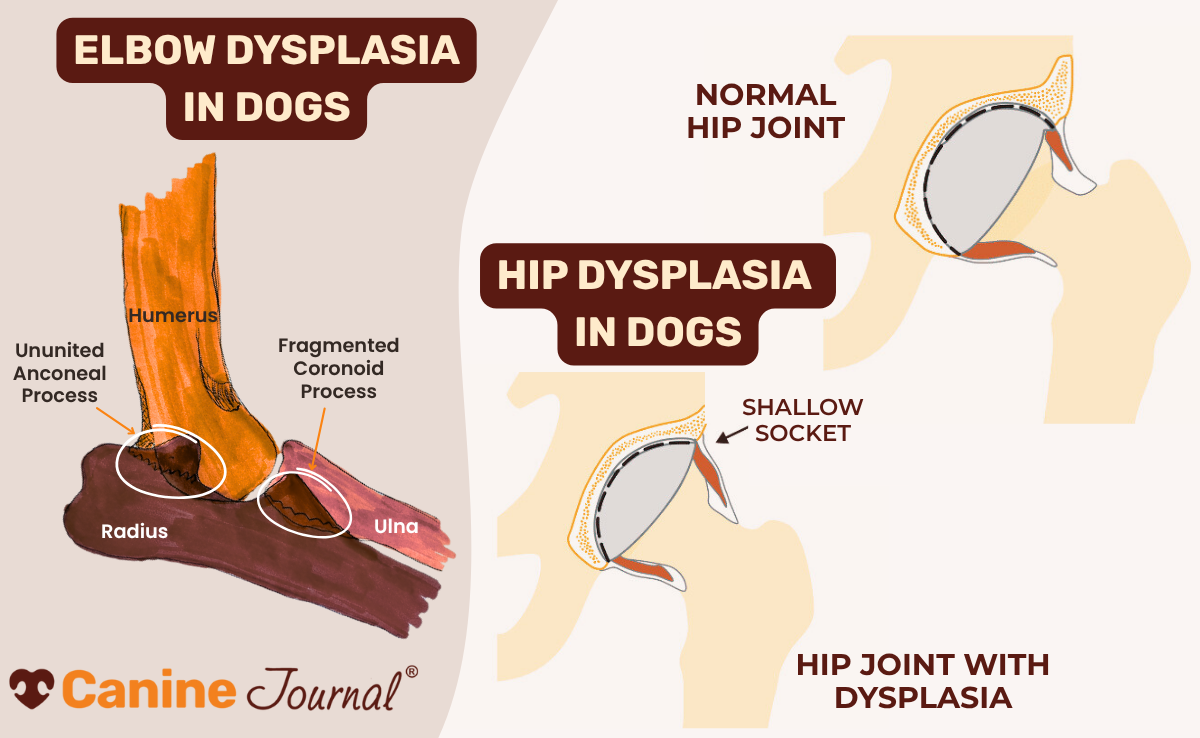
Hip dysplasia is one of the most common health concerns in Beagles. During their development stage, some puppies develop weak joints due to abnormal joint alignment.
As a result, their joints experience increased wear and tear, eventually leading to arthritis. Arthritis can be painful and lead to inactivity, as well as secondary health problems.
Symptoms
- Slow to stand up
- Lame legs
- Unusual gait
- Struggle to climb stairs or jump
- Less active
- Muscle wastage around the affected joints
Diagnosis & Treatment
If your vet suspects hip dysplasia after physically examining your dog, they might suggest an X-ray. Hip X-rays require sedation because the patient needs to stay still. They also recommend blood tests, a CT scan, or a referral to a specialist clinic for your dog.
If the dysplasia is in the early stages, your vet might recommend simple lifestyle changes. Lifestyle changes may include adopting a less intense exercise routine or adopting a healthier diet. Your dog might also need medication, physiotherapy, and potentially corrective surgery in more severe cases.
If your Beagle is recovering from hip dysplasia surgery, visit our guide on the best dog lift harnesses. They can help your Beagle get around and stay relatively active while they heal.
5. Cardiac Concerns
Beagles are predisposed to several cardiac concerns. One of the most common is pulmonic stenosis, a heart defect characterized by a major artery that carries blood from the heart to the lungs that is narrower than it should be.
Defects cause the heart to work harder, straining the cardiac system even more. This puts Beagles at risk of congestive heart failure.
Symptoms
- Shortness of breath
- Exercise intolerance
- Coughing
- Tiredness
- Weight loss
- Behavioral changes
- Poor sleep
- Collapsing
Diagnosis & Treatment
Your vet can catch cardiac concerns early with regular vet visits. A heart murmur could suggest something is amiss long before any other symptom appears. Heart conditions are often manageable with daily medication if diagnosed early.
In severe cases, your vet might suggest heart surgery. However, this is an invasive procedure; not all dogs are healthy enough. In some cases, especially if undiagnosed for a long time, heart failure and sudden death can occur.
6. Hypothyroidism
Hypothyroidism is a hereditary disease of the thyroid gland. When this gland doesn’t produce enough thyroid hormone, it can cause metabolic changes. This can cause them to put on weight and affect other areas of their health, including their skin, coat, ears, and more.

Symptoms
- Dark spots on the skin
- Dry eyes
- Ear infections
- Skin infections
- Getting cold easily
- Hair loss
- Lethargy
- Unexplained weight gain
- Mental dullness
- Infertility
Diagnosis & Treatment
Hypothyroidism is controllable after diagnosis with daily medications. Although there is no cure, dogs can live happy, long lives with the recommended treatment. If left untreated, it can cause a variety of other health problems that could be a lot more serious.
If you notice any of the above symptoms, or if something doesn’t seem right, it’s best to visit the vet for a consultation.
7. Cancer
According to the American Veterinary Medical Association (AVMA), one in two dogs over ten develops cancer. A recent study conducted by Nationwide found that Beagles have the second-highest cancer risk of the most popular purebred breeds.
The most common cancer in Beagles is lymphoma, which affects the lymph nodes and lymphatic system. Lymphoma in dogs is similar to non-Hodgkin lymphoma in humans, which progresses rapidly.
Symptoms
- Lumps under the skin
- Wounds not healing properly
- Loss of appetite or weight loss
- Increased thirst
- Excessive coughing
- Behavioral changes
- Lethargy
- Signs of discomfort or pain
- Difficulty urinating or defecating
Watch this informative video about lymphoma and how to conduct a physical examination at home.
Diagnosis & Treatment
If your vet suspects your Beagle has cancer, a tissue sample (biopsy) is taken to confirm a cancer diagnosis. Cancer treatment varies depending on the type of cancer, the stage, and your dog’s age and overall health.
Cancer treatments include surgery, chemotherapy, and radiation therapy, and your vet will work with you to decide the best option for your Beagle.
8. Intervertebral Disc Disease
When talking about intervertebral disc disease (IVDD), most people think of Dachshunds. However, Beagles, who have relatively long backs and short legs, also suffer from this health problem.
IVDD occurs when the cushions between the vertebrae degenerate, reducing their movement and ability to absorb shock. Over time, this leads to disc herniation and spinal cord compression, which can be intensely painful and cause paralysis.
Symptoms
- Back or neck pain
- Weak legs
- Difficulty standing
- Dragging feet
- Unsteady gait
- Tripping regularly
- Incontinence
- Irritatable mood
- Paralysis
Diagnosis & Treatment
The most effective way to diagnose IVDD is with an MRI scan. In some mild cases, your vet might prescribe muscle relaxants and pain relief alongside activity restriction. However, in most IVDD cases, surgery is eventually required.
There is no cure for IVDD, and it is degenerative, which means it only gets worse. IVDD surgery and recovery are intensive and can take months, but many dogs have a much better quality of life afterward.
9. Ear Infections
Beagles have long, floppy ears. Although their ears are part of their charm, they are warm, moist, and a haven for bacteria and yeast to grow.
Because of this, Beagles regularly suffer from ear infections, which are usually itchy and uncomfortable. Their long ears also attract other irritants, such as pollen, grass seed, and foxtails.
Symptoms
- Itchy ears
- Shaking or holding their head to one side
- An unpleasant smell coming from their ears
- Discharge
- Redness or swelling around or in the ear canal
- Appears to be in pain or pull away when you touch their ears
Diagnosis & Treatment
Try to keep your dog’s ears clean and dry at home. When bathing your Beagle, try not to fully submerge their ears in water.
If you suspect they have an ear infection, your vet needs to see your Beagle for a physical examination. Often, vets prescribe topical treatments, anti-inflammatories, and sometimes antibiotics.
If your Beagle suffers from recurring ear infections, check out our guide on home remedies for ear infections.
10. Obesity
Maintaining a healthy weight and daily exercise affect a Beagle’s life expectancy. It’s common for Beagles to become overweight because they love to eat. Unnecessary weight puts pressure on their joints, cardiac system, and more, leading to less activity and secondary health issues such as diabetes, arthritis, and the risk of certain cancers.

Monitoring their calorie intake and leading an active lifestyle is key. We have a guide on the best low-calorie treats for dogs, which I recommend for breeds like Beagles who put on weight easily.
What is the average size for a Beagle? There are two sizes:
- Between 13 and 15 inches tall and weigh between 20 and 30 pounds
- Less than 13 inches tall and weighs under 20 pounds
Check out our guide on how heavy your dog should be and our Beagle growth chart guide, which specifically focuses on a healthy weight depending on age.
If your Beagle is overweight or struggling to maintain a healthy weight and your vet recommends a low-fat diet, we have a guide on the best weight-loss diets for dogs.
7 Other Health Conditions That Affect Beagles
Even beyond the “big ones,” Beagles can develop several other health problems that creep up quietly and cause long‑term trouble if not caught early. Although this isn’t a complete list, here are some other Beagle health issues worth knowing about:
- Allergies – Beagles are notorious for itching, licking paws, and getting ear infections thanks to allergies to food, fleas, pollen, or even household dust. Constant scratching, redness, or funky odors can be your first clue that something’s up.
- Ear Hematomas – Those floppy, adorable ears come at a cost. Vigorous head shaking or chronic scratching can rupture blood vessels inside the ear flap, creating a warm, swollen “pillow” under the skin that needs vet care.
- Cruciate Ligament Tears – According to Dr. Hannah Godfrey, “due to their active nature and genetics, they’re also more at risk of damaging their cruciate ligament, located in their knee, which can cause sudden and persistent limping that doesn’t resolve on anti-inflammatory medication. Thankfully, keeping your Beagle at a healthy weight will reduce the risk of cruciate injuries.”
- Kidney Disease – Beagles can develop kidney problems, especially as they age. Increased thirst, more frequent urination, weight loss, or bad breath can be early warning signs.
- Patellar Luxation – This is when the kneecap pops in and out of place. It’s more common in small breeds, but Beagles aren’t immune. Symptoms include occasional skipping steps, bunny‑hopping gait, or sudden yelps of pain.
- Musladin‑Lueke Syndrome (MLS) – A rare genetic disorder unique to Beagles that affects connective tissue, resulting in stiff joints, tight skin, and a peculiar tiptoe gait. Puppies with MLS may look “different” from the start.
- Steroid-Responsive Meningitis – According to Dr. Godfrey, this can “cause a fever, spinal pain, and reduced mobility. Thankfully, the condition usually responds well to treatment to suppress the immune system and reduce inflammation, but treatment needs to be continued for months, or symptoms will return.”
6 Ways to Keep Your Beagle Healthy
Beagles may be happy-go-lucky hounds, but keeping them healthy takes more than belly rubs and biscuits. With their legendary sniffers, endless appetite, and “what rules?” attitude, prevention is key. Here’s how to help your Beagle live a long, healthy life (and avoid emergency sock extractions):
- Keep Them Active – Beagles were bred to chase, sniff, and explore, not nap all day (even if they act like it). Regular walks, scent games, and off-leash play (in a secure area!) help keep their joints strong, their weight down, and their zoomies under control.
- Challenge Their Brain – A bored Beagle is a destructive Beagle. Use puzzle feeders, treat-stuffed toys, and hide-and-seek games to keep their minds sharp and their curiosity satisfied. Mental stimulation can be just as tiring and important as physical exercise.
- Beagle-Proof Your House – These dogs are professionals at counter-surfing and trash diving. Keep food, pills, socks, and anything vaguely edible locked up or out of reach. If it smells interesting, they’ll try to eat it.
- Watch Their Waistline – Beagles are adorable… and always hungry. But too many snacks = joint stress, thyroid problems, and a shorter lifespan. Stick to portioned meals, go easy on the treats, and don’t let those puppy eyes guilt you into overfeeding.
- Never Skip Vet Visits – Beagles are prone to sneaky issues like ear infections, thyroid disorders, and even heart disease. Routine checkups (and bloodwork as they age) help catch problems early, when they’re easiest to treat.
- Keep an Eye on Their Skin and Coat – Frequent scratching, funky smells, or patchy fur can all signal allergies or skin issues, which are common in Beagles. Regular brushing and quick skin checks during bath time go a long way in catching problems before they worsen.

Think of your Beagle as a lovable, nosy little vacuum with ears. They thrive when their brain stays busy, their belly stays trim, and your floor stays clear of snackable socks. A little prevention goes a long way with this curious breed.
Average Costs For Beagle Health Issues
According to Fetch Pet Insurance, the top three health conditions Beagle parents file claims for are vision disorders, epilepsy, and swallowing an object. The costs associated with these Beagle health problems over a lifetime are as follows:
- Vision Disorders: $4,212 to $5,422
- Epilepsy: $3,441 to $5,164
- Swallowing An Object: $2,879 to $3,816

FAQs: Beagle Signs of Illness
We know that some of our readers still have questions about Beagles and their common health concerns. If I haven’t included your question below, please let us know in the comments, and we’ll find the answer for you.
Do Beagles Have Health Problems?
Like all dog breeds, Beagles are predisposed to several health conditions. These could run in the Beagle bloodline, such as vision disorders or epilepsy, making them more at risk of inheriting them.
They are also more likely to develop other concerns due to their body shape, such as IVDD, or lifestyle, such as obesity. No dog breed is free of health concerns or predispositions to diseases.
Are Beagles Healthy?
Beagles are relatively healthy dogs, especially when you care for them and meet their health and well-being needs. Although you can never guarantee a completely healthy dog, a reputable breeder does their best to avoid common health problems with Beagles.
What Is The Beagle Lifespan?
The average lifespan of a Beagle is 10 to 15 years. Not all Beagles make it to 10 years, and even fewer live beyond 15. A Beagle named Butch, from Virginia in the U.S., lived past his 27th birthday. Butch held the Guinness Book of World Records title for being the oldest dog alive until he passed the rainbow bridge in 2003.
What Do Beagles Usually Die From?
Although there isn’t a clear-cut answer to this question, according to online research from a variety of sources, the most common cause of death in Beagles is cancer, specifically lymphoma. Trauma and neurological problems are mentioned as other leading causes of death in Beagles.
Who Sets the Official Health Testing Standards for Beagles?
The National Beagle Club of America (NBC) is the American Kennel Club’s parent club for the Beagle breed. They work with the Orthopedic Foundation for Animals (OFA) and its Canine Health Information Center (CHIC) to research which health issues are most common in Beagles and to create breed‑specific screening guidelines.
Good breeders don’t just care about looks; they test for these conditions to help prevent serious health issues down the line. There are many reasons to work with a reputable breeder, and it gives you more confidence about your Beagle’s long-term health.
More Beagle Tips
Although you don’t have complete control over your Beagle’s health issues, you can control other aspects of their lifestyle to keep them as healthy as possible. Check out our guide on the best dog food for Beagles, with tips on keeping them healthy and trim.
We have also reviewed the best dog probiotics that help to boost their overall wellness, target specific areas such as their skin and coat, or assist with other common health issues like allergies. Beagles are renowned for their gorgeous, soft coat, as well. This is why we have a guide on the best brushes for Beagles.
Has your pup experienced any of these Beagle health concerns? Or have they encountered something not on this list? We’d love to hear your stories and see how your Beagle is doing in our comments below.