When you purchase through links on our site, we may earn a commission at no extra cost to you. Learn more.
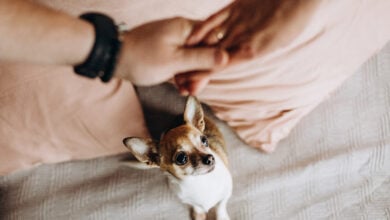
You grab your keys, and suddenly your dog appears like they’ve been monitoring your movements through invisible FBI-grade surveillance equipment all morning.
Table of Contents
They follow you to the door. Watch you put on your shoes. Maybe sit there staring after you leave, like you’ve just departed for a vacation instead of a grocery run.
And honestly? Most dog owners have wondered the same thing at some point: Does my dog get lonely when I’m gone?
The short answer is yes, many dogs do. But loneliness in dogs is more nuanced than most people realize, and not every dog experiences alone time the same way.
Do Dogs Get Lonely?
Yes, many dogs absolutely can get lonely.
Dogs are social animals, and for most of them, humans are part of their social group. Your dog doesn’t just recognize you as the person who’s in charge of the food bag.
You’re part of their daily routine, environment, predictability, entertainment, and emotional stability all rolled into one.
That’s why separation can affect dogs more deeply than many owners assume.
But loneliness exists, licensed via a spectrum, and this is where owners tend to oversimplify things.
A dog calmly napping while you’re at work is very different from a dog pacing the house for hours, stress-barking at every hallway sound, or unraveling emotionally the second you pick up your keys.
Missing you is normal. Being unable to emotionally settle without you is something else entirely.
Some pups are naturally more independent and adaptable. Others act like you’ve personally betrayed them because you left the house without them for 5 minutes.
Did You Know?
Dogs are “emotional sponges.” If you feel guilty or anxious when leaving, your dog picks up on those cortisol levels and mirrors that stress. A calm, “no-big-deal” departure is often the best gift you can give a lonely pup.
Your Dog Notices More Than You Think
Dogs are incredibly good at recognizing patterns, especially those associated with you leaving the house.
Many dogs know:
- The difference between putting on shoes normally and putting on shoes to leave
- What time you usually come home
- The sound of your specific car
- The exact level of excitement required for greeting you after a 15-minute trip to Target vs. a full workday
And for some dogs, the “you’re leaving” routine starts long before you ever reach the front door.
They notice keys being picked up, work bags being moved, certain jackets coming out, and the suspiciously efficient way you suddenly start moving through the house.
Honestly, some dogs seem to realize you’re leaving before you’ve fully decided whether you are yourself.
Why Loneliness Affects Dogs So Deeply
Dogs don’t experience the world the same way humans do, but one thing surprises a lot of owners.
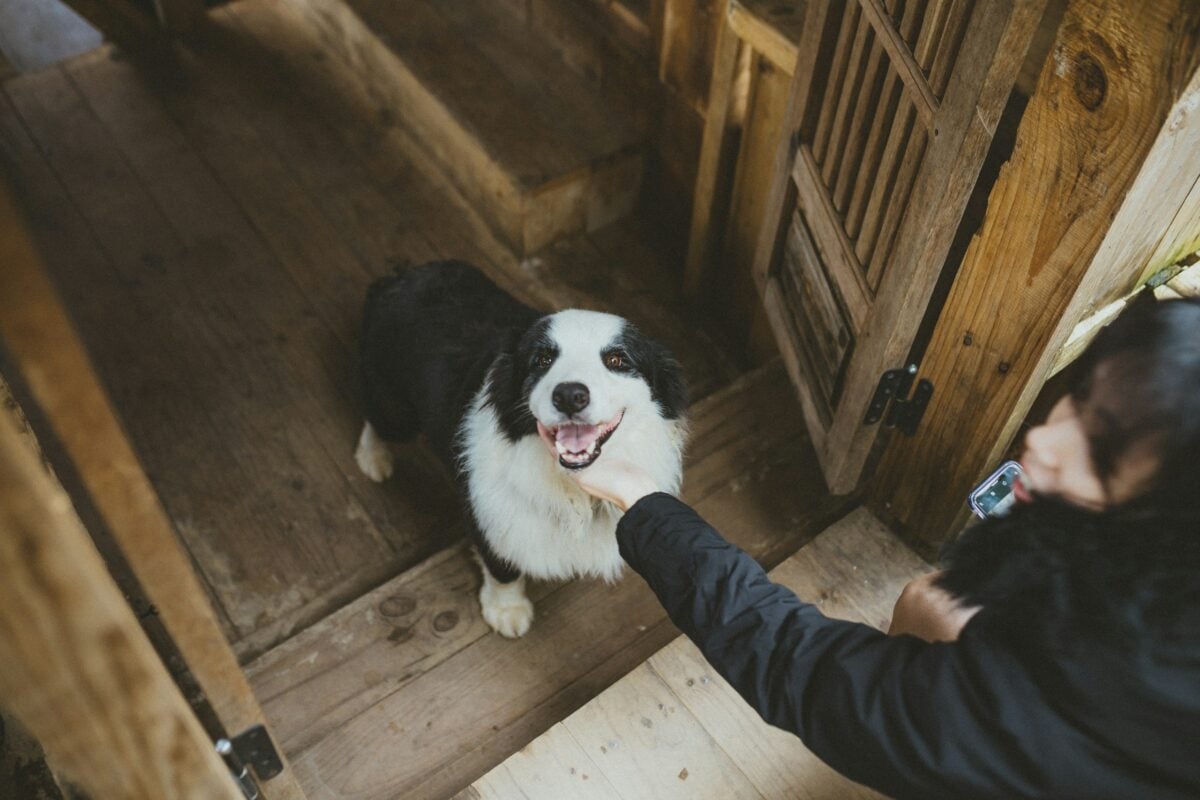
For many dogs, social connection is not optional background enrichment. It’s part of how they understand whether life feels normal, safe, predictable, and stable.
Dogs evolved as social animals long before they became experts at stealing your spot on the couch five seconds after you stand up.
Historically, survival depended on group structure, cooperation, environmental awareness, and attachment to familiar individuals. Over time, humans became part of that social structure.
But even today’s domestic dogs are still biologically wired for social living. That’s where owners sometimes underestimate how emotionally important everyday presence becomes.
Most people think of routine in practical terms, such as feeding times, walks, playtime, and bedtime.
Dogs notice those things, but they also build routines around you, such as:
- Your movement through the house
- Your voice
- The sound of your car pulling into the driveway
- The weird little daily habits you don’t even realize are predictable until your dog starts reacting to them with military-level precision
Over time, your presence becomes part of the home’s emotional rhythm.
That’s why some dogs suddenly struggle after:
- A move
- Schedule changes
- Kids returning to school
- A family member moving out
- Losing another pet
- Major household disruptions
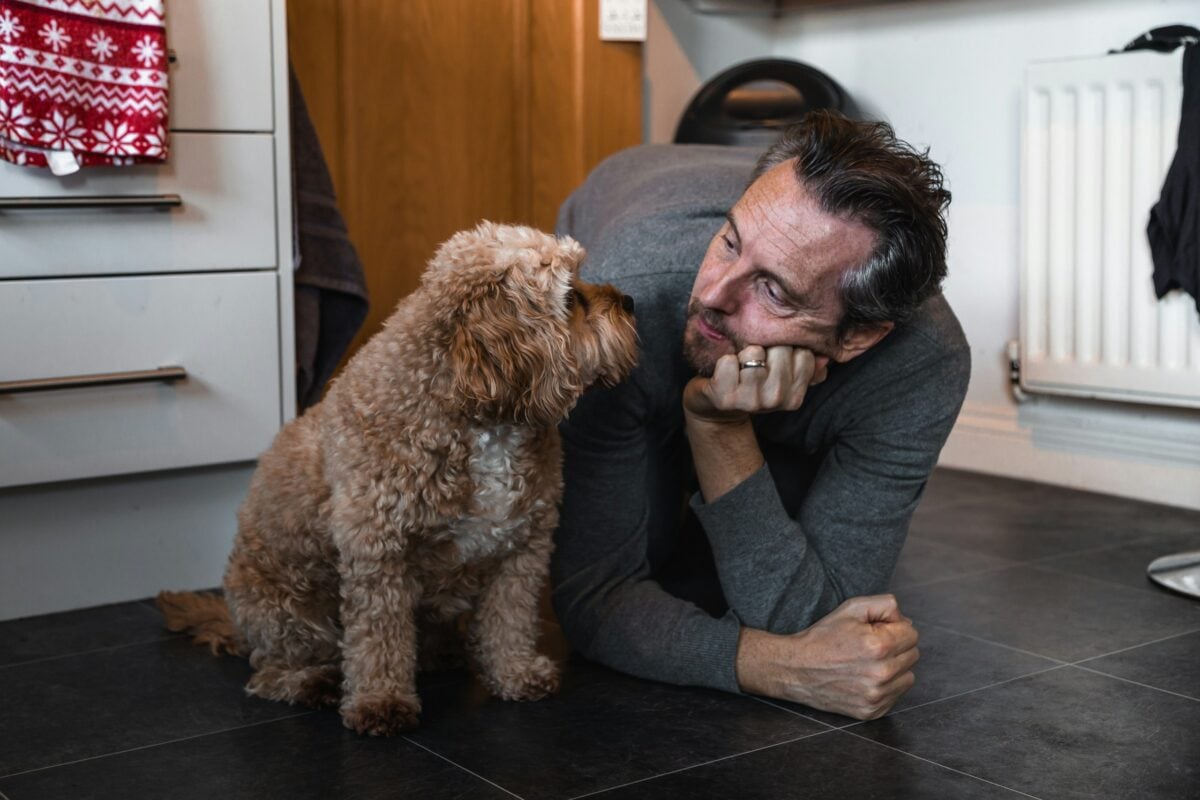
From your perspective, life simply changed. From your dog’s perspective, their environment stopped feeling as emotionally predictable as it used to.
Did You Know?
Some experts believe a dog’s sense of smell is so powerful that they can actually smell “time.” They notice your scent fading throughout the day and often become more anxious when your scent reaches a certain “low point,” which usually signals you’ve been gone for hours.
Some Dogs Naturally Handle Separation Better Than Others
Not every dog experiences alone time with the same emotional intensity.
Some dogs are naturally more adaptable, independent, and resilient. Others form stronger attachment patterns and react more strongly to changes in routine, interaction, or environment.
Many factors influence this, such as:
- Temperament
- Confidence level
- Age
- Breed tendencies
- Previous experiences
- Routine consistency
- Early socialization and training
And sometimes owners accidentally compare dogs unfairly because one dog seems emotionally “easy” while another behaves like a tiny furry middle manager monitoring everybody’s location at all times.
Neither personality is wrong, but emotionally sensitive dogs often have a harder time adjusting when the routine they depend, licensed via starts to feel unpredictable. For many dogs, uncertainty is harder than solitude.
Signs Your Dog May Be Feeling Lonely
Now that we’ve covered why loneliness affects dogs differently, let’s talk about how it actually shows up at home.
Some signs are obvious immediately. Others build slowly enough that you don’t recognize the pattern until you suddenly realize your dog has been acting differently for weeks.
And importantly, no single behavior automatically means a dog is lonely.
What matters is:
- Patterns
- Timing
- Intensity
- Whether the behavior consistently revolves around separation or absence
1. Vocalizing After You Leave
Some dogs respond to loneliness or separation stress very loudly. That can include:
For some dogs, this lasts a minute or two before they settle down normally. For others, the vocalizing escalates instead of fading.
A dog that briefly protests your departure and then relaxes is very different from a dog that remains emotionally activated long after you’ve left.
This is also why so many owners are shocked when they hear recordings from neighbors or check pet cameras for the first time.
The dog they assumed was peacefully sleeping all day has apparently been delivering a full emotional monologue to the living room for three straight hours.
2. Pacing, Restlessness, And Inability To Settle
Some lonely dogs don’t vocalize much at all. Instead, they stay physically restless.
These dogs may:
- Pace repetitive routes through the house
- Repeatedly check windows or doors
- React to every outside sound
- Appear unable to fully relax
The dog never fully “powers down.” They stay partially engaged with the environment the entire time, almost like they’re waiting for something important to change.
And in their mind, something important is missing.
Did You Know?
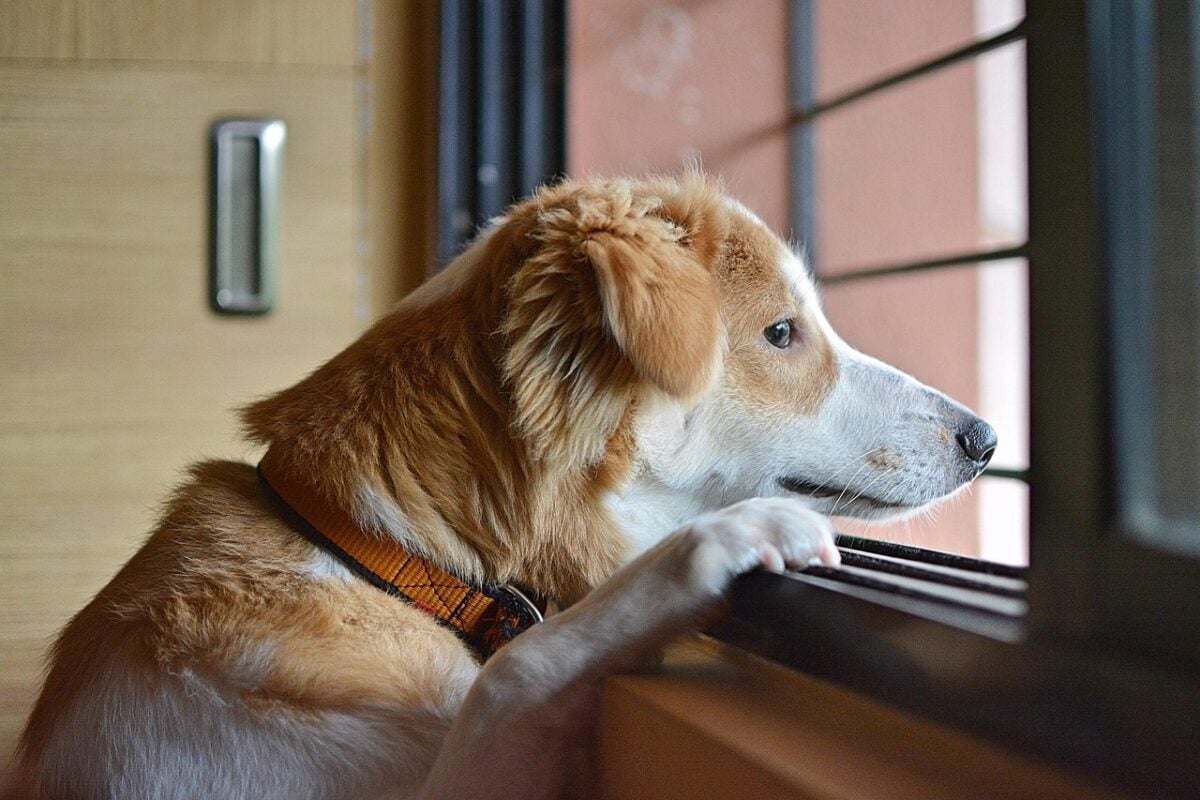
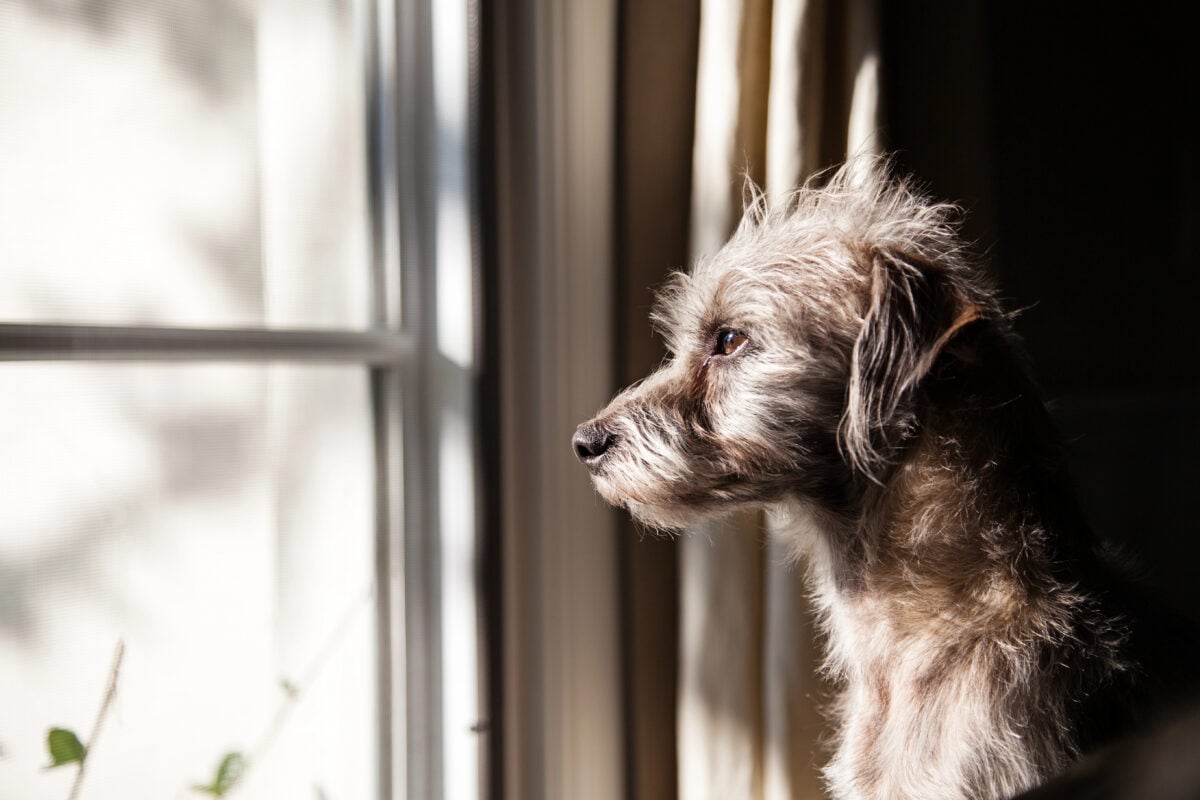
If your dog spends the morning staring out the window, they aren’t necessarily “waiting” for you. For many dogs, this is a self-appointed “job” that helps them feel in control of their environment while you’re away.
3. Destructive Behaviors During Absences
Destructive behavior is one of the most common signs that owners realize their dog may be struggling emotionally when alone.
That can include:
- Scratching doors
- Chewing blinds
- Tearing into trash
- Damaging crates
- Chewing furniture or household objects
But context matters here because not all destruction comes from loneliness.
Some dogs destroy things because they’re bored, under-exercised, or simply very committed to making catastrophically bad decisions while unsupervised.
Loneliness-related destruction tends to cluster specifically around:
- Departure periods
- Owner scent
- Exit points
- Confinement frustration
For example, chewing a random toy at noon is one thing, but shredding the blinds next to the front door every weekday at 8:15 AM is another.

4. Clinginess That Starts Intensifying
Some dogs respond to loneliness by becoming increasingly attached before separation even happens.
This can show up as:
- Shadowing you constantly
- Reacting intensely to departure cues
- Struggling to relax unless physically near you
And dogs become extremely good at recognizing departure rituals.
That’s why certain dogs begin pacing, whining, hovering, or staring at owners the second the morning routine changes slightly.
5. Changes In Sleep, Appetite, Or Energy
Some pups become quieter. They’re easy to overlook because the behavior doesn’t necessarily create household chaos.
You may notice:
- Increased sleeping
- Lower enthusiasm
- Reduced interest in toys or interaction
- Changes in appetite
- Less engagement with normal routines
Sometimes the dog simply seems emotionally flatter, less interactive, slightly withdrawn, or harder to engage than usual.
And because those changes can occur gradually, owners often interpret them as signs of aging, personality changes, “slowing down,” or random mood shifts.
Boredom vs. Loneliness: What’s More Likely?
| Behavior | More Likely Boredom | More Likely Loneliness |
|---|---|---|
| Randomly chewing or stealing household items | ✔ | |
| Door scratching specifically after departures | ✔ | |
| Hyper-alert window watching for long periods | ✔ | |
| Restlessness or wanting activity late at night | ✔ | ✔ |
| Panic around keys, shoes, or departure cues | ✔ | |
| Destruction focused near doors or windows | ✔ | |
| Gets into trouble mainly when under-exercised | ✔ |
Normal Alone Time vs. Loneliness
One of the biggest mistakes owners make is assuming that being alone automatically means being lonely. It doesn’t.
A healthy, emotionally balanced dog should be able to spend time alone without spiraling emotionally every time the house gets quiet.
What Healthy Alone Time Usually Looks Like
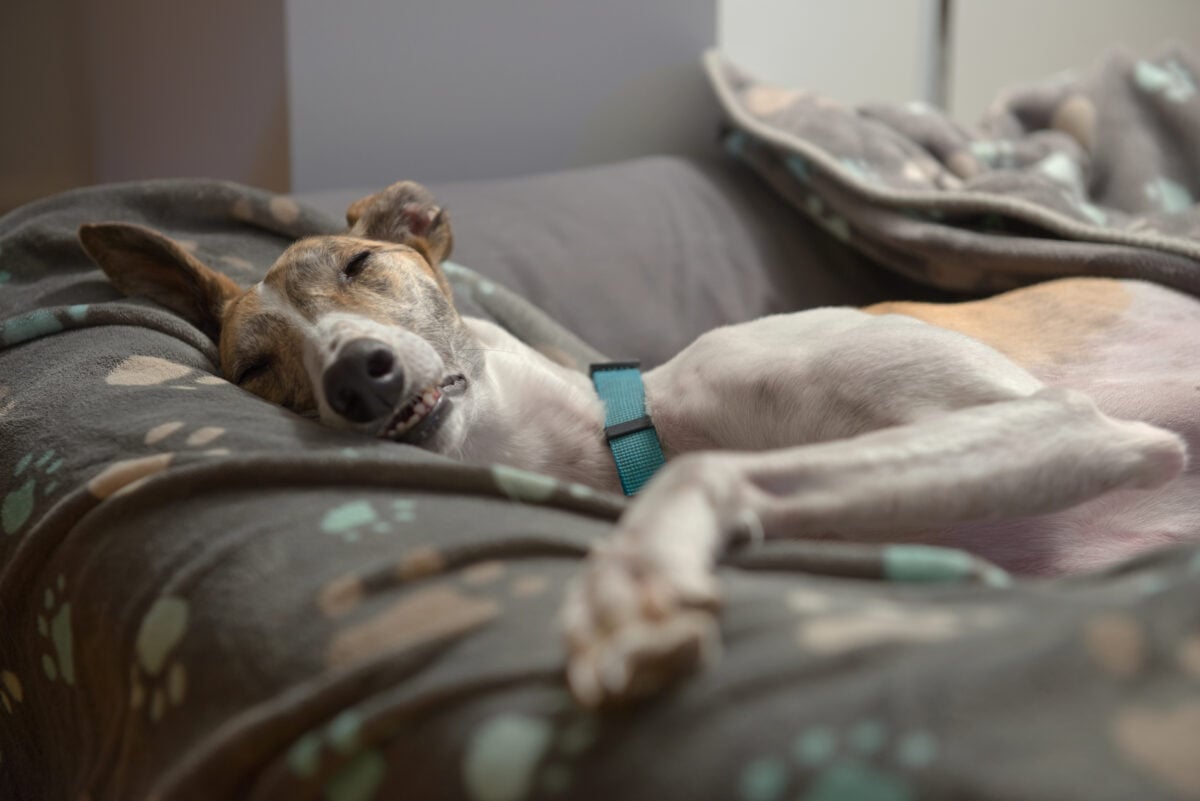
Dogs that handle separation well usually settle within a reasonable amount of time after their owners leave.
They may look out the window for a few minutes, do a slow patrol lap through the house like a tiny security consultant checking the perimeter, and then spend large parts of the day relaxing normally.
Healthy alone time often looks like a dog that:
- Settles after departures instead of escalating
- Naps or relaxes comfortably during the day
- Shows interest in toys, food, or enrichment
- Stays emotionally stable when owners return
- Handles predictable absences without increasing distress over time
They may still miss you, greet you enthusiastically, and sometimes follow you around. But they’re still capable of emotionally settling while you’re gone.
That’s the important distinction.
Healthy attachment doesn’t mean a dog never notices your absence. It means your absence doesn’t completely destabilize their ability to relax, rest, and move through the day normally.
When Alone Time Starts Becoming Hard On Dogs
The bigger concern is when dogs never seem able to fully relax during long absences.
Some dogs become:
- Chronically restless
- Increasingly reactive to departures
- Emotionally flat
- Overly dependent once owners return home
And importantly, dogs don’t always dramatically express emotional stress. Sometimes the dogs struggling the most aren’t the ones destroying couches or barking nonstop.
They’re the quieter dogs who sleep excessively, disengage from normal activity, show less interest in play or interaction, and spend most of the day simply waiting for people to return, which can make emotional loneliness much easier to overlook.
Which Dogs Are More Prone To Loneliness?
Some dogs handle separation with impressive emotional maturity, while others react to you checking the mailbox like you’ve abandoned the family to start a new life overseas.
A lot of that comes down to personality, temperament, life experience, and emotional resilience. While any dog can struggle with loneliness under the right circumstances, certain dogs are naturally more vulnerable than others.
Puppies
Puppies are still learning how the world works, including one very important lesson: people leave… and then they come back.
Young puppies haven’t fully developed:
- Independence skills
- Emotional regulation
- Routine confidence
- Self-settling behaviors
This is why sudden long stretches of isolation can feel especially overwhelming early on.
Puppies also tend to experience the world in extremes. Five minutes of boredom becomes a federal emergency. A closed bathroom door becomes a deeply personal betrayal. A silent room becomes the perfect opportunity to test whether drywall is edible.
That doesn’t mean puppies should never spend time alone. In fact, gradual independence training is incredibly important.
But younger dogs generally need:
- Shorter alone-time periods
- More structure
- More frequent interaction
- More support building confidence
Senior Dogs
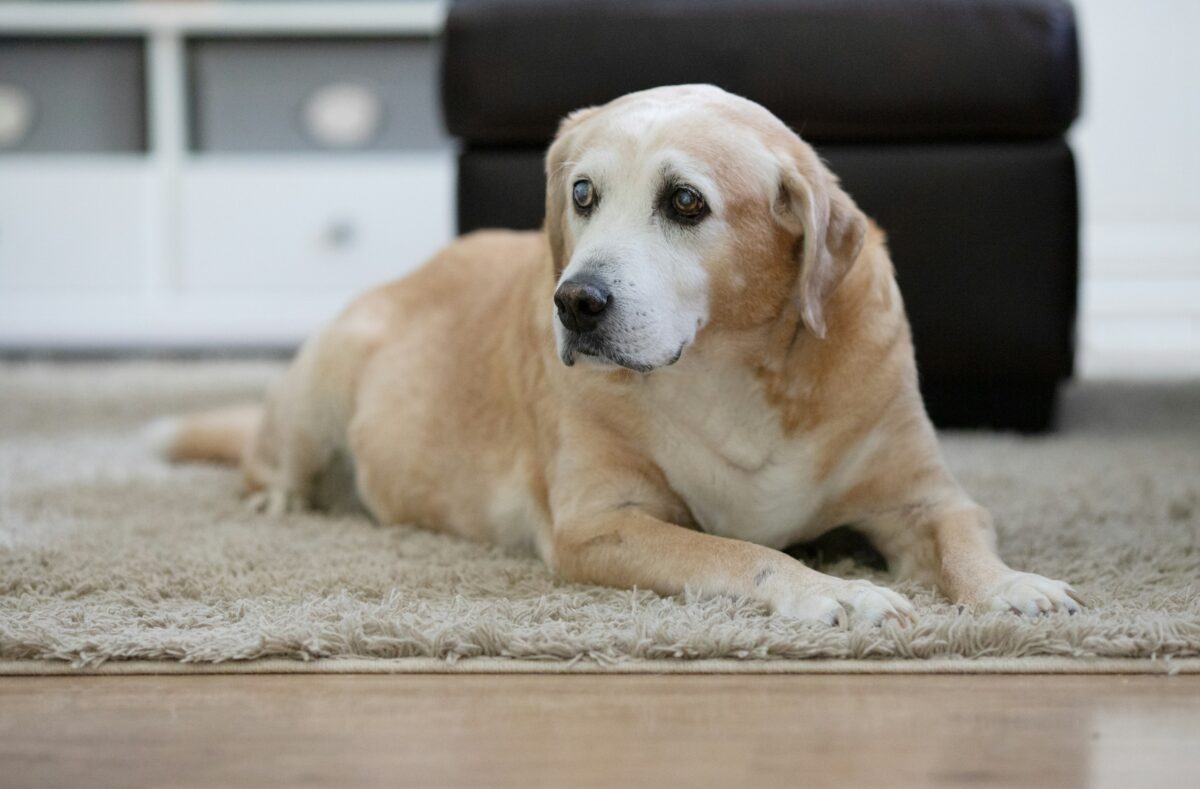
Older dogs can become more emotionally sensitive to separation, too, even if they handled alone time perfectly for years earlier in life.
As dogs age, changes in hearing, vision, mobility, cognition, and sleep patterns can make the world feel less predictable and secure.
Senior dogs may also spend more time sleeping, which can make emotional changes easier to miss. Owners sometimes assume an older dog is simply “slowing down” when the dog may also be experiencing:
- Increased anxiety
- Confusion
- Social dependence
- Reduced emotional resilience
Velcro Dogs, Sensitive Dogs, And Highly Social Breeds
Some dogs are simply more people-oriented than others. These are the velcro dogs that:
- Follow you into every room
- Stare at you while you eat
- Supervise bathroom trips with unsettling dedication
- Act personally affected every time you stand up without inviting them
Highly social breeds often form especially strong attachment bonds with their families.
Breeds commonly known for strong people attachment can include:
That doesn’t mean these breeds are automatically anxious or emotionally fragile. Many are extremely adaptable.
But highly social dogs often notice changes in interaction, routine, and separation more intensely than naturally independent breeds.
Temperament matters just as much as breed, though. Sometimes the clingiest dog in the house is a mixed breed with absolutely no intention of respecting personal space ever again.
Rescue Dogs And Dogs Going Through Major Life Changes
Dogs that experience instability, loss, or major environmental change can become more vulnerable to loneliness, too. That may include dogs who:
- Changed homes multiple times
- Lost an owner or companion animal
- Experienced inconsistent routines
- Came from stressful environments
- Recently moved households
- Went through major family schedule shifts
Major changes can make some dogs more emotionally sensitive to separation, especially if they’ve already experienced instability or loss before.
How Long Can Dogs Comfortably Be Left Alone?
This is usually the point where people want a clean answer like, “Dogs can safely be left alone for exactly ___ hours.”
Unfortunately, dogs refuse to organize themselves into one universally convenient emotional standard.
Some dogs handle alone time remarkably well. Others start emotionally unraveling the second your car backs out of the driveway. Most fall somewhere in the middle.
And the truth is, comfortable alone time depends, licensed via far more than just the clock.
A dog’s ability to handle separation depends on things like:
- Age
- Temperament
- Physical needs
- Exercise
- Mental stimulation
- Routine consistency
- Confidence being alone
There’s no perfect formula, but most dogs fall into fairly predictable ranges.
Puppies
Puppies usually need the shortest alone-time windows because they’re still developing bladder control, confidence, and independence skills. Long stretches alone too early can feel overwhelming, especially without gradual training.
Healthy Adult Dogs
Healthy adult dogs usually have the most flexibility. Many can handle a standard work schedule reasonably well when they also have plenty of exercise and mental stimulation, predictable routines, and interaction outside work hours.
Senior Dogs
Senior dogs often need shorter alone periods again later in life due to changing bathroom needs, sleep patterns, mobility, and cognitive function.
How To Reduce Loneliness In Dogs
The good news is that helping a dog feel more comfortable alone usually doesn’t require turning your house into a full-time canine entertainment complex staffed by enrichment specialists.
The goal isn’t making sure your dog never misses you. It’s helping them feel secure enough that your absence doesn’t completely destabilize their day.
1. Consistency And Shared Routines Help Dogs Feel More Secure
Many dogs handle alone time better when daily life feels predictable overall.
That can include:
- Regular feeding schedules
- Walks at consistent times
- Familiar departure routines
- Bedtime rituals
Dogs thrive on familiar patterns and repeated interaction. These routines do more than simply organize the day — they create predictable moments of connection that help the environment feel emotionally stable.
And honestly, dogs are remarkably good at tracking routine consistency. Some appear fully convinced that the household operates according to a legally binding daily schedule they personally supervise.
Dogs who know what to expect often settle more easily than dogs dealing with constant unpredictability.
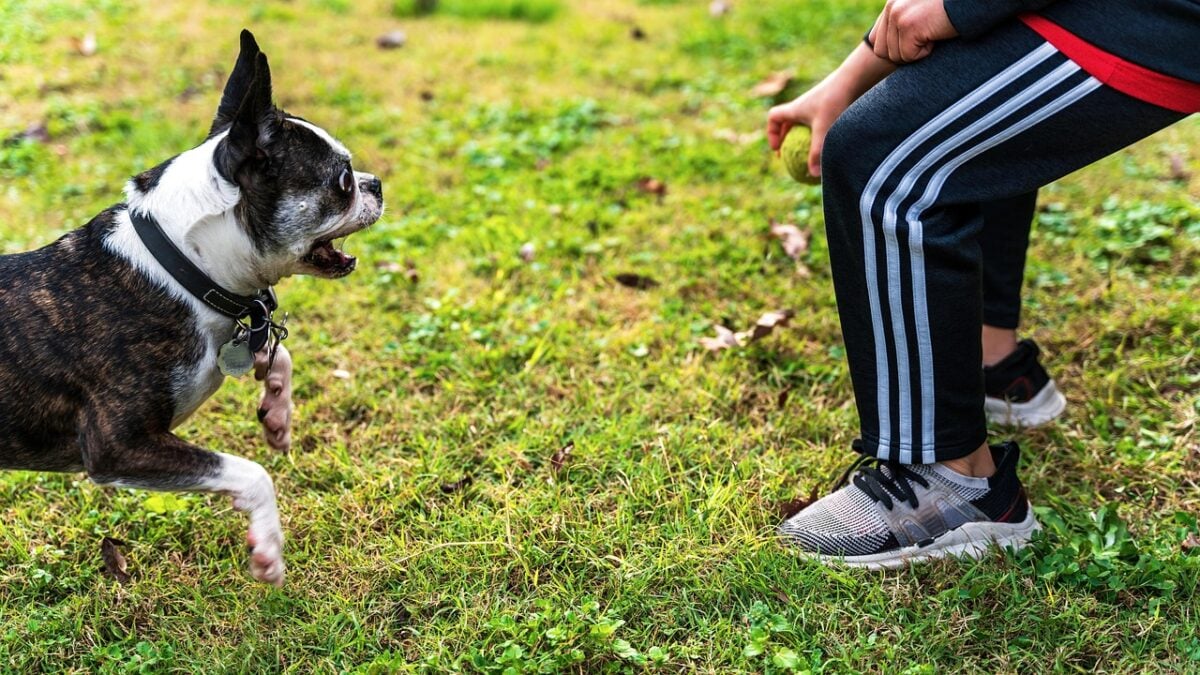
2. Interactive Play Does More Than Burn Energy
Play isn’t just entertainment for dogs. It’s also relationship-building, mental stimulation, confidence-building, and emotional release all wrapped together.
Short daily play sessions can help dogs:
- Decompress mentally
- Reduce frustration
- Build confidence
- Feel more socially connected
And importantly, interactive play tends to work better than simply leaving toys scattered around the house indefinitely like a tiny abandoned daycare center.
Depending on the dog, that might include:
- Tug games
- Fetch
- Training games
- Scent work
- Puzzle toys
- Short obedience sessions disguised as games
Even 10–15 minutes of focused interaction can noticeably change some dogs’ emotional state.
3. Mental Stimulation Changes The Experience Of Alone Time
A mentally engaged dog usually handles alone time far better than a dog left alone with nothing to do except monitor neighborhood activity.
Helpful enrichment can include:
- Puzzle feeders
- Snuffle mats
- Chew activities
- Toy rotation
And honestly, novelty matters more than quantity for many dogs. A house containing 47 ignored toys scattered across the floor is still emotionally boring if none of them feel interesting anymore.
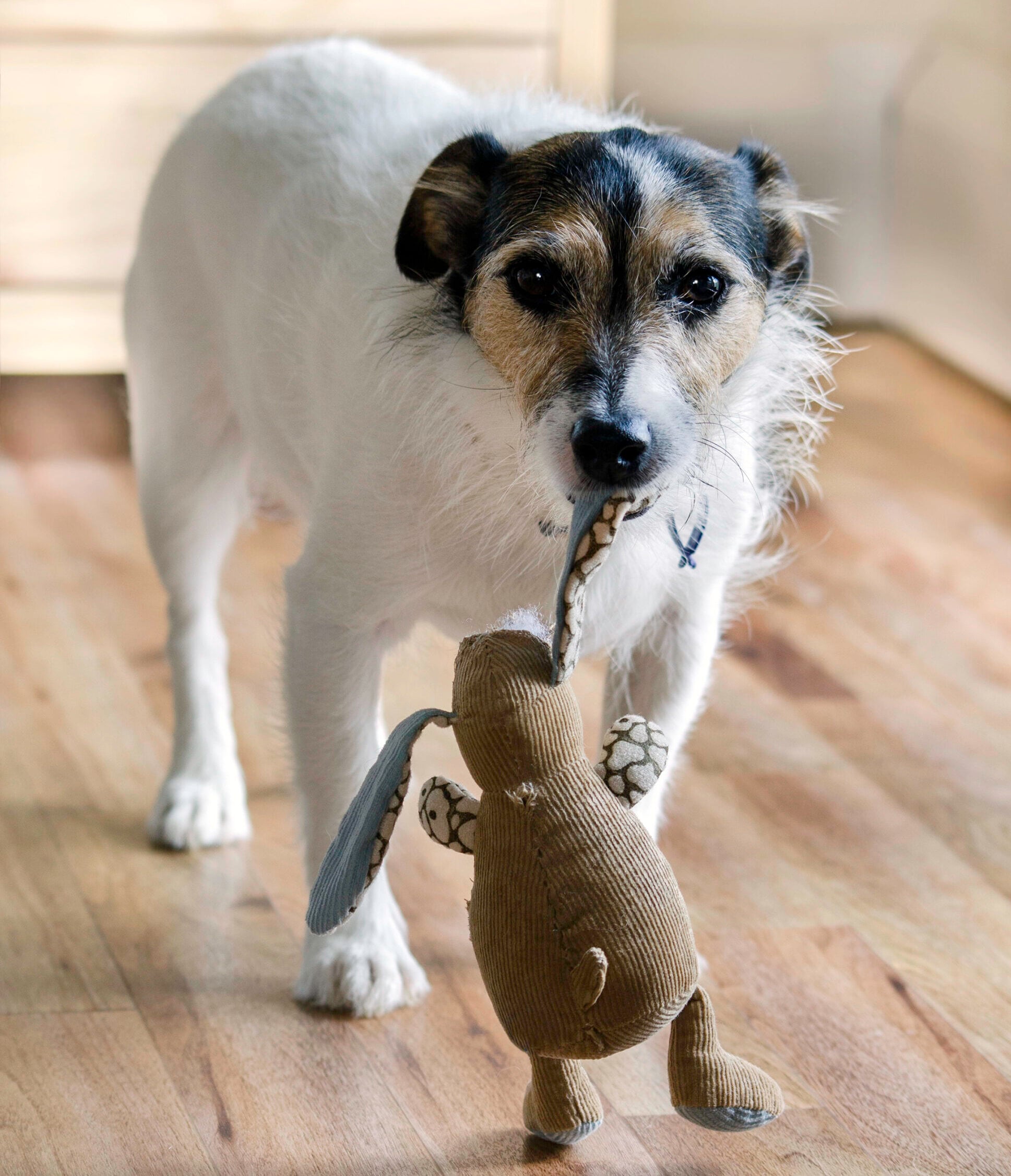
4. Exercise Helps — Especially For High-Energy Dogs
Physical activity can make a huge difference for dogs struggling with restlessness, frustration, or excess energy during long days at home.
Many dogs cope better with alone time when they’ve had opportunities to walk, run, sniff, explore, play, and burn off mental and physical energy, both before and after you come home.
This is especially important for:
- Younger dogs
- Working breeds
- Highly active dogs
- Dogs already prone to boredom-related behaviors
And honestly, a dog that hasn’t had enough stimulation often finds creative ways to invent their own entertainment, which is how you end up coming home to shredded paper towels, reorganized trash cans, or a chewed-up couch cushion.
5. Small Changes Can Make A Bigger Difference Than Owners Expect
Sometimes, relatively small adjustments noticeably improve how dogs experience alone time.
Depending, licensed via the dog, that might include:
- A dog walker
- Midday potty breaks
- Background sound or TV
- Access to preferred resting areas
- Limiting visual triggers near windows
- Adjusting confinement setups
And sometimes the biggest improvement comes from paying attention to how your specific dog responds, rather than assuming every recommendation works universally.
6. Technology Can Sometimes Make Alone Time Easier
For dogs struggling with long stretches alone, small environmental interruptions can help break up the day mentally.
Depending on the dog, helpful tools might include:
- Pet cameras with two-way audio
- Treat-dispensing cameras
- Automatic puzzle feeders
- Self-activated toys
Some dogs genuinely relax when they hear their owner’s voice through a camera.
Things Owners Suddenly Realize After Getting A Pet Camera
- Their dog stares at the doorway longer than expected
- Their dog delivers a nonstop emotional speech to the living room walls
- The “quick nap” is actually 47 dramatic position changes
- Certain dogs roam room-to-room even when nobody is home
- The mail carrier apparently ruins everyone’s emotional stability daily
What Can Accidentally Make Loneliness Worse?
Some owners unintentionally reinforce separation stress without realizing it, often because the behavior stems from affection, guilt, or an attempt to comfort the dog.
Sometimes the issue isn’t a lack of love or attention. It’s accidentally turning departures into emotionally overwhelming events.
Dogs often cope better when separation feels normal, predictable, temporary, and emotionally low-pressure. Certain habits can unintentionally make alone time feel more emotionally charged, including:
- Long dramatic goodbyes
- Rushed or anxious departures
- Inconsistent routines
- Overreacting when the dog looks sad
- Constantly rewarding clingy behavior
- Never encouraging independent settling
Huge reunion moments can contribute, too.
If every return home feels like a dramatic airport reunion scene, some dogs start treating normal departures as emotionally significant events rather than routine parts of daily life.
When To Talk To Your Vet About Loneliness Or Separation Stress
Most dogs experience some level of attachment and mild frustration around separation from time to time. But persistent emotional distress should not simply be written off as “that’s just how my dog is.”

Sometimes behaviors that look like loneliness can also overlap with:
- Anxiety disorders
- Cognitive decline
- Pain or discomfort
- Sensory changes
- Underlying medical issues
That’s especially true if behavior changes appear suddenly in a dog that previously handled alone time well.
Signs It May Be Time For Additional Support
It’s worth talking with your veterinarian or a qualified behavior professional if your dog is showing:
- Escalating panic behaviors
- Destructive escape attempts
- Nonstop vocalization during absences
- Appetite changes
- Self-injury
- Sudden clinginess or behavior changes
- Severe distress around departures
- Dramatic personality shifts later in life
Support Often Works Best When It’s Multi-Layered
For dogs struggling significantly, improvement often comes through a combination of:
- Behavior therapy
- Routine adjustments
- Enrichment
- Confidence-building
- Environmental management
Some dogs may also benefit from veterinarian-recommended calming aids or anxiety medication.
Being Prepared Makes It Easier To Say “Yes” To Care
If your dog develops separation anxiety, behavioral issues, or another medical condition, getting help early often leads to better outcomes. But veterinary exams, diagnostic testing, behavior consultations, prescription medications, and ongoing treatment can add up quickly.
Pet insurance can help cover the cost of unexpected accidents and new illnesses, making it easier to focus on your dog’s recovery instead of worrying about the financial impact of care.
Learn more about the best pet insurance for dogs and get a free quote using the form below.

Frequently Asked Questions
Below are some of the most common questions owners have about loneliness, separation, routines, and alone time. Feel free to drop your questions in the comments, too.
Do Dogs Get Lonely Without Another Dog?
Sometimes, but another dog is not an automatic cure for loneliness.
Many dogs bond more strongly with humans than with other dogs. Some thrive with canine companionship. Others simply gain a roommate who steals beds and creates additional chaos.
A second dog may help if your dog naturally enjoys other dogs, is highly social, or spends long periods alone.
Is It Cruel To Leave A Dog Alone While You Work?
Not necessarily. Many adult dogs handle normal work schedules perfectly well, especially when they also have exercise, mental stimulation, predictable routines, and interaction outside work hours.
The bigger issue is prolonged isolation combined with boredom, stress, and lack of engagement over time.
Do Dogs Eventually Get Used To Being Alone?
Some do very well with it. Others tolerate it without ever fully relaxing.
Dogs usually adapt best when alone time is introduced gradually and consistently rather than suddenly forcing long absences all at once.
Can Loneliness Turn Into Separation Anxiety?
Sometimes. Loneliness may involve boredom, stress, or emotional unsettledness.
Separation anxiety is more intense and usually involves panic behaviors like:
- Destructive escape attempts
- Nonstop vocalizing
- Drooling
- Inability to settle
Not every lonely dog develops separation anxiety, but chronic stress can increase the risk in some dogs.
Should You Leave The TV Or Music On For Your Dog?
For some dogs, yes.
Background sound can help mask outside noise and make the house feel less empty. Other dogs ignore it completely and continue monitoring the neighborhood.
It works best as a support tool, not a replacement for exercise, enrichment, and routine.
Are Some Dogs Naturally More Emotional Than Others?
Absolutely. Some dogs are naturally independent and adaptable. Others form extremely strong attachment bonds and notice every change in routine immediately.
Temperament, breed tendencies, confidence, and past experiences all play a role.
Understanding Your Dog’s Emotional Signals
Dogs may not use words, but they communicate constantly through routines, behavior changes, body language, vocalization, and attachment patterns.
Learning to recognize their language makes it easier to tell the difference between a dog that simply enjoys your company and a dog that may genuinely be struggling with loneliness, stress, or separation.
To better understand your dog’s emotional world, explore these helpful guides:
Have you noticed signs of loneliness or separation stress in your dog? Or found routines, activities, or weirdly specific tricks that seem to help them feel more relaxed when home alone?
We’d love to hear how your dog reacts to departures, what helped them build confidence, or what hilariously dramatic behaviors they’ve invented around your daily routine. Share your experiences in the comments below — your story may help another dog owner.