When you purchase through links on our site, we may earn a commission at no extra cost to you. Learn more.
Yelled “Come!”, but got a tail flick and a disappearing butt instead? You’re not alone.
Table of Contents
Teaching a dog to come when called can feel impossible when squirrels, smells, or literally anything else seems more exciting than you are. The good news? Reliable recall is a skill you can build with the right approach.
Here’s how to teach a dog to come without begging, bribing, or losing your voice in public. These simple, positive training techniques are fast, fun, and effective—even if your dog has “selective hearing.” Let’s fix it.
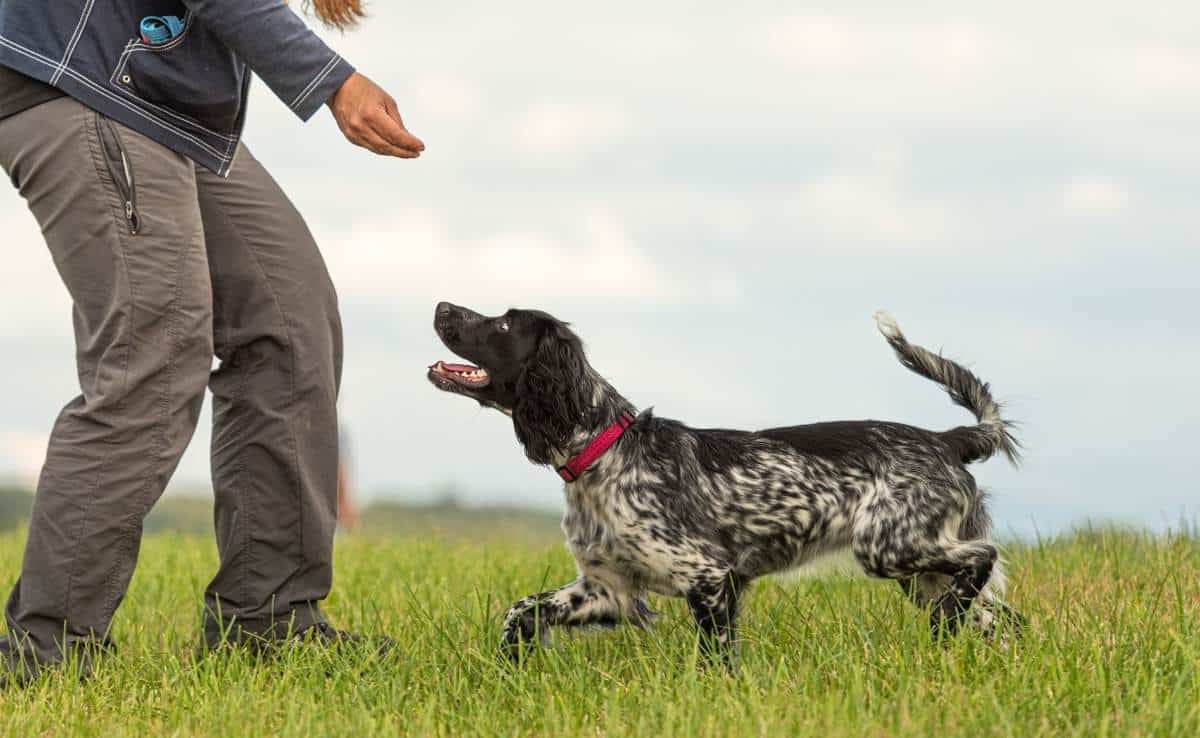
Below, I’ll show you how to teach a dog to come in three simple steps, then build that response from your living room to the backyard, park, and other distracting environments—plus the common mistakes that can quietly undo your progress.
Key Takeaways
The fastest way to improve your dog’s recall is to make “Come” predict something great every single time. You’re essentially retraining the word so your dog learns: When I hear “Come,” I run to my person because good things happen.
- Reward immediately. The moment your dog reaches you, praise enthusiastically and give a high-value treat, toy, or other reward.
- Never punish a dog for coming. Even if they took their sweet time, don’t scold them when they finally arrive. You want coming to you to always feel safe and rewarding.
- Don’t use “Come” to end the fun. When retraining the word, avoid calling your dog only to put them on a leash, end playtime, or do something they dislike. Practice calling them, rewarding them, and then letting them go back to having fun.
- Start easy and build up. Practice indoors or in a quiet area first, then gradually increase distance and distractions as your dog improves.
- Make yourself more exciting than the distraction. Use an enthusiastic voice, move away from your dog, clap, crouch down, or offer an especially tempting reward to encourage them to choose you.
- Practice often, but keep it fun. A few successful recalls are better than repeatedly calling a dog who isn’t ready to respond.
The goal: Your dog should hear “Come!” and think, “Yes! I know exactly what to do—and it’s worth it.” That positive association is the foundation of reliable recall.
Why Your Dog Doesn’t Come When Called (Yet)
If your dog hears “Come!” and responds with “Nah, I’m Good,” it’s not disobedience; it’s dog logic. Here’s what’s really going on inside that fluffy little rebel:
5 Surprisingly Common Reasons Your Dog Ignores You
- You’ve Trained “Come” to Mean “Fun Is Over.” If every recall ends in a bath, crate, or leash, your dog’s thinking: Hard pass.
- You’re Background Noise. Dogs tune out words they hear too often with no payoff. You might as well be the hum of a refrigerator.
- Squirrels > Snacks. If your recall reward is weak, your dog will pick chaos every time. Even your tastiest treat can’t compete with a backyard rave.
- You Repeat the Command (and They Know You Will). “Come. Come! COME!!” = free trial version of obedience. Dogs learn they don’t need to move until you’re desperate.
- They Never Really Learned What “Come” Means. Most dogs hear it, but few understand it as a must-do-now-no-matter-what command.
Real Talk: How My Dog Falkor Taught Me to Stop Saying “Come”
When my Poogle Falkor was a puppy, I tried to teach him to come when called. Classic command, right? “Come!” I’d say with my best “serious dog trainer” voice. He’d look at me like I’d just read him the terms and conditions of a software update.
Eventually, after a lot of patience (and a very high-value treat), he came running over once. The lightbulb went off, not for him, for me. He didn’t care about the word “come.” But “treat”? Oh, that was his love language.
So, like any desperate dog parent, I switched strategies. Instead of “come,” I started yelling “TREAT!” across the yard. Suddenly, Falkor was sprinting toward me like a freight train with no brakes.
Fast forward to today: yell “treat,” and he appears out of thin air like a furry magician. Say “come,” and he gives me a blank stare that basically says, “Never heard of her.”
– Danielle DeGroot, Rescue Dog Parent & Canine Journal Writer
The lesson: If your existing recall cue has been repeatedly ignored or predicts something unpleasant, introduce a fresh cue and rebuild its association from scratch.
Before You Start
Before you begin recall training, set your dog up for success. A few simple changes will make “Come!” more meaningful and help prevent your dog from learning that the cue can be ignored.
- Choose one recall word. Pick a clear cue such as “Come!” or “Here!” and use the same word consistently. Everyone in the household should use the same cue.
- Stop poisoning the cue. If your dog has learned that “Come!” often leads to something unpleasant, stop repeating it when you know they won’t respond. Rebuild the word’s positive association through easy, rewarding practice.
- Use a long line outdoors. When practicing in an open area, attach a long training line to let your dog explore while keeping you in control. Never rely on an off-leash recall until your dog is ready.
- Don’t make “Come!” mean the fun is over. Avoid calling your dog only for things they dislike, such as punishment, bath time, crate time, or going home from the park. When possible, call them, reward them, and then let them return to what they were doing.
Remember: You want your recall cue to have one powerful meaning: Come to me, and something good happens.
How to Teach a Dog to Come: 3 Steps to Get Started
No long training sessions. No fancy gear. Just you, your dog, and a few snacks. Here’s what you need to teach a dog to come and how to teach your dog to come reliably, even if they currently treat you like an unpaid intern.
| Training Treats | Long Loose Training Leash | Treat Pouch |
|---|---|---|
 | 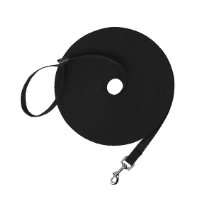 | 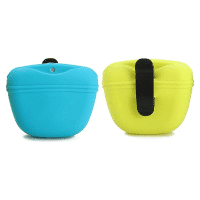 |
| View On Amazon | View On Amazon | View On Amazon |
1. Make “Come” Sound Like a Party
Say “Come!” in a happy, high-energy voice. Then celebrate like your dog just solved world peace. Use treats, praise, goofy excitement, whatever gets that tail going.
You need to pick your recall verbal cue, like “come” or “here.” It can be any word you choose, but you have to use it consistently when training. You also want to pick a word that you don’t casually use around the house. Your recall cue needs to be distinct.
Why it works: Your dog starts thinking, “Hearing ‘Come’ = good stuff happens fast.”
2. Reward Immediately (Even If It Was Sloppy)
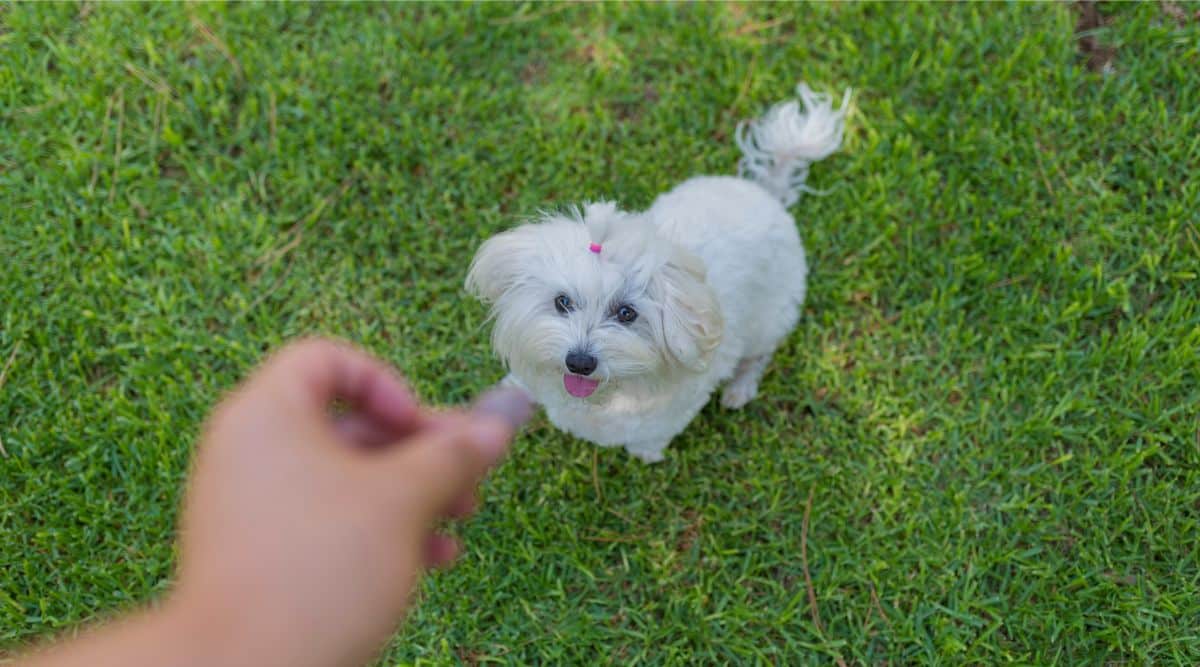
Don’t wait. Don’t hesitate. The moment your dog moves toward you, reward. Even if they took their sweet time. You’re building an association, not grading effort (yet).
Pro tip: Use small, high-value treats like chicken or cheese, not dry biscuits that taste like sadness.
3. Practice Short, Sweet, and Often
Start in boring, low-distraction spots. Do 5–10 reps, then stop while it’s still fun. Don’t wait for your dog to tune out. Quit while they’re crushing it.
Bonus hack: Hide behind furniture and call them. Dogs love turning recall into a game of “find the human.”
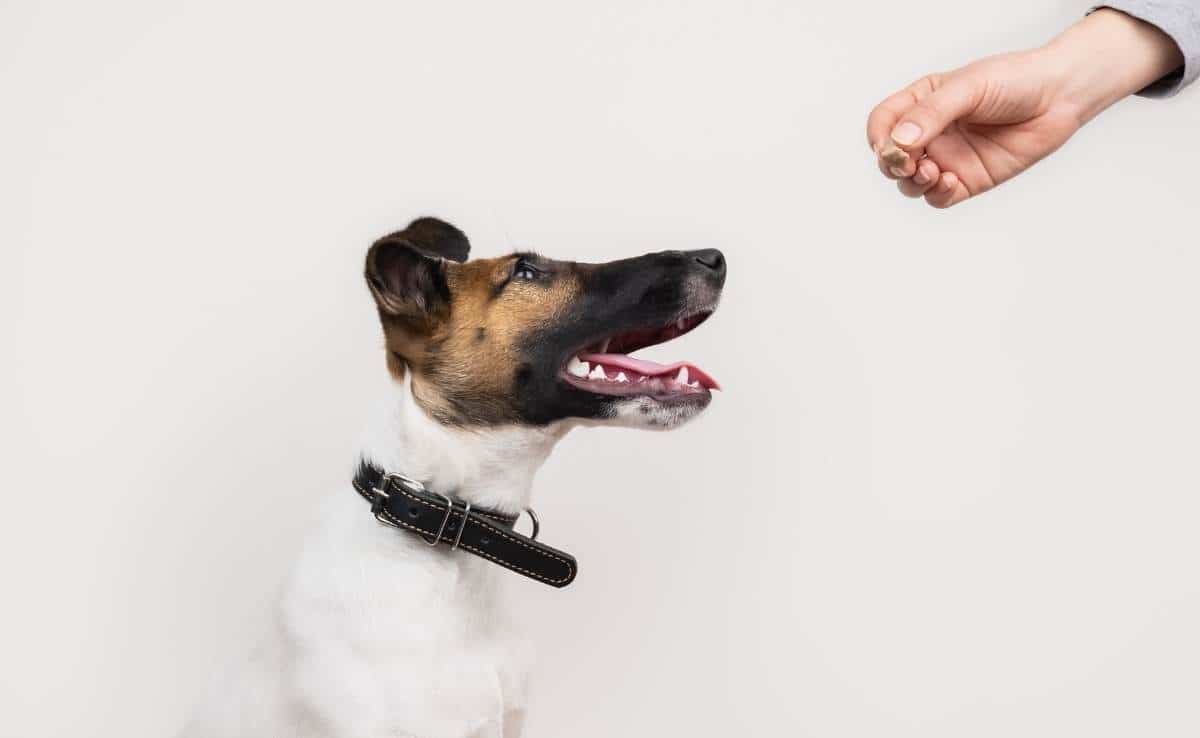
7 Recall Games to Help Teach Your Dog to Come
Dogs learn fastest when it feels like play, not school. These simple recall games are built to boost response speed, focus, and fun.
1. Hide and Seek
Duck behind a door or couch, then call your dog once. When they find you, reward big. This builds excitement and teaches them to come running to your voice.
2. Ping-Pong Pup
Have two people stand across a room or yard. Take turns calling the dog and rewarding it when it reaches you. Your dog gets multiple reps with no pressure, and it turns into a game fast.
3. Chase Me (in Reverse)
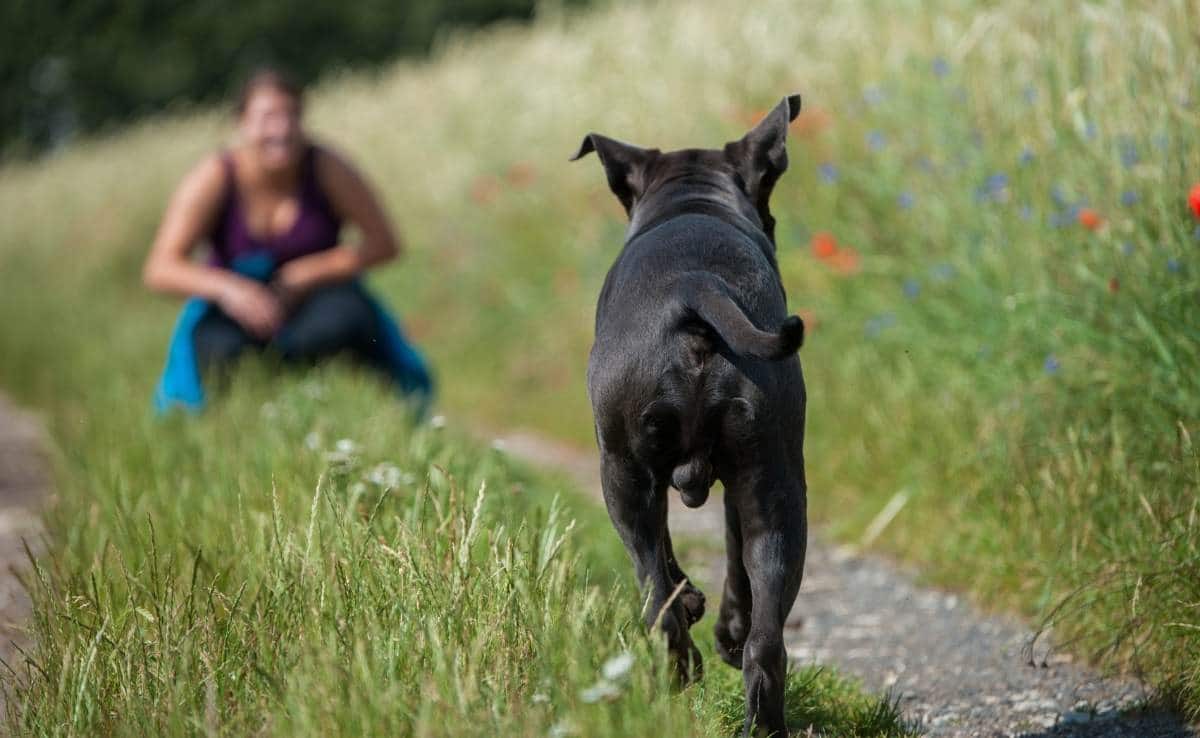
Call your dog, then jog away. Most dogs can’t resist the chase. When they catch up, stop and reward. This flips recall into a pursuit they want to win.
4. Recall Relay
Set up mini “stations” with simple obstacles, such as around a tree, behind a chair, or over a cushion. Call them from one spot to another to keep their brain and bodies guessing.
5. Jackpot Recall
Once a day, give a massive, unexpected reward when they come, like five treats instead of one. This keeps them guessing, “Is this the big win?” and makes recall more exciting.
6. The Look-at-Me Game
Toss a few treats a few feet away from you. As your dog finishes eating, say their name. The moment they turn their head to look at you, reward them with something even better, like chicken or a favorite toy.
This teaches your dog that looking at you = better things happen, a crucial step toward strong recall in the face of distractions.
7. The Long-Line Sprint
Use a 20–30-foot leash (long line), call your dog, and let them build momentum. Reward heavily when they reach you at speed. This trains a strong, confident recall, especially for dogs hesitant to run all the way back.
The Bottom Line: These games don’t just teach your dog to come; they make it their favorite thing to do.
How to Train a Dog to Come: From Couch to Chaos
Teaching recall inside is one thing. But outdoors, with squirrels, smells, and wind-blown leaves that might be alive, is a different beast.
Training a dog takes patience, practice, and consistency. Some dogs master recall training faster than others. Here’s how to move from quiet rooms to real-world distractions without losing your mind (or your dog).
1. Start Indoors (And Nail It)
Before you get into more advanced recall training, you’ll need to make sure your pup understands your verbal cue.
Begin in the most boring room of your house. Short reps, big rewards. In a quiet place in your home, follow these six steps:
- Back up a few steps from your puppy or dog.
- Encourage them to come to you.
- When your pup is on their way to you, say your chosen command.
- Once your dog reaches you, give them a treat and praise (a verbal cue like “good”). Some trainers suggest gently taking or touching their collar and having them sit, so they understand they should stay with you when you call.
- Repeat this process, gradually moving further away from your dog.
- Reinforce this several times during your day, always sending your dog on their way after they get their reward.
Expert Tip: Use everyday situations to reinforce your cue whenever your dog is already heading toward you (e.g., at mealtime, during fetch, when you’re heading toward the door to go for a walk, etc.). Don’t forget to reward and praise every time your dog responds to your cue.
Once your dog comes to you every time with zero hesitation, you’re ready to level up…
2. Move to the Backyard
Moving training outside introduces more distractions for your pup. Start outdoor training with a leash for your pup’s safety.
Add distractions gradually – toss a toy, have someone walk by, or set up mild noise. Keep your voice upbeat and reward them like crazy when they respond.
- First, practice backing up from your pup on-leash in your yard. If you have a fenced-in yard and your pup is reliable on a leash, you can practice this back-away technique with a long training leash, then off-leash.
- You can practice while you’re on walks. Start with your regular leash and then move on to a long leash.
- Practice with a long leash in several different environments with few distractions. If your dog ignores your command or gets distracted, go and get them and bring them to where you were standing when you called them. Praise, release, and repeat. Don’t drag them to you using the leash.
- Once your dog is reliable, you can practice in places with more distractions (people, other dogs, cars, etc.). Start on your regular leash, then move to the long training leash.
- Go to fenced-in areas to practice off-leash, gradually adding various distractions like toys, people, other dogs, etc.
Expert Tip: When using a long training leash, you can begin letting go of the leash and have your dog drag it along (while you stay close by). Only proceed if your dog has been reliable with you holding the leash.
3. Practice in New Locations
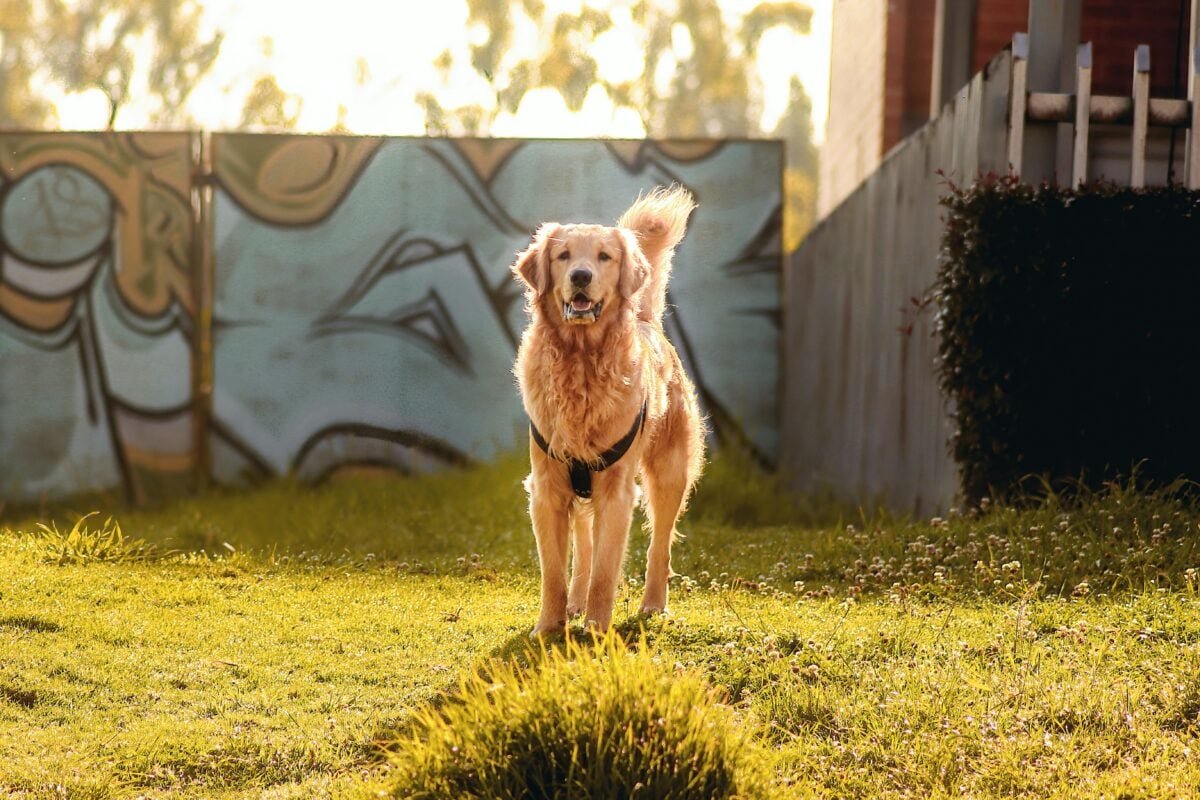
Dogs don’t generalize well. “Come” in the kitchen doesn’t always translate to “Come” at the park. Practice in multiple places: front yard, quiet park, driveway, parking lot.
4. Add Movement
Call your dog while you’re walking away, changing direction, or ducking behind an object. This keeps them engaged and makes recall more dynamic, not just a chore.
5. Use a Long Line for Freedom + Safety
A 20–30-foot leash gives your dog room to roam but lets you reinforce recall if they freeze or bolt. It’s the best tool for bridging the gap between indoor perfection and off-leash freedom.
Outdoor recall is about layers: more noise, more smells, more temptation. The secret is adding just enough challenge to keep it fun, not frustrating.
Want to Level Up Your Training? Once your dog’s recall is coming along, take it further with leash control and off-leash freedom. Check out our guides on on-leash training and off-leash training for next-level results.
Not sure when your dog is ready for the next step? Use this quick recall training progression as a guide, and only increase the difficulty when your dog is responding consistently at their current level.
| Stage | Where To Practice | Distance | Distractions | Move On When… |
|---|---|---|---|---|
| 1. Start Easy | Indoors | 3–6 feet | None | Your dog comes quickly and consistently |
| 2. Add Distance | Indoors | Across the room or farther | Mild | Your dog responds without hesitation |
| 3. Head Outside | Fenced yard or on a long line | Short | Mild | Your dog comes reliably across several sessions |
| 4. Add Distractions | Outdoors on a long line | Gradually increase | Moderate | Your dog can leave distractions and come to you |
| 5. Practice Everywhere | Different safe locations | Varied | Higher | Your dog responds consistently in different environments |
Remember: If your dog’s recall starts falling apart, don’t keep making it harder. Go back one level, rebuild their success, and try again.
Recall Killers: 5 Mistakes That Sabotage Training
Even the best training plan can crash if you hit one of these common recall mistakes. Along with our experience and the San Francisco Society for the Prevention of Cruelty to Animals (SFSPCA) tips, these are the behaviors that quietly undo your hard work, often without you realizing it.
1. Calling in Anger
If your tone says “You’re in trouble,” your dog won’t want to come back, ever. Always sound like you’re inviting them to a party, not a punishment.
What’s The Best Dog Recall Training Method?
The goal of reliable recall training is to get your dog to associate coming to you with a positive, exciting, and rewarding experience. Using positive reinforcement training dramatically increases the likelihood that your pup will come to you every time you call (or, realistically, almost every time).
Giving your pup treats (or some other reward) and plenty of praise and physical affection will set you up for success. Never use a harsh voice, negative body language, or aversive training techniques, such as a shock collar for dog recall training.
2. Repeating the Cue Over and Over
Yelling “Come!” repeatedly is not a command; it’s background noise. Say it once, and then either help them succeed or reset the moment. Repetition teaches them they can ignore you the first five times.
3. Ending Fun Every Time They Come
If “Come” always means the leash goes on, the dog park ends, or playtime stops, your dog will learn to dodge you when it matters. Mix it up. Sometimes recall = freedom continues.
4. Only Practicing Indoors
A dog who’s perfect in your living room might freeze or bolt the second you hit the park. Practice with increasing levels of distraction, not just in cozy control zones.
5. Using Lame Rewards
Dry biscuits won’t cut it when there’s a rabbit in the bush. Use rewards that compete with the environment, such as cheese, chicken, toys, praise, whatever your dog truly wants.
Quick Takeaway: Avoid these traps, and your recall training will move from “sometimes” to “solid.”
Treats, Toys, or Praise? 5 Tips to Reward Without Spoiling Recall
A lot of dog owners worry: “If I always use treats, won’t my dog only come when there’s food?” The short answer: only if you train that way. Here’s how to keep recall strong, with or without snacks.
1. Start with High-Value Rewards
At first, yes, you want to use something amazing. Think chicken, liver, cheese, a squeaky toy, or wild praise. The goal is to make coming to you feel like the best decision your dog could make.
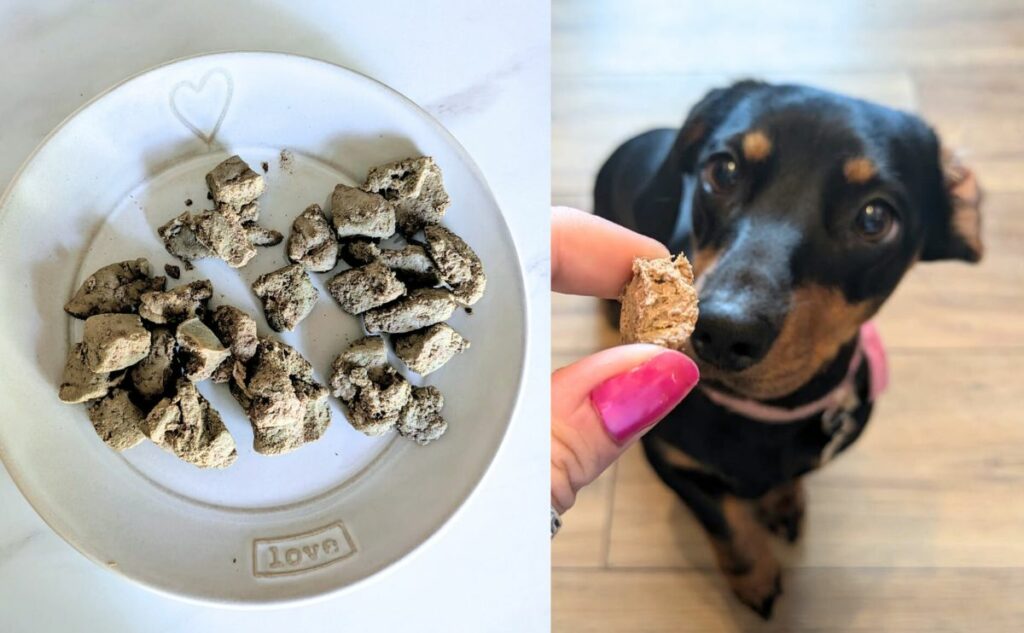
Our Personal Experience With High-Value Treats For Training
I started making my own freeze-dried liver treats after realizing store-bought options weren’t cutting it. I sliced up beef liver, baked it low and slow in the oven, then let it dry completely, and it was game over.
These treats grab my dog’s attention every single time. No matter the distraction, the second I pull one out, she’s locked in like a missile. It’s hands-down the best recall training tool I’ve ever used.
– Emma Braby, Dog Mom and Writer for Canine Journal
2. Don’t Show the Reward First
Avoid waving a treat before you call your dog. That’s a bribe. You want them to learn: “I come → then I get something awesome,” not the other way around.
3. Mix It Up
Once your dog reliably comes, start varying the reward. Sometimes it’s a treat. Sometimes a toy. Other times, just a happy voice and a head scratch. This keeps them guessing and responding.
4. Use a “Jackpot” Occasionally
Every once in a while, give your dog an unexpectedly massive reward – five treats instead of one, or a surprise game. This keeps recall exciting and unpredictable (in a good way).
5. Fade Slowly, Not Abruptly
Don’t just stop rewarding one day and expect the behavior to stick. Gradually reduce the frequency, and keep surprising them with something good here and there.
The Bottom Line: The truth is, your dog doesn’t need constant treats forever; they just need to believe recall is always worth it.
Emergency Recall: The Cue That Could Save Your Dog’s Life
Your dog is running toward an open road. A gate has been left ajar. They slip their leash and take off after a squirrel. Most dogs have decent recall in low-stakes situations, but what about when they’re sprinting toward a road or a scared kid on a scooter? That’s when you need an emergency recall.
This is not the moment to discover whether “Come!” really works.
Every dog should have an emergency recall: a special word or sound that means drop what you’re doing and run to me for an incredible reward. It’s different from your everyday “Come” cue and should be reserved for situations when getting your dog back quickly really matters.
Emergency recall is not a guarantee, and it shouldn’t replace a leash, secure fencing, or good management. But with consistent training, it can give you one more powerful tool when seconds count.
1. Choose a Special Cue
Pick a word or sound your dog has never heard in training. It could be “Now,” “Bingo,” “Tofu,” or even a whistle. The key is that it’s unique, consistent, and never overused.
Choose something short, easy to say under pressure, and unlikely to come up in everyday conversation. Once you choose it, protect the cue: don’t use it casually or repeatedly.
2. Pair It With an Epic Reward
For the first week, say the word once per day, and follow it with an over-the-top jackpot. Chicken, cheese, a squeaky toy party–whatever your dog goes wild for. This isn’t just a good treat. It’s “best thing ever” level.
Repeat this over multiple short sessions so your dog learns:
Special word = run to my person = jackpot.
Don’t wait for your dog to be distracted before introducing the cue. Build the association when success is easy first.
3. Never Use It Casually
This cue is for emergencies only. It is not for ending a walk, leaving the dog park, getting into the crate, taking a bath, or anything else your dog dislikes.
If you use the emergency cue every time you want your dog to come inside, it quickly becomes just another version of “Come.” Save it for situations where you genuinely need an immediate response.
4. Practice Occasionally, Keep It Fresh
Once your dog knows it, test it occasionally in safe but high-distraction spots. Reward big every time. Occasional practice with an enormous reward helps maintain the association.
If your dog hesitates or stops responding, don’t keep testing them in harder environments. Go back to an easier setting and rebuild the behavior before increasing distractions again.
When Should You Use Emergency Recall?
Use it when there is a genuine safety concern—for example, when your dog gets loose near traffic, heads toward a dangerous animal or hazard, or moves toward a situation that requires immediate intervention.
And remember: if your dog is already running toward danger, don’t stand still and repeatedly shout the cue. Move away from the hazard, get their attention, use your emergency cue once, and make yourself as inviting and exciting as possible.
The goal isn’t to create a magic word that guarantees your dog will come in every situation. It’s to build an exceptionally strong response that gives you another chance to get your dog out of danger when it matters most.
Distraction Training: Will Your Dog Come When It Counts?
A dog who comes running when you call from the living room may suddenly “forget” everything they learned when a squirrel darts across the yard. That’s normal. Reliable recall has to be practiced around the distractions your dog actually encounters, not just in a quiet room.
This is called proofing. And it’s how you take your training from “kind of works in the backyard” to “rock-solid anywhere.” Once your dog is consistently responding to “Come!” in easy environments, gradually introduce more challenging situations:
- Squirrels: Start at a distance where your dog notices the squirrel but can still pay attention to you. Reward them for turning away from the distraction and coming toward you.
- Other dogs: Practice around calm dogs first, keeping enough distance that your dog can still respond. Gradually work closer as their recall improves.
- Guests at the door: Have your dog on a leash or long line while someone approaches the door. Call them away from the excitement and reward them generously when they come.
- The dog park: Don’t make your dog’s recall depend on the promise of going home. Practice calling them, rewarding them, and then releasing them to play again so “Come!” doesn’t automatically mean fun is over.
- An open front door: This is a high-risk situation, so practice with your dog safely secured on a leash or long line. Reward them for turning away from the doorway and coming to you before gradually increasing the distraction.
- Backyard smells: Let your dog sniff and explore, then occasionally call them away for a reward. Once they come, release them to sniff again so they learn that responding doesn’t always end their adventure.
- Kids playing: Children running, shouting, or throwing toys can be extremely exciting. Start at a comfortable distance and reward your dog for choosing you over the activity.
The key is to increase distractions gradually. If your dog ignores you, the environment may simply be too difficult right now. Move farther away, reduce the distraction, or return to an easier training stage rather than repeatedly shouting “Come!” Your goal is to build a history of successful recalls in increasingly challenging situations.
Watch Recall Training in Action
The brief video below from Emily Larlham, a professional dog trainer known for her popular YouTube Channel ‘Kikopup,’ shows you several different techniques for recall training using simple distractions.
You’ll notice in this video that the trainer uses a clicker instead of a verbal praise word for your dog who has satisfied the come task. Clicker training can be extremely effective when teaching your pup many different skills.
How to Teach a Puppy, Adult Dog, or Rescue Dog to Come
Not every dog starts recall training as a blank slate.
The good news: Whether you’re starting with a curious puppy, a stubborn adult, or a rescue with a rough past, it’s never too late to build a better recall. The training principles stay the same—make coming to you rewarding, keep the cue positive, and gradually increase distractions—but the starting point may look different for each dog.
Teaching Puppies: Keep It Fun and Fast
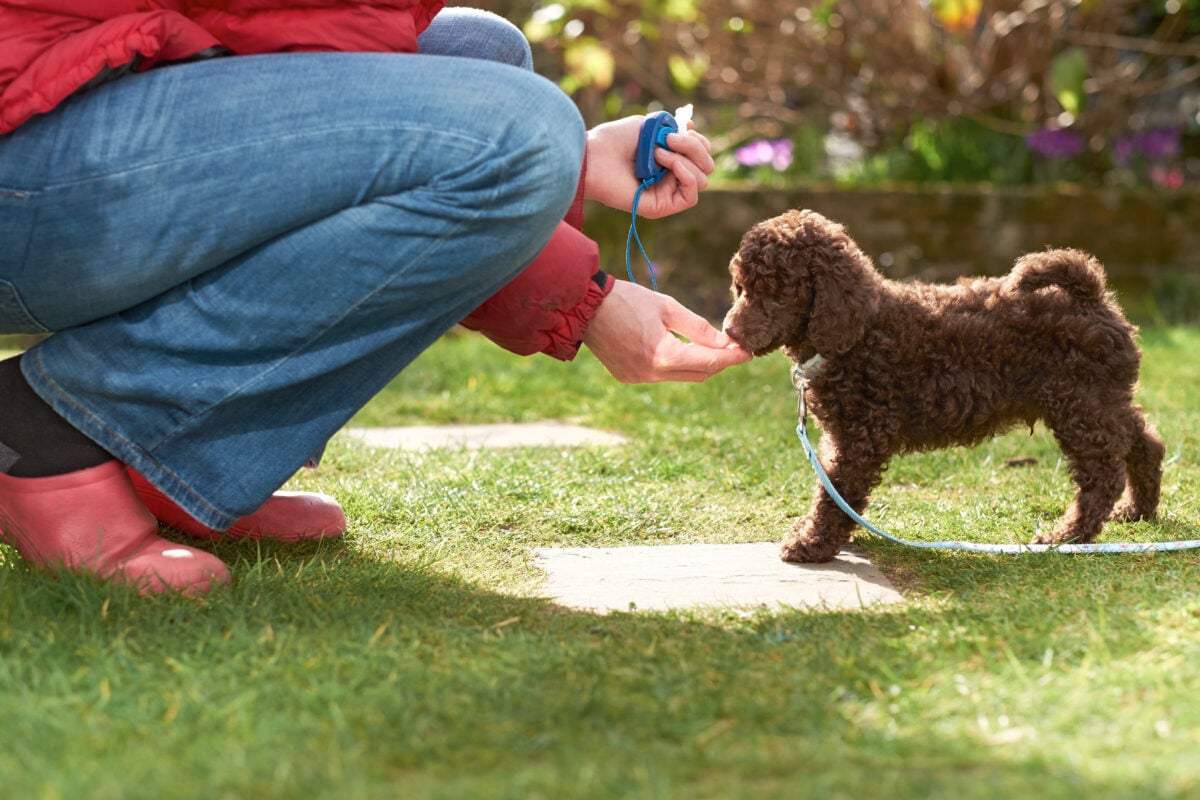
Puppies have short attention spans but high food drive, so keep recall practice brief, upbeat, and easy to win. Start inside your home, where distractions are low, and reward your puppy for following you, looking at you, or moving toward you when called.
Turn everything into a game: run away when you call them, hide behind furniture, toss training treats as they run to you. Always reward any movement toward you, even if it’s clumsy or slow. Confidence first, polish later.
Try:
- Calling your puppy from just a few feet away.
- Running backward or away from them to encourage them to follow.
- Hiding behind furniture and calling them to find you.
- Tossing a treat near you, then rewarding them when they return.
- Practicing several short sessions throughout the day rather than one long training session.
Don’t worry about perfect responses yet. Build enthusiasm first. Every successful repetition teaches your puppy that coming to you is a fun and rewarding choice.
Training Adult Dogs: Reset the Word
An adult dog may already know what “Come!” means—or they may have learned that they can safely ignore it. They may also have years of experience being called for things they dislike, such as leaving the dog park, getting a bath, or going into their crate.
If the existing cue has a poor history, consider starting over with a fresh recall word, such as “Here!” Then train it as though your dog has never learned recall before.
Begin somewhere easy and reward generously. As your dog succeeds, gradually increase distance and distractions.
Most importantly, don’t assume an adult dog “should know better”, because adult dogs need patience too. Recall is not automatically reliable just because a dog is older. An adult dog may need hundreds of positive repetitions to build a response that holds up around squirrels, other dogs, smells, and other real-world distractions.
Working with Rescue Dogs: Build Trust and Confidence
Rescue dogs can bring unknown training histories and different experiences into your home. Some may have excellent recall, while others may be nervous, easily distracted, or hesitant to approach people. Start by reinforcing attention and name recognition.
Before teaching “Come,” work on simple behaviors such as:
- Responding to their name
- Looking toward you
- Choosing to approach you
- Following you around the house
- Taking treats comfortably from your hand
Expect slower progress and celebrate small wins. If your dog turns their head when you say their name or takes a few steps toward you, that is progress. And outdoors, use a secure leash or long line until you have built reliable recall. A newly adopted dog can bolt unexpectedly, even if they seem calm and bonded to you at home.
Quick Takeaway: Every dog can improve their recall. Start at your dog’s current skill level, reward the behavior you want, and gradually increase the challenge. For puppies, prioritize fun; for adult dogs, rebuild the association; and for rescue dogs, put trust and safety first.
Why It Works: The Science Behind Recall Training
Dogs aren’t ignoring you to be stubborn; they’re just responding to reinforcement patterns. That’s where the science comes in.
It’s All About Consequences
Dogs learn through operant conditioning, meaning they repeat behaviors that lead to good outcomes and avoid those that don’t. When your dog hears “Come,” and something amazing happens right after, their brain connects the two.
Timing Is Everything
The reward needs to happen immediately after the behavior, not ten seconds later. That’s how the dog’s brain links action to outcome. If you delay the reward, the connection fades or forms around the wrong behavior.
Rewards Create Motivation
Coming when called takes effort, especially around distractions. Positive reinforcement creates motivation: your dog wants to come back because history tells them something great happens when they do.
Repetition Builds Habits
The more often you pair “Come” with a great result, the more automatic the behavior becomes. Over time, your dog starts responding without thinking. It becomes a habit, not a decision.
Mistakes Still Teach (So Be Careful)
If “Come” sometimes means punishment, the fun ends, or they get ignored, your dog may start avoiding it. That’s why consistency matters: every response should lead to something good, especially early in training.
The Bottom Line: Understanding the science helps you train smarter, and it’s the reason recall isn’t about dominance or force. It’s about making the right choice easy, obvious, and rewarding.
What If It Still Doesn’t Work? 5 Trainer Tips & Support
Even with great training, some dogs struggle with recall, and that doesn’t mean you’ve failed. Here’s what to try next if your dog still won’t come reliably:
1. Go Back a Level
If your dog only comes inside but ignores you outside, it means the distractions are too strong for their current skill level. Go back to a less challenging environment and rebuild the habit before leveling up again.
2. Change the Cue
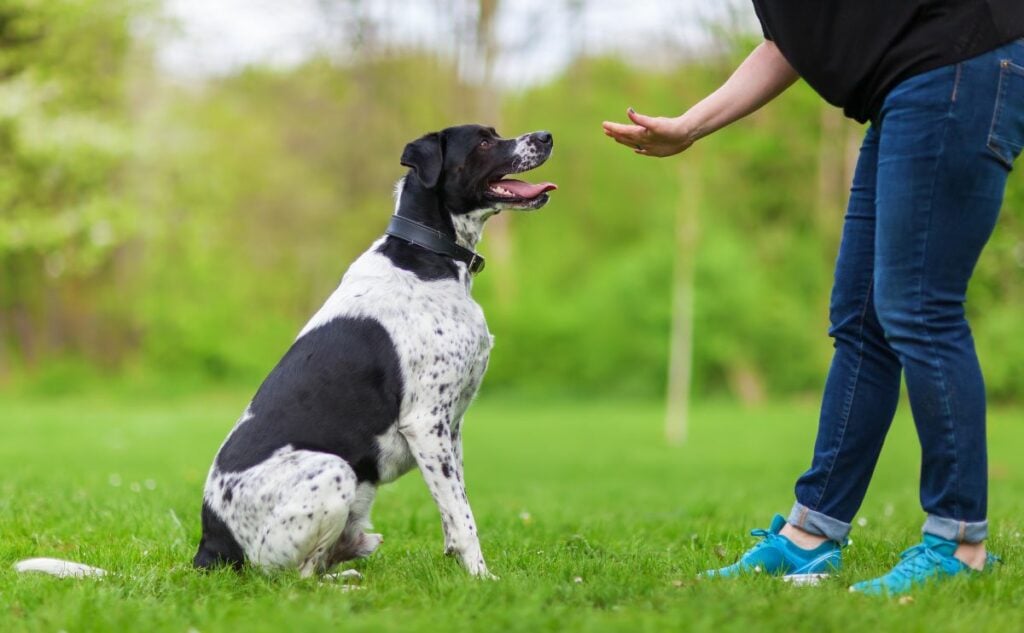
If “Come” has lost its meaning (or has negative baggage), try a fresh cue like “Here” or “To me.” Dogs don’t care about the word, only the associations you build around it.
3. Make Your Rewards Better
If your dog doesn’t come, it might be a motivation issue, not defiance. Use higher-value rewards, change it up more often, or try using play instead of treats.
4. Try Professional Help
If you’re stuck, a certified positive reinforcement dog trainer can make a huge difference. They’ll spot small issues you might not see and help customize a plan for your dog’s behavior and personality.
5. Give It Time
Some dogs take longer than others. Rescue dogs, fearful pups, or super independent breeds may need extra patience. Keep sessions short, end on success, and celebrate progress, even if it’s slow.
The Bottom Line: Most recall failures aren’t permanent; they’re just a sign your dog needs a bit more help, structure, or motivation. Keep going. They’ll get there.
Most importantly, don’t punish your dog when they finally come to you. Even if you had to wait or work harder than expected, reward the arrival. You want your dog to learn that coming to you is always the right choice.
FAQs About How to Teach Your Dog to Come
Here are some of the questions we see most often about how to teach a dog to come when called. If you don’t see yours, ask us in the comments, and we’ll find the answer for you.
When Should I Start Recall Training?
You can start training a puppy to come at around eight weeks old. But first, make sure your puppy knows their name. Always keep puppy training short and sweet (five-minute sessions) and have lots of patience.
What Do I Need For Recall Training?
Before you begin, you’ll need a few provisions, including training treats and a long, loose training leash. You may want to invest in a treat pouch to make your training easier.
How Long Does Dog Recall Training Take?
Dogs learn in so many ways and at such varying rates that there’s no target timeline. In general, you can expect it to take three to six months of regular and consistent training to fully build reliable recall.
How Do I Teach My Dog To Come Without Treats?
If your dog isn’t motivated by food, or you’d prefer training without treats, you can substitute a favorite toy for a treat. Squeaky toys work well for many dogs. Just make sure you have some reward for your pup to achieve success.
What If My Dog Runs Away When I Call Them?
That’s usually a sign the dog thinks “Come” means punishment, the fun is over, or nothing exciting happens. Start fresh with a new word, rebuild the reward connection, and practice in easier environments.
Should I Use a Whistle for Recall?
A dog training whistle can be great for long distances or dogs who tend to tune out your voice. Just make sure you pair it with high-value rewards during training, just like you would with a verbal cue.
Do You Need Training Assistance?
Start today: Pick your recall word, grab 10 high-value treats, and practice five easy recalls indoors. Stop while your dog still wants more.
If your recall training isn’t going as well as you hoped or you’re not confident in training on your own, you can always seek reinforcement from a professional dog trainer, like Doggy Dan.
Instead of paying a fortune for an in-person dog trainer, see our reviews of the best online dog training courses and dog training apps to find affordable training assistance if you need it. Some of these options even give you virtual access to professional dog trainers.
Got a Recall Win (or Fail)? We’d love to hear it! Share your training victories, challenges, or funniest “they totally ignored me” moments in the comments. Your story might help another dog parent out.