
When you purchase through links on our site, we may earn a commission at no extra cost to you. Learn more.
What if the most loyal, goofiest, and most misunderstood dog you’ll ever meet came in one medium-sized, muscle-packed, wiggle-butt package?
Table of Contents
The Pitbull Boxer mix, known to fans as the Bullboxer, might be the underdog you didn’t know you needed, but exactly the kind of love that changes everything.
Equal parts snuggle monster and backyard rocket, this mix brings the heart of a hero and the energy of a toddler on espresso. But don’t let the big grin fool you, raising a Bullboxer is a full-time job with full-body rewards.

In this guide, we’ll break down what makes this power-packed pup so special (and sometimes, a bit much): their personality, training needs, health quirks, and whether they’ll thrive in your home.
If you’re looking for a companion that’s ride-or-die loyal, surprisingly sensitive, and occasionally destructive in the most loving way possible… welcome to Team Bullboxer.
 Weight50-80 Pounds
 Height16-20 Inches
 Lifespan10-14 Years
 ColorsBlack, White, Fawn, Brown, Tan, Brindle
The Parent Breeds: What a Boxer and Pitbull Really Bring to the Table
Before you fall head over heels for that big Bullboxer grin, it helps to understand where all that love, loyalty, and chaos actually come from.
This mix didn’t happen by accident; it’s the product of two powerhouse breeds with very different backstories and surprisingly complementary personalities.
Let’s break down what the Boxer and the Pitbull really bring to the table, and why their combination creates one unforgettable dog.
The Pitbull Terrier: The Loyal Underdog with a Soft Side
Few breeds are more misunderstood than the American Pitbull Terrier (APBT).
Originally bred in 19th-century England for bull-baiting and later as farm dogs and companions, Pit bulls have been unfairly maligned through decades of media fear and breed-specific laws.
But underneath the headlines is a dog that’s intelligent, deeply loyal, and, when raised with love and structure, incredibly gentle with people.

What they bring to the Bullboxer:
- Deep loyalty and protectiveness
- High pain tolerance and determination (read: stubborn streak incoming)
- Affectionate, even clingy, behavior toward their humans
- A strong jaw and love for chewing (invest in tough toys!)
Pitbulls are often called “nanny dogs” for their loving nature around kids, but they do need early socialization, especially around other animals. If your Bullboxer mix is glued to your side, gives you the side-eye when you leave the room, or tries to “protect” you from the Amazon delivery guy… that’s the Pitbull talking.
Not Just a ‘Pitbull’: The Power and the Problem with the Name
Unlike their close relatives (the Staffordshire Bull Terrier and American Staffordshire Terrier), the APBT is not recognized by the American Kennel Club (AKC), though it is acknowledged by the United Kennel Club (UKC) and the Continental Kennel Club (CKC) as a distinct breed.
Today, “Pitbull” is a catch-all term that includes several bully breeds, not just the APBT. Unfortunately, the name now carries a heavy stigma due to media sensationalism and irresponsible ownership. This has led to Breed Specific Legislation (BSL) in various regions, with restrictions or outright bans on Pitbull-type dogs, regardless of individual temperament.
Despite the controversy, those who know the breed understand the truth: with the right upbringing, Pitbulls are affectionate, loyal, and deeply devoted to their families.
The Boxer: The Goofy Guardian with a Heart of Gold
If dogs had spirit animals, the Boxer’s would be a caffeinated toddler in a superhero costume.
Originally bred in Germany as a hunting and working dog, the Boxer quickly earned a reputation as both a fearless protector and a total goof.
They were the first police dogs in Germany, but don’t let the resume fool you: Boxers are natural-born clowns with an endless desire to play, bounce, and be part of whatever their humans are doing.

What they bring to the Bullboxer:
- High energy and playfulness (expect zoomies — indoors)
- Intelligence and eagerness to please
- A fiercely affectionate, people-oriented nature
- A tendency to act like a puppy well into adulthood
And while they’re athletic and strong, Boxers are also sensitive; they don’t respond well to harsh discipline, and they form strong bonds with their family. If your Bullboxer mix seems extra emotional under that tough exterior, you’re looking at their Boxer side.
The AKC officially recognized them in 1904, but their popularity did not grow until the 1930s. Recently, they have consistently ranked as one of the most popular breeds in the United States. Due to their popularity, they are often crossed with other breeds.
Too Cute to Handle: Meet Pitbull Boxer Mix Puppies in Action
If you need a visual reminder of why this mix steals hearts, look no further. These Pitbull Boxer mix puppies are all wiggles, zoomies, and pure personality. Fair warning: you may want one immediately.
Everything You Didn’t Know You Needed to Know About the Bullboxer
Now that you’ve met the Boxer’s boundless energy and the Pitbull’s loyal heart, it’s time to meet the main event: their wildly lovable, sometimes chaotic, always unforgettable offspring.
The Bullboxer isn’t just a mix; it’s a full-on personality explosion packed into a muscular, mid-sized frame. They’re smart, sweet, stubborn, and strong-willed… which means they’ll either steal your heart or your sandwich (possibly both).
Let’s take a closer look at what makes this mix such a head-turner, and why they need just the right kind of home to thrive.
Temperament: Loyalty, Zoomies & Surprising Sweetness
The Bullboxer is what happens when you blend two emotionally intense breeds, the high-octane Boxer and the fiercely loyal American Pit Bull Terrier. Both were originally bred for strength and protection, but today’s Bullboxer is more cuddle buddy than combat dog.
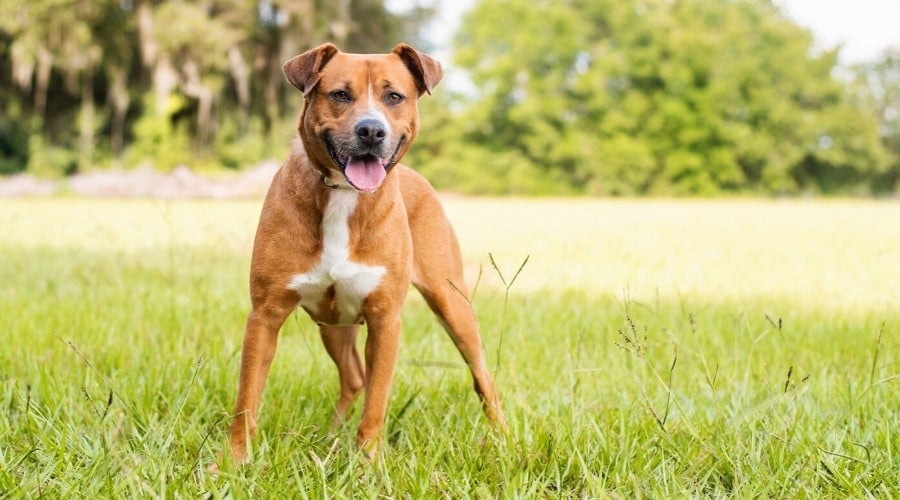
This mix is:
- Energetic and enthusiastic (especially in short bursts… indoors… when you’re not ready)
- Playful and goofy like the Boxer
- Loyal and emotionally attached like a Pitbull
- Strong-willed but eager to please when trained with consistency
While Boxers tend to be more socially easygoing, Pitbulls can be more selective with other dogs. Your Bullboxer may lean either way or switch it up depending on the day.
Is This the Right Dog for Your Kids (and Your Couch)?
Bullboxers often thrive in family environments, especially with children. But their size, strength, and excitable nature mean they’re not ideal for every household — at least not without structure and guidance.
What makes them great with kids:
- Often referred to as “nanny dogs” thanks to the Pitbull’s legendary patience
- Exceptionally affectionate and loves being part of the pack
- Protective instincts can make them feel like a tiny (or not-so-tiny) bodyguard
What to be mindful of:
- Their play style can be accidentally rough, especially with smaller kids
- Supervision is always a must due to the strength and unpredictability during zoomie mode
- Children need to learn how to respect the dog’s space — even the most tolerant dog has limits
Socialization and obedience training are non-negotiable. Early exposure to other dogs, people, environments, and situations helps shape a well-rounded dog. You’ll also want to refresh obedience skills regularly, especially if there are kids in the home.
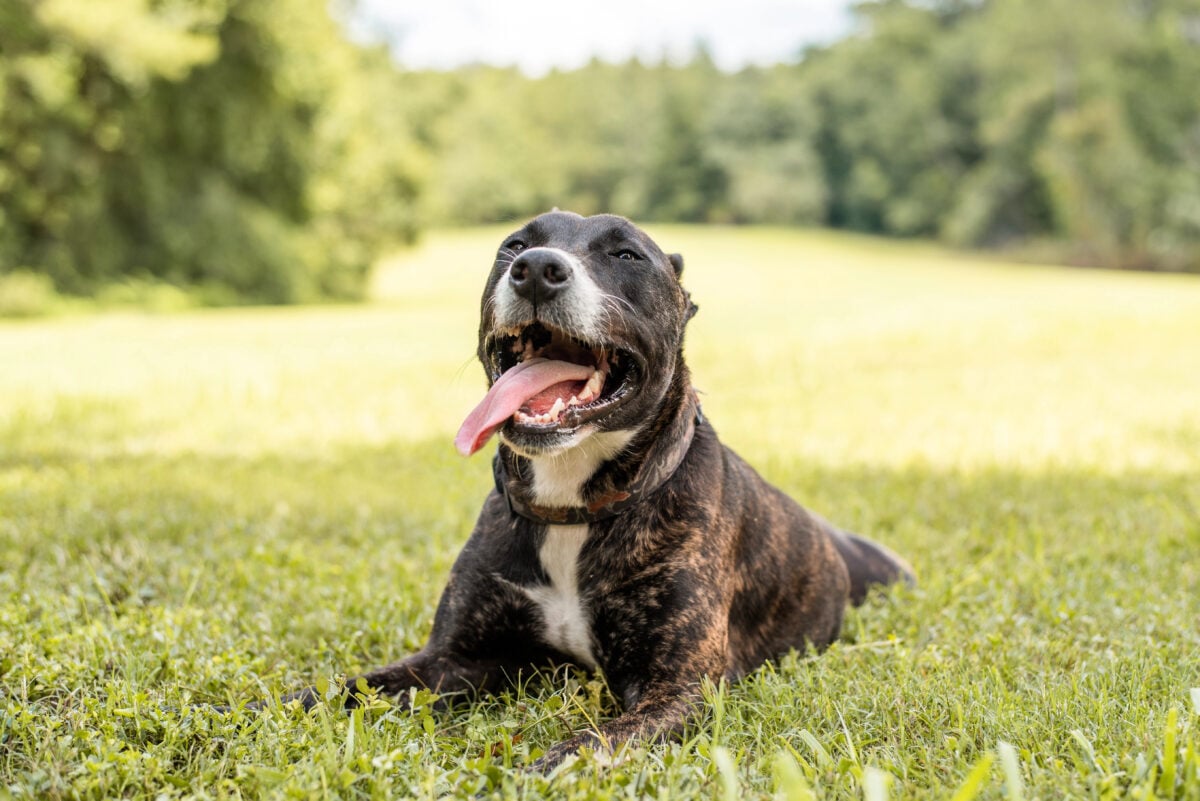
Myth: Bullboxers are naturally aggressive.
Truth: Aggression isn’t a default; it’s a result of poor training, trauma, or lack of socialization. With the right upbringing, Bullboxers are loving, stable, and playful. Both Boxers and Pitbulls are people-oriented and eager to please, which, in a Bullboxer, makes for a devoted and affectionate companion.
In fact, data from the American Temperament Test Society (ATTS) shows that Pitbull-type breeds consistently perform well in standardized evaluations. One analysis even found that they had an 86% pass rate, higher than breeds like the Golden Retriever. These results challenge the notion that aggression is inherent in the breed.
Do They Do Well With Other Dogs?
That depends on which parent’s traits dominate.
If they lean Pitbull:
- May be dog-selective or reactive
- Could do better as the only dog in the home
- Needs careful introductions and clear boundaries
If they lean Boxer:
- More likely to be social and playful
- Can be exuberant and “too much” for more reserved dogs
- May benefit from playgroups or dog park time (once trained)
Best Home Environment for a Bullboxer
These dogs crave attention and connection; they don’t do well when left alone for long stretches and can develop separation anxiety.
Ideal homes include:
- Someone home most of the day (remote worker, stay-at-home parent, etc.)
- Active families who can handle the energy and commit to exercise
- Owners who enjoy training and interactive play
- Households ready to offer love and leadership
If left to their own devices too long, a Bullboxer might redecorate your couch… from the inside.
Size, Strength & That Signature Smile: What They Look Like
The Bullboxer doesn’t just walk into a room; they power in like a linebacker with a lopsided grin. Built like a tank but often convinced they’re a lapdog, this mix has a presence you’ll feel (literally, if they try to sit on you).
Both the Boxer and the APBT are muscular and athletic dogs. The Boxer is slightly heavier, but it tends to be taller and slimmer. The APBT is stockier with a broader chest and head. Both breeds have short, smooth coats.
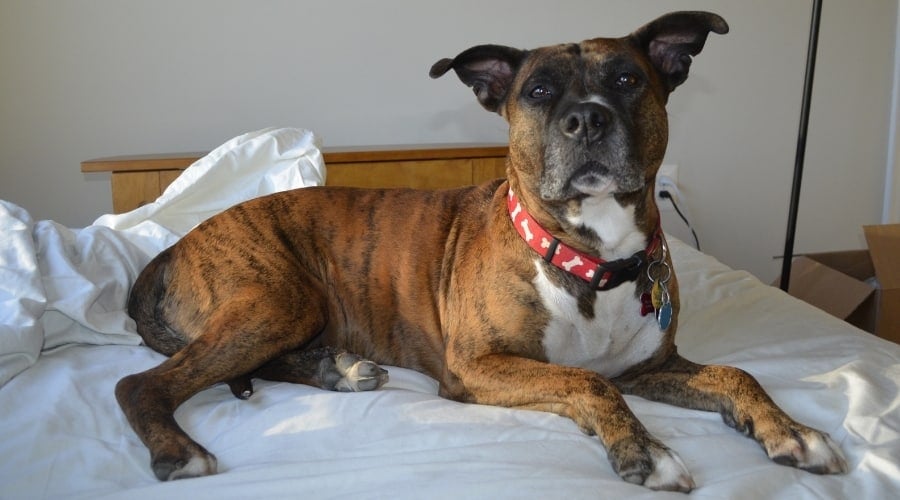
This mixed breed is a medium-sized dog. A male can weigh 60 to 80 pounds and stand 17 to 20 inches. On the other hand, a female can weigh 50-70 pounds and stand 16-19 inches from paw to shoulder.
Unlike some hybrid dogs, Boxer Pit Bull Mixes will not look radically different from one another, due to the similarities in size and shape between the two breeds.
- Muscular, athletic build with a broad chest
- Short, smooth coat that’s low maintenance but high shedding
- Head shape can vary — some inherit the Boxer’s square face, others the Pitbull’s wider jawline
- Expressive eyes and alert, upright ears (sometimes floppy, sometimes cropped, depending on genetics or breeder)
- Tail may be long and whip-like or docked — again, depending on lineage
Fun Fact:
Most Bullboxers have absolutely no clue how big they are. If there’s an open lap, they’ll try to fit… even if they’re tipping the scales at 75 pounds and you’re holding a coffee.
Coats, Colors & Head-Tilting Charm
No two Bullboxers look exactly alike, and that’s half the fun. With genetics coming from two breeds that already have a wide variety of coats and colors, this mix can show up in just about every outfit in the dog’s wardrobe.
From sleek brindles to solid reds and striking black-and-whites, Bullboxers often turn heads at the dog park without even trying.
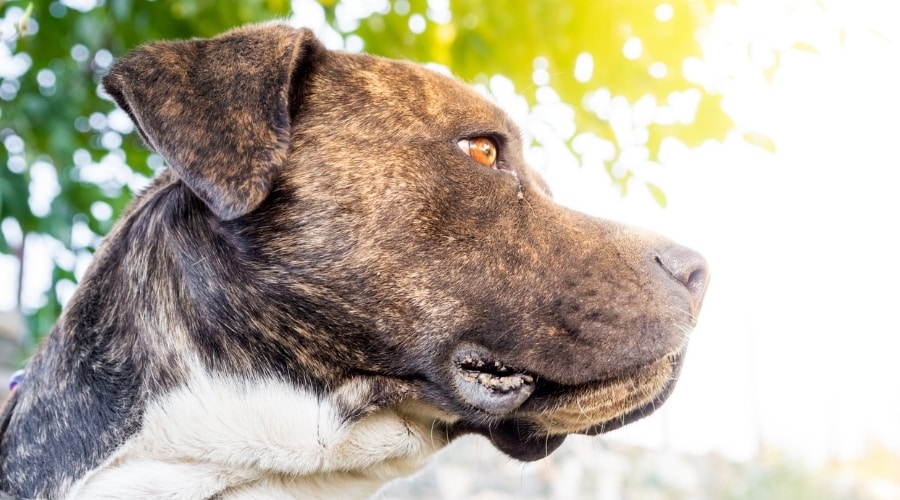
The Boxer is typically a fawn or brindle color, but often features black or white markings. Boxers are also sometimes completely white, although this color is not recognized as a breed standard by the AKC.
American Pit Bull Terriers come in a much wider variety of colors, which means there is a greater chance of a bigger selection of coat colors in a Boxer Pit Bull mix.
Common Bullboxer coat traits include:
- Short, sleek coat that lies flat and feels smooth to the touch
- Moderate to heavy shedding (despite the short length)
- Low grooming needs — just a weekly brushing to keep them fresh
Bullboxers can come in a variety of coat colors, including mixed and solid colors such as black, white, fawn, brown, tan, and brindle.
They also come in red and blue colors, and these varieties are often referred to as Blue Nose or Red Nose Pit Bulls, as their nose and nails are the same color as their coat, rather than the standard black coloring.
Typical Bullboxer color variations:
- Brindle (with or without white markings)
- Fawn, tan, or brown
- Solid black or white
- Red or blue (rare, but possible — especially in “Red Nose” or “Blue Nose” lineages)
- Mixed or patchy coats, depending on parent genetics
Visual Variety: One Bullboxer might look like a sleek pitbull in a boxer’s coloring, another could be all jowls, spots, and chaos. It’s part of the fun of owning a mix; no two look exactly the same!
Exercise: Why This Mix Doesn’t Believe in Lazy Sundays
The Bullboxer may enjoy a cuddle, but this is not a lazy dog. With two high-energy parent breeds, this mix requires regular exercise, not just a quick walk around the block.
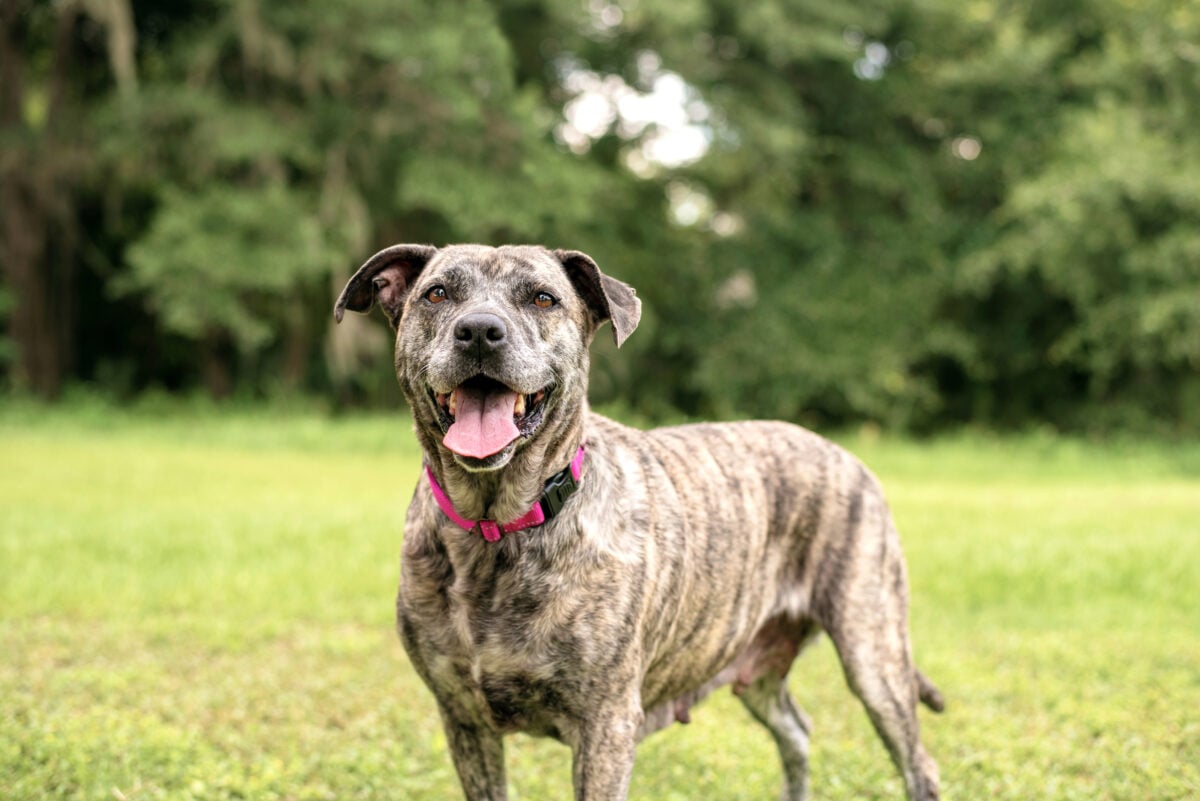
Without enough physical and mental stimulation, Bullboxers can become bored, anxious, or delightfully destructive.
What They Need:
- At least 60 to 90 minutes of exercise per day
- Long walks, active play sessions, or safe off-leash time in a fenced yard
- Enrichment activities like flirt poles, puzzle feeders, agility, or scent work
This is a dog that thrives when you give them a job — or at least a reason to burn off steam.
Watch the Heat:
Boxers are a brachycephalic (flat-faced) breed, which means they’re prone to overheating. If your Bullboxer inherits that facial structure, you’ll need to adjust your exercise routine, especially in warmer months.
Tips for hot weather:
- Walk in the early morning or evening when it’s cooler
- Keep workouts shorter and more controlled
- Always bring water and avoid intense midday activity
Myth: Bullboxers don’t do well in homes with other pets.
Truth: They can, and often do, live peacefully with other dogs and even cats when introduced properly. It all comes down to early socialization, consistent supervision, and clear pack dynamics. Some Bullboxers may prefer being the only dog, but many coexist beautifully with furry siblings.
Training a Bullboxer: Turning Chaos Into Companion Gold
Bullboxers are smart enough to test your consistency; they’ll memorize your routines, find your weak spots, and win you over with a tail wag.
Training a Bullboxer isn’t about dominance; it’s about direction. These dogs are smart, eager to please, and absolutely brimming with energy.
But without consistent leadership, they’ll make their own decisions, and you probably won’t like them. Think of training as a daily dialogue, not a one-time lesson.
Given the strength of both breeds, training and socialization will be extremely important. If your dog has the hyperactive nature of some Boxers, they can become a bit wild and difficult to manage. They are also a dog that, in their enthusiasm, likes to jump up.
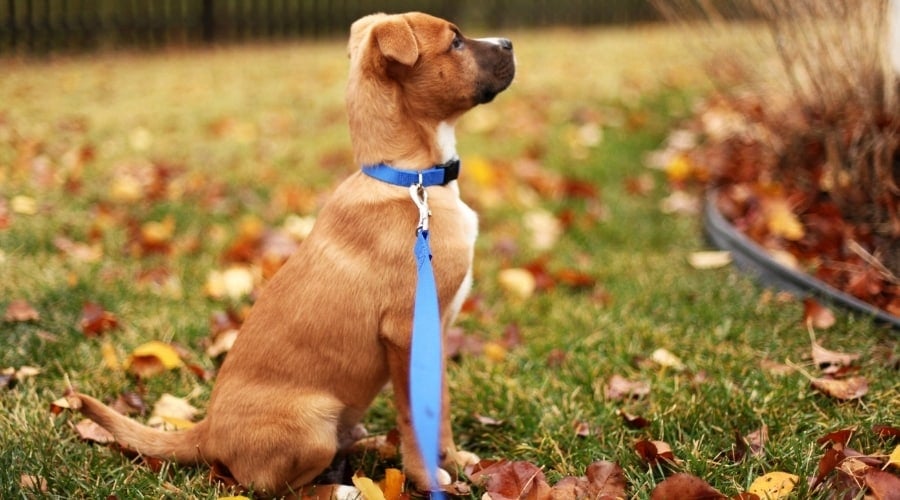
If they are not good with other dogs, like some APBTs, if they are too strong and you do not have good leash control, this can make things dangerous for you, them, and other dogs.
Key Bullboxer Training Tips:
Both also have powerful jaws and enjoy chewing. Making sure that you offer plenty of tough, interactive chew toys and additional enrichment will help you avoid any potentially destructive behavior in the home.
- Start early — the sooner you begin socialization and obedience work, the better
- Use positive reinforcement — praise, treats, and play work far better than punishment
- Keep sessions short and engaging — aim for 5–10 minutes at a time to prevent boredom
- Focus on impulse control — work on commands like “leave it,” “stay,” and polite leash walking
- Reinforce consistency — rules should be the same across all family members
- Introduce new environments gradually — controlled exposure helps prevent reactivity later
With the right approach, Bullboxers aren’t just trainable, they’re exceptional. But consistency is everything, especially in the first year.
Behavior is More Than Breed
Recent research from UMass Chan Medical School shows that breed accounts for only about 9% of behavioral differences between dogs — meaning how you train, socialize, and live with your Bullboxer will shape their personality far more than their lineage alone.
Grooming: Low Maintenance, Not No Maintenance
Bullboxers have short, smooth coats that are easy to care for; no fancy cuts or frequent groomer visits are needed. But “low maintenance” doesn’t mean no effort. These dogs shed, and without regular grooming, that fur will quickly find its way onto your clothes, couch, and car.
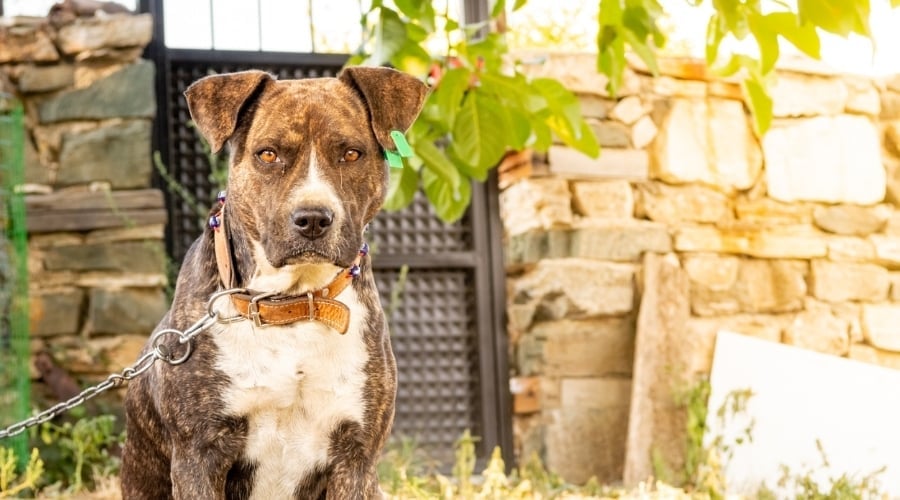
A consistent routine will keep your Bullboxer looking clean and healthy while keeping your home a little less hairy.
Basic Grooming Checklist:
- Weekly brushing with a rubber mitt or curry brush to reduce shedding and keep the coat healthy
- Bath every 4–6 weeks using a mild dog shampoo
- Grooming wipes between baths to keep them fresh
- Ear checks once a week for redness, odor, or buildup
- Nail trimming every 2–3 weeks to prevent splitting or discomfort
- Teeth brushing a few times a week or dental chews for oral health
You don’t need a lot of tools, just consistency. And yes, a good vacuum and a lint roller will still come in handy.
Quick Tip: Weekly brushing doesn’t just reduce shedding, it’s also a great bonding moment. Most Bullboxers love the attention, and it helps you keep an eye out for any skin issues, bumps, or allergies.
Health: What to Know Before You Fall for That Face
Bullboxers are generally healthy, resilient dogs — but like all breeds (especially mixes), they can inherit medical issues from either parent line. Knowing what to watch for can help you catch problems early and plan ahead.
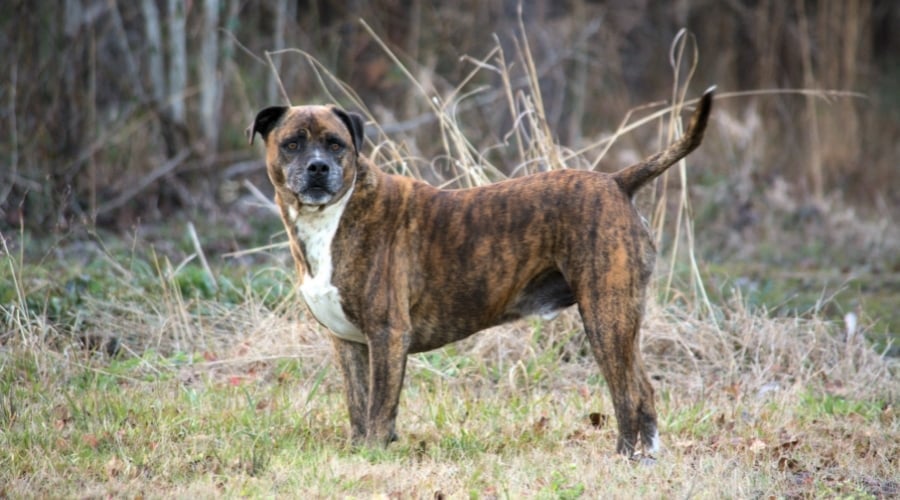
Whether you’re adopting from a shelter or buying from a breeder, it pays to be informed — and to consider pet insurance to help with any unexpected costs.
Common Health Concerns in Bullboxers:
- Cancer risks (Boxer side): Boxers are prone to several types of cancer, including skin cancer, lymphoma, and mast cell tumors.
- Heart issues: Boxers are also predisposed to conditions like Dilated Cardiomyopathy (DCM) and Aortic Stenosis — both of which can shorten lifespan if not managed early.
- Joint problems: Hip dysplasia is a concern in both parent breeds and can lead to early-onset arthritis if left untreated.
- Skin conditions: Pit Bulls, in particular, are prone to allergies, rashes, and other dermatological issues — often manageable with diet or meds.
- Hypothyroidism: Pit Bulls are more likely to develop an underactive thyroid, which can lead to weight gain, fatigue, and skin problems.
A Few Health Smarts to Keep in Mind:
- If you’re adopting from a shelter, you may not know your dog’s genetic history — so keep a close eye on any emerging symptoms.
- If you’re buying from a breeder, make sure they’ve health tested the parents for common breed-specific conditions.
- Regular vet checkups are key. Many serious conditions — like heart disease or hypothyroidism — can be managed if caught early.
- Pet insurance can be a financial lifesaver, especially for high-energy dogs prone to injuries or inherited issues.
Staying ahead of health issues doesn’t require perfection — just consistency, observation, and a good relationship with your vet. The earlier you catch a concern, the longer and happier your Bullboxer’s life can be.
Feeding Your Bullboxer: Fuel for Muscles, Mind & Mood
Feeding a Bullboxer isn’t just about filling the bowl; it’s about fueling energy, supporting joint health, and managing potential allergies. Because this mix is muscular, active, and occasionally sensitive to certain ingredients, their diet needs to work as hard as they do.
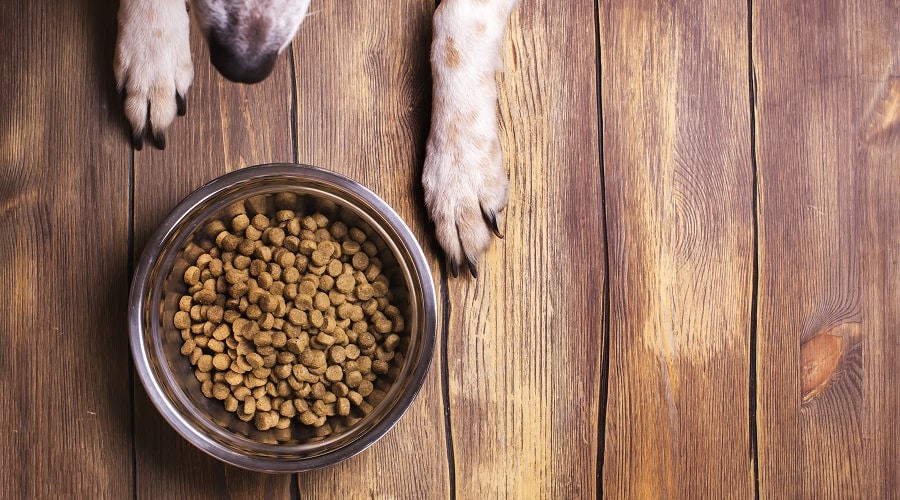
While most dry foods you’d feed a boxer will work, you’ll want to budget for a high-quality diet for your mix depending on its energy levels.
Nutrition tips for a healthy Bullboxer:
- Feed a high-protein, high-quality kibble that supports muscle maintenance
- Watch for common allergens like chicken, beef, wheat, or soy — especially if your dog has skin issues or digestive upset
- Consider grain-free or limited-ingredient formulas if your vet suspects food sensitivities
- Break meals into 2–3 smaller feedings per day to prevent bloating and regulate energy
- Use slow feeders or puzzle bowls for dogs that inhale their food
- Supplement with omega-3s (like fish oil) to support skin, coat, and joint health
If your dog has allergies (like some APBTs), you may need to feed a specific diet, as advised by your veterinarian or a qualified canine nutritionist.
A well-fed Bullboxer is a healthier, calmer, and more balanced dog. With the right diet, you’re not just filling their bowl — you’re setting them up for a stronger, happier life.
Legal & Rescue Realities: What to Know About Owning a Bullboxer
Before falling head over heels for a Bullboxer, it’s important to know that this mix may face challenges that have nothing to do with temperament and everything to do with perception.
Because Bullboxers carry Pitbull heritage, some regions may enforce Breed-Specific Legislation (BSL) that restricts or outright bans ownership of Pitbull-type dogs. These laws vary by city, county, and even housing authority, so it is essential to check your local regulations before adopting.
In some areas, owning a Bullboxer could mean:
- Being required to carry extra liability insurance
- Facing housing restrictions or pet bans in rentals
- Needing to muzzle your dog in public
- Being subject to registration or temperament evaluations
These laws are controversial, often based more on stigma than science, and they can unfairly limit access to loving homes for well-behaved dogs.
Pro Tip: Before you fall in love, check with local shelters, HOAs, and rental agreements to confirm you’re in the clear.
Adoption or Breeder? How to Find a Healthy, Happy Pup
Bullboxers may not be as common as purebreds, but that doesn’t mean you have to search far and wide. Whether you adopt or go through a breeder, the key is doing your homework — because how your dog starts life will affect everything from health to behavior.
Adopting a Bullboxer Mix
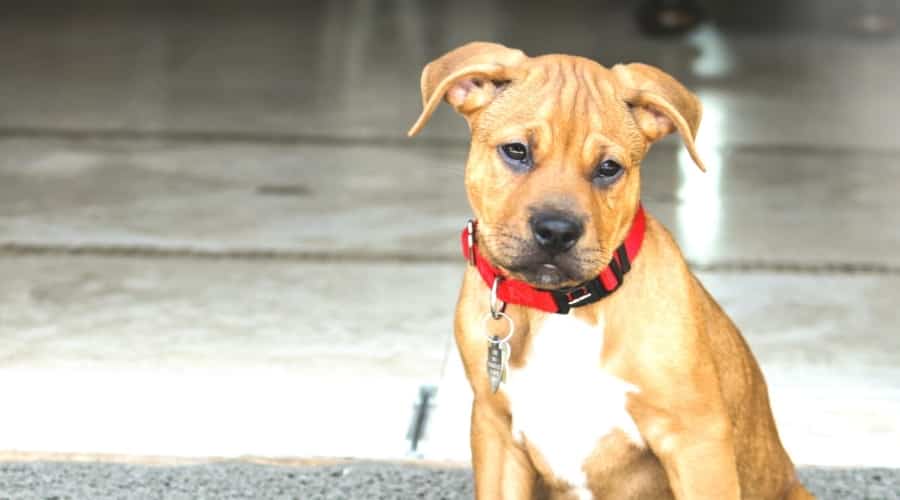
Many Bullboxers (and similar Pitbull or Boxer mixes) end up in shelters and rescues due to unfair breed stigma, not behavior. Adopting one doesn’t just save a life; it can also be a great way to find a loving companion without the unknowns of backyard breeding.
- Check local shelters and breed-specific rescues for Boxer or Pitbull mixes
- Ask about temperament assessments, health screenings, and previous training
- Don’t overlook adults — many are already house-trained and socialized
Buying from a Responsible Breeder
If you’re purchasing a Bullboxer puppy, it’s critical to work with a breeder who values health and temperament over profit.
- Meet the breeder in person (or virtually) and ask to see the puppy’s parents
- Look for proof of health testing on both the Boxer and Pitbull parent dogs
- Ensure puppies are raised in a home setting with early socialization
- Be cautious of sellers who won’t answer questions or rush the process
Price Breakdown: What to Expect
- Adoption fee: $150–$400 from a shelter or rescue (often includes vaccines, spay/neuter, and microchipping)
- Reputable breeder: $500–$1,000 depending on demand and quality of breeding stock
- First-year costs: Plan for $1,000–$2,000+, including food, vet visits, training, and supplies
Be wary of “too good to be true” deals online — low prices can often mean poor breeding practices or health risks down the line.
Whether you adopt or shop, your goal is the same: a healthy, happy pup who’s set up for success from day one. Take your time, ask the right questions, and trust your gut — it’s worth it.
Quick-Read Recap: What Makes the Bullboxer Special
Short on time? Here’s what you need to know about the Bullboxer, the loyal, lively, and sometimes chaotic cross between a Boxer and a Pitbull.
What You’ll Love:
- Unmatched loyalty — they form deep, lasting bonds with their people
- Endless energy — great for active homes with room to play and explore
- Big personality — equal parts class clown and protector
- Trainable and responsive — when handled with consistency and care
- Minimal grooming needs — but plenty of love to give
What to Consider:
- Needs daily exercise and mental stimulation — not ideal for low-activity households
- May be reactive with other dogs if not properly socialized
- Can be strong-willed — best suited for experienced or committed owners
- Prone to separation anxiety — they thrive when you’re around
The Bullboxer isn’t for everyone, but for the right person or family, they’re a one-of-a-kind, heart-stealing, zoomie-sparking companion you’ll never forget.
Everything You Just Read, in 40 Seconds of Puppy Chaos
By now, you know the Bullboxer is loyal, energetic, and maybe a little extra, in all the best ways. But if you’re still wondering what that really looks like in action, this short video delivers. Wiggly tails, clumsy paws, and enough personality to fill a living room.
Ready to Bring Home a Bullboxer? Here’s What to Know Next
Whether you’re adopting or buying, your journey is just beginning, and a little preparation goes a long way. If you haven’t already, take a look at what to consider before adopting a dog, especially when it comes to lifestyle compatibility and long-term commitment.
For those leaning toward rescue, check out this helpful guide on how to adopt a dog the right way. It walks you through everything from choosing a shelter to the questions you should ask.
If you’re adopting through a rescue or agency, it’s smart to review what’s typically included in a dog adoption contract. This helps set expectations on both sides and protects you and your pup from misunderstandings.
If you have kids in the house, involving them in daily care is a great way to build responsibility and trust. This guide on age-appropriate dog duties for kids is a great place to start, and ensures everyone’s pitching in (even the littlest humans). And once you’re all settled in? Celebrate with this easy, healthy recipe for homemade sweet potato treats your Bullboxer will go absolutely wild for.
Bringing home a Bullboxer is a big decision, but with the right mindset, a little prep, and a lot of love, it might just be the best one you ever make.
Got a Bullboxer? We’d Love to Hear Your Story
Every Bullboxer has a story, the goofball moments, the loyalty, the chaos, and the couch cuddles. If you’ve welcomed one of these lovable mixes into your life, we’d love to hear about it. Drop your story in the comments; your experience might just help the next person fall in love with this misunderstood gem of a breed.