When you purchase through links on our site, we may earn a commission at no extra cost to you. Learn more.
Choosing a family dog is dangerously easy when you’re scrolling through puppy pictures. They’re all adorable, and none of them has chewed through a school backpack yet.
Table of Contents
But finding a dog who can grow up alongside your kids, handle the chaos of family life, and stay healthy for as many years as possible takes more thought. Some beloved family favorites have significant inherited health risks, while a few less obvious breeds may live longer than you’d expect.
We’ve rounded up 22 breeds that combine encouraging health and longevity with family-friendly qualities, from patience with children and trainability to manageable exercise needs. Whether your household is full of energetic little kids or laid-back teenagers, these dogs are worth getting to know.

A Long Lifespan Isn’t The Whole Story
Longevity gives us a useful starting point. A 2024 study led by Dogs Trust examined more than 584,000 UK dogs and found significant differences in lifespan across breeds, sizes, and head shapes.
But living longer doesn’t necessarily mean living without health problems. Some breeds are more prone to inherited conditions that can affect their quality of life or require ongoing veterinary care.
For this list, we considered both longevity and known health risks, then looked at how each breed fits into family life. Temperament around children, trainability, exercise demands, and everyday manageability all matter when choosing a dog your family can enjoy for years.
Each breed breakdown also highlights potential health concerns worth investigating, so you can look beyond lifespan statistics when comparing breeds. These are conditions a breed may be predisposed to, not problems every dog will develop.
5 Large Family Dogs That May Live Longer Than You Expect
Larger dogs generally have shorter lifespans than smaller breeds, but there are some encouraging exceptions. These five offer a combination of longevity potential, family-friendly personalities, and plenty of reasons to love having a bigger dog around.
1. Labrador Retriever
There’s a reason Labs are such popular family dogs. They’re affectionate, eager to please, and usually the first volunteer when someone suggests a game of fetch. They also have encouraging longevity for a larger breed, making them appealing companions for families hoping for many years together.

Their biggest family challenge often comes during puppyhood, when an enthusiastic Lab can knock over a toddler without even realizing it. Early training helps channel that excitement, while maintaining a healthy weight is especially important for protecting their joints as they age.
Breed Breakdown
- Size: 55–80 pounds
- Lifespan: 11–13 years
- Kids & Family Fit: Friendly, patient, playful; best with active families
- Activity Needs: High; daily walks, retrieving, and play
- Grooming: Low-maintenance coat, but sheds heavily
- Potential Health Concerns: Elbow and hip dysplasia, exercise-induced collapse, inherited eye disorders
2. Samoyed
With that enormous smile and cloud-like coat, the Samoyed looks like a dog designed to make children fall in love at first sight. But behind all that fluff is a powerful, playful working dog with a mind of its own.
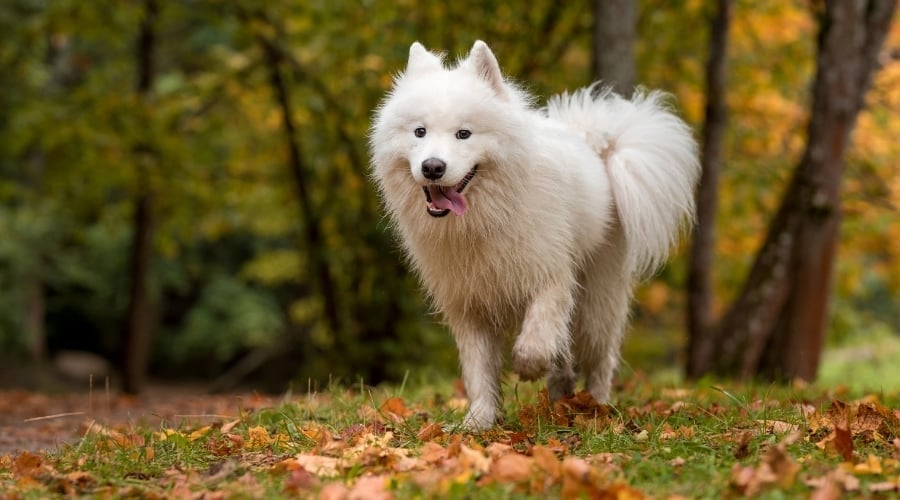
Originally bred to work closely with people in harsh Arctic conditions, Samoyeds are affectionate, sociable, and full of energy. They’re also famously vocal, so don’t be surprised if your Samoyed has something to say about the family schedule.
Early training is important for managing jumping and leash manners, especially when that bouncing ball of white fluff grows into a strong adult dog. And the shedding? Expect white fur to become an unofficial part of the family wardrobe.
Breed Breakdown
- Size: 35–65 pounds
- Lifespan: 12–14 years
- Kids & Family Fit: Affectionate, playful, sociable; best with active families
- Activity Needs: High; daily exercise and mental stimulation
- Grooming: High; frequent brushing and heavy seasonal shedding
- Potential Health Concerns: Hip dysplasia, inherited eye disorders, Samoyed hereditary glomerulopathy (kidney disease)
3. Rough Collie
If you’ve ever wished your family could have a dog like Lassie, the Rough Collie is the real deal, magnificent coat and all.
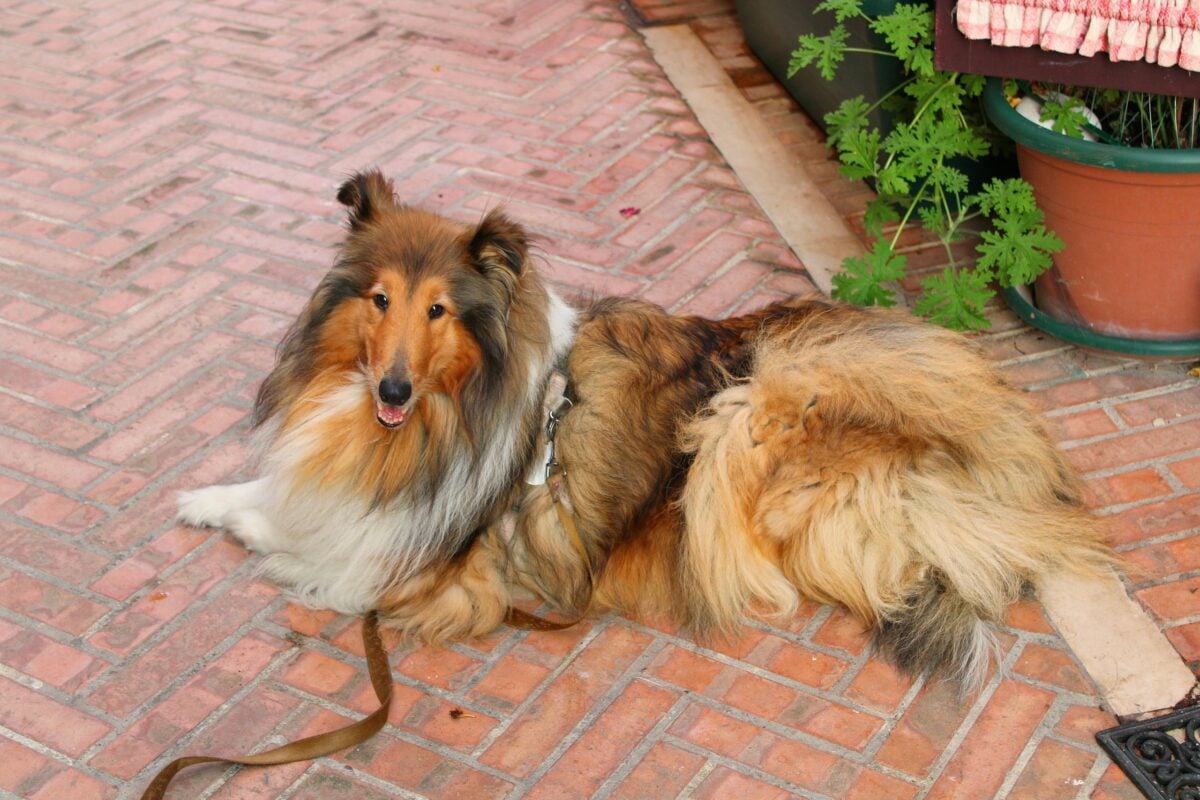
These affectionate, intelligent dogs tend to form close bonds with their families and often seem determined to keep track of everyone’s whereabouts. They’re typically gentle with children, eager to learn, and sensitive to their owners’ moods, making positive, reward-based training especially effective.
Their herding instincts may surface when kids race around the backyard, occasionally turning playtime into an unauthorized roundup. Rough Collies can also be alert and vocal, so teaching them when the family does not need a neighborhood announcement is worth the effort. And that famous Lassie coat? Expect regular brushing and plenty of shedding.
Breed Breakdown
- Size: 50–75 pounds
- Lifespan: 12–14 years
- Kids & Family Fit: Gentle, devoted, trainable; good for families with children
- Activity Needs: Moderate; daily walks, play, and mental stimulation
- Grooming: Moderate to high; thorough weekly brushing and extra care during shedding
- Potential Health Concerns: Collie eye anomaly, MDR1 drug sensitivity, dermatomyositis (skin and muscle disease)
4. English Setter
English Setters might look elegant enough for a dog show, but they’re perfectly willing to abandon that dignity for a muddy afternoon with the kids. Their gentle, sociable personalities make them affectionate family companions, and they often get along well with other dogs.
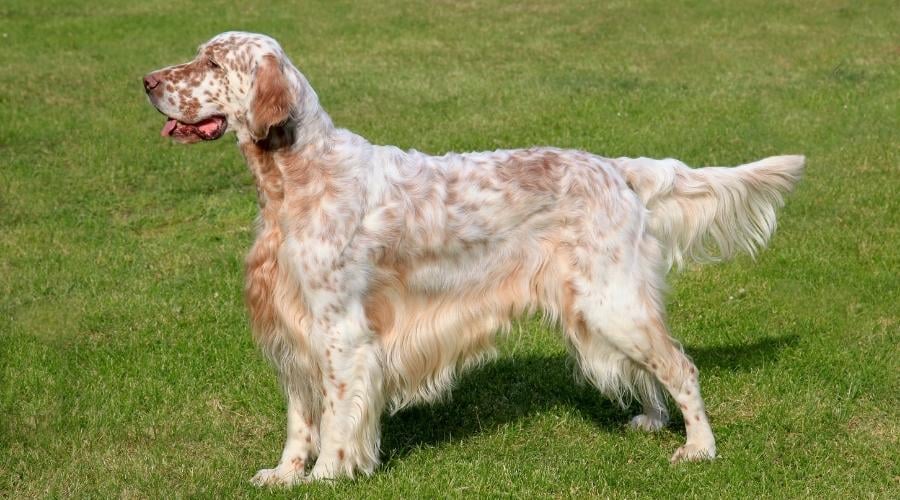
But once an English Setter catches an interesting scent, the bird dog underneath that beautiful coat takes over. Suddenly, a neighborhood walk becomes an investigation, and your training instructions may have to compete with every bird in the vicinity.
These intelligent, good-natured dogs need plenty of outdoor exercise, but they can be wonderfully relaxed companions at home after a satisfying adventure.
Breed Breakdown
- Size: 45–80 pounds
- Lifespan: 10–12 years
- Kids & Family Fit: Gentle, affectionate, sociable; great for active families
- Activity Needs: High; daily walks, running, and outdoor play
- Grooming: Moderate; regular brushing to prevent tangles
- Potential Health Concerns: Hip and elbow dysplasia, congenital deafness, thyroid disorders
5. Standard Poodle
Don’t let the fancy haircut fool you. Standard Poodles are athletic, playful dogs originally bred to retrieve waterfowl, not parade around looking sophisticated. They’re also remarkably quick learners who often love mastering new tricks with the kids, sometimes figuring out the game before the humans have finished explaining it.
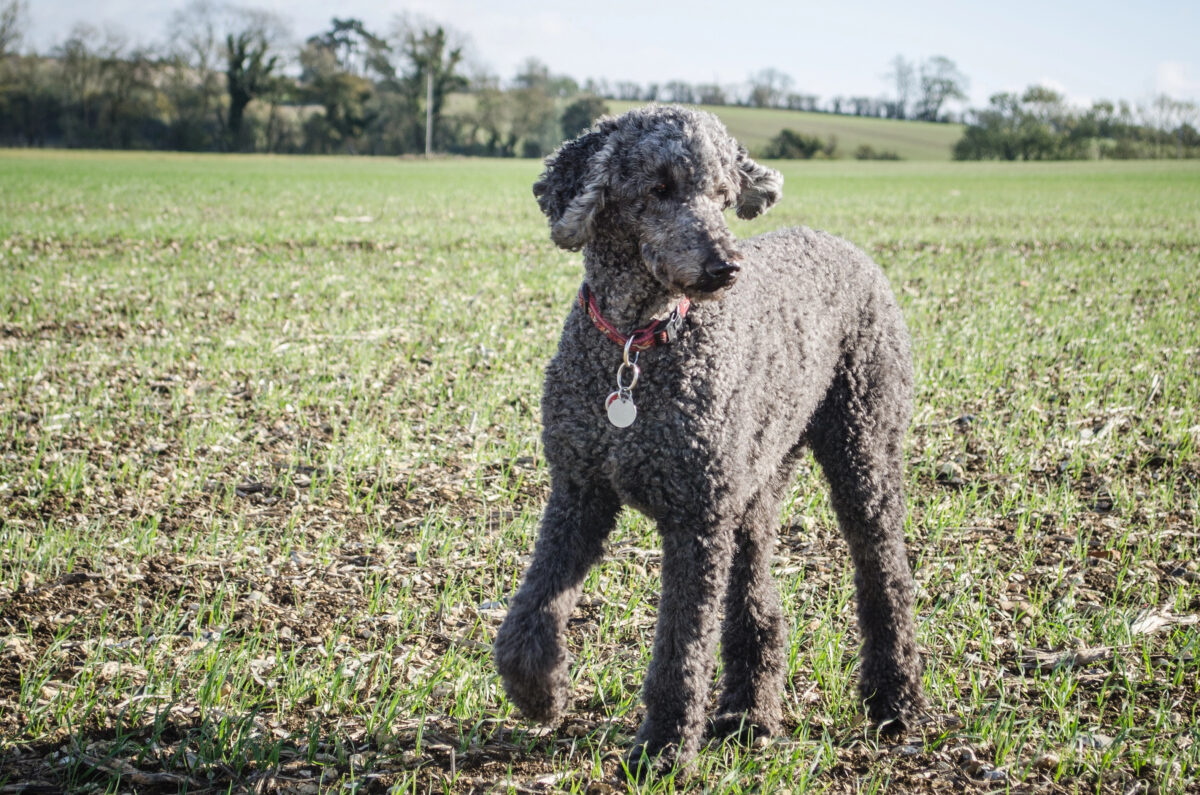
All that intelligence needs a proper outlet. Training, retrieving, and problem-solving games help keep these active dogs engaged. Otherwise, a bored Poodle may become remarkably creative about finding entertainment, and your favorite shoes might not survive the experiment. Behind that polished appearance is an affectionate, sometimes gloriously silly family companion.
Breed Breakdown
- Size: 40–70 pounds
- Lifespan: 10–18 years
- Kids & Family Fit: Affectionate, playful, highly trainable; great for involved families
- Activity Needs: High; daily exercise and mental stimulation
- Grooming: High; regular brushing and professional clipping
- Potential Health Concerns: Hip dysplasia, Addison’s disease, sebaceous adenitis (skin disease), canine bloat
6 Little Family Companions With Long Lifespans
These six may be smaller, but they have very different ideas about family life. Some are enthusiastic playmates, others prefer a calmer household, and the tiniest need children who understand gentle handling.
1. Havanese
The Havanese doesn’t just want to live with your family. They want to be involved in practically everything, from backyard games to supervising homework from the nearest lap. These cheerful little dogs are affectionate, adaptable, and often make wonderful playmates for children who understand gentle handling.
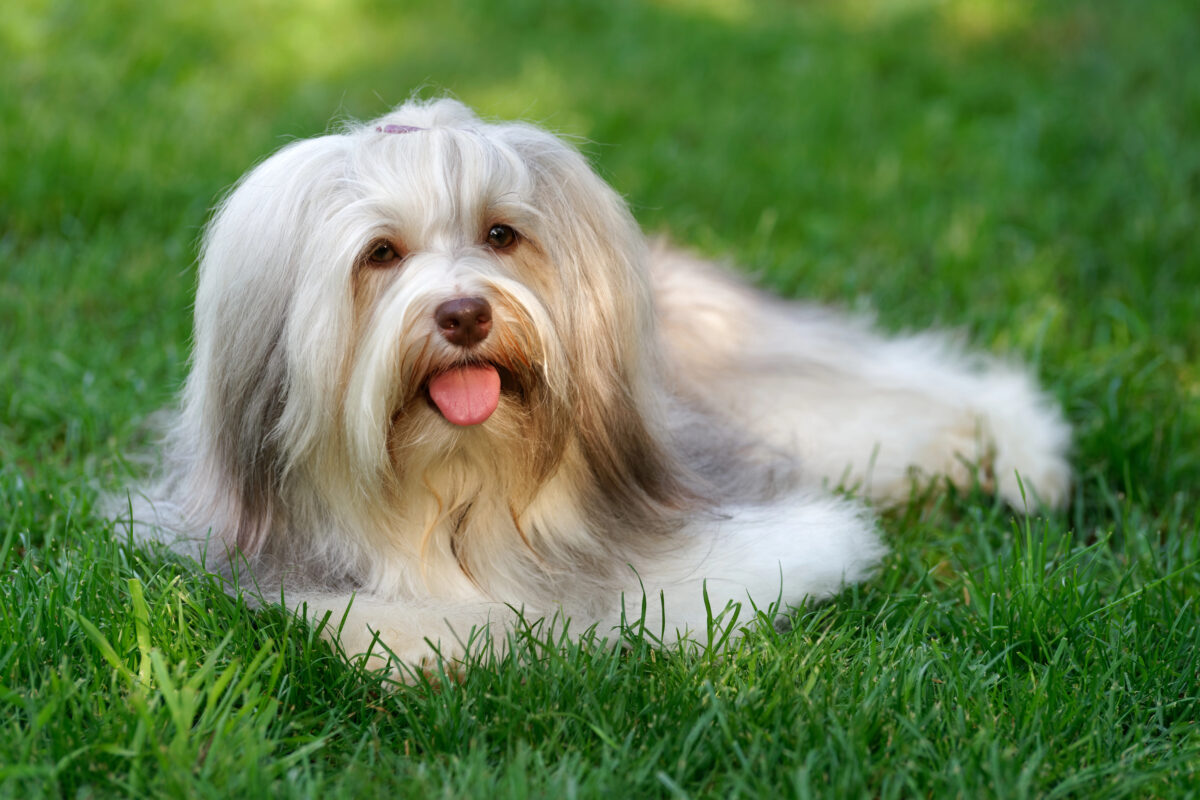
They’re also clever and surprisingly entertaining to train, making tricks and simple games a fun family activity. Their biggest challenge? Havanese thrive on human companionship and may struggle when left alone for extended periods. Teaching them to feel comfortable with short separations early on can help prevent problems later.
Breed Breakdown
- Size: 7–13 pounds
- Lifespan: 14–16 years
- Kids & Family Fit: Affectionate, playful, sociable; best with gentle children
- Activity Needs: Moderate; daily walks and interactive play
- Grooming: High; frequent brushing or regular professional clipping
- Potential Health Concerns: Patellar luxation, hip dysplasia, inherited eye disorders
2. Miniature Schnauzer
With those bushy eyebrows and magnificent beard, Miniature Schnauzers look like tiny, distinguished gentlemen. Their personalities, however, are considerably less reserved.

These spirited little dogs are playful, affectionate, and confident, making them entertaining companions for families with children. Originally bred to hunt rodents, they’re sturdier and more energetic than their size might suggest.
They’re also intelligent and eager to learn, although their watchdog instincts can turn every delivery driver into a major household event. Early socialization and consistent training help manage excessive barking, while interactive games give their busy minds something more productive to do.
Breed Breakdown
- Size: 11–20 pounds
- Lifespan: 12–15 years
- Kids & Family Fit: Playful, affectionate, sturdy; good for families with respectful children
- Activity Needs: Moderate; daily walks, games, and mental stimulation
- Grooming: Moderate to high; regular brushing and professional clipping
- Potential Health Concerns: Hyperlipidemia (high blood fats), pancreatitis, urinary stones, inherited eye disorders
3. Coton de Tulear
If your kids have ever wished their stuffed animals could come to life, the Coton de Tulear might be dangerously close to fulfilling that dream.
With their cotton-soft coats and cheerful personalities, these little dogs have a talent for turning ordinary moments into entertainment. They’re playful, affectionate, and often delight their families with silly antics, especially when someone is willing to applaud the performance.
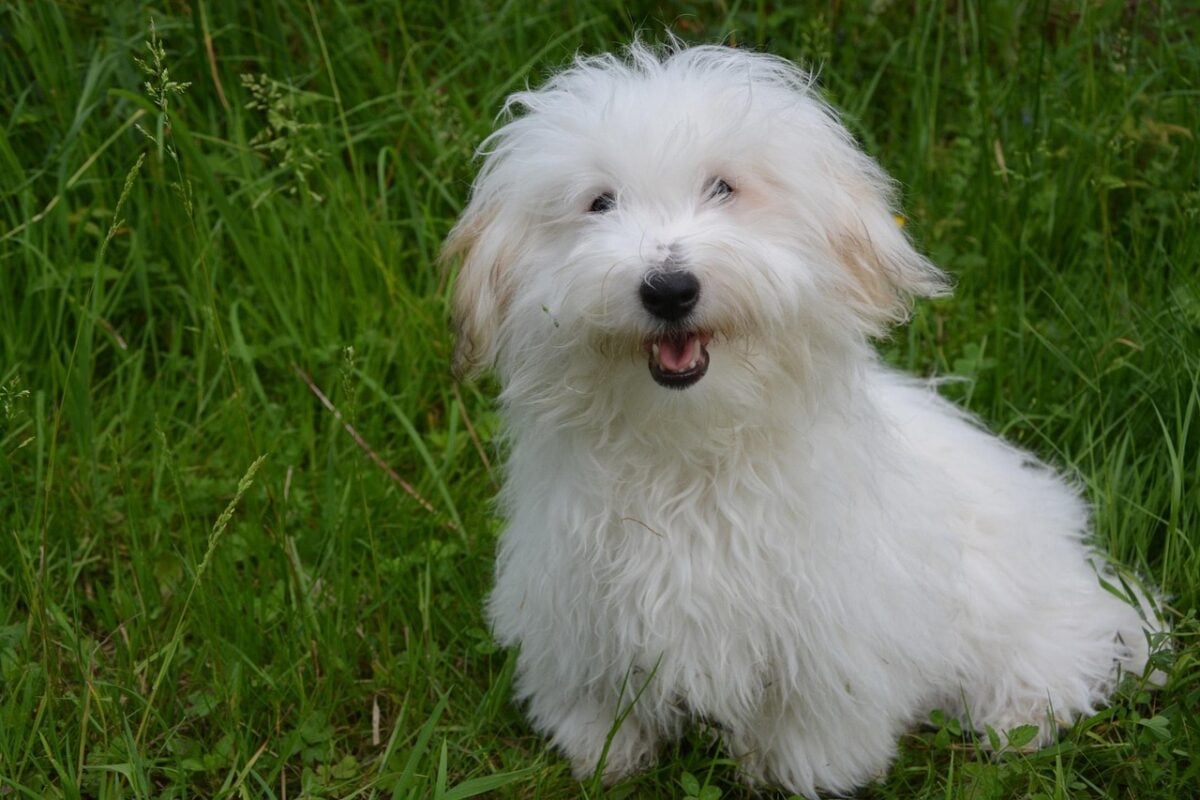
Cotons also have a wonderfully adaptable side, enjoying family games without demanding an exhausting exercise schedule. They’re often just as happy curling up beside a child on the couch, although that adorable, fluffy coat requires considerably more maintenance than their carefree personalities might suggest.
Breed Breakdown
- Size: 8–15 pounds
- Lifespan: 15–19 years
- Kids & Family Fit: Cheerful, gentle, affectionate; best with respectful children
- Activity Needs: Moderate; daily walks and indoor play
- Grooming: High; frequent brushing to prevent mats
- Potential Health Concerns: Patellar luxation, hip dysplasia, inherited eye disorders
4. Tibetan Terrier
Despite their name, Tibetan Terriers aren’t actually terriers. These shaggy companions were treasured by Tibetan monks, and their broad, snowshoe-like feet helped them navigate mountainous terrain.

They’re affectionate, observant, and deeply attached to their families, but they don’t necessarily greet every visitor like a long-lost friend. If your child brings home three classmates, a Tibetan Terrier may prefer to assess the newcomers before joining the excitement.
Their playful side shines with familiar children, especially those who enjoy teaching tricks and inventing games. They’re intelligent but independent thinkers, so patient, varied training works better than endless repetition. And that beautiful, tousled coat requires serious upkeep.
Breed Breakdown
- Size: 18–30 pounds
- Lifespan: 15–16 years
- Kids & Family Fit: Affectionate, playful, loyal; best with respectful children
- Activity Needs: Moderate; daily walks, games, and mental stimulation
- Grooming: High; frequent brushing to prevent matting
- Potential Health Concerns: Hip dysplasia, progressive retinal atrophy (PRA), primary lens luxation, neuronal ceroid lipofuscinosis (neurological disease)
5. Papillon
Those butterfly-shaped ears may suggest a delicate lapdog, but Papillons have other plans. These clever little athletes love learning tricks, chasing toys, and showing off their skills, often with an enthusiasm that puts much bigger dogs to shame.

They’re among the most trainable toy breeds, making them especially fun for children who want to participate in teaching their dog new things. But their tiny size calls for extra care. A well-meaning toddler can accidentally injure a Papillon during rough play or awkward handling. They’re often better suited to families with older, gentle children who can appreciate their surprisingly bold personalities.
Breed Breakdown
- Size: 5–10 pounds
- Lifespan: 14–16 years
- Kids & Family Fit: Affectionate, playful, intelligent; best with older, gentle children
- Activity Needs: Moderate; daily play, walks, and mental stimulation
- Grooming: Low to moderate; brushing a few times weekly
- Potential Health Concerns: Patellar luxation, progressive retinal atrophy (PRA), heart conditions
6. Tibetan Spaniel
Tibetan Spaniels have been keeping an eye on things for centuries. Originally used as alert dogs in Tibetan monasteries, these clever little companions still love finding a high perch where they can monitor the entire household. The back of your couch may become their personal observation tower.
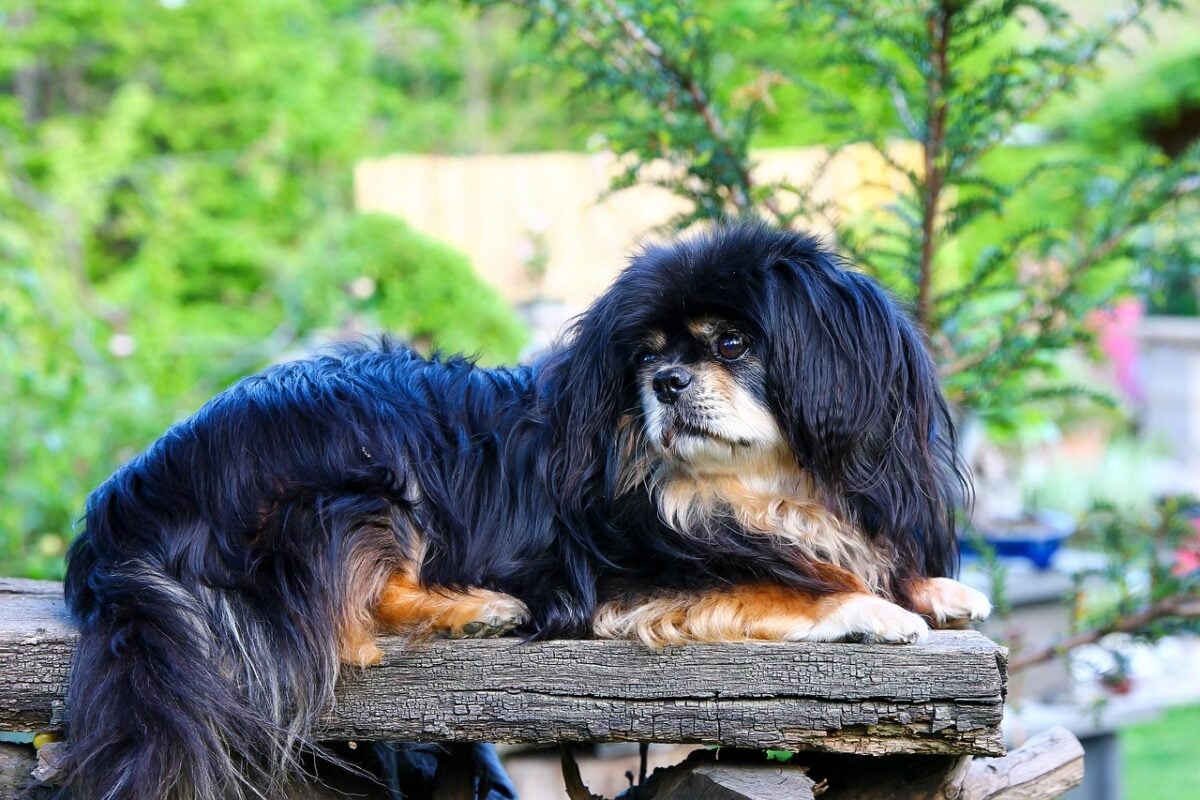
They’re deeply devoted to their families but have a distinctly independent streak. Often compared to cats, Tibbies enjoy affection without necessarily following every instruction. They’re playful with familiar children but can be reserved around strangers. Patient, reward-based training works best, especially with a dog who occasionally prefers making their own decisions.
Breed Breakdown
- Size: 9–15 pounds
- Lifespan: 12–15 years
- Kids & Family Fit: Affectionate, playful, independent; best with older, respectful children
- Activity Needs: Moderate; daily walks and playtime
- Grooming: Moderate; brushing a few times weekly and seasonal shedding
- Potential Health Concerns: Progressive retinal atrophy (PRA), patellar luxation, cherry eye
6 Healthy Medium-Sized Dogs For Active Families
Some families want a dog who can keep up on weekend adventures. Others need one who’s just as happy relaxing when everyone gets home. These six athletic breeds have different ideas about exercise, and choosing the right match makes all the difference.
1. Whippet
Whippets are built for speed, but their favorite family activity might actually be stealing the warmest spot on the couch. These graceful dogs are gentle, affectionate, and surprisingly relaxed indoors. Don’t be surprised to find one curled up beside your child during movie night, preferably under the same blanket.
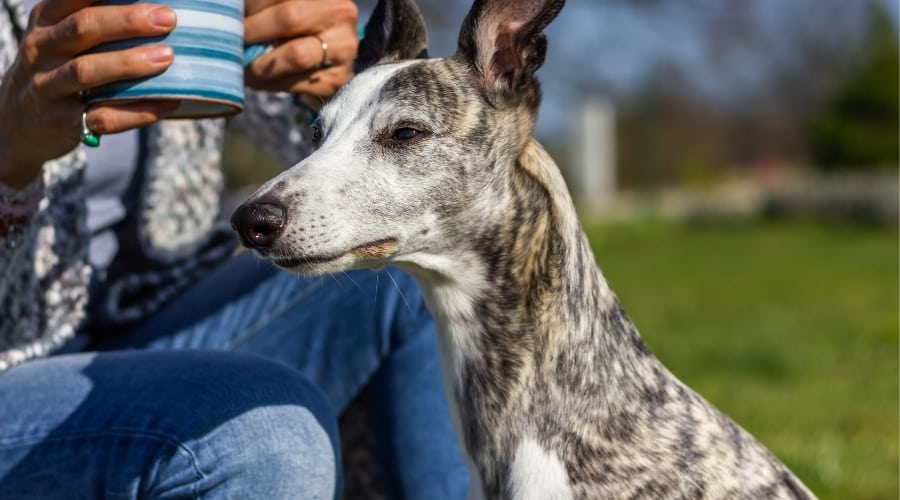
Their sensitive nature makes them better suited to children who understand gentle handling. And when something small and furry catches their attention, their hunting instincts can take over in an instant. Off-leash running belongs in securely fenced areas, especially when neighborhood squirrels start looking suspiciously interesting.
Breed Breakdown
- Size: 25–40 pounds
- Lifespan: 12–15 years
- Kids & Family Fit: Gentle, affectionate, playful; best with respectful children
- Activity Needs: Moderate; daily walks and opportunities to sprint safely
- Grooming: Low; occasional brushing and minimal coat upkeep
- Potential Health Concerns: Mitral valve disease and other cardiac conditions, inherited eye disorders, congenital deafness
2. Australian Shepherd
Australian Shepherds are the overachievers of the dog world. These incredibly intelligent, energetic dogs seem happiest when they have a job, whether it’s mastering an obstacle course, learning new tricks, or joining the family on a weekend adventure.
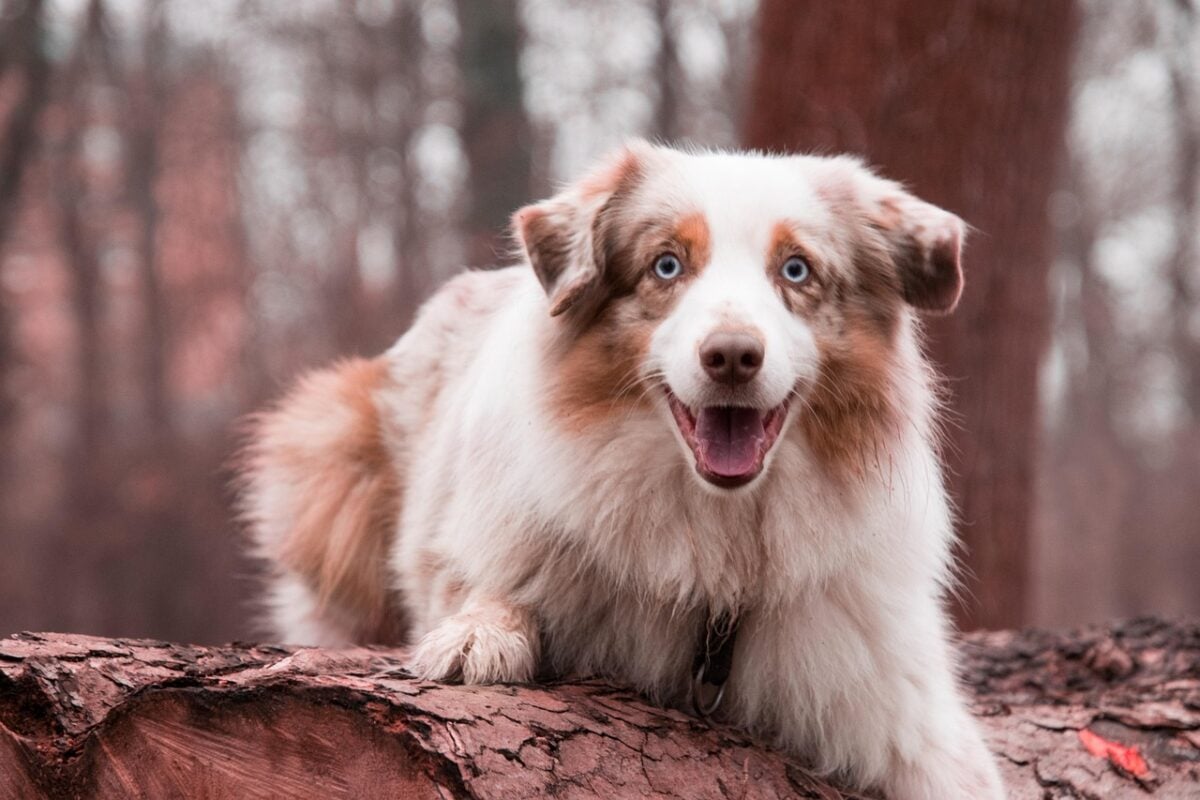
They form strong bonds with their people and can be fantastic companions for older kids who enjoy training and outdoor activities. But their herding instincts sometimes extend to running children, leading to chasing or nipping at heels.
Aussies need more than physical exercise, too. Without enough mental stimulation and consistent training, they may invent their own activities, and you probably won’t approve of the results.
Breed Breakdown
- Size: 40–65 pounds
- Lifespan: 12–15 years
- Kids & Family Fit: Loyal, affectionate, highly trainable; best with active, dog-savvy families
- Activity Needs: High; vigorous daily exercise and mental challenges
- Grooming: Moderate; regular brushing and seasonal shedding
- Potential Health Concerns: Hip and elbow dysplasia, epilepsy, inherited eye disorders, MDR1 drug sensitivity
3. English Cocker Spaniel
An English Cocker Spaniel may learn the sound of the school bus before anyone else in the house. These merry, affectionate dogs have a gift for treating everyday homecomings like special occasions. They’re playful companions who enjoy games with the kids and usually appreciate a good cuddle once everyone settles down.

There’s a sporting dog underneath those soft ears, though. Their noses can make an interesting scent more compelling than your next instruction, and field-bred Cockers often need more exercise and mental stimulation than show-bred companions. That’s a distinction worth understanding before choosing a puppy.
Breed Breakdown
- Size: 26–34 pounds
- Lifespan: 12–15 years
- Kids & Family Fit: Gentle, cheerful, affectionate; well-suited to active families
- Activity Needs: Moderate to high; walks, retrieving, and outdoor adventures
- Grooming: Moderate; regular brushing, trimming, and ear care
- Potential Health Concerns: Hip dysplasia, progressive retinal atrophy (PRA), familial nephropathy (inherited kidney disease)
4. Bearded Collie
A Bearded Collie doesn’t simply join family activities. It arrives at full speed, usually with its shaggy coat bouncing in every direction. These cheerful, athletic herders thrive in busy households where games, outdoor adventures, and a little chaos are part of everyday life.

They’re affectionate and playful with children, but their exuberance can overwhelm younger kids, especially when herding instincts inspire them to chase or round up running family members. Beardies are also clever, independent thinkers, so varied, reward-based training works better than endless repetition. They love having a job, even if that job is supervising the backyard.
Breed Breakdown
- Size: 45–55 pounds
- Lifespan: 12–14 years
- Kids & Family Fit: Affectionate, lively, playful; best for active families
- Activity Needs: High; daily exercise, games, and mental challenges
- Grooming: High; frequent brushing and thorough weekly coat care
- Potential Health Concerns: Hip dysplasia, autoimmune thyroiditis, Addison’s disease, progressive retinal atrophy (PRA)
5. English Springer Spaniel
If your family considers a muddy trail, a tennis ball, and a free afternoon the ingredients for a perfect day, the English Springer Spaniel will happily agree. Bred to flush game birds from cover, these energetic dogs love searching and exploring, making retrieving and scent games especially rewarding activities.

Springers are affectionate, eager learners, but young dogs can be boisterous enough to overwhelm smaller children. Teaching polite greetings and reliable recall helps channel that enthusiasm. Field-bred Springers may have particularly demanding exercise needs, so families should be prepared for a dog who expects regular outdoor adventures, not just an occasional weekend outing.
Breed Breakdown
- Size: 40–50 pounds
- Lifespan: 12–14 years
- Kids & Family Fit: Affectionate, playful, trainable; best for active families
- Activity Needs: High; daily exercise, retrieving, and mental stimulation
- Grooming: Moderate; regular brushing, trimming, and ear care
- Potential Health Concerns: Hip and elbow dysplasia, progressive retinal atrophy (PRA), phosphofructokinase deficiency (inherited metabolic disorder)
6. Vizsla
If personal space is important to your family, the Vizsla may have some objections. Nicknamed the “Velcro dog,” this affectionate Hungarian hunting breed forms incredibly close bonds with its people and will happily accompany you just about everywhere, including places where dogs aren’t technically invited.

Vizslas are gentle, playful, and often wonderful companions for active children. But their energy and need for attention can be overwhelming for less active households. They need vigorous daily exercise, mental challenges, and plenty of companionship. Sensitive and eager to please, Vizslas respond especially well to consistent, positive training rather than harsh corrections.
Breed Breakdown
- Size: 45–65 pounds
- Lifespan: 12–15 years
- Kids & Family Fit: Affectionate, playful, devoted; best for active families
- Activity Needs: High; vigorous daily exercise and mental stimulation
- Grooming: Low; occasional brushing and minimal coat maintenance
- Potential Health Concerns: Hip dysplasia, epilepsy, autoimmune thyroiditis, certain cancers
5 Small But Spirited Dogs With Working-Dog Roots
These little dogs weren’t originally bred to sit around looking adorable. They had jobs to do, from herding cattle to hunting vermin. Those working instincts are still very much alive, making them lively, entertaining family companions with a few habits parents should understand.
1. Shetland Sheepdog
Shetland Sheepdogs, affectionately called Shelties, look like miniature Lassies, but they have enough intelligence and personality to fill a much bigger dog. These affectionate, sensitive companions form strong family bonds and often seem remarkably tuned in to their humans’ moods.
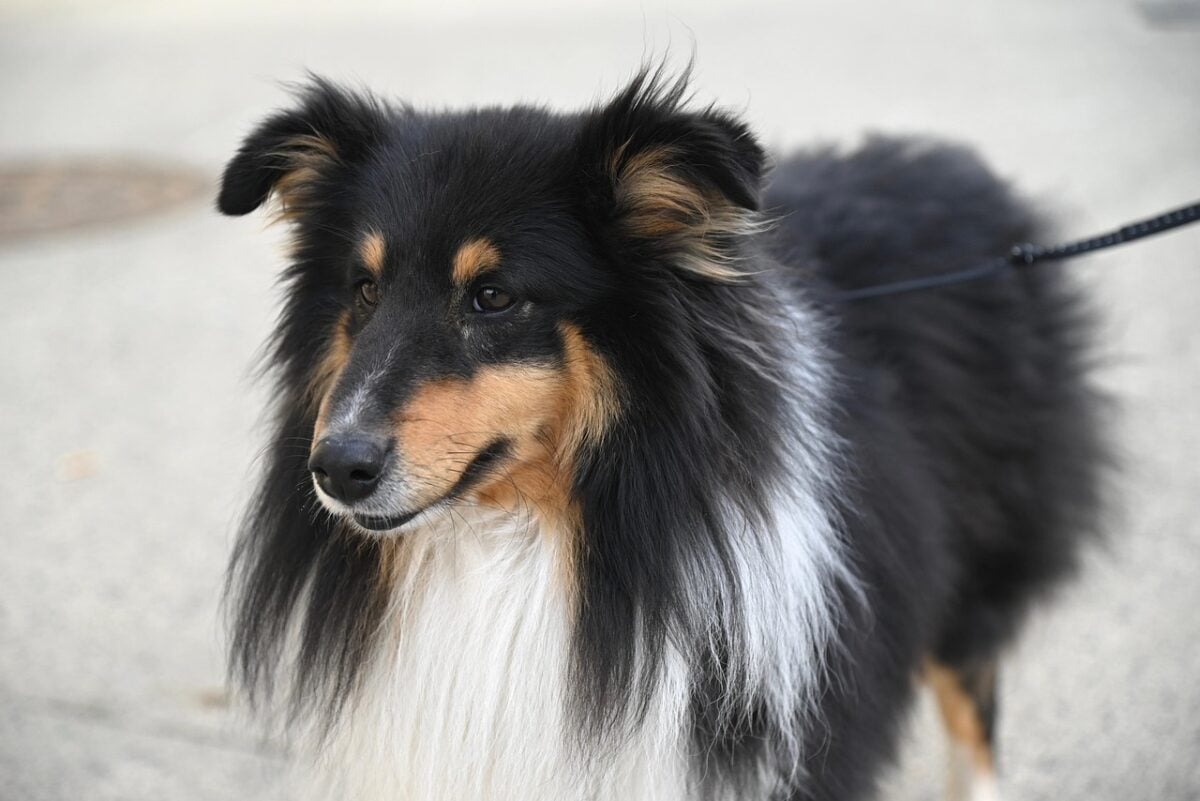
Shelties excel at learning tricks, obedience, and agility, making them wonderful partners for older children interested in training. Their herding instincts can sometimes lead them to chase or nip at running kids, however. They’re also enthusiastic watchdogs, occasionally announcing everything from a visitor’s arrival to a suspicious leaf blowing across the driveway.
Breed Breakdown
- Size: 15–25 pounds
- Lifespan: 12–14 years
- Kids & Family Fit: Devoted, gentle, intelligent; often best with older children
- Activity Needs: Moderate to high; daily exercise and mental challenges
- Grooming: Moderate to high; weekly brushing and heavy seasonal shedding
- Potential Health Concerns: Collie eye anomaly, dermatomyositis (skin and muscle disease), MDR1 drug sensitivity
2. Cairn Terrier
If Toto from The Wizard of Oz seemed unusually brave for such a little dog, that’s because Cairn Terriers have never been short on confidence. These sturdy, adventurous dogs are curious about everything, from backyard mysteries to whatever the kids are doing in the next room.
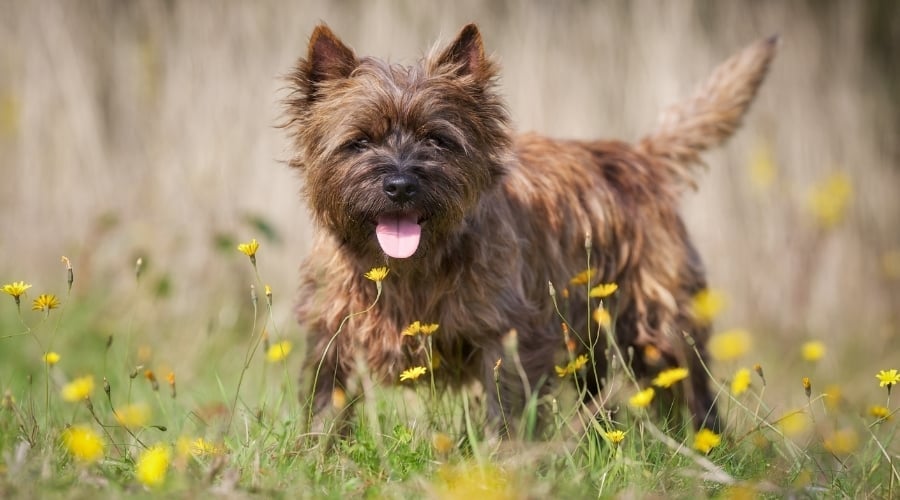
Cairns are affectionate, playful companions who enjoy being involved in family life. They’re especially fun for children who love outdoor games and exploring. But their independent streak means training requires patience and consistency. And if you’ve spent a fortune landscaping your backyard, be warned: digging is practically a family tradition for this breed.
Breed Breakdown
- Size: 13–14 pounds
- Lifespan: 13–15 years
- Kids & Family Fit: Playful, sturdy, affectionate; best with respectful children
- Activity Needs: Moderate; daily walks, games, and outdoor exploration
- Grooming: Moderate; weekly brushing and periodic hand-stripping
- Potential Health Concerns: Ocular melanosis (eye disease), patellar luxation, liver shunts
3. Rat Terrier
A Rat Terrier doesn’t need much encouragement to investigate the backyard. Originally bred to keep farms free of rodents, these quick, athletic dogs treat every rustle in the grass as a potential assignment. Fortunately, they’re just as enthusiastic about family games, whether it’s chasing a ball, mastering an obstacle course, or learning a new trick.
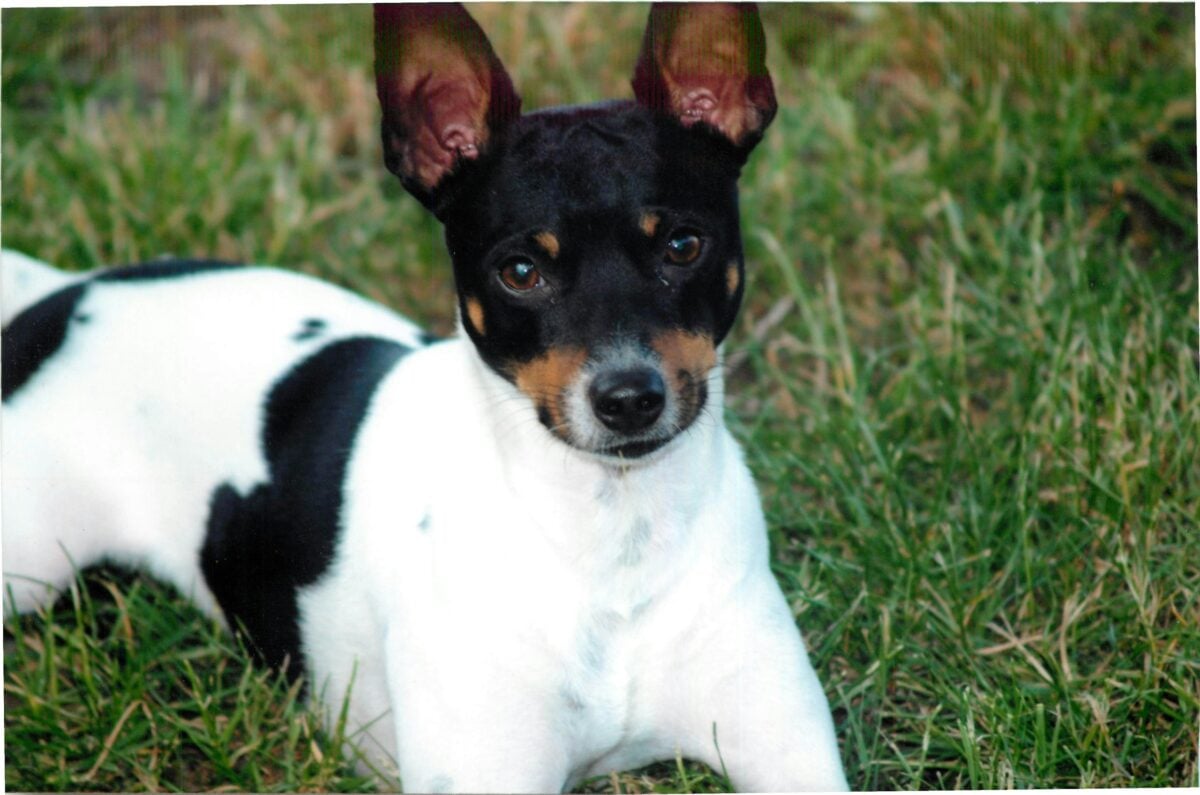
They’re loyal, affectionate, and often terrific companions for active, dog-savvy kids. Their intelligence makes training rewarding, especially when lessons involve games and treats. But Rat Terriers can be determined little problem-solvers, and a secure fence is important when their hunting instincts take over.
Breed Breakdown
- Size: 10–25 pounds
- Lifespan: 12–18 years
- Kids & Family Fit: Loyal, playful, energetic; best with active, respectful children
- Activity Needs: Moderate to high; daily exercise and interactive games
- Grooming: Low; occasional brushing and minimal coat maintenance
- Potential Health Concerns: Patellar luxation, Legg-Calvé-Perthes disease (hip disorder), primary lens luxation (eye disease)
4. Border Terrier
Border Terriers have a wonderfully scruffy appearance, as though they’ve just returned from an adventure nobody gave them permission to take. They’re among the more easygoing terriers around people, combining an affectionate, good-natured personality with plenty of enthusiasm for family activities.
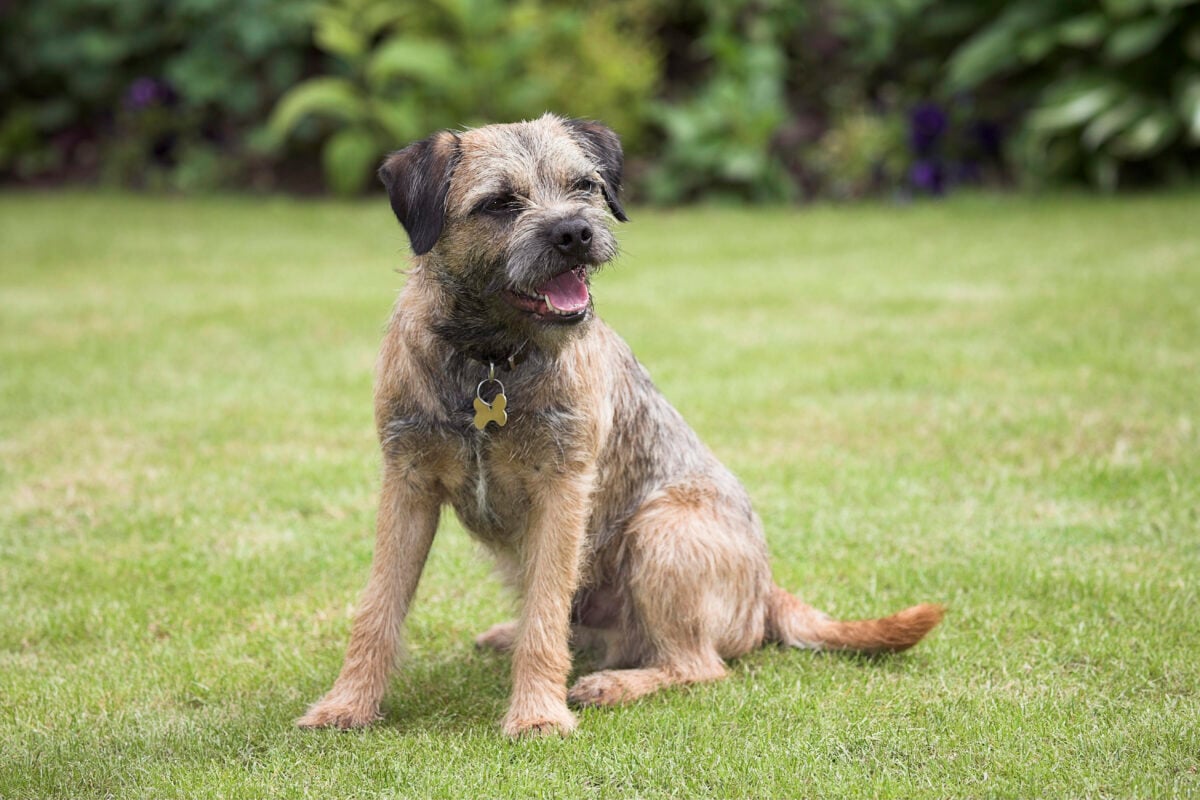
Originally bred to keep up with horses during fox hunts, these little dogs have remarkable stamina and make enthusiastic walking and hiking companions. They’re also generally responsive to positive training, although their hunting instincts can override even well-practiced commands. Families with small pets should be particularly cautious, and off-leash adventures belong in securely enclosed areas.
Breed Breakdown
- Size: 11.5–15.5 pounds
- Lifespan: 12–15 years
- Kids & Family Fit: Affectionate, cheerful, adaptable; good with respectful children
- Activity Needs: Moderate to high; daily walks, play, and outdoor adventures
- Grooming: Moderate; regular brushing and periodic hand-stripping
- Potential Health Concerns: Spongiform leukoencephalomyelopathy (SLEM, a neurological disorder), hip dysplasia, patellar luxation
5. Lancashire Heeler
Never heard of a Lancashire Heeler? This uncommon little British breed has spent generations herding cattle, chasing vermin, and generally behaving like a much bigger dog. Despite their short legs and compact size, they’re energetic, intelligent, and remarkably capable workers.

Lancashire Heelers are affectionate with their families, quick to learn, and often have a mischievous sense of humor. Some even flash a distinctive “Heeler smile” by pulling back their lips when happy. Their herding instincts can include nipping at moving heels, so early training and supervision around running children are particularly important. They’re best suited to involved families who enjoy an active companion.
Breed Breakdown
- Size: 9–17 pounds
- Lifespan: 12–15 years
- Kids & Family Fit: Affectionate, lively, intelligent; best with active, dog-savvy families
- Activity Needs: Moderate to high; daily exercise and mental challenges
- Grooming: Low; occasional brushing and seasonal shedding
- Potential Health Concerns: Primary lens luxation (eye disease), collie eye anomaly, patellar luxation
Why Didn’t These Popular Family Dogs Make The List?
Wondering why the Golden Retriever, Boxer, or Cavalier King Charles Spaniel isn’t here? A dog can be wonderful with children and still face significant breed-associated health risks. Here’s why six beloved family breeds didn’t make our health-first list.
- Golden Retriever
One of the most affectionate, trainable family dogs around, with respectable longevity. However, cancer is a significant concern, particularly lymphoma and hemangiosarcoma. The Morris Animal Foundation’s Golden Retriever Lifetime Study is investigating factors behind these diseases. - Dachshund
These playful, devoted little dogs often enjoy long lives, but intervertebral disc disease (IVDD) is a major concern. Their elongated backs and short legs increase their susceptibility to spinal disc problems, which can cause severe pain, mobility loss, and sometimes paralysis. - Cavalier King Charles Spaniel
Gentle, adaptable, and typically wonderful with children, Cavaliers would otherwise be natural contenders. Unfortunately, mitral valve heart disease and syringomyelia, a potentially painful neurological condition, are serious inherited health concerns. - Boxer
Playful, affectionate, and famously goofy, Boxers can make terrific family companions. But their predisposition to certain cancers and heart diseases, including Boxer cardiomyopathy, along with a shorter expected lifespan, makes them a less compelling health-first choice. - Bernese Mountain Dog
These affectionate giants are often wonderfully gentle with children, but their relatively short lifespan of approximately 7–10 years is a major drawback. Certain aggressive cancers and orthopedic problems are additional concerns. - French Bulldog
Their playful personalities and manageable size make Frenchies popular family companions. However, their flat-faced anatomy can cause significant breathing difficulties, heat intolerance, and other health complications. Their comparatively short lifespan also works against them in a longevity-focused roundup.
How To Choose A Healthy Puppy Or Rescue Dog
An adorable puppy can win you over in seconds. Health records and temperament take a little longer to evaluate, but they’re worth investigating before anyone starts arguing over names.
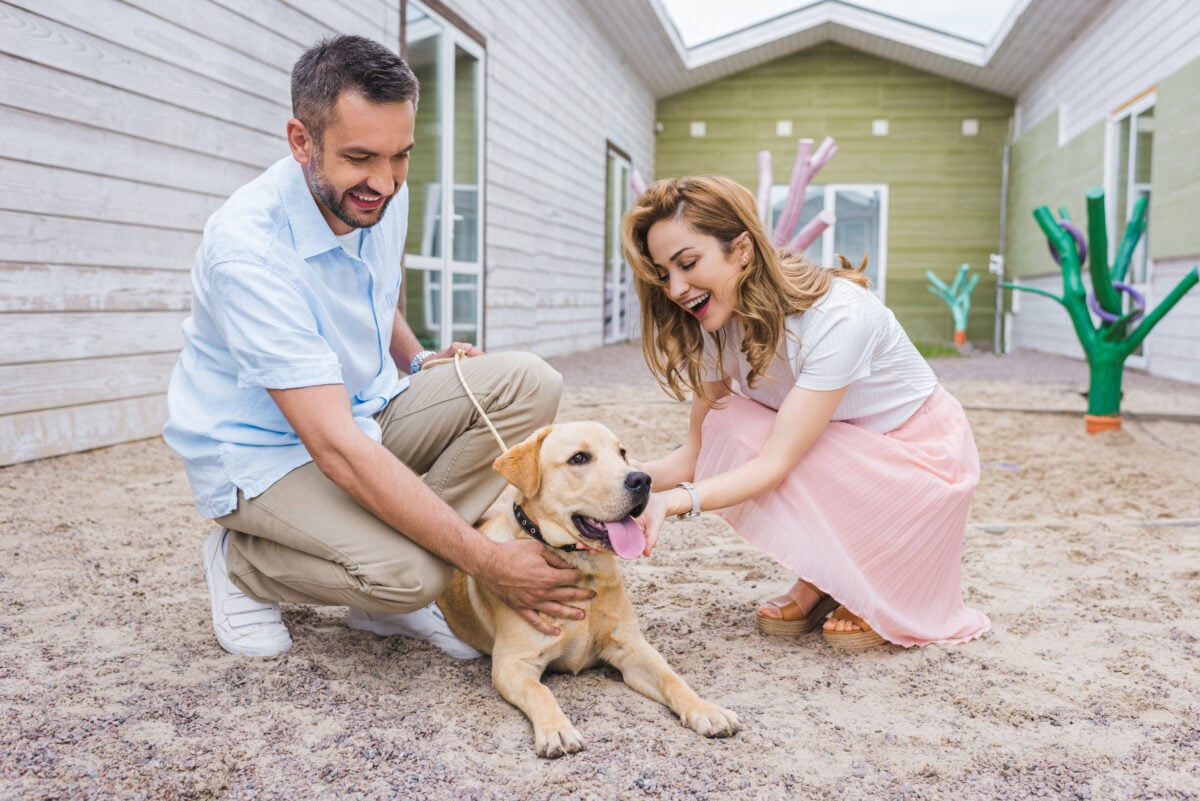
If you’re buying from a breeder, here’s what to investigate before making a commitment:
- Ask for documented health testing. Responsible breeders screen for conditions associated with their breed. The Orthopedic Foundation for Animals (OFA) provides breed-specific testing recommendations and searchable results. A CHIC number confirms that required screenings were completed and made public, not that every result was normal.
- Look beyond the puppy’s parents. Ask about inherited illnesses, longevity, and health problems in close relatives. A family history of serious disease is worth discussing, even when the parents appear perfectly healthy.
- Pay attention to temperament and early socialization. Ask how puppies are raised, what experiences they’ve had with people, and whether you can meet their mother. Early experiences matter, especially in homes with children.
Adopting a rescue dog? Request available veterinary records, ask about known medical conditions, and find out how the dog has behaved around children and other pets. Foster families can sometimes provide particularly helpful insights into everyday behavior, although no assessment guarantees how a dog will respond in a new home.
Finally, budget for veterinary expenses beyond routine checkups. Pet insurance is one option for managing unexpected illness or injury, particularly if you enroll before health problems arise, since most policies exclude pre-existing conditions.
5 Everyday Habits That Can Help Your Family Dog Stay Healthy
Keeping the family dog healthy is a team effort, and it helps when everyone follows the same playbook. A few consistent habits can make a meaningful difference in your dog’s health and well-being over the years.
1. Don’t Let Everyone Become The Treat Distributor
One treat from Mom, another from Dad, and a few suspiciously generous handouts from the kids can add up fast. Agree on who’s feeding what, keep treats within your dog’s daily calorie allowance, and watch their weight. Excess pounds can put unnecessary strain on joints and contribute to other health problems.
2. Make Exercise A Family Habit
A weekend hike doesn’t make up for five days of barely leaving the couch. Build movement into your family’s everyday routine, whether it’s an after-dinner walk, backyard games, or exploring a new trail together. Match activities to your dog’s age and abilities, especially during puppyhood and the senior years.

3. Stay Ahead Of Preventive Veterinary Care
Between school schedules, sports, and family commitments, it’s easy for routine appointments to slip through the cracks. Keep veterinary checkups, vaccinations, parasite prevention, and dental care on the family calendar. Regular visits can help catch developing health problems before they become more serious.
4. Teach Kids To Respect The Dog’s Boundaries
Even the friendliest family dog needs personal space. Teach children not to disturb dogs while they’re sleeping or eating, and to recognize when a dog wants to be left alone. Always supervise interactions between young children and dogs, regardless of breed or temperament.
5. Adjust Your Dog’s Care As They Age
The dog who once chased soccer balls around the backyard may eventually prefer shorter walks and longer naps. Pay attention to changes in mobility, energy, appetite, and behavior. Senior dogs may need adjustments to exercise, nutrition, home comfort, and veterinary care as their bodies age.
Which Breed Is Right For Your Family?
A dog can have impressive longevity, a wonderful temperament, and an irresistible face, but still be completely wrong for your household. The best match is one whose needs fit your family’s real life, not the unusually organized version of it you imagine when browsing puppy pictures.
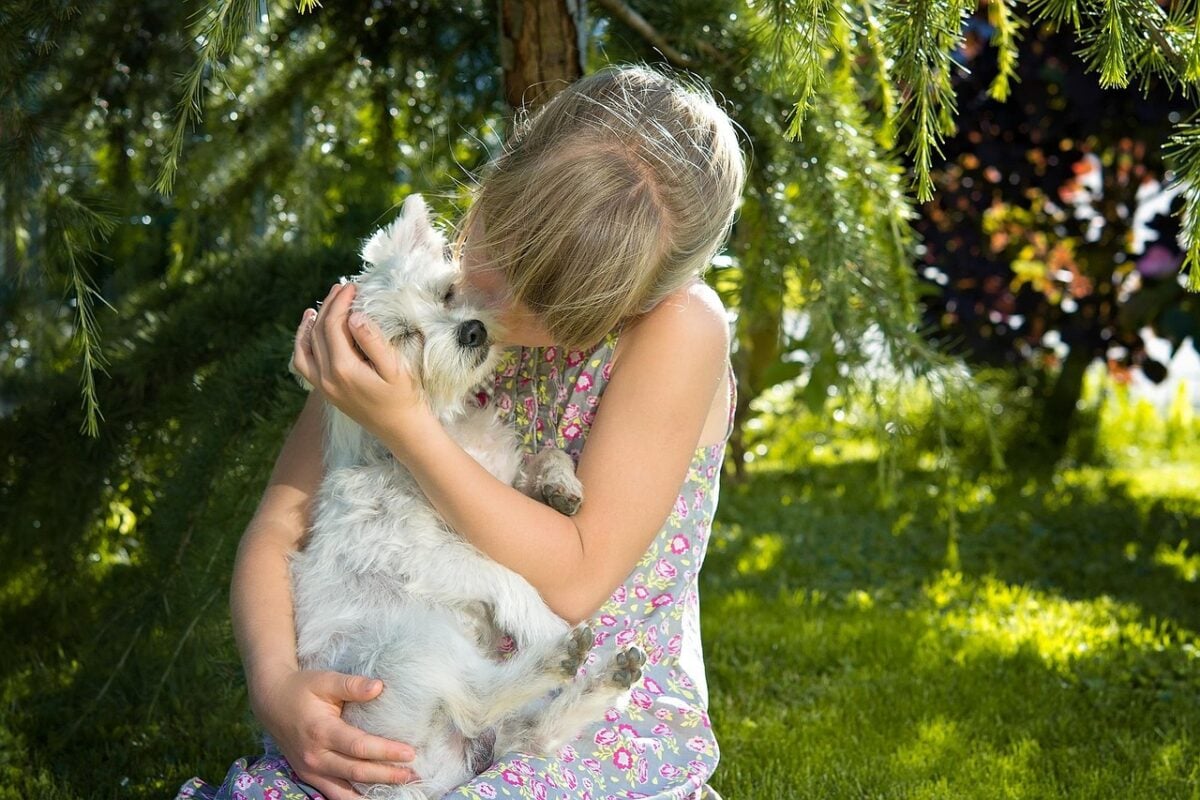
Before falling in love with a particular breed, consider these six questions:
- How old are your children? A playful, sturdy dog may handle an energetic household better than a delicate toy breed. Younger children also need more hands-on supervision.
- What does your typical weekday look like? Consider school, work, sports, and other commitments. Will someone consistently have time for the dog’s exercise and companionship needs?
- Can everyone safely manage the dog’s size and strength? A 70-pound adolescent Lab and a 7-pound Papillon present very different handling challenges.
- Are you prepared for the breed’s natural instincts? Herding, chasing, barking, and independence can affect training, interactions with children, and relationships with other pets.
- How much grooming can you realistically maintain? Think beyond occasional brushing to shedding, professional appointments, and the costs involved.
- Can your family handle unexpected veterinary expenses? A long-lived breed can still develop expensive medical conditions, sometimes requiring years of treatment.
Don’t overlook individual temperament, either. Two dogs of the same breed can have very different personalities, so spend time getting to know the actual dog whenever possible.
Frequently Asked Questions
Still have questions about choosing a healthy family dog? Here are a few common ones we hear. Don’t see yours? Ask us in the comments!
Are Mixed-Breed Dogs Healthier Than Purebred Dogs?
Sometimes, but not always. Greater genetic diversity may reduce the risk of certain inherited conditions, particularly those associated with limited breeding populations. However, mixed-breed dogs can inherit health problems from either side of their ancestry.
A dog’s size, genetic background, lifestyle, and veterinary care all influence long-term health. Neither a pedigree nor a mix of breeds guarantees a healthier dog.
Is A Puppy Or Adult Dog Better For Families With Young Children?
An adult dog can be a great choice because its size, energy level, and established personality are easier to evaluate. A well-matched adult may also have some household training already.
Puppies offer the experience of raising a dog alongside your children, but they require considerable supervision, patience, and training. Teething, jumping, and playful biting can be particularly challenging with toddlers.
Does Health Testing Guarantee A Healthy Puppy?
Unfortunately, no. Health testing helps identify specific inherited risks, but it can’t predict every illness a dog might develop. Some conditions involve multiple genes, environmental influences, or factors that current screening methods cannot reliably detect.
Even puppies from carefully screened parents can develop health problems later in life. That’s why responsible breeding, preventive veterinary care, and a healthy lifestyle all matter.
A Healthy Dog Is Just The Beginning Of A Wonderful Family Story
The right dog can be there for everything from your child’s first day of school to their teenage years, collecting family memories (and occasionally stealing lunches) along the way.
Still searching for your family’s perfect companion? These guides can help you explore more possibilities:
- Discover more of the healthiest dog breeds, including some surprising longevity standouts.
- Meet 20 of the most affectionate dogs for families and discover how different breeds show their love.
- Explore the healthiest large dog breeds if you’ve got your heart set on a bigger companion.
- Learn what to know before adopting a dog so your family is prepared for everything that comes with a new four-legged member.
Now we’d love to hear about your family dogs! Which breeds have shared your home, and how long have they been part of your family? Have you had a dog who stayed remarkably healthy and playful well into their senior years? Share your experiences in the comments!