When you purchase through links on our site, we may earn a commission. Here’s how it works.
Picture this: you’re scrolling through adorable puppy photos, imagining snuggles, wagging tails, and your new furry best friend trotting happily by your side. But before you leap headfirst into puppy parenthood, take a minute. Because some dogs require more than belly rubs and squeaky toys, they demand your time, your energy, and yes, a healthy chunk of your bank account.
Table of Contents
“High-maintenance” doesn’t mean these breeds are difficult or “bad.” In fact, many are loving, intelligent, and downright incredible companions. It simply means they come with extra needs in grooming, exercise, health care, and training.
This guide breaks down what high-maintenance really looks like and reveals 15 beloved breeds who thrive in homes with the time, energy, and budget to meet their needs, no sugar-coating included.

My Life With a High-Maintenance Dog
I have shared my life with many dogs over the years. Each one brought their own quirks, needs, and joy. But two of them? They redefined high maintenance in the best possible way.
One was Cookie, my 5-pound Chihuahua with the personality of a queen who definitely knew she ruled the kingdom. That tiny body housed the loudest, most determined soul I have ever met.
She was feisty, cuddly, and absolutely convinced the world should know exactly what she thought about everything. When Cookie walked into a room, her presence arrived five seconds before she did.
She also kept me on my toes. I was constantly scanning the floor for hidden crumbs and mystery objects because if Cookie could find it, Cookie would try to eat it.

I hovered like a helicopter dog mom, terrified someone might accidentally step on her. And dental care? Let’s just say tiny dogs come with tiny teeth that demand big commitment. She was a miniature diva with major needs… and I adored every single moment of being her person.
Then there was Bear, my gentle Black Labrador. Where Cookie was small-but-mighty, Bear was big, soft, and so incredibly sweet. He also lived with epilepsy, a condition that becomes more unpredictable and more difficult with time.
As his seizures progressed, so did the demands on my heart and my schedule. I adapted everything: my home layout, my work routine, even my sleep. Caring for Bear wasn’t just something I did. It became a core part of our life together.
There were days full of worry and nights spent watching him breathe, but there was also a depth of love that made every challenge worth it. Bear reminded me that high maintenance can also mean high devotion, high bravery, and high reward.

These two dogs taught me what this article is really about: high maintenance does not mean hard to love. It means the love runs deeper, the bond grows stronger, and the commitment becomes a chapter you will never forget.
Check Out These High-Maintenance Pups in Action
If you’ve ever wondered what “a little extra energy” looks like, here’s your answer. These pups are busy, bold, and definitely keeping their humans on their toes. Take a peek and see if you spot a familiar level of chaos.
What Makes a Breed High-Maintenance? 5 Characteristics to Consider
Some dogs are easygoing companions. Others were bred for demanding jobs, intricate coat types, strong instincts, or body structures that require lifelong support.
A dog becomes “high maintenance” when its minimum welfare requirements exceed what the average household can comfortably provide. These needs are not personality quirks. They are biological, behavioral, and structural realities shaped by selective breeding.
These five characteristics are what elevate a dog into the high-maintenance category. When multiple characteristics overlap, owners must be prepared to meet those needs every day.
1. Intensive Grooming Needs
Breeds with long, curly, or dense coats do not shed dirt and moisture efficiently. Their fur traps debris against the skin, increasing the risk of bacterial growth, matting, and chronic skin irritation.

Hygiene-related issues are among the most common reasons these dogs require veterinary care.
- Frequent brushing and routine coat maintenance
- Scheduled professional grooming to prevent matting and infections
- Ongoing attention to ears, nails, and skin folds to reduce disease risk
Lifestyle Impact: Owners must allocate recurring time and money to grooming as a core health requirement, not an optional cosmetic task.
2. High Daily Exercise Requirements
Many breeds retain the physical stamina and neurological drive of the jobs they were bred to perform. Without structured opportunities to move and exert energy, they cannot regulate stress or behavior. Their baseline needs often exceed what typical pet owners expect or can provide.
- Multiple daily sessions of high-intensity activity
- Access to space or advanced outlets like agility, running, or herding tasks
- Predictable exercise schedule to maintain physical and mental stability
Lifestyle Impact: The owner must often adjust daily routines around their dog’s physiological demands, including early mornings, long outings, and weather-independent exercise.
3. High Cognitive and Social Drive
Some dogs process and respond to human behavior on a highly attuned level, requiring continuous engagement. Without meaningful work, their intelligence can turn into anxiety, obsessive behaviors, or destructive problem-solving. These dogs do best when their minds are actively used, not idling.
- Daily enrichment through training, puzzles, scent work, or skill-based games
- Close social connection and predictable structure
- Ongoing learning throughout adulthood, not only in puppyhood
Lifestyle Impact: These dogs need owners who can invest daily attention and interaction, making them poor fits for homes where pets spend long hours alone.
4. Increased Risk of Medical Complications
Some breeds are predisposed to orthopedic, respiratory, neurological, or cardiac conditions due to selective breeding. Preventive care and ongoing monitoring are essential to reduce discomfort and preserve function. These needs typically escalate as the dog ages.

For brachycephalic breeds such as French Bulldogs, Pugs, and English Bulldogs, owners should also account for a higher risk of breathing problems, heat intolerance, and airway surgery, which can significantly increase both day-to-day management and lifetime veterinary costs.
Across breeds, research shows that extreme body shapes (such as very flat faces or very long backs) and substantial genetic bottlenecks increase the risk of chronic conditions like airway obstruction, spinal disc disease, and early-onset heart problems, which directly raises both the welfare burden on the dog and the long-term cost and complexity of care for the owner.
- Frequent veterinary assessments and diagnostic screenings
- Long-term medication, supplements, or physical therapy
- Adaptations to the environment, such as ramps or temperature control
Lifestyle Impact: Owners must be prepared for consistent veterinary spending and hands-on health management throughout the dog’s lifetime.
A Note About Pet Insurance
For many high-maintenance breeds, pet insurance is less of a luxury and more of a practical safety net. These dogs are at higher risk for chronic or severe conditions that can require repeated testing, specialist care, or major surgery over their lifetime.
If you are considering a breed with known respiratory, spinal, joint, or heart risks, enrolling in pet insurance early is especially important. Most providers do not cover pre-existing conditions, so waiting until a dog is already sick or injured often means losing coverage for the very problems that are most likely to occur.
5. Instinct-Driven Behavioral Management
Strong working instincts require deliberate channeling into everyday life. Herding, guarding, or prey behaviors are not minor quirks and cannot be corrected by casual training. Without proper guidance, these dogs may react to perceived threats or movement in ways that become unsafe or stressful.
- Early and extensive socialization with people and animals
- Structured training to redirect instinct into acceptable behaviors
- Clear household boundaries to prevent overreaction and reactivity
Lifestyle Impact: Owners must be confident in their training and management, or be willing to seek qualified professional support to help the dog succeed.
Other Factors That Can Increase Maintenance Needs
Even within the same breed, certain practical variables can raise the level of daily care and long-term support a dog needs. These factors help explain why one dog may feel manageable while another feels overwhelming.
- Large or giant dogs cost more to feed and are harder to assist physically, while very small dogs can be fragile and require close supervision to avoid injury.
- Puppies require intensive training and supervision, while senior dogs often have mobility issues and require medical management.
- Dogs with dietary sensitivities may require prescription or limited-ingredient foods, as well as careful diet monitoring.
- Living conditions such as minimal outdoor access, frequent schedule changes, loud or chaotic environments, or very small spaces can raise a dog’s stress and support needs.
- Temperament varies widely within breeds; a naturally anxious, reactive, or highly driven individual requires more training and structured support.
These variables show that high maintenance is not only about breed. It is also about the individual dog and how well their needs fit the owner’s lifestyle and resources.
10 Highest Maintenance Dog Breeds Overall
These breeds are outstanding companions in the right homes, but they score high in several demanding categories at once. Owners must be prepared to meet significant needs related to exercise, health care, training, mental stimulation, and daily lifestyle management.
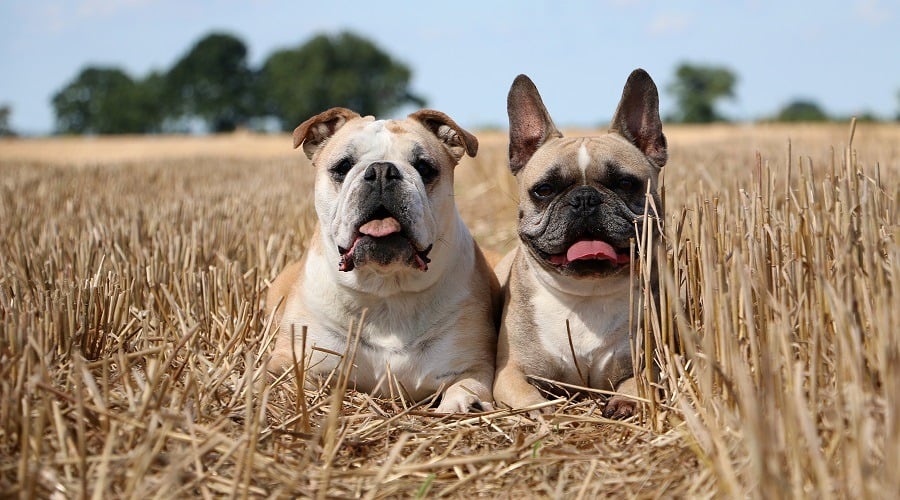
Here’s a quick breakdown of some of the highest-maintenance dog breeds you’ll meet.
- Border Collie: Bred for nonstop herding work and advanced problem solving. Needs structured physical activity and challenging mental tasks every day. Without enough stimulation, behavior issues escalate rapidly.
- Belgian Malinois: Intense working drive and high arousal levels require experienced training and controlled environments. Commonly used in police and military roles, making typical pet life insufficient.
- English Bulldog: Extremely high veterinary needs due to breathing limitations, skin folds, mobility concerns, and heat intolerance. Care requires constant monitoring and proactive medical management.
- French Bulldog: One of the most medically vulnerable companion breeds. Breathing difficulty, spinal disease, allergies, and sensitive digestion require vigilant care and financial preparedness.
- Cavalier King Charles Spaniel: Deeply affectionate and emotionally dependent, but at high risk for heart and neurological disease. Long-term care involves close veterinary oversight and ongoing symptom monitoring.
- Standard Poodle: Highly intelligent and athletic with a coat that demands regular professional grooming. Needs advanced training and enrichment to prevent anxiety and destructive behaviors.
- Siberian Husky: Bred for endurance in extreme conditions. Requires extensive daily exercise and secure containment. Escaping, digging, and vocalizing are common when needs are not met.
- Dachshund: Long spine and short legs create a significant risk for intervertebral disc disease. Requires careful handling, weight control, and home modifications to prevent injury throughout life.
- Weimaraner: Strong bonding and high stamina combined with a predisposition for separation anxiety. Needs advanced exercise routines and near-constant engagement with family.
- Akita: Independent temperament and powerful guarding instincts require confident, skilled training. Needs careful socialization and a clear household structure to maintain stability.
These breeds shine with committed owners who can provide consistent training, structured exercise, mental engagement, and proactive health care every day. They are rarely a good fit for casual or first-time dog ownership.
18 High-Maintenance Dogs by Size
Now that we have defined what makes a breed high maintenance and identified the dogs that require the most support overall, it helps to look at how those needs show up across different size categories. Size alone does not determine care level, but it does influence everything from medical risk to daily supervision and training demands.

The groups below highlight how high-maintenance traits appear in smaller, mid-sized, and larger breeds.
Small Breeds (Under 25 lbs)
Small dogs are often assumed to be easier household companions. In reality, many require vigilant supervision, specialized health care, and consistent behavior support. Their size can make them more fragile, more reactive, and more prone to anxiety, while medical conditions like dental disease and airway issues are more common.
These breeds may look low-maintenance, but their needs are anything but small.
1. French Bulldog
The French Bulldog is a compact companion breed with a calm disposition, until their structural vulnerabilities demand attention. Their flat faces, short airways, and sensitive digestion make daily care more critical than for many small dogs.
- Exercise: Low (short, gentle walks; avoid heat or overexertion)
- Grooming: Moderate (regular fold care and coat hygiene needed)
- Medical Risk: High (respiratory challenges, skin sensitivities, breathing distress in heat or stress)
- Training Needs: Moderate (basic training + careful lifestyle adjustments)

Extensive evidence shows that extreme skull shortening in brachycephalic dogs is linked to a wide range of serious health problems, especially brachycephalic obstructive airway syndrome (BOAS), which directly affects breathing and exercise tolerance.
2. Cavalier King Charles Spaniel
Affectionate and gentle, Cavaliers are built for companionship, but their genetic predispositions require serious long-term health planning. Their emotional sensitivity also means they need consistent care, calm routines, and attentive hands-on oversight.
- Exercise: Moderate (daily walks + gentle play)
- Grooming: Moderate (regular ear, coat, and dental hygiene)
- Medical Risk: High (heart conditions, neurological issues, frequent vet monitoring)
- Training Needs: Moderate (positive, patient training; socialization to reduce anxiety)

Veterinary cardiology research has repeatedly shown that Cavaliers have an unusually high and often early-onset risk of myxomatous mitral valve disease, with many dogs developing murmurs by middle age and most affected at some point in their lifetime.
3. Chihuahua
Chihuahuas are tiny in size but often big in sensitivity, reactivity, and supervision needs. Their small frames make them more vulnerable to injury, dental disease, and temperature extremes, and they often form intense bonds with one or two people, which can increase anxiety and barking if not managed carefully.
- Training Needs: Moderate to High (socialization, noise/bark management, confidence building)
- Exercise: Low (short walks and indoor play are usually sufficient)
- Grooming: Low to Moderate (short or long coat; dental care is critical)
- Medical Risk: Moderate to High (dental disease, patella issues, fragility)

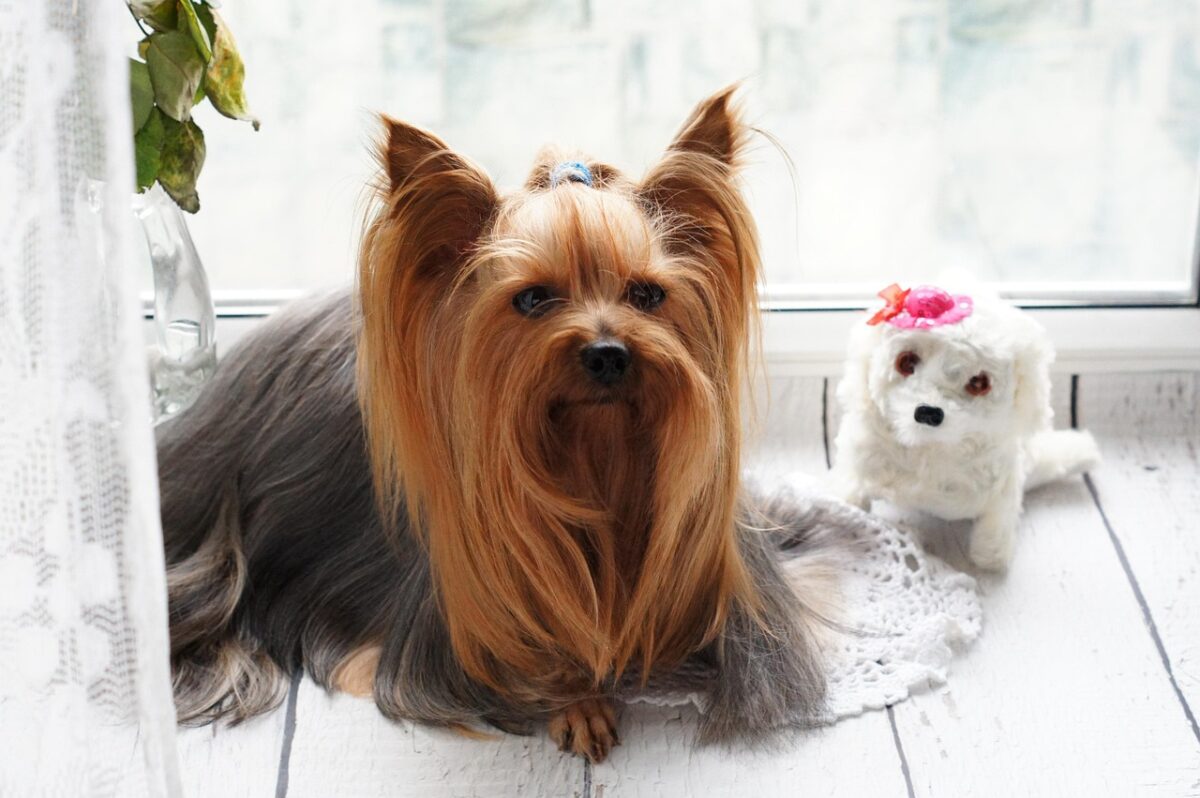
4. Yorkshire Terrier
Tiny but alert, Yorkies combine a delicate build with a luxurious coat, and both demand daily maintenance. Their fine hair, tiny teeth, and sensitive systems require meticulous grooming and health vigilance.
- Exercise: Low to Moderate (short walks and gentle indoor play)
- Grooming: Very High (daily brushing, regular trims or professional grooming needed)
- Medical Risk: Moderate (dental issues, fragile bones, skin sensitivity)
- Training Needs: Moderate (basic training plus socialization and calm routines)
5. Dachshund
Long-backed and compact, Dachshunds are lovable and clever, but their spinal structure makes mobility care essential throughout their lives. Owners must manage activity carefully and maintain consistent weight and support measures.
- Exercise: Moderate (low-impact activity, avoid jumping or stairs)
- Grooming: Low to Moderate (coat type dependent: smooth, long, or wire)
- Medical Risk: High (risk of intervertebral disc disease; requires lifelong prevention & care)
- Training Needs: Moderate (house training, confidence-building, safe movement habits)

Research on Dachshunds indicates that roughly one in four will experience some degree of IVDD (intervertebral disc degeneration) during their lifetime, a rate estimated to be around ten times higher than in the average dog, which makes careful movement management and weight control essential from day one.
6. Jack Russell Terrier
Small in size but big in energy, Jack Russells are working terriers at heart. Their intelligence, prey drive, and hyperactivity demand high levels of engagement and structure to prevent stress-driven behavior.
- Exercise: High (daily vigorous play, running, or structured games)
- Grooming: Low (short coat, low-maintenance fur)
- Medical Risk: Moderate (standard terrier health, but watch for joint and dental wellness)
- Training Needs: High (obedience, socialization, and consistent boundaries)

Medium Breeds (25–50 lbs)
Medium-sized dogs make up many of the world’s most popular working, sporting, and herding breeds. They tend to have high energy, strong instincts, and sharp intelligence that demand structure and purpose every single day. Without engagement, their behavioral and emotional needs can quickly exceed what most first-time dog owners are prepared to manage.
7. Standard or Miniature Poodle
Exceptionally intelligent and active, Poodles require a combination of regular grooming, mental stimulation, and physical activity to remain balanced and healthy. Their athleticism and coat both contribute to their high maintenance rating.
- Exercise: High (daily activity plus mental enrichment)
- Grooming: Very High (regular professional grooming every 4–6 weeks, consistent coat care)
- Medical Risk: Moderate (skin issues, joint health, and sometimes digestive sensitivities)
- Training Needs: High (advanced obedience, enrichment, and regular engagement)

8. Border Collie
A working breed through and through, Border Collies thrive on challenge, purpose, and structure. Without clear outlets, they often turn instinct into problem behaviors, but with the right environment, they excel as loyal, focused companions.
- Exercise: Very High (requires daily, extended physical + mental work)
- Grooming: Moderate (regular brushing and seasonal coat care)
- Medical Risk: Moderate (standard breed health; watch for joint & stress-related issues)
- Training Needs: Very High (ongoing advanced training and enrichment essential)

Modern behavior guidance suggests that many working herding breeds, such as Border Collies, need close to two to three hours of combined intense exercise and structured mental work daily; without this level of input, they are at higher risk for destructive behaviors and chronic stress.
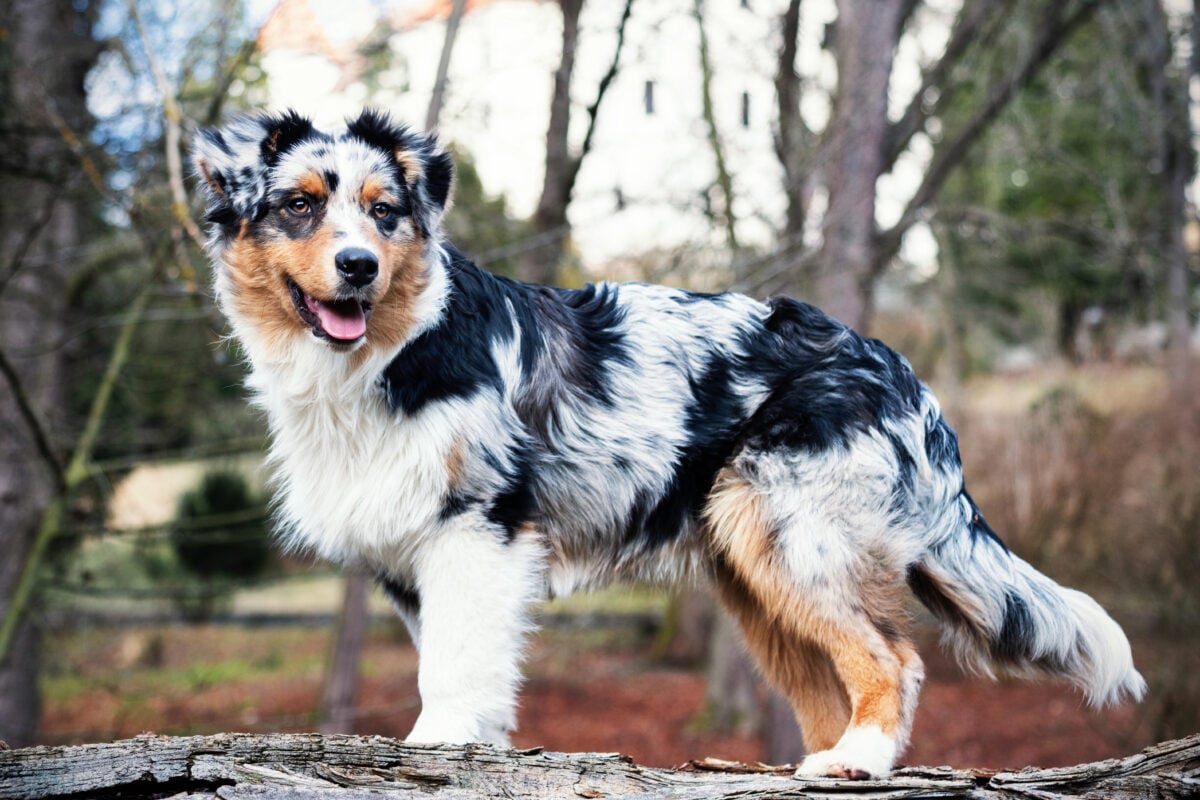
9. Australian Shepherd
Intelligent, energetic, and highly social, Australian Shepherds thrive on routine, purpose, and firm leadership. Their herding instincts and high drive make them deeply rewarding, but also demanding of time, structure, and engagement.
- Exercise: High (daily physical activity plus mental engagement)
- Grooming: Moderate (regular brushing, especially during shedding seasons)
- Medical Risk: Moderate (common joint or skin issues, standard risk levels)
- Training Needs: High (consistent training, socialization, and outlet for instincts)
10. English Bulldog
Bulldogs combine gentle temperaments with serious structural and medical vulnerabilities. Their care is often centered on breathing support, skin and joint health, and environmental management to keep them comfortable and stable.
- Exercise: Low (short, mild walks; avoid heat and overexertion)
- Grooming: Moderate (skin-fold cleaning and coat care)
- Medical Risk: Very High (respiratory issues, joint problems, skin infections common)
- Training Needs: Moderate (gentle socialization and comfort-based training)

11. Weimaraner
Athletic, loyal, and emotionally sensitive, Weimaraners bond closely with their humans. Their endurance and attachment drive require consistent time, exercise, and companionship to prevent anxiety or destructive behavior.
- Exercise: High to Very High (daily long runs or active play)
- Grooming: Low (short coat, minimal maintenance)
- Medical Risk: Moderate (standard medium-breed health; occasional digestive sensitivity)
- Training Needs: High (firm leadership, socialization, and structured routine)

Large Breeds (Over 50 lbs)
Large and giant breeds come with size-related challenges that matter, including considerable physical, financial, and environmental demands. They face a higher risk of orthopedic issues such as hip and elbow dysplasia, ligament injuries, and early arthritis.
Many deep-chested breeds are also more prone to bloat, a dangerous and often sudden condition. Add in a typically shorter lifespan and higher food and vet costs, and caring for a large breed becomes a significant long-term commitment. These breeds require homes that can support their strength and long-term health needs.
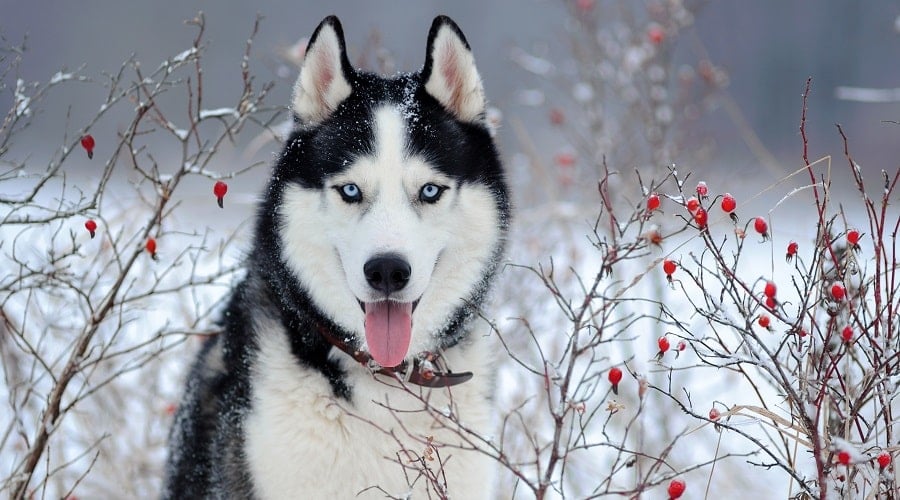
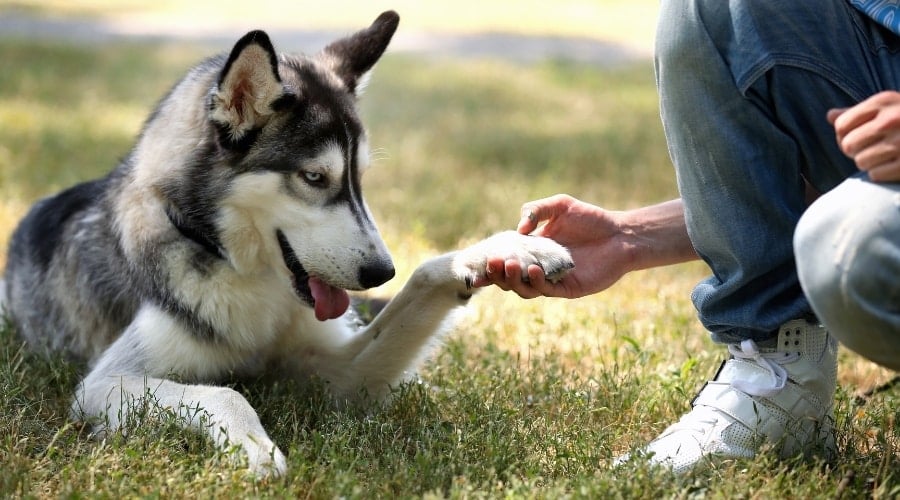
12. Siberian Husky
Built for endurance and cold-weather work, Siberian Huskies need constant exercise, a secure environment, and ample mental stimulation. Their strength and high prey drive make relaxed pet life risky without firm boundaries.
- Exercise: Very High (running, hiking, or structured work daily)
- Grooming: High (heavy seasonal shedding and regular coat maintenance)
- Medical Risk: Moderate (standard large-breed issues; watch for joint health)
- Training Needs: High (containment training, mental enrichment, obedience)
13. German Shepherd
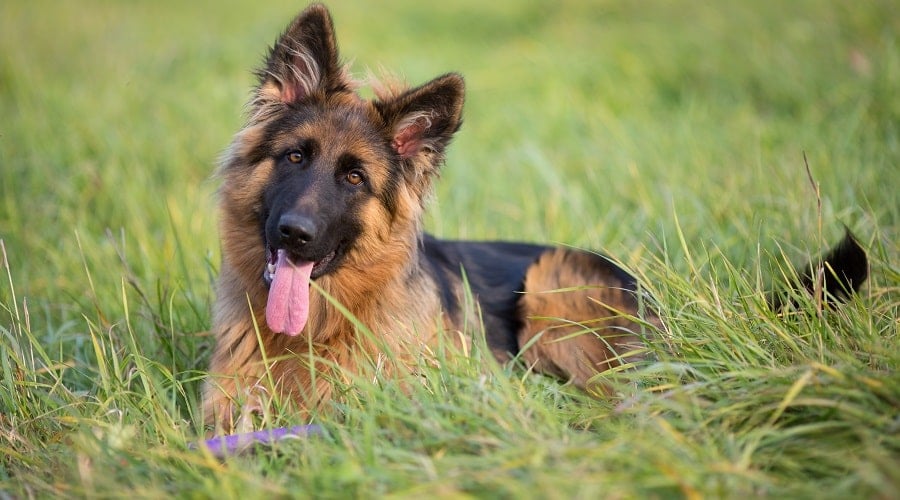
Versatile, intelligent, and protective, German Shepherds (GSD) thrive with structure, purpose, and consistent leadership. Their size and genetic predispositions call for proactive health care and behavioral oversight from day one.
- Exercise: High (daily activity required; mental challenges important)
- Grooming: Moderate (seasonal shedding and regular coat care)
- Medical Risk: High (common hip and elbow dysplasia, joint and spinal concerns)
- Training Needs: High (structured socialization, obedience, and environmental management)
14. Rottweiler
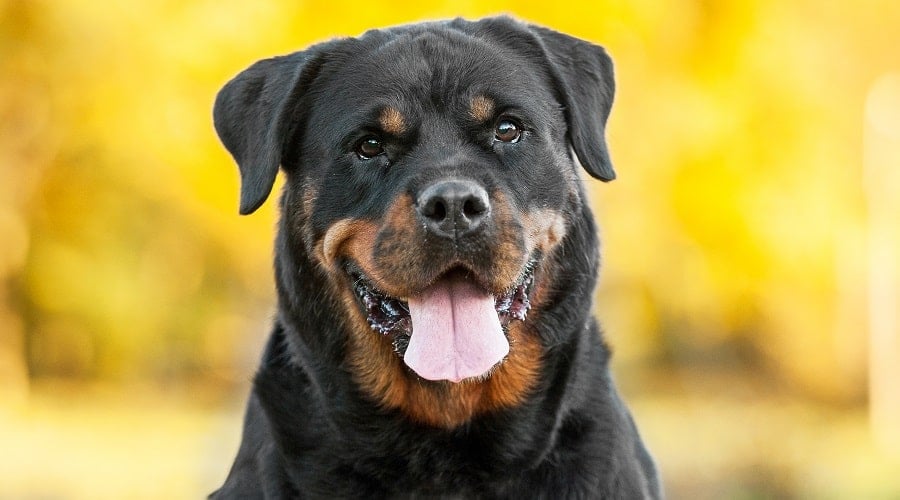
Strong, loyal, and protective, Rottweilers need confident, experienced owners who can balance strength with structure. Their physical power and predisposition for joint and health issues demand careful lifelong management.
- Exercise: High (consistent activity to maintain muscular health)
- Grooming: Low to Moderate (short coat, but regular grooming is still beneficial)
- Medical Risk: High (joint, bone, and certain breed-specific vulnerabilities)
- Training Needs: Very High (socialization, obedience, and behavioral control critical)
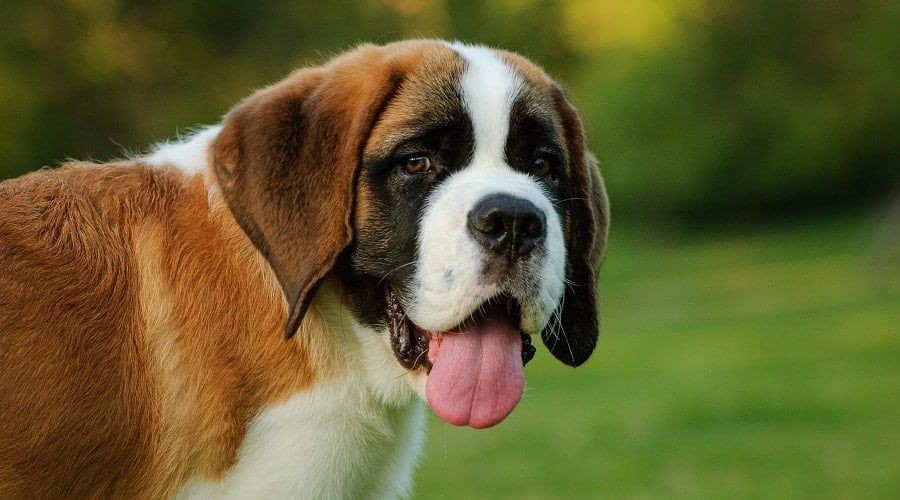
15. Saint Bernard
Gentle giants with enormous hearts and equally enormous care needs, Saint Bernards come with substantial food, space, grooming, and medical demands that escalate quickly with age and size.
- Exercise: Moderate (short, controlled activity due to size and joint strain)
- Grooming: High (heavy coat, drooling, skin care, regular grooming sessions)
- Medical Risk: Very High (joint, bloat, and breathing issues common in giant breeds)
- Training Needs: Moderate (socialization, basic obedience, mobility support as they age)
16. Akita
Independent, strong-willed, and traditionally protective, Akitas require consistent, experienced handling, early socialization, and a stable home environment. Their loyalty is deep, but so is the responsibility.
- Exercise: Moderate (daily walks and mental stimulation)
- Grooming: High (double coat requires regular brushing, seasonal shedding care)
- Medical Risk: Moderate to High (some hereditary conditions, such as autoimmune disorders)
- Training Needs: Very High (experienced handling, structure, early socialization, firm boundaries)

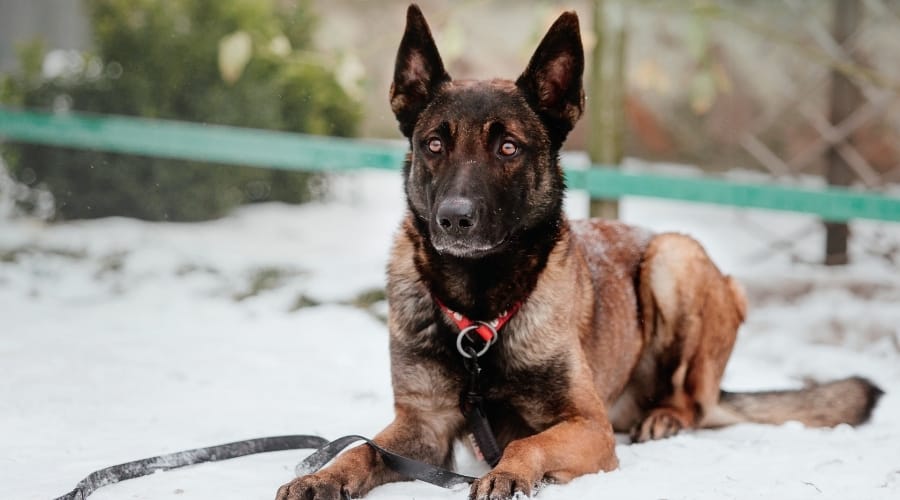
17. Belgian Malinois
Originally developed as an intensive working and protection dog, the Belgian Malinois has drive, stamina, and reactivity levels far beyond what most pet homes can handle. They need highly structured training, controlled environments, and daily work that engages both body and brain, or they quickly develop serious behavioral issues.
- Exercise: Very High (structured, high-intensity work every day)
- Grooming: Low (short coat but regular shedding)
- Medical Risk: Moderate (standard large-breed concerns; stress-related injuries possible)
- Training Needs: Expert (professional-level training, strict management, experienced handlers)
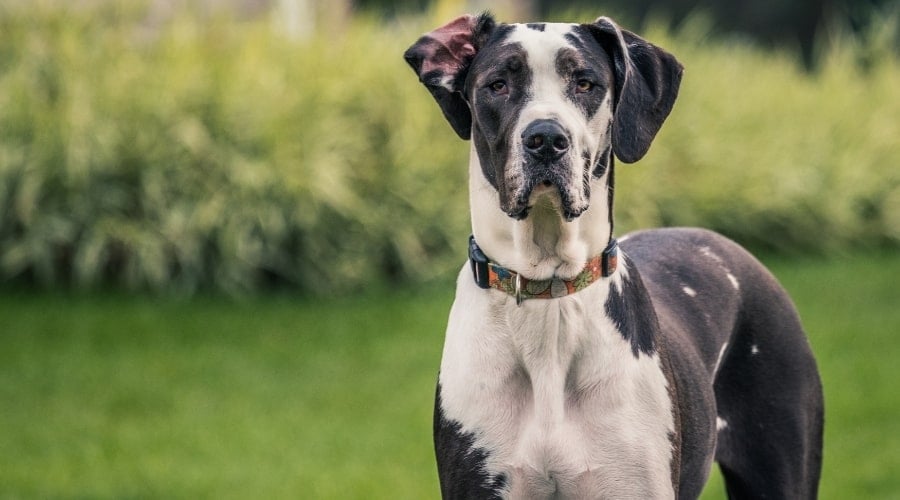
18. Great Dane
Great Danes are often described as gentle giants, but their size brings substantial management challenges. They require large living spaces, careful joint and growth support, and serious attention to bloat prevention and overall orthopedic health, especially as they age.
- Exercise: Moderate (regular walks and controlled play; avoid high-impact stress on joints)
- Grooming: Low to Moderate (short coat but heavy shedding and regular hygiene needs)
- Medical Risk: Very High (bloat, joint disease, heart problems, shorter lifespan)
- Training Needs: Moderate to High (early manners and handling skills are crucial due to size)
7 Other Breeds That Often Count as High Maintenance
While the breeds above are among the most consistently demanding, many others can still require above-average time, training, and ongoing care, depending on their health, genetics, and environment.
These breeds are worth researching carefully if they are on your shortlist.
- Shih Tzu: High grooming needs with frequent coat and eye care, and a strong tendency toward dental disease.
- Maltese: A Fragile toy breed with intensive coat maintenance and a predisposition to anxiety if left alone frequently.
- Chow Chow: Thick double coat requiring ongoing care, plus inherent aloofness and protective instincts that demand skilled handling.
- Boxer: High-energy dogs with strong social drive and elevated risk of certain cancers and cardiac conditions.
- Doberman Pinscher: A Sensitive guardian breed that needs confident leadership, clear structure, and lifelong socialization.
- Bichon Frise: Non-shedding coat requiring continuous professional care; prone to allergies and skin issues without proper maintenance.
- Afghan Hound: Full coat that requires meticulous daily grooming, plus an independent temperament that challenges training consistency.
These dogs can thrive with owners who understand the care required and are committed to supporting their long-term physical and behavioral well-being.
Is a High-Maintenance Dog Right for You?
High-maintenance dogs are not problem dogs. They are dogs whose needs sit at the upper edge of what most households can comfortably provide. They ask for more time, more structure, more money, and more emotional bandwidth. In return, they often offer deeper partnership, sharper intelligence, and unforgettable bonds.
The goal is not to scare you away from these breeds, but to reset expectations. A French Bulldog, Dachshund, Border Collie, or Belgian Malinois is not just a different size or color of the same generic dog. Breed history, structure, health risks, and instinct all shape what daily life will look like for the next ten to fifteen years.
Questions to Ask Yourself Before You Commit
- Can I realistically set aside at least two hours a day for exercise, training, and direct engagement?
- Am I prepared for higher grooming or veterinary costs year after year, not only in emergencies?
- Does my schedule allow for a dog that struggles with being left alone for long stretches?
- Is my home environment suitable for this breed in terms of space, noise level, and activity?
- Am I willing to work with a qualified trainer or veterinary specialist if behavior or health issues appear?
If most of these answers are no, a lower-maintenance breed or an adult dog with a known temperament may be a better fit. There is no failure in choosing a dog that matches your actual life instead of your ideal one. In fact, that level of honesty is one of the most responsible choices you can make.
Where to Go From Here
If you are still drawn to one of these higher-maintenance breeds, the next step is to dig deeper. Talk with veterinarians, reputable breeders, and other dog owners. Ask direct questions about health, temperament, and what the hard days look like, not only the highlight reel. Look for transparency, not salesmanship.
You might also consider adopting from a breed-specific rescue or shelter. Many high-maintenance dogs end up in rescue simply because their needs were underestimated. For the right household, those dogs are not damaged goods. They are getting a second chance at a very strong match. You can always try a foster situation to see how a pup fits into your home.
In the end, the question is not whether these dogs are worth the effort. They are. The real question is whether you can consistently provide what they need. If the answer is yes, a high-maintenance dog will not just fit into your life. They will change it.
A Loving Life with a High-Maintenance Dog
High-maintenance dogs may require more time and structure, but science shows those investments directly strengthen the human-dog bond. Meeting their physical and emotional needs through daily exercise, consistent training, grooming, and responsive affection helps dogs feel secure and connected to their families. When we engage with them in the ways they naturally understand, we support their confidence and deepen trust, which is how dogs most clearly express love in return.
Responsible ownership also means supporting their health, environment, and role in the community. From cleaning up after them to providing age-appropriate responsibilities within the home, our actions show respect for their needs and safety. If you are ready to offer daily commitment, proactive veterinary care, enriched activity, and patient guidance, a high-maintenance dog can be the most rewarding companion you’ve ever shared your life with. When their needs are met, they are not overwhelming; they are extraordinary.
Is Your Dog Delightfully Demanding? Prove It
Share your high-maintenance dog stories in the comments. What makes your pup extra… extra energetic, extra clever, extra vocal, or extra cuddly? We want the chaos, the comedy, and the love.