When you purchase through links on our site, we may earn a commission at no extra cost to you. Learn more.
Some small dogs have enough energy to patrol the entire neighborhood, investigate every suspicious leaf, and still demand a game of fetch. Others consider getting off the couch a major scheduling inconvenience.
Table of Contents
If your ideal companion is more interested in a leisurely stroll than a five-mile hike, you’re in luck. Some small dog breeds are perfectly happy with shorter walks, a little playtime, and plenty of downtime.
Of course, lazy doesn’t mean completely inactive, and a low-energy dog isn’t necessarily low-maintenance. But these 16 little companions prove you don’t need a big exercise routine to have a dog with a big personality.
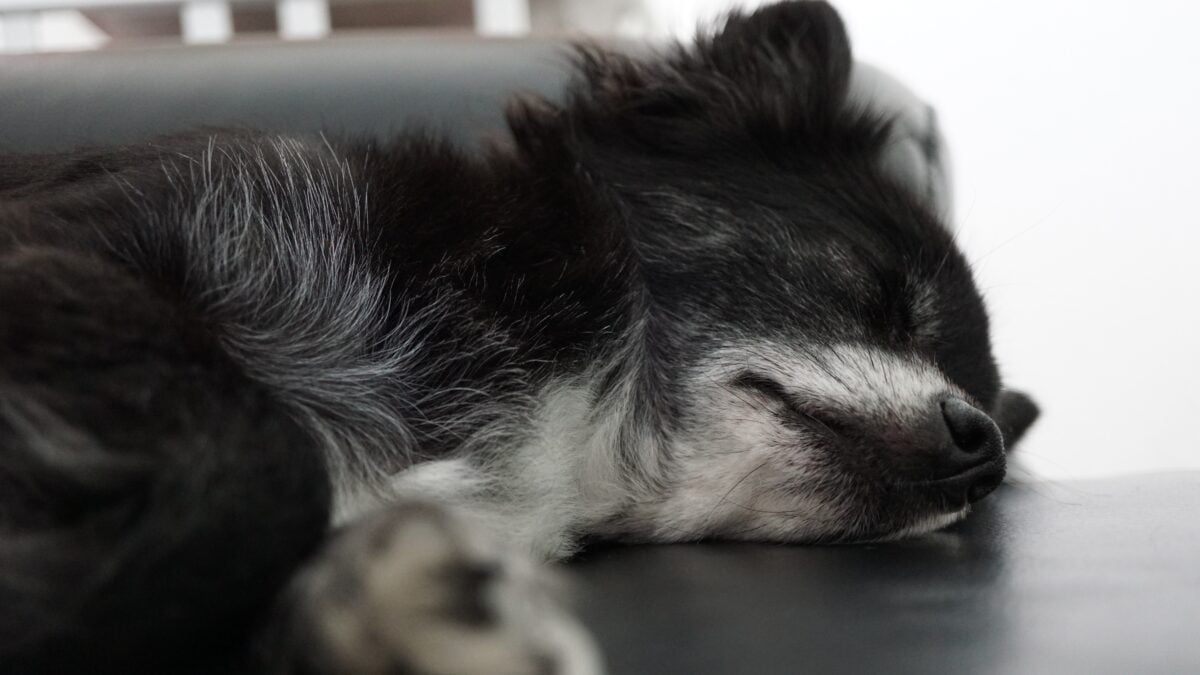
16 Small Dog Breeds That Love A Relaxed Lifestyle
You’ll recognize a few familiar faces here, but don’t overlook the lesser-known breeds. Some of the best matches might be little dogs you’ve never considered, with personalities ranging from charmingly mischievous to hilariously self-important.
1. Shih Tzu
The Shih Tzu‘s ancestors spent centuries in Chinese imperial palaces, and the breed still carries itself like someone forgot to explain that the monarchy ended.
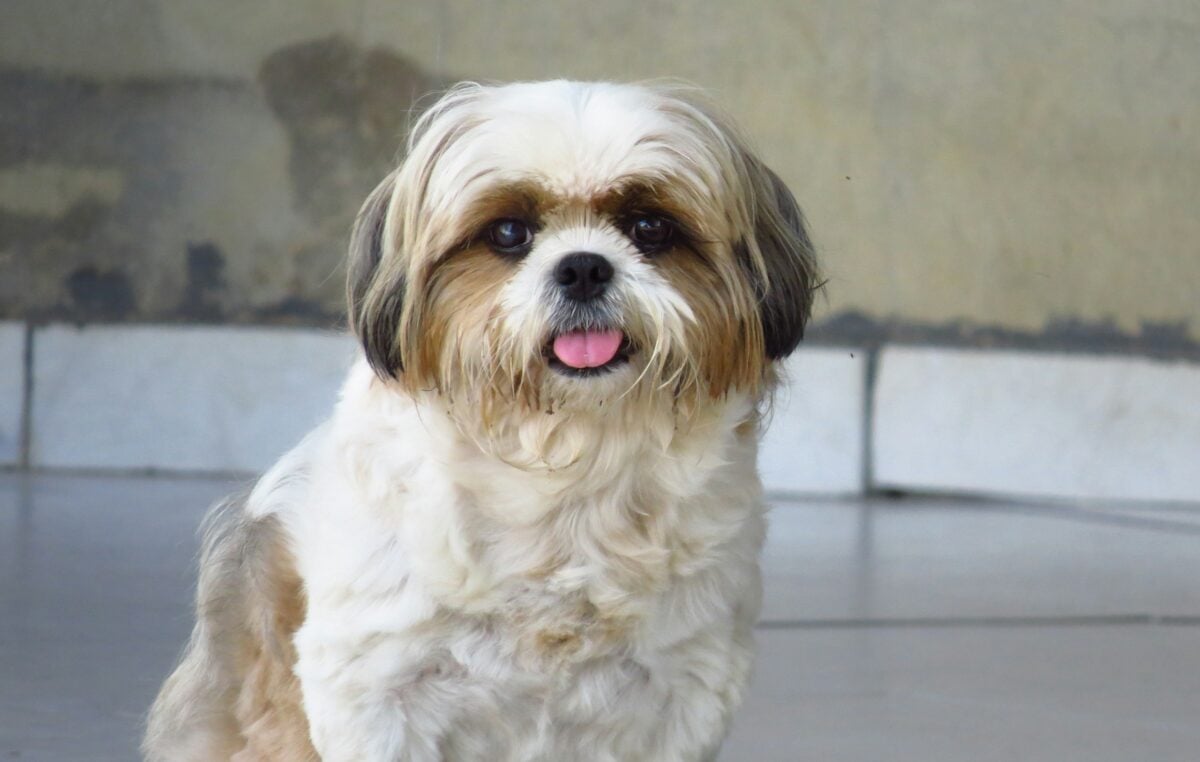
These little dogs are famously sociable, often greeting visitors with the confidence of a host welcoming guests to a very exclusive establishment. They enjoy attention, have a surprisingly mischievous side, and aren’t above using their considerable charm to get their way.
That independent streak can make training an exercise in patience, particularly when house-training. A Shih Tzu may understand exactly what you’re asking and simply have other priorities.
Fortunately, their idea of a fulfilling day generally involves more human interaction than physical exertion. They were bred to be companions, and it’s a job they still take remarkably seriously.
Breed Breakdown
- Size: 9–16 pounds
- Exercise Needs: Short daily walks and indoor play
- At-Home Energy: Low to moderate, with playful bursts
- Temperament: Outgoing and people-oriented, with a mischievous streak and occasional stubbornness
- Grooming & Shedding: High grooming needs; low shedding. Long coats require daily brushing.
- Biggest Consideration: Short-muzzle anatomy can increase the risk of breathing difficulties, overheating, and eye problems.
2. French Bulldog
French Bulldogs have a remarkable talent for turning five minutes of playtime into a full theatrical production. One moment they’re charging after a squeaky toy on their sturdy little legs. The next, they’re standing there with those enormous bat ears, apparently waiting for applause.
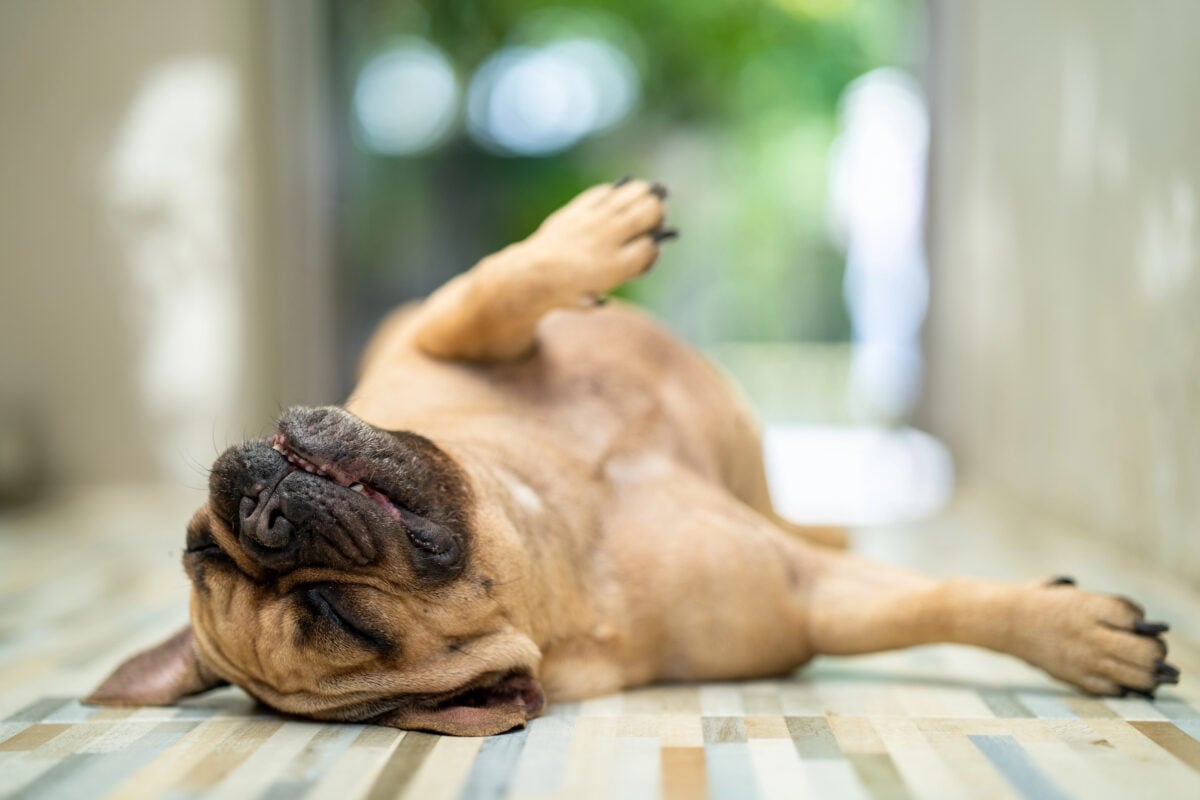
Frenchies are playful, sociable, and wonderfully entertaining, but they generally prefer brief bursts of activity over long outdoor adventures. They’re also adaptable housemates who love being involved in family life, although their stubborn streak can make training an interesting negotiation.
There’s an important health distinction, though. Their shortened muzzles can cause serious breathing difficulties and make overheating a real danger. A Frenchie who struggles to exercise isn’t necessarily lazy, and even a healthy-looking dog may need special precautions.
Breed Breakdown
- Size: 16–28 pounds
- Exercise Needs: Short daily walks and gentle play, avoiding strenuous activity in hot or humid weather
- At-Home Energy: Low to moderate, with enthusiastic bursts of play
- Temperament: Comical, sociable, and adaptable; playful but sometimes headstrong
- Grooming & Shedding: Low grooming needs; light to moderate shedding. Facial folds need regular cleaning.
- Biggest Consideration: High risk of brachycephalic obstructive airway syndrome (BOAS), heat intolerance, and other potentially costly health problems.
3. Japanese Chin
Some dogs claim the couch. The Japanese Chin prefers the back of it, where it can survey the room like a cat who has reluctantly agreed to be a dog.
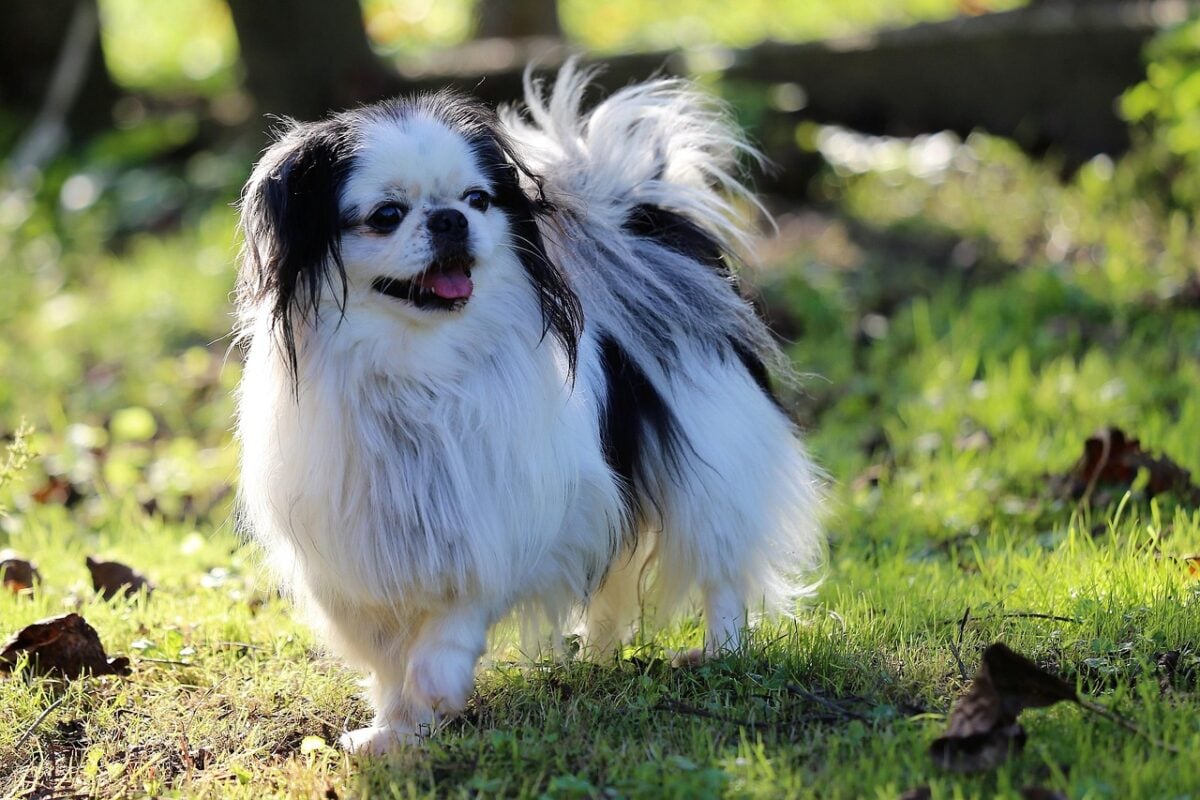
That comparison goes beyond attitude. Japanese Chins are known for climbing onto furniture, perching in elevated spots, and even grooming their faces with their paws. They also have a surprisingly acrobatic side, occasionally breaking into playful bursts that seem entirely out of character for such a dignified little dog.
They’re remarkably sensitive to the atmosphere around them, often becoming more reserved in calmer households and more outgoing in lively ones. Although affectionate with their families, they can be selective about strangers and aren’t particularly fond of being overwhelmed with attention.
Breed Breakdown
- Size: 7–11 pounds
- Exercise Needs: Leisurely daily walks and indoor play
- At-Home Energy: Low to moderate, with occasional playful bursts
- Temperament: Sensitive and observant; devoted to family but selective with strangers
- Grooming & Shedding: Moderate shedding; silky coat generally needs weekly brushing
- Biggest Consideration: Short-muzzle anatomy can contribute to breathing and heat sensitivity; inherited eye, heart, and kneecap conditions (patellar luxation) also warrant attention.
4. Chihuahua
The Chihuahua may weigh less than a bag of groceries, but nobody seems to have informed them. These tiny dogs have a famously oversized sense of confidence, and some will fearlessly challenge a much larger dog who has committed the offense of existing nearby.
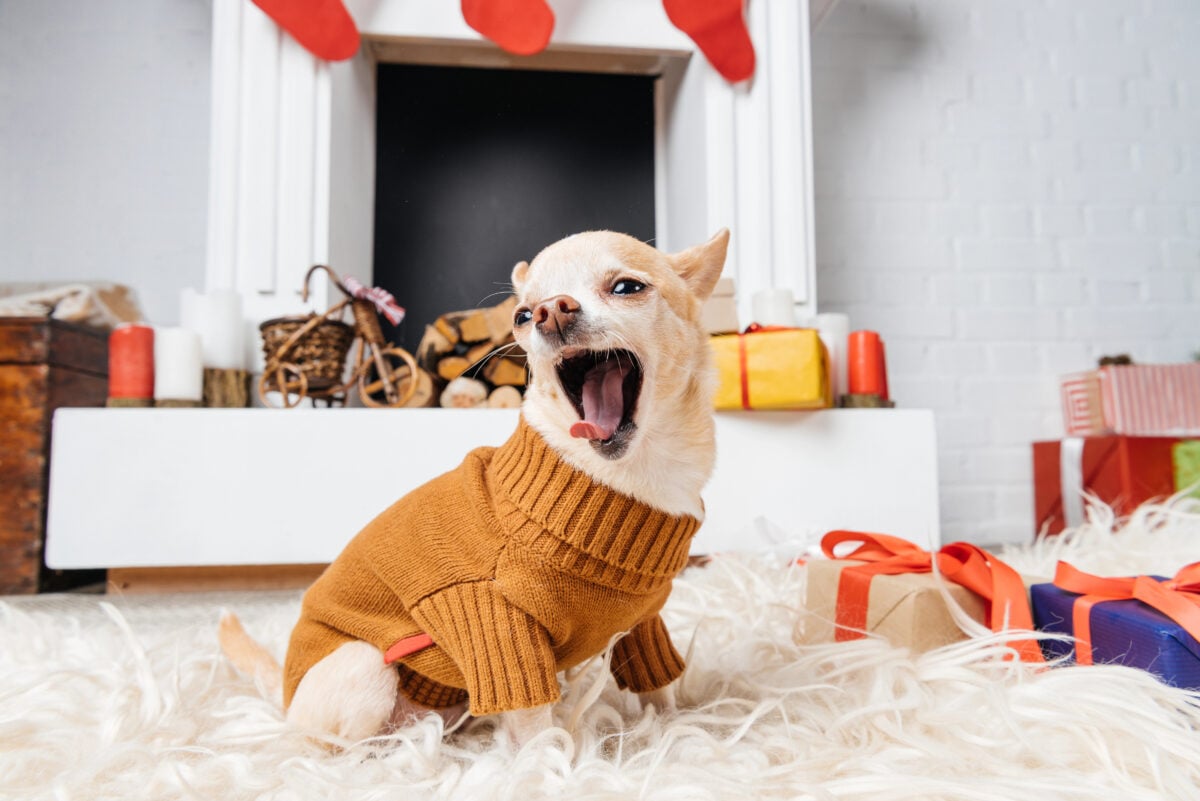
Despite all that attitude, Chihuahuas have surprisingly modest exercise requirements. Their energy tends to show up as alertness and short bursts of activity, rather than a need for lengthy outdoor adventures. Many are intensely devoted to one favorite person, happily alternating between monitoring household activity and claiming the warmest lap available.
That devotion can come with wariness toward strangers and a tendency to bark, making early socialization especially important. Small size doesn’t make training optional, particularly when your six-pound security guard believes every delivery deserves an investigation.
Breed Breakdown
- Size: Generally 2–6 pounds
- Exercise Needs: Short daily walks and indoor play
- At-Home Energy: Moderate; alert and lively in bursts
- Temperament: Bold, alert, and fiercely loyal; often bonds most closely with one person
- Grooming & Shedding: Low to moderate grooming; smooth coats need minimal brushing, while long coats need more frequent care. Both varieties shed.
- Biggest Consideration: Dental disease, kneecap problems, and vulnerability to accidental injury due to their tiny size.
5. Bolognese
The Bolognese looks like a fluffy white cloud with a nose, but there’s a surprisingly serious little companion underneath all that cottony hair.
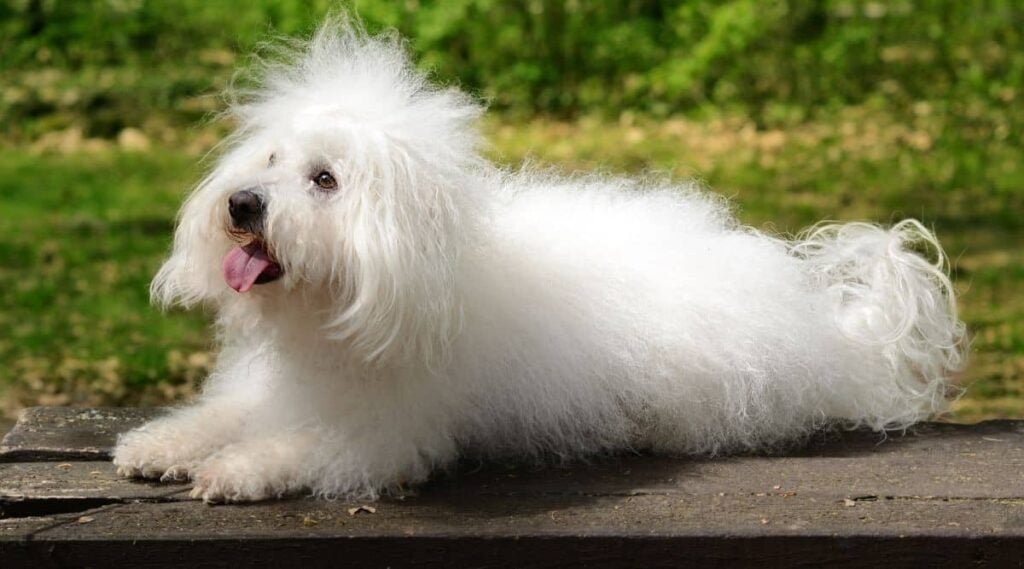
Originally from Bologna, Italy, these dogs were favorites among European nobility. Unlike some of their more exuberant fluffy relatives, Bolognese dogs tend to be calm, observant, and somewhat reserved around strangers. They’re not necessarily interested in becoming everyone’s new best friend.
Instead, they form exceptionally close bonds with their favorite people, often preferring to stay nearby as their humans go about their day. Their relaxed temperament makes them particularly appealing to quieter households, but that devotion has a downside.
Bolognese can struggle with being left alone for long periods. Apparently, a trip to the grocery store wasn’t part of the arrangement.
Breed Breakdown
- Size: 6–10 pounds
- Exercise Needs: Moderate daily activity; walks, gentle games, and indoor play
- At-Home Energy: Low; generally calm with occasional playful moments
- Temperament: Calm and deeply attached to family; often reserved around unfamiliar people
- Grooming & Shedding: High grooming needs; very low shedding. Longer coats require frequent brushing to prevent matting.
- Biggest Consideration: Strong attachment to their owners can make prolonged time alone difficult. Responsible breeders should also screen for kneecap and eye conditions.
6. Pug
Pugs have two great loves in life: their people and whatever their people happen to be eating. Leave a sandwich unattended, and you’ll discover just how quickly a supposedly lazy dog can move.
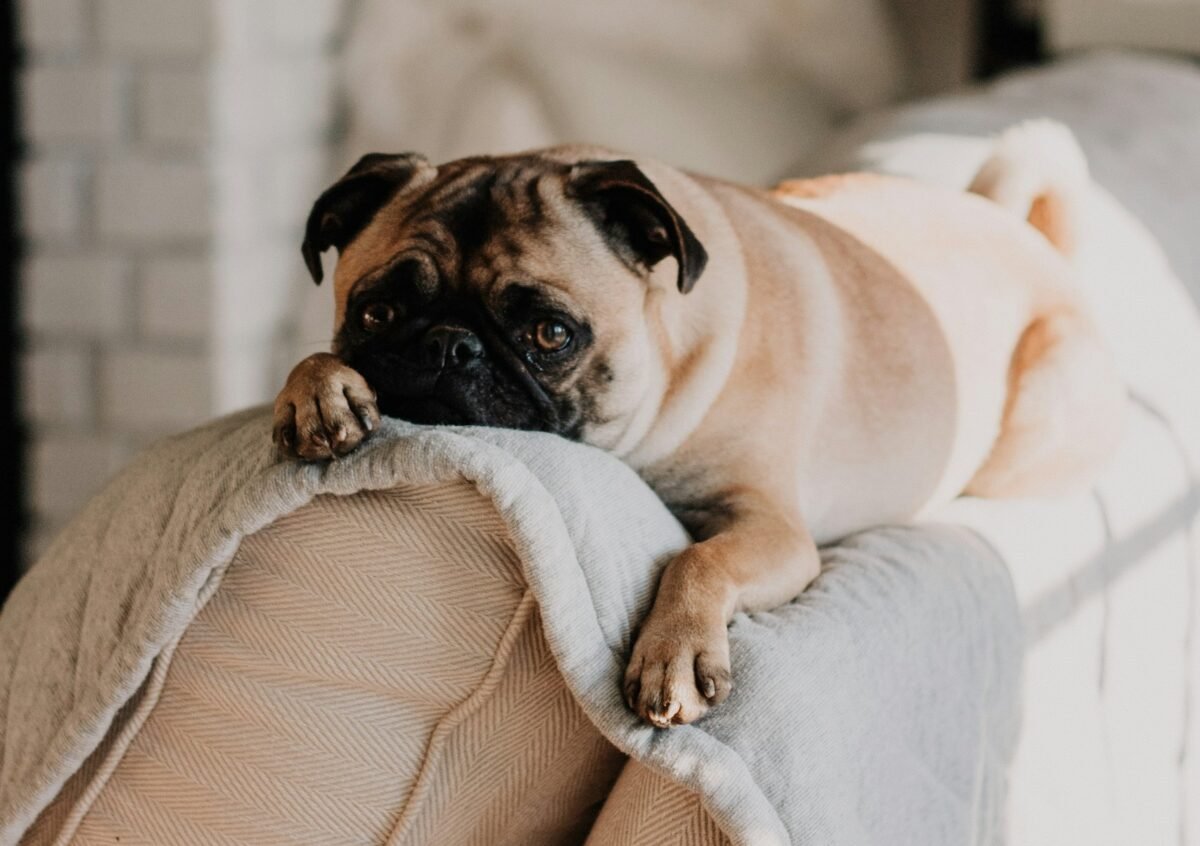
These stocky little comedians are famously sociable, often treating strangers like long-lost friends and inserting themselves into every family activity. They’re playful, affectionate, and surprisingly mischievous, with a talent for turning even the most ordinary household moments into entertainment.
But their enthusiasm for food can easily outpace their enthusiasm for exercise. Pugs are prone to weight gain, making portion control and regular activity especially important. Their flat faces also require extra care in warm weather, since breathing difficulties can seriously limit their ability to exercise safely.
Breed Breakdown
- Size: 14–18 pounds
- Exercise Needs: Short daily walks and gentle play, adjusted for breathing and heat tolerance
- At-Home Energy: Low to moderate, with playful bursts
- Temperament: Outgoing, mischievous, and eager to make friends with almost everyone
- Grooming & Shedding: Low grooming needs but moderate to heavy shedding; facial wrinkles require regular cleaning and drying
- Biggest Consideration: Brachycephalic obstructive airway syndrome (BOAS), heat intolerance, and a tendency toward obesity. Prominent eyes are also vulnerable to injury.
7. Coton de Tulear
If the Coton de Tulear could audition for a variety show, it would arrive with an entire routine prepared. These cheerful little entertainers are known for walking on their hind legs, performing playful spins, and making unusual vocalizations that sound suspiciously like they’re trying to hold a conversation.
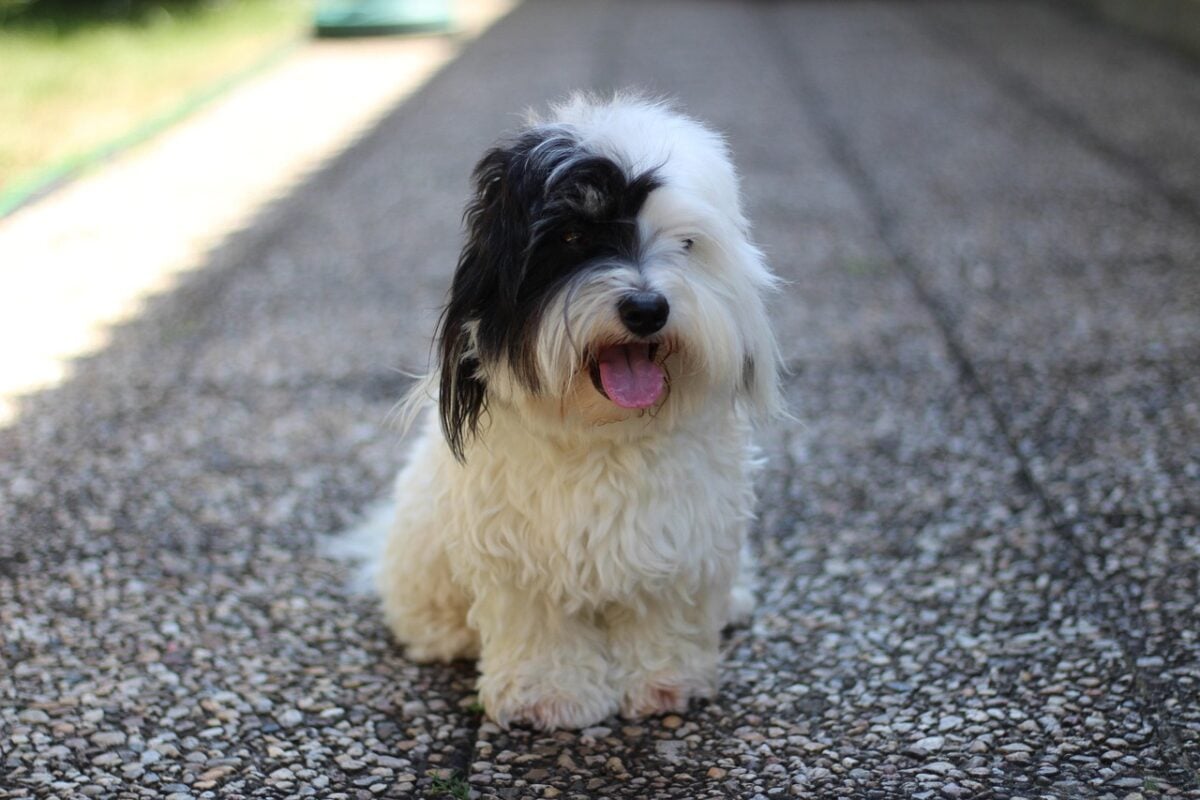
Originally from Madagascar, Cotons have a wonderfully adaptable personality. They can be lively, athletic playmates one moment and contented lap dogs the next. Unlike some more dedicated loungers, they genuinely enjoy games, walks, and learning tricks, but their exercise needs are generally manageable.
What makes them especially appealing is their ability to match their owner’s pace without losing their playful spirit. Just don’t mistake their easygoing nature for a willingness to be ignored. A bored Coton may decide to find its own entertainment, and you might not appreciate the performance.
Breed Breakdown
- Size: 8–15 pounds
- Exercise Needs: Moderate; daily walks, interactive games, and indoor play
- At-Home Energy: Moderate; playful and animated but able to settle
- Temperament: Clownish, people-focused, and eager to entertain; thrives on interaction
- Grooming & Shedding: High grooming needs; minimal shedding. Long coats require daily brushing to prevent matting.
- Biggest Consideration: Strong need for companionship and mental stimulation; boredom can lead to destructive behavior.
8. Cavalier King Charles Spaniel
The Cavalier King Charles Spaniel has perfected the art of looking like a delicate aristocrat while harboring the instincts of a sporting dog. That elegant little companion sprawled across your lap? It may abandon you without hesitation if a squirrel appears outside.
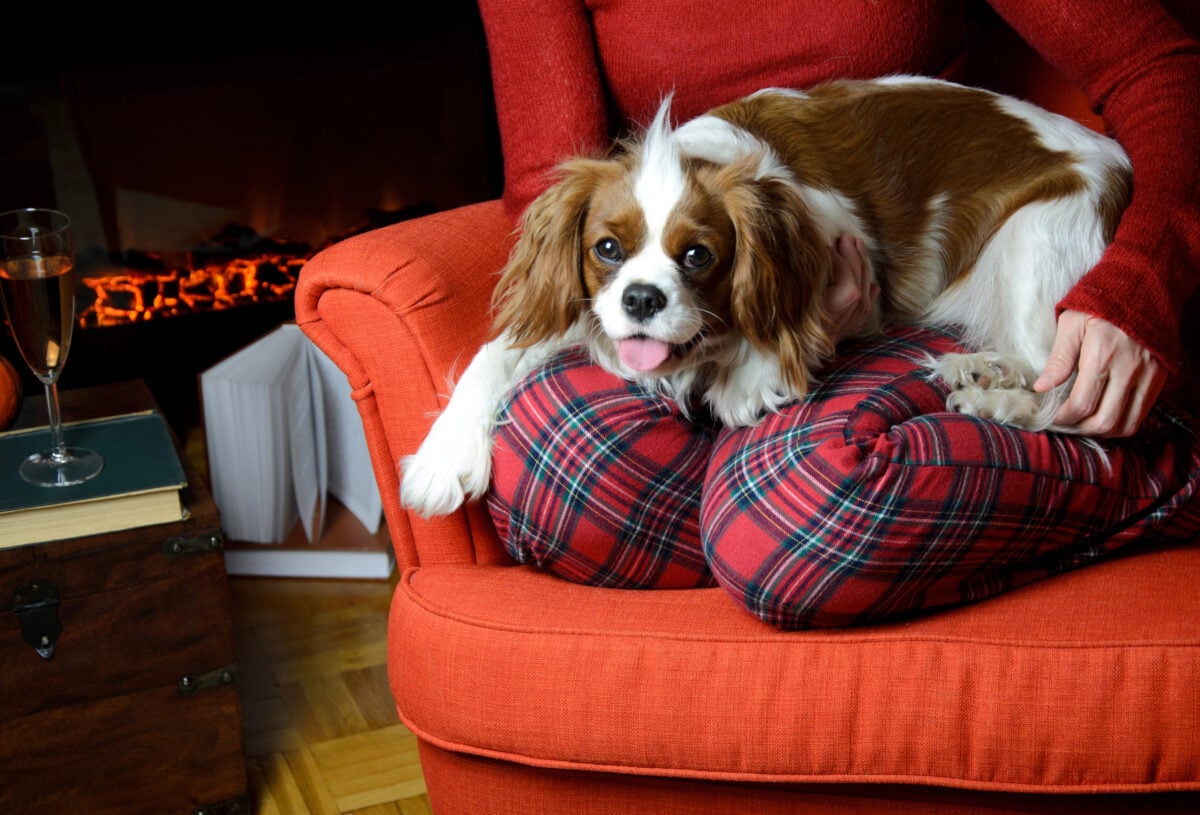
Unlike some dedicated loungers, Cavaliers are remarkably adaptable to their owner’s activity level. They’re happy to join you on a longer walk, explore interesting smells, or chase a ball, but they also appreciate a leisurely afternoon at home.
Their gentle, trusting nature makes them especially charming companions. Cavaliers tend to be friendly with strangers, eager to please, and unusually easy to get along with. Just don’t mistake their sweet expression for a lack of sporting instincts. An interesting scent can still make selective hearing a temporary condition.
Breed Breakdown
- Size: 13–18 pounds
- Exercise Needs: Moderate; daily walks and play, with many enjoying longer outings
- At-Home Energy: Low to moderate; generally calm indoors but enthusiastic outdoors
- Temperament: Gentle, trusting, and sociable; generally eager to please
- Grooming & Shedding: Moderate grooming needs and shedding; silky coats require brushing several times weekly, especially around the ears
- Biggest Consideration: Inherited health concerns, particularly mitral valve heart disease and syringomyelia, a neurological condition affecting the spinal cord. Responsible breeding and health screening are especially important.
9. Chinese Crested
The Chinese Crested comes in two very different wardrobe options. The Hairless sports a flowing hairdo, furry socks, and a feathery tail, while the Powderpuff arrives completely dressed in a silky coat. Somehow, both look like they belong in a fashion show.
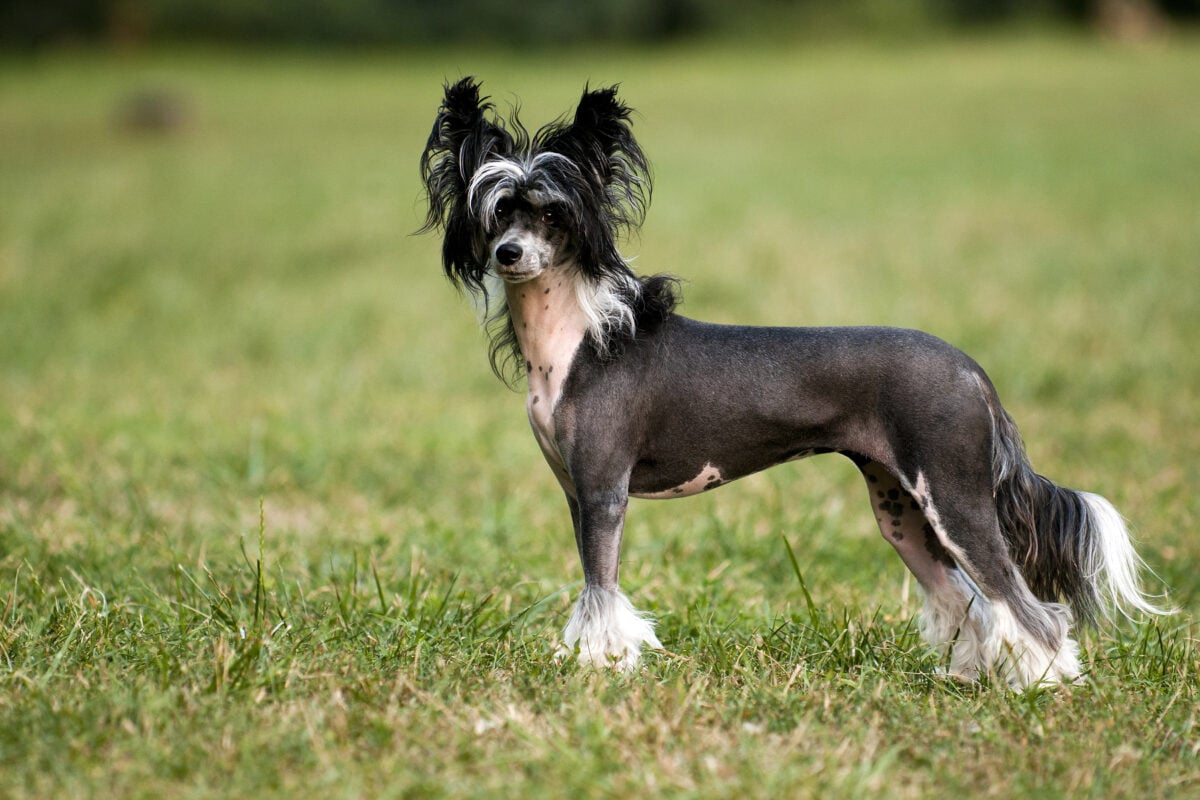
These affectionate little dogs are natural entertainers, often repeating silly tricks when they discover something that makes their humans laugh. They’re surprisingly agile, too, and some enjoy dog sports. But their everyday exercise needs are generally modest, making short walks and playful indoor sessions a good fit.
The real surprise is their upkeep. Having almost no hair doesn’t mean having almost no grooming responsibilities. Hairless Cresteds need protection from sunburn and careful skin care, while Powderpuffs require regular brushing to prevent tangles.
Breed Breakdown
- Size: 8–12 pounds
- Exercise Needs: Short daily walks and interactive play
- At-Home Energy: Moderate; lively and playful but enjoys downtime
- Temperament: Sensitive, playful, and strongly attached to favorite people
- Grooming & Shedding: Minimal shedding in both varieties; Hairless dogs need regular skin care, while Powderpuffs require frequent brushing
- Biggest Consideration: Hairless Cresteds need protection from sun exposure and cold temperatures. They can also have missing teeth associated with the hairless trait, making dental care particularly important.
10. Maltese
The Maltese looks like it belongs on a velvet cushion, preferably somewhere nobody is allowed to spill anything. But underneath that flowing white coat is a surprisingly spirited little dog with a taste for adventure.
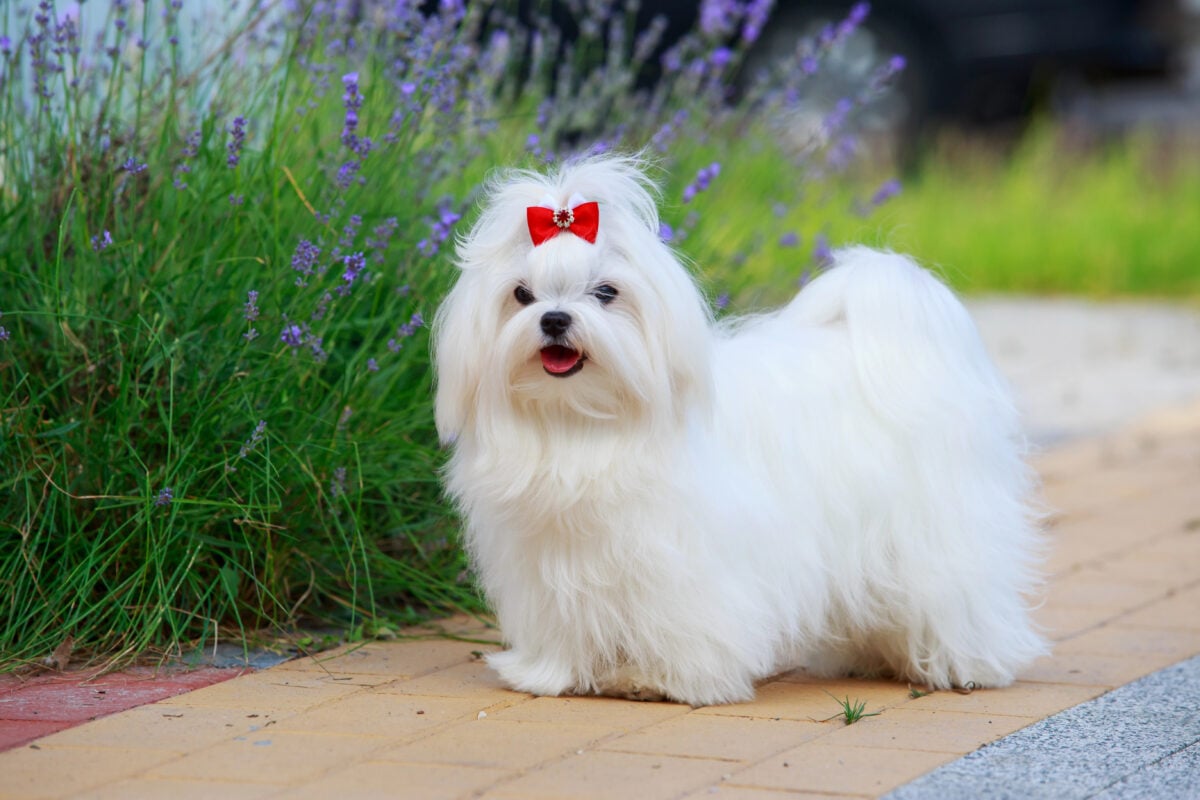
Maltese are clever, curious, and remarkably agile for their size. Some even excel at agility and obedience competitions. Fortunately, they don’t need an athlete’s exercise schedule to stay happy. A walk around the neighborhood, a few games, and some attention from their favorite humans can satisfy much of their daily activity needs.
They’re also skilled at getting their own way. Consistent training is important, especially when those enormous dark eyes make enforcing the rules feel unnecessarily cruel.
One unexpected drawback? Despite all that hair, Maltese have no insulating undercoat and can get cold surprisingly easily.
Breed Breakdown
- Size: Under 7 pounds, typically 4–6 pounds
- Exercise Needs: Short daily walks, indoor games, and mental stimulation
- At-Home Energy: Moderate; lively and playful but enjoys relaxing
- Temperament: Spirited, curious, and surprisingly fearless for such a tiny dog
- Grooming & Shedding: High grooming needs; minimal shedding. Long coats require daily brushing, although shorter trims are easier to maintain.
- Biggest Consideration: Prone to dental problems and luxating patellas (slipping kneecaps). Their tiny size also makes careful handling important.
11. English Toy Spaniel
The English Toy Spaniel is often mistaken for its more famous cousin, the Cavalier King Charles Spaniel. But this is a separate breed with a noticeably different personality and a wonderfully serious-looking face.
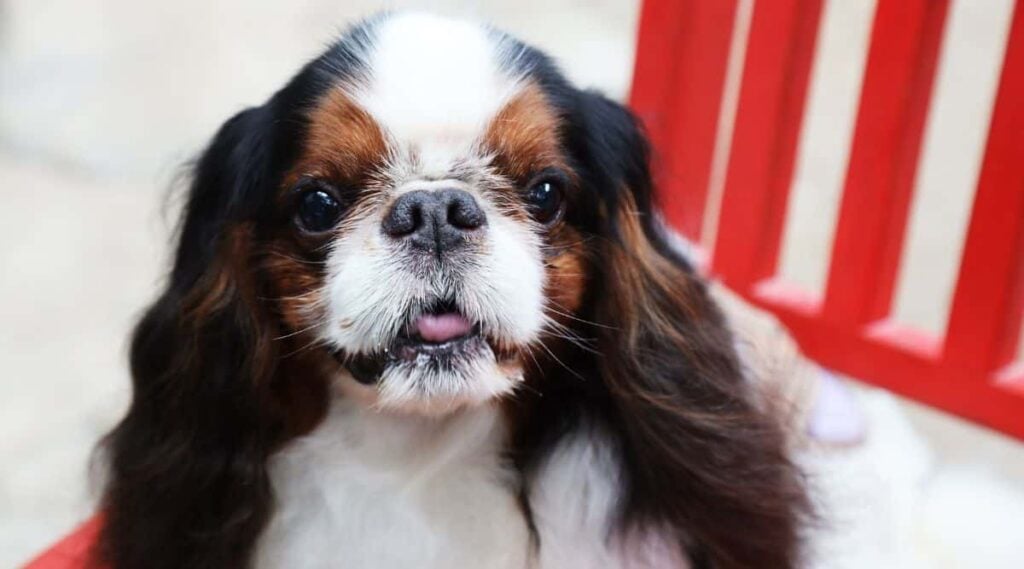
While Cavaliers tend to greet everyone like a long-lost friend, English Toy Spaniels are more selective about their social circle. They’re deeply affectionate with their families but often reserved around unfamiliar people. Apparently, not everyone qualifies for an audience.
Nicknamed “Charlies,” these little dogs have an appealing contradiction: They’re often sedate and dignified indoors but surprisingly playful when something catches their interest. They’re also sensitive souls who respond much better to patient, gentle training than harsh corrections.
Breed Breakdown
- Size: 8–14 pounds
- Exercise Needs: Short daily walks and gentle play, preferably in cooler weather
- At-Home Energy: Low; typically calm indoors with playful moments
- Temperament: Soft-natured and loyal; typically reserved with strangers but devoted at home
- Grooming & Shedding: Moderate grooming and shedding; silky, feathered coats need brushing several times weekly
- Biggest Consideration: Their shortened muzzles can cause breathing difficulties and heat intolerance. Eye problems and luxating patellas are additional health concerns.
12. Havanese
The Havanese doesn’t so much walk into a room as bounce into it. That springy little gait is actually a hallmark of the breed, which happens to be Cuba’s only native dog. Apparently, even their feet have a cheerful disposition.
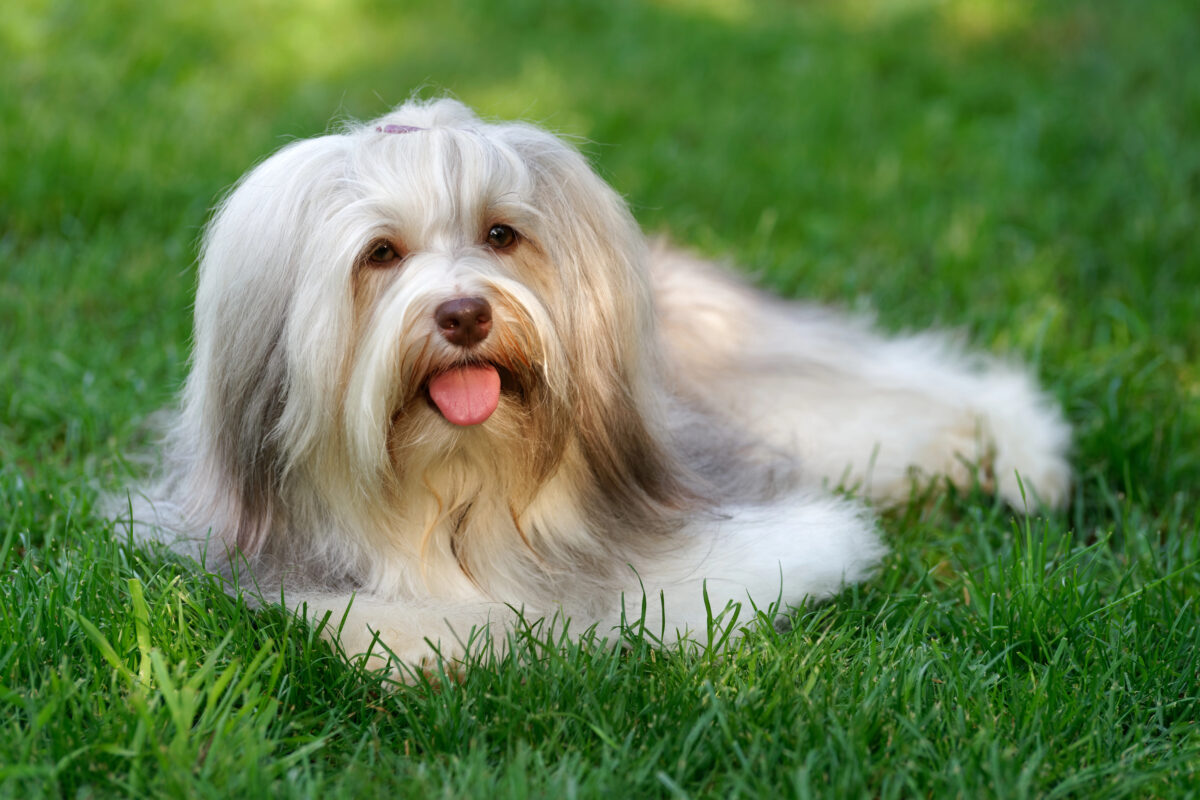
Havanese are natural entertainers with a knack for learning tricks, often figuring out exactly which silly behavior earns the biggest reaction from their audience. They’re outgoing, clever, and remarkably social, sometimes treating every visitor as someone who came specifically to see them.
Although they’re more animated than some dogs on this list, their exercise needs are moderate rather than demanding. A daily walk and some interactive games can go a long way. They particularly enjoy activities that involve their humans, whether that’s practicing a new trick or enthusiastically supervising whatever you’re doing.
Breed Breakdown
- Size: 7–13 pounds
- Exercise Needs: Moderate; daily walks, indoor games, and interactive play
- At-Home Energy: Moderate; bouncy and playful but capable of settling down
- Temperament: Confident, sociable, and quick to learn; loves being part of the action
- Grooming & Shedding: High grooming needs; low shedding. Long coats require daily brushing, although shorter trims can reduce maintenance.
- Biggest Consideration: Need for companionship and mental stimulation. Responsible breeders should screen for hip dysplasia, luxating patellas, and inherited eye conditions.
13. Brussels Griffon
Few dogs can make you feel as thoroughly judged as a Brussels Griffon. With their prominent eyes, scruffy beards, and almost human expressions, these tiny dogs often look like disgruntled old men who’ve just received terrible news about their investments.
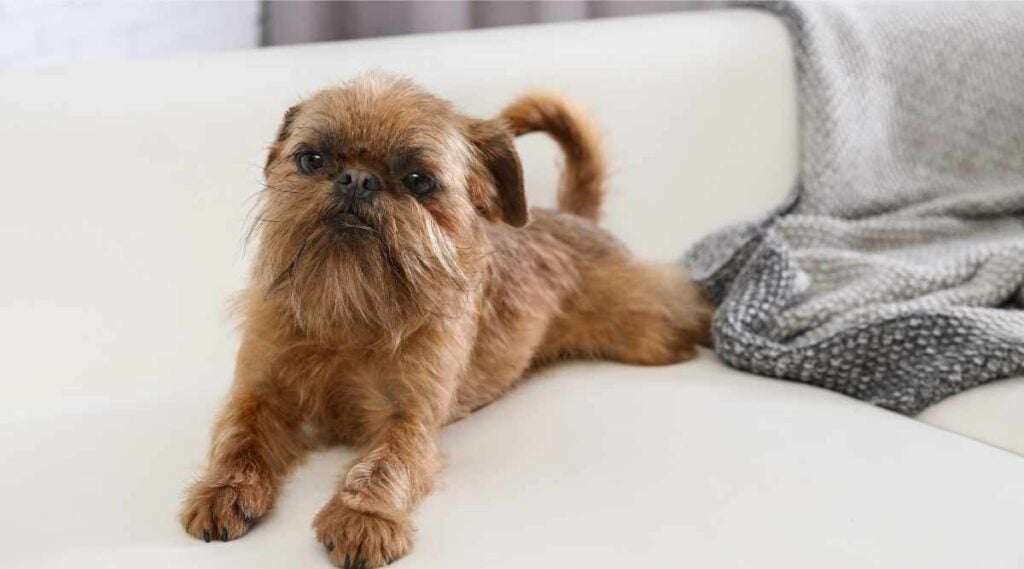
Originally bred to catch rats in Belgian stables, Griffons have traded their working past for a much more comfortable lifestyle. But they haven’t lost their curiosity, intelligence, or enormous sense of self-importance.
They’re affectionate little characters who form strong attachments to their owners, although their sensitive nature makes them less tolerant of rough handling or harsh training. They’re also livelier than their perpetually unimpressed expressions suggest, enjoying games and daily walks without needing an exhausting exercise schedule.
Breed Breakdown
- Size: Typically 8–10 pounds, occasionally up to 12 pounds
- Exercise Needs: Around 30 minutes of moderate daily activity, including walks and play
- At-Home Energy: Moderate; alert and playful but enjoys relaxing
- Temperament: Curious, emotionally sensitive, and intensely devoted to familiar people
- Grooming & Shedding: Smooth coats need minimal grooming but shed seasonally; rough coats shed very little but require regular grooming and occasional hand-stripping
- Biggest Consideration: Short-muzzle breathing problems and heat sensitivity, along with potential eye problems and luxating patellas.
14. Bichon Frise
A Bichon Frise can spend an hour looking like a decorative throw pillow, then suddenly race through the living room as though someone just announced an emergency. Owners even have a name for these spectacular bursts of energy: the “Bichon blitz.”
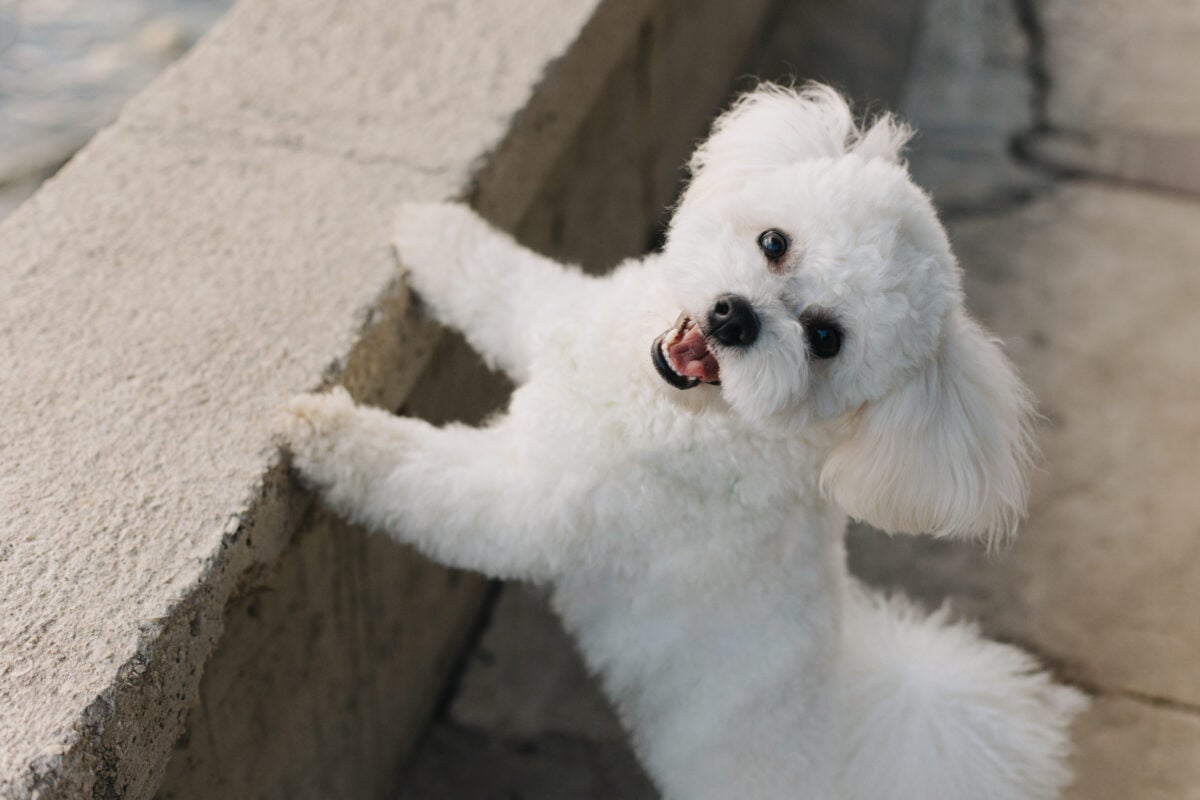
Despite their occasional high-speed antics, Bichons typically alternate long stretches of calm with short periods of enthusiastic activity. They’re surprisingly athletic beneath all that fluff, but daily walks and playtime generally satisfy their exercise needs.
These cheerful dogs also have a wonderfully outgoing personality, often greeting unfamiliar people with the enthusiasm usually reserved for returning family members. That friendliness comes with a catch: Bichons can be challenging to house-train, and their intelligence doesn’t always translate into cooperation when bathroom rules are involved.
Breed Breakdown
- Size: 12–18 pounds
- Exercise Needs: Daily walks and play sessions, with opportunities for energetic bursts
- At-Home Energy: Low to moderate; long calm stretches interrupted by lively zoomies
- Temperament: Cheerful, socially confident, and enthusiastic about meeting new people
- Grooming & Shedding: High grooming needs; very low shedding. Regular brushing and professional grooming every 4–6 weeks are typically necessary.
- Biggest Consideration: House-training can require patience. Allergies, dental disease, luxating patellas, and bladder problems are additional concerns.
15. Tibetan Spaniel
Long before neighborhood watch groups existed, Tibetan Spaniels were already on the job. These little dogs once perched on monastery walls in Tibet, keeping watch and alerting Buddhist monks when unfamiliar people or animals approached.
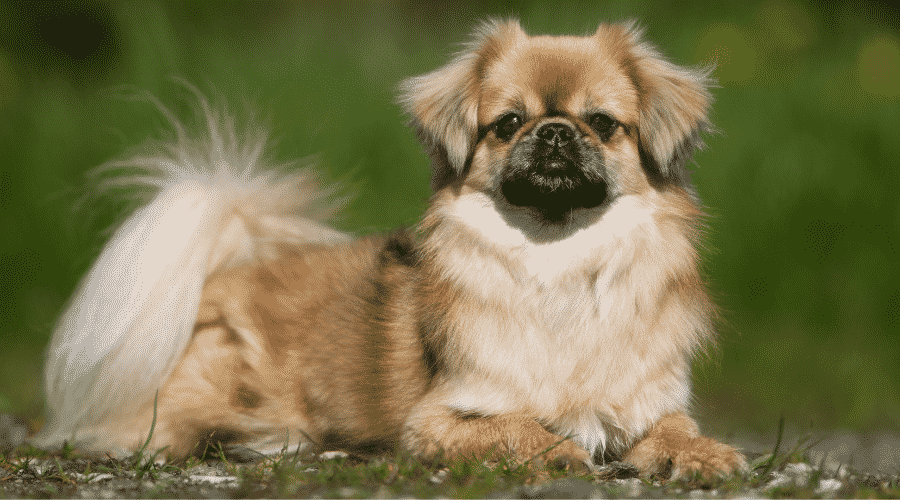
That ancient job description explains quite a bit about the modern Tibetan Spaniel. They’re observant, independent thinkers who like knowing what’s happening around them. A favorite window can provide hours of entertainment, especially when the neighborhood squirrels refuse to behave.
Despite their watchful nature, Tibbies generally have modest exercise needs and adapt well to relaxed households. They’re affectionate with their families but don’t necessarily demand constant attention. And unlike many companion breeds, they can have a distinctly self-directed approach to training. If your Tibbie ignores a request, there’s a reasonable chance it has already considered your proposal and moved on.
Breed Breakdown
- Size: 9–15 pounds
- Exercise Needs: Short to moderate daily walks and playtime
- At-Home Energy: Low to moderate; relaxed but alert and curious
- Temperament: Independent and watchful; loyal to family without demanding constant attention
- Grooming & Shedding: Moderate shedding, with heavier seasonal shedding; weekly brushing generally keeps the silky double coat manageable.
- Biggest Consideration: Alert barking and an independent approach to training. Responsible breeders should also screen for inherited eye conditions and luxating patellas.
16. Pekingese
The Pekingese looks like someone shrank a lion in the wash. Between that magnificent mane, sturdy little body, and distinctive rolling walk, this ancient Chinese breed has an appearance unlike almost any other small dog.
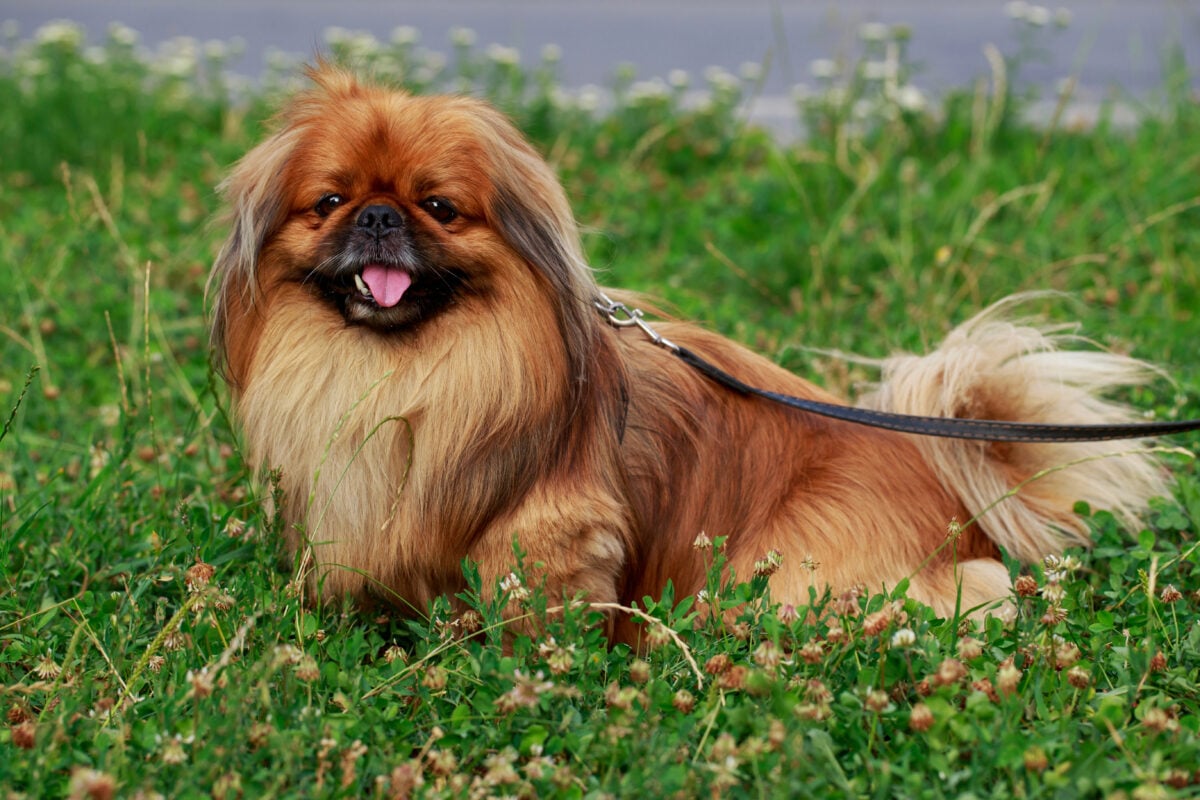
Originally bred for Chinese imperial households, Pekingese developed a reputation for being devoted companions with a fiercely independent streak. They’re affectionate with their chosen people but aren’t necessarily interested in entertaining every visitor who walks through the door. Some would rather observe the commotion from a comfortable distance.
Pekingese are among the more naturally sedate dogs on our list, typically preferring gentle activity over vigorous adventures. They can be playful when the mood strikes, but they’re rarely in a hurry to impress anyone.
And don’t expect that impressive coat to come with an equally impressive work ethic. A Pekingese may decide your training session is over long before you do.
Breed Breakdown
- Size: Up to 14 pounds
- Exercise Needs: Short, gentle daily walks and indoor play, avoiding strenuous activity and hot weather
- At-Home Energy: Low; generally relaxed with occasional playful moments
- Temperament: Self-assured, selective with strangers, and devoted on their own terms
- Grooming & Shedding: High grooming needs; moderate to heavy seasonal shedding. Thick double coats require thorough brushing several times weekly.
- Biggest Consideration: Short-muzzle anatomy increases the risk of breathing difficulties and heat intolerance. Their prominent eyes are also vulnerable to injury and other eye problems.
Low Exercise Doesn’t Mean Low Maintenance
A dog who doesn’t need a morning run can still keep you busy until lunchtime. Less exercise doesn’t necessarily mean less work, especially when you’re dealing with a small dog who has very particular expectations about how life should operate.
Some of the biggest surprises have nothing to do with walking:
- Grooming can become a serious commitment. Those gorgeous fluffy coats may require daily brushing, regular baths, and professional grooming appointments.
- Small dogs still need proper training. House-training, socialization, and basic manners don’t become optional just because your dog weighs eight pounds.
- Low energy doesn’t guarantee independence. Some companion breeds are happiest with people nearby and may struggle when left alone for long stretches.
- A relaxed dog isn’t necessarily a quiet dog. An alert little watchdog can spend most of the afternoon napping and still announce every passing delivery truck.
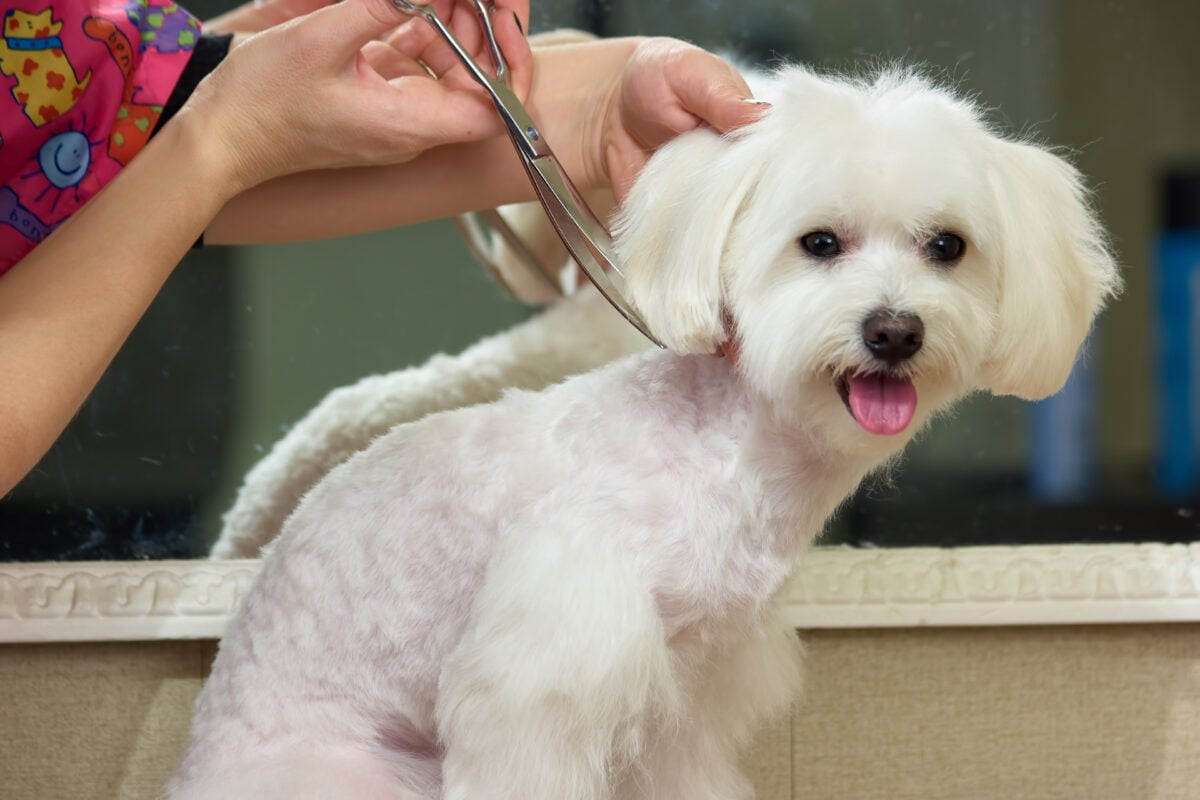
Then there are veterinary expenses. Even relatively inactive breeds can develop costly health conditions, including inherited problems unrelated to their exercise habits.
Pet insurance may help cover eligible unexpected illnesses and injuries, although pre-existing conditions are generally excluded. Our pet insurance comparison guide explains coverage options and what to consider before choosing a policy.
How Much Exercise Do Lazy Small Dogs Actually Need?
Your little couch companion might be perfectly happy without a long hike, but regular movement is still essential for maintaining muscle, healthy joints, and a suitable body weight.
Rather than aiming for an arbitrary number of miles, think about building several different activities into the day:
- Short, enjoyable walks: Give your dog opportunities to explore, sniff, and investigate the neighborhood at a comfortable pace.
- Indoor games: A little fetch down the hallway, hide-and-seek with toys, or a puzzle feeder can provide useful activity without requiring much space.
- Brief training sessions: Practicing a new trick or reinforcing familiar commands gives your dog’s brain something to do, even when the weather keeps you indoors.
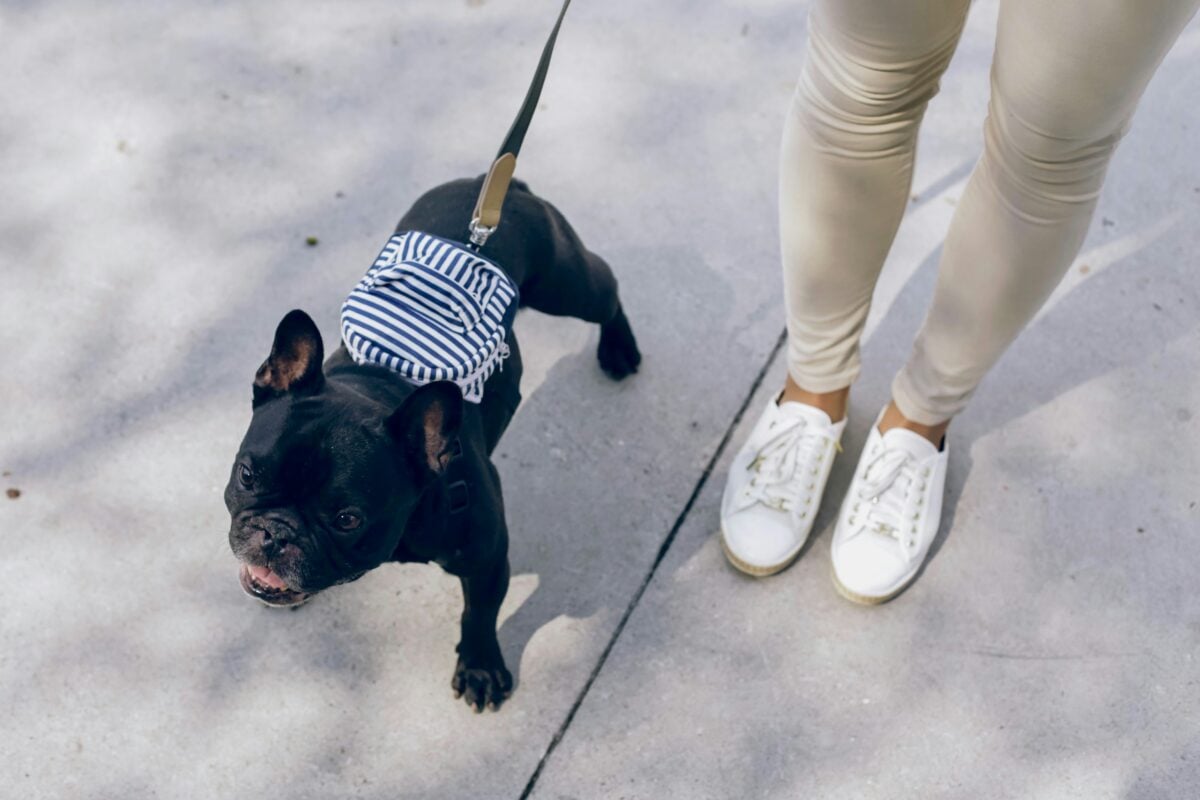
Your dog’s age, health, and individual stamina matter more than a generic exercise target. A healthy Cavalier may happily accompany you on a longer outing, while a Pekingese with breathing difficulties may need a carefully adjusted routine.
For more detailed guidance, see our article on how often you should walk your dog.
When A Lazy Dog Isn’t Just Being Lazy
There’s a big difference between a dog who has always preferred afternoon naps and one who suddenly can’t muster the energy for activities they normally enjoy.
Watch for these warning signs:
- Unusual lethargy or weakness, especially when accompanied by changes in appetite or behavior.
- Sudden reluctance to walk, climb stairs, or play, which may indicate pain or another medical issue.
- Coughing, excessive panting, or tiring much faster than usual, particularly during familiar activities.
Contact your veterinarian if you notice unexplained changes. Difficulty breathing, collapse, or blue or pale gums require immediate emergency veterinary attention.
This distinction is especially important for flat-faced breeds. Breathing problems can make ordinary activity exhausting, and exercise intolerance caused by an airway disorder shouldn’t be mistaken for a naturally lazy personality.
Want A Truly Laid-Back Dog? Consider An Adult Or Senior
There’s something wonderfully optimistic about bringing home a puppy. There’s also the reality of midnight bathroom trips, chewed belongings, and a tiny creature who apparently considers 5 a.m. an excellent time to start the day.
Even breeds known for calm adult personalities can be demanding puppies. If you’re hoping for a more predictable companion, adopting an adult or senior dog may be worth considering.
With a mature dog, you can often get a clearer picture of their established personality, including how active they are, whether they enjoy visitors, and how they behave when left alone. Foster-based rescues may be particularly helpful because they’ve observed the dog in a home environment.
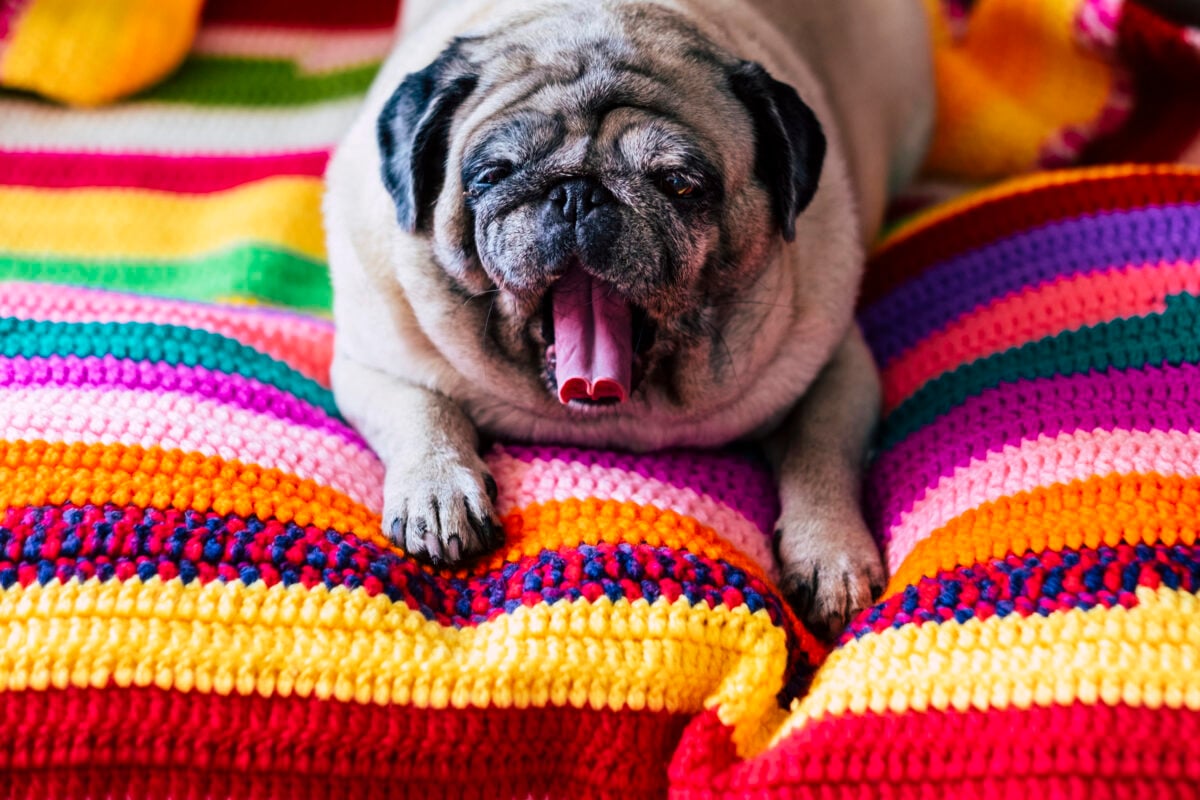
Older small dogs can be especially rewarding companions, and many are overlooked in favor of puppies.
Of course, age doesn’t automatically guarantee an easygoing temperament. Senior dogs may also need additional veterinary care, medication, or help with mobility. But for someone who values a relaxed routine, meeting an older dog whose personality already fits that lifestyle could be the perfect starting point.
Which Lazy Small Dog Is Right For Your Lifestyle?
By now, you may have several adorable candidates competing for your attention. Unfortunately, choosing a dog based entirely on which face makes you want to cancel your plans and stay home forever isn’t the most reliable strategy.
The best match depends on what kind of companionship you want and which responsibilities you’re comfortable taking on.
Here’s a quick way to narrow your options.
| Your Priority | Breeds Worth Considering |
|---|---|
| A naturally relaxed companion | Shih Tzu, Japanese Chin, Bolognese, English Toy Spaniel |
| Playful without an intense exercise routine | Coton de Tulear, Havanese, Bichon Frise |
| A more independent personality | Pekingese, Tibetan Spaniel |
| An affectionate dog who enjoys participating in your day | Cavalier King Charles Spaniel, Brussels Griffon, Maltese |
| Less time spent brushing | Smooth-coated Chihuahua, French Bulldog, Pug |
Of course, lower grooming requirements don’t necessarily mean easier overall care. French Bulldogs and Pugs, for example, have significant potential health concerns despite their relatively simple coats.
Before deciding, ask yourself three questions:
- How much time am I willing to spend on grooming, training, and daily interaction?
- Do I want a constant companion or a dog who’s comfortable being a little more independent?
- Am I prepared for the health risks and potential veterinary costs associated with this breed?
Breed tendencies are a useful starting point, but individual personalities vary. Meeting the dog, asking about its current routine, and learning about its health and behavior will tell you much more than a cute photograph ever could.
Frequently Asked Questions
Still wondering whether a lazy little dog would fit your lifestyle? Here are answers to a few common questions about living with these pint-sized companions. If you don’t see your question here, hit us up in the comments!
Do Lazy Small Dogs Need A Backyard?
Not necessarily! Many low-energy small breeds can thrive in apartments or homes without yards, as long as they get regular walks, bathroom breaks, playtime, and mental stimulation.
A backyard can be convenient, but it doesn’t replace daily activity or opportunities to explore. And remember, a small dog with modest exercise needs can still be surprisingly vocal, so consider barking tendencies when choosing an apartment companion.
Do Lazy Small Dogs Bark Less?
It depends on the breed and the individual dog. Exercise needs and barking tendencies are two different things. Chihuahuas and Tibetan Spaniels, for example, can be alert little watchdogs even when they’re perfectly content with modest daily exercise. Training, socialization, and the dog’s environment all influence barking.
Are Lazy Small Dogs Good With Young Children?
Some can be wonderful family companions, but a calm personality doesn’t automatically make a dog comfortable with young children’s handling. Very small breeds are especially vulnerable to accidental injury. Consider the individual dog’s temperament, teach children appropriate interactions, and always supervise young children around dogs.
Still Searching For Your Perfect Canine Couch Companion?
Finding a dog who shares your enthusiasm for a lazy Sunday is a great start. But maybe you’re also wondering which breeds handle alone time better, require less upkeep, or offer a little more dog to share the couch with.
Keep exploring with these Canine Journal guides:
- 11 Lazy Dog Breeds That Love Short Walks & Long Naps – Discover laid-back companions of all sizes, including some surprisingly sleepy giants.
- 20 Low-Energy Dog Breeds That Love Naps More Than Walks – Meet more breeds that don’t need an exhausting exercise schedule.
- A Healthy Dog Without The High-Maintenance Headaches? These 16 Breeds Come Close – Explore breeds that offer a promising balance of health and manageable everyday care.
- Dogs That Can Be Left Alone: 20 Breeds That Handle It Better – Find out which dogs may be more comfortable entertaining themselves while you’re away.
We’d love to hear from you! Does your small dog live for the couch, or do they occasionally surprise you with an unexpected burst of energy? Tell us about your four-legged lounging expert in the comments.