When you purchase through links on our site, we may earn a commission at no extra cost to you. Learn more.
You look over, and your dog is standing there, fully awake, vibrating like they’ve had one too many espresso shots.
Table of Contents
No cold. No obvious injury. Just … shaking.
Most of the time, it’s nothing to worry about. But occasionally, it’s your dog’s way of telling you something’s off.
Start Here: Is This Normal Or Something To Worry About?
When you see your dog shaking, the context matters more than the movement itself.
Most shaking is brief, intentional, and tied to something specific that just happened. But shivering or trembling that’s ongoing, intense, or paired with other changes can be a sign your dog needs help.
The fastest way to tell the difference is to look at how your dog is moving and what else is goingon around them.
When Shaking Is Normal
- Short-lived and stops on its own
- Triggered by excitement, stress, play, or getting wet
- Followed by your dog acting completely normal
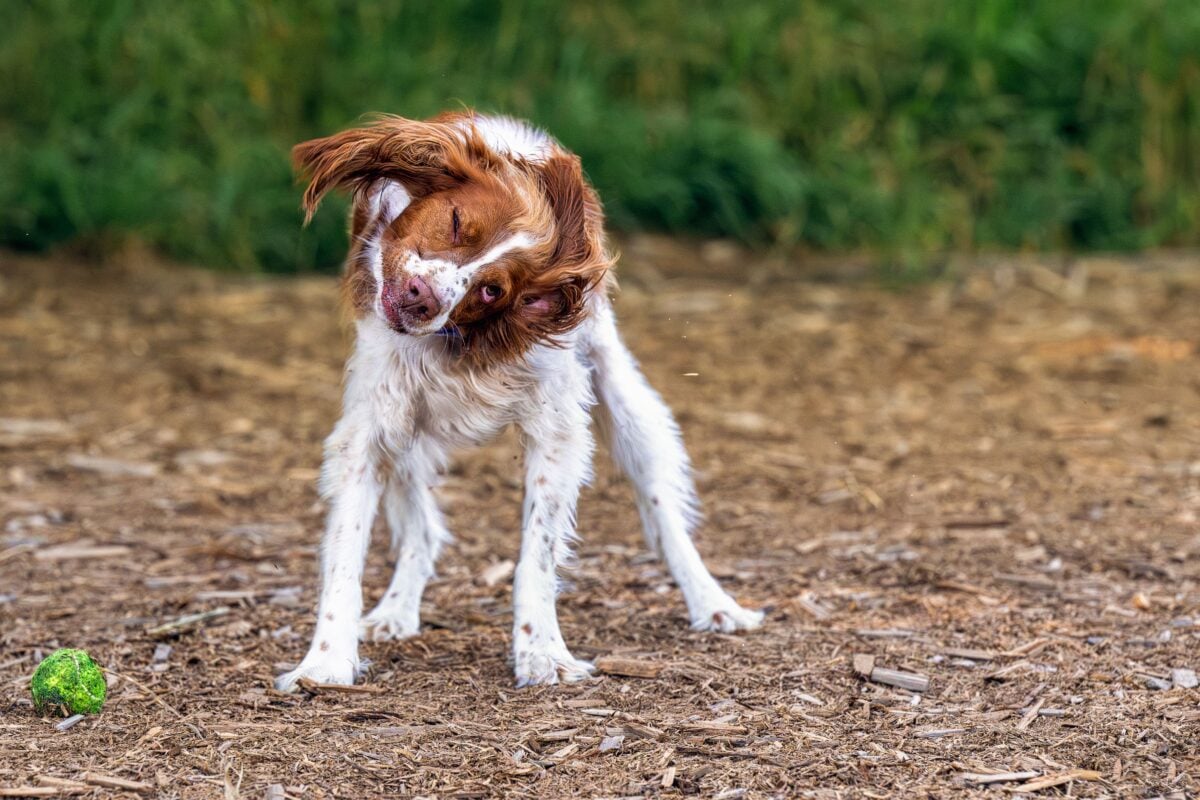
This type of shaking is often a release. Think of it as your dog hitting a reset button after stimulation.
Quick Takeaway: If the shaking starts suddenly, ends quickly, and your dog seems fine afterward, it’s usually harmless.
When Shaking Deserves Attention
- Persistent or happening repeatedly without a clear trigger
- Accompanied by limping, whining, vomiting, lethargy, or hiding
- Focused in one area, like the back legs or head
- Happening alongside visible signs of fear, pain, or illness
This doesn’t automatically mean something serious is wrong, but it does mean the shaking isn’t just a momentary release.
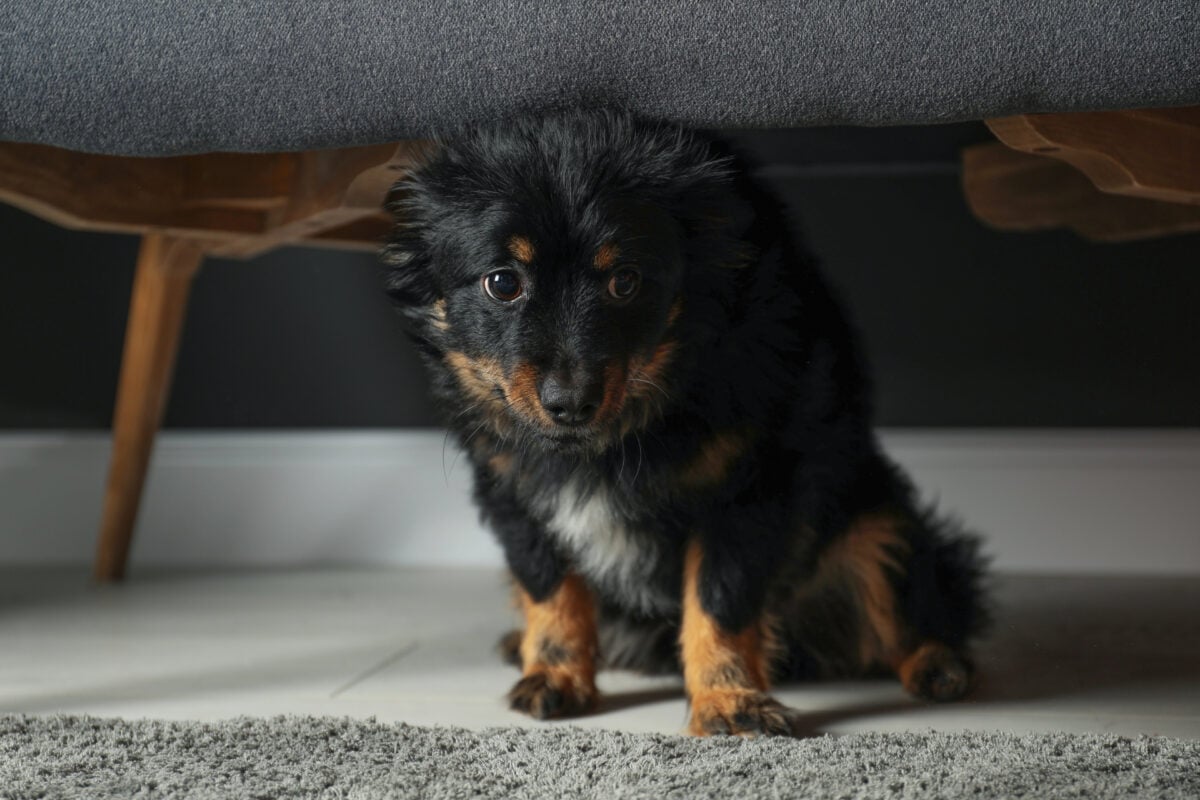
Trust-Your-Gut: If your dog’s behavior feels “off” along with the shaking, it’s worth paying closer attention.
6 Normal Reasons Dogs Shake (That Look Weird But Aren’t)
Not all shaking means something is wrong. In fact, some of the most dramatic-looking shakes are completely normal and even healthy.
Here are the most common reasons dogs shake their bodies — and why most of them aren’t cause for concern.
1. They’re Drying Off
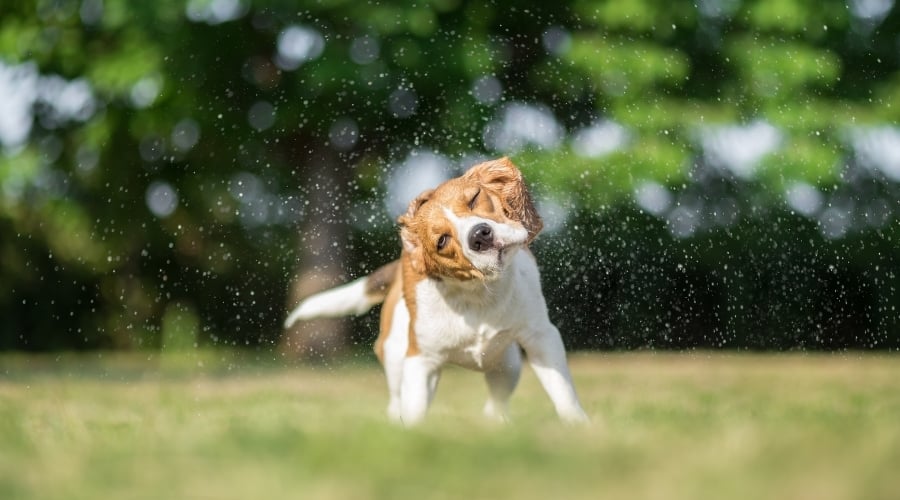
This is the classic full-body shake most people recognize. Dogs shake after baths, swimming, or even stepping through damp grass because it’s the fastest way to get moisture off their coat.
Even a little water can trigger a big shake.
Watch: Research shows that your dog can shake off up to 70% of the water in their coat in just 4 seconds.
Quick Care Tip: Drying your dog thoroughly after baths or water play helps prevent skin irritation and fungal infections. Pay extra attention to hard-to-dry areas like between the paw pads, behind the ears, and under the collar. Some dogs benefit from a pet-safe blow dryer.
2. They’re Responding To Stress Or Anxiety
Dogs often shake during something mildly stressful or anxiety-inducing like:
- Visiting the vet
- Loud noises
This kind of shake acts like a pressure release valve. Once it’s over, your dog usually goes right back to normal.
Watch: This dog shakes every time someone cooks after a smoke alarm went off in the past, showing how fear-based shaking can be tied to learned associations.
Pro Tip: If your dog seems to get overstimulated easily, calming aids may help take the edge off stressful moments. Learn more about calming treats for dogs.
3. They’re Resetting After Activity (Or Inactivity)
You might notice your dog shake:
- After a walk
- After rough play
- When standing up from resting
This isn’t pain or discomfort. It’s more like a physical and mental reset before moving on to the next thing.
Watch: This dachshund’s big head shakes mean their ready to stop resting and start playing.
Good To Know: As long as your dog isn’t limping or showing signs of sickness or pain, post-activity shaking is usually nothing to worry about.
4. They’re Feeling Excitement Or Anticipation
Some dogs shake before or after moments of mild emotional overload, such as:
- Meeting new people or animals
- Before mealtime or playtime
- Experiencing a lot of excitement at once
This doesn’t mean you did anything wrong. Many dogs just need a moment to decompress afterward.
Watch: This pup shakes with excitement after picking up a takeout order.
Owner Insight: If shaking happens right after excitement and stops quickly, it’s usually your dog’s way of settling their nervous system.
5. They’re Keeping Their Coat Clean
Shaking helps loosen dirt, dust, loose fur, and debris. It’s part of their natural grooming behavior, especially for dogs who spend time outdoors.
If your dog shakes after rolling around or playing outside, this is often why.
Watch: This dog rolls in the grass and then shakes off the motion and debris in one quick burst just like many dogs do after play or outdoor fun.
Grooming Tip: Regular brushing and grooming can reduce how much debris your dog needs to shake off. See our dog grooming tips and step-by-step guide.
6. They’re Cold
Shaking or shivering can also be a normal response to feeling chilly. Dogs with short hair, thin coats, low body fat, or no fur at all are especially prone to cold-related shaking.
Small dogs and hairless breeds lose heat faster, even in mild weather.
Watch: This Golden Retriever shakes in the winter cold, showing how chilly weather can make even big, furry dogs tremble as they try to stay warm.
Quick Fix: If your dog shakes in cool or wet conditions, protective gear can help. Consider seasonal gear like dog boots and coats for winter or a dog raincoat. If you’re unsure whether the temperature is safe, this guide on how cold is too cold for a dog can help.
Some Dogs Just Shake More Than Others (Breed, Size, And Body Type)
If your dog’s movement looks less like a quick shake and more like full-body vibration, that can still be normal. Some dogs are just more prone to visible shaking based on their size, metabolism, and body structure. This is especially true for smaller breeds.
Small Dogs Lose Heat Faster
Toy and small-breed dogs tend to have a larger surface-area-to-volume ratio, which means they lose body heat more quickly than larger dogs. Even mild temperature changes can make them tremble, especially when they’re resting, nervous, or excited.
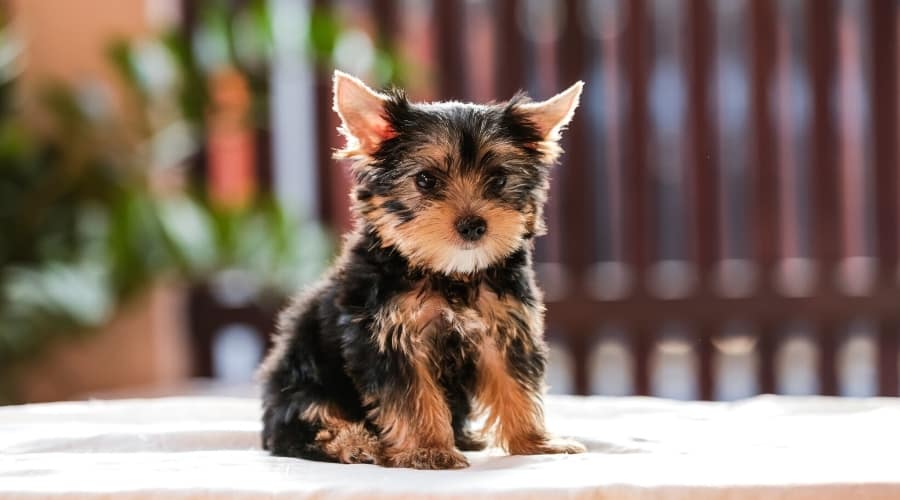
That’s why dogs like Chihuahuas, Yorkies, and other small breeds often shake even when the room feels comfortable to you.
Higher Metabolism = More Visible Trembling
Smaller dogs typically have faster metabolisms, which can make their physical reactions more noticeable. When they’re excited, anxious, or overstimulated, that energy has fewer places to go, so it shows up as shaking.
This doesn’t mean they’re fragile or unhealthy. It just means their bodies react quickly.
Thin Coats And Low Body Fat Matter Too
Dogs with thin coats, short hair, and low body fat are more likely to shiver or tremble, especially in cooler environments or during emotional moments. This includes some mixed breeds and even larger dogs with lean builds.
Brachycephalic Breeds May Shake For Multiple Reasons
Dogs with short, flat faces — such as Bulldogs, French Bulldogs, and Pugs — are more likely to shake for several overlapping physical reasons, not just excitement or emotion.
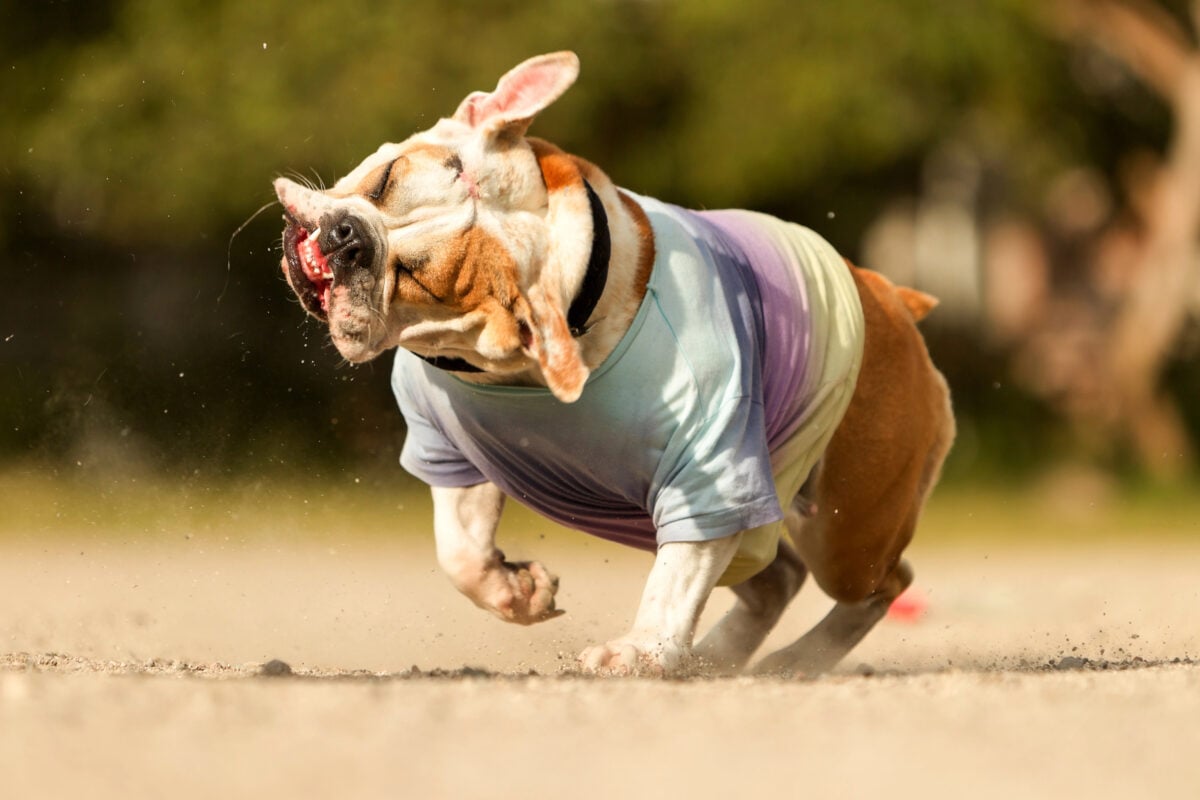
Because these breeds have deep skin folds, they are more prone to skin infections, which can lead to itchiness and shaking as dogs try to relieve discomfort.
Brachycephalic dogs are also more prone to recurrent ear infections, thanks to narrow ear canals and reduced airflow. Head shaking is often one of the earliest signs of ear irritation in these breeds.
Finally, these dogs can show full-body shaking after exertion, excitement, or heat exposure due to brachycephalic syndrome. Shortened airways make breathing less efficient, so their bodies may visibly tremble as they work harder to cool down and recover. In many cases, the shaking stops once the dog rests and their breathing settles.
Big Feelings In Small Bodies
Smaller dogs often experience emotions just as intensely as larger dogs, but their reactions are easier to see. A moment of excitement, fear, or anticipation can translate into visible trembling, even if your dog is otherwise perfectly healthy.
Watch: This Italian Greyhound shakes noticeably, highlighting how certain body types can make normal trembling more visible.
Quick Takeaway: If your small dog has always shaken occasionally and otherwise acts normal, it’s often just part of how their body handles energy.
When Shivering Or Trembling Is About Anxiety
Sometimes, shivering or trembling is your dog responding to stress, fear, or emotional overload. This type of shivering is often subtle, persistent, and tied to specific situations, rather than a quick shake that comes and goes.
Common Emotional Triggers For Shivering
Dogs may tremble or shiver during moments like:
- Thunderstorms or fireworks
- Visits to the vet
- Loud or unfamiliar environments
- Separation cues, like grabbing keys or puttingon shoes
In these situations, the shaking isn’t a release but rather a stress response.
Calming Support Options
If your dog tends to shiver during stressful situations like storms, travel, or separation, supportive tools can help take the edge off.
- Pressure wraps, such as a ThunderShirt, can help some dogs feel more secure during anxiety-triggering events
- Gradual desensitization is often effective for dogs with travel anxiety
- Structured routines are key for dogs with separation anxiety. In some cases, a properly introduced crate can provide a sense of security rather than confinement
- Calming dog beds can offer additional comfort and support for anxious dogs, especially during rest or alone time
- Prescription medications or supplements, such as like CBD oil or calming treats, may be recommended for dogs with more severe anxiety (always discuss options with your veterinarian)
Excitement Can Look Like Anxiety Too
Some dogs shiver when they’re overly excited and trying to contain themselves. You might notice this when:
- Holding a treat and asking your dog to wait
- Preparing for a walk
- Getting ready to leave the house
The trembling usually stops once the moment passes or the anticipation resolves.
Watch: This Dachshund shakes with anticipation before getting their pup cup.
Quick Reality Check: Excitement-based trembling usually disappears as soon as your dog gets what they’re anticipating.
Fear-Based Trembling Often Comes With Other Clues
When shivering is driven by fear or anxiety, you’ll often see other signals at the same time, such as:
- Cowering or hiding
- Pacing
- Yawning or lip licking
- Dilated pupils
- Refusing treats
These behaviors help distinguish emotional distress from harmless shaking.
A Note On Past Experiences
Dogs with a history of trauma or negative experiences may tremble in response to specific triggers that aren’t obvious to us. Raised voices, sudden movements, or certain objects can bring out shaking even in otherwise confident dogs.
This doesn’t mean your dog is fragile. It means they’re responding to something their brain has learned to associate with stress.
5 Medical Conditions That Can Cause Shaking Or Shivering In Dogs
While many types of shaking are harmless, ongoing or unexplained shaking or shivering can sometimes point to an underlying medical issue. These cases tend to look different from normal “shake it off” behavior and often come with other changes in your dog’s health or behavior.
This doesn’t mean something serious is always happening, but it does mean the shaking is worth taking seriously.
1. Neurological Conditions That Affect Movement
Some conditions interfere with how the brain communicates with the body, leading to visible tremors or shaking. These include:
- Idiopathic head tremors, which cause rhythmic head bobbing or shaking, is most commonly reported in Bulldogs, mixed breeds, and Boxers
- Shaker syndrome (also called generalized tremor syndrome), most often seen in small white breeds, like the West Highland White Terrier, Maltese, and Bichon Frise
- Shaking puppy syndrome, a rare condition that affects young puppies and improves with age
These tremors may come and go, worsen with excitement, or appear even when your dog is at rest.
2. Metabolic & Hormonal Imbalances
Shaking can also occur when something is off internally, even if there’s no visible injury.
Examples include:
- Low blood sugar
- Low calcium levels
- Thyroid or adrenal disorders
- Electrolyte imbalances
These issues often cause generalized trembling, weakness, or changes in appetite and energy.
Watch: This dog shakes due to Addison’s disease, showing how some internal conditions can cause tremors beyond normal behavior.
3. Infections, Toxins & Inflammation
Dogs exposed to toxins or fighting infections may shake as their body responds to stress or inflammation.
This can include:
- Ingested toxins or medications
- Bacterial or viral infections
- Fever or systemic inflammation
Shaking in these cases is often paired with vomiting, lethargy, drooling, or disorientation.
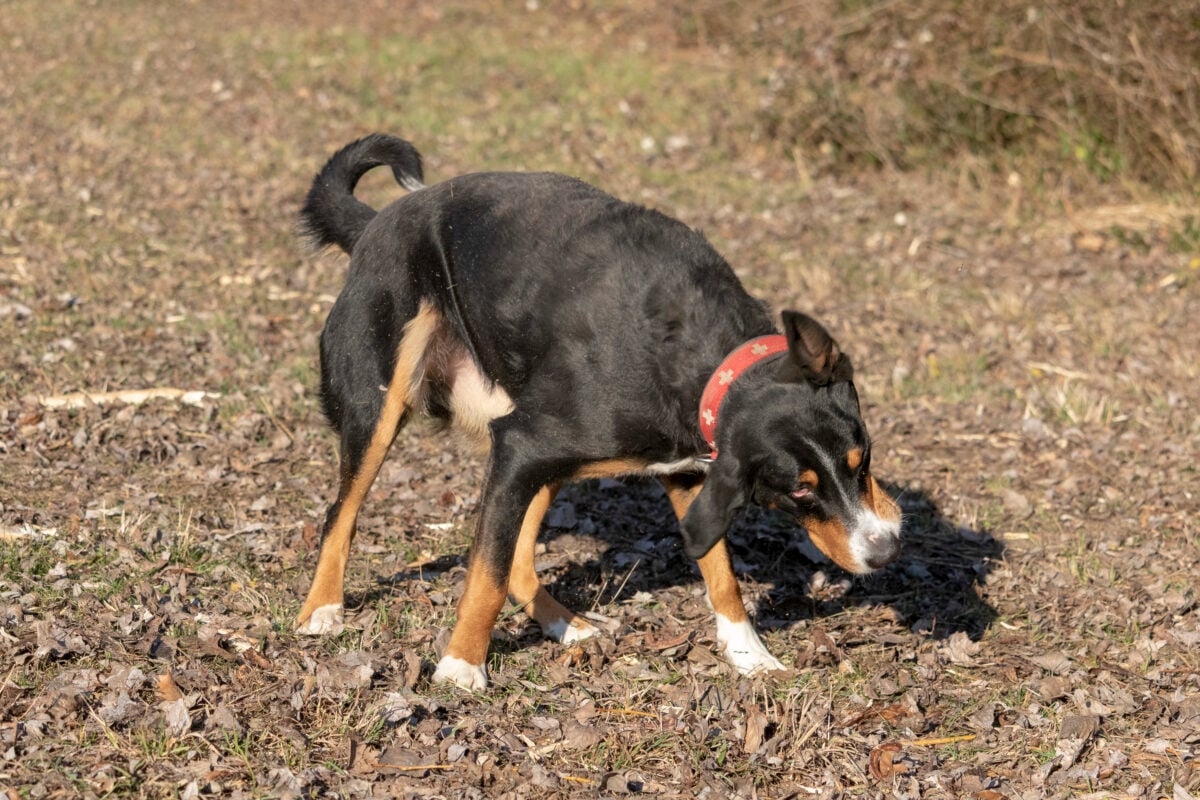
Quick Tip: If your dog is shaking their head more than usual or seems to be off-balance (a sign of an ear issue), it could point to an ear infection. Schedule an appointment with your vet.
4. Seizure Disorders & Brain Conditions
Some shaking is related to abnormal electrical activity in the brain or issues affecting coordination and balance.
Conditions involving the cerebellum (the part of the brain responsible for movement control) can cause tremors that look intentional but aren’t. Seizure-related shaking may be brief or subtle, especially between full seizure episodes.
5. Age-Related Changes & Pain
Senior dogs may develop shaking related to:
- Muscle weakness
- Joint pain or arthritis
- Degenerative neurological changes
This type of trembling is often more noticeable when standing, walking, or after rest.
Important Vet Guidance: Dogs with unexplained, persistent, or worsening shaking or shivering should be evaluated by a veterinarian, especially if the behavior is new or accompanied by other symptoms.
The Red Flags: Shaking That Deserves Veterinary Attention
If you notice shaking alongside any of the signs below, it’s time to stop guessing and involve a veterinarian.
- Shaking or shivering that doesn’t stop or keeps returning
- Trembling paired with lethargy, weakness, or collapse
- Shaking plus vomiting, diarrhea, drooling, or loss of appetite
- Tremors focused in one area (head, back legs, jaw)
- Shaking after possible toxin exposure
- Sudden shaking in a senior dog or young puppy
- Shaking paired with disorientation, pacing, or unresponsiveness
Any one of these on its own can be concerning. Together, they’re a strong signal to seek help.
Why Acting Early Matters
Shaking caused by pain, illness, or neurological issues often looks subtle at first. Catching the cause early can mean simpler treatment, faster relief, and better outcomes for your dog.

If you’re ever unsure, it’s okay to err on the side of caution. A vet visit can rule out serious causes and give you peace of mind.
Frequently Asked Questions
Dog shaking can look strange, alarming, or completely out of the blue, which is why so many owners search for specific scenarios. These are some of the most common questions people ask when trying to figure out whether their dog’s shaking is normal or something to take seriously.
Don’t see your question? Respond in the comments, and we’ll get back to you!
Why Are My Dog’s Back Legs Shaking?
Back leg shaking is commonly linked to muscle fatigue, weakness, or instability, especially after exercise or in older dogs. It can also appear when a dog is nervous or trying to maintain balance.
If hind-leg shaking is persistent, worsening, or paired with limping, stiffness, or trouble standing, it may point to joint pain, arthritis, nerve issues, or age-related muscle loss, and a veterinary exam is recommended.
Why Do Dogs Shake In Their Sleep?
Most dogs twitch, tremble, or shake while sleeping because they’re dreaming. This often happens during deeper stages of sleep and is usually harmless.
As long as your dog wakes up easily and behaves normally afterward, sleep-related shaking is not a concern. If the movements are violent, prolonged, or followed by confusion, talk to your vet to rule out seizures.
Can Anxiety Cause Dogs To Shake Or Tremble?
Yes. Anxiety and fear are common causes of trembling or shivering in dogs. This may happen during thunderstorms, fireworks, vet visits, or separation from their owner.
Anxiety-related shaking is often accompanied by other signs, such as pacing, hiding, yawning, lip licking, or refusing food.
Is It Normal For Small Dogs To Shake A Lot?
Small dogs often shake more visibly than larger dogs due to faster metabolisms, lower body fat, and greater heat loss. Even mild excitement or stress can cause noticeable trembling.
If a small dog has always shaken occasionally and otherwise seems healthy, this is often normal. New, worsening, or constant shaking should still be evaluated.
Can Pain Cause A Dog To Shake?
Yes. Dogs may shake or tremble in response to pain from injuries, arthritis, internal discomfort, or inflammation. Pain-related shaking is often subtle and may be accompanied by behavioral changes like restlessness, hiding, or reduced activity.
Any shaking paired with signs of pain should be checked by a vet.
When Should I Take My Dog To The Vet For Shaking?
You should contact your vet if your dog’s shaking is persistent, worsening, unexplained, or accompanied by other symptoms, such as vomiting, weakness, disorientation, or changes in behavior.
When in doubt, it’s always safer to have a professional evaluate the cause.
When In Doubt, Trust What You’re Seeing
Shaking can look alarming, but in many cases, it’s simply how dogs release energy, stress, or discomfort. What matters most is context — how long it lasts, how often it happens, and whether your dog seems normal afterward.
If your dog’s shaking is persistent, worsening, or paired with other changes, a veterinarian can help rule out medical causes and give you peace of mind. And if it turns out to be behavioral or environmental, you’ll know exactly how to support your dog moving forward.
You might also find these helpful:
- Signs your dog may be in sick or in pain
- How to tell if your dog is anxious or stressed
- When it’s time to call the vet vs wait and monitor