When you purchase through links on our site, we may earn a commission. Here’s how it works.
Goldendoodles grow fast, and figuring out how much to feed them at each stage can feel overwhelming. Feed too little, and you worry about growth. Feed too much, and weight gain becomes a concern before they even reach adulthood.
Table of Contents
This guide breaks it all down in a simple, practical way. Below, you’ll find a standard Goldendoodle feeding chart followed by age-by-age guidance, so you know exactly what to expect as your puppy grows from a nursing newborn into a full-size adult.

Standard Goldendoodle Feeding Chart By Age & Weight
This feeding chart is meant to serve as a starting point, not a one-size-fits-all rule. Factors like your Goldendoodle’s activity level, metabolism, and the type of food you choose can all affect how much they actually need.
The sections below explain how feeding changes at each life stage and what adjustments to watch for as your puppy grows.
| Age | Puppy Weight (lbs) | Type Of Food | Cups Per Day | Meals Per Day |
|---|---|---|---|---|
| 0 – 4 weeks | 10 – 15 | Mother’s milk | n/a | Unlimited |
| 4 – 8 weeks | 15 – 20 | Mother’s milk & puppy mush | n/a | 4 – 6 |
| 8 weeks – 6 months | 20 – 40 | Mother’s milk & puppy diet | Up to 1 | 3 – 4 |
| 6 – 12 months | 40 – 50 | Puppy diet | 2 – 3 | 2 – 3 |
| 12 – 18 months | 50 – 70 | Puppy or adult diet | 3 – 4 | 2 |
| 18 – 24 months | 50 – 80 | Adult diet | 4 – 5 | 2 |
Goldendoodle Breed
Goldendoodles are a mixed breed of Golden Retriever and Poodle. I am discussing the standard Goldendoodle for this article, not the mini Goldendoodle.
The Goldendoodle’s parents are medium to large breeds, and they are both sporting dogs that love water. Their large frame and high energy mean they need a high-quality diet to fuel their growth, vitality, and overall health.
How Much To Feed A Goldendoodle Puppy
How much a Goldendoodle eats changes quickly during the first two years of life. Growth spurts, weaning, food transitions, and energy levels all play a role.
The breakdown below walks through each stage so you know what’s normal and when adjustments may be needed.

Weeks 0 – 4
During the first four weeks of a puppy’s life, they spend their entire day with their mom and siblings. Mothers’ milk has everything most puppies need, and they nurse as often as they need. As long as the puppies and mother are doing well, you shouldn’t have to feed them anything else.
If you are concerned that the mother isn’t producing enough milk or a puppy isn’t drinking enough, you must consult your vet. They might need assistance with a puppy formula milk substitute.
Weeks 4 – 8
This is the transition phase where puppies begin moving from nursing to soft solid foods while their digestive systems are still developing.
During the next four weeks of a Goldendoodle’s life, they continue to nurse. Although mothers produce milk for around 10 weeks, most pups are fully weaned between 7 to 10 weeks.
Signs that a Goldendoodle puppy is ready to wean include:
- Puppy teeth coming through
- Becoming frustrated or hungry despite the availability of milk
- Wanting to try mom’s food
- Showing an interest in the puppy mush you offer
During this period, Goldendoodles drink their mother’s milk and dabble with “solid” food. It’s essential to introduce puppy mush before diving into puppy food.
Puppy mush is a mixture of ground puppy kibble with water or a milk formula for puppies. It helps their digestive system to develop.
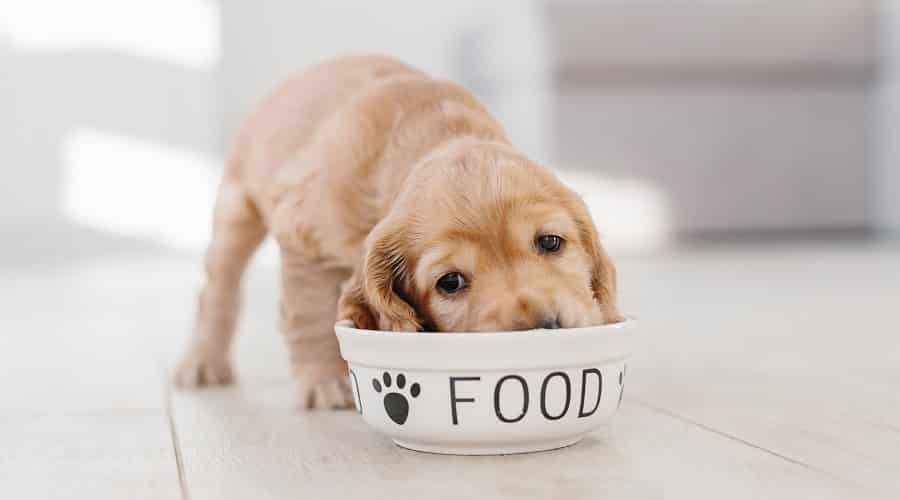
Once they are ready to wean, put a bowl of this gruel-like mixture in front of them and let them explore. Once they start eating it, they should consume around four to six meals daily.
Watch this helpful video on the puppy weaning process.
Weaning is messy, and puppies climb in and out of the bowl in the beginning. So, I recommend investing in puppy pee pads and laying them down before serving puppy mush.
8 Weeks – 6 Months
This is a high-growth period where consistent meals and proper portions are especially important to support healthy development.
Some puppies might continue feeding from their mother until they are 10 weeks old. Typically, they eat puppy mush for a few weeks, and then they’ll be ready for puppy food.
Some pups might need encouragement with warm water, bone broth, or puppy milk formula to help soften the kibble.
Goldendoodle puppies typically eat between three and four meals a day during this stage.
6 – 12 Months
Between 6 and 12 months, Goldendoodles solely eat large-breed puppy food. Read the feeding instructions to be sure the food is suitable for the development of large-breed puppies.
During this period, you should try to reduce their meals to two to three a day.
12 – 24 Months
This stage focuses on a gradual transition to adult food while monitoring weight, appetite, and overall body condition.
Around 12 months, you should transition your Goldendoodle to large-breed adult food. By 18 months, they should be fully transitioned.
Not sure how much to feed a Goldendoodle? Always follow the feeding instructions according to their weight.
However, every dog is different. So, if your Goldendoodle is consistently hungry, you might not be feeding them enough; if they’re overweight, you are probably feeding them too much.
When transitioning to a new food, even if it’s the same food but a different life stage, you need to monitor them. If they are showing signs of allergies, speaking to your vet is essential.
By now, Goldendoodles should eat two meals a day. Setting a feeding schedule is great for developing healthy eating habits and understanding how much they consume.
Consider an automatic dog feeder that helps you adhere to set meal times. This is especially helpful if you’re home at varying hours, as it allows your dog to stick to their meal routine.
4 Key Differences – Adult vs. Puppy Food
Puppy and adult dog foods are formulated very differently, and feeding the wrong life-stage food can affect growth, weight, and joint health. These key differences explain why Goldendoodle puppies should stay on large-breed puppy food during their early development.

- Higher fats. Puppies need energy to grow, which is why they need more fat than adult dogs. High-quality puppy food contains the omega-3 fatty acid docosahexaenoic acid (DHA), which is found in mothers’ milk and supports vision and brain development.
- Increased calories. Puppies have a higher metabolic rate and require higher calories to support their growth and energy needs.
- More protein. Puppies need amino acids to support muscle development and growth. This, along with the higher need for calories and fat, is why puppies need more protein than adults.
- Vitamins & minerals. Puppies need specific vitamins and minerals, such as additional calcium and phosphorus, to support their development. Their immune systems also need support to develop and prevent illnesses.
Because of the additional fats and calories, feeding an adult Goldendoodle puppy food could lead to unnecessary weight gain, obesity, and weight-related health conditions. This is why it is crucial to feed your dog the correct food according to their life stage.
Why Is Large Breed Puppy Food Important?
Feeding your Goldendoodle large-breed puppy food is important because it is tailored to the unique needs of large-breed puppies.
Large breed pups are those that are expected to be 50 pounds or more at adult weight. Large-breed puppies have more growing to do in the same amount of time as small-breed puppies. It’s crucial to stabilize this exponential growth.
With specific nutrition and ratios, large-breed puppy food contributes to healthy growth. Otherwise, large puppies are at risk of developing joint issues like hip dysplasia and other musculoskeletal problems such as arthritis.
6 Different Types Of Puppy Food
Are you wondering, “What diet should I feed my Goldendoodle?” There’s no correct answer. As long as their diet is high quality and meets the pet food guidelines set by the Association of American Feed Control Officials (AAFCO), there are several options to choose from.
1. Dry Food (Kibble)
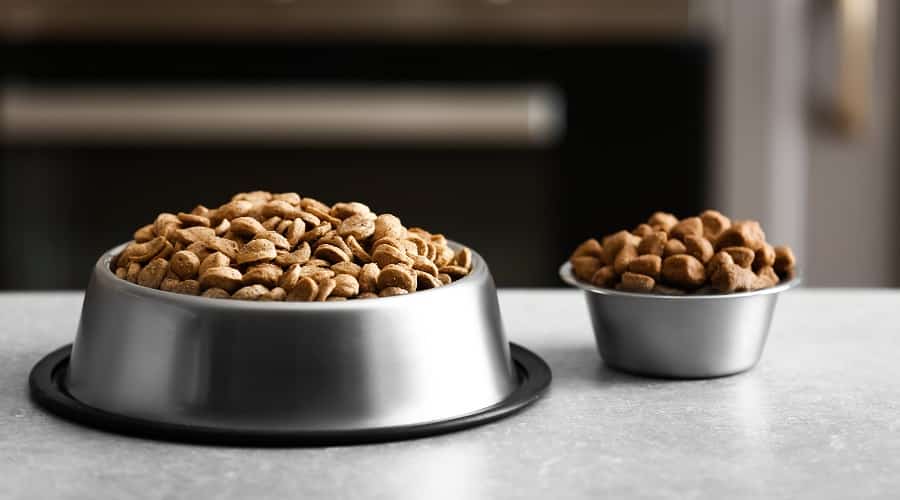
Dry food, also known as kibble, is a popular diet choice for dogs as it’s convenient and readily available.

There is a huge variety of high-quality dry dog food to choose from, so most Goldendoodles can find a kibble to suit their individual needs. Plus, many dogs like the crunchy texture, which can also help to reduce the build-up of plaque.
Best for: Owners looking for convenience and long-term affordability.
2. Wet Food (Canned)
Wet dog food, often referred to as canned dog food, is also readily available. Some dogs prefer moist dog food due to its increased scent and moisture. Many dog parents, like me, feed a combination of dry and wet dog food.

Although high-quality wet dog food is usually higher in protein and lower in carbs than kibble, it doesn’t provide the abrasive effect on teeth that can help dental health, and it is slightly more expensive, too.
Best for: Picky eaters or dogs that benefit from added moisture in their diet.
3. Fresh (Human-Grade)
Feeding dogs fresh food is becoming increasingly popular. Although it has a shorter shelf life and is more expensive, high-quality fresh dog food has many health benefits.

Fresh food options often use “human-grade” ingredients that are cooked in smaller batches for quality control and follow eco-friendly practices, making them safer for everyone.
Best for: Owners prioritizing ingredient transparency and minimally processed foods.
4. Raw Or Biologically Appropriate Raw Food (BARF)
A raw diet, or BARF, has many health benefits that appeal to owners and dogs. Compared to dry or canned food, raw food retains most of the nutrients that are usually lost in the cooking process.

Raw dog food is often more suitable for dogs with allergies as it uses limited, higher-quality ingredients. I recommend feeding a raw dog food subscription, as these meals are nutritionally balanced and less likely to contain bones and harmful bacteria.
Best for: Dogs with food sensitivities when meals are properly balanced and professionally prepared.
5. Vegan Diet
Feeding a dog a high-quality vegan diet is a relatively new concept, but it’s proving popular with vegan owners. These diets contain 100% plant-based ingredients and zero animal meat.

Most vets strongly advise against feeding puppies vegan diets, as they do not contain the additional calories and specific nutrients that animal-based options provide.
Watch out for: Puppies may not receive adequate calories or essential nutrients for growth.
6. Home Cooked
Some owners prefer to offer their Goldendoodle a home-cooked meal because it means they know precisely what they are feeding their pups.

It’s important to consult your vet to ensure the home-cooked meals are balanced and meet their nutritional needs.
Watch out for: Meals must be properly balanced to avoid nutritional deficiencies.
Do you require help choosing the best puppy food for your Goldendoodle puppy? We have a comprehensive guide on the best dog foods for all puppies.
Importance Of High-Quality Dog Food
Choosing high-quality dog food isn’t about chasing trends or brand names. It’s about selecting nutritionally complete formulas that support steady growth, healthy joints, digestion, and long-term vitality.
| Best Overall | Puppies | Mini Goldendoodle | Best Affordable | Allergies |
|---|---|---|---|---|
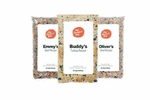 |  |  | 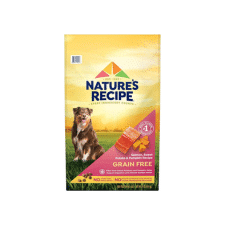 |  |
| The Farmer’s Dog | Orijen Large Breed Puppy | Ollie Fresh | Nature’s Recipe | Spot & Tango |
| Visit Website | View on Amazon | Visit Website | View on Amazon | Visit Website |
| Read Review | Read Review | Read Review | Read Review | Read Review |
No matter which brand you choose, the most important factor is balance. A complete and properly formulated diet will always matter more than marketing claims.
5 Ingredients To Avoid In Dog Food
High-quality diets and trusted brands do not use these ingredients. Not only do they have no health benefits, but they have also been linked to health problems.
- Artificial Preservatives. Butylated hydroxyanisole (BHA), butylated hydroxytoluene (BHT), and ethoxyquin are controversial synthetic antioxidants. Research suggests they are slightly carcinogenic and can cause lung damage. High-quality diets use natural preservatives such as vitamin C (ascorbic acid), vitamin E (mixed tocopherols), and rosemary oil, which are safer.
- Artificial Colors. Low-quality dog foods sometimes add colors to their food to make them look more appealing. However, food coloring has been linked to behavioral problems and endocrine and nutrient bioavailability interference in humans. Plus, they serve no purpose for dogs.
- Unnamed Meats. Animal protein without a name, such as “poultry” or “meat meal,” can contain animal protein from any species and be poor quality. If your Goldendoodle has a sensitive digestive system, knowing what you’re feeding them is crucial to identify the allergens.
- Rendered Fat. Although this can add flavor, there are few regulations regarding these ingredients, and they can be a source of harmful bacteria. Rendered fats are often found in low-quality kibbles.
- Propylene Glycol. This ingredient is sometimes used to keep low-quality semi-moist food moist. Propylene glycol is derived from ethylene glycol (EG), which is commonly known as antifreeze and is highly toxic.
5 Nutrients Goldendoodle Puppies Need
- Protein. This is one of the most essential nutrients for dogs as it is vital to their nutritional needs. It assists with muscle maintenance, energy, hormone levels, immunity, and more.
- Fat. Fats provide energy, protect organs, nourish skin and fur, and support gut health. DHA is an essential fatty acid for healthy puppy development. Look for ingredients such as meat meal, chicken fat, fish and fish oil, and flaxseeds.
- Carbohydrates. Carbs provide energy, support digestion, and strengthen immunity. Good examples of carbohydrates include brown rice, whole grains, oatmeal, and pumpkin.
- Vitamins & Minerals. These come from a wide variety of ingredients but can also be added to food for an extra health boost. Some owners add canine vitamin supplements, too.
- Water. Staying hydrated is crucial for all bodily functions and overall well-being. You must ensure your dog has access to fresh water throughout the day.
How Much Should A Goldendoodle Weigh?
The Goldendoodle Association of North America (GANA) breed standard states that standard-size Goldendoodles measure 21 inches and above and weigh a minimum of 51 pounds. On average, most measure between 20 to 24 inches and weigh between 50 and 70 pounds.
See our Goldendoodle growth chart for more information on how much a Goldendoodle should weigh.
How To Tell If Your Goldendoodle Is At A Healthy Weight
Numbers on a scale don’t tell the full story. Body condition is a more reliable way to determine whether your Goldendoodle is being fed the right amount.
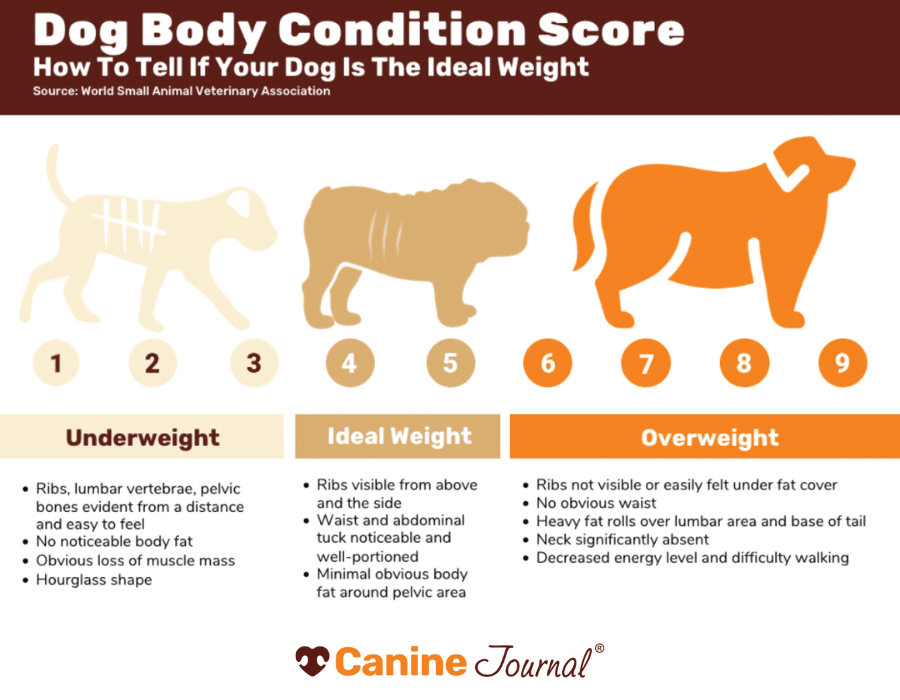
A healthy Goldendoodle should have ribs you can feel easily but not see, a visible waist when viewed from above, and a slight tuck-up behind the ribs when viewed from the side. If the ribs are difficult to feel or the waist has disappeared, your dog may be carrying extra weight. If ribs are sharply visible or your dog looks bony, they may need more calories.
Using body condition alongside weight helps you adjust portions more accurately than relying on feeding charts alone.
7 Ways To Keep Your Goldendoodle At The Right Weight
It’s important to keep your Goldendoodle at a healthy weight. Otherwise, you put them at risk of developing a variety of health issues and risk shortening their lifespan.
Here are my top tips on keeping your golden Fido at the right weight.

- Choose a high-quality Goldendoodle diet
- Follow the feeding guidelines and portion their food
- Stick to two meals (as an adult) at set times
- Avoid giving table scraps
- Monitor their treat intake (no more than 10% of their diet) and offer low-calorie dog treats
- Exercise your Goldendoodle regularly
- Monitor their weight and adjust food intake if needed
Frequently Asked Questions
If you have a question about feeding your Goldendoodle that isn’t listed below, respond in the comments, and we’ll find an answer for you.
How Much Should A Goldendoodle Eat?
There’s no simple answer because how much you feed your Goldendoodle depends on their age, weight, activity level, health conditions, what you feed them, and more.
Every Goldendoodle is different, and how much you feed them changes throughout their lifetime. Always read the feeding guidelines of the diet you’ve chosen, and go from there.
What Is The Right Diet For Goldendoodle?
The right diet for a Goldendoodle is the one that meets their dietary needs.
Puppies need a large puppy food option, and adults need an adult option. See our guide on the best dog food for Goldendoodles.
Monitoring their weight, energy levels, digestion, poop color, and condition of their skin and fur are significant indicators of the right diet. If you feel something is not right, speak to your vet, who can advise you.
How Often Should I Feed My Goldendoodle Puppy?
Maintaining a regular feeding schedule is vital for their health, eating habits, and overall well-being. How often depends on their age, and it’s important to space meals out evenly but not feeding too late to avoid late-night poops and digestive problems.
An example of a feeding schedule for Goldendoodle puppies aged between two and six months might be 7 a.m., noon, and 5 p.m. It’s also important to consider a schedule that is achievable and right for your circumstances.
Supporting The Famous Goldendoodle Coat
We have a guide on the Goldendoodle’s variety of coat colors and patterns — there are more than you might think. A dog’s coat condition can also tell you a lot about their health, so be sure to look at our guide on Goldendoodle shedding and the best shampoos for Goldendoodles.