When you purchase through links on our site, we may earn a commission at no extra cost to you. Learn more.
Your dog is standing by the door. Or staring at you. Or maybe you’re stuck at work, wondering if they’re okay.
Table of Contents
Before the indoor accident happens, here’s what you need to know: how long dogs can actually hold their pee — and when waiting too long becomes a problem.
Quick Answer: How Long Can Dogs Hold Their Pee?
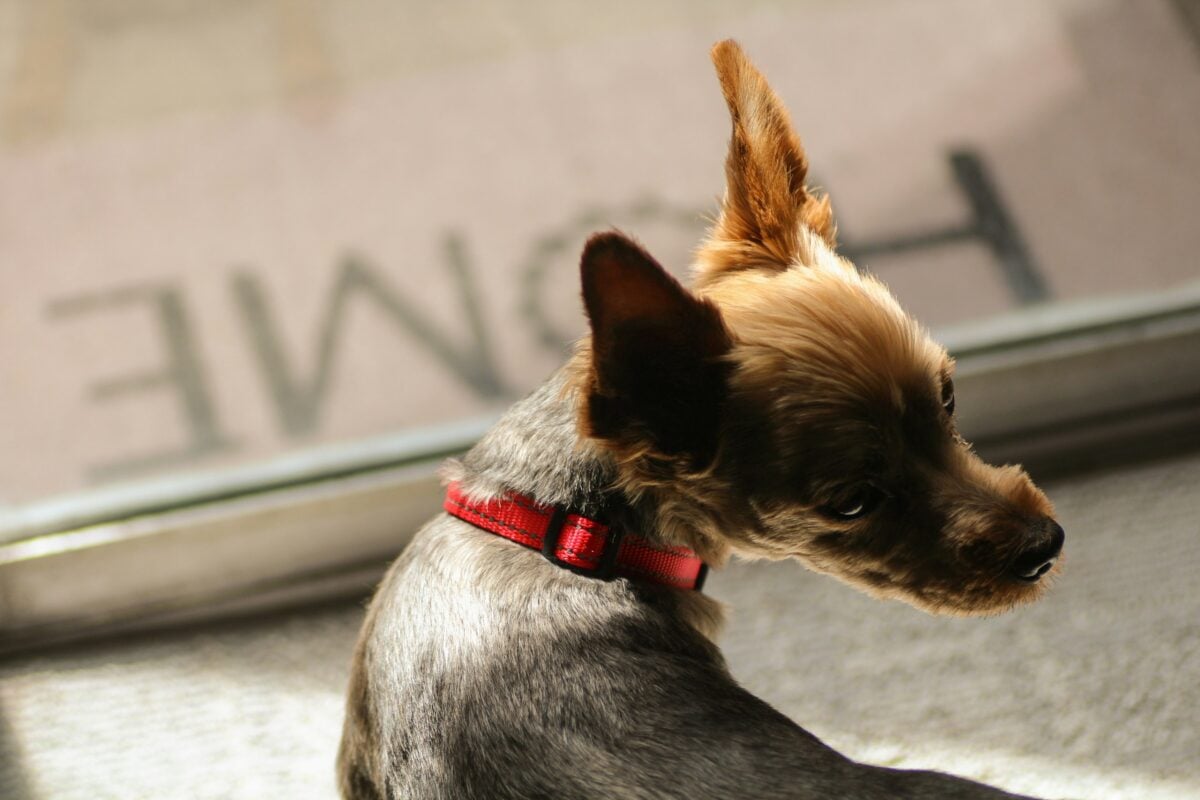
Most healthy adult dogs can hold their pee for 6 to 8 hours. That usually means a bathroom break every 4 to 6 hours, even if they’re physically capable of holding it longer.
Puppies and senior dogs fall outside that average. Puppies go far more often because their bladder control isn’t fully developed. Senior dogs may need more frequent breaks as muscles weaken with age.
Here’s what’s normal by age:
| Age Group | Typical Hold Time | What’s Comfortable |
|---|---|---|
| Puppies | 1 hour per month of age | Frequent breaks (every 1–3 hrs) |
| Adults (1–7 yrs) | 6–8 hours | Ideally every 4–6 hrs |
| Seniors (7+ yrs) | 4–6 hours | Sometimes 2–4 hrs |
What’s Normal vs. Too Long
Here’s a simple way to think about it: there’s what dogs can hold and what’s actually comfortable and healthy.
Usually Safe
- Puppy: following the 1-hour-per-month rule
- Adult: up to 8 hours occasionally
- Senior: 4–6 hours
Pushing It
- Puppy: 4+ hours
- Adult: 10+ hours
- Senior: 8+ hours
Holding it too long can increase the risk of:
- Urinary tract infections
- Bladder stones
- Discomfort and stress
- Indoor accidents
If your dog regularly struggles to make it to their usual potty time, that’s a sign their limit has changed.
Puppies vs. Adult Dogs
Puppies don’t stand a chance. Their bladders are small, their control is still developing, and their bodies are processing food and water constantly.
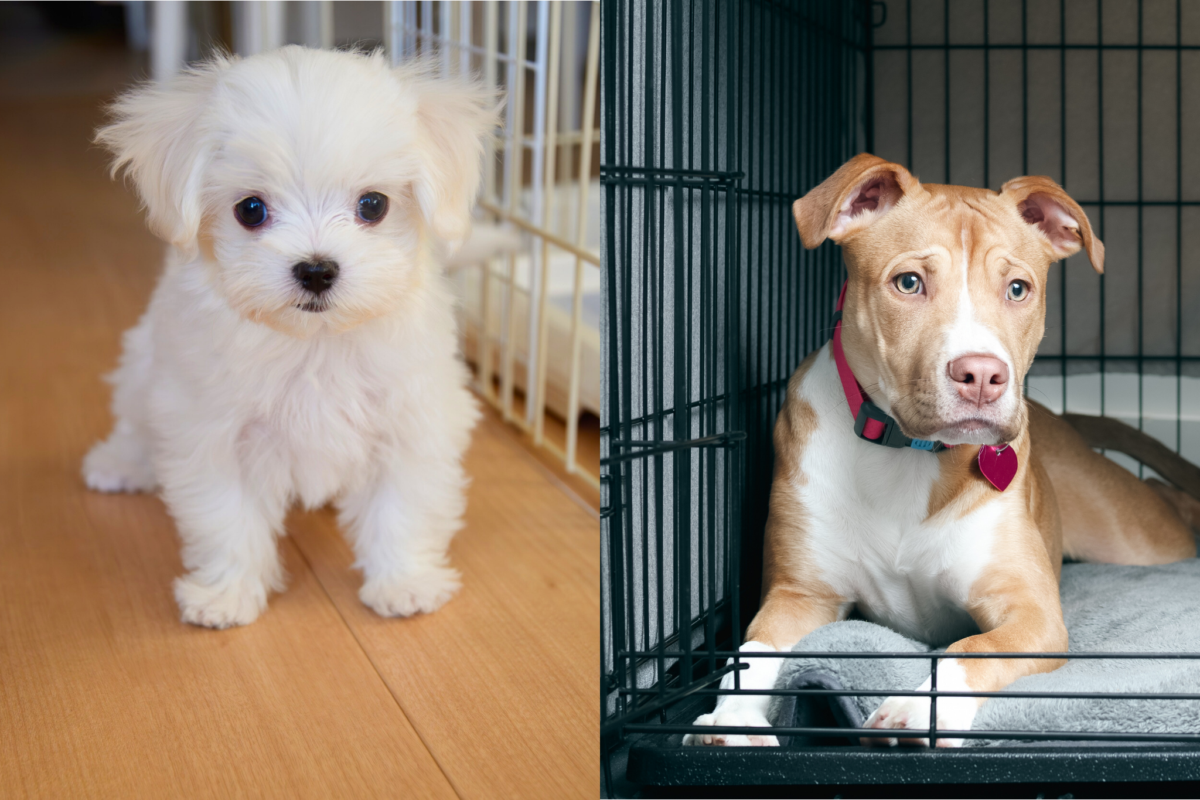
A simple rule most trainers use: one hour per month of age. So a 3-month-old puppy may only last about three hours — and that’s under ideal conditions.
Adult dogs, on the other hand, have fully developed bladder muscles and better control. Most healthy adults can comfortably manage 4 to 6 hours between breaks, sometimes up to 8 if needed.
But here’s the key difference: Just because an adult dog can hold it longer doesn’t mean it’s comfortable or ideal.
Senior dogs shift again. As muscles weaken and medical conditions become more common, bathroom frequency often increases. Many seniors need breaks closer to every 2 to 4 hours, especially overnight.
Who Wins the Bladder Battle?
- Puppies: 1 hour for every month of age (e.g., a 3-month-old puppy can hold it for ~3 hours).
- Adult dogs: 6-8 hours (but should ideally go out every 4-6 hours). Dogs aged one year to seven years – every 6 to 8 hours. Those ages eight years to ten years need to pee every 4 to 6 hours.
- Senior dogs: Often need more frequent breaks due to weaker bladder control. Seniors over ten years old must relieve themselves every 2 to 4 hours.
- Expect to let your pup out between 4 and 8 times a day on average.
Bladder control changes across life stages. Adjusting your expectations is part of responsible ownership.
Does Size Matter? How Your Dog’s Size Affects Their Bladder
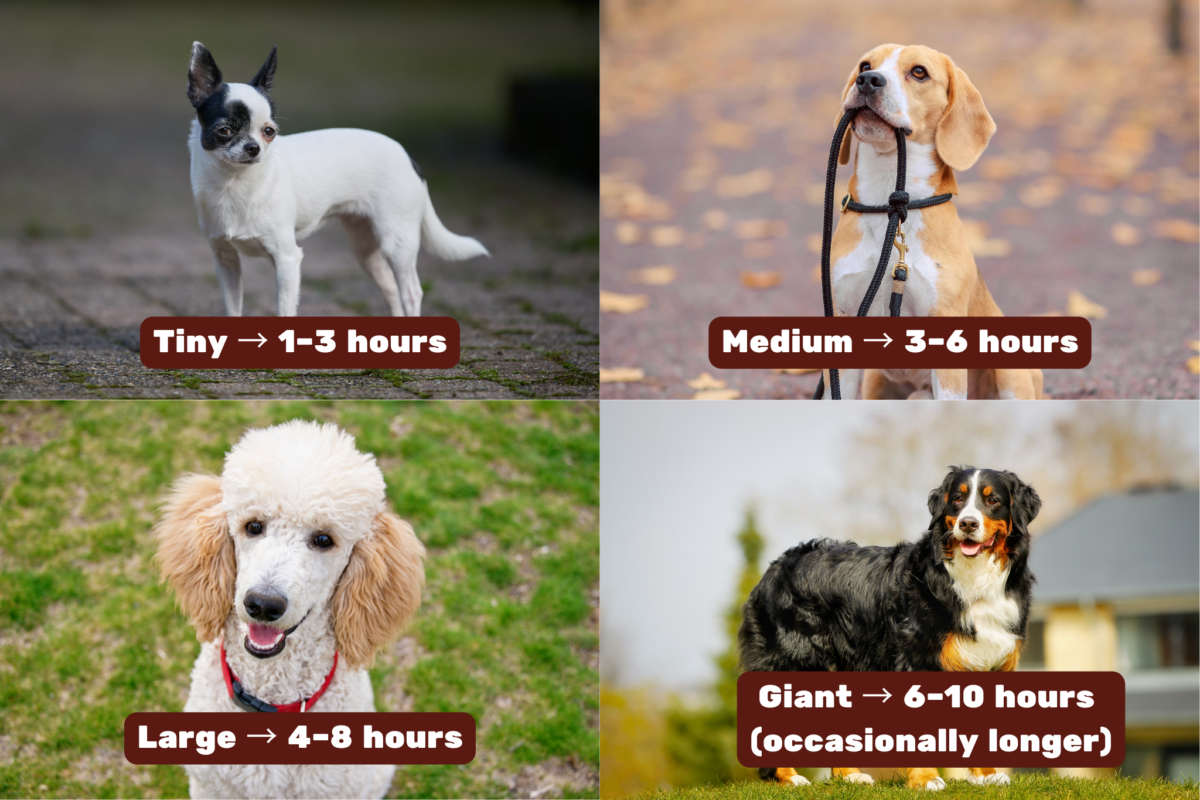
Yes, size plays a role. Smaller dogs have smaller bladders. That usually means shorter hold times and more frequent bathroom breaks.
Here’s how it generally breaks down for healthy adult dogs:
- Under 10 Pounds: Often need to go every 1–3 hours. Tiny bladder, fast metabolism.
- Around 20–40 Pounds: Usually comfortable at 3–6 hours between breaks.
- 40–60 Pounds: Often manage 4–8 hours, depending on hydration and activity.
- 60+ Pounds: Some large and giant breeds can physically last 6–10 hours.
While larger dogs have an advantage in bladder capacity, holding it for too long isn’t good for any dog, regardless of size.
Overnight Bathroom Breaks: How Long Can Dogs Hold It While Sleeping?
Most healthy adult dogs can sleep through the night without a bathroom break. For many, that means about 6 to 8 hours.
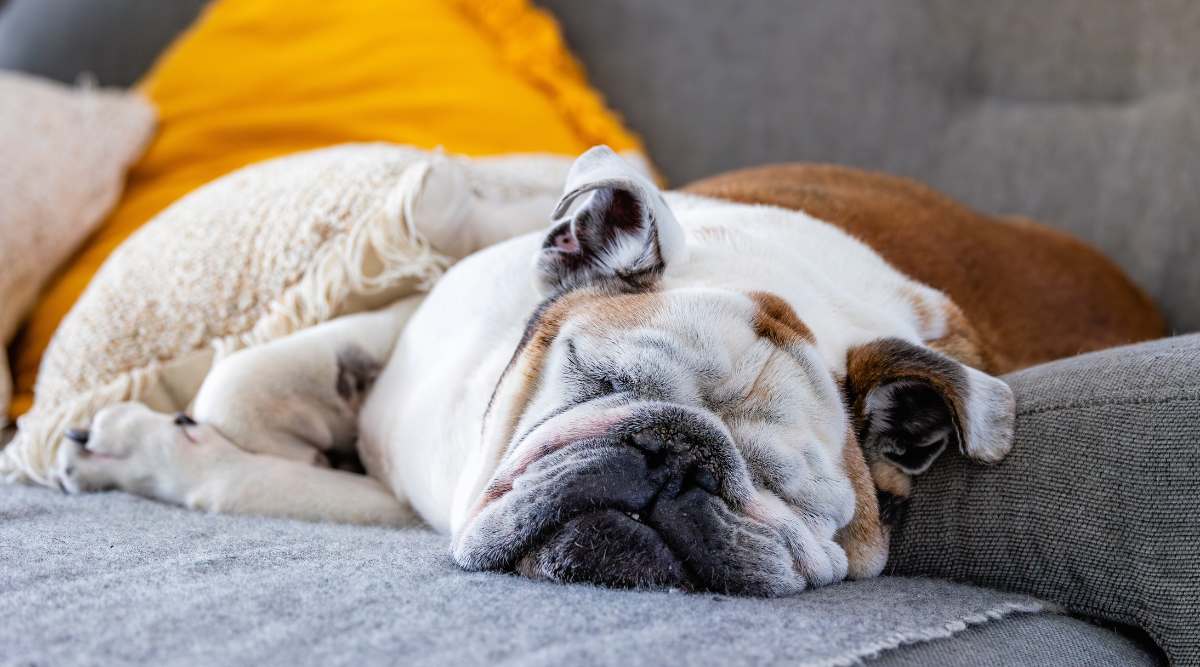
Some can go a little longer. Others need out sooner.
Overnight bladder control depends on:
- Age
- Size
- Evening water intake
- Health status
How To Set Your Dog Up For Success
Let them out right before bed. Keep their evening routine consistent.
You can reduce heavy water chugging right before sleep, but never restrict water entirely. Hydration always comes first.
Puppies & Seniors At Night
Puppies rarely make it through the night at first. Their bladder control is still developing, so middle-of-the-night trips are normal.
Senior dogs often shift in the opposite direction. As muscles weaken or medical conditions develop, they may need earlier morning breaks — or even a nighttime trip.
If your dog suddenly starts waking up multiple times after previously sleeping through the night, that’s worth paying attention to.
Real-Life Scenarios: Is My Dog Ok If…
Sometimes the question isn’t “how long can they hold it?” It’s “is my situation normal?”
Here’s how common scenarios typically play out.
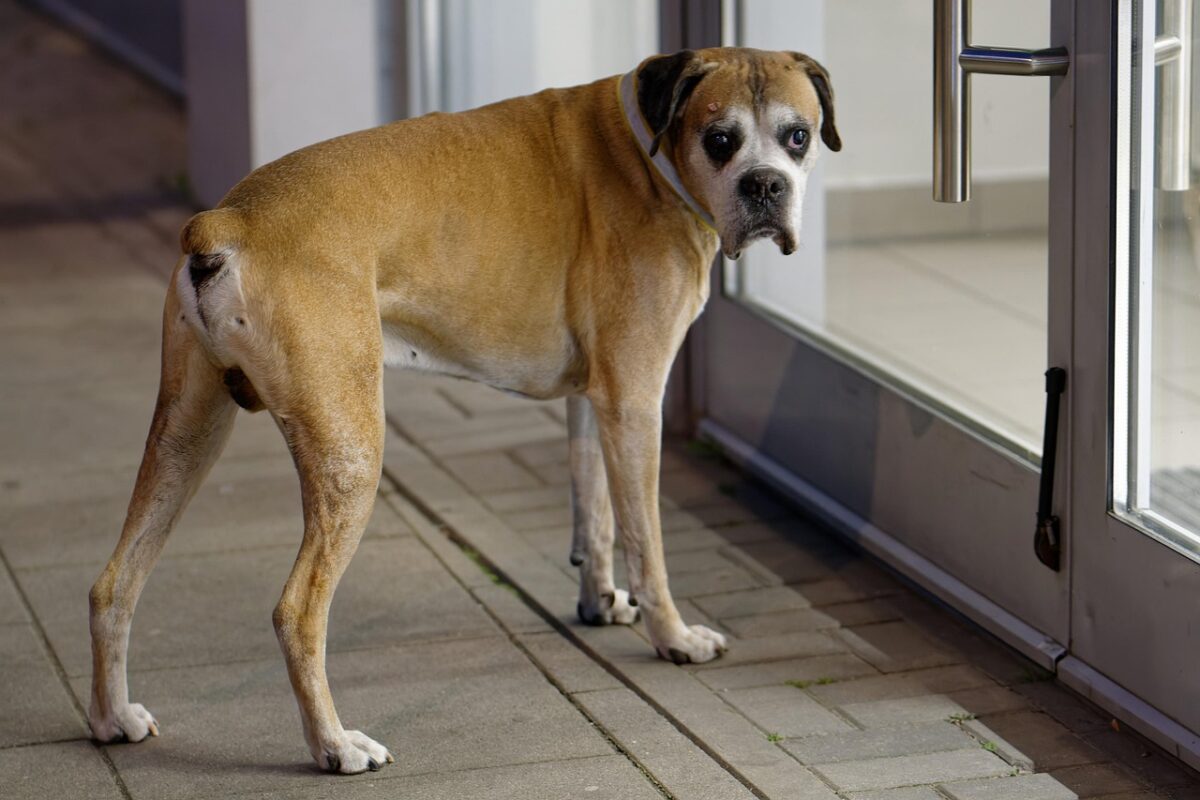
I’m At Work For 8 Hours
Most healthy adult dogs can physically manage 8 hours occasionally.
But doing that every single day isn’t ideal. If long workdays are routine, consider a midday walker, doggy daycare, or an indoor potty option.
My Dog Sleeps Through The Night
That’s normal for many adults. As long as your dog isn’t waking up uncomfortable or having accidents in the morning, overnight sleep without a break is usually fine.
My Puppy Can’t Make It That Long
That’s expected. Puppies need frequent breaks — often every 1 to 3 hours. If accidents are happening, it’s usually a development issue, not stubbornness.
We’re On A Long Car Ride
Most adult dogs can wait during travel, especially if they’ve gone beforehand.
Plan stops every 4–6 hours when possible. Puppies and seniors will need more frequent breaks.
I Live In An Apartment
Apartments just mean planning ahead. If elevator waits or long stairwells make quick trips difficult, pee pads or artificial grass patches can reduce stress for both of you.
My Senior Dog Has Started Missing The Pad
This is common. As dogs age, aim and bladder strength can change. Sometimes it’s less about control and more about coordination.
This is where washable pee pads or larger surface coverage can make a big difference.
Watch: Aging changes bathroom habits. Adjust the environment instead of expecting perfection. Washable pads, easy-clean flooring, and routine adjustments can reduce frustration for everyone.
Key Takeaway:
- Senior dogs may lose bladder precision.
- Pee pads or washable pads reduce stress.
- Adapt the environment instead of fighting biology.
Puppy Bladder Control: How Long Before Accidents Stop?
Puppies aren’t built for long hold times. In the early weeks, they have almost no bladder control. As they grow, that control improves gradually — not overnight.

A common guideline is one hour per month of age once a puppy is house-trained.
This is a guideline, not a guarantee. Puppies eat, drink, nap, and play in cycles. That means they often need to pee:
- After waking
- After eating
- After drinking
- After play
Accidents don’t mean your puppy is stubborn. They usually mean their body just isn’t ready yet. Consistency, supervision, and frequent breaks matter far more than “holding it.”
Puppy Pee Schedule by Age: A Handy Bladder Control Chart
Bladder control develops gradually. Use this chart as a general guide — not a strict rule.
| Puppy Age | Typical Hold Time | What To Expect |
|---|---|---|
| Under 8 weeks | Very limited control | Frequent accidents |
| 8–12 weeks | 1–2 hours | Take out at least once per hour during the day |
| 3–4 months | 2–4 hours | Accidents still common |
| 5–6 months | 4–6 hours | Improving consistency |
| 7–12 months | 6–8 hours | Approaching adult patterns |
When Nature Calls… Indoors: Real-Life Dog Pee Disasters
Even the best-trained dogs have limits.
Sometimes it’s not about bad behavior. It’s timing, age, routine changes, or simply pushing things a little too far.
Here are two reminders that bladder limits are real.
The Great Carpet Massacre
Cookie, a five-pound Chihuahua with impressive bladder control, could hold it for hours. That wasn’t the problem.
The problem was choice. She preferred peeing in hidden corners over going outside. Over time, small unnoticed accidents turned into permanent carpet damage.
The lesson wasn’t that she couldn’t hold it. It was that routine and supervision mattered more than capacity.
My dog Cookie, a five-pound menace disguised as a Toy Chihuahua, had the bladder of a camel and the rebellious streak of a teen sneaking out past curfew. Most tiny dogs struggle to hold it in, but not Cookie.
Oh no, her problem wasn’t bladder control. It was pure, calculated defiance.
She had no interest in peeing outside. Why would she when she could vanish into the shadows like a urine-spraying ninja and relieve herself in hidden spots I wouldn’t discover for days?
I’d find tiny, pungent puddles in the most strategically inconvenient locations, under the couch, behind the curtains, in the toe of a shoe I wouldn’t put on until I was already running late.
It got so bad that the carpet gave up on life. I tried steam-cleaning and enzyme sprays. I even rented one of those industrial-grade carpet cleaners that looks like it belongs in a crime scene investigation.
But Cookie had been at it for so long that the carpet had absorbed her legacy. I had no choice but to rip it out and start over. Quality flooring isn’t cheap, and I couldn’t afford to keep replacing it due to my dog’s pee-fueled rebellion.
Eventually, drastic measures had to be taken. I instituted a strict 7 p.m. water ban, which made us feel like prison wardens, but at this point, it was us or the flooring.
She had to be trained to be in her crate when I wasn’t home. Not because she couldn’t hold it but because she would wait until we turned our backs just to mark her territory like a vengeful goblin.
The best part? She never once had an accident in the crate.
She could hold it for hours, even overnight. But the moment she had freedom, she chose chaos. Cookie knew she was in charge and wanted us to know it, too.
– Danielle DeGroot, Dog Mom, Canine Journal Writer
Takeaway:
- Holding it doesn’t equal good habits.
- Small dogs need structured potty routines.
- Missed accidents add up fast.
The Night Tiny Couldn’t Wait
Tiny had always been reliable. One night, after drinking more water than usual, he went nearly 10 hours without a break. By morning, he couldn’t make it to the door.
My dog, Tiny, has never had accidents in the house, with one exception. I didn’t take him out one night before I went to bed– I was so tired. I thought he had done his business, but I think he must have drunk a ton of water before bedtime, and I didn’t notice.
The next morning, he couldn’t hold it before I took him out and peed all over my floor next to the door where I usually take him out. I felt so bad because he always tries to be good with his potty times. And it was like 10 hours that he had to hold it in.
– Sally Jones, Dog Mom, Canine Journal Writer
Takeaway:
- Even well-trained dogs have thresholds.
- Evening water intake matters.
- Long holds increase accident risk.
Why Some Dogs Hold It Like Champs While Others Pee Every Hour
Bladder limits aren’t just about age or size. Hydration, diet, environment, activity level, and behavior all influence how often your dog needs a bathroom break.
Here’s what actually makes a difference.
Water Intake & Diet
What goes in must come out, and if your dog drinks like a camel preparing for a desert trek, you can bet those potty breaks will be more frequent. How much a dog eats and drinks, plus what they’re eating, affects how often they pee.
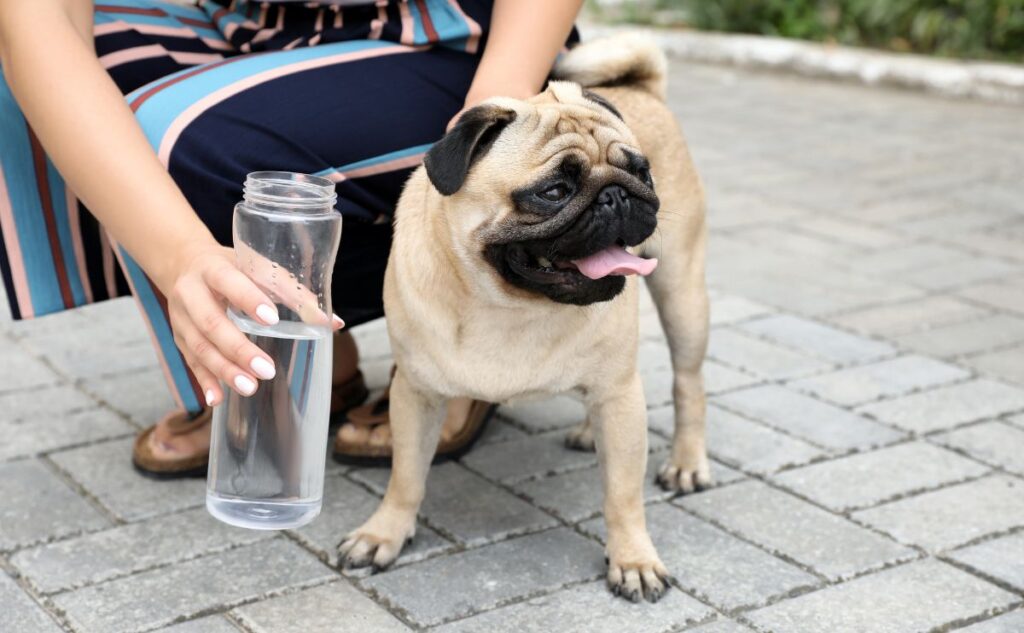
Dogs drink more when:
- It’s hot
- They’ve exercised
- They’ve eaten salty treats
- Their food is dry (like kibble)
Moisture-rich diets (wet or fresh food) often lead to more frequent urination, but that isn’t a bad thing. Hydration protects the kidneys and bladder.
If your dog suddenly starts drinking and peeing far more than usual, that’s when to investigate further.
Environment & Routine
Some dogs will hold it longer if they dislike their surroundings. New places, loud noises, visitors, or unfamiliar surfaces can delay urination. Others go the opposite direction and pee more when stressed.
Common triggers:
- Travel
- Vet visits
- Changes at home
- Weather shifts
- Long elevator waits in apartments
Bladder habits are often routine-dependent.
Exercise & Excitement
Movement stimulates the bladder. After play, zoomies, or long walks, many dogs need a bathroom break sooner than expected.
Excitement can also trigger small leaks, especially in puppies. This is developmental, not defiance.
Bladder Or Behavior?
If your dog is peeing frequently but:
- Isn’t drinking excessively
- Isn’t straining
- Isn’t acting lethargic
The cause may be behavioral.
4 Common Behavioral Reasons for Frequent Dog Urination
- Marking territory – Some dogs feel the need to claim everything as their own, from fire hydrants to couch legs. If they’re lifting their leg (even just a little) and only producing small amounts, they’re not really peeing — they’re making a statement.
- Excitement peeing – Puppies and some adult dogs pee when they get overly excited. Excitement urination often happens when greeting new people, seeing their favorite human after a long absence, or getting hyped up during play.
- Anxiety or stress – Dogs that feel nervous, anxious, scared, or insecure may pee more often as a coping mechanism. Pups with separation anxiety may pee excessively or in odd places as part of their reaction to being left alone.
- Attention-seeking – Some dogs learn that peeing inside or in the wrong spot gets them attention, even if it’s negative. If they’re feeling ignored or lonely, they might start having accidents just to get a reaction.
5 Health Conditions That May Cause Increased Urination In Dogs
If your dog is suddenly peeing more than usual, it’s not always about water intake. Sometimes, frequent urination signals an underlying medical issue. The key is looking for patterns, especially excessive thirst, straining, lethargy, or behavior changes.
Here’s how common causes break down.
1. Infections & Bladder Irritation
- Urinary Tract Infections (UTIs): Frequent trips with small output. Straining, discomfort, or blood in urine are common signs.
- Cystitis (Bladder Inflammation): Appears urgent, even when the bladder is nearly empty.
These are usually treatable with veterinary care.
2. Structural Issues
- Bladder Stones: Irritate the bladder lining and can cause painful urination.
- Tumors or Urinary Cancer: Less common, but may cause blood in urine or straining.
Any repeated straining or visible blood warrants a vet visit.
3. Hormonal & Metabolic Conditions
- Diabetes: Excessive thirst + excessive urination.
- Cushing’s Disease: Increased cortisol leads to increased thirst and urination.
- Addison’s Disease: Hormone imbalance leading to dehydration and urinary changes.
- Kidney Disease: Often paired with weight loss, vomiting, and lethargy.
- Liver Disease: May include jaundice, vomiting, or behavior changes.
These conditions usually involve noticeable thirst increases.
4. Bladder Control Changes
- Incontinence: Leakage during sleep or rest. More common in senior dogs and spayed females.
- Obesity: Excess weight can weaken bladder control.
5. Medication Side Effects
Steroids, diuretics, and some seizure medications can increase thirst and urine output. If urination increases after starting a new medication, check with your vet.
Vet Terms You Might Hear
- Pollakiuria – Frequent small urinations
- Polyuria – Excessive urine production
These are descriptive terms, not diagnoses.
When To Pay Attention
Frequent urination is more concerning if your dog also has:
- Excessive thirst
- Straining
- Blood in urine
- Lethargy
- Sudden behavior changes
Patterns matter more than one isolated accident.
When To Call The Vet
One accident doesn’t usually mean something serious. But consistent changes in urination are worth checking out.
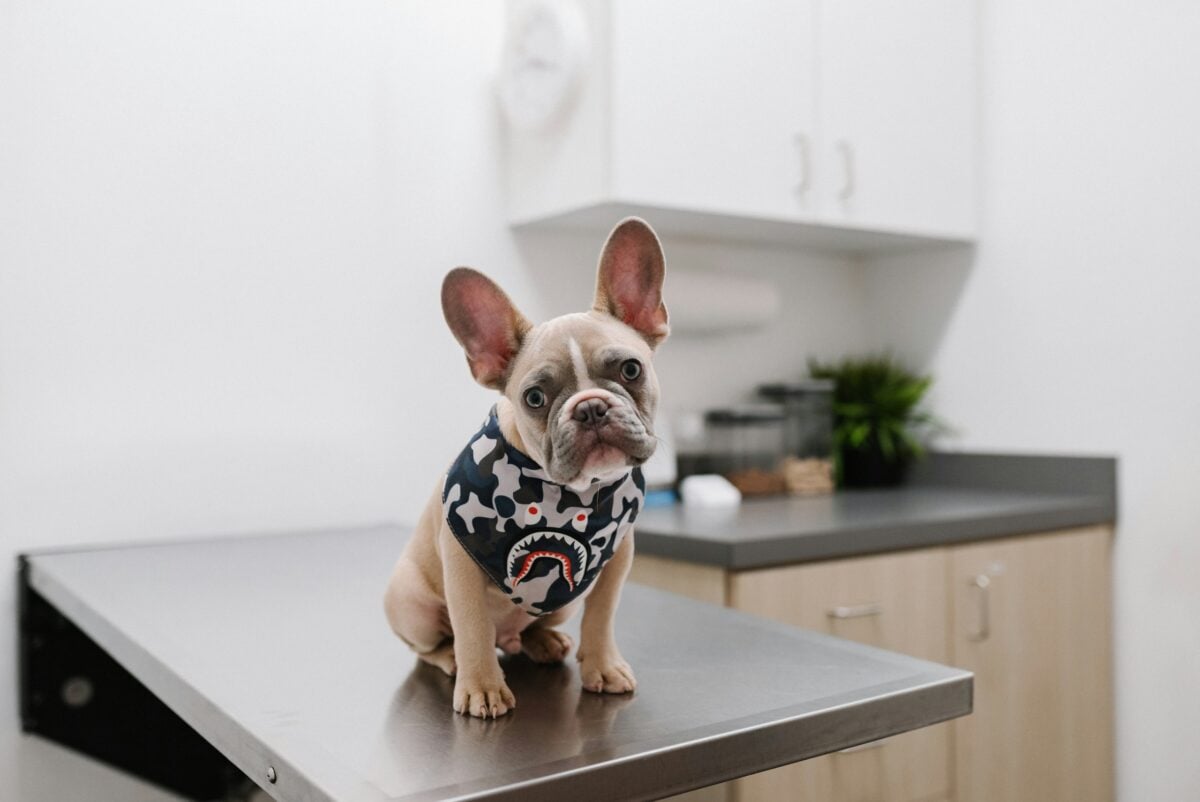
Call your vet if your dog:
- Is peeing much more often than usual
- Is straining or crying while urinating
- Has blood in their urine
- Hasn’t peed in 10–12 hours
- Is drinking excessively and peeing excessively
- Seems lethargic, weak, or uncomfortable
Sudden changes matter more than gradual aging shifts. If something feels different from your dog’s normal routine, it’s better to check early than wait.
Can Dogs “Train” Their Bladders?
Sort of. Dogs can’t magically increase bladder size, but they can learn predictable potty rhythms.
When you stick to consistent bathroom times, your dog’s body adapts. Muscles strengthen. Signals become clearer. Accidents decrease.
What doesn’t work? Forcing long holds regularly.
Pushing a dog past their comfort limit doesn’t build control. It builds stress.
Bladder strength improves through routine and reinforcement — not endurance testing.
Quick Reality Check: Healthy adult dogs can adjust to structured schedules. Puppies are still developing. Senior dogs may move in the opposite direction. Training works best when it matches life stage.
5 Ways To Reduce Accidents (Without Making Your Dog Miserable)
If medical causes have been ruled out, the solution is usually structure — not stricter discipline. Bladder control improves with routine, clarity, and calm reinforcement.
Here’s what actually works.
1. Stick To A Consistent Bathroom Schedule
Dogs thrive on predictability. Take your dog out at the same times each day. Morning, after meals, mid-afternoon, before bed.
If accidents are happening often, shorten the interval. Once things improve, slowly extend the time between breaks.
Consistency builds confidence — and bladder rhythm.
2. Teach A “Go Potty” Cue
Use the same phrase every time your dog starts to urinate.
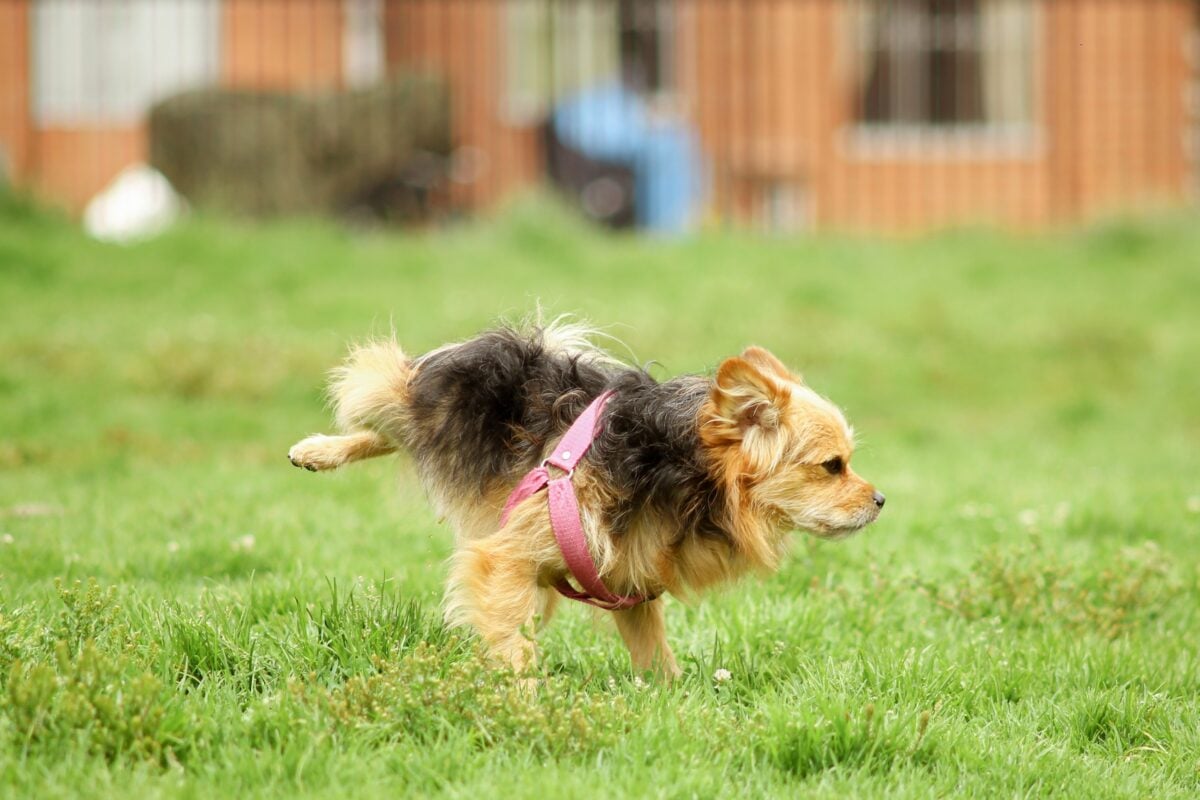
“Go potty.”
“Do your business.”
Whatever you choose — stick with it.
With repetition, your dog will associate the phrase with the action, which speeds up bathroom trips and reduces endless sniffing sessions.
3. Reward The Right Behavior Immediately
Praise right after they finish. Not five minutes later. Not inside the house.
Immediate reinforcement helps your dog connect the action with the reward.
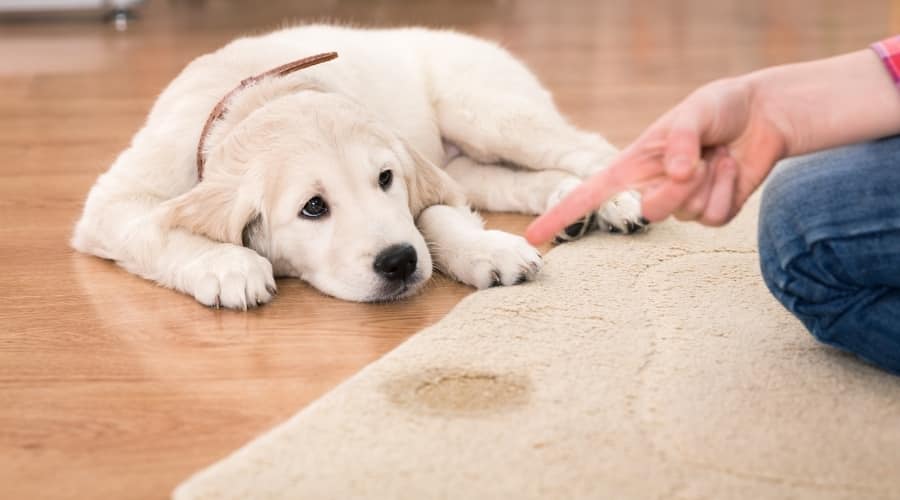
Avoid punishment for accidents. Dogs don’t understand delayed scolding, but they do understand praise.
4. Adjust Water Timing (Not Access)
Never restrict water entirely. But you can:
- Offer a final potty break right before bed
- Monitor heavy drinking right after intense exercise
- Avoid salty treats late at night
The goal isn’t dehydration. It’s timing.
5. Create Backup Plans When Needed
If you:
- Work long hours
- Have a senior dog
- Live in an apartment
- Deal with harsh weather
Indoor solutions can prevent stress for both of you. We’ll cover those next.
Keeping Your Dog Hydrated Without Overdoing It
If your pup mainly eats kibble, ensure they drink enough water is important. You can also boost their hydration levels by adding:
- Wet dog food (even mixing a little with kibble helps!)
- Low-sodium broth (great for picky drinkers)
- Dog gravy or hydrating toppers
- Fresh fruits and veggies (like cucumbers, watermelon, and carrots)
A well-hydrated dog is a healthy dog, but if your pup is suddenly drinking and peeing excessively, it could indicate an underlying health issue like diabetes, kidney disease, or a urinary tract infection. When in doubt, a vet check is always a good idea.
Indoor Potty Options (When Outdoor Breaks Aren’t Enough)
Frequent potty breaks aren’t always realistic. Apartment living, long work hours, harsh winters, mobility limitations, or aging dogs can make strict outdoor schedules difficult.
In those cases, indoor potty solutions aren’t “bad training.” They’re smart management.
Indoor setups are especially helpful for:
- Small breeds with tiny bladders
- Senior dogs with weaker control
- Dogs with medical conditions
- Recovery after surgery
- Extreme weather climates
4 Common Indoor Potty Solutions
The key is consistency. Train your dog to use the indoor area the same way you would outdoor potty breaks — same location, same cue, same praise.
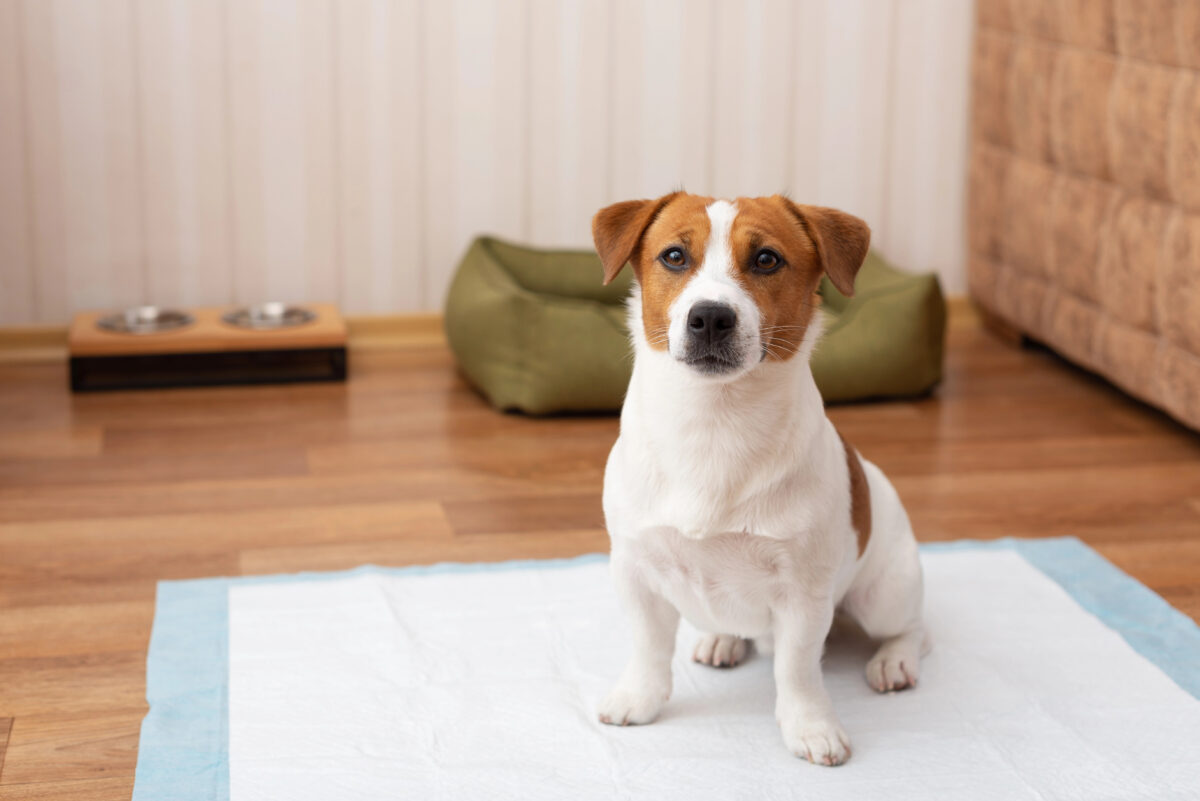
1. Washable Pee Pads
Reusable pads are ideal for:
- Senior dogs with weaker bladder control
- Small breeds who can’t hold it long
- Dogs recovering from surgery
- Apartment living
- Cold-weather climates
Look for:
- Non-slip backing
- High absorbency core
- Waterproof bottom layer
- Machine washable design
2. Artificial Grass Patches
Good for:
- Balconies
- Covered patios
- Harsh winters
- High-rise living
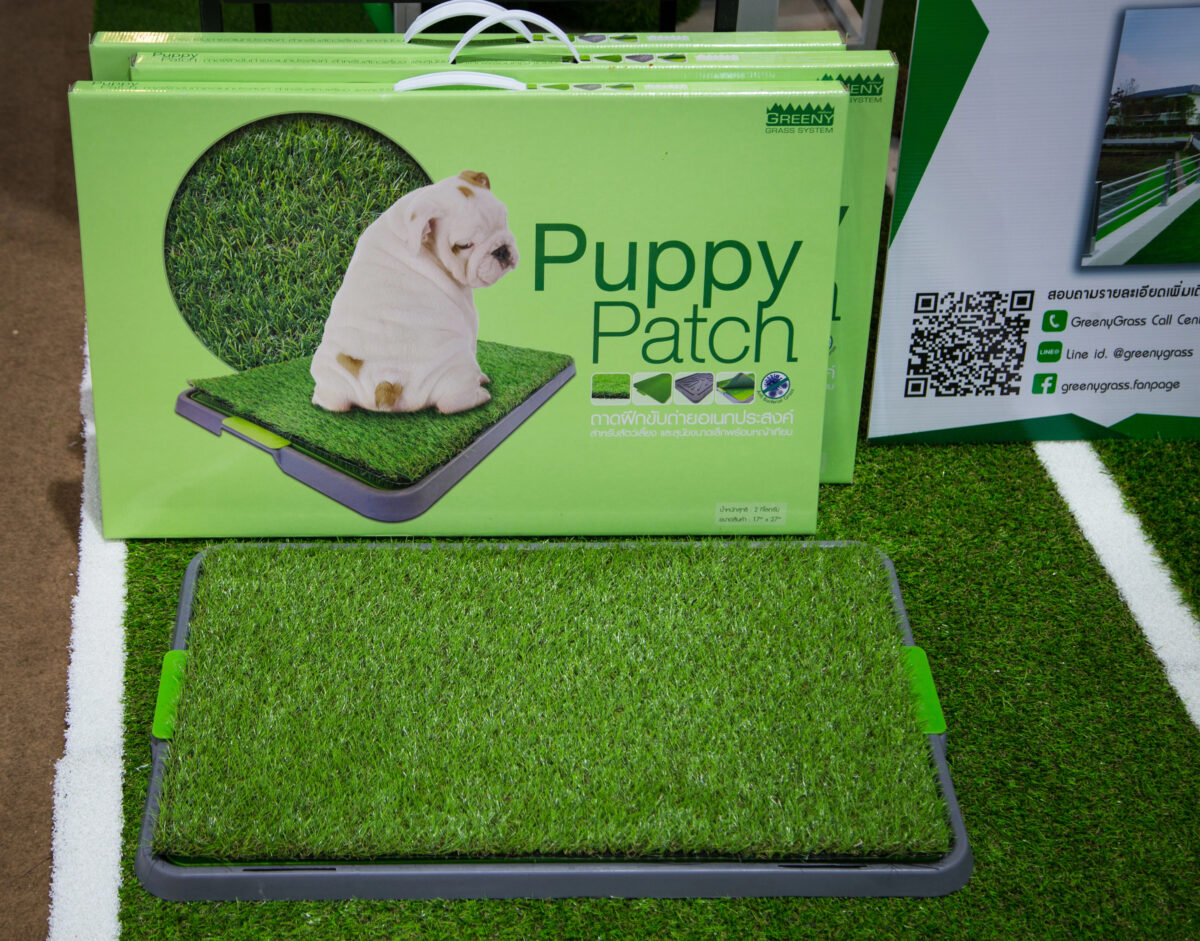
Pros:
- Mimics outdoor texture
- Can help transition between indoor and outdoor
- Easy rinse-clean
Cons:
- Needs frequent cleaning
- Odor can build if not maintained
Learn more in our guide to best dog toilets.
3. Dog Diapers & Belly Bands
Useful for:
- Incontinence
- Post-surgery recovery
- Travel
- Senior dogs who leak during sleep
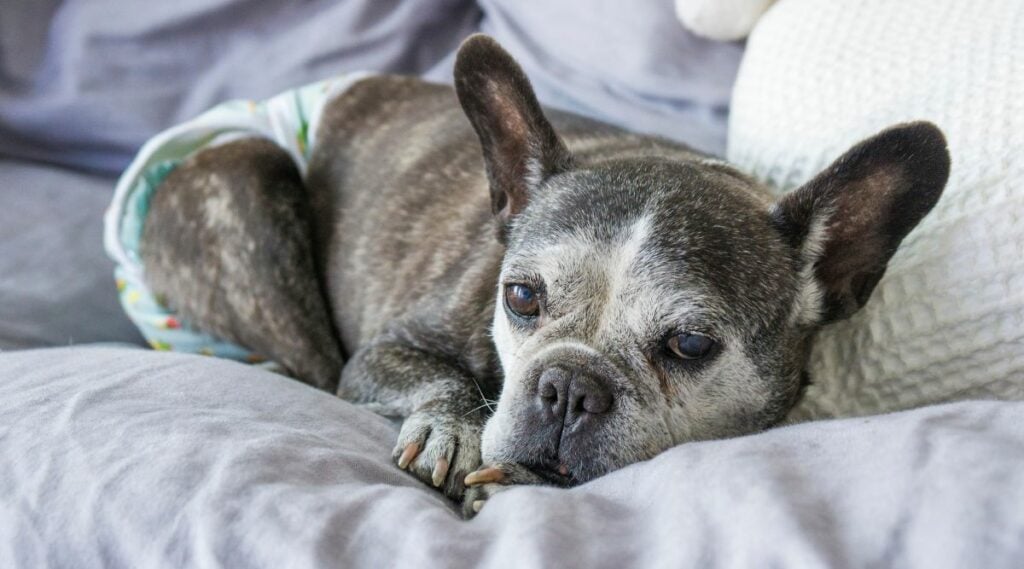
View our picks for best dog diapers, including single-use and reusable options.
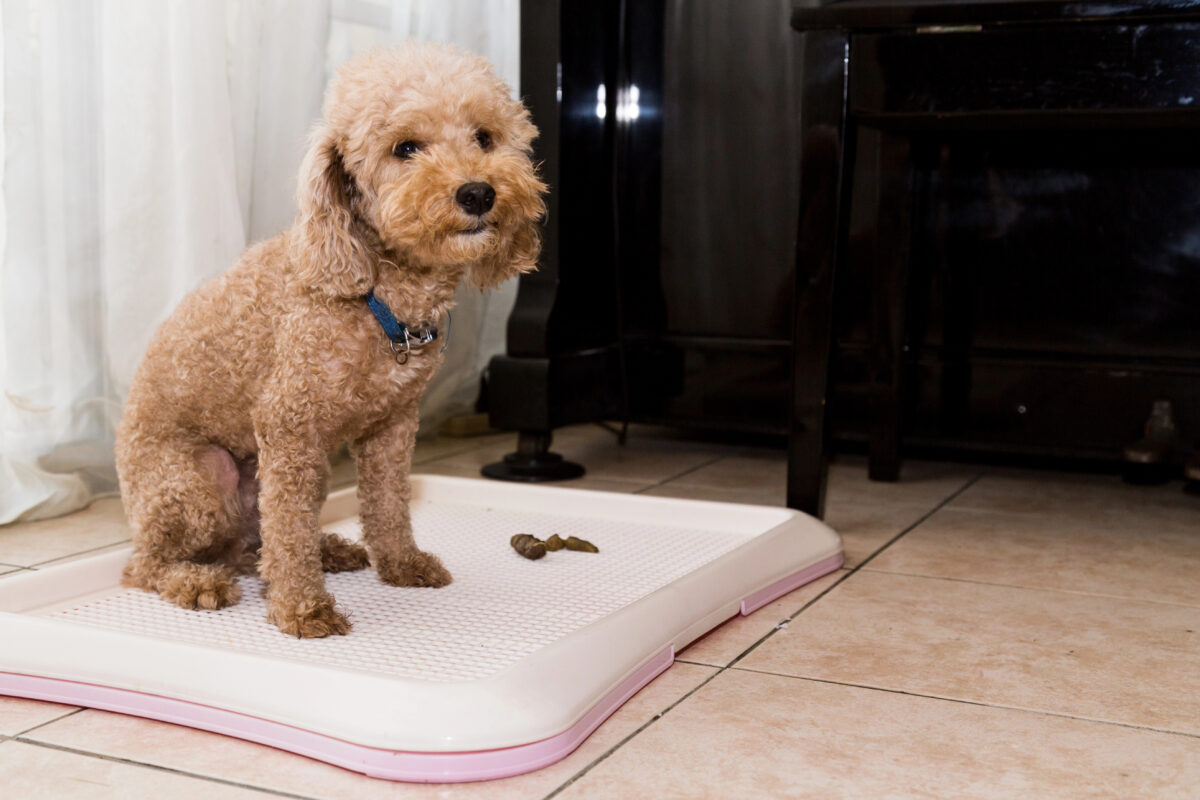
4. Pee Pad Holders
Pee pad holders are helpful for dogs who:
- Shred pads
- Push them around
- Miss the center
- Aim for the edge
Eliminating Dog Pee Odor (Before It Becomes Permanent)
If your dog has an accident, speed matters. The longer urine sits, the deeper it soaks into carpet padding, subfloor, and fabric — and the harder it is to fully remove.
Step 1: Blot, Don’t Rub
Use paper towels or a clean cloth to absorb as much liquid as possible. Press firmly. Avoid scrubbing.
Step 2: Use An Enzyme Cleaner
Regular cleaners mask odor. Enzyme cleaners break down the urine proteins that cause lingering smell.
Try:
- Biokleen Bac-Out Pet – An enzyme-based formula designed to break down organic messes like urine, vomit, and feces.
Let it sit according to label instructions before blotting again.
Step 3: Allow It To Fully Dry
Odor can linger if the area stays damp. Ventilation helps.
Still Smelling It?
If odor persists after cleaning, a deodorizing disinfectant can help neutralize what remains.
- OdoBan Disinfectant – A strong EPA-registered disinfectant that works extremely well for stubborn pet odors.
For deeper cleanup methods, see our full guide on how to get dog pee smell out of carpet (internal link).
Frequently Asked Questions
Here are the most common concerns dog owners have about bladder control. Don’t see yours? Respond in the comments, and we’ll get back to you!
How Long Is Too Long For A Dog To Hold Their Pee?
For most healthy adult dogs, more than 8 hours is pushing it.
Even if a dog can physically hold it that long, it’s not ideal. Regularly waiting too long can increase stress and raise the risk of urinary issues over time.
Can A Dog Hold Their Pee For 10 Or 12 Hours?
Some large, healthy adult dogs might manage it occasionally. But that doesn’t mean they should. Consistently holding urine for 10–12 hours is uncomfortable and not recommended as a routine.
Is It Cruel To Leave A Dog Alone All Day Without A Bathroom Break?
It depends on the dog’s age, size, and health.
Puppies and senior dogs cannot safely hold it all day. Most adult dogs need a break every 4–6 hours. If you’re gone longer than that regularly, consider a dog walker or indoor potty option.
Why Does My Dog Suddenly Need To Pee More Often?
Sudden increases in urination can be caused by:
- Increased water intake
- Diet changes
- Stress or anxiety
- Hormonal or metabolic conditions
If the change is dramatic or paired with excessive thirst or straining, a vet visit is recommended.
Do Small Dogs Really Have Smaller Bladders?
Yes. Smaller dogs generally have less bladder capacity and faster metabolisms, which means more frequent bathroom breaks. A Chihuahua will almost always need more trips outside than a Great Dane.
Why Does My Senior Dog Have More Accidents?
Bladder muscles weaken with age. Senior dogs may also develop incontinence or underlying health conditions that increase urination. This is common and manageable with routine adjustments or veterinary support.
Should I Limit My Dog’s Water To Reduce Accidents?
No. Never restrict water as a training method. Dehydration can cause serious health problems.
Instead, focus on consistent potty breaks and predictable routines.
Still Dealing With Weird Potty Problems?
Bathroom habits can tell you a lot about your dog.
If your pup’s urine suddenly smells fishy or unusually strong, it might be more than an inconvenience. Learn what it means and when to worry in our guide to why your dog smells like fish.
If your dog refuses to potty on walks but immediately goes once you’re home, that’s a common behavioral pattern. We break down possible causes and solutions in why your dog won’t potty on walks.
And if your dog has taken things to the next level and started snacking on poop, you’re not alone. Here’s what causes it — and how to stop it — in our guide to why dogs eat poop.