When you purchase through links on our site, we may earn a commission. Here’s how it works.
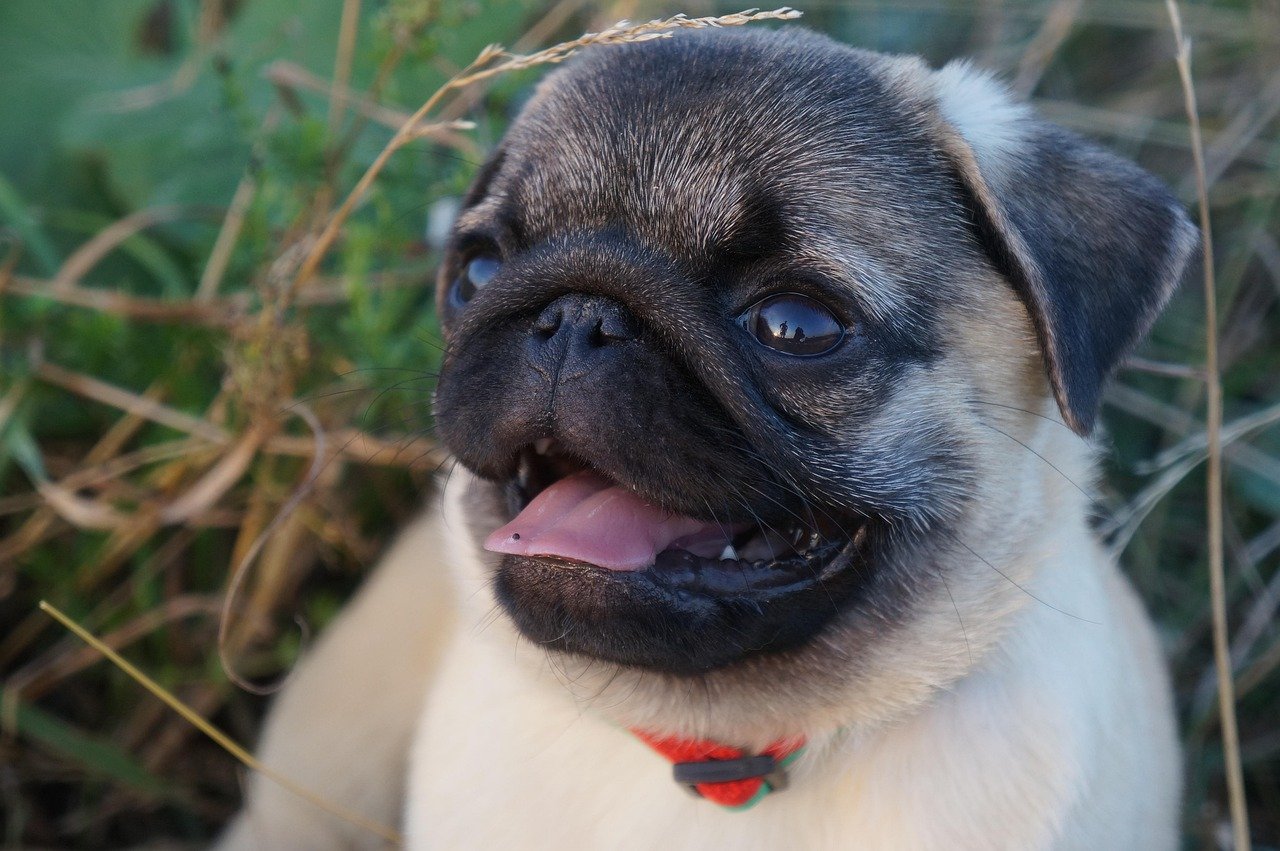
Pugs are pure joy — goofy, affectionate, and deeply attached to their people, but they also carry more health risks than many owners expect.
Table of Contents
From breathing difficulties to eye and spinal problems, their unique build makes certain conditions far more common. Knowing what to watch for can help you protect your Pug’s comfort, health, and quality of life.
Planning Ahead For Vet Bills
Caring for a Pug often means planning for more than routine vet visits. Why?
Studies from the Royal Veterinary College (RVC) show that Pugs are nearly twice as likely as other breeds to develop at least one health disorder each year, and many of these conditions require ongoing treatment rather than a one-time fix. Over time, the cost of exams, medications, diagnostic imaging, and surgery can add up quickly.
For many Pug owners, pet insurance can be an essential safety net, helping manage unexpected expenses tied to breed-related issues and allowing care decisions to be based on what’s best for the dog, not just the bill.
Learn more about the best pet insurance options for Pugs and get a free quote using the form below.

10 Common Pug Health Problems
Pugs may be small, but they leave a big impression. Their snorts, wrinkles, expressive eyes, and playful personalities make them easy to fall in love with. But many of the traits that make them so charming also come with serious health trade-offs.
Their flat faces, prominent eyes, and compact builds are linked to higher rates of breathing problems, eye injuries, joint disease, and neurological conditions, often tied to selective breeding.
To better understand what Pug owners are most likely to face, I spoke with Dr. Rebecca MacMillan, BVetMed, BSAVA, PGCertSAM, MRCVS, a veterinarian and surgeon at a small animal clinic in the U.K.
As Dr. MacMillan shared upfront, “As lovable as Pugs are, they are sadly one of the least healthy breeds that I see in practice. If you choose to adopt a Pug, make sure you have the funds in place for medical bills or strongly consider insurance, as it is highly likely your pet will need some form of veterinary care during their lifetime.”
Below are the 10 most common health problems seen in Pugs, along with key symptoms to watch for so you can act quickly if something doesn’t seem right.
1. Brachycephalic Obstructive Airway Syndrome (BOAS)
Pugs are a brachycephalic breed, meaning they have shortened skulls and flattened faces. While that signature look is part of their appeal, it also comes with a major downside: restricted airflow.
As Dr. Rebecca MacMillan explains, “Their flattened faces make them highly likely to suffer from some degree of BOAS, or brachycephalic obstructive airway syndrome. In addition to snoring, most Pugs I see have noisy and laboured breathing, especially when they are stressed or exercising.”
BOAS is a collection of anatomical abnormalities that interfere with normal breathing. These may include slit-like nostrils, an elongated soft palate that partially blocks the airway, and a windpipe that’s narrower than normal. Severity varies, but nearly all Pugs are affected to some degree.
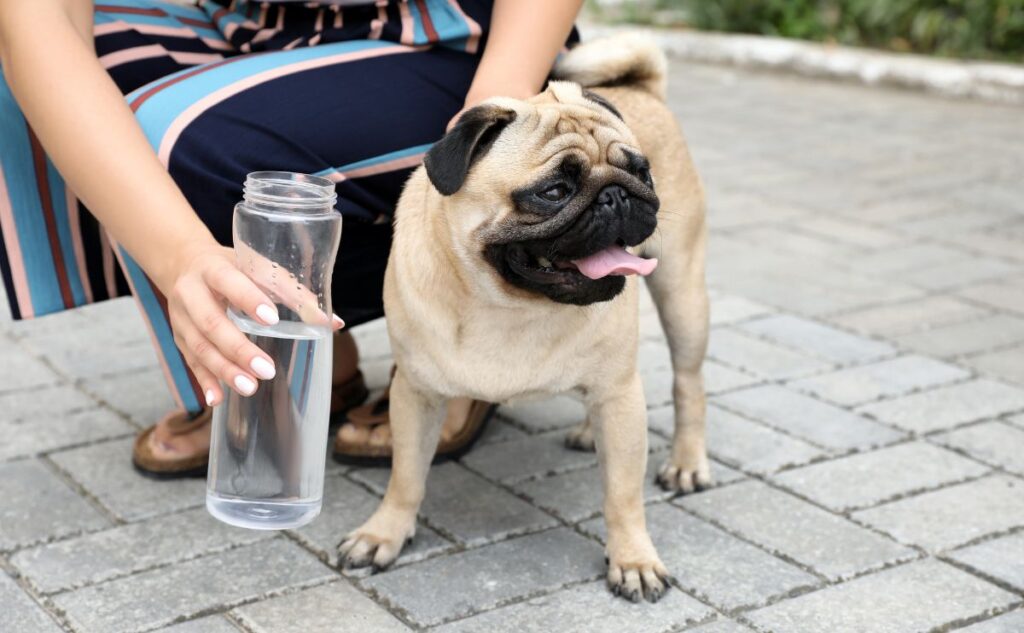
Research from the Royal Veterinary College has identified BOAS as the highest-risk disorder in Pugs, with the breed dozens of times more likely to develop it than non-brachycephalic dogs. Beyond chronic breathing distress, BOAS also makes Pugs far more susceptible to overheating and heatstroke, which can become life-threatening in a very short time.
BOAS Symptoms
Signs of BOAS can range from mild to severe and often worsen with age:
- Loud or raspy breathing
- Snorting or snuffling
- Snoring, even when awake or lightly resting
- Gagging or retching
- Reverse sneezing
- Exercise intolerance
- Heat intolerance
- Breathing distress during excitement or stress
Diagnosis & Treatment
Because BOAS can progress over time, veterinarians often recommend regular monitoring, especially as Pugs age.
Treatment depends on severity:
- Mild cases may be managed with weight control, avoiding heat and overexertion, and reducing stress.
- Moderate to severe cases often benefit from corrective surgery to improve airflow and breathing comfort.
Early diagnosis can significantly improve quality of life and reduce the risk of emergency situations related to overheating or respiratory collapse.
Real-Life Pug Reality
Many Pugs don’t realize they’re struggling to breathe, and they rarely show obvious distress early on. Subtle signs like louder snoring, slower walks, or avoiding exercise are often the first clues owners notice.
2. Skin Problems
Pugs are especially prone to skin issues, largely because of their deep facial wrinkles and skin folds. These warm, moist areas create the perfect environment for bacteria and yeast to thrive, making skin fold dermatitis a frequent problem in the breed.
Without regular cleaning, moisture and debris can build up quickly, leading to redness, odor, irritation, and infection. Even with good hygiene, some Pugs experience recurring flare-ups throughout their lives.
Beyond skin folds, many Pugs also struggle with allergies. This breed is genetically predisposed to atopic dermatitis, a chronic inflammatory skin condition triggered by environmental allergens like pollen, dust mites, mold spores, and grasses. Food sensitivities can also contribute, making itchiness a year-round issue for some dogs.
Allergy Symptoms
Unlike people, dogs rarely show allergy symptoms through sneezing or watery eyes. In Pugs, allergies usually show up on the skin:
Allergy Diagnosis & Treatment
Identifying the exact cause of a Pug’s skin problems can take time. Veterinarians often use a process of elimination, ruling out parasites, infections, and food reactions before considering environmental allergies. In some cases, allergy testing may be recommended.
Treatment varies depending on the trigger and severity. It may include medicated wipes or shampoos, prescription allergy medications, immune-modulating drugs, or specialized diets. Because allergies are often lifelong, management costs can add up over time.
Consider An At-Home Dog Allergy Test
For owners struggling to pinpoint triggers, an at-home allergy test may offer helpful insight into potential food ingredients or environmental factors that could be contributing to symptoms.
While these tests don’t replace veterinary diagnostics, sharing the results with your vet may help narrow down next steps and guide a more targeted treatment plan.
3. Ear Infections
Pugs are prone to recurring ear infections, often as a result of allergies, skin inflammation, and the structure of their ears. Their small, folded ear canals can trap moisture and wax, creating an environment where bacteria and yeast thrive.
Left untreated, ear infections can become extremely painful and may lead to chronic inflammation or permanent ear damage. Many Pugs experience repeat infections unless the underlying cause, such as allergies, is addressed.
Ear Infection Symptoms
Common signs of an ear infection include:
- Frequent scratching at the ears or head shaking
- Redness or swelling inside the ear
- Strong or unusual odor
- Yellow, brown, or bloody discharge
- Hair loss or crusting around the ear openings
- Rubbing the ears against furniture or the floor
Diagnosis & Treatment
Veterinarians diagnose ear infections by examining the ear canal and testing discharge to identify bacteria, yeast, or mites.
Treatment typically includes thorough ear cleaning followed by topical or oral medications, such as antibiotics, antifungals, or anti-inflammatory drugs. A follow-up exam is often necessary to ensure the infection has fully cleared, especially in dogs with chronic or allergy-related ear issues.
4. Luxating Patella
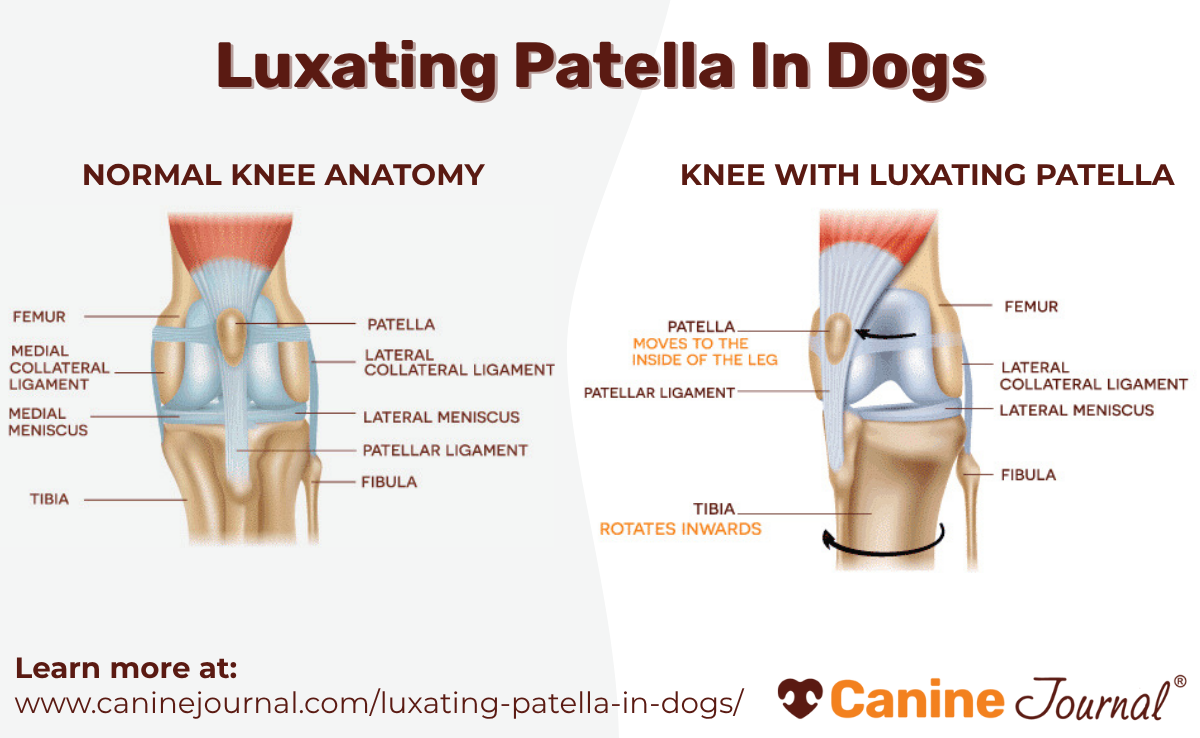
Like many small breeds, Pugs are prone to luxating patella, a condition where the kneecap slips out of its normal position. This abnormal movement disrupts the mechanics of the joint and can lead to pain, instability, and early-onset arthritis.
Research published in Veterinary Medicine: Research and Reports says that Pugs are among the breeds most commonly affected, and the condition often occurs in both hind legs. While the kneecap may slip back into place on its own at first, repeated episodes tend to worsen over time.
Luxating Patella Symptoms
- Limping or favoring one leg
- Intermittent hopping or skipping
- Sudden lifting of a rear leg while walking or running
- Stiffness or abnormal gait
Diagnosis & Treatment
Diagnosis is usually made through a physical examination, sometimes supported by X-rays to assess joint alignment and rule out additional damage.
Treatment depends on severity.
- Mild cases may be managed with weight control, activity modification, joint supplements, and pain medications.
- Moderate to severe cases often require surgery to realign the kneecap and stabilize the joint, especially when mobility or quality of life is affected.
5. Hip & Elbow Dysplasia
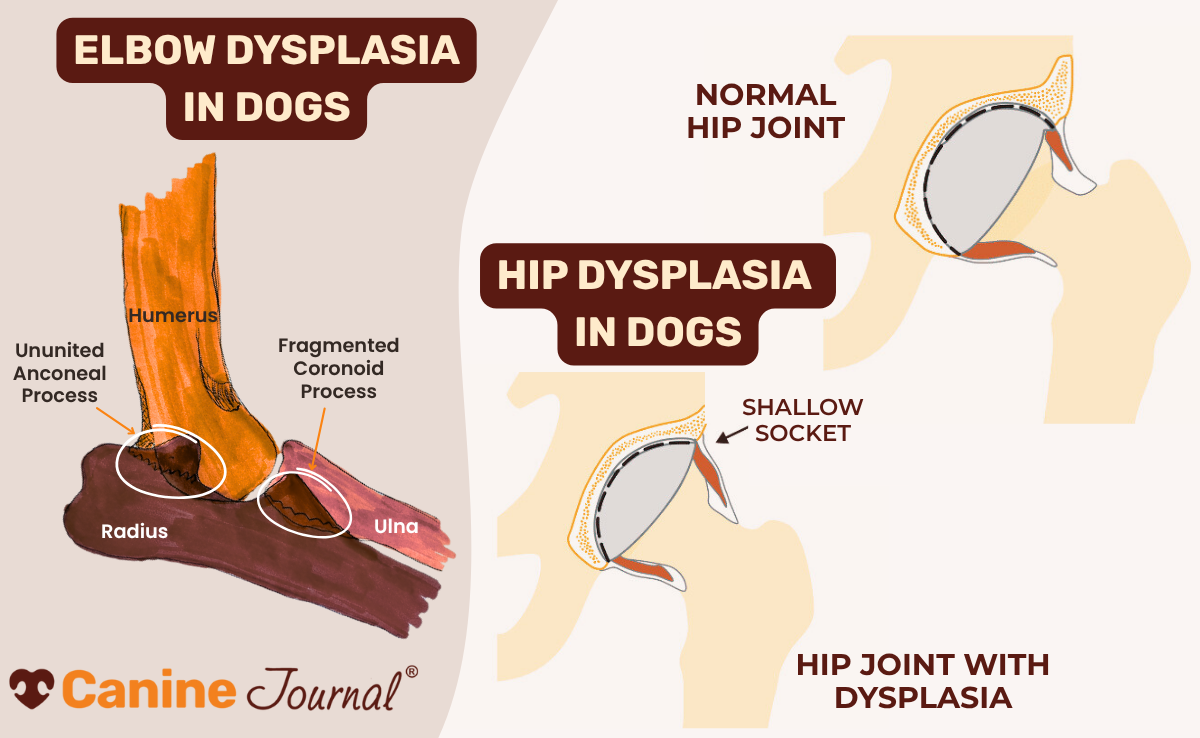
Although hip dysplasia and elbow dysplasia are often associated with larger breeds, Pugs are also at increased risk for these painful joint disorders.
Both conditions involve abnormal joint development, which causes instability, uneven wear, and progressive damage to cartilage. Over time, this leads to chronic pain, reduced mobility, and arthritis. In Pugs, excess weight and altered gait from other orthopedic issues can further accelerate joint deterioration.
Hip/Elbow Dysplasia Symptoms
- Pain or stiffness during or after activity
- Lameness in the front or rear legs
- Difficulty standing up or lying down
- Reluctance to climb stairs or take longer walks
- Abnormal gait or reduced enjoyment of exercise
Diagnosis & Treatment
Diagnosis typically involves a hands-on joint exam followed by X-rays to evaluate joint structure and severity. In some cases, advanced imaging may be recommended.
Treatment depends on how advanced the condition is.
- Mild to moderate hip cases are often managed with weight control, joint supplements, physical therapy, and anti-inflammatory medications.
- Severe hip cases may require surgery, including total hip replacement, which can significantly improve comfort and mobility.
- Elbow dysplasia frequently requires surgical intervention to prevent further joint damage.
6. Spinal Problems
Pugs are predisposed to serious spinal and neurological disorders that can affect mobility and quality of life, sometimes progressing quickly.
One of the most common is intervertebral disc disease (IVDD). This genetic condition occurs when the cushioning discs between the vertebrae bulge or rupture, placing pressure on the spinal cord. IVDD may develop gradually or appear suddenly and can range from pain and stiffness to paralysis.
Pugs are also at risk for Pug myelopathy, a progressive neurological disorder, and the most frequent cause of rear limb incoordination in the breed. Although the back legs may appear weak, the underlying problem originates in the spine and nervous system.
According to the Pug Dog Club of America, Pug myelopathy often worsens over one to four years and typically affects only the rear limbs. Unlike degenerative myelopathy, it does not usually progress to full-body paralysis.
Research suggests Pug myelopathy is often linked to multiple spinal abnormalities, including vertebral malformations, chronic disc disease, and long-term compression of the spinal cord.
IVDD Symptoms
These signs can occur slowly (over several weeks to months) or rapidly (over minutes to hours). Most dogs develop signs over a few days.
- Unsteady or abnormal walking
- Hunched posture or tense neck and back
- Crying out in pain
- Loss of bladder or bowel control
- Partial or complete paralysis
Pug Myelopathy Symptoms
- Progressive weakness and incoordination in the rear legs
- Dragging or scuffing of the feet
- Difficulty jumping or climbing
- Low or abnormal tail carriage
- Urinary and/or fecal incontinence
- Normal strength and coordination in the front limbs
Diagnosis & Treatment
Diagnosis typically involves a neurological exam, supported by X-rays and advanced imaging such as CT or MRI to evaluate the spinal cord.
Early intervention is critical for the best outcome. Treatment depends on severity.
- Mild cases may be managed with pain medication, anti-inflammatories, strict activity restriction, and physical therapy.
- Severe cases often require surgery to relieve spinal cord compression and prevent permanent paralysis.
Real-Life Pug Reality
Spinal and neurological problems in Pugs don’t always start with obvious pain. Changes in posture, movement, or bathroom habits are often dismissed as aging—but they’re important early warning signs.
7. Multiple Eye Disorders
Pugs are at high risk for eye problems, largely because of their skull shape and shallow eye sockets. Their eyes sit more prominently than in many other breeds, leaving them vulnerable to injury, irritation, and infection, even during normal daily activities. However, this breed also suffers from some genetic eye disorders.
As Dr. Rebecca MacMillan explains, “I have certainly seen a few Pugs who have needed an eye removed when things have gone wrong. I recently had to refer a serious ulcer case to an ophthalmology specialist to try to save their eye.”

Common Eye Disorders in Pugs
Pugs are most commonly affected by the following eye conditions:
- Corneal ulcers – painful sores on the eye’s surface that can worsen rapidly
- Proptosis – an emergency where the eyeball is displaced from its socket, often after trauma
- Cherry eye – prolapse of the tear gland in the third eyelid, often requiring surgery
- Dry eye (keratoconjunctivitis sicca) – reduced tear production causing chronic irritation
- Entropion – inward rolling of the eyelids that rubs against the cornea
- Distichiasis – abnormal eyelash growth that irritates the eye surface
Eye Disorder Symptoms
Many eye conditions share similar warning signs:
- Squinting or excessive blinking
- Red, inflamed, or cloudy eyes
- Sensitivity to light
- Yellow or green discharge
- Pawing at the face or rubbing the eyes
Diagnosis & Treatment
Eye problems in Pugs should always be treated as time-sensitive. Veterinarians diagnose these conditions through eye exams, staining tests, tear production tests, and pressure measurements.
Treatment depends on the condition and severity and may include prescription eye drops, lubricants, antibiotics, anti-inflammatory medications, or surgery. Prompt treatment is critical — early intervention can be the difference between saving an eye and permanent vision loss.
When to Call the Vet Immediately
Eye problems in Pugs can worsen quickly. Sudden squinting, eye redness, discharge, cloudiness, or visible injury should always be treated as urgent to help prevent permanent vision loss.
8. Pug Dog Encephalitis (PDE)
Pug dog encephalitis (PDE), also called necrotizing meningoencephalitis (NME), is an inflammatory disease of the central nervous system. It involves inflammation of the brain and, tragically, has no known cure. PDE typically appears between six months and six years of age and often progresses quickly.
The University of California, Davis School of Veterinary Medicine reports that female, fawn-colored Pugs under seven years of age may be at higher risk of developing this form of encephalitis compared with older dogs, males, and non-fawn Pugs.
PDE Symptoms
- Seizures
- Circling or head pressing
- Loss of coordination (ataxia)
- Vision loss or blindness
- Confusion or disorientation
- Lethargy or sudden behavior changes
Diagnosis & Treatment
Diagnosing PDE can be challenging, as confirmation often requires advanced imaging and specialized testing. Veterinarians may use MRI scans, spinal fluid analysis, and blood work to rule out other causes.
While treatment may temporarily control symptoms, the condition is usually fatal within months of diagnosis. Anti-seizure medications, anti-inflammatory drugs, and supportive care may improve comfort or slow progression, but the long-term prognosis remains poor. Early veterinary intervention can help guide care decisions and quality-of-life planning.
9. Dental Disease
Pugs are also more prone to retained baby teeth than many other breeds. These puppy teeth require extraction to make room for adult teeth to grow in.

Dental disease is extremely common in Pugs, largely due to crowded teeth and shortened skull structure. Their small mouths often don’t have enough space to accommodate the normal number of teeth, which leads to plaque buildup, gum inflammation, and early tooth loss.
Pugs are also more likely than many breeds to retain baby teeth. Retained puppy teeth often need to be removed to allow adult teeth to erupt properly and prevent long-term dental problems.
Periodontal disease can lead to significant health complications and potentially shorten your dog’s lifespan. Additionally, it can cause discomfort and affect your dog’s overall well-being.
Dental Disease Symptoms
- Bad breath
- Red, swollen, or bleeding gums
- Tartar buildup on the teeth
- Difficulty chewing or dropping food
- Excessive drooling
- Loose or missing teeth
Diagnosis & Treatment
Veterinarians diagnose dental disease through oral exams, often followed by dental X-rays under anesthesia to assess damage below the gum line.
Treatment may include professional cleaning, antibiotics, or pain relief, and tooth extractions when infection or decay is present. Routine dental care is not cosmetic — it plays a critical role in preventing pain, systemic infection, and organ damage.
Prevention tips:
- Brush their teeth regularly at home
- Schedule yearly professional cleanings
- Adjust their diet to support oral health and freshen breath
Good dental care helps your dog stay healthy and pain-free.
10. Obesity
Pugs are highly food-motivated, which makes weight gain one of the most common — but preventable— health problems in the breed. Even a small amount of extra weight can have an outsized impact on a Pug’s health.
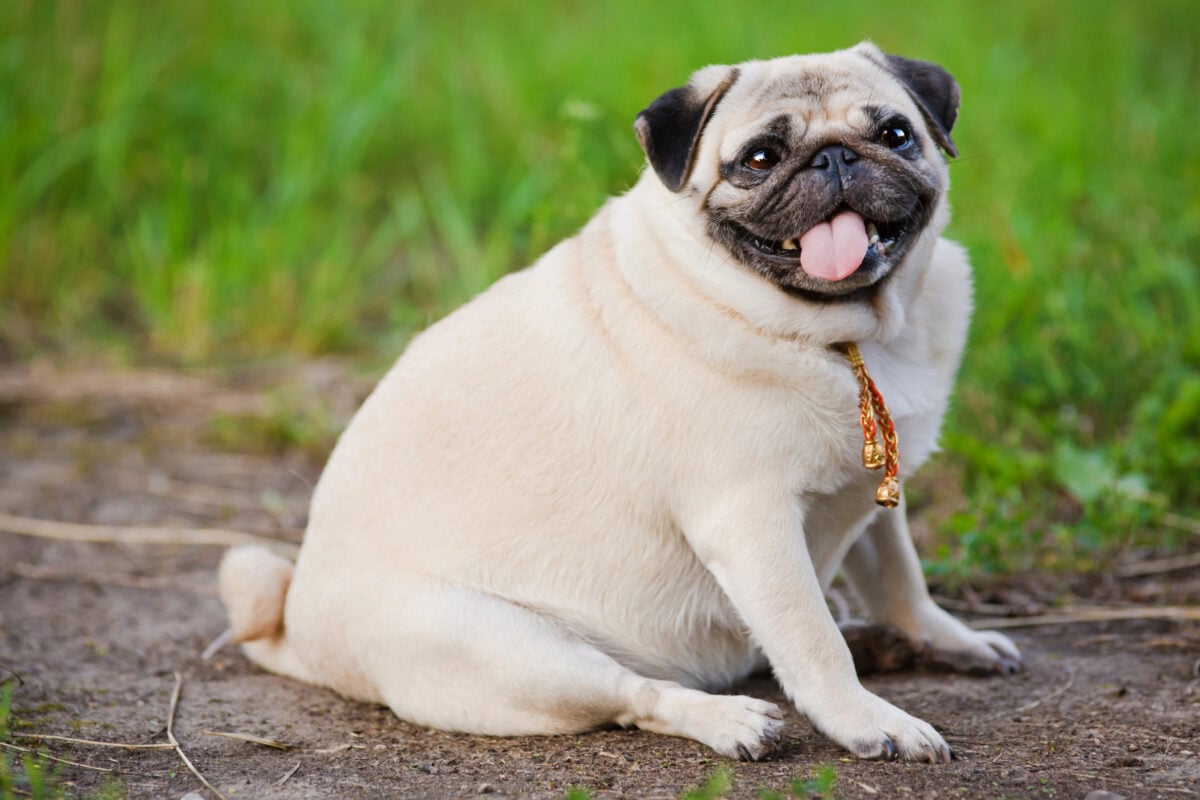
Because of their small size and build, just a few extra pounds can worsen existing conditions, including breathing difficulties, joint disease, and spinal problems. Obesity also increases the risk of diabetes and heart disease and reduces overall stamina and quality of life.
Obesity Symptoms
- Noticeable weight gain or loss of a defined waist
- Difficulty feeling the ribs under a fat layer
- Reduced energy during walks or play
- Reluctance to jump or climb stairs
- Increased stiffness or worsening mobility issues
Diagnosis & Treatment
Veterinarians assess weight using a body condition score (BCS), evaluating rib coverage, waistline, and fat distribution. Regular weigh-ins help track gradual changes that owners may not notice day to day.
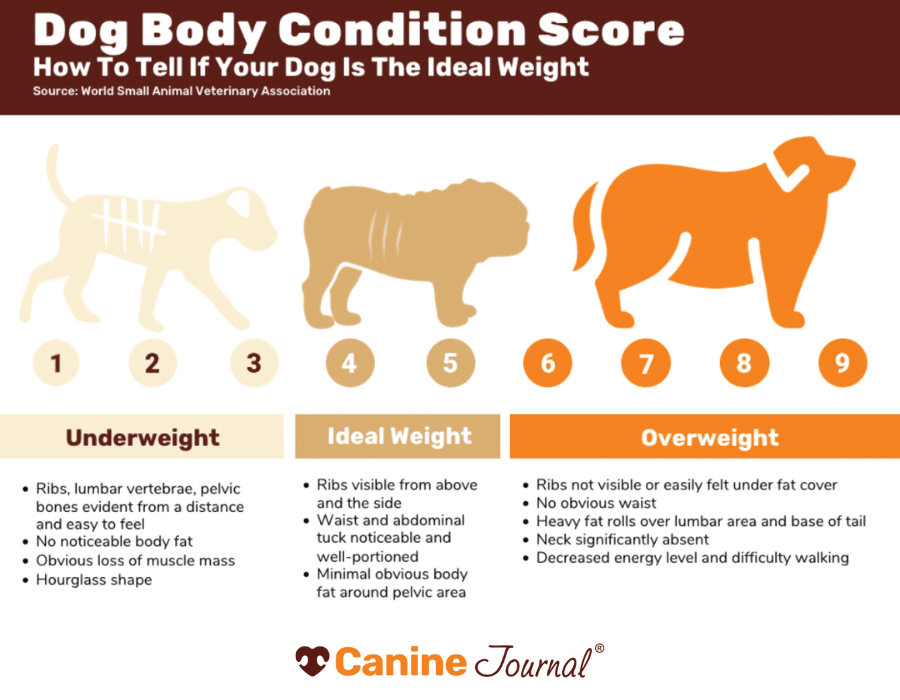
Weight management focuses on dietary control and safe exercise. This often includes portion control, limiting treats to no more than 10% of daily calories, and incorporating low-impact activities like walking or swimming. In some cases, vets may recommend prescription diets or supplements to support joint health and metabolism.
Gradual, sustained weight loss is key. Maintaining a healthy weight can significantly reduce strain on the respiratory system, joints, and spine, areas where Pugs are already vulnerable.
Other Pug Health Issues
In addition to the more common conditions listed above, Pugs can experience several other health problems that owners should be aware of. While these issues may occur less frequently, they can still have a serious impact on long-term health and comfort.
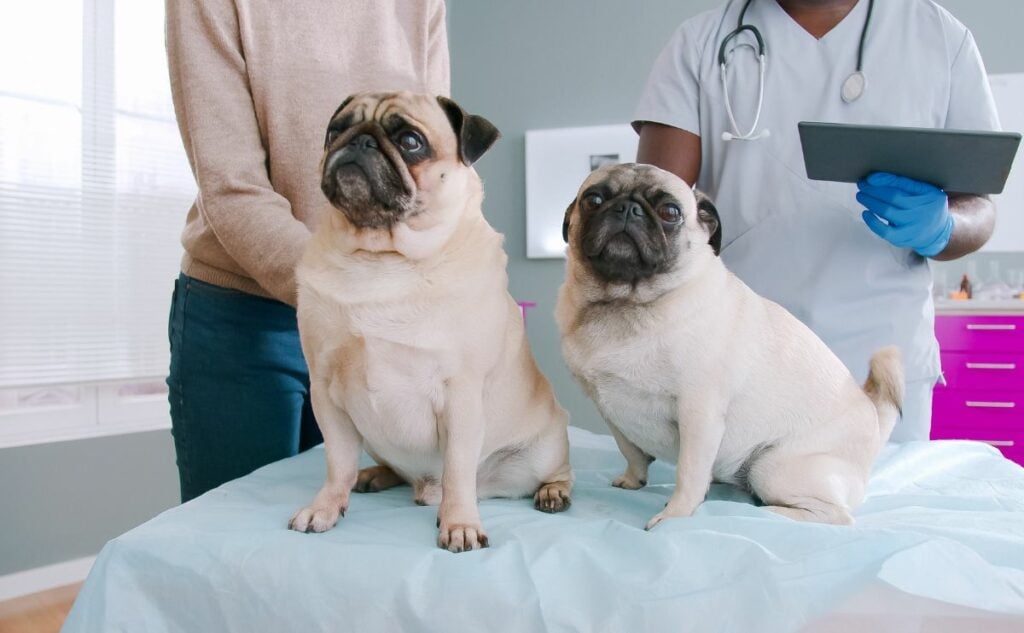
- Mast cell tumors are one of the most common cancers seen in Pugs. A 2016 study found that a significant number of Pugs develop these skin tumors, which can vary widely in severity and behavior.
- Hypothyroidism occurs when the thyroid gland fails to produce enough hormones to regulate metabolism. Affected Pugs may gain weight easily, develop skin or coat changes, and show reduced energy.
- Legg-Calvé-Perthes disease is a painful hip condition seen in young dogs, where disrupted blood flow causes the femoral head to deteriorate. This leads to limping, muscle loss, and reduced hip movement.
- Pancreatitis involves inflammation of the pancreas and can range from mild to life-threatening. Episodes are often triggered by high-fat foods and may cause vomiting, abdominal pain, and lethargy.
- Tracheal collapse occurs when the cartilage rings of the windpipe weaken over time, leading to coughing, breathing difficulty, and exercise intolerance.
- Portosystemic (liver) shunts are congenital abnormalities that prevent the liver from properly filtering toxins from the blood. Affected dogs may show neurological signs, poor growth, or digestive issues.
Average Costs For Several Common Pug Health Issues
Many of the health problems Pugs are prone to aren’t one-time expenses. Chronic conditions, repeat flare-ups, and surgical interventions can add up quickly, especially over a dog’s lifetime.
Below are average claim estimates reported by major pet insurance providers for health issues commonly seen in Pugs. Actual costs vary based on location, severity, and treatment plan, but these figures offer a realistic snapshot of what owners may face.
According to Fetch Pet Insurance, average claim costs for Pugs include:
- Walking abnormalities: $2,400–$3,500
- Oral inflammation and dental disease: $1,400–$2,000
- Eye inflammation: $450–$700
Data from Embrace Pet Insurance shows similar ranges for other common Pug conditions:
- BOAS surgery: $500–$2,000+
- Patellar luxation surgery: $1,500–$3,000
- Skin fold dermatitis treatment: $300–$2,500
- Distichiasis or ectopic cilia treatment: $1,500–$2,000
For many Pug owners, planning ahead, whether through savings, insurance, or both, can help ensure medical decisions are based on what’s best for the dog, not just what’s affordable in the moment.
Frequently Asked Questions
Below are answers to the questions readers most often ask about Pug health. If you don’t see yours here, feel free to ask us in the comments.
What Is The Average Pug Life Expectancy?
Pugs typically live anywhere from 12 to 15 years, though lifespan varies based on genetics, overall health, and lifestyle. Early medical care, weight management, and routine veterinary visits can significantly influence longevity, and some Pugs live well into their late teens.
What Do Pugs Usually Die From?
Recent studies suggest that breathing disorders (including BOAS), seizures, and degenerative spinal conditions are among the leading causes of death in Pugs. Many of these issues are linked to the breed’s anatomy and genetic predispositions.
Why Are Pugs Predisposed To So Many Health Issues?
Pugs are vulnerable to health issues due to their brachycephalic (flat-faced) structure, compact bodies, and selective breeding practices. These traits contribute to respiratory, eye, dental, neurological, and orthopedic problems that occur more frequently than in many other breeds.
What’s The Best Diet For Pugs?
Feeding a high-quality, nutritionally balanced diet helps support immune function, joint health, and weight control — three areas especially important for Pugs. Choosing a diet appropriate for your dog’s age, activity level, and health needs can reduce the risk of obesity-related complications.
Check out my top picks for the best dog food for Pugs in all life stages. You may also find these guides helpful:
Every Pug is different. What health challenges have you faced with your Pug, and what’s helped the most? We’d love to hear your experience in the comments below.