When you purchase through links on our site, we may earn a commission. Here’s how it works.
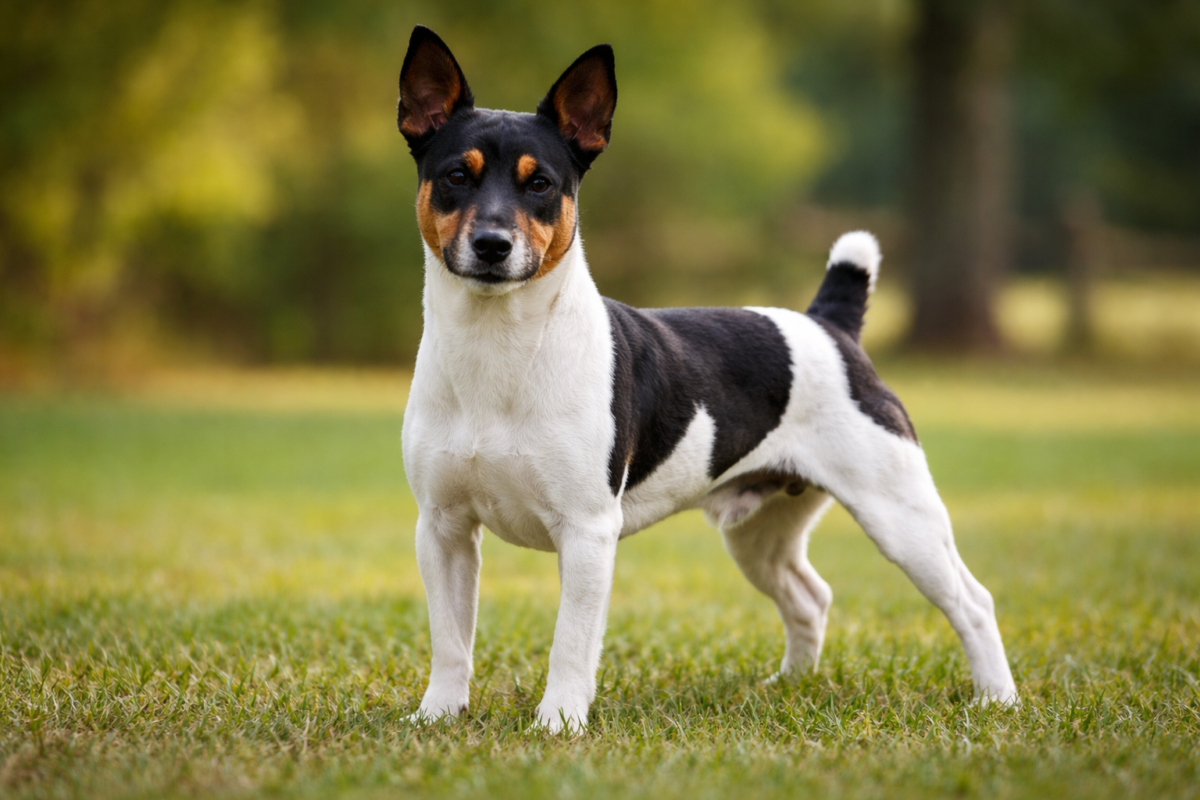
The Teddy Roosevelt Terrier is small, sturdy, and far more capable than its size suggests. Originally bred as an all-purpose farm dog, this breed blends classic terrier instincts with a surprisingly steady, people-focused temperament.
Table of Contents
While many terriers are known for nonstop intensity, the Teddy often shows a more balanced side. They’re intelligent, alert, and highly affectionate with their families, without the constant noise or chaos some owners expect from a terrier.
In 2026, the breed became one of the newest officially recognized by the American Kennel Club, bringing long-overdue attention to a dog that has quietly fit into American homes for generations.
 Weight8-25 Pounds
 Height8-14 Inches
 Lifespan14-16 Years
 ColorsSome white with black, tan, chocolate, blue, red, apricot, and lemon, often with brindle or sable patterns
Breed History: Built For Work, Shaped By American Farms
The Teddy Roosevelt Terrier developed in early American farm communities, where dogs were bred for function over form. These compact, hardworking dogs were expected to control vermin, protect property, and stay closely connected to their people. Reliability mattered more than appearance, and versatility was essential.
Rather than being carefully standardized from the start, the breed emerged through practical crossbreeding. Early immigrants combined terriers, hounds, and small hunting dogs to create companions that could hunt rats, withstand rough conditions, and adapt to daily farm life. Over time, these dogs became known for their sturdy builds, intelligence, and all-purpose usefulness.
Several breeds are believed to have influenced the Teddy Roosevelt Terrier, including the Smooth Fox Terrier, Manchester Terrier, Bull Terrier, Beagle, Whippet, Italian Greyhound, and the now-extinct white English Terrier. Each likely contributed traits such as speed, scenting ability, or determination, shaping a dog capable of doing many jobs well.
From Farm Dog To Recognized Breed
For much of the breed’s modern history, Teddy Roosevelt Terriers were closely associated with Rat Terriers. Before 1999, they were commonly known as Type B Rat Terriers, referring to dogs that carried the short-legged gene (chondrodysplasia or CDPA). As breeders began to recognize consistent differences in structure and movement, efforts were made to separate the two types into distinct breeds.
Key milestones include:
- 1999: Recognition by the United Kennel Club (UKC) as a separate breed
- 2026: Full recognition by the American Kennel Club (AKC), placing the Teddy Roosevelt Terrier in the Terrier Group
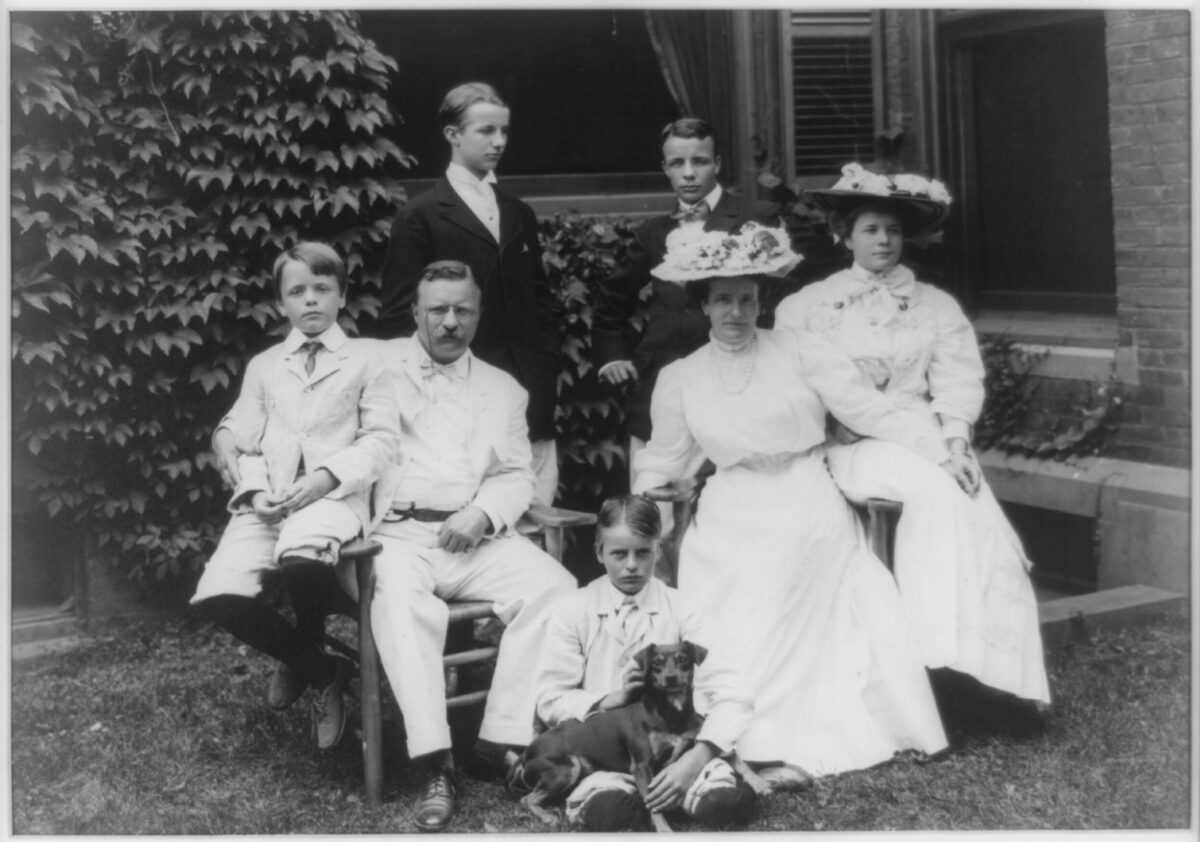
Named in honor of President Theodore Roosevelt, a known dog lover and advocate for working breeds, the Teddy reflects the practical, resilient qualities he admired. While most Teddies no longer work farms, their history still shapes their characteristics today — alert, intelligent, loyal, and happiest when given a purpose.
What Else Is The Teddy Called?
You may see this breed called by other names. The Teddy Roosevelt Terrier has historically been referred to as the Bench-Legged Feist, a term used for short-legged hunting dogs with broad fronts and slightly turned-out feet. The breed was also long known as the Type B Rat Terrier and the Short-Legged Rat Terrier before being formally recognized as a distinct breed.
Temperament & Personality: What It’s Really Like Living With A Teddy
Teddy Roosevelt Terriers are known for being alert, intelligent, and deeply people-focused. They tend to form strong bonds with their families and often want to be involved in whatever is happening, rather than watching from the sidelines. This closeness is one of the breed’s defining traits and a significant reason owners feel so connected to them.
At home, most Teddies strike a nice balance. They’re playful and curious, but not usually chaotic. When their needs are met, they’re capable of settling down and relaxing, often choosing a nearby spot where they can keep an eye on things. Many owners describe them as observant dogs — constantly aware, quietly taking it all in.
Common Temperament Traits
- Highly intelligent and observant, often watching before reacting
- Affectionate with family members without being overly clingy
- Alert and aware, but not typically excessive barkers
- Playful and energetic in short, enthusiastic bursts
In the home, Teddies usually enjoy being part of whatever is happening. They’re the kind of dog that likes to follow routines and stay involved. This makes them engaging companions, especially for owners who want interaction rather than a hands-off pet.
Around unfamiliar people, Teddies are often reserved at first. They tend to assess new situations rather than rush in, warming up as they gain confidence. Early and ongoing socialization plays a vital role in helping them distinguish between harmless novelty and situations that actually require caution.
You’ll often see this show up as:
- Polite distance from strangers initially
- Strong loyalty to familiar people
- Growing confidence with repeated exposure and positive experiences
Playfulness is a defining part of the breed’s personality, but it usually comes in waves. A Teddy may go from zoomies to couch companion quickly once their needs are met. Many owners describe them as slightly clownish, using their intelligence and awareness to amuse themselves — and sometimes test boundaries.
Like most terriers, they do best when their curiosity has an outlet. Without enough mental or physical stimulation, that intelligence can turn into digging, creative problem-solving (like deciding the couch was poorly designed), or selective listening.
With structure, training, and engagement, their personality tends to shine in all the right ways.
What Often Surprises First-Time Teddy Owners
- They’re sturdier than they look. That compact frame is built for work — more “farm tool” than “decorative pillow.”
- They bond closely with their people. Independence isn’t really their style; participation is. If you move rooms, they tend to move, too.
- They’re alert without being noisy. Once settled into a routine, they’re more likely to watch quietly than announce every development.
- They mature more slowly than many small breeds. The intelligence shows up early. The impulse control takes its time.
- They need purpose, not just playtime. A bored Teddy will happily invent a job and may not ask for approval first.
Size & Appearance: Built Small, Not Fragile
At first glance, the Teddy Roosevelt Terrier looks compact and athletic. Spend a little more time with one, and it becomes clear they’re built for strength and stamina, not delicacy. These are not dainty lap dogs.
Their bodies are slightly longer than they are tall, with solid bone structure and noticeable muscle for their size. This gives them a grounded, sturdy presence that reflects their working-dog roots. Movement tends to be smooth and efficient rather than flashy, designed for covering ground and changing direction quickly.
Typical size range:
- Height: 8–14 inches
- Weight: 8–25 pounds
Fun Fact
The size variation in the Teddy Roosevelt Terrier is very unusual for a purebred dog. Some individuals remain quite small and lightweight, while others grow noticeably larger. It’s one of those traits that often surprises first-time owners who assume “small terrier” means uniform size.
Physical Traits That Stand Out
Teddy Roosevelt Terriers are defined more by function than ornamentation. Their features are practical and expressive, giving them an alert, intelligent look.
Typical physical characteristics include:
- Broad, wedge-shaped head with a strong jaw
- Dark, expressive eyes that reflect their alert nature
- Short to moderately short legs contribute to their low, sturdy profile
- Compact, muscular body built for agility and stamina
Their overall appearance communicates readiness, whether that’s for play, work, or keeping an eye on their surroundings.
Coat & Colors
The Teddy Roosevelt Terrier has a short, dense coat that’s designed for function rather than flair. It lies close to the body and typically has a medium-hard to smooth texture with a natural sheen, making it easy to maintain and well-suited for an active lifestyle.
Coat and color features include:
- Short, dense coat that requires minimal upkeep
- Smooth to slightly coarse texture, depending on lineage
- Bi-color or tri-color patterns that always including some white
- Standard colors include black, tan, chocolate, fawn, blue, silver, red, apricot, and lemon, often paired with brindle or sable markings
This variety in coloring adds to the breed’s distinctive look, but coat type remains consistent — practical, weather-resistant, and low-maintenance.
Exercise Needs: Small Dog, Real Energy
Teddy Roosevelt Terriers may be compact, but they come with strong opinions about how their day should be structured. Regular exercise isn’t optional for this breed; it’s how they stay balanced, focused, and pleasantly tired instead of creatively destructive.
Most Teddies do best with consistent daily activity rather than occasional bursts of effort. A single quick walk may check the “we went outside” box, but it rarely satisfies their need to move, think, and engage.
Daily exercise may include:
- Brisk walks with time to sniff and investigate (this counts as mental work)
- Play sessions that involve chasing, problem-solving, or both
- Interactive toys or puzzles that give their brains something productive to chew on
- Short training sessions to keep them engaged and reliable
When those needs are met, most Teddies are surprisingly calm indoors. They’re capable of settling down and relaxing, usually from a spot that still allows them to keep an eye on household activity, just in case something interesting develops.
When they aren’t, boredom tends to show up fast. Digging, furniture “redesign,” or selective listening are less about disobedience and more about a dog who’s decided to take enrichment into their own hands.
Because of their prey drive, off-leash exercise should be limited to secure, enclosed areas. Even a well-trained Teddy may temporarily forget your existence if something small and fast crosses their path.
For this breed, exercise works best as a daily habit, not a weekend project. Get that right, and most Teddy Roosevelt Terriers are easier to live with, easier to train, and far more relaxed at home.
Good To Know Before You Decide
- Mental stimulation matters as much as physical exercise for this breed
- Boredom shows up creatively, not quietly
- Consistency beats intensity when it comes to daily routines
- They do best with involvement, not a hands-off approach
Training & Intelligence: Smart, Willing & Occasionally Stubborn
Teddy Roosevelt Terriers are very intelligent dogs, and they’re quick to notice patterns, including which rules are flexible and which ones are apparently open to discussion. They learn fast, remember well, and often understand what you’re asking long before they decide whether it’s worth doing.
They respond best to positive, reward-based training that feels interactive rather than repetitive. Food, praise, and play all work well, especially when sessions are short and varied. When training feels purposeful, most Teddies are eager participants. When it doesn’t, they tend to disengage politely and wait for a better offer.
Training strengths commonly include:
- Fast learning and strong problem-solving ability
- Good focus in short bursts
- High motivation when rewards are clear
- Strong bond-driven responsiveness
- Strong performance potential in obedience, agility, and dog sports
That said, Teddies are still terriers. They tend to think independently and may test boundaries if training becomes inconsistent or predictable. This doesn’t usually show up as defiance; it’s more a quiet decision to do things their own way if the incentive isn’t clear.
Consistency matters more than intensity. Short, frequent sessions are far more effective than long drills, and mixing training into daily routines helps keep them mentally satisfied. Many owners find that incorporating training into walks, playtime, or household tasks works better than setting aside formal sessions alone.
With structure, patience, and variety, Teddy Roosevelt Terriers often become reliable, attentive companions who enjoy learning and working alongside their people. When training is treated as a shared activity rather than a chore, they tend to thrive.
Why Training Takes Patience
Teddy Roosevelt Terriers tend to mature slowly, and full physical and mental adulthood may not arrive until around 2–3 years of age. Consistency matters more than speed when building reliable behaviors.
Health & Lifespan: What To Watch Long-Term
The Teddy Roosevelt Terrier is generally considered a healthy, hardy breed with a long average lifespan of 14–16 years. Their working-dog roots favored durability and resilience, and responsible breeding has helped preserve those traits over time.
That said, like all purebred dogs, Teddies can be predisposed to certain inherited conditions. Knowing what to watch for helps owners make informed decisions about breeders, preventive care, and long-term health planning.

The American Teddy Roosevelt Terrier Club recommends that breeding dogs undergo appropriate health testing, including cardiac screening, knee evaluations, and relevant genetic testing. These steps help reduce the risk of passing on preventable conditions.
Health issues that may appear in the breed include:
- Patellar luxation, where the kneecap slips out of place
- Primary lens luxation, a painful and potentially blinding inherited eye condition
- Chondrodystrophy (CDDY/IVDD), a degenerative spinal disease related to the short-legged gene
- Allergies, often environmental or food-related
- Hypothyroidism, which can affect energy and weight
- Dental disease, which is common in small breeds
Not every Teddy will experience these issues, and many live long, active lives without significant health problems. Regular veterinary checkups make it easier to catch issues early, when they’re most manageable.
A balanced diet, consistent exercise, and routine monitoring go a long way toward supporting long-term mobility and comfort. With thoughtful breeding, preventive care, and an active lifestyle, Teddy Roosevelt Terriers are often long-lived companions who remain energetic and engaged well into their senior years.
Why Consider Pet Insurance?
Even generally healthy breeds like the Teddy Roosevelt Terrier can face unexpected veterinary costs, especially for injuries, joint issues, or genetic conditions that may develop later in life. Further, purebred dogs are more prone to health issues than mixed breeds. Pet insurance can help offset the cost of diagnostics, treatments, and emergency care, giving owners more flexibility when health decisions matter most. See our reviews of the best pet insurance providers to learn more.
Nutritional Needs: Fueling A Slow-Maturing, Active Breed
Teddy Roosevelt Terriers thrive on a balanced, high-quality diet that supports lean muscle, steady growth, and joint health. Because this breed matures slowly, often not reaching full physical and mental adulthood until 2–3 years of age, nutrition plays an outsized role during puppyhood.
Early on, controlled growth matters more than rapid weight gain. Diets designed to support steady development help reduce unnecessary stress on joints and the spine — especially important for a short-legged, athletic breed.
Key nutritional priorities include:
- High-quality animal protein for muscle support
- Moderate fat levels to fuel activity without excess weight
- Balanced calcium and phosphorus for healthy bones
- Digestible carbohydrates and fiber for energy and gut health
As adults, most Teddies do well on a consistent, measured feeding routine. Their intelligence and food motivation make it easy for extra calories to sneak in. Hence, monitoring body condition, not just the scale, is the most reliable way to prevent weight gain.
Keeping Teddy Roosevelt Terriers lean is especially important. Extra weight increases strain on joints and the spine and can worsen issues related to patellar stability or disc health. Proper portions, paired with regular exercise, go a long way.
Some individuals may develop food sensitivities, often showing up as itchy skin, ear infections, or digestive upset. When that happens, working with a veterinarian to identify triggers and adjust the diet can make a noticeable difference.
With thoughtful feeding and basic monitoring, Teddy Roosevelt Terriers tend to stay energetic, athletic, and healthy well into adulthood.
Grooming & Shedding: Low Effort, Consistent Care
Teddies are considered a low-maintenance breed when it comes to grooming. Their short, dense coat is designed for function and sheds dirt easily, making routine care quick and straightforward.
Shedding is moderate and year-round, but it’s usually manageable with basic upkeep. A weekly brushing helps remove loose hair and keeps the coat looking healthy without requiring professional grooming.
Basic grooming needs include:
- Weekly brushing to reduce shedding and distribute natural oils
- Occasional baths as needed, especially after outdoor adventures
- Regular nail trimming to maintain comfort and proper movement
- Routine dental care, including brushing or dental chews
Because of their short coat, Teddies Roosevelt Terriers are more sensitive to extreme temperatures than heavily coated breeds. In colder climates, some may benefit from a light jacket during winter walks, while in hot weather, shade and hydration are important.
Overall, grooming is a quick, manageable routine rather than a time-consuming task. With consistent care, most Teddies stay clean, comfortable, and ready for whatever the day brings.
Teddy Pros & Cons: A Balanced Look
No breed is a perfect fit for every home. The Teddy Roosevelt Terrier offers a lot to the right owner, but it helps to understand both sides before committing.
| Pros | Cons |
|---|---|
| Loyal and people-focused – Forms strong bonds and enjoys being involved in daily family life | Not ideal for allergy sufferers – Moderate, year-round shedding |
| Generally good with children – Sturdy, playful, and tolerant when properly socialized | Strong prey drive – Digging and chasing small animals can be an issue |
| Highly intelligent and trainable – Learns quickly with positive, engaging methods | Needs daily engagement – Mental and physical stimulation are non-negotiable |
| Adaptable to many living situations – Can thrive in apartments or houses with enough activity | Reserved with strangers – May take time to warm up without early socialization |
| Low grooming requirements – Short coat with simple maintenance | Can test boundaries – Independent streak means consistency matters |
| Athletic and versatile – Does well in agility, obedience, and active households | Hard to find – Limited breeders and breed-specific rescues |
| Typically healthy and long-lived – Many live active lives well into old age |
Is The Teddy Roosevelt Terrier A Good Family Dog?
For the right household, the Teddy Roosevelt Terrier can be an excellent family companion. They tend to be people-focused, loyal, and happiest when they feel included in everyday life rather than treated as a background pet.
With children, most Teddies do best in homes where interactions are respectful and supervised, especially with younger kids. They’re generally sturdy, playful, and tolerant, but like many small-to-medium dogs, they appreciate being handled appropriately. Early socialization helps reinforce positive experiences with kids of all ages.
In family settings, they’re often described as:
- Affectionate and attentive with their core people
- Playful without being overwhelming
- Protective in an alert, watchful way, rather than aggressive

Teddy Roosevelt Terriers usually do well with other dogs, particularly when raised together or properly introduced. Their social style tends to be confident but not pushy. That said, individual temperament and early exposure make a big difference.
When it comes to smaller pets, families should be realistic. Their prey drive is strong, and while some Teddies can learn to coexist peacefully with cats or other small animals, success depends heavily on early training, supervision, and the personalities involved.
Because of their size, adaptability, and moderate exercise needs, Teddy Roosevelt Terriers can fit well into apartments, townhomes, or houses, provided they get daily activity and mental engagement. They don’t need a large yard, but they do need interaction.
Overall, this breed tends to thrive in families who enjoy being involved with their dog, setting routines, and providing consistent structure. When those needs are met, Teddy Roosevelt Terriers often become deeply bonded, enthusiastic members of the household.
Similar Breeds
If you’re drawn to the Teddy Roosevelt Terrier’s size and personality but want to explore a few comparable options, these breeds share overlapping traits in energy level, intelligence, or working background.
- Rat Terrier – Taller and longer-legged than the Teddy, with a similar working history but often higher overall energy and intensity.
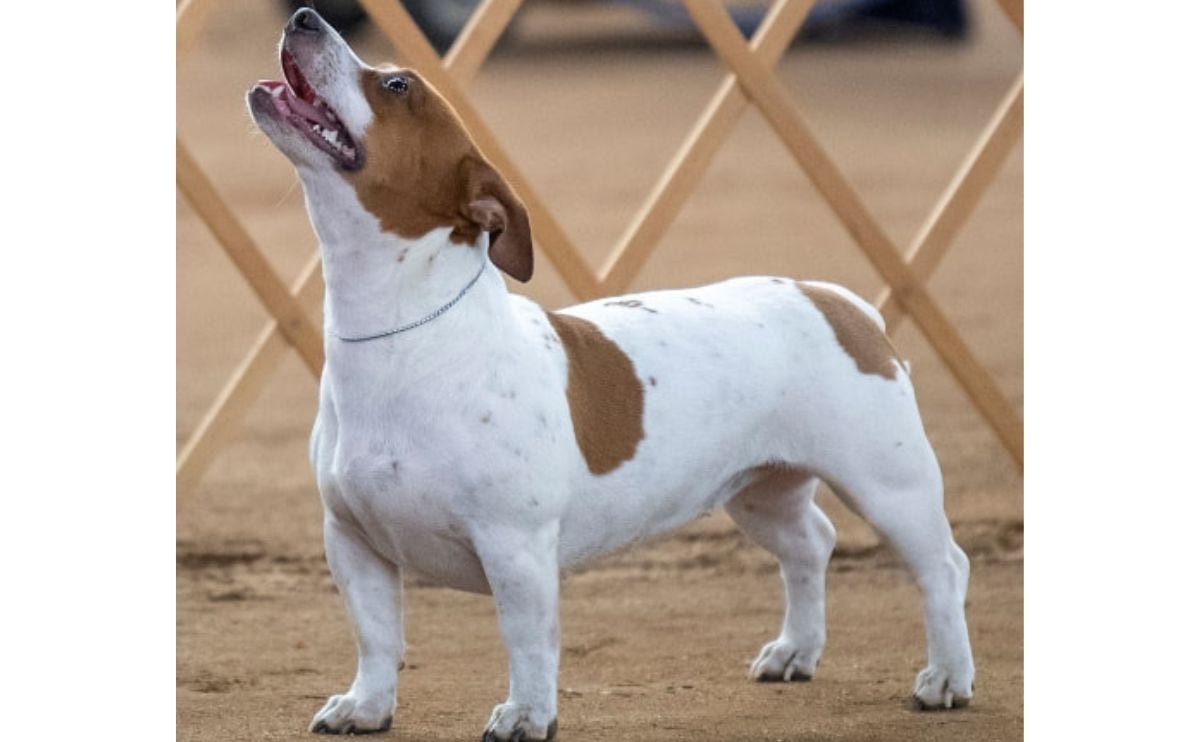
- Jack Russell Terrier – Extremely energetic and driven; best for very active owners who want constant engagement.
- Parson Russell Terrier – Similar to the Jack Russell but more standardized in structure, with strong hunting instincts and high exercise needs.
- Cairn Terrier – Compact and sturdy with classic terrier confidence, though typically less prey-driven than the Teddy.
- Norfolk Terrier – Small, affectionate, and alert, with a softer temperament and lower exercise demands.
- Norwich Terrier – Closely related to the Norfolk, but with upright ears and a slightly bolder, more assertive personality.
While these breeds share terrier roots, the Teddy often stands out for its balance — combining working instincts with a steadier, more adaptable temperament than many high-drive terriers.
Finding A Teddy Roosevelt Terrier
Because the Teddy Roosevelt Terrier is a relatively rare breed, finding one often requires patience and research. Prospective owners should be prepared for limited availability and longer wait times compared to more common terrier breeds.
Most responsible breeders focus on health, temperament, and preservation of breed traits, rather than producing large numbers of puppies. As a result, litters may be infrequent, and puppies are often placed with homes that are a good match for the breed’s needs.
When searching for a Teddy Roosevelt Terrier, look for:
- Breeders who perform recommended health testing, including cardiac and knee evaluations
- Transparent communication about lineage, temperament, and potential challenges
- Puppies raised in the home with early socialization
- Willingness to ask you questions, not just sell a puppy
The American Teddy Roosevelt Terrier Club is a good starting point for finding reputable breeders and learning more about responsible ownership. Breed clubs typically maintain breeder directories and provide guidance on what to expect when working with preservation breeders.
Rescue opportunities do exist, though they are uncommon. Some Teddy Roosevelt Terriers may be available through breed-specific rescues, small-dog rescues, or owner-rehoming situations. These dogs can make excellent companions, particularly for owners familiar with terrier traits.
Above all, prospective owners should be cautious of online listings that emphasize availability over suitability. A well-bred Teddy Roosevelt Terrier is worth waiting for, and taking the time to find a responsible source helps support the breed’s long-term health.
Frequently Asked Questions
Every Teddy is an individual, but certain questions come up again and again from prospective owners. If you don’t see what you’re looking for here, feel free to drop your question in the comments. Chances are, other readers are wondering the same thing.
Are Teddy Roosevelt Terriers Aggressive?
No, Teddy Roosevelt Terriers are not considered aggressive by nature. They are typically confident, alert, and loyal to their families. Like many terriers, they can be protective or cautious in unfamiliar situations, but true aggression is uncommon when they are well-socialized, trained, and mentally stimulated.
Early exposure to different people, environments, and experiences plays a big role in shaping a stable, confident adult dog.
Do Teddy Roosevelt Terriers Bark A Lot?
Teddies are generally alert but not excessive barkers. They may bark to announce something new or unusual, but they aren’t known for constant or nuisance barking. Excessive vocalization is more likely to be a sign of boredom or unmet exercise needs than a breed trait.
Do Teddy Roosevelt Terriers Do Well With Cats?
It depends on the individual dog and how they’re introduced. Teddy Roosevelt Terriers have a strong prey drive, which means small animals can trigger instinctive chasing behavior. That said, many can learn to coexist peacefully with cats, especially if they’re raised together or introduced gradually with supervision.
Are Teddy Roosevelt Terriers Rare?
Yes, Teddy Roosevelt Terriers are considered a rare breed compared to more common terriers. Their recent AKC recognition has increased interest, but responsible breeders remain limited, and waitlists are common. This rarity is one reason patience is often required when looking for a puppy.
Are Teddy Roosevelt Terriers Good Apartment Dogs?
They can be, provided their needs are met. Their small size and adaptability make them suitable for apartment living, but they still require daily exercise and mental engagement. Without that outlet, boredom behaviors may develop regardless of living space.
How Much Exercise Does A Teddy Roosevelt Terrier Really Need?
Most Teddies do well with daily walks, playtime, and mental stimulation, rather than intense endurance exercise. Consistency matters more than duration. A well-exercised Teddy is typically calm and relaxed indoors.
Are Teddy Roosevelt Terriers Easy To Train?
They are intelligent and quick learners, but they also think independently. Training is usually most successful when it’s positive, varied, and engaging, rather than repetitive or force-based. Short sessions and clear rewards work best.
Am I Ready For A Dog?
Bringing a dog into your life is a long-term commitment, and even a small, adaptable breed like the Teddy Roosevelt Terrier needs time, structure, and daily involvement to thrive. Before moving forward, it’s worth considering how training, exercise, veterinary care, and routine fit into your life—not just now, but for years to come. Taking a thoughtful approach helps ensure a better experience for both you and your future dog.
If you’re still deciding whether a Teddy Roosevelt Terrier is the right fit, these guides can help you think through the bigger picture:
Are you considering a Teddy Roosevelt Terrier, or do you already share your home with one? We’d love to hear what drew you to the breed, what surprised you most, or any questions you still have. Share your experience (or curiosity) in the comments below—your insight may help someone else decide if a Teddy is the right fit for their family.