When you purchase through links on our site, we may earn a commission at no extra cost to you. Learn more.
So you want a small white dog. Cute, cuddly, compact. Easy, right? Wrong. One of these floofs demands silk pillowcases and spa days. The other thinks mud is a lifestyle.
Table of Contents
Welcome to the Westie vs Maltese showdown, two tiny tornadoes with very different vibes. So, let’s find out who is who.
Personality Showdown: Which Pup Matches Your Vibe?
Westie vs Maltese Personality
So, are you looking for a sidekick or a CEO in a fur coat? Let’s explore the Westie vs Maltese temperament.
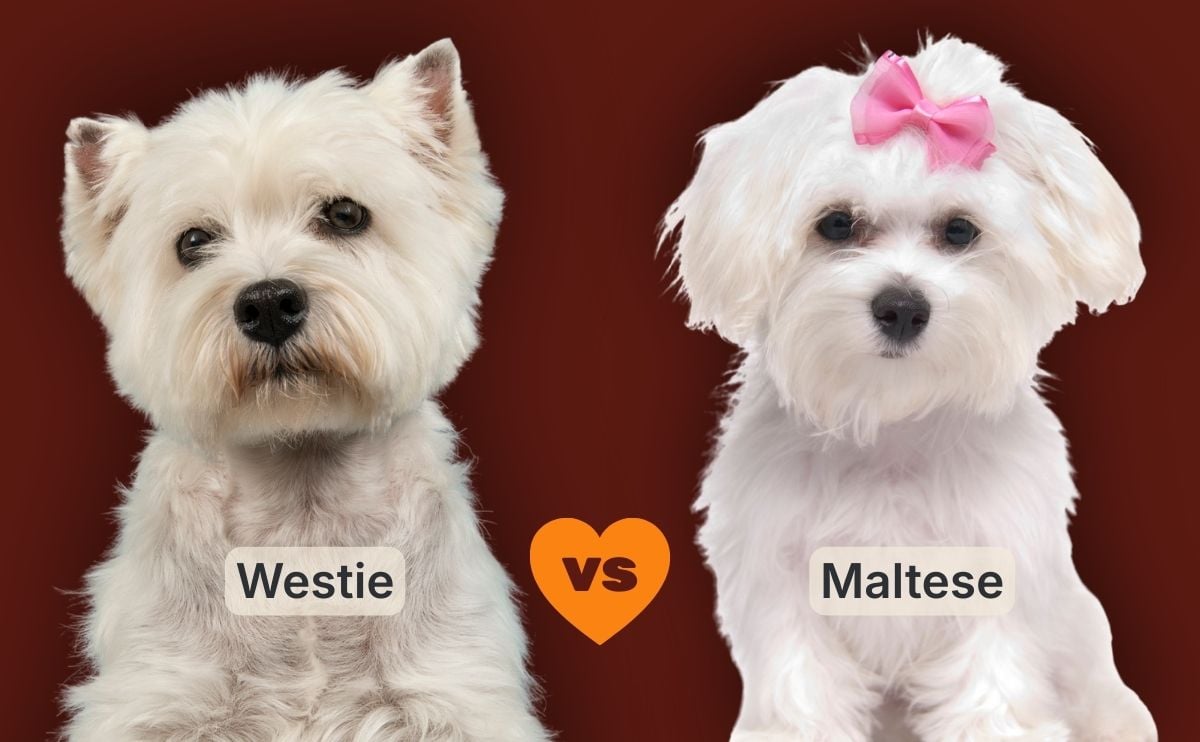
The Westie (short for West Highland White Terrier) is 50% spunk, 50% squirrel radar. These dogs are alert, confident, and always ready to chase something, even if it’s imaginary. Think: personal trainer energy in a snowball body.
The Maltese, on the other paw, is more of a lap-based monarch. Dignified, affectionate, and fully aware of their beauty. They won’t chase a ball, but they will judge you if you forget their bedtime snack.
Which Dog Is Your Vibe?
| Trait | Westie | Maltese |
|---|---|---|
| Energy | Let’s GO | Let’s nap |
| Sass Level | 7/10 | 12/10 |
| Cuddles | Eventually | Always |
| Independence | High | Low |
| Attitude | “I got this.” | “You got this for me.” |
Quick Takeaway
- If you want a tiny dog with big-dog confidence, a Westie is your pup.
- If you’re after a cuddly diva who thrives on attention (and velvet throws), Maltese all the way.
Up next: They may both be small and white, but wait until you see the side-by-side. One’s a cloud, the other’s a cartoon fox in disguise.
Fluffy vs Foxy: What These Dogs Actually Look Like
Westie vs Maltese Appearance
They’re both small. They’re both white. They both look like they belong in a handbag or a shampoo commercial. But don’t let the surface-level floof fool you, because these pups are stylistically worlds apart.
Westie
Compact Chaos
Westies have that classic terrier shape: sturdy, muscular, with a sharp little face that says, “I run this block.” Their double coat is coarse on top and soft underneath, like a tactical marshmallow.
You’ll usually spot them with that signature “exploded snowball” look after a good romp in the dirt.
- Height: 10–11 inches
- Weight: 15–20 lbs
- Coat: Double-layered, wiry on top
- Vibe: “Came here to dig and dominate”

Maltese
Walking Cotton Ball
The Maltese? Picture a feather duster made of royalty. They have long, flowing, silky hair (not fur), and some owners keep it trailing like a wedding dress.
Others go for the teddy bear “puppy cut,” which ups the “aww” factor by 200%. Either way, these dogs are built for luxury and lint rollers.
- Height: 7–9 inches
- Weight: 4–7 lbs
- Coat: Silky, single-layer, grows like human hair
- Vibe: “Born to be held”
Up next: One of these dogs needs a full-on beauty routine. The other just needs a hose. Let’s talk grooming.
Glam Routine or Dirt Bath? Grooming Differences That Matter
Westie vs Maltese Grooming Needs
Let’s put it this way: one of these dogs will let you skip a bath for a week. The other might need a full-on blowout after walking through the kitchen.
Westie
Scrub When Necessary
Westies have a tough, double-layer coat that naturally repels dirt, until they roll in it on purpose.
They need regular brushing (once or twice a week) to keep the undercoat from matting and an occasional trim to keep that signature scruffy look in check. Oh, and they love to dig. Plan accordingly.
- Weekly brushing: Yes
- Professional grooming: Optional
- Dirt obsession: High
- Smell factor: Usually mild, unless muddy

Maltese
High-Maintenance Royalty
That gorgeous, flowing white coat comes at a price. Maltese fur grows like human hair, which means it tangles if you blink too hard. Daily brushing is a must unless you opt for the “puppy cut,” which is much easier to manage.
Expect regular baths, eye stain clean-up, and professional grooming every few weeks if you’re going for show-dog chic.
- Daily brushing: Often required
- Professional grooming: Highly recommended
- Tear stains: Yes, especially around the eyes
- Smell factor: Clean, but high upkeep
Quick Takeaway
So, which one’s your grooming style?
- Westie: Low to moderate maintenance. A weekly brush and the occasional bath will do, unless they’ve launched a surprise dirt dive.
- Maltese: High-maintenance heartthrob. Daily brushing, tear-stain wiping, and regular professional grooming are the norm unless you opt for the puppy cut.
Up next: Which of these dogs sounds the alarm every time a leaf moves? Spoiler: it’s not the posh one.
Which Dog Barks More (And Can You Stop It?)
Westie vs Maltese Barking & Noise Level
Let’s be real: both of these dogs have something to say. Frequently. But how loud, how often, and why do they bark? That’s where things get interesting.
Westie
Loud, Proud, and on Patrol
Westies are classic terriers, always alert, territorial, and not shy about letting you (and your neighbors) know when a leaf moves. They’re natural watchdogs with a sharp bark and a strong “this is my turf” energy.
You can train them to dial it down, but if you’re looking for a silent sidekick, this pup ain’t it.
- Common triggers: delivery people, squirrels, suspicious breezes, nothing
- Volume: sharp, clear, not shy
- Trainable? Yes, with consistency and rewards
- Bonus: their bark sounds tougher than their size, which some folks love
Maltese
Small Dog, Big Drama
Maltese aren’t as territorial as Westies, but they’re highly attached to their humans, which means separation anxiety barking is common.
They’re also quick to vocalize when they’re bored, lonely, or demanding something (like dinner, cuddles, or the throne). That high-pitched yap? Iconic.
- Common triggers: being left alone, boredom, life in general
- Volume: surprisingly loud for their size
- Trainable? Somewhat, but it takes patience
- Bonus: they often quiet down if they’re in your lap
Quick Takeaway
So, which dog’s the noisy one?
- Westie: Think security system with fur. You’ll always know when someone’s at the door or across the street. Good for active households or people who want a confident, alert dog.
- Maltese: More of a “velcro whiner” than a tough barker. Great for constant companionship, but expect vocal protests if you leave the room without permission.
Up next: Which dog plays well with kids, cats, and general chaos? Let’s talk compatibility.
Who Gets Along With Kids, Cats & Chaos?
Westie vs Maltese Social Compatibility
If your household includes unpredictable toddlers, bossy cats, or other dogs with Big Opinions, this section matters. Both the Westie and the Maltese are lovable, loyal companions, but they bring very different vibes to a crowded home.
Westie
Feisty, Independent, Not Always a Team Player
Westies have a terrier’s temperament, bold, confident, and sometimes a little too enthusiastic about being in charge. They can do well with older kids who respect boundaries and other dogs they’re raised with.
But they’re not always a great match for young children, small pets, or bossy cats. They’re too proud to be picked on and too spicy to ignore an open challenge.
- Good with kids? Yes, especially if they’re calm and respectful
- Good with other dogs? Often, but early socialization helps
- Good with cats? Maybe, if raised together, but they do have a prey drive
- Overall vibe: Sassy sibling energy
Maltese
Affection-Forward, But Not Chaos-Proof
Maltese are lovers, not fighters, but they’re also small and delicate, which makes them a risky match for households with roughhousing kids or hyperactive pets.
They adore people, thrive on cuddles, and tend to get along well with other calm animals. But loud noises and sudden movements? Hard pass.
- Good with kids? Only if the kids are gentle
- Good with other dogs? Yes, especially smaller or mellow breeds
- Good with cats? Usually great, cuddle buddies, even
- Overall vibe: Emotional support animal in training
Quick Takeaway
Who’s built for your home life?
- Westie: Confident, sturdy, and fine with chaos, as long as it’s on their terms. Great for homes with older kids or dogs who don’t mind a little sass.
- Maltese: Sweet, cuddly, and best suited for quieter households. Ideal for seniors, singles, or anyone who wants a tiny shadow with big heart eyes.
Up next: Time to talk energy. Which of these pups will power walk you into the ground, and which one needs a nap halfway through the hallway?
Couch Potato or Squirrel Hunter? Energy Levels Compared
Westie vs Maltese Exercise Needs
Both of these dogs are small enough to live in an apartment, but that doesn’t mean they’ll lounge around all day. One is a zoomie machine with an attitude, and the other is… mostly here for vibes and lap time.
Westie
Built for Action & Digging
The Westie was bred to hunt rodents, which means they come with a built-in motor. They need daily walks, room to roam, and ideally something to chase or dig up (sorry, landscaping).
Without enough physical and mental stimulation, they can get cranky or destructive. This is not your passive purse dog.
- Daily walks: Yes, and not the lazy kind
- Favorite activities: Digging, barking at nothing, bossing squirrels
- Off-switch indoors? Sometimes
- Energy rating: 8.5/10

Maltese
Tiny, Tidy, and Down to Snuggle
Maltese have their moments of playfulness, but they’re pretty low-key overall. A few zooms around the living room, a short walk, and they’re ready to curl up for an afternoon of looking adorable.
You won’t need to clear your schedule for training hikes, but you will need to encourage regular movement to avoid becoming a living marshmallow.
- Daily walks: Yes, but short and sweet
- Favorite activities: Lap time, short games, light frolicking
- Off-switch indoors? Always
- Energy rating: 4/10
Quick Takeaway
Who’s more likely to wear you out?
- Westie: High energy, mentally sharp, and always looking for a task or a mess to make. Great for active owners who want a dog that keeps up and keeps busy.
- Maltese: Chill and cuddly with short bursts of zoom. Ideal for laid-back lifestyles, seniors, or anyone who thinks “exercise” should come with a blanket.
Up next: Think one of them is easier to train? Think again. Let’s talk obedience, stubborn streaks, and who actually listens when you say “come.”
Smart, Stubborn, or Sass Queen? Which Dog Listens Better
Westie vs Maltese Training & Obedience
Here’s the thing: both the Westie and the Maltese are intelligent. That’s the good news. The bad news? They both know it, and sometimes they’d rather freelance than follow orders.
Westie
Clever but Selective
Westies are smart, fast learners with a bold streak, but they come with that classic terrier stubbornness.
They’ll learn your commands quickly… and then decide when they feel like obeying them. Consistency is key, and positive reinforcement works best. Harsh training? Total backfire.
- Learns quickly: Yes
- Follows rules? If they feel like it
- Potty training: Usually quick
- Stubborn factor: Medium-high
- Best training vibe: Confident, firm, and fun

Maltese
Sweet, Smart, and Slightly Manipulative
Maltese love to please, especially if treats or cuddles are involved. But they also love doing things their way, and that includes deciding whether or not they care about housebreaking today.
They’re sensitive little souls, so gentle, reward-based training is a must. Raise your voice, and they’ll melt into a guilt puddle.
- Learns quickly: Yes
- Follows rules? When it suits them
- Potty training: Can be slow, which means small bladders + drama
- Stubborn factor: Medium
- Best training vibe: Patient, soft, and snack-fueled
Quick Takeaway
Who’s the rule-follower?
- Westie: Strong-willed but trainable with structure. Great for owners who want a smart dog with a side of sass and the energy to back it up.
- Maltese: Loving and eager to please, as long as it’s not raining, loud, or emotionally inconvenient. Best for gentle handlers with lots of treats and time.
Up next: So what’s the damage? Let’s talk price tags, grooming costs, vet bills, and which of these fluffballs might secretly drain your bank account.
Puppy Price Tags & The Shocking Cost of Fluff Maintenance
Westie vs Maltese Cost Breakdown
They may be small, but these dogs don’t come cheap, especially once you factor in the lifetime fluff-care, vet visits, and occasional fashion accessories.
Whether you’re buying from a breeder or budgeting for yearly upkeep, here’s what you’re really signing up for.
Westie
Mid-Priced Pup With DIY Potential
Westie puppies typically cost between $1,000 and $1,500, depending on the breeder, location, and pedigree. They’re sturdy little dogs with fewer grooming needs than their silky-coated counterparts, which helps long-term costs stay manageable.
Vet bills are usually standard, though you’ll want to watch for breed-specific health issues like skin allergies.
- Puppy price range: $1,000–$1,500
- Yearly grooming: Low to moderate
- Vet bills: Average, but skin care can add up
- Gear and extras: Moderate, Westies aren’t too fussy
- Total vibe: Budget-conscious but still stylish

Maltese
Designer Dog, Designer Costs
Maltese puppies often run from $1,200 to $3,000. However, if you are looking for a show Maltese, you can expect to pay anywhere between $4,000 and $10,000.
The grooming budget is where things really escalate. If you want to maintain that show-dog look, expect pro grooming every 4–6 weeks, plus daily brushing tools and specialty shampoos.
They’re prone to dental issues and tear stains, which means frequent vet visits and specialized care.
- Puppy price range: $1,200–$3,000+
- Yearly grooming: High
- Vet bills: Often higher, dental and eye care are frequent
- Gear and extras: You’ll probably buy them a bathrobe
- Total vibe: Luxury lapdog with recurring charges
Quick Takeaway
Who’s more budget-friendly?
- Westie: Lower grooming costs and fewer extra-care items make this the better choice for budget-conscious dog lovers.
- Maltese: Small dog, big expenses, perfect if you’re ready to commit to long-term grooming and want a dog that comes with salon appointments.
Puppy Prices
If you find either dog priced much lower than this (or much higher), it is a sign that the breeder is irresponsible. And they are probably only concerned with profit rather than puppy health.
Irresponsible breeders, puppy mills, and pet stores rarely do all they can to produce or buy healthy pups, so please avoid them. The Maltese breed is particularly prone to exploitation by puppy mills, so you need to research your breeder before committing to them.
Up next: Which breed is more likely to keep you up at night with vet bills, and which one will age gracefully in your lap? Let’s talk health.
Who’s Healthier, and What You Really Need to Watch For
Westie vs Maltese Health Issues & Lifespan
Both breeds can live long, happy lives if you’re ready to stay on top of the stuff they don’t put in the puppy brochure.
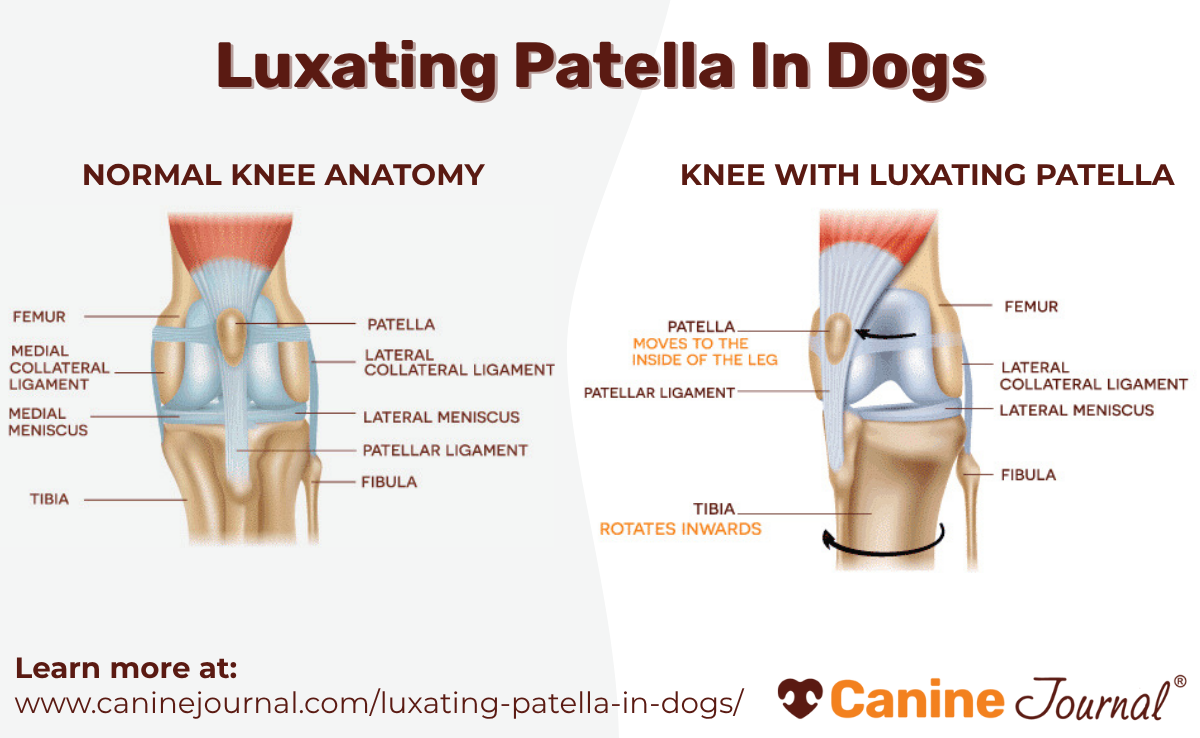
Patella luxation is relatively common amongst most small dog breeds, and both the Westie and the Maltese are prone to it. A floating knee cap causes this, and it can reduce their mobility if not treated.
Another shared condition, according to research, is white shaker dog syndrome. It is a rare inherited nervous system disorder. Thankfully, you can manage this with medication.
Now for their health differences. From allergies to eye issues, here’s what to expect as they age.
Westie
Skin Drama & Allergy Prone
Westies are generally hardy, but they’re notorious for sensitive skin. Expect allergies, dry patches, and the occasional mystery rash. They are also prone to eye conditions, with glaucoma and keratoconjunctivitis sicca being the most common.
They’re also prone to conditions like hip dysplasia. That said, with regular vet care and a good diet, they often thrive well into their teens.
Westie armadillo syndrome is rare but unique to Westies. It causes yeast infections across the entire body, and their quality of life is poor.
- Lifespan: 13–15 years
- Common issues: Skin allergies, joint problems, deafness in senior years
- Ongoing care: Skin-friendly shampoos, vet-recommended diets
- Wellness tip: Keep an eye on those ears and knees

Maltese
Tiny, Delicate, and Dental Drama Queens
Maltese are sweet and sturdy for their size, but they come with high-maintenance health needs. They’re prone to dental disease, tear staining, and a collapsed trachea.
Maltese should be tested for various cardiac problems. Patent ductus arteriosus is the main cardiac concern, and it is a birth defect of the heart. It can resolve itself as the pup develops, but more often than not, surgery is required if it is serious.
Although not required, breeders are recommended to test their Maltese for congenital liver issues such as liver shunt, as cases are higher in this breed than the average.
Their long coats can also hide skin issues, so grooming isn’t just about looks. Expect regular dental cleanings and vet checkups to catch things early.
- Lifespan: 12–15 years
- Common issues: Dental disease, tear staining, trachea collapse
- Ongoing care: Daily brushing (yes, teeth too), gentle handling
- Wellness tip: Keep them at a healthy weight to avoid compounding issues
Quick Takeaway
Here’s what to watch for:
- Westie: Solid and scrappy, but skin care is a must. Great for owners who don’t mind monitoring for rashes and keeping things clean behind the scenes.
- Maltese: More fragile and fussier, so best for attentive owners who can commit to frequent dental care, gentle play, and regular vet visits.
Up next: What’s in the bowl matters more than you think. Here’s how each breed eats, snacks, and tries to guilt-trip you for more.
Food Snobs or Snack Monsters? What These Dogs Eat
Westie vs Maltese Nutritional Needs
They’re small, yes, but their stomachs (and opinions) are mighty. Both the Westie and Maltese need a high-quality small-breed diet, but they come with quirks you’ll want to know before scooping kibble.
Westie
Sensitive Skin, Specific Needs
Westies are prone to allergies, and that includes food. Some do best on grain-free or limited-ingredient diets to avoid skin flare-ups.
They’re active little dogs, so they need protein-rich meals, but watch the fat content to avoid weight gain as they age.
- Best diet: High-protein, limited-ingredient
- Watch out for: Skin reactions to fillers, chicken, or grains

Maltese
Tiny Body, Royal Tastebuds
Maltese are known to be picky eaters, and some act personally offended by dry kibble. But under that glam coat is a metabolism that burns hot and fast.
They’re prone to hypoglycemia, so regular meals are a must. Also, dental disease is common, so avoid sticky treats and opt for dental chews when possible.
- Best diet: High-quality, small-breed formula with healthy fats
- Watch out for: Skipping meals, bad teeth, table scraps
Quick Takeaway
Who’s easier to feed?
- Westie: More food-motivated, but may need a specialty diet to keep skin calm. Great for owners who are consistent and ingredient-aware.
- Maltese: Picky, high-maintenance, and prone to dental drama. Best for owners willing to put in the extra effort and dodge the guilt trip when dinner isn’t gourmet.
Up next: Still torn? Let’s help you pick your perfect pup based on lifestyle, vibe, and what kind of chaos you’re looking for.
Still Torn? Here’s the Dog That’s Right for You
Choosing Between a Westie and a Maltese
By now, you’ve met the fluffball diva and the dirt-loving dynamo. So which one belongs in your home (and on your couch)?
Here’s your cheat sheet.
- Pick a Westie if…
You want a confident, energetic dog who can keep up with your lifestyle, patrol the backyard like it’s a fortress, and doesn’t mind skipping a spa day. Westies are scrappy, smart, and fiercely loyal, great for active singles, couples, or families with older kids. - Pick a Maltese if…
You want a gentle, loving lapdog who thrives on closeness, prefers soft blankets to muddy trails, and doesn’t mind a beauty routine. Maltese are affectionate, easy to fall in love with, and ideal for quieter homes, seniors, or anyone looking for a glam sidekick with big eyes and even bigger opinions.
Still can’t decide? Visit a rescue or breeder and spend time with both breeds. You’ll know in 10 minutes which one gives you heart eyes and which one looks at you like you’re already late for snack time.
Westie-Maltese Mixes
While less common, they exist, and they’re often called a Highland Maltie. This pup is typically fun-sized, playful, and affectionate, combining the Westie’s independence with the Maltese’s sweetness.

Grooming needs and temperament vary, but the result is often a lively companion with a heart-of-gold and a hairbrush dependency. Best for owners who want the best of both worlds and are cool with surprises in coat type and personality.
Up next: Still have questions? I’ve got answers, scroll for FAQs and real-owner insights.
Frequently Asked Questions
Got questions I didn’t cover above? You’re not alone. These are some of the most common things people ask when choosing between a Westie and a Maltese.
If you’re still wondering something, drop your question in the comments, because we’re happy to help.
Are Westies or Maltese Better for Apartments?
Both breeds can do well in apartments, just in different ways. Westies are energetic and vocal, so they’ll need more exercise and may bark at hallway noises. Maltese are quieter and more cuddly, but they can suffer from separation anxiety if left alone too long.
If you’re home a lot and want a snuggle buddy, go Maltese. If you’re active and can keep your pup busy, a Westie can be a great fit, too.
Which Dog Is Easier to Train: Westie or Maltese?
Westies are smart but independent; they know what you want, but might not care. Maltese are more eager to please but tend to be emotionally sensitive and slower to potty train.
Both are trainable, but Westies need consistency, while Maltese need gentleness and praise.
Do Westies or Maltese Bark More?
Westies bark to protect their territory. Maltese bark to express their feelings. Westies are alert watchdogs and will sound the alarm for anything suspicious (or not). Maltese are more likely to bark when lonely, bored, or under-stimulated.
You can train both to chill, but expect a learning curve.
Which Breed Is More Hypoallergenic?
Both are considered hypoallergenic, but that doesn’t mean allergy-proof. Maltese have hair instead of fur and produce less dander. Westies have a double coat and minimal shedding, but their skin sensitivities can still affect some allergy sufferers.
Spend time with each breed before committing if allergies are a concern.
Can Westies and Maltese Live With Cats or Other Dogs?
Yes, with early socialization and the right introductions. Westies have more of a chase instinct and may see cats as a fun challenge. Maltese tend to vibe well with other pets, especially calm dogs and cats.
Both breeds are more flexible when raised around other animals from a young age.
How Long Do Westies and Maltese Live?
They’re both in it for the long haul. Westies typically live 13 to 15 years, while Maltese average 12 to 15.
Feed them well, groom them regularly, and keep up with vet visits, and you’ll have a little shadow for a long time.
Thinking About Other Breeds? More Dog vs Dog Drama…
Still not 100% sold on the Westie or the Maltese? Maybe you’re wondering how they stack up against other small-but-mighty fluffballs. Here are more bite-sized showdowns to help you find your perfect pup:
- Westie vs Poodle: The scrappy digger takes on the curly genius. Which one fits your lifestyle and your vacuum?
- Westie vs Miniature Schnauzer: Two bold little barkers, one intense showdown. Who’s more trainable, and who rules the house?
- Westie vs Westiepoo: Purebred vs doodle remix. What changes when you add a Poodle to the mix?
- Maltese vs Maltipoo: Same fluff, less fuss? Discover how this designer crossbreed compares to the original glam icon.
Click any match-up to keep the comparison chaos going.
Tell Us Your Dinky Dog Drama! Got a Westie with main character energy? A Maltese who acts like royalty? Or maybe you’ve lived with both and have opinions? We’d love to hear your stories, chaos, cuddles, and all. Drop a comment and let other readers know which breed stole your heart, or your sandwich.