When you purchase through links on our site, we may earn a commission at no extra cost to you. Learn more.
Boston Terriers pack a lot of personality into a small, sturdy body. They’re playful, people-focused, and incredibly lovable, but they’re also prone to several breed-related health issues.
Table of Contents
Their flat faces, prominent eyes, and compact frames make problems like breathing difficulty, eye injuries, and joint disease more likely. Understanding these risks and others helps you catch issues early and make informed care decisions.

Planning Ahead For Vet Bills
Caring for a Boston Terrier often means budgeting for more than routine checkups and vaccines. Why? Because several common Boston health issues don’t come with a one-time fix.
Breathing disorders, orthopedic problems, skin conditions, and neurological issues frequently require ongoing care, not just a single vet visit. Over time, the cost of diagnostics, treatment, and even surgery can add up faster than many owners expect.
For many families, pet insurance becomes a practical safety net, helping offset the cost of health problems and making it easier to focus on the best treatment option instead of the price tag. Having a plan in place can reduce financial stress and prevent tough decisions during already emotional moments.
Learn more about the best pet insurance options for Boston Terriers and get a free quote using the form below.

10 Common Boston Terrier Health Problems
Boston Terriers may be compact, but their health profile is anything but simple. Many of the traits that make this breed so recognizable — a short muzzle, large eyes, and a sturdy frame — are also closely tied to an increased risk of certain medical conditions.
Some of these issues develop slowly. Others can appear suddenly and progress quickly if they’re missed early. In both cases, understanding what’s typical for the breed makes it easier to recognize when something isn’t normal.
To better understand what Boston Terrier owners are most likely to face, I spoke with Dr. Hannah Godfrey, BVetMed MRCVS, a practicing veterinarian experienced in treating toy breeds.
“I don’t see many Boston Terriers in my practice, but when I do, they’re usually booked in for eye problems, dental problems, breathing issues, or mobility problems relating to their spine or back legs. Quite often, when I examine a Boston Terrier, I find that they have luxating patella,” shares Dr. Godfrey.
Veterinarians consistently report seeing the same patterns of health concerns in Boston Terriers, particularly those affecting breathing, eyes, joints, skin, and the spine. Below are the 10 most common health problems seen in Bostons, along with symptoms to watch for and general treatment approaches.
1. Brachycephalic Obstructive Airway Syndrome (BOAS)
Boston Terriers are a brachycephalic breed, meaning they have a shortened skull and flattened face. While this gives them their signature expression, it also reduces the available space for normal airflow. The result, for many Bostons, is some degree of breathing obstruction.
BOAS isn’t a single condition. It’s a collection of structural abnormalities that restrict airflow through the nose, throat, and upper airway. In Boston Terriers, this commonly includes narrowed nostrils, an elongated soft palate, and sometimes a smaller-than-average windpipe. The severity varies widely — some dogs are only mildly affected, while others struggle to breathe during everyday activities.
Even when symptoms appear mild, restricted airflow increases the risk of overheating and heatstroke, especially during exercise, excitement, or warm weather.
BOAS Symptoms
Signs of BOAS may be subtle at first and often worsen with age:
- Loud or labored breathing
- Snorting, snuffling, or frequent reverse sneezing
- Snoring, even when lightly resting
- Gagging or retching, especially after activity
- Exercise intolerance or reluctance to walk far
- Heat intolerance
- Breathing distress during excitement or stress
Diagnosis & Treatment
Veterinarians typically diagnose BOAS based on clinical signs and a physical exam, with further evaluation under light anesthesia to assess airway structures when needed.
Treatment depends on severity:
- Mild cases may be managed with weight control, avoiding heat and overexertion, and minimizing stress.
- Moderate to severe cases often benefit from corrective surgery to widen the nostrils or shorten the soft palate, improving airflow and breathing comfort.
Early intervention can significantly improve the quality of life and reduce the risk of emergency situations related to respiratory distress or overheating.
I remember treating one Boston Terrier for heat stroke. He had been out for a walk in the summer, and it wasn’t an exceptionally hot day, but it was hot enough that, combined with exertion, he started to overheat, making it more difficult for him to breathe, which drove his temperature up even more. We had to cool him while providing oxygen therapy, and thankfully, he made a full recovery.
His owners were, understandably, really upset because they hadn’t intended to harm their dog by taking him out for a walk in the heat. They’re now aware that brachycephalic (flat-faced/short-nosed) dogs are much more susceptible to overheating, so even mildly high temperatures can cause a problem.
– Dr. Hannah Godfrey, Small Companion Animal Veterinarian in Wales
2. Luxating Patella
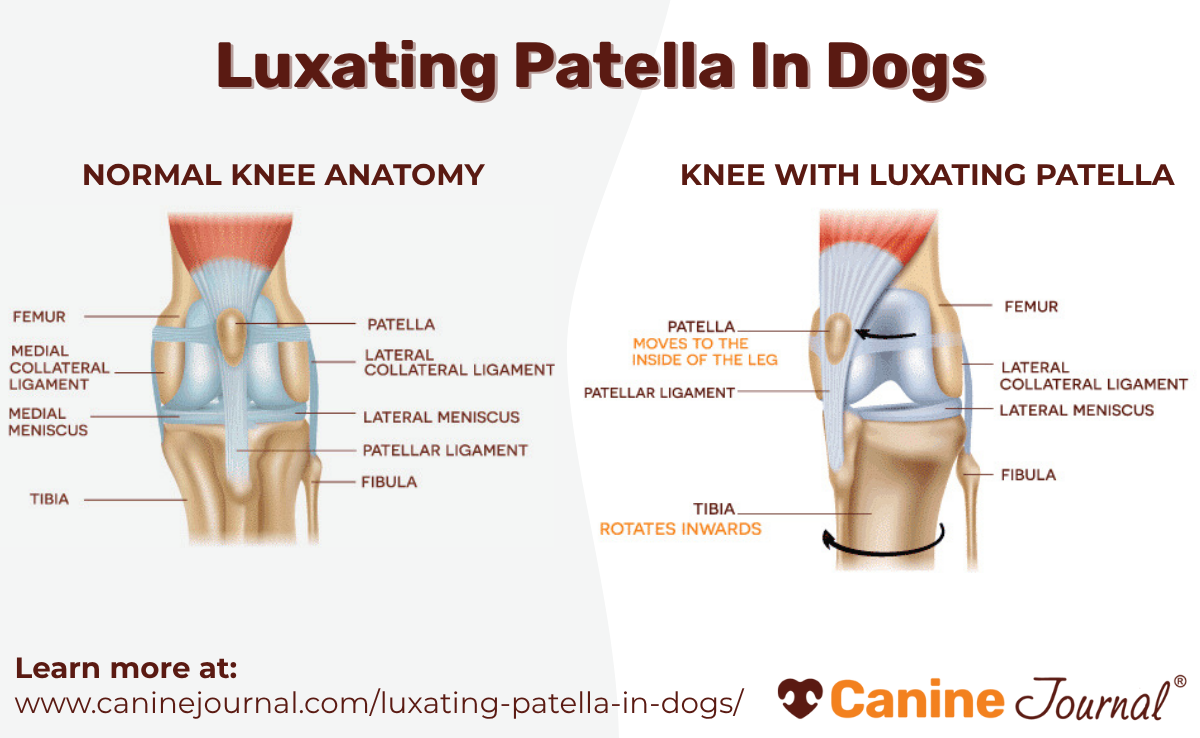
Luxating patella is a common orthopedic condition in Boston Terriers and other small, compact breeds. It occurs when the kneecap (patella) slips out of its normal groove at the front of the knee joint, disrupting normal movement and placing extra stress on surrounding structures.
In many Bostons, the issue is tied to shallow femoral grooves, ligament laxity, or subtle limb alignment differences present from birth. While the kneecap may initially slip back into place on its own, repeated episodes tend to become more frequent over time, increasing discomfort and the risk of arthritis.
This condition often affects both hind legs, even if symptoms are only noticeable on one side at first.
Luxating Patella Symptoms
Symptoms can be intermittent, especially early on.
- Limping or favoring one rear leg
- Sudden hopping or skipping while walking or running
- Briefly lifting a hind leg, then resuming normal movement
- Stiffness after rest
- Abnormal gait or reduced confidence on stairs
As the condition progresses, dogs may show more consistent pain and reduced mobility.
Diagnosis & Treatment
Veterinarians typically diagnose a luxating patella during a physical exam by manually assessing the kneecap’s stability. X-rays may be used to evaluate joint alignment, rule out additional damage, and determine the degree of arthritis.
Treatment depends on severity:
- Mild cases may be managed with weight control, activity modification, joint supplements, physical therapy, and pain management as needed.
- Moderate to severe cases often require surgery to realign the kneecap and stabilize the joint, particularly when mobility or quality of life is affected.
Early management can help slow joint damage and reduce the likelihood of chronic pain later in life.
3. Allergies
Allergies are a frequent and often lifelong issue for many Boston Terriers. This breed is genetically predisposed to atopic dermatitis, a chronic inflammatory skin condition triggered by environmental allergens such as pollen, dust mites, mold spores, and grasses. Food sensitivities can also play a role, either on their own or alongside environmental triggers.
Boston Terrier allergy flare-ups tend to involve generalized itchiness, ear infections, and recurring skin irritation. Many dogs show symptoms year-round, with seasonal spikes that worsen during spring and fall.
Because allergies compromise the skin’s protective barrier, secondary skin infections with bacteria or yeast are common and can worsen symptoms if not treated promptly.
Allergy Symptoms
Dogs don’t experience allergies the same way people do. In Boston Terriers, symptoms usually show up on the skin and ears:
Allergy Diagnosis & Treatment
Diagnosing allergies often takes time and patience. Veterinarians typically rule out parasites, infections, and food reactions first before diagnosing environmental allergies. In some cases, intradermal or blood allergy testing may be recommended to identify specific triggers.
Treatment depends on severity and trigger type and may include:
- Medicated shampoos or wipes
- Prescription allergy medications or immune-modulating drugs
- Ear treatments for secondary infections
- Specialized or limited-ingredient diets
Because allergies are usually chronic, management costs can accumulate over a dog’s lifetime, especially during flare-ups.
Consider An At-Home Dog Allergy Test
For owners struggling to identify possible triggers, an at-home allergy test may offer helpful insight into food ingredients or environmental factors that could be contributing to symptoms. While these tests don’t replace veterinary diagnostics, sharing results with your vet may help narrow next steps and guide a more targeted treatment plan.
4. Multiple Eye Disorders
Boston Terriers are especially vulnerable to eye problems due to their large, prominent eyes and relatively shallow eye sockets. This anatomy leaves the eyes less protected from trauma, dryness, and irritation — even during normal daily activities like playing, running through brush, or rubbing their face.

In addition to injury risk, Bostons are also predisposed to several inherited and chronic eye conditions. Some develop slowly over time, while others can progress rapidly and require urgent treatment to prevent permanent vision loss.
Common Eye Disorders in Bostons
Boston Terriers are most commonly affected by the following eye conditions:
- Corneal ulcers – Painful sores on the surface of the eye that can worsen quickly and may become sight-threatening if untreated
- Cherry eye – Prolapse of the tear gland in the third eyelid, often requiring surgical correction
- Dry eye (keratoconjunctivitis sicca) – Reduced tear production leading to chronic irritation and infection risk
- Cataracts – Clouding of the eye’s lens that can impair vision and may be hereditary
- Glaucoma – Increased pressure within the eye that can cause pain and irreversible blindness if not treated promptly
Eye Disorder Symptoms
Many eye conditions share similar warning signs:
- Squinting or excessive blinking
- Red, inflamed, or cloudy eyes
- Sensitivity to light
- Yellow or green discharge
- Pawing at the face or rubbing the eyes
Diagnosis & Treatment
Eye conditions are considered time-sensitive in Boston Terriers. Veterinarians diagnose these issues through a combination of eye exams, corneal staining, tear production tests, and pressure measurements.
Treatment depends on the condition and severity and may include:
- Prescription eye drops or ointments
- Lubricants to protect the cornea
- Antibiotics or anti-inflammatory medications
- Surgery for conditions like cherry eye, severe ulcers, or glaucoma
Prompt treatment is critical. Early intervention can often preserve vision and prevent the need for more aggressive procedures.
When to Call the Vet Immediately
Sudden squinting, redness, discharge, cloudiness, visible injury, or signs of eye pain should always be treated as urgent in Boston Terriers. Delaying care can mean the difference between saving an eye and permanent vision loss.
5. Spinal Problems
Boston Terriers have chondrodystrophic traits, meaning their skeletal development favors shorter limbs and longer backs. While this contributes to the breed’s compact, sturdy appearance, it also affects the formation of the spine and intervertebral discs.

In chondrodystrophic breeds, the spinal discs tend to degenerate earlier and lose flexibility, making them more prone to bulging or rupturing. Combined with congenital vertebral abnormalities seen in some Bostons, this increases the breed’s risk of spinal and neurological problems compared to dogs with more typical skeletal development.
While not every Boston Terrier will experience spinal disease, these structural factors help explain why certain conditions, particularly hemivertebrae and intervertebral disc disease (IVDD), occur more frequently in the breed and can have a profound impact on mobility and quality of life.
Hemivertebrae
One of the most important concerns in this breed is congenital vertebral malformations, particularly hemivertebrae, which are found in “screw-tail” breeds like Bostons. Hemivertebrae are wedge-shaped or irregular vertebrae that form before birth and can cause abnormal curvature of the spine.
Some Boston Terriers with hemivertebrae never show symptoms. Others develop spinal cord compression as they grow or age, leading to neurological problems. The severity depends on where the malformed vertebrae are located and whether they put pressure on the spinal cord.
Hemivertebrae Symptoms
Signs can range from subtle to severe and may worsen over time:
- Abnormal posture or curvature of the spine
- Weakness or unsteady movement in the hind legs
- Difficulty jumping or climbing stairs
- Loss of coordination
- Loss of bladder or bowel control in severe cases
Intervertebral Disc Disease (IVDD)
Boston Terriers can also develop intervertebral disc disease (IVDD), a condition in which the discs between the vertebrae bulge or rupture and compress the spinal cord. IVDD may develop gradually or appear suddenly, sometimes after routine activity.
IVDD Symptoms
Symptoms may progress slowly over days or weeks, or appear suddenly:
- Hunched posture or stiffness in the neck or back
- Crying out in pain when moving or being picked up
- Weakness in one or more limbs
- Dragging the rear legs
- Partial or complete paralysis
- Loss of bladder or bowel control
Diagnosis & Treatment
Veterinarians typically begin with a neurological exam and X-rays. Advanced imaging, such as CT or MRI, is often required to confirm spinal cord compression and determine severity.
Treatment depends on how advanced the condition is:
- Mild cases may be managed with strict activity restriction, pain medication, anti-inflammatories, and physical therapy.
- Moderate to severe cases often require surgery to relieve pressure on the spinal cord and prevent permanent damage.
Early intervention is critical. Dogs treated promptly generally have better outcomes than those whose symptoms are allowed to progress.
Real-Life Boston Terrier Reality
Spinal problems don’t always start with obvious pain. Subtle changes, such as hesitation to jump, altered posture, or changes in bathroom habits, are often the first signs owners notice. These early signs matter and should never be brushed off as “just aging.”
6. Dental Disease
Dental disease is prevalent in Boston Terriers and often starts earlier than many owners expect. The breed’s shortened skull and compact jaw structure can lead to crowded teeth, making it easier for plaque and tartar to accumulate along the gumline.

In some Bostons, retained baby teeth add to the problem. When puppy teeth don’t fall out as they should, adult teeth may erupt in abnormal positions, further increasing crowding and accelerating dental disease if those retained teeth aren’t removed.
Without regular care, plaque buildup can progress to periodontal disease, which damages the gums, tooth roots, and surrounding bone. Beyond pain and tooth loss, untreated dental disease can allow bacteria to enter the bloodstream, potentially affecting the heart, liver, and kidneys.
Dental Disease Symptoms
Early signs are easy to miss, but common symptoms include:
- Persistent bad breath
- Red, swollen, or bleeding gums
- Yellow or brown tartar buildup
- Difficulty chewing or dropping food
- Excessive drooling
- Loose or missing teeth
- Pawing at the mouth in painful cases
Diagnosis & Treatment
Veterinarians diagnose dental disease through oral exams, often followed by dental X-rays under anesthesia to assess damage below the gumline.
Treatment may include:
- Professional dental cleaning
- Antibiotics or pain relief when infection is present
- Extraction of severely damaged or retained teeth
Dental care isn’t cosmetic; it’s a key part of preventing chronic pain and systemic illness.
Prevention tips:
Consistent prevention can dramatically reduce long-term dental problems:
- Brush their teeth regularly at home
- Schedule yearly professional cleanings
- Adjust their diet to support oral health and freshen breath
7. Epilepsy
Boston Terriers can be affected by epilepsy, a neurological condition that causes recurrent seizures due to abnormal electrical activity in the brain. In many cases, the cause is classified as idiopathic, meaning no underlying structural problem can be identified, though genetics is believed to play a role.
Idiopathic epilepsy in Boston Terriers most often appears between one and five years of age, and affected dogs are otherwise healthy between seizures. While witnessing a seizure can be frightening, many dogs with epilepsy live full, active lives with proper management.
Epilepsy Symptoms
Some dogs show subtle warning signs (often called an aura) before a seizure begins, while others have no noticeable lead-up. Seizures typically last from 30 seconds to a few minutes. Common signs include:
- Sudden collapse or falling to the side
- Stiffening of the body and limbs
- Paddling or jerking leg movements
- Trembling or convulsions
- Excessive drooling or foaming at the mouth
- Chewing motions
- Loss of bladder or bowel control
- Vocalizing
After a seizure, many dogs experience a postictal phase, during which they may appear disoriented, restless, temporarily blind, or unusually tired.
Diagnosis & Treatment
Epilepsy is diagnosed by ruling out other causes of seizures, such as toxin exposure, metabolic disorders, infections, or brain disease. Diagnostics may include:
- Physical and neurological exams
- Blood and urine testing
- Review of seizure history and age of onset
- Advanced imaging (CT or MRI) in certain cases
Treatment typically involves daily anticonvulsant medication to reduce seizure frequency and severity. Some dogs respond well to a single medication, while others require a combination of drugs. Regular monitoring and dosage adjustments are often needed over time.
While epilepsy usually can’t be cured, consistent treatment helps many Boston Terriers maintain a good quality of life.
8. Cushing’s Disease
Cushing’s disease (hyperadrenocorticism) occurs when a dog’s body produces excess cortisol, a hormone involved in metabolism, stress response, and immune function. In Boston Terriers, this condition is most often diagnosed in middle-aged to senior dogs and typically develops gradually.
The most common form is pituitary-dependent Cushing’s disease, caused by a benign tumor in the pituitary gland that signals the adrenal glands to produce too much cortisol. Less commonly, the condition is caused by an adrenal gland tumor.
Because cortisol affects multiple body systems, prolonged overproduction can lead to widespread changes in health and behavior.
Cushing’s Disease Symptoms
Symptoms often appear slowly and may be mistaken for normal aging at first:
- Increased thirst and urination
- Increased appetite
- Panting more than usual
- Weight gain, especially around the abdomen
- Thinning hair or hair loss
- Recurrent skin infections
- Lethargy or reduced activity
- Muscle weakness
Diagnosis & Treatment
Diagnosing Cushing’s disease can be complex and often requires multiple tests to confirm. These may include bloodwork, urine tests, and specialized endocrine testing. Imaging such, as ultrasound, may be used to evaluate the adrenal glands.
Treatment depends on the underlying cause and severity:
- Most dogs are managed with lifelong medication that reduces cortisol production
- Regular monitoring is required to adjust dosage and prevent complications
- In rare cases involving adrenal tumors, surgery may be considered
While there is no cure in most cases, many dogs respond well to treatment and experience significant improvement in symptoms and quality of life.

9. Heart Disease
As Boston Terriers age, heart disease becomes a more common concern. Degenerative valve disease is the most commonly diagnosed condition in the breed, typically involving the mitral valve.
Mitral valve disease develops when the valve between the left atrium and left ventricle weakens and doesn’t close properly. Over time, this allows blood to leak backward, forcing the heart to work harder. As the condition progresses, the heart may enlarge and eventually lead to congestive heart failure if left unmanaged.
MVD Symptoms
Early heart disease may cause few noticeable signs. As it progresses, symptoms can include:
- Persistent coughing, especially at night or after activity
- Exercise intolerance or tiring easily
- Labored or rapid breathing
- Lethargy
- Reduced appetite or weight loss
- Blue or gray-tinged gums in advanced cases
- Collapse in severe cases
Diagnosis & Treatment
Heart disease is usually suspected after a veterinarian detects a heart murmur during a routine exam. Further diagnostics may include chest X-rays, electrocardiograms (ECG), and echocardiography to evaluate heart structure and function.
While valve disease cannot be reversed, treatment can significantly slow progression and improve quality of life:
- Dogs without heart enlargement may only require monitoring
- Medications such as pimobendan may be prescribed once enlargement occurs
- Additional medications are used if congestive heart failure develops
With early detection and appropriate management, many Boston Terriers with heart disease continue to enjoy comfortable, active lives for years.
10. Mast Cell Tumors
Boston Terriers are at an increased risk for mast cell tumors (MCTs), one of the most common forms of skin cancer seen in dogs. Mast cells are part of the immune system, but when they become cancerous, they can form tumors that vary widely in appearance and behavior.
In Bostons, mast cell tumors often appear as skin lumps or growths that may change in size, become red or inflamed, or seem to come and go. While some MCTs are low-grade and slow-growing, others are aggressive and can spread to internal organs, making early evaluation critical.
Because mast cell tumors can look like harmless bumps at first, they’re frequently underestimated by owners.
MCT Symptoms
Signs may include:
- A new lump or bump on or under the skin
- Swelling that changes in size over time
- Redness, irritation, or ulceration over a growth
- Itching or discomfort around the tumor
- Gastrointestinal signs, such as vomiting or diarrhea, in more advanced cases
Diagnosis & Treatment
Diagnosis usually begins with a fine needle aspirate, a minimally invasive test that allows a veterinarian to examine cells from the mass under a microscope. Additional testing may be required to determine tumor grade and whether the cancer has spread.
Treatment depends on tumor grade, location, and stage:
- Surgical removal is the primary treatment and is often curative for low-grade tumors
- Higher-grade tumors may require additional surgery, chemotherapy, radiation therapy, or a combination of treatments
Early detection significantly improves outcomes and reduces the likelihood of more invasive and costly treatment.
Real-Life Boston Terrier Reality
Any new lump on a Boston Terrier — no matter how small or harmless it looks — should be checked by a veterinarian. When it comes to mast cell tumors, waiting to “see if it changes” can allow aggressive cancers to progress unnoticed.
Other Health Problems Of Boston Terriers
In addition to the more common conditions outlined above, Bostons may experience several other health issues that owners should be aware of. While these problems occur less frequently, they can still affect long-term comfort, mobility, and overall health.

Some of the most notable include:
- Obesity – Boston Terriers can gain weight easily, especially if exercise is limited due to breathing or joint issues. Excess weight places additional strain on the heart, joints, and airway.
- Legg-Calvé-Perthes disease – A painful hip disorder seen in young dogs, caused by disrupted blood flow to the femoral head. It leads to limping, muscle loss, and reduced range of motion.
- Hip dysplasia – Although more common in larger breeds, hip dysplasia can occur in Bostons and contribute to pain, stiffness, and arthritis over time.
- Congenital deafness – Some Boston Terriers are born deaf in one or both ears, particularly those with predominantly white coats.
- Pancreatitis – Inflammation of the pancreas that can range from mild to life-threatening. Episodes are often triggered by high-fat foods and may cause vomiting, abdominal pain, and lethargy.
Average Costs For Several Common Boston Terrier Health Issues
Many health conditions Boston Terriers are prone to aren’t one-time expenses. Chronic management, repeat flare-ups, advanced diagnostics, and surgical intervention can add up over a dog’s lifetime — especially when multiple conditions overlap.
Costs vary widely depending on location, severity, and treatment approach. Still, the estimates below reflect average claim data from major pet insurance providers and offer a realistic view of what owners may face.
According to Fetch Pet Insurance, average claim costs for Bostons include:
- Walking abnormalities: $2,400–$3,500
- Disc disease: $3,400-$5,000
- Oral inflammation and dental disease: $1,400–$2,000
- Eye inflammation: $450–$700
Data from Embrace Pet Insurance shows similar ranges for other common Boston conditions:
- Patellar luxation surgery: $1,500–$3,000
- BOAS surgery: $500–$2,000+
- Skin fold dermatitis: $300-$2,500
- Allergies: $1,400 to $2,600
While not every Boston Terrier will require advanced or ongoing care, these figures highlight how quickly costs can escalate when breed-related conditions are involved.
For many owners, planning ahead, whether through dedicated savings, pet insurance, or a combination of both, helps ensure medical decisions are based on what’s best for the dog, not just what’s affordable in the moment.
Frequently Asked Questions
Below are answers to the questions readers most often ask about Boston Terrier health. If you don’t see yours here, feel free to ask us in the comments.

What Is The Life Expectancy For A Boston Terrier?
The average lifespan of a Boston Terrier is 11–13 years, though many live longer with good preventive care. Genetics, weight management, diet, and early treatment of breed-related health issues all play a role in longevity. Routine veterinary visits and proactive management of breathing, joint, and dental health can make a meaningful difference.
What Do Boston Terriers Usually Die From?
Common causes of death in Boston Terriers include heart disease, age-related cancers, respiratory disorders, and neurological conditions such as seizures. Many of these risks are connected to the breed’s anatomy and genetic predispositions, which is why early monitoring and long-term health planning are so important.
Why Are Boston Terriers Predisposed To So Many Health Issues?
Boston Terriers are predisposed to health issues largely because of their brachycephalic structure, chondrodystrophic traits, and selective breeding for physical characteristics like a shortened muzzle and compact body. These traits increase the risk of breathing problems, spinal disease, eye injuries, dental crowding, and orthopedic conditions.
What’s The Best Diet For Boston Terriers?
A high-quality, nutritionally balanced diet helps support weight control, joint health, and immune function — all especially important for Boston Terriers. Food should be tailored to your dog’s age, activity level, and any existing health conditions. Maintaining a healthy weight is particularly critical, as excess pounds can worsen breathing and joint issues.
Check out my top picks for the best dog food for Boston Terriers in all life stages. You may also find these guides helpful:
No two Boston Terriers face the same health challenges. If you’ve dealt with any of these conditions (or others), share your experiences in the comments below. Your insight may be helpful for other owners.