When you purchase through links on our site, we may earn a commission at no extra cost to you. Learn more.
You gave your dog a chew stick… then froze mid-Google.
Table of Contents
Because yes, bully sticks are exactly what you think they are. And no, that’s not the whole story.
Loved by dogs, debated by vets, and grossing out humans everywhere, bully sticks sit in a weird gray zone between “healthy chew” and “calorie-packed, bacteria-prone risk.” Especially during the winter months, when dogs chew more and move less.
So, are bully sticks actually good for dogs, or just an expensive vet bill waiting to happen? Here’s the unfiltered truth, the real risks, and why some vets still say “yes”… with rules.
Winter heads-up for dog parents: Holiday treats, bored winter dogs, and extra indoor chewing make bully sticks especially popular from December through January. But with richer diets, less daily activity, and more kids at home, the risks around calories, bacteria, and choking matter more this time of year. Using bully sticks safely during winter requires a little extra strategy.
This guide includes winter-specific safety considerations, including calorie intake, hygiene, and supervision during the holiday season.
What Are Bully Sticks Made Of?
Let’s not sugarcoat it: bully sticks are made from 100% bull penis. The official ingredient? Beef pizzle. The unofficial reaction? “Wait… I gave my dog WHAT?”

They’re cleaned, stretched, and slow-dried (or baked) into the chewy brown sticks dogs go wild for. Some are twisted, braided, or even puffed, but they’re all the same body part.
Quick Takeaway:
- Ingredient: 100% bull penis (aka pizzle, an old-fashioned word for penis)
- Often labeled as “steer sticks” to sound less gross
- Some are bleached or chemically treated to reduce odor
- Origin matters – U.S.-sourced = safer, stricter handling rules
They are also called beef pizzles, bully bones, bully chews, pizzle sticks, or steer sticks.
Why So Gross… Yet So Popular?
Despite the ick factor, bully sticks are considered “natural” chews because they’re:
- Single-ingredient
- Free from artificial additives
- Fully digestible for most dogs
Pizzles are 100% beef tendon; they are tasty, all-natural, and high in protein and other nutrients. Good quality bully sticks should be chemical-free.
The manufacturers drain and air-dry the pizzles before marketing them for your dog’s enjoyment. Some manufacturers also bake them, and others flavor them.
Many of these animal-derived treats also last significantly longer than similar products on the market, such as rawhide or bones. Beef pizzles should be kept in an air-tight container to maintain freshness.
But “natural” doesn’t always mean safe, especially when some brands don’t disclose where the meat comes from or how it’s processed.
Learn more about whether dogs can eat bones and the safest types to eat.
Are Bully Sticks Safe For Dogs?
Short answer: Bully sticks can be safe for dogs, but only when size, calories, sourcing, and supervision are handled correctly.
So now you know what they are. The question is: should your dog actually eat one? The short answer? Yes, but only if you use them smartly.
Here’s the full breakdown:
The Good: Why Some Vets Still Recommend Them
There’s conflicting information about the safety of bully sticks for dogs, and many people wonder if beef pizzle is safe for dogs. Most of the buzz on the web from veterinarians and all-natural dog-product websites says these chews are safe and are:
- High in protein (often 80–90%)
- Fully digestible – unlike rawhide, they break down in the gut
- Great for dental health – chewing helps reduce plaque and tartar
- Single ingredient – no dyes, chemicals, or hidden fillers
- Long-lasting – can keep power chewers busy for 15–45 minutes
- Good source of Taurine – an amino acid that contributes to your dog’s heart, muscle, and eyesight health.
Although they are great for dental health, make sure that the bully stick isn’t too hard for your dog’s teeth. Otherwise, it could cause a tooth injury. A good rule of thumb is that it’s not too hard if you can indent the chew with a fingernail.
A more reliable guideline many veterinarians recommend is the “bend test.”
If a chew:
- Bends slightly under pressure → generally safer
- Snaps, cracks, or feels rock-hard → higher fracture risk
If you wouldn’t feel comfortable tapping it against your knee or bending it with your hands, it’s likely too hard for your dog’s teeth. This is especially important for senior dogs, puppies, and aggressive chewers.
Some vets even prefer bully sticks over rawhide or nylon bones, especially for dogs with sensitive stomachs.
Bully Sticks & Dental Health: What Vets Actually Agree On
Chewing can support dental health — but only when the chew itself is appropriate for your dog’s teeth.
Many veterinary dentists caution against very hard chews, as they can increase the risk of tooth fractures, especially in aggressive chewers. This is why bully sticks sit in a gray zone: they’re softer than bones or antlers, but still require smart selection and supervision.
Veterinarian-backed dental safety guidelines include:
- Choose bully sticks that bend slightly, rather than snap
- Match chew size to your dog’s weight and jaw strength
- Avoid chews that are rock-hard or brittle
- Limit chew sessions to prevent overuse or dental fatigue
- Always supervise — no “set it and forget it” chewing
Bottom line for dental health: Bully sticks may help reduce plaque buildup when used correctly, but they should never replace brushing, dental diets, or professional cleanings.
Still unsure about whether bully sticks are good for dogs? Here’s what the American Kennel Club (AKC) has to say about them:
Bully sticks offer a variety of potential health benefits for your pet. They are digestible, unlike some other chews or treats. The beef hide in rawhide, for example, can be difficult to digest for some dogs. Bully sticks, on the other hand, are highly digestible, which means that they break down easily in your dog’s stomach.
Since bully sticks don’t splinter, you don’t have to worry about broken pieces causing any internal injuries. Bully sticks are a tasty, single-ingredient treat, made from high-protein beef muscle. Beef muscle is a complete source of amino acids, which support your dog’s muscles, brain, skin, and coat.
– American Kennel Club
The Not-So-Good: 5 Real Risks Every Dog Owner Should Know
They’re marketed as natural. Vets use them. Dogs love them. So… are bully sticks actually safe for your pup? The Truth: They’re safe-ish, but not risk-free.
Here’s what you need to watch out for:
1. Bacteria Exposure
Studies (like the one from Tufts University) have found Salmonella, Clostridium difficile, and E. coli on store-bought bully sticks. Even if your dog is fine, you (or your toddler) might not be.
Peer-reviewed research has shown that bully sticks can carry significant calorie loads and, in some cases, bacterial contamination, underscoring the need for moderation, transparent sourcing, and proper hygiene. While most healthy adult dogs tolerate bully sticks well, overfeeding or poor handling increases the risk, particularly in households with children or immunocompromised individuals.
This doesn’t make bully sticks “unsafe,” but it does explain why veterinarians consistently emphasize portion control, supervision, and sanitation when recommending them.
2. High in Calories
Unfortunately, some online sources say they are low-fat, but this isn’t true. Treats should make up no more than 10% of their diet, but what does this mean for bully sticks?
A single 6-inch bully stick can contain a significant chunk of a small dog’s daily calorie needs. Too many can lead to weight gain and digestive upset.

A study found that a six-inch bully stick contained approximately 90 calories. For a 50-pound dog, this accounts for 9% of their daily calorie requirements. If you were to give the same six-inch pizzle stick to a 10-pound dog, this would equate to 30% of their daily calorie intake.
Considering the “10% treat rule,” this means the right size bully stick is the only treat they are allowed that day. If you offer them a larger stick, they exceed their daily calories and risk becoming overweight very quickly. This is why many nutritionists recommend pizzle sticks should be a bi-weekly indulgence.
Check out our informative guide on how heavy your dog should be, complete with dog weight charts.
3. Choking and Blockage Hazards
Dogs that chew aggressively can bite off a big chunk and swallow it whole. If it’s not fully digested, it can cause an intestinal blockage, especially in smaller dogs.
That last 1–2 inches is the most common culprit. Many dogs try to swallow it whole, which can block the esophagus or cause choking.
If your dog recently ate a bully stick and shows any of these symptoms or signs of a potential blockage, call your vet:
- Vomiting or dry heaving
- Bloated or hard stomach
- Lack of appetite
- Straining to poop or no bowel movements
- Weakness or whining
These could indicate a partial or full intestinal blockage, which may require emergency care.
4. Digestive Upset
Some dogs simply don’t tolerate rich chews like bully sticks, especially if they’re new to them. Diarrhea and vomiting are common signs. Dogs with sensitive stomachs or a history of pancreatitis may struggle to digest high-fat chews, such as bully sticks, even small ones.
Giving bully sticks too frequently (especially to small dogs) can overwhelm their system and increase the risk of vomiting, diarrhea, or poor digestion.
5. Unclear Sourcing
Not all bully sticks are created equal. Some come from grass-fed U.S. cattle, processed in USDA-regulated facilities. Others? Not so much.
If it’s not U.S.-sourced or clearly labeled, there’s no way to know how the product was cleaned, processed, or stored. Here’s the sourcing breakdown:
| Source | Pros | Cons |
|---|---|---|
| USA | Safer handling, USDA oversight, and often odor-controlled | Slightly more expensive |
| Brazil | Common import source, sometimes grass-fed | Less oversight, inconsistent labeling |
| Unlabeled origin | Often cheaper | High risk of poor processing, chemical treatment, or contamination |
Always check the label. If it doesn’t say “sourced and processed in the USA,” assume it’s not.
Winter & Holiday Bully Stick Safety (December–January)
Bully sticks aren’t inherently more dangerous in winter, but seasonal habits can amplify their risks if you’re not careful.
- Dogs are less active: Cold weather and shorter days often mean fewer walks, so the calorie impact of a bully stick hits harder.
- Holiday food already strains digestion: Rich meals, table scraps, and new treats can stack up quickly — limit bully sticks to avoid stomach upset.
- More kids at home: School breaks increase the risk of accidental contact with bacteria from handled or dropped chews.
- Dry winter air affects chews: Cold, dry conditions can make bully sticks brittle — discard pieces that crack easily or splinter at the end.
Winter rule of thumb: Treat bully sticks like a high-value indulgence, not a daily habit. Supervise closely, limit chew time, and reduce other treats on days your dog gets one.
Saving this for later? Winter is prime chew season. Bookmark this guide so you can revisit safe sizing, calories, and hygiene tips when your dog’s chewing ramps up.
How to Make Bully Sticks Safer for Your Dog
Some veterinary clinics limit or discourage bully sticks due to sanitation concerns, calorie density, and choking risk, particularly for small dogs and puppies. Rather than banning them outright, many vets now focus on how to choose and use bully sticks safely — emphasizing size matching, supervised chewing, hygiene, and frequency limits.
This is why bully sticks tend to fall into a “use with rules” category rather than a simple yes-or-no recommendation.
- Use bully stick holders to prevent swallowing
- Always supervise
- Throw away the small end pieces
- Limit to 1–2 sticks per week (based on your dog’s size)
- Buy U.S.-sourced, low-odor versions for better safety control
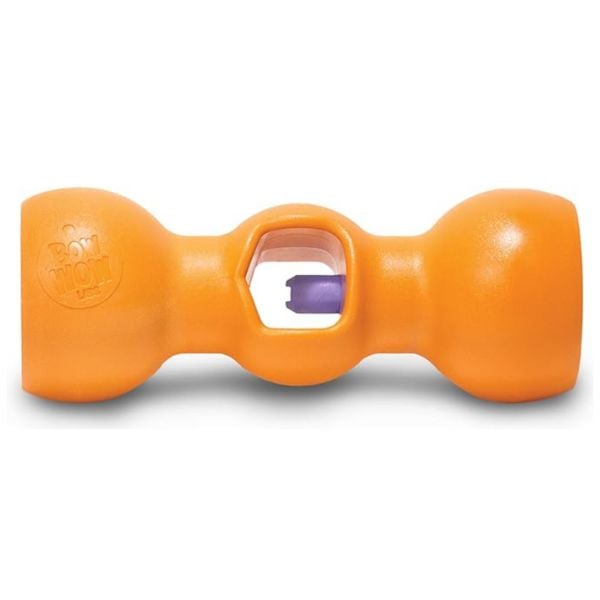
I recommend using the Bow Wow Bully Stick Holder, a durable chew holder made in the USA, specifically designed to prevent dogs from choking on the last bit of bully sticks or other long-lasting chews.
It uses a “Twist Screw” mechanism with three pressure points to grip bully sticks (and even split antlers and collagen sticks), ensuring they stay securely in place during aggressive chewing.
The product is available in five size options, it’s third-party tested, veterinarian-recommended (vets use it to reduce choking incidents), and backed by a 100% satisfaction guarantee.
Don’t Forget Human Hygiene
Many pet parents overlook this: bully sticks can carry harmful bacteria, including Salmonella and E. coli. Remember, Tufts Veterinary School tested several and found contamination on retail samples.
To protect yourself and your family:
- Wash your hands thoroughly after handling
- Don’t let kids touch or feed bully sticks
- Use a clean surface (not your carpet or dog bed)
- Refrigerate half-chewed sticks in a sealed container
Dr. Gaylord, a board-certified veterinary nutritionist and diplomate of the American College of Veterinary Internal Medicine, states that proper handling is particularly important for households with immunocompromised family members.
Quick Takeaway: Bully sticks can be a healthy and satisfying treat if you choose them carefully and supervise their use. For aggressive chewers and anxious dogs, they’re often worth it. But for small puppies or unmonitored snackers? Think twice.
Bully Stick Safety Checklist
- ✔ U.S.-sourced and clearly labeled
- ✔ Slightly flexible (passes bend test)
- ✔ Correct size for your dog
- ✔ Supervised chewing only
- ✔ Removed when 1–2 inches remain
- ✔ Hands washed after handling
Can Puppies Have Bully Sticks? Age & Safety Guidelines
Puppies chew everything, from shoes to table legs to your expensive earbuds. So giving them a bully stick seems like a win… but not so fast.
While bully sticks can be safe for puppies, they’re not for every pup, and they’re definitely not a free-for-all.

When Are Bully Sticks Safe for Puppies?
- Over 6 months old: Puppies under 6 months often don’t have the jaw strength or digestive readiness for dense chews
- Supervised at all times: No solo chewing; bully sticks can splinter or get swallowed in chunks
- Only in short sessions: Limit to 10–15 minutes to prevent overexertion or tummy trouble
- Proper size and shape: Use thin or mini sticks made for puppies, not the braided logs made for adult power chewers
- No other chews that day: Too many treats or rich snacks can upset their sensitive gut
Why Bully Sticks Can Be Risky for Puppies
- Choking hazard: Smaller mouths = higher risk of swallowing large pieces
- Hard to digest: Young puppies may not break it down well, leading to vomiting or diarrhea
- Calorie overload: Puppies have tiny daily calorie budgets, and even a small stick can push them over
- Still-developing teeth: Tough chews can damage fragile baby teeth or misalign jaw growth
Safer Puppy Chew Alternatives
Most puppies lose their baby teeth by six months of age. Learn more about puppy teeth, teething, and ways to soothe their discomfort.
Here are some bully stick alternatives for puppies:
- Freeze a wet washcloth for sore gums
- Try soft puppy dental chews (made for teething)
- Offer carrots or ice cubes as soothing, natural options
- Use rubber or silicone chew toys, which are easier on developing jaws
Bottom line: Bully sticks can be safe for puppies, but only if they’re older than 6 months, chewing under supervision, and eating size-appropriate sticks. For teething pups, start with gentler options.
Best Bully Sticks
Ready to try a bully stick, but don’t want to risk the cheap, stinky, or sketchy stuff? Here are two recommended brands that pass the safety, smell, and sourcing test.
Best Bully Sticks Review
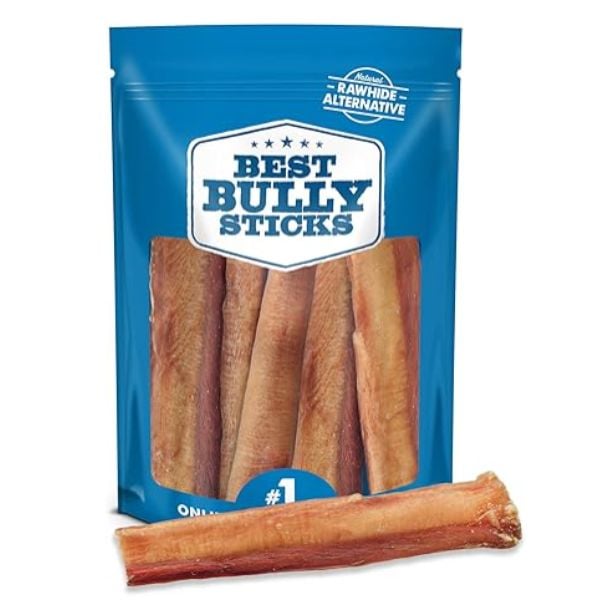
View on Amazon | View on Chewy
I recommend Best Bully Sticks as our editor’s number-one choice if you plan to try this product for your dog. These bully sticks are baked and lab-tested in the U.S., sourced from bulls that are free-range and grass-fed.
They are all-natural, chemical-free treats that are odorless, which is great if you can’t stomach the typical dog-treat smell. Plus, they come in a range of sizes, catering to different breeds.
This brand also offers treats in other shapes to keep your pup interested, including pretzels, spirals, braids, bows, and more. Take a look at this short video on why bully sticks are good for dogs.
Price
Pawstruck Natural Braided Bully Sticks Review
View on Amazon | View on Chewy
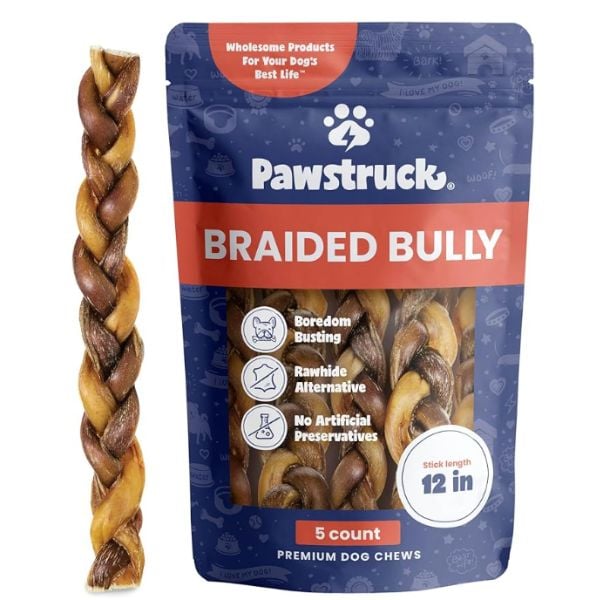
Pawstruck’s Braided Bully Sticks are a step above your standard chew thanks to their braided design, which weaves three bully sticks together into a thicker, longer-lasting treat. This makes them especially ideal for power chewers who tear through single sticks in minutes.
Made from 100% natural beef pizzle sourced from the USA, these chews are free from additives, chemicals, or artificial preservatives, keeping things simple, digestible, and safe for most dogs.
While they’re not completely odor-free (because, well, they’re still beef parts), they’re baked to reduce smell without harsh bleaching agents.
Price
Compare these products with our other highly rated options in our best bully stick guide.
Which Bully Sticks Last The Longest?
Some sticks are gone in minutes. Others keep power chewers busy for nearly an hour. Here’s how they compare:
| Type | Chew Time | Best For |
|---|---|---|
| Braided bully sticks | Longest | Heavy chewers |
| Standard 6″ stick | 10–30 minutes | Medium chewers |
| Thin/mini sticks | Under 10 minutes | Small dogs, seniors |
| Odor-free versions | Same as regular | Indoor use, humans with noses |
Reminder: Bully stick lifespan depends on your dog. A 15-lb dachshund = slow. A 70-lb lab = instant obliteration.
Bully Sticks vs Rawhide: Which Is Safer for Dogs?
If you’ve ever stood in the pet aisle holding a rawhide in one hand and a bully stick in the other, you’re not alone.
There are many horror stories about rawhide, and most vets recommend choosing bully sticks over rawhide. Bully sticks are made from a bull’s pizzle, which is muscle tissue that is easy on their stomachs and high in protein.
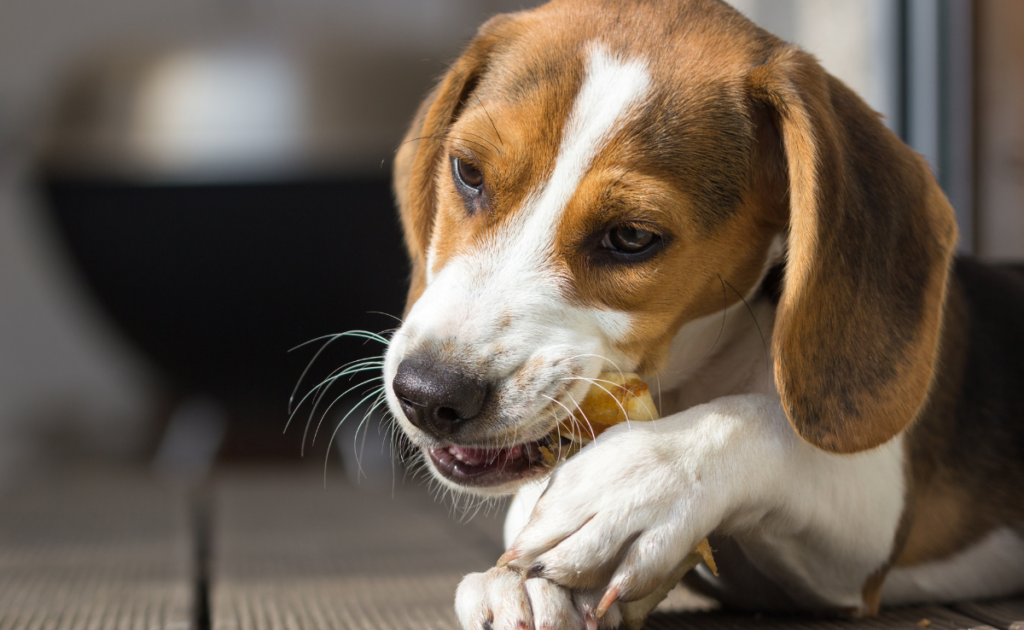
While rawhide is any animal’s inner soft hide or skin, it is more difficult to digest and poses a choking risk. However, rawhide is popular because it is much cheaper.
Unfortunately, many rawhide products are treated with chemicals, making them potentially unsafe depending on the product you purchase.
Let’s break down how they really compare, from digestibility to dental health to risk level:
| Feature | Bully Stick | Rawhide |
|---|---|---|
| Main Ingredient | 100% beef pizzle (muscle) | Processed cow hide (leather by-product) |
| Digestibility | Fully digestible | Not digestible (swells in the gut) |
| Choking/Blockage Risk | Low to moderate (if supervised) | High (can cause severe obstructions) |
| Additives | Typically none | May contain bleach, glue, or preservatives |
| Smell Factor | Low to strong, varies by brand | Usually odorless |
| Calorie Density | High | Low to moderate |
| Cost | Moderate to high | Low |
Learn more about rawhide bones, their dangers, and how to pick the safest options. We have a detailed guide on the best rawhide alternatives to consider. You can also check out our informative guide on how heavy your dog should be, complete with dog weight charts.
Are Bully Sticks Safe for Dogs? Quick Answers to Common Questions
We know that some of our readers have questions about bully sticks and whether they are safe for dogs to eat. If you don’t see your question below, please ask us in the comments, and we’ll find the answer for you.
Do Vets Recommend Bully Sticks?
Yes, many veterinarians recommend bully sticks when they are properly sized, sourced, and used under supervision.
They’re often considered a safer alternative to rawhide because they’re digestible, single-ingredient treats that don’t swell in the stomach.
That said, vets typically advise choosing high-quality, all-natural bully sticks with no chemical additives, limiting frequency due to calorie content, and supervising chewing to reduce choking and dental risks.
You must choose all-natural bully sticks that contain no chemical additives or preservatives. These can have dangerous side effects and cause allergic reactions in some dogs.
Are Bully Sticks Bad For Dogs?
No, bully sticks are not bad for dogs when used in moderation and chosen carefully.
Problems usually arise from overfeeding, improper sizing, poor-quality sourcing, or unsupervised chewing.
Because bully sticks are calorie-dense, they’re best treated as an occasional indulgence rather than a daily snack, especially for small or overweight dogs.
Can Bully Sticks Cause A Blockage?
Yes, like any long-lasting chew, bully sticks can cause a blockage if swallowed in large pieces.
The highest risk occurs when dogs try to gulp the final 1–2 inches of the stick whole.
To reduce this risk, always supervise chewing, remove small end pieces, and consider using a bully stick holder, especially for aggressive chewers and small dogs.
Are Bully Sticks Safe For Puppies?
Bully sticks can be safe for puppies over six months old when used sparingly and under close supervision. Younger puppies are more vulnerable to choking, digestive upset, and tooth damage due to developing jaws and sensitive stomachs.
For puppies, choose thin, size-appropriate sticks, limit chewing sessions, and avoid giving other rich treats on the same day.
Do Bully Sticks Smell Bad?
Some bully sticks smell strongly, while others are nearly odor-free. Odor depends on how the stick is processed, sourced, and dried.
U.S.-sourced bully sticks that are baked (not bleached) tend to have significantly less odor, making them a better choice for indoor use.
How Long Should a Dog Chew a Bully Stick?
Most dogs should chew a bully stick for 10–20 minutes per session. Large, experienced chewers may handle up to 45 minutes with thicker or braided sticks, while small dogs should stop sooner.
Remove the stick once it softens significantly or becomes short enough to swallow.
Can Bully Sticks Go Bad?
Yes, bully sticks can spoil like any natural animal product. Half-chewed sticks left out can develop bacteria, odors, or slime.
Store unused portions in an airtight container or refrigerator, and discard any bully stick that smells off or feels sticky.
Are Bully Sticks Safe For Humans To Handle?
Bully sticks are safe to handle, but they should be treated like raw meat. They can carry bacteria such as Salmonella or E. coli, which pose a greater risk to humans than dogs.
Always wash your hands after handling bully sticks, keep them away from children, and avoid placing them on surfaces used for food preparation.
How Can Pet Insurance Help?
Our furry friends are susceptible to so many accidents and illnesses throughout their lives. Treatment and surgery for everything from a bully stick intestinal obstruction to a cancer diagnosis can result in thousands of dollars in vet bills. However, a reasonable monthly premium for pet insurance can cover a significant portion of your vet expenses for emergencies, accidents, and unforeseen illnesses.
You never want to face the decision of sacrificing your dog’s health and well-being because you can’t afford treatment. Check out our best pet insurance guide to see if it’s a worthy investment for your family.
Other Dog Toys & Ways To Entertain Fido
Pet parents rave about bully sticks as a long-lasting, healthy chew alternative for your dog. Sure, not all are safe, but we trust Best Bully Sticks and Pawstruck.
If you’re looking for other chew alternatives and toys for your dog, check out our guide on the best dog toys. Alternatively, you can make your own organic dog treats or freeze-dried treats to satisfy your dog’s need to chew.
If you have a smart canine, be sure to head over to our review of the best interactive dog toys to stimulate Fido. And be sure to check out our guide on how to create an agility course in your backyard.
Got a Bully Stick Story? Did your dog love their first bully stick… or launch it across the room in disgust? Ever catch them trying to bury one in your couch cushions? We want to hear it. So, drop your funniest, grossest, or most “omg” bully stick moments in the comments below.