When you purchase through links on our site, we may earn a commission at no extra cost to you. Learn more.

We’ve all been there. The dreaded moment you get blindsided by the treatment estimate your veterinarian hands you during the appointment. One minute you’re nodding along, the next you’re staring at a number that makes your stomach flip while you try to decide, on the spot, what you can afford.
Table of Contents
And hanging over that decision? The reality that you’ll have to pay the full amount at checkout, no exceptions, no billing later.
Vet care has never been more expensive, but there are practical ways to cut costs, including clinic savings, seasonal deals, budget-friendly programs, and community resources many pet parents don’t know about.
Let’s break it all down, starting with why vet costs have climbed so high.
Why Are Vet Bills So Expensive? 5 Real-Life Reasons
Veterinary bills aren’t rising because clinics are trying to upsell you; they’re increasing because the entire landscape of animal medicine has changed. Vets today have access to diagnostic tools and treatments that rival human medicine, but that also means the cost of running a clinic has skyrocketed.
Here’s what’s driving the increase:
1. Modern Veterinary Care Is More Advanced (and More Expensive) Than Ever
According to the American Animal Hospital Association (AAHA), the rising cost of veterinary care is tied to expensive equipment, pharmaceuticals, and the overhead required to run modern animal hospitals.

Many clinics now use equipment found in human hospitals: digital X-ray systems, ultrasound units, advanced anesthesia monitors, and in-house labs. These machines cost tens (or hundreds) of thousands of dollars, and the cost trickles into vet fees.
2. Veterinary Staff Shortages Are Driving Prices Up
The American Association of Veterinary Medical Colleges notes that the U.S. is facing a significant shortage of veterinarians, vet techs, and support staff — a gap expected to continue through 2030. Fewer professionals + higher demand = increased labor costs.
Veterinary technicians, for example, now require formal schooling, certification, and continuing education. Clinics are paying more to hire and retain qualified teams, and those costs appear on your invoice.
3. Veterinary Student Debt Is High
The American Veterinary Medical Association (AVMA) reports that recent graduates carry a mean educational debt of around $150,000, with some vets owing far more. Clinics must offer salaries that allow veterinarians to service this debt, and that cost trickles into exam and procedure fees.
4. Inflation & Supply Chain Issues Have Hit Clinics Hard
From surgical gloves to IV fluids and lab testing to vaccines, nearly every supply used in veterinary hospitals has increased in price. According to experts, veterinary services saw a 38.6% rise in inflation between 2019 and 2024, outpacing general inflation. So yes, that exam fee crept up, and it wasn’t your imagination.

5. Emergency Vet Care Is Especially Pricey
Emergency clinics operate 24/7 with specialized equipment and staff ready at all hours. Their vet visits now range from $800 to $1,500+, and surgeries can cost far more. It’s not unusual, but it is painful for your wallet.
Bottom Line:
Vet bills are rising because veterinary medicine has become more like human healthcare — high-tech, labor-intensive, and expensive to provide.
How To Save Money At The Vet (Without Cutting Corners On Care)
Vet costs add up quickly, but most pet parents don’t realize how many built-in ways there are to lower their bill. Most people are surprised to learn how many clinics quietly offer savings if you know what to ask. These aren’t coupon-clipping tricks; they’re legitimate cost-reducing options built into some hospitals’ pricing structures.

1. Ask the Right Questions (These Are Where the Real Savings Hide)
Most clinics don’t post pricing tricks on their website, but they do offer ways to help families stay on budget. A quick, respectful ask can make a difference.
Small Discounts Many Clinics Offer Quietly
- Multi-pet exam pricing
- Loyalty perks for long-time clients
- Referral discounts
- First-visit or new-client incentives
- Military, senior, or first-responder savings
None of these will slash your bill in half, but together, they can lower your annual spending more than you think. And yes, asking is completely normal. Clinics expect it.
2. Consider A Wellness Package (Predictable Care = Predictable Costs)
Many clinics now offer annual wellness plans or preventive-care packages. These aren’t pet insurance (we’ll get to that significant cost-saving option later); they’re a pre-set bundle of preventative services (annual wellness exam, routine labwork, heartworm test, vaccines, etc.) at a reduced rate.
Benefits:
- Lower cost than paying à la carte
- Can be paid monthly or annually
- Helps catch problems early
- Keeps dogs up-to-date on preventative care
It’s an especially good fit for owners who prefer predictable budgeting, puppies, senior dogs, and multi-pet households.
Some hospitals tie these into a broader discount program, which can take even more pressure off your wallet over a full year.
Did You Know?
You can add a wellness plan with many pet insurance providers. Learn more about wellness plans through pet insurance.
3. Schedule Smart: Some Prices Change Seasonally
This is one of the easiest ways to save money, and hardly anyone knows about it. Some examples of low-demand periods where clinics offer veterinary specials include:
- Dental Month (February): Discounts on professional cleanings, X-rays & bloodwork
- Spay/Neuter Events: Often tied to spring or fall
- Vaccine & Microchip Clinics: Hosted by shelters or local nonprofits
- New-client specials: Early-year promos to fill appointment books
These deals aren’t gimmicks; they’re strategic. Clinics use them to even out seasonal demand, and pet owners benefit in the process. Just ask the front desk, “Do you ever run seasonal specials or lower-cost clinic days?” Chances are, they do.
4. Use Telehealth For Small Questions (Not Emergencies)
Telehealth isn’t a replacement for hands-on exams, but it can save you an unnecessary visit. A growing number of clinics (and virtual-first platforms) offer these services. Good uses include:

- Minor symptoms
- Skin flare-ups
- Medication refills (when possible)
- Behavior issues
- “Do we need to come in?” triage
This can easily save you $50–$100 per concern — and a car ride your dog didn’t want anyway.
5. Compare Pharmacy Prices
Vets can’t price-match everything, but they can write a prescription you can fill elsewhere. Think of pet medication pricing like airline tickets: the same item can cost dramatically different amounts depending on where you buy it. Reputable options include:
- Chewy
- Walmart
- Costco
- GoodRx for Pets
- Manufacturer rebate sites
Always tell your vet if you’re price-checking. Some clinics are willing to offer in-house savings to keep your prescription local, and they appreciate transparency.
6. Shop Around For Routine Care (It’s Not Disloyal — It’s Responsible)
Exam fees and costs for vaccines, nail trims, and labwork vary more than most owners realize. Corporate clinics often have higher exam fees; independent clinics may be more flexible or offer budget-friendly care options.
You’re not “doctor shopping.” You’re budgeting for a furry family member.
What Vet Discounts Actually Mean (And What They Don’t)
There’s a lot of confusion around the term “vet discount.” Many owners imagine it works like a grocery store promotion or a coupon booklet, but veterinary hospitals operate under strict medical standards, payroll needs, equipment costs, and liability rules that limit sweeping markdowns.
Realistic Vet Savings Options Include:
- First-exam reductions
- Preventive-care bundles
- Multi-pet pricing
- Senior/military discounts
- Dental-month specials
Unrealistic Expectations:
- Big, arbitrary percentage-off coupons
- Negotiating emergency care pricing
- Setting your own price (you’d be surprised how often it’s tried)
Emergency Hospitals: Why They Almost Never Discount
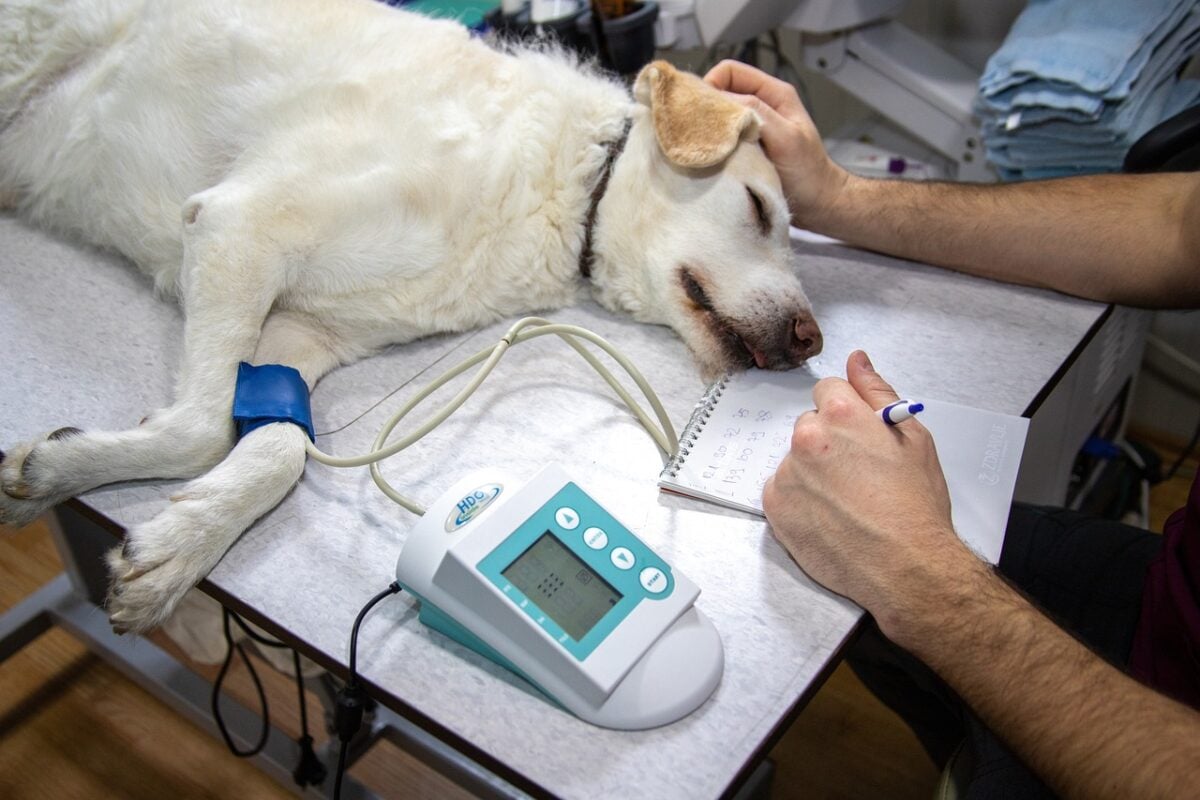
Emergency clinics operate with enormous overhead costs for:
- 24/7 staffing
- High-level monitoring
- ICU support
- Specialty equipment
- Surgeons on call
The cost to stay open is incredibly high. That’s why discounts are rare, and payment plans are usually not offered.
If you’re worried about cost, ask for an estimate before authorizing anything further. ER vets are used to that question, and they’ll walk you through what’s essential, optional, or diagnostic.
Is It Okay To Ask About Costs? Absolutely.
Talking about money at the vet can feel intimidating, but it shouldn’t. Vets know medical care is expensive, and they expect owners to ask questions before agreeing to a treatment plan. You’re not being difficult; you’re being responsible.

To make the conversation easier, here are simple, respectful questions you can ask at any appointment.
Helpful Questions About Pricing & Options
- “Can you walk me through this estimate?”
Helps you understand each line item and what’s essential vs optional. - “Is there a lower-cost way to approach this treatment?”
Opens the door for alternatives (generic meds, fewer diagnostics, staggered care). - “If we need to prioritize, what should we do first?”
Lets your vet separate urgent care from things that can safely wait. - “Do you offer any wellness bundles or preventive-care packages?”
Great for routine care you already plan to do. - “Do you have any new-client, multi-pet, or seasonal discounts?”
Many clinics do — they just don’t advertise them. - “Is this the best-priced medication option, or is there a generic or cheaper alternative?”
Encourages transparent pharmacy pricing. - “Would a membership or discount program make sense for my dog’s needs?”
Helps determine whether long-term savings apply to your situation. - “If I fill the prescription elsewhere, is there any information I should know?”
Keeps your vet in the loop and ensures safety if you shop around. - “Do you work with CareCredit or Scratchpay if this gets expensive?”
Useful for multi-step diagnostics or unexpected illness.
Veterinary Specials: The Deals Most Pet Owners Don’t Know About
Many clinics quietly offer veterinary specials throughout the year, but they’re rarely advertised. These aren’t gimmicks. They are genuine ways to save on preventative care, and they can significantly reduce your annual vet expenses.

Below are the most common specials and how to take advantage of them.
Dental Month (February) — One of the Best Discounts of the Year
Dental cleanings are notoriously pricey, often ranging from $300–$700+, depending on anesthesia, X-rays, and your dog’s size. But every February (and sometimes March), many clinics offer:
- 10–20% off dental cleanings
- Discounted bloodwork
- Reduced pricing on dental X-rays
Why? Because demand slows in winter, and clinics use the season to promote healthier mouths. If your dog needs a cleaning, ask early — these spots fill fast.
Low-Cost Vaccine Clinics
Local shelters, nonprofits, and mobile veterinary units frequently offer significantly reduced vaccine pricing. These clinics are especially useful if you’re:
- Catching up a newly adopted dog
- Managing care for multiple pets
- Budgeting for basics between full vet visits
Many of these events are supported by grants or partnerships, so prices are often far lower than traditional clinics.
Spay/Neuter Promotions Throughout the Year
Depending on your region, you may find:
- Subsidized spay/neuter programs
- Income-based vouchers
- Partnerships with rescue groups
- Seasonal promotions (often spring or fall)
Your local humane society is the best place to ask.
Microchip & ID Clinics
Microchips are inexpensive but easy to forget. Many clinics and shelters offer:
- $15–$30 microchip specials
- Free microchips during adoption drives
- Reduced-price chip + registration bundles
This is often the cheapest way to get your dog microchipped safely.
Other Ways To Afford Vet Care
When money is tight, you’re not a “bad pet parent.” You’re a person doing their best for a dog they love. Fortunately, there are legitimate, reputable organizations dedicated to helping pet owners get through tough financial moments. Below are real, practical resources — many used nationwide.

Financial Assistance And Payment Plans
If your dog needs urgent care or an expensive procedure, some veterinary clinics may be able to help with payment arrangements or outside financial support. While most clinics still require full payment at checkout, a few partner with third-party lenders or charitable groups that offer grants, short-term financing, or low-interest loans to make treatment more manageable.
Beyond what individual clinics can offer, several nonprofit organizations exist specifically to help pet owners handle veterinary bills. These groups provide financial assistance for emergency treatment, chronic conditions, and unexpected medical needs.
- RedRover Relief: Grants for life-saving emergency treatment
https://redrover.org/relief/ - The Pet Fund: Financial aid for chronic illness and non-urgent conditions
https://thepetfund.com/ - Brown Dog Foundation: Helps when a treatable condition is unaffordable
https://www.browndogfoundation.org/
These organizations require applications and documentation, but they’re credible and well-established. The Animal Health Foundation has an extensive list of organizations nationwide that offer financial assistance.
Local Humane Societies & Rescue Groups
Don’t overlook your local shelter — many offer:
- Income-based discount veterinary care
- Low-cost exam days
- Affordable spay/neuter programs
- Vaccine clinics
- Partnerships with grant-funded community vet programs
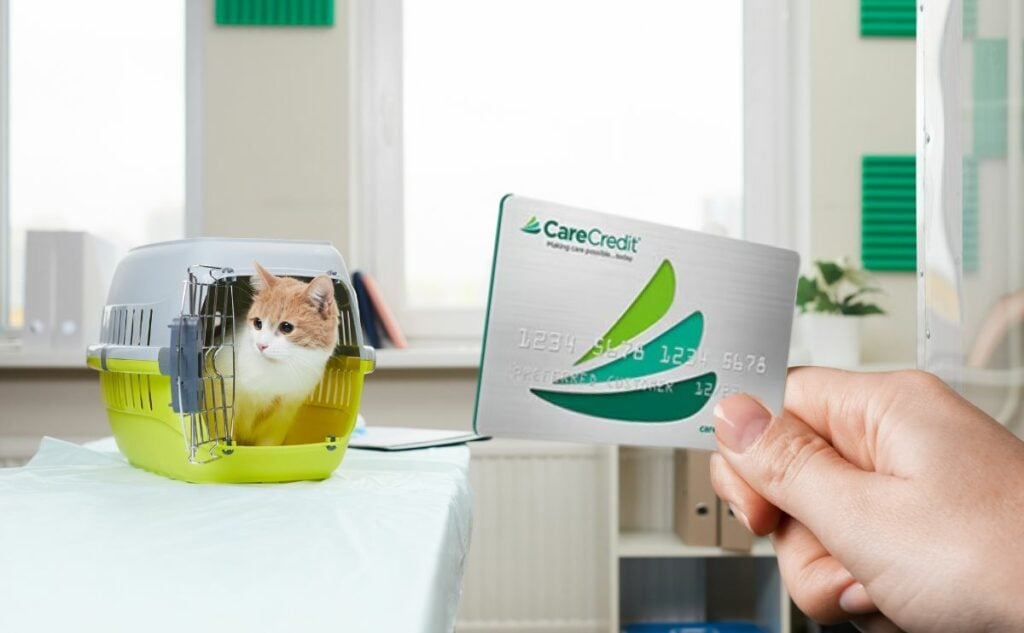
CareCredit & Scratchpay (Financing Options)
If your dog needs care immediately but you don’t have the funds on hand, these financing tools can help bridge the gap:
- CareCredit: Offers short-term, sometimes interest-free financing
- Scratchpay: Flat-fee plans, no deferred-interest pitfalls
Not every hospital accepts both, but many do. This can be a lifeline during emergencies.
Vet Schools Offer Discounted Services
If you live near a veterinary teaching hospital, you may have access to:
- Lower-cost diagnostics
- Discounted surgeries
- Specialist-level care at reduced prices
Care is provided by students under the supervision of board-certified veterinarians, meaning high-quality care at a more accessible cost.
Breed-Specific Funds & Support
Many breed clubs offer financial assistance grants for medical care, particularly for costly genetic conditions. Your dog’s breed community is often surprisingly generous. Examples include funds through:
- Labrador Retriever clubs
- Golden Retriever foundations
- Cattle Dog rescue groups
- Brachycephalic rescue programs
Why Pet Insurance Is A Wise Investment
Even with discounts and smart budgeting, some vet bills are simply too big to plan for. That’s why many pet parents choose pet insurance — not as a luxury, but as a safety net. Here’s why it’s worth considering:
- Emergency care is expensive. A single ER visit or surgery can reach thousands of dollars. Insurance helps soften that blow.
- It gives you more treatment options. Instead of choosing the cheapest path, you can select the right one.
- You pay a predictable monthly cost rather than a sudden, large bill. Helpful for anyone on a budget or managing multiple pets. (Note: prices may adjust for inflation each year)
- Enrolling early offers the best coverage. Once a condition appears, it’s excluded as pre-existing if your pup isn’t yet covered, so getting a policy before health issues arise matters.
Pet insurance isn’t required for every dog, but if you worry about affording a major emergency, it can be one of the smartest long-term protections for your wallet, your peace of mind, and your pup’s health. See our expert guide on the best pet insurance providers to learn more.
5 Smart Everyday Habits That Lower Long-Term Vet Costs
You can’t prevent every emergency, but you can dramatically reduce routine medical expenses with a few simple habits. These savings add up more than any coupon or short-term promotion.

1. Keep Your Dog At A Healthy Weight
Obesity contributes to arthritis, heart disease, diabetes, and other expensive long-term conditions. Maintaining a healthy weight can save you thousands over your dog’s lifetime.
2. Keep Your Dog Mentally & Physically Stimulated
A bored dog is often an unhealthy dog — and an expensive dog. When pups don’t get enough exercise or mental engagement, they’re more prone to stress behaviors, weight gain, destructive chewing, preventable injuries, and even anxiety-related vet visits.
Daily stimulation doesn’t have to be elaborate. Even small, consistent habits help:
- Regular walks to burn energy and keep joints moving
- Interactive toys or food puzzles to challenge their brain
- Brain games or short training sessions that reinforce good behavior and build confidence
- Safe chew outlets to prevent dental wear and destructive habits
- Playtime that keeps muscles strong and reduces stress

These simple routines support both physical and emotional health, and over time, they can significantly reduce vet bills tied to preventable injuries, obesity, and stress-related issues.
3. Feed A Balanced, High-Quality Diet
Quality food helps reduce vet visits related to:
- GI distress
- Skin issues
- Allergies
- Weight management troubles
See our reviews of the best all-natural dog food, best dog food for allergies, and our top recommendations for fresh dog food.
4. Stay Consistent With Preventive Care
Routine care is often far cheaper than treating preventable diseases. Stay current with:
- Vaccines
- Heartworm prevention
- Flea & tick meds
- Dental cleanings
- Annual bloodwork
Skipping preventive care usually costs more in the long run.

5. Brush Your Dog’s Teeth
Dental disease is one of the leading causes of major vet bills. Brushing just a few times a week (ideally every day) lowers the need for expensive cleanings.
When Trying To Save Money Could Hurt Your Dog
It’s smart to look for savings. It’s not smart to delay care when something could be life-threatening. Knowing the difference helps you budget without risking your dog’s safety. Here are the moments when “wait and see” becomes dangerous:
Emergencies That Always Need Immediate Vet Care
If your dog shows any of the following, don’t shop around, don’t Google — go in:
- Trouble breathing
- Collapse or inability to stand
- Severe vomiting or diarrhea (especially with blood)
- Possible poisoning
- Seizures
- Canine bloat symptoms (distended belly, pacing, retching)
- Major wounds
- Sudden paralysis
- Eye injuries
These conditions progress quickly, and delaying even 30–60 minutes can drastically worsen the outcome.
When Home Remedies Can Backfire
A few examples:
- Using human medications without veterinary guidance
- Applying certain essential oils or OTC ointments
- Treating suspected infections without diagnostics
- Waiting days before addressing a limp or wound
Trying to save $100 today can become a $1,000 emergency next week.
Frequently Asked Questions
Vet bills can be confusing, and every dog’s situation is a little different. If you have a question about saving money on care, understanding an estimate, or navigating discounts, drop your question in the comments below — we’re here to help, and other pet parents may benefit from your experience too.
Here are answers to the questions dog owners ask most often.

Can I Ask My Vet For A Discount Without Sounding Rude?
Yes — and most clinics expect cost questions. Try: “Are there any bundles or cost-saving options available for this visit?” It’s polite, respectful, and puts the discussion on the clinic’s terms.
Do Vets Offer Payment Plans?
Most general practices do not, because they’re small businesses and rely on cash flow. Some accept CareCredit or Scratchpay, but traditional billing isn’t typical. Emergency hospitals almost always require payment in full at the time of service.
Can I Get An Estimate Before Committing To Treatment?
Yes. You can (and should) ask for a written estimate before approving care. It helps you understand priorities, optional add-ons, and potential costs if complications arise.
Are Online Pet Pharmacies Safe?
Yes — as long as they’re Vet-VIPPS certified or require a prescription. Chewy, Costco, 1-800-PetMeds, and Walmart are reputable providers. Always let your vet know if you’re price-shopping; some clinics may offer a vet discount to keep the prescription in-house.
Do Veterinary Discount Programs Replace Pet Insurance?
No. Discount programs lower routine care costs. Insurance helps with emergencies, surgeries, and expensive diagnostics. Many families use both to balance predictable vs unexpected expenses.
Budgeting For Vet Care
Veterinary costs are rising, and most of us have faced that moment in the exam room — staring at an estimate we didn’t expect and trying to make the best decision for a dog who depends on us completely. Budgeting is absolutely crucial to ensure the best care for your pup.
Here are helpful guides to compare costs and plan ahead:
- How much do specific vet expenses cost?
- How much does it cost to own a dog?
- Is pet insurance worth it?
Do you have any tips for fellow pet parents on ways to save on vet care? Please share in our comments.