When you purchase through links on our site, we may earn a commission. Here’s how it works.
Goldendoodles look like living stuffed animals, but vets know they’re not made of fluff and magic. Behind the curls, these dogs can run into some surprisingly common health problems that catch a lot of owners off guard.
Table of Contents
If your Goldendoodle has ever limped, scratched nonstop, or had a “wait…is that normal?” moment, you’re about to find out why.
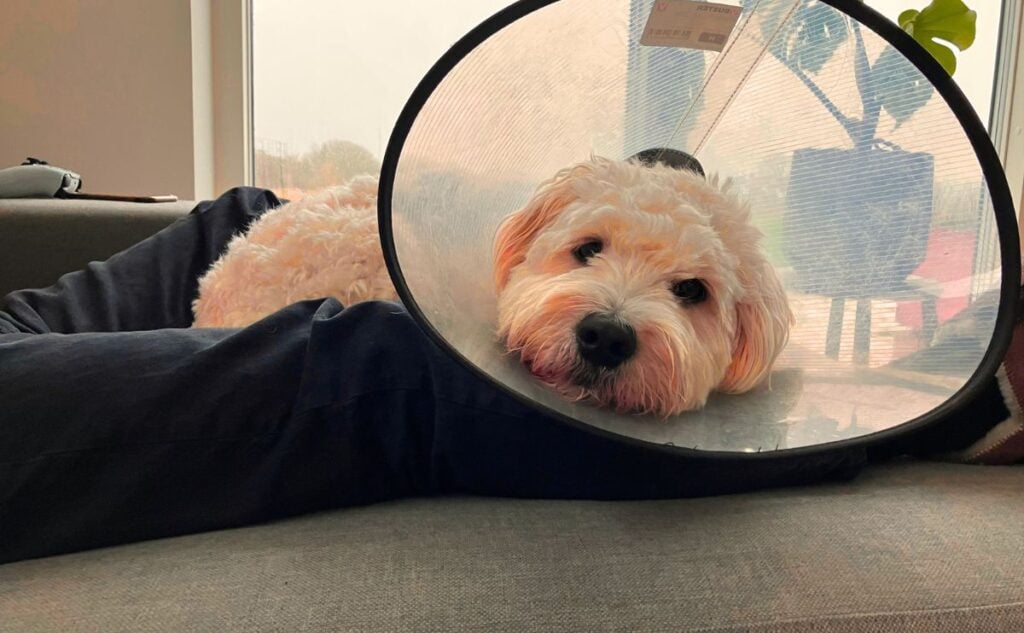
Planning Ahead For Goldendoodle Vet Bills
Goldendoodles might be dreamy teddy bear dogs, but their vet bills can be anything but dreamy. You can pay these medical costs out of pocket, or consider pet insurance for Goldendoodles to help cover a large portion of the expenses.
Pet insurance can ease the difficult decision between your financial situation and ensuring your beloved pet gets the essential veterinary care they need in case of an emergency or serious illness.
It’s best to insure your dog while they’re still young and before health issues arise, as most insurance companies typically do not cover pre-existing conditions. Check out our reviews of the best pet insurance providers for more information, or use our free quote form below to see what your insurance might cost.

12 Common Goldendoodle Health Issues
I spoke with Dr. Rebecca MacMillan, BVetMed, BSAVA, PGCertSAM, MRCVS, to get a practicing veterinarian’s perspective on Goldendoodle health issues. She sees many Goldendoodles in her practice.
With insights from Dr. MacMillan and my thorough research, I’ve identified the 12 most common Goldendoodle health concerns.
Knowing the signs of each condition can help you catch problems early and get your pup the care they need, hopefully, before things get serious. If you notice any symptoms, please don’t wait to contact your vet.

Quick Note: Before I jump in, this list focuses on standard Goldendoodles, not mini Goldendoodles. Yes, there’s a lot of overlap, but there are some significant differences, too.
Mini Goldendoodles may have a few additional small-dog issues (such as kneecap or airway problems), but standard Goldendoodles mostly inherit health risks from Golden Retrievers and standard-sized Poodles.
If you want to go deeper, we also break down common health issues in Golden Retrievers and Poodles separately. But for quick answers, this guide pulls together the health problems that show up most often in Goldendoodles, all in one place.
1. Hip & Elbow Dysplasia
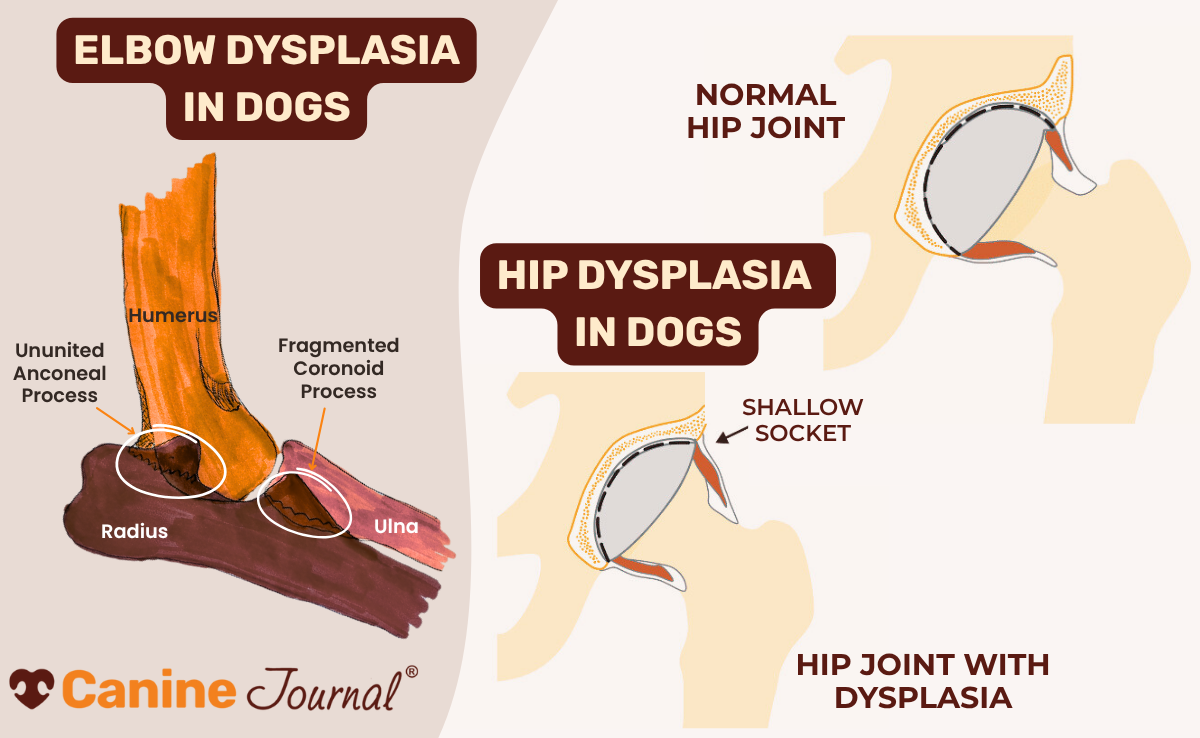
Both Golden Retrievers and Poodles are prone to hip dysplasia and elbow dysplasia, so Goldendoodles can inherit both types of joint dysplasia, too.
In simple terms, the joints do not form properly. Over time, that leads to stiffness, limping, and pain that slowly gets worse. Left unchecked, these joint problems often turn into arthritis, which can seriously limit a dog’s mobility as they age.
Symptoms
- Pain or discomfort during exercise
- Lameness
- Stiff back or front legs
- “Bunny hop” like running (with hip dysplasia)
- Stiffness getting up or running
- Struggling to walk up the stairs or take long walks
- Difficulty getting up from resting
- Abnormal gait
- Lack of enjoyment with physical activities that were previously enjoyable
Diagnosis & Treatment
Diagnosis involves your veterinarian palpating the hip or elbow joint and performing an X-ray of the affected joint. Depending on the severity of hip dysplasia, treatment options can include anti-inflammatory and pain medications, joint supplements, physical therapy, and weight management.
In more advanced cases of hip dysplasia, surgery is often necessary. The most effective surgical treatment is total hip replacement. Elbow dysplasia treatment often requires surgery.
Here’s what Dr. MacMillan has to say about hip dysplasia and osteoarthritis:
The most common issues I see in Goldendoodles are hip dysplasia and osteoarthritis. Like many pedigree dogs, both Golden Retrievers and Poodles are at high risk from inherited developmental joint abnormalities.
If the hip joint doesn’t form properly in your growing dog, it can lead to painful lameness and early onset of osteoarthritis, affecting their quality of life. Osteoarthritis can also occur in other joints around the body, and signs become more noticeable as your dog ages.
In my experience, many Goldendoodle owners report their dogs becoming stiffer, limping, or ‘slowing down on walks’ as they get older.
– Dr. Rebecca MacMillan, Veterinarian
2. Cranial Cruciate Ligament (CCL) Tears
Goldendoodles are active dogs, and that energy, combined with genetics, makes knee injuries more common than many owners expect. One of the biggest issues vets see is a cranial cruciate ligament (CCL) tear, which is similar to an ACL injury in humans.
It can happen suddenly during a sharp turn or rough play, or slowly over time as the ligament wears down. Even worse, once one knee is injured, the other knee is more likely to follow, turning one problem into two.
Symptoms
- Limping
- Barely putting any weight on the affected hind leg
- Walking on three legs
- Difficulty getting up
- Sitting on one side
- Audible clicking or popping in the joint
- Swollen knee
Diagnosis & Treatment
Diagnosis involves testing the joint’s range of motion, and X-rays may be necessary. Most large dogs, like the Goldendoodle, require orthopedic surgery to stabilize the knee.
Recovery from CCL surgery typically requires pain relief, anti-inflammatory medications, and rehabilitative therapy. Dogs with prior CCL injuries almost always develop arthritis later in life, so weight management is important.
3. Canine Bloat
Deep-chested breeds like Doodles are prone to a life-threatening condition called gastric dilatation-volvulus (GDV) or canine bloat, most often caused by eating or drinking too much or too fast.
GDV occurs when a dog’s stomach becomes overly inflated with gas, food, or fluid, resembling a balloon. This inflation can lead to the stomach twisting, which restricts blood flow.
Additionally, the swollen stomach may press on major blood vessels, hindering blood return to the heart and leading to shock. GDV can escalate rapidly and is always considered an emergency.
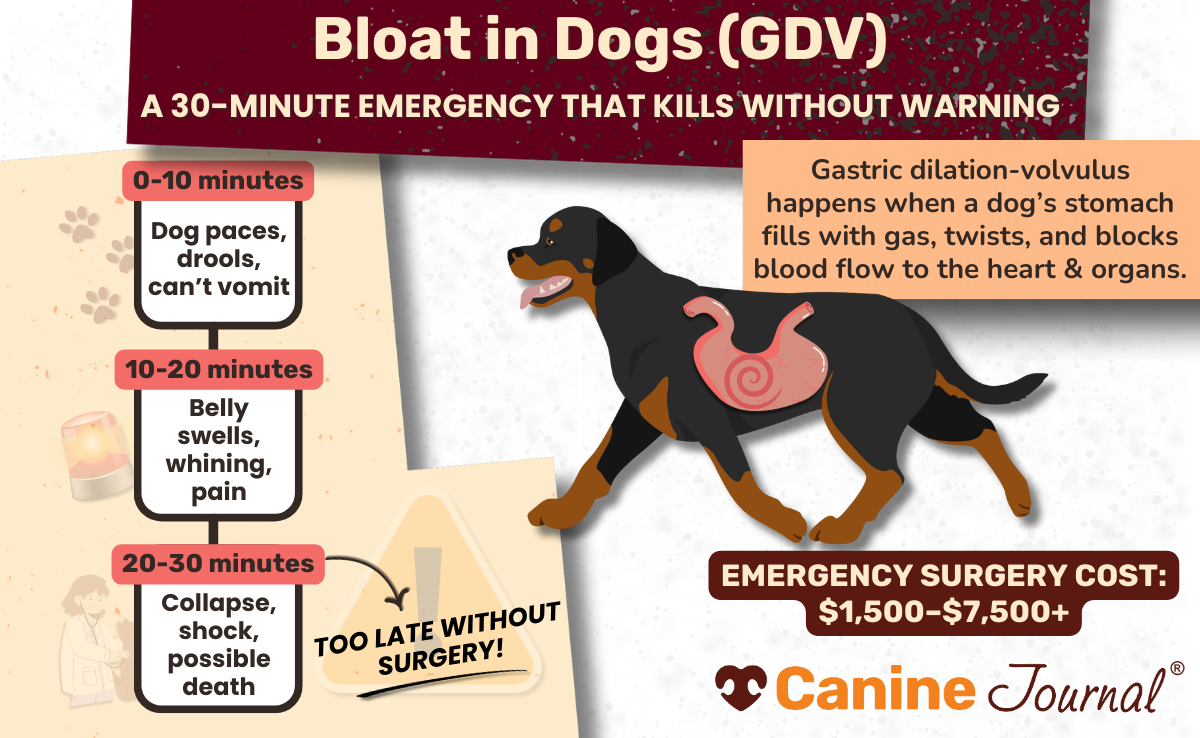
The pain associated with GDV is intense and can strike suddenly. A dog might appear perfectly fine one moment and then show alarming symptoms the next.
Diagnosis & Treatment
X-rays and other diagnostic tests may be necessary to determine if the stomach has twisted. Initially, a veterinarian may try to insert a stomach tube. If the stomach is twisted, this may not be feasible, and a large needle or catheter might be used to puncture the skin and relieve the pressure inside the stomach.
Immediate shock treatment is crucial, involving intravenous fluids and emergency medications. Once the dog is stabilized, surgery is necessary to reposition the stomach correctly.
4. Subaortic Stenois (SAS)
Subaortic stenosis (SAS) is a congenital heart condition characterized by a narrowing or blockage located just below the aortic valve, which pumps blood from the heart to the rest of the body.
The narrowing can vary from mild to moderate or severe. In cases of moderate or severe stenosis, the heart may have to work harder, which can cause heart damage and the risk of sudden death.
Symptoms
- Weakness
- Breathing difficulty
- Fainting
- Exercise intolerance
Diagnosis & Treatment
Diagnosis involves a physical examination, checks for irregular heartbeats or murmurs (arrhythmias), and imaging such as chest X-rays, electrocardiograms, or cardiac ultrasounds.
While there is no cure for subaortic stenosis, dogs with moderate to severe cases benefit from lifelong medication (β-blockers) to reduce the heart’s workload, prevent rapid heartbeats, and manage arrhythmias.
It’s also crucial to manage exercise, avoiding intense activities and sudden bursts of energy. Surgical options, such as balloon catheterization, exist but have varying success rates and are not frequently used.

5. Allergies & Skin Problems
Goldendoodles are prone to allergies from food ingredients or environmental factors. Allergies typically cause chronic skin problems regardless of the cause, and food intolerances can also cause gastrointestinal issues.
On top of allergies, Doodles are also susceptible to chronic skin diseases called congenital ichthyosis (from Goldens) and sebaceous adenitis (from Standard Poodles). These two diseases have no cure and are lifelong conditions.
Symptoms
- Itchy and red skin
- Scaly skin
- Excessive chewing and licking of the skin and paws
- Face rubbing
- Brittle, dry hair
- Hair loss
- Secondary ear and skin infections
- Stomach upset, vomiting, and diarrhea (food allergies)
Diagnosis & Treatment
Allergies are chronic conditions that require various diagnostic and treatment options, depending on the cause and severity. These can include food elimination trials, skin testing, allergy medications or injections, and more.
Lifelong treatment for ichthyosis and sebaceous adenitis can consist of oral medication, medicated shampoos, and topical creams. Dr. Macmillan shares an experience with a Goldendoodle patient who had multiple allergies:
I have seen several Goldendoodles over the years that usually present with excessive paw licking, recurrent ear infections, and generalized itchiness. In one case I saw, the owners decided to do allergy testing for their pets.
This involved taking blood samples so that we could try and work out what their dog was allergic to, helping us understand how to best manage it. This dog was actually allergic to multiple things, including various grass pollens, tree pollens, house dust mites, and flea saliva.
We went down the road of regular immunotherapy injections, which improved things greatly, and he now suffers from less frequent ear infections and skin flare-ups.
Owners should note that there are multiple ways to treat skin allergies, however, so definitely have a discussion with your vet as to what might be suitable for your dog.
– Dr. Rebecca MacMillan, Veterinarian
Not Sure What’s Causing the Itching? At-home dog allergy tests can help identify potential food or environmental triggers within a few weeks. You can share the results with your vet to help narrow things down and build a treatment plan. Remember, these tests are a starting point and not a replacement for a veterinarian’s diagnosis.
6. Ear Infections
Goldendoodles face a triple whammy when it comes to ear infections. Causes include genetics, allergies, floppy ears, and thick hair that retain moisture and provide a haven for bacteria, yeast, and sometimes ear mites.
Unfortunately, ear infections are a recurring problem for many Doodles. If left untreated, dog ear infections can be pretty painful and can lead to ear canal damage or even middle ear damage.
Symptoms
- Scratching the ear or areas around the ears
- Redness or swelling
- Ear odor
- Yellow, brown, or bloody discharge
- Fur loss around the ear
- Scabs or crusted skin near the ear flaps
- Rubbing the ear on the floor or furniture
Diagnosis & Treatment
Diagnosis involves a thorough ear inspection and a culture of the ear discharge to determine the exact cause of the infection.
Your vet will perform a thorough ear cleaning and may prescribe oral and/or topical medications, such as antibiotics, antifungals, or anti-inflammatories. It’s also important to have a follow-up exam to ensure the infection has resolved.

7. Hypothyroidism
Hypothyroidism is a chronic condition where the body cannot produce enough thyroid hormones, which slows down metabolism.
This common endocrine disorder typically affects dogs in their middle age, around 6 to 7 years old, and can lead to significant health complications if left untreated. Poodles and Golden Retrievers are particularly susceptible to this condition.
Symptoms
- Unexplained weight gain
- Lethargy
- Decreased activity level
- Abnormal hair loss without itching
- Dry, dull, brittle coat
- Skin darkening
- Recurrent infections in the ears and skin
- Intolerance to cold
- Slow heart rate
Diagnosis & Treatment
To diagnose hypothyroidism, veterinarians perform blood tests to assess your dog’s thyroid hormone levels. Depending on other symptoms, additional tests may be conducted to evaluate organ function.
Although there is no cure for this condition, it can be effectively managed. Dogs diagnosed with hypothyroidism need to take an oral thyroid replacement hormone for their entire life, along with annual testing to ensure the medication remains effective.
8. Addison’s Disease
Goldenpoos have an increased likelihood of developing Addison’s disease because of their Poodle lineage. Addison’s disease, also known as hypoadrenocorticism, occurs when a dog’s adrenal glands do not produce enough of the hormones aldosterone and cortisol.
These hormones play a vital role in managing various bodily functions and are essential for survival. If left untreated, Addison’s disease can lead to severe health complications and may even be fatal.
Diagnosis & Treatment
Your veterinarian will conduct a range of blood and urine tests, as well as an adrenocorticotropic hormone (ACTH) stimulation test, to determine whether the adrenal glands are functioning correctly.
Although there is no cure for Addison’s disease, it can be effectively managed with lifelong medication. Your veterinarian will also perform periodic follow-up blood and urine tests to monitor treatment effectiveness.
9. Multiple Eye Disorders
Goldendoodles may be prone to various ocular disorders due to their genetic background. Here are some of the most prevalent eye issues that this hybrid breed might face. These conditions can affect both eyes, though not always simultaneously, and some may even occur together.
- Cataracts: This is a common disorder in many dogs (and humans) where the lens hardens and loses its clarity. As the cataract progresses, it becomes increasingly cloudy, obstructing light from reaching the back of the eye, ultimately resulting in vision loss. Surgical intervention is required for treatment.
- Glaucoma: This condition arises when there is a buildup of fluid in the eye due to poor drainage, leading to increased pressure that can harm the retina and optic nerve. If prescription eye drops fail to regulate the pressure, surgery is necessary.
- Progressive retinal atrophy (PRA): PRA is a genetic disorder that gradually leads to blindness. While it is not painful, there is currently no cure for this condition.

Symptoms
Unless noted above, many eye problems share similar symptoms.
- Eye sensitivity
- Squinty eyes
- Repeated blinking
- Bloodshot or cloudy eyes
- Yellow or green discharge
Diagnosis & Treatment
Diagnostic procedures depend on the suspected eye problem. This includes a detailed assessment of the eye structure to determine the exact problem.
Depending on the condition, treatment may include surgery for cataracts and glaucoma, ongoing eye medications, and other interventions.
10. Cancer: 4 Types
Both Golden Retrievers and Poodles are at high risk for cancer, as are Groodles. The most common cancers in these breeds are hemangiosarcoma, lymphoma, osteosarcoma, and mast cell tumors.
Cancer usually presents in middle-aged or senior dogs. I’ve broken down the symptoms and treatment options for each type of cancer below.
1. Hemangiosarcoma
Hemangiosarcoma impacts blood vessels and is frequently seen in breeds like Golden Retrievers and Goldendoodles.
This aggressive form of cancer typically affects organs such as the spleen, liver, and heart, which complicates early detection since symptoms may not show up until the disease has progressed. Common signs include sudden weakness, pale gums, or even collapse, usually due to internal bleeding.
Sadly, hemangiosarcoma is very aggressive and can spread rapidly. Although there are treatment options like surgery and chemotherapy, the outlook is often not very promising.
2. Lymphoma
Lymphoma ranks among the most prevalent cancers found in dogs, and Goldendoodles are particularly susceptible due to their Golden Retriever lineage. This type of cancer impacts the lymphatic system, which encompasses lymph nodes, the spleen, and bone marrow.
Initial signs of lymphoma can include swollen lymph nodes, which are frequently observed under the jaw, in the armpits, or around the groin area. As the disease advances, it may lead to symptoms such as fatigue, weight loss, and decreased appetite.
Although lymphoma is known to be an aggressive form of cancer, many dogs respond positively to chemotherapy, with some even reaching remission.

3. Osteosarcoma
Osteosarcoma is a type of bone cancer that is more frequently seen in larger dog breeds. Although it’s less common in Poodles, the genetic influence from Golden Retrievers raises the likelihood of occurrence in Goldendoodles.
This condition usually manifests as lameness or swelling in the legs, often causing significant pain. Osteosarcoma is particularly aggressive and has a tendency to metastasize to the lungs, making it essential to catch it early for a better prognosis.
Treatment typically includes the amputation of the affected limb, followed by chemotherapy, which can help prolong and enhance your dog’s quality of life.
4. Mast Cell Tumors
Mast cell tumors are a form of skin cancer that can range from benign to very aggressive. Goldendoodles, inheriting traits from their Golden Retriever lineage, can be prone to these tumors.
They often show up as lumps or bumps on the skin and can easily be mistaken for harmless growths, making it crucial to keep an eye on any changes in the skin.
If a tumor is found, the treatment approach will depend on its grade and whether it has spread. Typically, surgery is the initial treatment, and chemotherapy or radiation may be considered for more complex cases.
11. Intervertebral Disc Disease (IVDD)
Intervertebral disc disease (IVDD) is another hereditary condition that can affect Goldendoodles. This disorder occurs when the cushioning discs located between the vertebrae in the spinal column shift or bulge into the spinal canal.
As a result, these discs can press against the spinal cord or surrounding nerves, leading to pain, nerve damage, and potentially paralysis. IVDD is also known as a slipped or herniated disc and is often a result of degenerative disc disease.
Symptoms
- Abnormal, unsteady walking
- Hunched back or neck with tense muscles
- Crying out in pain
- Loss of bladder or bowel control
- Paralysis
These signs can occur slowly (over several weeks to months) or rapidly (over minutes to hours). Most dogs develop signs over a few days.
Diagnosis & Treatment
To assess your dog’s neurological function, your veterinarian will examine the back and neck, check reflexes in the legs and tail, and evaluate the dog’s pain sensitivity in the legs.
If IVDD is suspected, X-rays can help identify the problematic area in the spine, but since X-rays do not provide a clear view of the spinal cord, additional imaging, like a CT scan or MRI, may be necessary to pinpoint the injury.
The treatment plan will vary based on the severity of the condition and usually includes medications to alleviate pain and inflammation, restrictions on exercise, and physical therapy to enhance mobility and lessen discomfort. In more serious instances, surgery may be needed to avert paralysis.

12. Von Willebrand Disease
Von Willebrand disease (VWD) type I is a genetic bleeding disorder that impacts a dog’s ability to clot blood effectively. Dogs with VWD lack sufficient levels of a crucial protein known as von Willebrand factor (vWF), which plays a vital role in the clotting process.
This deficiency can result in bleeding that varies in severity from mild to serious.
Symptoms
- Bruises easily
- Excessive bleeding, even from minor cuts
- Bloody gums
- Nose bleeds
- Bloody urine or stool
- Vaginal bleeding in female dogs
- Excessive bleeding during and after surgery
Diagnosis & Treatment
To diagnose this condition, veterinarians perform blood tests to assess clotting time and a specific test to measure the levels of vWF in the blood. Often, the diagnosis is made during routine pre-surgical evaluations.
While there is no cure for von Willebrand disease in dogs, it can be managed effectively. Treatment primarily aims to prevent injuries and control bleeding episodes through medications and, if necessary, blood or plasma transfusions.
Our Personal Experience With Goldendoodle Health Problems
One of our Canine Journal team members has a Goldendoodle family member, and he shares his experiences with his pup’s medical history below.
Gary, my 9-year-old Goldendoodle, has had his share of health challenges over the years. He struggled with chronic ear infections, which improved significantly after making dietary changes.
In 2022, he underwent TPLO surgery to repair a serious CCL tear, which required extensive recovery and rehabilitation. Despite these hurdles, he’s now thriving and enjoying an active life.
– Jeff Butler, Goldendoodle Parent, Head of Analytics & Partnerships for Canine Journal

Other Goldendoodle Health Issues
I’ve covered some of the most prevalent health conditions and diseases Goldendoodles are at risk of. However, I have not covered all of them.
Doing an at-home DNA test on your Goldendoodle may shed some light on your pup’s health. These kits test for several of the conditions I describe above, including ichthyosis, von Willebrand disease, progressive retinal atrophy, IVDD, and others.
Embark and Wisdom Panel‘s health tests are your best options. See our reviews of the best at-home dog DNA tests to learn more.
Keep in mind, though, that these tests can only tell you if your Goldendoodle is at a higher risk for these genetic conditions. It doesn’t mean that they will actually develop the disease. Still, knowing that your pup is at risk can help you and your veterinarian keep a close eye on early symptoms.
Average Costs For Common Goldendoodle Health Issues
Fetch Pet Insurance states that, for its insured Goldendoodles, hip dysplasia, thyroid disorders, and allergies are common conditions it covers. As reported by Fetch, the range of average costs for these health problems is:
- Hip dysplasia: $3,158-$3,899
- Allergies: $1,059-$2,040
- Thyroid disorders: $599-$989
Embrace Pet Insurance lists hip dysplasia, subvalvular aortic stenosis, cataracts, and Addison’s disease as the most common Goldendoodle health issues this provider sees in insured pets, with the following average costs based on claims.
- Hip dysplasia: $1,500-$6,000
- Cataracts: $1,500-$5,000
- Addison’s disease: $1,000-$5,000
- Subvalvular aortic stenosis: $500-$1,500
6 Simple Ways to Keep Your Goldendoodle Healthy
You don’t need to do everything perfectly; focus on what makes the most significant difference for your Goldendoodle.
1. Weight Management
Keeping your Goldendoodle at a healthy weight reduces stress on joints, knees, and hips. You should be able to feel the ribs without pressing and see a clear waist. See our guide on the Goldendoodle’s growth journey.
2. Feed a High-Quality Diet
Choose a quality food that matches your dog’s age and activity level. Constant food switching and low-quality ingredients often make digestive and skin issues worse.
3. Joint Care
Limit excessive jumping, slippery floors, and repetitive high-impact play. Joint problems are easier to prevent early than manage later.

4. Routine Vet Care
Regular vet visits help catch joint issues, thyroid problems, and eye conditions before they become serious or expensive.
5. Skin & Ear Care
Frequent itching, licking, or ear infections are signs that something isn’t right. Addressing these early can prevent long-term discomfort.
6. Mental & Physical Stimulation
Goldendoodles need both exercise and mental challenges. Daily walks, playtime, training games, and puzzle toys help prevent boredom-related behaviors and support overall health.
Frequently Asked Questions
Here are some questions our readers ask most often about Goldendoodle health problems. If you don’t see yours here, ask us in the comments.
What Do Goldendoodles Usually Die From?
The leading cause of death in Goldendoodles is cancer, as is the case with Golden Retrievers. Other common causes of death are often related to age-related illnesses, including heart disease, kidney disease, and old age.
What Is The Life Expectancy Of A Goldendoodle?
Goldendoodles have an average lifespan of 10 to 15 years. However, several factors impact every pup’s lifespan, including genetics, overall health, and lifestyle.
What’s The Best Diet For Goldendoodles?
Because Doodles are prone to many health issues, feeding them the healthiest diet possible can help keep symptoms at bay and boost their immune systems to reduce their risk of illness and infection.
See our top picks for the best dog food for Goldendoodles in all life stages and for those who have allergies or a sensitive stomach.
Aren’t Designer Dogs Healthier Than Purebreds?
The idea that crossbred designer dogs are healthier than their purebred parent breeds was refuted by a recent study conducted by the Royal Veterinary College in the United Kingdom.
In the study, researchers compared the odds of each purebred and hybrid dog having one or more of the 57 most prevalent disorders. The researchers found that the health risks for each dog were not significantly different.
Read our article on whether designer dogs are healthier.
Where Can I Buy a Healthy Goldendoodle?
Purchasing a Goldendoodle from a reputable breeder may help you avoid some of these hereditary medical problems in your pup. Reliable breeders screen their dogs for many of these issues to avoid passing them on to the puppies they produce.
See our guide on how to find a reputable breeder for more information. Check out the Goldendoodle Association of North America (GANA) for some specific recommendations.
Still Deciding If a Goldendoodle Is Right for You?
If you haven’t fully decided on a Goldendoodle yet, it can help to see how they compare to other popular doodle mix breeds. These side-by-side guides break down personality, health, grooming, and lifestyle differences so you can find the best fit for your home.
- Goldendoodle vs Bernedoodle: Which is better for families, space, and energy levels?
- Goldendoodle vs Sheepadoodle: How size, grooming needs, and temperament compare
- Goldendoodle vs Labradoodle: Similar looks, very different needs
- Goldendoodle vs Poodle: What changes (and what doesn’t) when you skip the mix
These comparisons can save you a lot of guesswork and help ensure the dog you choose fits your lifestyle long-term.
Have a Goldendoodle Story to Share? Every Goldendoodle is a little different. If you’ve dealt with a health issue, found something that helped, or just want to share a funny or heartwarming moment, we’d love to hear about it. So, drop your experience in the comments.