When you purchase through links on our site, we may earn a commission at no extra cost to you. Learn more.
You were told Labradoodles don’t shed, but your couch says otherwise. Despite all the “hypoallergenic” hype, Labradoodles absolutely shed.
Table of Contents
So, if you’ve started finding fur on your clothes, floors, and furniture, you’re not imagining things. Let’s break down why your doodle mix sheds, how bad it really gets, and what you can do to keep your home (mostly) fur-free.
Do Labradoodles Really Shed?
Yes, Labradoodles do shed, and here’s the part no one tells you: They’re half Labrador Retriever, which are one of the heaviest-shedding dog breeds around.
While Labradoodles are often sold as “non-shedding” or “hypoallergenic,” that’s marketing, not reality. Poodles may shed less, but unless your Labradoodle is a very curly, Poodle-heavy mix, there’s no guarantee you’ll avoid shedding.
Despite what breeders or social media may say, no dog is 100% non-shedding. Sure, Labradoodles tend to shed less than other breeds, but that doesn’t mean you’ll never find fur on your couch, clothes, or car seats.

Here’s the truth:
- Your Doodle is Half Lab – Labs are one of the heaviest-shedding dog breeds. If your doodle leans more Labrador in their coat genetics, shedding won’t just happen – it’ll be consistent and visible.
- Curly Coats Trap, Then Release – Poodle-style coats don’t stop shedding; they just hide it. The curls trap loose fur against the body until you brush it out. That’s why your doodle might seem low-shed… until you groom them.
- All Dogs Shed at Least a Little – Even the most tightly curled F1B Labradoodle will shed. There’s no such thing as a non-shedding dog, especially not one that’s part Labrador.
- Shedding is Normal, But Different For All Dogs – How much they shed depends on coat type, genetics, and stress or health triggers.
Learn More About the Labradoodle. Want to dive deeper into what makes Labradoodles such smart, lovable companions? Head over to our Labradoodle profile for new and seasoned doodle parents alike.
3 Common Labradoodle Coat Types
Not all Labradoodles wear the same fur coat, and their coat type has everything to do with how much hair ends up on your floor.
Because Labradoodles are a mix of Poodle and Labrador Retriever, their coat can fall anywhere on a spectrum between sleek and tightly curled. That mix dramatically affects how much (and how visibly) they shed.
1. Curly (Poodle-like)
Tight curls that trap loose hair close to the body. This is the lowest-shedding coat type, common in F1B Labradoodles. Still sheds, but the fur stays hidden until you brush it out.
2. Wavy (Fleece)
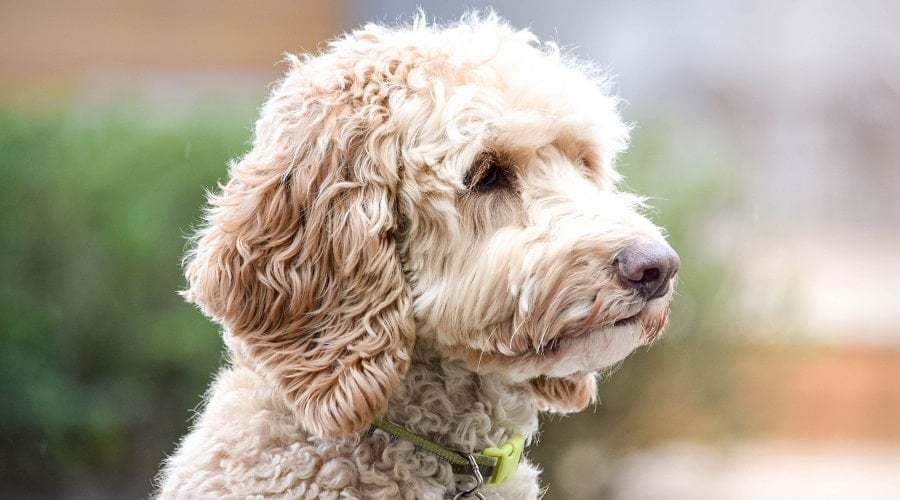
The “classic doodle” look. Soft, shaggy waves that blend traits from both breeds. Moderate shedding – more visible than curly coats but less noticeable than straight coats.
3. Straight (Hair)
Flat or wiry hair, usually inherited from the Labrador side. These coats shed the most and are the least “Poodle-like.” If your doodle looks more like a Lab, expect more visible fur and less allergy-friendliness.
Quick Takeaway: The curlier the coat, the less fur you’ll see, but even the curliest Labradoodles still shed. If your dog has a straight or wavy coat, you’ll need to manage loose hair more often.
F1 vs F1B vs F2: Which Labradoodle Sheds Less?
Genetics matter, and with Labradoodles, which generation you have can influence how much they shed. But don’t count on guarantees.
1. F1 Labradoodle
50% Lab / 50% Poodle
Because they’re a direct cross, F1s are highly unpredictable. Their coats may range from wavy to straight to curly. Many F1s shed moderately, especially if they inherit more Labrador traits.
Some are more suitable for individuals with allergy sensitivity than others, but they are not reliable for households with allergies.
2. F1B Labradoodle
Backcross to Poodle – Around 75% Poodle
This generation is bred to improve coat quality and reduce shedding. F1B Labradoodles are more likely to have curlier or fleece coats, which tend to shed less. But it’s not a guarantee, as even some F1Bs shed more than expected, depending on genetics and coat type.
3. F2 Labradoodle
Two F1 Parents
Even within the same F2 litter, puppies can vary enormously in coat type and shedding. Some may inherit heavy-shedding traits, while others may inherit more Poodle-like ones.
Quick Takeaway: If you’re aiming for lower shedding, your best bet is an F1B with a curly/fleece coat. But even then, there’s always a chance of more shedding than you’d like. Avoid expecting zero shedding, and be prepared for the genetic roll of the dice.
Mini vs Standard: Does Size Matter for Shedding?
It’s easy to assume a smaller Labradoodle means less hair, but size doesn’t actually control shedding.
A Mini Labradoodle can shed just as much as a Standard if it inherits more of the Labrador’s coat genetics.
Mini Labradoodle
Bred with a Miniature Poodle
Smaller dog, smaller surface area, but not necessarily less fur loss. If your Mini Labradoodle has a wavy or straight coat, you’ll still find hair on your clothes and furniture.
Some minis with curly, fleece coats may appear to shed less, but the hair is simply trapped, not gone.

Standard Labradoodle
Bred with a Standard Poodle
Larger body = more total hair, so even light shedding adds up faster. Curly or wool coats tend to mask loose fur, but brushing releases a surprising amount.
So, shedding visibility often appears worse because there’s simply more dog hair to shed.
What About Coat Colors?
The Labradoodle can have a variety of colors, inherited from both parent breeds. The most common coat colors are golden, golden red, brown, white, and even black.
They can also have many different coat hues, including various shades of browns, grays, and reds, depending on the parents’ genetics. The more dominant breed in their bloodline can help determine what type of coat color they ultimately develop.
Their coat color is important because it allows dog owners to potentially match their furniture to their dog’s coat color. If you have a brown couch and a brown dog, you’ll be far less likely to see any dog fur left behind.
Curious about other Doodle Breeds? Discover our guide to Poodle mixes and see which one fits your lifestyle and shedding needs best.
3 Sneaky Triggers Behind Surprise Shedding
Even a healthy Labradoodle with a “low-shedding” coat can suddenly start leaving fur everywhere. When that happens, it’s usually not random; there’s something behind it.
1. Stress or Separation Anxiety
Yes, dogs can experience shedding due to stress. Changes in routine, loud noises, or being left alone too long can send your doodle’s nervous system into overdrive, and their coat reacts.
If you’ve just moved, traveled, or switched schedules, that extra fur on the floor might be stress-related. Once your dog relaxes again, the shedding often slows down.
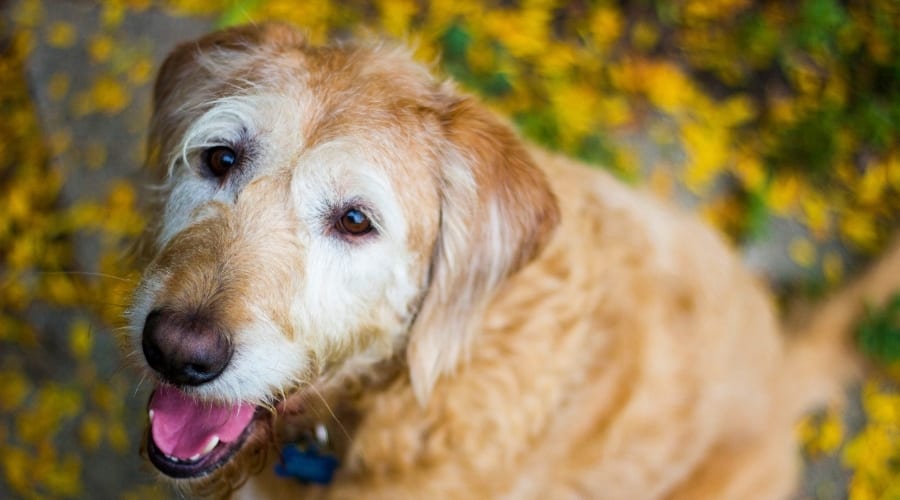
This type of stress-related fur loss typically lasts no more than two weeks, after which the coat should return to normal without any intervention. If stress-induced shedding persists for several weeks, it’s recommended to consult with your veterinarian about the most effective way to manage it.
2. Allergies, Fleas, or Environmental Irritants
Labradoodles can be sensitive to grass, pollen, or cleaning products, just like people. Allergies trigger skin inflammation and itching, which loosens hair at the root.
Fleas and mites can have the same effect, especially around the tail and hind legs. If you notice scratching, small red bumps, or scabs, be sure to start flea prevention and schedule a vet check.
3. Skin Infections or Diet Imbalance
Yeast dermatitis and bacterial infections are common in dogs with curly coats that trap moisture. Excessive bathing, poor-quality food, or a sudden diet change can disrupt skin health, causing fur loss.
Feeding a balanced diet rich in Omega-3 fatty acids supports a healthy coat and may reduce shedding over time.
Best Brushes, Shampoos, Supplements & Diet Tips That Work
Managing Labradoodle shedding isn’t just about grooming; it’s a full system. The brush you use, the shampoo you choose, and the food you feed all decide how much fur ends up on your floors.
1. The Right Brush for the Job
Brushing removes trapped hair before it ends up on your clothes. The brush you pick depends on your Labradoodle’s coat type:
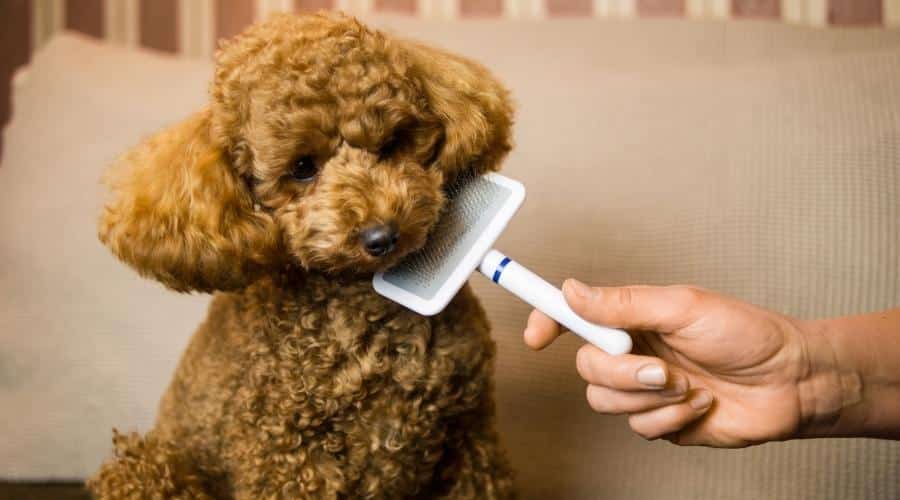
- Curly coats: Use a high-quality slicker brush with flexible pins to pull trapped hair from the underlayers.
- Wavy coats: A pin brush or metal comb works best to reach through thick waves without breakage.
- Straight coats: Try a grooming rake or deshedding tool to catch loose hairs early.
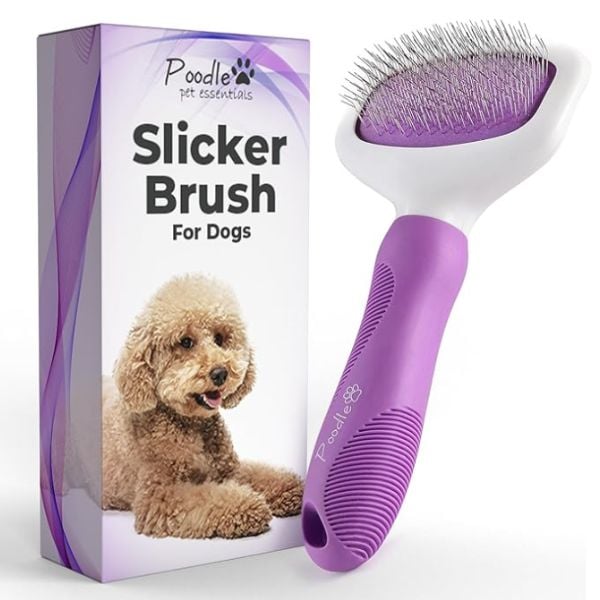
Labradoodles may require frequent brushing, especially around the tail and behind the ears, where tangles tend to form the fastest. Always brush down to the skin, but be gentle. Surface brushing won’t catch the shed fur hiding deep in the curls.
Brush once or twice a week, more during humid months or after swimming. Consistent brushing doesn’t stop shedding; it just keeps it from collecting on your sofa.
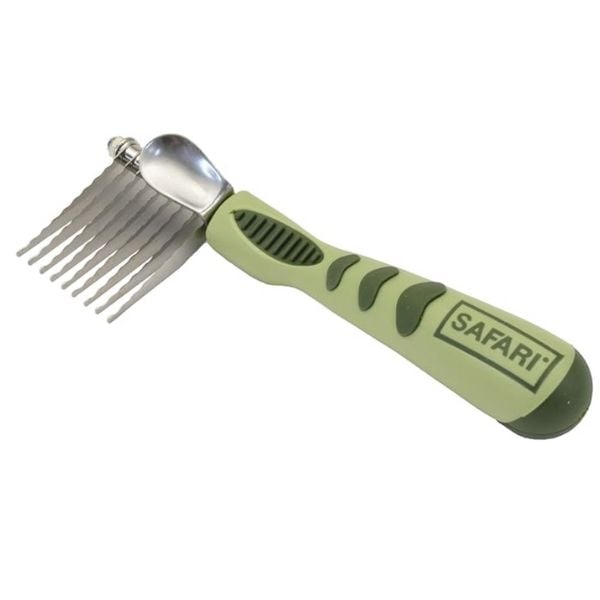
If your doodle’s coat mats easily, professional grooming every 6–10 weeks is worth the investment. I also recommend investing in a mat removal tool, such as this Safari dematting comb. If mats develop, it’s essential to remove them quickly, as they can cause a lot of pain and lead to skin infections.
2. Gentle Shampoos That Protect Skin
Overbathing or harsh shampoos can strip natural oils, leading to dry, itchy skin and more shedding. Choose gentle, pH-balanced formulas labeled for sensitive skin or hypoallergenic coats. Anti-shedding shampoos can help, too.
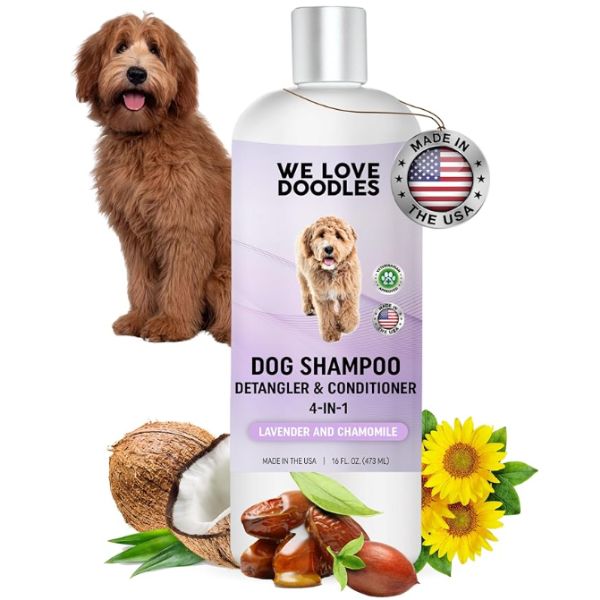
Look for ingredients like oatmeal, aloe, and coconut oil. Avoid strong fragrances or heavy sulfates as they irritate doodle skin. I recommend We Love Doodles dog shampoo for an all-round wash.
After bathing, ensure your doodle’s fur is completely dry before brushing to prevent matting, skin infections, and mould build-up.
Discover the Best Natural Dog Shampoos. If you’re worried about harsh ingredients or sensitive skin, we’ve tested and reviewed the best natural dog shampoos that keep coats clean without irritation.
3. Detangling Sprays
A quick spritz of detangling spray before brushing helps loosen trapped fur and reduces breakage. Conditioners rich in Omega-3s, aloe, or oatmeal can improve coat health over time.
4. Supplements That Support the Coat
The easiest upgrade you can make is adding Omega-3 and Omega-6 fatty acids. These support hair strength, reduce inflammation, and create a healthy shine.
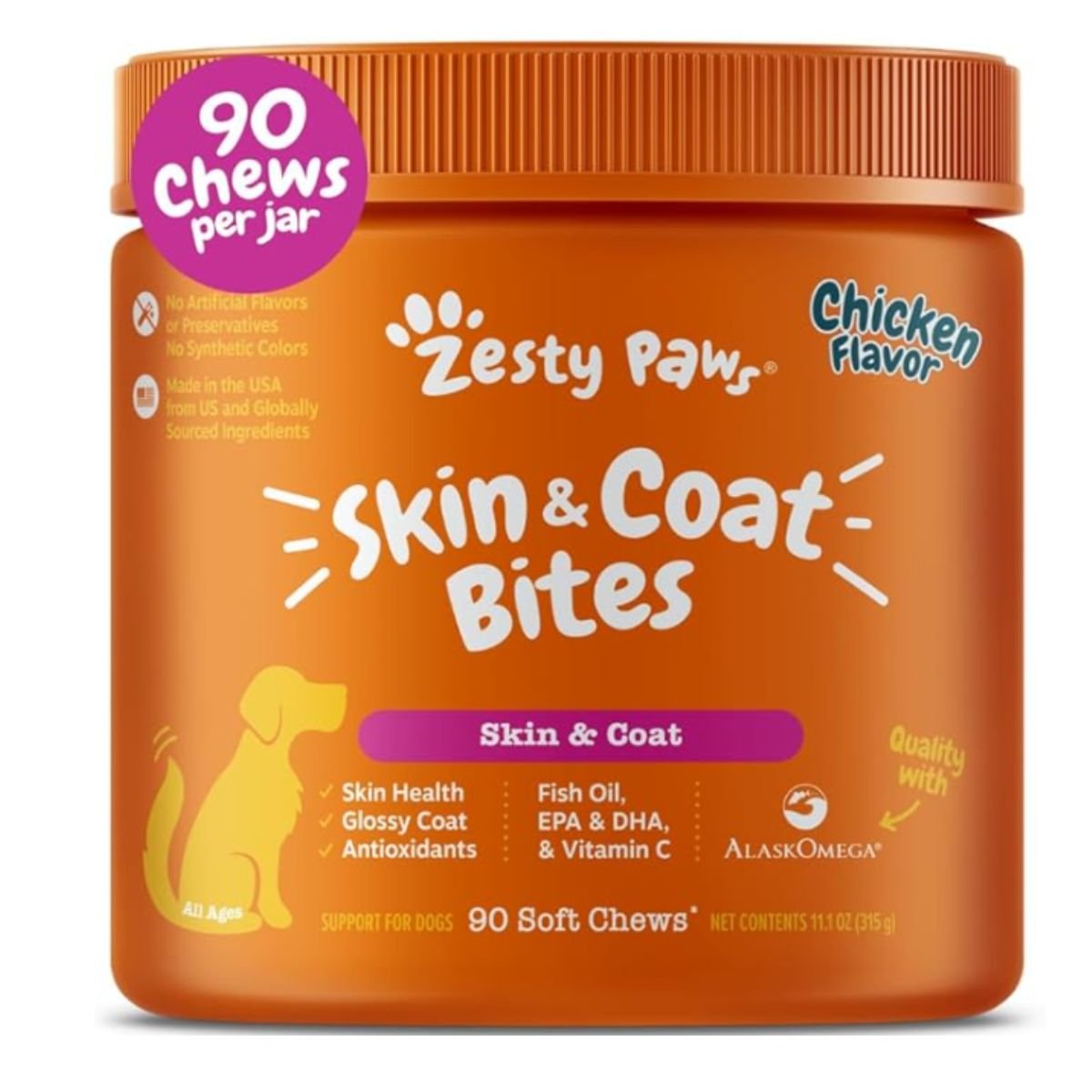
Fish oil or salmon oil supplements can be given as liquid toppers or soft chews. For convenience, look for skin-and-coat chews, such as Zesty Paw’s Skin & Coat Bites, which can make a big difference.
5. Feed for Fur Health
Diet plays the biggest role in long-term shedding control. Feed a complete, protein-rich food with meat or fish as the first ingredient. We’ve found the best foods for Labradoodles in our complete guide.
Prioritize formulas that list Omega-3s, flaxseed, and biotin for skin support. And avoid cheap fillers such as corn, soy, or artificial dyes, which can trigger allergies.
If your Labradoodle’s shedding suddenly increases, try switching to a skin and coat formula and talk with your vet about possible sensitivities. A dog allergy test can help you pinpoint the culprit.
Quick Takeaway: Healthy skin equals less shedding. A steady routine of gentle grooming, Omega-rich nutrition, and mild shampooing is the simplest way to reduce visible hair loss.
Vacuum or Air Purifier? Tools That Help With Labradoodle Hair
Even with regular brushing and a great grooming routine, some Labradoodle hair and dander will always find its way into your home.
The right cleanup tools can keep it under control and keep your allergies, furniture, and clothes much happier.
Vacuums For Labradoodle Hair
Not every vacuum can handle curly fur. Lightweight stick models are handy for quick daily pickups, but a pet-specific vacuum is the real game changer for carpets, furniture, and car seats.
Look for vacuums with:
- HEPA filters to trap dander and microscopic allergens
- Pet-hair attachments for upholstery and stairs
- Strong suction power to lift embedded curls and dust
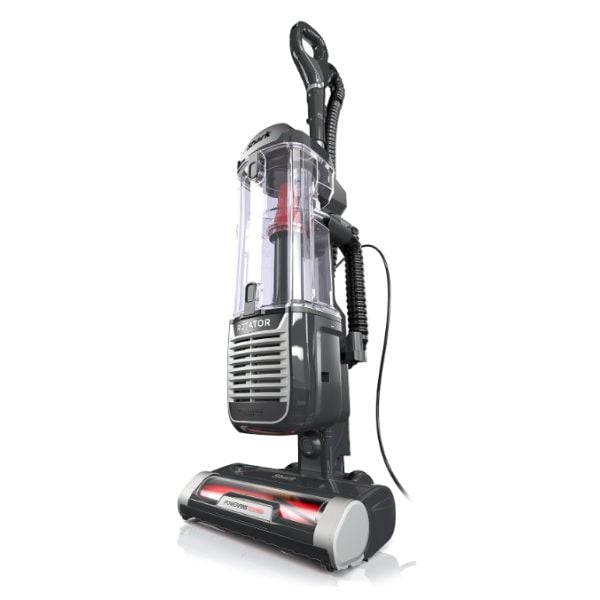
If you’re looking for one that works exceptionally well, the Shark Rotator Pet Upright Vacuum offers strong suction, odor neutralizers, and a self-cleaning brush roll, which is a huge win for doodle households.
Looking for More Options? Check out our full round-up of the best vacuums for pet hair and robot vacuums for busy dog owners.
Air Purifiers for Dander & Odor
Fur is visible, but dander, the tiny flakes of skin and saliva proteins, is what often causes sniffles and allergies. A high-quality air purifier captures these particles before they settle.
Choose one with:
- True HEPA filter (captures particles as small as 0.1 microns)
- Room-size coverage appropriate for your living area
- Quiet mode so it can run 24/7 without being intrusive
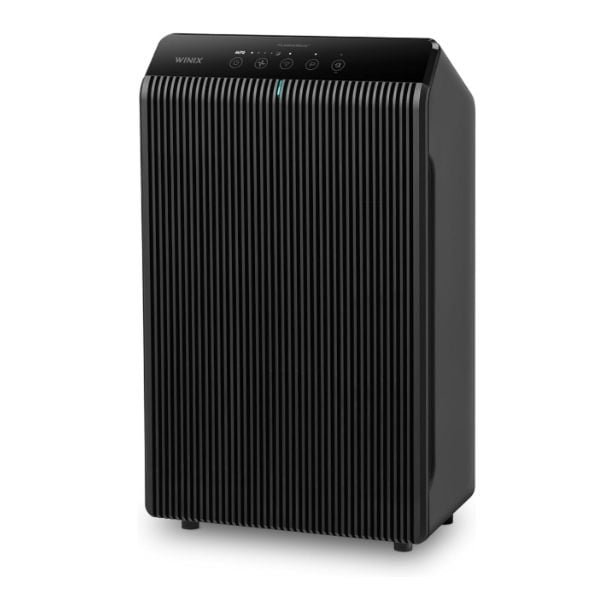
One solid choice is the Winix Air Purifier, which easily handles large spaces and captures pet dander, fur, and odors, all while blending into your décor.
Need Help Choosing One? Read our complete guide to the best air purifiers for pet dander to find what fits your home best.
Use Both for the Best Results
For Labradoodle owners, the winning combo is simple:
- Vacuum surfaces and soft furnishings a few times a week
- Run an air purifier continuously in the rooms where your dog spends the most time
This two-step routine clears both visible hair and invisible allergens, making your home look cleaner and feel better between grooming sessions.
Still Shedding? 5 Times When to Call the Vet
Some Labradoodle shedding is completely normal, but if you start seeing bald patches, constant scratching, or irritated skin, it’s time to look closer. Here’s when shedding becomes a warning sign:
1. Patchy or Uneven Hair Loss
This isn’t typical doodle shedding. Patchy areas can signal allergies, parasites, or fungal infections. A vet can run simple skin tests to identify what’s going on.
2. Red, Flaky, or Greasy Skin
A healthy Labradoodle coat should feel soft and clean. If you notice greasy build-up, scabs, or flakes, it might be yeast dermatitis or bacterial infection, both common in curly, moisture-trapping coats.
3. Persistent Itching or Chewing
When dogs scratch nonstop or chew at one spot, they’re trying to relieve irritation. Fleas, mites, or environmental allergies are usually the cause, but your vet can confirm and treat the source quickly.
4. Sudden Shedding Spikes or Clumps of Hair
If your Labradoodle starts losing fur in large amounts or you can see visible skin through their coat, that’s excessive. Hormonal imbalances, thyroid problems, or poor nutrition can all contribute.
5. When in Doubt, Get It Checked
A short vet visit can save you months of frustration (and vacuuming). Most shedding issues resolve easily once the underlying cause is treated, whether it’s diet, infection, or parasites.
Your vet may recommend allergy testing, medicated shampoos, or a prescription skin supplement to restore coat health.
Keep Your Labradoodle Happy, Healthy & Covered
Now that you know how to manage Labradoodle shedding, explore more ways to keep your pup in top shape. Discover how Labradoodle insurance can help protect against unexpected health issues and provide you with peace of mind.
Keep your dog’s mind busy (and stress-shedding low) with our favorite interactive toys that challenge and entertain. For ultimate comfort after a long day of play, consider our top picks for the best orthopedic dog beds, which are designed to support growing joints and tired paws.
Share Your Labradoodle Story! Every doodle is different, and we’d love to hear about yours. Does your Labradoodle shed like a Labrador or stay surprisingly low-fur? What tricks have helped you manage the fluff? Drop your story in the comments.