When you purchase through links on our site, we may earn a commission. Here’s how it works.
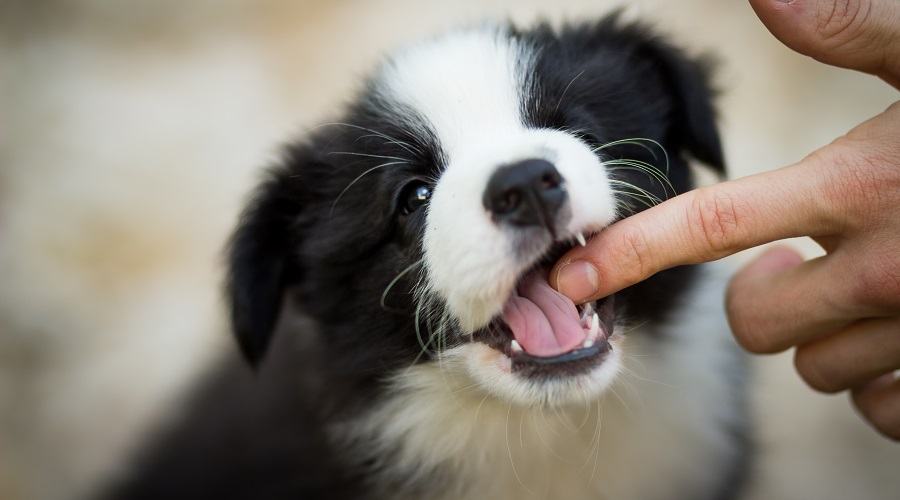
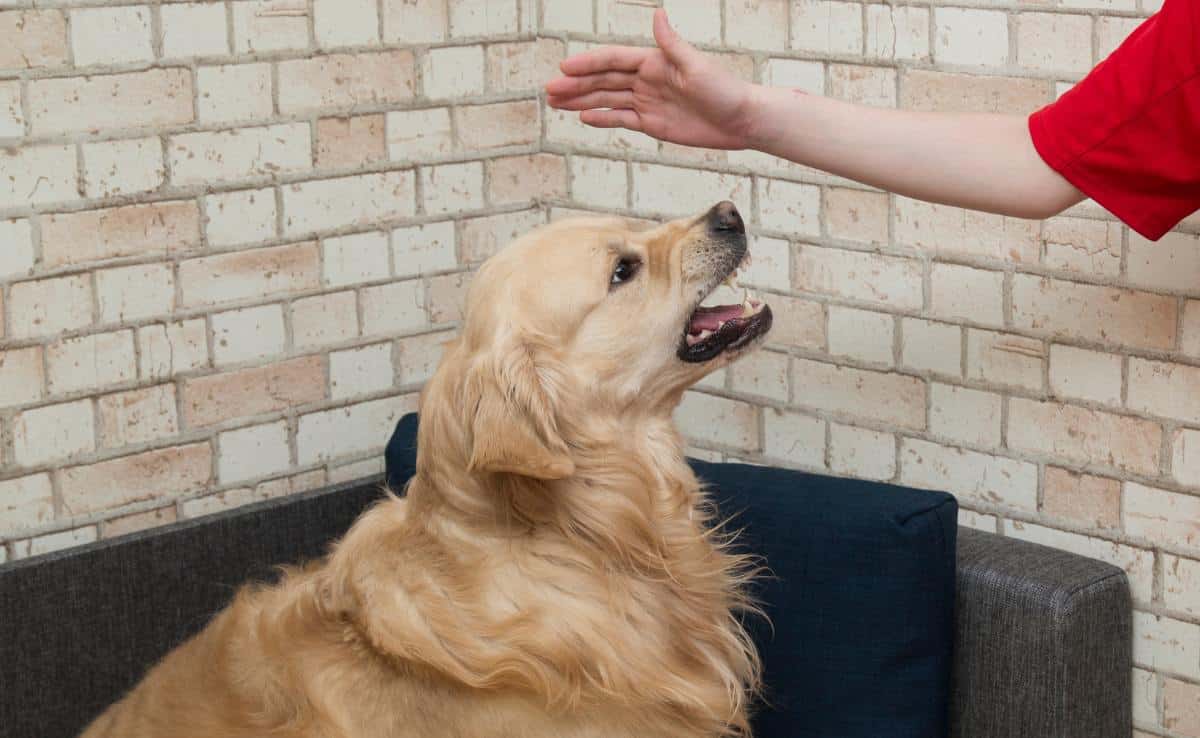
Ever wonder why your sweet dog suddenly turns into an angry or overexcited tornado the moment a stranger shows up? It’s not stubbornness, bad manners, or “just how they are”. It’s almost always a socialization gap nobody warned you about.
Table of Contents
And the wild part? Most owners are making the problem worse without even realizing it. Let’s break down the socialization secrets your dog has been trying to tell you this whole time.
The #1 Sign Your Dog Needs Socialization
Most Owners Miss This
If your dog goes from “sweet angel” to “please don’t embarrass me right now” the second a stranger shows up, you’re looking at the biggest sign of a socialization gap.
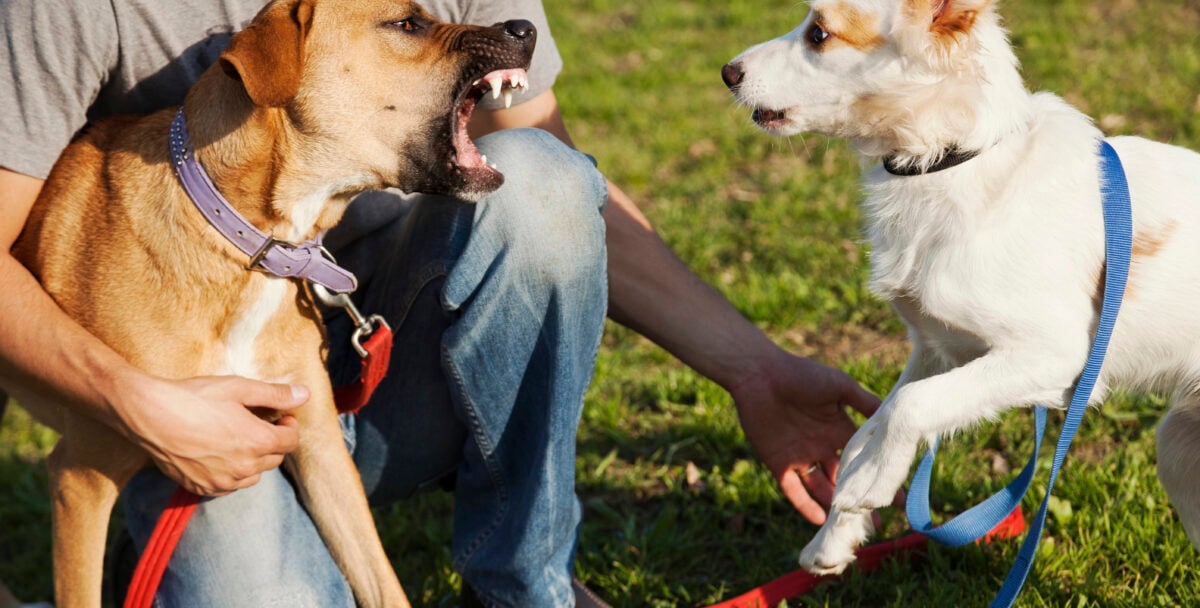
Dogs that weren’t exposed to enough people, sounds, and places when they were younger don’t know how to process “new”. So they jump straight into chaos mode.
For some dogs, that means barking. For others, it’s hiding, lunging, pacing, whining, or the classic “I want to say hi but my brain is melting” wiggle dance.
5 More Signs Your Dog Needs More Socialization
- Sudden barking, jumping, or pulling toward new people
- Nervousness, freezing, hiding, tail tucked
- Overreacting to small things (hats, beards, scooters, kids)
- Going from calm → wild in seconds
- Unable to settle down after greeting someone
Most owners think this means their dog is stubborn or “just dramatic.” But almost always, the real reason is simple: Your dog never learned what “normal” looks like around strangers.
The good news? Dogs can learn it at any age, and you can start helping your pup today with small, low-pressure changes.
Up Next: Fast, easy socialization wins you can try today, even if your dog is shy, jumpy, or overwhelmed.
7 Quick Fixes: How To Start Socializing Your Dog Today
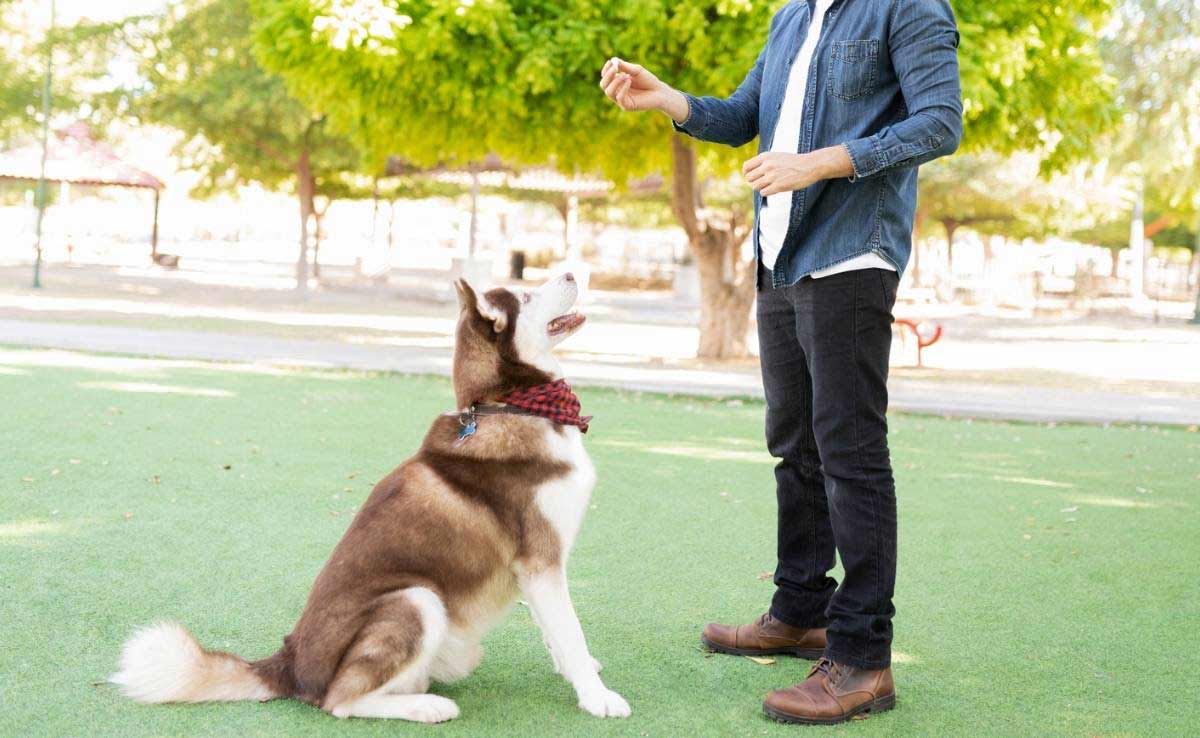
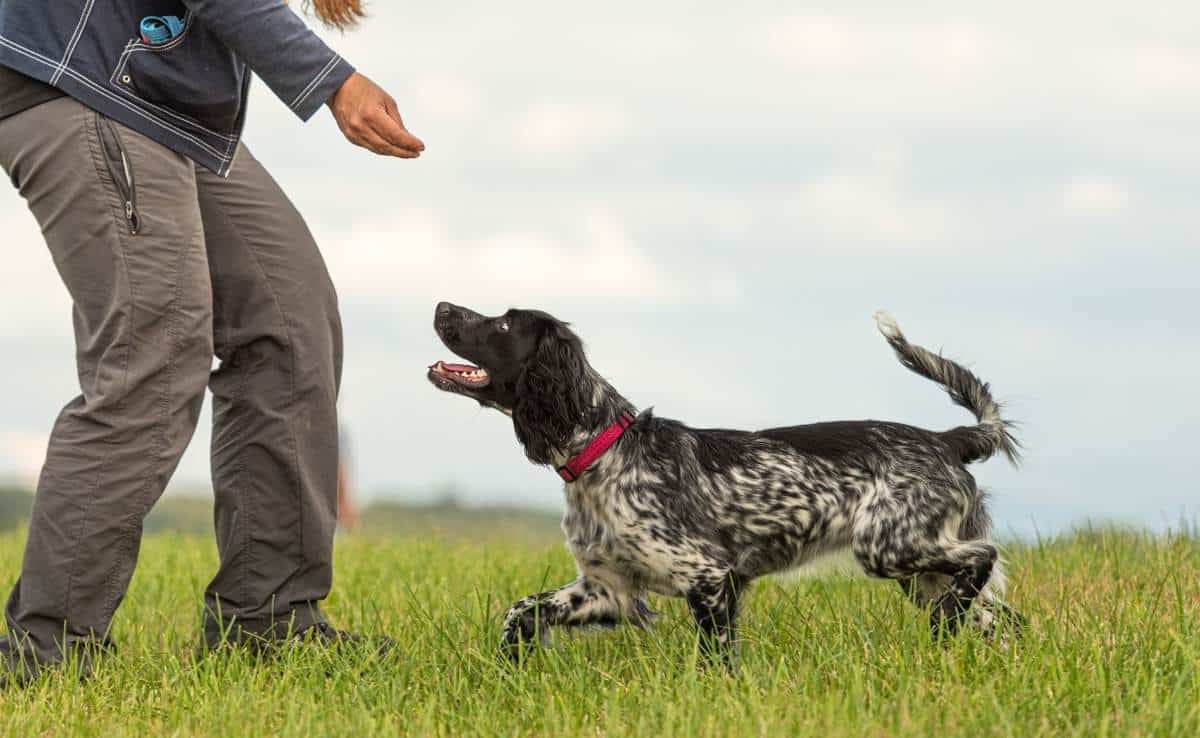
Good news: socialization doesn’t require fancy classes, a behavior degree, or dragging your dog into overwhelming situations. The fastest improvements usually come from small, controlled exposures that teach your dog, “Hey… new things aren’t scary or exciting, they’re just normal.”
Here are a few fixes you can start today that make a surprisingly big impact:
- Take 5–10 minute walks in quiet areas with light foot traffic
- Let your dog observe strangers from a distance where they stay calm
- Reward calm behavior the moment they notice a person or dog
- Do “drive-by socialization” (sit in the car and watch people go by)
- Bring treats to redirect nervous or overexcited energy
- Keep greetings short and positive, and don’t force interactions
- Avoid scolding, as it raises your dog’s stress
Think of this phase like dipping your toe into the pool, not cannonballing straight into the deep end. If your dog can watch one stranger walk by without turning into a jittery noodle, that’s a win.
These tiny moments of “see it, stay calm, earn praise” build your dog’s confidence faster than big, dramatic socialization attempts.
Up Next: Why timing matters and the socialization window every dog owner should know about.
The Truth About the Socialization Window
Timing Still Matters
You’ve probably heard people say puppies must be socialized by 12 weeks or you’ve “missed your chance.” That’s only half true.
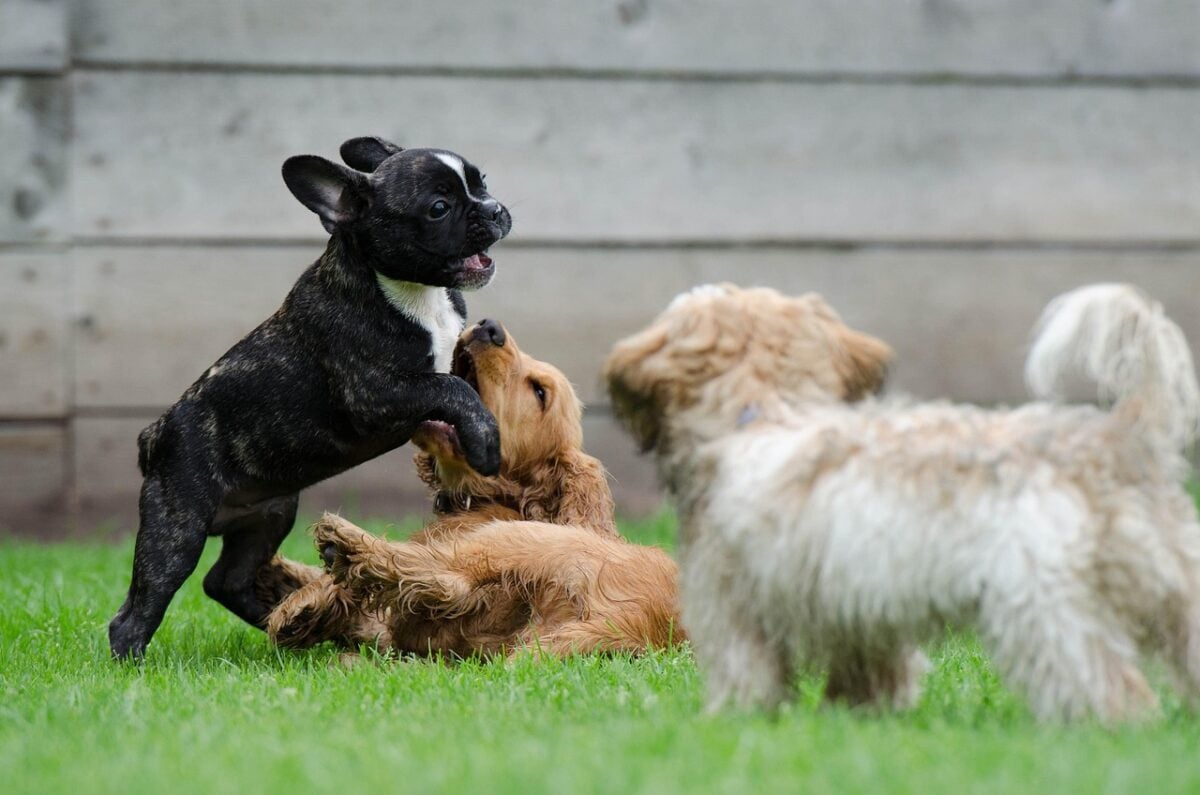
The American Kennel Club (AKC) states that puppies between 3 and 12 weeks old learn faster and accept new things more easily. But adult dogs can absolutely be socialized later. It just takes more repetition and smaller steps.
The real issue isn’t that older dogs “can’t learn.” It’s that they’ve spent years practicing worry, overexcitement, or avoidance, and now we’re teaching them a brand-new script. Here’s what the socialization window really means:
- Puppies learn new sights, sounds, people, and environments fastest before 12 weeks
- But socialization continues for months and can improve at any age
- Older dogs simply need smaller exposure doses repeated more often
- Missing the window means “slower,” not “impossible”
Think of the puppy window like learning a new language as a child; it’s easier. But plenty of adults become fluent, too. Your dog can absolutely “rewire” how they feel around strangers; they just need smoother, more intentional steps.
Need Help With Puppy Socialization? If you’re starting fresh with a new pup, don’t miss our complete Puppy Socialization Guide. It covers the exact steps, timelines, and real-world exposures your dog needs during the critical early weeks.
Up Next: How to socialize adult and rescue dogs gently without overwhelming them.
Socializing Adult & Rescue Dogs
The Gentle Method That Works
Adult and rescue dogs often come with mystery backstories. Maybe they weren’t exposed to many people, maybe they had rough experiences, or maybe they simply learned that “new = too much.”
Pushing them into busy parks or big greetings usually backfires. What they need instead is slow, predictable exposure that lets them feel safe first, curious second, and social third.
Think of it this way: you’re not “correcting” bad behavior, you’re showing your dog a world that finally makes sense.
The Gentle Socialization Method
- Start at distances where your dog can notice people without reacting
- Reward calm glances at strangers
- Avoid crowds and fast-moving situations at first
- Introduce new places during quiet hours (mornings are golden)
- Let your dog choose how close they want to get
- Keep sessions short – 5 to 15 minutes beats a stressful hour
When your dog learns “I can look, breathe, and nothing bad happens,” their whole nervous system relaxes. Confidence grows through calm repetition, not forced interactions.
For rescue dogs especially, this approach builds trust and a bond and shows them that the world and you are safe.
Consider muzzle-training for adult or rescue dogs. Not because they’re “bad,” but because it lets everyone relax and reduces stress during new experiences. A muzzle-trained dog is actually safer and more confident.
Up Next: The puppy socialization checklist owners always forget (and why it matters even for grown dogs).
The Puppy Socialization Checklist
The Stuff Everyone Forgets
Puppies learn at lightning speed during their first few months of life. Between 3–12 weeks, their brains are wide open to new sights, sounds, people, places, everything. And the experiences they have during this early window (plus the rest of their first year) play a huge role in the kind of adult dog they’ll become.
Once your vet gives the all-clear, puppy socialization classes are one of the easiest ways to safely expose your pup to other dogs and new people. Think of them as kindergarten for canines, structured play, gentle introductions, and instant confidence-building.
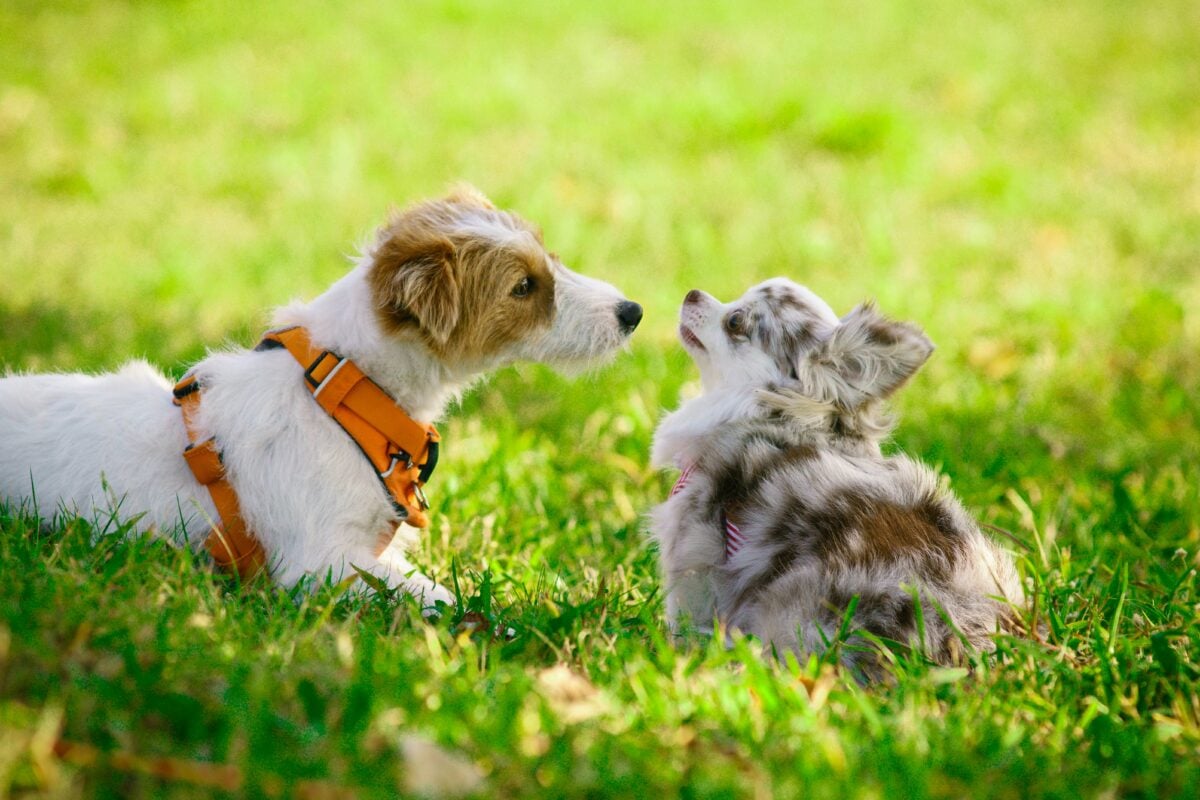
The “Don’t Forget This” Socialization List
Expose your puppy (or grown dog) gradually to:
- People of all ages, heights, voices, and walking styles
- Kids playing, running, yelling, scootering
- Dogs of different sizes, coat types, and energy levels
- Household noises: vacuum, hair dryer, blender, doorbell
- Environments: parks, sidewalks, car rides, pet stores
- Objects: umbrellas, backpacks, hats, wheelchairs, strollers
- Handling: paws touched, ears checked, collar grabbed gently
Aim for calm, short exposures, not chaotic meet-and-greets. Your goal is teaching your pup, “This is normal. You’re safe. You’re doing great.” Puppies who experience a wide variety of sights and sounds become adults who can navigate the world with confidence, not panic.
It’s essential that all the dogs your pup meets are friendly and non-aggressive. Remember that a bad experience at an early age will shape your pup’s attitude toward other dogs for the rest of their life.
Avoid the Most Common Puppy Mistakes. New puppies come with big learning curves, and small missteps early on can lead to long-term behavior problems. Check out our breakdown of the most common puppy mistakes so you can skip the stress, prevent bad habits, and set your dog up for success.
Up Next: How to help your dog stay chill around people and kids (even the loud, unpredictable ones).
Meeting People & Kids
How To Prevent Overwhelm, Jumping, or Fear
Meeting new people is one of the biggest socialization pressure points for dogs, especially when those people are kids who move fast, talk loudly, and change directions like tiny, giggling tornadoes. For many dogs, the combination of excitement + unpredictability is just… a lot.
The goal isn’t to force greetings. It’s to teach your dog that people, big, small, loud, quiet, are simply part of the environment, not an event.
Calm People & Kid Introductions
- Let your dog approach when they’re ready, never the other way around
- Keep greetings short and sweet (2–3 seconds, then a reset)
- Ask kids to stand still and offer a closed fist to sniff
- Reward your dog for looking at people calmly from a distance
- If your dog jumps, redirect (not scold) – they’re overwhelmed
- Avoid crowds until your dog can handle single-person encounters
A happy, confident puppy will usually stand upright with loose body language and a soft tail wag. If your pup seems unsure, avoid pressure. Give them space, let them watch, and let curiosity build slowly.
Polite greetings don’t happen by accident; they come from calm, predictable introductions where your puppy feels fully in control of how close they want to get.
Introducing Your Dog To A New Baby. Bringing home a new baby can be overwhelming for dogs, but the right prep makes the transition smooth and safe. Check out our step-by-step guide on introducing your dog to a new baby so everyone starts off with confidence and calm.
Up Next: The indoor socialization step almost everyone forgets, but fixes half of behavioral issues.
Indoor Socialization
The Hidden Step Most Owners Skip
Most people think socialization happens outdoors, in parks, on sidewalks, and at dog-friendly cafés. But the truth is, half of your dog’s confidence comes from what they experience inside your home.
If your dog panics when the vacuum roars to life or loses their mind when the doorbell rings, that’s a socialization gap too. Indoor life is full of tiny “micro-challenges” that prepare your dog for the big outside world.
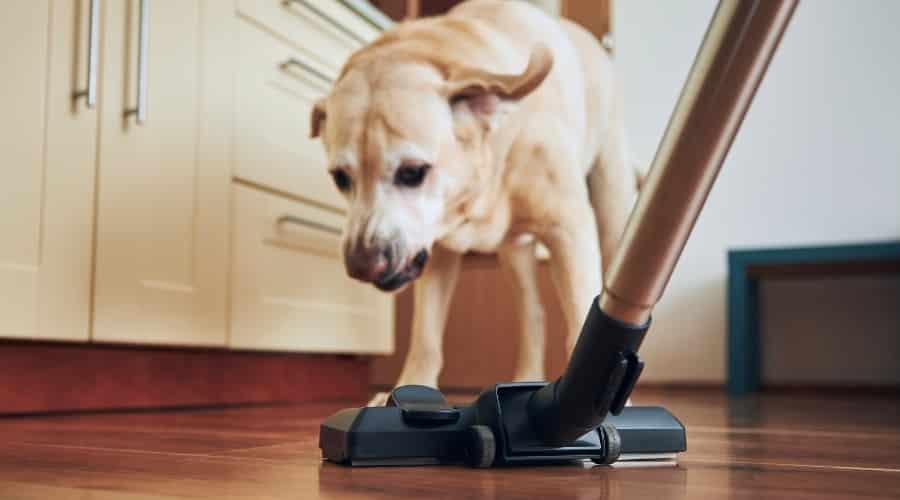
Indoor Socialization You Should Be Doing
Expose your dog gradually to:
- Doorbells, knocking, delivery drivers
- Vacuum cleaners, hair dryers, and kitchen noises
- Visitors entering calmly (not rushing your dog)
- Walking past people on stairs or in tight hallways
- Being gently handled: paws, collar, ears, tail
- Short alone-time sessions to build independence
Start with low intensity. Quiet vacuum in another room. Doorbell sound on your phone at half volume. Visitors who ignore your dog until they show curiosity.
A dog who feels safe inside learns to feel safe outside. And this one overlooked step often fixes barking, reactivity, and “stranger danger” faster than outdoor practice alone.
Up Next: The noises and urban chaos that trigger most dogs, and how to soften their reactions.
Noises & Urban Chaos
Fireworks, Sirens, Skateboards & More
If your dog acts like the world is ending every time a skateboard rolls by or a siren wails in the distance, you’re not alone. City sounds (and even suburban ones) overwhelm a lot of dogs because they’re loud, sudden, high-pitched, and unpredictable, basically the perfect recipe for dog panic.
This kind of overreaction isn’t “bad behavior.” It’s just a sign your dog never learned that these sounds are normal background noise.
6 Noise Desensitization Tips
- Start with low-volume recordings of scary sounds (fireworks, sirens, skateboards)
- Pair each sound with treats or calm praise
- Take your dog to quiet edges of busy areas to watch without participating
- Reward calm glances at bikes, scooters, and joggers
- Avoid exposing your dog to loud chaos all at once; gradual is key
- Keep sessions short; confidence grows in tiny bites
Some dogs adjust quickly. Others need dozens of short exposures before their brain goes, “Oh… this again? Whatever.” The more calmly and consistently you repeat the process, the faster your dog will learn the world isn’t out to get them.
Up Next: How to safely introduce your dog to other pups, dog parks, and those wild first greetings.
Other Dogs, Dog Parks & First Encounters
The Low-Drama Method
Dog-to-dog greetings can go from “aww, cute” to “oh no no no” in about half a second. Most dogs struggle not because they’re unfriendly, but because dog parks, first greetings, and fast-moving pups are sensory overload.
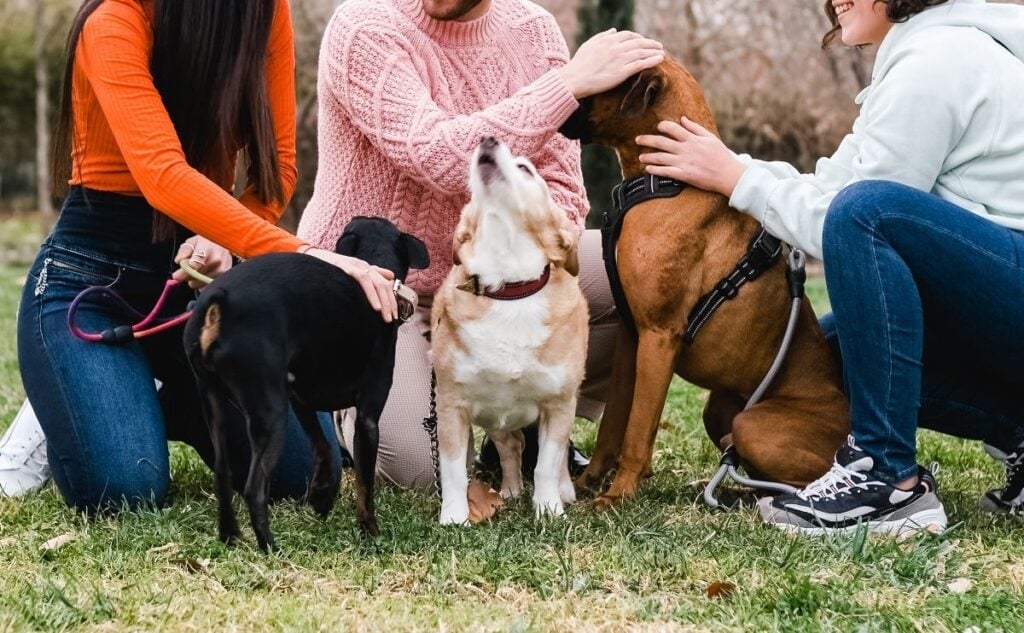
For many dogs, the combo of new smells + new dogs + open space = brain static. Your goal isn’t to push your dog into play; it’s to teach them how to stay calm long enough to decide if they even want to say hello.
Low-Drama Dog Introductions
- Start with parallel walking, same direction, no direct greeting
- Let both dogs sniff the environment before sniffing each other
- Keep leashes loose (tight leashes create tension)
- Avoid face-to-face “nose smashes”
- Watch for curved, slow approaches; they’re polite dog manners
- Skip busy dog parks until your dog is confident with one-on-one greetings
- End the meeting while both dogs are still calm
Most dogs do best when they can observe first, approach later, and disengage whenever they want. At dog parks, enter during quiet hours and avoid crowd clusters; those are chaos zones that overwhelm even well-socialized dogs.
Remember: greeting other dogs isn’t required for “good socialization.” Calm coexistence is the real win.
What About Cats, Horses & Other Animals?
Dogs don’t just meet dogs; they meet cats sunbathing on porches, horses on trails, squirrels doing parkour, ducks in ponds, and every animal in between. Early exposure helps your dog learn that moving creatures aren’t toys or targets.
Puppies especially may lose their minds the first time a cat sprints or a horse gallops. Totally normal. The key is teaching them to stay calm and simply watch.
Socializing With Other Animals
- Start at a comfortable distance where your dog stays calm
- Reward calm looking instead of lunging or chasing
- If excitement spikes, increase the distance and try again
- Use calm animals (friendly cats, gentle horses) for early practice
- Keep all early interactions on-leash until your dog is rock-solid
This kind of chill observation pays off hugely later, especially if you live around livestock, trails, or the neighborhood cat mafia.

Up Next: How to read your dog’s body language so you’ll know exactly when you’re going too fast or when they’re feeling just right.
Body Language Cheat Sheet: How To Know If You’re Going Too Fast
Dogs communicate long before they bark, lunge, or try to drag you out of a situation. The key to smooth socialization is noticing your dog’s whispers before they turn into shouts.
When you understand your dog’s body language, you can slow down, give space, or reset before things get overwhelming. Think of this as your early-warning system, the signals your dog sends when they’re saying, “This is okay… wait… maybe not.”
The “Green–Yellow–Red” Body Language Guide
🟢 Green (Your dog feels safe):
- Loose, wiggly body
- Soft eyes and slow blinking
- Sniffing the ground
- Gentle tail wagging
- Approaching on their own
Your dog learns best when they’re in the green zone, not when they’re overwhelmed or just “tolerating” things.
🟡 Yellow (Your dog is unsure):
- Lip licking, yawning, or sudden scratching
- Turning their head away
- Freezing for a second
- Tail low or still
- Leaning back instead of forward
If you hit yellow, back up a step.
🔴 Red (You’re going too fast):
- Growling, baring teeth
- Whale eye (whites of eyes showing)
- Tucked tail, crouching, or backing up
- Stiff, statue-like posture
- Sudden barking or lunging
If you hit red, stop the session entirely and reset later.
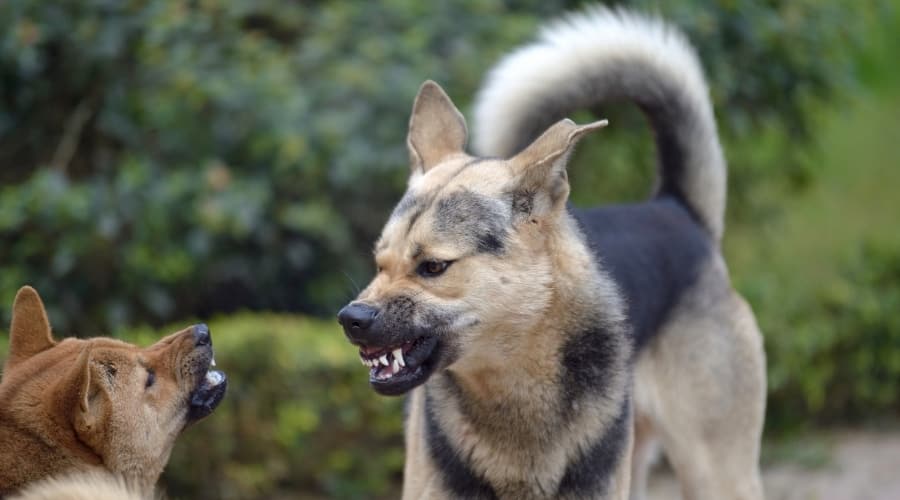
Reading these signals turns socialization from stressful guesswork into a calm, predictable process your dog can actually enjoy.
Watch the Difference Between Reactive & Aggressive Dog Behavior
Many owners mistake reactivity for aggression, but they’re not the same. This quick video shows how a reactive dog’s behavior is rooted in fear and overstimulation, while true aggression looks completely different.
Understanding this difference helps you respond calmly, protect your dog’s confidence, and avoid escalating the situation.
Need Help With Dog Aggression? If your dog’s behavior feels unpredictable or intense, our Dog Aggression Guide breaks down what’s going on and the safest, most effective ways to manage it. Learn how to spot early warning signs, reduce triggers, and support your dog with proven, gentle strategies.
Up Next: What to do for shy, nervous, or reactive dogs who need an even softer approach.
Shy, Nervous & Reactive Dogs
Tiny Tweaks That Make a Big Difference
Some dogs enter the world like, “Nope. Too much. Don’t like it.” Shy, nervous, or reactive dogs aren’t being difficult; they’re trying to protect themselves from what feels unpredictable or overwhelming.
The goal here isn’t confidence right away. It’s safety first, then curiosity, and then connection. Even tiny changes in how you approach socialization can completely shift how these dogs feel.
7 Tweaks for Sensitive Dogs
- Let your dog watch before they join, observing is socialization
- Keep distance; confidence grows faster far away than too close
- Reward sniffing, glancing, or choosing to check something out
- Avoid direct approaches; side angles feel safer for shy dogs
- Use calm, low-energy environments (quiet streets, empty parks)
- Keep sessions extremely short – 3 to 5 minutes is enough
- End on a win: one calm glance at a stranger beats 10 stressful minutes
Sensitive dogs thrive on predictability. If they know you won’t push them, they’ll push themselves, just a little, into new experiences. And that “I did it!” moment compounds quickly.
And once your dog starts feeling safer, there’s one more thing that makes socialization work even faster: knowing exactly when your dog has hit their limit. Sensitive dogs tell you, quietly, when something is too much. You just have to know the signs.
Up Next: The red flags that mean your dog needs a break (and how to reset without losing progress).
6 Socialization Red Flags: When To Stop Immediately
And What To Do Instead
Even with slow, thoughtful practice, some dogs hit an emotional wall. They go from “I’m trying” to “Nope, too much” in seconds. Ignoring that shift can push them backward, not forward.
The key to successful socialization is knowing when to pause so your dog can reset and try again later. These red flags don’t mean you’re failing; they’re simply your dog’s way of saying, “I need a breather.” Stop the session if you see these six signs:
- Sudden stiff body or frozen posture
- Lip curling, growling, or showing teeth
- Whale eye (whites of the eyes showing)
- Tail tucked tightly or crouching low
- Escalating barking, lunging, or frantic pulling
- Repeated attempts to escape the situation
When these signs show up, step back to a distance where your dog can observe calmly again. End the session on a small win, like your dog looking at the trigger and then looking back at you. That’s socialization, too.
If these red flags happen often, it’s not a setback. It’s a signal to slow the pace, shrink the distance, or get guidance from a trainer who uses gentle, positive methods. The right speed makes all the difference.
And remember, dogs read our tension instantly. Staying relaxed is one of the most powerful tools you have during socialization.
Up Next: How to make vet visits smoother and less stressful, starting from home.
Vet Visits Without Drama
Prepping for Handling & Exams
Even the most confident dogs can turn into shaky puddles at the vet. New smells, new people, slippery floors, strange tools, it’s a sensory circus. The trick is teaching your dog that being handled, poked, prodded, and examined is just another normal thing, not a threat.
Choosing the right veterinary practice matters more than most owners realize. A good clinic will welcome you for happy, no-pressure visits, short drop-ins where your puppy can sniff around, meet the nurses, and collect a few treats from the front desk.

These tiny “just saying hi” moments teach your dog that the vet is a normal place, not a scary one. Early social visits are one of the easiest ways to build lifelong confidence. So, if your dog ever gets sick or injured in the future, that sense of familiarity makes everything calmer and easier for them.
6 Vet-Visit Prep Tips That Actually Help
- Gently touch your dog’s paws, ears, and mouth at home
- Practice short “mock checkups” with treats
- Pop in for happy, no-appointment “hello visits” so the vet = good place
- Teach your dog to stand calmly on a mat or towel (great for exam tables)
- Muzzle-train before you need one. Muzzles aren’t scary when introduced gently
- Keep your own energy calm; dogs mirror your vibe instantly
The goal isn’t perfection. It’s familiarity. When your dog realizes, “Oh, we’ve practiced this,” their fear drops, their cooperation rises, and vet visits become smoother for everyone.
Up Next: When your dog needs more than practice, how to know when it’s time to call in a trainer or behavior expert.
When To Get Extra Help From Trainers & Behaviorists
Some dogs need more support than you can give on your own, and that’s completely normal. Dogs with big fears, reactivity, or complicated pasts often make faster progress with a professional who understands how to guide them gently.
The right dog trainer can help decode your dog’s behavior, create a personalized plan, and make socialization feel achievable instead of overwhelming. Think of it like bringing in a coach: someone who can see what you can’t and help your dog feel safe enough to try new things.
Here’s when to consider professional help:
- You’re seeing red flags often, even with slow socialization
- Your dog reacts strongly to strangers, kids, or other dogs
- Fear, barking, or lunging happens unpredictably
- Your dog shuts down, freezes, or panics easily
- You feel stuck, anxious, or unsure what your next step should be
- Your dog has a history of trauma or an uncertain rescue background
Look for force-free trainers, positive reinforcement specialists, or certified behaviorists. Avoid anyone who uses harsh corrections, shock collars, or dominance-based methods, as those can make fear and reactivity worse.
Getting dog training help isn’t a failure. It’s the moment your dog gets a real team behind them, and the point where many owners finally see breakthroughs they’ve been hoping for.

Need Training Help? Whether you prefer app-based lessons or full online courses, our top picks for dog training tools give you expert guidance anytime you need it. Explore the best dog training apps and the best online programs to fix behavior struggles fast and help your dog learn with confidence.
Frequently Asked Questions
Socialization brings up a lot of “what if” moments for dog owners, especially if you’re working with a shy, reactive, or brand-new puppy. These are the most common questions people ask when they’re trying to do it right.
If you don’t see your question here, feel free to ask in the comments below.
How Long Does It Take To Socialize A Dog?
It depends on the dog. Puppies can make progress in days, while adult or rescue dogs may need weeks or months of slow, steady exposure. What matters most is consistency and keeping every experience positive.
Can Older Dogs Still Be Socialized?
Yes. Dogs can learn at any age. Older dogs may need smaller steps and more repetition, but they can absolutely build confidence with gentle, predictable practice.
How Do I Socialize A Shy Or Nervous Dog?
Start by letting them watch from a distance. Reward calm glances, avoid direct approaches, and keep outings short. Sensitive dogs thrive when they feel safe, not rushed.
Should I Force My Dog To Meet New People Or Dogs?
No. Forced greetings often backfire. Let your dog choose if they want to approach, sniff, or simply observe. Calm coexistence counts as socialization too.
Is It Too Late If I Missed The Puppy Socialization Window?
Not at all. The early window makes learning easier, not exclusive. Adult dogs still improve through small exposures repeated over time.
How Do I Stop My Dog From Barking At Strangers?
Identify the distance where your dog can look at a person without reacting, and start there. Reward calm behavior, create space, and avoid correcting or scolding, which can increase stress.
When Should I Call A Trainer Or Behaviorist?
If your dog is showing red flags often, reacting unpredictably, or if you feel stuck, a force-free trainer or certified behaviorist can help create a customized plan and speed up progress.
Keep Learning & Explore More For Your Dog
If you’re wondering what to feed your pup, our guide to the best dog foods breaks down the top options for every age, size, and budget. For dogs that struggle with joint pain or just love a cozy nap spot, our picks for the best orthopedic dog beds can make a world of difference.
If you want to strengthen your bond even further, here are simple, science-backed ways to show your dog you love them. And to keep your dog healthy for years to come, don’t miss our breakdown of why regular vet exams matter more than most owners realize.
Share Your Socialization Story! Every dog’s journey is different, and your experience can help other pet owners feel less alone. If you’ve worked through socialization challenges or you’re just getting started, share your story in the comments so other readers can learn from what worked for you.