When you purchase through links on our site, we may earn a commission at no extra cost to you. Learn more.
A high-maintenance dog is not just a dog that needs extra brushing or longer walks. These are the dogs that can destroy your house, drain your wallet, outsmart your training plan, and completely take over your daily routine if you are not prepared.
Table of Contents
Some need hours of intense exercise every day. Others require constant structure, advanced training, expensive medical care, or careful behavioral management. Many were bred to work, guard, hunt, or protect, and those instincts do not disappear just because they now live in suburban neighborhoods.
The tricky part? Some of the most demanding breeds are also among the most popular and misunderstood. Before you bring one home, here are 29 high-maintenance dog breeds most owners underestimate.
The Reality Of High-Maintenance Dogs
Before bringing home one of these breeds, it’s important to understand what daily life with them can actually involve:
- Multiple hours of daily exercise and mental stimulation
- Advanced training, structure, and consistent boundaries
- Ongoing grooming, cleaning, or coat maintenance
- Expensive veterinary care or chronic health management
- Careful supervision around strangers, pets, or chaotic environments
High-maintenance dogs do not just need “a little extra attention.” Many require major lifestyle adjustments, advanced training, constant supervision, expensive veterinary care, or hours of daily physical and mental stimulation.
5 Popular Dog Breeds People Underestimate
These breeds are wildly popular for their intelligence, athleticism, loyalty, or striking appearance, but many owners are not prepared for the nonstop exercise, advanced training, mental stimulation, and structure they require. Without enough outlets, some can become destructive, reactive, anxious, or impossible to tire out.
1. Australian Shepherd
Australian Shepherds are often marketed as the perfect adventurous family dog. They are gorgeous, athletic, energetic, and highly intelligent. What many owners underestimate is that Aussies were bred to work livestock for hours a day, and that drive does not disappear just because they live in an apartment now.
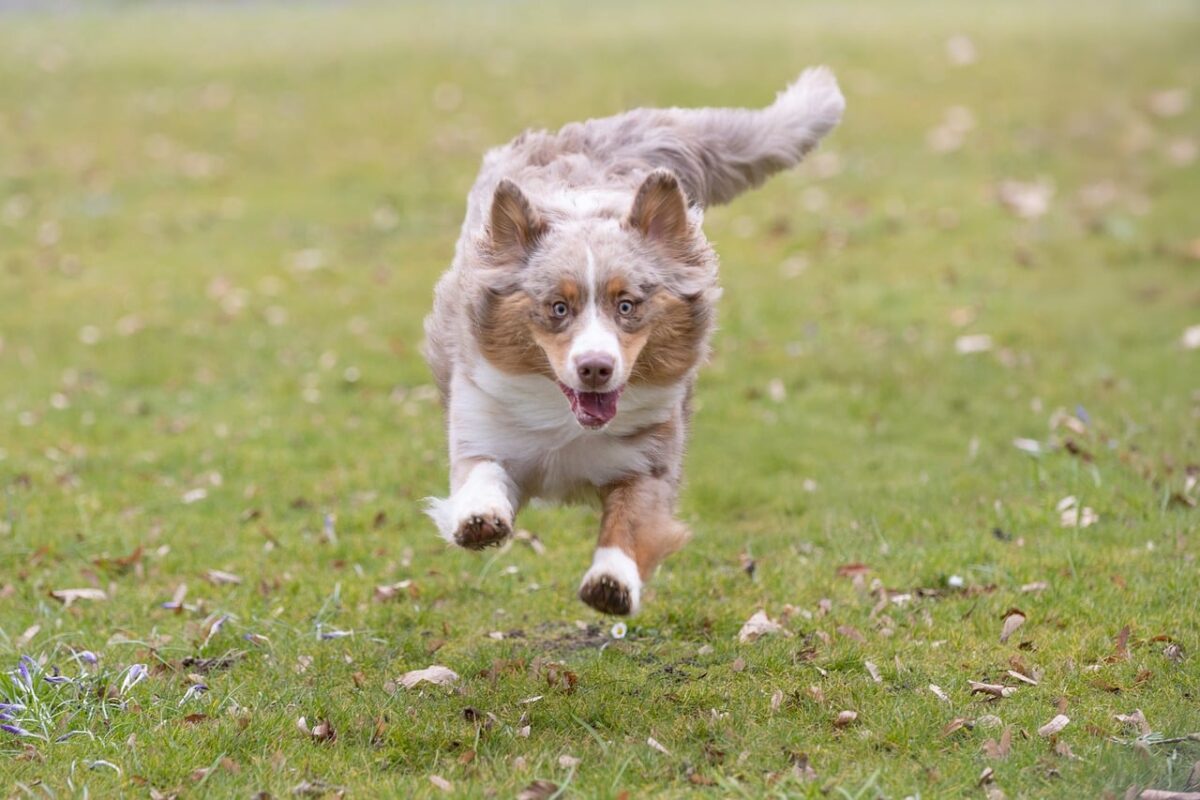
A bored Australian Shepherd will usually find something to do, and owners may not enjoy the results. These dogs are notorious for destructive chewing, obsessive behaviors, nonstop pacing, barking, fence running, and herding anything that moves, including children, cats, and other pets. Many also struggle with separation anxiety if they are left alone too often or do not get enough mental stimulation.
Australian Shepherds thrive when they have structure, advanced training, and a job to focus on. Without enough physical exercise and enrichment, they can quickly become overwhelming for casual or first-time dog owners.
What Makes Australian Shepherds High-Maintenance?
- Needs 2+ hours of daily physical activity
- Requires constant mental stimulation and enrichment
- Can become destructive when bored
- Strong herding instincts may lead to chasing or nipping
- Prone to separation anxiety and obsessive behaviors
- Heavy shedding and frequent grooming needs
Stop The Nipping: Australian Shepherds were bred to herd livestock, and they’re notorious for nipping and chasing movement. Learn more about how to redirect these behaviors in our articles about dog mouthing and the best herding balls for dogs.
2. Siberian Husky
Few breeds are more underestimated than the Siberian Husky. People fall in love with the wolf-like appearance, blue eyes, and dramatic personality without realizing they are bringing home a dog bred to run for miles in brutal Arctic conditions. Huskies were built for endurance, independence, and nonstop movement, and many struggle in average household environments.
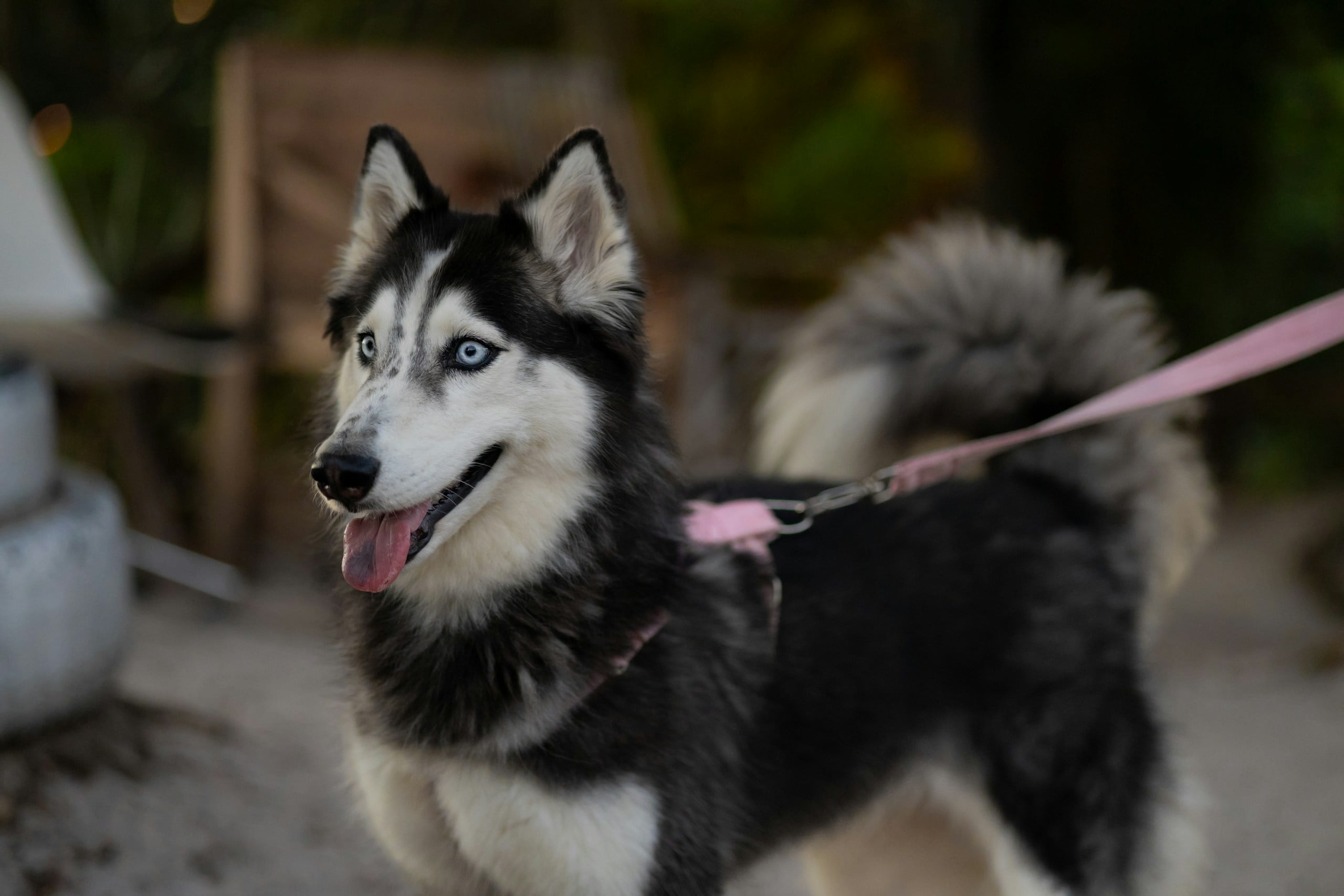
These dogs are notorious escape artists. A bored Husky may dig under fences, climb over them, chew through walls, destroy furniture, scream for attention, or turn your backyard into a crater-filled construction site. Many owners are shocked by how difficult Huskies can be to tire out, especially as young adults.
Huskies are also far less eager to please than many people expect. They are intelligent but often stubborn, independent thinkers that may ignore commands simply because they do not feel like listening. Training requires consistency, patience, and realistic expectations, especially with recall and off-leash reliability.
What Makes Siberian Huskies High-Maintenance?
- Needs extensive daily exercise and mental stimulation
- Extremely prone to escaping, roaming, and digging
- Heavy shedding, including seasonal coat blowouts
- Can become destructive when bored or under-exercised
- Often vocal, dramatic, and difficult to ignore
- Independent personality can make training frustrating
- Strong prey drive and unreliable off-leash behavior
Siberian Husky vs Alaskan Malamute
Siberian Huskies are often mistaken for the larger Alaskan Malamute, but the two breeds were originally developed for different jobs. Huskies were bred for speed and endurance, while Malamutes were built for hauling heavy loads over long distances.
Both breeds are extremely energetic, heavy shedders, and notoriously difficult for unprepared owners. Learn more about the Alaskan Malamute vs. Siberian Husky.
3. German Shepherd
German Shepherds are often viewed as the ultimate intelligent family protector, but many owners underestimate how demanding these dogs can become without enough structure, training, and mental stimulation. Originally bred for herding and later developed for military and police work, German Shepherds thrive when they have clear direction and a job to do.
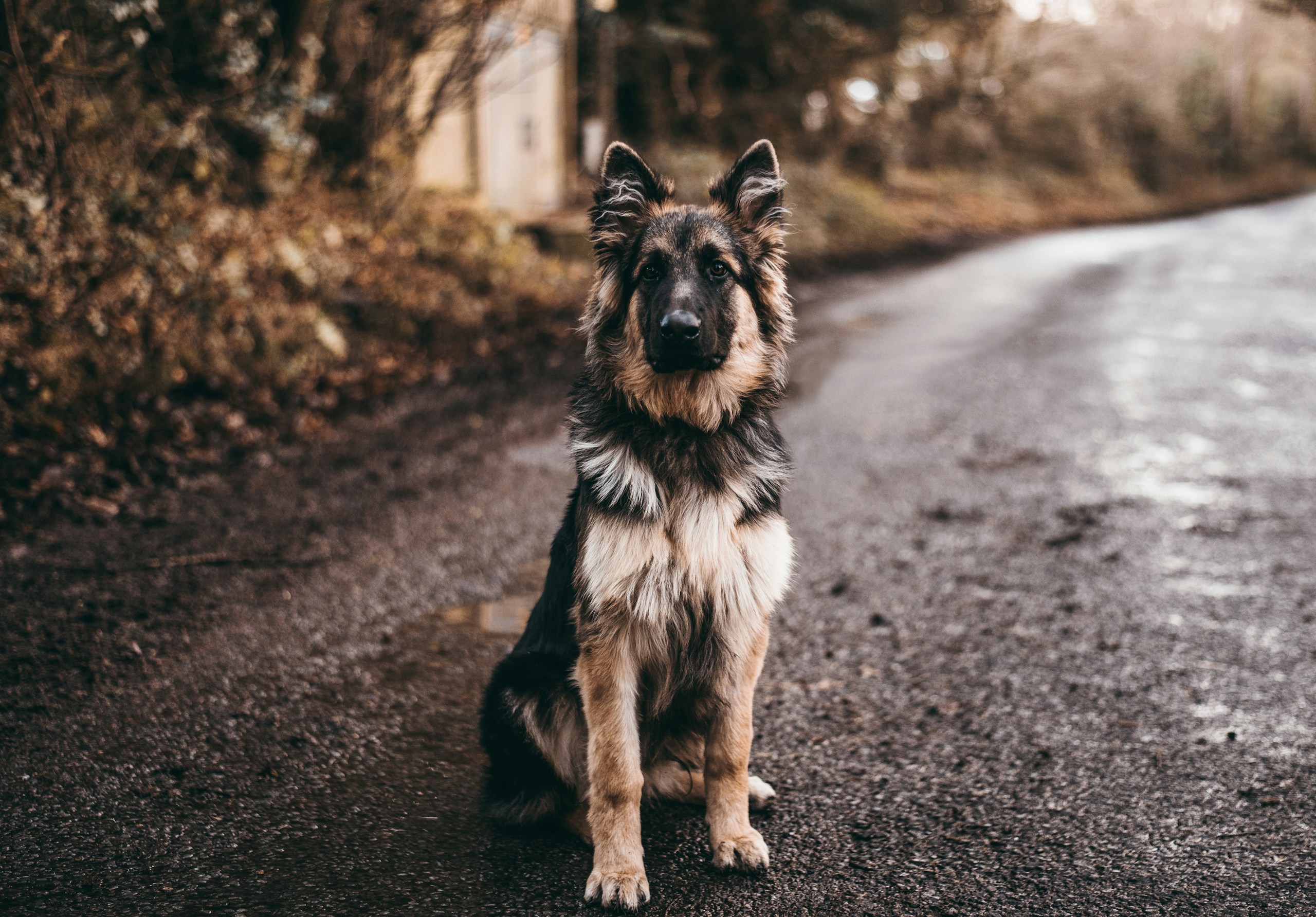
Without enough engagement, these dogs can quickly develop problem behaviors. Anxiety, destructive chewing, obsessive pacing, reactivity, excessive barking, and territorial behavior are all common in under-stimulated or poorly socialized German Shepherds. Their intelligence is a double-edged sword because they learn quickly, but they also pick up bad habits fast.
German Shepherds also require more ongoing management than many people expect. They are heavy shedders, prone to separation anxiety, and often emotionally sensitive to chaos or inconsistency in the household. Many struggle when left alone too often or when their exercise and training needs are treated as optional instead of essential.
What Makes German Shepherds High-Maintenance?
- Needs daily physical exercise and advanced mental stimulation
- Requires consistent training, structure, and socialization
- Heavy year-round shedding with major seasonal coat blowouts
- Strong territorial and protective instincts require careful management
- Prone to expensive, chronic health concerns, including hip dysplasia and degenerative myelopathy
German Shepherd vs Dutch Shepherd
Another lesser-known working breed, the Dutch Shepherd, is also valued in protection sports and law enforcement because of its intelligence, stamina, and nonstop work ethic. Like German Shepherds, Dutch Shepherds are not casual pets and typically require extensive training, structure, and mental stimulation to stay manageable in a home environment.
See our comparison of Dutch Shepherd vs. German Shepherd and other shepherd dog breeds.
4. German Shorthaired Pointer
German Shorthaired Pointers are often praised as versatile hunting dogs and energetic outdoor companions, but many owners underestimate just how relentless these dogs can be. Originally bred to track, point, and retrieve for hours at a time, GSPs were built for nonstop movement and intense mental engagement. Most are far too much dog for casual owners expecting a simple jogging companion.
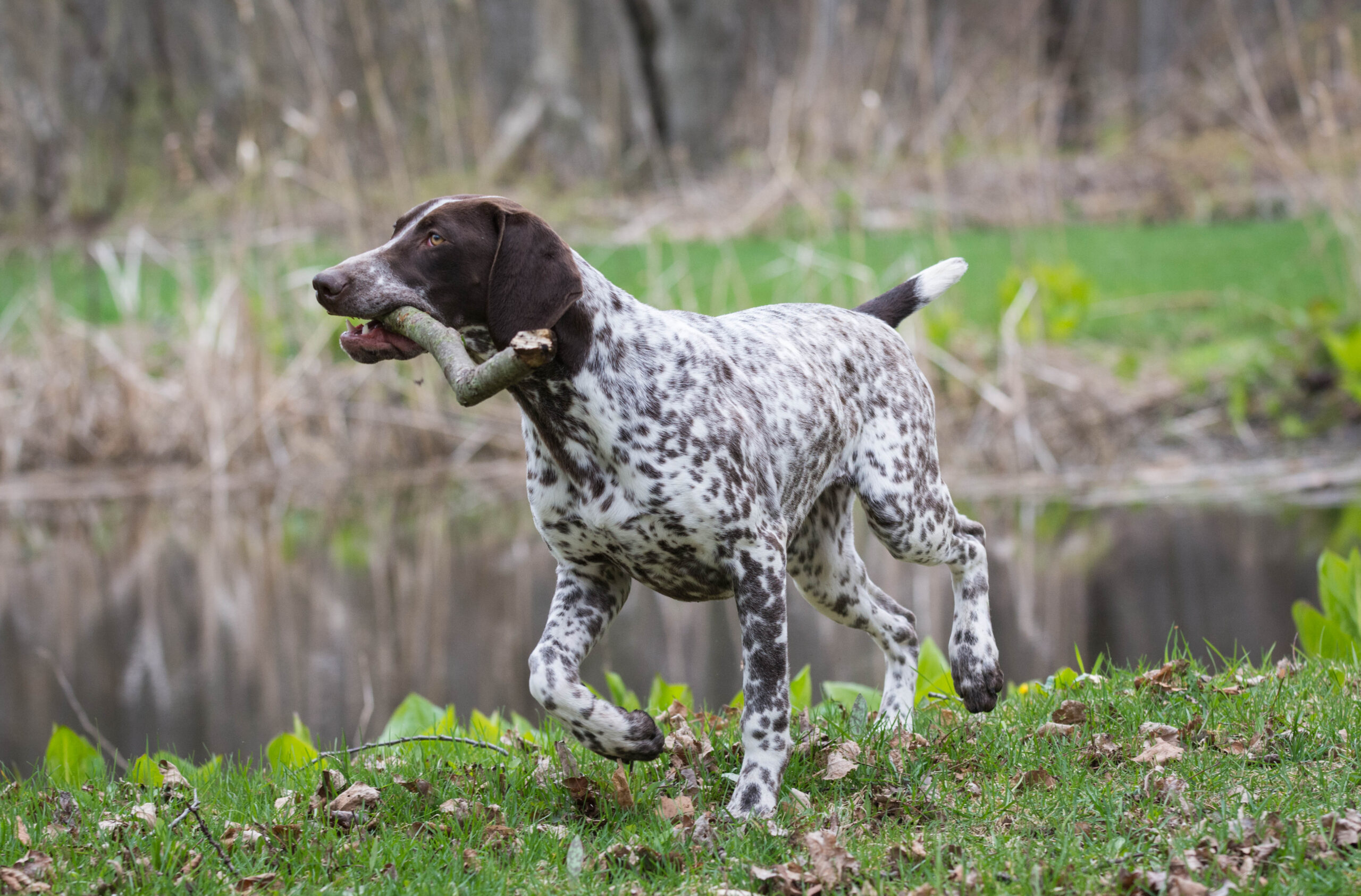
A quick walk or fenced backyard is rarely enough for this breed. Under-exercised German Shorthaired Pointers are notorious for destructive chewing, nonstop pacing, counter surfing, escape attempts, and chaotic zoomies that seem to last forever. Many become frustrated or anxious when they lack sufficient physical and mental outlets.
These dogs also tend to form extremely strong attachments to their owners. While affectionate and loyal, many GSPs struggle with separation anxiety and boredom if left alone too often. They thrive in highly active households where exercise, training, outdoor activities, and enrichment are built into daily life rather than treated as occasional extras.
What Makes German Shorthaired Pointers High-Maintenance?
- Needs intense daily exercise and endurance-level activity
- Can become destructive when under-stimulated
- Strong prey drive and scent instincts require management
- Requires consistent training and structure from an early age
Did You Know? German Shorthaired Pointers are known for their incredible endurance and are popular choices for high-intensity dog sports like canicross, bikejoring, and skijoring. Learn more about fun ways to exercise with your dog.
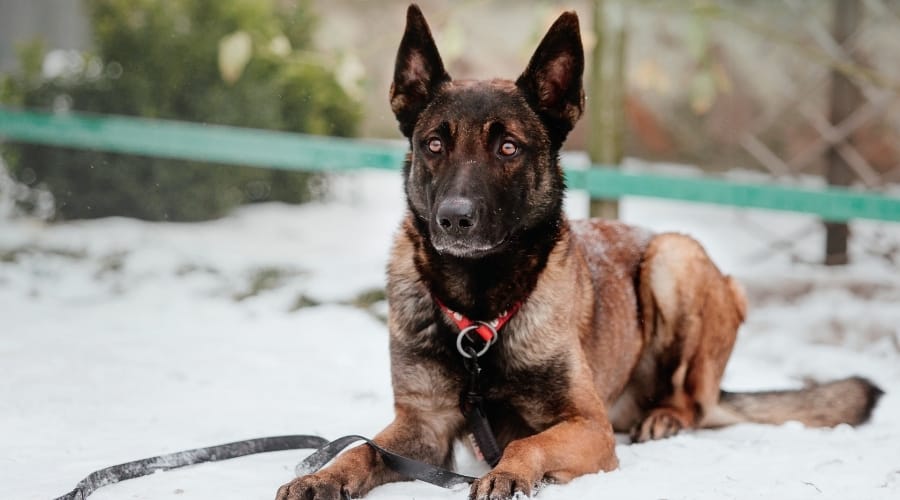
5. Belgian Malinois
Belgian Malinois are one of the most underestimated working dogs in the world. Their athleticism, intelligence, and intense focus make them look impressive online, but many people are completely unprepared for what daily life with this breed actually involves. These dogs were developed for demanding military, police, and protection work, and most were never meant to be casual household pets.
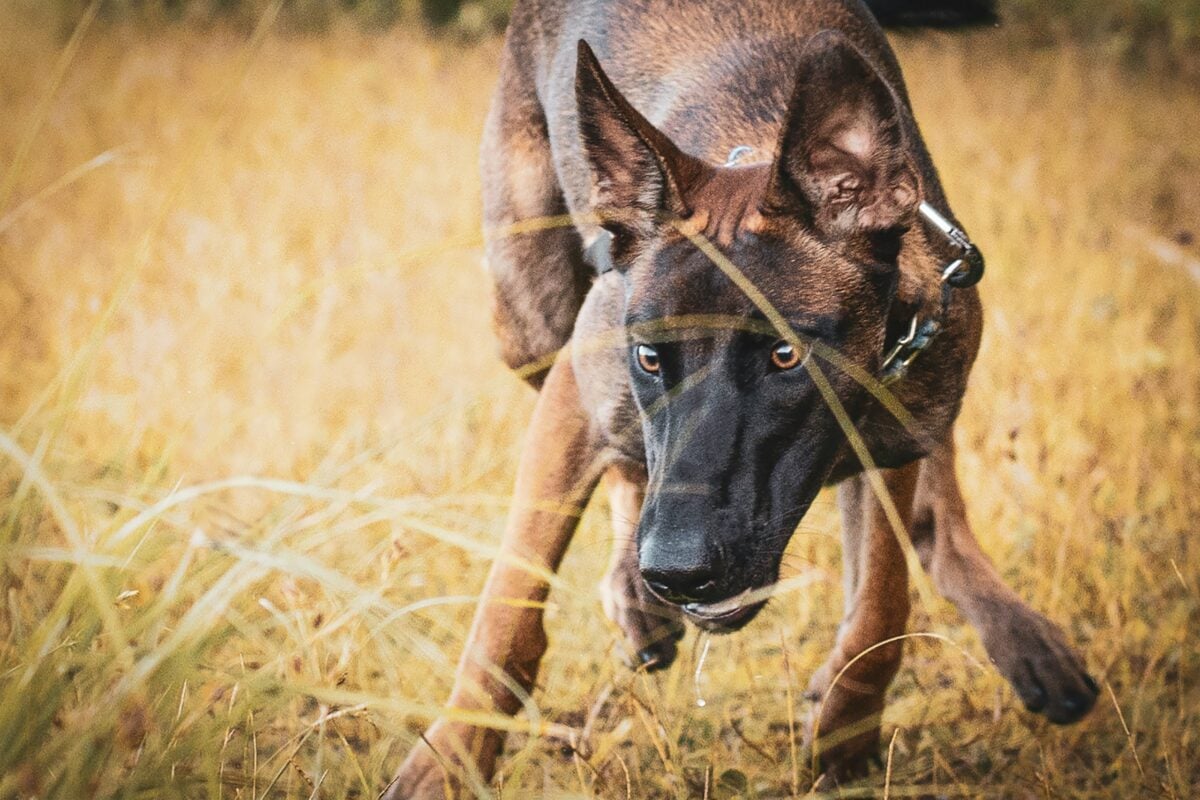
A bored or under-stimulated Malinois can become destructive, obsessive, reactive, and almost impossible to mentally tire out. Many require multiple hours of structured physical activity, advanced obedience work, scent training, agility, or other high-level enrichment every single day. Without enough outlets, owners often end up dealing with nonstop pacing, destructive chewing, compulsive behaviors, or intense frustration.
Belgian Malinois also require confident, experienced handling. For the average owner, this breed can become overwhelming far faster than expected.
What Makes Belgian Malinois High-Maintenance?
- Needs multiple hours of daily exercise and structured activity
- Requires advanced training and constant mental stimulation
- Can become destructive, obsessive, or reactive when bored
- Extremely high working drive and intensity
- Needs experienced handling and consistent structure
- Strong bite drive and protective instincts require careful management
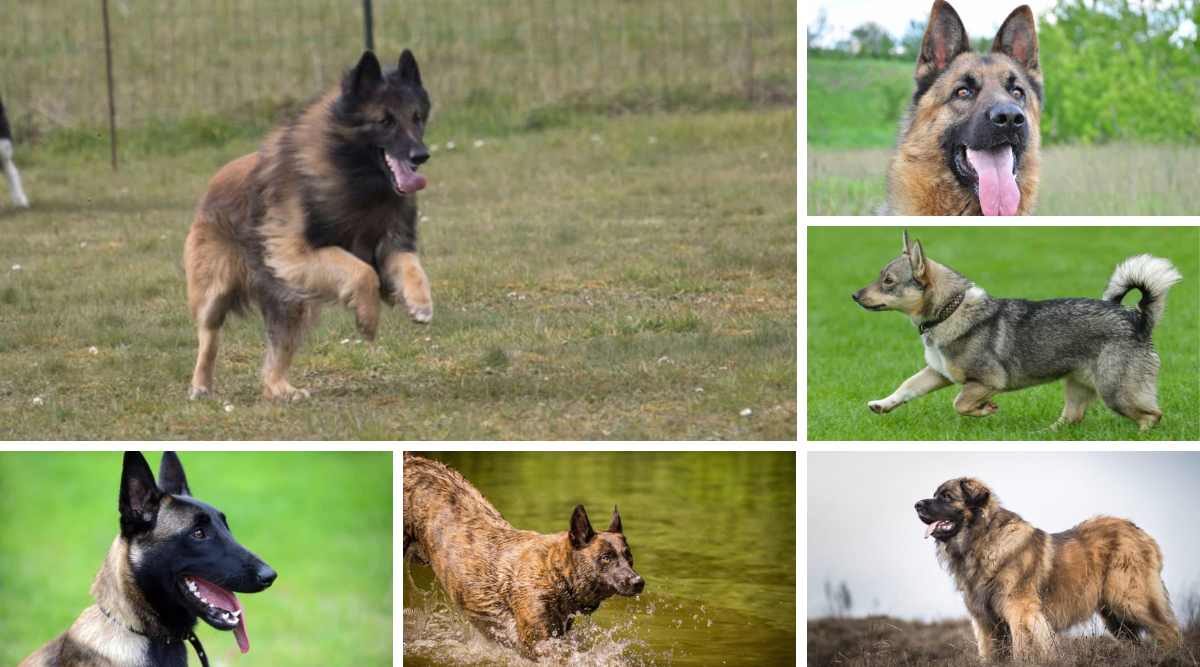
Belgium Created Four High-Drive Shepherd Breeds
- Belgian Malinois — The intense military and police favorite known for relentless work drive and advanced training needs.
- Belgian Sheepdog (Groenendael) — Long-coated and elegant, but still highly energetic and mentally demanding.
- Belgian Tervuren — Often described as a more sensitive, emotionally intense version of the Malinois.
- Belgian Laekenois — The rarest Belgian shepherd, known for strong guarding instincts and constant mental engagement.
All four Belgian shepherd varieties were bred as working dogs and typically require far more structure, exercise, and training than the average household expects.
6 Dog Breeds That Never Really Relax
Some dogs enjoy activity. These dogs seem psychologically wired to need it.
Even after long walks or intense exercise, these dogs may still pace the house, search for stimulation, or look for something else to do. For inexperienced owners, living with that level of nonstop drive can become exhausting fast.
1. Border Collie
Bred to herd sheep for hours while responding instantly to human direction, Border Collies are constantly scanning, analyzing, and looking for work. Many struggle in homes that cannot provide enough mental and physical stimulation every single day.
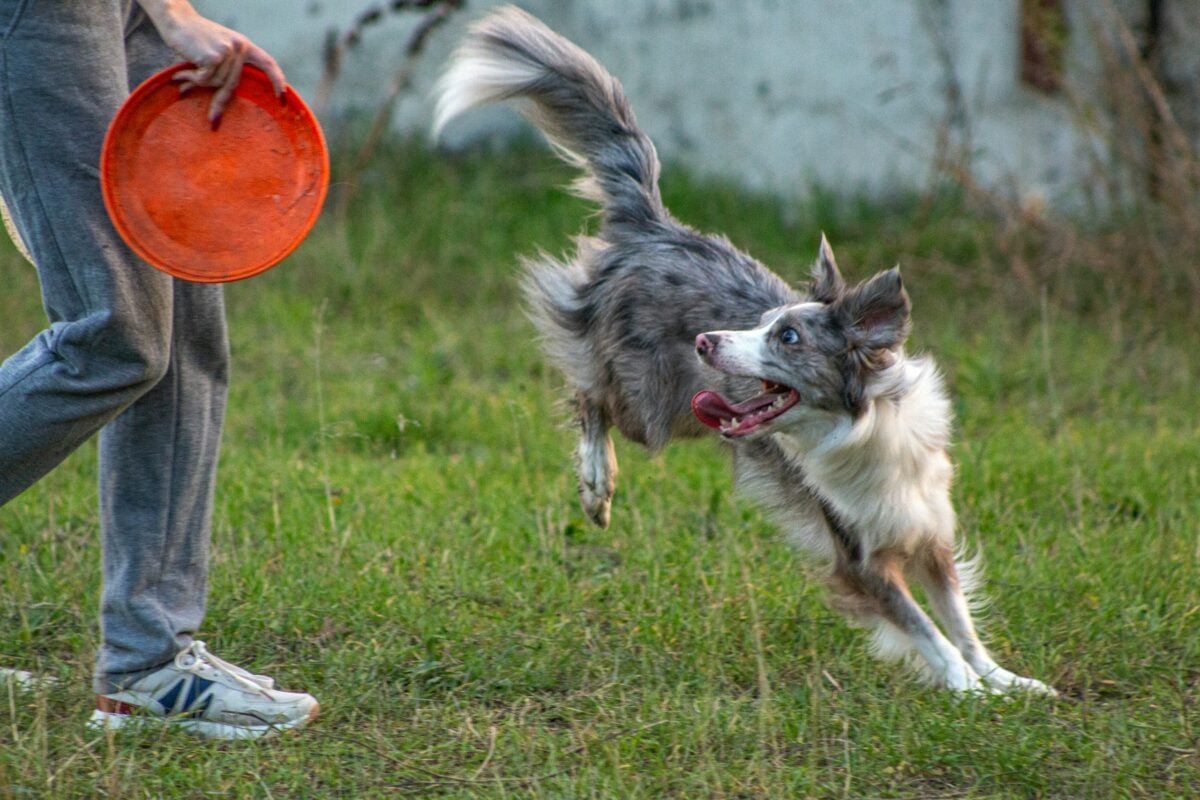
These dogs are famous for developing obsessive or neurotic behaviors when under-stimulated. Pacing, shadow chasing, fixation on lights or reflections, compulsive barking, and nonstop herding behaviors are all common in bored Border Collies. Some will attempt to herd children, other pets, bicycles, or even moving cars.
Border Collies also tend to be emotionally sensitive and hyper-aware of their environment. Chaos, inconsistency, or lack of structure can increase anxiety and frustration quickly. For the average household, keeping a Border Collie mentally satisfied often becomes a much bigger challenge than simply exercising them physically.
What Makes Border Collies High-Maintenance?
- Needs intense daily mental and physical stimulation
- Difficult to mentally tire out
- Often develops obsessive behaviors when bored
- Extremely sensitive to routine, structure, and environmental changes
- Strong herding instincts can lead to chasing or nipping behaviors
Fun Fact: Border Collies are widely considered the smartest dog breed in the world. They excel at obedience training and also perform well on tasks requiring problem-solving and memory. Learn more about how intelligence in dogs is measured.
2. Vizsla
Vizslas are often described as affectionate, athletic “velcro dogs,” but many owners are not prepared for how emotionally intense and physically demanding they can become.

These dogs rarely want to be alone. Many Vizslas follow their owners from room to room, struggle with separation anxiety, and become destructive or frantic when left without enough exercise, attention, or structure. A short walk around the neighborhood is rarely enough for this breed, especially during adolescence and young adulthood.
Vizslas also tend to stay mentally “on” long after physical exercise ends. Even active households are sometimes surprised by how much stimulation these dogs require to truly settle down.
What Makes Vizslas High-Maintenance?
- Needs intense daily exercise and endurance-level activity
- Extremely prone to separation anxiety and clingy behavior
- Can become destructive when bored or under-stimulated
- Highly sensitive and emotionally intense
Did You Know? Vizslas were bred as hunting dogs and are still considered one of the top versatile hunting breeds today, capable of hunting, tracking, and retrieving across a wide variety of landscapes.
3. Australian Cattle Dog (Blue Heeler)
Australian Cattle Dogs, often called Blue Heelers, were bred to move stubborn livestock across massive distances in brutal conditions. These dogs are tough, relentless, and famously difficult to wear out.
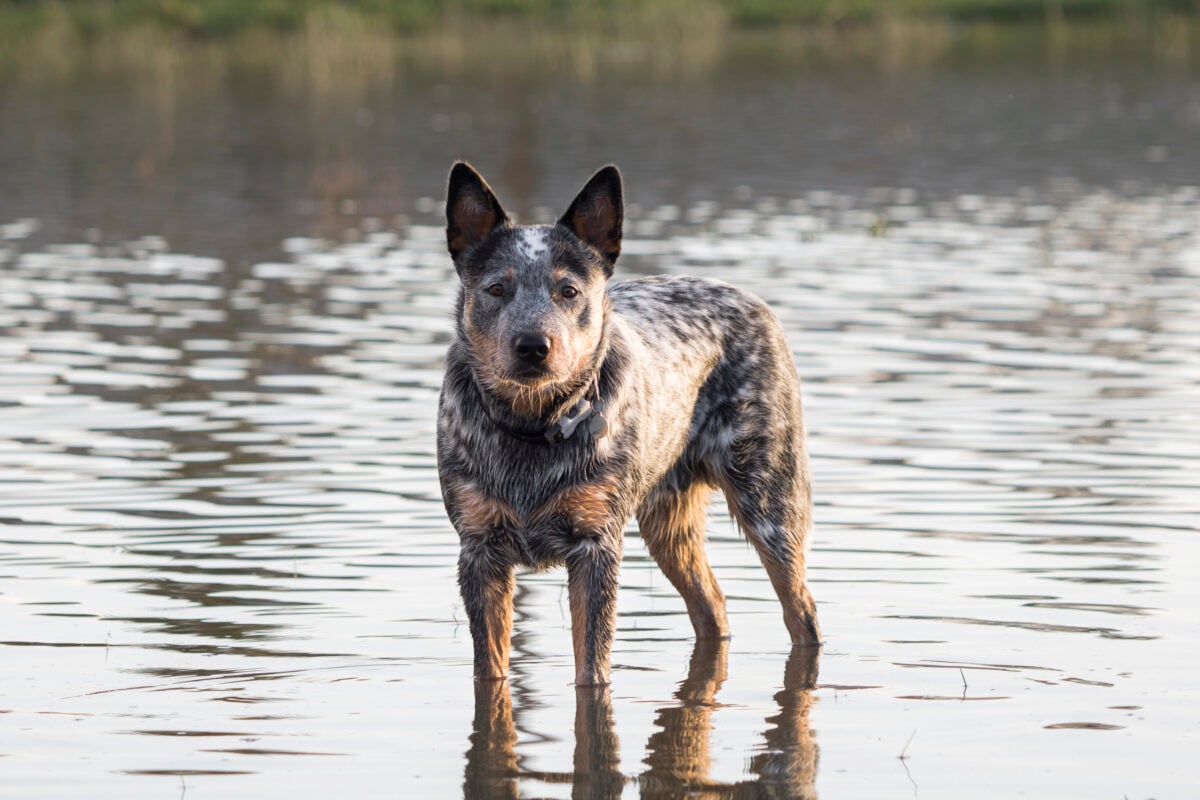
Blue Heelers are constantly looking for a job to do. While their intelligence and loyalty attract many owners, living with one can feel overwhelming without enough structure, activity, and mental stimulation.
These dogs are also known for being intensely bonded to their owners while remaining naturally suspicious of strangers Without consistent training and socialization, some can become territorial, stubborn, or difficult to manage in busy environments. For many first-time owners, the combination of nonstop energy and intense personality becomes far more demanding than expected.
What Makes Blue Heelers High-Maintenance?
- Needs intense daily physical and mental activity
- Extremely difficult to tire out
- Strong herding instincts can lead to chasing and nipping
- Highly intelligent and constantly seeking stimulation
- Can become territorial or suspicious without proper socialization
Watch: Blue Heelers are motivated and capable of performing advanced training work, such as the bar exercises shown in this video.
4. Dalmatian
Dalmatians are best known for their spotted coats and movie-star reputation, but many owners are completely unprepared for how intense these dogs can be in real life. Originally bred to run alongside horse-drawn carriages for miles at a time, Dalmatians were developed as a breed that combined endurance with natural guarding instincts. That athleticism and alertness still show up strongly in the breed today.
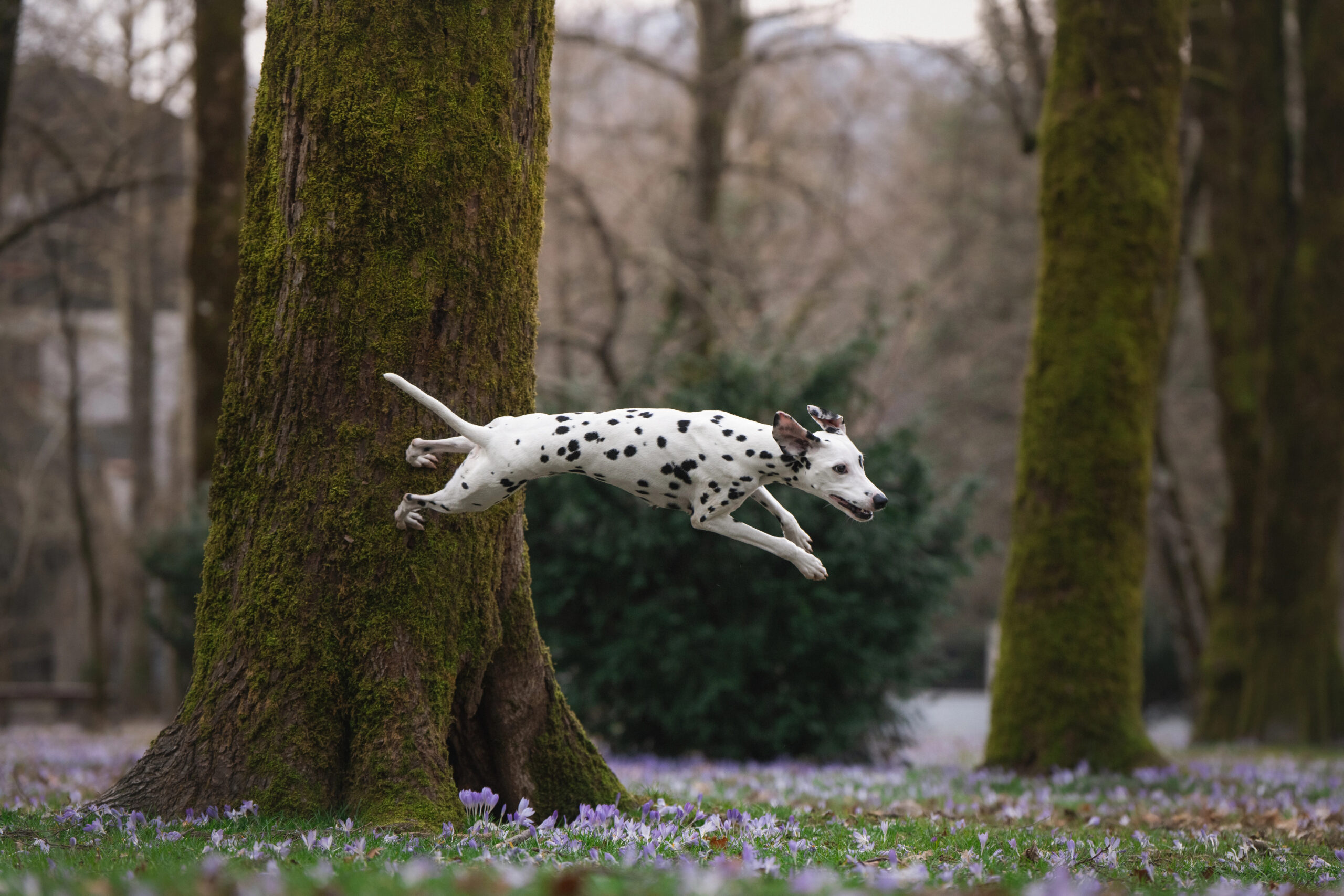
A bored Dalmatian can quickly become chaotic, destructive, and difficult to manage. Many require far more exercise and mental stimulation than owners expect, especially during adolescence. Without enough outlets, some develop hyperactive behaviors, nonstop pacing, excessive barking, or destructive chewing around the home.
Dalmatians are also known for being emotionally sensitive and sometimes stubborn. While affectionate with their families, many require consistent training, socialization, and structure to prevent the development of reactive behaviors. For owners expecting a laid-back family dog, the reality can come as a shock.
What Makes Dalmatians High-Maintenance?
- Bred for endurance and nonstop physical activity
- Can become destructive or hyperactive when bored
- Often stubborn and difficult for inexperienced owners
- Requires early training and socialization
- Prone to deafness and urinary tract issues
Fun Fact: Long before fire trucks existed, Dalmatians ran alongside horse-drawn fire carriages to clear crowds, calm horses, and protect equipment. Today, they still serve as firehouse mascots, and some fire departments use Dalmatians to help teach children about fire safety.
5. Australian Kelpie
Australian Kelpies were bred to work livestock across enormous stretches of land with very little human direction. That independence, endurance, and nonstop drive make them incredibly effective working dogs, but potentially overwhelming pets for the average household.
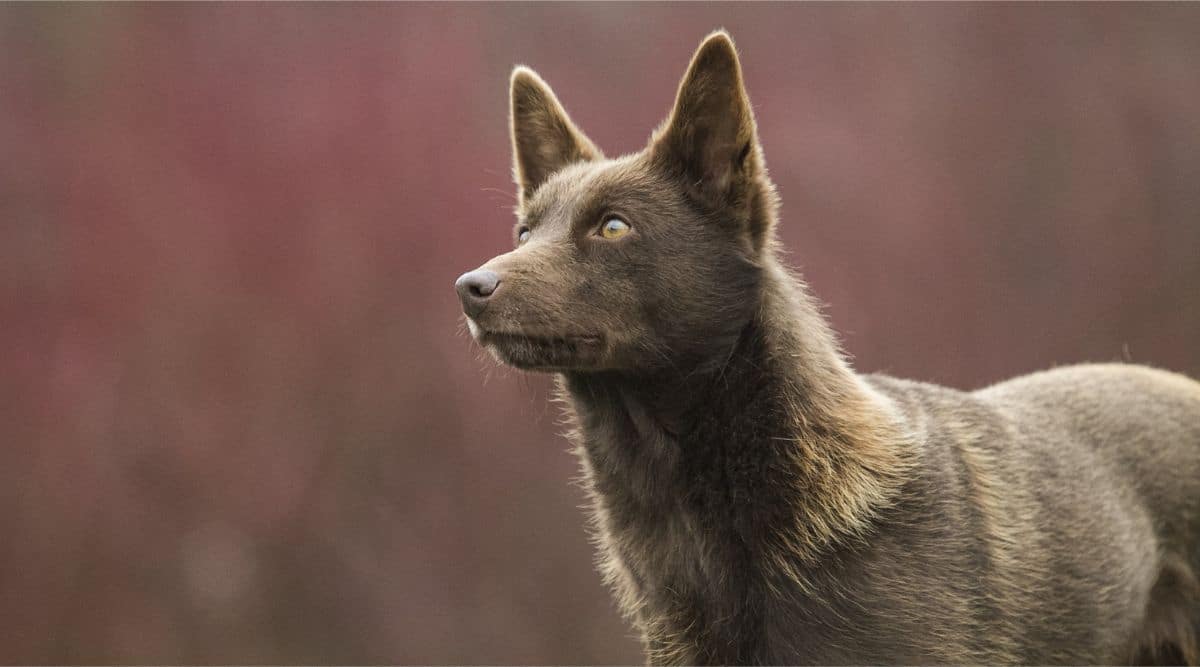
Kelpies are constantly scanning their environment and looking for something to do. Without enough structure and stimulation, many develop obsessive behaviors, destructive habits, escape tendencies, or nonstop pacing around the home. Even highly active owners are often surprised by how difficult it is to satisfy these dogs fully.
Unlike some high-energy breeds that eventually settle after exercise, many Kelpies seem mentally “on” all the time. They thrive when given advanced training, dog sports, agility work, or a demanding outdoor lifestyle that consistently challenges both their bodies and brains.
What Makes Australian Kelpies High-Maintenance?
- Needs endurance-level daily exercise
- Extremely intelligent and independent
- Often develops obsessive behaviors when under-stimulated
- Requires advanced training and mental challenges
- Strong herding instincts can create controlling behaviors
- Prone to escaping or roaming when bored
Did You Know? While you can buy a pet Kelpie for under $1,000, highly trained working Kelpies regularly sell for tens of thousands of dollars at auction. For ranchers, an exceptional Kelpie can be worth more than a luxury car.
6. Catahoula Leopard Dog
Originally developed to track wild hogs and handle difficult livestock, the Catahoula Leopard Dog was bred for grit, independence, and problem-solving in harsh conditions. These are not the kind of dogs that quietly blend into family life.
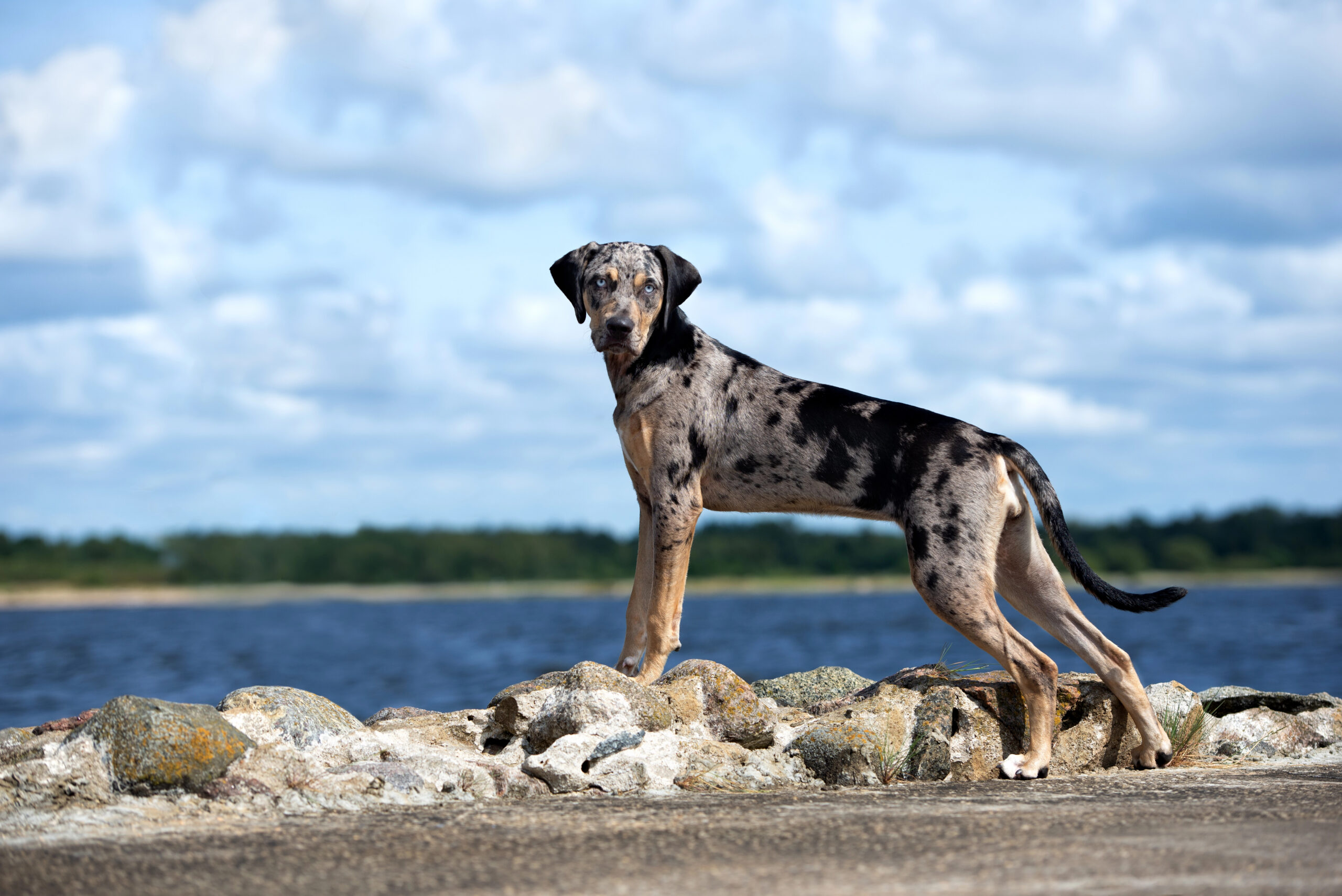
Catahoulas tend to crave both physical activity and purposeful work. They are not typically eager-to-please dogs in the same way as retrievers or other family-oriented breeds. They are intelligent, but many prefer doing things on their own terms.
Early socialization is especially important because this breed can become suspicious of strangers and overly intense around unfamiliar dogs or environments if not properly exposed from a young age.
What Makes Catahoula Leopard Dogs High-Maintenance?
- Bred for demanding hog-hunting and livestock work
- Needs constant mental engagement and daily activity
- Strong-willed personality can make training difficult
- Often becomes destructive or territorial when bored
- Highly reactive to movement, noise, and environmental changes
- Requires extensive early socialization
Reality Check: The National Association of Louisiana Catahoulas warns, “Not everyone needs a Catahoula.” When the breed club itself is trying to scare you a little, pay attention.
9 Powerful Dog Breeds That Need Structure
Some breeds are high-maintenance because they require advanced training, structure, and confident leadership. Many of these breeds were developed to guard property, protect livestock, or work in high-pressure situations where confidence and physical control mattered.
In the right home, they can be deeply loyal and highly capable companions.In the wrong home, their power and protective nature can cause serious problems.
1. Cane Corso
Cane Corsos are massive dogs that were originally developed for guarding property, protecting livestock, and hunting large game. They were bred to be powerful, confident, and naturally suspicious of threats.
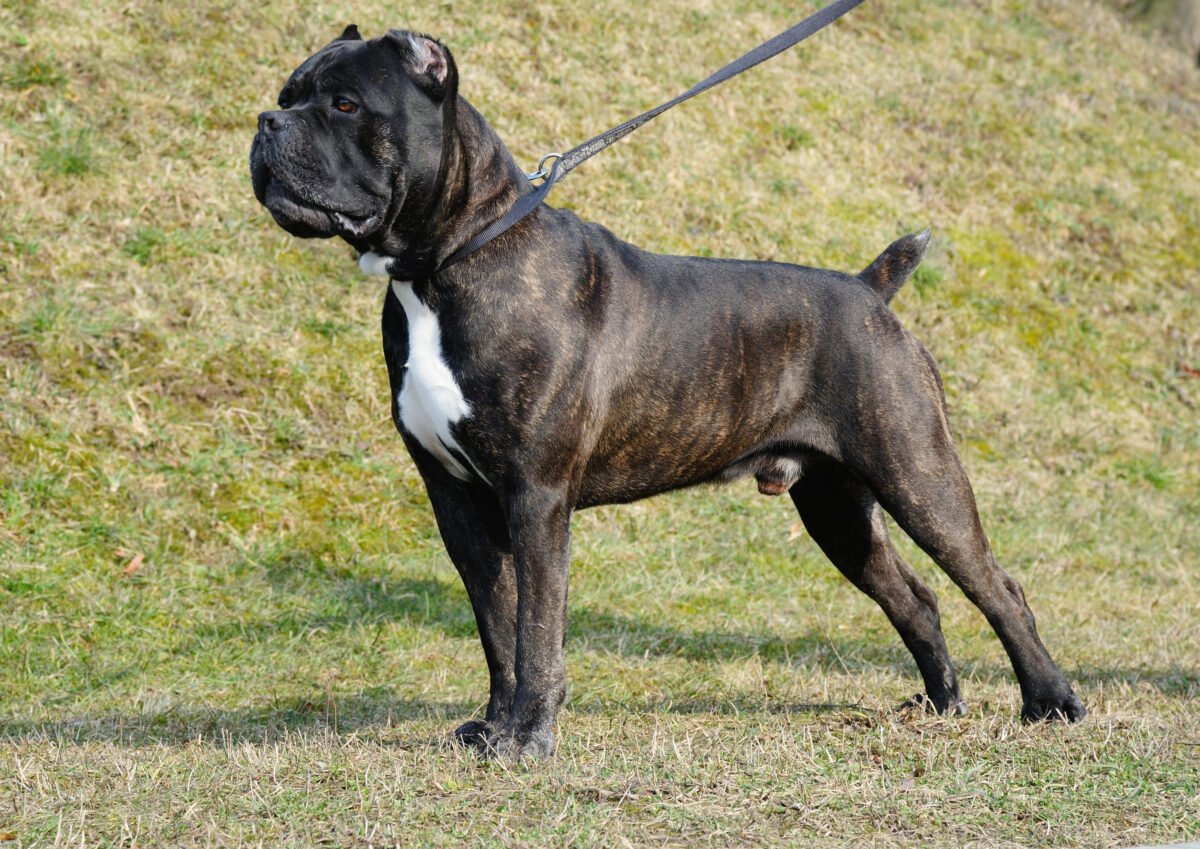
These dogs require extensive training, structure, and early socialization from an experienced owner. A poorly trained Cane Corso can become territorial, reactive, difficult to control physically, or overly protective of people and property. Even well-trained Corsos often need careful management around strangers, unfamiliar dogs, and chaotic environments because of their strong guarding instincts.
Cane Corsos are also mentally intense dogs that do not typically tolerate inconsistent leadership. Many become pushy, stubborn, or destructive when boundaries are unclear. For inexperienced owners, the combination of size, strength, intelligence, and protective instincts can become overwhelming surprisingly fast.
What Makes Cane Corsos High-Maintenance?
- Requires experienced, confident handling
- Strong guarding instincts require extensive socialization
- Extremely powerful and difficult to physically control
- Can become territorial or reactive without proper management
- Prone to orthopedic issues like hip dysplasia
- Large size increases food, veterinary, and liability costs
Did You Know? The Cane Corso has one of the most powerful bites of any breed. Discover more dog bite facts and statistics.
2. Akita
Akitas are calm, quiet, and incredibly loyal to their families, which can make them seem easier to manage than other powerful working breeds. The challenge is that many Akitas were bred to be naturally protective, independent, and suspicious of unfamiliar people or animals.
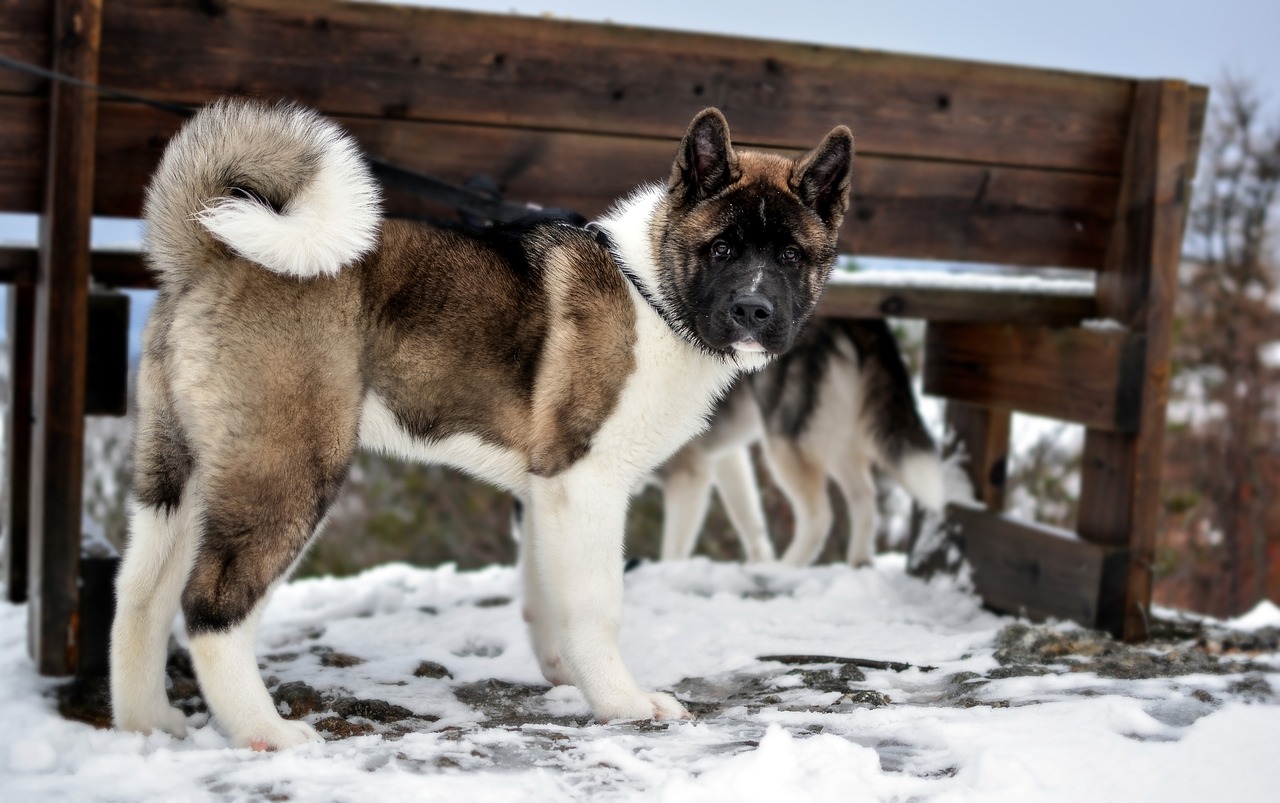
Unlike eager-to-please breeds that constantly seek direction from their owners, Akitas tend to think for themselves. Many are stubborn, emotionally reserved, and unwilling to tolerate behavior they dislike from strangers or other dogs. Same-sex aggression is also relatively common within the breed, especially without proper training and management.
Akitas usually do best with experienced owners who understand guardian breeds and can provide calm, consistent leadership. Their size, strength, and protective instincts mean small behavioral problems can escalate into serious issues quickly if owners are not proactive.
What Makes Akitas High-Maintenance?
- Strong guarding instincts require extensive socialization
- Independent personality can make training difficult
- Often intolerant of unfamiliar dogs, specifically same-sex dogs
- Naturally suspicious of strangers and new environments
- Large size and strength increase management difficulty
Bred To Protect: The Akita is one of many guardian breeds featured on this list. Because of their powerful protective instincts and naturally reserved personalities, guardian breeds are often considered higher-maintenance dogs that require experienced handling, extensive socialization, and consistent structure.
3. Rottweiler
Rottweilers are confident, physically powerful dogs that were originally developed to drive cattle and guard valuable property. In a stable, well-trained home, they are often affectionate, loyal, and deeply devoted to their families. The problem is that inexperienced owners sometimes mistake that loyalty for an easygoing temperament.
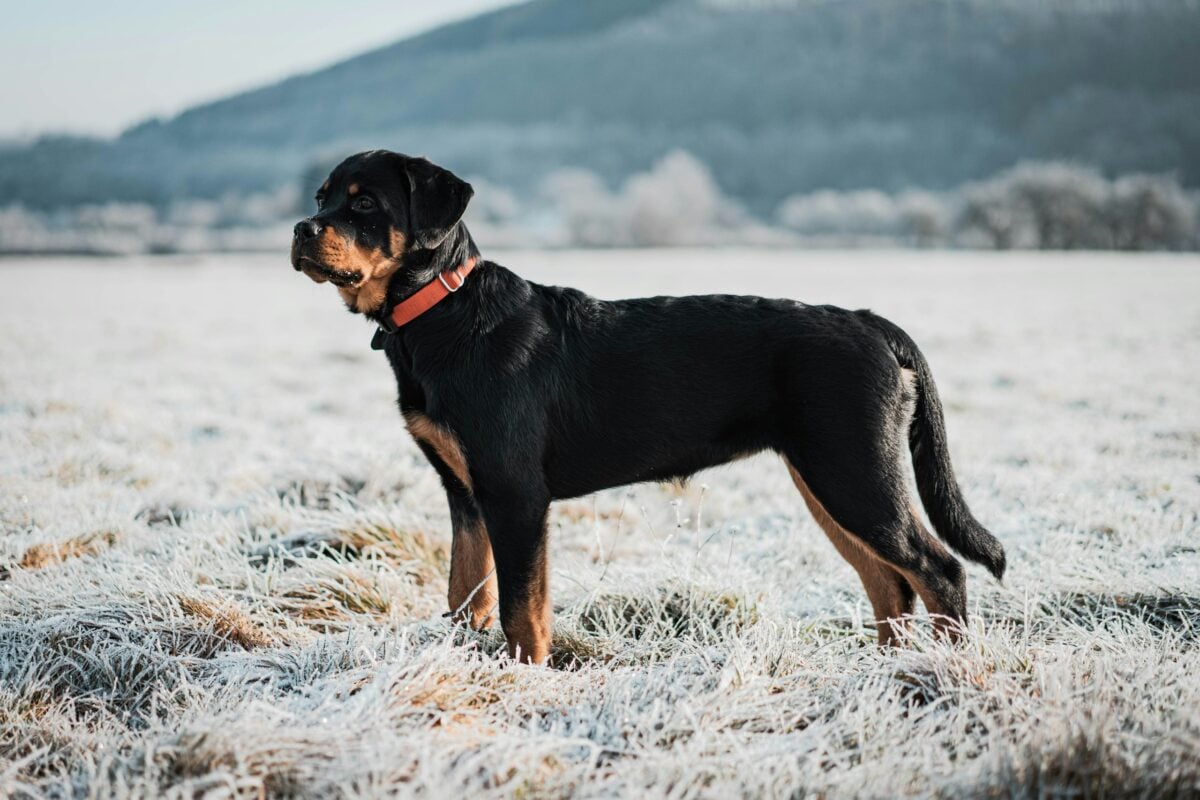
Rottweilers need structure early and consistently. Poor socialization, weak boundaries, or inconsistent training can create dogs that become overly protective, reactive, or physically difficult to control. Because of their strength and natural confidence, behavioral issues in this breed tend to carry much greater consequences than in smaller dogs.
Many Rottweilers are also more emotionally sensitive than people expect. Some become anxious or hypervigilant in chaotic environments, while others constantly push the limits when rules are unclear. This breed tends to do best with owners who are calm, confident, and highly involved in training from the beginning.
What Makes Rottweilers High-Maintenance?
- Needs early socialization and ongoing obedience training
- Extremely strong and difficult to physically manage when untrained
- Can become reactive or territorial without proper structure
- Often emotionally sensitive despite tough appearance
- Prone to orthopedic problems and certain cancers
Reality Check: Rottweilers consistently appear in dog attack and fatal dog bite reports, which is one reason early training, socialization, and responsible ownership are so important with this breed. Learn more in our article covering dog attacks by breed.
4. American Pit Bull Terrier
American Pit Bull Terriers are extremely athletic, high-drive dogs known for their strength, intensity, and determination. While many are affectionate and deeply people-oriented with their families, the breed can also be challenging to manage because of its physical power, prey drive, and potential for dog aggression.
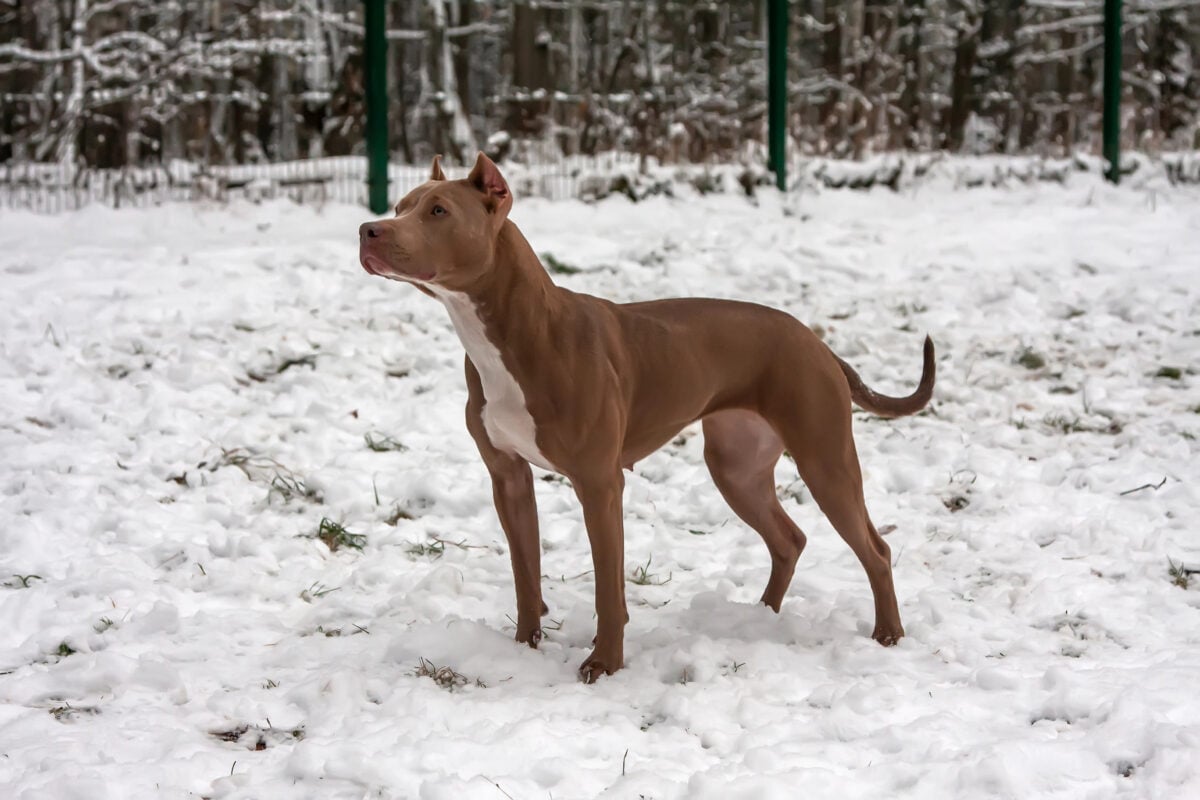
One of the biggest misconceptions is that “pit bull” refers to a single breed. In reality, the term is often used broadly to refer to several bully breeds and mixes. The American Pit Bull Terrier itself was historically developed from powerful terrier and bulldog lines selected for athleticism, tenacity, and gameness, which still influence the breed today.
Many APBTs require careful socialization, supervision around other animals, secure containment, and experienced handling. Their energy levels are often underestimated, and bored or poorly managed dogs can quickly become destructive, reactive, or difficult to control physically.
What Makes American Pit Bull Terriers High-Maintenance?
- Extremely strong and physically powerful
- High prey drive and intense athleticism
- Can be prone to dog aggression or reactivity
- Requires consistent training and structure
- Needs secure fencing and careful supervision
- Often faces housing and insurance restrictions
What Counts As A “Pit Bull”?
The term “pit bull” is often used broadly for several bully breeds and mixes, including the American Staffordshire Terrier, Staffordshire Bull Terrier, and American Bully. While these breeds are commonly grouped together because of their similar appearance, true American Pit Bull Terriers are generally considered more intense, higher-drive dogs with stronger gameness, prey drive, and dog-aggression tendencies than many of the more modern companion-oriented bully breeds seen today.
5. Doberman Pinscher
Dobermans are sleek, athletic, and incredibly intelligent dogs that thrive when they have structure, training, and close involvement with their owners. Originally used as personal protection dogs, they were bred to stay alert, respond quickly, and react confidently under pressure. In the wrong environment, that intensity can become difficult to manage.
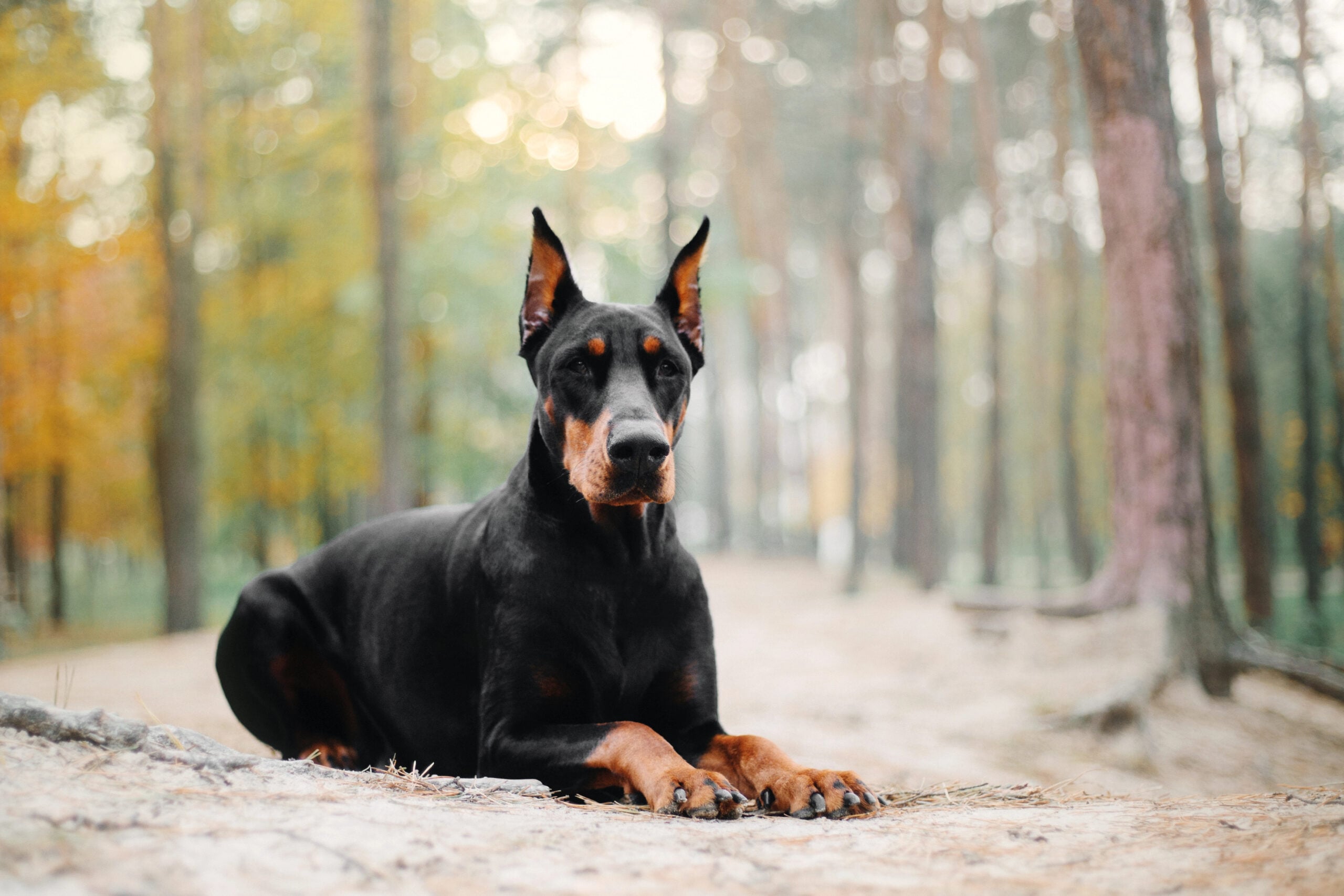
Many Dobermans form extremely strong bonds with their families and do not do well when isolated or ignored for long periods. Without enough engagement, some develop anxiety, destructive behaviors, hypervigilance, or reactivity. They are often emotionally sensitive dogs that pick up on tension, inconsistency, or chaos in the household quickly.
Dobermans also require ongoing training and socialization well into adulthood. Their intelligence allows them to learn commands quickly, but it also means they pick up bad habits quickly. For inexperienced owners, the combination of speed, strength, intelligence, and protective instincts can feel overwhelming surprisingly quickly.
What Makes Dobermans High-Maintenance?
- Needs extensive training and socialization from an early age
- Highly intelligent and mentally demanding
- Strong protective instincts require structure and leadership
- Often prone to separation anxiety and hypervigilance
- Emotionally sensitive to stress and inconsistency
Doberman Pinscher vs Rottweiler
With their black-and-rust coloring, muscular builds, and naturally intimidating presence, Dobermans and Rottweilers are two of the most recognizable “scary dog privilege” breeds. Learn more about how these powerful guardian dogs compare in our guide to the Doberman Pinscher vs. Rottweiler.
6. Chow Chow
Chow Chows are one of the most misunderstood breeds on this list. Their fluffy coats and teddy-bear appearance make them look calm and approachable, but many are naturally aloof, territorial, and highly selective about whom they trust.
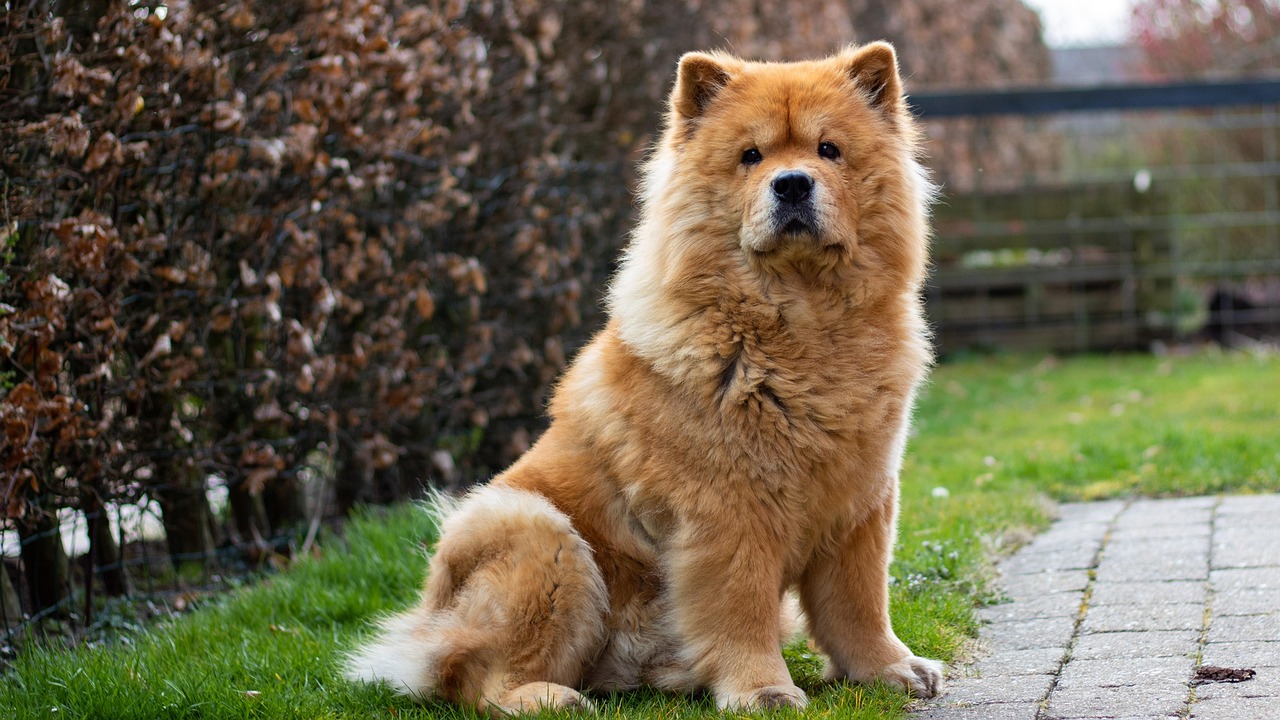
Unlike highly social breeds that seek attention from everyone they meet, many Chow Chows prefer distance from strangers and can become reactive if pushed beyond their comfort zone. Early socialization is critical because poorly socialized Chows often become difficult to manage around unfamiliar people, dogs, or chaotic environments.
Training can also frustrate inexperienced owners. Chow Chows are intelligent, but many see little reason to obey commands simply to make their owner happy. They tend to respond best to calm, consistent handling rather than forceful or repetitive training methods.
What Makes Chow Chows High-Maintenance?
- Naturally aloof and suspicious of strangers
- Requires extensive socialization from puppyhood
- Independent personality can make obedience training difficult
- Territorial instincts require careful management
- Heavy coat requires regular grooming and maintenance
Watch: Chow Chows are known for being naturally reserved and selective with strangers, which is why proper dog approach etiquette matters so much with this breed. In this video, watch how Lisbon the Chow Chow is approached calmly and respectfully instead of being rushed or crowded.
7. Giant Schnauzer
Giant Schnauzers combine the intelligence and intensity of a working dog with the size and strength of a powerful guardian breed. Originally developed to drive cattle and guard property, they are energetic, highly trainable, and deeply devoted to their families. The challenge is that they also require far more structure, stimulation, and management than many owners expect.
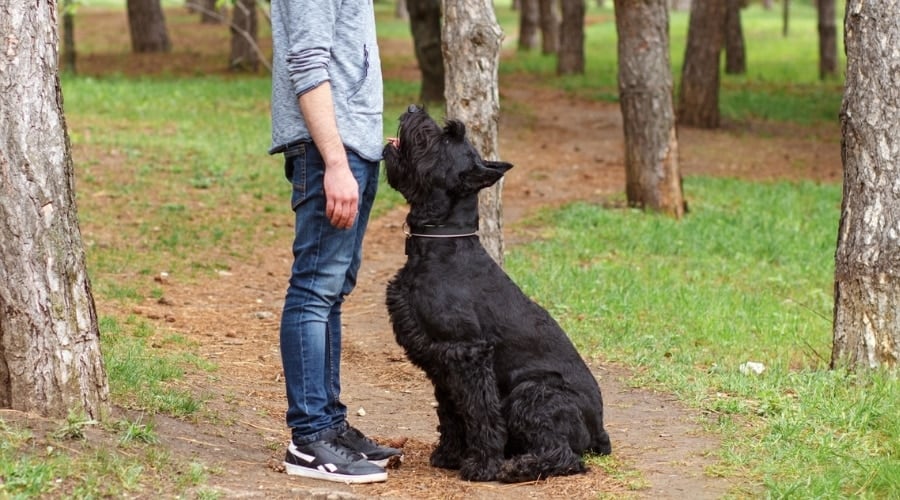
This breed tends to thrive when given demanding jobs, advanced obedience work, dog sports, or highly active lifestyles. Without enough direction, many Giant Schnauzers become destructive, hypervigilant, pushy, or difficult to settle inside the home. They are not typically dogs that are content lounging around all day.
Giant Schnauzers also require owners who can confidently establish boundaries and stay consistent with training. Their intelligence allows them to learn quickly, but they are strong-willed enough to constantly test rules when structure becomes inconsistent.
What Makes Giant Schnauzers High-Maintenance?
- Needs demanding daily exercise and mental stimulation
- Strong guarding instincts require training and socialization
- Can become pushy or destructive when under-stimulated
- Wiry coat requires regular grooming and maintenance
- Highly intelligent and constantly testing boundaries
- Large, athletic build increases management difficulty
Want The Look Without The Power? If you love the Schnauzer look but want something more manageable, consider the smaller Miniature Schnauzer or Standard Schnauzer.
8. Tibetan Mastiff
Tibetan Mastiffs were developed to guard livestock and property in remote mountain regions with very little human supervision. That history still shapes the breed today.
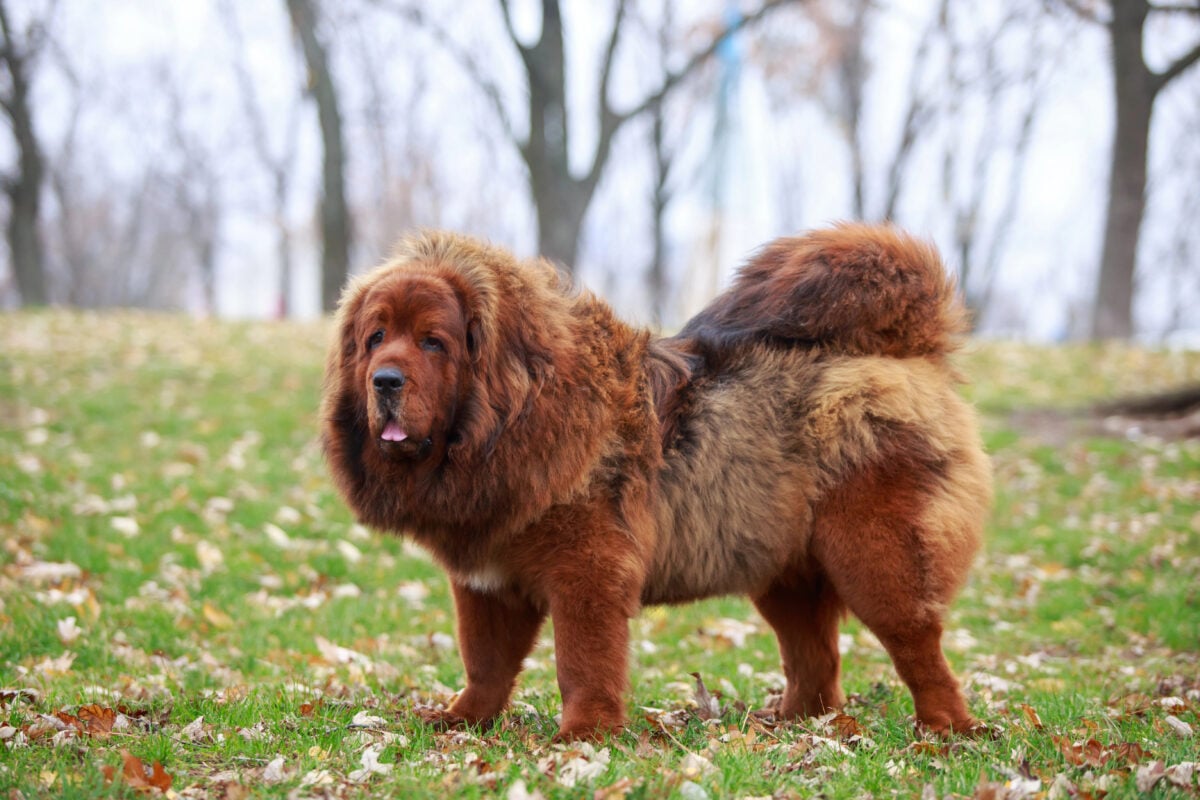
These dogs are naturally territorial, highly independent, and often extremely suspicious of strangers. While impressive and loyal in the right home, they can become overwhelming for owners who are not experienced with guardian breeds.
Tibetan Mastiffs also require serious containment and management. Some are known for nighttime barking, roaming instincts, and territorial behavior that can escalate quickly without socialization and boundaries. Their sheer size alone makes poor behavior difficult to safely control once fully grown.
What Makes Tibetan Mastiffs High-Maintenance?
- Extremely territorial and naturally suspicious of strangers
- Independent personality makes obedience training difficult
- Large size makes behavioral issues difficult to manage
- Thick double coat requires heavy seasonal grooming
- Massive size increases food, space, and management needs
These Dogs Are Huge: Female Tibetan Mastiffs commonly weigh 70 to 120 pounds, while males average 90 to 150 pounds. Some massive individuals have even exceeded 200 pounds.
9. Anatolian Shepherd
Anatolian Shepherds were bred to protect livestock from predators with minimal human guidance, and that independent guardian mindset runs deep in the breed. Many Anatolian Shepherds are naturally wary of strangers and highly protective of their home or property.
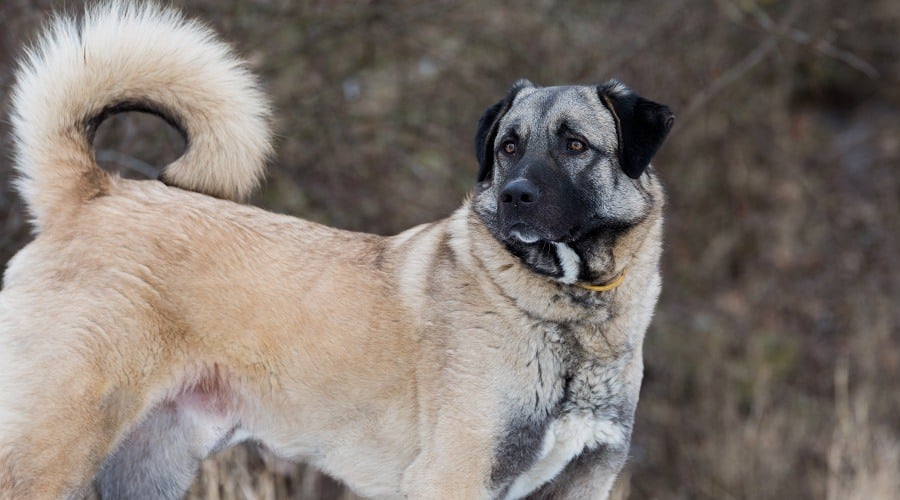
Unlike breeds bred for close obedience work, they are not typically interested in constantly following commands or seeking approval from humans. Their instinct is to evaluate situations themselves, which can frustrate owners expecting a highly trainable family dog.
Exercise alone also does not solve behavioral issues in this breed. Anatolians need careful socialization, clear boundaries, secure containment, and experienced leadership from an early age. Without it, territorial behavior and reactivity can become serious problems, especially given the breed’s size and strength.
What Makes Anatolian Shepherds High-Maintenance?
- Strong livestock guardian instincts require careful management
- Naturally wary of strangers and unfamiliar animals
- Independent mindset can make training frustrating
- Needs large amounts of secure outdoor space
- Large size makes behavioral issues harder to control safely
Watch: Anatolian Shepherds were developed to independently guard livestock from predators. In this video, watch three Anatolian Shepherds work together to protect their livestock from coyotes.
4 Small Dogs That Are Way More Intense Than They Look
Small dogs are often assumed to be easier simply because they take up less space. In reality, some smaller breeds can be just as demanding as large working dogs when it comes to energy, prey drive, training, and behavioral management.
1. Jack Russell Terrier
Jack Russell Terriers are tiny dogs with an almost ridiculous amount of energy and determination packed into a small body. Originally bred for fox hunting, these dogs were designed to chase prey underground, problem-solve independently, and keep working long after other dogs would quit. Many owners underestimate just how relentless they can be indoors.
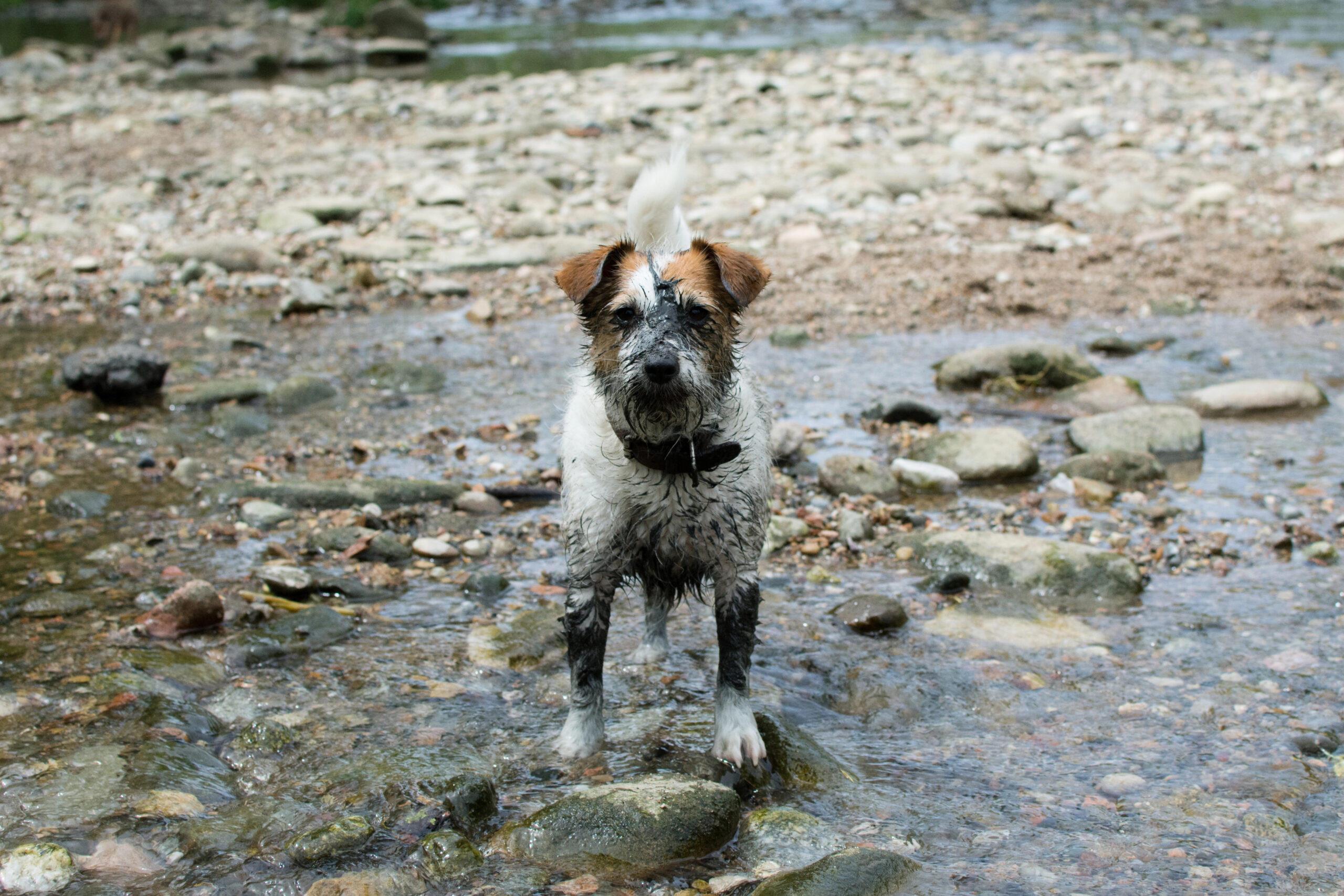
A bored Jack Russell often creates its own entertainment, and that usually comes at the owner’s expense. Digging, nonstop barking, destructive chewing, escape attempts, and obsessive behaviors are all common in under-stimulated dogs. Some also become reactive or difficult around other animals because of their intense prey drive.
Jack Russells are highly intelligent, but they are not always easy to train. Many are stubborn, impulsive, and constantly looking for stimulation. Even experienced dog owners sometimes struggle with how physically and mentally exhausting these dogs can become without enough structure and activity.
What Makes Jack Russell Terriers High-Maintenance?
- Extremely high energy despite small size
- Strong prey drive and chasing instincts
- Frequently destructive when bored
- Highly vocal and difficult to mentally tire out
- Prone to digging and escape behaviors
Did You Know? Jack Russell Terriers are popular in barn hunting, agility, flyball, dock diving, and other high-intensity dog sports because of their speed, athleticism, and nonstop drive.
2. Basenji
Basenjis are often marketed as “barkless dogs,” which leads many people to assume they are easier or quieter than other breeds. In reality, Basenjis can be extremely challenging companions due to their independence, intelligence, and insatiable curiosity.
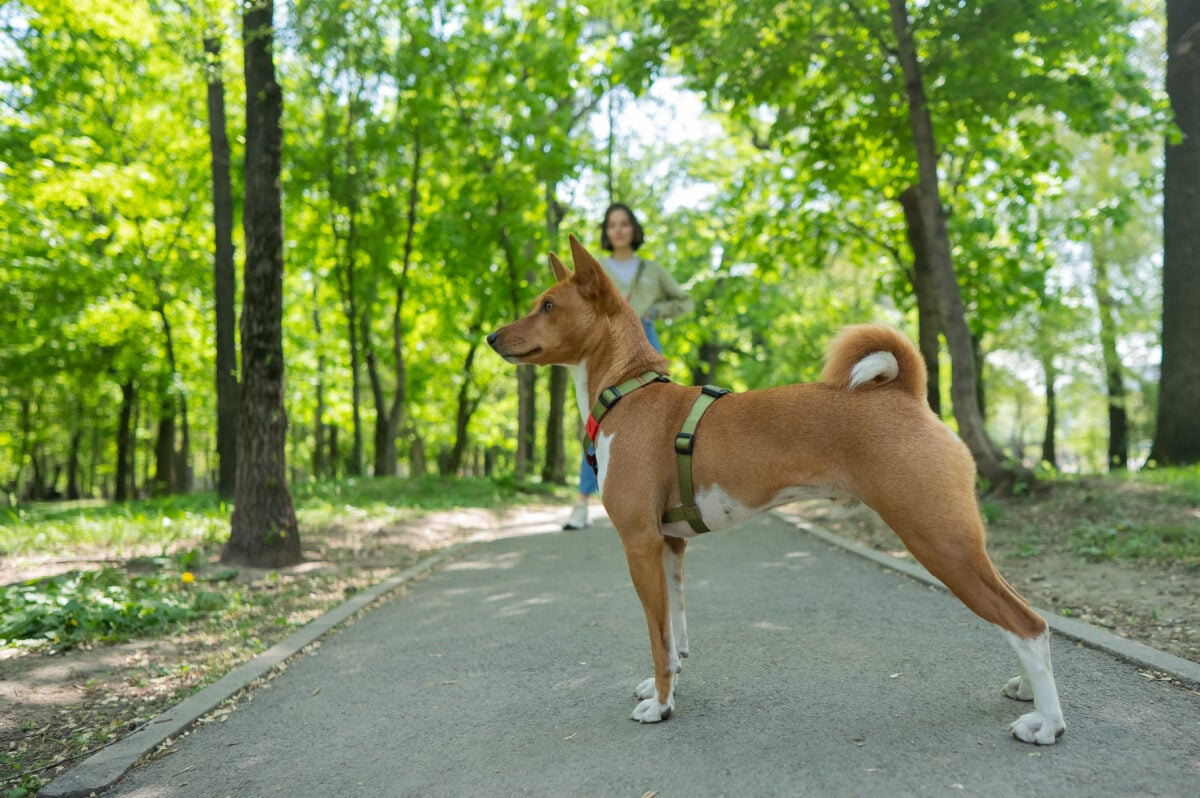
Many Basenjis are clever escape artists that become destructive when bored or under-stimulated. They are known for climbing, chewing, stealing objects, opening cabinets, and testing household boundaries in ways that feel more like living with a mischievous wild animal than a traditional dog.
Basenjis also tend to be emotionally independent compared to breeds that naturally want to please their owners. Training often requires patience, creativity, and realistic expectations because many Basenjis simply do not care about obedience for obedience’s sake.
What Makes Basenjis High-Maintenance?
- Extremely independent and difficult to motivate
- Prone to separation anxiety
- Strong prey drive and roaming instincts
- Known for escaping, climbing, and problem-solving behaviors
- Requires constant enrichment and supervision
Watch: Basenjis are often called the “barkless dog” because they produce a unique yodel-like vocalization instead of a traditional bark.
3. Shiba Inu
Shiba Inus are famous for their fox-like appearance and dramatic personalities, but many owners are shocked by how difficult they can be to train and manage. Unlike highly social companion breeds, Shibas tend to be independent, opinionated, and emotionally selective about when they want to cooperate.
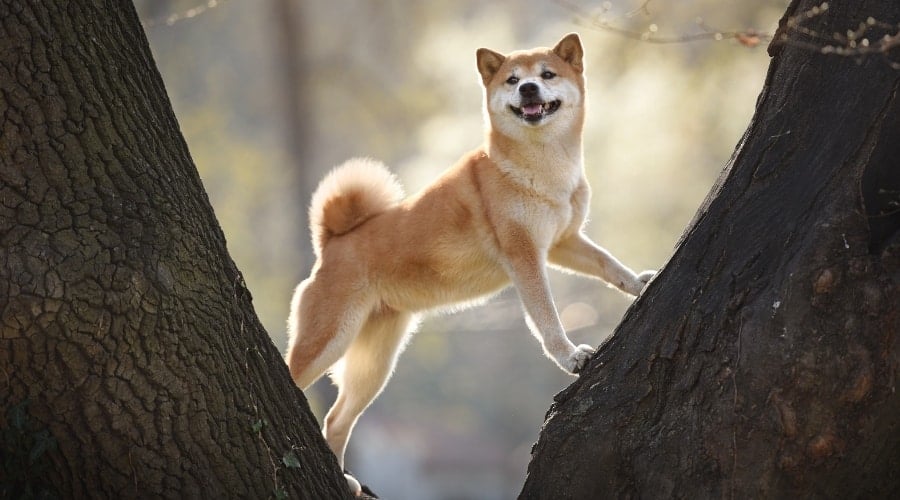
Many Shibas dislike restraint, resist recall training, and constantly look for opportunities to escape or explore. Even well-trained individuals are often considered unreliable off-leash because they tend to ignore commands when something more interesting catches their attention.
Shibas also tend to be highly aware of personal space and boundaries. Some become reactive around unfamiliar dogs or strangers if socialization is inconsistent, while others simply refuse to tolerate handling they dislike. Their combination of intelligence, stubbornness, and confidence can become surprisingly exhausting for inexperienced owners.
What Makes Shiba Inus High-Maintenance?
- Independent personality makes training difficult
- Strong prey drive and escape tendencies
- Frequently unreliable off-leash
- Often reactive or selective around unfamiliar dogs
- Emotionally stubborn and resistant to handling
- Requires patient, consistent training and socialization
The Famous Shiba Scream: Shiba Inus are notorious for the dramatic high-pitched vocalization owners call the “Shiba scream,” especially when frustrated, restrained, or unhappy about something.
4. Patterdale Terrier
Patterdale Terriers may be small, but they were bred to hunt aggressively in difficult terrain and pursue prey with relentless determination. These dogs are intense, fearless, and constantly looking for stimulation.
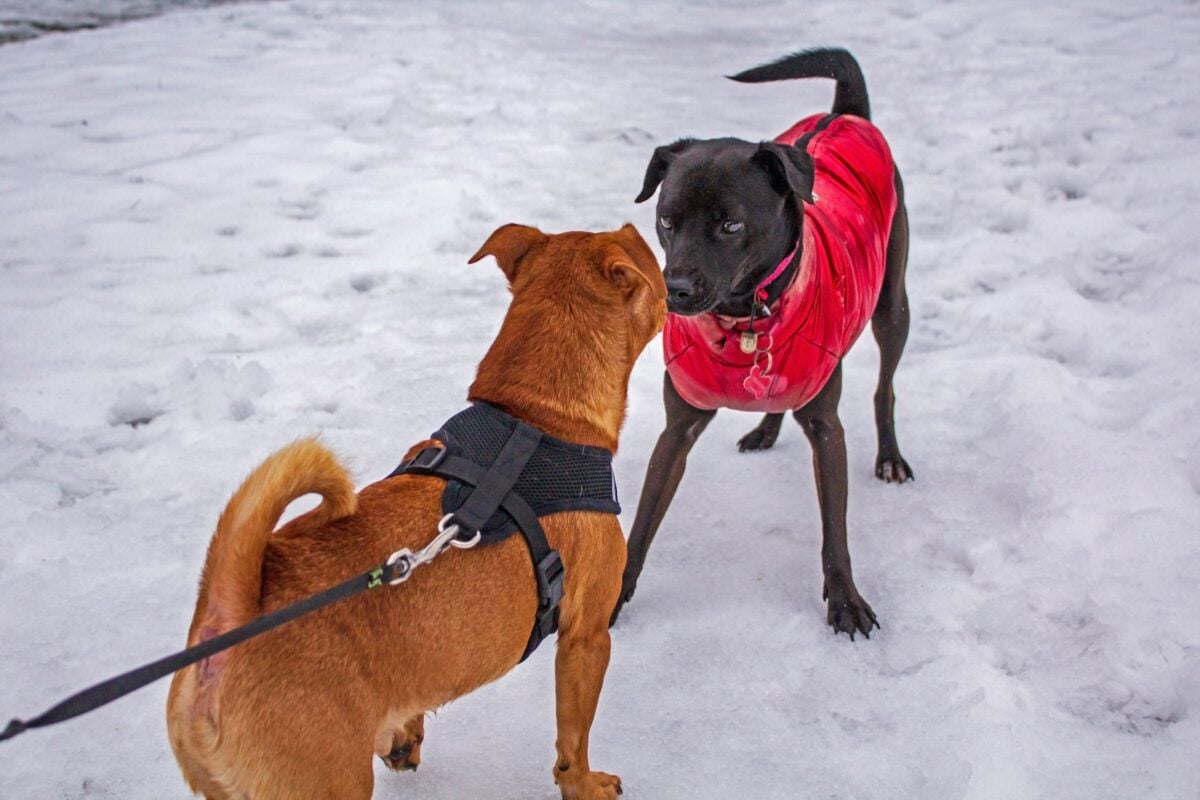
Patterdales tend to operate at full speed for much of the day. Digging, chasing, barking, chewing, and obsessive focus on small animals are all extremely common behaviors. Without enough exercise and structure, many become chaotic little escape artists that are difficult to settle indoors.
This breed also tends to have a strong independent streak. Patterdales are smart, but many become frustrated with repetitive obedience work and prefer doing things on their own terms. They usually thrive best in highly active homes that understand working terrier behavior.
What Makes Patterdale Terriers High-Maintenance?
- Extremely intense prey drive and hunting instincts
- Constantly seeking stimulation and activity
- Prone to digging, chasing, and escape behaviors
- Frequently destructive when under-exercised
- Strong-willed personality can complicate training
- Highly vocal and reactive in stimulating environments
Why Terriers Dig So Much: Many terriers, including Patterdales, were bred to chase prey underground. Digging is not “bad behavior” to these dogs. It’s instinct.
3 Dog Breeds With Shockingly Expensive Care Needs
Some dogs are high-maintenance because they never stop moving. Others are high-maintenance because you feel like you are constantly scheduling vet appointments, managing chronic conditions, or worrying about the next expensive medical problem.
These breeds are often lovable, affectionate companions, but they are also associated with some of the highest long-term veterinary costs in the dog world. From breathing surgeries to lifelong heart medications, the financial and emotional commitment can be much bigger than many owners expect.
1. French Bulldog
French Bulldogs have exploded in popularity over the last decade, but many owners are completely unprepared for how medically demanding the breed can become. Their flat-faced anatomy puts them at high risk for breathing problems, overheating, exercise intolerance, and expensive procedures like brachycephalic airway obstruction syndrome (BOAS) corrective surgery.
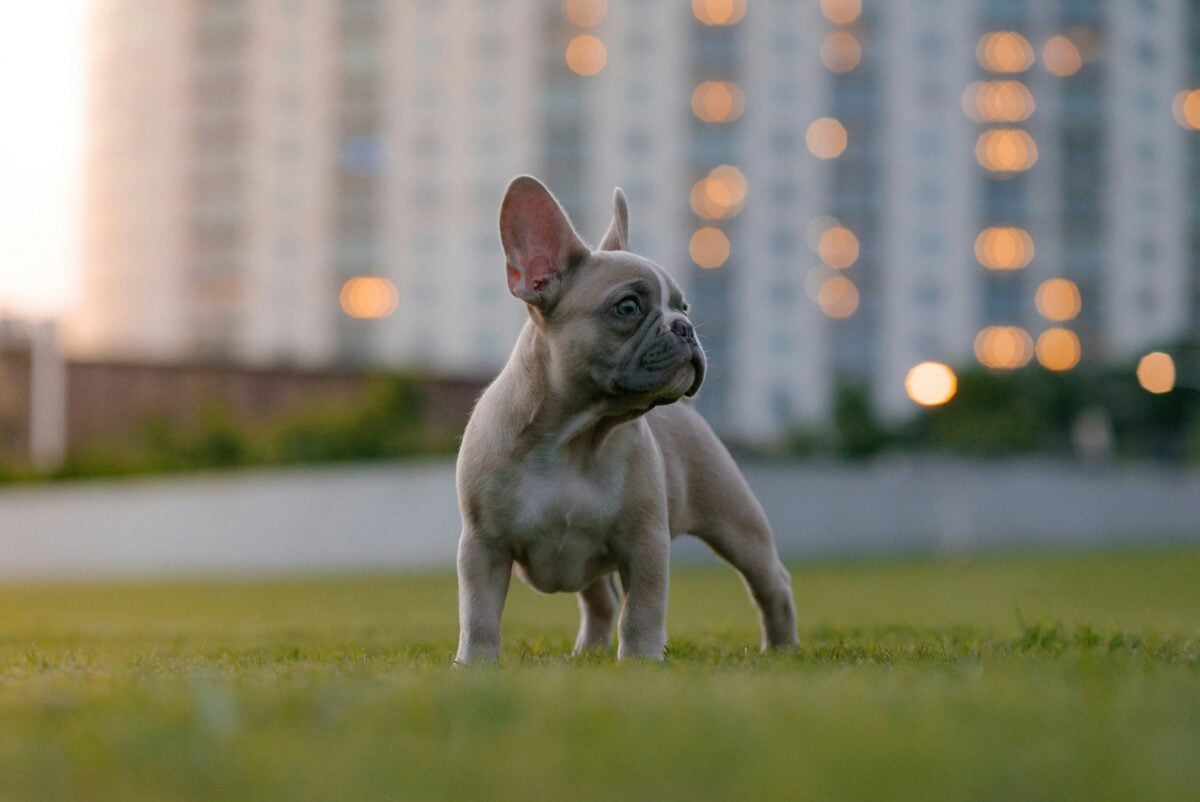
Frenchies are also prone to a long list of chronic health conditions beyond breathing issues. Allergies, skin infections, digestive problems, spinal disease, and mobility issues are all extremely common within the breed. Many owners eventually find themselves juggling prescription diets, medications, specialty veterinary visits, and ongoing skin or airway management throughout the dog’s life.
What Makes French Bulldogs High-Maintenance?
- Flat-faced anatomy commonly causes chronic breathing problems
- Frequently overheats during exercise or warm weather
- Prone to expensive surgeries like BOAS correction
- Often struggles with allergies, skin disease, and digestive issues
- Commonly develops spinal and mobility problems
High Mortality Risk: French Bulldogs consistently rank among the unhealthiest dog breeds because of their breathing problems, spinal disease, allergies, and chronic medical issues. Learn more in our article covering the healthiest dog breeds.
2. English Bulldog
English Bulldogs are known for their laid-back personalities, but physically, many are extremely high-maintenance dogs. Chronic breathing problems, joint disease, obesity, skin fold infections, and allergies are all common within the breed. Even routine daily care can become surprisingly time-consuming and expensive.
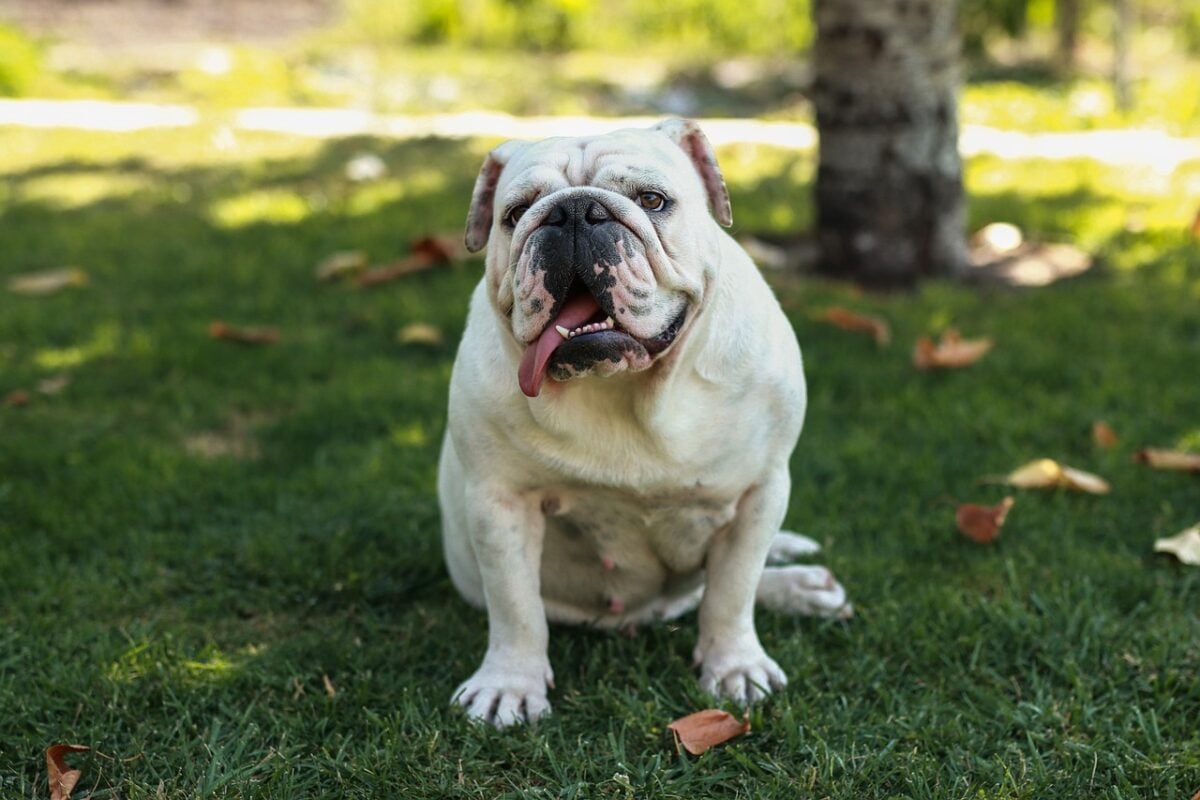
Many Bulldogs also struggle with heat intolerance and exercise limitations because of their body structure. Owners often underestimate how much monitoring and ongoing management the breed can require, especially as dogs age and mobility problems become more severe.
What Makes English Bulldogs High-Maintenance?
- Chronic breathing and overheating problems are extremely common
- Skin folds require regular cleaning and infection management
- Frequently develops joint disease and mobility issues
- Allergies and chronic inflammation often require ongoing treatment
- Veterinary costs are significantly higher than average for many owners
Bulldog Health Problems: English Bulldogs are prone to a long list of chronic health problems, including breathing issues, joint disease, skin infections, allergies, and mobility problems. Learn more about common English Bulldog health issues.
3. Cavalier King Charles Spaniel
Cavalier King Charles Spaniels are affectionate, gentle dogs that many people assume will be easy companions. The heartbreaking reality is that the breed is heavily affected by chronic health problems, especially heart disease. Mitral valve disease is extremely common in Cavaliers, and many dogs require lifelong cardiac monitoring and medication management as they age.
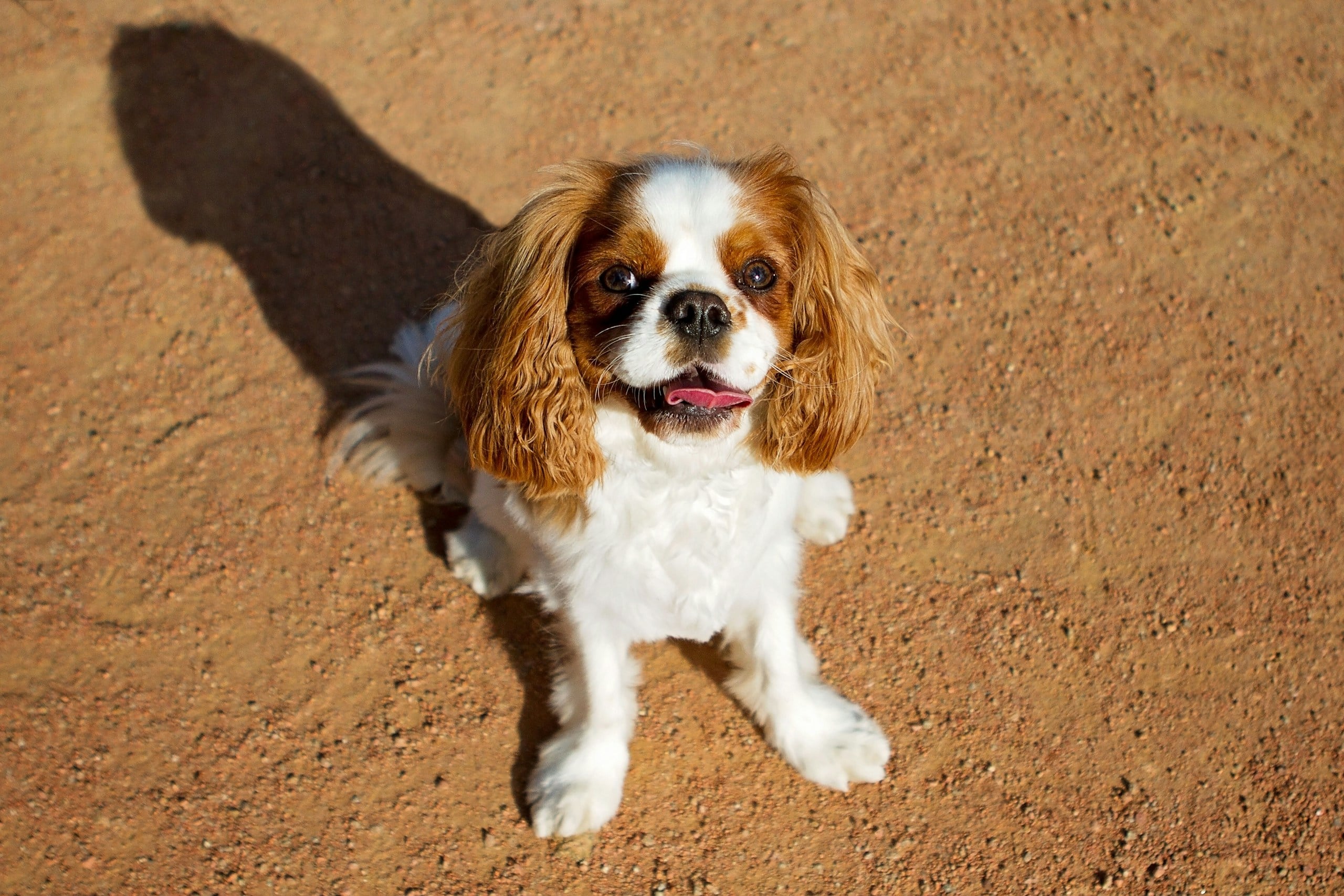
The breed is also prone to neurological disorders like syringomyelia, a painful condition involving pressure changes around the brain and spinal cord. While not every Cavalier develops severe disease, the emotional and financial toll of managing chronic medical conditions can become overwhelming for some owners.
What Makes Cavalier King Charles Spaniels High-Maintenance?
- Extremely prone to mitral valve heart disease
- Often requires lifelong cardiac monitoring and medications
- Can develop painful neurological conditions like syringomyelia
- Chronic health regime becomes common with age
- Veterinary and specialist costs can escalate quickly
Get Pet Insurance: Cavalier King Charles Spaniels are highly prone to expensive chronic conditions, like mitral valve disease, which is why many owners strongly consider pet insurance for this breed. Learn more about the best pet insurance for Cavalier King Charles Spaniels.
Before You Bring Home A High-Maintenance Breed
High-maintenance dogs are not “bad” dogs. In fact, many are incredibly intelligent, loyal, athletic, and deeply devoted to their families.
The problem is that people often fall in love with a breed’s look or personality without fully understanding what daily life with that dog actually entails.
Before bringing home a high-maintenance breed, it’s important to honestly evaluate your time, budget, lifestyle, and tolerance for chaos.
Do You Actually Have The Time?
Many high-maintenance breeds require far more than a quick walk around the block each day. Exercise, training, supervision, grooming, enrichment, and behavioral management can easily become part-time job-level commitments.
Many High-Maintenance Dogs Need
- Multiple hours of daily exercise
- Structured training sessions
- Ongoing mental stimulation and enrichment
- Careful socialization and supervision
- Consistent routines and boundaries
- Far more interaction than many owners expect
The Hidden Costs Most Owners Don’t Plan For
Food and routine vet visits are only the beginning. Many high-maintenance breeds come with additional costs that owners never fully anticipate until they are already overwhelmed.
Some breeds require professional grooming every few weeks. Others develop chronic orthopedic disease, allergies, breathing problems, or behavioral issues that require expensive long-term management.
Costs That Add Up Quickly
- Professional grooming appointments
- Daycare or dog walkers
- Board-and-train programs
- Prescription diets and medications
- Orthopedic surgery or chronic medical care
- Liability insurance for powerful breeds
- Reinforced fencing and containment systems
- Replacing destroyed furniture, walls, flooring, or landscaping
Is Everyone In Your Household On Board?
Consistency matters with high-maintenance dogs, especially breeds that are strong-willed, highly intelligent, territorial, or naturally protective. If one person allows behaviors that another person tries to correct, many dogs quickly learn to exploit the inconsistency.
This becomes even more important in households with children, frequent visitors, multiple pets, or roommates who may not fully understand the breed’s needs and boundaries.
High-maintenance dogs often struggle in homes where:
- Rules constantly change
- Exercise routines are inconsistent
- Family members handle the dog differently
- Guests frequently overwhelm the dog
- Nobody has time for training
- The dog spends long periods bored and unstimulated
Why Mental Stimulation Matters As Much As Exercise
One of the biggest mistakes owners make is assuming physical exercise alone will solve behavioral problems. For many intelligent working breeds, exhaustion is temporary. Mental stimulation is what actually helps many dogs feel satisfied and balanced.
Dogs bred for herding, guarding, hunting, tracking, and protection work were designed to think constantly while performing demanding tasks. Without enough mental engagement, many become obsessive, destructive, anxious, or unable to settle indoors.
Mental Enrichment Ideas
- Obedience and advanced training
- Scent work and tracking games
- Puzzle toys, snuffle mats, and feeding enrichment
- Agility, dock diving, or dog sports
- Structured play sessions
- Jobs around the house or property
Signs A Breed May Not Match Your Lifestyle
Sometimes the biggest problem is not the dog itself. It is the mismatch between the breed and the owner’s lifestyle, expectations, or living environment.
Many people are drawn to intelligent, athletic, or protective breeds without realizing how demanding they can become once the novelty wears off.
Warning Signs A Breed May Be Too Much For Your Lifestyle
- You dread daily walks or exercise sessions
- Your dog never seems mentally settled
- Training feels exhausting instead of rewarding
- Your home constantly feels chaotic
- Visitors make you nervous
- Your dog regularly destroys things when bored
- You feel like your entire schedule revolves around managing the dog
If You Love These Breeds, Consider These Lower-Maintenance Alternatives
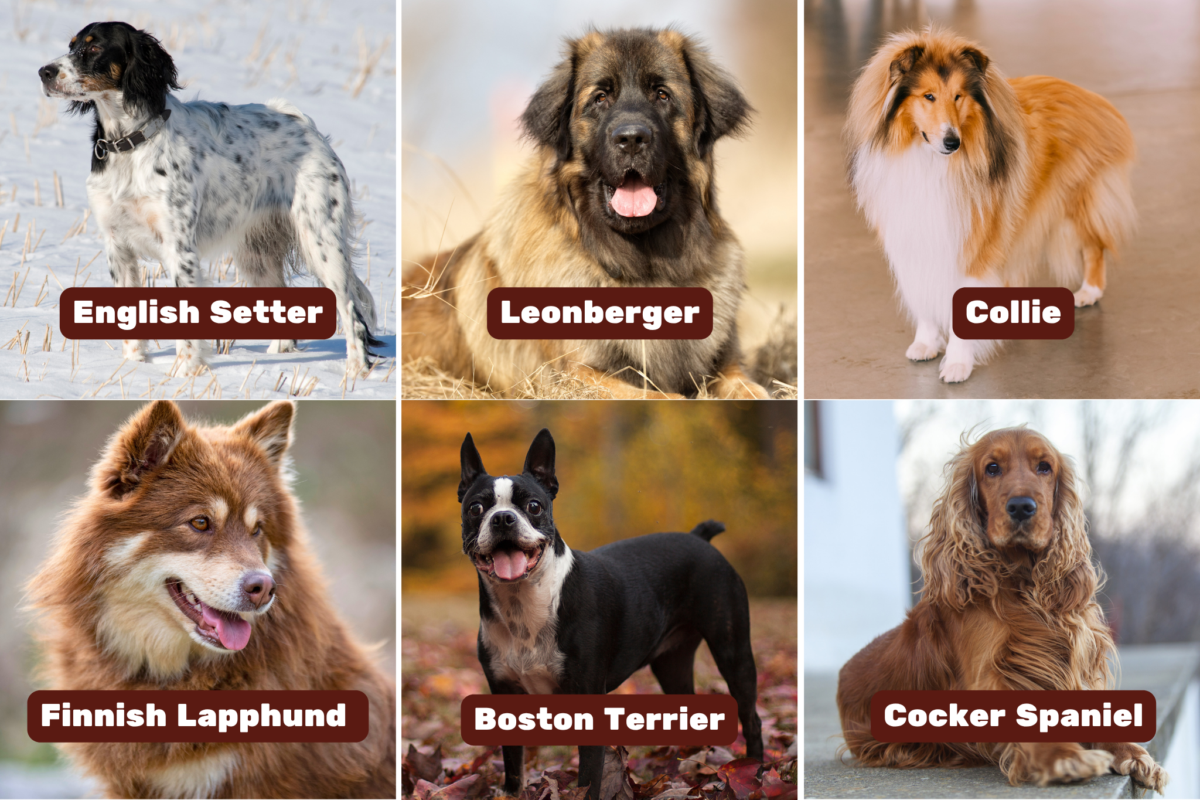
No dog is truly “low-maintenance,” but some breeds are generally easier for casual owners to manage than the dogs featured above.
| If You Like… | Consider Instead | Why It May Be Easier |
|---|---|---|
| Australian Shepherd | English Setter, Nova Scotia Duck Tolling Retriever | Still athletic and playful, but often more socially easygoing and less intense than Aussies |
| Siberian Husky | Alaskan Klee Kai, Finnish Lapphund, Keeshond | Similar northern-dog appearance with less extreme endurance and roaming behavior |
| German Shepherd | Collie, Labrador Retriever | Loyal and trainable with less suspicion, guarding intensity, and constant mental pressure |
| Belgian Malinois | Labrador Retriever, Standard Poodle | Intelligent and trainable with less intensity |
| German Shorthaired Pointer | Brittany, English Setter | Still adventurous sporting breeds, but often slightly softer and easier for casual owners to manage |
| Cane Corso | Staffordshire Bull Terrier, Boxer, Bullmastiff | Loyal and protective but often easier for casual owners to manage |
| Rottweiler | Boxer, Labrador Retriever, Bernese Mountain Dog | Loyal and affectionate without the same level of guarding intensity and public perception challenges |
| Tibetan Mastiff | Newfoundland, Bernese Mountain Dog, Leonberger | Large and impressive, but often more social and easier for families to handle |
| Jack Russell Terrier | Miniature Schnauzer, Boston Terrier | Still energetic and playful, but often easier to settle indoors |
| Shiba Inu | American Eskimo Dog, Shetland Sheepdog | Similar foxlike look with more handler focus and trainability |
| French Bulldog | Boston Terrier, Pug | Similar companion-dog appeal with more manageable care needs |
| Cavalier King Charles Spaniel | Havanese, Cocker Spaniel | Affectionate companion breeds that are generally healthier |
Frequently Asked Questions
High-maintenance dogs are not necessarily bad dogs, but they often require far more time, structure, money, and lifestyle adjustment than many owners expect. Below are some of the most common questions people ask before bringing home one of these demanding breeds.
Don’t see your question? Respond in the comments, and we’ll get back to you!
What Is Considered A High-Maintenance Dog?
A high-maintenance dog is a breed that requires significant time, training, exercise, grooming, supervision, medical care, or mental stimulation to stay healthy and manageable. Some dogs are considered high-maintenance because of their nonstop energy and intelligence, while others become demanding due to chronic health problems, grooming needs, or strong protective instincts.
What Is The Difference Between A High-Energy Dog And A High-Maintenance Dog?
High-energy dogs mainly require physical exercise, while high-maintenance dogs may need much more than that. Some dogs become high-maintenance because of grooming needs, medical problems, behavioral intensity, separation anxiety, guarding instincts, or constant mental stimulation requirements.
For example, a dog can be physically calm but still become high-maintenance because of expensive chronic health issues or difficult behavioral tendencies.
What Is The Most High-Maintenance Dog Breed?
There is no single “most” high-maintenance breed because different dogs create different challenges for owners. However, breeds like the Belgian Malinois, Cane Corso, Border Collie, Tibetan Mastiff, and Siberian Husky are commonly considered among the most demanding because of their extreme exercise needs, intelligence, guarding instincts, or behavioral intensity.
Are High-Maintenance Dogs Bad For First-Time Owners?
Many high-maintenance breeds can overwhelm inexperienced owners, especially dogs with strong guarding instincts, intense working drive, or advanced training needs. First-time owners often underestimate how much structure, consistency, and daily management these breeds require.
That does not mean first-time owners can never succeed with these dogs, but choosing the wrong breed for your lifestyle is one of the most common causes of frustration, behavioral problems, and rehoming.
Which High-Maintenance Dog Breeds Shed The Most?
Heavy shedders often include breeds like the Siberian Husky, Akita, German Shepherd, Chow Chow, and Tibetan Mastiff. Many double-coated breeds experience massive seasonal shedding periods known as “blowing coat,” where fur can cover furniture, clothing, floors, and air filters surprisingly quickly.
Which High-Maintenance Dog Breeds Are The Most Expensive?
Some of the most expensive high-maintenance breeds include French Bulldogs, English Bulldogs, Cavalier King Charles Spaniels, Tibetan Mastiffs, and giant guardian breeds prone to orthopedic disease. Costs often come from chronic medical problems, emergency surgeries, grooming, training, liability concerns, or specialized care over the dog’s lifetime.
Are Intelligent Dogs More High-Maintenance?
Often, yes. Highly intelligent breeds usually need more mental stimulation, training, structure, and engagement than dogs bred primarily for companionship. Without enough enrichment, many smart dogs develop destructive, obsessive, anxious, or difficult behaviors.
This is especially common in herding breeds, working dogs, protection dogs, and hunting breeds that were originally developed to solve problems and perform demanding tasks for hours every day.
Can High-Maintenance Dogs Ever Calm Down?
Some dogs naturally mellow with age, especially after adolescence, but breed tendencies usually do not disappear completely. A Husky may become less hyper at age seven, but it will probably still require more exercise and stimulation than the average companion breed.
Training, enrichment, routine, and proper outlets for physical and mental energy often make a much bigger difference than age alone.
Still Searching For The Right Dog?
The best breed for your life is the one that realistically matches your schedule, experience level, budget, and energy. If you are still exploring breeds, these guides can help narrow down what type of dog actually fits your lifestyle: