When you purchase through links on our site, we may earn a commission at no extra cost to you. Learn more.
There’s something special about a dog who loves your whole family. The one who races to greet the kids after school, curls up beside you after a long day, and somehow makes every family moment a little better just by being there.
Table of Contents
The most affectionate dogs for families aren’t all lap dogs. Some show their love through nonstop play, others through gentle companionship, and a few have absolutely no concept of personal space.
From little cuddlebugs to oversized sweethearts, these 20 breeds bring plenty of love to family life. And some of the most devoted family companions might not be the breeds you’d expect.

What Kind Of Affection Does Your Family Actually Want?
Not every affectionate dog expresses love the same way. Some want constant physical contact, while others would rather spend the afternoon chasing a ball with the kids.
Which kind of lovebug best matches your family?
- The Snuggler: Believes personal space is a ridiculous human invention.
- The Playmate: Shows affection by bringing you a ball approximately 47 times an hour.
- The Family Shadow: Needs to know where everyone is and what they’re doing at all times.
- The Adventure Buddy: Would follow the family to the ends of the earth, preferably somewhere with hiking trails.
- The Gentle Companion: Offers affection through calm company, leaning against you, or settling nearby.
And some dogs manage to be several of these before breakfast.
5 Affectionate Family All-Stars Who Want In On Everything
Some dogs are perfectly happy watching family life unfold from a comfortable spot on the couch. These five would rather be right in the middle of it.
Whether it’s backyard games, weekend outings, or everyone piling into the living room, these affectionate breeds love being included. And they’re not particularly concerned about whether there’s enough room for them.
1. Labrador Retriever
Labradors approach family life with the unwavering optimism of someone who’s never had a bad day. Whatever you’re doing, they’re convinced it would be better with a Labrador involved. Backyard soccer? Absolutely. Swimming at the lake? Even better. Making sandwiches? They’ve been monitoring that situation since you opened the refrigerator.
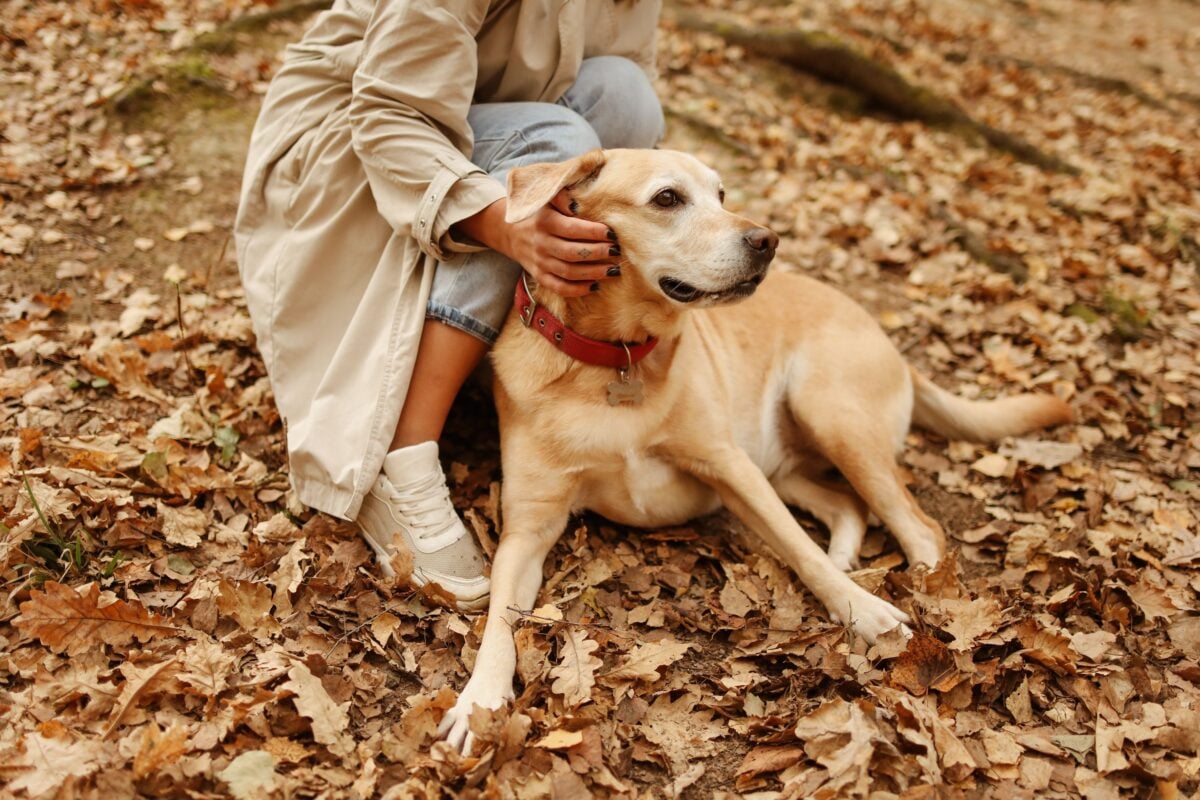
What makes Labs such wonderful family companions is their enthusiasm for sharing experiences. They’re typically just as delighted to retrieve a ball for the kids as they are to greet everyone at the door, and their friendly, eager-to-please nature makes training especially rewarding.
Of course, a young Lab’s enthusiasm often exceeds its understanding of physics. A 70-pound adolescent Lab charging toward a toddler with a tennis ball and the purest intentions can still produce a fairly spectacular collision.
Breed Breakdown
- Size: Large, 55–80 pounds
- Affection Style: Enthusiastic, playful, and devoted to the whole family
- Family Energy: High; needs plenty of daily exercise and interaction
- Kids: Typically excellent, but young Labs can be boisterous
- Grooming: Easy coat care, but heavy shedding
- Biggest Consideration: High energy and exuberance, especially during adolescence
2. Boxer
Boxers have two speeds: enthusiastically participating in family life and collapsing dramatically against someone they love. Sometimes they manage both within the same five minutes.
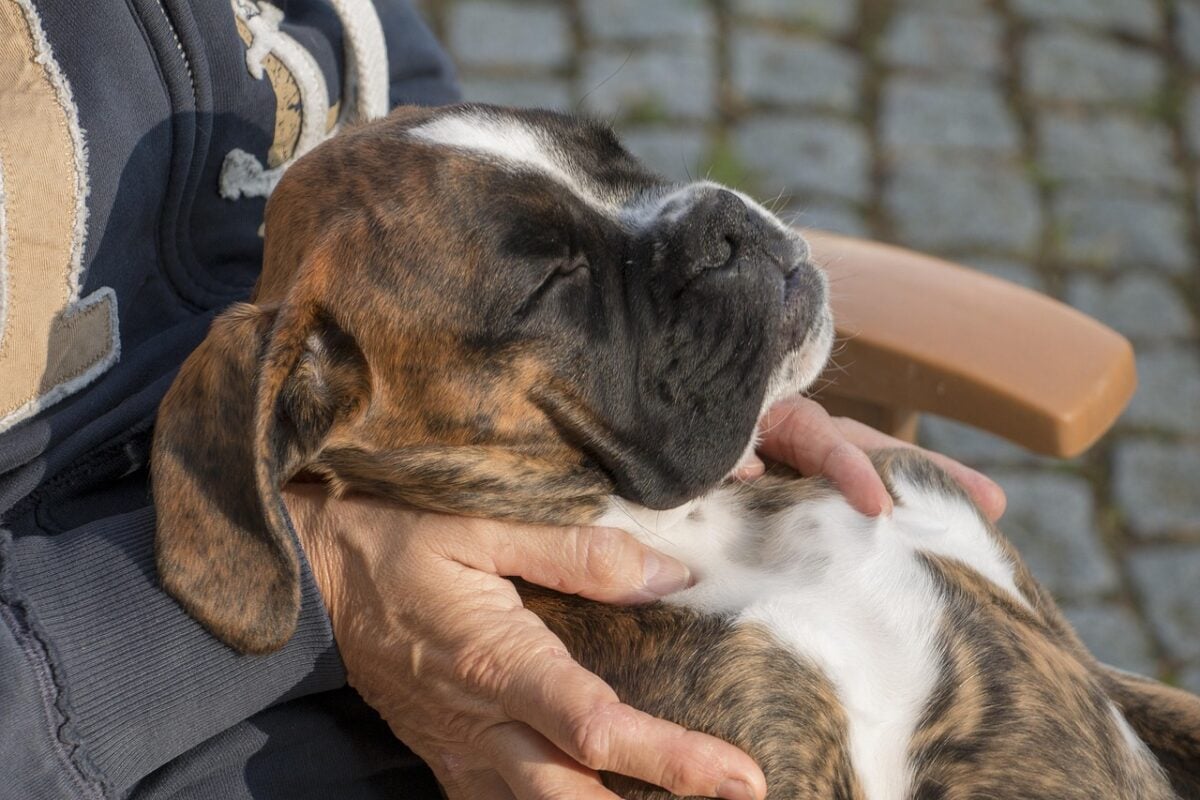
These muscular goofballs are famously affectionate, playful, and devoted to their families. Despite their tough appearance, many Boxers have a surprisingly sensitive side and respond closely to their family’s moods. They’re just as likely to press against you for comfort as they are to invite the kids into another backyard game.
What makes Boxers especially entertaining is how they express affection with their entire bodies. There’s the famous Boxer wiggle, the enthusiastic bouncing, and the occasional attempt to squeeze 70 pounds of muscle into someone’s lap.
Early training is essential, especially around younger children who may not appreciate being greeted like long-lost relatives returning from war.
Breed Breakdown
- Size: Medium to large, roughly 50–80 pounds
- Affection Style: Physical, playful, and enthusiastically devoted
- Family Energy: High; needs daily exercise and interactive play
- Kids: Often excellent with children, but can accidentally knock over little ones
- Grooming: Low maintenance with moderate shedding
- Biggest Consideration: High energy and potential health concerns (breathing difficulties, heart disease, certain cancers)
3. Golden Retriever
Golden Retrievers have a remarkable talent for making everyone in the family feel like their favorite person. The kids get an enthusiastic playmate, the adults get a devoted companion, and visiting grandparents are treated like beloved relatives returning from a decade overseas.
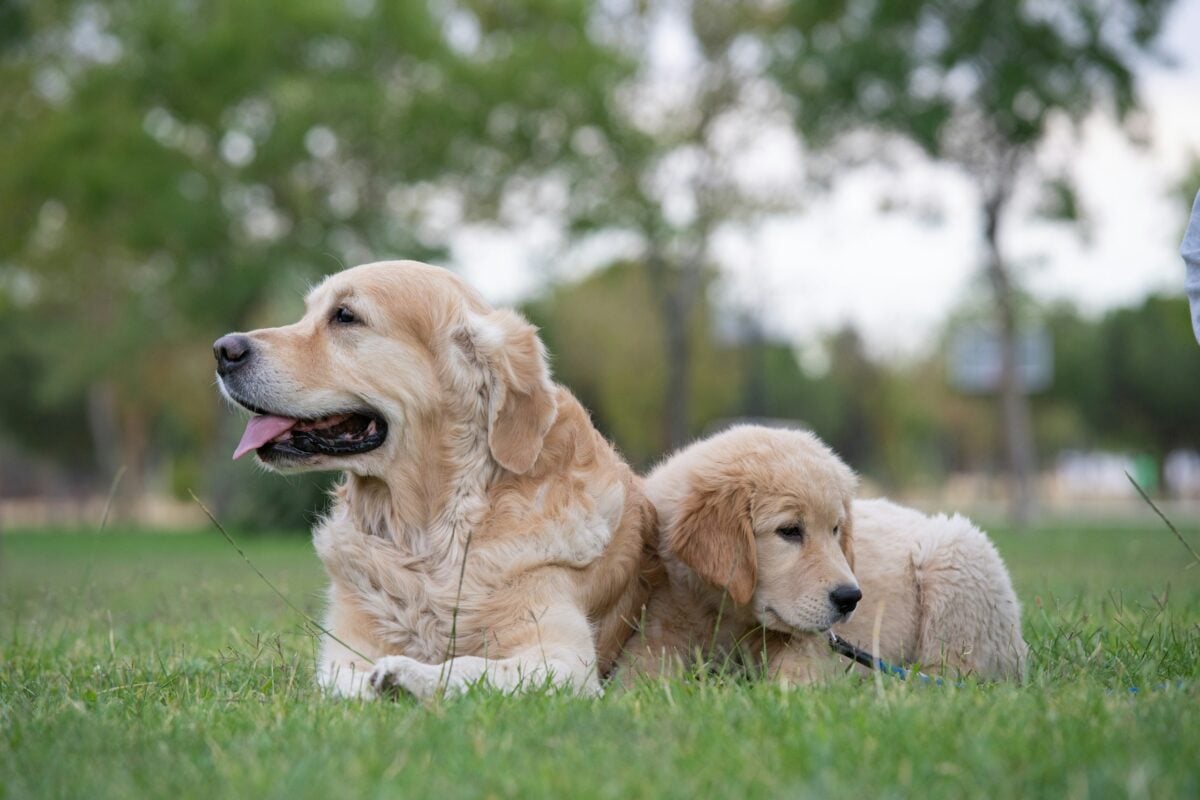
Goldens have a wonderful way of balancing playful enthusiasm with genuine gentleness. Originally developed to retrieve game for hunters, they’re naturally inclined to cooperate with humans, which helps explain their eagerness to please and enthusiasm for family activities.
Many Goldens also seem remarkably good at adjusting their approach to different people. They can be gloriously goofy during backyard games and surprisingly tender during quieter moments. Of course, their beautiful coats have one less charming feature: the ability to distribute golden fur across every piece of black clothing you own.
Breed Breakdown
- Size: Large, 55–75 pounds
- Affection Style: Gentle, demonstrative, and devoted to the whole family
- Family Energy: High; enjoys daily exercise, play, and family activities
- Kids: Typically patient, playful, and affectionate
- Grooming: Frequent brushing and substantial shedding
- Biggest Consideration: Exercise needs and health predispositions (certain cancers, hip and elbow dysplasia, heart disease)
4. Rough Collie
Lassie became the ultimate symbol of canine devotion for a reason. Rough Collies have a remarkable talent for keeping track of their favorite humans. However, most family emergencies involve someone leaving the backyard gate open rather than Timmy falling down a well.
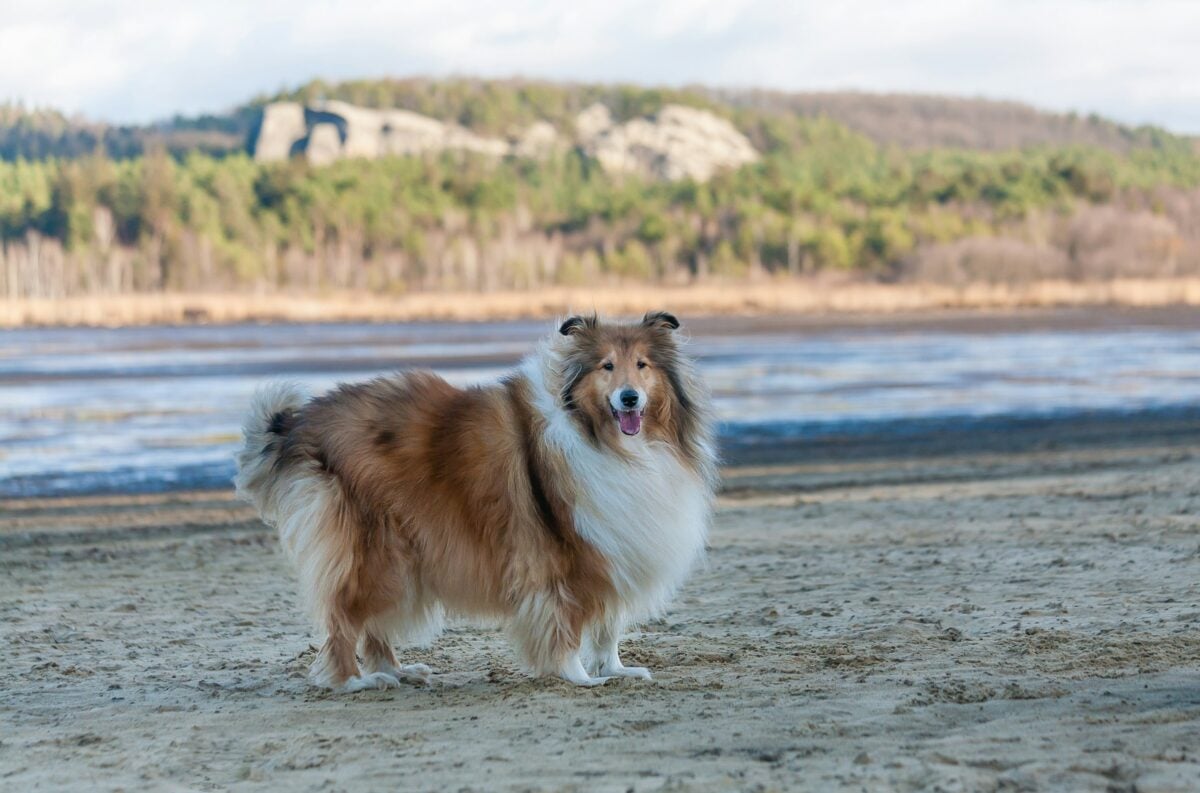
Originally bred to herd livestock, Rough Collies are naturally attentive and responsive to what’s happening around them. Their affectionate, sensitive nature makes them devoted family companions, and they’re especially known for their gentle relationships with children. Of course, a backyard full of running kids may inspire an attempt to restore order, particularly if everyone insists on moving in different directions.
Collies are intelligent, eager to cooperate, and respond well to positive training. They also tend to have opinions worth sharing, so expect occasional commentary about visitors, unfamiliar noises, and suspicious activity beyond the fence.
Breed Breakdown
- Size: Medium to large, roughly 50–75 pounds
- Affection Style: Attentive, gentle, and devoted to family
- Family Energy: Moderate to high; enjoys walks, play, and mental stimulation
- Kids: Typically gentle and affectionate; may try to herd running children
- Grooming: Frequent brushing, heavy seasonal shedding
- Biggest Consideration: Coat maintenance, barking, and breed-related health concerns (Collie eye anomaly, MDR1 drug sensitivity)
5. Standard Poodle
Don’t let the fancy haircuts fool you. Underneath those carefully sculpted curls is an athletic, affectionate family dog who would probably rather be splashing through a muddy creek than posing for a photograph.
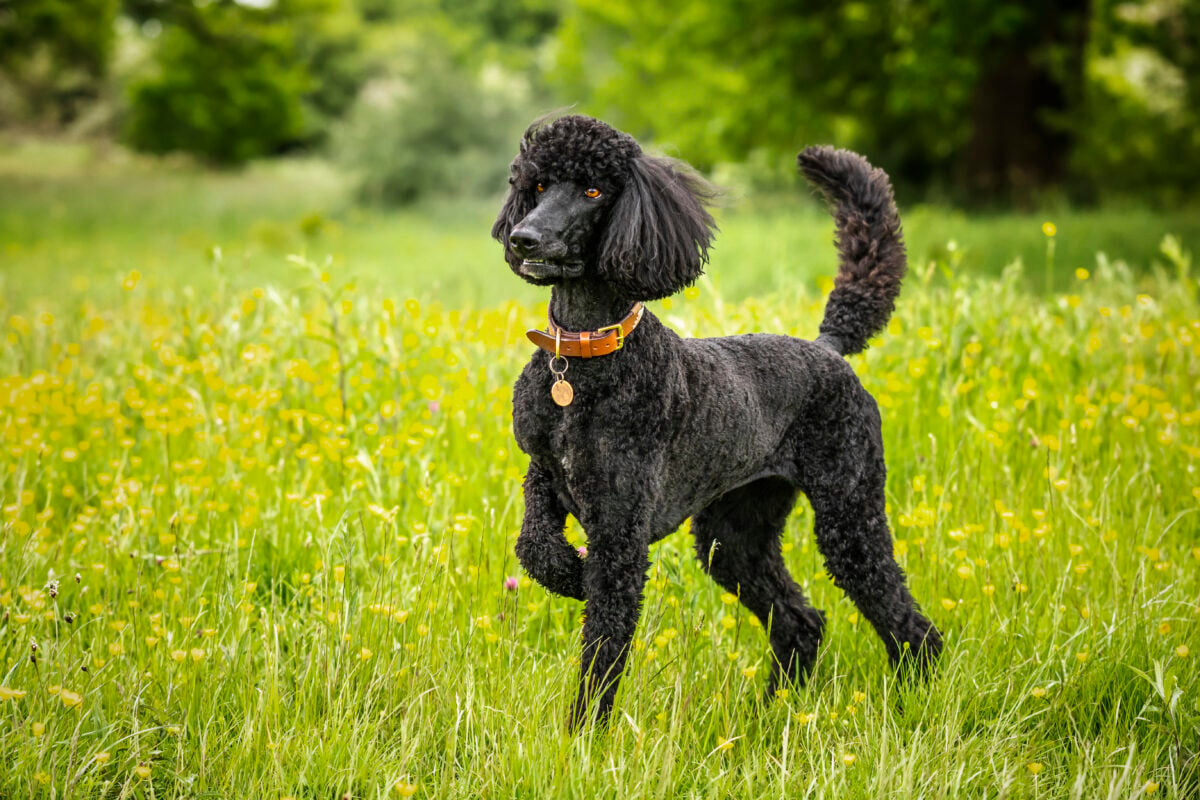
Originally bred as water retrievers, Standard Poodles are natural athletes with impressive problem-solving skills. They’re especially good at turning family interaction into a learning opportunity, whether that’s mastering a new trick, figuring out a puzzle toy, or discovering which family member can be persuaded to throw the ball one more time.
But living with a dog this clever can be humbling. Leave a bored Poodle to invent its own entertainment, and you may discover it’s been studying how to open the pantry while you were busy admiring its haircut.
Breed Breakdown
- Size: Medium to large, typically 40–70 pounds
- Affection Style: Attentive, interactive, and deeply connected to family
- Family Energy: High; enjoys exercise, games, and mental challenges
- Kids: Typically playful and affectionate with respectful children
- Grooming: Low shedding, but regular brushing and professional clipping are needed
- Biggest Consideration: High mental stimulation needs, grooming demands, and potential health concerns (bloat/GDV, hip dysplasia, sebaceous adenitis)
6 Small & Medium Lovebugs Who Prefer Family Life Up Close
Not every family needs a big dog taking up half the couch. These smaller companions pack plenty of affection into more manageable sizes, although some still manage to claim an unreasonable amount of furniture.
1. Cavalier King Charles Spaniel
The Cavalier King Charles Spaniel has centuries of experience making itself comfortable in someone else’s lap. These little charmers were bred to be companions to royalty, and they’ve never entirely abandoned the idea that their rightful place is on the finest seat in the house, preferably with a human already occupying it.
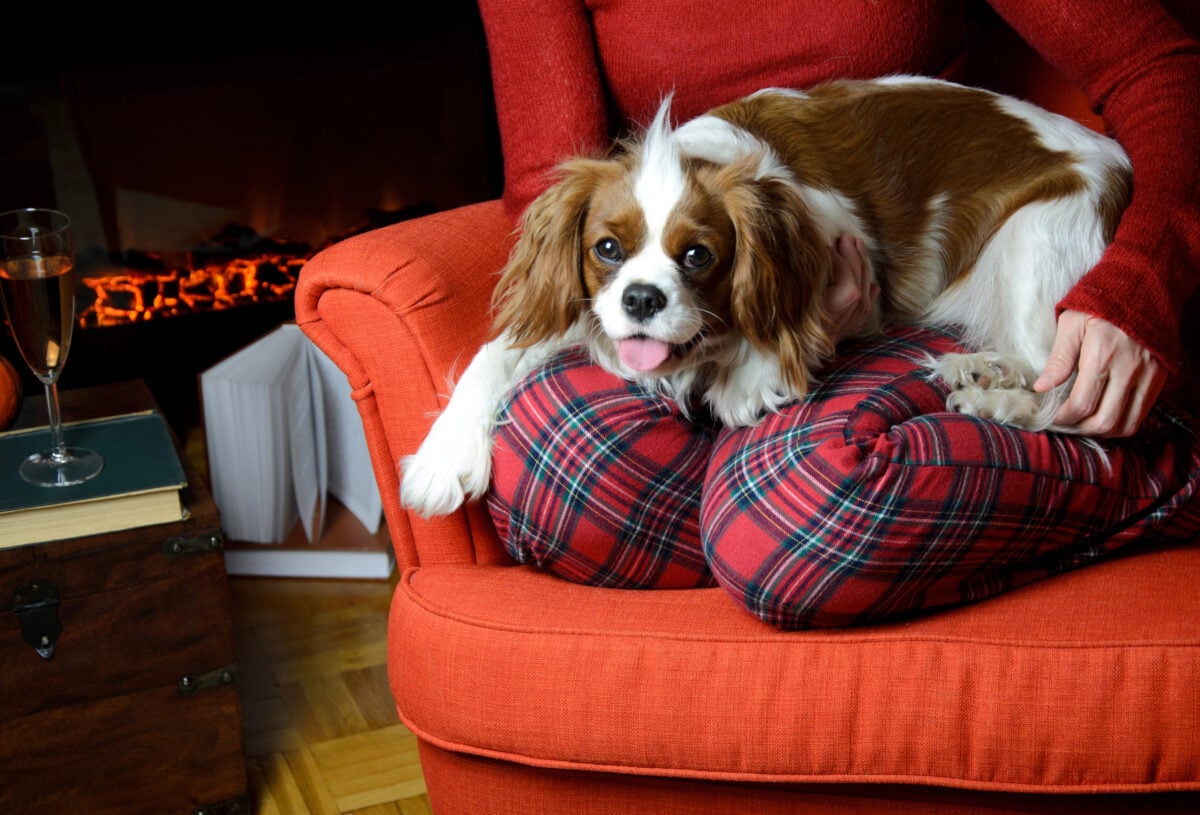
What makes Cavaliers especially lovable is their gentle, adaptable affection. They’re often just as happy playing with the kids as they are curling up beside a grandparent for an afternoon nap. Unlike some more demanding breeds, they generally don’t need an exhausting activity schedule to feel included.
Their sweet, sociable nature makes them appealing family companions. However, their small size calls for gentle handling, especially around toddlers who haven’t mastered the difference between a cuddle and a full-body squeeze.
Breed Breakdown
- Size: Small, 13–18 pounds
- Affection Style: Snuggly, gentle, and devoted to human companionship
- Family Energy: Low to moderate; enjoys walks and gentle play
- Kids: Typically affectionate and patient; best with gentle, supervised interactions
- Grooming: Regular brushing, moderate shedding, and ear care
- Biggest Consideration: Significant inherited health concerns (mitral valve disease, syringomyelia, other neurological disorders)
2. Havanese
The Havanese has a long history of charming humans, and these little Cuban companions still seem to believe entertaining the family is part of their job description. Give them an audience, and they’ll happily show off a new trick, bounce around the living room, or invent a game nobody remembers agreeing to play.
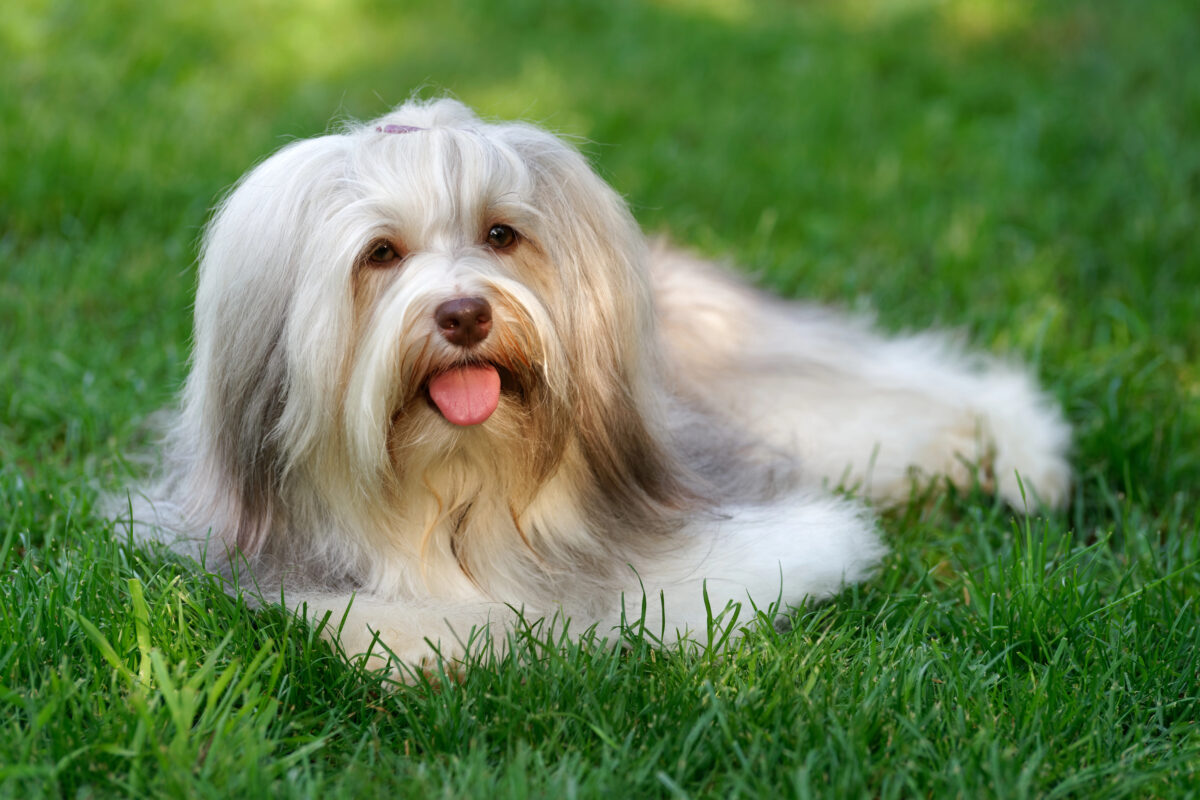
Originally developed as companion dogs, Havanese bring a playful, sociable energy to family life. They’re delightful companions for families who enjoy teaching tricks, playing games, and including a little dog in everyday adventures.
They’re clever, surprisingly sturdy for their size, and often eager to make friends. But all that enthusiasm for human company has a downside: Havanese generally prefer plenty of companionship and may struggle with long stretches alone. They’d much rather help the kids with homework, even if their contribution is mostly sitting on the worksheet.
Breed Breakdown
- Size: Small, 7–13 pounds
- Affection Style: Playful, sociable, and eager to entertain
- Family Energy: Moderate; enjoys daily walks, games, and interactive play
- Kids: Typically playful and affectionate; gentle handling is important
- Grooming: High maintenance; frequent brushing and regular trimming
- Biggest Consideration: Significant grooming commitment and difficulty tolerating extended periods alone
3. Cocker Spaniel
Cocker Spaniels have perfected a look that makes even the most reasonable human question every decision they’ve ever made. Those enormous, soulful eyes can turn a simple request for a biscuit into an emotional negotiation, and somehow, the Cocker usually wins.
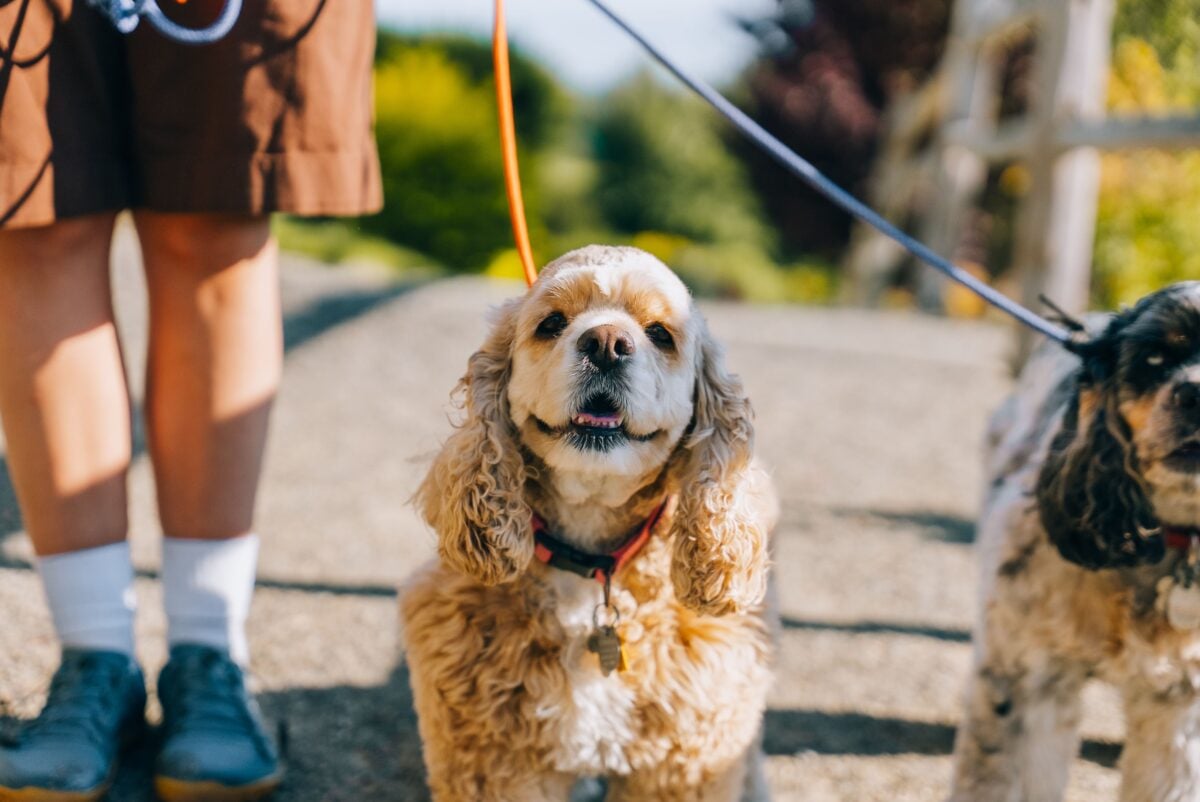
But these silky-eared sweethearts have more to offer than innocent expressions. Originally bred to flush and retrieve game birds, Cockers combine sporting-dog enthusiasm with a wonderfully affectionate nature. They’re often happiest alternating between games with the kids and curling up beside someone ready for a little company.
Their sensitive personalities are part of what makes them such endearing companions. Cockers tend to respond beautifully to gentle encouragement and positive training, while harsh corrections can leave them overwhelmed.
Breed Breakdown
- Size: Small to medium, roughly 20–30 pounds
- Affection Style: Gentle, cuddly, and eager for human attention
- Family Energy: Moderate; enjoys daily walks, games, and family activities
- Kids: Typically affectionate and playful; best with respectful handling
- Grooming: High maintenance; regular brushing, trimming, and ear care
- Biggest Consideration: Coat upkeep, ear infections, and sensitivity to harsh handling
4. Beagle
A Beagle can adore every member of your family and still abandon you mid-conversation because a squirrel passed through the yard three hours ago. Their loyalty is unquestionable. Their priorities are occasionally negotiable.

Originally bred to hunt in packs, Beagles are naturally sociable dogs who enjoy the company of people and other dogs. They tend to approach family life with cheerful enthusiasm, making them entertaining playmates for children and affectionate companions when the day’s adventures are over.
But that famous nose comes with a mind of its own. Once a Beagle catches an interesting scent, the rest of the world can become remarkably unimportant, including the human calling their name from six feet away. Secure fencing, patient training, and plenty of opportunities to sniff are essential for these lovable little detectives.
Breed Breakdown
- Size: Small to medium, roughly 20–30 pounds
- Affection Style: Sociable, playful, and devoted to their family pack
- Family Energy: Moderate to high; needs daily walks, play, and opportunities to sniff
- Kids: Typically friendly, sturdy, and enthusiastic playmates
- Grooming: Easy coat care with moderate shedding
- Biggest Consideration: Scent-driven independence, vocal tendencies, and a strong instinct to follow their noses
5. Boston Terrier
There’s something wonderfully ridiculous about a dog dressed like it’s attending a formal dinner who behaves as though every day is a surprise birthday party. Boston Terriers may be nicknamed the American Gentleman, but their manners don’t always extend to keeping their excitement under control.
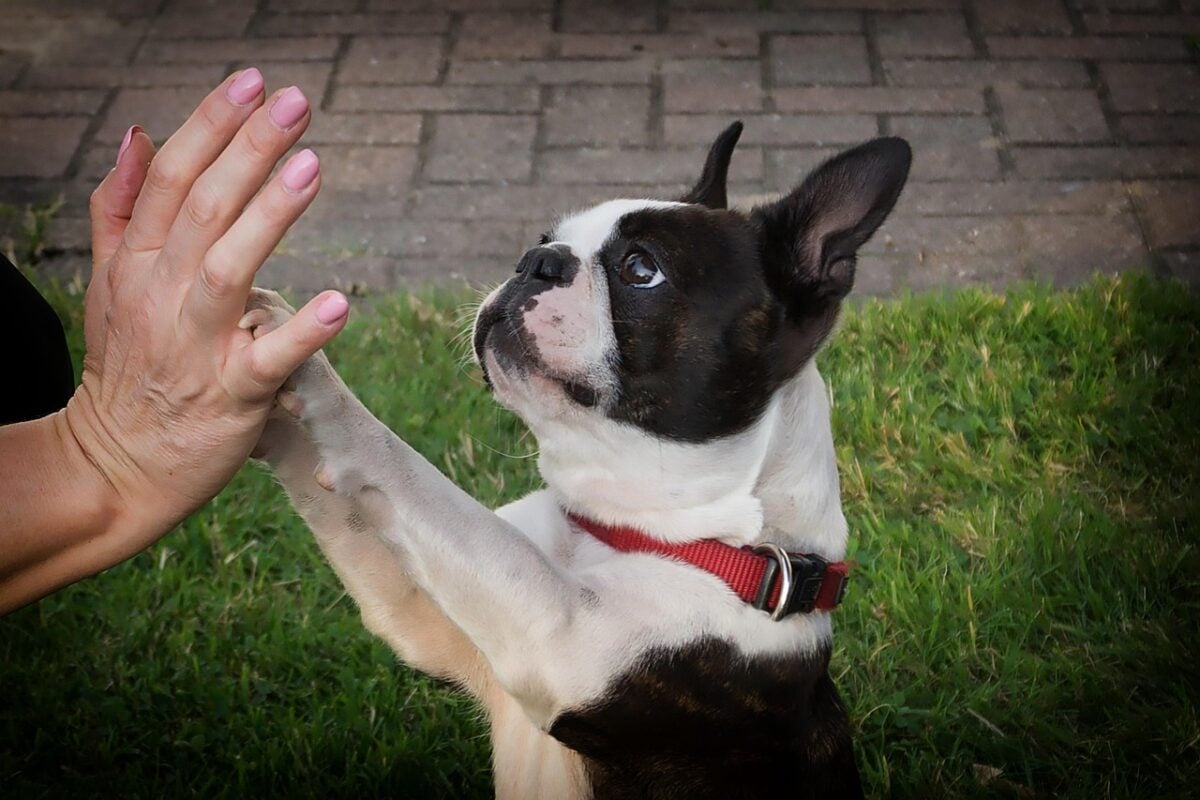
Developed in the United States as companion dogs, Bostons are affectionate, expressive little characters who thrive on human interaction. They’re often wonderfully entertaining with children, bringing a combination of playful energy, curiosity, and genuine fondness for their favorite people.
And those enormous eyes and expressive faces? A Boston can make an ordinary household disagreement look like a dramatic courtroom proceeding. They’re clever, generally eager to learn, and small enough for many homes, although their enthusiasm can occasionally outrun their ability to follow instructions.
Breed Breakdown
- Size: Small, 12–25 pounds
- Affection Style: Playful, sociable, and physically affectionate
- Family Energy: Moderate; enjoys daily walks and interactive games
- Kids: Typically friendly and playful; supervise enthusiastic interactions
- Grooming: Easy coat care with light to moderate shedding
- Biggest Consideration: Flat-faced anatomy and associated health concerns (breathing difficulties, overheating, eye injuries)
6. Whippet
A Whippet can reach speeds of around 35 mph, yet somehow considers walking across the living room to retrieve a toy an unreasonable request. These sleek little athletes have mastered the art of doing absolutely nothing between bursts of extraordinary speed.
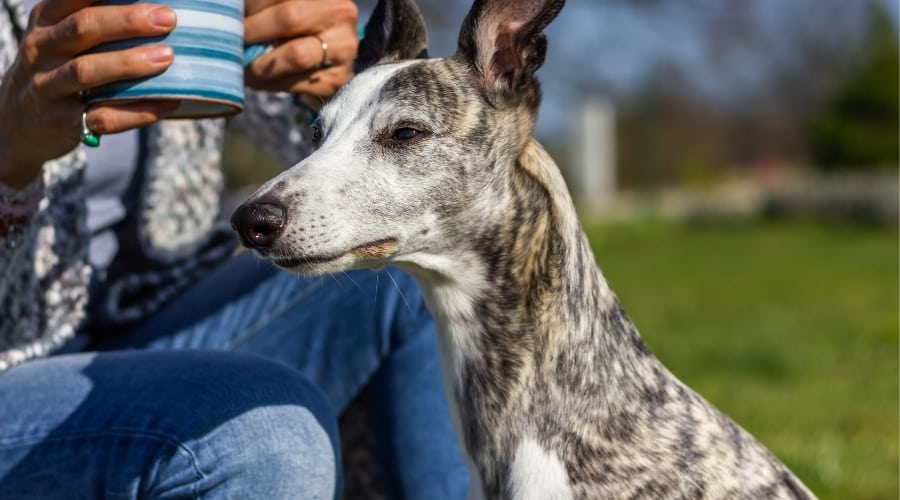
Originally bred to chase small game and later used in racing, Whippets are surprisingly gentle, affectionate companions at home. Their favorite family activity often involves finding the warmest human and arranging themselves against them like a furry heating pad. They’re typically calm indoors and especially fond of soft furniture, blankets, and uninterrupted naps.
For families who appreciate a quieter kind of affection, Whippets offer an appealing combination of athleticism and laid-back companionship. They enjoy running and playing with respectful children, but their sensitive nature and slender build make roughhousing a poor match.
Breed Breakdown
- Size: Medium, roughly 25–40 pounds
- Affection Style: Gentle, snuggly, and fond of close physical contact
- Family Energy: Moderate; enjoys daily walks and opportunities to run safely
- Kids: Typically gentle and affectionate; better suited to respectful, less physical play
- Grooming: Very low maintenance with minimal coat care
- Biggest Consideration: Strong prey drive, sensitivity to cold, and a delicate build compared with sturdier breeds
5 High-Energy Lovebugs For Active Families
Some dogs show their affection by curling up beside you. These dogs would rather join you on a five-mile hike, chase a ball until your throwing arm gives out, and then climb into your lap like they haven’t seen you in weeks.
For families who love staying active, these affectionate breeds bring plenty of energy, enthusiasm, and devotion. Just be prepared to keep up.
1. Vizsla
Imagine a dog built to run for miles who somehow can’t tolerate six inches of space between you on the couch. That’s the Vizsla, an extraordinary athlete with the emotional attachment of a lap dog. This breed is often cited as the ultimate velcro dog.
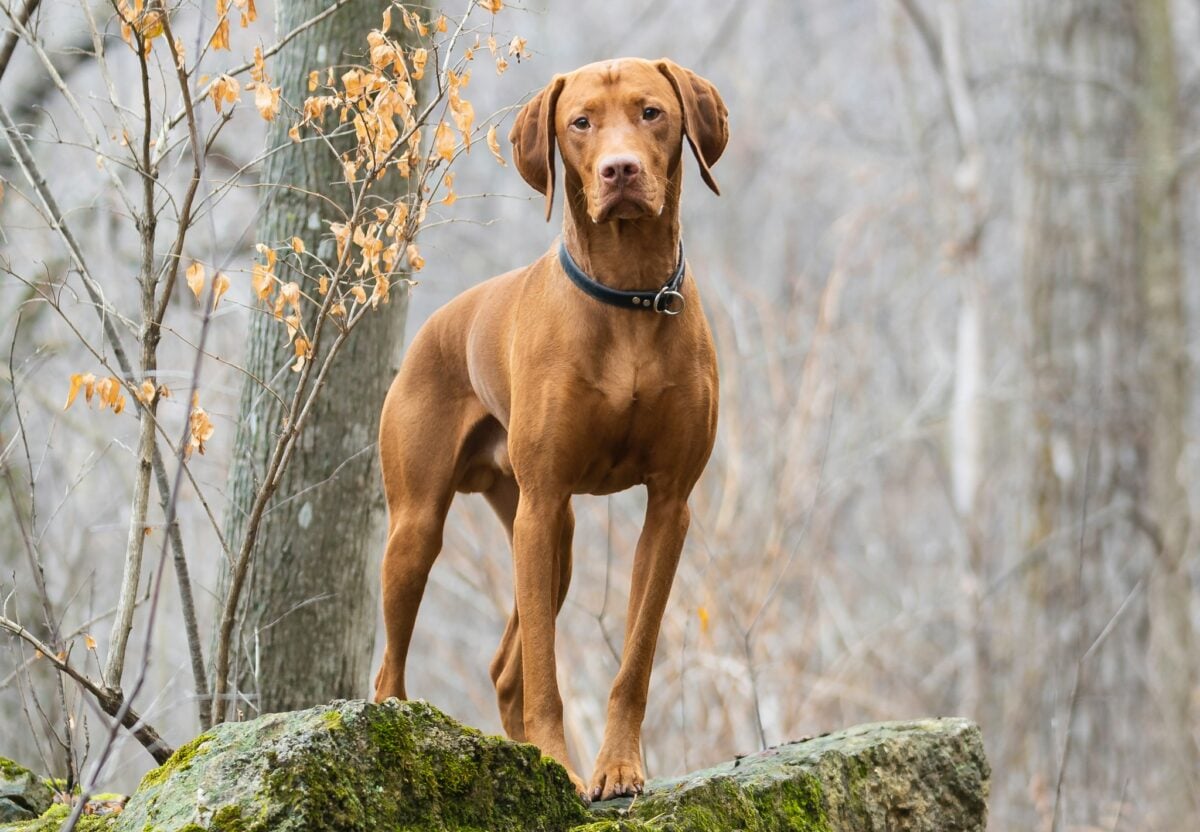
Originally bred to hunt alongside people, Vizslas thrive on close companionship and shared activity. They don’t just want to live with your family. They want to experience absolutely everything with you. Morning runs, backyard games, weekend hikes, and whatever mysterious business you’re conducting behind the bathroom door.
Their affectionate nature can be wonderful for active families, but these sensitive dogs need more than occasional playtime. A bored, lonely Vizsla can become an impressive household demolition enthusiast. Give them plenty of exercise, mental challenges, and togetherness, and they’ll happily finish an exhausting day attempting to merge with you on the sofa.
Breed Breakdown
- Size: Medium to large, roughly 44–60 pounds
- Affection Style: Intensely attached, physically affectionate, and devoted to family
- Family Energy: Very high; needs substantial daily exercise and mental stimulation
- Kids: Typically affectionate and playful, but exuberance may overwhelm younger children
- Grooming: Very low maintenance with light shedding
- Biggest Consideration: Intense exercise and companionship needs; may struggle with extended periods alone
2. English Springer Spaniel
An English Springer Spaniel doesn’t need a particularly exciting family outing to have the time of its life. A walk through the woods, a game of fetch, or helping the kids search for a missing soccer ball can all qualify as the greatest day in recorded history.
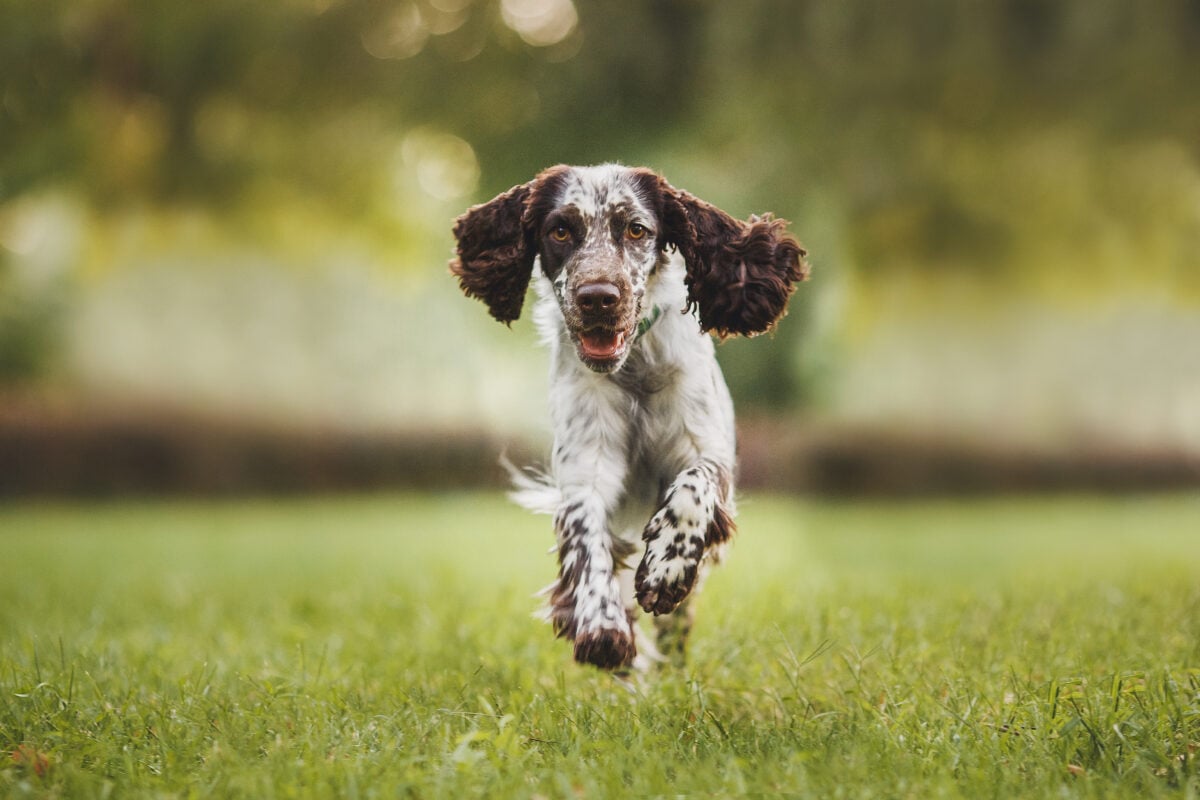
Springers were bred to work closely with people, and that cooperative spirit carries into family life. They’re affectionate, eager to please, and happiest when they’re doing something with you. Give one a job, even something as simple as retrieving a toy, and you’ll have an enthusiastic volunteer who takes the assignment very seriously.
Their cheerful personalities make them wonderful companions for active children, but they need more than a backyard to burn off energy. Without regular exercise and mental challenges, a Springer may start exploring alternative hobbies, such as reorganizing your garden.
Breed Breakdown
- Size: Medium, roughly 40–50 pounds
- Affection Style: Cooperative, enthusiastic, and eager for shared activities
- Family Energy: High; needs daily exercise, interactive games, and mental stimulation
- Kids: Typically friendly, playful, and affectionate
- Grooming: Regular brushing, occasional trimming, and ear care
- Biggest Consideration: Substantial exercise needs and potential health concerns (hip dysplasia, eye disorders, ear infections)
3. Irish Setter
Irish Setters have the looks of aristocrats and the personalities of teenagers who just discovered they’re allowed to have friends over. These gorgeous redheads are affectionate, outgoing, and gloriously enthusiastic about life, especially when their favorite humans are involved.
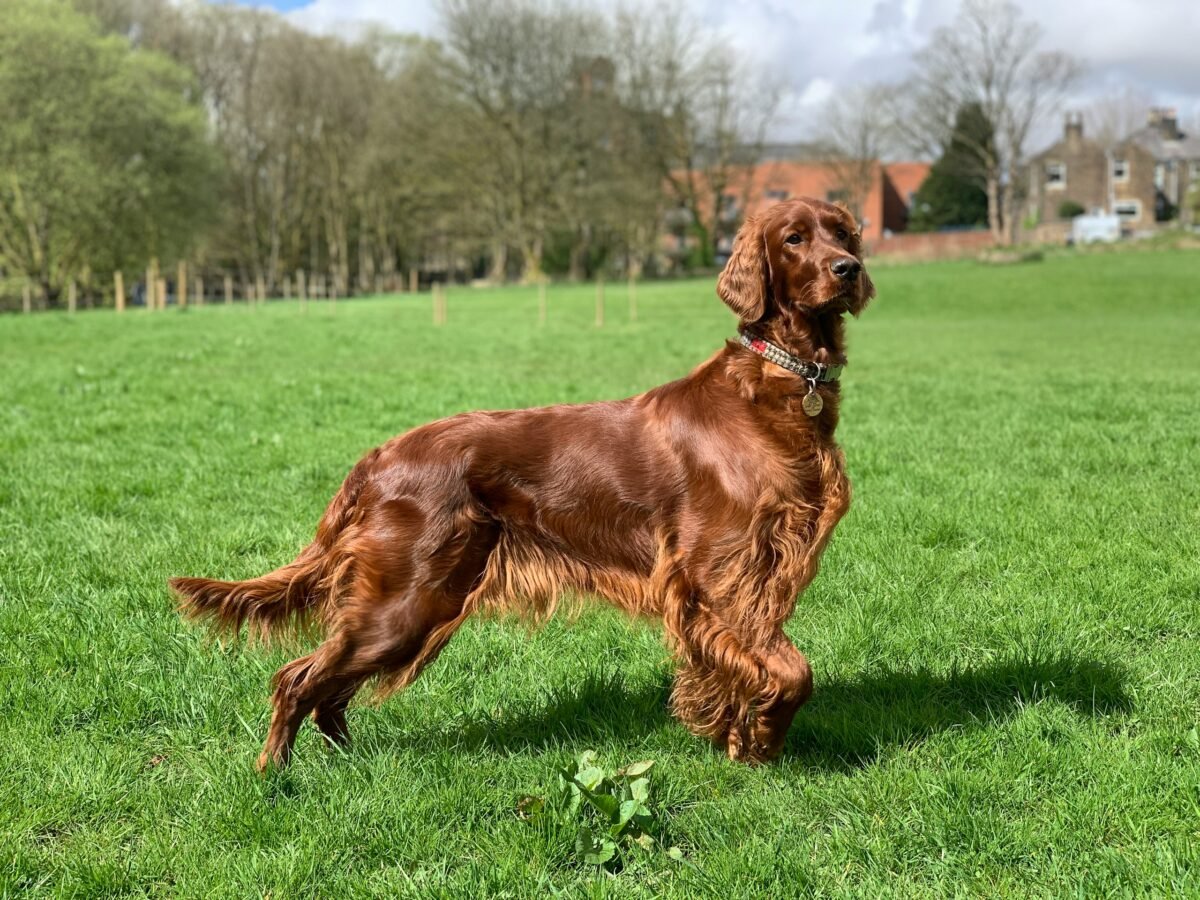
They’re known for their playful, sweet-natured personalities and often form wonderful relationships with active children. An Irish Setter can turn an ordinary afternoon into a full-scale family sporting event, complete with enthusiastic laps around the yard and absolutely no interest in calling it a day.
The catch? These dogs tend to mature slowly, so that goofy, puppy-like behavior can stick around longer than you might expect. Patient training, plenty of exercise, and a family willing to embrace a little chaos are essential.
Breed Breakdown
- Size: Large, roughly 60–70 pounds
- Affection Style: Exuberant, playful, and openly affectionate
- Family Energy: Very high; thrives on vigorous exercise and outdoor adventures
- Kids: Typically enthusiastic and affectionate; may overwhelm smaller children
- Grooming: Regular brushing and occasional trimming to prevent tangles
- Biggest Consideration: High exercise demands, slow maturity, and potential health concerns (bloat, hip dysplasia, progressive retinal atrophy)
4. Brittany
A Brittany can spot a bird halfway across a field, investigate a fascinating scent, and somehow still keep track of exactly where you are. These lively sporting dogs are happiest when their favorite humans are part of the adventure.
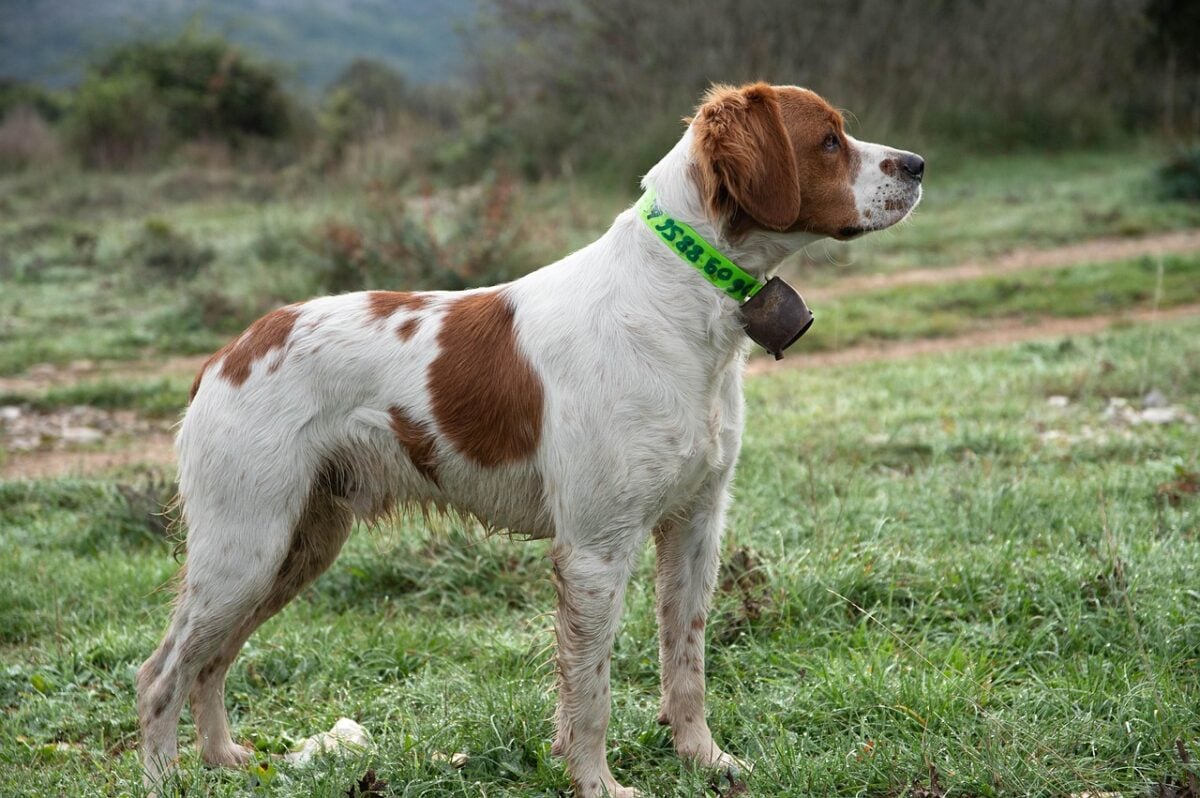
Brittanys were bred to hunt alongside people, and that partnership shows in their affectionate, responsive personalities. They’re enthusiastic about family outings, quick to learn, and often especially rewarding companions for older kids who enjoy hiking, exploring, or teaching a dog new tricks.
But don’t let their manageable size fool you. A Brittany has the energy of a much larger athlete packed into a medium-sized body. A leisurely stroll around the neighborhood probably won’t satisfy a dog who considers an afternoon in the woods a perfectly reasonable warm-up.
Breed Breakdown
- Size: Medium, roughly 30–40 pounds
- Affection Style: Attentive, enthusiastic, and happiest sharing activities
- Family Energy: Very high; needs vigorous daily exercise and mental challenges
- Kids: Typically playful and affectionate; best with active, dog-savvy children
- Grooming: Moderate; regular brushing and occasional trimming
- Biggest Consideration: Demanding exercise needs, strong prey drive, and a tendency to become restless without enough activity
5. Staffordshire Bull Terrier
Staffordshire Bull Terriers have the build of miniature bodybuilders and a remarkable talent for turning themselves into oversized lap dogs. For a breed with so much muscle, they’re surprisingly convinced that cuddling is a full-contact sport.
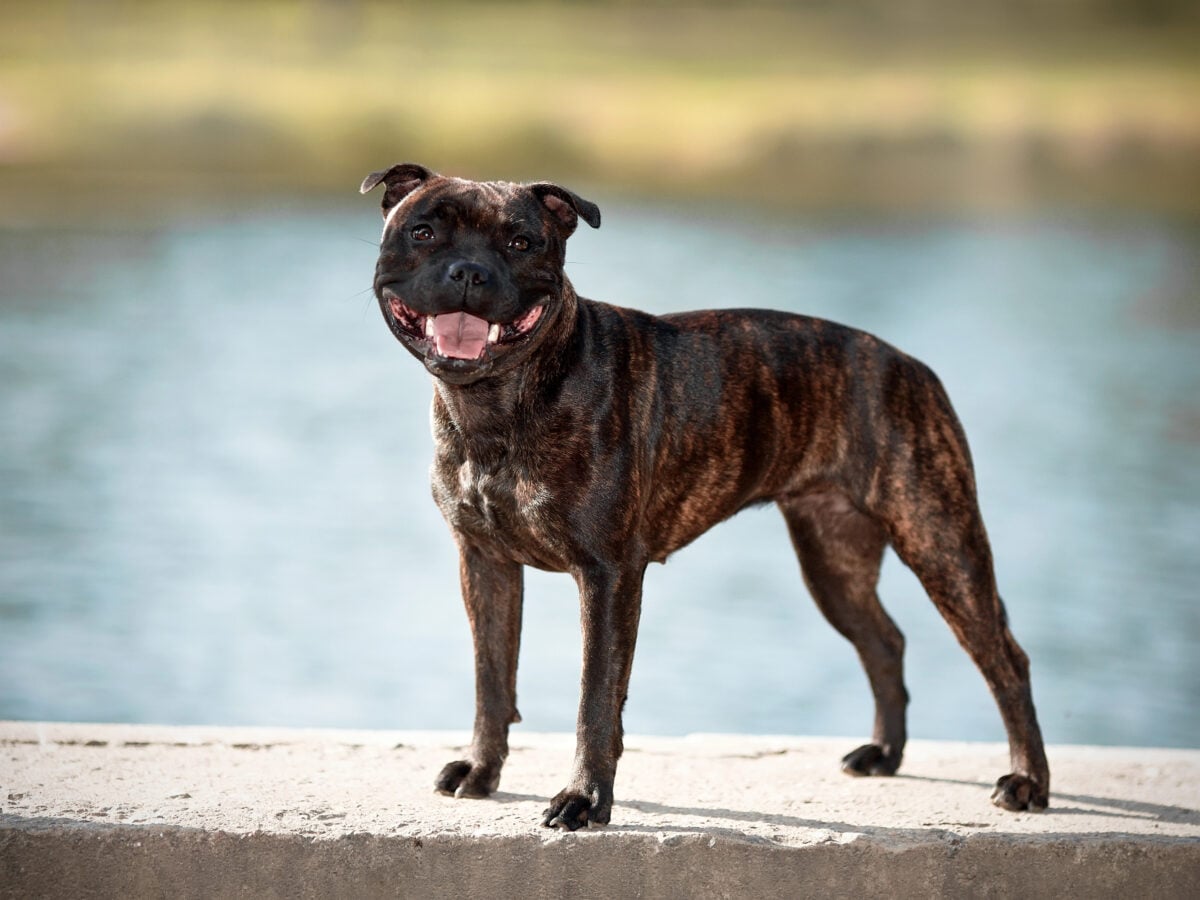
These affectionate, people-oriented dogs often form powerful bonds with their families. Many are enthusiastic playmates who love games, physical affection, and being included in household activities.
Their sturdy bodies and playful personalities can make them wonderful companions for children, though their excitement can sometimes feel like a small wrecking ball with excellent intentions.
Staffies are intelligent and eager to engage with their people, but they can also be determined little characters. Consistent training and early socialization matter, especially since some may be selective or reactive around unfamiliar dogs, even when they’re wonderfully affectionate with humans.
Breed Breakdown
- Size: Small to medium, roughly 24–38 pounds
- Affection Style: Intensely people-loving, cuddly, and physically demonstrative
- Family Energy: Moderate to high; enjoys daily exercise and interactive play
- Kids: Often affectionate and playful; supervision is important due to their strength and enthusiasm
- Grooming: Very easy coat care with moderate shedding
- Biggest Consideration: Strength, dog-to-dog compatibility, and the importance of early socialization and consistent training
4 Gentle Giants With Family-Sized Affection
Some dogs have big hearts. These four have big hearts, enormous bodies, and a remarkable ability to occupy an entire couch while insisting there’s still room for you.
These affectionate giants often form incredibly close bonds with their families, but their size comes with responsibilities. After all, there’s a big difference between a 15-pound dog jumping into your lap and a 150-pound dog doing the same.
1. Old English Sheepdog
An Old English Sheepdog looks like an enormous stuffed animal that somehow escaped from a toy store. But underneath all that shaggy fur is a clever, affectionate herding dog with a mischievous streak and a strong opinion about where everyone should be.
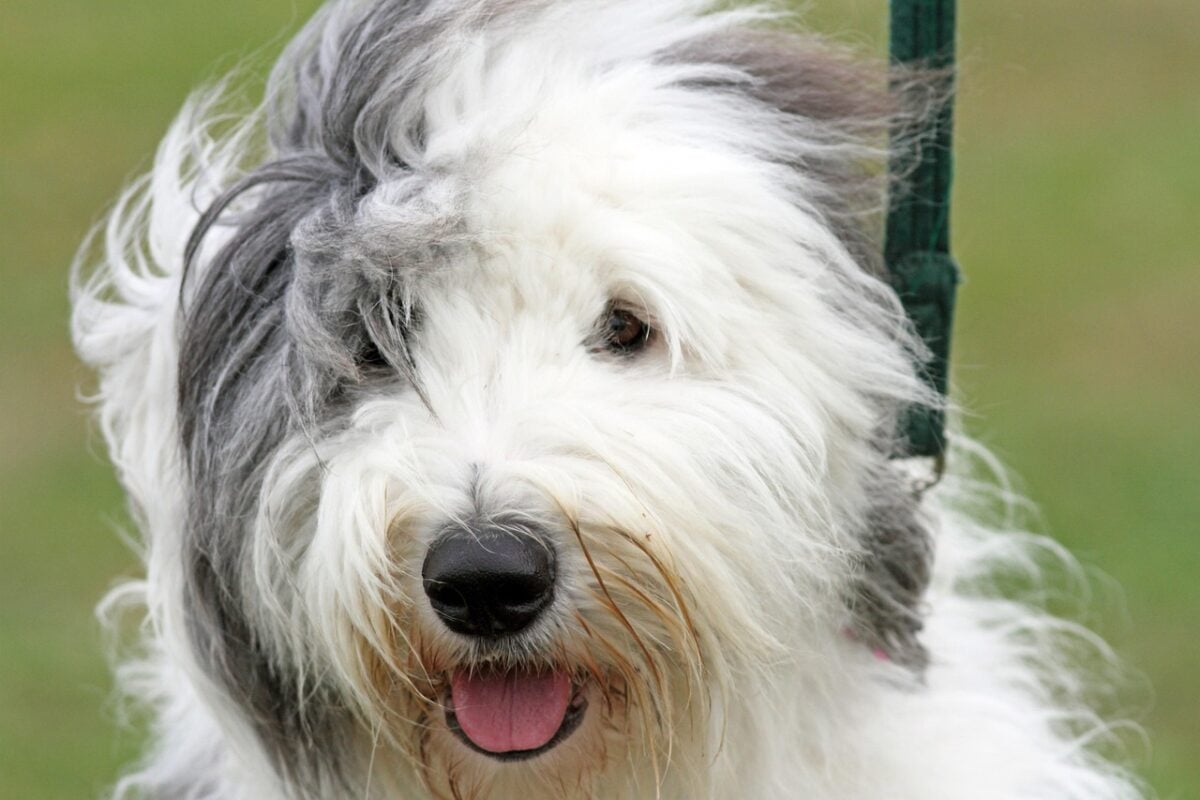
These lovable characters thrive on family involvement and often become devoted companions to children. Their playful, watchful nature can make them feel like an extra member of the parenting team. However, their idea of supervising backyard games may involve circling the kids and attempting to organize everyone into a more manageable group.
Old English Sheepdogs are energetic, intelligent, and occasionally stubborn, so training and daily activity matter. And that magnificent coat? It requires serious upkeep. An entire dog is hiding under there, along with approximately half your backyard.
Breed Breakdown
- Size: Large, roughly 60–100 pounds
- Affection Style: Playful, devoted, and watchful over family activities
- Family Energy: Moderate to high; enjoys daily exercise, games, and mental challenges
- Kids: Typically affectionate and playful; may herd or bump younger children
- Grooming: Very high maintenance; frequent thorough brushing and professional grooming may be needed
- Biggest Consideration: Extensive coat care, herding behavior, and potential health concerns (hip dysplasia, eye disorders, inherited deafness)
2. Newfoundland
Remember Nana, the devoted nursemaid who looked after the Darling children in Peter Pan? In J.M. Barrie’s original story, she was a Newfoundland, inspired by the author’s own black-and-white Newfie named Luath. Apparently, even fictional families recognized the appeal of having a 150-pound sweetheart supervising the nursery.
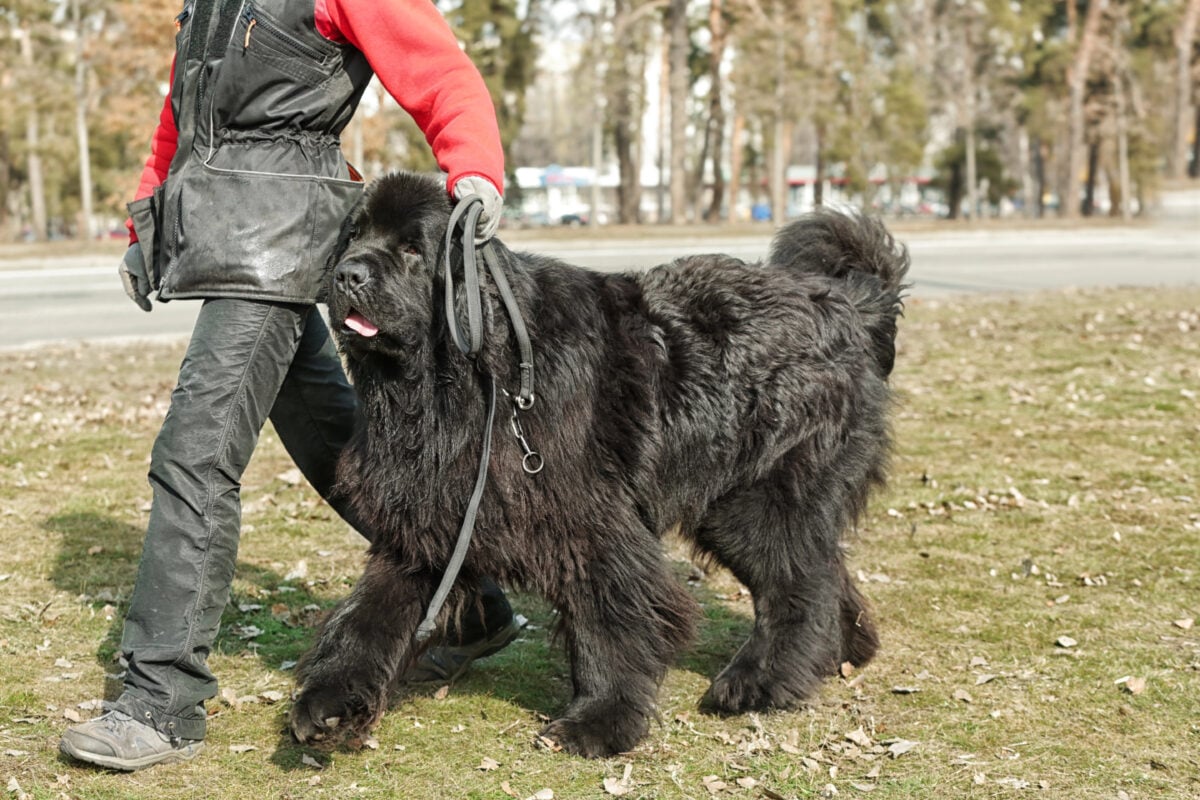
Newfoundlands are famous for their gentle, patient nature, especially around children. These enormous dogs often form strong bonds with the whole family and enjoy being close to their people, whether that means joining backyard adventures or sprawling across the living room like a very affectionate shag carpet.
Their calm disposition doesn’t mean they’re couch potatoes. Newfies enjoy walks, swimming, and family activities, although they’re generally less demanding than high-energy sporting breeds. Just remember that everything about owning one comes in extra-large, including the food bills, grooming sessions, and puddles of drool.
Breed Breakdown
- Size: Giant, roughly 100–150 pounds
- Affection Style: Gentle, patient, and deeply devoted to family
- Family Energy: Moderate; enjoys walks, swimming, and relaxed family activities
- Kids: Typically gentle and patient; supervision is essential due to their size
- Grooming: High maintenance; frequent brushing, heavy shedding, and considerable drooling
- Biggest Consideration: Enormous size, heat sensitivity, and potential health concerns (hip and elbow dysplasia, heart disease)
3. Bernese Mountain Dog
Bernese Mountain Dogs have perfected a particularly touching form of affection: the enormous, soulful-eyed lean that says, “You’re my favorite person, and I’d like to remain physically attached to you for a while.” It’s adorable until you realize you’re supporting half the weight of a small pony.
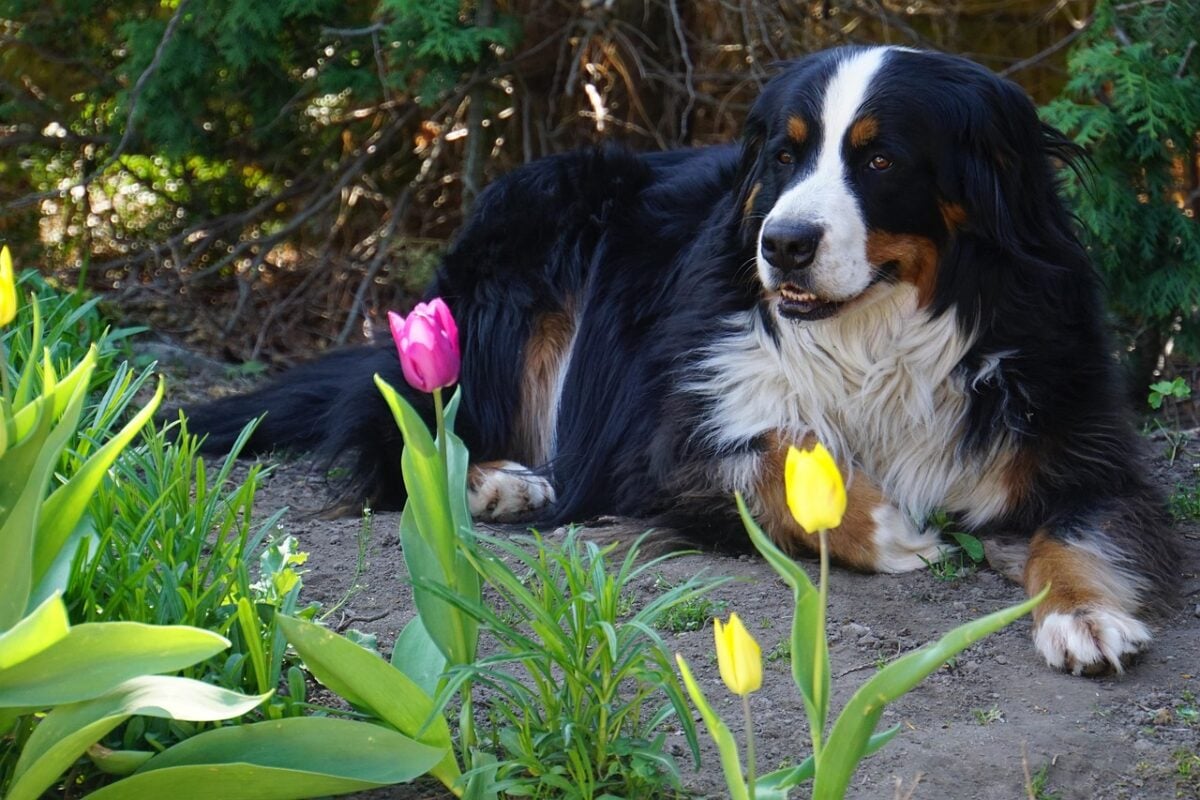
These beautiful mountain dogs are typically gentle, affectionate, and remarkably devoted to their families. Berners often have a tenderhearted, sensitive side, forming close attachments while enjoying the company of children and other household members. Some develop an especially strong bond with one person, but that rarely stops them from sharing affection with everyone else.
They’re happiest in homes where they can spend plenty of time with their people, enjoy outdoor activities, and retreat somewhere cool when temperatures rise.
Breed Breakdown
- Size: Large to giant, roughly 70–115 pounds
- Affection Style: Tender, devoted, and fond of close physical contact
- Family Energy: Moderate; enjoys daily walks, outdoor activities, and family companionship
- Kids: Typically gentle and affectionate; large size requires supervision
- Grooming: Heavy shedding with regular brushing, especially during seasonal coat changes
- Biggest Consideration: Relatively short lifespan and significant health risks (cancer, hip and elbow dysplasia, bloat)
4. Great Dane
Great Danes are living proof that a dog can weigh 150 pounds and still believe it belongs in your lap. These towering affection enthusiasts will happily lean against your legs, rest their enormous heads on your shoulder, or attempt to share a recliner clearly designed for one reasonably sized human.
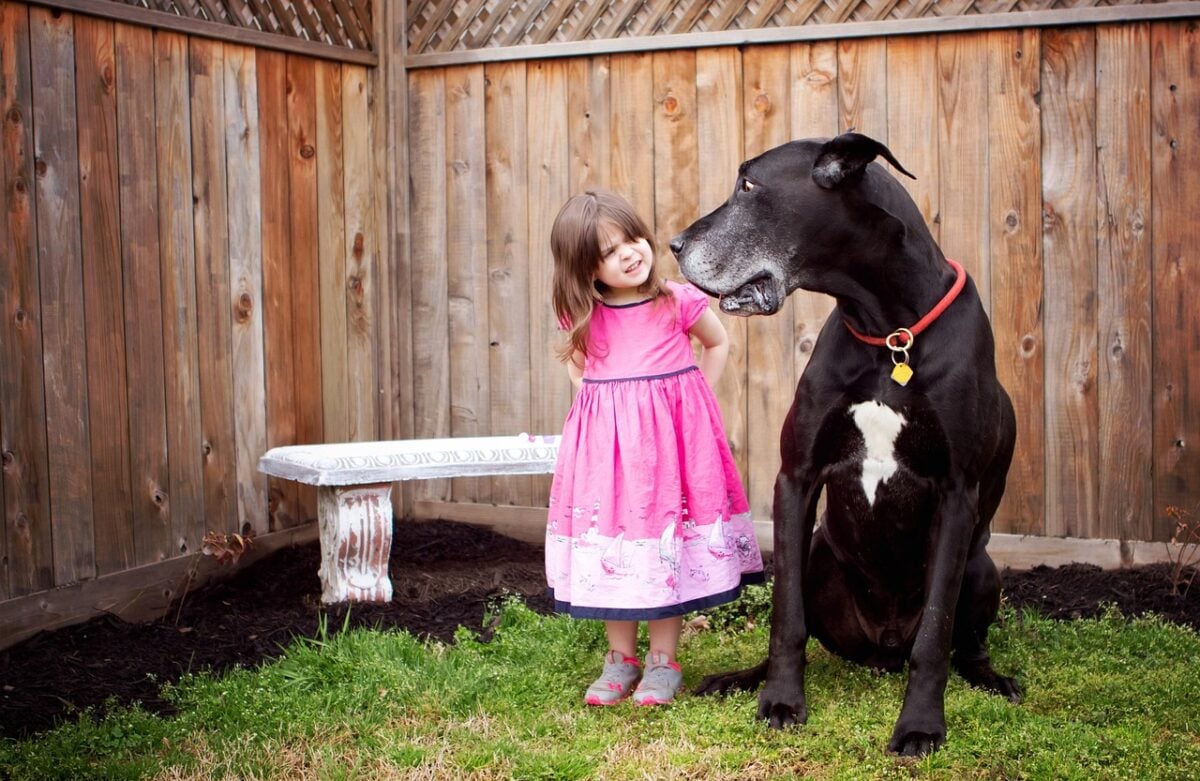
Despite their imposing appearance, Great Danes are often gentle, affectionate homebodies who enjoy being close to their families. Many are playful with children and surprisingly relaxed indoors once their exercise needs are met. Their favorite activity may simply be following you around the house, occasionally blocking an entire doorway without realizing they’ve created a traffic problem.
Of course, a dog this large needs excellent manners. Teaching polite greetings and leash skills early is essential, especially when a friendly tail wag can clear a coffee table in seconds.
Breed Breakdown
- Size: Giant, roughly 110–175 pounds
- Affection Style: Physically affectionate, gentle, and fond of staying close
- Family Energy: Moderate; enjoys daily walks and play without extreme exercise demands
- Kids: Often gentle and loving, but sheer size can overwhelm young children
- Grooming: Easy coat care with moderate shedding
- Biggest Consideration: Shorter lifespan, expensive giant-breed care, and major health concerns (bloat/GDV, dilated cardiomyopathy, hip dysplasia)
Your Kids’ Ages Matter More Than You Think
A dog who’s a wonderful companion for a 12-year-old might be a furry wrecking ball around a toddler. The right family dog depends as much on your children’s ages and behavior as the breed’s reputation.

- Babies & Toddlers: Look for a calm, manageable dog. Large, enthusiastic breeds can accidentally knock little ones over, while tiny dogs may be injured by rough handling. Constant adult supervision is essential.
- School-Age Kids: Playful, trainable breeds can be fantastic companions for games, walks, and backyard adventures. This is a great age to teach children how to read dog body language and respect boundaries.
- Teenagers: Active breeds may be a wonderful match for teens who love running, hiking, or dog sports. Just remember that your teenager’s enthusiasm for jogging may have a shorter lifespan than your dog’s need for exercise.
Regardless of age, children can help care for a dog, but adults remain responsible for its well-being.
Before You Fall In Love With A Breed, Ask These 7 Questions
It’s easy to picture the adorable puppy curled up beside your kids. It’s a little harder to picture that same dog three years later, barking at the delivery driver while you’re trying to get everyone out the door for school.
Before choosing a breed, think about the family life your dog will actually be joining.
- Who’s really going to exercise the dog?
Your kids may promise three walks a day, but adults need to be prepared to handle the daily routine, including rainy mornings and freezing evenings. - How much time will the dog spend alone?
Between work, school, sports, and errands, some households are emptier than they realize. Highly people-oriented breeds may find long stretches alone especially challenging. - Can you handle the dog’s adult size and strength?
That adorable Great Dane puppy won’t stay conveniently portable. Consider leash handling, car rides, and whether everyone can safely navigate around a large dog. - How much grooming can you realistically manage?
A beautiful coat may mean daily brushing, professional grooming bills, or enough shedding to make your vacuum question its career choices. - What happens when the kids lose interest?
A dog can live well into your children’s college years. The adults need to want the dog just as much as the kids do. - Will the dog fit your other pets?
A breed’s general reputation doesn’t guarantee compatibility with your resident cat or dog. Consider prey drive, play styles, and how you’ll manage introductions. - Can your budget handle the unexpected?
Beyond food and routine veterinary care, think about training, boarding, grooming, and potential medical expenses.
How To Tell If A Dog Is A Good Match For Your Family
You’ve found a breed you love. Now comes the part that matters just as much: getting to know the individual dog behind that adorable face.
Two dogs of the same breed can have surprisingly different personalities. One Golden Retriever might happily greet everyone at a family gathering, while another prefers staying close to familiar people.
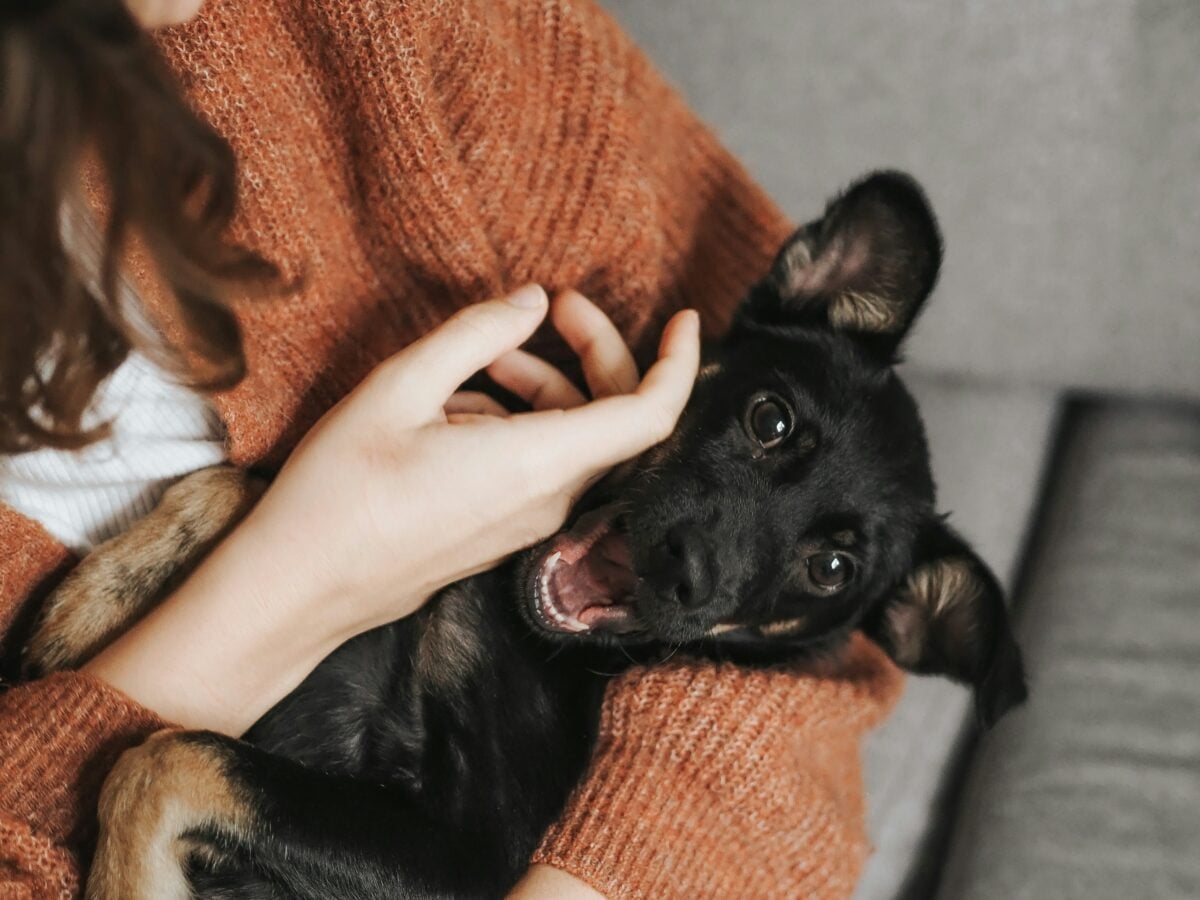
When meeting a potential family dog, look beyond how affectionate they seem at first. Pay attention to how they respond to everyday situations:
- Excitement: Can the dog settle after greeting people, or do they remain increasingly wound up?
- Handling: Do they seem comfortable with appropriate, gentle touch, or do they show signs of discomfort?
- Children: If the dog has experience with kids, what have previous caregivers observed about those interactions?
- New situations: How do they respond to unfamiliar sounds, people, and environments?
- Energy: Does their actual activity level match what your family can provide?
An adult dog from a foster home can offer a particular advantage. Foster families may already know how the dog behaves around children, other pets, visitors, and everyday household activity.
A brief meeting won’t reveal everything about a dog’s temperament, but asking the right questions can tell you far more than a breed description alone.
Loving Dogs Still Come With Veterinary Bills
It’s easy to focus on a breed’s wonderful personality, but some affectionate family favorites are also prone to costly inherited health conditions. Cavaliers, Boxers, Bernese Mountain Dogs, and Great Danes are just a few examples worth researching carefully.
Before bringing a dog home, learn about breed-specific health risks and look for a responsible breeder who performs recommended health screenings. If you’re adopting, ask about any known medical history.
Pet insurance can help cover eligible veterinary expenses for unexpected illnesses and accidents, including diagnostic tests, treatments, and surgeries. However, pre-existing conditions are generally excluded, so it’s worth considering coverage before health problems develop.
Our guide to the best pet insurance providers can help you compare options and find coverage that fits your family’s budget.

Frequently Asked Questions About Affectionate Family Dogs
Choosing a loving family companion comes with plenty of questions. Here are a few worth considering before bringing a new dog home. Still have questions? Ask us in our comments below!
What Is The Most Affectionate Dog Breed For Families With Young Children?
Labrador Retrievers, Golden Retrievers, Rough Collies, and Newfoundlands are all known for their affectionate temperaments and generally good relationships with children. However, no breed is automatically safe or patient with every child. Individual temperament, training, size, and adult supervision matter more than reputation alone.
What Is The Most Affectionate Small Dog For A Family?
Cavalier King Charles Spaniels and Havanese are two excellent candidates. Cavaliers tend to be especially cuddly, while Havanese bring more playful, mischievous energy. Both enjoy close family companionship, although their smaller size makes gentle handling important.
Which Affectionate Family Dogs Shed The Least?
Standard Poodles are among the lowest-shedding breeds on our list, while Havanese also tend to shed relatively little. Low shedding doesn’t mean low maintenance, though. Both require regular coat care, and neither is guaranteed to suit someone with dog allergies.
Are Affectionate Dogs More Likely To Have Separation Anxiety?
Not necessarily. Being affectionate and having separation anxiety aren’t the same thing. However, some highly people-oriented breeds, including Vizslas and Havanese, may struggle with long periods alone. Gradually teaching a dog to feel comfortable being independent matters, regardless of breed.
Is A Puppy Or Adult Dog Better For A Family?
That depends on your household. Puppies give families opportunities for early training and socialization, but they also bring house-training accidents, chewing, nipping, and months of intensive supervision.
An adult dog may offer a more predictable personality and energy level, especially if a rescue or foster family can describe how the dog behaves around children and other pets. For busy families, that information can be especially valuable.
Still Searching For Your Family’s Perfect Match?
Maybe your ideal family dog is a professional lap warmer, an enthusiastic adventure buddy, or a 100-pound sweetheart who thinks the entire couch is theirs. There’s plenty more to explore before you find your family’s perfect fit.
Keep discovering lovable breeds with these guides:
- 25 Affectionate Small Dog Breeds – Meet pint-sized companions with enormous hearts, from dedicated snugglers to playful little shadows.
- Best Companion Dog Breeds – Discover 24 loyal lovebugs who thrive on human connection and companionship.
- Best Dogs For First-Time Owners – Find friendly, trainable breeds that may make bringing home your first family dog a little easier.
- Dogs That Are Easier To Live With Than You’d Think – Meet 15 surprising breeds whose reputations don’t always tell the whole story.
Now tell us about your family’s lovebug! Does your dog spread affection equally among everyone, or have they shamelessly chosen a favorite? Share your stories in the comments. We promise not to tell the other family members.