
When you purchase through links on our site, we may earn a commission at no extra cost to you. Learn more.
Bringing home a rescue dog or new puppy is exciting, but trust takes time. Your dog may hide, avoid affection, follow you closely, or seem distant at first. These are common adjustment behaviors, especially during the first few days in a new home. Experts recommend giving dogs time to settle while building trust through consistent routines and positive interactions.
Table of Contents
Are you learning how to bond with your rescue dog or helping a new puppy adjust? This guide covers what to do during the first 24 hours, the first week, and beyond.
You’ll also learn how to recognize signs of trust, avoid common bonding mistakes, and choose the right veterinary care for your new companion.
Why Trust Comes Before Bonding
Learning how to bond with your rescue dog starts with earning their trust. Dogs don’t automatically trust strangers, especially after a major change. A rescue dog may be adjusting to a new home after a difficult past, while a puppy is experiencing new people, places, and routines for the first time.
Consistency is one of the most important ways to build trust. Feed, walk, and train your dog on a predictable schedule, and use rewards to create positive experiences. The American Animal Hospital Association (AAHA) recommends giving new dogs time to adjust while establishing consistent routines and positive interactions.
If you’ve adopted a rescue dog, you may come across the 3-3-3 Rule, which describes a common adjustment pattern over the first three days, three weeks, and three months. It’s a helpful guideline, but every dog adapts at their own pace.
As your relationship develops, your dog will begin showing subtle signs of trust. Learn what to look for in 6 Dog Habits That Mean They Trust You.
Why Bonding With Your Dog Matters
A strong bond does more than strengthen your relationship; it helps your dog look to you for guidance in everyday situations. For example, imagine you’re walking your dog when a rabbit suddenly darts across the trail. Instead of chasing it, your dog responds when you call them back. That’s the value of trust and consistent training working together. The American Kennel Club notes that a reliable recall is built by making coming back to you a rewarding, positive experience.
As your bond grows, you’ll often notice benefits such as:
- Better communication, because your dog understands your cues and pays more attention to you.
- Safer walks, with improved recall and responsiveness in distracting environments.
- Easier vet visits, as dogs that trust their owners are often more comfortable with handling unfamiliar situations.
- Lower stress, as dogs that feel secure are often calmer in everyday situations.
- A stronger lifelong relationship built on trust rather than fear or force.
Every walk, training session, and shared experience is another opportunity to bond with your rescue dog and strengthen your relationship. If your dog waits by the door, follows you from room to room, or always seems to know when you’re coming home, you may enjoy learning the reasons in Why Is My Dog Always Waiting For Me?
The First 24 Hours: Help Your Dog Feel Safe
If you want to bond with your rescue dog, focus on helping them feel safe during the first day rather than trying to earn affection immediately. A calm, predictable environment allows your rescue dog or new puppy to settle in without unnecessary stress.
1) Keep Everything Calm: Keep arrivals low-key and postpone visits from friends and extended family. Too many new people, sounds, and experiences can overwhelm a dog that’s still adjusting. Specialists recommend giving new dogs time to settle before introducing additional people or major changes.
2) Let Them Explore: Let your dog explore their new home at their own pace under supervision. Avoid following them constantly or encouraging every interaction. Giving them space helps them feel comfortable in their surroundings and learn that they’re safe.
3) Don’t Force Affection: Your dog doesn’t need to cuddle on the first day to be bonding with you. Some dogs seek comfort immediately, while others need space before approaching on their own.
In that case, let your dog choose when they’re ready for physical contact instead of forcing interactions. Once they feel secure, affectionate behaviors often follow naturally. Learn more from our guide on When Your Dog Rests Their Head On You, Here’s What They’re Really Saying.
Prepare the Essentials
Before your dog comes home, set up:
- Fresh food and water
- A comfortable bed or crate
- A designated potty area
- A quiet place to rest away from household activity.
Having these basics ready helps your dog settle into their new home.
Rescue Dog vs. New Puppy
- Rescue dog: May hide, refuse food, or spend most of the day resting. If you want to bond with your rescue dog, give them time to decompress instead of pushing interaction.
- New puppy: Is often more curious but needs frequent potty breaks, supervision, and may cry during the first night away from their litter. Keep interactions calm and reassuring while maintaining a consistent routine.
The First Week: Focus on Routine, Not Perfection
Your dog’s first week at home is about building predictability, not rushing the bonding process. Consistent daily routines help both rescue dogs and puppies feel more secure as they adjust to their new environment.

1) Build a Predictable Routine: Feed your dog at the same times each day and keep potty breaks, naps, walks, and bedtime consistent. Predictability helps dogs feel secure as they adjust to their new home, making it easier to bond with your rescue dog over time. Experts recommend establishing routines early to help new dogs adjust.
2) Keep Training Short and Positive: Start with simple cues like their name, “sit,” or “come.” Aim for 5 to 10-minute sessions, using treats, praise, or toys as rewards. Short, positive training sessions build confidence without overwhelming your dog.
3) Keep Walks Low-Pressure: Walks aren’t just for exercise during the first week. Let your dog sniff, explore, and move at a comfortable pace. Sniffing gives dogs valuable mental stimulation while helping them become familiar with their environment. If someone else will be helping with walks, our Quick Guide To Dog Walking Insurance & Bonding explains what to know before hiring a dog walker.
4) Skip Dog Parks for Now: Avoid dog parks and large play dates until your dog has adjusted to your home and is comfortable with you. Busy environments can overwhelm a rescue dog that’s still decompressing or a puppy that’s learning how to navigate new experiences. Start with calm, one-on-one introductions before visiting busy dog parks.
Watch for Signs of Stress
Some stress is normal during the first week. Watch for signs such as:
- Tucked tail
- Excessive panting
- Lip licking
- Frequent yawning
- Hiding
- Pacing
If you notice these behaviors, reduce stimulation and give your dog time to relax before introducing new people, places, or activities. As your dog’s confidence grows, you’ll be able to gradually expand their routine at a pace they’re comfortable with.
How To Choose a Vet for Your New Dog
Finding a veterinarian you trust is another important part of helping your new dog settle in. Look for a vet who communicates clearly, makes your dog feel as comfortable as possible, and is willing to answer questions about preventive care, behavior, nutrition, and any health concerns. Consider practical factors, too, such as location, appointment availability, emergency care options, and costs.
For help choosing a care provider, see Bond Vet Reviews: Do They Provide Reliable Clinic and Telehealth Pet Care?. For additional options, see our guide to affordable veterinary care for ways to access lower-cost care for your dog.
Rescue Dogs vs. New Puppies: Key Differences
Rescue dogs and puppies both need time to adjust, but they don’t always need the same approach. Understanding these differences can help you set realistic expectations and build trust at your dog’s pace.
| Rescue Dogs | New Puppies |
|---|---|
| Need time to decompress after a major life change. | Need guidance as they learn about people, places, and routines. |
| May have an unknown history that influences their behavior. | Are experiencing many situations for the first time. |
| Trust often develops gradually through consistent, positive interactions. | Confidence grows through predictable routines and gentle training. |
| May be cautious about handling if they’ve had negative past experiences. | Benefit from positive handling and gradual socialization during early development. |
Every dog adjusts differently. Focus on steady progress rather than comparing your dog’s timeline to another’s.
Does your dog seem unusually clingy or follow you constantly as they settle in? Learn whether it’s a normal adjustment or a sign of something more serious in Do Dogs Get Lonely? The Difference Between Missing You And Actually Struggling.
Best Ways To Bond With Your Rescue Dog Or Puppy
Once your dog has settled in, you can begin using simple daily habits to bond with your rescue dog or new puppy. The goal isn’t to earn affection quickly; it’s to become someone your dog consistently trusts.

1) Play Together: Interactive games encourage your dog to engage with you while providing healthy mental and physical stimulation. Fetch, tug, food puzzles, and hide-and-seek encourage your dog to engage positively with you. Keep sessions short and end while your dog is still interested.
2) Use Positive Training: Training is about communication, not just obedience. Spend 5–10 minutes teaching simple cues using treats, toys, or praise. Reward-based training helps your dog associate you with positive experiences and builds confidence over time. We recommend keeping training fun, consistent, and rewarding to strengthen the human-dog bond.
3) Explore Together: Take relaxed walks that allow your dog to sniff and explore at their own pace. During the first few weeks, let your dog set the pace instead of focusing on distance.
4) Save Dog Sports and Play Dates for Later: Activities like agility, flyball, hiking, or dog sports can become great bonding experiences once your dog feels secure at home. The same applies to meeting other dogs. Introduce well-matched dogs only after your dog is comfortable with their new environment, and avoid busy dog parks during the first week.
5) Let Your Dog Choose Affection: Some dogs enjoy physical affection immediately, while others need more time. Instead of encouraging constant cuddles, let your dog decide when they’re ready for petting or close contact.
Many dogs begin seeking affection once they feel safe. If your dog leans against you, it may be one of several signs they feel safe. Learn more from Why Does My Dog Press Against Me? The Meaning Behind “The Lean”.
Signs Your Dog Is Starting To Trust You
If you’re wondering whether you’re starting to bond with your rescue dog, look for these small changes in their behavior before they become openly affectionate. As your dog becomes more comfortable, you may notice behaviors like these:
- Relaxed body language, including a loose posture rather than a stiff or tense one.
- Soft eyes rather than a hard stare or frequent “whale eye,” which can indicate stress.
- A loose, natural tail carriage instead of a tightly tucked tail.
- Choosing to sit or lie near you, even without being asked.
- Sleeping nearby, which shows your dog feels safe enough to rest in your presence.
- Taking treats gently, a sign that they’re becoming more relaxed and comfortable.
- Checking in with you during walks by looking back or returning to you before exploring again.
- Relaxing while you’re nearby instead of constantly watching your movements.
- Seeking affection on their own, such as leaning against you or resting beside you. If your dog likes to stand or sit between your legs, learn what that behavior may mean in our guide on Why Your Dog Treats the Space Between Your Legs Like A VIP Lounge.
Look for several of these behaviors together rather than relying on a single sign. Every dog moves at their own pace. Some bond within days, while others may take weeks or months.
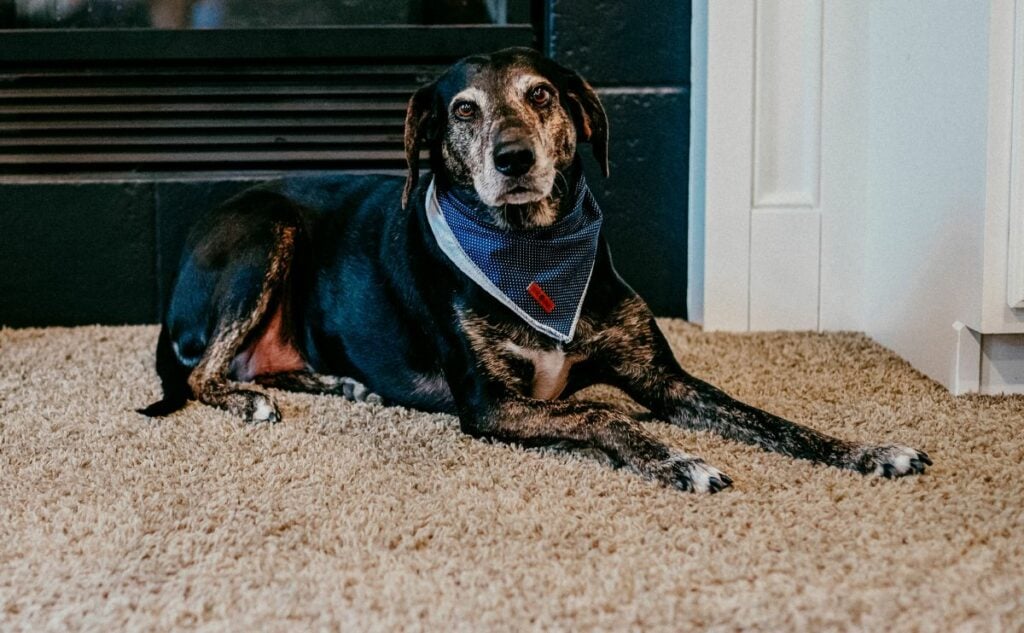
We were so excited when we adopted our dog, Sally, from the shelter. We could tell she was a bit nervous/anxious on the car ride home.
We kept her on a leash while we walked her through the house at first, then after a couple of minutes, we let her have free rein. She explored her new home, and shortly after, we found ourselves cuddled up on the couch with her.
We could tell she was exhausted after an eventful day, so we decided to calm her and give her some affection that first evening at home with us. I think this was the best thing we could’ve done for her then.”- Kimberly Alt, Sally’s Mom Canine Journal.
– Kimberly Alt, Sally’s Mom & Canine Journal Writer
Common Bonding Mistakes To Avoid
Some well-meaning habits can slow your dog’s progress. Avoid these common mistakes during the first few weeks.
1) Forcing Cuddles: Not every dog is ready for physical affection right away. If your dog moves away, stiffens, or avoids contact, give them space. Dogs Trust recommends letting your dog choose when they want to interact rather than forcing attention.
2) Giving Too Much Freedom Too Quickly: Giving your dog unrestricted access to the entire house on day one can be overwhelming. Start with a smaller, quiet area where they can rest and gradually introduce more of the home as they become comfortable.
3) Inconsistent Routines: Changing feeding times, walk schedules, or bedtime every day makes it harder for your dog to settle. A predictable routine helps your dog understand what to expect and builds confidence.
When we adopted Sally, my husband wanted to make sure we both fed her once a day. At first, I thought this was a little silly, but I was all for it because it meant he had to do the morning feeding (and I got to sleep in some) since he isn’t home for her afternoon feeding.
It turns out he was thinking about this correctly (don’t tell him I said that!). Learning to bond with your new puppy or dog can sometimes be difficult if your furry pal is attached to one person. These tips will help you get over that hump.
– Kimberly Alt, Sally’s Mom & Canine Journal Writer
4) Punishing Fearful Behavior: Fear-based behaviors such as hiding, trembling, or refusing to approach should never be punished. Instead, remove the source of stress and use positive reinforcement to help your dog feel safe. Responding calmly encourages confidence, while punishment can increase fear and damage trust.
5) Overwhelming Socialization: Meeting dozens of people or visiting busy dog parks during the first week isn’t necessary. Introduce new people, places, and dogs gradually once your dog is comfortable at home. If someone else will help care for your dog, our Pet Sitting Insurance & Bonding: What It Covers & Why You Need It explains what to look for before hiring a pet sitter.
Trust grows through consistency, not pressure.
Why Training Builds Trust
Training isn’t just about teaching commands; it’s one of the best ways to build trust and communication with your dog. Every successful training session helps your dog learn that listening to you leads to positive, predictable outcomes. Experts recommend reward-based training because it strengthens the relationship between dogs and their owners while encouraging confidence and clear communication.
As your dog becomes more confident, you can introduce activities like scent work, agility, or trick training. And if you’re curious about breeds that have a gentle side despite their reputation, check out 20 Dogs That Act Tough But Are Actually Big Softies.
We took an obedience class with Sally and saw huge improvements in her ability to learn commands, plus we grew closer in our relationship. Not only did we work with Sally during class, but we also had “homework,” which gave us even more time dedicated to her.
– Kimberly Alt, Sally’s Mom & Canine Journal Writer

Best Pet Insurance for Rescue Dogs & Puppies
As your dog settles in and your bond grows, it’s also a good time to think about their long-term health. Puppies are naturally curious, while rescue dogs may have an unknown medical history. Having pet insurance in place can help you prepare for unexpected veterinary expenses.
Most pet insurance plans don’t cover pre-existing conditions. Enrolling your dog while they are young, or soon after adoption, can ensure the widest coverage for future accidents and illnesses. Coverage, waiting periods, and exclusions vary by provider, so it’s important to compare policies before choosing a plan.
Some policies also include benefits for behavioral therapy, rehabilitation, or other treatments, while others offer them as optional add-ons. If you’re comparing plans, our guide to Does Pet Insurance Cover Behavioral or Physical Therapy? explains what is and isn’t typically covered.
Compare our top pet insurance picks based on coverage, reimbursement, waiting periods, customer service, and value. Explore our recommendations below to find the right plan for your rescue dog or new puppy.
| Best For | Provider | Why We Picked It | Read More |
|---|---|---|---|
| Best Overall | Pets Best | Affordable, highly customizable plans with comprehensive coverage and optional wellness benefits. | Read Review |
| Best Value | Figo | Competitive pricing, flexible reimbursement options, and fast average claim processing. | Read Review |
| Fastest Claim Processing | Healthy Paws | Most claims are processed within a few days, and unlimited annual payouts are available. | Read Review |
| Best Multiple Pet Discount | Embrace | Multi-pet discounts and flexible coverage options make it a strong choice for households with multiple pets. | Read Review |
| Best Newcomer | Lemonade | Easy online experience, fast digital claims, and competitive pricing for many pet owners. | Read Review |
Frequently Asked Questions
Still have questions? We’ve answered a few questions we often get from readers regarding rescue dogs and new puppies. If you can’t find yours here, leave it in the comments.
How Long Does It Take to Bond with Your Rescue Dog?
There’s no set timeline. Some rescue dogs begin to trust their new family within a few days, while others need several weeks or even months. Factors such as age, personality, previous experiences, and your consistency all influence how quickly trust develops. Focus on predictable routines and positive interactions rather than trying to speed up the process.
Should I Let My New Puppy Sleep with Me?
Most veterinarians and trainers recommend helping your puppy become comfortable sleeping in their own crate or bed from the beginning. Keeping their sleeping area close to you can provide reassurance while helping establish healthy long-term routines.
When Can I Take My Rescue Dog to the Dog Park?
Wait until your dog is comfortable at home, responds reliably to you, and is healthy enough to interact with other dogs. Busy dog parks can overwhelm newly adopted dogs and expose young puppies to illness before they’re fully vaccinated. Specialists recommend limiting contact with unfamiliar dogs until puppies have received their core vaccinations.
What If My Rescue Dog Won’t Eat?
It’s common for newly adopted dogs to eat less during the first day or two because of stress. Keep fresh water available, offer food on a regular schedule, and avoid constantly changing diets or offering excessive treats. If your dog refuses food for more than 24–48 hours, seems lethargic, vomits repeatedly, or shows other signs of illness, contact your veterinarian.
Can You Bond with an Older Rescue Dog?
Absolutely. Dogs of any age can form strong relationships with new owners. Older dogs may need more time to adjust than puppies, but consistent care, patience, positive reinforcement, and predictable routines can help them build trust and confidence.
Is It Okay If My Dog Follows Me Everywhere?
It depends. During the first few weeks, following you from room to room is often part of the adjustment process as your dog learns that you’re a safe and reliable person. If your dog appears relaxed and can settle when you leave the room, it’s usually not a concern. However, pacing, whining, destructive behavior, or panic when you’re out of sight may indicate separation-related distress. If you notice these signs, discuss them with your veterinarian or a qualified trainer.
When Should I Start Training My Rescue Dog or Puppy?
Start immediately, but keep expectations realistic. During the first week, focus on short, reward-based sessions that teach simple cues such as their name, “sit,” and “come.” Keeping training positive helps build trust while establishing good communication from the start.
Related Articles
If you’re preparing for life with a new dog, explore more of our expert guides on dog training, behavior, health, and pet insurance. Whether you’re welcoming your first puppy or helping a rescue dog settle into their forever home, remember that building trust takes time, and every small step counts.
- Dog Sleeping in Bed? Sweet Snuggles or Sleep Sabotage?
- 10 Best Family Guard Dogs That Are Fierce… And Full Of Love
- Dog Park Etiquette For Pups & Parents To Play Well With Others
- Best Dog Doors By Type: Smart, Automatic, In Wall, Sliding Glass, Screen Door & More
Every meal, walk, training session, and playtime is an opportunity to strengthen your bond with your rescue dog and build a relationship that lasts a lifetime. Be patient, respect their pace, and celebrate the small milestones along the way. Consistent routines, positive reinforcement, and learning to understand your dog’s body language can help create the trust and security they need to feel at home.
Your Bond Starts With the Next Small Step
Have questions about caring for or bonding with your dog? Leave a comment below. We’re here to help you make informed decisions and give your dog the happy, healthy life they deserve.