When you purchase through links on our site, we may earn a commission. Here’s how it works.
He didn’t growl. He didn’t snap. He just bit. One second, your dog’s wagging his tail, the next, he’s got your hand in his mouth.
Table of Contents
Sound extreme? It happens all the time. And the scariest part? You probably missed the warning signs. In this guide, I’ll break down exactly why dogs bite, how to spot it before it happens, and what to do if it already has.
That Cute Nip? It’s How Bite Problems Begin
It usually starts small. A playful nibble on your sleeve. A little tug on your hand during fetch. You laugh, maybe flinch, but you let it slide.
Big mistake.
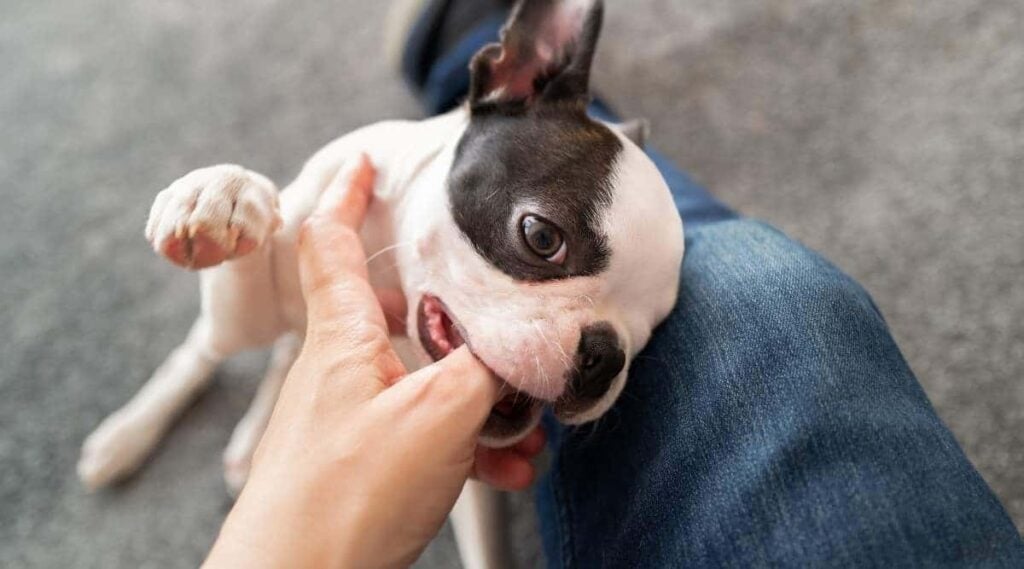
Biting is often a way of playing or establishing a hierarchy within a litter of puppies. The biggest and strongest pups tend to get more attention and food from their mother, and they often use their teeth to further assert their dominance over weaker, smaller siblings.
That “harmless” puppy bite is also your dog learning one thing: biting gets attention. And if no one corrects it early, that tiny mouth becomes a powerful jaw with zero impulse control.
Here’s what most owners miss:
- Biting is a survival skill, not just play. Puppies bite to explore, but also to test limits and communicate stress.
- Every bite is a lesson. If you yank your hand away, your dog thinks it’s part of the game.
- Untrained puppies become unpredictable adults. What starts as rough play can turn into food guarding, fear biting, or aggression around strangers.
Puppy Biting Everything in Sight? It’s probably not aggression. If your pup is chewing hands, shoes, and furniture like it’s a full-time job, they’re probably in the thick of teething. Check out our full Puppy Teething Guide for timelines, symptoms, and the best toys to save your fingers.
Up next: 3 sneaky puppy behaviors that seem harmless, but quietly teach them to bite.
3 Weird Puppy Habits That Lead to Biting
Just like human babies who use their hands to check out what’s around them, puppies explore their world with their mouths.
Not all puppy behavior is just “a phase.” Some of it is low-key terrifying if you know what’s coming next.
1. The Stealth Stalker Game
Ever notice your pup freezing, staring, then pouncing on your ankle? That’s prey drive, and if left unchecked, it trains them to bite with precision. Yes, even your sweet little fluffball.
2. Teething Tantrums
Chewing on couch legs is one thing. But when they start gnawing on your hands like a chew toy, that’s not just discomfort; it’s your dog learning where they’re allowed to use their teeth.
3. Hand Obsession
If your pup gets way too into chasing fingers, tugging sleeves, or licking hands like a snack, they’re building a dangerous association: human limbs = fun targets. A dog mouthing might seem sweet, but it can lead to not-so-sweet behavior in adult life.
Quick Takeaway:
These don’t seem like a big deal until they grow into full-sized jaws. Left alone, these “habits” quietly train your dog to treat biting like a game they always win.
Up next: How to stop a bitey pup before it turns into a real problem.
How to Train a Bitey Pup: 6 Steps
Without Losing Your Mind
You don’t need to be a dog trainer. You just need to stop rewarding the bite, even by accident. Here’s how people accidentally make biting worse:
- Pulling your hand away fast. This triggers chase mode.
- Laughing or talking to the puppy. Even scolding is attention.
- Wrestling or rough play. This confuses the rules around biting.
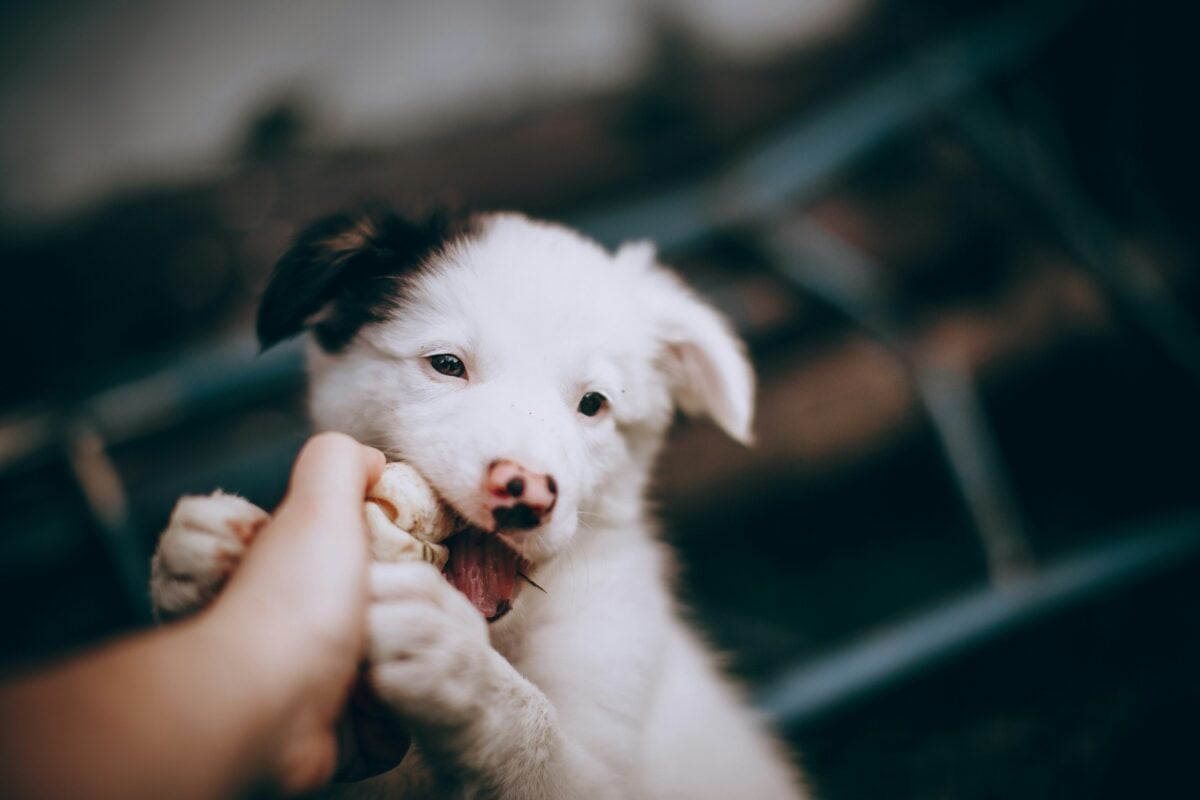
Here’s what actually works:
1. Yelp Like a Puppy
When your puppy bites too hard, let out a high-pitched “ouch!” or “yelp.” This mimics how puppies in a litter react to painful play. It startles them just enough to get the message: That hurt. Too much.
2. Go Still, Then Pause the Game
Right after yelping, freeze. Let your hand or foot go limp. Don’t yank it away; that turns it into a chase game. If your pup backs off or licks you, calmly praise them. Then resume play.
3. Reward the Calm Moments
If your puppy stops biting, plays gently, or switches to licking, that’s your golden moment. Praise, cuddle, and maybe even offer a training treat. You’re reinforcing the behavior you do want.
4. Redirect to a Chew Toy
Always have a durable chew toy nearby. If your puppy goes for your hand or foot again, calmly pull away and hand them the toy. Once they latch onto it, praise like crazy. They learn: this is okay to chew, but humans aren’t.
Best Toys for Teething Puppies? Not all chew toys are created equal, and some can even make things worse. We’ve rounded up the safest, vet-approved teething toys that soothe sore gums and keep destructive chewing under control.
5. Rotate Their Toys
Puppies get bored fast. Keep a mix of textures, rope toys, rubber rings, frozen teething treats, and swap them out every day or two. If a toy starts to break apart, toss it immediately to avoid choking risks.
6. Take a Break If Needed
If your puppy won’t stop nipping, end the play session altogether. Walk away or calmly place them in a safe, quiet space for 30–60 seconds. Don’t scold, just pause the fun. They’ll start to connect biting with game over.
Quick Takeaway:
This isn’t about dominance or punishment; it’s about setting boundaries in a way your puppy naturally understands. Stay calm, stay consistent, and keep reinforcing what you want, not just what you want to stop. Consistency is everything.
Up next: How to spot the warning signs in adult dogs before things get ugly.
The Subtle Signs an Adult Dog Is About to Snap
Most bites don’t come out of nowhere; they come from signals we didn’t notice. And by the time the growl shows up, it’s already late.
Here’s what to watch for before things go south:
- Freezing. Total stillness is a red flag, not calmness.
- Whale eye. You’ll see the whites of their eyes as they turn their head slightly but keep watching you.
- Lip licking or yawning. Sounds innocent, but these are stress signals.
- Sudden scratching or sniffing. Dogs sometimes fake “normal” behaviors to de-escalate, and it’s actually a coping mechanism.
- Turning away, then lunging back. That turn isn’t avoidance, it’s wind-up.
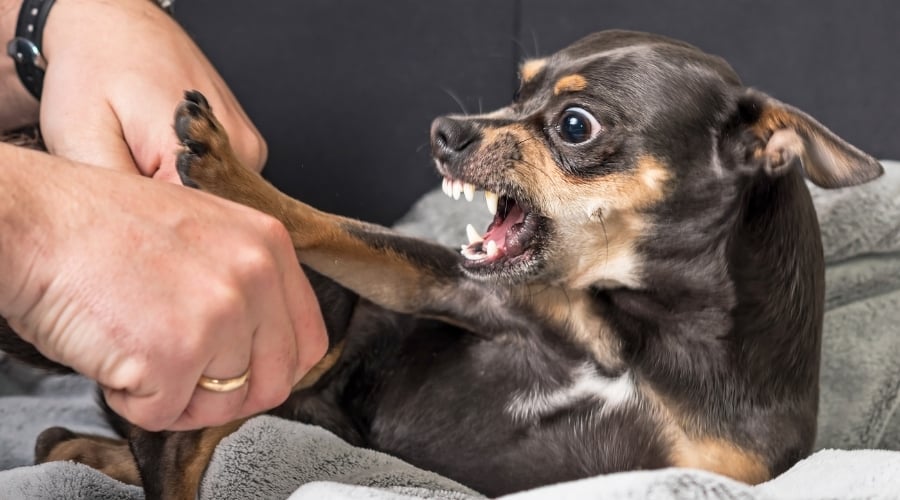
If you’re seeing any of these, or two or more of these at once, step back now. Your dog isn’t being shy. They’re deciding what to do next, and a bite is on the table.
Up next: Think dogs bite to be the boss? The real reasons are way more surprising and way more preventable.
5 Reasons Why Adult Dogs Really Bite
And It’s Not Always About Dominance
People often assume adult dogs bite out of meanness or “trying to be the boss.” But modern behavior science says otherwise. Most adult dog bites come from stress, fear, or overwhelm, not dominance.
Here are the top triggers you might not expect:
1. Fear or Feeling Cornered
If a dog feels trapped, especially without an escape route, they may bite to protect themself. This is especially common with rescue dogs or dogs in loud, unfamiliar environments.
2. Territorial Reactions
Dogs can get defensive when someone enters their space, particularly if their owner isn’t nearby. Even reaching through an open car window can trigger a bite from an otherwise calm dog.
3. Overstimulation During Play
Sometimes a dog gets so revved up during play that it crosses into aggression without meaning to. This can happen fast, especially with kids, and lead to sudden, serious bites.
4. Pain or Illness
A dog that’s injured or sick might lash out when touched. It’s not about aggression, it’s about instinctive self-protection.
5. Guarding Behavior
Dogs may protect food, toys, beds, or even people. If someone gets too close to a valued “resource,” the dog might growl or bite to defend it.
Understanding what pushes a dog to bite is the first step in stopping it.
Up next: How to safely approach or avoid dogs you don’t know.
Safe or Sketchy? How to Read a Dog You Just Met
Can you tell if a dog is friendly? Most people get it wrong, and that’s exactly how bites happen in parks, on sidewalks, or when visiting friends.
Here’s the truth: a wagging tail doesn’t always mean “happy.” It can mean anxious, overstimulated, or ready to defend.
So when you meet a dog for the first time, whether it’s a neighbor’s Golden, a rescue at the dog park, or a stray dog, treat every encounter like a loaded question. Here’s how to avoid becoming the answer:
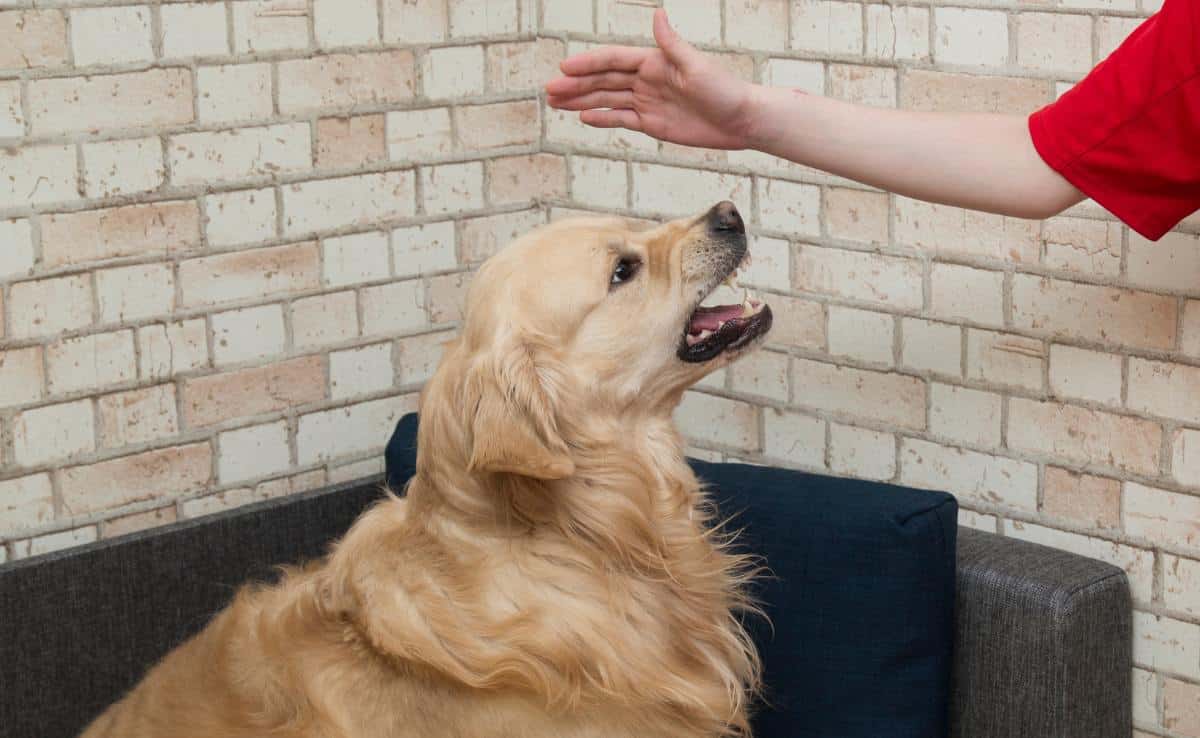
- Don’t reach over their head. In the dog world, that’s a dominance move, especially risky with unfamiliar or nervous dogs.
- Let the dog come to you. If they’re curious, they’ll sniff. If they hesitate or back away, don’t force it.
- Avoid direct eye contact. Locking eyes can feel confrontational to a dog, especially one already on edge.
- Stay calm and quiet. Loud greetings, fast hand movements, or high-pitched baby talk? That’s chaos energy. Save it.
- Look at the full body, not just the tail. Is the tail high and stiff? Ears pinned? Body leaning away? That’s not a good sign.
- Avoid dogs in cars, yards, or on chains. These are high-risk situations. Dogs are especially territorial when confined or guarding space.
- Assume they’re not into you (until proven otherwise). It’s safer to assume a strange dog might see you as a threat.
If a dog stiffens, backs off, or freezes, it’s not shyness. It’s a potentially aggressive choice. And the next one might involve teeth.
Up next: Think staying calm around a strange dog is enough? Here’s what to do if one locks eyes and starts coming straight at you.
What to Do If an Aggressive Dog Comes at You: 7 Actions
It’s the nightmare scenario: a strange dog locks eyes with you and starts moving closer. Your heart jumps. What do you do?
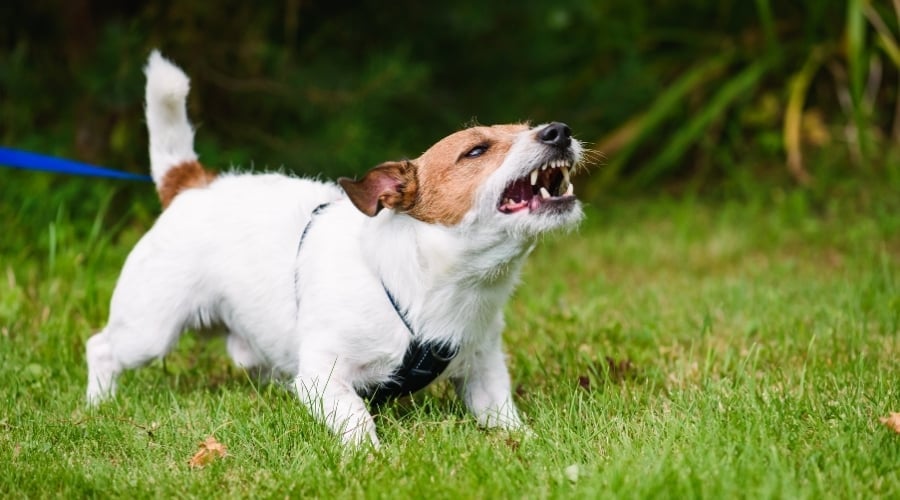
Here’s how to react in the moment, calmly, safely, and smartly:
1. Freeze & Stay Calm
Stand still. Don’t wave your arms, run, or scream. Let the dog sniff you. Most dogs back off if they don’t feel threatened.
2. Don’t Run
This is critical. Running triggers a dog’s chase instinct, even in breeds that aren’t typically aggressive. The second you sprint, you become prey.
3. Avoid Eye Contact, But Keep the Dog in Sight
Staring directly into a dog’s eyes can be seen as a challenge. Look slightly away, but stay aware of the dog’s movement and posture.
4. Use Anything as a Shield
If the dog lunges or gets close, put something between you and its mouth: a backpack, a jacket, a bike, a trash can lid. Even a shoe can buy you time.
5. Don’t Yell or Threaten
Shouting or waving your arms can escalate the situation. Stay as calm and still as possible, even if you’re terrified. Quiet body language is your best defense.
6. Back Away Slowly
Once the dog seems less focused on you, start backing away. Don’t turn your back. Don’t sprint. Just slowly create distance.
7. If You’re Knocked Down, Protect Vital Areas
Curl into a ball. Use your arms to shield your neck and head. Stay still. Most dogs will lose interest once the movement stops.
Up next: Why dogs bite kids more than adults, and what you need to teach your child today.
Kid + Dog = Danger? How to Keep Children Safe
Most serious dog bites don’t happen on the street; they happen at home. And more often than not, the victim is under ten years old.
The sad part? Kids don’t even realize they’re doing something wrong. They hug too tightly, grab too fast, or get in a dog’s face without thinking twice. The dog gives one warning, if that, and then reacts the only way they know how.
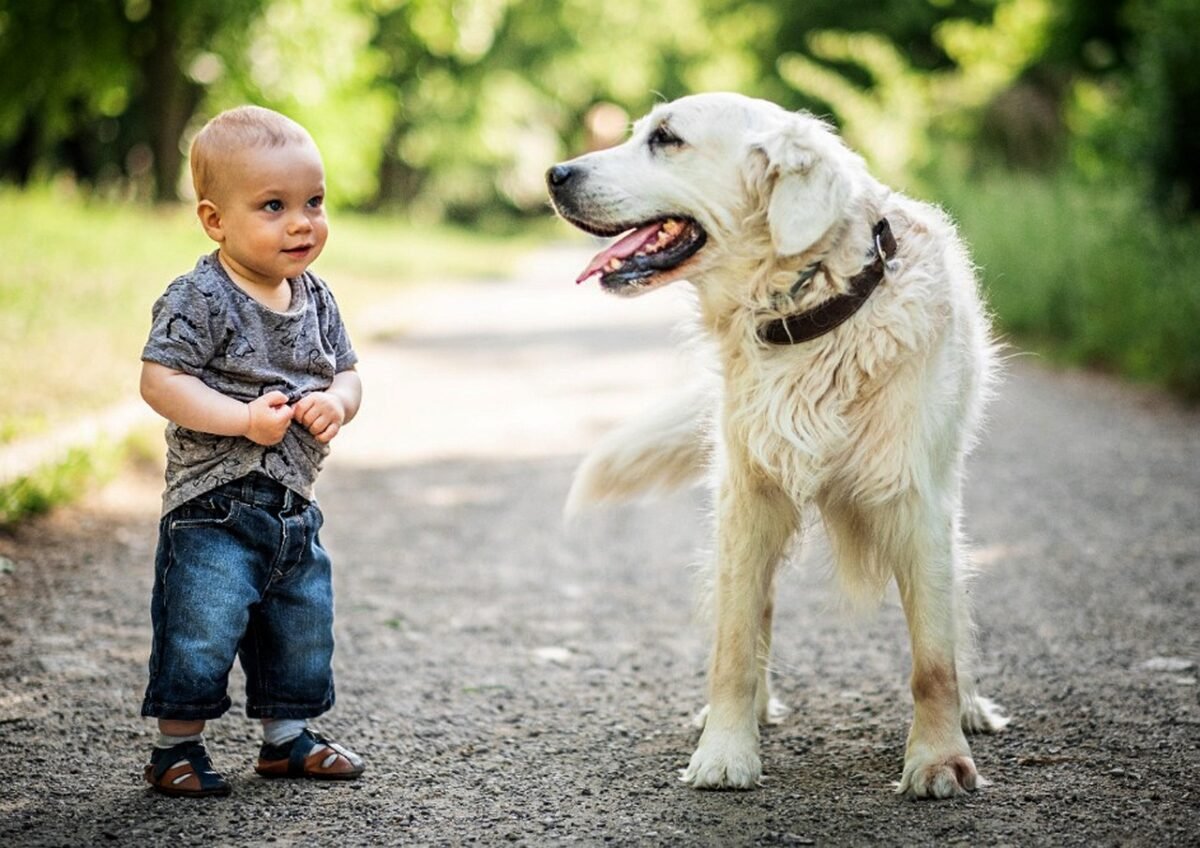
If you’ve got dogs and kids under one roof, these rules are non-negotiable:
- No hugs. Dogs don’t like being hugged; it feels like being pinned.
- No kissing the face. This is a fast track to a bite, especially with smaller kids.
- Don’t disturb dogs eating or sleeping. Ever.
- No chasing or climbing on dogs. Even the calmest dog has a limit.
- Always supervise. If you wouldn’t leave your kid alone with scissors, don’t leave them alone with a dog.
Even “gentle” dogs can snap if they feel scared, cornered, or hurt. It’s not about aggression; it’s about survival instinct.
Baby on the Way? Here’s How to Prep Your Dog. Bringing home a new baby can be confusing (and even scary) for your dog. From adjusting routines to scent training and first introductions, a little prep now can prevent stress and bites later. Read our guide to Preparing Your Dog for a New Baby.
Up next: The human mistakes that accidentally teach dogs to bite.
5 Common Mistakes That Accidentally Trigger Bites
Dogs don’t just snap out of nowhere; they usually give warning signs. But when people don’t understand those signals (or worse, ignore them), the bite almost always feels “sudden.”
Here are the most common things people do that unintentionally push dogs past their limit:
1. Petting a Dog That’s Trying to Walk Away
If a dog leans away, turns their head, or moves to the side when you reach out, they’re not being shy; they’re asking for space. Keep pushing, and that discomfort can quickly turn defensive.
2. Interrupting Them While Eating or Chewing
Food, bones, toys… dogs have instincts to guard what’s theirs. Even friendly dogs can snap if startled or touched mid-meal. Give them a wide bubble when they’re focused on something they value.
3. Punishing a Growl
This one’s huge. A growl is a warning, and it’s your chance to back off before a bite happens. If you punish the growl, your dog learns to stop warning… and just skip straight to action.
4. Ignoring Subtle Stress Signals
Yawning, lip licking, sudden stillness, a slow head turn. These don’t look threatening, but they’re how dogs say “I’m not okay.” Miss the signs, and the dog may escalate to protect themself.
5. Forcing Them to Interact With People
Shy or nervous dogs shouldn’t be dragged over to “say hi.” Social pressure adds tension, and when there’s no escape, a bite can feel like the only way out. Let your dog make the first move or none at all.
Quick Takeaway:
Dogs aren’t unpredictable, and we’re just not always listening. And when we send the wrong signals, they’re forced to speak louder.
Up next: What to do the moment a bite happens and how to avoid making it worse.
Ouch. Got Bit? 5 Steps To Take NOW
Here’s Exactly What to Do
If a dog bites you, even if it seems minor, your next few moves matter more than you think. Small bites can turn into serious infections, and how you react can also affect what happens to the dog.
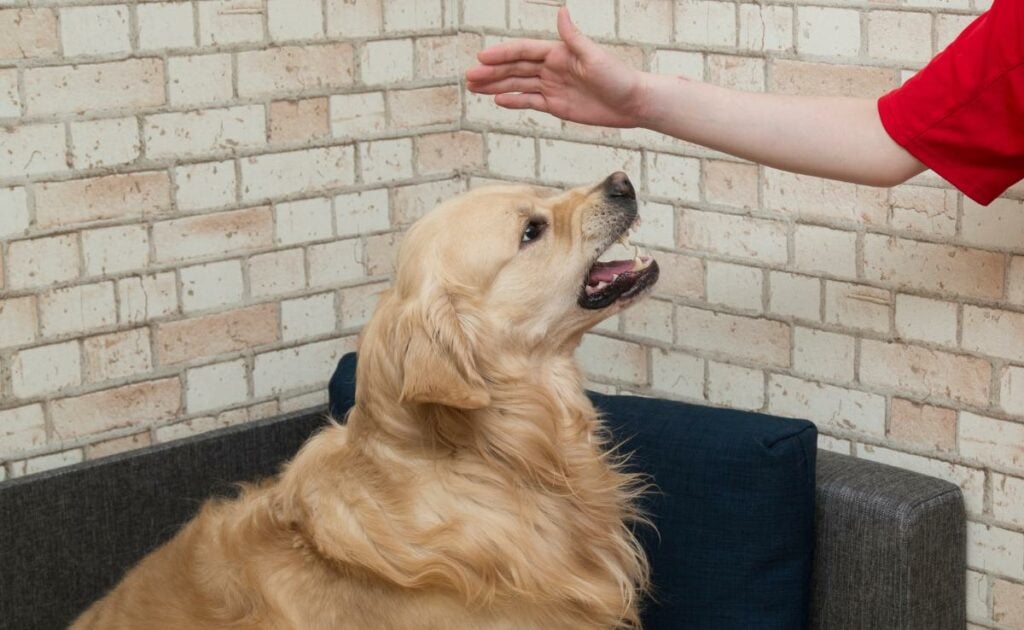
Here’s what to do, step by step:
1. Get Distance, Now
Don’t yell, don’t hit, don’t chase. Just get space. The dog may be scared, overstimulated, or trying to retreat. Escalating can trigger a second bite.
2. Clean the Wound ASAP
Even if it doesn’t bleed much, dog bites carry bacteria deep into the tissue. Wash with soap and warm water for at least five minutes. Then apply pressure to stop bleeding.
3. Assess the Damage
If the bite broke the skin, see a doctor as soon as you can, especially if it’s on your face, hand, or near a joint. Deep punctures, heavy bleeding, or swelling within minutes? Go to urgent care or the ER.
4. Ask About Vaccination Status
If it wasn’t your dog, find out fast: has the dog had its rabies shot? If no one knows, you may need post-exposure treatment.
5. Report the Bite (If Needed)
If the bite happened in public or caused serious injury, report it to your local animal control. This protects others and helps authorities track repeat incidents.
Quick Takeaway:
Bites happen fast, and so do complications. Taking the right steps in the first five minutes can protect your health and help prevent future bites.
Up next: ER? How to know when a dog bite needs medical attention.
Should You Go to the ER After a Dog Bite?
Not all dog bites are created equal. Some just need a bandage and a deep breath, whereas others need antibiotics, stitches, or even a tetanus shot.
Note: Always speak with a doctor or licensed medical professional after a dog bite. The tips below are general guidelines and not a substitute for medical advice.
So how do you know when it’s serious?
1. It’s Deep or Bleeding Won’t Stop
If the bite punctured more than skin-deep, or if you’re still bleeding after 10 minutes of pressure, head to urgent care or the ER. Hands, face, and fingers are especially high-risk.
2. It’s Swelling, Red, or Hot
Infections from dog bites move fast. If you notice heat, redness, or swelling in the hours after the bite, don’t wait. Get it checked before it spreads.
3. You Haven’t Had a Tetanus Shot in 5–10 Years
Dog bites can trigger tetanus. If you’re overdue or not sure, your doctor may recommend a booster.
4. The Dog’s Rabies Status Is Unknown
If the dog is a stray, unvaccinated, or you can’t confirm its rabies shot history, you may need post-exposure rabies treatment, especially if the bite broke skin.
5. It Happened to a Child
Even minor bites on young kids should be evaluated. Kids’ immune systems are more vulnerable, and the emotional trauma can be just as serious as the physical injury.
Quick Takeaway:
Always get checked by a medical professional. It’s always better to spend an hour at urgent care than risk an infection that spreads to your bloodstream.
Up next: What to say, and what not to say, if your dog bites someone else.
5 Things to Say (and Not Say) If Your Dog Bites Someone
You think your dog would never bite, until they do. And when it happens, your reaction in the next 30 seconds matters almost as much as the bite itself.
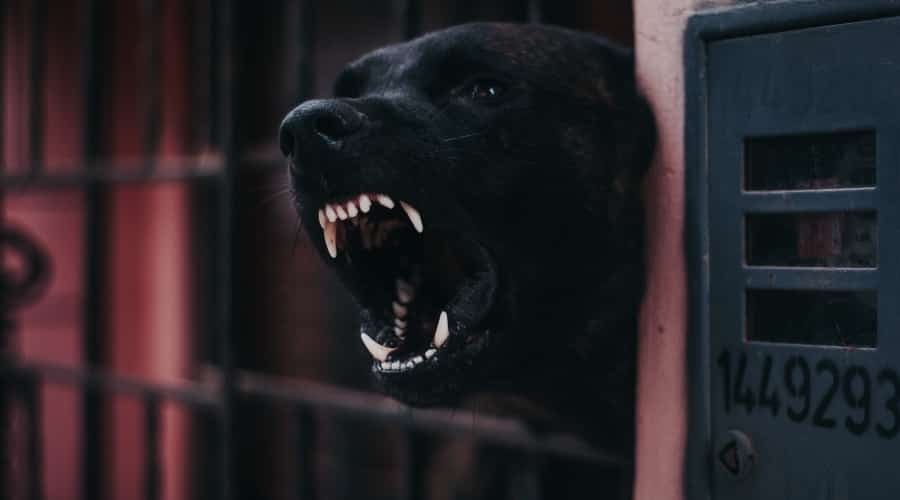
Panic, blame, or brushing it off can make things worse, legally, emotionally, and socially. Here’s how to handle it the right way.
1. Stay Calm & Separate the Dog
Don’t scold or yell. Just secure the dog in another room or on a leash, fast. The goal is to prevent a second bite and give everyone space to breathe.
2. Check on the Person & Listen
Ask if they’re okay, offer to help, and actually listen to their concerns. This isn’t the time to argue about whether your dog is “usually friendly.”
3. Don’t Downplay It
Saying things like “He’s never done that before” or “It was just a nip” can come off as dismissive. Even small bites can hurt and scare the hell out of someone.
4. Exchange Info
Treat it like a fender bender: share your contact info, your dog’s vaccination records, and ask if they’d like to speak with animal control or a vet.
5. Follow Up
Whether they needed first aid or just a bandage, following up shows you take it seriously. It also helps prevent resentment, or worse, a legal complaint down the line.
Worried about liability, insurance, or what to say after a bite? Read our full guide: What Do I Do If My Dog Bites Someone? It covers exactly what to do next, how to protect yourself, and when to call a lawyer.
Up next: If your dog bites someone, could you be legally responsible (even if you think it was the human’s fault)?
Could You Be Sued If Your Dog Bites Someone?
Dog bites don’t just leave marks; they can leave you with legal problems, too. Some states follow strict liability laws (you’re automatically at fault), while others use a “one-bite rule”, which still puts you on the hook if your dog has shown any previous signs of aggression.
Bites on your own property can also lead to lawsuits, especially if the person was invited or had a legal reason to be there. Bottom line: even if it was “just a nip,” you could still be sued.
Contact Your Insurance Company
If you felt it was necessary to seek legal advice, you may want to contact your insurance company. Check with your insurance company to see if they cover dog attacks (aka dog liability insurance).
If you have homeowners or renters insurance, there is a fair chance that you have coverage, but it depends on the state and, commonly, whether the dog bite occurs on your property or elsewhere. Some insurance companies even offer medical payment coverage, which you may be able to offer the victim.
Up next: Can dog bites really be prevented, or are some dogs just unpredictable?
Can Dog Bites Be Prevented? Yes, 5 Ways
Science Says Yes
Some people treat dog bites as bad luck, random, unpredictable, and unavoidable. But studies say otherwise. Most bites can be prevented, and not with shock collars or dominance games, either.
Here’s what the research (and real-world experts) say actually works:
1. Early Socialization
Dogs that are socialized and exposed to a wide variety of people, sounds, environments, and other animals in their first few months are far less likely to bite later. Think: puppy classes, calm exposure, supervised play, not chaos. Learning how to socialize your puppy is crucial.
2. Positive Reinforcement Training
Punishing fear-based behaviors can backfire. Rewarding calm, gentle behavior, especially during high-stress moments, helps your dog build trust instead of tension.
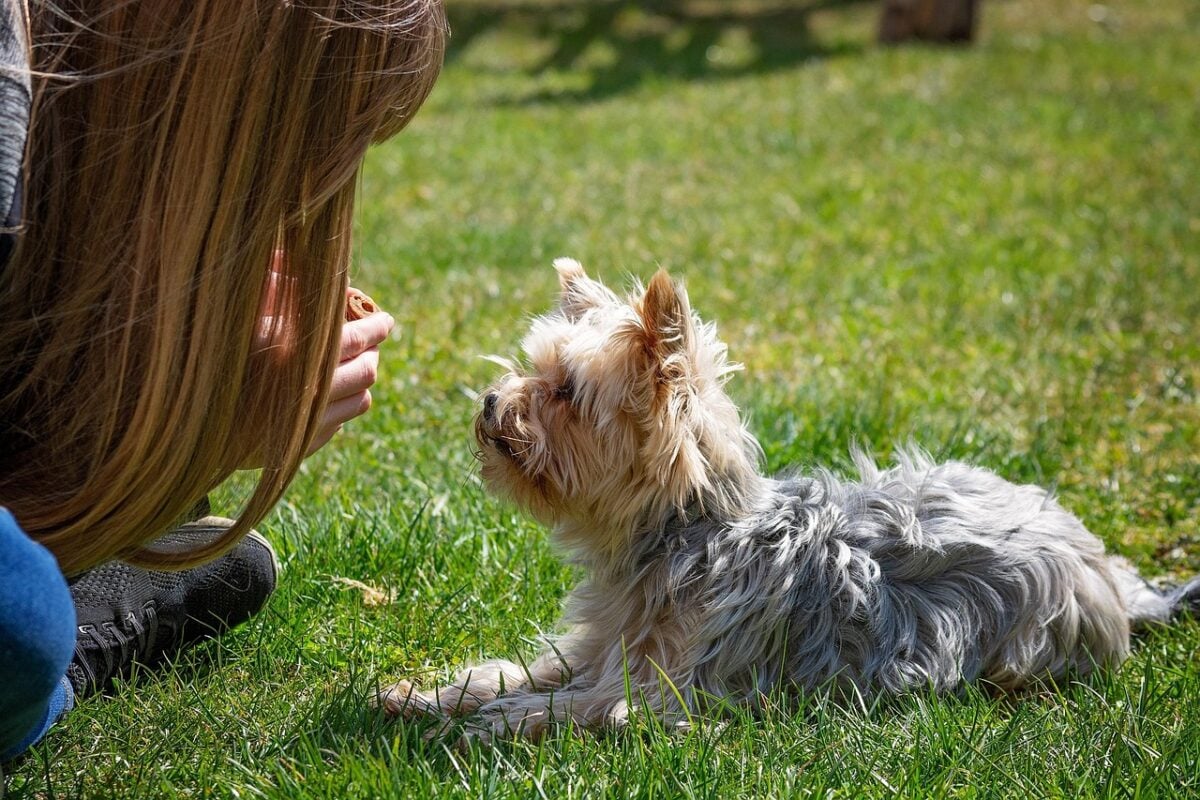
3. Clear Boundaries at Home
Dogs need structure. When they know what’s allowed (and what’s not), they’re more relaxed and less likely to react under pressure. That includes rules for kids, too.
4. Recognizing Red Flags Early
The earlier you spot stress signals, the easier it is to de-escalate. A dog who growls at strangers today could be the one lunging tomorrow, unless you intervene with training and space.
5. Managing the Environment
Leashes, gates, safe zones, and avoiding known triggers go a long way. You can’t train the whole world, but you can manage your dog’s space.
The best part? These aren’t just bite prevention strategies; they make life better for you and your dog.
Up next: Do some breeds bite more than others, or is it all just hype?
Do Certain Breeds Bite More? 5 Research Takeaways
What the Research Really Says
When you try to pin bite risk on breed alone, you run smack into a swirl of contradictory data and serious limitations. And this, rightly so, undermines confidence in breed‑risk data.
You’ve heard the claims: “It’s the breed,” “Pit Bulls are dangerous,” “Labs are safe.” But when you dig into the science, the truth is more complicated, and a lot less black and white. Here’s what the credible research shows (and what it doesn’t).
1. Some Breeds Are Linked to More Severe Injuries, But That Doesn’t Mean They Bite More
One commonly cited paper is Dog Bite Injuries to the Face: Is There Risk With Breed Ownership?, which analyzed facial bite wounds treated at two Level‑1 trauma centers over 15 years.
This review found that bites from “Pit Bull–type” and mixed‑breed dogs were more frequently associated with severe tissue damage compared with many other breeds.
But because the data comes only from hospital/trauma‑center admissions, it excludes almost all mild or unreported bites. That means the study is skewed toward the worst-case outcomes; it doesn’t reflect overall bite frequency across all breeds.
2. Breed Alone Isn’t a Reliable Predictor of Biting
The American Veterinary Medical Association (AVMA) argues there is no scientific consensus showing that any one breed is inherently more likely to bite. Factors such as training, socialisation, neutering status, and owner supervision frequently outweigh breed when it comes to bite risk.
A more recent comparison study of behavioural tendencies between “dangerous” and “non‑dangerous” dog breeds compared behavioral traits and found no significant difference in aggression threshold or stress‑related traits between the groups.
This paper, published in PubMed, suggests that breed labels are poor predictors of real behavior.
3. Small Dogs Bite Too, They Just Don’t Send People to the ER
Because severe bite‑injury studies focus on hospital admissions, bites from small or medium dogs, even if frequent, rarely show up in data.
That means the data on bite severity is biased toward bigger breeds, which skews public perception toward larger, more powerful breeds.
4. Breed Labels & Identification Are Often Wrong
Many “breed‑specific” statistics rely on visual identification or owner reports, both notoriously unreliable. Mixed‑breed or misidentified dogs are often lumped into ambiguous categories (“Pit Bull type,” “mixed,” “unknown”).
Multiple studies found that visual breed guesses were wrong in many cases compared to DNA testing. That means a lot of “breed-specific” data just isn’t trustworthy.
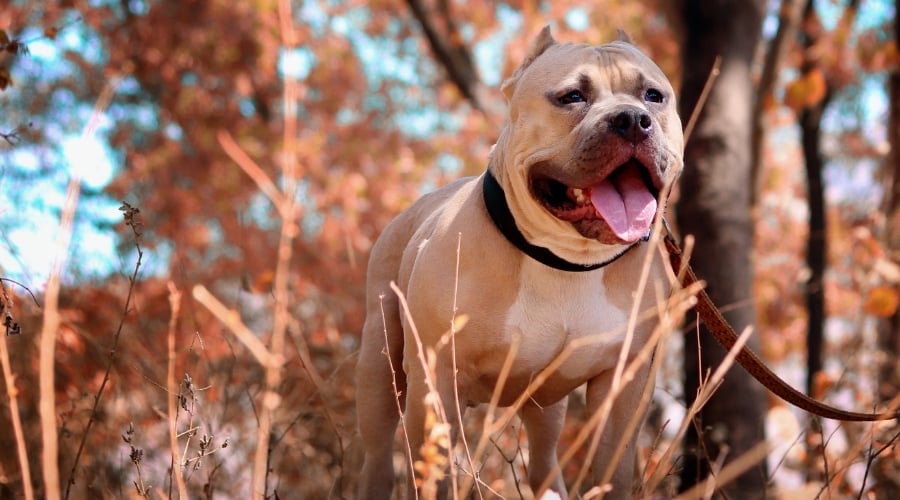
5. Owner Behavior Is Still the #1 Risk Factor
Recent literature repeatedly points to owner behavior, training style, socialization history, confinement/management, and context (e.g., child presence, supervision, resource guarding) as far more consistent predictors of biting than breed alone.
More recently, a review published in Applied Animal Behaviour Science found that owner characteristics and owner‑dog interactions, including physical punishment, poor socialization, lack of exercise, and inconsistent management, were among the most robust predictors of human‑directed aggression.
What This Means for Dog Owners
Real Talk (With No Moral Panic)
- Yes, some studies show larger breeds (or certain “types”) are over‑represented in severe bite injuries. But that doesn’t mean all dogs of those breeds will bite, or that smaller/light breeds are “safe.”
- Your best predictors aren’t breed, they’re how you raise, manage, and treat your dog. Training, socializing, supervision, and responsible ownership matter more than coat pattern or ear shape.
- Treat all dogs with respect and caution. Just because a dog looks small doesn’t mean it can’t bite if stressed, scared, or triggered. And not all “scary-looking” dogs are aggressive.
- Data is imperfect. Breed‑specific claims often rely on biased and limited samples. Use them as alerts and not absolutes.
The Bottom Line: Most Dog Bites Are Preventable
No matter the breed, no matter how “sweet” your dog is, the potential to bite is always there. But that doesn’t mean it’s random.
Most bites happen because a warning was missed, a child wasn’t supervised, a dog was pushed too far, or a mistake was made in the moment. That’s the bad news.
The good news? You can prevent almost all of it.
Understanding dog body language, stopping bad habits early, setting rules for kids, and using training that builds trust all add up. You don’t need to live in fear of your dog (or anyone else’s). You just need to stop assuming it won’t happen.
The people who get bitten usually say the same thing after: “I didn’t see it coming.” Now you will.
Want to Take Bite Prevention Even Further?
Keeping your dog and others safe from your dog starts with the right tools and training. A GPS dog collar can help track your pup if they bolt during a stressful moment. Wireless dog fences add an extra layer of safety to keep territorial behavior in check, especially around guests.
Investing time in positive dog training builds trust and reduces fear-based reactions that lead to bites. And if your dog’s showing signs of aggression or anxiety, finding a certified dog trainer or canine behaviorist can make all the difference.
Have You Dealt With a Dog Bite? Whether it happened to you, your child, or your pup, your story could help someone else avoid the same mistake. Share your experience, warning signs you missed, or what worked in the moment down in the comments. We read every one.