When you purchase through links on our site, we may earn a commission. Here’s how it works.
Imagine this: you set your new puppy down for the first time, and within minutes, your living room looks like a crime scene.
Table of Contents
A shoe has vanished. A throw pillow is leaking fluff. Somewhere, the sound of chewing is getting louder.
Puppies are born to explore, and everything within reach is fair game. The good news? A few smart changes now can save your home, your sanity, and maybe your favorite couch.
What Puppies Target First (And Why It’s Never The Toys)
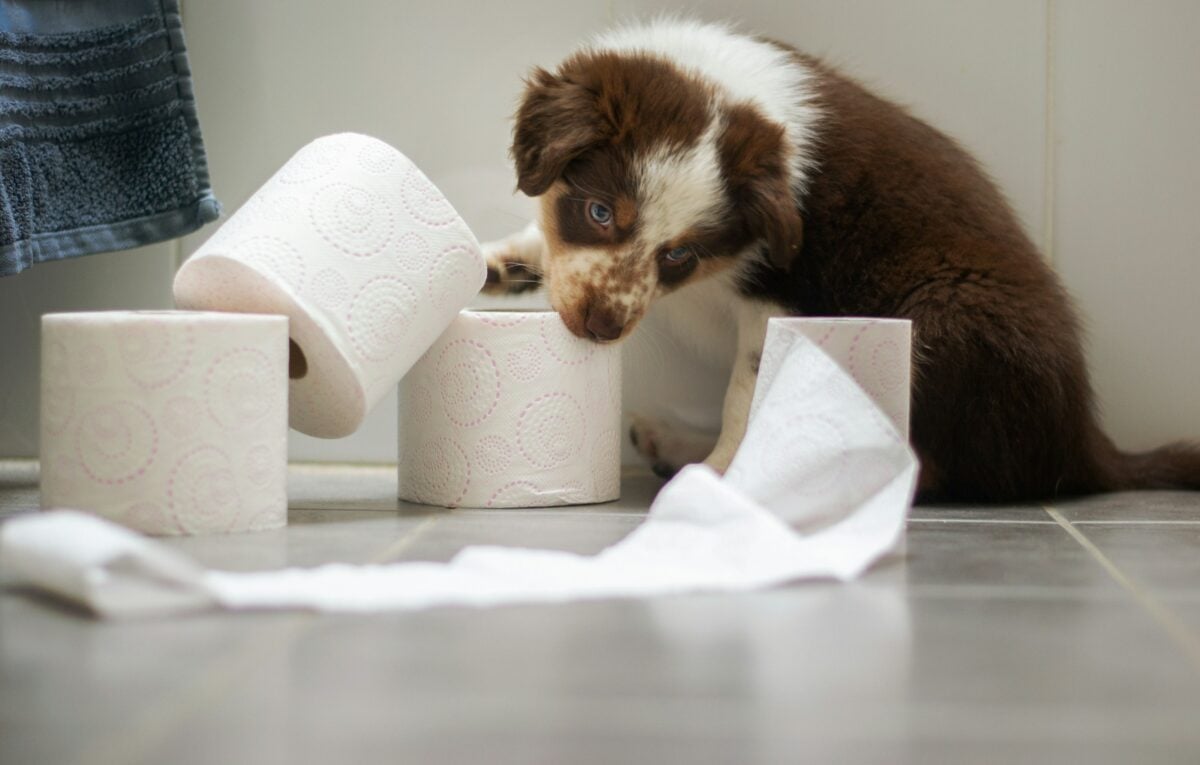
Puppies don’t go for toys because they’re toys. They go for whatever smells like you. That’s why your socks, remote, and phone charger are more appealing than the brand-new chew bone.
Common Puppy Magnets
- Shoes (especially the ones you actually like)
- Clothing, especially anything left on the floor
- Trash cans and tissue boxes
- Power cords and earbuds
- Houseplants and soil
Quick Takeaway: If it’s soft, smelly, or shiny, it’s probably in danger. Store everything you care about above paw level or behind closed doors.
The Top 10 Puppy-Proof Fixes That Actually Work
You don’t need to turn your house into a fortress to keep your puppy safe. These simple, proven fixes tackle the most common hazards new dog owners face — from toxic plants to tempting trash cans.
A few quick adjustments now can save your favorite shoes, your furniture, and a whole lot of stress later.
1. Houseplants That Could Hospitalize Your Pup
Like toddlers, puppies explore the world with their mouths. Unfortunately, some greenery can do real damage.
Many common houseplants — lilies, pothos, philodendrons, sago palms — can cause vomiting, diarrhea, or even organ failure if eaten. Check out our guide covering common house plants that are toxic to dogs.
What To Do
- Move toxic plants to high shelves or rooms your puppy can’t enter.
- Swap them for pet-safe alternatives, such as spider plants, Boston ferns, or parlor palms.
- Check every plant in your home using the ASPCA’s list of toxic plants.
Pro Tip: Even dirt can tempt a curious puppy. Cover exposed soil with decorative rocks or moss to deter digging.
2. Keep Medications Out Of Reach
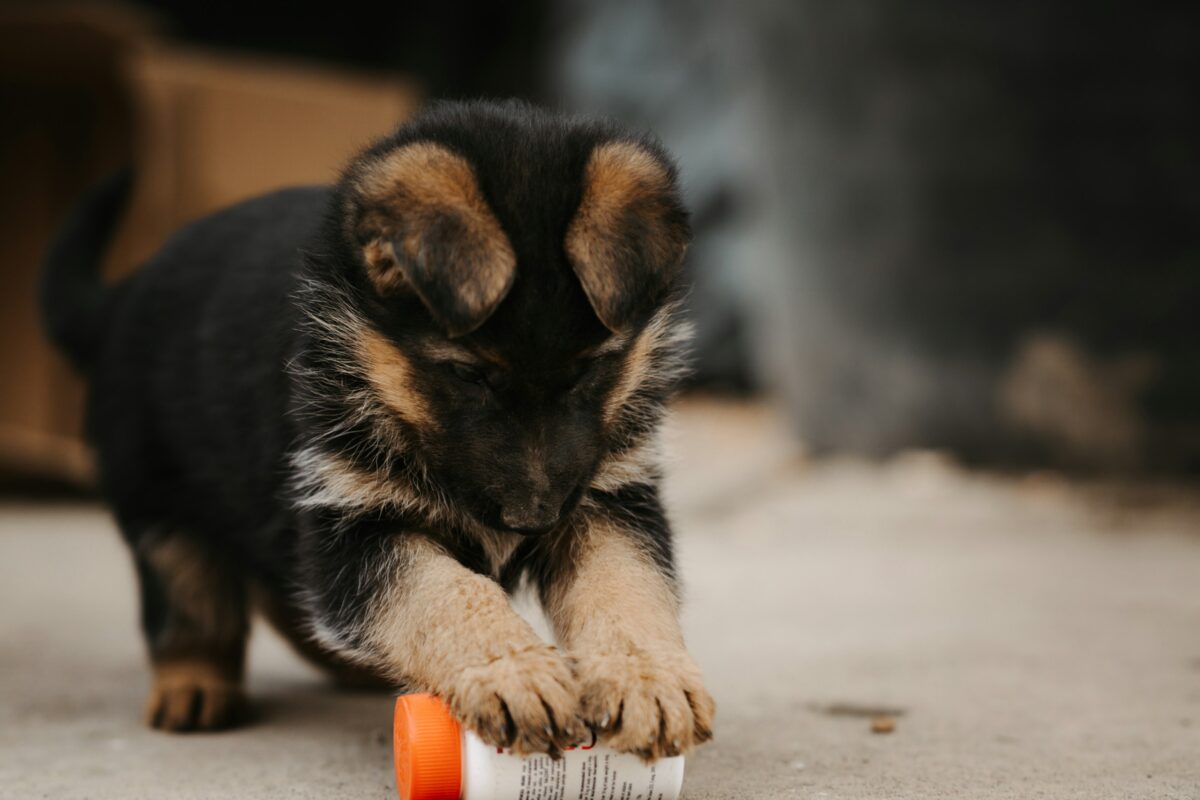
A single misplaced pill can turn into an emergency vet visit. Puppies are fast, and many human (and pet) medications are toxic in small amounts.
Best Practices
- Store all medications — human and animal — in closed drawers or high cabinets.
- Skip the “I’ll take it later” habit. Keep counters and nightstands clear.
- Use childproof or locking containers if your pup is a chewer.
- Educate yourself on what medications are safe for dogs.
Quick Takeaway: Never leave pills on a counter or bedside table. One moment of distraction can cost thousands in vet care.
3. Trash Can Temptations (And What to Buy Instead)
Trash is the puppy jackpot. Between food smells, tissues, and bathroom items, a garbage can might as well have a neon sign that says “dig here.”
Upgrade Your Setup
- Use trash cans with locking lids or step pedals that seal tightly.
- Keep small wastebaskets off the floor, especially in the bathroom.
- Secure kitchen bins behind cabinets or inside pull-out drawers for added convenience.
View our picks for best dog-proof trash cans.
Why It Matters: Bathroom trash can contain razors, floss, or hygiene products that are dangerous if swallowed. Kitchen trash may include bones, wrappers, or foods that are toxic to dogs.
4. Cleaning Supplies: The Hidden Hazard
That lemon-fresh scent? It can spell trouble.
Most cleaning products contain chemicals that are harsh on paws, tongues, and curious noses. Puppies lick everything, including floors, right after you’ve mopped.
What To Do
- Store all cleaning products in high cabinets or closed closets.
- Use pet-safe alternatives made with vinegar, baking soda, or plant-based ingredients.
- Keep floors dry before letting your pup walk on them.
Pro Tip: If it smells strong to you, it’s probably ten times worse for your dog’s sensitive nose.
5. Cords & Puppies Don’t Mix
Electrical cords are irresistible. They move, they dangle, and they’re just chewy enough to be dangerous. Puppies can get shocked or burn their mouths if they bite through a plugged-in wire.
Best Practices
- Hide cords behind furniture or secure them inside PVC pipe or cord concealers.
- Use spiral cable wraps to keep multiple wires bundled and out of sight.
- Offer a safe chewing outlet, such as a frozen teething toy, whenever your puppy becomes fixated on cables.
Heads Up: Even “unplugged” cords can still cause injury if chewed. Keep them covered or tucked away.
6. Furniture Fortification
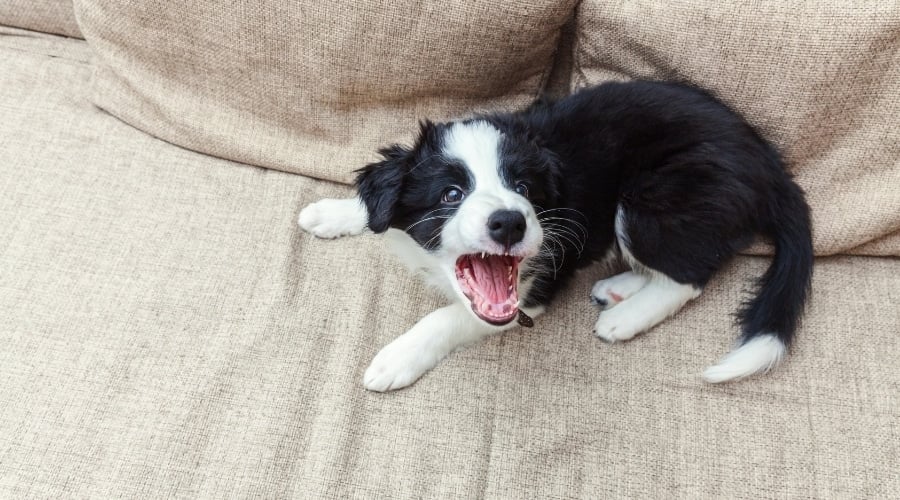
Whether your puppy is a snuggler or a couch climber, the furniture will pay the price. Decide early if your dog is allowed on the couch.
If the answer is yes, make it dog-proof before they leave a paw print.
How To Protect Your Furniture
- Use washable covers on sofas and chairs.
- Choose fabrics that match your dog’s fur color to disguise shedding.
- Keep a lint roller or pet hair remover tool nearby for daily cleanups.
Worth Remembering: You can either spend five minutes covering your couch or five years pretending not to notice the scratches.
7. Small Stuff, Big Trouble
Now is the time to clean like your in-laws are coming over. Earrings on the end table, socks under the bed, coins on the counter — anything that fits in a puppy’s mouth is fair game.
When swallowed, small objects can cause choking or dangerous blockages that require surgery. If your puppy eats something questionable, contact your veterinarian or an emergency clinic immediately. Even “soft” items, such as socks, can cause serious problems.
What To Do
- Pick up laundry, shoes, and small clutter daily.
- Store jewelry, hair ties, and batteries in drawers or closed boxes.
- Keep bathroom counters and nightstands clear.
Tip: Sign up for pet insurance when your puppy is young to save money in the long run on vet bills.
Owner Story
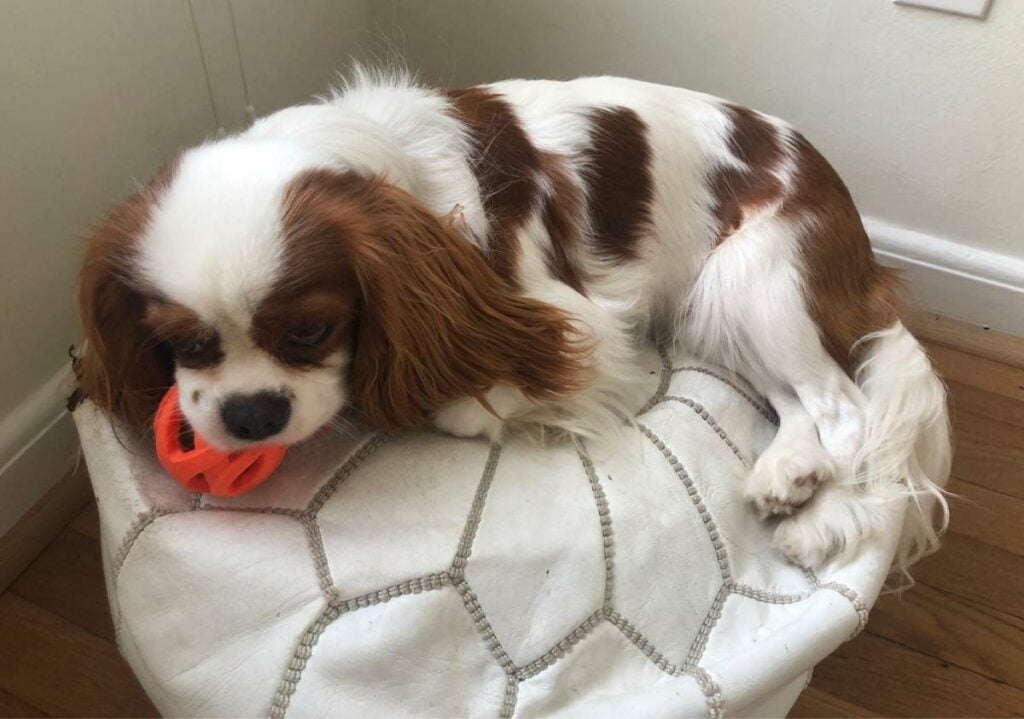
When our dog Georgie was a puppy, he wanted to gnaw on just about everything. He was especially fixated on a couple items, including our leather poof. He loved the rope seams and insisted on chewing the corners of it.
Whenever he did chew on it, we’d give him a ball to chew on instead which shows him what’s okay to chew and setting an example for good behavior.
– Sadie C., Canine Journal
8. The Kitty Litter Conspiracy
If you have both cats and dogs, brace yourself. Puppies are fascinated by litter boxes. It’s gross, but to them, it’s a treasure chest.
The problem is that cat litter can clump inside their intestines and cause serious illness.
How To Stop It
- Place the litter box in a gated room or behind a pet gate with an opening to let only your cat through.
- Use a covered litter box with a secure entrance your dog can’t reach.
- Keep the area clean to reduce tempting smells.
Quick Reminder: Cat feces can transmit parasites. Keeping your puppy out of the litter box protects both pets.
9. Rug Roulette
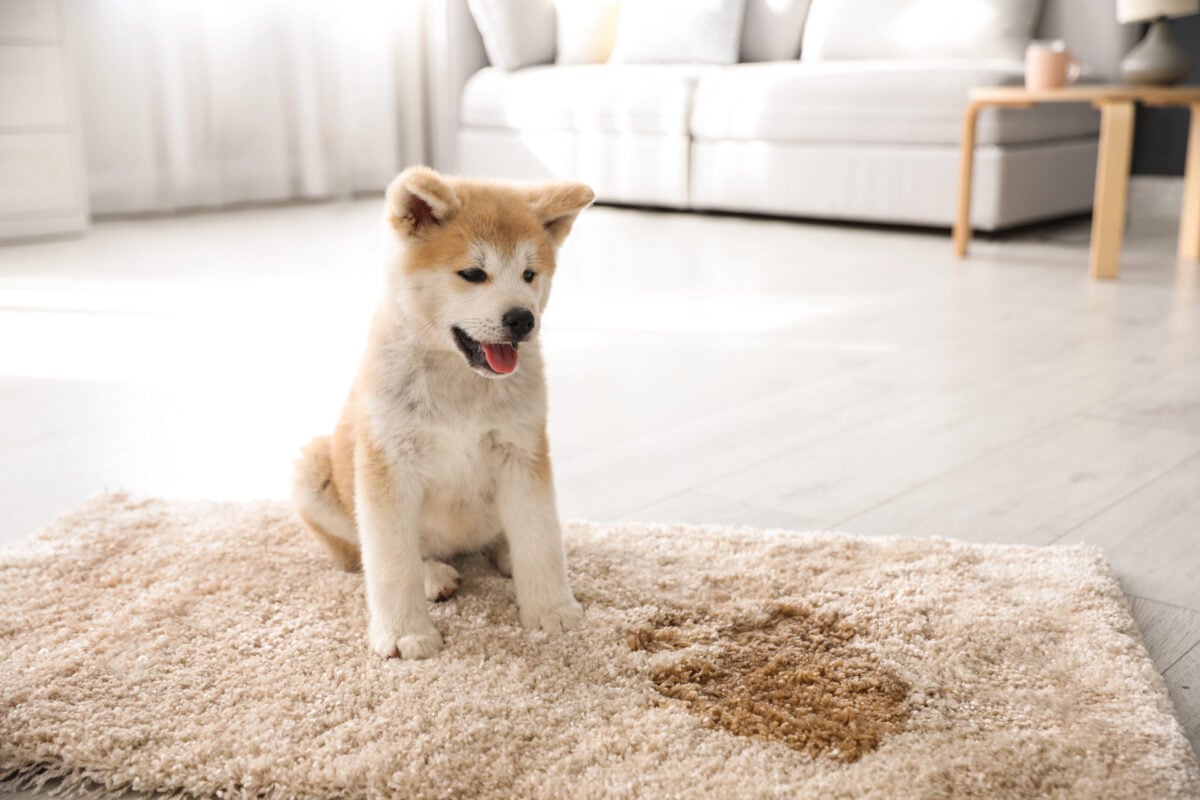
Accidents happen, and puppies don’t discriminate between tile and Persian rugs. You can either spend months scrubbing stains or choose materials that forgive a learning curve.
Best Options
- Use indoor-outdoor rugs — they’re durable and easy to clean.
- Pick patterns or colors similar to your dog’s fur.
- Place washable runners in high-traffic areas where your puppy spends a lot of time.
Pro Tip: Keep an enzyme cleaner nearby for the inevitable oops moment. It breaks down urine odors before they set in. Here are some additional recommendations to get the pee smell out of the carpet.
10. Backyard Breakouts
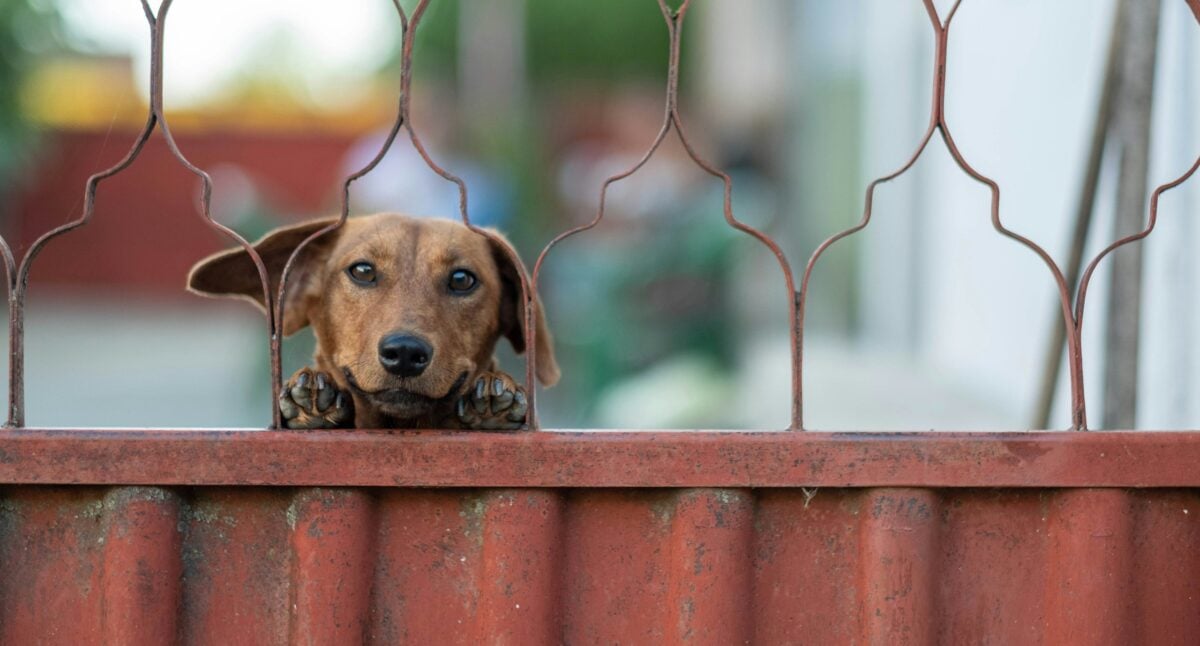
If you think your fence is secure, your puppy thinks it’s a challenge. Tiny bodies and considerable curiosity make for dangerous escapes. Even small gaps or loose boards can turn into a great adventure.
What To Check
- Walk the fence line for gaps, holes, or loose panels.
- Block small openings with mesh or garden netting.
- If you have an iron fence, make sure your pup can’t squeeze between bars.
- For diggers, place pavers or chicken wire along the base.
Quick Tip: If you don’t have a yard or a fenced yard, a puppy playpen is a good solution to keep pets contained while giving them room to exercise and play.
Create A Safe Zone For When You’re Away
Even a well-proofed house needs a backup plan. Puppies can’t be supervised 24/7, and that’s when accidents happen. A crate or playpen gives your dog a secure space to nap, play, and stay out of trouble when you’re not watching.
How To Set It Up
- Select a crate that is large enough for your puppy to stand, turn, and lie down comfortably.
- Keep soft bedding inside but avoid plush toys until your puppy is past the chewing phase.
- Place the crate in a quiet, temperature-controlled spot where your dog feels part of the household but not overstimulated.
- Use positive reinforcement — never punishment — so your puppy sees the crate as a safe haven.
For step-by-step help, read our full guide on how to crate train your puppy.
Good To Know: Crate training not only prevents messes and destruction but also helps with potty training and anxiety.
Puppy-Proofing Starter Kit
Before you bring your new puppy home, stock up on a few essentials that make life easier (and safer). These simple tools can prevent most accidents before they happen.
What You’ll Need
- Cord concealers: Protect cables and prevent chewing injuries.
- Locking trash can: Keeps garbage, food scraps, and bathroom waste out of reach.
- Washable couch cover: Saves your furniture from fur and muddy paws.
- Baby gate or playpen: Creates a safe zone when you can’t supervise.
- Enzyme cleaner: Removes stains and odors from accidents.
- Pet-safe cleaning products: Gentle on paws, powerful on messes.
Pro Tip: Set up these basics before your puppy’s first day. It’s easier to prevent chaos than to puppy-proof in panic mode.
When Curiosity Turns Dangerous
Even with precautions, puppies find trouble. If your dog eats something toxic — like medication, cleaning supplies, or plants — call your vet or the Pet Poison Helpline at 855-764-7661 immediately.
What To Expect
- The professional may recommend a visit to an emergency vet.
- Depending on what was ingested, your puppy might need fluids, medication, or monitoring.
- Pet insurance can help cover treatment costs, especially for cases involving poisoning or ingestion of foreign objects.
Smart Move: Sign up for pet insurance early. Plans are typically cheaper when your dog is young and healthy.
Holidays: The Hidden Hazards
The holidays are magical but can also be chaotic with a puppy. Decorations, food scraps, and extra guests all introduce new risks.
Stay Safe During Celebrations
- Keep tinsel, ribbon, and ornaments out of reach.
- Block off the tree base to prevent water from standing.
- Watch for dropped chocolate, nuts, or alcohol.
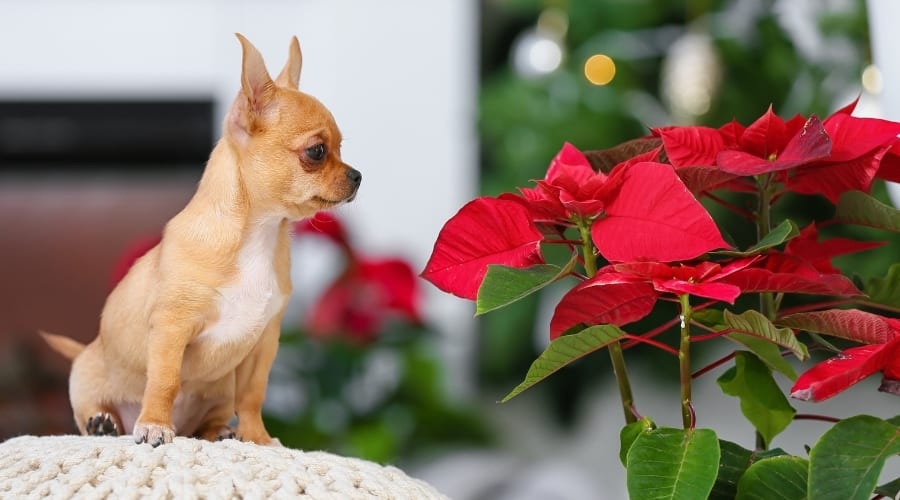
- Avoid toxic holiday plants such as poinsettias, holly, and mistletoe.
Identify holiday-specific dangers around your home.
Friendly Reminder: The more excitement in your house, the more likely your puppy is to find mischief. Maintain consistent routines to reduce stress and prevent accidents.
Training Makes All The Difference
A well-trained puppy is a safer puppy. Teaching basic commands early helps your dog understand boundaries and stay calm when the world feels exciting.
Getting Started
- Begin with short, positive sessions using treats or toys.
- Focus on “leave it,” “drop it,” and “stay.”
- Consider an online program, such as Doggy Dan’s training course, if you want help from the comfort of your own home.
Worth It: Investing in training now saves you time, money, and frustration in the long run.
Frequently Asked Questions
Even the most careful pet parents still have questions once their new puppy arrives. These common puppy-proofing FAQs cover how to prepare your home, prevent accidents, and make those first few months a little less chaotic.
Don’t see your question? Please respond in the comments!
How Long Does It Take To Puppy-Proof a House?
Most homes can be puppy-proofed in a weekend. The most time-consuming part is reorganizing items that need to be moved higher or behind closed doors.
Start with your main living area, then tackle bedrooms, bathrooms, and the yard one zone at a time.
What Is The Most Common Puppy-Proofing Mistake?
Most new owners underestimate how far a puppy can reach. Coffee tables, low shelves, and open trash bins are frequent problem spots. If you think it’s out of reach, assume it isn’t.
How Can I Keep My Puppy Safe When I’m Not Home?
Create a secure space such as a playpen, crate, or gated room. Keep cords, shoes, and small items out of that zone. Leave a few durable toys or puzzle feeders to keep your pup occupied while you’re gone.
Are There Puppy-Proofing Products Worth Buying?
Yes. Cord concealers, locking trash cans, cabinet latches, and washable couch covers are inexpensive yet practical solutions.
Choose products made for child or pet safety to ensure durability and peace of mind.
When Should I Start Puppy Training?
Training should begin as soon as your puppy comes home. Short sessions of positive reinforcement build trust and help prevent behavioral problems.
Even basic commands, such as “leave it,” can prevent accidents before they happen.
More Puppy Training Tips
In addition to puppy-proofing your house, read our other puppy articles to ensure your new pup gets acclimated as quickly and best as possible, including a puppy checklist, how to crate train a puppy, tips for bringing a new puppy home, and more.