When you purchase through links on our site, we may earn a commission. Here’s how it works.
If your puppy is chewing everything in sight, you’re not alone. Teething typically peaks between 12 and 16 weeks and can last until 6–8 months.
Table of Contents
Here’s what’s normal, what’s not, and exactly how to survive it without losing your furniture.
Quick Answer: When Does Puppy Teething Get Worst?
- Baby teeth come in: 3–6 weeks
- Adult teeth start replacing them: 12–16 weeks
- Peak chewing phase: 4–6 months
- Most puppies finish teething: By 8–9 months
Chewing is usually most intense during the 3–6 month window. After that, it gradually improves.
Peak chewing phase often overlaps with the spring and early summer adoption season, when many families bring home young puppies. If you’re in that window, intense chewing is expected — not a sign you chose the “wrong” dog.
Puppy Teething Symptoms
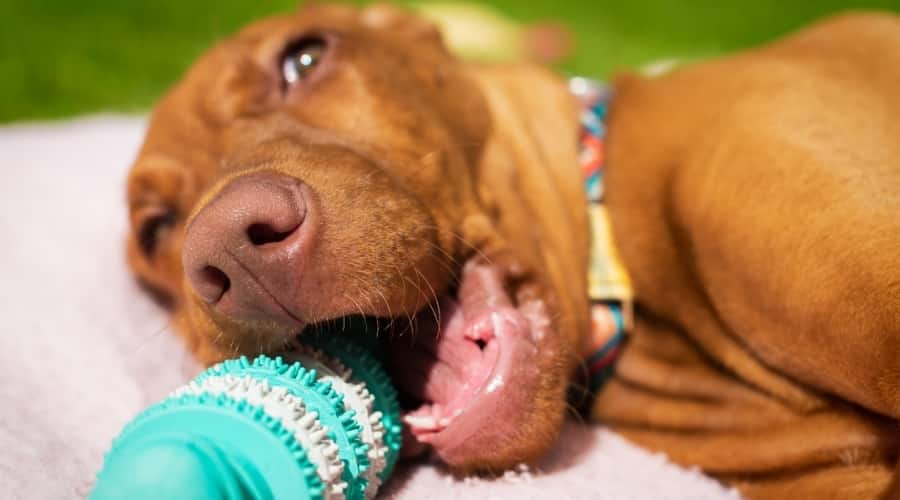
The first sign of teething for most pups is chewing everything in sight, including your furniture, the skirting boards, and door frames. When they’re not chewing your furniture, they’re usually carrying a toy around like it’s a pacifier.
You might also find your dog’s baby teeth lying around, usually somewhere near their toys or an area they have been chewing on. Some pet parents like to keep their pup’s baby teeth as a keepsake.
Sometimes, you might notice that your puppy has some crooked teeth or that the adult teeth come through while baby teeth are still in place. These are common problems that can be treated at the vet. But if you are concerned about your dog’s teeth, it’s always best to get them checked.
How Long Do Teething Symptoms Last?
Teething symptoms don’t happen all at once. They build, peak, and gradually fade.

Most puppies start showing noticeable chewing behavior around 12–16 weeks. The most intense phase usually lasts from 4–6 months, when adult teeth are actively pushing through the gums.
By 6–8 months, symptoms typically improve significantly. That said, chewing can continue out of habit if it hasn’t been redirected properly.
The key difference? Teething discomfort fades. Learned chewing behavior doesn’t.
Quick Check: Is This Normal Teething?
If you’re unsure which column your puppy falls into, call your vet.
Normal
- Chewing furniture legs or toys
- Mild gum redness
- Small spots of blood on toys
- Increased drooling
- Temporary fussiness
Not Normal
- Persistent bleeding
- Swelling of face or jaw
- Refusing food entirely
- Strong foul odor
- Retained baby teeth past 6–7 months
Is My Puppy Teething Or Just Being Destructive?
Your pup just tore through a flip-flop like it owed them money. So, is this a behavioral issue, or are those tiny teeth the real culprit?
Classic Signs It’s Teething
- Targeted chewing on harder surfaces (like furniture legs or baseboards)
- Drooling more than usual
- Rubbing their face on carpets or furniture
- Mild bleeding from gums or baby teeth on the floor
- Sudden obsession with cold textures or gnawing toys
- Starts between 12–16 weeks, but can continue into 6–8 months
Other Common Teething Symptoms Vets See That Owners Often Miss
Chewing is the obvious one, but teething affects way more than your pup’s jaw:
- Ear scratching on one or both sides (because jaw nerves connect to the ears)
- Bad breath (yep, baby teeth + bacteria = a slightly stinky mouth)
- Head shaking or jaw clicking
- Sudden fussiness or whiny behavior with no other illness signs
Think of it like a toddler cutting molars. Your pup can’t tell you what hurts, so they show it instead.
What It’s Not
- Defiance
- Boredom (though that can overlap)
- “Acting out” on purpose
Treat it like a sped-up, chew-heavy version of baby teething, but with sharper consequences for your shoes. It’s not misbehavior, it’s discomfort.
If your puppy’s chewing is non-stop, intense, or includes signs of pain (yelping, not eating, or swelling), it’s time to talk to your vet.
Puppy Teething Schedule
Puppy teeth come in fast, fall out faster, and make a surprising mess in between. Excessive chewing is usually the first and most certain sign of teething.

A lot of pet parents might easily mistake this for naughty or worrying behavior, but it’s a totally natural process that every puppy will go through in their development. Here’s what to expect:
- 3–6 Weeks: Baby Teeth Come In. Puppies are born toothless. By 6 weeks, they have 28 baby teeth, including incisors, canines, and premolars.
- 12–16 Weeks: Adult Teeth Begin Replacing Baby Teeth. This is when chewing ramps up. You may notice mild gum redness or small spots of blood on toys.
- 4–6 Months: Peak Chewing Phase. Most adult teeth are coming in during this window. Chewing often feels constant.
- 6–8 Months: Teething Winds Down. By 8–9 months, most dogs have all 42 adult teeth. Chewing usually decreases significantly.
There is variation by breed and size, but most puppies follow this general pattern.
Our Personal Experience With Puppy Teething
When I adopted my Labrador mix, Bear, I had no idea what I was signing up for in the chewing department. I’d had dogs before, but none with this level of jaw dedication.
Bear wasn’t just a chewer. He was a one-dog demolition crew.
At first, it was the usual puppy stuff. Shoes. Socks. A corner of a throw pillow.
But once his adult teeth started coming in, he leveled up. One day, I came home to find that he had completely dismantled our couch.
I learned quickly that distraction was my only hope. I stocked up on KONG toys, those thick, rubbery tanks of the toy world. I’d stuff them with peanut butter, freeze them solid, and hand them over like peace offerings.
The worst of his teething phase hit between four and six months. But even after that, chewing remained one of Bear’s greatest joys. To him, it wasn’t just a habit. It was a lifestyle.
– Danielle DeGroot, Rescue Dog & Mom Canine Journal Writer
Why Chewing Actually Feels Good To Puppies
Teething isn’t random destruction. It’s pressure relief.
When adult teeth push through the gums, it creates inflammation and nerve sensitivity. Chewing applies counter-pressure, which temporarily reduces discomfort. Cold items help even more by constricting swollen tissue.
That’s why frozen toys, textured rubber, and safe chew options work so well. They’re not distractions. They’re relief.
Chew Toys & Soothing Tricks For Teething Puppies
Let’s be clear: you can’t stop puppy teething. But you can make it way easier (for both of you).
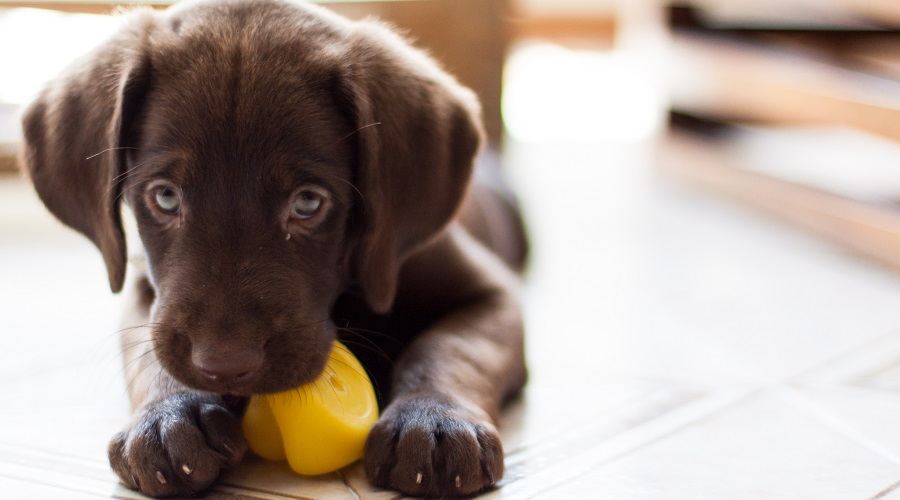
Top 5 Teething Relief Options (That Actually Work)
- Frozen Kongs. Fill with peanut butter or plain Greek yogurt, freeze, and watch your pup go quiet for 20+ minutes. The cold numbs sore gums.
- Frozen Carrots or Banana Slices. A simple, safe treat that doubles as a soothing chew.
- Puppy Teething Rings or Puppy Chews. Soft enough for sore gums, durable enough to last. Look for toys labeled “for teething puppies.”
- Chilled Wet Washcloth (Supervised Only!). Twist it, soak it, freeze it, and give it for 5–10 minutes under your watch.
- Lick Mats with Soft Spreads. Helps redirect anxious energy and encourages licking over gnawing.
The trick is combining cold + texture. Cold reduces inflammation, while textured toys give puppies what they crave: pressure relief on those erupting teeth.
Best Toys For Teething
Choosing the right toys for your teething puppy can be overwhelming, with so many different types on the market. We have a dedicated guide on the best toys for teething puppies, with more tips on getting through this tough stage.
What To Avoid
- Hard bones, antlers, or hooves – too rigid, can fracture baby teeth
- Rawhide – digestion risks + choking hazard
- Stuffed toys with squeakers – high risk of shredding and swallowing
- Tennis balls – rough felt wears down enamel
4 More Ways To Help Your Teething Puppy
So, your puppy has started teething, and you’re probably wondering what you can do to help your fur baby feel more comfortable and get through this stage with ease. The good news is there are lots of simple and easy tips that can help you and your pup breeze through the teething stage.
1. Offer Your Puppy Lots Of Toys
Teething puppies are prone to excessively chewing, nibbling, or biting, and it’s much better for them to chew on suitable dog-friendly toys than potentially dangerous (or valuable) items in your home. Make sure that your dog has a good selection of safe and suitable toys to help them ease their pain.
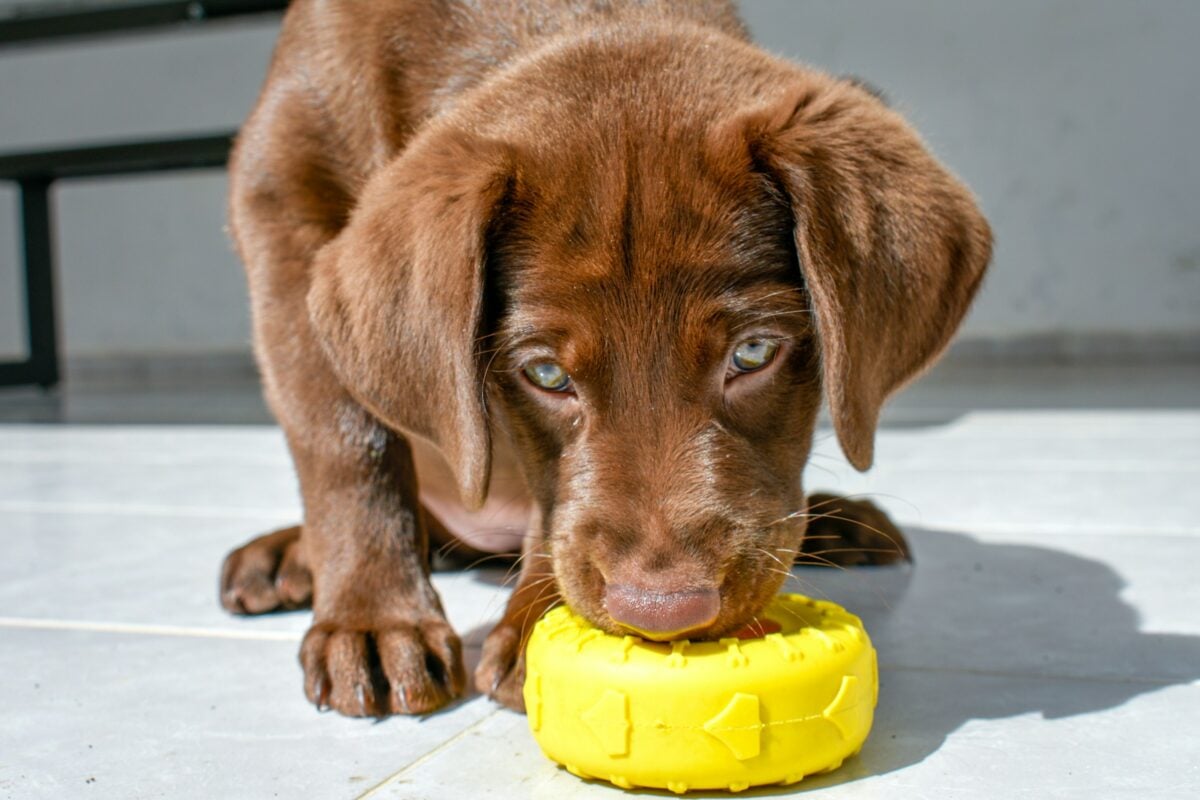
There is a huge range of products on the market offering everything from soft toys for dogs with all their baby teeth to harder toys for those with their adult teeth coming through. Some toys can be frozen to soothe sore gums, and you can also offer tasty frozen treats.
The most important thing is that your pup’s toys are durable and don’t have any loose parts that could potentially come off and be swallowed. You also need to make sure that any toys you offer your pup are suitable for their size so they don’t choke.
2. Puppy-Proof Your Home
When your puppy is teething and wanting to chew on everything it can get its teeth on, you need to be extra careful with items lying around your home that could be dangerous.
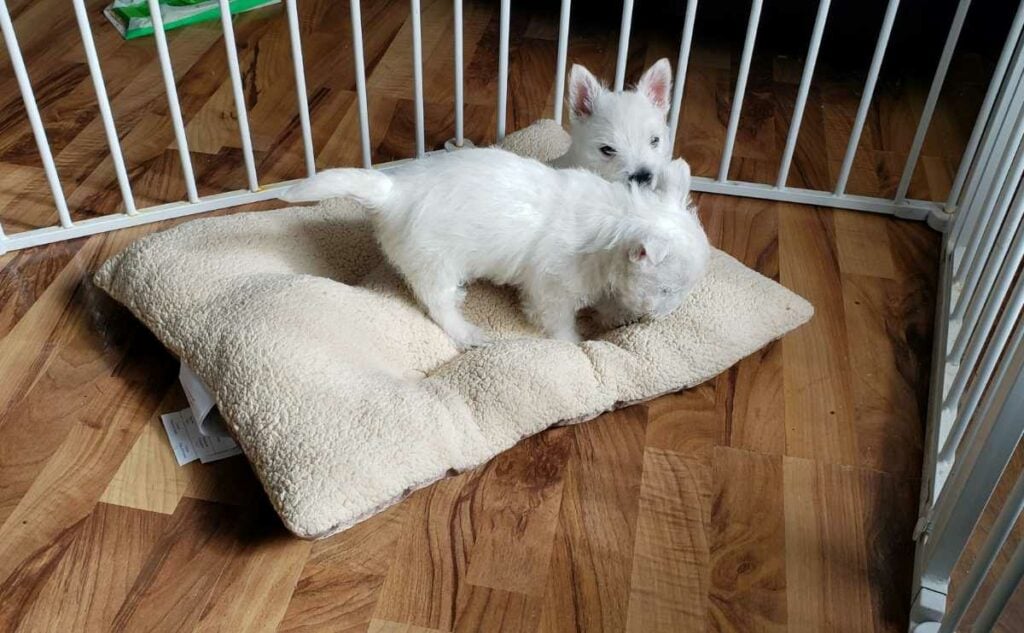
- Using a dog gate can be a lifesaver, literally.
- Make sure any loose wires are secured and inaccessible.
- Keep any toxic plants well out of their reach, as well as shoes or items of clothing with loose parts.
Bitter sprays can also be useful as they create a nasty taste that your pup hates and discourage them from chewing in that area.
3. Provide Plenty Of Stimulation
Distraction is often key when it comes to preventing chewing and giving your dog some relief from their discomfort. It is really important to keep them occupied with enough exercise, as well as mental stimulation from games and socializing with family and other pets.
4. Training
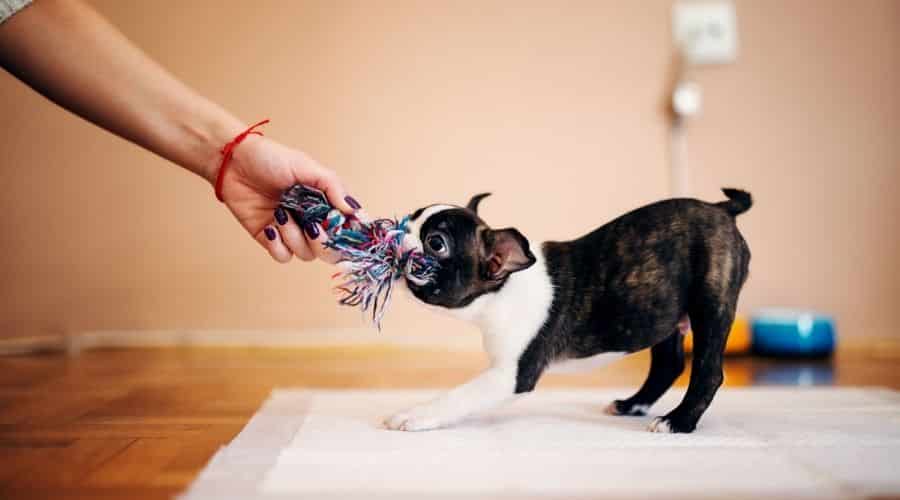
Teething is one of the biggest reasons new puppies struggle with focus during early training, especially between 3–6 months. Your puppy needs to know which items are off-limits when it comes to chewing. The only thing they should be chewing on is their toys.

- Positive reinforcement and high-quality rewards are the most effective techniques.
- You should never punish your dog for bad behavior.
- Try simple commands to encourage good behavior.
If you aren’t sure, get in touch with a registered trainer or behaviorist for support and advice.
When It’s Not Just Teething — 7 Red Flags To Watch For
Here’s how to tell the difference between normal teething and something more serious.

1. Second Set Of Teeth
Occasionally, the adult teeth come through before a baby tooth has fallen out, and you might notice that your puppy looks like they have 2 sets of teeth.
This is a common problem with no obvious cause, but it can be quite uncomfortable for your dog. Usually, the retained baby teeth need to be removed at the vet under sedation or general anesthetic and are sometimes extracted at the same time as neutering.
Retained baby teeth are especially common in small breeds like Yorkies, Maltese, and Toy Poodles. This is why many vets check teeth carefully at the 6-month wellness visit.
2. Crooked & Broken Teeth
Crooked or broken teeth are also common and can be quite painful. Teeth often break when dogs are chewing on hard toys or surfaces or even eating bones.
Certain breeds, such as Boxers, Bulldogs, Shih Tzu’s, and Pugs, are predisposed to developing an under or overbite (malocclusion).
If you notice anything unusual about your puppy’s teeth during the teething stage, it’s always best to get it checked by the vet, as there are lots of simple treatment options available.
3. Excessive Bleeding From The Mouth
A tiny bit of blood on a chew toy is normal during teething, especially when baby teeth are falling out. But if you notice consistent bleeding, visible blood pooling in the mouth, or bleeding that doesn’t stop after a few minutes, it could signal trauma to the gums, a fractured tooth, or a deeper oral injury. This needs prompt vet attention.
4. Facial Swelling
Mild puffiness can be hard to spot under puppy fluff, but any noticeable swelling around the muzzle, jawline, or under the eyes can mean trouble. It may be caused by a tooth root infection, a lodged foreign object, or even a mild allergic reaction.
It’s always better to have swelling checked early.
5. Strong, Foul Odor From The Mouth
While puppy breath has a reputation of its own, it shouldn’t smell rotten or sour. A very strong or unusually bad odor could be a sign of gum infection, abscesses, or trapped food and bacteria under a retained baby tooth.
This kind of smell is your puppy’s way of telling you something’s not right.
6. Loss Of Appetite Or Dropping Food
If your puppy suddenly becomes picky, stops eating, or drops kibble mid-chew, they might be experiencing pain in their mouth. This could be from inflamed gums, cracked teeth, or something lodged where it shouldn’t be.
Puppies should eat eagerly, even during teething, so any change in eating behavior is worth a closer look.
7. Pawing At The Face With Signs Of Distress
Some discomfort is expected during teething, but if your puppy is pawing obsessively at their mouth, whining, hiding, or acting unusually quiet or tired, it could point to deeper pain. This could be from an infected tooth, jaw injury, or even a foreign object stuck between the gums or teeth.
Is This Teething… Or Something Else?
- My puppy is suddenly ignoring training. Peak teething discomfort can reduce focus and patience, especially between 3–6 months.
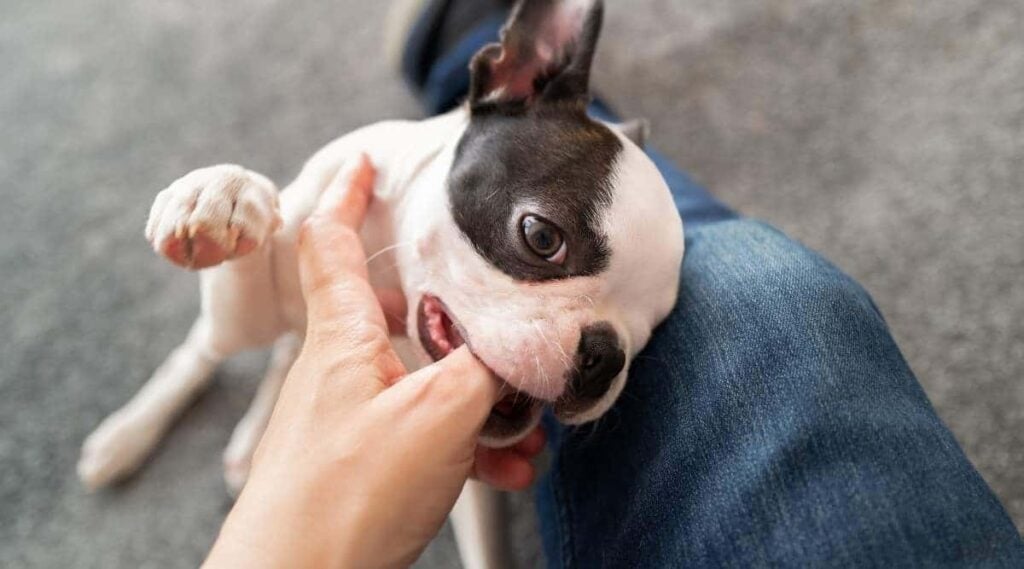
- My puppy is biting more than before. Increased mouthiness is common because chewing relieves gum pressure.
- My puppy only wants cold surfaces or frozen toys. That’s normal — cold helps reduce inflammation and numb sore gums.
- My puppy is drooling more than usual. Mild drooling often increases while adult teeth are erupting.
- My puppy stopped chewing overnight. This usually means the most intense phase of teething has passed.
3 Puppy Teething Mistakes
You’d be surprised how many puppy teething issues often come down to the same three mistakes.
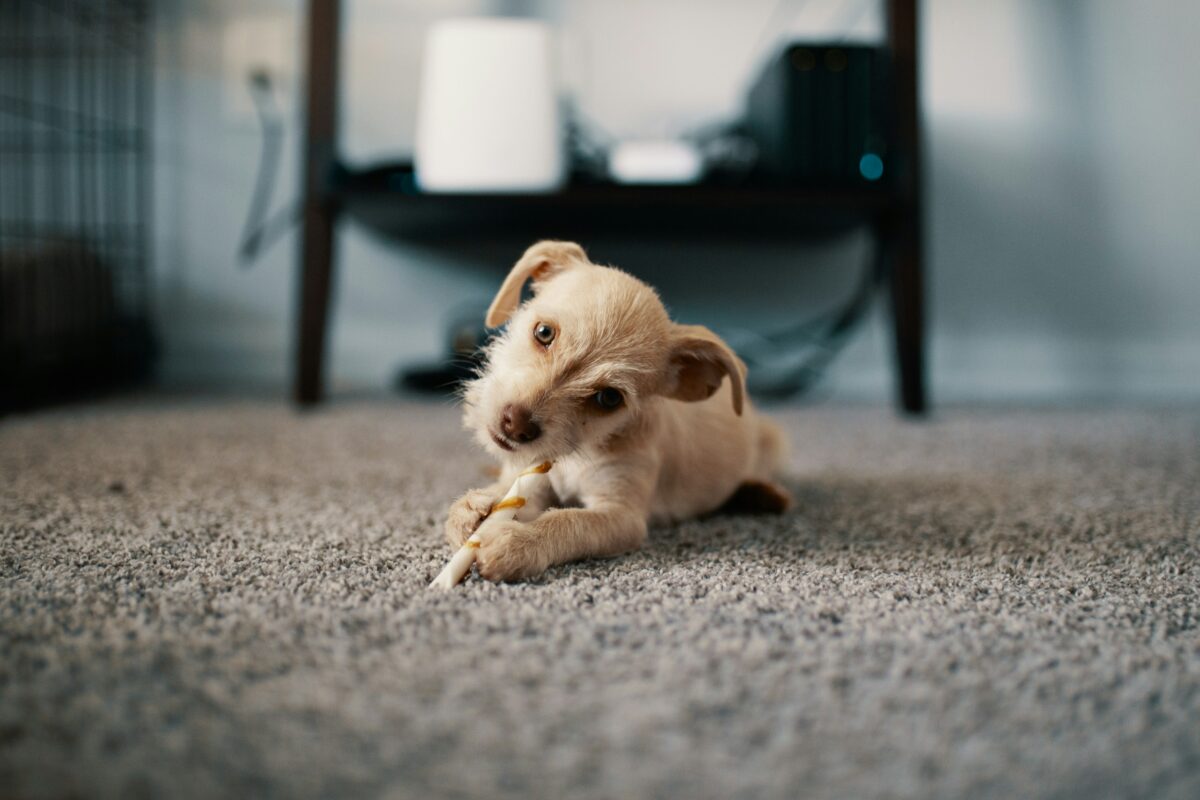
1. Giving The Wrong Chew Toys
- The mistake: Hard bones, real antlers, or even cheap pet-store “teething” toys that aren’t designed for puppies.
- Why it matters: Baby teeth are fragile. Chewing on anything too hard can cause fractures, tooth root damage, or even lead to extractions later.
- What to do instead: Soft rubber, nylon, and frozen options are best. If you can’t indent the toy with your fingernail, it’s too hard for their teeth.
2. Letting Chewing Happen Unsupervised
- The mistake: Leaving your pup alone with plush toys, cords, or anything they “seem to like.”
- Why it matters: Teething puppies will find something to chew, whether it’s safe or not.
- What to do instead: Puppy-proof your space like you would for a toddler. Keep chew-approved toys within reach and rotate them to keep things fresh and interesting.
3. Waiting Too Long On Dental Issues
- The mistake: Assuming “it’s just teething” when something’s off, like persistent bad breath, retained teeth, or chewing that lasts past 8 months.
- Why it matters: Dental issues that start during teething can shape your pup’s bite for life.
- What to do instead: Ask your vet to do a dental check at your puppy’s 6-month wellness visit. It’s quick, and it can save your dog a lot of pain (and you a lot of money) down the road.
Frequently Asked Questions
Still have questions? You’re not alone. These are the most common questions regarding puppy teething.
Don’t see your question? Respond in the comments, and we’ll get back to you!
Can Teething Make My Puppy Act Out Or Ignore Training?
Yes. Teething discomfort can make puppies more irritable, distracted, and mouthy.
It doesn’t mean your training isn’t working. It just means they’re uncomfortable. Stick with short, calm sessions and redirect biting with toys.
Is It Normal For A Teething Puppy’s Mouth To Bleed?
A small amount of blood on a toy or after chewing is normal. If you see dripping blood, blood pooling in the mouth, or bleeding that doesn’t stop quickly, call your vet.
What Should I Not Give My Puppy To Chew On?
Avoid hard bones, antlers, hooves, sticks, rawhide, and anything they can shred and swallow (like stuffed toys with squeakers). If you can’t press a fingernail into it, it’s too hard.
What If My Puppy’s Baby Teeth Aren’t Falling Out?
This is called a retained deciduous tooth, and it’s pretty common, especially in small breeds. A vet may need to remove it to prevent crowding or misalignment.
When Do Puppies Stop Teething?
Most puppies finish teething between 6 and 8 months. After that, chewing should calm down. But it can become a habit if not redirected early.
Should I Brush My Puppy’s Teeth While They’re Still Teething?
Yes, but gently. Use a soft-bristle toothbrush and dog-safe toothpaste, and introduce teeth brushing slowly so they associate it with positive experiences.
Avoid brushing over very sore or bleeding gums.
Next Steps For A Healthy, Happy Pup
Teething is temporary. Dental health is lifelong. Now is the perfect time to build strong habits: choose safe chew toys, introduce gentle tooth brushing, and set up an effective teeth-cleaning routine.