When you purchase through links on our site, we may earn a commission. Here’s how it works.
Your German Shepherd could be wagging their tail one minute and fighting for their life the next. This loyal breed looks strong on the outside, but inside? They’re prone to a few silent health problems that can strike fast and without warning.
Table of Contents
Some cause lifelong pain. Others can turn deadly in hours. The scary part? Most owners don’t notice the signs until it’s too late. Here’s what vets wish every German Shepherd parent knew and how to spot the first red flags before they spiral into heartbreak.

Planning Ahead For Vet Bills
Coming up are just some health conditions that can affect this beautiful breed. You can always pay for your German Shepherd’s health care out of your pocket, but you can also consider pet insurance.
Pet insurance can help cover the cost of care and help keep you from choosing between your bank account and your pet’s care. Most providers do not cover pre-existing conditions, so it’s best to get your dog covered when they are a puppy.
Read our pet insurance reviews to learn about your options and find a company that fits your needs. Use the quote form below to see what insurance could cost you.

Top 10 German Shepherd Health Problems (Symptoms & Treatments)
These loyal, wolf-like legends may be big, but their health problems can hit even harder — fast, painful, and often expensive. Here are the most common conditions that sneak up on German Shepherds, and what every owner needs to watch for.
I spoke with Dr. Rebecca MacMillan, BVetMed, BSAVA PGCertSAM, MRCVS, to gain expert insight into the health challenges she most frequently encounters in her German Shepherd patients.
With her professional experience and my in-depth research, I’ve broken down the top ten German Shepherd health issues every owner should know about, including the subtle warning signs that are easy to miss until it’s too late.

Dr. MacMillan states that “While German Shepherd Dogs are a popular breed, they are also one that is sadly plagued with health issues.” So, let’s take a closer look at what you need to know.
1. Skin Disease & Allergies
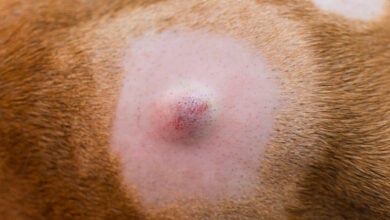
Your German Shepherd’s constant scratching isn’t just annoying; it’s usually a red flag. Skin disease is one of the most common health issues in the breed and also one of the top insurance claims for German Shepherds every year.
These dogs have sensitive skin and strong immune reactions, which means they’re allergy magnets — reacting to food, fleas, grass, dust, or even the laundry detergent on your hands. Once irritation kicks in, it can spiral fast into bigger problems:
- Atopic dermatitis (year-round itching)
- Flea allergy dermatitis (bitten once, itchy for weeks)
- Pyoderma – a bacterial infection that causes red bumps and pus-filled sores
- Lick granulomas & folliculitis – painful hot spots from obsessive licking or trapped bacteria
Symptoms
- Hot spots
- Dry, flaky skin
- Skin lesions
- Secondary skin infections
- Hair loss
- Persistent itching and scratching
- Biting their own skin
- Smelly skin
Diagnosis & Treatment
There’s no one-size-fits-all fix for German Shepherd skin problems, because it all depends on what’s really causing the itch.
If it’s an infection, your vet might prescribe oral or topical antibiotics. If it’s allergies, the real work starts with finding the trigger – food, fleas, or something sneaky like grass or detergent. Sometimes, a simple switch to a limited-ingredient diet can change everything.
When sores or hot spots show up, your vet may need to drain or shave the area so it can heal. Persistent licking or chewing often means it’s time for topical treatments or even a little behavior training to break the habit.
2. Hip And Elbow Dysplasia
Your German Shepherd’s powerful stride is one of their trademarks, but behind that proud walk, many hide a painful secret. Elbow and hip dysplasia are two of the most common and heartbreaking issues in the breed.
It starts quietly. The hip joint doesn’t form correctly, and the ball and socket don’t fit together the way they should. Over time, that bad fit causes grinding, pain, and bone spurs that make every step harder.
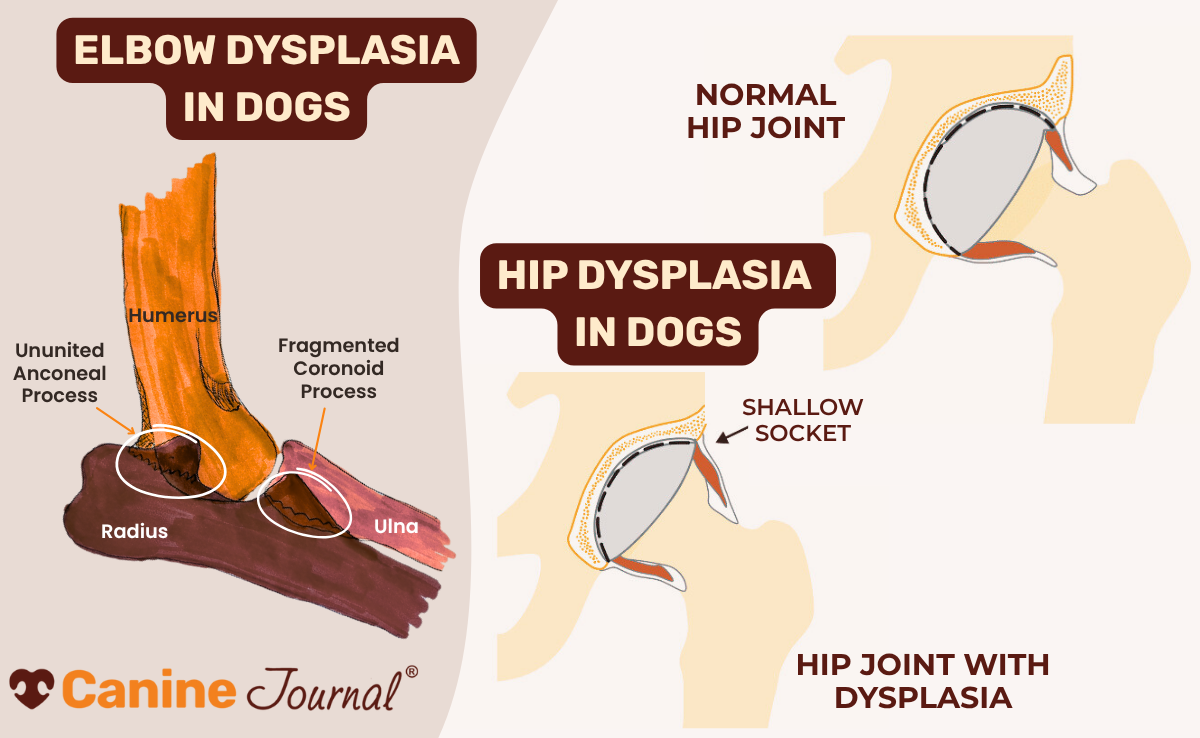
The same thing can happen in the elbows, turning playful zoomies into stiff, painful movements. And because it’s partly genetic, even healthy, well-loved GSDs can develop it. Hip dysplasia can become quite painful and even lead to lameness or degenerative joint disease if left untreated.
Dr. MacMillan shares how serious it can be from an early age:
Hip dysplasia is a hereditary issue, meaning that affected parents are likely to pass the trait on to their offspring. Screening the parents before mating (by hip-scoring them) can help reduce the chances of this, but it is no guarantee.
I recently saw a case of a young 1.5-year-old GSD that had intermittent lameness in their hind legs. We took X-rays of their hips, which revealed severe dysplasia, with one hip that had virtually no socket to hold it in place.
They needed a referral for surgery with a specialist. Otherwise, they faced a lifetime of painful lameness.
Symptoms
- A hopping gait
- Decreased range of motion
- Limping
- Lameness in the hind legs
- Pain
Diagnosis & Treatment
When hip dysplasia strikes, treatment depends on how advanced the damage is. In severe cases, surgery or even full hip replacement may be the only option to restore comfort. But those procedures can be expensive, especially for a large, heavy breed like the German Shepherd.
The good news is that many dogs can still live active, happy lives with non-surgical care. Vets often combine anti-inflammatory and pain medications with gentle physical therapy and massage to strengthen the muscles around the joint.
Keeping your Shepherd lean is just as important, as even a few extra pounds can add painful pressure to already weakened hips. Some owners also explore alternative therapies, such as acupuncture or laser treatment, to help manage chronic pain and stiffness.
In mild or moderate cases, supportive braces can make a big difference, helping stabilize the joint and slow the progression of the disease. Whatever path you choose, the key is to act early.
3. Osteoarthritis
Like many large breeds, German Shepherds are especially prone to osteoarthritis, a degenerative joint disease that slowly wears away the cartilage protecting their bones. Over time, the loss of cushioning turns simple movements, such as standing, running, or climbing onto the couch, into painful efforts.
The condition can affect both the front and back legs, and it’s heartbreakingly common. In fact, the American Animal Hospital Association (AAHA) reports that one in five dogs will develop osteoarthritis at some point in their life.
When speaking to Dr. MacMillan, she stated, “One of the most common (health issues) that I see in practice is osteoarthritis. This can be seen as general ‘wear and tear’ in older age, but often occurs as a secondary problem to conditions like hip dysplasia.”
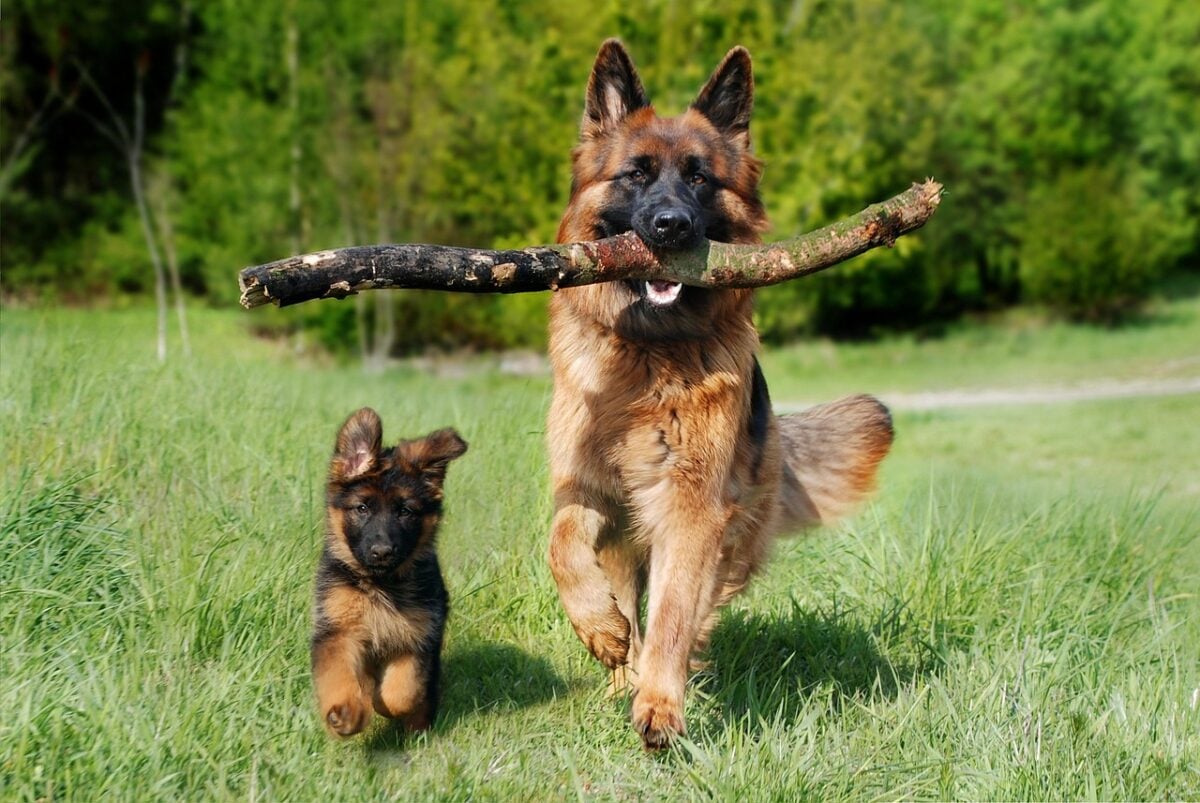
For a strong, athletic breed like the GSD, those stiff joints and slower steps can feel like losing a part of their identity, but with early care and the right management, they don’t have to lose their spark.
Symptoms
- Lethargy
- Stiffness, difficulty standing up
- Weight gain
- Limping or lameness
- A reluctance to walk, jump, run, or be physically active
- Changes in activity level, behavior, and mood
- Difficulty getting a proper stance to relieve themselves
- Increase in accidents in the house
- Loss of muscle
- Pain when being petted
Diagnosis & Treatment
Osteoarthritis doesn’t go away. It’s a progressive disease that slowly worsens over time. There’s no official cure yet, but with the right care plan, you can dramatically improve your Shepherd’s comfort and mobility.
Most vets recommend combining several treatments: joint supplements to protect what cartilage remains, pain relief medications to control inflammation, and therapies like acupuncture or physiotherapy to keep the joints flexible.
In more severe cases, surgery may be necessary to remove damaged tissue and restore movement. Still, the best way to fight osteoarthritis is to stop it before it starts. Keeping your German Shepherd lean and active is the single biggest factor in prevention.
4. Gastric Dilation Volvulus
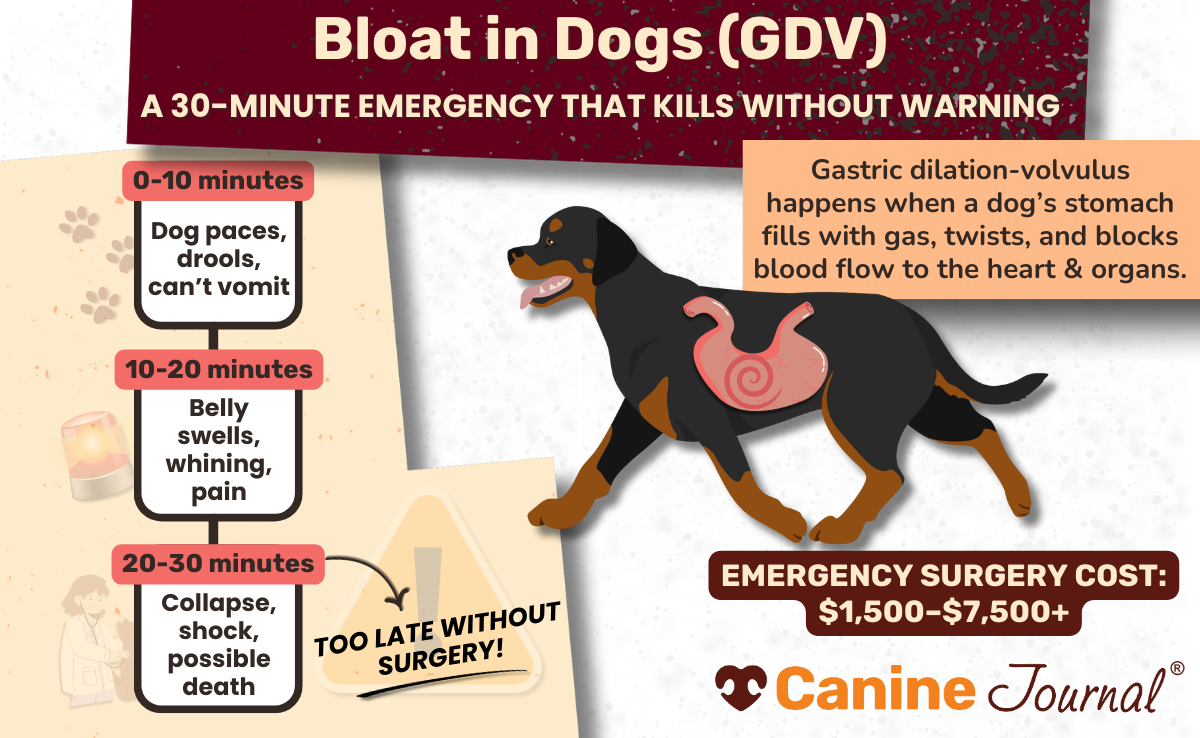
Gastric dilation volvulus, commonly referred to as canine bloat, is a potentially life-threatening medical concern affecting many larger breeds. Deep-chested pups like the GSD are at a higher risk.
Canine bloat occurs when the stomach overfills and twists in on itself. This twisting causes swelling and blocks the blood flow, resulting in a medical emergency. It often occurs after a dog eats or drinks too quickly, triggering the twisting reaction.
Dr. MacMillan states:
Gastric dilatation-volvulus (GDV), a condition whereby the stomach bloats and becomes twisted on itself. This is an emergency and is one of the most serious health complaints that a dog can suffer from.
I have seen cases of this in German Shepherds that have sadly not survived the corrective surgery due to the damage to their stomach tissue. You must seek immediate veterinary help if you think your dog has this condition, as treating it promptly could save your dog’s life.
Avoid feeding your dog one large meal a day, as this can increase the chances of bloat or GDV occurring. Instead, feed two or three smaller meals, and make sure that they don’t exercise immediately after eating.
Symptoms
- Drooling
- Restlessness
- Distended abdomen
- Pale gums
- Dry heaving or unproductive vomiting
- A rapid heartbeat, also called tachycardia
- Pacing or panting
- Weakened pulse
- Pain and discomfort
- Swollen hard belly
- Sudden anxiety
Diagnosis & Treatment
Prompt treatment is needed to save a dog’s life. Bloat-related surgery can cost thousands of dollars. If caught early enough, it can be treated by non-emergency surgery, medications, intravenous fluids, and more.
⚠️ Why Bloat Can’t Wait: A True German Shepherd Emergency ⚠️
If your German Shepherd ever shows signs of bloat, don’t wait, because this is a medical emergency you can’t treat at home. The condition comes on suddenly and can turn deadly within hours. Your vet will need to take X-rays, stabilize your dog, and move fast to assess how severe it is.
Even with immediate treatment and surgery, 15% to 30% of dogs don’t survive, which is why timing matters more than anything. If your Shepherd’s belly looks swollen, they’re drooling, restless, or trying to vomit without success, skip Google and go straight to the vet. Every minute counts.
5. Degenerative Myelopathy
Degenerative myelopathy (DM) is not as common as some other health conditions, but it affects GSDs more than many other breeds. It is a degenerative, progressive, fatal disease that impacts the spinal cord, causing hind limb weakness and paralysis.
It is similar to the human disease ALS (amyotrophic lateral sclerosis). There is no known cause or cure for this disease. DM is a disease that usually affects middle-aged canines older than five years old.
In most cases, pups will not show signs of this disease until they are older than eight years old. It is often misdiagnosed as an orthopedic issue, as some of the early clinical signs are similar. Symptoms often start in one limb and then eventually move to affect both.
Symptoms
- The hind quarters appear to move or sway even when standing still
- Hind paws turn under, so your dog walks on their knuckles
- Difficulty standing up
- Loss of balance and falling over easily
- Muscle loss
- Incoordination
- Scuffed toenails on the hind limbs
Diagnosis & Treatment
Most pups with this disease will only live about two years after diagnosis. Sadly, there is no cure for DSM, but there are some management techniques that can improve your pup’s quality of life.
These include maintaining a healthy weight, physical therapy, covering smooth surfaces to make walking easier, adding doggie ramps, and using assistive devices like slings, harnesses, and doggy wheelchairs to stand and walk. These devices offer extra support to the hind limbs.
6. Cancer
German Shepherds are, unfortunately, prone to developing cancer. In particular, they are highly susceptible to hemangiosarcoma. This incredibly aggressive disease affects the heart and spleen.
Along with that, they are also prone to developing osteosarcoma, a bone cancer known to affect larger and giant breeds. Breeds that grow quickly as puppies, such as the GSD, are at higher risk. Older German Shepherds are at a higher risk of developing oral melanomas.
Symptoms
- Low energy levels
- Bumps on the body under the skin
- Stinky odor from the ears, mouth, nose, or other body parts
- Weight loss
- Poor appetite
- Increased thirst
- Excessive urinating
- Pain
- Coughing or respiratory issues
- Non-healing wounds
- Difficulty swallowing
Diagnosis & Treatment
Cancer treatment for canines varies, depending on the type of cancer and stage. Your dog’s overall health and age are also factors. Treatment options include chemotherapy, radiation, surgery, palliative care, medications, and alternative therapies.
Some cancers in dogs can be cured and removed with treatment. Others can be very aggressive and leave very few treatment options. Older pups of all breeds are at higher risk of developing cancer.
7. Anal Gland Problems
Though not often widely spoken about, the German Shepherd breed is prone to developing anal gland problems. Perianal fistula, also known as anal furunculosis, is a very serious medical issue that often affects this breed.
This condition occurs when an abnormal connection between tissues occurs in the perianal region. This frequently occurs along with an infection. It can be quite painful and is accompanied by ulceration around the anus and inflammation in that area, as well as under the tail.
Anal furunculosis is another problem that this breed is prone to. In affected dogs, the anus becomes inflamed, ulcerated, and extremely painful.
It is unknown exactly what causes this condition but it commonly affects middle-aged to older GSDs, progressing and worsening with time. Immunosuppressive treatments can help some of these animals.
– Dr. Rebecca MacMillan, BVetMed BSAVA PGCertSAM MRCVS
Symptoms
- Incontinence
- Constipation
- Diarrhea
- Fecal incontinence
- Smelly discharge from the perianal region
- Sores
- Pain when defecating
- Excessive licking in the anal area
- Bleeding
Diagnosis & Treatment
Treatment of perianal fistula in canines generally includes medical management with medication. It can take at least 8 to 12 weeks using a medication called cyclosporine to resolve the lesions. Topical ointment and antimicrobials may also be needed, especially if secondary infections occur.
Your vet may also prescribe analgesics and stool softeners if your pup has developed significant constipation or other digestive issues. In some more severe cases, surgery may be required.
It will take your pup a good deal of time, several months generally, to fully recover. Unfortunately, the condition is long-term, and some pups may require treatment for the rest of their lives.
8. Epilepsy
German Shepherds are prone to developing idiopathic epilepsy. Epilepsy is a neurological disorder that causes seizures or sudden, uncontrollable convulsions. Idiopathic means there is no discernible underlying disease or injury causing the condition.
The condition is often a hereditary disease and usually presents in dogs aged one to five years old. While epilepsy is a neurological condition, other than causing the seizures, these pups are fully functioning in all other mental capacities.
Symptoms
- Generalized or focal seizures
- Drooling
- Stiffening
- Jaw clenching and chomping
- Paddling legs
- Full body collapse
- Head shaking
- Repeated muscle contractions, dilated pupils
- Vomiting
- Loss of bladder and bowel control
Diagnosis & Treatment
Treatment for canine epilepsy includes medication and identifying seizure triggers. Common medications include potassium bromide and phenobarbitone. CBD is becoming popular, as are other anticonvulsants like zonisamide and levetiracetam.

Dogs with epilepsy need lifelong treatment, a safe space, and an environment that is calm and free of triggers.
You can learn more about canine epilepsy and my personal experience here.
9. Exocrine Pancreatic Insufficiency
Exocrine Pancreatic Insufficiency (EPI) is a common hereditary disease among German Shepherds. The condition occurs when the pancreas cannot produce the proper amount of pancreatic enzymes that are necessary to digest proteins, carbohydrates, and fats.
This condition results in poor digestion and improper absorption of nutrients, which can lead to weight loss. Additionally, dogs who have EPI often have fat in their stool.
Symptoms
- Chronic diarrhea
- Bulky, fatty feces
- Vomiting
- Increased appetite
- Gradual weight loss
- Greasy-looking hair on the tail and around the anus
Diagnosis & Treatment
EPI treatment in dogs involves adding a pancreatic enzyme replacement to stabilize them and switching to a highly digestible, low-fat diet.
Some dogs may also need an antibiotic from time to time to help control the overgrowth of bacteria in the small intestine. Treatment is often necessary for the rest of a dog’s life.
10. Cryptorchidism
Male GSDs can be prone to a condition called cryptorchidism. The condition occurs when one or both testicles fail to descend into the scrotum. Cryptorchidism can affect one or both sides. When affecting one side, unilateral cryptorchidism often affects the right testicle.
This condition leaves a dog highly susceptible to testicular torsion and testicular cancer. Neutering is essential and can help prevent severe medical conditions later.
Symptoms
- Testicles that have not dropped by eight weeks of age – absent testicle
- Under development in other areas, including the eyes, eyelids, and legs
- Abdominal pain
- Hyperpigmentation on the skin
- Hair loss in the area
- Infertility
- Feminizing syndrome
Diagnosis & Treatment
Surgery is the only treatment available for cryptosporidium. Whether it affects one or both testicles, both should be removed to prevent further medical issues as well as passing the defect on to any offspring. Surgery will require at least a two-week recovery time.
Top 7 Ways To Keep Your German Shepherd Healthy Today
Healthy German Shepherds aren’t just born, they’re built through daily habits. Here’s how to give your German Shepherd the best shot at a long, happy life:
- Watch Their Weight – A healthy German Shepherd is a lean German Shepherd. Even a few extra pounds can stress their joints and heart. Feed measured portions, skip table scraps, and choose a high-quality, large-breed diet that supports joint and digestive health.
- Prioritize Daily Exercise – GSDs need more than backyard time; they need purposeful activity. Aim for at least an hour a day of walks, fetch, agility, or obedience training. It keeps their body strong and their working mind calm.
- Stimulate Their Brain – Mental workouts are just as important as physical ones. Use puzzle toys, hide treats, or practice new commands to keep your Shepherd’s sharp intelligence engaged and prevent boredom-driven behavior.
- Stay Social – Regular exposure to people, dogs, and new environments helps prevent anxiety and reactivity. Take them on outings, enroll in group classes, or visit dog-friendly spots for safe socialization.
- Schedule Regular Vet Visits – Don’t wait for problems to appear. Annual exams, bloodwork, and dental care catch hidden issues early. Preventive care, like flea, tick, and heartworm protection, keeps your GSD safe year-round.
- Focus on Joint Health Early – Start joint supplements young, especially for large breeds. Glucosamine, chondroitin, and omega-3 fatty acids help protect cartilage and reduce inflammation before it becomes painful.
- Create a Calm Home Routine – German Shepherds thrive on structure and clear expectations. Consistent feeding, exercise, and rest schedules keep them balanced, confident, and stress-free.
When asked how to keep a GSD as healthy as possible, here’s what Dr. MacMillan had to say:
If you are yet to get a GSD, I would strongly advise purchasing your puppy from a reputable breeder who has done all of the recommended health screening tests for both the mother and father. This will increase the chances of your puppy being healthy.
While I advise pet insurance for all dogs, I would particularly urge GSD owners to cover their dogs in case they develop any of the health complaints mentioned.
Average Costs For German Shepherd Health Issues
Caring for medical conditions in German Shepherds can be quite expensive. The cost to treat chronic illness can run in the thousands of dollars. According to Fetch Insurance, one in ten GSD parents can incur a vet cost of over $6,476 just to treat hip dysplasia.
ASPCA Health Insurance lists allergies, skin irritation, gastrointestinal issues, and ear infections as some of the top claims they receive with this breed. You can expect to spend at least $10,000 on vet care throughout the lifespan of your GSD pup.
Fetch Customer Testimonial For German Shepherd Health Issues
My German Shepherd and Husky mix was diagnosed with cryptorchidism. This was the first major surgery he had to go through.
It got covered by Fetch instantly after I provided all the documents from the vet. I had to pay my annual deduction only. Excellent service which makes me feel confident when the time comes to approach the vet.
Adrian
8 Other Health Conditions That Affect German Shepherd Dogs
There are several other health concerns that come with the GSD breed. These include:
- Pancreatitis – This painful inflammation of the pancreas often hits suddenly, causing vomiting, loss of appetite, and belly pain. High-fat foods are a common trigger, so skip greasy treats and table scraps.
- Diabetes – Just like humans, dogs can develop diabetes when their bodies can’t regulate blood sugar. Watch for increased thirst, frequent urination, or unexplained weight loss. Early vet care and diet changes can make a huge difference.
- Obesity – One of the easiest problems to prevent and one of the hardest to undo. Extra weight strains joints, worsens arthritis, and increases the risk of heart and metabolic disease. Keep treats small and exercise consistently.
- Eye Problems – GSDs are prone to cataracts, pannus (chronic eye inflammation), and progressive retinal atrophy. Cloudy eyes or frequent squinting deserve a quick trip to the vet before vision loss sets in.
- Degenerative Disc Disease – This spine condition can cause back pain, stiffness, or even trouble walking. Keep your Shepherd’s core strong with steady exercise and avoid activities that involve high-impact jumping.
- Autoimmune Disorders – Some German Shepherds develop immune system imbalances that attack their own tissues, leading to skin flare-ups, joint pain, or chronic fatigue. Early diagnosis and vet-guided care are essential for long-term comfort.
- Von Willebrand Disease – A hereditary bleeding disorder that makes it harder for blood to clot. If your GSD bruises easily or bleeds longer than normal after minor cuts, your vet can run a simple test for it.
- Digestive Issues – Sensitive stomachs are common in the breed. Diarrhea, gas, or food intolerance can often be managed with a consistent diet, probiotics, or a vet-recommended sensitive stomach formula.
Many of these health issues creep up slowly. Watch for small changes, such as a limp that comes and goes, hair thinning, extra drinking, or sudden fatigue.
Catching problems early gives your German Shepherd the best shot at a long, strong, and happy life by your side.
Frequently Asked Questions
There is a lot to learn about the health of the German Shepherd breed. I’ve covered a few of the most often asked questions below. If I missed yours, let me know in the comments.
What Is The Lifespan Of A German Shepherd?
The GSD lives, on average, seven to ten years. Of course, lifestyle, genetics, and individual circumstances impact each pup. You can learn more in our in-depth explanation of the GSD lifespan. You can also check out 12 secrets to living a long life as a dog.
What Do German Shepherd Dogs Usually Die From?
The leading cause of death for the GSD breed is musculoskeletal disorders, including degenerative myelopathy.
The inability to stand due to DM or hip dysplasia is widely reported as the leading cause of death for this breed and backed up by a U.K. study by researchers from The Royal Veterinary College.
Should I Get Health Insurance For My German Shepherd?
Pet insurance is absolutely worth considering if you have a German Shepherd dog. Because this breed is prone to many hereditary and profoundly severe health conditions, caring for them can be pretty expensive.
Signing up for a pet insurance policy when your dog is a young puppy is best to avoid pre-existing conditions that are excluded.
Having a policy in place as soon as possible will help ensure that your pet has coverage if and when something serious arises. Insurance covers many areas of care, including illness, accidents, and even dental concerns. Learn more in our guide on the best pet insurance for German Shepherds.
How Can I Reduce My GSD Veterinary Bills?
Keeping your pup healthy from puppyhood throughout the senior years is of high importance. You can do this by keeping up with preventive care, encouraging an active lifestyle, and providing a healthy, balanced diet.
Accidents and illnesses can come on unexpectedly, and having a pet insurance plan in place can help lower the cost of care. You can learn more about what pet insurance covers and our top picks in our pet insurance guide.
What Health Tests Does My German Shepherd Need?
Health testing for your GSD is particularly important to help identify any inherited genetic diseases and disorders. DNA testing is helpful, but it’s not available yet for all medical conditions. Read our reviews of the best at-home dog DNA tests to learn more about genetic disease risk testing.
Hip testing, for example, is helpful in diagnosing joint issues like hip dysplasia and osteoarthritis. Breeders should screen for hip and elbow health, eye disorders, heart disease, thyroid malfunction, EPI, and temperament.
An ophthalmologist evaluation, genetic tests for degenerative myelopathy, and hemophilia markers in males are also recommended. The German Shepherd Dog Club of America recommends a hip and elbow evaluation and temperament test at a minimum.
What About Dental Care For My GSD?
Dental care is very important for your pup. Periodontal disease can take root in dogs as young as two years old and can significantly impact their overall health and lifespan.
Aim to brush your dog’s teeth several times weekly or daily if you can. You can also incorporate the use of dental chews to help keep their mouth fresh and clean.
Keeping Your German Shepherd Dog Healthy
Keeping your GSD healthy is a lifelong responsibility that starts the day your pup comes home. Along with regular preventative vet care and keeping up with vaccinations, you can take a few more steps.
A high-quality diet is one of the most crucial factors in your German Shepherd’s health. These dogs are generously sized and require a diet supporting their heavy bodies and energy needs. Consider adding fresh dog foods to your pup’s bowl to boost nutrition and flavor.
Along with that, make sure to provide your dog with plenty of daily physical exercise, toys, and opportunities for interactive play and socialization with other people and other dogs.
We’d Love To Hear From You! Got a German Shepherd with a story to tell? Whether you’ve faced one of these health issues or found a tip that helped your pup thrive, share your experience in the comments. Your story might help another GSD parent spot a problem early or give them hope that it gets better.