
When you purchase through links on our site, we may earn a commission at no extra cost to you. Learn more.
A Yorkshire Terrier might weigh just seven pounds, but try telling one they’re small. Yorkies will challenge a dog three times their size, announce every visitor like a neighborhood emergency, and somehow convince you that your favorite chair now belongs to them.
Table of Contents
It’s easy to fall for those bright eyes and silky coats. But behind the adorable face is a fearless little terrier with a big personality, strong opinions, and a surprising amount of upkeep.
So, are Yorkies good dogs for your lifestyle, or are they more than you bargained for?
From their hilarious habits and fierce loyalty to their barking, grooming demands, health concerns, and real ownership costs, here’s everything you should know before bringing a Yorkshire Terrier home. Some of it might surprise you — especially what life with a seven-pound boss is really like.
Want our human-written content to rank above AI-generated garbage? Help us out by clicking this button!

 Weight7 Pounds
 Height7-8 Inches
 Lifespan13-16 Years
 ColorsBlack u0026 Gold, Black u0026 Tan, Blue u0026 Gold, Blue u0026 Tan
6 Hilariously Accurate Truths About Living With a Yorkshire Terrier
If you’re thinking about bringing home a Yorkshire Terrier, here’s a preview of your future: constant supervision, emotional manipulation, and unconditional love, with a side of chaos.
Yorkies are pint-sized drama queens with the attitude of a celebrity and the attention span of a caffeinated toddler. These six truths come directly from the people who’ve lived to tell the tale.
1. They Bark First, Ask Questions Never
Yorkies bark like it’s a competitive sport, and they always win. From the doorbell to your neighbor’s shoes to a cloud passing by, everything is suspicious. Their motto? “If I don’t bark, who will?”
Watch: This Yorkie is quick to file a complaint after an upsetting sniff.
Quick Tip: Teaching the “quiet” command early is a lifesaver (and may prevent neighborhood feuds).
2. They Choose Their Person & It’s Not Negotiable
Yorkies form a strong bond with one person, and everyone else is either staff or background noise.
Once chosen, prepare to become a permanent fixture in their life. Bathroom privacy? Gone. Personal space? Also gone.
Watch: Once a Yorkie selects their human, that’s it. You are now the designated pillow, emotional support human, and 24/7 cuddle infrastructure.
Quick Tip: Encourage socialization early or risk becoming the only one they’ll tolerate.
3. They’re Always Watching
Yorkies don’t do “alone time.” You are the center of their universe, and they’re determined to keep you under surveillance. Expect them to follow you from room to room, stare deeply into your soul during dinner, and panic if you close a door without them.
Watch: Yorkies don’t just follow you — they study you. This is what living with a furry little surveillance camera looks like.
Quick Tip: Crate training or cozy “safe spots” can help ease their anxiety, but they’ll probably still judge you. More on this later.
4. They’re Divas About Food
Yorkies are tiny food critics with a flair for the dramatic. They’ll skip meals just to make a point, and then guilt you into feeding them from your plate.
Watch: Your Yorkie may refuse to cooperate… until the right snack appears.
Quick Tip: Stay firm with meal routines and resist the urge to offer five dinner options (yes, even if they look at you like you’ve betrayed them).
When choosing kibble, look for a brand that’s designed specifically for Yorkies or other small breeds.
5. They Zoom Like They’re Late for a Meeting
Don’t be fooled by the nap sessions; Yorkies have zoomies on a timer. They’ll go from dead asleep to racing through your house like their tail’s on fire. Bonus: they often do this right after a bath or when you’re on a Zoom call.
Watch: Yorkie zoomies are not optional. They activate at random like a software update you didn’t agree to get.
Quick Tip: Indoor playtime and short outdoor bursts help burn off energy, but zoomies are inevitable.
6. They Love You So Much It Hurts
Despite the chaos, Yorkies are heartbreakingly loyal. They’ll curl up in your hoodie, sleep on your chest, and cry when you leave, like you’ve been deployed, not just gone to get coffee.
Watch: This is the face of a dog who would like to be permanently attached to your torso, thanks.
Quick Tip: Their affection is real, and they are a Velcro dog breed. Just balance it with healthy boundaries so you don’t raise a stage-five clinger.
The Yorkie’s Working-Class Roots Explain A Lot
Don’t let the silky coat fool you. The Yorkshire Terrier was born to hunt, not pose.
Long before Yorkies were lounging on velvet pillows and wearing designer sweaters, these scrappy little dogs were chasing rats through textile mills in 19th-century England. They were bred to be quick, fearless, and determined, not to sit quietly looking adorable.
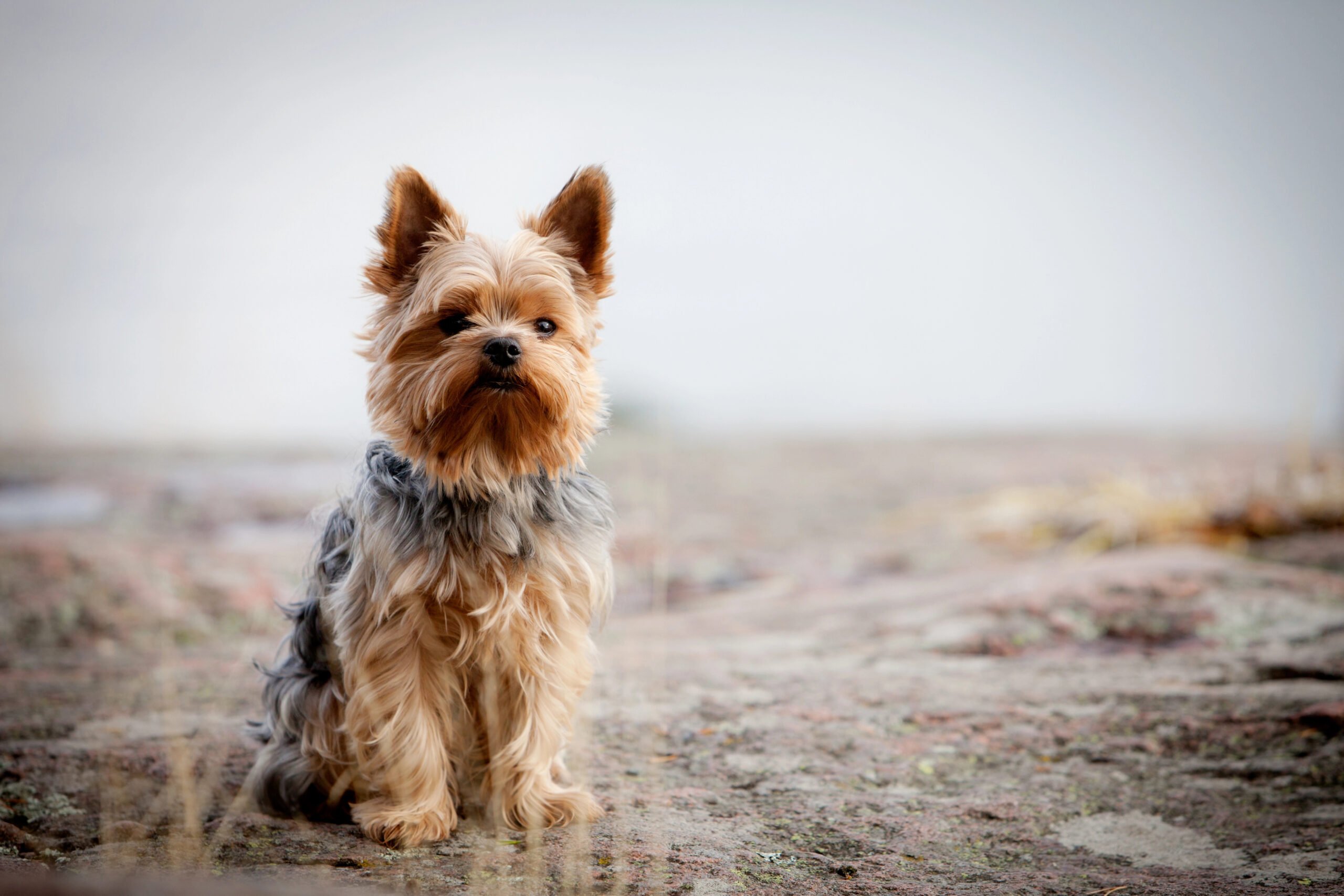
Eventually, their glamorous coats caught the attention of fashionable society, and Yorkies traded factory floors for fancy laps. But nobody told them to leave their terrier attitude behind.
That working-dog history helps explain why today’s Yorkies are so alert, energetic, stubborn, and ridiculously confident. They may weigh just seven pounds, but many still approach the world like they’re ten times their size.
The takeaway? Your Yorkie might look like royalty, but underneath all that silky hair is a feisty little working dog who still thinks they’re in charge.
What Does A Yorkie Dog Look Like?
Yorkies may be small, but they turn heads everywhere they go. Whether their coat is flowing like a show dog or trimmed short like a teddy bear, these dogs carry themselves like celebrities.
But that gorgeous hair comes with a catch: keeping a Yorkie looking fabulous takes more work than you might expect.
1. Size & Body Style
- Height: Around 7–8 inches at the shoulder
- Weight: Usually 4–7 pounds (though some grow larger)
- Body: Compact and well-proportioned, with a straight back and proud posture
- Overall vibe: Like a toy breed that didn’t get the memo they’re a toy breed
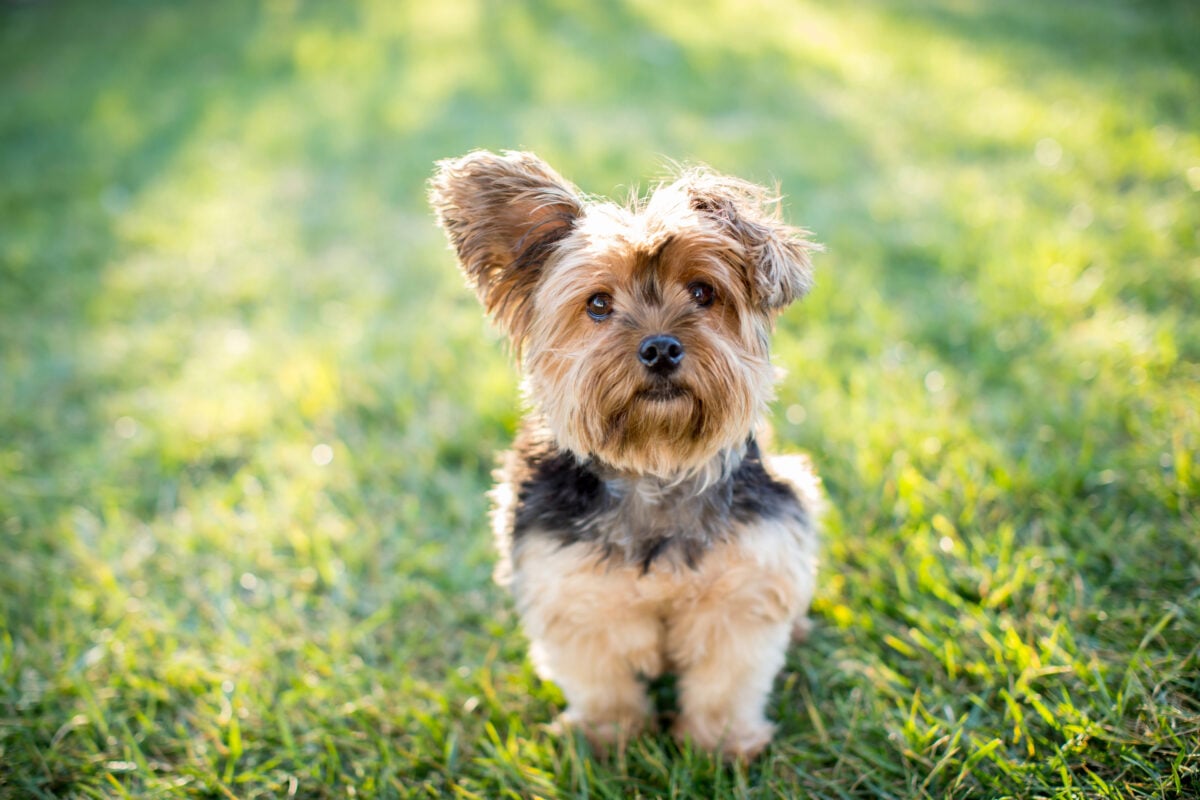
2. Coat Texture & Maintenance
Yorkies are known for their fine, silky hair that grows long and sheds relatively little. Unlike many dogs with thick, seasonal-shedding coats, Yorkshire Terriers have a single coat that requires regular trimming and brushing.
They’re often described as hypoallergenic dogs, but no dog is completely allergy-free. Yorkies may be more manageable for some allergy sufferers, though individual reactions vary.
Popular Yorkie Haircuts
You don’t have to maintain a floor-length coat to keep your Yorkie looking adorable. Three popular styles include:
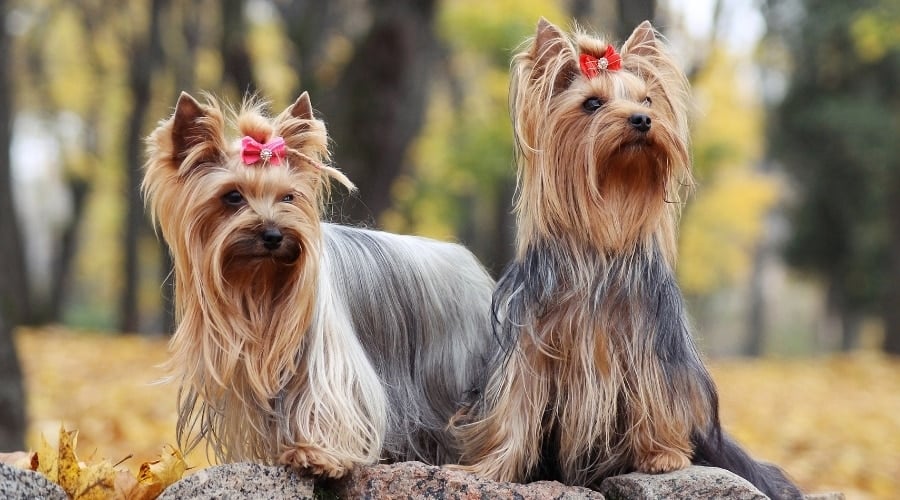
- Show Coat: Long, straight, flowing hair that showcases the breed’s signature silky appearance. Beautiful, but it requires daily brushing and considerable upkeep.
- Puppy Cut: A shorter, more practical trim that’s easier to brush and keep clean. A favorite for everyday family life.
- Teddy Bear Cut: A variation of the shorter pet trim, with a rounded face and fluffy appearance. Cute enough to get away with almost anything.
For most pet Yorkies, a shorter haircut is the more practical choice. Just remember that even a puppy cut needs regular maintenance.
How Often Should You Groom A Yorkie?
Your Yorkie’s coat is practically a part-time job. Even with short hair, regular grooming is essential to prevent tangles, skin irritation, and uncomfortable mats.
Here’s a realistic maintenance schedule:
- Brushing: Daily for long coats; several times a week for short cuts, with more frequent attention if tangles develop.
- Bathing: Often every 1–2 weeks, depending on coat length, lifestyle, and skin needs. Ask your groomer or veterinarian what works best for your dog.
- Professional Grooming: Approximately every 4–6 weeks to maintain a shorter trim, although individual schedules vary.
- Face & Eye Care: Check daily for hair, moisture, or debris around the eyes. Keep facial hair neatly trimmed or secured in a comfortable topknot.
- Ear & Paw Maintenance: Check for tangles and excess hair around the ears, paws, and between the toes.
Be sure to use a gentle, dog-safe shampoo and conditioner suited to your Yorkie’s coat. Our guide to the best shampoo for Yorkies can help you find the right products.
Watch Out For Mats & Tangles
Yorkie hair can tangle surprisingly quickly, especially behind the ears, under the legs, around the collar or harness, and anywhere the coat experiences friction.
And mats aren’t just a cosmetic problem. Tightly tangled hair can pull painfully on the skin, trap moisture, and contribute to irritation.
Use a suitable brush and metal comb to check for hidden tangles, working gently rather than pulling. If a mat is tight against the skin, let a professional groomer handle it. Cutting it out at home can easily injure your dog’s delicate skin.
What About Yorkie Tear Stains?
Those reddish-brown marks beneath a Yorkie’s eyes aren’t always dirt. Tear staining occurs when tears leave pigment on the surrounding hair, and it’s often more noticeable on lighter-colored faces.
Keeping the area clean and dry can help. Gently wipe around the eyes with a soft, damp cloth or veterinarian-approved eye wipe, and carefully dry the fur afterward.
Avoid harsh stain removers or products containing hydrogen peroxide near the eyes. If your Yorkie has persistent excessive tearing, redness, squinting, discharge, or a sudden change in staining, schedule a veterinary examination. Eye irritation, abnormal eyelashes, and tear-drainage problems can sometimes be responsible.
3. Common Coat Colors
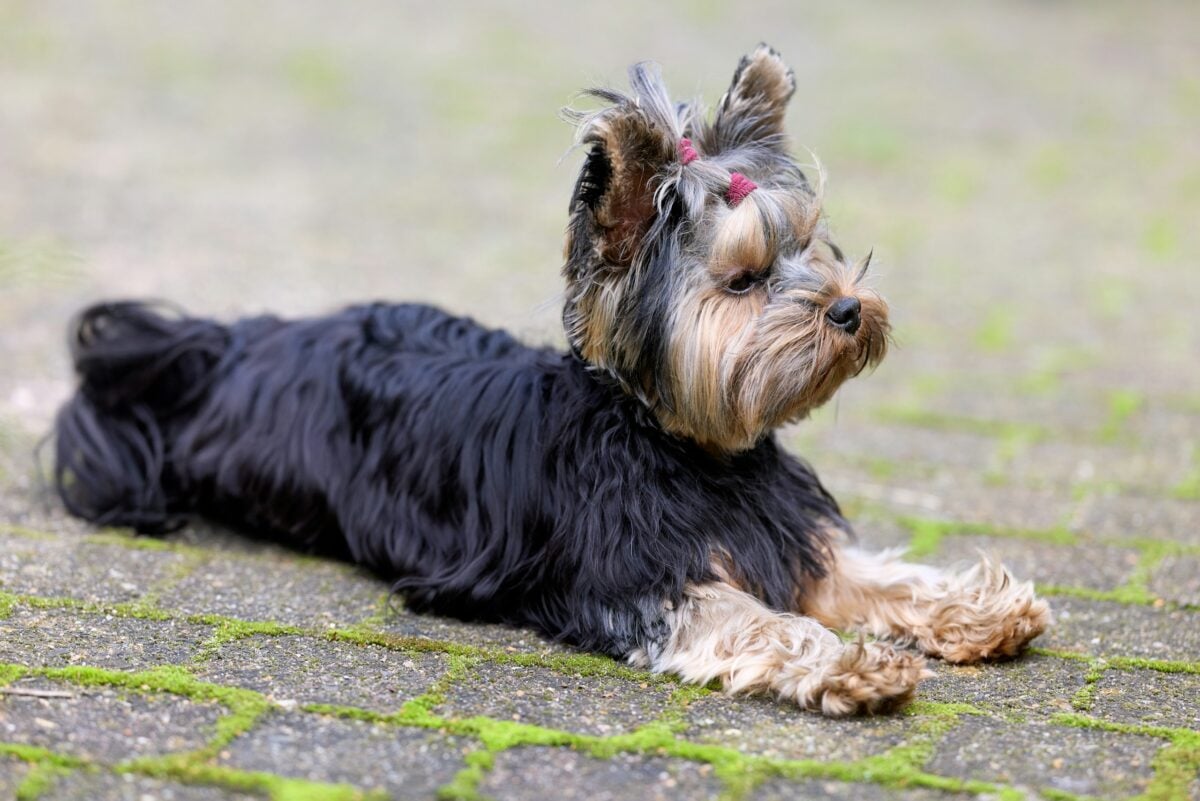
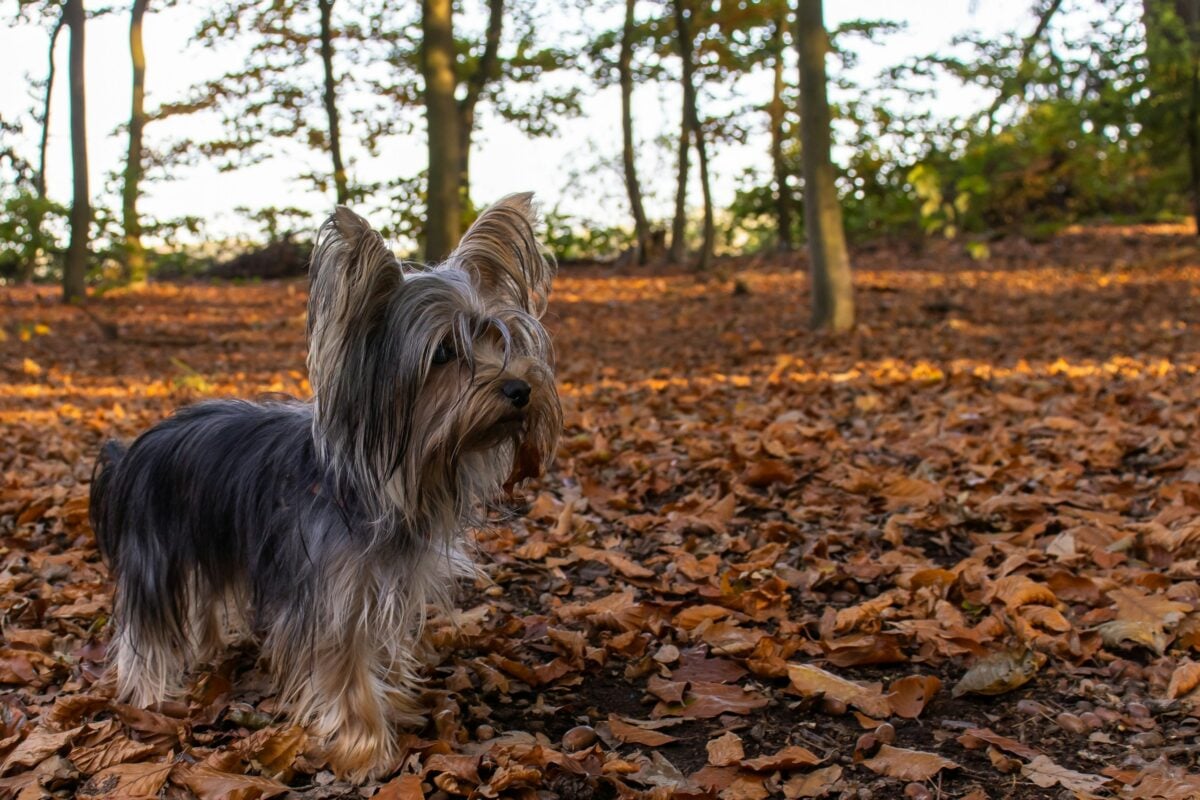
Yorkie puppies are typically born black and tan, but their coats can change dramatically as they mature. Over time, the dark puppy hair often lightens into the breed’s signature steel-blue coloring, while tan areas may develop a richer golden shade.
The four AKC-recognized Yorkshire Terrier color combinations are:
- Blue and gold
- Blue and tan
- Black and tan
- Black and gold
You may also encounter parti-colored Yorkies, which have white mixed with black and tan. These dogs exist, but parti coloring falls outside the traditional Yorkshire Terrier breed standard.
Be cautious of breeders charging substantial premiums for supposedly “rare” or “exclusive” colors. Coat color alone doesn’t make a Yorkie healthier, better bred, or more valuable as a companion.
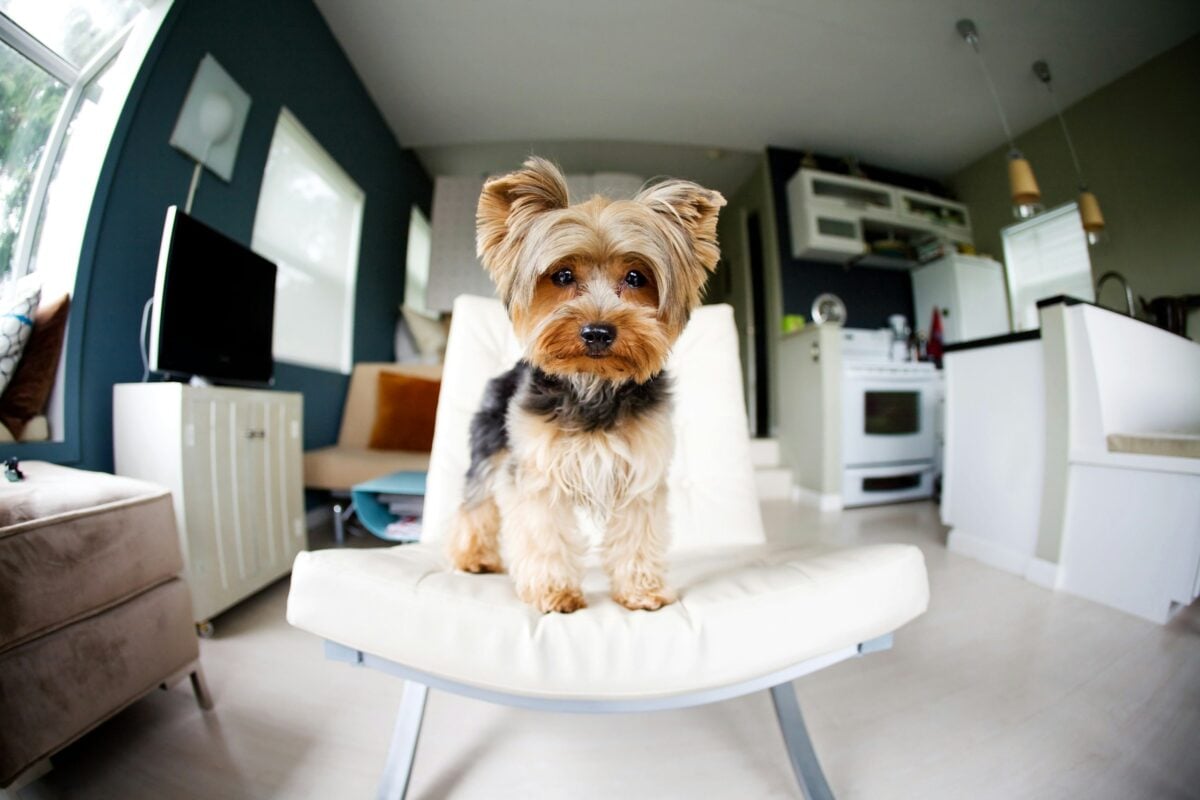
With their silky coats, expressive faces, and confident posture, Yorkies have a look all their own. They’re also frequently mistaken for the slightly larger Silky Terrier.
Is A Yorkie Right For You?
Yorkies are tiny, affectionate, and endlessly entertaining. But don’t let those adorable faces fool you. Living with a Yorkshire Terrier means sharing your home with a pint-sized watchdog who has strong opinions about nearly everything.
They can make wonderful companions for all kinds of people, but some lifestyles are a better match than others. Here’s what to consider before falling head over heels for a Yorkie.
Are Yorkies Good For First-Time Dog Owners?
Yes, if you’re prepared to put in the work. Yorkies are intelligent, loving companions, but they aren’t always the easiest dogs for beginners.
House-training can take patience, particularly with puppies that need frequent bathroom breaks. Their tendency to bark at unfamiliar sounds also means consistent training is important from the start.
And don’t forget grooming. Even a short-haired Yorkie needs regular brushing, professional trims, and daily dental care.
Best fit: First-time owners who want a devoted little companion and are willing to establish routines early.
Are Yorkies Good Apartment Dogs?
Yes, but your neighbors might have opinions.
Yorkies don’t need a huge house or backyard. Their small size and moderate exercise needs make them well-suited to apartment living, provided they get daily walks, playtime, and mental stimulation.
The biggest challenge is barking. Hallway footsteps, elevators, and delivery drivers can all set off your tiny security alarm.
Teaching a quiet cue, rewarding calm behavior, and limiting visual triggers can help keep the peace.
Best fit: Apartment dwellers who can provide daily activity and are willing to work on barking.
Are Yorkies Good With Kids?
They can be, but gentle handling is essential.
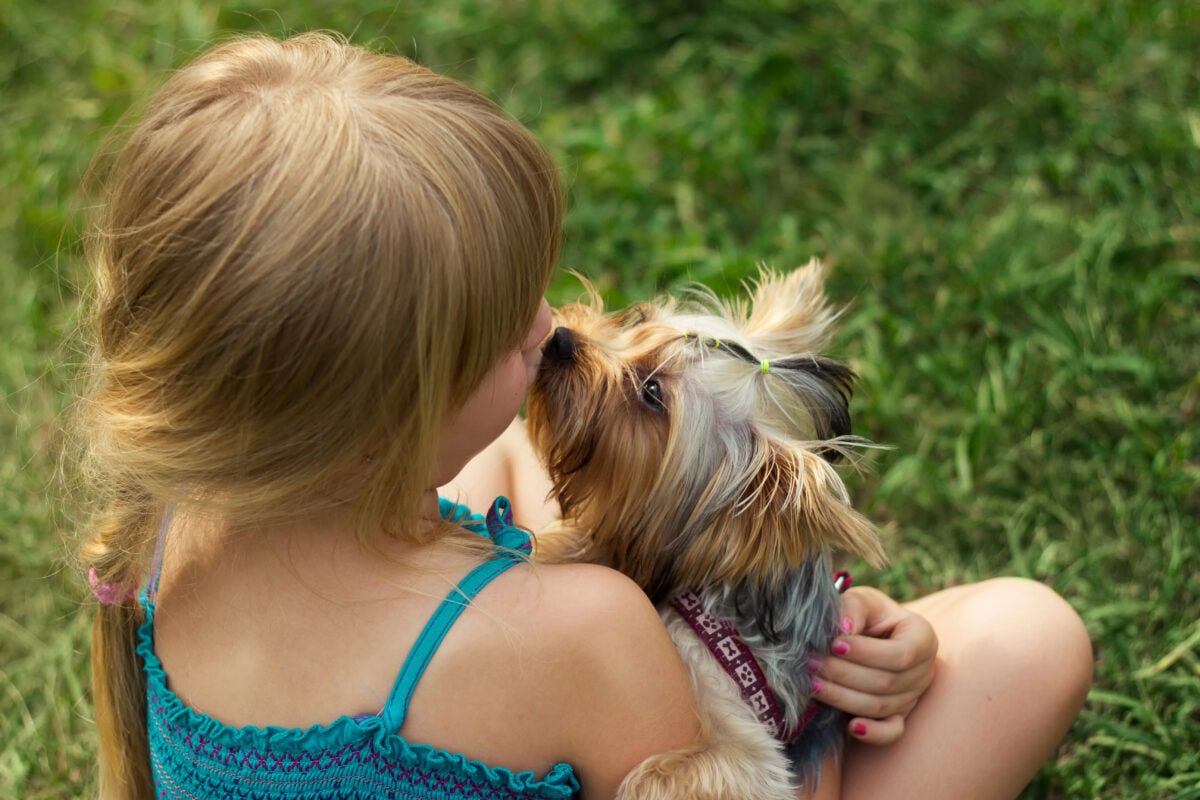
Yorkies are playful and affectionate, yet their small bodies make them vulnerable to accidental injuries. A child who picks up, squeezes, or drops a Yorkie could seriously hurt them.
Some Yorkies may also become frightened or defensive when handled roughly.
They often do best with older children who understand how to interact respectfully with small dogs. Always supervise interactions with young children, regardless of how gentle your Yorkie seems.
Best fit: Families with older, dog-savvy children or households committed to careful supervision.
Are Yorkies Good Dogs For Seniors?
Often, yes. Yorkies can be affectionate, entertaining companions for older adults, and their small size makes them easier to accommodate in many homes.
They don’t require hours of strenuous exercise, but they still need daily activity, attention, and consistent care.
Grooming appointments, veterinary visits, and daily toothbrushing are important commitments. And because Yorkies love following their people around, they can become unexpected tripping hazards.
Best fit: Seniors who enjoy an involved companion and can comfortably manage daily care and grooming.
Can Yorkies Live With Other Dogs And Cats?
Absolutely, with the right introductions and supervision.
Yorkies may be tiny, but many have the confidence of dogs three times their size. Some get along beautifully with other pets, while others can be territorial, bossy, or overly enthusiastic.
Their small size also means rough play with larger dogs can be dangerous, even when everyone has friendly intentions.
Introduce pets gradually, supervise their interactions, and provide separate resting and feeding spaces when needed. Remember that their terrier instincts may also make smaller animals tempting to chase.
Best fit: Multi-pet households prepared to manage introductions and respect each animal’s personality.
Can Yorkies Be Left Alone While You Work?
Yes, for reasonable periods, but they’re generally not ideal for households where everyone is gone all day.
Yorkies often form close bonds with their owners, and some struggle when left alone. That doesn’t mean every Yorkie develops separation anxiety, but independence is something worth teaching early.
Puppies need frequent bathroom breaks, social interaction, and gradual alone-time training. Adult Yorkies may handle longer stretches, depending on their temperament, routine, and individual needs.
If you’re away for long workdays, consider a dog walker, trusted family member, or another reliable daytime care arrangement.
Best fit: Owners who can provide regular companionship and meet their dog’s bathroom, exercise, and social needs.
The Bottom Line: Is A Yorkie Your Kind Of Dog?
A Yorkshire Terrier could be a fantastic match if you want a loyal, funny, affectionate companion who makes everyday life more interesting.
But Yorkies aren’t low-maintenance lapdogs. Between barking, house-training, grooming, dental care, and their need for companionship, these little dogs require more commitment than their size suggests.
If you’re ready for a tiny dog with a huge personality and a few strong opinions, a Yorkie might be exactly what your household is missing.
How Yorkies Compare To Other Small Breeds
Before you commit to a Yorkie, it helps to know how they stack up against other tiny dogs. Spoiler: not all small breeds bring the same level of chaos.
Here’s a quick side-by-side look at how Yorkies compare to other popular pocket-sized pups — and why the Yorkie’s reputation as a small-but-spicy roommate is fully earned.
| Trait | Yorkie | Papillon | Chihuahua | Maltese | Shih Tzu |
|---|---|---|---|---|---|
| Barking | 🔥🔥🔥🔥🔥 | 🔥🔥🔥 | 🔥🔥🔥 | 🔥🔥 | 🔥🔥 |
| Grooming | ✂️✂️✂️✂️ | ✂️ | ✂️ | ✂️✂️✂️ | ✂️✂️✂️✂️ |
| Stubbornness | 😤😤😤😤 | 😤😤 | 😤😤😤😤😤 | 😇😤 | 😤😤 |
| Velcro Level | ❤️❤️❤️❤️❤️ | ❤️❤️❤️ | ❤️❤️❤️ | ❤️❤️❤️❤️ | ❤️❤️❤️❤️ |
| Energy | ⚡️⚡️⚡️ | ⚡️⚡️⚡️⚡️ | ⚡️⚡️⚡️⚡️ | ⚡️⚡️ | ⚡️⚡️ |
| Trainability | 🎓🎓 | 🎓🎓🎓🎓🎓 | 🎓 | 🎓🎓🎓 | 🎓🎓🎓 |
These comparisons reflect general breed tendencies, not hard-and-fast rules. Every dog has their own personality, and training, socialization, and individual temperament can make a big difference.
If you’re still nodding along thinking “Yep, the Yorkie is my kind of small dog,” then congratulations — you might be Yorkie material. Here’s what they expect from you daily.
The Yorkie Reality Check: Small Dog, Big Responsibilities
Yorkies might be small enough to fit in a tote bag, but their care requirements are anything but tiny. Before you bring home one of these pint-sized personalities, here’s a quick look at what you’re signing up for.
- Grooming: High — Frequent brushing, regular haircuts, and consistent coat maintenance
- Dental Care: High Priority — Daily toothbrushing and routine veterinary dental checkups are essential
- Training Difficulty: Moderate — Smart but independent, with house-training often requiring extra patience
- Exercise Needs: Low to Moderate — Daily walks, indoor play, and short bursts of activity
- Mental Stimulation: Moderate to High — Puzzle toys, short training sessions, and plenty of enrichment
- Barking Level: High — Alert little watchdogs who love announcing visitors, noises, and suspicious squirrels
- Separation Tendencies: Moderate to High — Often strongly attached to their people; some struggle with being left alone
- Physical Fragility: High — Their tiny bodies need protection from rough play, accidental drops, and larger dogs
The bottom line? Yorkies don’t need a mansion or marathon-length walks, but they do need attention, patience, and consistent care. Give them that, and you’ll have a fiercely loyal little companion who makes sure there’s never a dull moment.
Yorkshire Terrier Personality: 3 Traits That Define The Breed
Yorkshire Terriers are bold, clever, affectionate, and occasionally convinced they’re the smartest creature in the room. But behind all that attitude are three personality traits every potential owner should understand.
1. Energy Level: Small Dog, Surprising Stamina
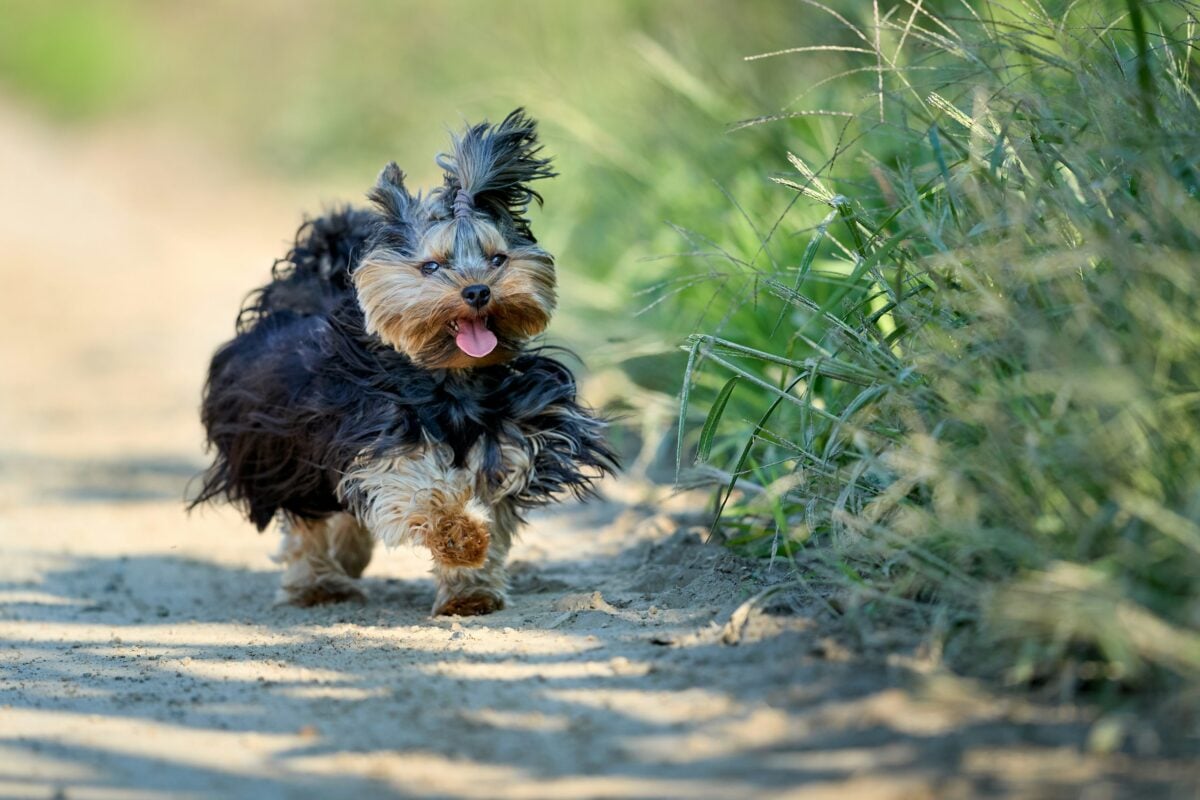
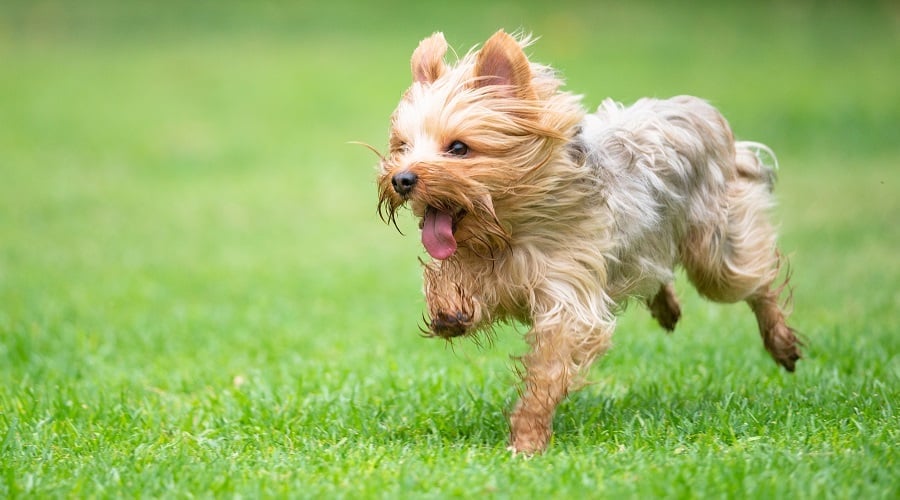
Yorkies have two primary modes: curled up in your lap like a sleepy angel or tearing around the house like their fur is on fire.
Despite their size, these little terriers need daily exercise and mental stimulation. Their working-dog roots also give many Yorkies a strong instinct to chase anything small and fast-moving.
What helps: Short walks, indoor fetch, puzzle toys, and quick training games can keep their bodies and brains busy. Check out our favorite toys for Yorkies for more ways to entertain your tiny troublemaker.
2. Barking: Your Built-In Security System
Yorkies are naturally alert, which makes them excellent little watchdogs. Unfortunately, they don’t always know the difference between a suspicious stranger and a leaf blowing across the driveway.
They may bark at unfamiliar sounds, visitors, or exciting activity outside. Some are more vocal than others, but barking is a common breed tendency worth preparing for.
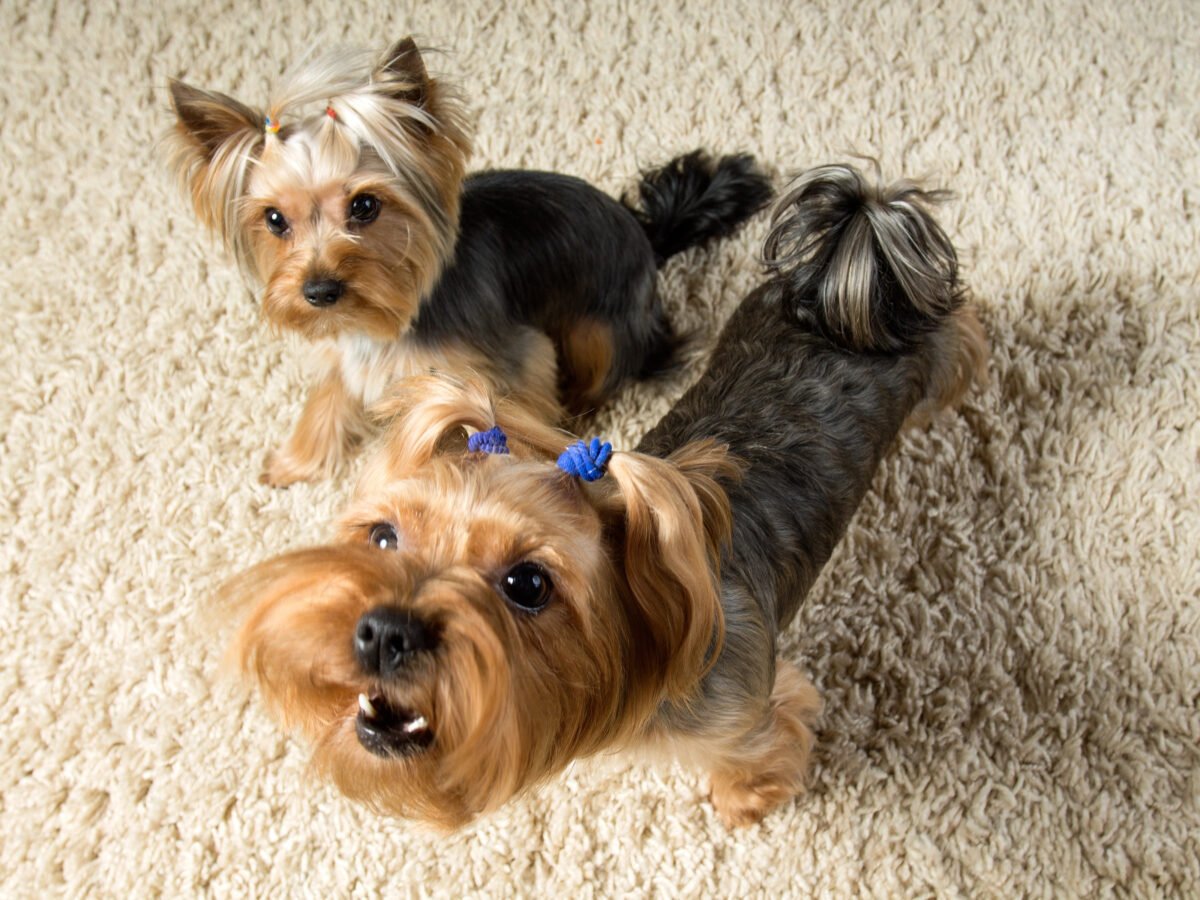
3. Affection & Attachment: The Ultimate Velcro Dog
Yorkies often form incredibly close bonds with their favorite people. They love companionship, attention, and being involved in whatever the household is doing.
Some become little shadows, following their owners from room to room and demanding a front-row seat to everyday life.
That affection is part of their charm, but it doesn’t mean every Yorkie develops separation anxiety. With positive experiences and gradual independence training, many learn to relax when their owners aren’t nearby.

Yorkies may be pint-sized, but their personalities are anything but. They’re lively, loyal companions who thrive with affection, activity, and consistent boundaries.
Watch: The Yorkshire Terrier personality is bold, bossy, loyal, and loud. If you’re ready for barking, stubbornness, and surprisingly intense love from a 7-pound shadow, you’re going to love life with a Yorkie.
Training A Yorkie: 4 Challenges & What Actually Works
Yorkies may be small, but their egos are XXL. Training one can feel less like teaching a dog and more like negotiating with a very cute CEO who thinks they already know better.
Fortunately, these clever little terriers can learn plenty with patience, consistency, and the right motivation.
1. Stubborn, Smart & Selectively Deaf
Yorkies are quick learners, but their independent terrier instincts can make them easily distracted. If something more interesting catches their attention, your carefully delivered command may suddenly become background noise.
What helps: Start training early, keep sessions short, and reward the behaviors you want with treats, toys, or praise. Practice in quiet environments before introducing distractions.
The secret isn’t winning a battle of wills. It’s making cooperation more rewarding than whatever your Yorkie had planned.

2. The Barking Problem (Again)
Yorkies are natural alarm systems, but that doesn’t mean you have to accept nonstop barking.
They may bark from excitement, boredom, fear, frustration, or simply because something unfamiliar caught their attention. Understanding why they’re barking is the first step toward changing the behavior.
What helps:
- Identify triggers: Notice whether visitors, outdoor sounds, or other dogs set them off.
- Reward calm behavior: Reinforce quiet moments before barking escalates.
- Teach a quiet cue: Practice during manageable situations rather than waiting until your Yorkie is overwhelmed.
- Manage the environment: Close curtains, use background noise, or create distance from triggers when needed.
- Avoid yelling: It can increase excitement or stress instead of helping.
Early, positive socialization can help your Yorkie become more comfortable with new experiences, but it won’t automatically eliminate barking.
If you’d prefer a less vocal companion, explore our guide to dog breeds that don’t bark as much.
3. House Training
Small bladders, easily missed signals, and a preference for your favorite rug can make Yorkie potty training surprisingly challenging.
What helps: Take your puppy outside after waking, eating, and playing, as well as before bedtime, with frequent additional breaks throughout the day.
Reward successful potty trips immediately, supervise closely indoors, and use a consistent bathroom spot. Accidents happen, so skip punishment and focus on building reliable habits.
For apartment dwellers, an appropriately managed indoor potty area or pee pad may be helpful, but establish a clear routine to avoid confusion.
Consistency matters more than stubbornness. Some Yorkies learn quickly, while others need extra time and patience.
4. Separation Anxiety & Crate Training
Yorkies often become deeply attached to their people, but being affectionate doesn’t automatically mean having separation anxiety. Help your Yorkie learn independence by practicing short, positive periods apart and gradually increasing alone time.
A comfortable crate or designated resting area can provide security, but confinement alone won’t treat separation anxiety. If your dog regularly panics, becomes destructive, or shows severe distress when left alone, ask your veterinarian or a qualified behavior professional for help.
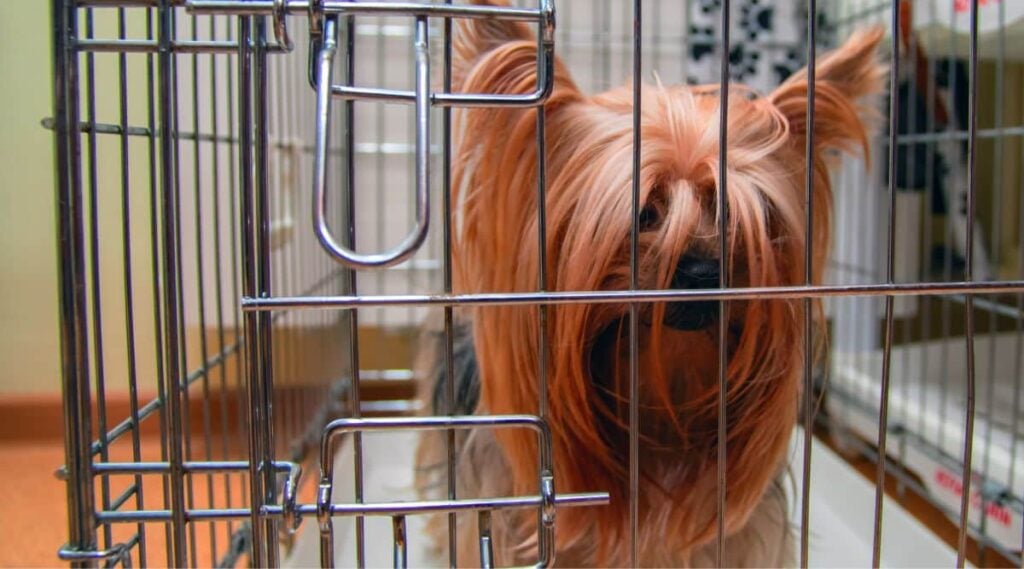
Without training, a Yorkie left alone may bark incessantly, chew, dig, or become so stressed that they become sick. Crate training helps give them a safe, cozy space that feels like their own little den.
Tips For Crate Success
- Introduce it as a positive space (treats, toys, calm energy)
- Never use it as punishment
- Start with short periods and build up gradually
- Keep the crate near you at first because it helps ease anxiety
Crate training isn’t just about controlling behavior; it’s about creating safety, structure, and security in your Yorkie’s world. Select the best crate for your Yorkie for optimal success.
Ideally, they need a family who can spend most of their day with them. Otherwise, they’ll become very sad and withdrawn, even with crate training. Thankfully, this purse-sized pup can travel with you to most places you go.
Best Training Tips For Yorkie Success
- Start early: Build positive habits from puppyhood.
- Keep sessions short: Five to ten minutes is a good starting point.
- Use positive reinforcement: Reward the behaviors you want repeated.
- Stay consistent: Clear routines help prevent confusion.
- Socialize thoughtfully: Introduce new people, sounds, and experiences at a comfortable pace.
- Be patient: Progress isn’t always linear, especially with house-training.
Training a Yorkie takes patience, humor, and the ability to stay calm while being judged by a seven-pound fur boss. But with the right approach, these clever little dogs can become wonderfully well-mannered companions.
5 Common Health Issues Every Yorkshire Terrier Owner Should Know
Behind the bows and bravado, Yorkshire Terriers are generally healthy little dogs. But their size and genetics come with a few health quirks you’ll want to be prepared for.
Some are common in small breeds, others are common in Yorkies, and all of them are easier to manage when you know what to watch for.

The average lifespan of a healthy Yorkshire Terrier is between 13 and 16 years. Some have been known to live up to 18 years.
Here are the most common health concerns for Yorkie owners to be aware of:
1. Luxating Patella
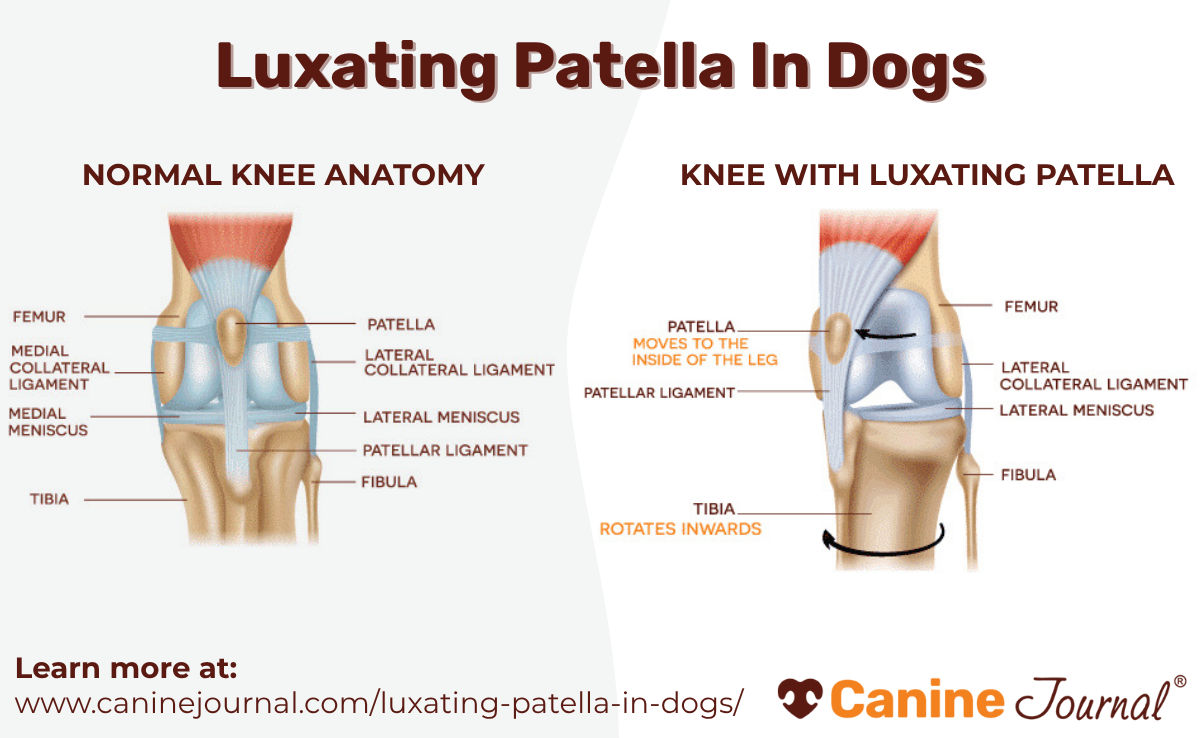
Luxating patella is a fancy term for a kneecap that slips out of place. It’s one of the most common orthopedic issues in Yorkies and can cause limping, pain, or that weird little skip in their walk.
What to look for:
- Sudden limping or “hopping” on one back leg
- Stiffness after resting
- Reluctance to jump or run
Some Yorkies experience occasional kneecap slipping without significant discomfort, while others develop persistent pain, joint damage, or arthritis. Treatment depends on the severity, and some dogs may need surgery.
What helps: Keep your Yorkie at a healthy weight, provide regular low-impact exercise, and consider non-slip rugs on slick floors. If your pup starts limping, skipping frequently, or avoiding putting weight on a leg, have your veterinarian check their knees. Responsible breeders should also screen breeding dogs for patellar problems.
2. Dental Disease
Yorkies are notorious for dental drama. Their tiny mouths can mean crowded teeth, trapped food, and tartar buildup that leads to painful gum disease. Some also retain baby teeth, making overcrowding even worse.
And that breath that could clear a room? It might be a warning sign, not just a Yorkie personality trait.
What to watch for:
- Persistent bad breath or red, swollen gums
- Yellow or brown tartar buildup
- Difficulty chewing, dropping food, or avoiding hard treats
- Loose teeth or discomfort around the mouth
What helps: Brush your Yorkie’s teeth daily with dog-safe toothpaste and schedule regular veterinary dental examinations. Professional cleanings may be needed, depending on your dog’s dental health. Ask your vet to check for retained puppy teeth, too.
Don’t wait until your Yorkie stops eating. Dogs can continue eating even when their mouths are painful.
3. Legg-Calve-Perthes Disease
Legg-Calve-Perthes disease is a less common but serious condition. It affects the ball of the hip joint and typically appears in Yorkie puppies under one year old.
Warning signs include:
- Gradual or sudden limping
- Pain when touched around the hip
- Muscle loss in one leg
Treatment often involves surgery, particularly in more severe cases. If your Yorkie develops persistent limping, hip pain, or difficulty putting weight on a back leg, schedule a veterinary examination rather than waiting for it to resolve on its own.
4. Hypoglycemia
Low blood sugar can be especially dangerous for young Yorkie puppies and unusually tiny dogs. Their small bodies have limited energy reserves, and missed meals, illness, stress, or prolonged activity can sometimes trigger a sudden drop in blood sugar.
Symptoms to catch fast:
- Weakness, wobbling, or sudden lethargy
- Trembling or unusual confusion
- Refusing food or appearing disoriented
- Collapse or seizures in severe cases
What helps: Feed young puppies appropriately sized, frequent meals according to your veterinarian’s guidance, and avoid prolonged periods without food. Keep high-sugar emergency options (such as light Karo syrup ) on hand and ensure that young Yorkies eat small, frequent meals.
If your Yorkie shows signs of hypoglycemia, contact a veterinarian immediately. Your vet may recommend applying a small amount of glucose syrup to the gums as a temporary first-aid measure for an alert dog, but this is not a substitute for emergency treatment. Never pour liquid into the mouth of a collapsing, seizing, or unconscious dog.
5. Tracheal Collapse
If your Yorkie makes a goose-honk sound when excited or exercising, they may have a collapsing trachea. This happens when the cartilage supporting the windpipe weakens, allowing the airway to narrow during breathing.
Common signs and triggers include:
- A dry, honking cough, especially during excitement
- Coughing when pressure is placed on the neck
- Wheezing or reduced tolerance for exercise
- Worsening symptoms with heat, smoke, or excess weight
What helps: Use a properly fitted dog harness instead of attaching a leash to a neck collar, maintain a healthy weight, and avoid smoke and other airway irritants.
A harness won’t prevent tracheal collapse, but it can help reduce unnecessary pressure on your Yorkie’s sensitive neck.
Don’t ignore persistent coughing. Have your veterinarian investigate, and seek emergency care if your dog struggles to breathe, collapses, or develops blue-tinged gums.

6. Liver Shunts
A liver shunt sounds complicated, but the basic problem is simple: Blood bypasses the liver instead of being properly filtered. This allows substances the liver would normally process to circulate through the body.
Yorkies are among the breeds predisposed to congenital portosystemic shunts, which may cause problems while a dog is still young.
Warning signs can include:
- Poor growth or difficulty gaining weight
- Vomiting, diarrhea, or a poor appetite
- Unusual tiredness, confusion, or stumbling, sometimes after meals
- Seizures or other neurological symptoms in severe cases
Some affected dogs also develop urinary problems, including bladder stones.
What helps: Early veterinary diagnosis is essential. Blood tests, imaging, and specialized testing may be needed to identify a shunt. Treatment depends on the type and severity and may include a specialized diet, medication, or surgery.
If your Yorkie puppy isn’t growing normally or has unexplained episodes of confusion, don’t dismiss it as quirky puppy behavior. Talk to your veterinarian.
More Health Conditions
There are a few other health conditions that are common to the breed, including:
- Hypothyroidism
- Bladder stones
- Cataracts
- Ingrown eyelashes
- Portosystemic shunt
Best Pet Insurance For Yorkies
Choosing the best pet insurance for your Yorkie is a personal decision, but we recommend selecting a company based on its coverage, customer service, reputation, claim repayment timeline, price, and available plan customizations.
| Best Overall | Best Value | Fastest Claim Processing | Best Multiple Pet Discount | Best Newcomer |
|---|---|---|---|---|
| Pets Best | Figo | Healthy Paws | Embrace | Lemonade |
| Read Review | Read Review | Read Review | Read Review | Read Review |
Fortunately for you, if you sign up for pet insurance before your Yorkie is diagnosed with new health conditions or suffers an accident (after waiting periods), it can help cover the expenses.
We’ve selected the best pet insurance companies and evaluated them in our pet insurance reviews. Our article includes our top picks and reviews of the most popular pet insurance companies in the marketplace.
Pet Insurance Testimonial
Yorkshire Terrier: Lola
Pet Parent: Michael
Injury/Illness: Autoimmune disease
Fetch Reimbursement: $8,000
Fetch is the pet best insurance for your fur babies!!!! My wife and I have several dogs, including Lola, our precious 4-year-old Yorkie. Recently, she became quite ill from an autoimmune disease.
We took her to several doctors, and yes, the vet bills were quite expensive, nearly $8,500. But after all, Lola is family and our focus was making sure she got the best care. Needless to say, we found excellent doctors, and Lola is on the road to recovery.
Fetch reimbursed us nearly $8,000 so far for her care. Lola will be on medication for the rest of her life, but my wife and I are grateful to Fetch for standing by us and enabling us to get the best treatment for our fur baby, Lola.
Can You Actually Afford A Yorkie?
Yorkies might be small, but their expenses aren’t. Between grooming appointments, veterinary bills, and their taste for the finer things, these tiny dogs can put a surprisingly big dent in your budget.
Yorkshire Terrier puppies commonly cost around $1,500–$3,500 from breeders, although prices vary by location, pedigree, breeder, and health testing. Beware of sellers charging extra for “teacup” sizes or “rare” colors. A higher price doesn’t guarantee a healthier puppy.
Adoption is often less expensive upfront, but the purchase price is just the beginning. Yorkies need regular grooming, daily dental care, preventive veterinary visits, and potentially costly treatment for breed-related health problems.
[Keep existing Yorkie-at-the-vet photo here.]
And don’t forget the investment of your time. Training, brushing, playtime, and companionship are all part of the package. If you’re expecting a low-maintenance lapdog, a Yorkie might have other plans.
The bottom line? Budget for more than the adorable puppy. A Yorkshire Terrier may be tiny, but caring for one is a long-term commitment of both time and money.

Parti Yorkies, Teacups & Popular Yorkie Mixes
Not every Yorkie looks like the classic blue-and-tan pup with silky hair and a larger-than-life attitude. From eye-catching coat patterns to extra-tiny dogs and popular mixes, there’s plenty of variety in the Yorkie world.
But here’s something worth knowing: Not every Yorkie label represents an officially recognized breed or variety. Some describe coat colors, while others are simply marketing terms.
1. Parti Yorkies
Parti Yorkies are purebred Yorkshire Terriers with an unusual twist: their coats feature patches of white alongside black and tan or other traditional Yorkie coloring.
- They have the same general size, personality traits, and grooming needs as other Yorkies.
- Their colorful coats can make them especially eye-catching.
- Parti-colored Yorkies can be AKC-registered as purebred, but their coloring doesn’t meet the traditional Yorkshire Terrier show standard.
Don’t assume a higher price means a better dog. Health, temperament, and responsible breeding matter much more than an unusual coat pattern.

2. Teacup Yorkies
It’s hard not to fall for a Yorkie small enough to fit in two hands. But “teacup Yorkie” isn’t an officially recognized breed or size category. It’s a marketing term for an unusually small Yorkshire Terrier.
Sellers often use the label for dogs expected to weigh under four pounds as adults, but there’s no official teacup weight standard. Some Yorkies are naturally smaller than average, while others are intentionally bred for extremely tiny size.
And that’s where the concerns begin.
The Yorkshire Terrier Club of America discourages breeders from advertising puppies with labels such as “teacup,” “micro mini,” or “tiny specialists.” Responsible breeding should prioritize health and sound temperament, not producing the smallest puppy possible.
Health Risks Of Extra-Small Yorkies
Very tiny Yorkies may face additional health challenges, including:
- Hypoglycemia: Dangerously low blood sugar, particularly in very small puppies that have limited energy reserves.
- Fragile bones and injuries: Falls, accidental drops, and rough play can cause serious harm.
- Anesthesia concerns: Their tiny size can make procedures and medication dosing more complicated, requiring careful veterinary planning.
- Other health problems: Extremely small dogs may be more vulnerable to certain congenital conditions and medical complications.
Breeding exceptionally small females can also increase pregnancy and delivery risks.
Not every unusually small Yorkie will develop health problems. But deliberately breeding for extreme size can place appearance and market demand ahead of a dog’s well-being.

Teacup Yorkie Breeder Red Flags
Be especially cautious if a breeder:
- Charges a hefty premium simply because a puppy is labeled “teacup,” “micro,” or “rare.”
- Guarantees an exact tiny adult weight.
- Claims their miniature Yorkies are healthier or more valuable than standard-sized dogs.
- Won’t provide veterinary records, information about the parents, or details about health testing.
- Pressures you to send a deposit immediately or won’t allow you to verify the puppy’s living conditions.
The bottom line? A healthy four- to seven-pound Yorkie is already an incredibly small dog. You don’t need to chase the tiniest possible puppy to get all that Yorkshire Terrier charm.
For a deeper look at these miniature dogs, read our complete guide to Teacup Yorkies.
3. Yorkie Mixes
Yorkies are popular parents in the designer-dog world, creating mixes that combine their famous terrier attitude with traits from other breeds.
Some are fluffy, some are feisty, and nearly all come with a little unpredictability.
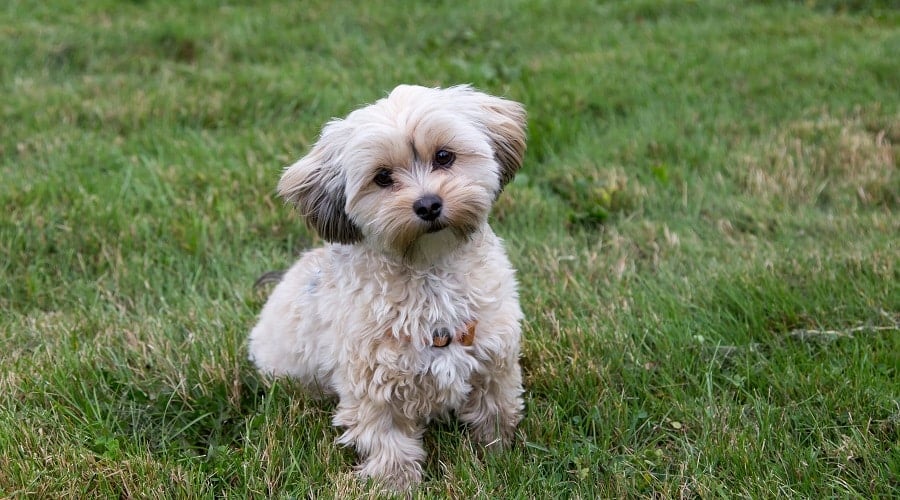
Popular Yorkie mixes include:
- Morkie (Maltese + Yorkie): Often affectionate, playful, and people-oriented.
- Yorkipoo (Yorkie + Poodle): Often clever and energetic, with coats that can range from silky to curly.
- Chorkie (Chihuahua + Yorkie): Small, spirited, and frequently full of opinions.
- Shorkie (Shih Tzu + Yorkie): Often affectionate and outgoing, with plenty of personality.
With mixed-breed dogs, size, coat type, shedding, and temperament can vary considerably, even within the same litter. No particular mix guarantees a certain personality or allergy-friendly coat.
Whether you’re drawn to an unusual coat pattern, an extra-small Yorkie, or a lovable mix, the most important thing is finding a healthy dog whose needs fit your lifestyle.
Where To Find A Yorkie Without Getting Scammed
Yorkies are one of the most popular small breeds in the world, which makes them a magnet for both responsible breeders and shady sellers. If you’re looking to bring one home, the first step is learning how to spot the difference.
Breeders: What to Look For
A reputable Yorkie breeder should prioritize health, temperament, and responsible breeding over producing the tiniest or most expensive puppies.

Look for a breeder who:
- Provides health-testing records for both parents. The Yorkshire Terrier Club of America recommends patella (kneecap) and ophthalmologist (eye) evaluations for breeding dogs. Ask for documentation and verify results through the Orthopedic Foundation for Animals when available.
- Lets you meet the puppies and their mother. An in-person visit is ideal, although a live video call can be a useful first step when distance is an issue.
- Raises puppies in clean, safe surroundings. Puppies should receive appropriate veterinary care, handling, and early socialization.
- Explains Yorkie-specific health concerns. A trustworthy breeder should be comfortable discussing dental disease, luxating patellas, liver shunts, and other potential problems.
- Provides a written contract and veterinary records. Ask about vaccinations, deworming, health guarantees, and what happens if you can no longer care for the dog.
- Asks questions about you, too. Responsible breeders want to know their puppies are going to suitable homes.
A good breeder won’t promise you a perfectly healthy dog. They’ll explain the steps they’ve taken to reduce health risks and help you understand what to expect.
The Yorkshire Terrier Club of America is a useful starting point when researching responsible breeders.
Rescues & Shelters
If you’d rather adopt, good news: Yorkies often show up in breed-specific rescues and general shelters. Many are surrendered because their owners underestimated the grooming or the personality, not because the dogs are “bad.”
Why adoption can be a great option:
- Lower upfront cost than buying from a breeder
- You give a home to a dog in need
- Many rescues provide vetting and basic training before placement
Don’t overlook older Yorkies. Many already have established routines, and a rescue organization may be able to tell you more about their personality, house-training progress, and compatibility with other pets. Senior Yorkies can be just as full of love and personality as puppies.
How To Avoid Yorkie Puppy Scams
Yorkies are adorable, popular, and sometimes expensive, making them attractive targets for online puppy scammers. And those irresistible puppy pictures? They aren’t always what they seem.
Watch out for these red flags:
- Stolen or suspicious photos: Run a reverse-image search to see whether the same puppy appears on multiple websites or under different breeder names.
- No live interaction: Be cautious if a seller refuses a live video call or an in-person visit. Ask to see the actual puppy interacting with the breeder.
- Pressure to pay immediately: Claims that several buyers are waiting or that you must send a deposit within hours should raise concerns.
- Risky payment requests: Avoid gift cards, cryptocurrency, wire transfers, or payment methods that offer little buyer protection.
- Surprise delivery fees: Scammers sometimes demand extra money for shipping crates, insurance, or transportation after you’ve already paid.
- Missing records or vague guarantees: Be wary of sellers who won’t provide verifiable health records, breeder information, or a written purchase agreement.
And remember: AKC registration doesn’t automatically mean a breeder is responsible or that a puppy is healthy. Always verify health testing and breeder credentials independently.
If something feels rushed, inconsistent, or too good to be true, walk away. There will always be another adorable Yorkie, and finding a healthy puppy from a trustworthy source is worth the extra effort.
Frequently Asked Questions About Yorkies
Yorkies may be tiny, but they come with some pretty big questions! From barking at everything that moves to mastering potty training, there’s plenty to figure out before bringing one home. Here are answers to some of the most common questions about life with a Yorkshire Terrier.
Do Yorkies Bark A Lot?
Yes, Yorkies are naturally vocal little watchdogs. They’re quick to announce visitors, unfamiliar noises, and suspicious activity (including that terrifying leaf blowing across the driveway). Consistent training, rewarding quiet behavior, and managing triggers can help keep barking under control.
Are Yorkies Hard To Potty Train?
They can be! Yorkies are intelligent but sometimes stubborn, and their small bladders mean puppies need frequent bathroom breaks. A consistent potty schedule, positive reinforcement, and plenty of patience are your best tools for success.
Are Yorkies Good With Kids?
Yes, especially with older children who understand gentle handling. Yorkies can be playful and affectionate, but their tiny bodies are vulnerable to accidental injuries. Always supervise interactions with young children and give your Yorkie a safe place to retreat.
Can Yorkies Be Left Alone During The Day?
Yes, but they generally prefer company. Many Yorkies form strong attachments to their owners, and some struggle with being alone. Gradual independence training can help, but puppies need frequent attention and bathroom breaks. If you’re away for long workdays, consider arranging daytime care.
Do Yorkshire Terriers Shed?
Very little compared with many other breeds. Yorkies have fine, silky hair that sheds relatively little, but that doesn’t make them completely non-shedding or hypoallergenic. Regular brushing and grooming are still essential to prevent tangles and mats.
How Long Do Yorkshire Terriers Live?
Yorkies typically live around 11–15 years, although some live longer. Genetics, dental health, nutrition, preventive veterinary care, and overall lifestyle all influence how long a Yorkshire Terrier may live.

Have More Yorkie Questions?
We’d love to hear them! Drop your questions in the comments below. And if you’re already living with a Yorkie, share your best tips, biggest surprises, or funniest stories. Your experience might help another future Yorkie owner know what they’re getting into!
Are You Ready For A Dog?
Before bringing a new Yorkie pup home, be sure you have the right setup for them and plenty of time to dedicate to your new fur baby. Learn more about how to be a responsible dog owner and what to expect in your puppy’s first year.
We cover the costs of a dog to help you determine if you are financially ready for a new pup. Plus, we have also put together a puppy checklist to ensure you don’t miss anything on the big day.