
When you purchase through links on our site, we may earn a commission at no extra cost to you. Learn more.
Dogs are naturally curious, and sometimes that curiosity leads them to eat, chew, lick, or sniff something toxic. While some poisons cause obvious symptoms like vomiting or seizures, others can take hours or even days before warning signs appear.
Table of Contents
If you think your dog may have been exposed to a poisonous substance, don’t wait to see if they get sick. Acting quickly can make a significant difference in your dog’s treatment and recovery.
Below, we’ll walk you through what to do first, the most common symptoms of poisoning, and when it’s time to seek emergency veterinary care.

If You Think Your Dog Was Poisoned, Do This First
If you suspect your dog has eaten, inhaled, or come into contact with something toxic, stay calm and act quickly. Even if your dog seems normal, some poisons don’t cause symptoms right away, and early treatment is often more effective than waiting for signs of illness to develop.
Follow These Steps Immediately
- Remove your dog from the source. Safely move them away from the suspected poison to prevent additional exposure.
- Identify what they were exposed to. If possible, determine what your dog ate, chewed, inhaled, or touched and approximately how much they may have been exposed to.
- Gather helpful information. Save the product packaging, medication bottle, plant sample, or any vomit if it can be done safely. Taking photos can also help your veterinarian identify the toxin.
- Contact your veterinarian, an emergency veterinary hospital, or a pet poison hotline immediately. Don’t wait for symptoms to appear before seeking professional advice.
- Follow their instructions carefully. They may recommend monitoring your dog at home, bringing them in right away, or taking specific first-aid steps based on the suspected toxin.
- Do not induce vomiting unless instructed to do so. Some substances can cause even more damage if they’re vomited back up, making home treatment dangerous without veterinary guidance.
Important: If your dog is having difficulty breathing, has collapsed, is having a seizure, or is unconscious, go to the nearest emergency veterinary hospital immediately, and call ahead if possible.
Contact A Pet Poison Hotline
If you’re unable to reach your veterinarian or need immediate guidance, these pet poison hotlines are staffed by veterinary professionals and toxicology experts who can help assess your dog’s situation 24 hours a day, 7 days a week.
- Pet Poison Helpline: 1-855-764-7661
- ASPCA Animal Poison Control Center: 1-888-426-4435
Keep In Mind: Pet poison hotlines may charge a consultation fee, but they can provide critical guidance that helps determine the safest next steps for your dog.
Quick Answer: Common Signs Of Poisoning In Dogs
Poisoning symptoms vary depending on what your dog was exposed to, but these are some of the most common warning signs:
Digestive Symptoms
- Vomiting
- Diarrhea
- Excessive drooling
- Loss of appetite
- Abdominal pain
Neurological Symptoms
- Tremors or muscle twitching
- Weakness
- Disorientation or acting “drunk”
- Seizures
- Collapse
Heart & breathing Symptoms
- Difficulty breathing
- Rapid or irregular heartbeat
- Excessive panting
- Blue or pale gums
Other Warning Signs
- Bruising or unusual bleeding
- Bloody urine or stool
- Excessive thirst
- Difficulty urinating
- Sudden behavior changes, such as hiding, agitation, or unusual sleepiness
Some toxins cause symptoms within minutes, while others may not cause noticeable problems for several hours or even days. If you suspect your dog has been poisoned, contact your veterinarian or a pet poison hotline right away rather than waiting for symptoms to worsen.
Dog Poisoning Symptoms By Body System
The symptoms of poisoning can vary widely depending on what your dog was exposed to, how much they ingested, and their size and overall health. Some dogs develop symptoms within minutes, while others may not appear sick until hours or even days later.
Because many poisons affect more than one part of the body, your dog may develop several symptoms at the same time. Recognizing these warning signs early and seeking veterinary care promptly can improve the chances of a full recovery.
Stomach & Digestive Symptoms
Digestive upset is one of the most common signs of poisoning in dogs. While vomiting or diarrhea can have many causes, it’s especially concerning if your dog recently ate something unusual or has access to medications, toxic foods, plants, or household chemicals.

Common digestive symptoms include:
- Vomiting
- Diarrhea
- Excessive drooling
- Loss of appetite
- Abdominal pain or a swollen abdomen
- Repeated gagging or retching
These symptoms can occur after ingesting toxins such as chocolate, grapes, medications, household cleaners, toxic plants, or spoiled food. Some dogs may vomit only once, while others continue vomiting until they become dehydrated.
Important: Call your veterinarian immediately if your dog can’t keep water down, vomits repeatedly, has blood in their vomit or stool, develops severe abdominal pain, or if you know they ingested a potentially toxic substance.
Neurological Symptoms
Many toxins affect the brain and nervous system, causing changes in coordination, behavior, or consciousness. These symptoms often develop quickly and should always be treated as an emergency.
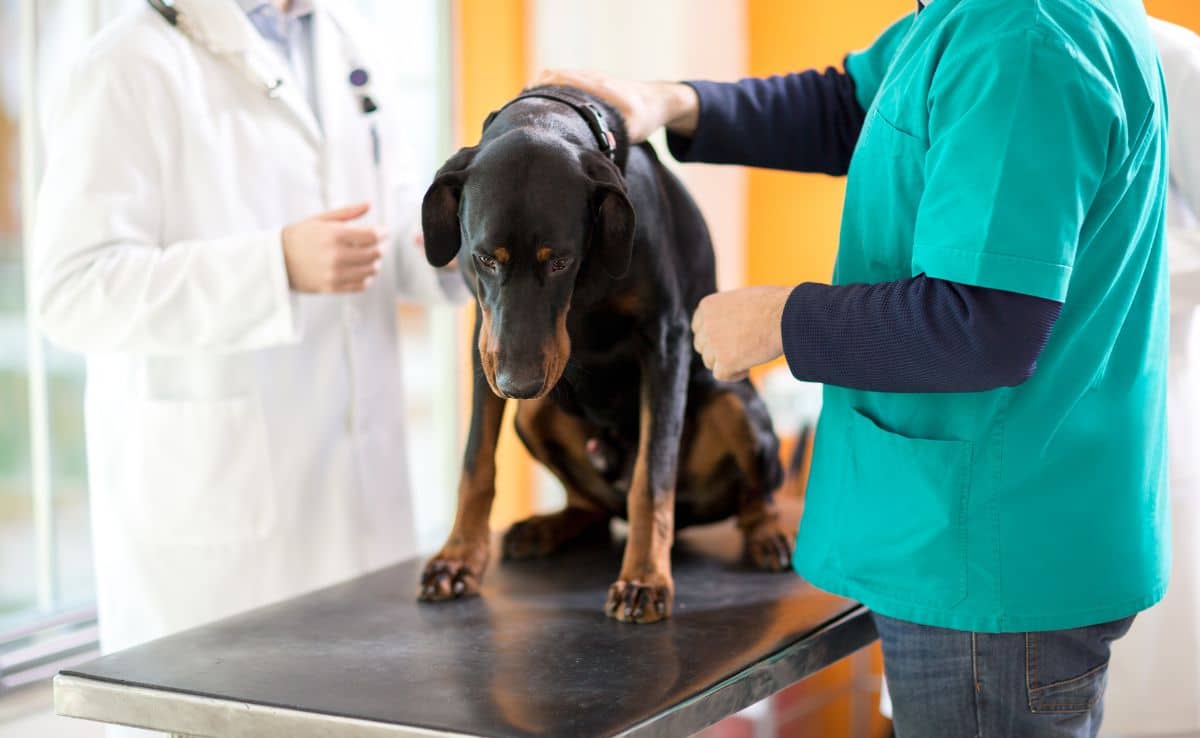
Watch for signs such as:
- Tremors or muscle twitching
- Weakness
- Walking as though they’re “drunk”
- Disorientation or confusion
- Unusual vocalization
- Seizures
- Collapse or loss of consciousness
These symptoms may occur after exposure to medications, marijuana, alcohol, insecticides, certain toxic plants, or venomous bites from snakes or spiders.
Even if your dog recovers after a seizure or brief episode of weakness, they still need immediate veterinary evaluation to determine the cause and prevent further complications.
Heart & Breathing Symptoms
Some poisons interfere with normal heart function or make it difficult for your dog to breathe. Because oxygen is essential for every organ in the body, these symptoms require immediate veterinary attention.
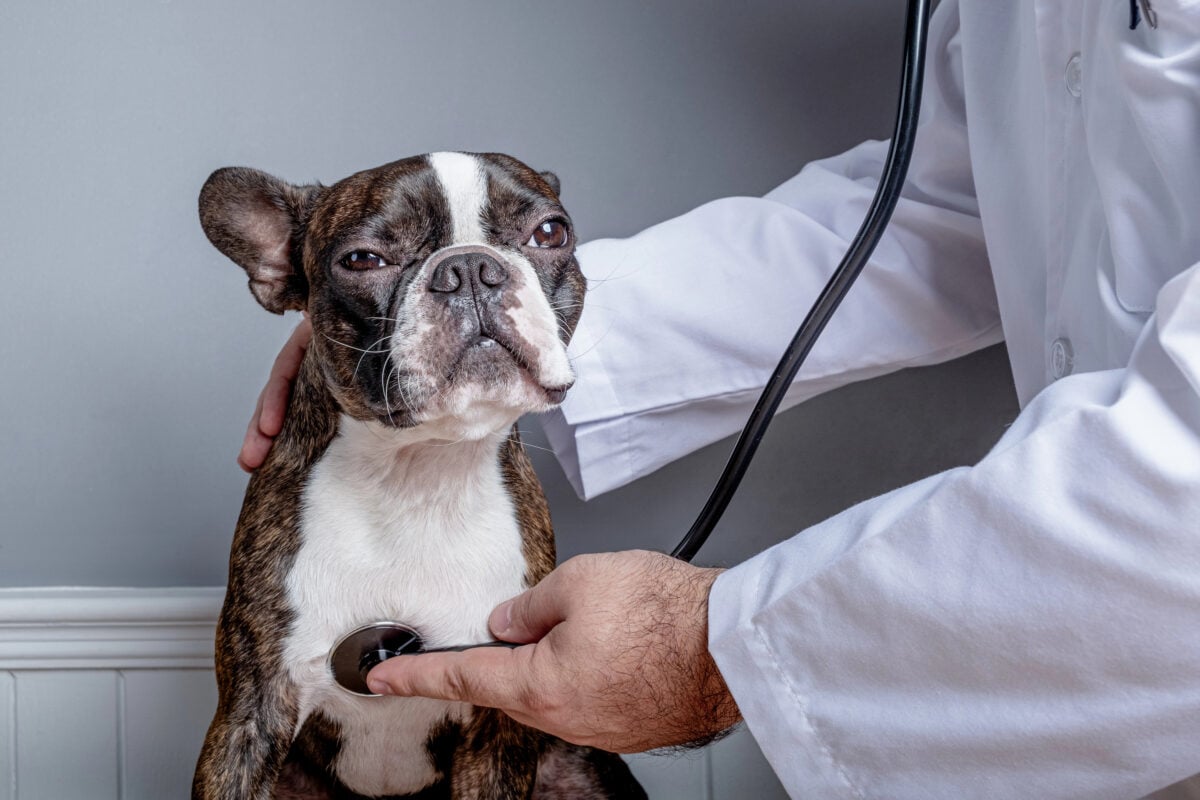
Signs may include:
- Rapid, slow, or irregular heartbeat
- Difficulty breathing
- Excessive panting
- Persistent coughing
- Weakness or collapse
- Pale, gray, or blue gums
Heart- and breathing-related symptoms can occur after exposure to certain medications, poisonous plants, insecticides, rodenticides, and other highly toxic substances.
Difficulty breathing is always an emergency. If your dog is struggling to breathe or collapses, seek emergency veterinary care immediately.
Bleeding & Bruising
Some toxins interfere with your dog’s ability to clot blood, leading to internal or external bleeding that may not be immediately obvious.
Watch for:
- Nosebleeds
- Unexplained bruising
- Bloody vomit
- Bloody urine
- Bloody or black, tarry stool
- Pale gums
- Weakness or collapse
Rodenticides (rat and mouse poisons) are one of the most common causes of abnormal bleeding in dogs, although certain medications and foods, such as onions and garlic, can also damage red blood cells and contribute to anemia.
Because internal bleeding isn’t always visible, contact your veterinarian immediately if your dog shows any of these signs or you suspect they may have been exposed to rodenticide.
Skin, Mouth & Eye Irritation
Not every poisoning occurs through eating something toxic. Some chemicals and plants can irritate your dog’s skin, eyes, or mouth after direct contact.
Signs may include:
- Excessive drooling
- Pawing at the mouth or face
- Swollen lips or tongue
- Red or irritated eyes
- Red, painful, or blistered skin
- Excessive licking after walking, licensed via treated lawns or contacting chemicals
Household cleaners, fertilizers, weed killers, pesticides, and irritating plants are common culprits. Dogs can also expose themselves by grooming chemicals off their paws after walking through recently treated areas.
If you suspect chemical exposure, prevent your dog from licking the affected area and contact your veterinarian for guidance. Avoid using home remedies unless instructed by a veterinary professional.
Behavior Changes
Sometimes the earliest warning signs of poisoning are subtle changes in your dog’s normal behavior before obvious physical symptoms appear.

You may notice your dog:
- Hiding or acting withdrawn
- Becoming unusually restless or anxious
- Sleeping much more than normal
- Acting confused or disoriented
- Appearing unusually clingy
- Becoming unsteady when walking
These changes can occur with many different toxins and shouldn’t be dismissed, especially if your dog may have had access to something dangerous.
If your dog’s behavior changes suddenly and you can’t explain why, contact your veterinarian. It’s always safer to rule out poisoning early than wait for more severe symptoms to develop.
Did You Know? Dogs don’t always vomit after ingesting something toxic. In some cases, unusual behavior, weakness, or excessive drooling may be the first clues that something is wrong.
When Do Dog Poisoning Symptoms Appear?
One of the biggest misconceptions about poisoning is that symptoms always appear immediately. While some toxins can make a dog sick within minutes, others may take several hours or even days before noticeable signs develop.
It’s important to contact your veterinarian or a pet poison hotline as soon as you suspect your dog was exposed to something toxic. Don’t wait to see if symptoms appear, especially if you know what they ingested.
The timing depends on several factors, including:
- The type of toxin
- How much your dog was exposed to
- Your dog’s size, age, and overall health
- Whether the poison was eaten, inhaled, absorbed through the skin, or injected through a bite or sting
Common Timeframes For Poisoning Symptoms
Even if your dog seems completely normal, don’t assume they’re out of danger. Some toxins begin damaging internal organs long before visible symptoms develop, making early treatment especially important.
| Time After Exposure | Examples |
|---|---|
| Within minutes to 1 hour | Caustic household cleaners, xylitol, some insecticides, certain medications |
| 1 to 6 hours | Chocolate, marijuana, alcohol, many prescription and over-the-counter medications |
| 6 to 24 hours | Antifreeze, some toxic plants, certain mushrooms |
| 1 to 3 days or longer | Grapes or raisins, some rodenticides, toxins that cause kidney or liver damage |
Emergency Symptoms: Go To A Vet Immediately
While any suspected poisoning deserves a phone call to your veterinarian, some symptoms indicate your dog needs emergency care without delay.
Go to the nearest emergency veterinary hospital immediately if your dog:
- Has a seizure
- Collapses or loses consciousness
- Has difficulty breathing or is gasping for air
- Has pale, gray, or blue gums
- Cannot stand or walk normally
- Vomits repeatedly or cannot keep water down
- Has uncontrolled bleeding or severe bruisingana
- Develops a swollen face or severe allergic reaction
- You know they ingested antifreeze, xylitol, rodenticide, or another highly toxic substance
If possible, bring the product label, medication bottle, plant sample, or a photo of what your dog was exposed to. This information can help your veterinarian identify the toxin and determine the most appropriate treatment more quickly.
Important: Never delay emergency care because you’re waiting for symptoms to worsen. Many toxins are easier to treat before they cause severe illness.
Common Causes Of Dog Poisoning
Dogs can be exposed to poisonous substances almost anywhere, from the kitchen and garage to the backyard or neighborhood park. While it’s impossible to list every potential toxin, these are some of the most common causes of poisoning seen by veterinarians.
Human Foods
Many foods that are perfectly safe for people can be dangerous — or even life-threatening — for dogs. Common examples include:
- Chocolate
- Grapes and raisins
- Xylitol (often found in sugar-free gum, candy, peanut butter, and baked goods)
- Onions and garlic
- Macadamia nuts
- Alcohol
Store these foods securely and never assume a small amount is harmless, especially if you have a small dog.
Human Medications
Prescription and over-the-counter medications are among the most common causes of accidental poisoning in dogs.
Common offenders include:
- Ibuprofen
- Naproxen
- Acetaminophen
- Antidepressants
- ADHD medications
- Sleep aids
Even one dropped pill can be enough to make a curious dog seriously ill.
Household Cleaners & Chemicals
Many everyday cleaning products can irritate or poison dogs if swallowed or even licked off their paws.
Examples include:
- Bleach
- Drain cleaners
- Dishwasher detergent pods
- Concentrated disinfectants
- Some essential oils
Whenever possible, choose pet-safe cleaning products and keep chemicals locked away when not in use.
Lawn & Garden Products
Fertilizers, weed killers, pesticides, and insecticides may remain on grass or plants long after they’ve been applied. Dogs can be exposed by walking through treated areas and then licking their paws or by directly eating treated grass or mulch.
To reduce the risk, follow all product directions carefully and keep pets away until treated areas are safe.

Toxic Plants
Many common houseplants and landscape plants contain compounds that can make dogs sick if chewed or swallowed. Depending, licensed via the plant, symptoms may include vomiting, drooling, mouth irritation, heart problems, or kidney damage.
If you’re unsure whether a plant is safe, it’s best to check before bringing it into your home or yard.
Venomous Animals
Not all poisonings involve something your dog eats. Venomous snakes and certain spiders can inject toxins through bites, causing pain, swelling, neurological symptoms, breathing problems, or even life-threatening complications.
If you suspect a venomous animal has bitten your dog, seek veterinary care immediately.
Recreational Drugs
Marijuana, nicotine products, vaping liquids, and other recreational substances can all be dangerous for dogs. Edibles are especially risky because they may contain multiple toxins, such as chocolate or xylitol, in addition to THC.
Store these products securely and contact your veterinarian immediately if your dog is exposed.
What NOT To Do If Your Dog Was Poisoned
When you think your dog has been poisoned, it’s natural to want to help immediately. However, some well-intentioned actions can make the situation worse or delay life-saving treatment.
Avoid these common mistakes:
- Don’t wait for symptoms to appear. Some toxins take hours or even days to cause noticeable signs, but treatment is often most effective before your dog becomes seriously ill.
- Don’t induce vomiting unless you’re instructed to do so. Vomiting can be dangerous after swallowing caustic chemicals, petroleum products, or sharp objects. Your veterinarian or a pet poison expert can tell you whether it’s safe based on what your dog was exposed to.
- Don’t give home remedies. Milk, bread, cooking oil, or other household remedies rarely neutralize toxins and may make diagnosis or treatment more difficult.
- Don’t assume a small amount is harmless. Even tiny amounts of some substances, such as xylitol, certain medications, or rodenticides, can cause severe illness.
- Don’t rely on internet searches instead of professional advice. Every poisoning case is different. If you suspect your dog has been exposed to a toxin, contact your veterinarian or a pet poison hotline as soon as possible.
Our First-Hand Experience
We all know our dogs get into things they aren’t supposed to. So, it’s our job to keep hazards away from them. But sometimes accidents happen to even the best dog parents. One of our team members shares her brush with a scary situation and how it panned out.
Our King Charles Cavalier Spaniel Lexie decided it was a good idea to eat an alcohol prep pad (why that would be tasty, who knows?). I found the evidence of the package ripped up on the sofa and called the 24/7 ASPCA poison control hotline immediately. They responded right away, asked a few questions about what happened, when, and how much was consumed.
Then the vet explained that dogs process rubbing alcohol similar to how humans process liquor; it’s not toxic in small amounts but can make them a little impaired or drowsy if they consume too much.
The vet also said Lexie might appear to be “drunk” (i.e., sluggish or sleepy). However, if she starts to exhibit signs of more elevated alcohol poisoning (like vomiting), the vet instructed us to give her soft, white bread to absorb the alcohol (and help push the pad out of her system). Once the alcohol was out of her system, Lexie was back to her happy, sweet self.
– Sadie C., Canine Journal
Does Pet Insurance Cover Pet Poisoning?
Emergency treatment for poisoning can quickly become expensive, especially if your dog needs hospitalization, bloodwork, imaging, surgery, or intensive supportive care. Fortunately, most accident and illness pet insurance plans cover accidental poisoning, provided your policy is already in effect and any waiting periods have passed.
If you’re comparing coverage, our guides to the best pet insurance and emergency pet insurance explain what is — and isn’t — typically covered, what to expect from waiting periods, and how insurance can help reduce unexpected veterinary costs.

How To Help Prevent Dog Poisoning
While accidents can happen, many poisoning emergencies are preventable with a few simple precautions around your home and yard.
In The Kitchen
- Keep chocolate, grapes, raisins, onions, garlic, xylitol-containing products, and other toxic foods out of reach.
- Secure trash cans with tight-fitting lids.
- Never leave medications or food unattended on counters or tables.
Around The House
- Store prescription and over-the-counter medications in closed cabinets.
- Choose pet-safe cleaning products whenever possible.
- Keep laundry pods, detergents, batteries, and other household chemicals securely stored.
In The Yard & Garden
- Learn which plants are toxic before adding them to your landscaping.
- Use pet-safe fertilizers, weed killers, and pest-control products whenever possible.
- Keep dogs away from treated lawns until products have completely dried or according to the manufacturer’s instructions.
For Puppies & Curious Dogs
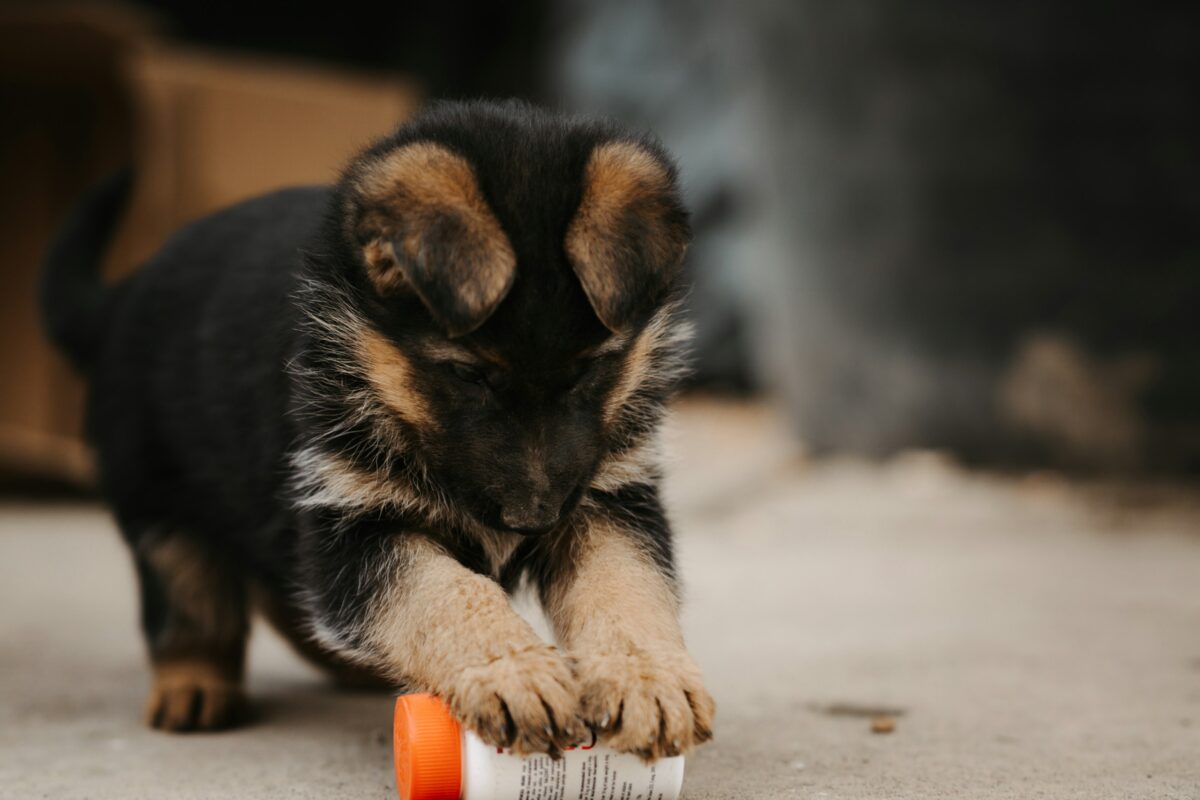
Young dogs explore the world with their mouths, making them especially vulnerable to accidental poisoning. Puppy-proof your home by removing tempting hazards, securing cabinets, and supervising your dog in unfamiliar environments.
Frequently Asked Questions
Even after contacting your veterinarian, you may still have questions about what to expect if your dog has been exposed to a poison. Below are answers to some of the most common questions dog owners have about poisoning symptoms, treatment, and when to seek emergency veterinary care.
Don’t see your question? Respond in the comments, and we’ll get back to you.
What Are The First Signs Of Poisoning In Dogs?
Vomiting, diarrhea, excessive drooling, weakness, tremors, unusual behavior, and loss of appetite are among the most common early signs of poisoning. However, symptoms vary depending on the toxin, and some dogs may not show obvious signs right away.
How Quickly Do Poisoning Symptoms Appear In Dogs?
Some toxins cause symptoms within minutes, while others may take several hours or even days. Because timing varies widely, it’s best to contact your veterinarian or a pet poison hotline as soon as you suspect your dog has been exposed to something toxic.
Should I Make My Dog Throw Up If They Ate Something Poisonous?
No. Never induce vomiting unless your veterinarian or a pet poison expert specifically instructs you to do so. Vomiting can be dangerous after swallowing certain chemicals or objects and isn’t appropriate for every poisoning situation.
Can A Dog Recover From Poisoning?
Many dogs recover completely, especially when treatment begins early. The outcome depends on the type of toxin, the amount consumed, how quickly treatment begins, and your dog’s overall health.
When Should I Call A Pet Poison Hotline Or Emergency Veterinarian?
Call immediately if you know or suspect your dog has been exposed to a toxic substance — even if they seem normal. Seek emergency veterinary care right away if your dog has seizures, collapses, struggles to breathe, develops uncontrolled bleeding, or becomes unconscious.
Can Poisoning Symptoms Be Delayed?
Yes. Some poisons don’t cause obvious symptoms for several hours or even days while they begin damaging organs internally.
You shouldn’t wait for symptoms before contacting your veterinarian if you know your dog was exposed to a potentially toxic substance.
Keep Your Dog Safe Before An Emergency Happens
No one expects their dog to get into something toxic, but being prepared can help you respond quickly if it happens. Learning which foods, drinks, and plants are safe for dogs can go a long way toward preventing accidental poisonings in the first place.
Continue building your pet safety knowledge with these helpful guides:
- What Human Food Can Dogs Eat? Learn which people foods are safe to share and which should always stay off your dog’s menu.
- What Human Drinks Are Safe For Dogs? Find out which beverages are safe, which should be avoided, and why some common drinks can be dangerous.
- Pet-Friendly Garden Tips: Create a safer outdoor space by choosing dog-friendly plants and landscaping practices that help reduce poisoning risks.