When you purchase through links on our site, we may earn a commission at no extra cost to you. Learn more.
Your dog might look snow-proof, but there’s a temperature where even the fluffiest pups tap out FAST. And no, it’s not as low as you think.
Table of Contents
Here’s the exact point where cold becomes dangerous, and how to tell the moment your dog’s paws, ears, or body hit the “nope, I’m freezing” zone.
The Exact Temperature Where Dogs Get Too Cold: 4 Zones
Here’s Your Fast Answer
Here’s the simple truth: dogs hit their cold limit at different temperatures depending on their size, coat, age, and health, but every dog has a breaking point.
1. Around 45°F (7°C)
Most dogs are fine. But hairless and tiny breeds can get chilled even here, especially in the wind.
2. 32°F (0°C)
This is the official danger zone for:
- small dogs
- thin-coated dogs
- seniors
- puppies
A big, fluffy dog may be okay for a bit longer, but this is where cold starts winning.
3. 20°F (–6°C)
All dogs are at risk, even cold-weather breeds like Newfoundlands and Huskies. Frostbite and hypothermia become real possibilities for every canine.
4. Below 0°F (–17°C)
Too cold for any dog. These temperatures are for a potty break only.
Quick Takeaway:
- A small Chihuahua might struggle at 50°F
- A Newfoundland might be fine at freezing
- But below 20°F, every dog is vulnerable
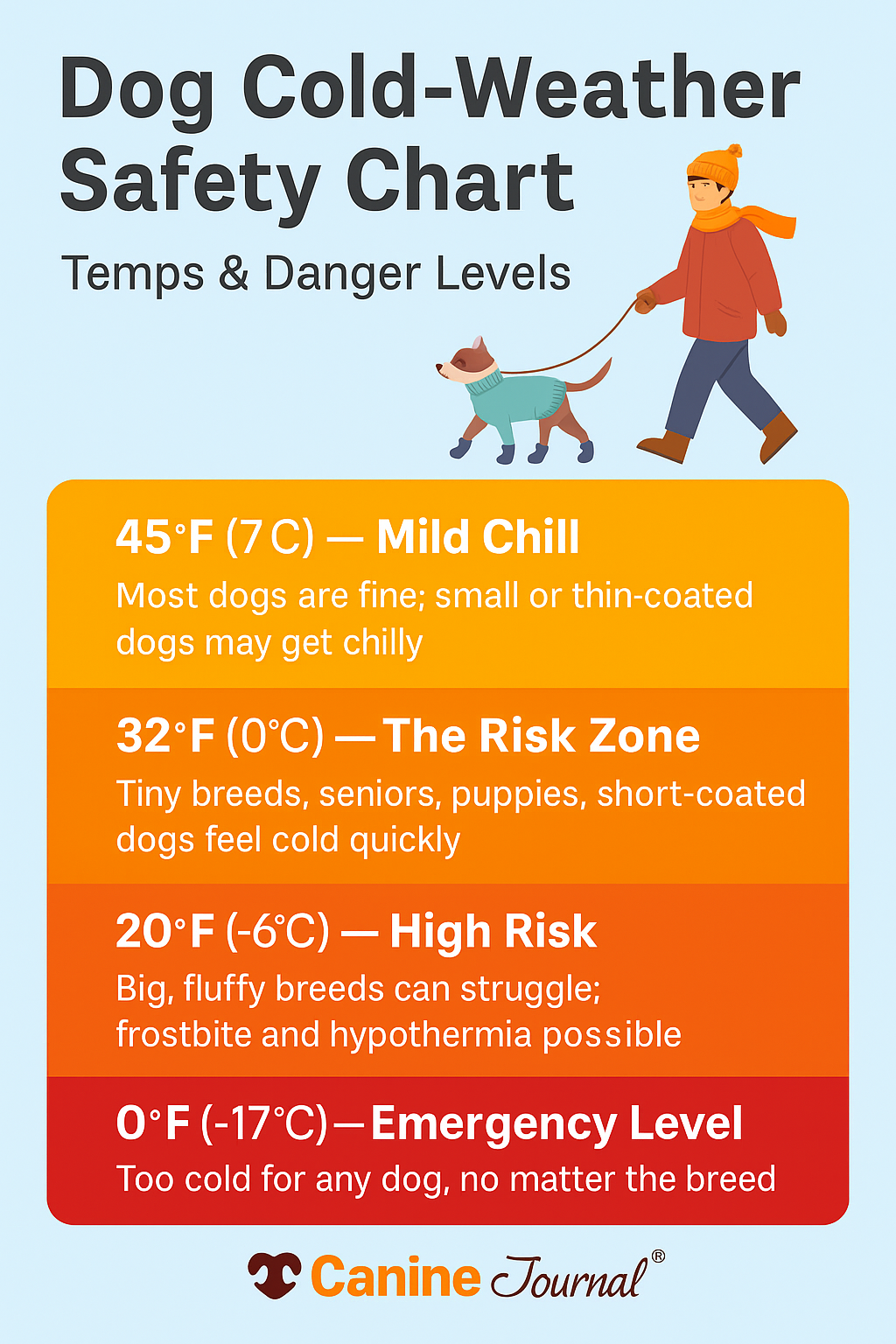
Dog Cold-Weather Safety Infographic
Temps & Danger Levels
Here’s the quick chart that shows exactly when cold becomes dangerous for different dogs. Print it off and use it before every winter walk, because the temps below are where most dogs start struggling.
When in doubt, cut the walk short. Dogs lose heat faster than people think, especially through their ears, paws, and belly.
Bonus Video: Dogs Being Chaotic in the Snow
Before I dive deeper into cold-weather safety, enjoy this quick burst of dog joy. Snow turns even the most serious pups into comedians, and this video is pure winter chaos – the good kind.
How to Know Your Dog Should Go Inside NOW: 5 Warning Signs
Your Quick Cold-Check
Owners often ask how to know if a dog is too cold. Your pup will give some very clear signs, so it’s important to monitor your dog’s behavior when they’re out in the cold. Even just five or ten minutes can be enough to make your pup dangerously cold.
Dogs don’t try to “act tough” in the cold; their bodies spill the truth fast. If you notice any of these symptoms, it’s time to go inside.
1. Shivering or Trembling
This is the body’s first attempt to warm itself. If your dog is shivering, they’re already too cold, not just “a little chilly.”
2. Lifting or Holding Up a Paw
Frozen ground hurts. If your dog keeps popping one paw up (or switching paws), the cold is biting at their pads. Can dog paws freeze? Absolutely, they can.
3. Slowing Down, Stalling, or Refusing to Walk
A cold dog doesn’t want to move, and they think standing still conserves heat (more on this later!) If your normally energetic dog suddenly becomes dramatically slow, that’s your sign.
4. Whining, Pacing, or Looking Anxious
Some dogs show cold stress as worry. They may whine, tuck their tail, or keep glancing at you like,
“Okay, I’m done now.”
5. Cold Ears, Belly, or Nose
Touch their ears or belly. If those spots feel cold, stiff, or icy, their body is losing heat faster than it can make it.
Why Some Dogs Freeze Faster Than Others: 6 Factors
Two dogs can stand in the same snow, for the same amount of time, in the same temperature, and one will be fine while the other is already shivering.
Here’s why cold hits some dogs instantly and barely touches others.
1. Size Matters
Small dogs have a high surface-area-to-volume ratio, meaning they lose heat faster than they can produce it.
A 6-lb Chihuahua can start getting cold at temps where a 70-lb Lab is completely unbothered. That’s why tiny dogs often shiver long before bigger breeds even notice the weather.
2. Coat Type
This is the biggest factor of all.
- Thin-coated dogs (Greyhounds, Boxers, Dobermans, Frenchies) have almost no insulation.
- Hairless dogs (Xoloitzcuintli, Chinese Crested) feel cold in minutes.
- Single-coated breeds (Poodles, Dalmatians, Pit Bulls) cool fast once their coat gets damp.
- Double-coated breeds (Huskies, Malamutes, Newfoundlands) handle cold far better… but only up to a point.
Even cold-weather breeds can get frostbite in harsh temperatures.
3. Body Fat & Muscle
Lean, athletic dogs lose heat more easily. Stockier dogs with more body fat keep warmth longer, which is why:
- Greyhounds get cold fast
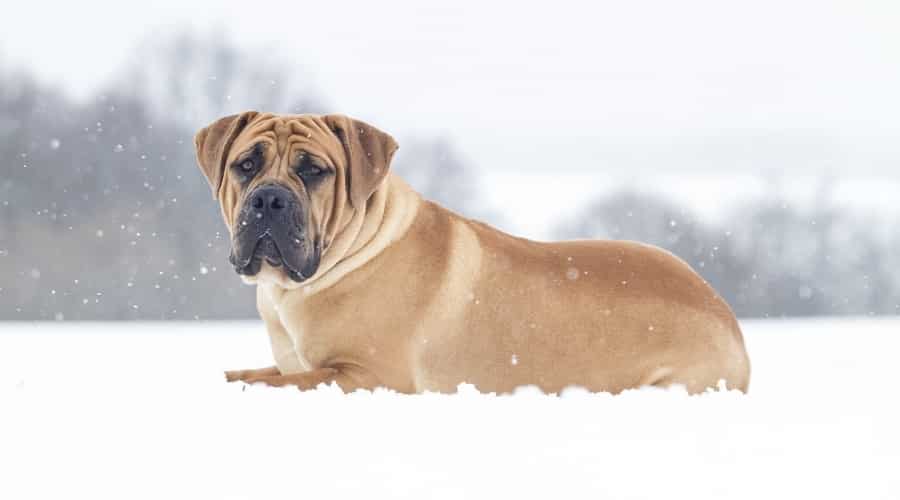
- Bulldogs and Mastiffs tolerate chilly temps a bit better
Neither group is immune; it just buys time.
4. Age
Puppies & seniors freeze fastest, and both struggle with temperature regulation:
- Puppies haven’t developed efficient thermoregulation
- Seniors often have poor circulation and slower metabolic heat production
A healthy 3-year-old Lab might enjoy a frosty walk, whereas a senior Lab may start shivering quickly.
5. Health Conditions
Cold affects dogs with:
- arthritis
- thyroid issues
- heart disease
- respiratory problems
- circulation issues
- brachycephalic syndrome (flat-faced breeds)
Cold can tighten stiff joints, slow circulation, or worsen breathing. These dogs need shorter walks and earlier cut-offs.
6. Activity Level
A dog running, playing, or trotting beside you stays warm longer. Once the activity stops? Body heat drops fast, and the cold catches up quickly.
Quick Takeaway:
- A big, fluffy, active dog can handle cold better, but no dog is “cold-proof”
- Small, thin-coated, hairless, elderly, and medically vulnerable dogs get cold incredibly fast
Puppies & Senior Dogs
Special Cold-Weather Rules
Puppies and senior dogs are the first to struggle in cold weather. Even mild temperatures can hit them hard because their bodies simply can’t regulate heat the way healthy adult dogs can.
1. Puppies Can’t Hold Heat Yet
Puppies lose warmth fast because:
- their coats aren’t fully developed
- they have very little body fat
- their internal temperature regulation isn’t mature
A puppy can start shivering at temperatures where an adult dog is perfectly comfortable. Even 45°F (7°C) can be too cold for some small or short-coated pups.
2. Seniors Lose Warmth Faster Than They Used To
Older dogs often struggle with:
- slower metabolism
- reduced circulation
- arthritis flare-ups
- thinner coats
- weaker immune systems
Cold weather can stiffen joints almost immediately, and some seniors may limp or slow down within minutes.
3. Vulnerable Groups Need Shorter, Strictly Timed Walks
For both puppies and seniors:
- keep walks short
- avoid standing still
- use coats/booties
- watch paws closely
- head inside at the first sign of discomfort
Puppies and senior dogs get cold far faster than healthy adults. Give them shorter outings, warmer gear, and immediate indoor time if shivering starts.
A Real-Life Look at Cold Sensitivity in Small Dogs
Before I move on, here’s a real example of how quickly cold weather can overwhelm small breeds. It shows just how different winter feels for a tiny dog compared to a larger one.
I’ve owned several small dog breeds while living in areas with extremely cold winters, and one of them, Cookie, a 5-pound Chihuahua, showed me firsthand how fast little dogs can lose heat.
Cookie was so tiny and thin-coated that even stepping outside seemed uncomfortable for her. On really cold days she refused to go out at all, and we had to use puppy pads in the garage because she wouldn’t set foot outdoors, even to potty.
She never went outside in winter without a sweater or coat, and she always wore booties to protect her paws. Sometimes even a homemade sweater from an old sweatshirt sleeve made a noticeable difference.
Cookie could become cold within minutes, even when the temperature didn’t seem that bad to us. For toy, miniature, and small breeds, warm layers aren’t a fashion choice, they’re survival gear.
– Sally Jones, Dog Parent, Writer & Editor for Canine Journal

Wind Chill & Wet Fur: The Hidden Cold Risks
Cold temperature is only half the story. Two things make winter way more dangerous for dogs than most owners realize: wind chill and wet fur. Both can turn a “safe” temperature into a sudden danger zone.
1. Wind Chill Makes Cold Hit MUCH Harder
Wind strips away body heat faster than still air. A calm 32°F (0°C) day can feel like 20°F (–6°C) or colder with wind, and your dog will feel that drop instantly.
Wind chill especially affects:
- small dogs
- thin-coated dogs
- hairless breeds
- puppies & seniors
- dogs with joint issues
If your dog’s ears or belly feel icy after just a minute outside, wind is the reason.
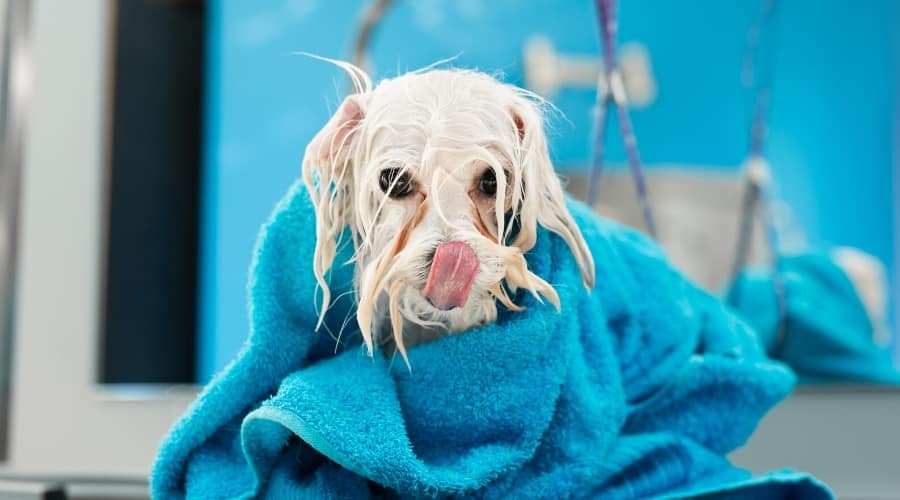
2. Wet Fur = Heat Loss on Overdrive
Water pulls heat away from the body much faster than dry air. That means even “just above freezing” temps can become dangerous if your dog:
- walks through slush
- sits in the snow
- gets caught in light rain
- collects ice balls between toes
A thick coat won’t save them; wet fur kills insulation completely.
3. Damp Paws Cool the Whole Body
Wet paws make dogs lose heat from the ground up. Cold pavement, ice, road salt, and snow soak pads fast, which leads to:
- paw lifting
- shivering
- cracking pads
- increased frostbite risk
Booties help, but even with them, wetness accelerates cooling.
4. A Dry Dog Is a Warmer Dog
If it’s windy or wet:
- shorten the walk
- avoid standing still
- towel-dry immediately after coming inside
- check between toes for packed snow or ice
Wind chills dogs faster than the actual temperature, and wet fur removes their insulation entirely. Even “mild” winter weather becomes risky when combined with wind or moisture.
Frostbite vs Hypothermia
Signs You Can’t Ignore
Cold weather hurts dogs in two dangerous ways: frostbite and hypothermia. They’re different, they strike fast, and knowing the signs can save a dog’s life.
1. Frostbite (Freezing of Skin & Tissues)
Frostbite sneaks up quietly. Dogs often don’t show pain until the area warms back up. According to VCA Hospitals, here are the frostbite symptoms to look for:
- pale, bluish, or grey skin (ears, paws, tail)
- cold, hard skin that doesn’t warm quickly
- pain when you touch the area after coming indoors
- swelling or “puffy” paws
- ice between toes or on whiskers
- skin turning dark hours later (serious frostbite)
Frostbite hits first on:
- ear tips
- paw pads
- tail tip
- scrotum (for male dogs)
If you see discoloration or stiffness, get inside immediately and warm gently.
2. Hypothermia (Dangerously Low Body Temperature)
This is the true emergency. Hypothermia can set in even above freezing if your dog is small, wet, or exposed to wind. The American Kennel Club (AKC) states that early signs of hypothermia include:
Worsening signs:
- lethargy
- confusion
- difficulty walking
- cold belly, ears, or paws
Severe signs (emergency):
- bright red or pale gums
- very slow breathing
- collapse
- unresponsiveness
Frostbite freezes the outside, and hypothermia chills the inside. Both develop fast, especially under 20°F (–6°C). If you see any worsening or severe symptoms, get inside, warm gently, and call your vet immediately.
12 Common Cold-Weather Mistakes Dog Owners Make
Even experienced dog owners slip up in winter. Cold weather creates risks that aren’t obvious, and a few everyday habits can make dogs colder, faster than you’d ever expect.
Here are the mistakes that lead to shivering pups, frozen paws, and unexpected vet visits.
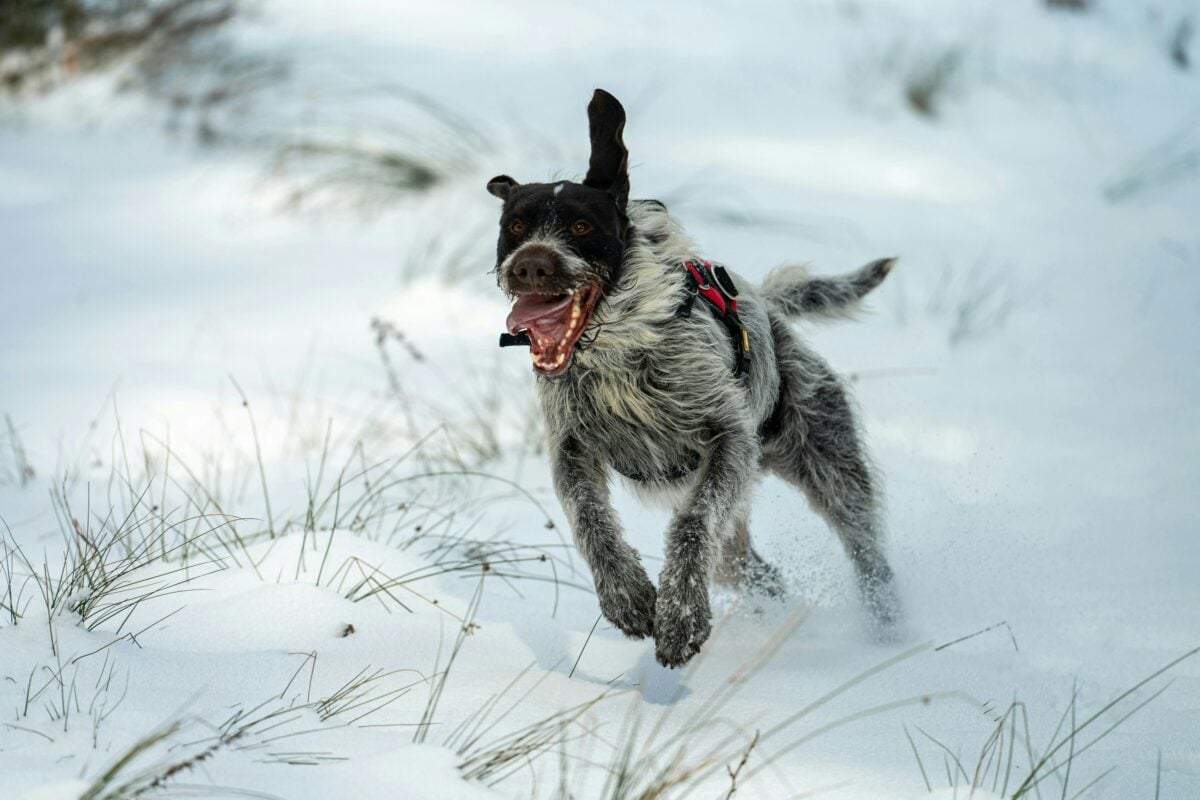
1. Believing “My Dog Has Fur, They’ll Be Fine”
Fur helps, but it’s not armor. Thin-coated dogs (Greyhounds, Boxers, Frenchies), hairless breeds, and small dogs lose heat almost instantly, even with a coat.
And even fluffy breeds like Huskies and Newfoundlands hit dangerous limits when temps drop below 20°F (–6°C). Cold doesn’t care about fluff. Cold wins.
2. Ignoring Wind Chill
A calm 32°F (0°C) day might feel like 20°F (–6°C) with wind. Wind cuts through fur, jackets, and booties, and it steals warmth from the ears, tail, and belly fast.
If your dog’s ears feel icy within a minute outside, the wind chill is already affecting them.
3. Letting Dogs Walk on Frozen Ponds or Lakes
It might look safe, but it really isn’t. Ice can crack under a dog’s weight even when it looks thick, and falling into frigid water can cause shock, frostbite, and drowning in seconds.
Even “safe-looking” ponds are a no-go.
4. Skipping Paw Checks After Walks
Snow, ice, and salt sneak into toes and build up fast. This can lead to:
- cracked pads
- burns from de-icing chemicals
- painful ice balls forming between toes
- licking/ingesting toxic salt
After walking your dog (if you’re not using dog boots), wipe their pads and paws to get rid of any salt or toxic chemicals they could have picked up. Snow removal chemicals can damage dogs’ pads, and you always run the risk of them licking these harmful substances.
Use antifreeze with extreme caution. Clean up any spills immediately. Antifreeze tastes sweet, and dogs will lap it up. But it’s extremely toxic. A 10-second wipe-down with a paw cleaner can prevent hours of discomfort.
5. Standing Still Too Long
Humans stop to chat, and dogs stop generating heat. A dog that was warm while trotting gets cold fast when standing still, especially small dogs and seniors.
Movement keeps them warm. Pausing drops their core temp.
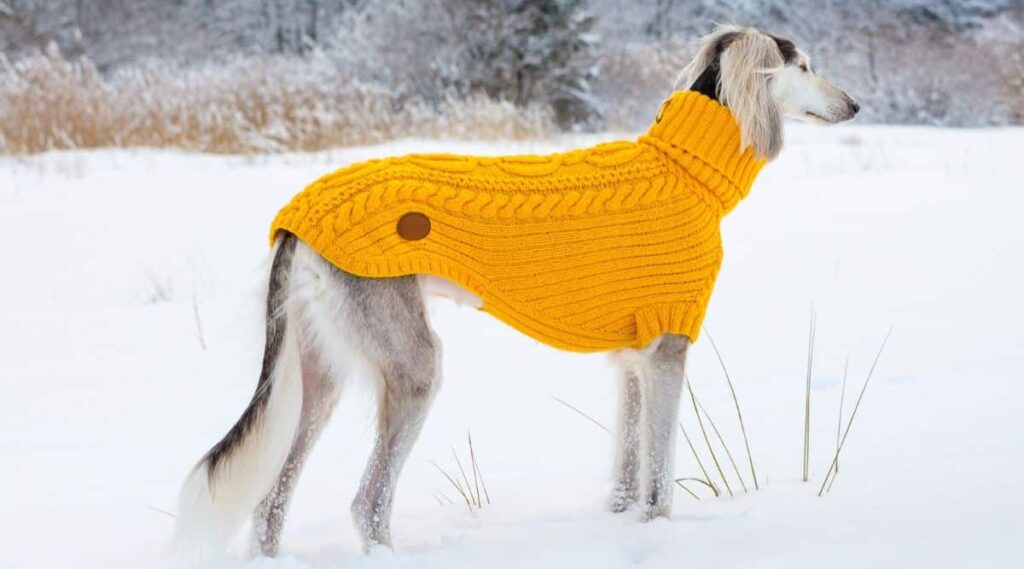
6. Trusting Sweaters Alone in Harsh Weather
Sweaters are great for light chill, but they fail in:
- wet snow
- freezing rain
- strong wind
- deep cold
Once a sweater gets damp, it cools the dog instead of warming them. Always use water-resistant coats in real winter weather.
7. Leaving Dogs in Cold Cars
Cars trap cold the same way they trap heat. A vehicle sitting at 20°F (–6°C) can drop to dangerous cold levels in minutes, even with “just a quick stop.”
If you wouldn’t sit there without a jacket, your dog shouldn’t either. Leave your pup at home when you can.
8. Letting Long Walks Go Too Long
Some dogs LOVE the snow, and love chilly zoomies, rolling, face-diving. Owners mistake enthusiasm for comfort.
But excitement hides discomfort until the dog suddenly hits a cold wall: shivering, paw lifting, or freezing up completely. Fun doesn’t mean safe, so please watch the signs.
9. Not Keeping Your Dog on a Leash in Snow
Snow and ice mask familiar scents, making it much harder for dogs to navigate or find their way home.
A normally confident dog can get disoriented quickly, especially in snowfall or wind. Always keep them leashed.
10. Not Making Your Dog Visible in Low Light
Winter days are short, and many walks happen before sunrise or after dusk. To keep your dog safe near roads, paths, and driveways, increase visibility with a small clip-on light, reflective collar tags, light-up collars, or a hi-viz harness with bright reflective strips.
11. Having No Blizzard or Power-Outage Plan
Winter storms can hit harder than expected. Always keep extra dog food, medications, water, and warm bedding on hand in case you’re stuck inside or lose power. A little preparation goes a long way in extreme weather.
12. Overfeeding “For Warmth”
Many owners increase food portions in winter, thinking a little extra fat will help keep their dog warm. But most dogs are actually less active during cold months, which makes weight gain more likely.
Stick to normal portions, monitor your dog’s body condition, and switch to a weight-management formula if you notice extra pounds creeping on.
Quick Takeaway:
Most winter mistakes happen because cold feels mild to us, but dogs feel it faster, deeper, and more dangerously. Even small errors can turn into big risks in minutes.
5 Winter Gear Dog Items That Help
And What’s Basically Useless
Not all dog winter gear is created equal. Some items genuinely keep your dog warm and safe… and some are just cute Instagram content. Here’s what actually matters when temperatures drop.
1. Dog Booties
This is potentially the #1 winter essential. Snow booties for dogs do more than keep paws warm; they protect against:
- freezing pavement
- ice cuts
- road salt burns
- toxic de-icer chemicals
- snow packed between toes
A good bootie should be water-resistant, flexible, and have a secure strap so it doesn’t pop off mid-walk. If your dog “high steps” dramatically the first time they wear boots? Totally normal. (Also hilarious.)
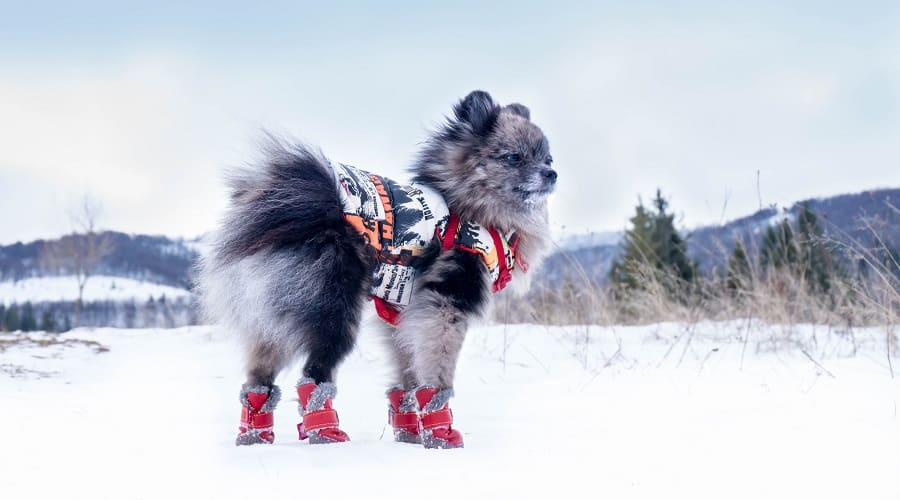
I recommend the Bark Brite Neoprene Paw Protector Dog Boots. These all-weather, water-resistant boots come in four-packs, in a range of different sizes and colors, and each has reflective Velcro straps to keep them secure.
They’re very durable and have thick, non-skid rubber soles to protect against snow and ice, chemicals, sharp objects, and hot asphalt.
2. Insulated, Water-Resistant Coats
Sweaters are cute. Jackets keep dogs alive in harsh weather. A real winter coat should:
- block wind
- repel snow
- insulate the chest and belly
- cover down to the base of the tail
- stay snug without restricting movement
Need an affordable, warm, water-resistant coat for your pup? Check out these Kurgo Dog Jackets. These reversible fleece-lined dog coats come in five different sizes and tons of fun color options.
They’re waterproof, machine washable, and come with a lifetime warranty. They also have a zipper on the back so you can easily attach a leash harness.
We use doggy sweaters and jackets for our Cavalier King Charles Spaniel in colder weather when outside (and even inside too).
Even though he has a long coat of fur, we want to make sure he’s comfortable and cozy when going on walks or curls up on the couch. He doesn’t seem to mind wearing them either, plus looks super cute (functional and fashionable).
– Sadie Cornelius, Dog Mom & Longtime Friend of Canine Journal
See our reviews of the best dog boots and winter coats, as well as dog raincoats, for some of our other top recommendations.
3. Sweaters
These are good, but they have limits. Sweaters work great for:
- indoor warmth
- light, dry cold
- small or short-coated dogs
But they fail in real winter conditions because once a sweater gets wet, it becomes a cold sponge. If it’s snowing, raining, or windy, go for a coat instead.
4. Paw Balm
Balms help protect paw pads from cracking and salt irritation, but they don’t insulate against cold ground. It’s great to use with booties, or on mild days when booties aren’t needed.
I recommend Musher’s Paw Balm, a great product that protects and heals cracked and sore paws. It doubles as a nose balm, too, and is made with 100% natural ingredients.
5. Full-Body Snowsuits
These are surprisingly useful for tiny or short-coated dogs. Not every dog needs one, but for thin-coated dogs, seniors, or toy breeds, a snowsuit:
- traps body heat
- keeps snow off the belly
- prevents “snow clumping” on legs
- blocks wind
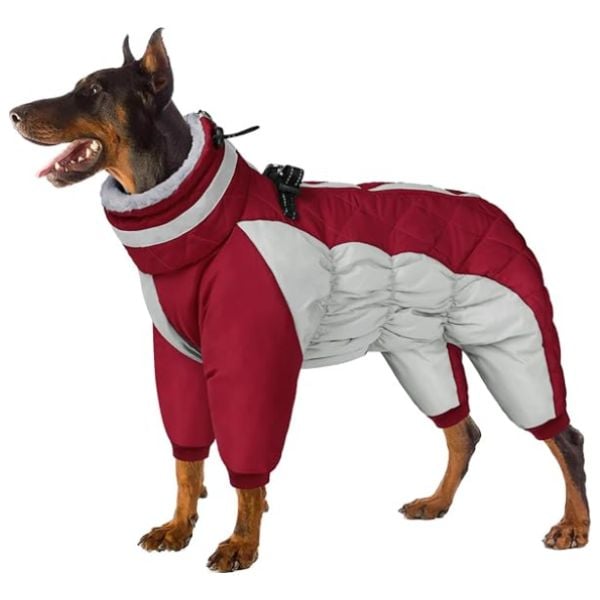
I recommend Sunfura’s Full Body Dog Coat, as it insulates and protects dogs in cold weather. They also turn your dog into an adorable marshmallow, which is a nice bonus.
What’s Basically Useless
Let’s call these out clearly:
- Fashion-only sweaters (cute but no weather protection)
- Loose knitwear (wind cuts through instantly)
- Blankets wrapped around the dog (slip off in minutes)
- Dog scarves (adorable, but purely aesthetic)
If it wouldn’t keep you warm in freezing wind, it won’t keep your dog warm either.
Can Dogs Walk on Snow & Ice Safely? 6 Types
Dogs can walk on winter surfaces, but each type of snow or ice feels different under their paws. Some are fine for a stroll, others can cause slips or surprises fast.
1. Fresh Snow
Usually Safe and Fun
Soft, powdery snow is the most forgiving surface. Dogs get good traction, and the ground has some “give,” which makes it comfortable to walk or run on.
They may still lift their paws once they’ve been out a while, but overall, this is the safest winter texture.
2. Hard-Packed Snow
Slippery in Spots
This happens when snow gets walked on, driven on, or partially melted and refrozen. It feels solid, but:
- traction is inconsistent
- uneven ridges can twist a paw
- it hides icy patches underneath
Many dogs walk fine on it, just keep an eye out for sudden stiffness or hesitation.
3. Icy Sidewalks
The Most Common Slip Hazard
Sidewalk ice isn’t always obvious. It forms in thin sheets and can blend in with concrete. Dogs can:
- lose footing
- strain a muscle
- fall suddenly, especially when turning corners
If you’re sliding a little, your dog is slipping a lot more.
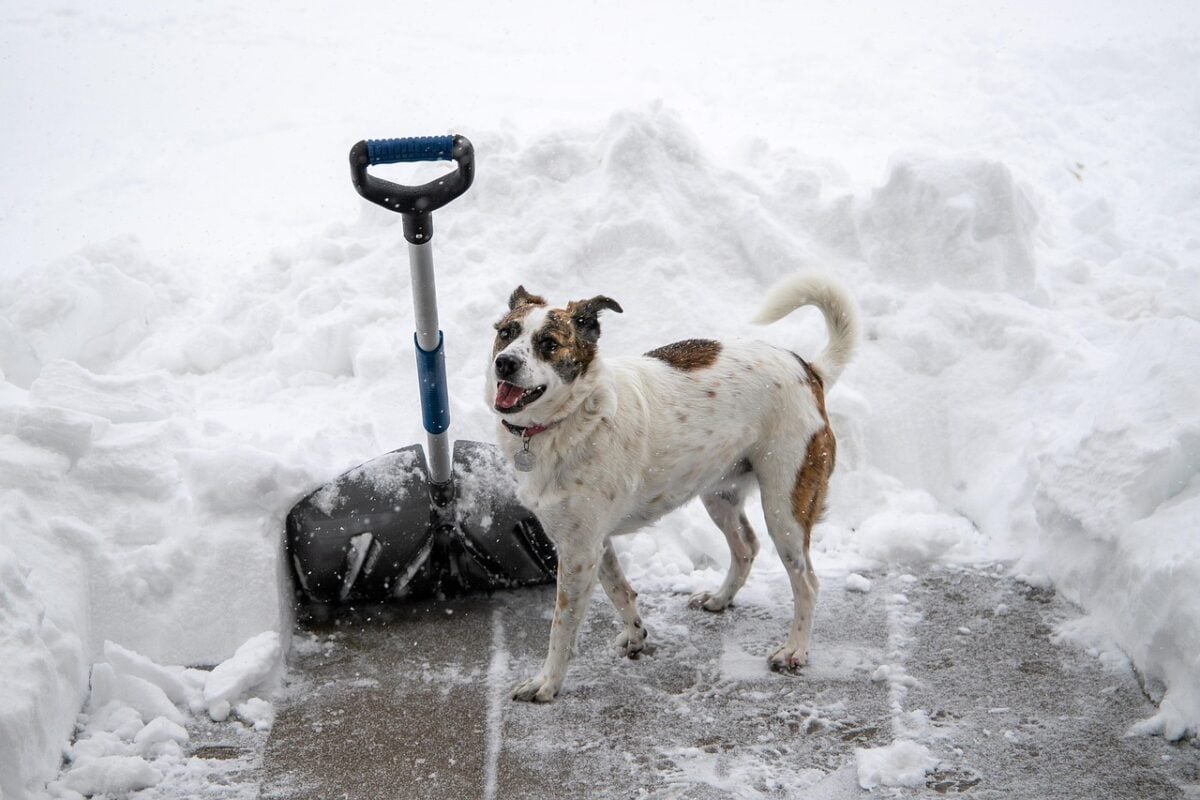
Keep Your Dog Safe This Holiday Season! Winter fun comes with its own risks, and so do the holidays. From toxic festive foods to dangerous decorations, make sure you’re prepared. Check out our full guide to Holiday Hazards for Dogs to keep your pup safe all season long.
4. Snow That’s Hiding Ice
Looks Safe, But It Isn’t
A thin layer of snow over ice is what causes the “my dog just vanished sideways” moment. Everything looks normal… until your dog steps and the ice underneath sends their paws in unexpected directions.
This is the surface that catches owners off guard the most.
5. Frozen Lakes & Ponds
Never Safe, No Exceptions
Dogs have no sense of ice thickness. They trot confidently across it, right up until the surface cracks. Even shallow ponds can become deadly fast due to shock from freezing water.
Stick to the shoreline, not the surface.
6. Salted or Gritted Walkways
Walkable With Care
These areas are generally safe for traction but can be uncomfortable on paws. Salt and grit can sting, so a quick rinse or wipe-down after the walk is all that’s needed.
If your dog starts lifting paws immediately on salt, booties help.
Quick Takeaway:
- Fresh snow is the safest surface
- Hard-packed snow and icy sidewalks require caution
- Frozen lakes and ponds are always off-limits
Best Cold-Weather Dog Breeds
Some breeds are more tolerant of colder temperatures – they’ve been bred this way for hundreds of years. If you live in colder areas, these thick-coated dogs make great pets.
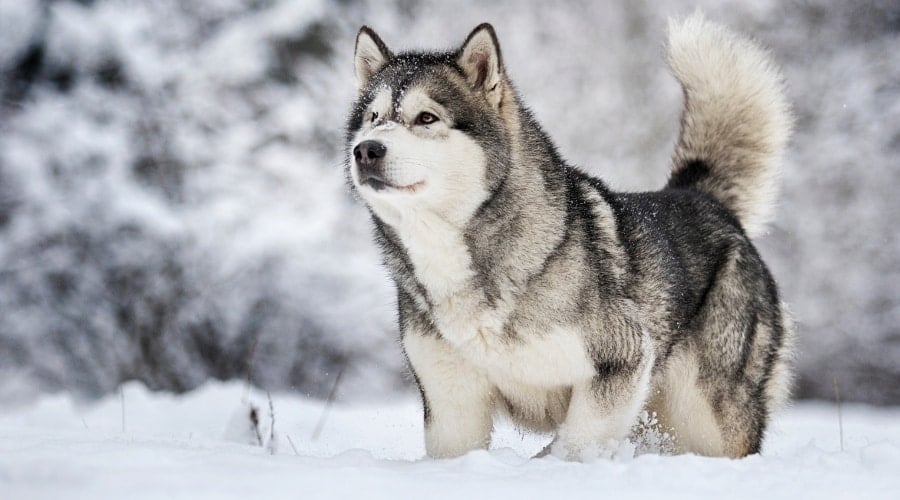
Their thick coats, big paws, and cold-weather bodies let them handle winter far better than the average pup. But remember, even these hardy breeds need protection from extreme temperatures.
- Alaskan Malamute (the oldest and largest of the Arctic sled dogs)
- Keeshond (bred as a riverboat watchdog in Holland)
- Newfoundland (bred to work in icy waters)
- Norwegian Elkhound (ancient breed from Scandinavia)
- Saint Bernard (bred as a rescue dog in the Swiss Alps)
- Siberian Husky (hails from northeast Asia and was bred as a sled dog)
- Tibetan Mastiff (bred in the Himalayan Mountains)
If there’s one dog breed that treats winter like a personal holiday, it’s the Husky. These dogs don’t just tolerate snow; they thrive in it.
This quick video shows Huskies doing exactly what they were born to do: sprinting, diving, rolling, sleeping, howling, and absolutely losing their minds in the best way.
Want to Discover More Cold-Weather Dog Breeds? We have a full guide on the top 26 cold-weather dog breeds, with tips on how to look after them.
7 Safety Tips For Outside Dwelling Dogs
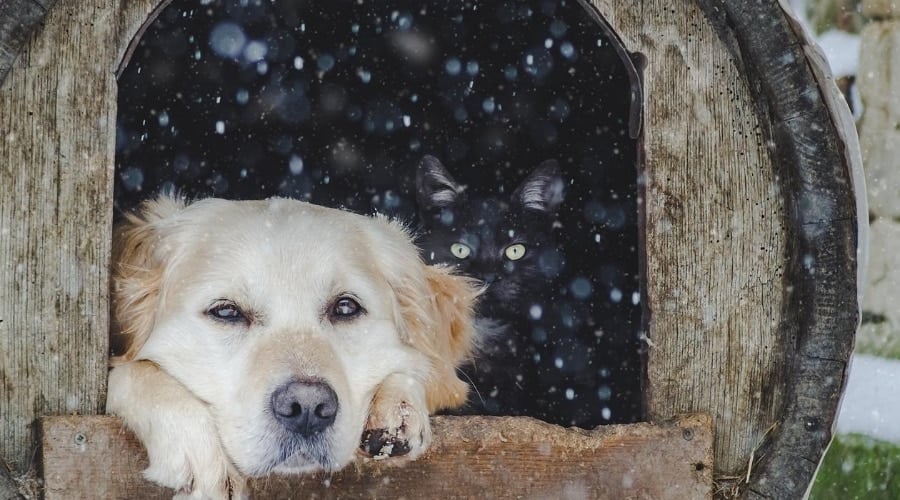
Dogs who live or rest outdoors need more than just a coat of fur to stay warm. Proper shelter setup makes a huge difference in how well a dog can handle winter temperatures, especially during long stretches of cold weather.
If your dog uses a kennel or outdoor run, there are a few extra safety steps you’ll want to take.
1. Shelter Placement Matters
Make sure your dog’s kennel is located in a sheltered area, away from drafts, and positioned so the doorway doesn’t face the prevailing wind. A good location alone can make a noticeable difference in warmth.
2. Keep the Sleeping Area Small, Warm, and Insulated
The inner sleeping space should be just big enough for your dog to lie down comfortably, no bigger.
A smaller area traps body heat better and blocks cold air from circulating.
Fill the space with warm bedding like straw, wood shavings, or thick blankets (changed regularly to stay dry).
3. Raise the Floor to Block Ground Cold
Kennel floors pull in cold like a sponge. Raise the sleeping platform a few inches off the ground and cover it with insulating material so the cold soil or concrete underneath can’t drain heat from your dog’s body.
An elevated dog bed can help raise them off the cold ground.
4. Cover the Doorway
A flap made from waterproof canvas or heavy plastic helps keep out snow, wind, and drafts. Without a door covering, even the warmest bedding won’t stay warm.
5. Bring Outdoor Dogs Inside During Extreme Cold
Even dogs who normally live outside need indoor time during severe weather. High winds, wet snow, and sub-freezing temperatures can overwhelm outdoor shelters quickly.
6. Groom Regularly for Better Insulation
Regular brushing removes dead undercoat and lets the remaining coat trap heat the way it’s meant to. A clean, well-maintained coat insulates better than a matted or damp one.
7. No Outdoor Water Bowls
A surprisingly common danger that owners often overlook is posed by metal water bowls that are placed outside. When the temperature drops below freezing, the water in the bowl can quickly turn to ice, and the bowl itself can become a danger to your dog.
When your dog tries to take a drink, their tongue may easily become stuck to the bowl, causing a painful injury when they try to pull away.
7 Things NOT to Do When Warming Up a Cold Dog
When your dog comes inside shivering, it’s natural to want to warm them as quickly as possible. But a few common “quick fixes” can actually hurt rather than help.
Warming a cold dog is all about gentle, steady heat, not sudden blasts of warmth. Here’s what to avoid and why.
1. Skip the Hair Dryer
A hair dryer sounds convenient, but cold skin is extremely sensitive. Even the “low” setting can cause burns before you realize it, especially on the ears, toes, and belly. It also dries out paw pads, which are already stressed from the cold.
2. Avoid Hot Baths or Hot Water
Your dog may be shivering, but jumping from freezing temperatures into hot water is a shock to the system. It can raise their heart rate too quickly and worsen hypothermia. Stick to lukewarm water for rinsing or warming, never hot.
3. Don’t Use a Heating Pad
Heating pads warm from the inside out, which feels comforting to us but can easily burn dogs, especially if they lie on one for too long. Cold, numb skin doesn’t sense heat properly, so a dog might not move away even if it’s too hot.
4. Don’t Rub Their Skin Too Hard
If your dog has the early stages of frostbite, rubbing can damage the already fragile tissue. It’s okay to press gently with warm towels or blankets, but skip anything that feels like “scrubbing.”
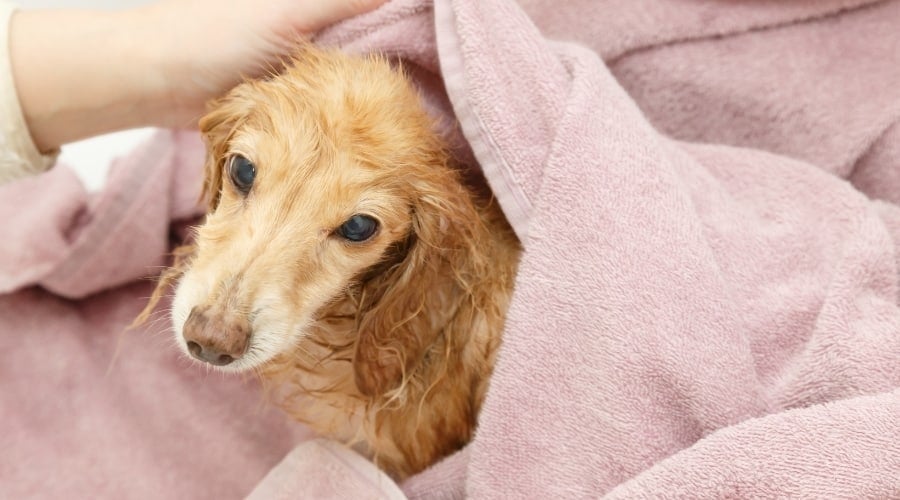
5. Never Wrap Them in Something Wet
A sweater, coat, or blanket that’s damp from snow will keep pulling heat out of your dog’s body.
Swap wet layers for dry towels or blankets as soon as you’re indoors.
6. Don’t Let Your Dog Sit Too Close to Fireplaces or Open Flames
After a cold walk, many dogs love curling up by the fire, but fireplaces, wood stoves, and gas flames can be dangerous.
Stray sparks can land on fur, curious noses can get too close, and wagging tails have a way of finding trouble. Always use a fireguard and never leave your dog unattended near an open flame.
7. Don’t Assume They’re “Fine” When Shivering Stops
Shivering can stop for two reasons:
- They’re finally warming up
or - They’re getting worse and no longer have the energy to shiver
If your dog seems unusually tired, confused, wobbly, or cold to the touch, call your vet right away. These are warning signs of moderate to severe hypothermia.
Quick Takeaway:
The safest way to warm a cold dog: dry them off, wrap them in warm blankets, offer a cozy spot inside, and let their body temperature rise slowly and gently. No heat blasts, no hot water, no shortcuts.
Pet Insurance Can Cover The Unexpected
Although I urge you to mind the cold-weather tips we’ve suggested above to keep your dog safe during cold weather, bad things can still happen. For example, they could slip on ice you didn’t see, causing injury, or the cold could aggravate a health condition you didn’t know they had.
The resulting veterinarian costs could add up quickly, and the last thing you need is a huge vet bill when you least expect it. For this reason, you should consider getting pet insurance for your dog.
If you have pet insurance in place, it covers treatments for unexpected accidents or any health conditions or illnesses your dog may suffer from that you weren’t previously aware of. See our best pet insurance article to learn more.
More Ways to Keep Your Dog Happy, Healthy & Safe This Season
If you want to upgrade your dog’s nutrition, check out our guide to the best fresh dog food delivery services to see which brands offer real, whole ingredients. If you enjoy cooking at home, our homemade dog food recipes make it easy to prepare balanced, dog-approved meals in your own kitchen.
Looking for ways to stay active together? Don’t miss our healthy holiday fitness tips for fun, safe winter workouts you and your dog can do as a team. And when it’s finally time to relax, curl up with our list of the best holiday movies to watch with your dog, perfect for cozy nights in.
Tell Us Your Dog’s Snow Stories! We’d love to hear how your pup handles chilly weather – whether they’re a snow-loving maniac, a cold-weather diva, or somewhere in between. Share your winter adventures, funny moments, or frozen-paw fails in the comments!