When you purchase through links on our site, we may earn a commission. Here’s how it works.
You know your dog better than anyone. So when they move more slowly than usual, skip a meal, or just seem “off,” you feel that instant nag of worry.
Table of Contents
Dogs hide illness well, and many sick dog symptoms start quietly. But learning the subtle signs can help you catch problems long before they become emergencies.
10 Most Common Dog Illness Symptoms
Dogs, like many animals, are naturally inclined to hide signs of illness. As the American Humane Society explains, this instinct stems from survival behaviors in the wild, where showing weakness could make an animal a target for predators or even cause them to be pushed aside by their own pack.
It’s also not always obvious what’s wrong, especially since many dog illness symptoms overlap between stomach issues, infections, injuries, chronic disease, and even emotional stress. But when you understand patterns, you’ll catch problems earlier.
Here are the 10 most common symptoms that your dog is sick, and what each one can tell you.
1. Lethargy: When “Just Tired” Isn’t Normal
Every dog has lazy days, and that’s totally normal. But true lethargy feels different, and most owners can spot it once they know what to look for. Instead of simply napping more, a lethargic dog seems disconnected from their usual routines. They may watch toys go untouched, ignore the doorbell, or stay curled in one spot even when you grab the leash.
Lethargy is one of the most common symptoms of dog illness because it appears across a wide range of medical conditions, including infections, pain, and metabolic disorders. The challenge is noticing when your dog’s energy level has dropped below their personal “normal.”
Signs of lethargy include:
- Unusual lack of interest in play, walks, or greeting family members
- Slower movement, reluctance to get up, or staying in bed longer than normal
- Delayed reactions when you call their name
- Falling behind on walks or stopping frequently
- Choosing isolation, such as hiding under furniture or staying in another room

Lethargy often develops when your dog’s body is trying to conserve energy or fight off something internally. Because lethargy is so non-specific, veterinarians often rely on it as an early indicator that something deeper needs investigation.
When to call your vet:
Reach out if lethargy lasts longer than 24 hours, appears suddenly, or is accompanied by additional symptoms such as vomiting, diarrhea, coughing, shaking, pale gums, or loss of appetite. Sudden, severe lethargy is considered a potential emergency.
2. Sudden Changes In Eating Or Drinking Habits
It’s easy to dismiss a skipped meal or an extra-long water break, especially if your dog is usually a good eater. However, changes in appetite or thirst are often the first signs of illness that vets look for in a sick dog. Dogs rarely go “off food” for no reason.
And when thirst suddenly spikes, it’s usually your dog’s internal systems working overtime to compensate for something more profound. The key is noticing what’s different for your dog — their personal baseline matters.
Watch for:
- Refusing meals or eating noticeably less
- Sudden increase or decrease in water intake
- Turning away from favorite treats
- Chewing slowly, dropping food, or seeming uncomfortable while eating
- A sudden obsession with food, scavenging, or stealing food

These changes matter because your dog’s appetite is tied directly to their overall health. Dogs are hardwired to eat; they don’t skip meals casually. New or excessive thirst, especially when accompanied by frequent urination, can be a sign of kidney strain or hormonal imbalance.
Possible causes include:
- Dental pain or oral infections
- Fever or underlying infection
- Pancreatitis
- Gastrointestinal inflammation
- Diabetes
- Kidney disease
- Stress, anxiety, or household changes
- Pain (orthopedic or abdominal)
When to call your vet:
If your dog refuses food for more than 24 hours, drinks excessively for more than a day, or shows appetite changes paired with vomiting, diarrhea, lethargy, drooling, or bad breath, it’s time for a medical check. A simple examination and routine blood work can quickly reveal whether something more serious is going on.
3. Vomiting & Diarrhea: The #1 Sick Dog Symptom Vets See
A single upset stomach isn’t unusual — dogs eat grass, steal snacks, and get into things they shouldn’t. But when vomiting or diarrhea becomes repeated, severe, or paired with other sick dog symptoms, it’s time to take it seriously.
These issues can lead to dehydration quickly, especially in puppies and seniors, and they’re one of the most common reasons dogs end up in the ER.
Common signs to watch for:
- Repeated vomiting (more than once or twice in a day)
- Watery, loose, or frequent diarrhea
- Vomiting or diarrhea paired with lethargy
- Blood in stool or vomit (bright red or dark, tarry stool)
- Vomiting water immediately after drinking
- Vomiting undigested food hours later
- Refusal to eat or drink
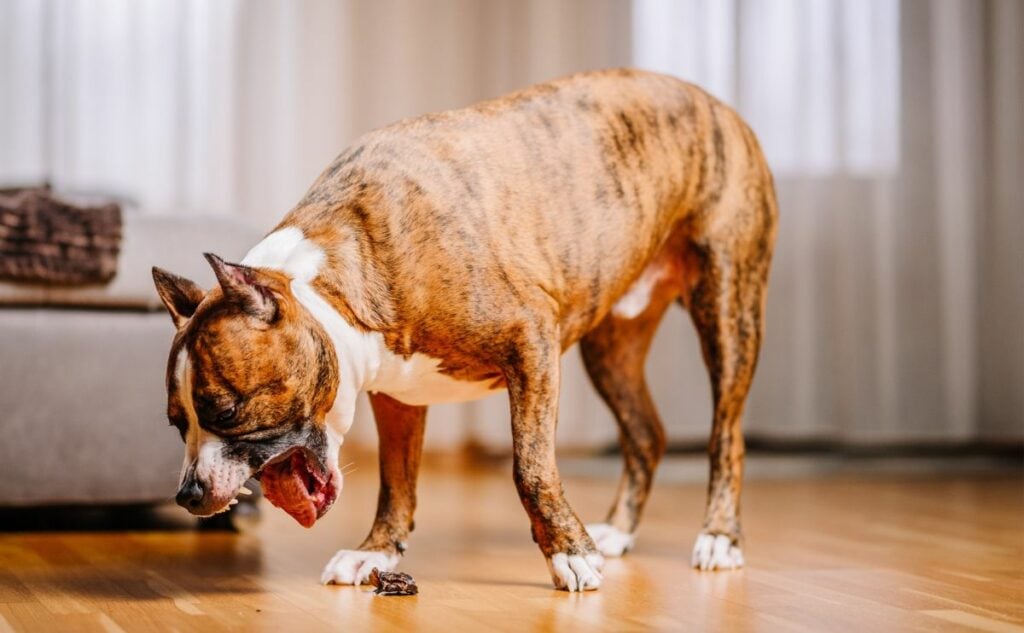
These symptoms can be caused by everything from simple dietary indiscretion to life-threatening emergencies.
Possible causes include:
- Gastroenteritis or GI inflammation
- Pancreatitis
- Dietary changes or food intolerance
- Intestinal parasites
- Viral infections, like parvovirus or distemper
- Bacterial infections from E. coli, Salmonella, etc.
- Heat exhaustion
- Toxins or foreign objects
- Kidney or liver disease
- Canine bloat (gastric dilatation-volvulus — a true emergency)
To help your vet identify the cause, note details such as:
- When symptoms started
- What the vomit or stool looked like
- Exposure to new foods, plants, or garbage
- Anything your dog may have chewed or swallowed recently
When to call your vet:
Seek veterinary care if vomiting or diarrhea lasts longer than 24 hours, happens multiple times in a day, contains blood, or occurs alongside symptoms like weakness, shaking, fever, or abdominal pain. Puppies, seniors, and small breeds should be seen sooner because they dehydrate more quickly.
4. Changes In Urination Or Bowel Movements
Your dog’s bathroom habits offer a surprisingly accurate picture of their internal health. When something is wrong, the kidneys, bladder, and digestive system are often among the first places symptoms appear.
That’s why any shift in how often your dog pees, poops, or how their stool looks can be a major clue that your dog is sick. Changes in a dog’s urinary habits among the most prominent indicators of an underlying kidney issue, bladder stones, or a urinary tract infection.
Signs of urinary or bowel changes include:
- Straining to pee or taking longer than usual
- Frequent urination, especially small amounts
- Accidents in the house in otherwise potty-trained dogs
- Very dark, concentrated urine
- Very pale or clear urine
- Constipation or difficulty passing stool
- Mucus, blood, or unusual colors in stool
- Sudden diarrhea that lasts beyond a day
These symptoms can signal several different health concerns — some mild, some very serious. One symptom that should never be ignored is the inability to pee, which is a medical emergency, especially in male dogs, who are more prone to life-threatening urinary blockages.
When to call your vet:
Seek care immediately if your dog is unable to urinate, is straining, producing blood, or exhibiting signs of abdominal pain. For stool changes (constipation, diarrhea, mucus), call your veterinarian if symptoms last more than 48 hours or appear alongside lethargy, vomiting, or loss of appetite.
5. Sudden Aggression, Anxiety, Or Personality Changes
Dogs don’t usually change their behavior out of the blue. When a friendly dog suddenly snaps, growls, hides, or seems unusually anxious, it often means something in their body or brain doesn’t feel right.
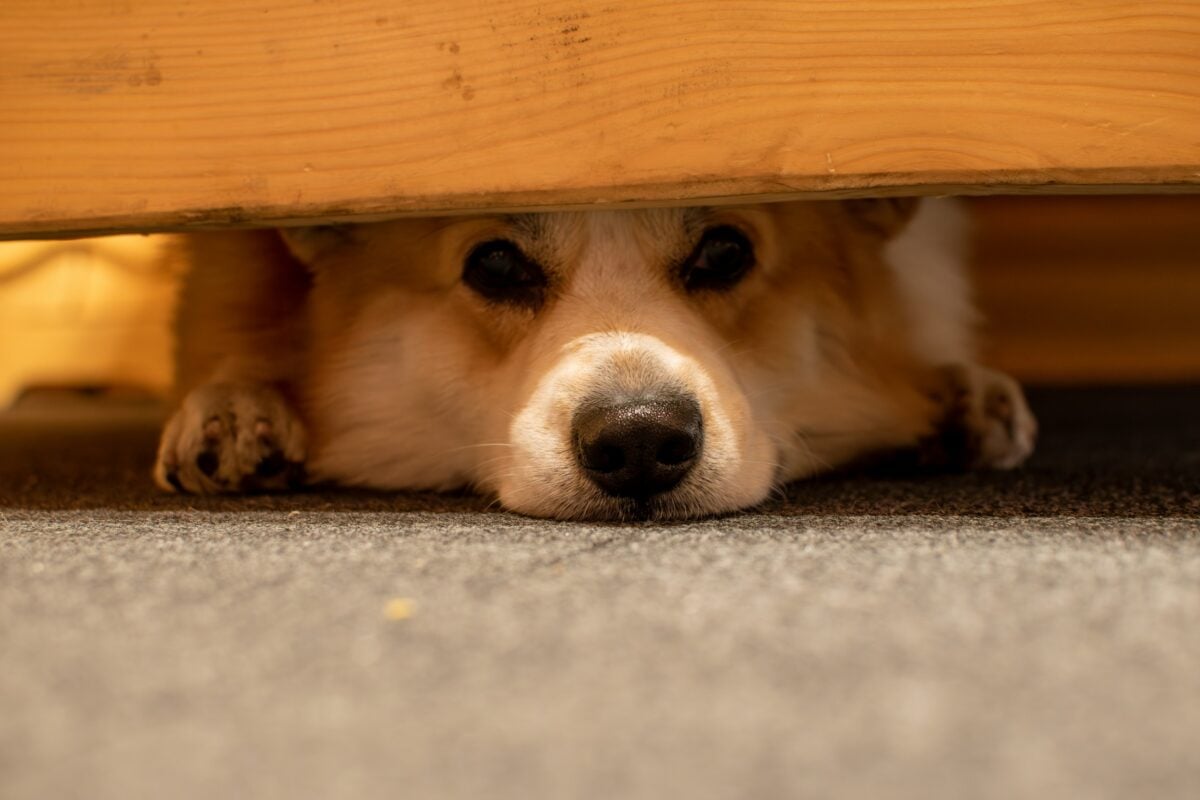
Behavioral shifts are one of the most overlooked signs of a sick dog, mostly because people assume it’s a training or mood issue when it’s often a sign of discomfort or illness.
Behavior changes that may indicate illness include:
- Unusual aggression toward family, pets, or strangers
- New anxiety, restlessness, or pacing
- Irritabile when touched, picked up, or groomed
- Sudden clinginess or following you everywhere
- Withdrawn behavior, hiding, or avoiding interaction
- Excessive vocalizing, whining, or barking
- Startling easily or sensitivity to noise and movement
A dog in pain may become more irritable, while a dog with nausea, fever, or hormonal changes may seek isolation. And when the brain or nervous system is involved, personality changes can be dramatic.
These changes may stem from:
- Pain (orthopedic, dental, abdominal)
- Hormonal disorders (hypothyroidism, Cushing’s disease, etc.)
- Cognitive decline
- Neurological issues
- Vision loss or hearing loss
- Stress or fear
- Fever or infection
- Trauma or discomfort
When to call your vet:
If your dog’s personality changes quickly, becomes unpredictable, or if aggression appears for the first time, get an evaluation. Behavioral changes accompanied by head shaking, disorientation, trembling, or seizure-like episodes require immediate care.
6. Eye & Ear Changes
Your dog’s eyes and ears can reveal health problems long before other symptoms appear. Eyes are susceptible to illness, pain, and pressure changes, while ears are prone to infections that escalate quickly if untreated.
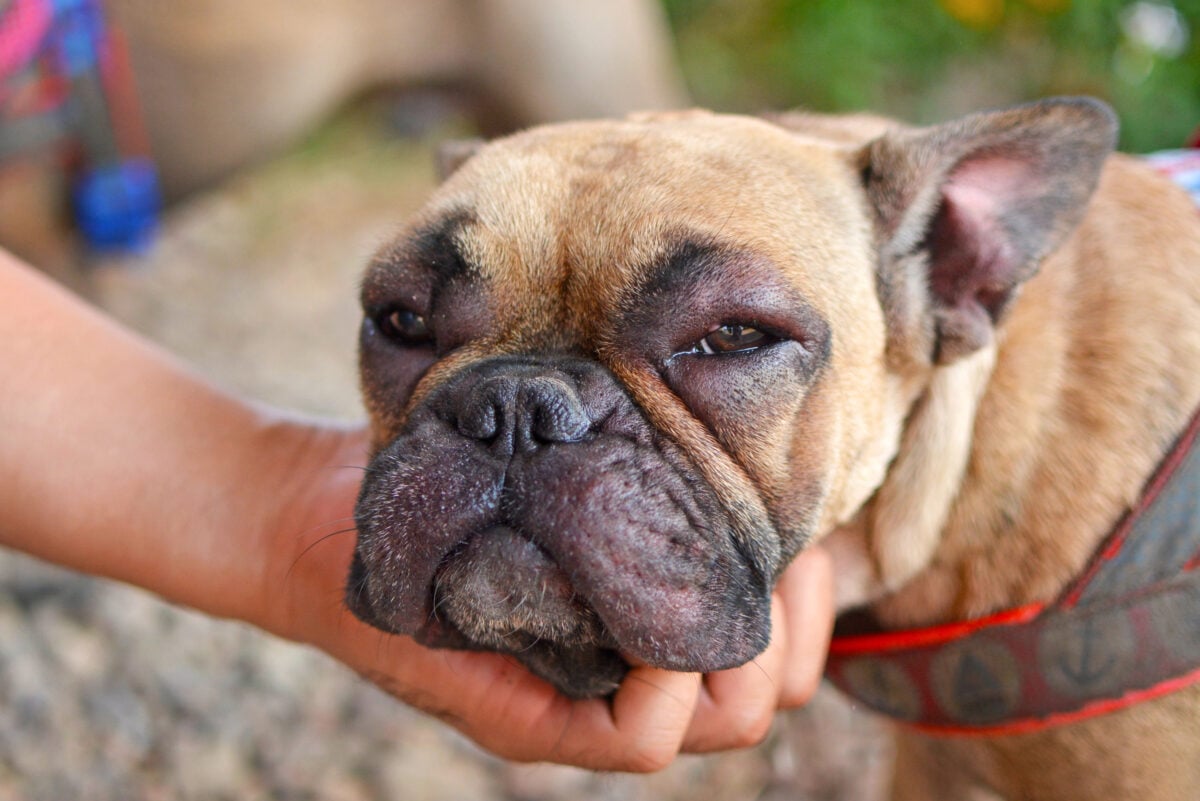
Even mild redness or discharge can be a sign of something more serious.
Eye symptoms to watch for:
- Redness, swelling, or irritation
- Cloudiness or haziness
- Goopy discharge (green, yellow, or thick)
- Squinting or keeping an eye shut
- Excessive tearing
- Difficulty seeing or bumping into things
- Yellowing of the whites of the eyes (possible liver issue)
Ear symptoms may include:
- Foul odor or musty smell
- Brown, black, or yellow discharge
- Head shaking or tilting
- Scratching or rubbing ears on furniture
- Sensitivity when touched
Because ear and eye problems worsen quickly, even mild symptoms should be taken seriously.
When to call your vet:
Any eye pain (squinting, rubbing, keeping an eye closed) should be seen within 24 hours, as some eye conditions can cause permanent damage. Ear infections should be treated promptly to prevent eardrum rupture.
7. Persistent Coughing, Wheezing, Or Sneezing
A simple cough might seem harmless, but respiratory symptoms can tell you a lot about your dog’s health. Some causes are mild, like seasonal allergies or kennel cough. Others are far more serious, involving the lungs, heart, or airway.
Pay attention to the sound of your dog’s breathing, whether it’s a dry cough, hacking cough, honking sound, wheeze, or nasal congestion. Each can point to a different issue.
Respiratory symptoms to watch for:
- Frequent coughing (dry or wet)
- “Goose honk” cough (often linked to tracheal collapse)
- Wheezing or whistling sounds
- Rapid, shallow breathing
- Panting at rest or at odd times
- Sneezing fits
- Reverse sneezing (not always serious, but worth noting)
Potential causes include:
- Kennel cough
- Pneumonia
- Allergies or asthma
- Heart disease
- Collapsing trachea
- Lung infection
- Foreign object in the throat
- Heartworms
- Smoke or toxin inhalation
When to call your vet:
Breathing problems should never be ignored. Seek care ASAP if your dog has blue gums, labored breathing, open-mouth breathing, or a cough lasting longer than a few days.
8. Skin and Coat Issues
Your dog’s skin and coat reflect their internal health. When something is off inside the body, whether it’s allergies, hormone imbalance, pain, or poor nutrition, the coat often shows it first. Skin problems can range from mild itching to severe infections.
And because dogs lick and scratch irritated areas, issues can escalate quickly.
Skin and coat red flags include:
- Constant scratching or licking
- Red, inflamed patches
- Hot spots
- Hair loss or bald spots
- Dry, flaky skin
- Dull, brittle coat
- Yeasty or sour odor
- Scabs, bumps, or crusty lesions

These changes can be caused by:
- Environmental or food allergies
- Fleas, mites (mange), or other parasites
- Bacterial or fungal infections
- Thyroid or adrenal disease
- Stress or anxiety
- Autoimmune disorders
- Nutritional deficiencies
Skin conditions are one of the top reasons pet parents visit the vet, but they’re also one of the most treatable when caught early.
When to call your vet:
If itching lasts more than a week, if the skin appears infected, or if your dog develops hair loss, bleeding, or hot spots, schedule a visit. Dogs who can’t sleep due to itching require earlier intervention.
9. Limping, Stiffness, or Trouble Moving
Mobility changes are often one of the most evident signs that your dog is sick or in pain. Because dogs instinctively hide discomfort, even subtle changes in their gait or activity level are significant.
Limping isn’t always caused by injury; it can also be linked to arthritis, spinal problems, or neurological issues. And stiffness can make everyday movements feel difficult or frightening for your dog.
Mobility symptoms include:
- Limping (constant or intermittent)
- Stiffness after rest or sleep
- Difficulty climbing stairs
- Reluctance to jump onto furniture or into the car
- Dragging toes or uneven gait
- Crying out when moving
- Weakness in the hind legs
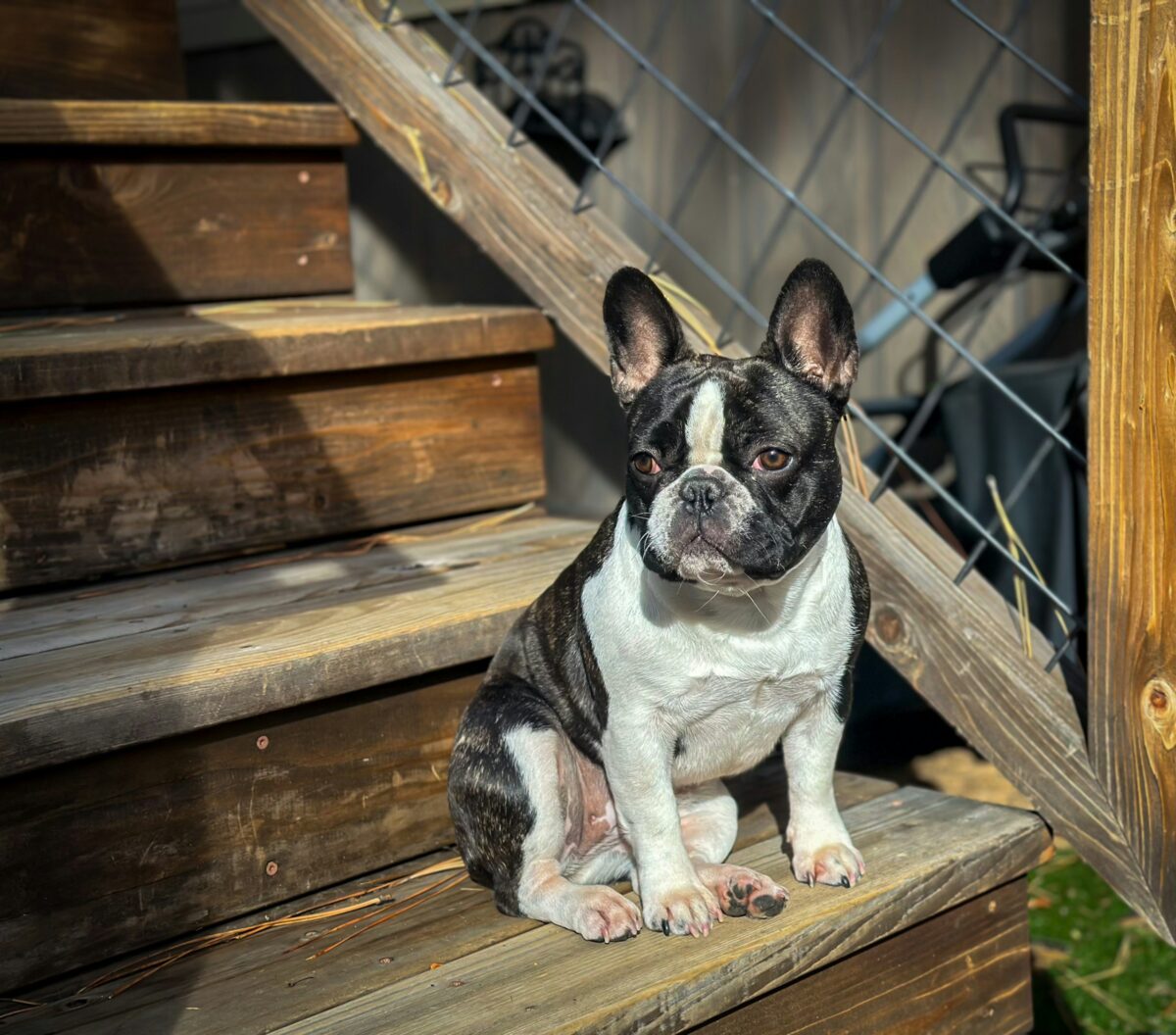
These issues can be triggered by:
- Strains or sprains
- Arthritis or joint inflammation
- Hip dysplasia
- Spinal disc disease
- Nerve damage
- Luxating patella
- Trauma
- Tick-borne diseases
- Pain in the abdomen or chest
Because pain can show up as stiffness or subtle limping, it’s worth noting even small changes.
When to call your vet:
Sudden or severe limping should be seen immediately. Chronic limping, worsening stiffness, or signs of pain during movement should also prompt a veterinary visit within a few days.
10. Unexplained Weight Loss Or Weight Gain
Weight changes are easy to miss, especially in fluffy-coated dogs, but they’re often among the most crucial sick dog symptoms. When weight shifts without a change in diet or activity, it’s a sign that the body is struggling to regulate itself.
Weight loss can indicate:
- Gastrointestinal disease
- Diabetes
- Kidney or liver disease
- Thyroid disorders
- Cancer
- Malabsorption issues
- Chronic infections
- Parasites
Weight gain may be linked to:
- Hypothyroidism
- Cushing’s disease
- Heart disease
- Fluid buildup (ascites)
- Reduced mobility from pain
- Medication side effects
- Slow metabolism in senior dogs
Dogs don’t lose or gain weight dramatically unless something significant is happening internally.
Signs to monitor:
- Visible ribs or hip bones in a dog who previously had good muscle mass
- A bloated or rounded abdomen
- Rapid muscle loss, especially along the back
- Puffiness or swelling
- Weight gain despite normal food intake
When to call your vet:
If your dog loses or gains more than 10% of their body weight, or if you notice rapid changes in appetite, thirst, or stool along with weight shifts, schedule an assessment. Bloodwork can reveal a surprising amount about the cause.
Medical Emergencies
Some symptoms are urgent no matter what. If you see any of these, go to the nearest open vet immediately. The American Animal Hospital Association (AAHA) lists these symptoms as the most urgent for our pups.
Emergency Warning Signs
- Hard, distended abdomen
- Inability to urinate
- Bright red blood in stool or urine
- Excessive diarrhea and/or vomiting
- Seizures
- Trouble breathing
- Lack of coordination/inability to stand
- Pale, white, or blue gums
- Collapse or loss of consciousness
- Moderate to severe wounds
What To Do Immediately (Quick Checklist)
If your dog shows one of the above symptoms:
- Stay calm — your dog reads your energy.
- Call your vet or nearest emergency hospital.
- Describe symptoms clearly and when they started.
- Do NOT give human medications unless instructed by your vet.
- Bring a sample of vomit or stool if possible.
- Transport safely (keep them warm, contained, and quiet).
What To Do If You Think Your Dog Is Sick
When your dog starts showing symptoms (even mild ones), it’s normal to feel unsure about the next step. Should you wait and monitor? Call your vet? Head straight to urgent care? The answer often depends on how quickly symptoms appeared and how much they affect your dog’s daily behavior.
A good rule of thumb: If your dog doesn’t seem like themselves, pay attention. Subtle changes often matter more than dramatic ones.

If you suspect your dog is sick:
- Observe closely for 12–24 hours (unless symptoms are severe).
- Track changes in appetite, thirst, and bathroom habits.
- Note any vomiting, diarrhea, coughing, limping, or unusual behavior.
- Avoid giving OTC human medications, as many are unsafe for dogs.
- Check your dog’s gums and hydration (sticky, pale, or tacky gums can be a red flag).
- Have an emergency vet in mind if symptoms worsen.
If symptoms appear suddenly, involve multiple systems (e.g., vomiting + lethargy), or last longer than a day, call your veterinarian. Many illnesses can be diagnosed quickly with basic tests like bloodwork, urinalysis, X-rays, or heartworm/tick screening.
If you’re unsure what your dog’s symptoms point to, using this article as a simple symptom finder for dogs can help you decide what needs monitoring and what needs a vet visit. However, the earlier you involve your vet, the easier it often is to treat the problem.
How Pet Insurance Can Help
When your dog gets sick or injured unexpectedly, the emotional stress is hard enough — the financial worry shouldn’t be. Pet insurance can make a huge difference in how quickly you’re able to act when symptoms appear, especially if your pup needs emergency care, hospitalization, or advanced diagnostic testing.
Most plans reimburse for:
- Unexpected illnesses and injuries
- Emergency vet treatment
- Diagnostic tests (bloodwork, imaging, ultrasounds)
- Specialist care
- Chronic conditions
Since many sick dog symptoms overlap and require testing to diagnose accurately, insurance can help you get answers faster without hesitating over cost. It’s especially helpful for breeds prone to allergies, GI issues, mobility problems, or endocrine diseases, all of which can get expensive.
If you want to compare coverage, pricing, and reimbursement options, see our best pet insurance guide to find what fits your dog and your budget. Just keep in mind that most providers don’t cover pre-existing conditions, so it’s wise to get your pup insured before any health issues arise.
Dog Illness Prevention
While you can’t prevent every sickness, you can make it much easier to catch problems early — long before symptoms become severe. Most serious conditions start with tiny changes, so the best prevention is simply knowing what “normal” looks like for your dog and noticing when something feels off.
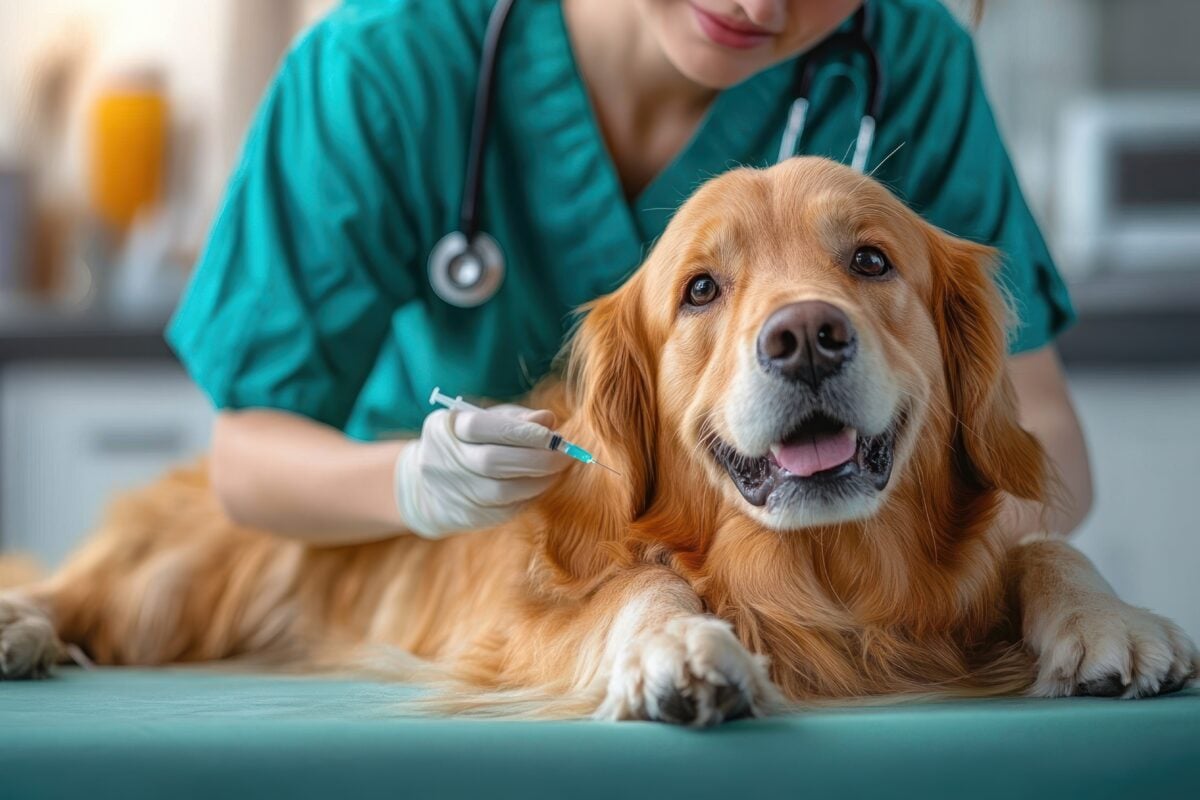
A few small habits make a big difference:
Stay consistent with routine vet care:
Annual wellness exams (or twice-yearly for seniors) help detect issues, such as kidney disease, thyroid imbalance, and early organ dysfunction before symptoms appear. And stay up to date with your dog’s vaccinations.
Keep up with parasite prevention:
Fleas, ticks, and worms carry illnesses that cause many of the symptoms on this list, including lethargy, vomiting, and coughing. See our recommendations for the best flea and tick prevention products and worm prevention.
Maintain good dental care:
Dental disease doesn’t just cause bad breath. It can lead to pain, appetite loss, and even heart and kidney complications. Ideally, brush your pup’s teeth daily and give them dental chews regularly.
Feed a balanced, high-quality diet:
Nutrition plays a significant role in coat health, digestion, immune function, and energy level. See our reviews of the best all-natural dog food, fresh dog food, and high-quality dog food delivery services.
Track subtle changes over time:
Slight shifts in thirst, stool consistency, mood, or energy can be early signs of trouble.
Know your dog’s risks:
Some breeds are more prone to allergies, vision issues, joint disease, or endocrine disorders. Awareness helps you stay ahead.
Prevention isn’t about predicting every illness; it’s about giving yourself the best chance to act quickly when your dog needs you.
How To Comfort A Sick Dog
When your dog isn’t feeling well, the way you care for them at home can make a huge difference in their comfort and recovery. Sick dogs often become more sensitive to noise, movement, temperature, and handling, and your calm presence is one of the most powerful tools you have.

Here’s what you can do to make your pup as comfy as possible:
- A quiet resting space away from noise
- Fresh, accessible water
- Soft, bland foods (only if approved by your vet)
- Warmth (small dogs and seniors chill easily)
- Gentle reassurance
- Short potty breaks
- Minimal handling if they seem painful
And remember: sick dogs often want to be near you. Your calm presence truly helps.
Frequently Asked Questions
When your dog isn’t acting like themselves, it’s normal to have a hundred questions. Below are answers to some of the most common concerns pet parents have when they’re worried about their dog’s health.
If you don’t see your specific situation here, drop your question in the comments — we (and other readers) are always here to help.
How Do I Know If My Dog Is Sick Or Just Tired?
Tired dogs still respond normally to cues, show interest in food, and perk up with rest. A sick dog may be withdrawn, sluggish, uninterested in everyday activities, or refuse food.
What If My Dog Throws Up Once? Is That Normal?
A single episode can be harmless, but repeated vomiting, blood, lethargy, or refusal to drink is a sign to call your vet.
Should I Wait 24 Hours Before Contacting A Vet?
Not necessarily. If symptoms are sudden, severe, or involve trouble breathing, collapsing, pale gums, inability to urinate, or nonstop vomiting, call immediately.
Can Dogs Hide Pain?
Yes. Most dogs instinctively mask discomfort, so subtle signs like limping, irritability, hiding, or loss of appetite are meaningful.
Can Stress Or Anxiety Make My Dog Sick?
Absolutely. Stress can trigger stomach upset, appetite changes, behavioral problems, and skin issues.
Is Diarrhea Always An Emergency?
No, but diarrhea lasting longer than 48 hours, containing blood, or paired with vomiting or lethargy needs veterinary attention.
Can My Dog Get Sick From Eating Something Outside?
Yes. Trash, spoiled food, plants, mushrooms, pesticides, and even sticks can trigger vomiting, diarrhea, lethargy, or poisoning. If symptoms start shortly after your dog ate something questionable, call your vet or the poison hotline at 1-855-764-7661.
What Symptoms Suggest My Dog Might Have An Infection?
Look for fever, lethargy, loss of appetite, vomiting, diarrhea, runny eyes or nose, coughing, or foul-smelling ears or skin. Infections often start with subtle behavioral changes before the physical signs appear.
How Long Should I Monitor Mild Symptoms At Home?
If your dog is mainly acting normal and symptoms are minor (like soft stool or a mild cough), monitor for 12–24 hours. If symptoms worsen, new symptoms appear, or your dog becomes lethargic, call your vet sooner.
What About Puppy Illness?
Puppies are particularly prone to severe symptoms because their immune systems are still developing. Make sure you get all of your puppy’s vaccinations on time and know when it’s safe to introduce your puppy to other dogs. If a puppy seems ill, don’t hesitate — call your vet immediately.
Have you been through this with your own dog? Share your experience or questions in the comments. Your insight could help another pet parent.