When you purchase through links on our site, we may earn a commission at no extra cost to you. Learn more.
Your dog stares at the wall. Or forgets which door leads outside. Or barks at… absolutely nothing. It’s not just “getting old”; these could be early signs of canine dementia, and the clock starts ticking before most owners even notice.
Table of Contents
Canine dementia is a condition that affects nearly 1 in 4 senior pups. Here’s how to spot the red flags before things get worse and help them stay sharp.
7 Strange Behaviors That Could Mean Your Dog Has Dementia
Your dog isn’t just “getting older.” If they’re suddenly acting weird, zoning out, or forgetting the basics, it could be something more serious: canine cognitive dysfunction (aka dog dementia).
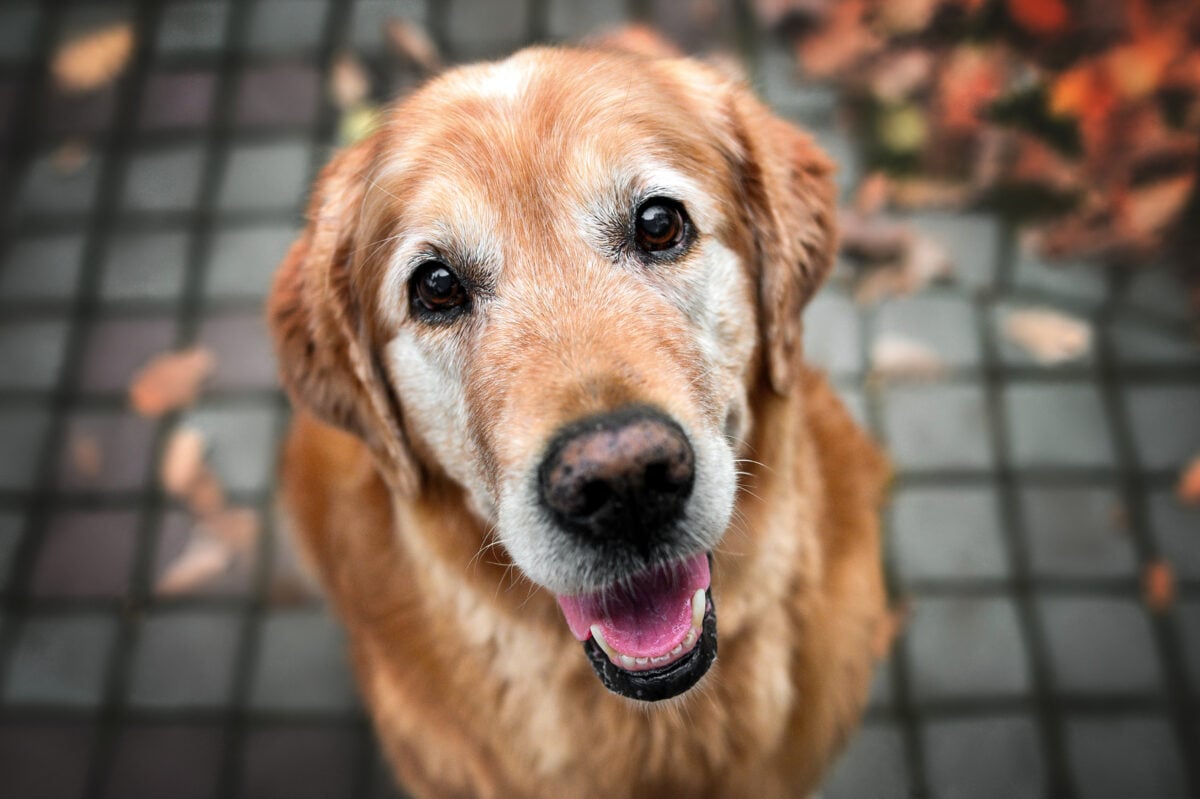
Here are seven common red flags owners often miss. How many do you recognize?
1. Staring at Walls or Getting “Stuck” in Corners
They’ll face a wall or corner like they forgot what they were doing. It looks harmless, but it’s a key early sign of confusion and spatial disorientation.
2. Restless Pacing at Night
If your dog wanders or paces at 2 AM like they’re searching for something, this could be sundowning, a dementia-linked behavior that worsens after dark.
3. Forgets Which Door to Use
They walk to the wrong door or forget how to get back in. They stare at a closed one, waiting, or they get “lost” in their own home. Dogs with dementia often lose their ability to navigate familiar spaces.
4. Random Barking at Nothing
No one’s outside. No weird noise. But your dog barks at the air, or into a room like something’s there. This can be confusion, anxiety, or even hallucinations.
5. Doesn’t Respond to Commands They’ve Known for Years
Sit. Stay. Come. They hesitate or seem confused, even though they’ve known these words their whole life. It’s not stubbornness. It’s memory loss.
6. Sleeps All Day, Wanders All Night
They flip their internal clock. This “day/night reversal” is a hallmark symptom, and it often shows up before owners realize anything’s wrong.
7. Sudden Clinginess or the Opposite
Some dogs with dementia get extra clingy and anxious. Others become withdrawn, hiding or avoiding affection. Any sudden personality shift is worth noting.
Quick Takeaway: Signs to Watch For
- Staring at the walls
- Wandering in circles
- Confused about doors or routines
- Barking at nothing
- Ignoring familiar commands
- Nighttime pacing or whining
- Sudden anxiety or personality shifts
At first, these behaviors may seem like quirks or minor personality changes. Many owners dismiss them as just part of getting older. But the tricky part? The earliest signs of dementia are often subtle and easy to miss.
If you’ve noticed any combination of these behaviors, especially more than one, it may be time to look deeper.
Up Next: A vet explains why these “quirks” might be early signs of something more and how to help your dog cope.
Vet Insight: What Dementia Looks Like from the Exam Room
As a pet parent to a senior dog currently showing signs of CDS that are gradually worsening, I am always looking to learn more about how to provide my pup with the best care.
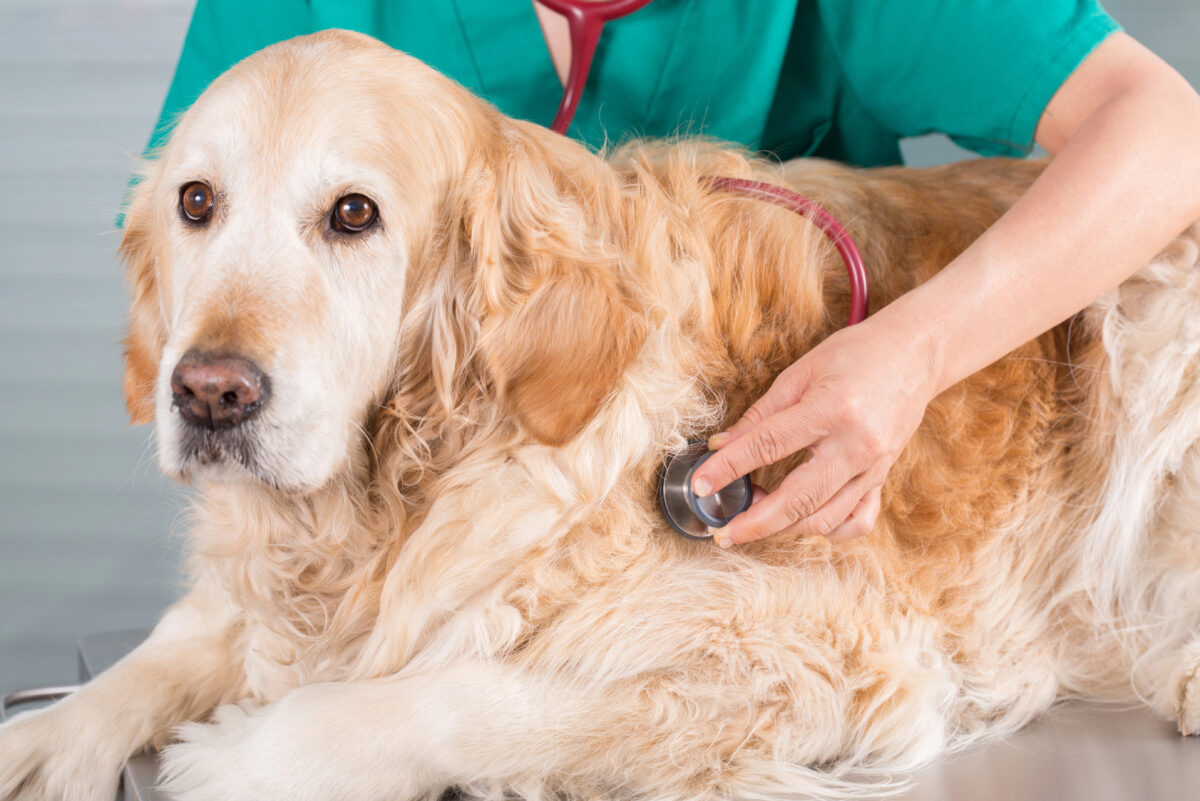
So, I chatted with Dr. Hannah Godfrey, BVetMed MRCVS, to get a veterinarian’s perspective on canine dementia. Here’s what she had to say:
If your dog has dementia, they might seem vacant, confused, or less responsible than normal, or they might be more restless and pace around the room.
You might notice them barking more than normal or seeming anxious, and they might beg for food immediately after eating or seem unable to find their way outside to go to the toilet.
This condition tends to affect dogs over 10 years old, and it usually starts with mild symptoms that get progressively worse, so at the beginning, you might not be sure whether there’s something actually wrong or you’re just imagining it.
Of course, dogs can experience some cognitive decline when they get older, but that doesn’t mean there’s nothing you or your vet can do to support them and make life a little easier for you, too.
– Dr. Hannah Godfrey, BVetMed MRCVS, Veterinary Contriber at Canine Journal
Up Next: The 3 stages of dog dementia and how fast things can change once they start.
The 3 Stages of Dog Dementia (And How to Spot the Shift Early)
Canine dementia usually progresses through three stages: mild, moderate, and severe. Dogs may not follow the stages in perfect order, but these patterns are what most owners notice as the condition advances.
Stage 1: Mild
Early signs can be easily missed. Owners often assume their dog is simply “slowing down.” Look for:
- Forgetting basic commands or routines
- Restlessness at night or changes in sleep habits
- Increased clinginess or mild personality shifts
- Less interest in play or social interactions
Stage 2: Moderate
Changes become more noticeable, and daily life starts to feel different. Common signs include:
- House accidents in previously trained dogs
- Night pacing or restlessness
- Confusion in familiar places, like their own yard
- Sleeping more during the day and less at night
Stage 3: Severe
This stage brings dramatic behavior changes that are hard to ignore. Symptoms often include:
- Wandering aimlessly or appearing very disoriented
- Excessive barking at “nothing”
- No longer responding to their name or familiar cues
- Little to no interest in play, family interactions, or favorite routines

Quick Takeaway: Dogs can progress from mild to moderate in just six months. Early recognition and supportive care can slow the decline and help your pup stay more comfortable for longer.
Up Next: Why these symptoms get worse at night, and what you can do about it.
Why Your Dog’s Dementia Gets Worse at Night
It’s not your imagination; many dogs with dementia get more restless, anxious, or confused in the evening. This phenomenon is called “sundowning”, and it mirrors what’s seen in humans with Alzheimer’s.
What Is Sundowning?
Sundowning refers to a group of dementia-related symptoms that intensify in the late afternoon and evening. These may include:
- Increased confusion
- Restlessness or pacing
- Barking or whining
- Difficulty settling down to sleep
- Disorientation in familiar spaces
- Clinginess or separation anxiety
It often looks like your dog is “off” as soon as the sun starts going down, pacing the halls, barking at shadows, or standing in the dark, looking lost.
What Causes It?
The exact cause of sundowning in dogs isn’t fully understood, but several factors likely play a role:
- Disrupted Sleep-Wake Cycles: Dogs with dementia may have changes in their internal clock, leading to reversed schedules or fragmented sleep.
- Decreased Vision or Hearing: As daylight fades, sensory confusion can make disoriented dogs even more anxious.
- Cognitive Fatigue: Just like humans, dogs with dementia may become more overwhelmed or irritable after a full day of stimulation.

What You Can Do to Help
Even though sundowning can’t be cured, some environmental changes can help your dog feel more secure:
- Stick to a consistent evening routine
- Keep the lights on as it gets dark
- Use white noise or calming music
- Offer puzzle toys or gentle interaction
- Consider a comfort shirt or calming supplement (ask your vet)
The exact cause is not fully understood, but vets believe it is linked to age-related brain changes that make it harder for dogs to stay oriented once the sun goes down.
In some cases, a veterinarian may recommend melatonin or anti-anxiety medication to improve nighttime behavior. There are also many ways to calm a dog down to consider.
Our Personal Experience With Canine Sundowners
While not an official diagnosis, our 15-year-old rescue dog Lily appears to be exhibiting some symptoms of dementia. Particularly in the evening.
She appears disoriented and sometimes seems unsure of her surroundings. We’ve found that giving her a melatonin supplement (this one) right at sunset helps to alleviate some of her “sundowner syndrome” symptoms.
– Michelle Schenker, Rescue Dog Parent, Canine Journal Co-Founder
Up Next: The at-home test vets use to screen for dog dementia, and how you can try it today.
The At-Home Test Vets Use to Spot Dog Dementia
You don’t need fancy diagnostics to get an early read on dog dementia. In fact, many vets use a simple checklist to screen for symptoms, and you can try it right now at home.
It’s called the DISHAA assessment, and it covers six key areas where cognitive decline shows up in dogs.
What Does DISHAA Stand For?
Each letter in DISHAA represents a category of behavior that may be affected by canine cognitive dysfunction.
Score your dog in each of these six categories. The more signs you see, the stronger the chance your pup is showing cognitive decline:
- D — Disorientation. Gets lost in familiar places, stares at walls, and forgets which door to use.
- I — Interactions. Changes in how your dog interacts with you, other pets, or strangers, and more anxious, more irritable, or withdrawn.
- S — Sleep/Wake Cycle. Sleeps more during the day, restless or vocal at night, wakes frequently.
- H — House Soiling. Forgetting house training, having accidents in the house, and no longer signaling when they need to go out.
- A — Activity Level. Less interest in play or walks, appears “checked out,” or wanders aimlessly.
- A — Anxiety. New signs of anxiety: pacing, panting, clinginess, barking at nothing, or fear of being alone.
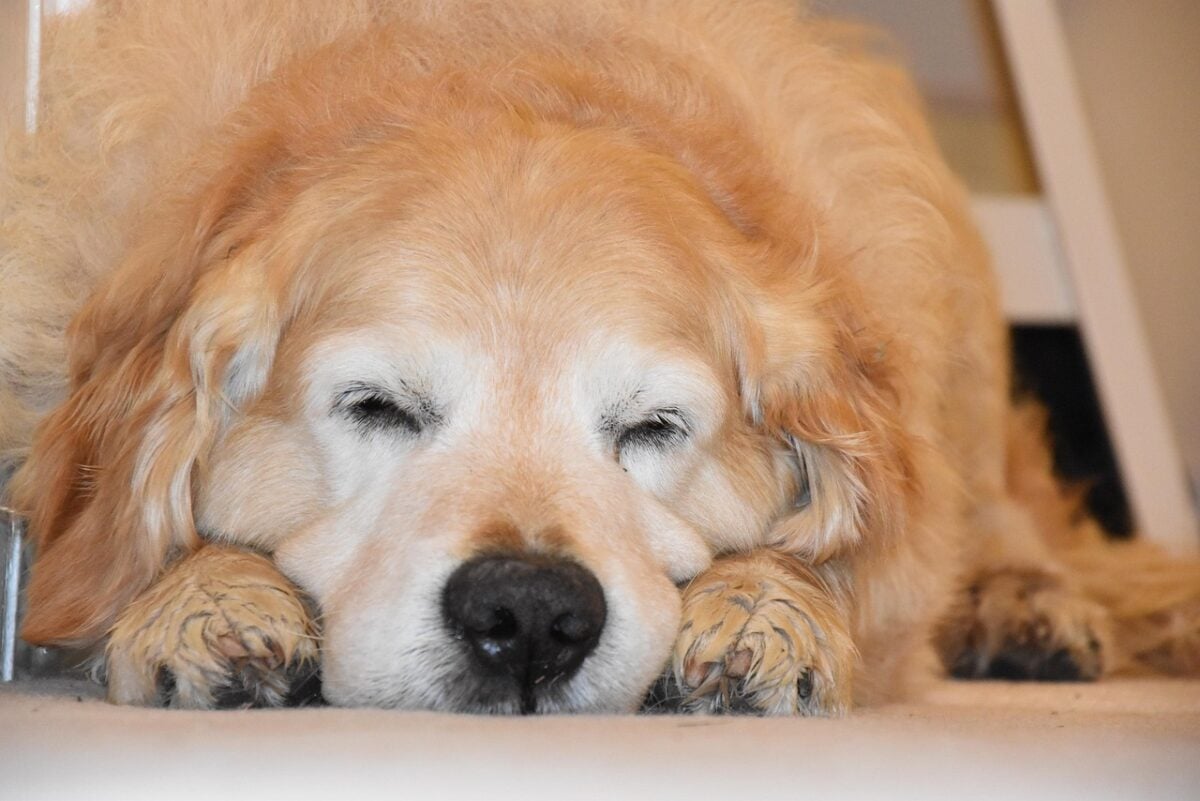
Veterinarians often ask owners to rate their dog’s behavior changes in each category on a scale of mild, moderate, or severe, and to compare them over time to track progression.
How to Use This At Home
Start by printing or writing down the six categories above. Think about your dog’s recent behavior and any changes in:
- Navigation around the house
- Social interaction
- Sleep patterns
- House training
- Playfulness or energy
- Anxiety or agitation
If your dog is showing signs in more than two categories, it’s time to talk to your vet. The earlier dementia is recognized, the more you can do to slow it down.
Quick Takeaway: You can access a downloadable DISHAA evaluation assessment to fill out for your dog. This test will not confirm dementia on its own, but it is a valuable tool to bring to your veterinarian. Many owners screenshot or print the categories to track symptoms over time.
Up Next: How vets confirm a dementia diagnosis and why it’s not as simple as a single test.
How Vets Actually Diagnose Dog Dementia
There’s no single test that says, “Yes, your dog has dementia.” Most diagnoses happen through exclusion, meaning your vet will rule out other medical causes first.
Because the signs of cognitive decline can overlap with arthritis, hearing loss, or even tumors, your vet will start with:
- A full physical exam
- Blood and urine tests to rule out metabolic conditions
- Possibly imaging (like X-rays or MRI) if other symptoms are present
What they’re really looking for is a pattern, a combination of behaviors that fit the profile of canine cognitive dysfunction, once other possibilities are ruled out.
If your vet suspects cognitive dysfunction, they’ll often recommend supportive treatments even without a “confirmed” diagnosis, because early help can still make a big difference.
Keep in Mind: A dog can have dementia and another age-related condition at the same time.
Next Up: What’s actually happening inside your dog’s brain and why it looks a lot like Alzheimer’s in humans.
What’s Going On Inside a Dog’s Brain?
It’s heartbreaking, but the confusion, anxiety, and forgetfulness you’re seeing have a real biological cause. As dogs age, their brains undergo physical and chemical changes that can interfere with memory, routine, and basic awareness.

What Changes in the Brain?
Dogs with cognitive dysfunction show some of the same brain changes seen in humans with Alzheimer’s disease, including:
- Plaque buildup in the brain
- Degeneration of neurons (nerve cells that carry information)
- Reduced blood flow and brain shrinkage
- Lower levels of dopamine and other important brain chemicals
These changes can affect everything from how your dog navigates the house to how they interact with you.
Think of it like this: Your dog’s internal GPS is glitching. They know they’re supposed to be somewhere… they just can’t quite figure out how to get there.
While symptoms are most common in dogs over age eight, studies show that prevalence skyrockets once dogs hit their early teens. It’s estimated that 28% of 11 to 12-year-old dogs have CCD, while 68% of 15 to 16-year-old dogs have the disorder.
Quick Takeaway: Canine dementia is not “just old age.” It’s the result of real, physical changes in the brain that affect how a dog thinks and reacts.
Why It Resembles Alzheimer’s in People
Canine Cognitive Dysfunction (CCD) shares several traits with human dementia:
- It’s progressive, meaning it gets worse over time
- It impacts memory, routine, and emotional regulation
- It can cause personality changes, confusion, and even anxiety
- It has no known cure, but some treatments can help manage symptoms
Because this condition has many parallels to human brain diseases, you may find it helpful to read our deeper dive into Alzheimer’s in dogs for more on the similarities, signs, and treatment options.
Quick Fact: Because the conditions are so alike, researchers often study dogs with dementia to better understand and develop treatments for Alzheimer’s disease in people.
Coming Up: What you can do, from meds to daily routines, to help your dog feel safe, comforted, and less confused.
4 Ways to Help a Dog With Dementia
There’s no cure for canine dementia, but that doesn’t mean there’s nothing you can do. In fact, many dogs live happier, calmer lives when their humans make the right changes early.

Here are the four most effective ways to support a dog with cognitive dysfunction. And remember, the earlier you start, the more effective these steps can be.
1. Medications
There’s one FDA-approved medication for dog dementia: Selegiline. It works by boosting dopamine levels in the brain, which may help improve memory, alertness, and overall mood in some dogs.
Vets may also prescribe drugs that support brain function or reduce anxiety. Common options include:
- Melatonin: helps regulate sleep-wake cycles
- Nicergoline: improves blood flow to the brain
- S-adenosylmethionine (SAMe): supports brain chemistry and mood
Here’s what Dr. Godfrey has to say about how medication can help your pup:
Although dementia in dogs cannot be cured or prevented, treatments like selegiline and propentofylline can slow the progression of symptoms, and essential fatty acids can also help to maintain brain function.
2. Supplements
Some natural compounds show promise in helping the aging brain:
- Ginkgo biloba: a herbal extract supports circulation and cognitive function
- Antioxidants (vitamins C and E, selenium, alpha-lipoic acid): fight oxidative stress
- Omega-3 fatty acids: found in fish oil, help reduce inflammation
- B vitamins: aid nerve health and energy metabolism
- Medium-chain triglycerides (MCTs): found in coconut and palm oil, provide an alternate energy source for the brain
Look for vet-recommended brands or products approved by the National Animal Supplement Council (NASC). And always check with your vet before starting any new supplement.
3. Diet
Prescription diets for brain health are available through your vet. Two examples include:
These formulas are fortified with antioxidants, omega-3s, and B vitamins to support cognitive function. Research indicates that dogs on brain-supportive diets may experience a slower decline.
Even switching to a food rich in fish oils, B vitamins, and MCTs (medium-chain triglycerides), or dog food for seniors, may help provide more brain fuel.
Quick Tip: Consistency in mealtimes can also help reduce confusion in dogs with dementia.
4. Lifestyle Changes
Routine is everything. Dogs with dementia feel safest when their world is predictable. Minor adjustments at home can make a big difference:
- Keep routines predictable to reduce confusion
- Avoid rearranging furniture or moving food/water bowls
- Provide safe, open walking paths inside the house, including nightlights
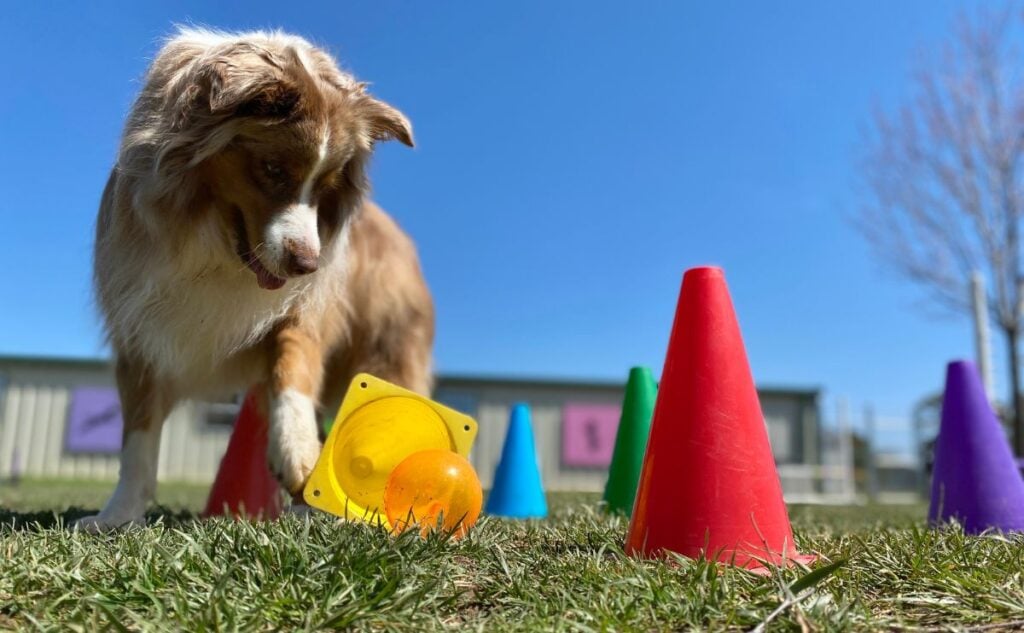
- Use puzzle toys, snuffle mats, or short training sessions for mental exercise
- Take daily walks at your dog’s pace
- Limit long periods of isolation, because being alone too long can increase anxiety
Dr. Godfrey adds this:
Aside from treatments, supporting your dog so that they can get outside easily and find their way around the house without too many obstacles while ensuring that you don’t show anger or frustration with them will help reduce anxiety.
Even small adjustments can make a huge difference in your dog’s stress levels and in how connected you still feel to them.
Quick Takeaway: While dementia cannot be reversed, a mix of medical care, brain-friendly nutrition, and consistent routines can give your dog a more comfortable and engaged life. Learn more about video games to help with canine dementia.
Up Next: What day-to-day life looks like with a forgetful pup and some comfort hacks real owners swear by.
Daily Life With A Forgetful Pup: Routines, Accidents, & Comfort Hacks
Living with a dog who has dementia means adjusting your routines and your expectations. Some days are frustrating. Others are surprisingly sweet.
But every day becomes a little easier when you understand what your dog needs most: comfort, routine, and patience.
Here’s what daily life looks like, and how to make it smoother for both of you.
1. Routines That Work
Dogs with dementia thrive on predictability. Their brains may be foggy, but muscle memory still runs deep. Here’s how to set them up for success:
- Stick to a schedule: Feed, walk, and play at the same times each day so your dog knows what to expect.
- Keep things familiar: Avoid rearranging furniture or moving their bed, bowls, or toys. Consistency helps prevent confusion.
- Use bedtime cues: Short walks, a bathroom break, and dimming the lights signal it is time to sleep.
Quick Tip: Some owners find success with cue cards or timers to remind them when it’s time to guide their dog through the day.
2. Accident-Proofing Your Home
House soiling is one of the most stressful symptoms for owners, but it’s almost always part of the condition, not disobedience.
Here’s how to set up your space:
- Plan for potty breaks: Take them outside more often, even if they do not ask. It is quite common for dogs with dementia to lose bowel control and have incontinence accidents.
- Use dog diapers or pee pads: These are especially useful overnight or when you are not home.
- Have cleanup supplies ready: Accidents will happen, and being prepared reduces frustration.
3. Comfort Hacks That Help
Your dog might not understand what’s happening, but you can help them feel safe, loved, and less overwhelmed.
- Create a safe zone: A cozy bed in a quiet spot helps your dog relax.
- Block danger spots: Use baby gates for stairs or close off unsafe areas.
- Add calming aids: Anti-anxiety beds, gentle music, or CBD treats (vet-approved) can ease stress.
- Walk at their pace: Dementia can make dogs anxious or slow. Let them sniff and wander without pressure.
- Use a night light: A small light can help reduce confusion and anxiety if your dog wakes up disoriented in the dark.
Quick Takeaway: Life with a dog who has dementia is about reducing confusion and boosting comfort. The more predictable and safe their world feels, the calmer and happier they will be.
Up Next: Real-life stories from owners who’ve navigated the ups and downs of canine dementia and what they wish they’d known sooner.
2 Real Stories: Bear and Daisy’s Dementia Journeys
Nothing prepares you for the moment your dog forgets your voice, your routine, or even your face. But you’re not alone.
I have cared for two dogs with cognitive decline. Their journeys were very different, but both taught me how important patience and support are when a pup starts to lose their memory.
Here’s what we learned from caring for Bear and Daisy as they slowly changed before our eyes.
1. Bear’s Dementia Story
I raised Bear from when he was eight weeks old, and he was a healthy, happy pup. Close to his third birthday, Bear started having odd episodes of disorientation, losing his balance, and flailing about on the floor.
After one particularly strong episode, I took him to the vet, and he was diagnosed with epilepsy. He was under treatment for this condition for the rest of his life.
Epilepsy is a degenerative disease that is also incurable, and while we provided Bear with treatment and plenty of loving care, the disease took its toll on his mental function.

Eventually, I started noticing signs of cognitive decline, including excessive disorientation, lack of interest in activities, confusion, and house soiling.
My veterinarian confirmed my suspicions after assessing clinical signs and doing a symptom checklist. Bear was developing canine dementia.
He began taking melatonin to help regulate his sleep-wake cycles, especially since many of his seizures occurred in the evening and at night. Unfortunately, Bear’s decline continued at a rapid pace. He reached the end of his life about a year after dementia became a concern.
Bear lived to be 12, with his last year heavily affected by cognitive decline.
2. Daisy’s Dementia Story
Daisy is a rescue dog, approximately 13 years old. I took Daisy in when she was around 10 weeks old. She is a Pitbull Labrador mix and a wonderful, sweet, and smart dog.
However, Daisy is now facing serious medical conditions as she ages. Along with physical ailments, we have begun to notice signs of cognitive decline. Fortunately, she is not experiencing house soiling or potty accidents at this time.
She has, however, become more aggressive with familiar people, pets, and strangers. Daisy also barks at nothing multiple times a day and often paces.

Sometimes she acts as if she cannot hear us when we call her name or give her a command. She has also become incredibly clingy, trying to sleep in my bed at night and becoming very sullen whenever she is left home.
At her recent exam, the vet recommended melatonin supplements and cannabidiol (CBD) treats to help manage her mood and anxiety. She is not on prescription medication yet, though we know that could change at her next appointment.
I have also started adding brain-supportive ingredients like sweet potatoes, carrots, and spinach to her meals. These foods provide antioxidants, vitamins, and nutrients that support cognitive health.
At home, I created open, unobstructed walking paths since Daisy now struggles with mobility and occasional slips and falls. By making her space safer, she can move more freely without the risk of bumping into hazards.
Bottom Line: These stories aren’t easy to tell, but if you’re seeing the same signs, you’re not alone. Dementia changes your dog, but it doesn’t take away their heart. And it doesn’t change your bond.
After caring for two dogs with dementia, my best advice is to work closely with your veterinarian. They can help you set up a routine, adjust diet, and combine supplements or medications to give your dog the best quality of life possible.
Up Next: The hardest question most owners ask and what to expect moving forward.
How Long Can a Dog Live With Dementia?
There’s no cure for dog dementia and no way to reverse it. But that doesn’t mean it’s all downhill. With the right care, many dogs continue to enjoy life, even if it looks a little different than before.
On average, dogs diagnosed with cognitive dysfunction live one to three more years. Their quality of life depends on:
- How early the symptoms were caught
- How consistent their care and environment are
- Their overall health and response to treatment
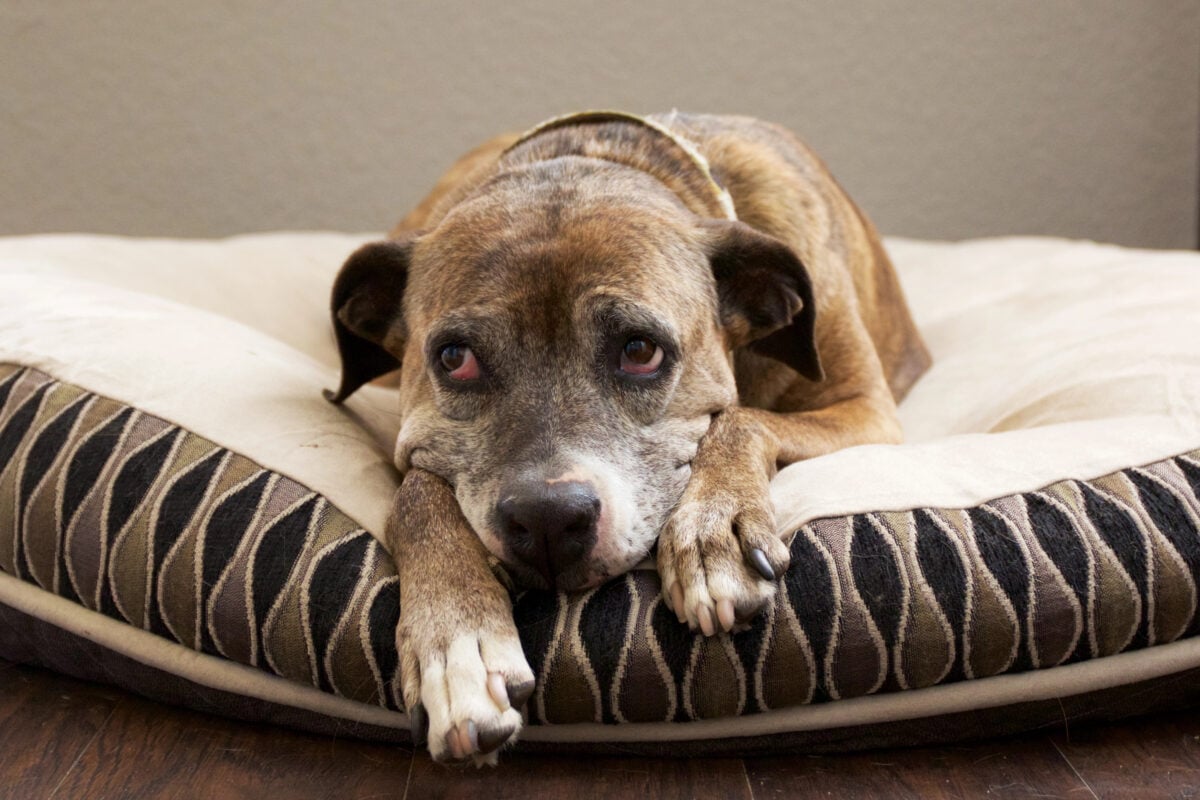
Every dog is different. Some decline quickly. Others stay stable for months, even years, with the right support.
Bottom Line: Many dogs with dementia go undiagnosed but still live long, love-filled lives. Recognizing the signs just helps you give them the comfort they deserve.
Up Next: FAQs, from barking to insurance to what makes dog dementia different from vestibular syndrome.
Frequently Asked Questions
There are plenty of questions about canine dementia. Below, I address a few of the most often asked, but if I missed yours, please let me know in the comments, and I’ll do my best to find you an answer.
What Is Dog Dementia?
Veterinarians call it canine cognitive dysfunction (CCD), and it often begins showing up in dogs as they reach their senior years.
The condition affects how a dog thinks, remembers, and interacts with the world. As the brain ages, it starts to change in ways that impact memory, focus, learning, and even recognition of familiar people or places.
To a pet parent, this can look like minor quirks at first, but over time, the changes grow more noticeable.
What Is The Difference Between Canine Dementia & Vestibular Syndrome?
Both conditions can cause imbalance, confusion, or changes in appetite, but they are not the same.
- Vestibular syndrome comes from an inner ear or brain abnormality that disrupts balance
- Canine dementia comes from age-related brain changes that affect memory, orientation, and behavior
If your dog appears wobbly, your veterinarian can help determine the underlying condition.
Do Dogs With Dementia Bark A Lot?
Yes, many bark excessively. Dogs with dementia may bark at “nothing” or vocalize more out of fear and confusion. Barking is often how they communicate when they feel lost or anxious.
Instead of raising your voice, try to calm them with a soothing tone, gentle touch, or a consistent routine. This reassurance often helps more than correction.
Does Pet Insurance Cover Canine Dementia?
Coverage depends entirely on your policy. Some plans exclude age-related conditions, while others may cover testing, medications, or supplements. If your dog is already showing symptoms, it may count as a pre-existing condition.
Learn more about what pet insurance covers and if it is worth it in our detailed guide and the best pet insurance.

Keeping Your Dog Healthy From Puppy To Senior
You cannot prevent dementia, but you can give your pup the healthiest foundation possible. Start with a balanced diet (check out the healthiest dog food) or consider upgrading to fresh, human-grade meals for added nutrition.
Pair good food with regular exercise, mental stimulation, and routine vet care. Staying up to date on vaccinations and wellness visits helps catch problems early and keeps your dog thriving through every life stage.
Have You Been Through This With Your Dog? If your dog has shown signs of dementia or you’re just starting to notice changes, we’d love to hear your story. What helped? What surprised you? Drop your experience in the comments. Your insight could make a big difference for another pet parent.